Home Blog Page 54

7 Essential Skills For Improving Communication In Veterinary Practice

Communication in veterinary practice, Importance of communication in veterinary practice, types of communication in veterinary practice, 7 Skills for Communicating In Veterinary Medicine

Communication In Veterinary Practice, Importance Of Communication In Veterinary Practice, Types Of Communication In Veterinary Practice, Skills For Communicating In Veterinary Medicine

Importance of Communication In Veterinary Practice and 7 Essential Skills To Improve it. As a veterinarian, you know how vital communication skills are for the success of any veterinary practice. You can increase your veterinary medical knowledge by reading Veterinary Books or even attending courses but you still need strong communication skills to provide a supportive environment for both clients and patients, as well as ensure that treatments are effective and efficient. Building trust between patient owners and veterinarians can be enhanced through many types of communication in veterinary practice which make it easier to discuss health concerns, recovery plans, and management strategies in a compassionate way.

Veterinary Books

What is the importance of communication in veterinary practice?

Improving the relationship between veterinarians and animal owners

It is hugely important to maintain effective communication with pet owners and their animals. For example, patient education is key to ensure that owners are properly caring for their pets and providing them with the best care possible. Additionally, strong communication between the veterinarian and pet owner helps build trust between the two parties; this will ultimately lead to better medical decisions and improved outcomes for the pet in question. Veterinarians should always provide their clients with honest information and guidance whenever it is necessary. They must also demonstrate a great bedside manner when speaking with their animal-loving clients in order to form a bond of mutual respect and understanding that will last for years to come.

Building a productive environment between veterinary team members

Veterinary teams need to work together effectively in order to diagnose, prevent and treat animal health issues efficiently. Improving communication among veterinary teams can help to create a more harmonious workplace, reduce medical errors and maximize the quality of care provided to animals. To enhance communication on the veterinary team, physicians should make an effort to be clear, concise, and respectful when conveying information.

Improving veterinary practical skills and veterinary knowledge

Also, Collaboration between different specialists can lead to an improved understanding of a patient’s medical condition and its treatment. Technology such as video conferencing can be used for real-time consultations with specialist colleagues or remote second opinions. By improving communication in veterinary medicine both within the team and across specialties, animal caregivers can provide better-informed treatments that benefit the well-being of animals.

What are the types of communication in veterinary practice?

1- Verbal communication

This includes face-to-face conversations with clients, phone conversations, and consultations.

2- Written communication

This includes writing medical reports, prescription labels, and correspondence with other veterinary professionals.

3- Nonverbal communication

This includes body language, facial expressions, and tone of voice, which can convey important information and affect the dynamics of a conversation.

4- Electronic communication

This includes email, text messaging, and social media interactions with clients and other veterinary professionals.

5- In-person and remote consultations

This includes telemedicine, video conferencing, and other methods of providing medical advice remotely.

6- Interpersonal communication

This is the communication that takes place between the veterinarian and other members of the veterinary team such as nurses, receptionists, and administrators.

7 Essential Skills For Improving Communication In Veterinary Practice

1-Active Listening

Active listening is an essential communication skill for veterinary teams in order to provide the best care for animals and maintain positive relationships with clients.
Active listening involves paying attention to what the other person is saying, not just hearing their words but understanding the meaning behind them. This can be done through techniques such as:
  • Restating or paraphrasing what the speaker said to ensure understanding
  • Asking clarifying questions
  • Avoiding interrupting the speaker
  • Maintaining eye contact and nonverbal cues such as nodding to show engagement

Active listening is particularly important in veterinary practice because it allows the veterinarian and their team to fully understand the client’s concerns and questions about their animal’s health. This can lead to more accurate diagnoses, better treatment plans, and improved client satisfaction. Also, It helps to establish trust and build positive relationships with clients, as they can feel heard and understood. This is important because clients are more likely to follow treatment plans and return for future care if they feel that their concerns are being taken seriously.

2-Empathy

Empathy is the ability to understand and share the feelings of others, and it is an essential communication skill for veterinary teams in order to provide the best care for animals and maintain positive relationships with clients. Empathy allows veterinarians and their team to understand the emotions and concerns of clients, both about their animal’s health and about their own emotional connection to their pet. This understanding can lead to better communication and more effective treatment plans. In veterinary practice, showing empathy can involve:
  • Acknowledging and validating the client’s feelings and concerns
  • Being patient and understanding when clients are upset or anxious
  • Providing emotional support and reassurance
  • Being sensitive to cultural and individual differences

Empathy is important because it allows the veterinarian and the team to provide not only medical care but also emotional support to clients and animals. This can improve client satisfaction and trust, and can lead to better adherence to treatment plans and better outcomes for the animal.

3- Clarity

Clarity is the ability to express oneself in a clear and concise manner and is an essential communication skill for veterinary teams in order to provide the best care for animals and maintain positive relationships with clients.
Clarity can involve:
  • Using simple and easy-to-understand language when explaining medical conditions and treatment plans to clients
  • Providing clear instructions for at-home care and follow-up appointments
  • Using visual aids such as diagrams and pictures to help explain medical conditions
  • Answering questions in a clear and direct manner
  • Being organized and efficient in written and verbal communication

It helps clients understand the medical condition of their animal and the treatment options available to them. This can lead to better adherence to treatment plans, and improved client satisfaction and trust. Clarity also helps to avoid confusion and misunderstandings, which can lead to errors and complications.

4- Confidence

Confidence is the ability to speak up and express one’s own thoughts and ideas, and it is an essential communication skill for veterinary teams in order to provide the best care for animals and maintain positive relationships with clients.
In veterinary practice, confidence can involve being able to:
  • Explain medical conditions and treatment options clearly and confidently
  • Make decisions and take action in emergency situations
  • Speak up and share concerns or ideas with colleagues and supervisors
  • Handle difficult or demanding clients
It Helps make decisions and takes action quickly and effectively, which can lead to better outcomes for animals. It also allows them to communicate effectively with clients and colleagues, which can improve client satisfaction and trust.

5- Cultural sensitivity

Cultural sensitivity is the ability to be aware of and respectful of different cultures and backgrounds, and it is an essential communication skill for veterinary teams in order to provide the best care for animals and maintain positive relationships with clients.

In veterinary practice, Cultural sensitivity can involve being:
  • Aware of and respectful of different cultural beliefs and practices related to animal care
  • Sensitive to language barriers and providing translation services if necessary
  • Aware of and respectful of different socioeconomic backgrounds and financial constraints
  • Aware of and respectful of different communication styles

It Helps provide care that is appropriate and respectful of the cultural backgrounds of their clients and their animals. This can lead to better communication, better adherence to treatment plans, and improved client satisfaction and trust.

6- Conflict resolution

Conflict resolution is the ability to handle and resolve conflicts effectively, and it is an essential communication skill for veterinary teams in order to provide the best care for animals and maintain positive relationships with clients.
In veterinary practice, Cultural sensitivity can involve being able to:
  • Identify and address conflicts in a timely manner
  • Communicate effectively and calmly with all parties involved in a conflict
  • Negotiate and find mutually acceptable solutions
  • Diffuse and de-escalate tense situations

It allows veterinarians and their teams to address and resolve conflicts quickly and effectively, which can lead to better communication and improved relationships with clients. It also allows them to maintain a positive and professional work environment for the team and for the animals.

7- Flexibility

Flexibility is the ability to adapt to changing situations and work under pressure, and it is an essential communication skill for veterinary teams in order to provide the best care for animals and maintain positive relationships with clients.

In veterinary practice, cultural sensitivity can involve being able to:

  • Adapt to different types of animals and medical conditions
  • Work well under pressure and handle unexpected situations
  • Adapt to changing client needs and expectations
  • Adjust treatment plans as necessary

It Helps provide the best care for animals by being able to adapt to different situations and handle unexpected events. It also allows them to maintain positive relationships with clients by being able to adapt to changing client needs and expectations.

Conclusion

No matter what your role is in a veterinary practice, communication skills are essential to success. By honing your own communication skills and encouraging open lines of communication among the team, you can create a positive work environment that benefits both you and the clients. Do you have any tips for improving communication in veterinary practice? Share them with us in the Email.

Tip

Do You Want To Increase Your Veterinary Knowledge and Practical Skills?

You Can Now Browse and Download +3000 Veterinary Books Online In All Veterinary Fields.
Browse All Veterinary Books

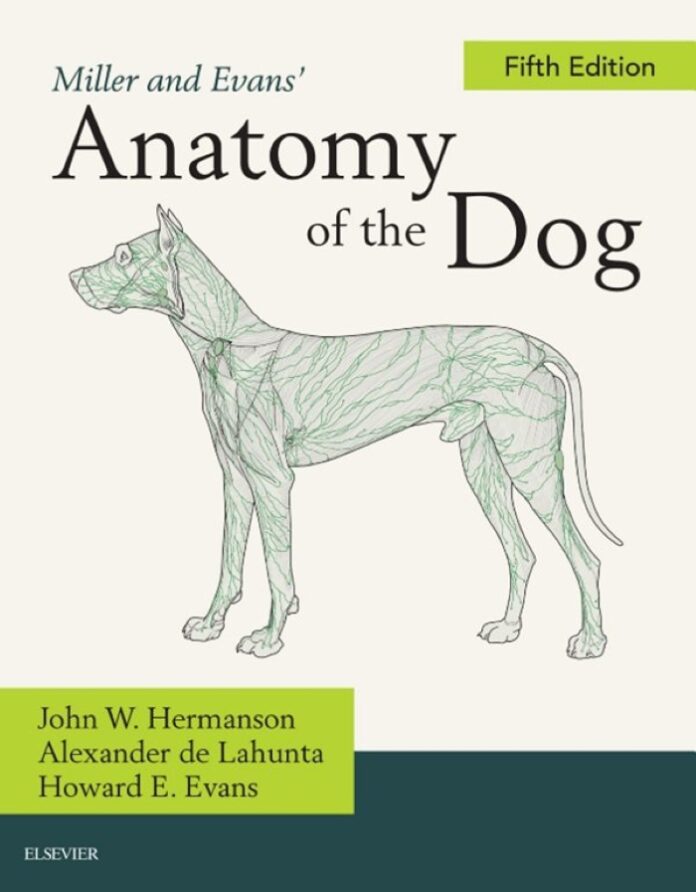
Miller and Evans’ Anatomy of the Dog 5th Edition

Miller and Evans' Anatomy of the Dog 5th Edition

Miller And Evans' Anatomy Of The Dog 5Th Edition

By John Hermanson and Alexander de Lahunta

Miller and Evans’ Anatomy of the Dog 5th Edition makes it easy to master the intricate details of canine morphology. Content has been updated throughout the text to reflect the latest knowledge regarding the development, structure, and function of the canine body. Chapters in the text are logically organized by body system and written by expert anatomists who lend their extensive knowledge of particular structures. Plus, there’s a special introductory chapter on breed categories from the American Kennel Club to help you understand dog breeds and how they are determined. This book is also features an enhanced focus on digital radiology and includes upgraded MR and CT scans throughout the text. Most notably, however, are the elaborate full-color illustrations by expert medical illustrators that bring complex anatomy to life in a way that no other vet text can. Overall, Miller Anatomy of the Dog PDF is an invaluable reference for veterinary students, clinicians, technicians, breeders, and animal specialists alike.

Features

Features:

  • Elaborate full-color illustrations created by expert medical illustrators bring canine structures to life and enhance your understanding of their function.
  • The most up-to-date nomenclature from the Nomina Anatomica Veterinaria (NAV) ― the standard reference for anatomical (zootomical) terminology — is reflected throughout the text’s content.
  • Up-to-date text and bibliographic references from the most current literature offer easy access to all primary sources of information for further study and interpretation.
  • Expert anatomist authors contribute their current knowledge of particular structures.
  • Chapters logically organized by body system follows the course structure in most veterinary school curricula.
  • Coverage of AKC breed categories offers a basic understanding of dog breeds and how they are determined by the American Kennel Club.

Table of Contents

Table of Contents:

  1. The dog and its relatives
  2. Prenatal development
  3. The integument
  4. The skeleton
  5. Arthrology
  6. The muscular system
  7. The digestive apparatus and abdomen
  8. The respiratory system
  9. The urogenital system
  10. The endocrine system
  11. The heart and arteries
  12. The veins
  13. The lymphatic system
  14. Introduction to the nervous system
  15. The autonomic nervous system
  16. The spinal cord and meninges
  17. The spinal nerves
  18. The brain
  19. Cranial nerves
  20. The ear
  21. The eye

Get This Book

File Size 74.9 MB
File Format PDF
Download link: Download Now | Go Premium, Lifetime Deal!
Useful Links: Support | Browse All Categories
Join Telegram Channel: Telegram

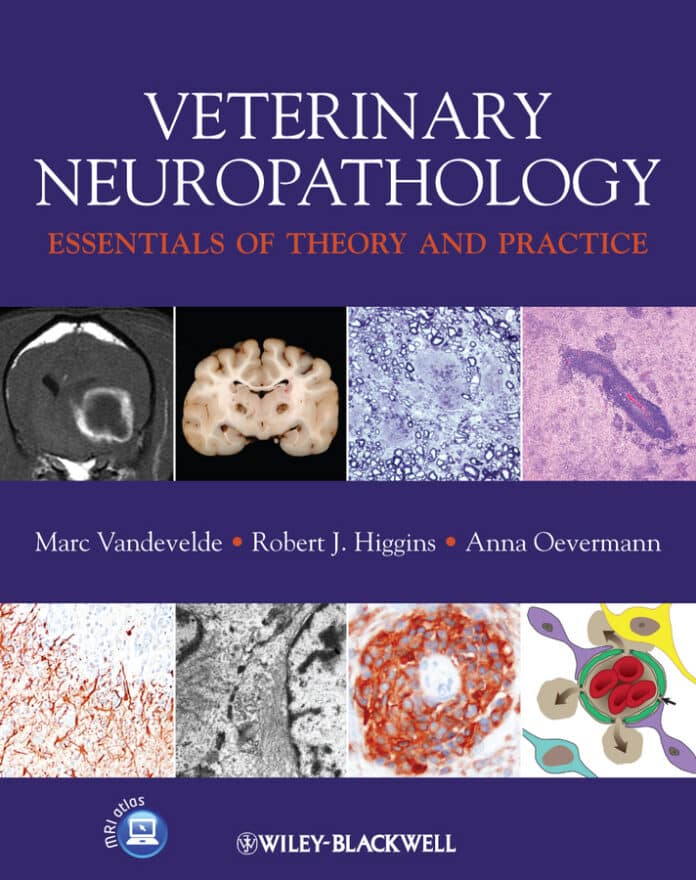
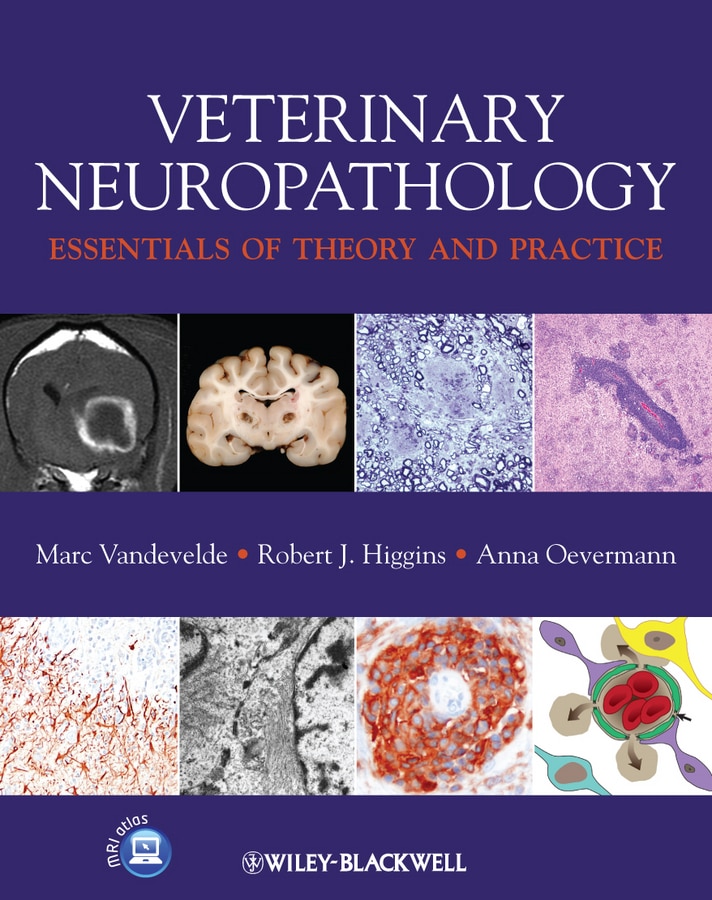
Veterinary Neuropathology: Essentials of Theory and Practice

Veterinary Neuropathology: Essentials of Theory and Practice PDF

Veterinary Neuropathology: Essentials Of Theory And Practice Pdf Download

By Marc Vandevelde, Robert Higgins and Anna Oevermann

Veterinary Neuropathology: Essentials of Theory and Practice. Introducing the theoretical and practical basics of veterinary neuropathology, this concise and well illustrated book is an essential basic diagnostic guide for pathologists, neurologists and diagnostic imaging specialists. It presents readers with strategies to deal with neuropathological problems, showing how to interpret gross and histological lesions using a systematic approach based on pattern recognition.

Veterinary Neuropathology: Essentials of Theory and Practice book starts with an overview of the general principles of neuroanatomy, neuropathological techniques, basic tissue reaction patterns, and recognition of major lesion patterns.  The book goes on to cover vascular diseases, inflammatory diseases, trauma, congenital malformations, metabolic-toxic diseases, neoplasia and degenerative diseases mainly of the central nervous system. In the respective chapters pathologists can quickly find information to support their daily diagnostic workup for both small and large domestic species.  Based on the authors’ extensive diagnostic and post graduate teaching experience as well as the inclusion of MRI as it relates to neuropathology, this book also offers a comprehensive but basicanalysis of veterinary neuropathology that neurologists and other MRI users will find very useful.

Features

Features:

• An essential manual for daily diagnostic work
• Richly illustrated with high quality colour gross, histological and MRI images
• Includes a section on the function and use of MRI (by Johann Lang, DECVDI)
• Accompanied by a website presenting MRI sequences for interpretation and correlation with neuropathological findings

Table of Contents

Table of Contents:

Preface ix

Foreword x

  1. General Neuropathology

  2. Vascular Disorders

  3. Inflammatory Diseases

  4. Trauma

  5. Congenital Malformations

  6. Metabolic–Toxic Diseases

  7. Neoplasia

  8. Degenerative Diseases

Index

Get This Book

This Book is Avaiable for Members

Access this book instantly with a Premium membership

📄 PDF Format
⚡ Instant Delivery
Unlock Premium Access

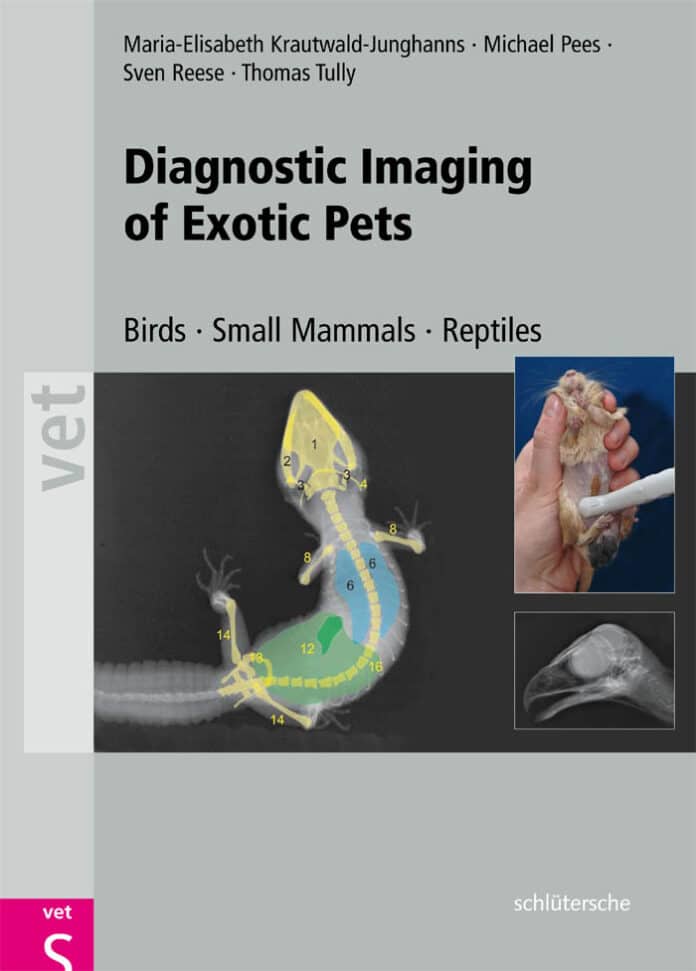
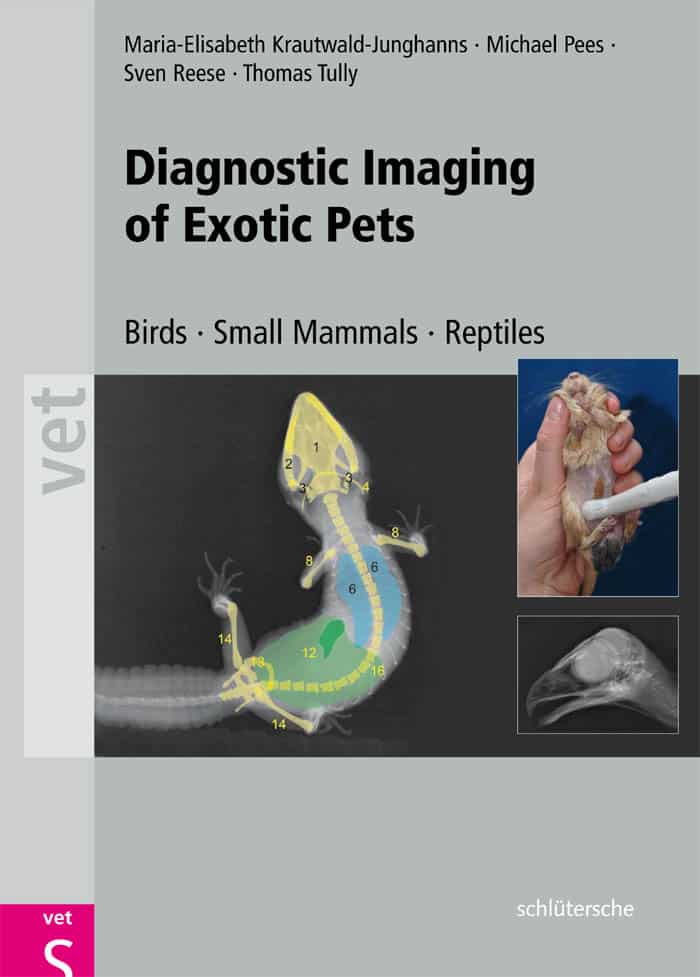
Diagnostic Imaging of Exotic Pets: Birds, Small Mammals, Reptiles

Diagnostic Imaging of Exotic Pets: Birds, Small Mammals, Reptiles

Diagnostic Imaging Of Exotic Pets: Birds, Small Mammals, Reptiles Pdf Download

By Maria Elisabeth Krautwald-Junghanns, Michael Pees, Sven Reese and Thomas Tully

Diagnostic Imaging of Exotic Pets: Birds, Small Mammals, Reptiles covers birds, small mammals and reptiles. All imaging techniques have been included: radiography, sonography, CT and MRI. It is an ideal supplement to literature presently available on imaging diagnostics for small animals.

The book is divided into sections for each type of pet so that relevant information and visual references can be rapidly consulted. Every section begins with the anatomical illustration of the relevant part of the body with respect to each of the individual diagnostic procedures. In the second part of the book, the most common pathological conditions are depicted according to organ system and discussed comparatively. This comparative presentation enables a quick and correct diagnosis in conjunction with using the most suitable diagnostic techniques.

All radiographic, sonographic, CT and MRI images are clearly labelled. Containing over 1,400 illustrations, this atlas is an unrivalled resource for veterinarians in pratice and training dealing with small animals, birds and reptiles.

Table of Contents

Table of Contents:
1. Birds
2. Small Mammals
3. Reptiles
4. Photograph credits
5. Subject Index

Get This Book

This Book is Avaiable for Members

Access this book instantly with a Premium membership

📄 PDF Format
⚡ Instant Delivery
Unlock Premium Access

Practical Cardiology for Veterinary Nurses

Practical Cardiology for Veterinary Nurses

Practical Cardiology For Veterinary Nurses Pdf Download

By Charlotte Pace

Practical Cardiology for Veterinary Nurses is One of The Best Books For Vet Techs In Our Library. It provides a comprehensive, practical guide for veterinary nurses and technicians who wish to develop their knowledge, confidence and skills when nursing the cardiac patient. Presentation of dogs or cats with heart disease is common, and it is vital that nurses understand how to look after these patients appropriately and support owners through what can often be challenging times.

The book is packed with learning features including a Glossary, diagrams, illustrations and tables in full colour, concise end of chapter Key Points and Further Reading lists. Essential reading for student nurses and technicians, as well as those in practice who need a quick reference ‘on the ground’, this is the book that general practice veterinary nurses have been waiting for.

Features

Features:

      • Begins with basic anatomy and physiology, foundations required to understand the disease processes explained in later chapters
      • Covers diseases seen in small animal practice, including congenital disease, heart failure and treatment options
      • Gives the nurse a sound understanding of electrocardiography, thoracic radiography and cardiac ultrasound: how to perform these, and what they are seeing
      • Covers the hands-on requirements of the veterinary nurse, such as heart auscultation and feeling patient pulses
      • Lists cardiac drugs, explaining when and why pharmacology would be used, as well as side effects
      • Has a dedicated chapter on first aid
      • Discusses chronic nursing management of heart conditions, including remote monitoring, support and care planning.

Table of Contents

Table of Contents:

1. Structure and function of the heart

2. Acquired heart disease in dogs

3. Acquired heart disease in cats

4. Congenital heart disease

5. Electrocardiography

6. The nurse’s role in diagnostic tests

7. Drugs

8. Cardiac emergencies – First aid

Glossary

Index

Get This Book

This Book is Avaiable for Members

Access this book instantly with a Premium membership

📄 PDF Format
⚡ Instant Delivery
Unlock Premium Access

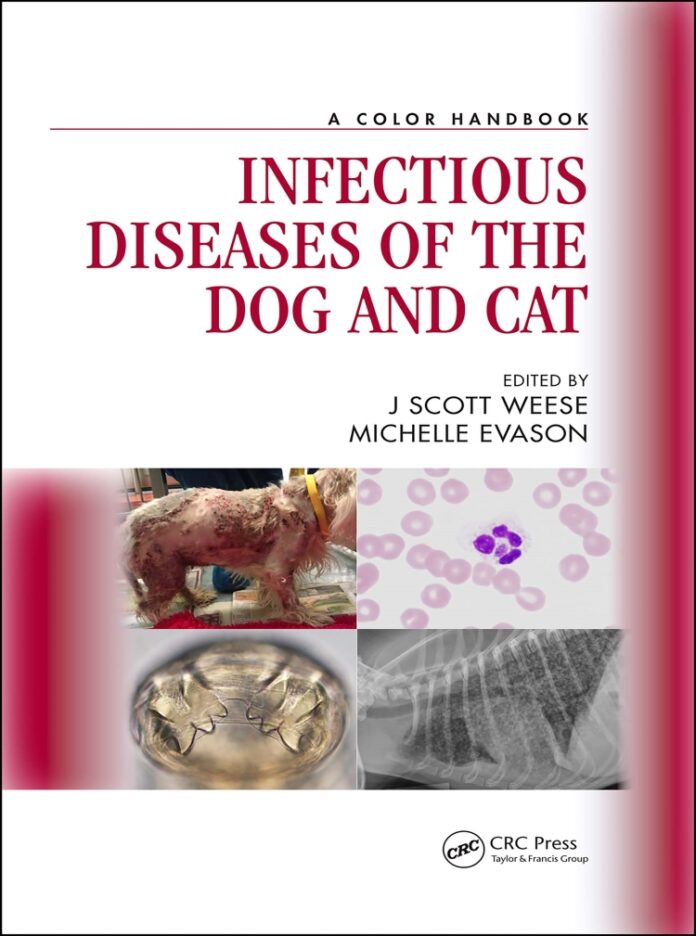
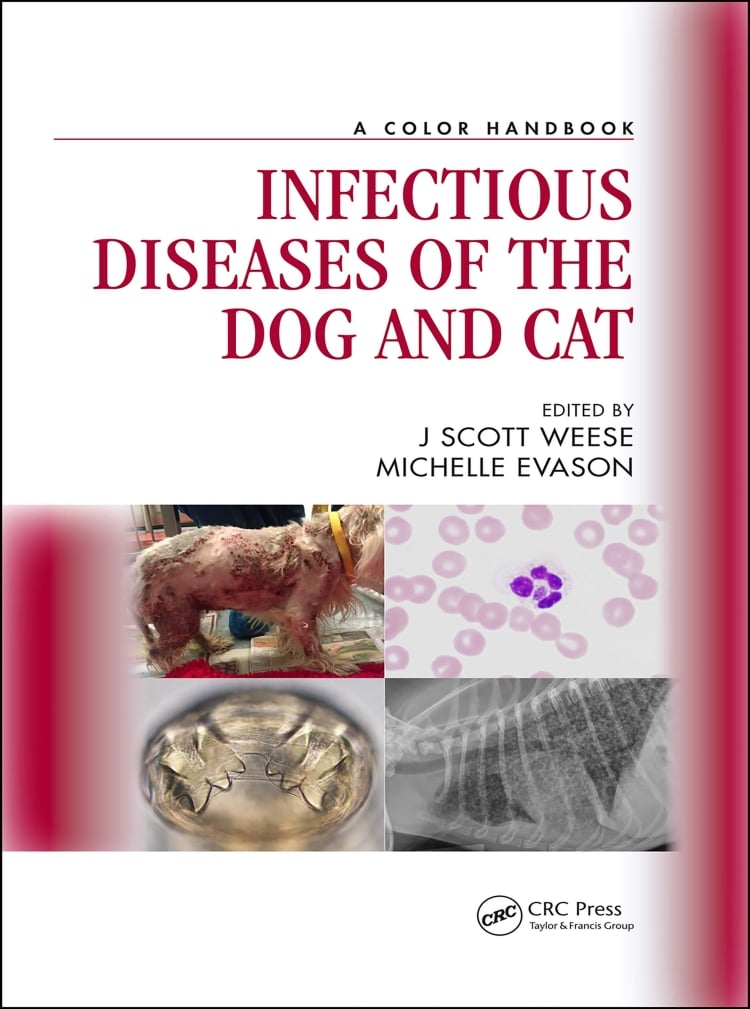
Infectious Diseases of the Dog and Cat: A Color Handbook

Infectious Diseases of the Dog and Cat: A Color Handbook

Infectious Diseases Of The Dog And Cat: A Color Handbook Pdf Download

By J Scott Weese and Michelle Evason

Infectious Diseases of the Dog and Cat: A Color Handbook The field of infectious diseases in veterinary medicine is both rewarding and challenging, and this book offers small animal veterinarians a lifeline by balancing relevant background, guidance and optimizing efficiency. It provides a pathway for clinicians through this complex field by highlighting the most clinically relevant aspects of a wide range of diseases, and granting them consideration for placement on dog and cat differential lists. Organized according to a system-based structure, all the major clinically affected systems are covered along with a catch-all multisystem chapter for infectious diseases that escape easy classification.

The book is clinically oriented, based on experience underpinned by published research data. Pathogen-specific information enables rational choice of diagnostics, therapy, and prognostication for a complete list of small animal infectious diseases, that includes bacterial, viral, parasitic/protozoal and fungal pathogens. This concise reference guide will be an invaluable tool for clinicians as they develop their understanding of, and ability to communicate about, infectious diseases of the dog and cat.

Features

Features:

  • Provides a clinically oriented quick reference guide
  • Includes all major small animal infectious diseases
  • Contains over 300 superb color illustrations

Table of Contents

Table of Contents:

  1. Respiratory Diseases

  2. Gastrointestinal Diseases

  3. Neurologic Diseases

  4. Genitourinary Diseases

  5. Skin and Soft Tissue Diseases

  6. Multisystem Diseases

Get This Book

This Book is Avaiable for Members

Access this book instantly with a Premium membership

📄 PDF Format
⚡ Instant Delivery
Unlock Premium Access

Functional Anatomy and Physiology of Domestic Animals 5th Edition

Functional Anatomy and Physiology of Domestic Animals 5th Edition

Functional Anatomy And Physiology Of Domestic Animals 5Th Edition Pdf Download

By William O. Reece , Eric W. Rowe

Functional Anatomy and Physiology of Domestic Animals 5th Edition provides a basic understanding of domestic animal anatomy and physiology, taking an interconnected approach to the structure and function of the horse, dog, cat, cow, sheep, goat, pig, and chicken.

Offers a readable introduction to basic knowledge in domestic animal anatomy and physiology
Covers equine, canine, feline, bovine, ovine, ruminant, swine, and poultry anatomy and physiology
Considers structure and function in relation to each other for a full understanding of the relationship between the two
Provides pedagogical tools to promote learning, including chapter outlines, study questions, self-evaluation exercises, clinical correlates, key terms, suggested readings, and a robust art program
Includes access to a companion website with video clips, review questions, and the figures from the book in PowerPoint.

Table of Contents

Table of Contents:

1. Basics of Structure and Function 

  • The Cell, Its Structure and Functions
  • Energy Production
  • Functions of DNA and RNA
  • Embryology
  • Tissues
  • Directional Terms and Planes
  • Body Cavities

2. Body Water: Properties and Functions

  • Physicochemical Properties of Solutions
  • Distribution of Body Water
  • Water Balance
  • Dehydration, Thirst, and Water Intake
  • Adaptation to Water Lack

3. Blood and Its Functions

  • General Characteristics
  • Leukocytes
  • Erythrocytes
  • Fate of Erythrocytes
  • Iron Metabolism
  • Anemia and Polycythemia
  • Hemostasis: Prevention of Blood Loss
  • Prevention of Blood Coagulation
  • Tests for Blood Coagulation
  • Plasma and Its Composition

4. Nervous System 

  • Structure of the Nervous System
  • Organization of the Nervous System
  • The Nerve Impulse and Its Transmission
  • Reflexes
  • The Meninges and Cerebrospinal Fluid
  • Central Nervous System Metabolism

5. The Sensory Organs 

  • Classification of Sensory Receptors
  • Sensory Receptor Responses
  • Pain
  • Taste
  • Smell
  • Hearing and Equilibrium
  • Vision

6. Endocrine System 

  • Hormones
  • Pituitary Gland
  • Thyroid Gland
  • Parathyroid Glands
  • Adrenal Glands
  • Pancreatic Gland
  • Prostaglandins and Their Functions

7. Bones, Joints, and Synovial Fluid

  • General Features of the Skeleton
  • Bone Structure
  • Bone Formation
  • Bone Repair
  • Joints and Synovial Fluid

8. Muscle 

  • Classification
  • Arrangement
  • Skeletal-Muscle Harnessing
  • Microstructure of Skeletal Muscle
  • Skeletal-Muscle Contraction
  • Comparison of Contraction among Muscle Types
  • Changes in Muscle Size

9. The Cardiovascular System 

  • Heart and Pericardium
  • Blood Vessels
  • Lymphatic System
  • Spleen
  • Cardiac Contractility
  • Electrocardiogram
  • Heart Sounds
  • Heart Rate and Its Control
  • Blood Pressure
  • Blood Flow
  • Capillary Dynamics

10. The Respiratory System 

  • Respiratory Apparatus
  • Factors Associated with Breathing
  • Respiratory Pressures
  • Pulmonary Ventilation
  • Diffusion of Respiratory Gases
  • Oxygen Transport
  • Carbon Dioxide Transport
  • Regulation of Ventilation
  • Respiratory Clearance
  • Nonrespiratory Functions of the Respiratory System
  • Pathophysiology Terminology
  • Avian Respiration

11. The Urinary System 

  • Gross Anatomy of the Kidneys and Urinary Bladder
  • The Nephron
  • Formation of Urine
  • Glomerular Filtration
  • Tubular Reabsorption and Secretion
  • Countercurrent Mechanism
  • Concentration of Urine
  • Extracellular Fluid Volume Regulation
  • Aldosterone
  • Other Hormones with Kidney Association
  • Micturition
  • Characteristics of Mammalian Urine
  • Renal Clearance
  • Maintenance of Acid–Base Balance
  • Avian Urinary System

12. Digestion and Absorption 

  • Introductory Considerations
  • The Oral Cavity and Pharynx
  • The Simple Stomach
  • Intestines
  • Accessory Organs
  • Composition of Foodstuffs
  • Pregastric Mechanical Functions
  • Gastrointestinal Motility
  • Mechanical Functions of the Stomach and Small Intestine
  • Mechanical Functions of the Large Intestine
  • Digestive Secretions
  • Digestion and Absorption
  • The Ruminant Stomach
  • Characteristics of Ruminant Digestion
  • Chemistry and Microbiology of the Rumen
  • Ruminant Metabolism
  • Avian Digestion

13. Body Heat and Temperature Regulation 

  • Body Temperature
  • Physiologic Responses to Heat
  • Physiologic Responses to Cold
  • Hibernation
  • Hypothermia and Hyperthermia

14. Male Reproduction 

  • Testes and Associated Structures
  • Descent of the Testes
  • Accessory Sex Glands and Semen
  • Penis and Prepuce
  • Muscles of Male Genitalia
  • Blood and Nerve Supply
  • Spermatogenesis
  • Erection
  • Mounting and Intromission
  • Emission and Ejaculation
  • Factors Affecting Testicular Function
  • Reproduction in the Avian Male

15. Female Reproduction

  • Functional Anatomy of the Female Reproductive System
  • Hormones of Female Reproduction
  • Ovarian Follicle Activity
  • Sexual Receptivity
  • Estrous Cycle and Related Factors
  • Pregnancy
  • Parturition
  • Involution of the Uterus
  • Reproduction in the Avian Female

16. Lactation 

  • Functional Anatomy of Female Mammary Glands
  • Mammogenesis
  • Lactogenesis and Lactation
  • Composition of Milk
  • Milk Removal and Other Considerations
  • Appendix A Normal Blood Values

Appendix B Answers to Self Evaluation

Index

Get This Book

This Book is Avaiable for Members

Access this book instantly with a Premium membership

📄 PDF Format
⚡ Instant Delivery
Unlock Premium Access

The Future is Now: How Technology is Transforming Veterinary Practice

Technology in veterinary medicine

The Future Is Now How Technology Is Transforming Veterinary Practice

Technology is playing important role in all aspects of life and recently it began contributing to veterinary medicine. It is now transforming the way that veterinary practices operate. In this article, we will discuss the role of technology in veterinary medicine and How Technology is Transforming Veterinary Practices.

Veterinary Books

Here are some of the key ways that technology is being used in veterinary practice and how to use it:

1- Electronic medical records (EMRs)

Electronic medical records (EMRs) are computer-based systems that allow veterinarians to store and manage their patient’s medical records electronically. Many veterinarians are now using electronic medical record (EMR) systems to manage their patient’s records, which can make it easier to access and share information and improve the accuracy of diagnoses and treatment plans.

2- Telemedicine

Technology has made it possible for veterinarians to consult with colleagues and specialists remotely, using video conferencing and other digital communication tools. This can be particularly useful in rural areas where access to specialized care may be limited.

3- Diagnostic tools

Technology is also being used to develop new diagnostic tools, such as wearable sensors, advanced imaging techniques, and using ai in analyzing imaging which can provide veterinarians with more information about an animal’s health and help them make a more accurate diagnosis.

Some examples of how technology is being used in Diagnosis:

  • Wearable sensors, such as smart collars and smart bands, can be used to monitor an animal’s vital signs and other health parameters.
  • Advanced imaging techniques, such as magnetic resonance imaging (MRI) and computed tomography (CT) scans, which can provide veterinarians with detailed images of an animal’s body and help them make more accurate diagnosis
  • Lab equipment used in veterinary medicine, such as automated blood analyzers and molecular diagnostic tools.
  • Analyze large amounts of data collected from various sources, such as wearable sensors and electronic medical records, to identify patterns and trends that can help veterinarians make more accurate diagnoses and treatment decisions.

4- Surgical tools

Robotics and other advanced technology are being used to improve the accuracy and efficiency of surgical procedures in veterinary medicine. For example, robotic-assisted surgery can allow for more precise incisions and reduce the risk of complications. Also there are energy-based devices and laparoscopic instruments, which can make surgery less invasive and improve recovery times for animals.

We can’t forget Advanced monitoring equipment, such as pulse oximeters and blood pressure monitors to monitor an animal’s vital signs during surgery and help veterinarians to identify and manage any complications that may arise.

5- Animal welfare

Technology is also being used to improve animal welfare in veterinary practices through:

  • The use of sensors and monitoring systems can alert staff to changes in an animal’s condition.
  • Developing systems for controlling the environment in which animals are kept, such as systems for temperature and humidity control. This can help to ensure that animals are kept in comfortable and healthy conditions.
  • Developing new ways of identifying animals, such as microchip implants and RFID tags, can help ensure that animals are properly cared for and returned to their owners if they become lost.

6- Training and Education

Technology has made it possible for veterinarians to access a wide range of educational resources and training materials online, helping them stay up-to-date on the latest advances in veterinary medicine.

7- Animal Communication

There are a number of technologies that have been developed to help humans communicate with animals, such as devices that translate animal sounds or behaviors into human language. These technologies can help veterinarians and animal trainers better understand and care for the animals they work with.

8- Genetic Testing

Technology has made it possible to analyze the DNA of animals to identify genetic abnormalities or predispositions to certain diseases. This can help veterinarians make more informed treatment decisions and improve the overall health of animal populations.

9- Prosthetics and Rehabilitation

Advances in technology have led to the development of advanced prosthetics and rehabilitation devices for animals, such as 3D-printed legs for dogs or specialized treadmills for horses. These technologies can help animals with injuries or disabilities regain mobility and improve their quality of life.

10- Virtual Reality

Some veterinarians use virtual reality technology to help train new staff or expose animals to new environments in a controlled setting.

11- Artificial Intelligence

There are a number of applications for artificial intelligence in veterinary medicine, including the development of diagnostic tools and the analysis of large data sets to identify patterns and trends.

Conclusion

Technology has played a significant role in advancing veterinary medicine and improving the care and treatment of animals. It has made it possible to diagnose and treat a wide range of conditions, as well as to track and understand the health and behavior of animals in a way that was not previously possible.

As a veterinary doctor, you have to know all new trends in veterinary medicine and know how to use them later in your practice That’s Why You Have To Read Books From Our Veterinary Books Library Online In Order To Increase Your Veterinary knowledge and Practical Skills. Click Here To Browse & Download +3000 Vet Books.

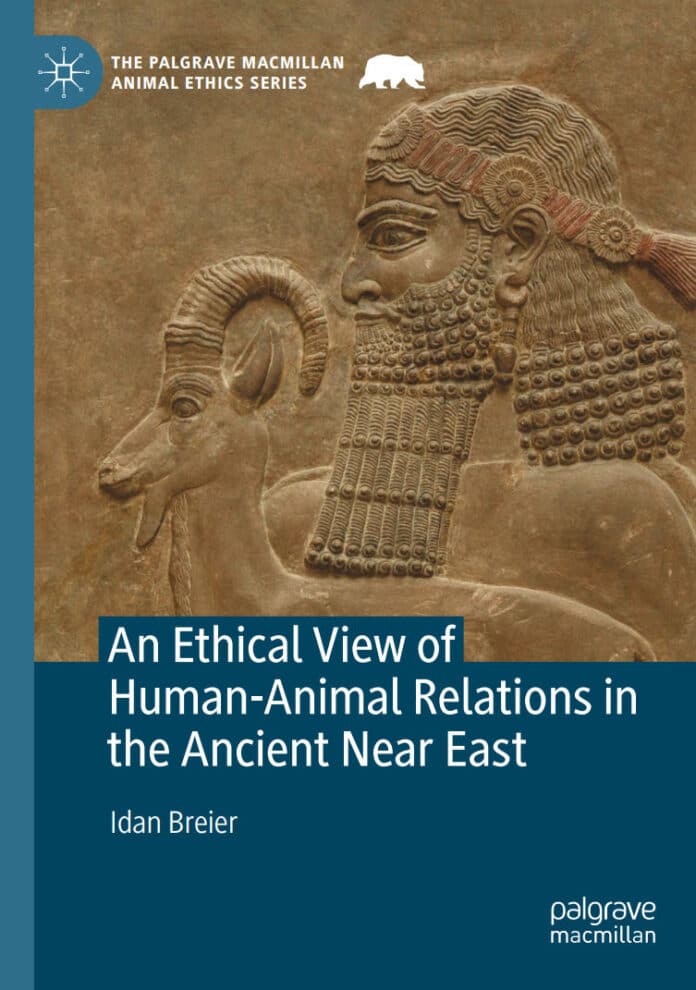
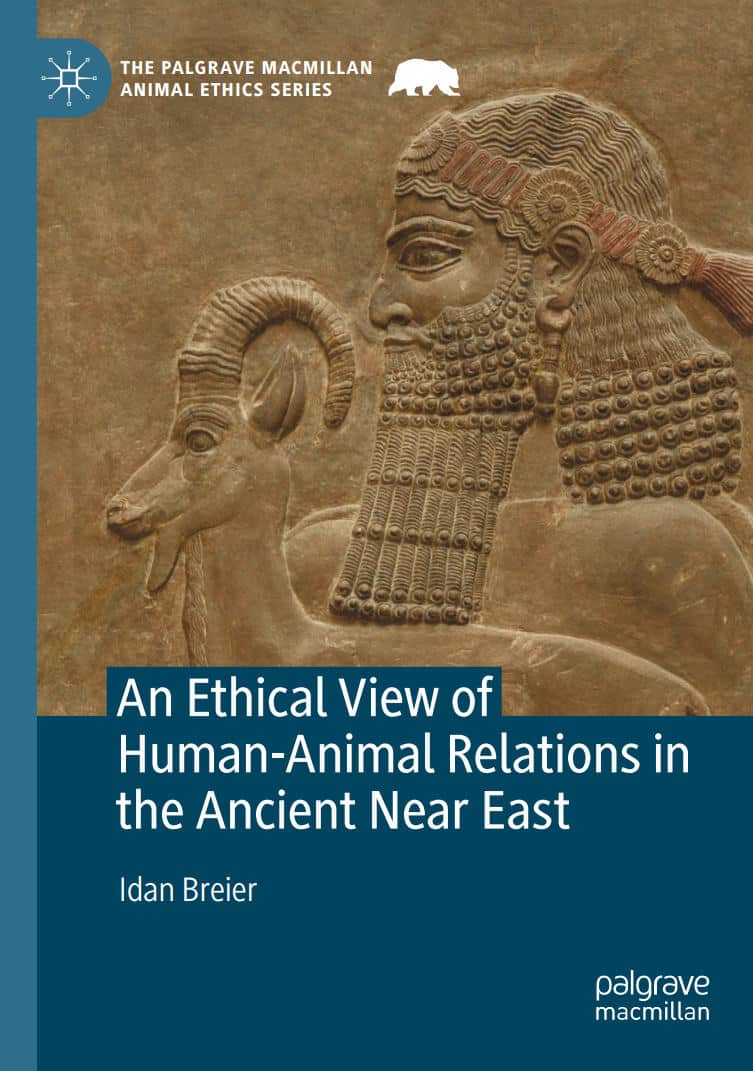
An Ethical View of Human-Animal Relations in the Ancient Near East

An Ethical View of Human-Animal Relations in the Ancient Near East

An Ethical View Of Human-Animal Relations In The Ancient Near East Pdf Download

By Idan Breier

An Ethical View of Human-Animal Relations in the Ancient Near East Exploring the earliest literary evidence for human-animal relations, this volume presents and analyzes biblical and Mesopotamian (Sumerian, Assyrian, and Babylonian) sources from the third millennium BCE through to the consolidation of the biblical literature in the first millennium BCE.

​An Ethical View of Human Animal-Relations in the Ancient Near East is essential reading for scholars and graduate students of animal ethics, applied ethics and biblical studies.

Features

An Ethical View of Human-Animal Relations in the Ancient Near East Features:

  • Provides the first comprehensive study of these texts from an ethical perspective.
  • Examines proverbs, popular aphorisms, myths, epic literature, wisdom literature, historiography, prophecy, and law codes.
  • Applies methodology from current contemporary biblical and ancient Near Eastern scholarship and human-animal ethics, thereby raising new questions that lead to fresh insights.

Table of Contents

Table of Contents:

  1. Introduction
  2. Fauna in Ancient Sumerian Proverbs: The Role Animals Played in Shaping Southern
  3. Sumerian Faunal Fables: Talking Animals and Educational Lessons
  4. Human Relations with the Animal Kingdom in Mesopotamian Literary Genres
  5. Animals in Biblical and Ancient Near Eastern Law Codes
  6. Human-Animal Relations in Biblical Narrative and Historiography
  7. Human-Animal Relations in Classical Prophecy
  8. The Place and Role of Animals in the Psalms and Biblical Wisdom Literature
  9. Conclusion

Get This Book

This Book is Avaiable for Members

Access this book instantly with a Premium membership

📄 PDF Format
⚡ Instant Delivery
Unlock Premium Access

Servet Clinical Guides: Chronic Kidney Disease

Servet Clinical Guides: Chronic Kidney Disease

Servet Clinical Guides: Chronic Kidney Disease Pdf Download

By Carmen María Pineda Martos, Ignacio López Villalba

Servet Clinical Guides: Chronic Kidney Disease provides veterinary surgeons with the most up-to-date information on this disease to help them establish diagnosis and select the most appropriate treatment for each patient. Readers are provided with a series of guidelines, presented in a visual and dynamic manner, that will help them develop an effective relationship with the owner and explain the key aspects of their pet’s disease.

Table of Contents

Table of Contents:

1. Visit the clinic

  • What is chronic kidney disease?
  • What is the first sign that the owner observes?
  • Anamnesis to guide the diagnosis
  • Risk factors
  • Differential clinical signs
  • Clinical examination protocol
  • Points to which particular attention should be paid

2. Diagnostic protocols

  • Identifying the primary disease
  • Most common laboratory alterations
  • Haematology
  • Blood biochemical analysis
  • Urinalysis
  • Acid–base and electrolyte analyses
  • Blood pressure measurement
  • Useful diagnostic imaging tests
  • Radiography
  • Ultrasound
  • Computed tomography
  • Magnetic resonance imaging
  • Scintigraphy
  • Specialised diagnostic tests
  • Estimation of glomerular filtration rate
  • New markers of renal function
  • How to manage phosphocalcic metabolism
  • disorders
  • Renal biopsy
  • Staging and diagnostic criteria for CKD

3. Communication with the pet owner

  • How to inform the owner
  • Can an animal with CKD be cured?
  • Can disease progression be predicted?
  • CKD prognosis
  • How long can an animal live with CKD?
  • What factors influence survival time?
  • Guidelines to follow once diagnosis is established

4. Treatment protocols

  • Medical treatment of the patient
  • Dietary modification as a fundamental pillar of treatment
  • Correction of dehydration and management of acid–base and electrolyte alterations
  • Treatment of gastrointestinal signs
  • Treatment of anaemia
  • Treatment of hyperphosphataemia
  • Treatment of hypertension
  • Treatment of proteinuria
  • Other treatments
  • Calcitriol
  • Mesenchymal stem cell therapy
  • Probiotics
  • Calcimimetics
  • Control of uraemic crisis in cases of exacerbation of CKD
  • Use of replacement therapies
  • 5. Guidelines for the owner: follow-up
  • Owner involvement, a key element in the management of CKD
  • What signs should be monitored once diagnosis is established?
  • How often should periodic check-ups be performed?
  • How often should a patient with CKD visit the veterinary clinic?
  • What should we do when the disease progresses to terminal stages?

6. Appendix

  • Suggested treatment protocols according to IRIS CKD stage
  • Recommended reading

Get This Book

This Book is Avaiable for Members

Access this book instantly with a Premium membership

📄 PDF Format
⚡ Instant Delivery
Unlock Premium Access