Home Blog Page 53

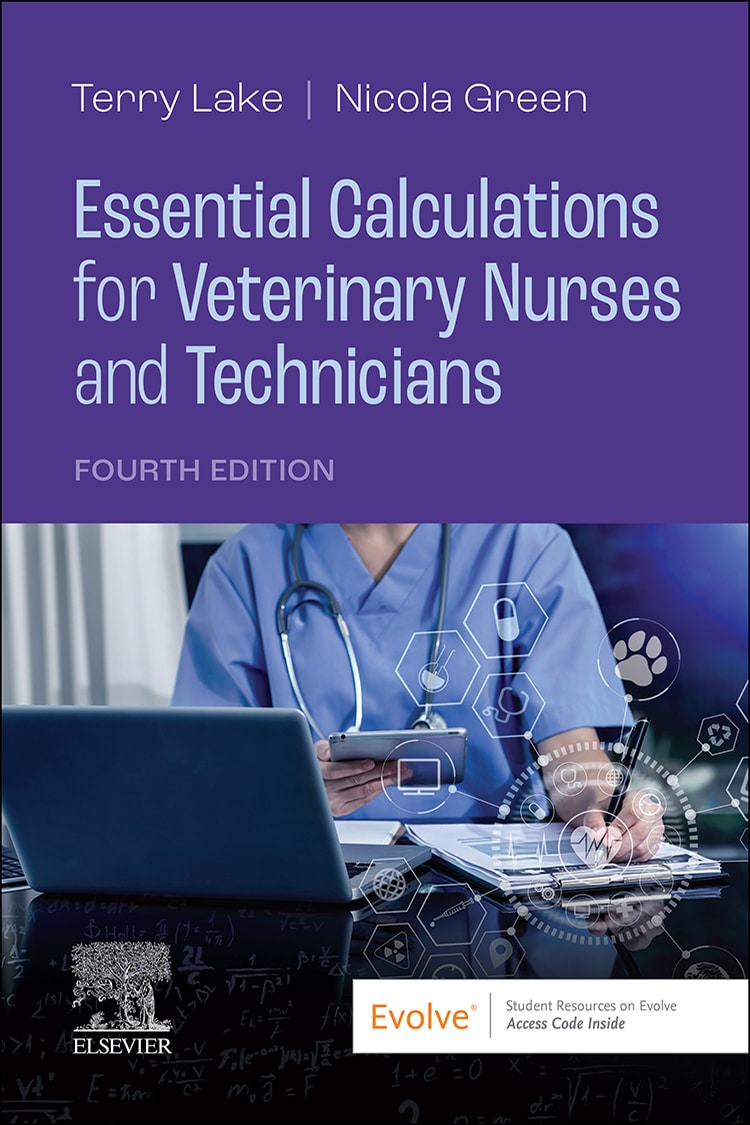
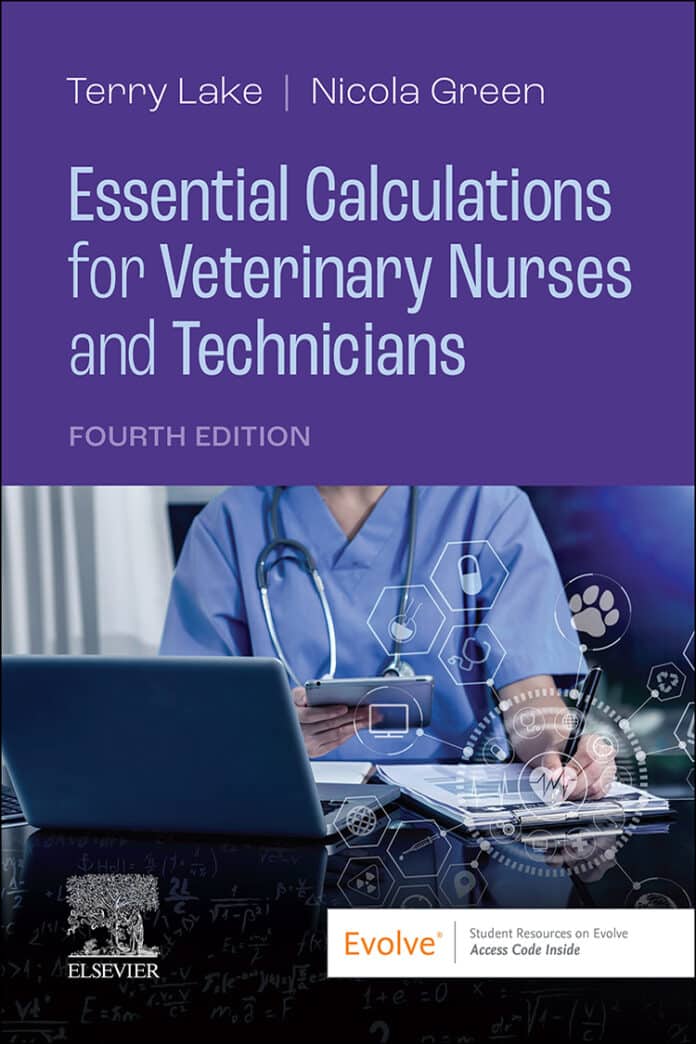
Essential Calculations for Veterinary Nurses and Technicians, 4th Edition

Essential Calculations for Veterinary Nurses and Technicians, 4th Edition

Essential Calculations For Veterinary Nurses And Technicians 4Th Edition Pdf Download

By Terry Lake and Nicola Green

Essential Calculations for Veterinary Nurses and Technicians, 4th Edition. Learn to easily master the types of veterinary nursing calculations you will face on the job with Essential Calculations for Veterinary Nurses and Technicians, 4th Edition. From basic arithmetic to dilutions and statistics, this useful text covers all aspects of calculations as applied to veterinary nursing. Readers will benefit from the text’s common-sense approach to clinical situations and complete the book knowing how to use calculations to determine dosage rates, anesthetic flow rates, radiography exposure rates, parenteral nutrition, and more. User-friendly features include simple language, detailed explanations, ample examples, and special author guidance so that content is easy to follow and understand. Plus, the text’s abundance of learning features – such as self-assessment questions, clinical hints, and tips – help clarify important concepts and ensure that you have mastered everything you need to make calculations in the day-to-day clinical environment.

Features

Features:

  • Mathematical explanations using veterinary terms present all principles in a manner that directly pertains to the veterinary field.
  • Comprehensive content covers everything from basic arithmetic to dilutions and statistics, so users have everything needed to succeed in calculations for veterinary nursing and technology.
  • Dimensional analysis bridge method removes the necessity of memorizing formulae and takes advantage of simplifying equations so that calculators are often unnecessary.
  • NEW! Reviewed and updated drugs throughout the book provide dosage calculations that coincide with drugs currently used in the field for the most clinical relevance.
  • NEW! Additional math problems both in the text and on the Evolve companion website offer substantial additional practice. Self-test sections with clinical hints and tips ensure retention of core concepts.

Table of Contents

Table of Contents:

1. Calculations Involving Fractions
2. Decimals and Percentages
3. Scientific Notation
4. Ratio and Proportion
5. Dimensional Analysis
6. Clinical Applications of Basic Principles
7. Measurement Systems
8. Oral Medication
9. Parenteral Medication
10. Clinical Problems Using Dosage Calculations
11. Solutions
12. Clinical Problems Using Solutions
13. Intravenous Fluids
14. Constant Rate Infusions
15. Dilutions
16. Clinical Problems Using Dilutions
17. Anaesthesia, Radiology and Nutrition Applications
18. Statistics and Quality Control

Get This Book

This Book is Avaiable for Members

Access this book instantly with a Premium membership

📄 PDF Format
⚡ Instant Delivery
Unlock Premium Access

Why Client Care Is Important In Veterinary Practice?

Why Client Care Is Important In Veterinary Practice?

Why Client Care Is Important In Veterinary Practice?

Why Is Client Care Important In Veterinary Practice? Although Most Veterinarians Search First for veterinary resources like Veterinary Books to increase their medical knowledge, there are various challenges to be in practice. Competition, not having enough experience, and many more are challenges. But, caring for your clients should always remain the main priority of your veterinary practice.  It’s important to invest in your clients and to go above and beyond expectations so that they will continue to use your services long after the first visit. A surefire way to build a quality clientele is to provide top-notch client care. Here in this blog, we will discuss why client care is important in your veterinary practice and it can help your business.

Veterinary Books

What does a client want from a veterinary clinic?

When we talk about what a client wants from a veterinary clinic, we’re not just talking about the physical space. We’re also talking about the experience you can provide them. A client should feel like they are being taken care of by someone who cares about them and their pet’s health, and that’s what you want to give them!

To do this, you’ll need to make sure your staff is well-trained and that they know how to interact with clients in a way that makes them feel comfortable and valued. You’ll also want to provide an environment that is clean and welcoming. Clients want to feel like they are in a place where they will be treated well by people who are competent. So that’s why it’s important to have good training programs for new employees as well as regular reviews of your existing ones. Finally, you’ll want to make sure that your clinic has resources available for clients who may need additional support.

As a whole things that a client need as client care are:

  • Helpful staff
  • Friendly staff
  • Convenience
  • Individual attention
  • Clean surrounding
  • Respect
  • Advice
  • Taken care of

Read More: 7 Essential Skills For Improving Communication In Veterinary Practice

Benefits Of Good Client Care

Client care is the foundation of a successful veterinary practice. If you don’t take care of your clients, they won’t take care of you. The best way to ensure this is by showing them that you care about them and their pets. The most common benefits that you will get after a good client are:

Enhanced Client Satisfaction

Client care is an important part of veterinary practice, but it can be difficult to know how to implement it in a way that enhances client satisfaction. Client care is especially important when it comes to veterinary care. When a pet owner has an appointment, he trusts you a complete stranger to take care of his pet.

If he doesn’t feel comfortable with the person who is taking care of his pet, or if he thinks that his pet not getting the right care, it can make a potentially scary situation even more uncomfortable. That’s why you should commit to providing your clients with the best possible experience. You should make them feel like their animal is in good hands. When a feel completely satisfied and comfortable it will enhance his satisfaction.

Increase client retention

Client retention is complicated and most factor in veterinary practice. There are a lot of factors that go into keeping your clients coming back for more. But one of the most important is ensuring that they feel cared for. If you want to keep your clients coming back, you need to make sure that they feel like their needs are being met, and that they have someone to turn to when things go wrong. This means having a team of staff members who are willing to go above and beyond for their clients, even if it’s not part of their job description.  It means making sure that your staff understands what each animal needs and how best to help them achieve those needs.

Read More: How to Build a Loyal Client In Your Veterinary Practice

Increased reputation

Good client care is crucial to your clinic’s reputation. It helps you stand out from your competitors, and it can make all the difference in the world when it comes to attracting new clients. Good client care doesn’t have to be complicated; it just needs to be consistent. The more you do for your patients, the more they’ll feel like they’re getting their money’s worth and they’ll tell their friends!

This kind of word-of-mouth advertising can generate tons of new patients for your clinic without ever having to spend a dime on marketing!

Increased Revenue

One of the easiest ways to increase your veterinary clinic revenue is to increase client care. When you take the time to provide your clients with exceptional service, you’ll build trust and loyalty—and those things translate into new patients who will come back again and again. In fact, according to a recent study from the Center for Health Care Strategies, “Measuring Patient Satisfaction: A Guide for Hospitals,” a hospital’s ability to deliver high-quality care makes it easier to attract new patients and retain existing ones. If you fail to provide good client care it will decrease client retention and eventually revenue.

Read More: How To Increase Revenue In a Veterinary Practice

Is client feedback important?

Client feedback is a vital part of running a successful veterinary clinic. Your clients are the reason you’re in business, so it makes sense that they should have a say in how things are done. Feedback can help you improve your customer service and make sure that you’re meeting their needs. It also helps you stay on top of trends in the industry, which can help you stay ahead of the competition.

The easiest way to get feedback from clients is to ask for it. And no, we don’t mean sending them an email and hoping for the best. We mean by asking them face-to-face, in person. You can do this at your next meeting with them, over the phone, or even by sending out a survey. But make sure you’re getting their input in the format that works best for them and give them an easy way to reply!

Conclusion

Veterinary practices that value client care and focus on the emotional needs of their clients get more repeat business, which also helps with word-of-mouth marketing and increasing office visits. So put more focus on providing good veterinary care as well as client care.

Tip

Do You Want To Increase Your Veterinary Knowledge and Practical Skills?

You Can Now Browse and Download +3000 Veterinary Books Online In All Veterinary Fields.

Browse All Veterinary Books

Veterinary Networking: Building Relationships for Success

Veterinary Networking 1

Networking plays an important role in a career in veterinary medicine. Building relationships with other veterinarians and industry professionals can help to expand a veterinarian’s knowledge and skills, as well as provide opportunities for collaboration, mentorship, and professional development. Networking can also help to open doors for career advancements, such as job opportunities or partnerships. Additionally, through networking, veterinarians can stay informed about the latest industry trends, developments, and job openings, which can help them to stay competitive in the field.

Veterinary Books

What is networking?

Networking is the process of building and maintaining professional relationships with other individuals or organizations in a particular field or industry. It can involve building connections with people who can provide advice, support, and opportunities, as well as sharing information and resources.

There are several types of networking, including:

  • In-person networking: This type of networking involves meeting and building relationships with other professionals through face-to-face interactions, such as attending conferences, workshops, and networking events.
  • Online networking: This type of networking involves building relationships through online platforms, such as social media, professional forums, and LinkedIn groups.
  • Professional association networking: This type of networking involves joining and participating in professional organizations.
  • Referral networking: This type of networking involves building relationships with people who can refer business or job opportunities to you.
  • Industry-specific networking: This type of networking involves building relationships with people within a specific industry.
  • Informational networking: This type of networking is focused on seeking advice and information from other professionals rather than looking for job opportunities or clients.

Each of these types of networking has its own advantages and can be combined for the best results.

What are the benefits of networking in veterinary medicine?

  • Expanding knowledge and skills: Networking with other professionals can provide access to new ideas, information, and perspectives that can help to improve the quality of care for animals.
  • Collaboration and mentorship: Building relationships with other veterinarians can lead to opportunities for collaboration on research projects, case studies, or clinical trials. Additionally, more experienced veterinarians can serve as mentors for less experienced veterinarians, providing guidance and support in their professional development.
  • Career advancement: Networking can open doors to new job opportunities, such as promotions or leadership positions, or help to identify potential partners for starting a practice.
  • Staying informed about industry trends and developments: Networking can help veterinarians to stay informed about the latest advances in veterinary medicine, such as new treatments, technologies, or research findings.
  • Building reputation and visibility: Building a professional network can help to increase visibility and reputation within the veterinary community, which can lead to more referrals and clients.
  • Professional support: Networking can provide an opportunity to connect with other professionals who face similar challenges, and to share experiences and strategies for dealing with them.

How networking in veterinary medicine can be accomplished?

Networking in veterinary medicine can be accomplished through several methods:

  • Joining professional organizations: Joining professional organizations such as the American Veterinary Medical Association (AVMA), state veterinary medical associations, or specialty organizations. These organizations often host conferences, workshops, and continuing education courses.
  • Attending conferences and workshops: Attending conferences and workshops in your field can provide opportunities to meet and connect with other professionals, as well as learn about the latest developments and trends in veterinary medicine.
  • Joining online communities and forums: Joining online communities and forums for veterinarians can provide opportunities to connect with other professionals, share information and resources, and stay informed about the latest developments in your field.
  • Participating in continuing education courses: Continuing education courses provide opportunities to meet and connect with other professionals, as well as learn about the latest developments and trends in veterinary medicine.
  • Building relationships with local veterinary clinics and industry leaders: Building relationships with local veterinary clinics and industry leaders can provide opportunities to connect with other professionals and stay informed about the latest developments in your field.
  • Utilizing social media: Utilizing social media platforms such as LinkedIn, Twitter, and Facebook can provide opportunities to connect with other professionals, share information and resources, and stay informed about the latest developments in your field.

Some Live Examples of Veterinary Networks

  • American Veterinary Medical Association (AVMA): The AVMA is a national professional organization for veterinarians in the United States. It provides networking opportunities through its annual conference, local and state meetings, and through its various councils and committees.
  • Veterinary Business Network (VBN): The VBN is a national organization for veterinarians in private practice. It provides networking opportunities through its annual conference and regional meetings, as well as through its online community and mentorship program.
  • Association of American Veterinary Medical Colleges (AAVMC): AAVMC is an organization of veterinary colleges and veterinary medical education programs in the United States and Canada. It provides networking opportunities through its annual conference, as well as through its various committees and councils.
  • Women’s Veterinary Leadership Development Initiative (WVLDI): WVLDI is an organization that aims to provide networking and leadership development opportunities for women veterinarians. It provides networking opportunities through its annual conference, as well as through its online community and mentorship program.
  • Association of Shelter Veterinarians (ASV): ASV is an organization of veterinarians and veterinary technicians working in animal shelters. It provides networking opportunities through its annual conference, as well as through its online community and mentorship program.
  • American Association of Wildlife Veterinarians (AAWV): AAWV is an organization of veterinarians and veterinary students who are interested in wildlife medicine and conservation. It provides networking opportunities through its annual conference, as well as through its online community and mentorship program.

Conclusion 

Networking requires consistent effort and time, but it can provide many benefits in the long run, such as career opportunities, professional development, and a wider professional circle.

Don’t Forget To Read More Books From Our Veterinary Books Library Online In Order To Increase Your Veterinary knowledge and Practical Skills. Click Here To Browse & Download +3000 Vet Books.

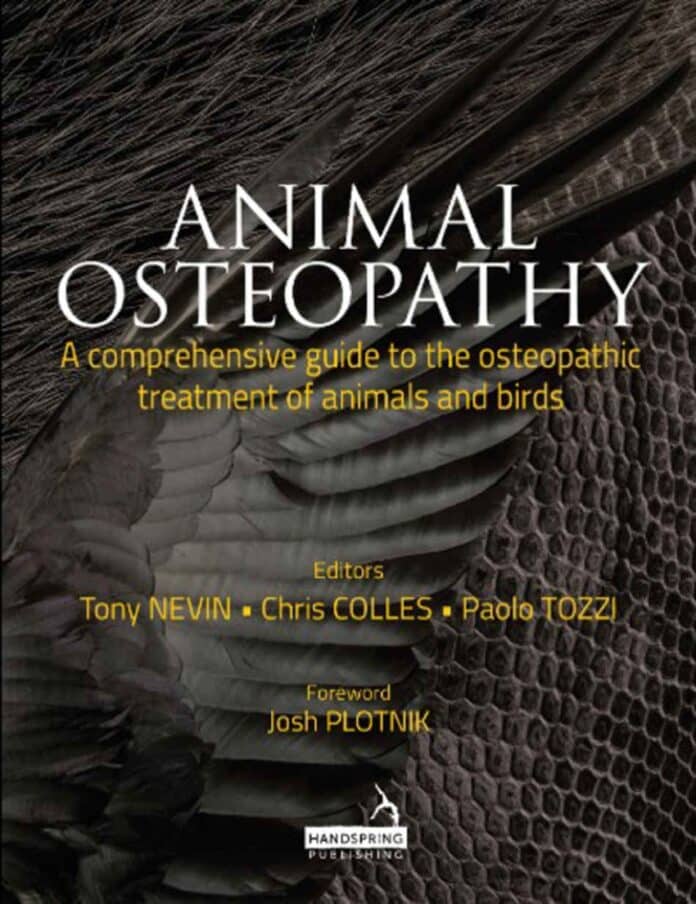
Animal Osteopathy: A Comprehensive Guide to the Osteopathic Treatment of Animals and Birds

Animal Osteopathy: A Comprehensive Guide to the Osteopathic Treatment of Animals and Birds

Animal Osteopathy, A Comprehensive Guide To The Osteopathic Treatment Of Animals And Birds Pdf Download

By Anthony Nevin, Christopher Colles and Paolo Tozzi

Animal Osteopathy, A Comprehensive Guide to the Osteopathic Treatment of Animals and Birds. This is a comprehensive reference textbook for all those using osteopathic treatment techniques with animals or birds or studying to do so. The book is divided into sections: equine osteopathy; general small animal osteopathy; osteopathy for exotics- (pets such as tortoise, snakes, ferrets etc); osteopathy for wildlife – native as well as non to the UK including species found in most zoological collections; avian osteopathy – both domestic and wild/exotic. Each section covers information specific to that group. This makes the book appropriate for supporting structured post-graduate university validated courses in a clear and easily navigable way.

Content includes detailed sections on the differences encountered when working with animals; health and safety around different species; working within the law; integrating with allied professions; anatomy; physiology and patho-physiology; neurology; orthopaedics; differential diagnosis; differential aetiology of presenting conditions when compared to the human model; supportive husbandry and rehabilitation methods.

It includes sections covering approaches to patient care; specifics of taking a detailed case history; use of supporting diagnostics; observation; palpation; structuring a treatment programme suitable for each species. Osteopathic treatment techniques and physical patient contact methods are be explained as well as graphically illustrated. All chapters are fully referenced and include revision notes to act as guidelines for the reader.

It is intended primarily for post-graduate osteopaths intending to work with animals or who are already doing so. It will also strongly appeal to vets as well as to other allied professions working with animals (eg massage therapists).

Table of Contents

Table of Contents:

  1. An introduction to the osteopathic treatment of animals and birds

  2. The dog

  3. The cat

  4. Small furries

  5. The horse

  6. Livestock

  7. Reptiles

  8. Birds

  9. Small wildlife and exotics

  10. Megafauna

Get This Book

This Book is Avaiable for Members

Access this book instantly with a Premium membership

📄 PDF Format
⚡ Instant Delivery
Unlock Premium Access

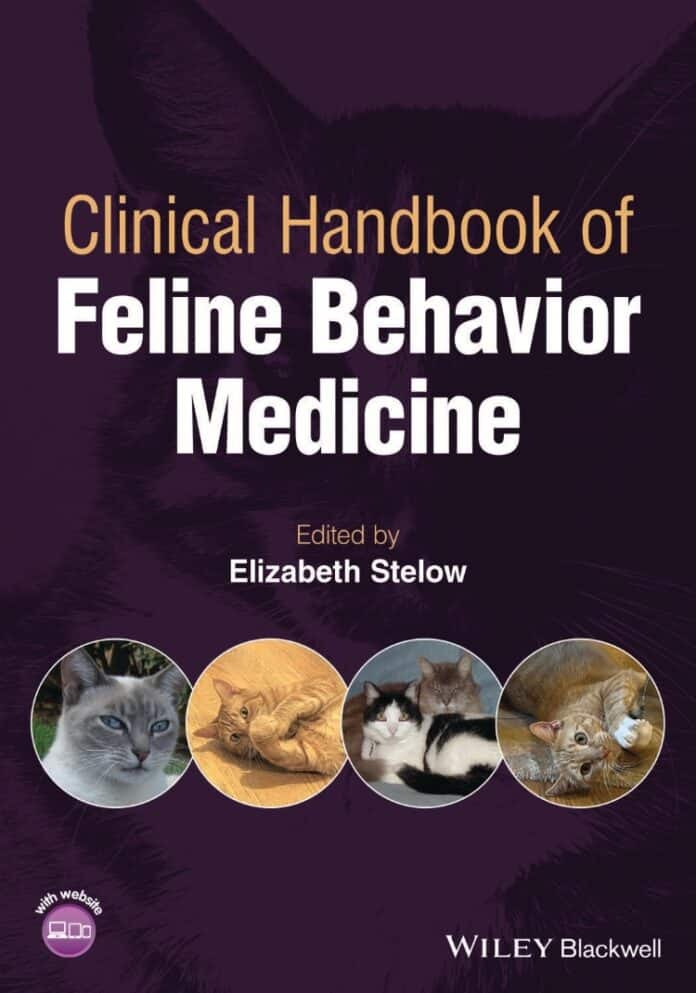
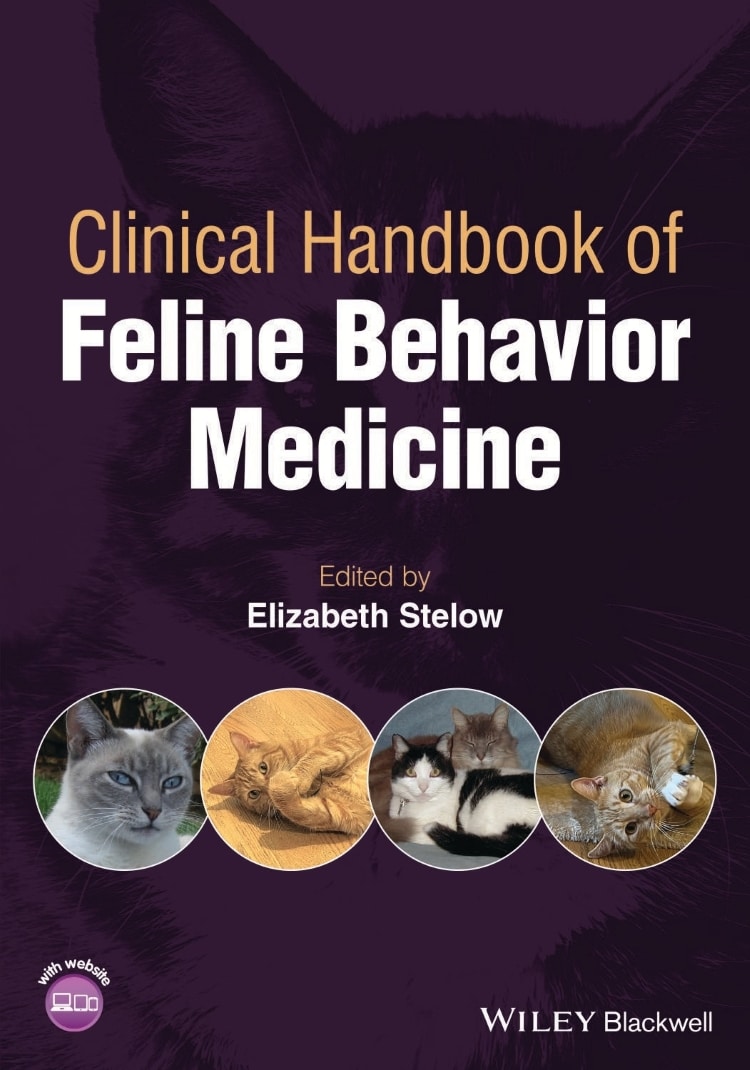
Clinical Handbook of Feline Behavior Medicine

Clinical Handbook of Feline Behavior Medicine

Clinical Handbook Of Feline Behavior Medicine Pdf Download

By Elizabeth Stelow

Clinical Handbook of Feline Behavior Medicine provides a complete, easy-to-use reference to practical information on identifying, diagnosing, and treating behavior problems in cats. Designed to offer streamlined access to concrete guidance for managing feline behavior, the book offers diagnostic plans organized by clinical sign. Normal behavior is thoroughly described, to provide a better understanding of the abnormal, with the heart of the book devoted to advice for identifying, diagnosing, and treating specific behavior problems.

The book describes the diagnostic process and covers treatment options for each problem. A companion website offers client education handouts to enhance compliance and video clips depicting presenting complaints.

With its specific topical focus of behavior in felines, Clinical Handbook of Feline Behavior Medicine is a targeted and highly useful resource for any veterinarian seeing feline patients, assisting through all stages of treatment with easily accessible and understandable information.

Features

Features:

  • Normal feline social behavior, covering body language and other social communication, feline social structure, interactions with humans and other species, and social/behavioral development in the kitten
  • Preventing behavior problems, covering feeding, litter box availability and care, scratching options, toys, and grooming
  • Elimination problems, including the differentiation between urine marking and toileting, deducing the underlying causes, and elements of effects treatment plans
  • Senior cats, covering feline cognitive decline, increased vocalization, sleep-wake cycle disturbances, disorientation, litterbox problems, and repetitive behaviors

Table of Contents

Table of Contents:

1. Introduction to Feline Veterinary Behavior

2. Normal Feline Social Behavior

3. Preventing Behavior Problems in Domestic Cats

4. Play Behavior in Cats

5. Feeding Behavior of Cats

6. Eliminative Behaviors

7. Pain and Sickness Behaviors

8. Fear, Anxiety, Stress Behaviors in Cats

9. Compulsive and Displacement Behaviors

10. Aggression Toward Humans

11. Aggression Toward Other Cats

12. Nuisance/Destructive/Unruly Behaviors

13. The Senior Cat

14. Cat Relationships in the Home

15. Cats in the Clinic

Appendix 1 Feline Psychopharmacology

Appendix 2 Medications for Pain Management in Cats

Index

Get This Book

This Book is Avaiable for Members

Access this book instantly with a Premium membership

📄 PDF Format
⚡ Instant Delivery
Unlock Premium Access

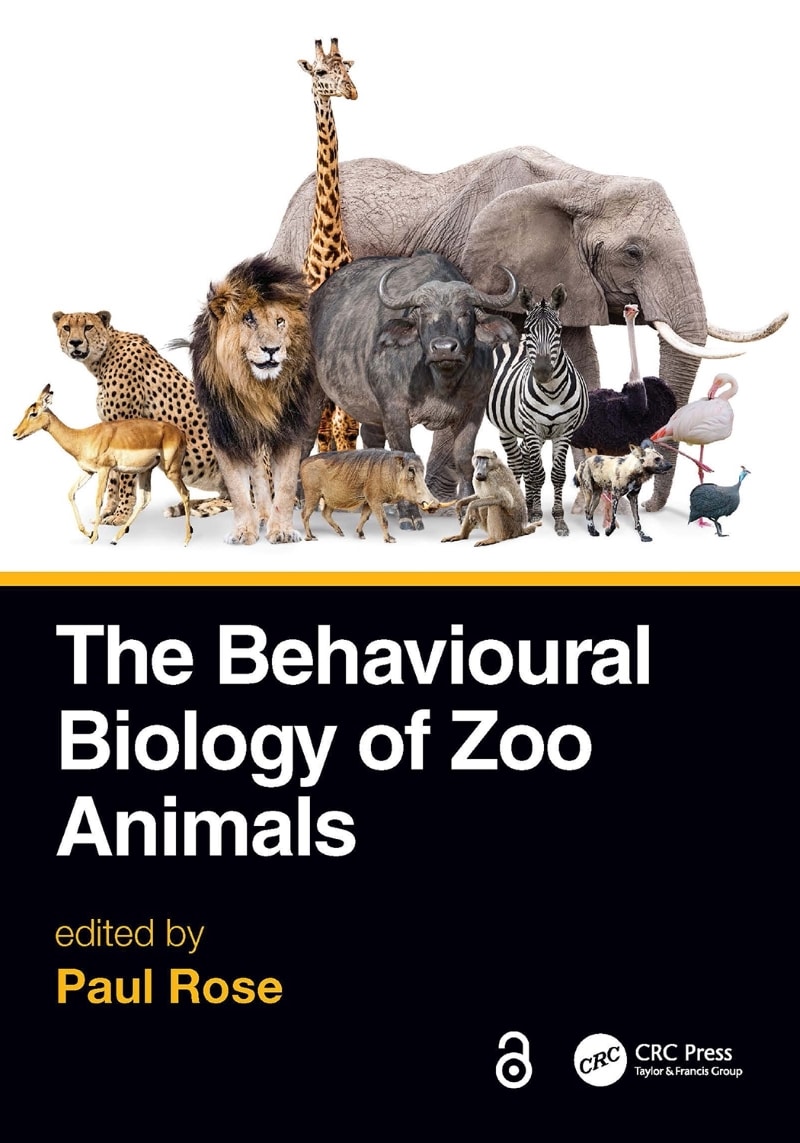
The Behavioural Biology of Zoo Animals

The Behavioural Biology of Zoo Animals

The Behavioural Biology Of Zoo Animals Pdf Download

By Paul Rose

The Behavioural Biology of Zoo Animals. “Zoo animals” as a population are a diverse array of species from all around the globe. When managed in captivity, it is important that key aspects of natural ecology are factored into animal care, as well as considerations relating to welfare, life history and behavioural needs. The Behavioural Biology of Zoo Animals is the first book on captive animal behaviour and how this applies to welfare.

The book enables all aspects of zoo husbandry and management (nutrition, enclosure design, handling and training, enrichment, population management) to be based on a sound knowledge of the species, its evolutionary history and its natural history. Chapters from expert authors cover a vast range of taxa, from primates and elephants to marine mammals and freshwater fish, to reptiles, birds and invertebrates. A final part looks to the future, considering animal health and wellbeing, the visitor experience and future visions for zoos and aquariums.

For on-the-ground practitioners as well as students of zoo biology, animal science and welfare, this book provides an explanation of key areas of behavioural biology that are important to fulfilling the aims of the modern zoo (conservation, education, research and recreation). It explains how evidence from the wild can be implemented into captive care to support the wider aims of the zoo, shedding light on the evidence-based approaches applied to zoo biology and animal management.

Table of Contents

Table of Contents:

PART I Setting the scene

1. Introduction to the behavioural biology of the zoo

2. Behavioural biology in animal collection planning and conservation

3. Behavioural biology, conservation genomics, and population viability (Open Access)

References

4. Behavioural biology, applied zoo science, and research

5. Behavioural biology methods and data collection in the zoo

PART II Selected taxonomic accounts

6. The behavioural biology of primates

7. The behavioural biology of ungulates and elephants

8. The behavioural biology of carnivores

9. The behavioural biology of marine mammals

10. The behavioural biology of marsupials and monotremes

11. The behavioural biology of flightless birds

12. The behavioural biology of waterbirds

12.1 Introduction to waterbird behavioural biology

13. The behavioural biology of parrots

14. The behavioural biology of hornbills, toucans, and kingfishers

15. The behavioural biology of passerines

16. The behavioural biology of captive reptiles

17. The behavioural biology of amphibians

18. The behavioural biology of freshwater fishes

19. The behavioural biology of marine fishes and sharks

20. The behavioural biology of invertebrates

PART III For the future

21. Behavioural biology and zoo animal welfare: For the future

22. Behavioural biology and animal health and wellbeing

23. Behavioural biology and enhancing visitor education and experiences

24. Behavioural biology and the zoo as a nature reserve

25. Behavioural biology for the evidence-based keeper

26. Behavioural biology and the future zoo: Overall conclusions

Index

Get This Book

This Book is Avaiable for Members

Access this book instantly with a Premium membership

📄 PDF Format
⚡ Instant Delivery
Unlock Premium Access

Duck Production and Management

Duck Production and Management

Duck Production And Management Pdf Download

By Jowel Debnath

Duck Production and Management covers nearly all the aspects of duck rearing system with various duck genetic resources of India, their nutritional requirements, care management, diseases and prevention, slaughter, grading, packaging of meat, nutritional importance of meat & egg and integrated farming. To make this book more competent for farmers, enlisted certain drugs for treatment of different diseases of duck and vaccination schedule has also been included in the text. References have been included in this book to refer the interested reader for details understanding of duck rearing system. The language is kept simple and lucid for ease of understanding. This book will find right place in the hands of researchers, veterinary graduates, students of the animal sciences and farmers who are engaged in duck farming.

Table of Contents

Table of Contents:

1. DUCK GENETIC RESOURCES OF INDIA

2. WHY DUCK FARMING?

3. NUTRIENT REQUIREMENTS OF DUCKS AND THEIR FEEDING

4. DUCK MANAGEMENT

5. DISEASES OF DUCKS AND PREVENTION

6. SLAUGHTER OF DUCK, GRADING AND PACKAGING OF DUCK MEAT

7. NUTRITIONAL IMPORTANCE OF DUCK MEAT AND EGG

8. INTEGRATED FARMING

Get This Book

This Book is Avaiable for Members

Access this book instantly with a Premium membership

📄 PDF Format
⚡ Instant Delivery
Unlock Premium Access

Master the Veterinary Technician Exam (VTNE)

Master the Veterinary Technician Exam (VTNE)

Master The Veterinary Technician Exam (Vtne) Pdf Download

By Peterson’s

Master the Veterinary Technician Exam (VTNE) is One of The Best Books For Vet Techs In Our Library. It offers crucial test-prep strategies and skill-building review for this essential exam. In addition, readers will find the information they need to know about the responsibilities of a veterinary technician job, the steps to become a veterinary technician, and invaluable expert preparation and practice on the seven test topics of the VTNE listed below.

Part I provides an overview of a veterinary technician’s job and details on the Veterinary Technician National Exam (VTNE).

Part II is a preview of the exam ― a diagnostic test to determine strengths and weaknesses on questions that are just like the ones that appear on the VTNE. The guide includes test answers with complete explanations.

Part III is a comprehensive overview of subjects on the VTNE, with chapters on:

  • pharmacy and pharmacology
  • surgical preparation and assisting
  • laboratory procedures
  • animal care and nursing
  • anesthesia and analgesia
  • dentistry
  • diagnostic imaging

Part IV offers 2 full-length written practice tests, with questions similar to those on the actual exam.

Peterson’s Master the Veterinary Technician National Exam (VTNE) Appendixes offer a valuable glossary of medical terms and abbreviations used on the test and a list of resources recommended by the American Veterinary Medical Association (AVMA).

Get This Book

This Book is Avaiable for Members

Access this book instantly with a Premium membership

📄 PDF Format
⚡ Instant Delivery
Unlock Premium Access

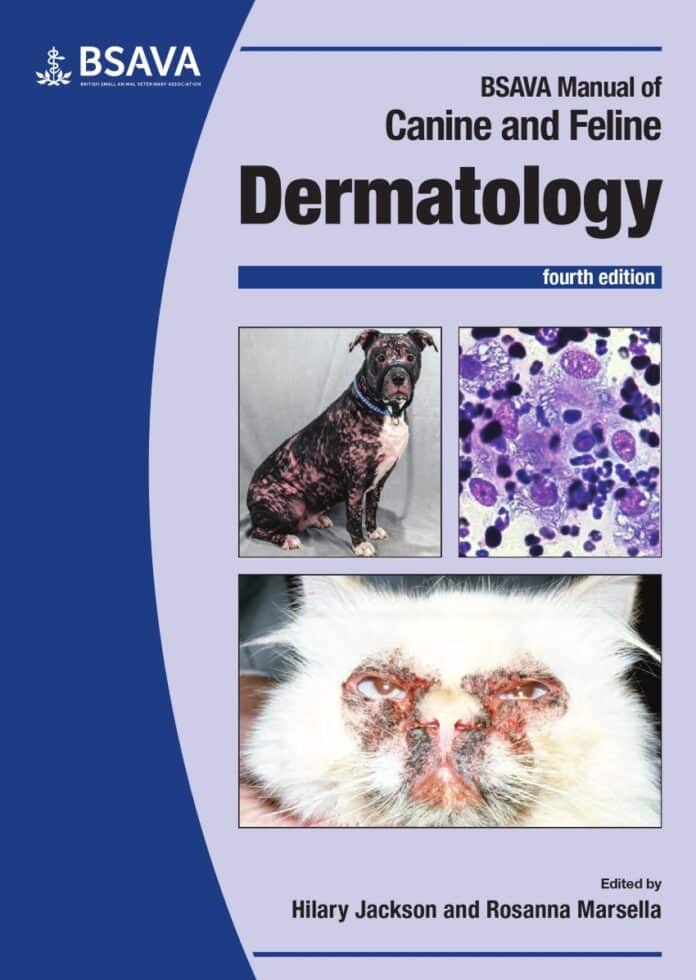
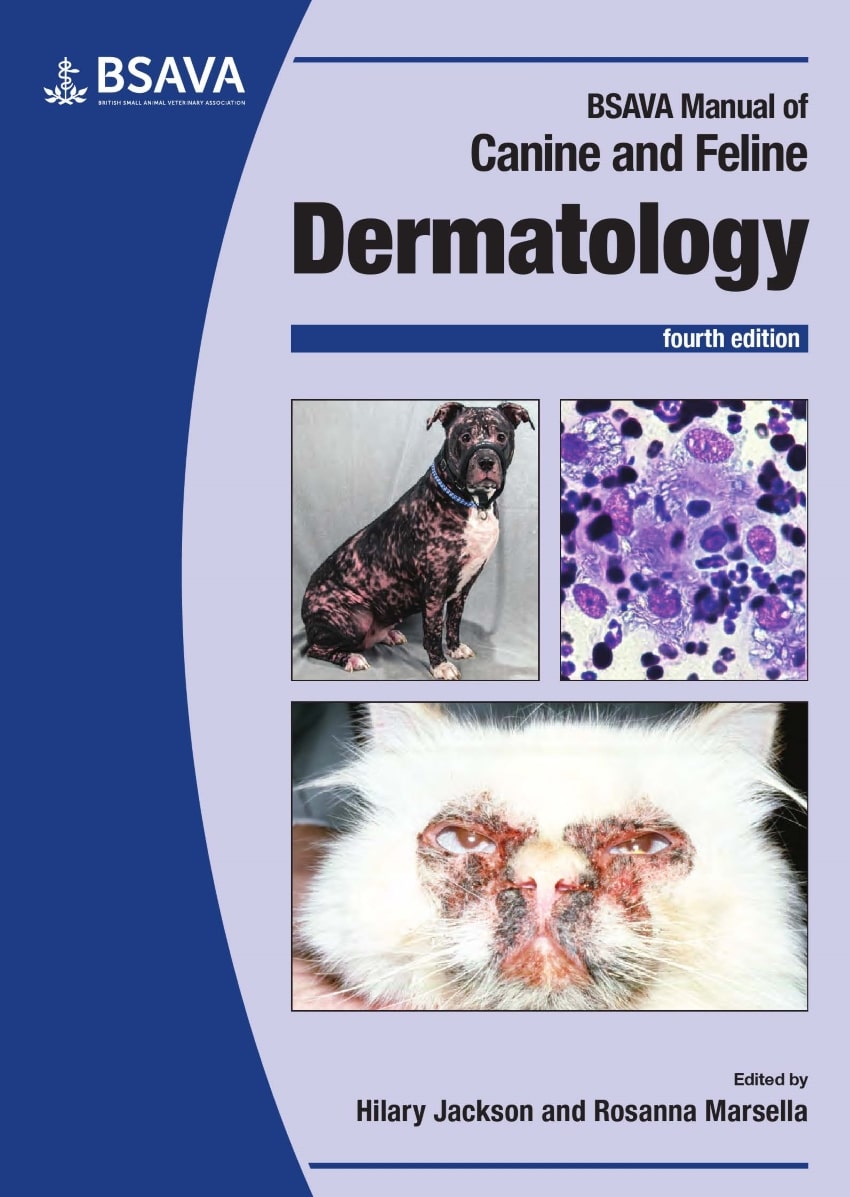
BSAVA Manual of Canine and Feline Dermatology, 4th Edition

BSAVA Manual of Canine and Feline Dermatology, 4th Edition

Bsava Manual Of Canine And Feline Dermatology, 4Th Edition Pdf Download

By Hilary Jackson and Rosanna Marsella

Dermatology constitutes a large percentage of the daily caseload in small animal practice and can represent a challenge for the busy practitioner, as many different diseases have similar presenting signs. For this reason, a structured understanding of how to approach a dermatological case is essential for a successful outcome.

BSAVA Manual of Canine and Feline Dermatology, 4th Edition has been completely updated, chapters have been expanded and structurally divided to include the management of specific diseases and common dermatological cases, such as ectoparasite infestation and its treatment and prophylaxis, atopic dermatitis and its management, superficial and deep pyoderma and their treatment, feline-specific conditions and their management, autoimmune and immune-mediated diseases and a targeted management, etc. New chapters have also been added to this new edition, such topical treatments, nutrients of the skin and regional dermatoses.

The manual begins by providing the reader with a grounding in examination and investigative techniques, including a new chapter on cytology. The second section focuses on a problem-oriented approach to common dermatological conditions and their management. The final part of the manual covers the major skin diseases of dogs and cats.

Table of Contents

Table of Contents:

  1. Structure and function of the skin
  2. History, examination and initial evaluation
  3. Core investigative and laboratory techniques
  4. Dermatopathology
  5. An approach to pruritus
  6. An approach to keratinization disorders
  7. An approach to pustules and crusting papules
  8. An approach to erosions and ulcerations
  9. An approach to nodules and draining sinus tracts
  10. An approach to orders of pigmentation
  11. An approach to feline alopecia
  12. An approach to canine focal and multifocal alopecia
  13. An approach to symmetrical alopecia in the dog
  14. An approach to diseases of the nasal planum and footpads
  15. An approach to otitis externa
  16. An approach to diseases of the claws and claw folds
  17. An approach to anal sac disease
  18. Atopic dermatitis and adverse food reactions
  19. Feline allergic skin disease
  20. Flea allergy and control
  21. Ectoparasites
  22. Demodicosis
  23. Staphylococcal pyoderma
  24. Dermatophytosis
  25. Malassezia dermatitis
  26. Autoimmune and immune-mediated skin disease
  27. Subcutaneous and deep infections
  28. Nutrient-responsive ! dermatoses
  29. Actinic (solar) dermatoses
  30. Neoplastic and paraneoplastic syndromes affecting the skin
  31. Behavioral disorders
  32. Eosinophilic dermatoses

Index.

Get This Book

This Book is Avaiable for Members

Access this book instantly with a Premium membership

📄 PDF Format
⚡ Instant Delivery
Unlock Premium Access

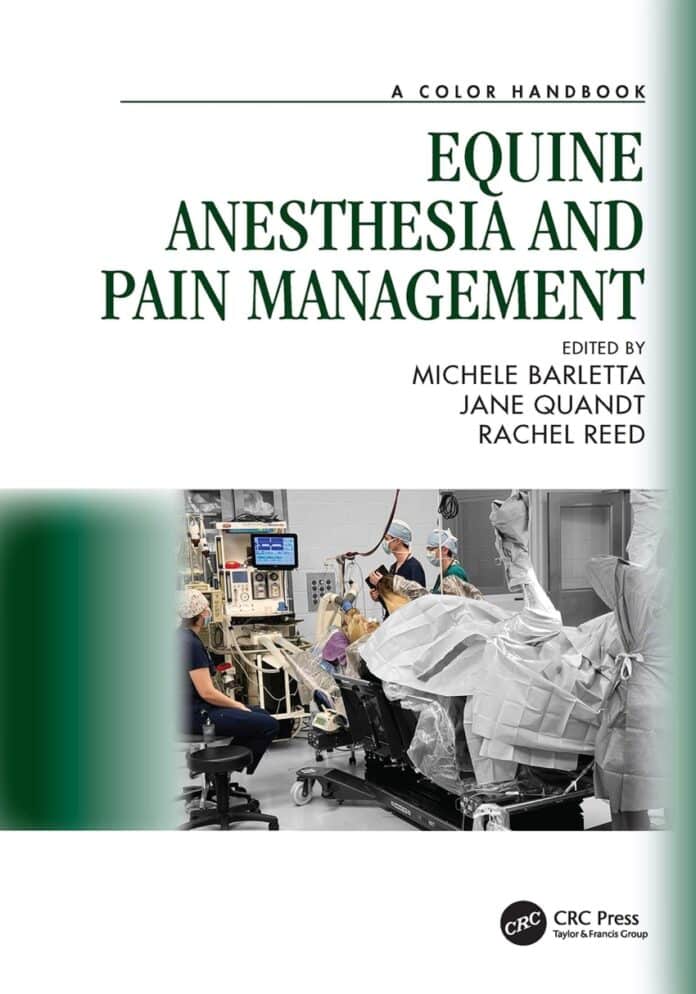
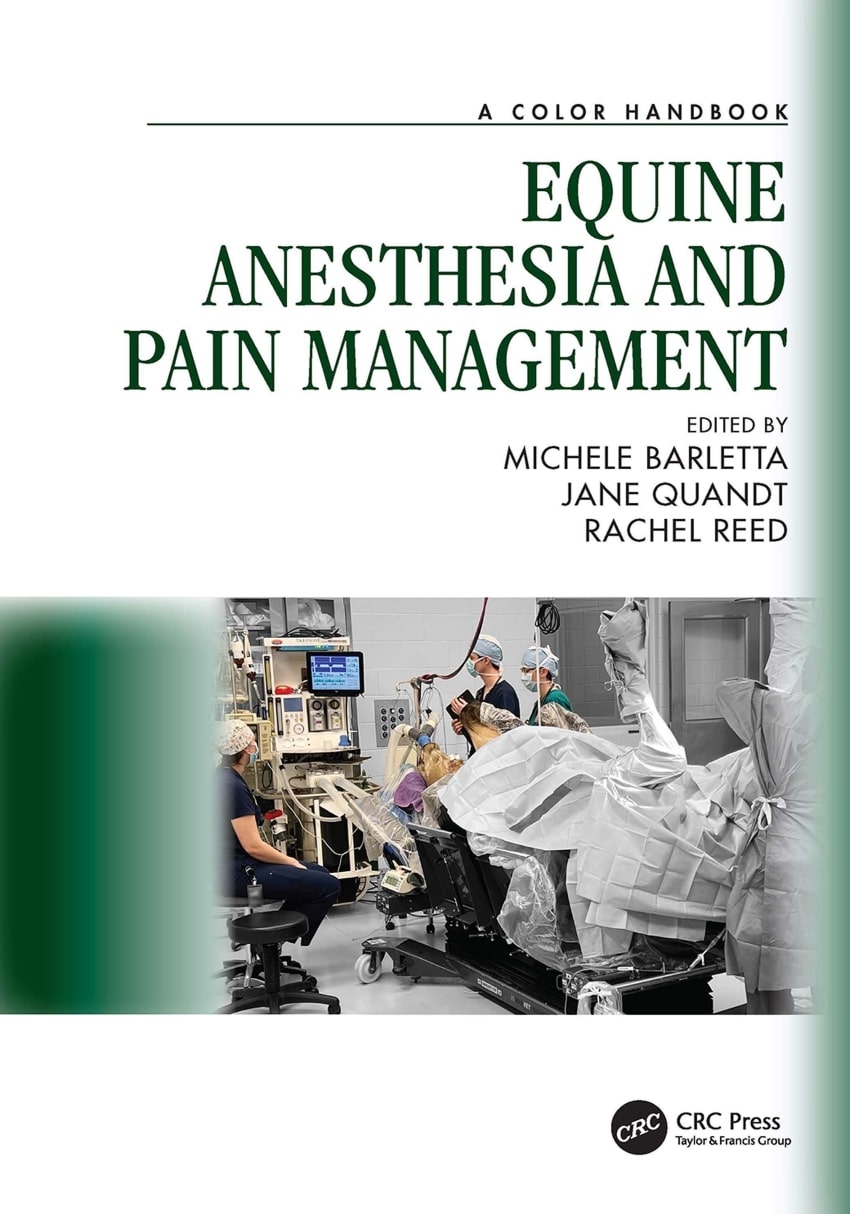
Equine Anesthesia and Pain Management: A Color Handbook

Equine Anesthesia and Pain Management: A Color Handbook

Equine Anesthesia And Pain Management Pdf Download

By Michele Barletta, Jane Quandt and Rachel Reed

Equine Anesthesia and Pain Management: A Color Handbook brings together key information for clinicians in an easy-to-use, problem-orientated format. It disseminates a wealth of knowledge about horse, donkey and mule anesthesia and pain management in a quick reference style, with a focus on clinical practice. Fifteen chapters by expert contributors cover everything from anesthetic equipment, premedication and physical restraint, to total intravenous anesthesia, inhalant anesthesia and partial intravenous anesthesia, recovery, complications and euthanasia. Over 250 superb color photographs and diagrams bring the material to life.

This book will be invaluable to all those who need practical information easily to hand, whether equine practitioner, veterinary technician or nurse, or veterinary student.

Table of Contents

Table of Contents:

1. Anesthesia Equipment

2. Preanesthetic evaluation

3. Sedation and Restraint for Standing Procedures

4. Induction of Anesthesia

5. Total Intravenous Anesthesia

6. Inhalant Anesthesia and Partial Intravenous Anesthesia

7. Anesthesia monitoring and management

8. Fluid therapy

9. Anesthetic Recovery

10. Complications of Equine Anesthesia

11. Specific Diseases and Procedures

12. Pain

12.1 Physiology, Recognition, and Local Anesthetic Techniques

12.2 Rehabilitation Techniques

12.3 Equine Acupuncture

12.4 Chiropractic

13. Anesthesia and analgesia for donkeys, mules and foals

14. Anesthetic Outcome and Cardiopulmonary Resuscitation

15. Euthanasia

16. REFERENCE TABLES

16.1 Equine Blood Values

16.2 Equine Drug Dose Ranges.

Get This Book

This Book is Avaiable for Members

Access this book instantly with a Premium membership

📄 PDF Format
⚡ Instant Delivery
Unlock Premium Access