

Home Blog Page 52

BSAVA Manual of Canine and Feline Nephrology and Urology, 3rd Edition

BSAVA Manual of Canine and Feline Nephrology and Urology, 3rd Edition

Bsava Manual Of Canine And Feline Nephrology And Urology, 3Rd Edition Pdf Download

By Jonathan Elliott, Gregory F Grauer and Jodi Westropp

BSAVA Manual of Canine and Feline Nephrology and Urology, 3rd Edition expands on the conditions covered in the second edition; common problems are assessed and the various treatment options considered. Guidance on long-term management of chronic conditions has also been expanded and extensively revised.
Increased focus on diagnostic techniques for chronic kidney disease and incontinence Chapters covering the management of urinary incontinence and glomerulopathies Features a new chapter on kidney injury.
Table of Contents

Table of Contents:

  1. Dysuria and haematuria.
  2. Polyuria/Polydipsia.
  3. Urinary incontinence/Urine retention.
  4. Abnormal renal palpation.
  5. Uraemia.
  6. Proteinuria.
  7. Juvenile/familial nephropathies.
  8. Complete urinalysis.
  9. Assessment of renal function.
  10. Diagnostic imaging of the urinary tract.
  11. Diagnostic algorithms and staging the renal failure patient.
  12. Renal biopsy.
  13. Measurement of blood pressure.
  14. Cystoscopy.
  15. Lithotripsy.
  16. Dialysis.
  17. Management of acute renal failure.
  18. Management of chronic kidney disease.
  19. Management of glomerulonephritis.
  20. Management of prostatic disease.
  21. Management of urolithiasis.
  22. Management of feline lower urinary tract inflammation.
  23. Management of urinary tract infections.
  24. Appendices

Index.

Get This Book

This Book is Avaiable for Members

Access this book instantly with a Premium membership

📄 PDF Format
⚡ Instant Delivery
Unlock Premium Access

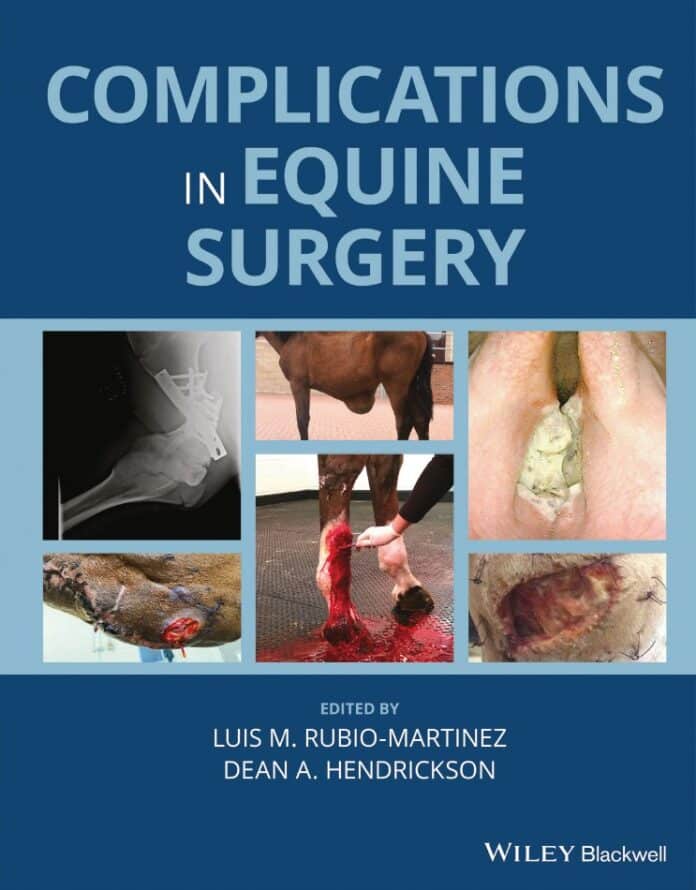
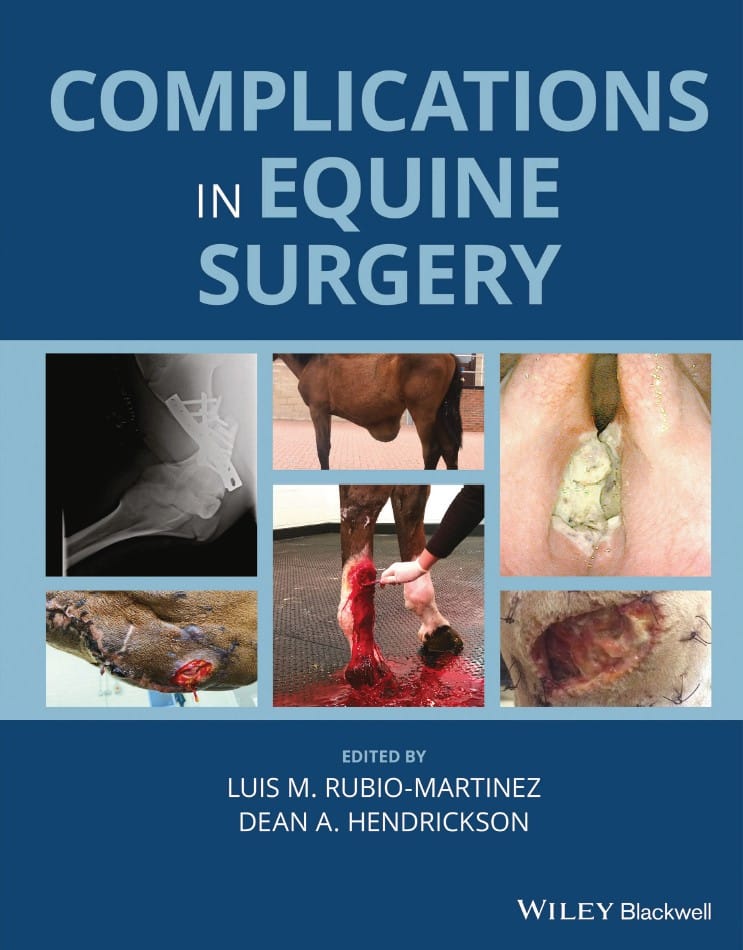
Complications in Equine Surgery

Complications in Equine Surgery

Complications In Equine Surgery Pdf Download

By Luis M. Rubio-Martinez and Dean A. Hendrickson

Complications in Equine Surgery is the first reference to focus exclusively on understanding, preventing, recognizing, managing, and prognosing, technical and post-procedural complications in equine surgery. Edited by two noted experts on the topic, the book presents evidence-based information using a clear approach, organized by body system. Featuring color images, the book contains detailed coverage of the gastrointestinal, respiratory, musculoskeletal, urogenital, and neurological systems.

Each chapter contains a short introduction of the procedure with explanations of when and how the procedure is to be performed. All chapters review how to recognize and prevent technical complications and explain how to manage post-operative complications.

Features

Features:

  • Offers the first resource specifically focused on complications encountered in equine surgery
  • Takes a helpful format organized by body system
  • Provides consistently formatted chapters for ease of use
  • Covers clinically relevant information for dealing with technical and post-operative complications
  • Presents more than 350 color images to illustrate the concepts described

Table of Contents

Table of Contents:

  1. Surgical Complications

  2. Complications of Parenteral Administration of Drugs

  3. Complications of Intravascular Injection and Catheterization

  4. Complications of Endoscopy

  5. Complications of Nasogastric Intubation

  6. Complications of Fluid Therapy

  7. Complications Associated with Hemorrhage

  8. Complications of Blood Transfusion

  9. Complications Associated with Sutures

  10. Complications of Bone Graft Harvesting, Handling, and Implantation

  11. Complications of Cryosurgery

  12. Complications of Laser Surgery

  13. Complications of Systemic Analgesic Drugs

  14. Complications of Loco-Regional Anesthesia

  15. Complications of Sedative and Anesthesia Medications

  16. Complications During Recovery from General Anesthesia

  17. Complications Associated with Surgical Site Infections

  18. Complications of Reconstructive Surgery

  19. Complications of Excessive Granulation Tissue

  20. Complications of Skin Neoplasia

  21. Complications of Skin Grafting

  22. Complications of Oral and Salivary Gland Surgery

  23. Complications of Esophageal Surgery

  24. Complications of Stomach Surgery

  25. Complications of Splenic Surgery

  26. Complications of Abdominal Approaches

  27. Complications of the Intraoperative Colic Patient

  28. Complications of the Postoperative Colic Patient

  29. Complications of Surgery of the Rectum and Anus

  30. Complications of Abdominal Surgery: Incisional Hernia

  31. Complications of Equine Laparoscopy

  32. Complications of Endoscopic Laser Surgery

  33. Complications Following Surgery of the Equine Nasal Passages and Paranasal Sinuses

  34. Complications of Pharynx Surgery

  35. Complications of Larynx Surgery

  36. Complications of Surgery for Diseases of the Guttural Pouch

  37. Complications of Equine Tracheal Surgery

  38. Complications of Equine Thoracic Surgery

  39. Complications of Testicular Surgery

  40. Complications of Penile and Preputial Surgery

  41. Complications of Ovarian and Uterine Surgery

  42. Complications of Vulvar, Vestibular, Vaginal, and Cervical Surgery

  43. Complications of Urinary Surgery

  44. Complications of Diagnostic Tests for Lameness

  45. Complications of Synovial Endoscopic Surgery (Arthroscopy, Tenoscopy, Bursoscopy)

  46. Complications of Equine Orthopedic Surgery

  47. Complications of Surgery of the Equine Foot

  48. Complications of Surgical Correction of Angular Limb Deformities

  49. Complications of Surgical Correction of Flexural Limb Deformities

  50. Complications of Splint Bone Fractures

  51. Complications of Craniomaxillary and Mandible Fractures

  52. Complications of Tendon Surgery

  53. Complications of Muscle Surgery

  54. Complications of Regenerative Medicine

  55. Complications of Osseous Cyst-Like Lesions

  56. Complications of Equine Ophthalmic Surgery

  57. Complications of Diagnostic Procedures of the Nervous System

  58. Complications of Anterior Cervical Fusion

  59. Complications of Surgery for Impingement of Dorsal Spinous Processes

  60. Complications of Peripheral Nerve Surgery

Get This Book

This Book is Avaiable for Members

Access this book instantly with a Premium membership

📄 PDF Format
⚡ Instant Delivery
Unlock Premium Access

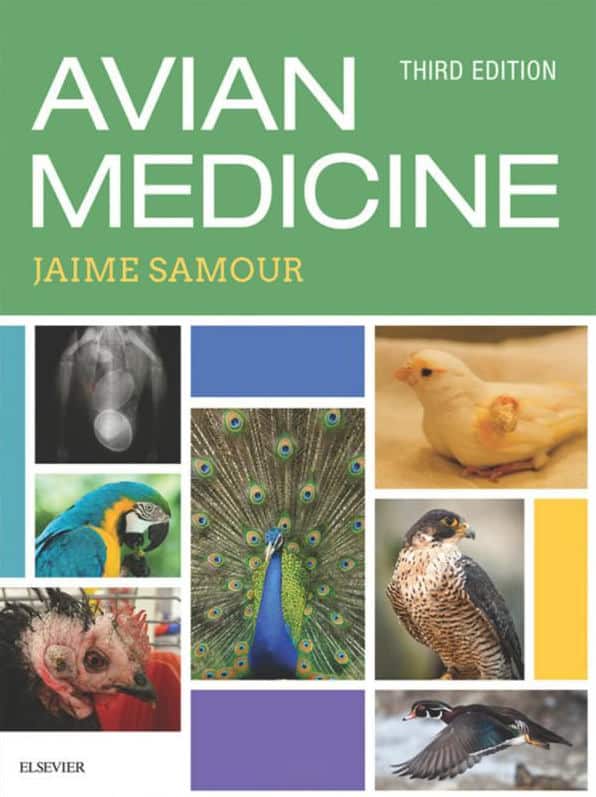
Avian Medicine 3rd Edition

Avian Medicine 3rd Edition PDF Download

Avian Medicine 3Rd Edition Pdf Download

By Jaime Samour

Combining the in-depth coverage of a text with the practicality of a clinical manual and the visual detail of an atlas, Avian Medicine3rd Edition is the complete, all-in-one guide to every aspect of avian care. Written by some of the world’s leading authorities in avian medicine, this highly illustrated reference covers a wide variety of avian species — including psittacines, raptors, bustards, parrots, finches, and more. Comprehensive coverage includes issues ranging from the basic aspects of patient management to the most sophisticated diagnostic techniques. Plus, with more illustrations, a wealth of practical advice, and the latest information on cutting-edge treatments and procedures incorporated into this new edition, today’s general clinician will be fully equipped to effectively and confidently care for all birds.

Features

Features:

  • Comprehensive coverage of all aspects of clinical management written by leading experts in the field provides readers with a depth and breadth of knowledge on avian medicine and care.
  • Coverage of a wide variety of species — including raptors, bustards, and many others — enables practitioners to treat a greater assortment of patients with more confidence and skill.
  • Bulleted text and tables help present information in an accessible way.
  • More than 900 color images give readers a better picture of disease and how it will be encountered in practice.
  • Appendices bring together wide-ranging data on hematology and blood chemistry reference values, commonly used pharmaceutics and other information relevant to avian practitioners.

Table of Contents

Table of Contents:

1.Housing, Environment and Public Awareness
2. Avian Intelligence, Clinical Behavior and Welfare
3. Nutrition and Nutritional Management
4. Capture and Handling
5. The Clinical Examination
6. Clinical and Laboratory Diagnostic Examination
7. Anesthesia and Analgesia
8. Medical, Nursing and Cosmetic Procedures
9. Trauma-Related Medical Conditions
10. Management-Related Medical Conditions
11. Soft Tissue Surgery
12. Orthopedic Surgery
13. Systemic Diseases
14. Infectious Diseases
15. Reproduction
16. Post-Mortem Examination
17. Forensic Investigations in Avian Medicine
Appendices
Index

Get This Book

This Book is Avaiable for Members

Access this book instantly with a Premium membership

📄 PDF Format
⚡ Instant Delivery
Unlock Premium Access

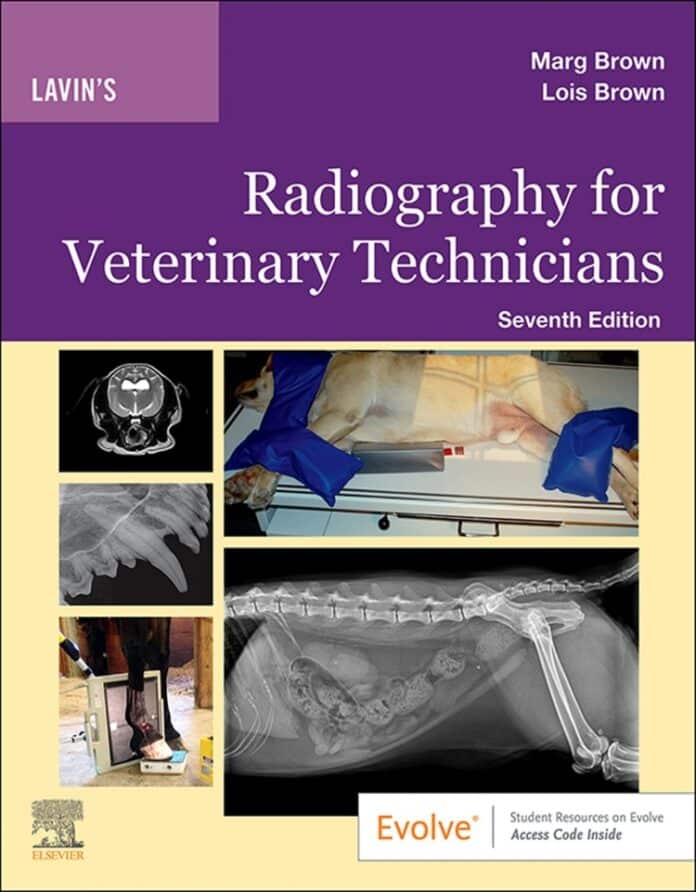
Lavin’s Radiography for Veterinary Technicians 7th Edition

Lavin’s Radiography for Veterinary Technicians 7th Edition

Lavin’s Radiography For Veterinary Technicians 7Th Edition Pdf Download

By Marg Brown abd Lois Brown

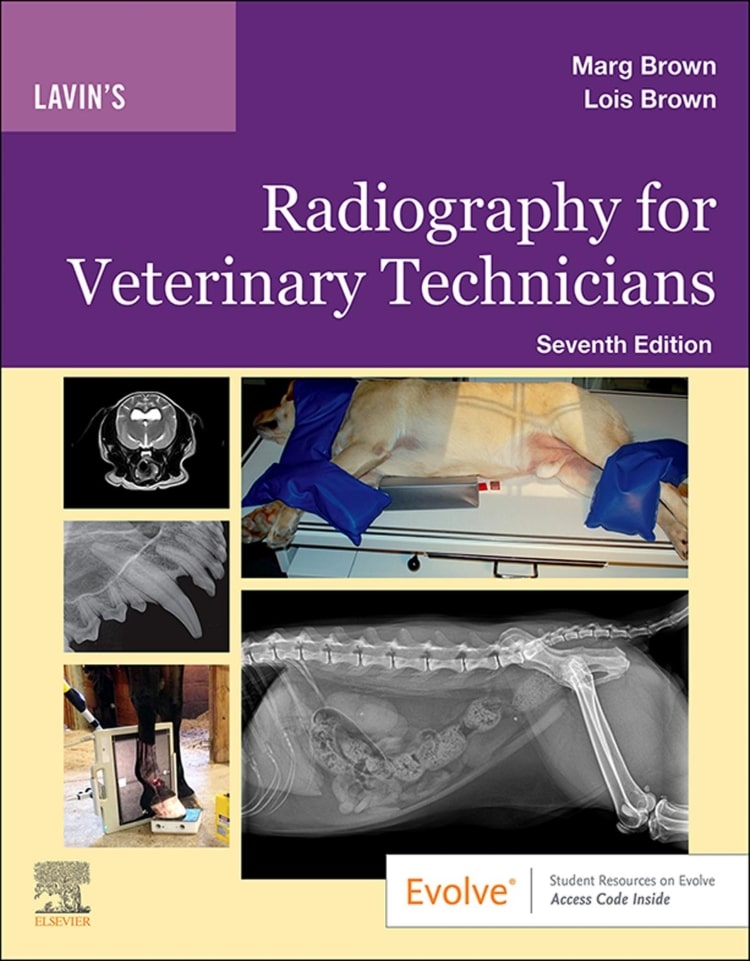
Lavin’s Radiography for Veterinary Technicians 7th Edition Develops a working knowledge of radiologic science as it applies to producing diagnostic-quality images ― and preparing for the Veterinary Technology National Exam (VTNE) ― This Book is Written in a way that is easy to follow and understand, all aspects of imaging, including production, positioning, and evaluation of radiographs, are covered in this comprehensive text. All chapters have been thoroughly reviewed, revised, and updated with vivid color equipment photos, positioning drawings, and detailed anatomy drawings. From foundational concepts to the latest in diagnostic imaging, this text is a valuable resource for students, technicians, and veterinarians alike!

Features

Features:

  • Comprehensive content explores the physics of radiography, the equipment, the origin of film artifacts, and positioning and restraint of small, large, avian, and exotic animals.
  • More than 1,000 full-color photos and updated radiographic images visually demonstrate the relationship between anatomy and positioning.
  • UNIQUE! Coverage of non-manual restraint techniques, including sandbags, tape, rope, sponges, sedation, and combinations, improve safety and enhance radiation protection.
  • Emphasis on digital imaging, including quality factors and post-processing, keeps you up to date on the most recent developments in digital technology.
  • UNIQUE! Dental radiography chapter covers equipment types (film, digital, and computed radiography), safety, positioning, and reading the image for the dog and cat to address the needs of both general and specialty veterinary technicians.
  • Broad coverage of radiologic science, physics, imaging, and protection provides you with the foundation needed to develop good imaging practices and techniques.
  • NEW! Coverage of the latest protocols ensures all-inclusive coverage.

Table of Contents

Table of Contents:

Part One:

Section 1: The Technical Side of Imaging
1. The Basics of Atoms and Electricity
2. Diagnostic Xray Production
3. Radiation Safety and Protection
Section 2: Film and Digital Imaging
4. Imaging on Film
5. Producing the Image
6. Optimizing the Image
7. Processing the Image on Film
8. Computerized Radiography; Digital Imaging
9. Quality Control, Testing and Artifacts
Section 3: Specialized Imaging
10. Ultrasound
11. Fluoroscopy
12. Computerized Tomography
13. Magnetic Resonance Imaging
14. Nuclear Medicine and Intro to P.E.T.

Part Two:
15. Overview of Positioning
16. Small Animal Abdomen
17. Small Animal Thorax
18. Small Animal Forelimb
19. Small Animal Pelvis and Pelvic Limb
20. Small Animal Vertebral Column
21. Small Animal Skull
22. Dental Imaging and Radiography
23. Small Animal Special Procedures
24. Equine and Large Animal Radiography
25. Avian and Exotic Radiography

Get This Book

This Book is Avaiable for Members

Access this book instantly with a Premium membership

📄 PDF Format
⚡ Instant Delivery
Unlock Premium Access

How Social Media Can Level Up Your Veterinary Practice?

How Social Media Can Level Up Your Veterinary Practice?

How Social Media Can Level Up Your Veterinary Practice?

How Social Media Can Level Up Your Veterinary Practice?

5 Ways By Which Social Media Can Level Up Your Veterinary Practice. While social media is big in every industry these days, it is especially important for the veterinary industry as a whole. More and more pet owners use social media to find information about certain drugs or vaccines, contact local vet offices, ask questions about their pets, and so on. One could even go so far as to claim that social media has revolutionized the veterinarian industry. As a veterinarian, you surely know how important it is to be active on social media. Social media can be a powerful tool for growing your Veterinary practice. Twitter, blogs, Facebook, LinkedIn, and a host of other social media are here to stay. So how could you level up your veterinary practice by using social media? Read to the end to know

Veterinary Books

5 Ways By Which Social Media Can Level Up Your Veterinary Practice

Build online presence

Online presence is a big deal. If you don’t have an online presence, then how can people find you? How can you reach out to new customers? If you want to build your business and create a place where people can come together, social media is the way to do it. It’s kind of like the internet equivalent of having a storefront in the middle of town except that instead of just one or two people passing by every day, there are thousands (or millions) passing by every day! Your strong online presence helps you in drawing the attention of potential customers who are interested in learning more about new veterinary products or services.

Connects with clients

Social media is a great way to connect with your clients and get them excited about your veterinary service. We’re not saying you should spam your followers with ads, but rather that you should use social media as a way to attract customers, and then engage them in the conversation! You can start by posting about what you do at your clinic, why you love it, and how it’s helpful for pet owners. Then, when people ask questions about what you do or how they can use it for their pet? Answer them! You’ll be amazed at how many pet owners come from simply engaging with people on social media!

Educate pet owners

Social media can also be an amazing tool for educating your pet owners. It’s a great way to reach out to people who aren’t in your immediate area, and it can help them understand the best ways to care for their pets.

You can use social media to answer questions and address concerns that people have about their pets. You can also share information about upcoming events, or remind people about things like vaccinations and spaying/neutering appointments. This can attract more potential pet owners.

Promote your services

Social media is an excellent way to promote your veterinary services. It’s a great way to reach out to people who are interested in your type of business, and it allows you to interact with them easily, which is important when you’re trying to build trust.

In addition, social media allows you to get feedback from your customers and followers. You can use this feedback to improve your service, which will help attract more customers in the future.

It can also help you find new clients through paid ads or through sponsored posts. These tactics aren’t cheap, but they can be very effective at reaching a large audience quickly and effectively.

Improved services

Social media is a great way to connect with your community, and it can also be used to help improve the services you offer. It can be used to generate leads and increase the number of clients you see. It’s also a great way to meet other people in the industry who have similar interests or goals as you do.

Conclusion

In the end, building an effective social media presence is a matter of understanding your target audience. Veterinary doctors are busy people, but there’s no reason why they shouldn’t look to incorporate social media into their work-life balance. Their social presence is something that needs to be maintained on a daily basis, and vet offices need to take extra care not to waste valuable time on social interactions that don’t lead anywhere. Fortunately, if you keep these things in mind, you’ll find the rewards outweigh the risks.

Tip

Do You Want To Increase Your Veterinary Knowledge and Practical Skills?

You Can Now Browse and Download +3000 Veterinary Books Online In All Veterinary Fields.

Browse All Veterinary Books

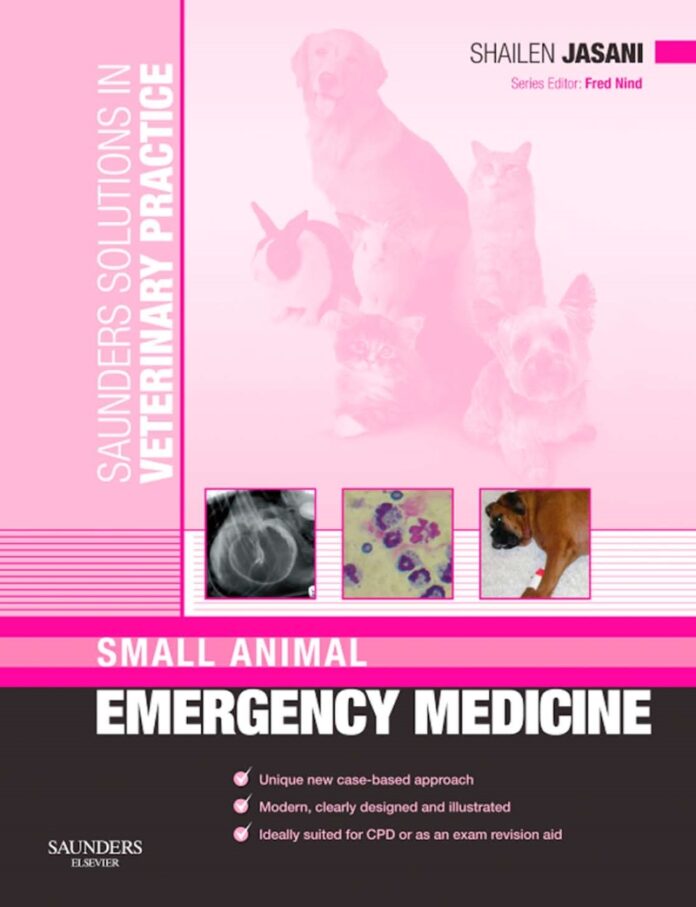
Saunders Solutions in Veterinary Practice: Small Animal Emergency Medicine

Saunders Solutions in Veterinary Practice: Small Animal Emergency Medicine

Saunders Solutions In Veterinary Practice: Small Animal Emergency Medicine Pdf Download

By Shailen Jasani

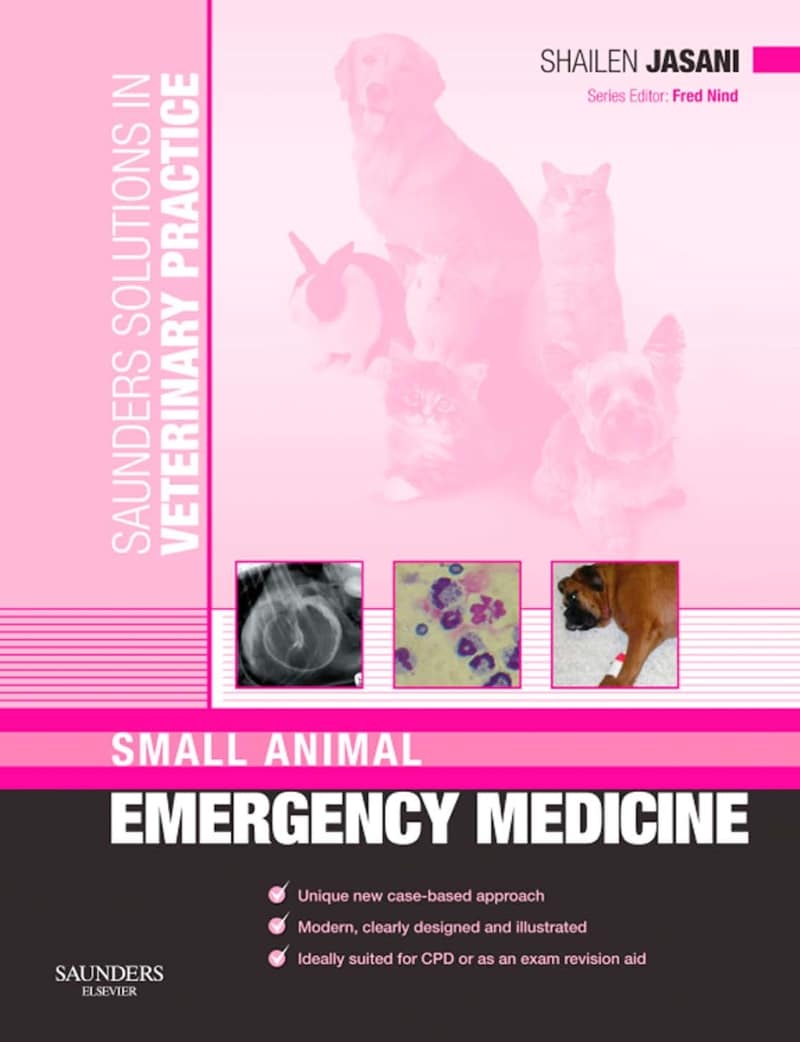
Saunders Solutions in Veterinary Practice: Small Animal Emergency Medicine. Saunders Solutions in Veterinary Practice consists of a series of practical handbooks on selected medical topics on specific veterinary problems. Case-based, this series is aimed at the small animal veterinary practitioner who has qualified less than 10 years and needs quick access to information and wants to increase his/her confidence on handling that range of cases that cover the spectrum that lies between the simple routine first opinion case and the referral.
Saunders Solutions in Veterinary Practice provides additional knowledge that leads to improved skills and practice for veterinary practitioners. Not only practitioners, but also veterinary students nearing the end of their course will find this series very useful to brush up their knowledge in a particular area. The volumes are also written with the veterinary nurse in mind with a particular interest in a specific topic, using ‘Nurse Boxes’ in the text to guide them to the specific information they need.

Table of Contents

Table of Contents:

Section 1 The fundamentals

1. Major body system examination

2. Shock and dehydration

3. Emergency database interpretation

4. Parenteral fluid therapy

5. Analgesia for the emergency patient

6. Oxygen supplementation

Section 2 Problem-orientated approach

7. Abnormal urine or urination

8. Acute abdomen

9. Acute diarrhoea

10. Acute red eye and pain

11. Acute vomiting

12. Cardiac dysrhythmias

13. Collapse

14. Cyanosis

15. Head tilt and nystagmus

16. Hyperthermia and pyrexia

17. Hypothermia

18. Jaundice

19. Pallor and approach to anaemia

20. Pelvic limb paresis and paralysis

21. Petechiae and ecchymoses

22. Regurgitation

23. Respiratory distress

24. Seizures

25. Sudden loss of vision

26. Urticaria, angioedema and anaphylaxis

27. Wounds and open fractures

Section 3 Specific disorders

28. The trauma patient

29. The acute abdomen

30. Toxicological emergencies

31. Cardiovascular emergencies

32. Respiratory emergencies

33. Haematological and haemostatic emergencies

34. Endocrine emergencies

35. Ocular emergencies

36. Urinary tract emergencies

37. Dystocia

38. Heatstroke

Section 4 Additional topics

39. Notes on sedation and general anaesthesia (with Simon Ripoll)

40. Notes on transfusion medicine

41. Notes on paediatric medicine

APPENDICES

MCQs

MCQs – Answers

Appendix 1 Drug formulary

Appendix 2 Procedures – equipment and techniques

Index

Get This Book

This Book is Avaiable for Members

Access this book instantly with a Premium membership

📄 PDF Format
⚡ Instant Delivery
Unlock Premium Access

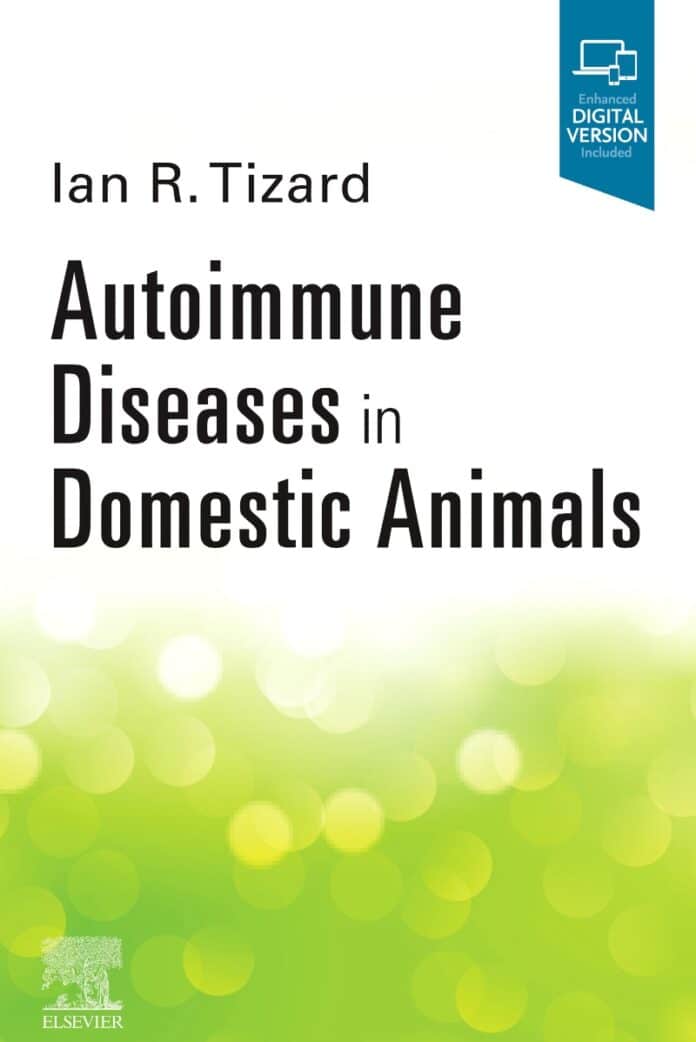
Autoimmune Diseases In Domestic Animals

Autoimmune Diseases In Domestic Animals

Autoimmune Diseases In Domestic Animals Pdf Download

By Ian R. Tizard

Autoimmune Diseases In Domestic Animals. With nearly 100 different autoimmune diseases reported to occur in domestic animal species, this evidence-based clinical reference is a must-have for every veterinary practice! Autoimmune Diseases in Domestic Animals, from noted veterinary author Ian R. Tizard, sheds light on both common and rare conditions, including skin diseases, diabetes mellitus, thyroiditis, and hemolytic anemia. Convenient and portable, this single-source review addresses autoimmune diseases in dogs, cats, horses, and livestock species with comprehensive coverage of treatment protocols, diagnostic procedures, and the latest pathogenesis studies.

The Immunology Of The Dog

Recommended Book:
Features

Features:

  • All-in-one guide covers the basic science, clinical presentation, and treatment of this set of increasingly prevalent animal diseases.
  • Comprehensive information for each disease prepares students to communicate effectively with clients.
  • Reviews of the most recent relevant literature provide a clearer understanding of complex autoimmune diseases.
  • Detailed coverage facilitates the accurate diagnosis and rational treatment of immunologic diseases.
  • Information on autoimmune mouse strains and other animal models meets the needs of comparative immunology and research students.
  • Expert author Ian R. Tizard is a well-established veterinary writer who is world-renowned on the topic of immunology in veterinary medicine.

Table of Contents

Table of Contents:

Abbreviations and Acronyms
1. Basic Immunology: A Review
2. Immunologic Tolerance
3. Loss of Tolerance
4. Genetic Factors in Autoimmunity
5. The Microbiota and Autoimmunity
6. Autoimmune Endocrine Diseases
7. Autoimmune Neurologic Diseases
8. Autoimmune Eye Diseases
9. Autoimmune Reproductive Diseases
10. Autoimmune Skin Diseases
11. Autoimmune Blood Diseases
12. Autoimmune Muscle Diseases
13. Autoimmune and Immune-Mediated Liver and Kidney Diseases
14. Autoinflammatory Diseases
15. Systemic Lupus Erythematosus
16. Rheumatoid Arthritis
17. Seronegative Nonerosive Arthropathies
18. Immune-Mediated Vascular Disease
19. Immune-Mediated Enteropathies
20. Diagnostic Tests for Autoimmune Diseases
21. The Treatment of Immune-Mediated Diseases
22. Experimental Autoimmune Disease Models
Index

Get This Book

This Book is Avaiable for Members

Access this book instantly with a Premium membership

📄 PDF Format
⚡ Instant Delivery
Unlock Premium Access

Horseback Riding For Dummies, 2nd Edition

Horseback Riding For Dummies, 2nd Edition PDF

Horseback Riding For Dummies 2Nd Edition Pdf Download

By Audrey Pavia

Horseback Riding For Dummies 2nd Edition Book. There’s nothing quite like the sound of a horse’s gallop. Add to that the sight of its mane catching wind as its powerhouse body criss-crosses the boundary of strength and graceful agility. They are majestic creatures to behold—and if you’ve caught the equine bug, Horseback Riding For Dummies is all you need to get saddled up and started on your journey to riding into the sunset!

Inside, riders at the beginner level will discover the differences between Western and English riding styles, get the knowledge to select the best stable and instructor, and so much more!

Once you’ve fallen for one of these beautiful animals, it’s hard to hold your horses—and this guide is here to give you the skills and know-how to take that excitement to the ring!

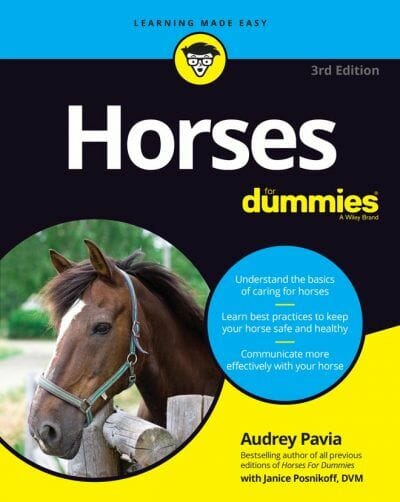
Horses For Dummies 3Rd Edition

Recommended Book:
Features

Features:

  • Choose the riding discipline that best suits your interests
  • Find a qualified riding instructor
  • Learn how to enter the competitive riding world
  • Fit and care for the saddle, bridle, and other equipment

Table of Contents

Table of Contents:

  1. Introduction

  2. So You Want to Ride a Horse

  3. Getting to Know Your Horse

  4. Gearing Up: Equipment for You and Your Horse

  5. Finding a Place to Ride

  6. Mounting Up and Heading Out

  7. Riding in Harmony with Your Horse

  8. Basic Training for Every Horse

  9. Enjoying the Great Outdoors

  10. The World of Competition

  11. Getting and Caring for Your Own Horse

  12. Taking Care of the Rider

  13. Ten Horse Myths Demystified

  14. Ten Riding Don’ts

  15. Ten Ways to Learn More about Riding

  16. Appendix: Resources for the Horse Enthusiast

Index


Get This Book

File Size 120.2 MB
File Format
Zip File With Pdf And Epub

ZIP File Contain
Converted PDF + Original EPUB

Download  link: Download Now | Go Premium, Unlock All Books
Useful Links: Support | Browse All Categories
Join Telegram Channel: Telegram

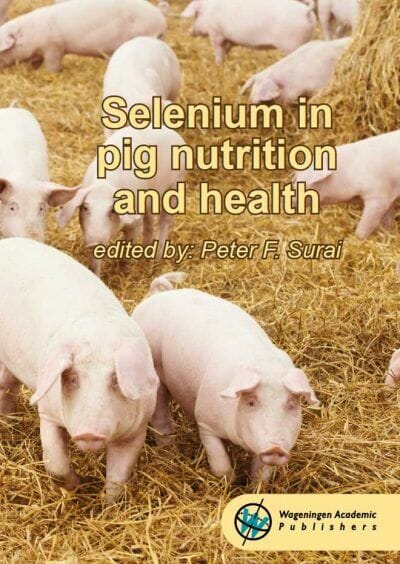
Sustainable Swine Nutrition 2nd Edition

Sustainable Swine Nutrition 2nd Edition

Sustainable Swine Nutrition 2Nd Edition Pdf Download

By Lee I. Chiba

As climate change continues to have a significant impact on the modern world, it is crucial to find alternative sources of energy and nutrients for swine production. The development of optimal feeding revolves around a multitude of considerations—genetic variations in the pig, variability, availability, and stability of nutrients in feed ingredients, interactions among nutrients and non-nutritive factors, voluntary feed intake, physical (& social) environment of pigs, and more. Establishing the ideal network of factors will only grow in importance as humans assess the methods for our own food networks.

Sustainable Swine Nutrition is a comprehensive book on swine nutrition, covering some fundamental aspects of nutrition—namely digestive physiology, water, protein or amino acids, lipids, carbohydrates, energy metabolism, vitamins, minerals, and nutrition and immunology. Providing the most up-to-date information on each of these areas, a major emphasis of this second edition is on recent developments and current advances in the field, with a focus on pertinent issues linked with energy and nutrients. In doing so, the book highlights topics and issues that can contribute to the ultimate goal of successful and sustainable swine production.

Sustainable Swine Nutrition, Second Edition, is an ideal resource for livestock scientists and industry professionals involved in all aspects of pork production.

Features

Features:

  • Environmentally friendly, optimal feeding strategies for successful and sustainable swine production
  • Recent developments, such as alternative feedstuffs, feed additives, and bioavailability
  • Expanded treatment and new chapters on swine physiology, energy and protein, technology, and more

Table of Contents

Table of Contents:

Contributors

Preface

Editor

Part I Fundamental Nutrition

Chapter 1 Digestive Physiology and Nutrition of Swine

Chapter 2 Water in Swine Nutrition

Chapter 3 Energy and Energy Metabolism in Swine

Chapter 4 Lipids and Lipid Utilization in Swine

Chapter 5 Amino Acids and Amino Acid Utilization in Swine

Chapter 6 Carbohydrates and Carbohydrate Utilization in Swine

Chapter 7 Vitamins and Vitamin Utilization in Swine

Chapter 8 Minerals and Mineral Utilization in Swine

Chapter 9 Nutrition and Immunology in Swine

Part II Nutrition for Successful and Sustainable Swine Production

Chapter 10 Diet Formulation and Feeding Programs

Chapter 11 Cereal Grains, Cereal Grain Byproducts, and Alternative Energy Sources

Chapter 12 Major Protein Supplements in Swine Diets

Chapter 13 Pulse Grains and Their Coproducts in Swine Diets

Chapter 14 Fiber in Swine Nutrition

Chapter 15 Anti-nutritional Factors in Feedstuffs

Chapter 16 Feed Processing Technology and Quality of Feeds

Chapter 17 Enzymes and Enzyme Supplementation of Swine Diets

Chapter 18 Feed Additives in Swine Diets

Chapter 19 Bioavailability of Amino Acids, Phosphorus, and Others

Chapter 20 Swine Nutrition and Environment

Chapter 21 Swine Housing System, Behavior, and Welfare

Chapter 22 Feeding Reproducing Swine and Neonatal Pigs

Chapter 23 Feeding Weanling, Grower, and Finisher Swine

Chapter 24 Organic Swine Production and Nutrition

Chapter 25 Swine Nutrition and Pork Quality

Get This Book

This Book is Avaiable for Members

Access this book instantly with a Premium membership

📄 PDF Format
⚡ Instant Delivery
Unlock Premium Access

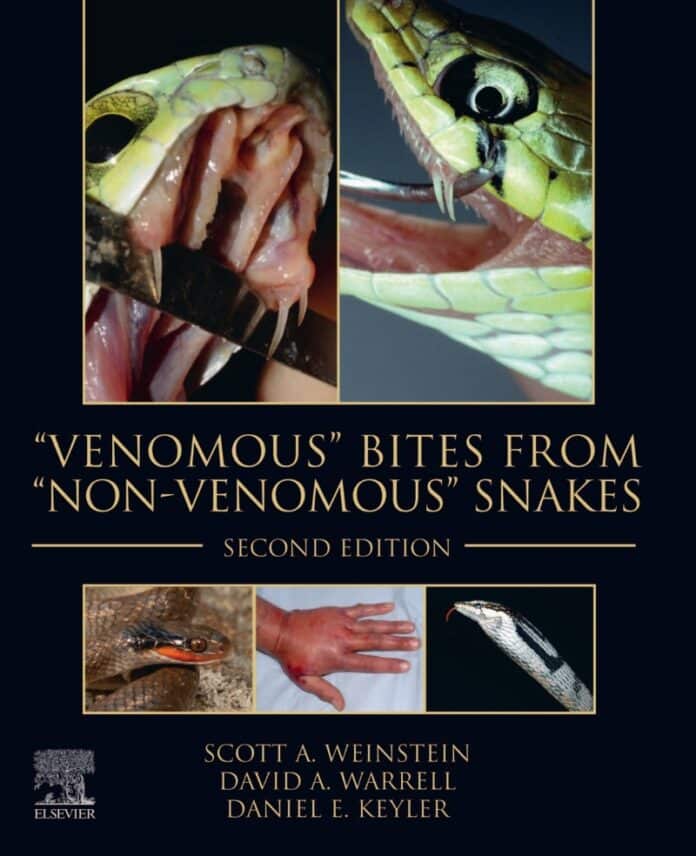
Venomous Bites from Non-Venomous Snakes, 2nd Edition

Venomous Bites from Non-Venomous Snakes, 2nd Edition

Venomous Bites From Non-Venomous Snakes, 2Nd Edition Pdf Download

By Scott Weinstein, David Warrell and Daniel Keyler

Venomous Bites from Non-Venomous Snakes, 2nd Edition thoroughly examines the potential hazards associated with bites by non-front-fanged snakes (popularly, but inaccurately, called “rear-fanged snakes”). This diverse group contains approximately 80% of living snake species (approximately 2,900 species). A large proportion of these snakes were previously assigned to the family Colubridae but, as a consequence of expanding systematics investigations, have been split into multiple families and subfamilies. Many of these snakes produce venoms or oral secretions that contain toxins and other biologically active substances. A large variety of non–front-fanged snakes figure in the pet industry, yet little documented information or formal study of their potential medical importance has been published. Therefore, although the possible medical importance of many of these species has been subjected to speculation since the mid-19th century, there is a limited amount of useful descriptive information regarding the real hazard (or lack thereof) of this wide variety of snakes.

The first edition of this book provided “one-stop shopping” by offering information regarding their possible toxicity and clinical relevance as well as recommendations for medical management of their bites. The second edition expands and updates the content with detailed information about the effects and medical management of bites by a broad representation of non–front-fanged species. The hypothetical venomous nature of some lizards considered as non-venomous such as the Komodo monitor or dragon and their allies, as well as the medical effects of their bites, is also examined. The dynamic taxonomy of advanced snakes is updated, and the bases for some of these fluid changes are discussed. Likewise, terminology is also updated in order to reflect the ongoing debates regarding the definition of “venom” and the balanced reinforcement of nonmedical criteria used to define the biological basis of the term “venomous.”

Table of Contents

Table of Contents:

Chapter 1. A summary of taxing taxonomic considerations: non-front-fanged snakes and the shifting sands of systematics
Chapter 2. Differences between buccal gland secretion and associated venom delivery systems of front-fanged snakes and non-front-fanged snakes: Low- versus high-pressure gland function and canaliculated versus solid dentition
Chapter 3. A brief overview of the history of non-front-fanged snake venom research
Chapter 4. Medically significant bites by non-front-fanged snakes (NFFCs)
Chapter 5. Summary and conclusions
Appendix A. Representative unverified cases of medically significant non-front-fanged snake bites posted on the internet
Appendix B. Representative lethal potency ranges and yields of venoms and other oral products from selected non-front-fanged colubroid snakes
Appendix C. Strategies for management of gram-negative septicemia: are there lessons to be learned for managing venom-induced coagulopathies?
Appendix D. Legal considerations regarding private ownership of venomous snakes (including hazard level 1 non-front fanged snakes): an opinionated essay
Appendix E. List of examined osteological specimens
Additional recommended reading
Bibliography
Glossary
A call for cases
Index

Get This Book

This Book is Avaiable for Members

Access this book instantly with a Premium membership

📄 PDF Format
⚡ Instant Delivery
Unlock Premium Access