Home Blog Page 51

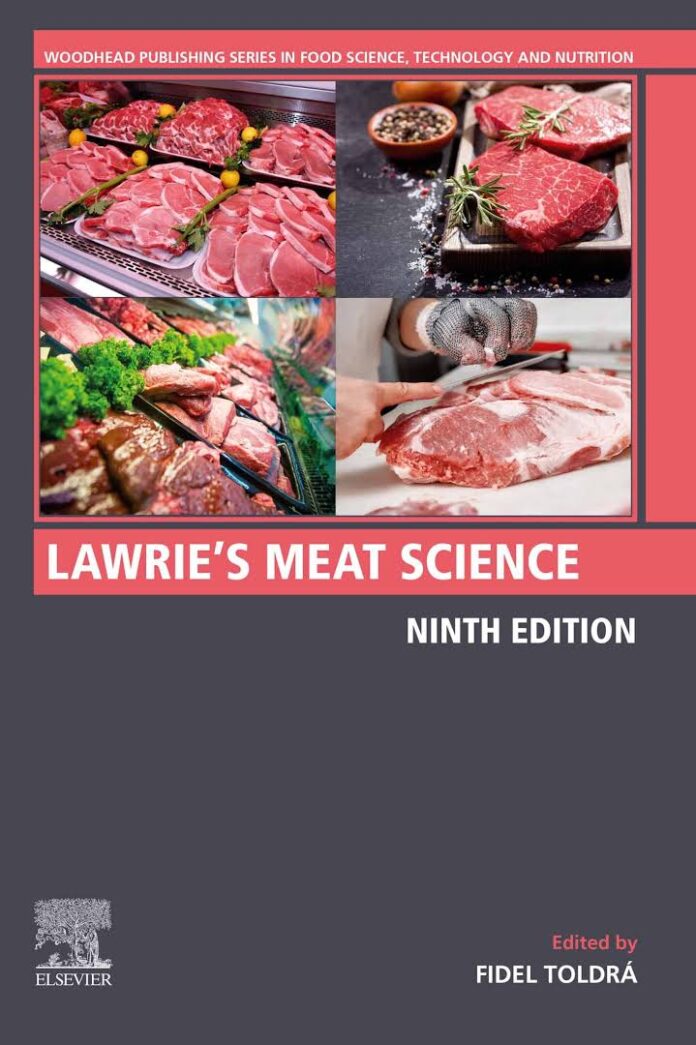
Lawrie’s Meat Science, 9th Edition

Lawrie’s Meat Science, 9th Edition

Lawries’ Meat Science 9Th Edition Pdf Download

By Fidel Toldra

Lawries’ Meat Science 9th Edition continues to be a classic reference in the meat world. It has been used by numerous generations of meat professionals since its first edition in 1966. The new edition brings four new chapters and updated information related to the latest advances in meat animals breeding and technologies for meat preservation, processing, and packaging. In addition, new relevant aspects of nutritional value, quality and safety of meat as well as methodologies for authenticity and traceability are provided with a compilation of chapters written by a select group of the most experienced and knowledgeable people in the meat field. This book covers essential information and latest advances and developments, from the initial meat animal’s growth and development to the time of slaughter and to the processing technologies, packaging and distribution till consumption of its meat. Relevant aspects of its composition, nutritional value, eating quality, consumer acceptance, safety and sustainability issues are also covered.

Features

Features:

  • Includes new information on improved added value of meat by-products for increased sustainability
  • Presents best practices sustainable animal production and meat processing
  • Provides the latest developments in organic meat and meat products and on cell-cultured meat and future market opportunities

Table of Contents

Table of Contents:

Chapter 1: Introduction

Abstract

1.1: Meat and muscle

1.2: Meat from other animals

1.3: Domestication of livestock

1.4: Trends and developments

1.5: Conclusions and future trends

References

Chapter 2: Factors influencing the growth of meat animals

Abstract

2.1: Introduction

2.2: Measurement of growth and body/carcass composition

2.3: Animal influences on growth of farm animals

2.4: Nonanimal influences on growth of farm animals

2.5: Interactions between animal and nonanimal influences on growth of farm animals

2.6: Future developments

References

Chapter 3: The structure and growth of muscle

Abstract

3.1: Introduction

3.2: The hierarchy of structures relevant to meat: From macroscopic to molecular

3.3: Muscle development and growth

3.4: Conclusions and future trends

References

Chapter 4: Chemical and biochemical constitution of muscle

Abstract

4.1: General chemical aspects

4.2: Biochemical aspects

4.3: Factors affecting muscle function with possible consequences on meat quality

4.4: Conclusion and future trends

References

Chapter 5: The conversion of muscle to meat

Abstract

5.1: Introduction

5.2: Rigor mortis

5.3: Postmortem metabolism

5.4: Factors controlling the rate of postmortem metabolism

5.5: Factors controlling the extent of postmortem metabolism

5.6: Abnormal postmortem metabolism

5.7: Presalughter stress

5.8: Development of meat quality attributes

5.9: Postmortem handling and meat quality

5.10: Aging and proteolysis

5.11: Conclusions

References

Chapter 6: Meat microbiology and spoilage

Abstract

6.1: Introduction

6.2: Recent advances in meat microbiology and identification of the main bacterial species involved in spoilage

6.3: The main microbial contaminants of meat involved in spoilage

6.4: Devices for bacterial spoilage monitoring

6.5: Major spoilage manifestations

6.6: Conclusion

References

Chapter 7: The storage and preservation of meat: I—Thermal technologies

Abstract

7.1: Introduction

7.2: Chilling

7.3: Freezing

7.4: Heating

7.5: Novel thermal procedures

7.6: Future trends

References

Chapter 8: The storage and preservation of meat: II—Nonthermal technologies

Abstract

8.1: Introduction

8.2: Ionizing radiation

8.3: High pressure

8.4: Freeze dehydration

References

Further reading

Chapter 9: The storage and preservation of meat. III—Meat processing

Abstract

9.1: Introduction

9.2: Curing

9.3: Fermentation

9.4: Dehydration

9.5: Smoking

9.6: Processing technologies for cured meat products

9.7: Conclusions and future trends

References

Chapter 10: The storage and preservation of meat: Storage and packaging

Abstract

10.1: Introduction

10.2: Impact of microbiology on fresh meat quality attributes

10.3: Common technologies used to preserve fresh meat products and assist in a combined manner to extend product shelf life

10.4: Packaging materials used for fresh meat and muscle-based products

10.5: Smart and intelligent packaging systems

10.6: Conclusions

References

Relevant websites

Chapter 11: The eating quality of meat: I Color

Abstract

11.1: Introduction

11.2: Myoglobin concentration

11.3: Myoglobin structure

11.4: Color phenomena in fresh meat

11.5: Color in cooked nitrite-cured and salted uncooked meats

11.6: Cooked meat color

11.7: Anomalies in meat color

11.8: Measuring meat color

11.9: Summary statement

References

Further reading

Chapter 12: The eating quality of meat: II—Tenderness

Abstract

12.1: Introduction

12.2: Measuring tenderness

12.3: Conclusions and future trends

References

Chapter 13: The eating quality of meat: III—Flavor

Abstract

13.1: Aroma and taste compounds

13.2: Volatile compounds generation reactions

13.3: Methodology for meat aroma volatile identification

13.4: Pre- and postslaughter factors affecting aroma

13.5: Off-flavors

13.6: Meat product flavor

13.7: Conclusions and future trends

References

Chapter 14: The eating quality of meat: IV—Water holding capacity and juiciness

Abstract

14.1: Introduction

14.2: Definition of water-holding capacity and juiciness

14.3: Structural influences on the WHC of uncooked, cooked, and processed meat

14.4: Factors influencing WHC in raw muscle

14.5: Changes in WHC during cooking of raw meat

14.6: Juiciness: Influencing factors and interactions with WHC

14.7: Factors influencing WBC of meat products

14.8: Methods to measure WHC and juiciness

14.9: Conclusions and future trends

References

Further reading

Chapter 15: The eating quality of meat: V Sensory evaluation of meat

Abstract

15.1: Introduction

15.2: Why sensory evaluation of meat is unique

15.3: Overview of how sensory is perceived and defining sensory attributes

15.4: Sensory controls for meat

15.5: Sensory techniques

15.6: Emerging or underutilized sensory techniques

15.7: Conclusions

References

Chapter 16: Meat safety—I Foodborne pathogens and other biological issues

Abstract

16.1: Introduction

16.2: Biological meatborne hazards: Prevalence, transmission, and foodborne disease surveillance

16.3: Meatborne bacterial pathogens and toxins

16.4: Meatborne viruses

16.5: Meatborne parasites

16.6: Other biological issues

16.7: Current and future challenges to biological meat safety

16.8: Concluding remarks and outlook

References

Chapter 17: Meat safety: II Residues and contaminants

Abstract

17.1: Introduction

17.2: Chemical contaminants and residues

17.3: Risk assessment

17.4: Analytical methods

17.5: Future trends and perspectives

References

Chapter 18: Meat authenticity and traceability

Abstract

18.1: General overview

18.2: Intrinsic characteristics of the meat

18.3: Extrinsic characteristics of the meat

18.4: Conclusions and future trends

References

Chapter 19: Meat composition and nutritional value

Abstract

19.1: Introduction

19.2: Global meat production and consumption

19.3: Composition of meat. Roles of nutrients in metabolism and recommended intakes

19.4: Meat as part of a healthy diet

19.5: Effects of cooking on nutrients in meat

19.6: Conclusions

References

Chapter 20: Meat and health

Abstract

20.1: Introduction: Nutrients supplied from meat

20.2: Meat in healthy nutrition and diet

20.3: Recommended meat intakes

20.4: Functional muscle foods

20.5: Problematics with toxins and residues

20.6: Conclusions

References

Chapter 21: Sustainability I: Edible by-products

Abstract

21.1: Introduction

21.2: Main co-products

21.3: Nutritional value of co-products

21.4: Products resulting from co-products

21.5: Added value products obtained from co-products

21.6: Conclusions and future trends

References

Chapter 22: Sustainability II: Sustainable animal production and meat processing

Abstract

Acknowledgment

22.1: Introduction

22.2: Types of animal production systems around the world

22.3: What is sustainable animal production?

22.4: Why it is necessary to maintain sustainable animal production?

22.5: Some practices of sustainable animal production systems

22.6: Other technologies or strategies to improve sustainability of animal production

22.7: Meat processing

22.8: Benefits of sustainable animal production and meat processing

22.9: Future opportunities and perspectives

22.10: Conclusions

References

Chapter 23: Future meat market

Abstract

23.1: Introduction

23.2: Trends in plant-protein-based meat analogs

23.3: Trends in insect proteins to be used in meat products

23.4: Cell-cultured meat and future market opportunities

23.5: Trends in organic meat products

23.6: Pandemic planning for the meat industry

23.7: Conclusion and remarks

References

Index

Get This Book

This Book is Avaiable for Members

Access this book instantly with a Premium membership

📄 PDF Format
⚡ Instant Delivery
Unlock Premium Access

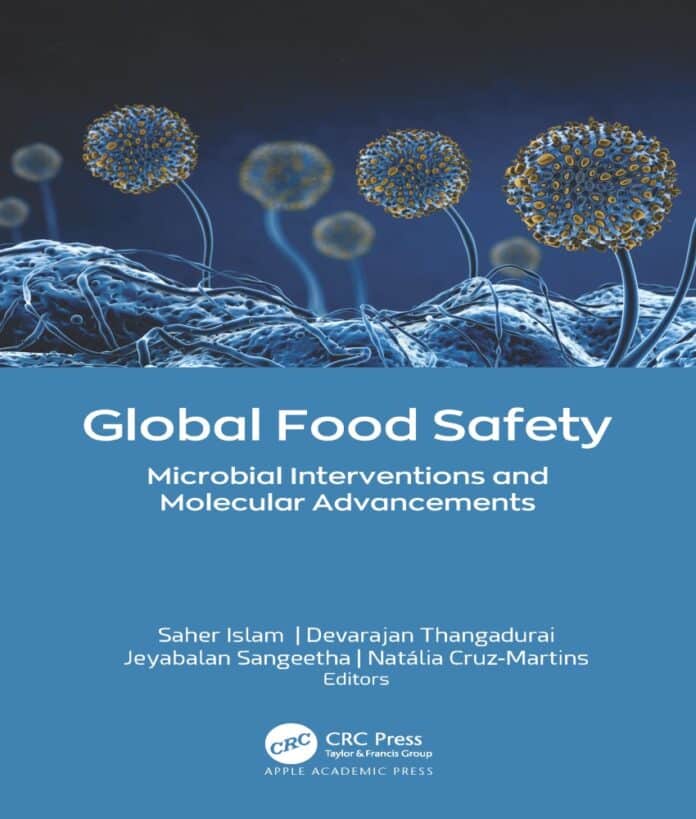
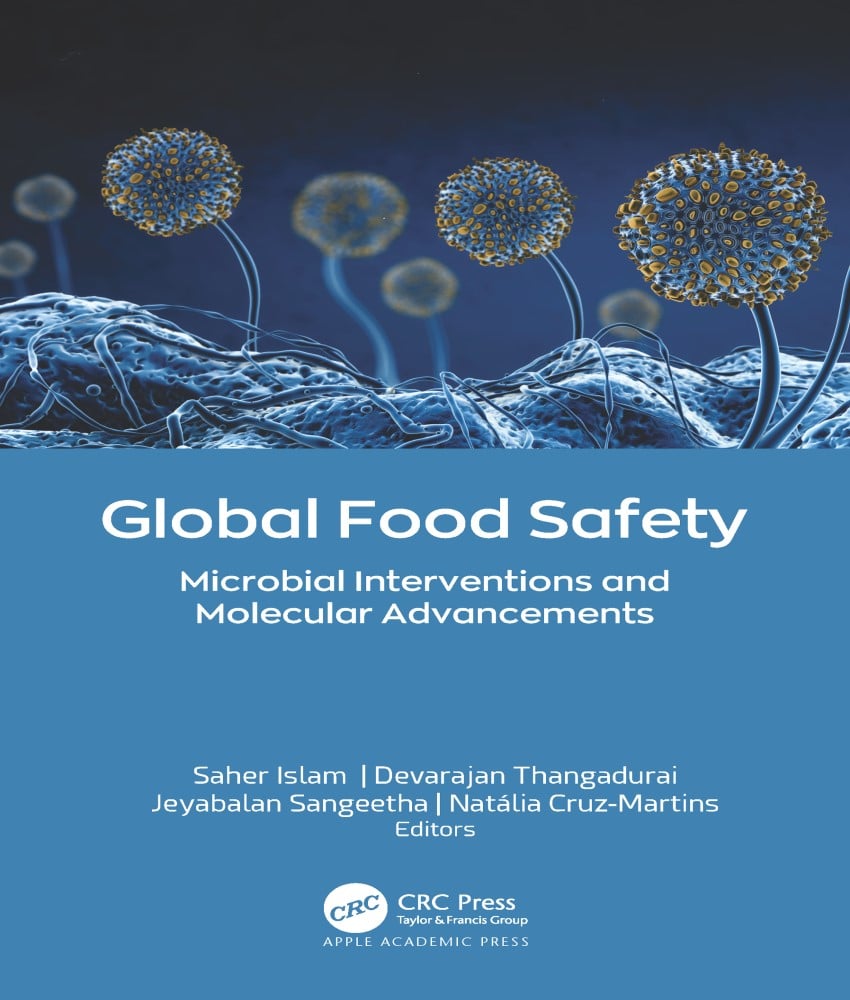
Global Food Safety, Microbial Interventions and Molecular Advancements

Global Food Safety, Microbial Interventions and Molecular Advancements

Global Food Safety, Microbial Interventions And Molecular Advancements Pdf Download

By Saher Islam, Devarajan Thangadurai, Jeyabalan Sangeetha and Natália Cruz-Martins

Global Food Safety, Microbial Interventions and Molecular Advancements Book. Foodborne microbial outbreaks are a serious food safety and public health concern worldwide. One of the most challenging issues in food safety is the identification and characterization of foodborne microbial communities, which is a core objective of research by food scientists and food microbiologists. This book reviews the molecular advances in food science related to the safety and quality of food along with recent diagnostic tools for the detection of emerging pathogens based on the food commodities. It presents a wide selection of methods for the identification and characterization of foodborne infectious agents.

This book provides an overview of foodborne pathogens, diseases, and outbreaks and then proceeds to delve into techniques for characterizing foodborne pathogens using molecular approaches. It reviews state-of-the-art methods for detecting and tracing foodborne pathogens using next-generation sequencing and whole-genome sequencing for controlling foodborne illnesses as well as the application of microorganisms in food production for preventing foodborne illnesses. The book ends with an overview of management systems and analytical tools for public health protection from foodborne illnesses.

Table of Contents

Table of Contents:

Part I: Foodborne Pathogens, Diseases, and Outbreaks

1. Foodborne Pathogens and Their Associated Infections

2. Foodborne Diseases: Causative Agents and Related Microorganisms

3. Role of Foodborne Pathogens and Microorganisms in Food Safety

4. Foodborne Outbreaks: Sources and Mode of Transmission of Foodborne Pathogenic Microorganisms

Part II: Characterizing Foodborne Pathogens Using Molecular Approaches

5. Epidemiology of Foodborne Bacterial Diseases and Molecular Techniques to Assure Food Safety

6. Molecular Characterization of Foodborne Pathogens.

7. Tracing Foodborne Pathogens Using Molecular-Based Approaches

Part III: Detecting and Tracing Foodborne Pathogens
Using NGS and WGS

8. Foodborne Pathogen Detection Using Next-Generation Sequencing

9. Next-Generation Sequencing for Strain Tracking and Community Profiling of Food Microbes

10. Whole Genome Sequencing for Food Safety and Quality

Part IV: Controlling Foodborne Illness for Public Health
11. Application of Microorganism in Food Production and Control of Foodborne Illness

12. Food Quality and Food Safety: Management Systems and Analytical Tools for Public Health

Get This Book

This Book is Avaiable for Members

Access this book instantly with a Premium membership

📄 PDF Format
⚡ Instant Delivery
Unlock Premium Access

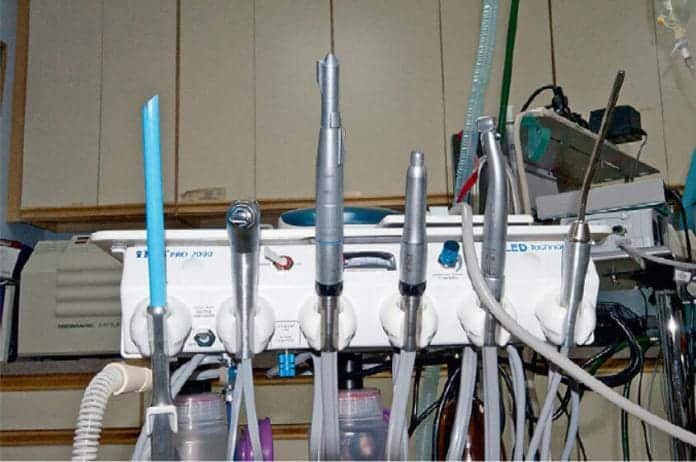
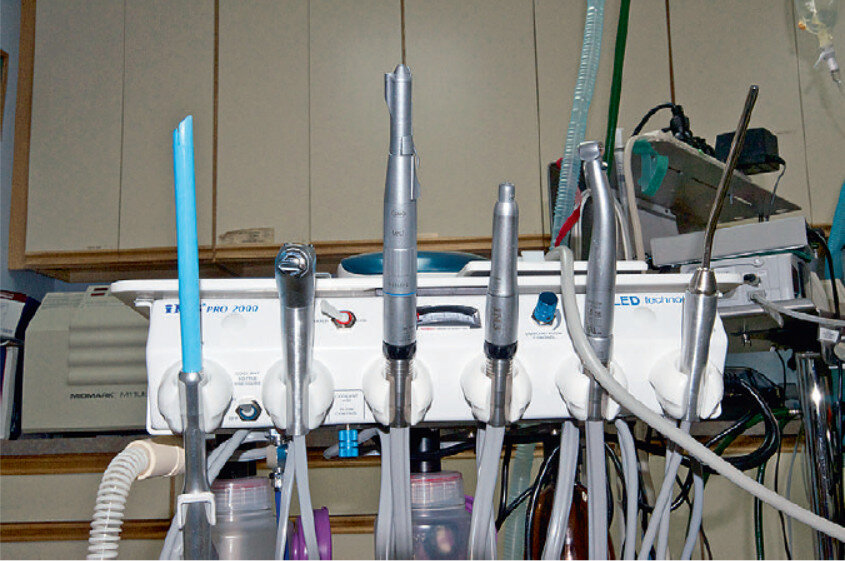
Veterinary Dental Equipment & Instruments: Names and Uses

Veterinary Dental Equipment, Veterinary dental instruments Guide,Veterinary dental instruments and their uses

Veterinary Dental Instruments Guide,Veterinary Dental Instruments And Their Usess

Veterinary Dental Equipment and Instruments are parts of the most important Equipment in our List of Veterinary Equipment and Tools used in large veterinary hospitals. Dental health is an important aspect not only for humans but also for all animals. As a result, Veterinary dentistry is one of the hot topics in veterinary medicine. Veterinary dentistry is defined as a branch of medicine that deals with the diagnosis, prevention, and treatment of dental diseases in animals. If you want to provide good quality dental care to the animals you may need some necessary veterinary dental equipment and instruments. These tools help veterinarians to diagnose, treat and prevent dental diseases in animals. In this article, we will explore some of the most commonly used veterinary dental equipment and instruments.

Veterinary Books

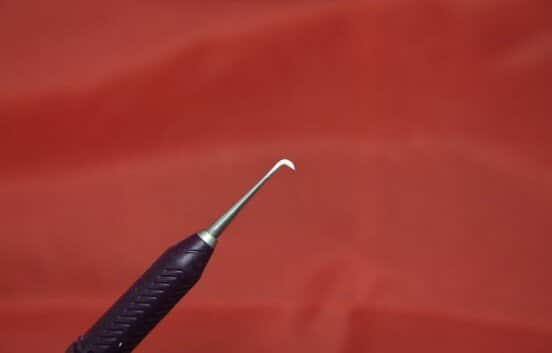
Scalers

Vet Dental Scalers, Veterinary Dental Equipment And Instruments

Dental scalers are the most important  Veterinary Dental Equipment in any vet clinic. It have a very important function they are used to remove tartar and plaque from the teeth of animals. Tartar is a yellowish hard mass that is deposited on the gums and teeth of animals. If this tartar stays on the gums it will cause different diseases and tooth decay. Dental scalers also come in different sizes they are so sharp that they can remove tartar but gentle that they don’t cause any damage to the tooth enamel.

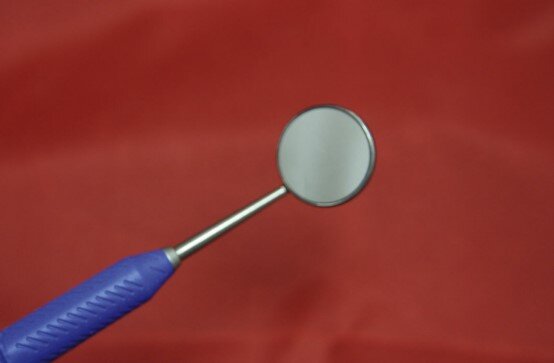
Dental Mirrors

Veterinary Dental Mirrors, Veterinary Dental Equipment And Instruments

The basic and most common tool that a vet will use to examine the oral cavity is a dental mirror. These tools are used to examine the gums, teeth, and oral cavities of animals. Dental mirrors are available in different sizes and they are mostly made of stainless steel. These mirrors are easy to use, lightweight, and comfortable for both the veterinarian and the animal.

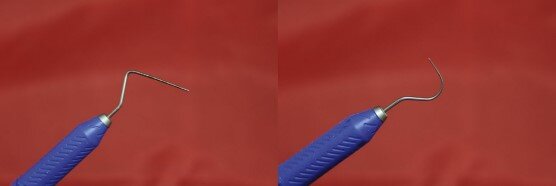
Probes

Vet Dental Probe, Veterinary Dental Equipment And Instruments

Dental probes help in examining the gums and teeth of animals for signs of diseases. They also help in measuring the depth of periodontal pockets, which are spaces between the tooth and the gum. These packets are a sign of gum disease and measuring their depth will help the vets to diagnose the severity of the problem.

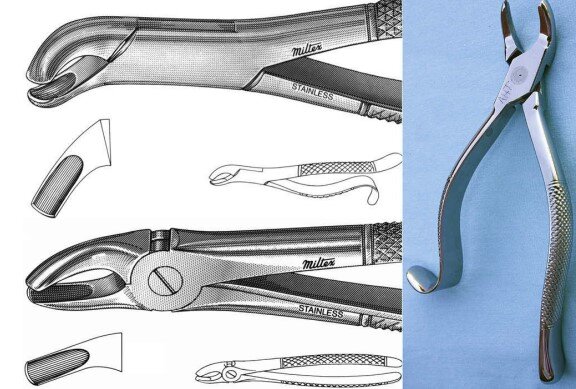
Forceps

Vet Dental Forceps, Veterinary Dental Equipment And Instruments

Dental forceps are surgical tools used to remove tooth fragments or to hold a tooth in place while it is being extracted. They are also used to remove teeth that have been impacted (impacted teeth are those which have either failed to erupt or have impacted into the jaw bone). They are designed in such a way that they hold the tooth firmly and don’t cause any damage to the surrounding tissue.

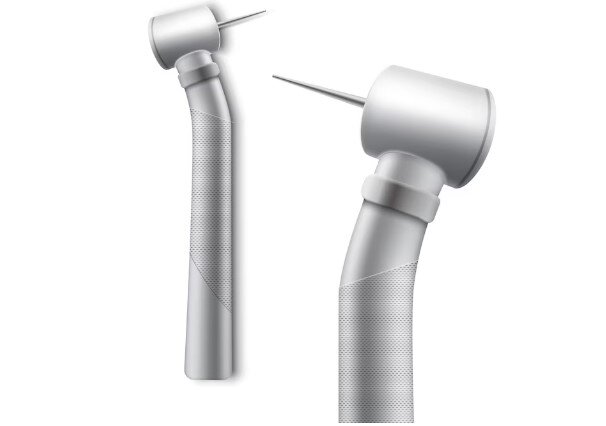
Dental Drill

Vet Dental Drill

A dental drill is a powerful veterinary tool that is used to remove the infected or decayed part of the tooth. The drill has different-sized drill bits that can be used in different procedures for different animals. The drill is designed in such a way that it works precisely and doesn’t cause any damage to the gum and tooth.

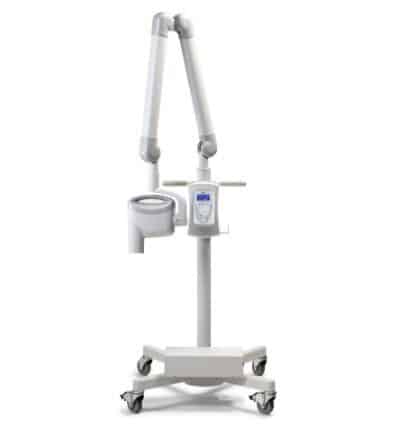
Dental X-Ray Machine

Vet Dental X-Ray Machine, Veterinary Dental Equipment And Instruments

Dental X-ray machines are used to take X-rays of the teeth and jaw of animals. X-rays are important in diagnosing different dental issues that cannot be seen with the naked eye. They are also portable and can be taken anywhere for use.

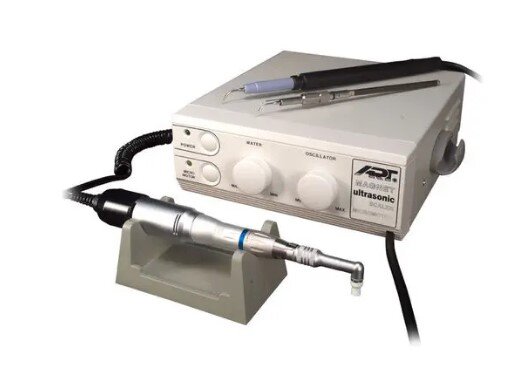
Ultrasonic Scalers

Ultrasonic Scalers

Ultrasonic scalers are used to remove tartar and plaque from the teeth of animals. They use high-frequency vibrations to break down the tartar and plaque, making it easier to remove. Ultrasonic scalers are usually powered by electricity and come with different tips for different types of dental procedures.

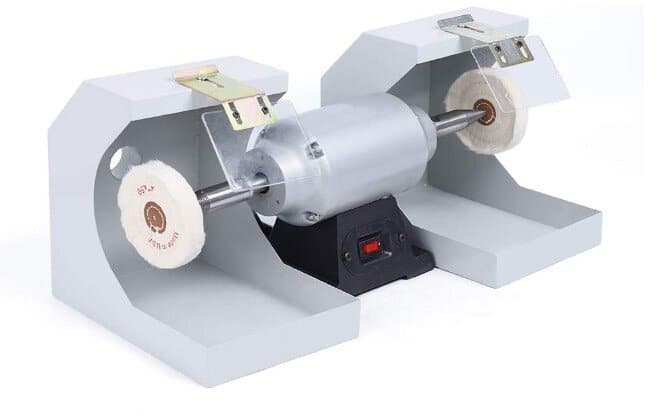
Dental Polishing Equipment

Vet Dental Polishing Equipment, Veterinary Dental Equipment And Instruments

Dental polishing equipment is used after scaling and cleaning to polish the teeth of animals. A special paste is also used for polishing that cleans teeth, removes stains, and gives them a shiny finish. Dental polishing equipment work on electricity and have different polishing heads that helps in different procedures.

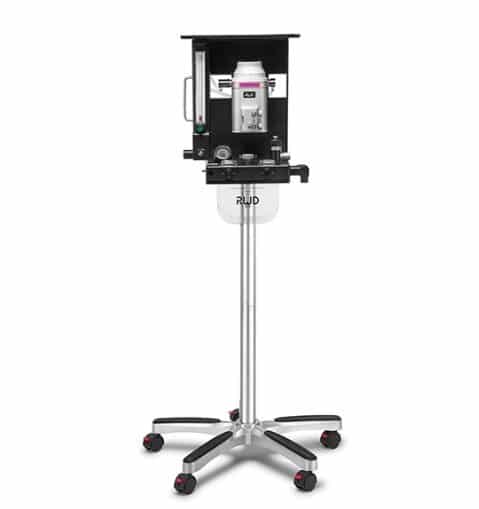
Anesthesia Machine

Vet Anesthesia Machine, Veterinary Dental Equipment And Instruments

Dental anesthesia is a process where the animal’s mouth is numbed to make it more comfortable for the dentist to work in. There are many different types of anesthesia, and each one has its own set of pros and cons. The anesthesia machine has a different type of masks that fits different animals.

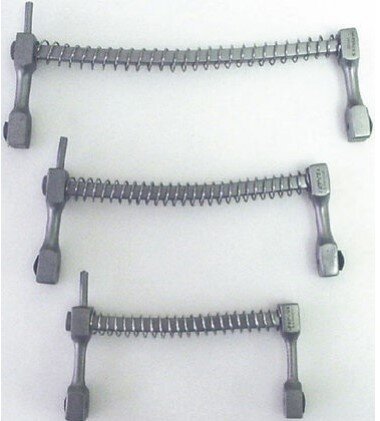
Mouth Gags

Mouth Gags

Mouth gags are used to open the mouth of animals for different dental procedures. The gag’s purpose is to keep the mouth open so that the dentist can work on the teeth, and it does this by making it impossible for animals to close their jaws. There are many different types of dental mouth gags, but all of them accomplish the same task in different ways.

Dental Illumination

Vet Dental Illumination Equipment

Dental illumination tools are used to help them see inside the mouth, especially in areas that are difficult to reach with a mirror alone. The tool can be used either before or after treatment; it is used to help the vet see teeth that may be discolored or damaged.

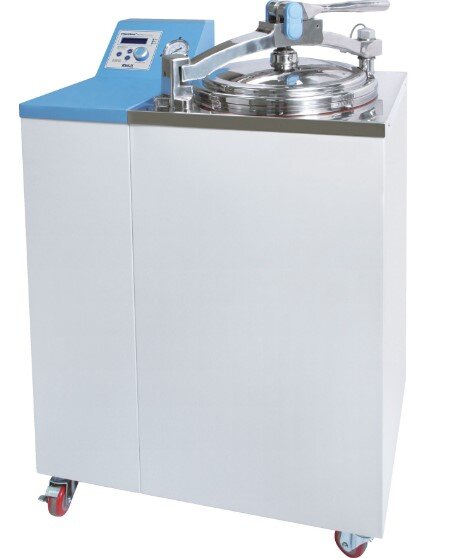
Autoclave

Vet Autoclave

Autoclave is used for sterilizing dental instruments. The auto-clave machine operates automatically, thus saving time and effort. It also ensures that the instruments are sterilized at the right temperature and pressure. Dental instruments are used on animals, which makes it necessary to ensure that they are clean and safe before use. Instruments like forceps, chisels, sharp hooks, and other such devices can cause infections if not cleaned properly. This is why these instruments need to be sterilized after use.

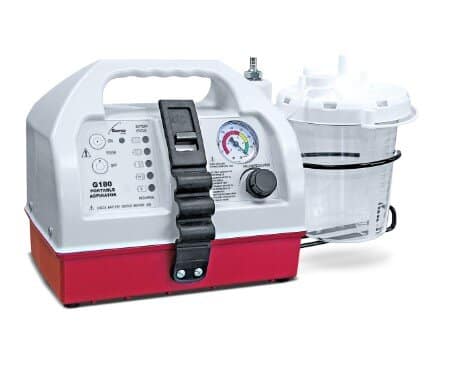
Suction machine

Vet Suction Machine

The suction machine is a device that is used to remove fluids from the oral cavity. It can be used for both diagnostic and therapeutic purposes. The suction machine is also known as an aspirator or evacuator. Disposable suction tips are also available that can be changed after use on every animal.

Conclusion

Veterinary dental equipment and instruments are essential in providing quality dental care for animals. They help veterinarians to diagnose, treat, and prevent dental diseases, ensuring that animals can live healthy and comfortable lives. The different types of dental equipment and instruments are designed to be safe, efficient, and easy to use. Veterinarians must use high-quality equipment and instruments to provide the best possible dental care for their animal patients.

Read More: List of Veterinary Equipment and Tools Essential For Your Vet Clinic

Tip

Do You Want To Increase Your Veterinary Knowledge and Practical Skills?

You Can Now Browse and Download +3000 Veterinary Books Online In All Veterinary Fields.

Browse All Veterinary Books

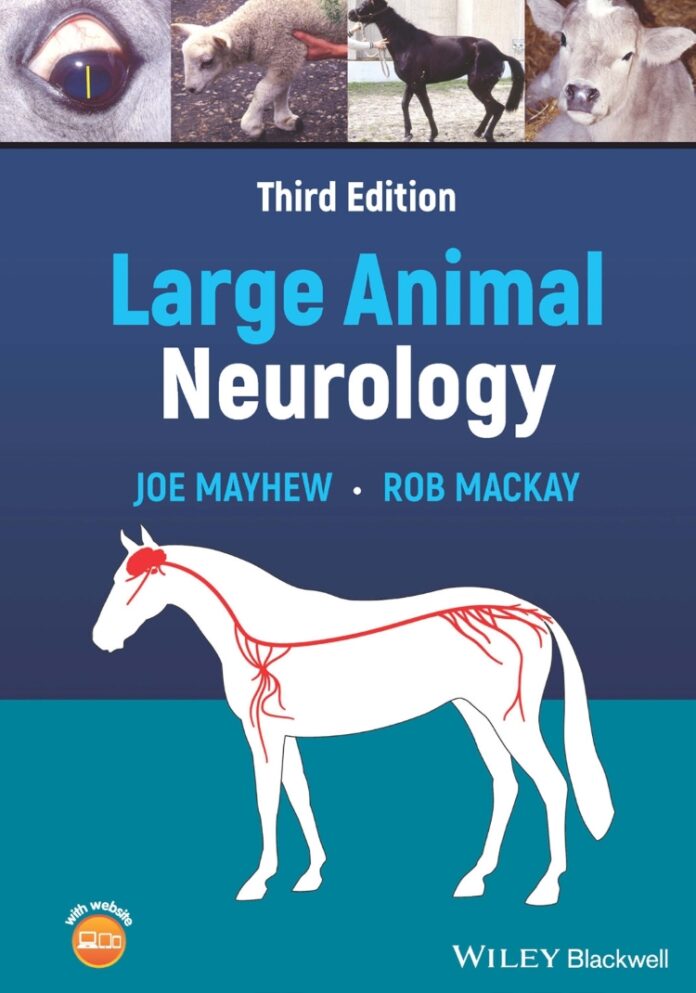
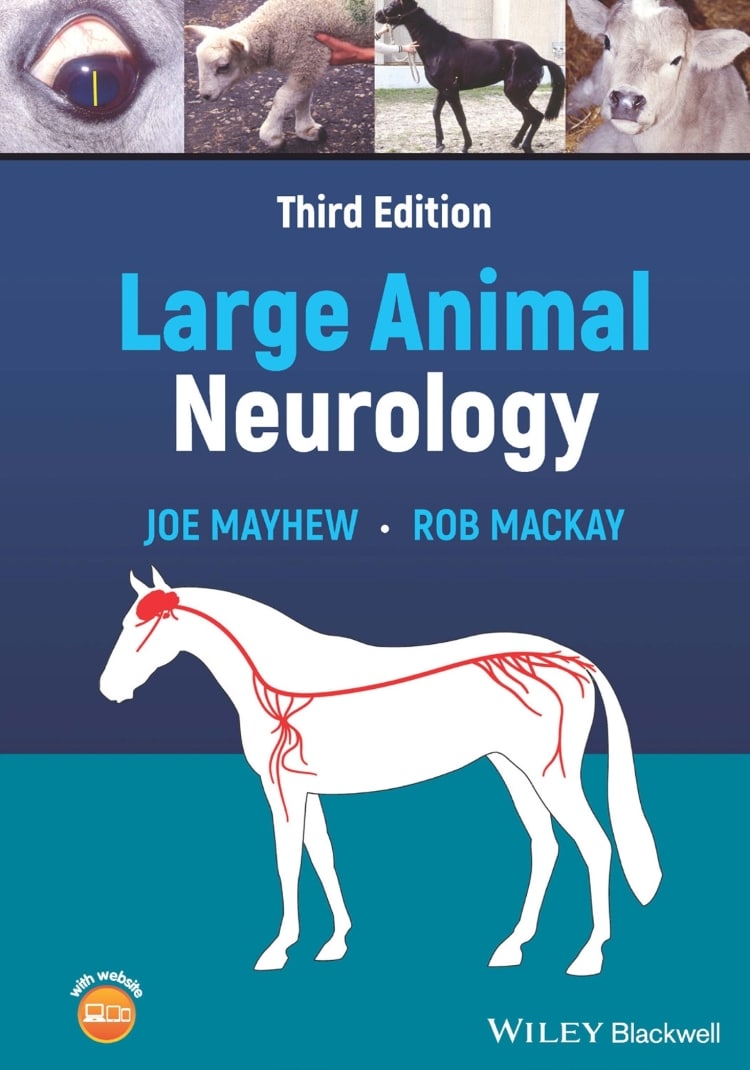
Large Animal Neurology 3rd Edition

Large Animal Neurology 3rd Edition

Large Animal Neurology 3Rd Edition Pdf Download

By Joe Mayhew , Rob MacKay

Large Animal Neurology 3rd Edition delivers a practical and complete reference for veterinarians, veterinary trainees and scientists dealing with large animal neurology. The book is vividly illustrated in full colour and contains many clinical photographs and detailed line drawings to highlight the concepts discussed within.

Organised into three parts, Large Animal Neurology offers practitioners and students straightforward guides on how to perform neurologic examinations for domestic large animal species, including neonates. It also discusses the presenting clinical syndromes caused by common nervous system diseases, as well as giving details of the specific neurologic diseases of large domestic animals.

Features

Features:

  • Comprehensive Introduction – Covers neuroanatomy, neurologic evaluation, ancillary diagnostic aids, and key pathologic responses of the nervous system.

  • Clinical Problem Approach – Explores 26 presenting problems such as behaviour disorders, seizures, epilepsy, sleep disorders, blindness, strabismus, monoplegia, wobblers, tetraplegia, pruritus, and cauda equina syndrome.

  • Disease Coverage – Detailed discussion of genetic, infectious, nutritional, toxic, metabolic, multifactorial, and idiopathic neurological diseases in large animals.

  • Audience Focused – Designed for equine and farm animal veterinarians, veterinary neurologists, residents and trainees, undergraduate veterinary students, animal pathologists, and neuroscience researchers.


Table of Contents

Table of Contents:

PART I Evaluation of Large Animal Neurologic Patients
1 Practical neuroanatomy
2 Neurologic evaluation
3 Ancillary diagnostic aids
4 Pathologic responses of the nervous system
PART II Clinical Problems in Large Animal Neurology
5 Disorders of behavior
6 Seizures and epilepsy
7 Sleep and acute collapse disorders
8 Coma and other altered states of consciousness
9 Blindness
10 Miosis, mydriasis, anisocoria, and Horner syndrome
11 Strabismus
12 Dropped mandible and masticatory muscle atrophy
13 Decreased and increased facial sensation
14 Facial paralysis and facial spasm
15 Pharyngeal dysphagia
16 Dilated esophagus
17 Laryngeal paresis and paralysis: roaring
18 Tongue paralysis
19 Head tilt, circling, nystagmus, and other signs of vestibular dysfunction
20 Deafness
21 Disorders of posture and movement
22 Incoordination of the head, neck, trunk and limbs: cerebellar diseases
23 Tetraparesis, paraparesis, and ataxia of the limbs: spinal cord diseases
24 Diffuse weakness
25 Paresis and paralysis of one limb: monoparesis
26 Bilateral brachial paresis to paralysis
27 Urinary bladder distention, dilated rectum and anus, and atonic tail: cauda equina syndrome
28 Pruritus, self-mutilation, headshaking, complex regional pain syndrome, and miscellaneous distressing disorders
29 Autonomic nervous system dysfunction
30 Vertebral and paravertebral problems: stiff neck and sore back
PART III Mechanisms and Specific Diseases
31 Congenital, familial, and genetic disorders
32 Infectious, inflammatory, and immune diseases
33 Physical, chemical, and thermal causes
34 Toxic diseases
35 Nutritional diseases
36 Metabolic diseases
37 Neoplasms and other tumors
38 Multifactorial and idiopathic disorders
Index 588

Get This Book

This Book is Avaiable for Members

Access this book instantly with a Premium membership

📄 PDF Format
⚡ Instant Delivery
Unlock Premium Access

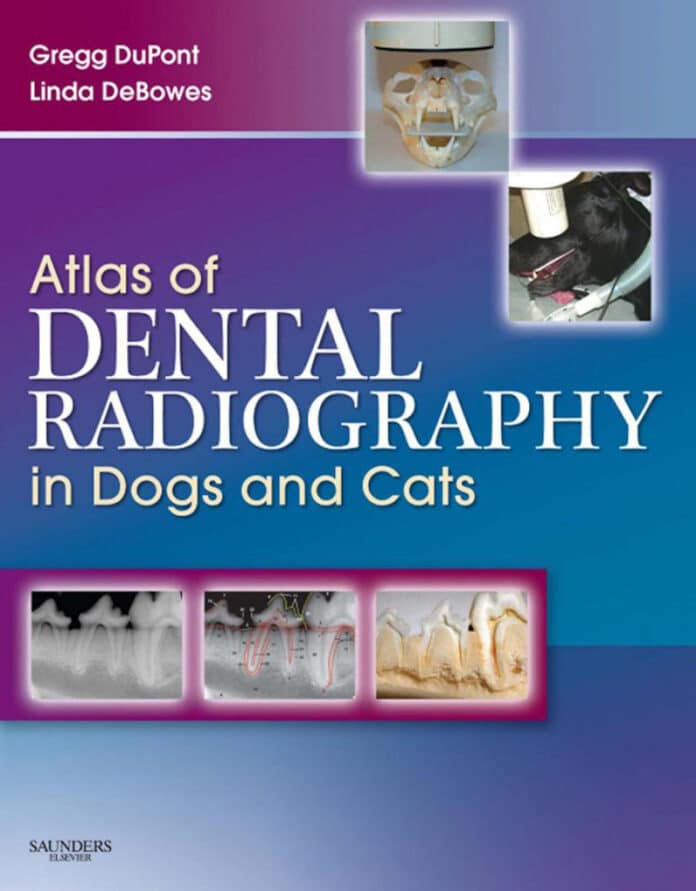
Atlas of Dental Radiography in Dogs and Cats

Atlas of Dental Radiography in Dogs and Cats

Atlas Of Dental Radiography In Dogs And Cats Pdf Download

By Gregg A. DuPont and Linda J. Debowes

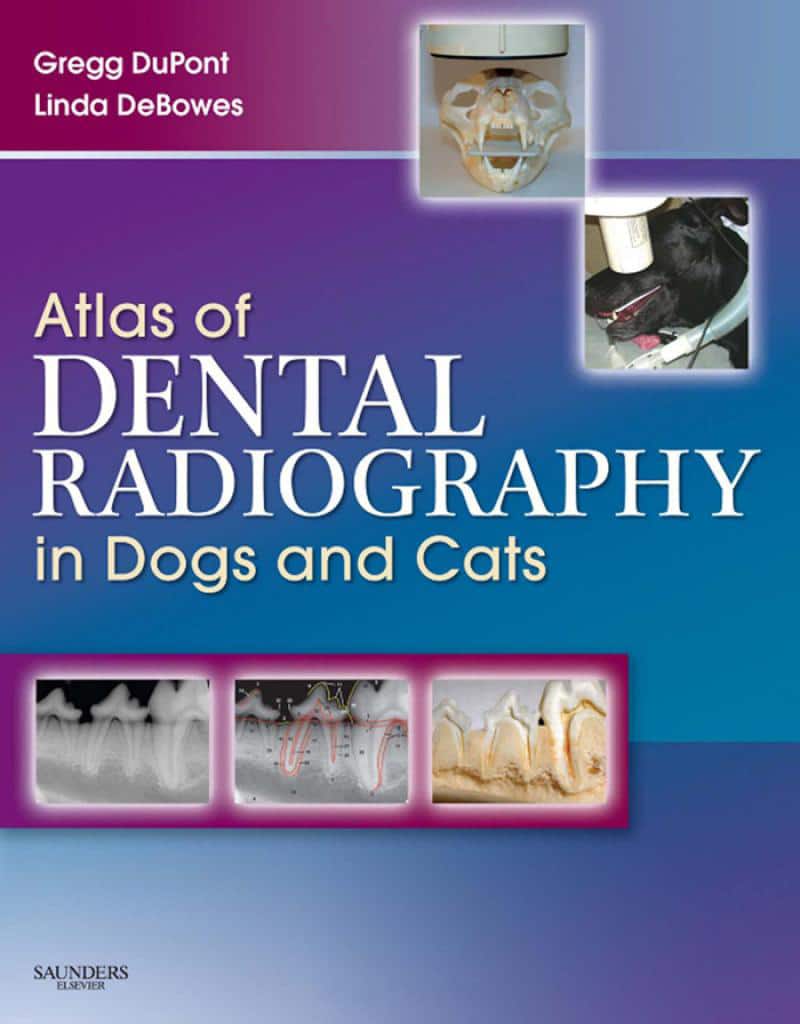
Atlas of Dental Radiography in Dogs and Cats From Our Largest Veterinary Books Online. Is it ever appropriate to diagnose and treat oral and dental problems without knowing the full extent of the problem? With more than 50% of anatomical structures and associated pathologies located below the gingivae and unseen to the eye, that’s the reality without the use of high-quality, accurately interpreted radiographs. Atlas of Dental Radiography in Dogs and Cats presents hundreds of actual radiographic images, which are clearly labeled to facilitate accurate identification of normal and abnormal features. This valuable new atlas shows you exactly how to correlate common dental conditions with radiographic signs. Radiographs are also compared side by side with actual anatomical photographs to confirm surface landmarks visible on the radiographs. Correct positioning techniques for producing diagnostic radiographs as well as helpful tips and pitfalls when obtaining quality radiographs are logically presented. This approach helps you produce consistently high-quality radiographs, sharpen your interpretive skills, and confidently treat a wide range of dental problems.

Features

Features:

  • Presents the most logical and useful approach to dental and oral radiography, using actual anatomical photographs for accurate clinical correlation
  • Depicts original and color-labeled radiographs side-by-side for accurate identification of normal and abnormal structures
  • Helps both veterinarians and technicians take the best possible radiographs, interpret them accurately, make sound treatment decisions, and monitor results
  • Provides clear, technical guidance for taking quality radiographs and identifying artefacts and results of improper imaging technique and film development
  • Presents clear pictorial instructions – from 2 angles – for correct positioning of the X-ray beam and intraoral films
  • Offers new opportunities for expanded professional services and revenues in your practice
  • Provides proof of compliance with standards of care for medical record documentation, helping you legally protect yourself, your staff, and your practice

Table of Contents

Table of Contents:

  1. Introduction to dental radiography
  2. Intraoral radiographic anatomy of the dog
  3. Intraoral radiographic anatomy of the cat
  4. Temporomandibular joint
  5. Periodontal disease
  6. Endodontic disease
  7. Tooth resorption
  8. Swelling and neoplasia
  9. Developmental dental abnormalities
  10. Trauma
  11. Miscellaneous conditions
  12. Technique
  13. Equipment

Get This Book

This Book is Avaiable for Members

Access this book instantly with a Premium membership

📄 PDF Format
⚡ Instant Delivery
Unlock Premium Access

Farm Animal Anesthesia: Cattle, Small Ruminants, Camelids, and Pigs, 2nd Edition

Farm Animal Anesthesia: Cattle, Small Ruminants, Camelids, and Pigs, 2nd Edition

Farm Animal Anesthesia: Cattle, Small Ruminants, Camelids, And Pigs, 2Nd Edition Pdf Download

By HuiChu Lin, Thomas Passler and Stuart Clark-Price

In Farm Animal Anesthesia: Cattle, Small Ruminants, Camelids, and Pigs, 2nd Edition distinguished veterinarians Drs. HuiChu Lin and Paul Walz deliver a practical and easy-to-use manual for techniques associated with anesthesia and pain management in farm animal species. The authors incorporate advances in surgical and diagnostic techniques, with the latest drugs and equipment, updated images, and new technique descriptions added throughout the book.

Reflecting their newfound popularity, Farm Animal Anesthesia offers additional and updated information on drug combinations and anesthetic techniques relevant to small ruminants and potbellied pigs. New chapters and topics on paralytic drugs for complete muscle relaxation, ventilators for advanced orthopedic and ophthalmological surgeries, updated local and regional anesthetic techniques, and comprehensive standing surgery and diagnostic procedures have been added.

Perfect for farm animal practitioners, veterinary surgeons, veterinary anesthetists, and researchers, Farm Animal Anesthesia is also an indispensable resource for veterinary students and residents in surgery and anesthesia seeking a one-stop, practical reference to farm animal anesthesia.

Readers will also enjoy access to a companion website with video clips demonstrating techniques described within.

Features

Features:

  • A thorough introduction to general preanesthetic considerations for ruminants, camelids, including alpacas and llamas, and potbellied pigs
  • A comprehensive exploration of commonly used preanesthetics and injectable anesthetics, including anticholinergics, sedatives, tranquilizers, analgesics, and injectable anesthetics
  • Practical discussions of standing sedation and chemical restraint, including new drug combinations for reliable restraint and remote drug delivery
  • In-depth treatments of the use of neuromuscular blocking drugs and monitoring in farm animals

Table of Contents

Table of Contents:

Chapter 1. Preanesthetic Considerations

Chapter 2. Commonly Used Preanesthetics

Chapter 3. Standing Sedation and Chemical Restraint

Chapter 4. Injectable Anesthetics and Field Anesthesia

Chapter 5. Neuromuscular Blocking Agents

Chapter 6. Inhalation Anesthesia and Use of Ventilator

Chapter 7. Perioperative Monitoring and Management of Complications

Chapter 8. Local and Regional Anesthetic Techniques

Chapter 9. Anesthetic Management of Specific Procedures

Chapter 10. Pain Management for Farm Animals

Chapter 11. Fluid Therapy

Chapter 12. Regulatory and Legal Considerations of Anesthetics and Analgesics Used in Food Producing Animals

­­13. Euthanasia of Farm Animals

References

Get This Book

This Book is Avaiable for Members

Access this book instantly with a Premium membership

📄 PDF Format
⚡ Instant Delivery
Unlock Premium Access

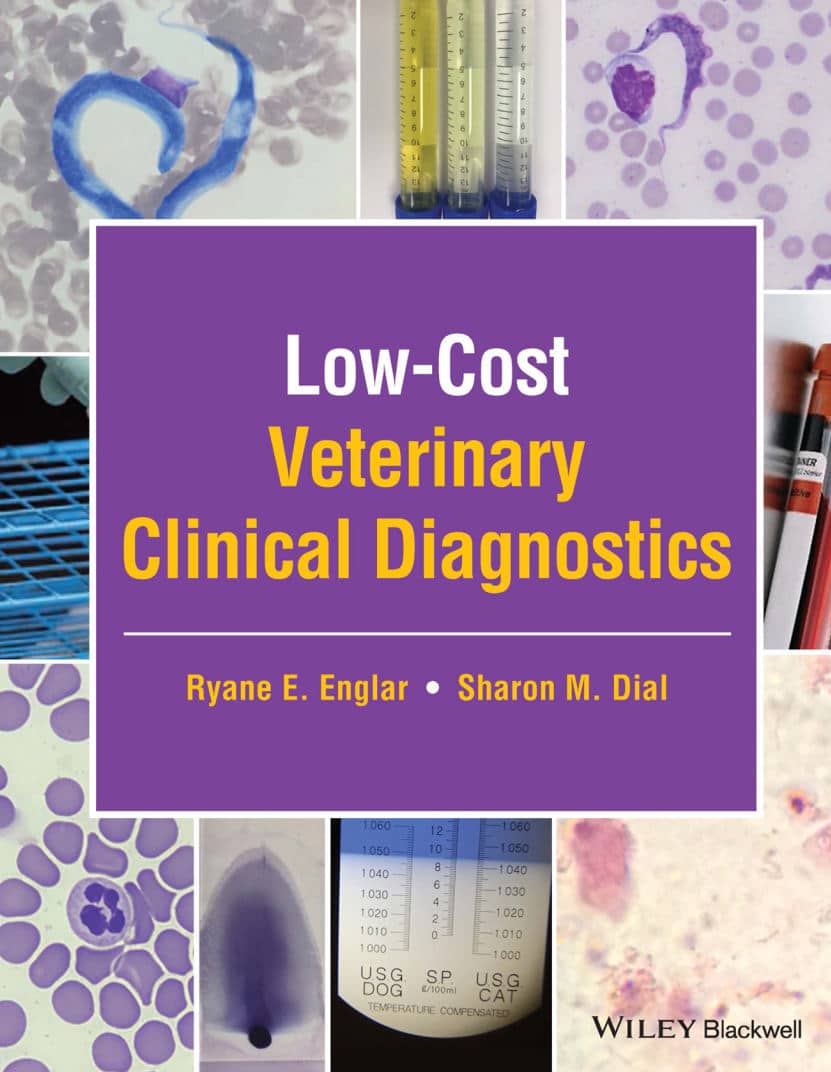
Low-Cost Veterinary Clinical Diagnostics

Low-Cost Veterinary Clinical Diagnostics PDF

Low-Cost Veterinary Clinical Diagnostics Pdf Download

By Ryane E. Englar and Sharon M. Dial

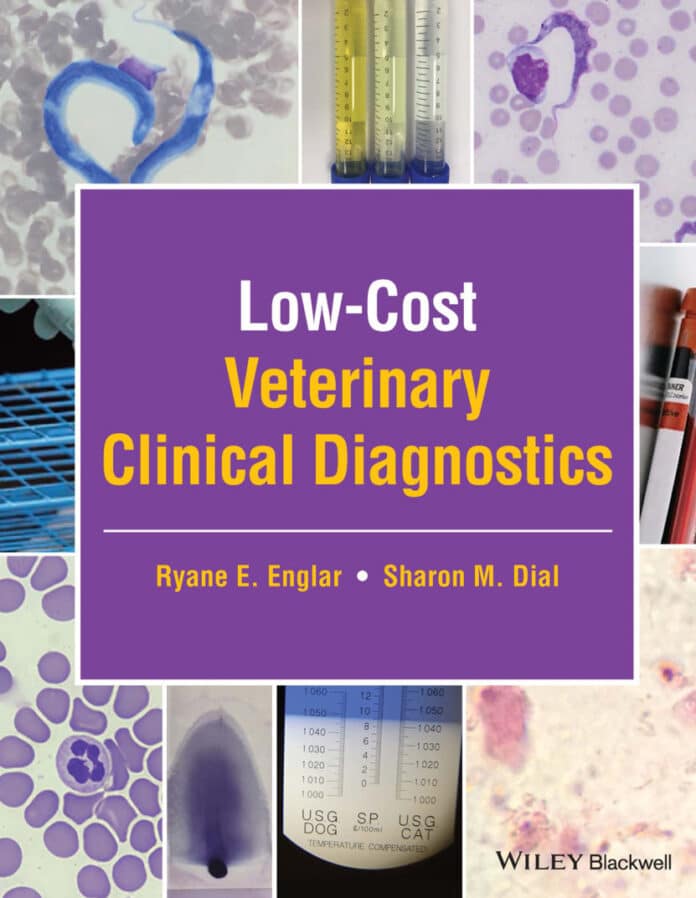
Low-Cost Veterinary Clinical Diagnostics provides a hands-on resource designed to facilitate healthcare delivery across the spectrum of care.

Historically, clinicians have been taught to apply the gold standard approach to the practice of medicine. However, recent advances in veterinary medical care and associated technologies have made practitioners question whether a one-size-fits-all approach is truly best. After all, when we perform diagnostic tests, are we testing out of the desire for completeness, to cover all bases for the good of the patient? Or are we testing because we are expected to?

The reality is that gold standard care is not always advisable and not always possible. In clinical practice, veterinarians frequently encounter obstacles that limit their approaches to case management. Cost of care is a significant constraint that requires practitioners to rethink which diagnostic tests are essential.

Not every patient requires a complete blood count (CBC), chemistry profile, urinalysis, and fecal analysis to obtain diagnostic value. This text suggests that the “best” approach to case management be determined by the situation, the context, the patient, and the client.

While sophisticated panels of tests may remain the recommended approach to case management, Low-Cost Veterinary Clinical Diagnostics outlines entry-level, in-house diagnostic blood, urine, fecal, and body cavity fluid tests: how to perform them as well as the breadth and depth of patient-specific data that can be gleaned from quick assessment tests (QATs).

Perfect for veterinary practitioners, veterinary technicians, veterinary and veterinary technician students, Low-Cost Veterinary Clinical Diagnostics offers a quick and easy reference guide to maximizing diagnostic value in those cases where care is cost-prohibitive.

Veterinary Pcr Diagnostics

Recommended Book:
Features

Features:

  • A thorough introduction to patient care considerations, communication strategies that facilitate cost-conscious shared decision-making
  • Comprehensive explorations of quick assessment tests (QATs) in hematology, including packed cell volume (PCV), total solids (TS), buffy coat analysis, blood smears, blood glucose, blood urea nitrogen (BUN), saline agglutination tests, and activated clotting time.
  • Practical discussions of quick assessment tests (QATs) involving urine, including urine color, dipstick analysis, specific gravity (USG), and urine sediment analysis
  • Pragmatic evaluation of fecal analysis, including considerations surrounding fecal color, volume, consistency, and odor; saline smears or wet mounts, and fecal flotation.
  • Discussion on body cavity fluid analysis
  • Sample case vignettes, complete with question and answer (Q&A)

Table of Contents

Table of Contents:

1. Patient Care Considerations. The Gold Standard, Standards of Care, and Spectrum of Care
2. Consultation Room Communication Strategies that Facilitate Dialogue on the Diagnostic Approach to Patient Care
3. Quick Assessment Tests (QATS) Involving Blood. Packed Cell Volume
4. Total Protein as Measured by Refractometry
5. Gross and Microscopic Evaluation of the Buffy Coat
6. The Blood Film
7. Blood Glucose
8. Blood Urea Nitrogen
9. Whole Blood Lactate
10. Saline Agglutination Test
11. Activated Clotting Time
12. Quick Assessment Tests (QATS) Involving Urine. Assessing Urine’s Physical Properties
13. Urine Specific Gravity
14. Chemical Evaluation of Urine
15. Urine Sediment Examination
16. Quick Assessment Tests (QATS) Involving Feces. Assessing the Physical Properties of Fecal Matter
17. Direct Smears
18. Fecal Flotation
19. Quick Assessment of Body Cavity Fluids. Body Cavity Fluid Analysis
20. Clinical Cases. Clinical Cases
Index

Get This Book

This Book is Avaiable for Members

Access this book instantly with a Premium membership

📄 PDF Format
⚡ Instant Delivery
Unlock Premium Access

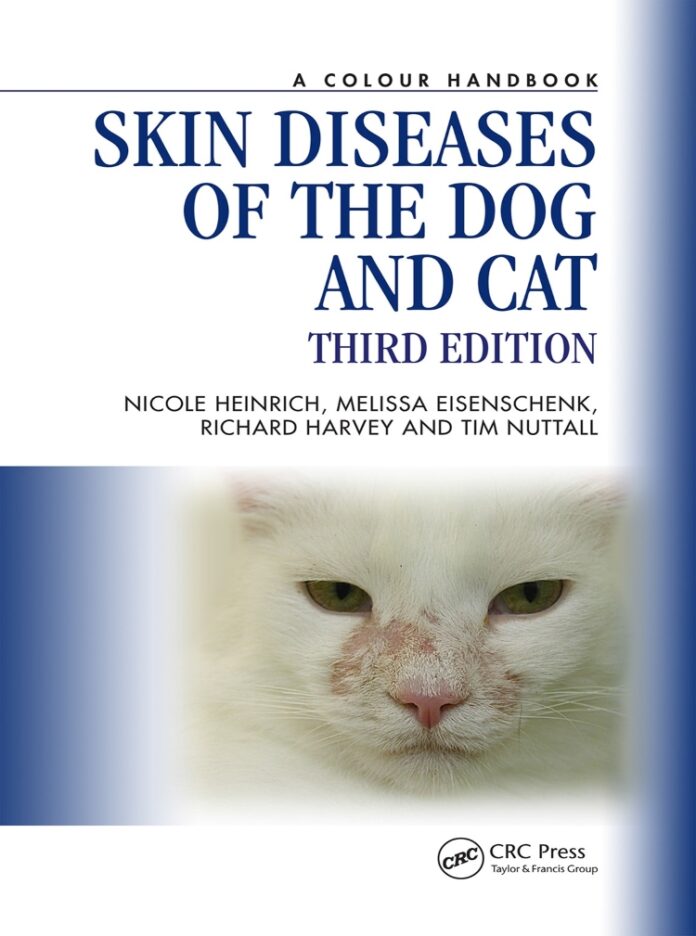
Skin Diseases of the Dog and Cat, 3rd Edition: A Colour Handbook

Skin Diseases of the Dog and Cat, 3rd Edition: A Colour Handbook

Skin Diseases Of The Dog And Cat, 3Rd Edition: A Colour Handbook Pdf Download

By Nicole A. Heinrich, Melissa Eisenschenk, Richard G. Harvey and Tim Nuttall

Skin Diseases of the Dog and Cat, 3rd Edition: A Colour Handbook was one of the first books to bring key information about skin diseases to clinicians in an easy-to-use problem-oriented format. This fully revised and updated Third Edition responds to the huge growth in knowledge about skin conditions over the last decade, including the discovery of new conditions, the development of new approaches to management, and effective new treatment options. Chapters are organized based on symptoms, each containing a decision tree giving basic and practical guidance. The clear user-friendly design provides one condition per page (or spread of pages).

This practical book continues to provide an entirely comprehensive guide to the diagnosis and management of veterinary skin conditions, in a format that is easily accessible for busy clinicians.

Features

Features:

  • 13 chapters covering over 120 skin, claw and ear conditions classified by their principle presenting sign.
  • Concise, systematically structured text covering definition, aetiology and pathogenesis, clinical features, differential diagnoses, diagnostic tests and management.
  • Flow charts in each chapter to help clinicians get to the right diagnosis.
  • Special focus on diseases affecting paediatric patients as well as chapters discussing paw, ear and nasal planum diseases.
  • Explanation of new treatments for atopic dermatitis.
  • Over 350 superb colour photographs and diagrams, mostly new for this this edition.
  • A focus on clinical practice and the need to explain the disease to the owner.
  • Up-to-date and fully referenced throughout.

Table of Contents

Table of Contents:

Chapter 1 Basics

Chapter 2 Pruritic Dermatoses

Chapter 3 Papular, pustular, and/or crusting diseases

Chapter 4 Alopecic dermatoses

Chapter 5 Diseases of abnormal keratinization and scaling

Chapter 6 Ulcerative Dermatoses

Chapter 7 Diseases with draining tracts or sinus formation

Chapter 8 Diseases of the paws and nails

Chapter 9 Diseases of the nasal planum

Chapter 10 Pediatric and congenital disease

Chapter 11 Nodular diseases and neoplasia

Chapter 12 Diseases of abnormal pigmentation

Chapter 13 Diseases of the ears

Get This Book

This Book is Avaiable for Members

Access this book instantly with a Premium membership

📄 PDF Format
⚡ Instant Delivery
Unlock Premium Access

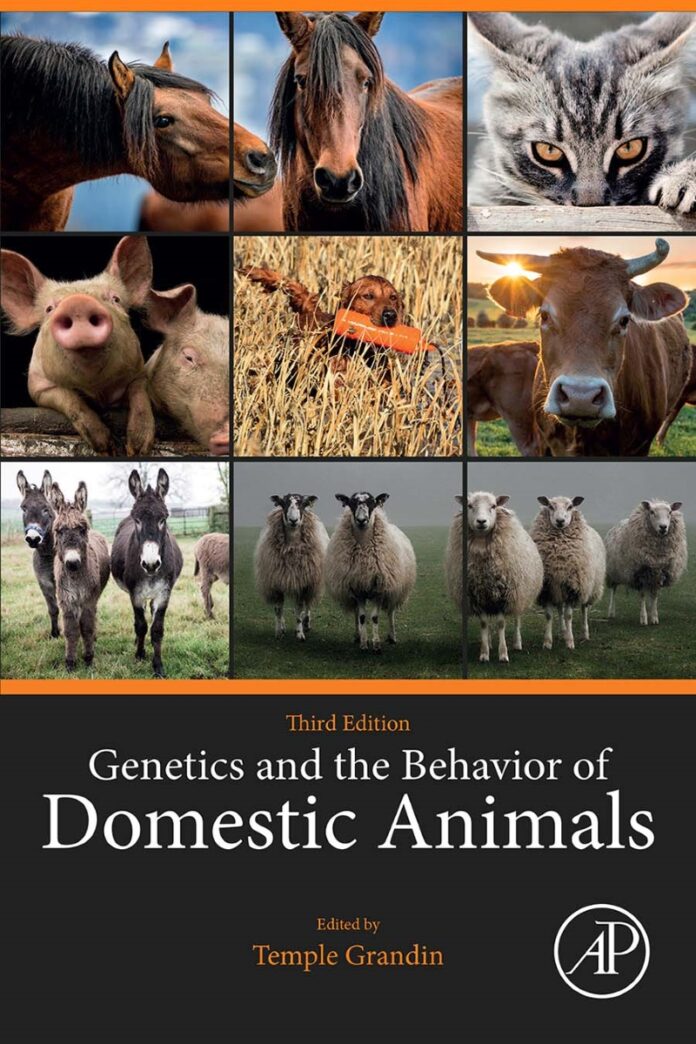
Genetics and the Behavior of Domestic Animals 3rd Edition

Genetics and the Behavior of Domestic Animals 3rd Edition

Genetics And The Behavior Of Domestic Animals 3Rd Edition Book Pdf Download

By Temple Grandin

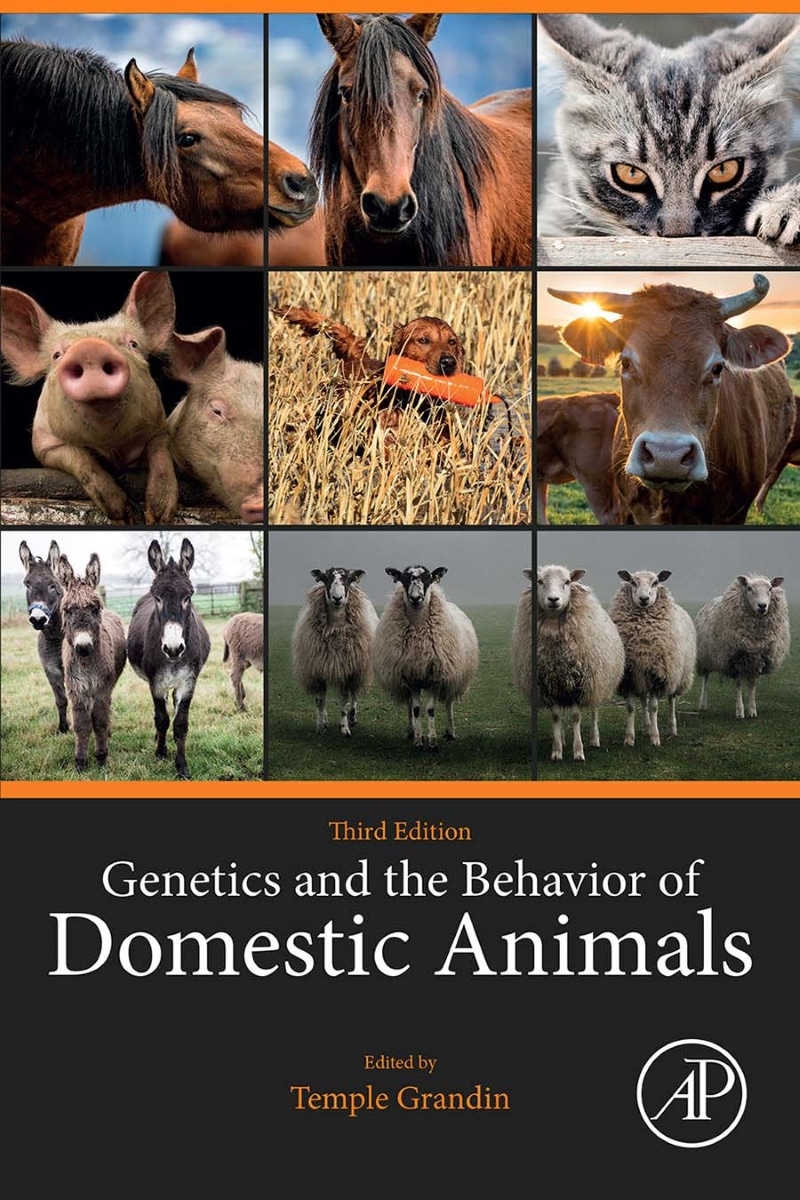
Genetics and the Behavior of Domestic Animals 3rd Edition offers the latest and most valuable information on animal science and behavioral genetics, carrying on the book’s legacy since its original publication in 1998. This book synthesizes research from behavioral genetics and animal and veterinary science, bridging the gap between these fields. The objective is to show that principles of behavioral genetics have practical applications to agricultural and companion animals. The continuing domestication of animals is a complex process whose myriad impacts on animal behavior are commonly under-appreciated. Genetic factors play a significant role in both species-specific behaviors and behavioral differences exhibited by individuals in the same species. Leading authorities explore the impact of increased intensities of selection on domestic animal behavior. Rodents, cattle, pigs, sheep, horses, herding and guard dogs, and poultry are all included in these discussions of genetics and behavior, making this book useful to veterinarians, livestock producers, laboratory animal researchers and technicians, animal trainers and breeders, and any researcher interested in animal behavior. Genetics and the Behavior of Domestic Animals, Third Edition is the most valuable resource for researchers and practitioners in animal and veterinary science, animal behavior, genetics, ethology, and similar fields. Advanced undergraduate and graduate students in these disciplines will also benefit from the global expertise featured in this newest edition.

Features

Features:

  • Provides full and thorough updates to all chapters, ensuring dissemination of the latest data and research
  • Synthesizes research from behavioral genetics, animal science, and veterinary literature
  • Broaches fields of behavior genetics and behavioral research
  • Includes practical applications of principles discovered by behavioral genetics researchers
  • Covers many species ranging from pigs, dogs, foxes, rodents, cattle, horses, and cats

Table of Contents

Table of Contents:

  1. Behavioral genetics and animal science
  2. Behavioral genetics and animal domestication
  3. How studying interactions between animal emotions, cognition, and personality can contribute to improve farm animal welfare
  4. Genetics and behavior during handling, restraint, and herding
  5. Reproductive and maternal behavior of livestock
  6. Factors influencing the expression of behavior in the domestic dog
  7. From mind to genome: the effect of domestication on dog cognition and genetics
  8. Genetics of domesticated behavior in dogs and foxes
  9. Behavioral genetics in pigs and relations to welfare
  10. Behavior genetics of the horse (Equus caballus)
  11. Genetic selection of poultry to improve welfare
  12. Genetic influences on the behavior of chickens associated with welfare and productivity
  13. Genetics and animal welfare

Index
Get This Book

This Book is Avaiable for Members

Access this book instantly with a Premium membership

📄 PDF Format
⚡ Instant Delivery
Unlock Premium Access

Breeding and Culture of Freshwater Ornamental Fish

Breeding and Culture of Freshwater Ornamental Fish

Breeding And Culture Of Freshwater Ornamental Fish Pdf Download

By Archana Sinha and Pramod Kumar Pandey

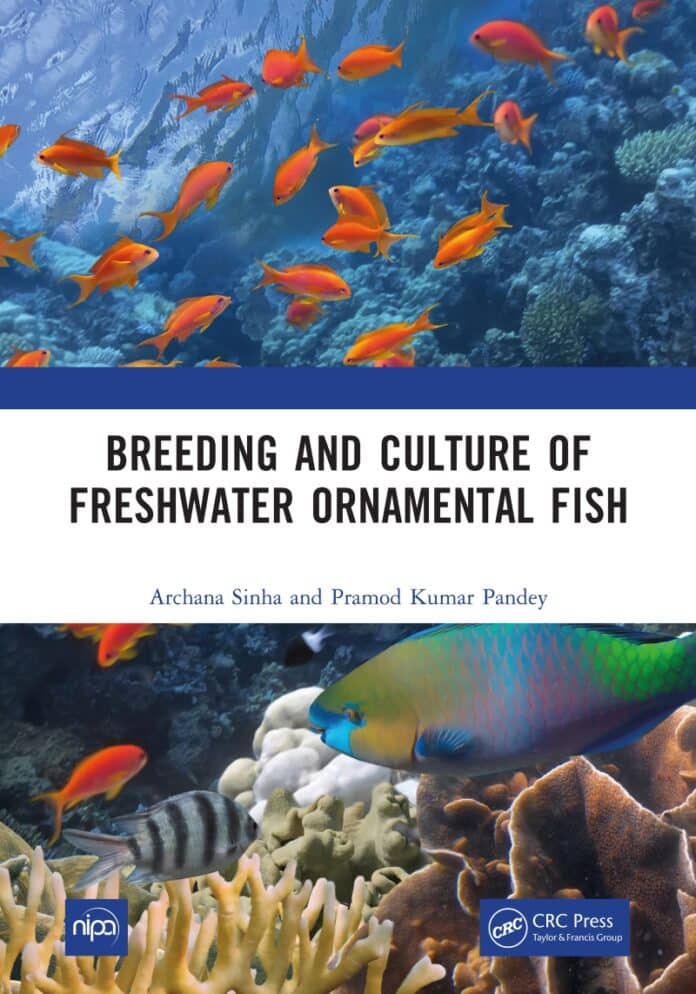
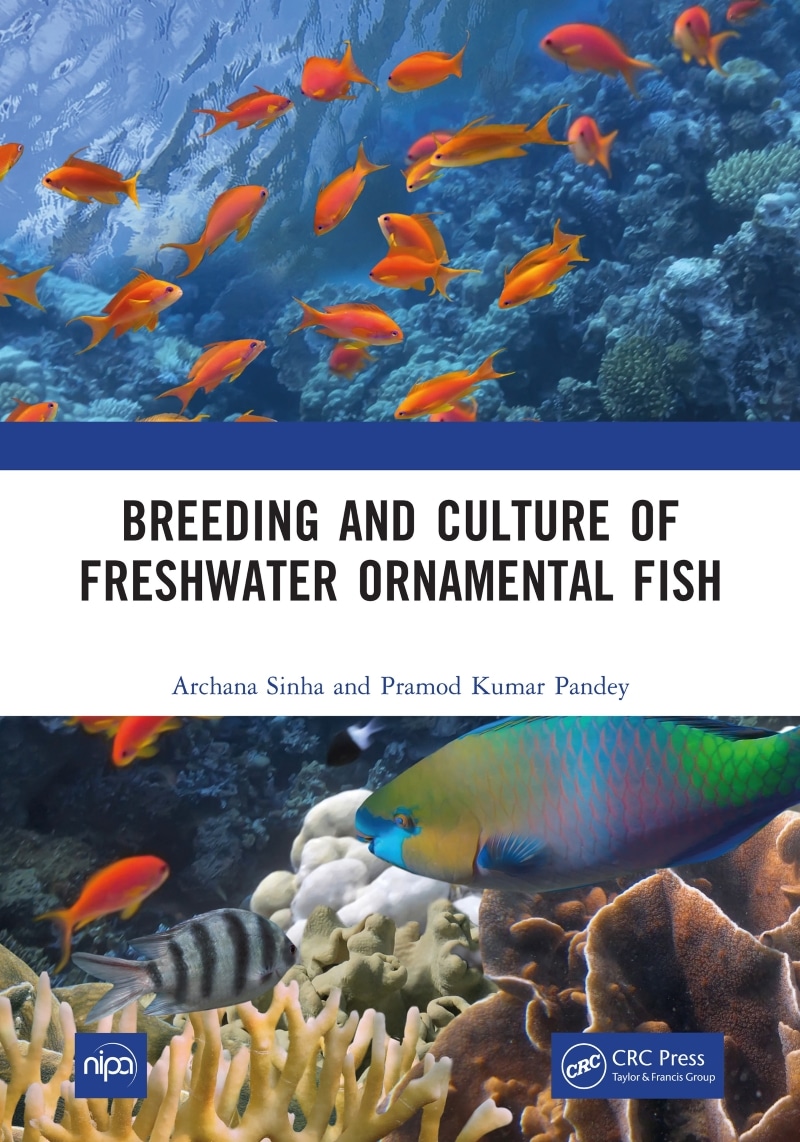
Breeding and Culture of Freshwater Ornamental Fish deals with recent and upcoming technologies of breeding freshwater ornamental fish. It covers in detail areas such as status, breeding techniques, food and health management and marketing of freshwater ornamental fishes. There is a separate chapter on breeding of indigenous freshwater ornamental fishes.

Emphasis is given on national and international legislation related to ornamental fish export and import. The book contains a useful chapter on the importance and role of ornamental plants and accessories. Aquarium making, decoration, water quality management and maintenance have also been well explained for hobbyists.

Table of Contents

Table of Contents:

  1. Status and Prospect of Ornamental Fish Culture
  2. Ornamental Fish Diversity
  3. Ornamental Fish Keeping Systems
  4. Ornamental Plants
  5. Feed Management
  6. Water Quality Management
  7. Breeding and Seed Production of Exotic Ornamental Fish
  8. Breeding and Seed Production of Indigenous Ornamental Fish
  9. Genetic Improvement of Ornamental Fish
  10. Fish Health Management
  11. Handling, Packaging and Transportation
  12. Biosafety and Hygiene
  13. Marketing and Trade

Get This Book

This Book is Avaiable for Members

Access this book instantly with a Premium membership

📄 PDF Format
⚡ Instant Delivery
Unlock Premium Access