Home Blog Page 50

Common Clinical Presentations in Dogs and Cats

Common Clinical Presentations in Dogs and Cats PDF Download

Common Clinical Presentations In Dogs And Cats Pdf Download

By Ryane E. Englar

Common Clinical Presentations in Dogs and Cats is a reliable resource and quick reference to essential information for diagnosing canine and feline patients, based on presenting complaints.  The text takes a problem-oriented approach to recognizing common clinical conditions, and introduces diagnostic and treatment plans for companion animal practice. Equally useful for veterinary students and practicing clinicians, the book presents 78 chapters grouped by body system, for ease of access.

Each chapter focuses on identifying the chief complaint, pinpointing possible diagnoses, and determining the clinical approach to patient care. The book is richly illustrated throughout with clinical photographs and line drawings that demonstrate the concepts presented.

Written for small animal general practitioners and veterinary students, Common Clinical Presentations in Dogs and Cats is a patient-side reference that can help practitioners gain the knowledge and confidence to correctly diagnose a wide range of clinical presentations.

Features

Features:

  • Gives clinicians fast access to essential details for approaching common case presentations in dogs and cats and forming a correct diagnosis
  • Presents information by clinical signs, organized by body system
  • Takes a standardized chapter format for ease of use
  • Includes color photographs and line drawings to illustrate the conditions discussed

Table of Contents

Table of Contents:

Part One: Introducing the Problem‐Oriented Approach

Part Two: The Integumentary System

Part Three: Eyes and Ears

Part Four: The Respiratory System

Part Five: The Cardiovascular System

Part Six: The Digestive System

Part Seven: The Urogenital System

Part Eight: The Musculoskeletal and Nervous Systems

Index

Get This Book

This Book is Avaiable for Members

Access this book instantly with a Premium membership

📄 PDF Format
⚡ Instant Delivery
Unlock Premium Access

How To Manage A Difficult Client In Your Veterinary Clinic?

How To Manage A Difficult Client In Your Veterinary Clinic?

How To Manage A Difficult Client In Your Veterinary Clinic?

When you are in the veterinary profession you will come across a different client in the daily practice. It will be challenging for you to deal with those clients who are demanding and irritating. It’s important to handle these situations with professionalism and grace. There is a certain technique and procedure for tackling these clients. Here in this blog, we will look at some effective tips that will help you in managing difficult clients at your veterinary clinic. By implementing these techniques, you will get client satisfaction, increase their overall experience and maintain a positive working environment for the whole team.

Veterinary Books

How To Manage A Difficult Client In Your Veterinary Clinic?

1- Maintain a Professional Demeanor

When you get in a difficult situation and face a difficult client, it’s important to stay calm and composed. Keep in mind that you have the means and expertise to control the situation. Even if the client you are dealing with becomes emotional or confrontational, you have to maintain professional behavior. You need to speak positively and don’t get defensive. If you behave professionally, you can easily clear tense situations and set a tone for a more constructive conversation.

2- Don’t take it personally

Sometimes in your veterinary clinic, you will encounter arrogant clients. However, you should not take the situation or their behavior personally. Arrogance or aggressiveness often comes through factors like stress, fear, and lack of knowledge. It’s important to remember that your attitude is the reflection of your expertise and skills.

You do not react emotionally in such situations and approach the situation professionally and calmly. Try to maintain a calm and composed behavior and listen to the concerns and address them with proper communication. Keep in mind that your main focus is the animal under your care.

When you do not take arrogant clients personally you will maintain their emotional well-being and prevent any unnecessary conflicts. Your role as a veterinary professional is to provide the best possible care and support for the animals and their owners. Maintain your focus on the goal and continue providing good quality service, regardless of any problem.

3- Practice Active Listening

Active listening is a great tool for managing difficult clients. If you are a good listener you can avoid many problems. Try to give full attention to the client and focus on their needs. Encourage your client to express their thinking, tell everything about their pets and don’t stop or jump to any conclusion. Make sure that you understand their concern and perspective. By listening properly you can show them that you have empathy with their feelings. It will pave the way for a more deep conversation.

4- Communicate Clearly

Good communication is the main part of running any veterinary clinic. With good communication, you can manage difficult clients. Try to use simple and jargon-free language, tell about a treatment option, explain the case properly, and tell them about the expected outcomes. Tell them about all the information like risks, costs, and benefits it will help them to make informed decisions. Avoid overuse of technical terms unless the client asks for any specific information. Transparency in communication builds trust and helps manage expectations.

5- Set Boundaries

When you are running a veterinary clinic you have to set some clinic boundaries which will help you in dealing with difficult clients. Tell your client that you want respectful behavior in everything like appointments, cancellations, and payment addresses. If any client does any verbal abuse or behaves disrespectfully calmly tell them that there are boundaries to everything. Enforcing policies helps maintain a professional environment and ensures fairness to all clients and staff.

6- Show Understanding

Understanding is a powerful tool and it helps you deal with difficult situations. You should try to put yourself in the client’s shoes and understand that they are behaving like that because of their love for their pet. Express your solidarity and concern for their pet. Tell them that you are working for the betterment of their pet. Empathetic gestures, such as a comforting touch or a kind word, can go a long way in building rapport and defusing tensions.

7- Involve Clients in Decision-Making

When dealing with a difficult client try to involve them in all the process of making decisions. Tell them about the different options and explain the pros and cons of each. Listen to the preference of the client and tell them how you will implement the treatment plan. By involving clients in the decision-making process, you make them feel valued and in control, enhancing their satisfaction and cooperation.

8- Seek Feedback

Feedback is very important and it improves your veterinary practice. Encourage clients to provide feedback and the experience they get in your clinic. You can also perform different surveys and ask for different suggestions and regularly go through the feedback you received. Try to improve the areas where you feel any problems. If you regularly follow client feedback and improve your services you can provide the best possible care in return.

9- Client Termination

When you are running a veterinary clinic, try to maintain a professional relationship with clients. However, sometimes you go through such situations in which it is necessary to terminate your relationship. You need to take hard decisions and terminating the relationship is in the best interest of both parties.

If the client shows abusive behavior or any verbal or physical abuse to the staff member, it will create a hostile and unsafe work environment. In such situations, it’s better to continue any further clientage and terminate it immediately.

When you are ending any client it is necessary to follow the legal and ethical guidelines. Tell everything clearly and professionally, and ensure the well-being of the animal is not compromised.

Conclusion

Managing difficult clients at your veterinary practice requires a combination of professionalism, effective communication, empathy, and continuous improvement. By implementing the tips mentioned above, you can navigate challenging situations more effectively, improve client relationships, and ensure the well-being of the animals in your care. Remember, by maintaining a positive and empathetic approach, you can transform difficult clients into satisfied and loyal ones.


Tip

Do You Want To Increase Your Veterinary Knowledge and Practical Skills?

You Can Now Browse and Download +3000 Veterinary Books Online In All Veterinary Fields.

Browse All Veterinary Books

How To Select The Best Employee for Your Veterinary Clinic

How To Select The Best Employee for Your Veterinary Clinic

How To Select The Best Employee For Your Veterinary Clinic

It is important to select the right employees for the growth and success of a veterinary clinic. The selection process is crucial thing because it needs to identify those candidates who have the necessary experience, and skills and also give value to animals and play an essential role in the success of the clinic. In this blog, we will look at the procedure of how to select the best employee for your veterinary clinic. A detailed process of defining job roles, conducting interviews, and assessing practical skills. If you will follow the guidelines, you will have the chance to select a dedicated client who is passionate, and competent, and will play a positive role in the overall success of the clinic.

Veterinary Books

How To Select The Best Employee for Your Veterinary Clinic

1- Define Job Roles and Requirements

Before starting the whole employee selection procedure, you must have a proper understanding of the job. What type of job you are offering and what is the requirement for each position in the clinic? Clearly state the necessary qualification, responsibilities, and the necessary skills for each role. This will help you to select the right candidates who have the specific skills to excel in the particular field. You should check certain factors like certifications, background, and prior experience in veterinary clinics.

2- Develop a Structured Interview Process

One of the crucial things in evaluating the candidates is by structuring a detailed interview and fairly selecting the right candidates.  Ask some situational, behavioral, and technical questions that are relevant to the field. A homogenous interview format gives a chance to do better comparison and evaluation of candidates according to their qualifications and suitability for the role. It’s best to go for a panel interview and involve multiple members that could evaluate different perspectives and qualities of candidates.

3- Screen Resumes and Applications

The next step is to review all the applications and resumes and shortlist those candidates that have the relevant qualification, experience, and educational background. Take into account those candidates that have the necessary licenses, certifications, and degrees essential for the role. If they have any prior experience of doing a job in a veterinary clinic and have some training or skills it would be advantageous.

4- Conduct In-person Interviews

The best practice to select the right candidate is to do an in-person interview that would help you to assess their communication skills, cultural fit, and professionalism for your clinic. Ask some structured questions that cover both behavioral and technical aspects of the job. Additionally, if you have the possibility of conducting a panel interview it will help you better assess the candidate’s skills.

5- Assess Practical Skills and Knowledge

To check their practical skills and knowledge, go for practical assessment test like role plays, case studies, or technical demonstration that is specific to the veterinary profession. This will help you better understand their ability to handle various situations that occur in the clinic and need essential expertise. Furthermore, check different qualities the applicant is comfortable around animals or not, if he doesn’t feel easy around animals then he is not the right person. The candidate also be enthusiastic to learn, you can check this by giving them a tour of the space and see if they are interested in the information you are giving them.

7- Check References and Conduct Background Checks

If the candidate provides any references it’s good to contact them before making any final decision. These references can give you valuable information about the work ethics of candidates, their reliability, and whether they are team players or not. Background checks will also give information about the licenses, certificates, and other credentials. By checking their previous employment record you can also access how much the candidate spends time on the previous job and will they spend the same time with you or not.

8- Provide Onboarding and Training

Once you have recruited the right candidate, well-structured and necessary onboard training is essential for the smooth transition to the clinic. Provide complete orientation, including introductions to clinic policies, team members, and procedures. Offer training opportunities to enhance their skills and ensure they stay updated with the latest advancements in veterinary practices. The training you provide them must include rush hour management, equipment training, veterinary software training, medication training, pharmacy, animal handling procedures, and maintaining good relationships with the clients.

9- Foster Ongoing Performance Evaluation and Feedback

You should evaluate their performance regularly and provide the necessary feedback that is essential for the motivation of the employees and to maintain the high standards in the clinic. Make a performance evaluation chart and assess employee progress on the basis of it. Tell them about the area of improvement and give necessary support and guidance.

10- Motivation and betterment

The veterinary clinic is a small business so it’s necessary that every staff member take responsibility in their area of work. However, this could only happen if you make them feel that they are the owner of their work area. You can also ask employees to take all the responsibilities and in turn, reward them. You can also encourage your staff to come up with new ideas that are great for the betterment of the clinic. Arrange small meetings where all the staff can get engage in conversation and provide ideas about the betterment of the clinic.

Conclusion

Selecting the best employees for your veterinary clinic requires a comprehensive and well-structured approach. By defining job roles, conducting interviews, assessing practical skills, and considering cultural fit, you can increase the likelihood of hiring dedicated and competent individuals. Providing thorough onboarding, training, and ongoing performance evaluations will contribute to their professional development and ensure the delivery of high-quality care to animals. Remember, investing time and effort in the selection process will pay off in the long run, as skilled and passionate employees will help your veterinary clinic thrive and make a positive impact on the lives of the animals you serve.

Tip

Do You Want To Increase Your Veterinary Knowledge and Practical Skills?

You Can Now Browse and Download +3000 Veterinary Books Online In All Veterinary Fields.

Browse All Veterinary Books

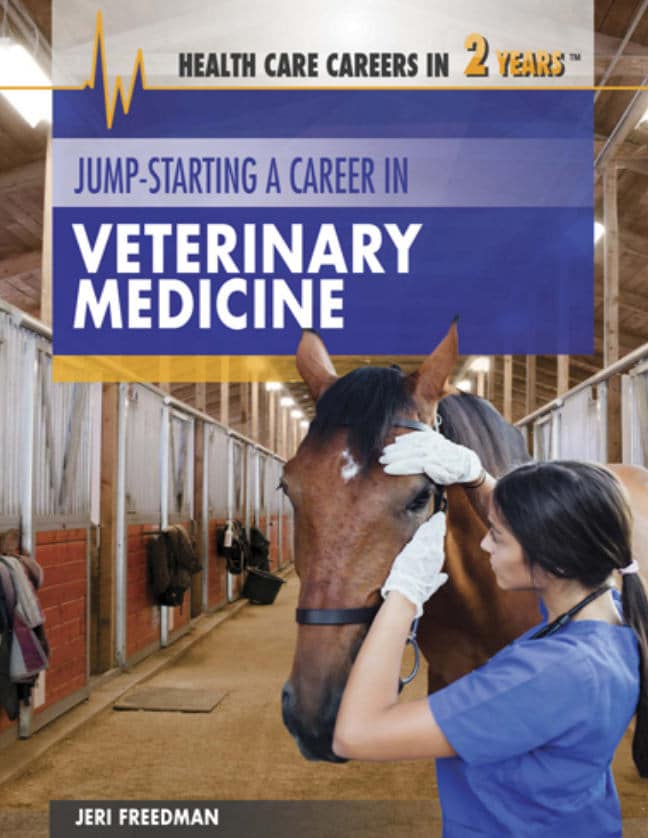
Jump-Starting a Career in Veterinary Medicine

Jump-Starting a Career in Veterinary Medicine Book

Jump-Starting A Career In Veterinary Medicine Pdf Download

By Jeri Freedman

Many veterinary jobs can be obtained with two years or fewer of training, in clinical practices, animal hospitals, zoos, aquariums, and wildlife research and rehabilitation. Careers described include animal care attendant, veterinary technician, veterinary receptionist, veterinary lab assistant, and kennel and shelter attendant, among related vocations. Sidebars illustrate the real-life experiences of a veterinary assistant, a wildlife technician, a veterinary technician, and an equine veterinary technician. Each job’s activities, academic requirements, and certification and licensing requirements are explained in an easily accessible format. Jump-Starting a Career in Veterinary Medicine offers details on applying for veterinary jobs, tips for interviewing, and strategies for career advancement.

Table of Contents

Table of Contents:

  1. Taking care of animals
  2. Clinical jobs
  3. Related jobs
  4. Learning to care for animals
  5. Landing a veterinary job
  6. Professional development and advancement

Get This Book

This Book is Avaiable for Members

Access this book instantly with a Premium membership

📄 PDF Format
⚡ Instant Delivery
Unlock Premium Access

Frontiers in Aquaculture Biotechnology

Frontiers in Aquaculture Biotechnology

Frontiers In Aquaculture Biotechnology Pdf Download

By W.S. Lakra, Mukunda Goswami and Vance Trudeau

Frontiers in Aquaculture Biotechnology Book presents a broad-spectrum of topics, covering different key aspects of aquaculture. With the rising importance of aquaculture research, evidence-based information is integral in advancing this field. This book provides a solid resource of information on DNA barcoding for fish species authentication and seafood labelling and cell culture, including stem cell culture, in vitro research using fish cell lines such as in vitro fish meat, reproductive biotechnology, including surrogate technology, gene editing and genetically modified aquaculture species, biofloc technology, and omic technologies such as proteomics, artificial intelligence and biobanking.

This book will be a valuable resource to students, researchers and entrepreneurs interested in a better understanding of this emerging field of aquaculture.

Features

Features:

  • Presents hot topic information such as cell line repositories for the conservation of important fish genetic resources
  • Includes information on climate resilient production systems to improve fish production
  • Provides the latest research on genome editing in aquaculture species

Table of Contents

Table of Contents:

  1. Biotechnology in Modern Aquaculture

  2. Opportunities and Challenges in Aquaculture Biotechnology

  3. Genetically Improved Aquaculture Species in Bangladesh

  4. Application of Molecular Markers in Aquaculture

  5. Induced Breeding Methods in Fish Aquaculture

  6. Biofloc Technology in Aquaculture

  7. Monosex Population in Aquaculture

  8. Applications of Cell Lines and Cell Culture Systems

  9. Cultivated Seafood: Challenges and Opportunities

  10. Advances in Fish Disease Diagnosis and Vaccine Development

  11. Principles of Genome Editing in Fisheries

  12. UV-B Radiation Threat to Aquatic Organisms and Mitigation

  13. Biotechnology in Aquaculture Nutrition and Fisheries

  14. Fish DNA Barcoding: Advances and Challenges

  15. Recent Advances in Marine Biotechnology

  16. Seaweed Biotechnology and Aquaculture

  17. Transcriptome Analysis in Seaweeds

  18. Proteomic Approaches in Salmonid Health Research

  19. Proteo-Metabolomic Technologies in Fisheries

  20. Biobank and Genetic Conservation of Aquatic Resources

Get This Book

File Size 7.12 MB
File Format PDF
Download  link: Download Now | Go Premium, Unlock All Books
Useful Links: Support | Browse All Categories
Join Telegram Channel: Telegram

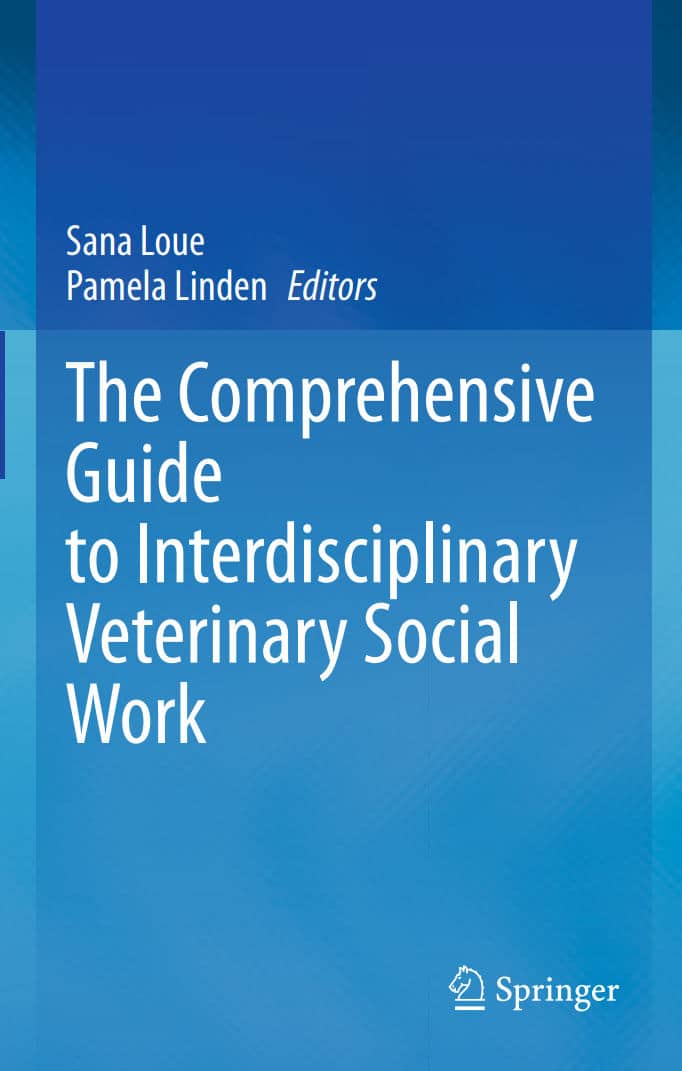
The Comprehensive Guide to Interdisciplinary Veterinary Social Work

The Comprehensive Guide to Interdisciplinary Veterinary Social Work

The Comprehensive Guide To Interdisciplinary Veterinary Social Work Pdf Download

By Sana Loue and Pamela Linden

The Comprehensive Guide to Interdisciplinary Veterinary Social Work responds to the needs that arise at the intersection of people and animals, focusing on human-animal interaction, human-animal studies, the emotional work of caring for animals, and animal-assisted interventions and therapies. Unlike many works that focus primarily on issues at the micro level, such as animal-assisted interventions, this volume is unique in its focus on issues arising at the micro, macro, and mezzo levels, encompassing human-animal issues and interactions at the level of individuals and family, groups, institutions, and communities. Accordingly, this comprehensive guide addresses the need to better prepare practitioners to work in interdisciplinary environments, whether in the context of theory, research, practice, or advocacy. The authorship of the volume reflects the interdisciplinary foundations of veterinary social work, with contributions from social workers, psychologists, veterinarians, physicians, anthropologists, and bioethicists.

Importantly, the volume addresses not only practice issues in the veterinary, clinical, and community settings, but also examines ethical concerns in the clinical and research contexts and the implications of cultural and societal variations on the practice of veterinary social work.

The Comprehensive Guide to Interdisciplinary Veterinary Social Work is the definitive resource for social workers and psychologists new to practice issues relating to animals, social work and psychology students at the graduate and undergraduate levels, veterinarians and veterinary students, hospital administrators (human hospitals), and veterinary hospital managers.

Features

Features:

  • the foundations (history and scope) of veterinary social work (Part I);
  • the practice of veterinary social work with individuals, in the context of community programs, and in social work practice (Part II);
  • veterinary social work and the veterinary setting, including veterinary well-being and conflict management (Part III);
  • veterinary social work education (Part IV); and
  • the future of veterinary social work (Part V).

Table of Contents

Table of Contents:

  1. Introduction to Veterinary Social Work

  2. History of Veterinary Social Work

  3. Compassion Fatigue in the Animal Care Community

  4. The LINK: Violence Toward People and Animals

  5. Animal-Assisted Interventions and Community Programs

  6. Animal-Assisted Interventions and Psychotherapy

  7. Veterinary Social Work and the Ethics of Interprofessional Practice

  8. Veterinary Social Work in Veterinary Hospital Settings

  9. Conflict Management and Veterinary Social Work

  10. Veterinarian Wellbeing and Mental Health

  11. Practice Management and Veterinary Social Work

  12. Veterinary Social Work in Veterinary Colleges

  13. Veterinary Social Work Internships

  14. Ethical and Legal Issues in Veterinary Social Work Research

  15. The Current State of Research in Veterinary Social Work

  16. Veterinary Social Work Across Diverse Cultures

Get This Book

File Size 4.08 MB
File Format PDF
Download  link: Download Now | Go Premium, Unlock All Books
Useful Links: Support | Browse All Categories
Join Telegram Channel: Telegram

Ultrasound in Veterinary Medicine Fundamentals and Applications

Ultrasound in Veterinary Medicine Fundamentals and Applications PDF

Ultrasound In Veterinary Medicine Fundamentals And Applications Pdf Download

By J P Varshney

Ultrasound in Veterinary Medicine Fundamentals and Applications Book provides not only basic information about ultrasound, its application and limitations; patient preparation; selection of transducer; setting the machine; land marks for the organs being scanned; sonographic features of healthy normal organs; ultrasound guided aspiration and biopsy taking; Focused Assessment with Sonography in Trauma (FAST); variations in sonographic imaging of dogs and cats; sonographic findings in different diseases: sonography of ruminants, equines and other animals; but also about therapeutic ultrasound; and important case studies for increasing the diagnostic horizon of the clinicians.

The book is divided in to five sections such as basics of ultrasound, ultrasound of canine and feline, ultrasound of other animals, therapeutic ultrasound and sonogram in different diseases as case studies.

This book will serve its purpose of providing much needed information on the application of ultrasound in the disease diagnosis of animals and will be a useful guide in a practical way to veterinary students, researchers, teachers.

Table of Contents

Table of Contents:

1. Basics of Ultrasound

2. Ultrasonography and Ultrasound Machine

3. Doppler Ultrasound

4. Ultrasound Guided Biopsy

Section 2. Canine and Feline

5. Ultrasound of The Liver and Gall Bladder

6. Ultrasound of The Spleen

7. Ultrasound of The Stomach

8. Ultrasound of The Intestines

9. Ultrasound of The Pancreas

10. Ultrasound of The Urinary Tract

11. Ultrasound of The Reproductive Tract

12. Ultrasound of The Thyroid and Parathyroid

13. Ophthalmic Ultrasound

14. Ultrasound of The Brain and Nervous System

15. Ultrasound of Muscles, Tendons Joints and Bones

16. Cardiac Ultrasound

17. Ultrasound of The Thorax (Lungs, Pleura, Mediastinum and Thoracic Wall)

18. Sonographic Variations in Dogs and Cats

19. Focused Assessment with Sonography for Trauma (FAST)

20. Sonographic Findings in Diseases: At A Glance

Section 3. Other Animals

21. Ultrasound in Ruminants

22. Ultrasound in Equines

23. Ultrasound in Exotic Pets

Section 4. Therapeutic Ultrasound

24. Therapeutic Ultrasound

Section 5. Case Studies

25. Sonograms in Different Diseases of Animals: Case Studies

Get This Book

File Size 98.7 MB
File Format PDF
Download  link: Download Now | Go Premium, Unlock All Books
Useful Links: Support | Browse All Categories
Join Telegram Channel: Telegram

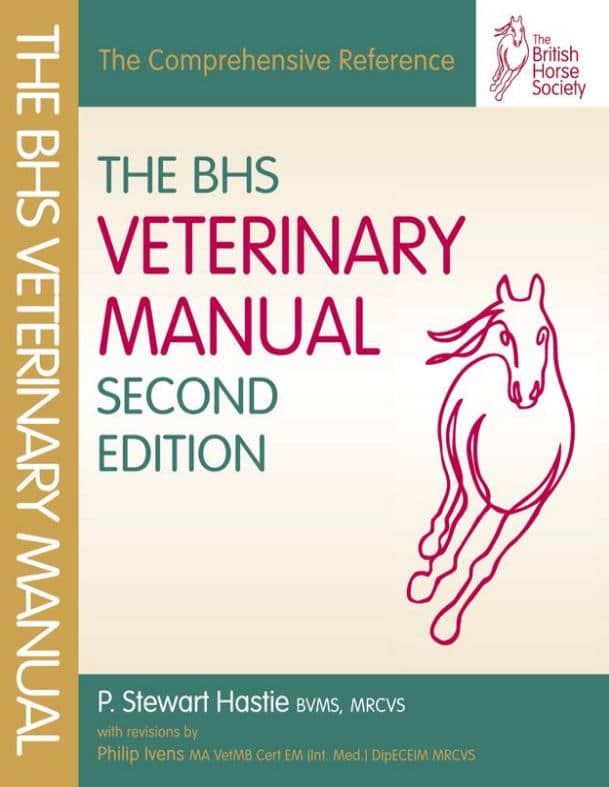
The BHS Veterinary Manual 2nd Edition

The BHS Veterinary Manual 2nd Edition

The Bhs Veterinary Manual 2Nd Edition Pdf Download

By P Stewart Hastie and Philip Ivens

Authoritative, comprehensive and practical, The BHS Veterinary Manual 2nd Edition includes new material on: Laminitis, Equine Metabolic Syndrome, Body Condition Scoring, Biosecurity including Yard Biosecurity plans and National Biosecurity plans; and a brief overview on international horse movements. Also included are sections on Exotic Diseases, Equine Grass Sickness, Atypical Myopathy and an update on RAO (COPD). The BHS Veterinary Manual is a companion volume to The BHS Complete Manual of Stable Management and indirectly to The BHS Complete Manual of Equitation. They are intended primarily for examination students but should also be essential reading for all who care about and care for the horse.

Table of Contents

Table of Contents:

PART 1: The Healthy Horse: Anatomy and Physiology
1. Evolution and Behaviour
2. The Equine Senses
3. Introduction to Anatomy
4. Introduction to Physiology
5. The Respiratory System
6. The Cardiovascular System
7. The Lymphatic System
8. The Teeth
9. The Digestive System
10. The Endocrine System
11. The Nervous System
12. The Urinary System
13. The Reproductive System
14. The Skin
15. The Eye
16. Conformation
17. The Locomotor System
18. Functional Controls
19. Signs of Health.
PART 2: Diseases of the Horse
20. Disease
21. Immunology
22. Equine Genetic Disease
23. Diseases of the Cardiovascular System
24. Diseases of the Lymphatic System
25. Diseases of the Respiratory System
26. Dental Problems
27. Diseases of the Digestive System
28. Diseases of the Urinary System
29. Diseases of the Reproductive System
30. Diseases of the Nervous System
31. Poisons and Poisoning (Toxicology)
32. Skin Diseases
33. Eye Diseases
PART 3: Lameness: Understanding and Detecting
34. Dis-ease of the Locomotor System
35. Lameness Detection
36. Lameness Specific Conditions
PART 4: Veterinary Aspects of Horse Management
37. First Aid and Wound Management
38. Biosecurity (Philip Ivens)
39. Diseases Exotic to the UK (Philip Ivens)
40. Nursing the Sick Horse
41. Fittening
42. Nutrition
43. Care of the Older Horse
Index

Get This Book

This Book is Avaiable for Members

Access this book instantly with a Premium membership

📄 PDF Format
⚡ Instant Delivery
Unlock Premium Access

Parasites Of Cattle And Sheep: A Practical Guide To Their Biology And Control

Parasites Of Cattle And Sheep: A Practical Guide To Their Biology And Control

Parasites Of Cattle And Sheep: A Practical Guide To Their Biology And Control Pdf Download

By Andrew B. Forbes

Parasites Of Cattle And Sheep: A Practical Guide To Their Biology And Control. Understanding parasite biology and impact is essential when giving advice on parasite control in farm animals. In the first review devoted to parasites of domestic cattle and sheep alone, this book provides in-depth, focused advice which can be tailored to individual farms. It considers the impact of parasites, both as individual species and as co-infections, as well as epidemiological information, monitoring, and diagnostic procedures. Supported throughout by diagrams and photos to aid diagnosis, it also reviews the basis for control measures such as the responsible use of parasiticides, adaptive animal husbandry and other management practices.

This book:

  • Focuses on common parasites of domestic sheep and cattle
  • Places emphasis on understanding host responses and epidemiology so that the impact and seasonality of parasitism can be incorporated into advice and decision making
  • Highlights the fundamental importance of the individual farm and farmer in assessing endemic parasitism and tailoring control options accordingly
  • Provides a comprehensive reference listing, including important historical citations, to underpin the content.

An important resource for students, veterinarians and researchers of farm animal health, this book maintains a focus on ruminant parasitology in order to deliver evidence-based advice and also context for the application of basic research.

Table of Contents

Table of Contents:

1: The Origin and Evolution of Parasitism in Domestic Ruminants

2: Parasitic Gastroenteritis in Cattle

3: Parasitic Gastroenteritis in Sheep: Teladorsagiosis and Trichostrongylosis

4: Parasitic Gastritis in Sheep: Haemonchosis and Parasitic Enteritis in Lambs, Nematodirosis Parasitic Gastritis in Sheep: Haemonchosis

5: Tapeworm infections in Sheep and Cattle

6: Parasitic Enteritis: Coccidiosis

7: Lungworm infections in Sheep and Cattle

8: Lungworm infections in Sheep

9: Liver fluke in Sheep and Cattle

10: Rumen Fluke

11: Dicrocoelium dendriticum: the Lancet or Lanceolate fluke

12: Obligate Ectoparasites of Cattle: Lice and Mange

13: Ectoparasites in cattle: Flies

14: Ectoparasites of Sheep: Sheep Mites

15: Sheep Ectoparasites: Insects

16: Ticks and Tick-borne Disease

17: Grazing management and Helminth control on Stock farms

18: Responsible use of Parasiticides

19: Principles and Practical Implementation of Parasite Control on Livestock Farms

Get This Book

This Book is Avaiable for Members

Access this book instantly with a Premium membership

📄 PDF Format
⚡ Instant Delivery
Unlock Premium Access

Small Animal Diagnostic Ultrasound 4th Edition

Small Animal Diagnostic Ultrasound 4th Edition

Small Animal Diagnostic Ultrasound 4Th Edition Pdf Download

By John Mattoon, Rance Sellon, Clifford Berry

Small Animal Diagnostic Ultrasound 4th Edition provides in-depth coverage of the latest techniques, applications, and developments in veterinary ultrasonography. It shows how ultrasonography can be an indispensable part of your diagnostic workup for everything from cardiac and hepatic disease to detached retinas and intestinal masses. All-new content on internal medicine is integrated throughout the text, addressing disease processes and pathologies, their evaluation, and treatment. Written by expert educators John S. Mattoon, Rance K. Sellon, and Clifford R. Berry, Small Animal Diagnostic Ultrasound 4th Edition includes access to an Expert Consult website with more than 100 video clips and a fully searchable version of the entire text.

Features

Features:

  • Logical organization makes reference quick and easy, with chapters organized by body system and arranged in a head-to-tail order.
  • Coverage of Doppler imaging principles and applications includes non-cardiac organs and abdominal vasculature.
  • Photographs of gross anatomic and pathological specimens accompany ultrasound images, showing the tissues under study and facilitating a complete interpretation of ultrasound images.
  • More than 100 video clips demonstrate normal and abnormal conditions as they appear in ultrasound scans, including conditions ranging from esophageal abscess to splenic hyperplasia.
  • More than 2,000 full-color images include the most current ultrasound technology.


Table of Contents

Table of Contents:

1.Fundamentals of Diagnostic Ultrasound
2. Ultrasound-Guided Aspiration and Biopsy Procedures
3. Point-of-Care Ultrasound
4. Abdominal Ultrasound Scanning Techniques
5. Eye
6. Neck
7. Thorax
8. Echocardiography
9. Liver
10. Spleen
11. Pancreas
12. Gastrointestinal Tract
13. Peritoneal Fluid, Lymph Nodes, Masses, Peritoneal Cavity, Great Vessel Thrombosis, and Focused Examinations
14. Musculoskeletal System
15. Adrenal Glands
16. Urinary Tract
17. Prostate and Testes
18. Ovaries and Uterus

Get This Book

This Book is Avaiable for Members

Access this book instantly with a Premium membership

📄 PDF Format
⚡ Instant Delivery
Unlock Premium Access