Home Blog Page 196

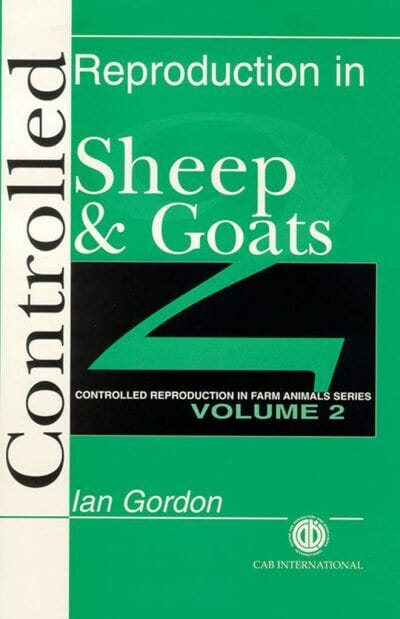
Controlled Reproduction in Sheep and Goats

Controlled Reproduction in Sheep and Goats pdf

Controlled Reproduction in Sheep and Goats

Controlled Reproduction In Sheep And Goats Pdf

By Ian Gordon

Controlled Reproduction in Sheep and Goats PDF is the second in a set of four providing a series on controlled reproduction in farm animals. The aim of the series is to provide a general review of the literature dealing with the different ways in which reproduction in the major farm mammals can be controlled and manipulated. The four volumes are effectively an expanded and new edition of a previous work, Controlled Breeding in Farm Animals (Pergamon Press, 1983). However, the literature on this subject has expanded so rapidly since the time of the earlier volume, that it is now thought appropriate to publish it in four separate volumes. Buffaloes, goats, deer and camelids have been added to the species covered by the series compared to the previous book. All volumes provide comprehensive reference lists and are fully up-to-date. This second volume focuses on sheep and goats. It will appeal to reproductive physiologists and workers in animal production, animal breeding and veterinary medicine.

Read more: Raising Goats Naturally, The Complete Guide to Milk, Meat and More

Table of Contents

1. Introduction to Controlled Reproduction in Sheep

2. The Ewe’s Oestrous Cycle and Seasonal Breeding Activity

3. Artificial Conu-ol of Oestrus and Ovulation

4. Fixed-Time Sheep Artificial Insemination

5. Advancing the Sheep Breeding Season

6. More Frequent Lambings in Sheep

7. Induction of Multiple Births in Sheep

8. Pregnancy Testing in Sheep

9. Control of Lambing

10. Embryo Transfer and Associated Techniques in Sheep

11. Breeding Sheep at Younger Ages

12. Introduction to Controlled Breeding in Goats

13. Artificial Control of Oestrus and Breeding Activity in Goats

14. Pregnancy Testing and the Control of Parturition in Goats

15. Embryo Transfer and Associated lechniques in Goats

Index

Get This Book

File Size 37.95 MB
File Format PDF
Download  link Download Now | Go Premium, Unlock All Books
Support & Updates Support | Browse All Categories
Join Our Telegram Channel Telegram
More Books: Browse All Categories

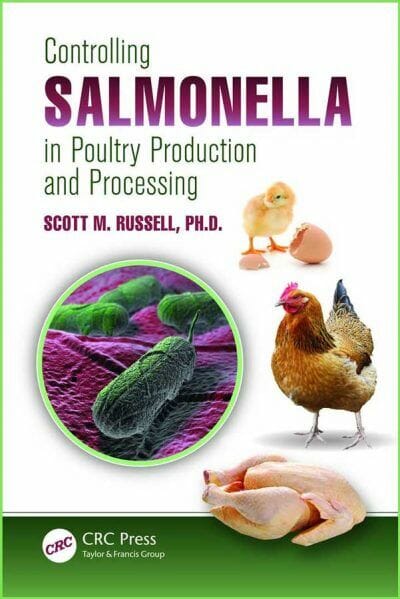
Controlling Salmonella in Poultry Production and Processing

Controlling Salmonella in Poultry Production and Processing pdf

Controlling Salmonella in Poultry Production and Processing

Controlling Salmonella In Poultry Production And Processing Pdf

By Scott M. Russell

Controlling Salmonella in Poultry Production and Processing PDF provides a complete analysis of the challenges faced in controlling Salmonella in this industry and keeping the public safe from this threat.

Author Scott M. Russell, Ph.D., works closely with the poultry industry throughout the United States and Canada and with companies in Central and South America, Europe, and China. In this volume, he explores:

  • The origin of Salmonella in poultry
  • Intervention strategies for controlling Salmonella during breeding, hatching, grow-out, transportation, and processing
  • How to design a processing plant to eliminate Salmonella
  • How to verify intervention strategies to ensure they are working
  • Increasing yield during processing while controlling Salmonella
  • New regulations being proposed by USDA-FSIS and their impact on poultry companies regarding competition and international exportation of products
  • The differences between the EU and the U.S. with regard to Salmonella control

Providing readers with numerous examples of real-world experiences, Dr. Russell offers knowledge gleaned from traveling to poultry plants throughout the world over an 18-year period, assisting processors with identifying the sources of Salmonella in their operations, and developing successful intervention strategies.

  • Examines the challenges faced in controlling Salmonella in poultry
  • Describes methods for controlling Salmonella in live birds and during breeding, hatching, and grow-out
  • Explores Salmonella intervention during processing
  • Outlines ways to verify that intervention strategies are working
  • Compares and contrasts Salmonella sampling and testing methods used in the U.S. and the EU

Read more: Important Poultry Diseases PDF

Get This Book

File Size 53.73 MB
File Format PDF
Download  link Download Now | Go Premium, Unlock All Books
Support & Updates Support | Browse All Categories
Join Our Telegram Channel Telegram
More Books: Browse All Categories

Small Animal Oncology An Introduction

Small Animal Oncology An Introduction PDF

Small Animal Oncology An Introduction Pdf

By Susan M. North, Tania Ann Banks

Small Animal Oncology An Introduction PDF is A highly practical guide suitable for in-clinic reference, Small Animal Oncology has been designed for maximum ease of use and accessibility of information. Whilst giving clear and up-to-date briefing for the busy practitioner, it also is a valuable resource to the student with a special interest in oncology. This introduction gives an overview of cancer biology and explains the principles of available therapies. There is up to date discussion on new and developing techniques and treatments, and guidance on when these are indicated. The book covers all common, most less common and some rare aspects of small animal oncology.

  • accompanying Evolve website includes over 20 clinical cases to try your knowledge
  • all-round practical, useful, every day essential guide to small animal oncology
  • schematic approach gives quick access to information when you need it
  • explains biology and the basic principles as well as indicating treatment options
Table of Contents

Foreword

Preface

Acknowledgements

  1. The human-animal bond and why veterinary oncology is important
  2. An introduction to the principles of tumour biology
  3. Work-up of the cancer patient
  4. Principles of cytology and pathology
  5.  Concepts of oncology surgery
  6. Principles of chemotherapy
  7. Principles of radiation oncology
  8. Other treatment modalities
  9. Oncological emergencies
  10. Paraneoplastic syndromes
  11. Cancer pain
  12. Cancer nutrition
  13. Tumours of head and neck
  14. Tumours of the larynx and trachea, mediastinum, chest wall and cardiopulmonary system
  15. Tumours of the gastrointestinal tract and associated structures
  16. Tumours of the hepatobiliary system and exocrine pancreas
  17. Tumours of the urogenital tract
  18. Tumours of skin and subcutaneous tissues
  19. Mast cell tumours
  20. Sarcomas of the skin and subcutaneous tissues
  21. Tumours of the skeletal system
  22. Tumours of the haemolymphatic system
  23. Tumours of the spleen
  24. Tumours of the nervous system
  25. Tumours of the eye and retrobulbar space
  26. Tumours of the endocrine system
  27. Future directions

Index

Get This Book

File Size 23.70 MB
File Format PDF
Download  link Download Now | Go Premium, Unlock All Books
Updates & Support Support | Browse All Categories
Become a Premium Premium Membership
More Books: Browse All Categories

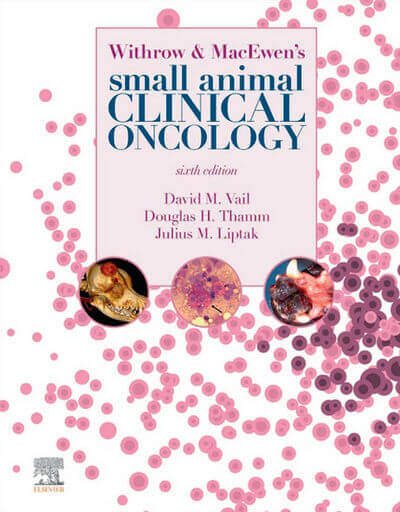
Withrow and MacEwen’s Small Animal Clinical Oncology

withrow and macewen's small animal clinical oncology pdf

Withrow And Macewen's Small Animal Clinical Oncology Pdf

By David M. Vail

Withrow and Macewen’s Small Animal Clinical Oncology PDF tells the full story of cancer in dogs and cats — what it is, how to diagnose it, and how to treat many of the most common cancers encountered in clinical practice. Nearly 500 color photographs, diagrams, x-rays, and gross views depict the clinical manifestations of various cancers. This edition covers the latest advances in clinical oncology, including chemotherapy, surgical oncology, and diagnostic techniques. With contributions from 65 veterinary oncology experts, this authoritative reference is a must-have for current, evidence-based therapeutic strategies on canine and feline oncology.

“I really love this book. If you are interested in veterinary oncology, have a flick through this book online or at a conference when you get the chance. I hope that you agree with me that this is the definitive oncology reference source for the early 21st century and that you feel compelled to buy it. Your patients will thank you for it.” Reviewed by: Gerry Polton MA VetMB MSc(Clin Onc) DipECVIM-CA(Onc) MRCVS, UK Date: July 2014

  • Cutting-edge information on the complications of cancer, pain management, and the latest treatment modalities prepares you to diagnose and treat pets with cancer rather than refer cases to a specialist.
  • A consistent format for chapters on body system tumors includes coverage of incidence and risk factors, pathology, natural behavior of tumors, history and clinical signs, diagnostic techniques and workup, treatment options, and prognosis for specific malignancies.
  • A systems approach to the diagnosis and management of cancer facilitates access to information about the many malignancies affecting small animal patients.
  • Nearly 500 color images provide accurate depictions of specific diseases and procedures.
  • Helpful drug formularies provide quick access to information on indications, toxicities, and recommended dosages for chemotherapeutic and analgesic drugs used in cancer treatment.
  • Expert contributors provide in-depth coverage of the most current information in his or her respective specialty in veterinary oncology.
  • Chemotherapy protocols are included when case studies prove clinical efficacy.
  • Discussion of compassion and supportive care for the management of pain, nutritional needs, and grief includes methods for handling the pet’s pain and nutritional complications as well as the pet owner’s grief when treatment is not successful.
  • Thoroughly UPDATED chapters cover the most recent changes in the clinical management of melanoma, mast cell tumors, tumors of the skeletal system, tumors of the endocrine system, tumors of the mammary gland, urinary cancers, nervous system cancers, lymphoma, and histiocytic diseases.
  • NEW Clinical Trials and Developmental Therapeutics chapter discusses the various phases of clinical trials as well as current challenges and opportunities in oncology drug development.
  • NEW! A focus on the best recommended treatment options highlights therapeutic strategies that have been vetted by veterinary oncology experts.
  • NEW co-author Dr. Rodney L. Page adds his valuable perspective, expertise, and research experience.

Table of Contents

Why Worry About Cancer in Pets?

Section 1: THE BIOLOGY AND PATHOGENESIS OF CANCER

1. The Etiology of Cancer

1A. Genetic Factors

1B. Chemical, Physical, and Hormonal

1C. Cancer-Causing Viruses

2. Tumor Biology and Metastasis

3. The Pathology of Neoplasia

4. The Epidemiology and Incidence of Cancer

5. Paraneoplastic Syndromes

Section 2: DIAGNOSTIC PROCEDURES FOR THE CANCER PATIENT

6. Diagnostic Imaging in Oncology

7. Diagnostic Cytology in Clinical Oncology

8. Molecular Diagnostics

9. Biopsy Principles and Staging

Section 3: THERAPEUTIC MODALITIES FOR THE CANCER PATIENT

10. Surgical Oncology

11. Cancer Chemotherapy

12. Radiation Therapy

13. Immunotherapy of Cancer

14. Molecular/Targeted Therapy of Cancer

14A. Gene Therapy for Cancer

14B. Signal Transduction and Cancer

14C. Anti-angiogenic & Metronomic Treatment

14D. Emerging Therapeutics

15. Miscellaneous Treatments for Solid Tumors

15A. Management of Chronic Cancer Pain

15B. Nutritional Management of the Cancer Patient

15C. Client Grief Support

16. Complementary and Alternative Medicine for Patients with Cancer

17. Clinical Trials NEW!

Section 4: SPECIFIC MALIGNANCIES IN THE SMALL ANIMAL PATIENT

18. Tumors of the Skin and Subcutaneous Tissues

19. Melanoma NEW!

20. Mast Cell Tumors

21. Soft Tissue Sarcomas

22. Cancer of the Gastrointestinal Tract

22A. Oral Tumors

22B. Salivary Glanc Cancer

22C. Esophageal Cancer

22D. Exocrine Pancreatic Cancer

22E. Gastric Cancer

22F. Hepatobiliary Tumors

22G. Intestinal Tumors

22H. Perianal Tumors

23. Tumors of the Respiratory System

23A. Cancer of the Nasal Planum

23B. Canine Nasosinal Tumors

23C. Cancer of the Larynx and Trachea

23D. Pulmonary Neoplasia

24. Tumors of the Skeletal System

25. Tumors of the Endocrine System

26. Tumors of the Female Reproductive System

27. Tumors of the Mammary Gland

28. Tumors of the Male Reproductive System

29. Tumors of the Urinary System

30. Tumors of the Nervous System

31. Ocular Tumors

32. Hematopoietic Tumors

32A. Canine Lymphoma and Lymphoid Leukemia

32B. Feline Lymphoma and Leukemia

32C. Canine Acute Myeloid Leukemia, Chronic Myeloproliferative Diseases, and Myelodysplasia

32D. Plasma Cell Neoplasms

33. Miscellaneous Tumors

33A. Hemangiosarcoma

33B. Thymoma

33C. Canine Transmissible Venereal Tumor

33D. Mesothelioma

33E. Neoplasia of the Heart

33F. Histiocytic Diseases

Get This Book

File Size 46.98 MB
File Format PDF
Download  link Download Now | Go Premium, Unlock All Books
Updates & Support Support | Browse All Categories
Become a Premium Premium Membership
More Books: Browse All Categories

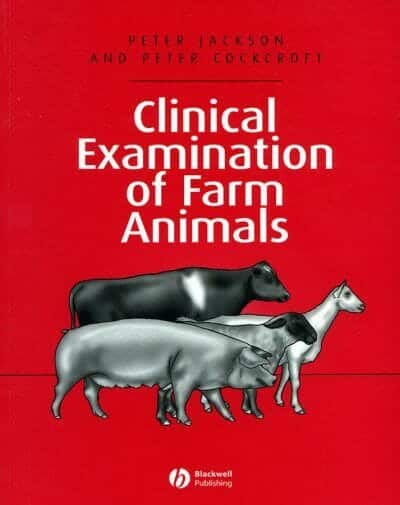
Clinical Examination of Farm Animals

Clinical Examination of Farm Animals PDF

Clinical Examination of Farm Animals PDF

Clinical Examination Of Farm Animals Pdf

By Peter Jackson and Peter Cockcroft

Clinical examination is a fundamental part of the process of veterinary diagnosis. Without a proficient clinical examination and an accurate diagnosis it is unlikely that the treatment, control, prognosis and welfare of animals will be optimised.

Clinical Examination of Farm Animals PDF will assist veterinary students in their understanding of farm animal clinical examination and act as a quick reference for clinicians who are called upon to examine an unfamiliar species. It will also provide a more detailed account for experienced clinicians in their continuing professional development.

The authors provide a simple, explicit and reliable method of examining cattle, sheep, pigs and goats of all ages in the search for diagnostic information.

  • Structured by body system or region with checklists on procedures and abnormalities
  • Numerous beautifully clear illustrations complement and clarify the text
  • Based on the authors’ extensive experience in farm animal medicine
  • Important reading for anyone concerned with the clinical examination of farm animals.

Read more: Farming Meat Goats: Breeding, Production and Marketing, 2nd Edition

Table of Contents

Preface.

Acknowledgements.

Part I Introduction.

1 Principles of Clinical Examination.

Part II Cattle – Clinical Examination by Body System and Region.

2 The General Clinical Examination of Cattle.

3 Clinical Examination of the Lymphatic System.

4 Clinical Examination of the Skin.

5 Clinical Examination of the Head and Neck.

6 Clinical Examination of the Cardiovascular System.

7 Clinical Examination of the Respiratory System.

8 Clinical Examination of the Gastrointestinal System.

9 Clinical Examination of the Urinary System.

10 Clinical Examination of the Female Genital System.

11 Clinical Examination of the Male Genital System.

12 Clinical Examination of the Udder.

13 Clinical Examination of the Musculoskeletal System.

14 Clinical Examination of the Nervous System.

Part III Sheep.

15 Clinical Examination of the Sheep.

Part IV Pigs.

16 Clinical Examination of the Pig.

Part V Goats.

17 Clinical Examination of the Goat.

Bibliography.

Appendix 1 Normal Physiological Values.

Appendix 2 Laboratory Reference Values: Haematology.

Appendix 3 Laboratory Reference Values: Biochemistry.

Index.

Get This Book

File Size 6 MB
File Format PDF
Download  link Download Now | Go Premium, Unlock All Books
Support & Updates Support | Browse All Categories
Join Our Telegram Channel Telegram
More Books: Browse All Categories

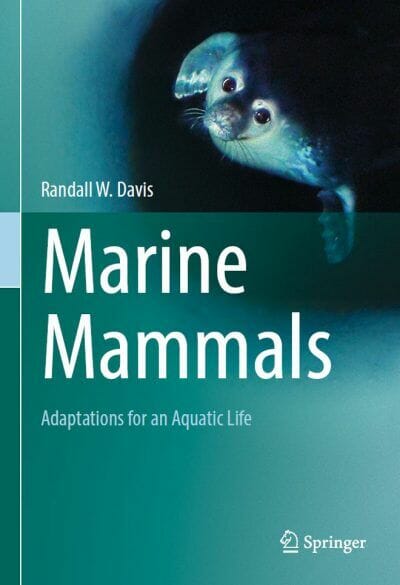
Marine Mammals: Adaptations for an Aquatic Life

Marine Mammals: Adaptations for an Aquatic Life PDF

Marine Mammals: Adaptations for an Aquatic Life

Marine Mammals: Adaptations For An Aquatic Life Pdf

By Randall W. Davis

Marine Mammals, Adaptations for an Aquatic Life PDF book provides new insights into the morphological, metabolic, thermoregulatory, locomotory, diving, sensory, feeding, and sleep adaptations of Cetacea (whales and dolphins), Pinnipedia (seals, sea lions and walrus), Sirenia (manatees and dugongs) and sea otters for an aquatic life. Each chapter reviews the discoveries from previous studies and integrates recent research using new techniques and technology. Readers will gain an understanding of the remarkable adaptations that enable marine mammals to spend all or most of their lives at sea, often while hunting prey at depth.

  • Provides new insights into the remarkable physiological and behavioral adaptations of marine mammals
  • Reviews anatomical, metabolic, thermoregulatory, locomotory, diving and behavioral adaptations of cetaceans, pinnipeds, sirenians and sea otters
  • Covers information about the remarkable adaptation that enable marine mammals to spend much of their lives at sea while breath-hold diving to depths of up to 2,900 m

Read more: Sea Bass and Sea Bream, A Practical Approach to Disease Control and Health Management

Table of Contents

Introduction

Return to the Sea: The Evolution of Marine Mammals

Respiration and the Effects of Pressure

Metabolism and Thermoregulation

Locomotion

Physiological Adaptations for Breath-Hold Diving

Sensory Systems

Feeding and Digestion

Sleep

Get This Book

File Size 13 MB
File Format PDF
Download  link Download Now | Go Premium, Unlock All Books
Support & Updates Support | Browse All Categories
Join Our Telegram Channel Telegram
More Books: Browse All Categories

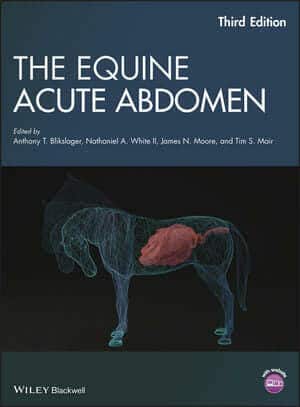
The Equine Acute Abdomen 3rd Edition

The Equine Acute Abdomen 3rd Edition PDF

The Equine Acute Abdomen 3rd Edition

The Equine Acute Abdomen 3Rd Edition Pdf

By Anthony T. Blikslager, Nathaniel A. White II , James N. Moore and Tim S. Mair

The Equine Acute Abdomen 3rd Edition PDF. It’s Written and edited by leading experts on equine digestive diseases, The book is the preeminent text on diagnosing and treating acute abdominal diseases in horses, donkeys, and mules.

  • The definitive guide to acute abdominal disorders in equine patients, fully updated and revised to reflect the latest developments in the field
  • Lavishly illustrated with more than 450 color illustrations, photographs, line drawings, and figures
  • A companion website features video clips and images from the book available for download
  • Provides an invaluable resource to equine surgery and internal medicine specialists, researchers, practitioners, and students who deal with colic

Read more: Pests and Parasites of Horses

Table of Contents

Editors viii

List of Contributors ix

Preface and Dedication xiii

About the Companion Website xiv

Part I Normal Anatomy and Physiology 1

1 Gross and Microscopic Anatomy of the Equine Gastrointestinal Tract 3
Thomas M. Krunkosky, Carla L. Jarrett, and James N. Moore

2 Intestinal Epithelial Stem Cells 19
Liara M. Gonzalez

3 Gastric Secretory Function 24
Michael J. Murray

4 Small Intestinal Function 27
Anthony T. Blikslager

5 Large Intestine Function 41
Marco A. F. Lopes and Philip J. Johnson

6 Liver Function 55
Tim S. Mair

7 The Equine Intestinal Microbiota 58
J. Scott Weese

8 Effects of Feeding on Equine Gastrointestinal Function or Physiology 66
Marco A. F. Lopes and Philip J. Johnson

9 Intestinal Motility and Transit 78
Jorge E. Nieto and Peter C. Rakestraw

Part II Pathophysiology of Gastrointestinal Diseases 97

10 Pathophysiology of Gastric Ulcer Disease 99
Michael J. Murray

11 Pathophysiology of Gastrointestinal Obstruction and Strangulation 102
Anthony T. Blikslager

12 Pathophysiology of Pain 119
Casper Lindegaard, Karina B. Gleerup, and Pia Haubro Andersen

13 Pathophysiology and Treatment of Postoperative Ileus 140
Jorge E. Nieto and Peter C. Rakestraw

14 Pathophysiology, Prevention, and Treatment of Adhesions 153
P. O. Eric Mueller

15 Pathophysiology of Enteritis and Colitis 166
Harold C. McKenzie III

16 Pathophysiology of Systemic Inflammatory Response Syndrome 183
Clare E. Bryant and James N. Moore

Part III Intestinal Parasitism 193

17 Intestinal Parasitism 195
Christopher J. Proudman

Part IV Epidemiology of Colic 205

18 Epidemiology of Colic: Principles for Practice 207
Noah D. Cohen

19 Epidemiology of Colic: Risk Factors 215
Noah D. Cohen

Part V Diagnosis of Gastrointestinal Disease 221

20 Diagnostic Approach to Colic 223
Anne Desrochers and Nathaniel A. White II

21 Investigations of Chronic and Recurrent Colic 263
Nathaniel A. White II

22 Alternative Diagnostic Techniques 266
Nathaniel A. White II and Anne Desrochers

23 Imaging of the Abdomen 271
Anne Desrochers

24 Decision for Surgery and Referral 285
Nathaniel A. White II

25 Prognosticating Equine Colic 289
Nathaniel A. White II

26 Biosecurity in the Management of Equine Gastrointestinal Disease 301
Harold C. McKenzie III

Part VI Medical Management 311

27 Medical Management of Gastrointestinal Diseases 313
Tim S. Mair

28 Treatment of Shock 331
Kevin Corley

29 Diagnosis and Treatment of Peritonitis and Hemoperitoneum 361
John F. Peroni

30 Diagnosis of Enteritis and Colitis in the Horse 376
Harold C. McKenzie III

Part VII Colic in the Foal 411

31 Diagnosis of Colic in the Foal 413
Martin Furr

32 Imaging of the Foal with Colic and Abdominal Distention 418
Martin Furr

33 Medical Management of Colic in the Foal 422
Martin Furr

34 Surgical Management of Colic in the Foal 426
Sarah M. Khatibzadeh and James A. Brown

35 Anesthesia of Foals with Colic 437
Cynthia M. Trim

36 Specific Diseases of the Foal 452
Martin Furr

37 Liver Diseases in Foals 459
Tim S. Mair and Thomas J. Divers

Part VIII Colic in the Donkey 469

38 Colic in the Donkey 471
Alexandra K. Thiemann, Karen J. Rickards, Mulugeta Getachew, and Georgios Paraschou

Part IX Nutritional Management 489

39 Nutritional Management of the Colic Patient 491
Shannon E. Pratt]Phillips and Raymond J. Geor

Part X Anesthesia for Abdominal Surgery 509

40 Anesthesia for Horses with Colic 511
Cynthia M. Trim

Part XI Surgery for Acute Abdominal Disease 539

41 Preparation of the Patient for Abdominal Surgery 541
Anna K. Rötting

42 Surgical Exploration and Manipulation 549
Anna K. Rötting

43 Intestinal Viability 570
Liara M. Gonzalez

44 Small Intestinal Resection and Anastomosis 581
Anna K. Rötting

45 Large Colon Enterotomy, Resection, and Anastomosis 597
Joanne Hardy

46 Abdominal Closure 604
Vanessa L. Cook

Part XII Intensive Care and Postoperative Care 611

47 Monitoring Treatment for Abdominal Disease 613
Tim S. Mair

48 Postoperative Complications 624
Diana M. Hassel

49 Laminitis Associated with Acute Abdominal Disease 639
James K. Belknap and Andrew H. Parks

Part XIII Specific Diseases of Horses 663

50 Diseases of the Stomach 665
Michael J. Murray

51 Diseases of the Liver and Liver Failure 673
Tim S. Mair and Thomas J. Divers

52 Diseases of the Small Intestine 704
Debra C. Archer

53 Diseases of the Cecum 737
James N. Moore and Joanne Hardy

54 Specific Diseases of the Ascending Colon 748
Joanne Hardy

55 Diseases of the Descending Colon 775
John F. Peroni

56 Equine Grass Sickness 783
Tim S. Mair

57 Rectal Tears 790
Canaan M. Whitfield]Cargile and Peter C. Rakestraw

58 Malabsorption Syndromes 804
Tim S. Mair and Thomas J. Divers

59 Colic and Pregnant Mares 819
Elizabeth M. Santschi

60 Colic from Alternative Systems: “False Colics” 831
Tim S. Mair

61 Abdominal Trauma 843
John F. Peroni

62 Abdominal Abscesses and Neoplasia 848
Jan F. Hawkins

Index 855

Get This Book

This Book is Avaiable for Members

Access this book instantly with a Premium membership

📄 PDF Format
⚡ Instant Delivery
Unlock Premium Access

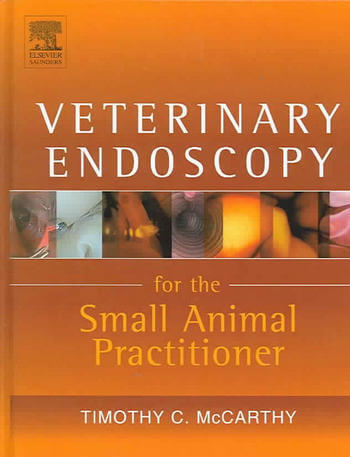
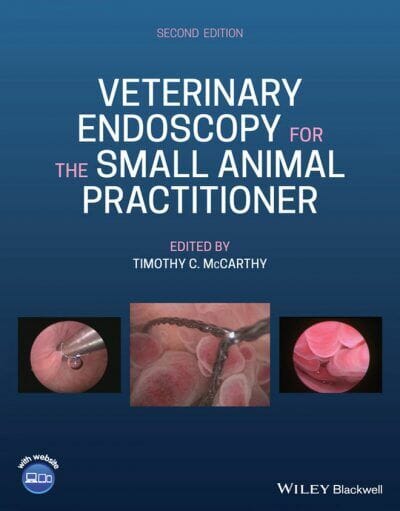
Veterinary Endoscopy for the Small Animal Practitioner

Veterinary Endoscopy for the Small Animal Practitioner PDF

Veterinary Endoscopy For The Small Animal Practitioner Pdf

By Timothy C. McCarthy

Veterinary Endoscopy for the Small Animal Practitioner PDF contains the latest information on indications, instrumentation, patient preparation and techniques. It offers valuable information on endoscopic equipment, anesthesia considerations, and guidelines for both beginning and advanced techniques. Coverage focuses on important areas such as rhinoscopy, bronchoscopy, thoracoscopy, cystoscopy, lower GI, upper GI, and more.

  • More than 600 full-color photographs and technique drawings illustrate how to correctly perform endoscopic procedures and recognize normal and abnormal appearance
  • Introductory chapters provide an overview of effective endoscopy practice, including instrumentation options, anesthetic considerations, and biopsy handling
  • Detailed, extensively illustrated chapters cover endoscopic examination and surgery techniques for each anatomical region
  • Discusses future developments in the field as endoscopes become standard equipment in everyday small animal practice
  • Features the most complete overview of rigid endoscopy, an increasingly popular option that offers lower costs, reduced maintenance requirements over flexible endoscopy, and the rigidity needed to perform surgical procedures
  • Offers practical surgical interventions designed to help minimize trauma and meet the increasing demand for minimally invasive surgical techniques
  • Provides detailed coverage of endoscopic instruments including product recommendations that will save practitioners time, money, and frustration
  • Presents new and innovative techniques for using flexible and rigid endoscopes, enabling practitioners to get more use out of the equipment and offer clients a wider range of services
  • Includes practical guidance on the use of more than 30 different types of endoscopes
Table of Contents

1 Introduction to Veterinary Endoscopy and Endoscopic Instrumentation

2 Anesthetic Considerations for Endoscopy

3 Endoscopic Biopsy Handling and Histopathology

4 Cystoscopy

5 Rhinoscopy: the Diagnostic Approach to Chronic Nasal Disease

6 Bronchoscopy

7 Diagnostic and Operative Thoracoscopy

8 Upper Gastrointestinal Endoscopy

9 Endoscopic Evaluation of the Colon

10 Laparoscopy: Technique and Clinical Experience

11 Video-Otoscopy

12 Vaginoscopy and Endoscopic Transcervical Insemination in the Bitch

13 Otheroscopies

14 Arthroscopy: Diagnostic and Surgical Applications in Small Animal Practice

15 Looking Forward in Rigid Endoscopy

16 Looking Forward in Flexible Endoscopy

Index

File Size 146 MB
File Format PDF
Download  link Download Now | Go Premium, Unlock All Books
There is a Newer Edition of This Book Veterinary Endoscopy For The Small Animal Practitioner 2Nd EditionVeterinary Endoscopy for the Small Animal Practitioner, 2nd Edition
Updates & Support Support | Browse All Categories
Become a Premium Vet Ebooks Membership
More Books: Browse All Categories

Physiology and Behaviour of Animal Suffering

Physiology and Behaviour of Animal Suffering PDF

Physiology and Behaviour of Animal Suffering

Physiology And Behaviour Of Animal Suffering Pdf

By Neville G. Gregory

Suffering is a state of mind that is difficult to measure and analyse in human beings and considerably more so in animals. It is related to the environment in which we live and our physical and mental states. Understanding the physiology of suffering in animals is crucial in assessing animal welfare.

Written by an expert in applied welfare aspects of physiology, Physiology and Behaviour of Animal Suffering PDF is the first to address the physiological aspects of suffering in animals. It explores the different causes of suffering – physical discomfort, thirst and hunger, the responses in the body that lead to suffering and it offers insight into how suffering can be managed.

  • The second book in a major new animal welfare series
  • Draws together information that is scattered across the literature
  • Written for the specialist and non-specialist alike
  • Includes colour pictures

Read more: Textbook of Veterinary Physiological Chemistry, 3rd Edition

Table of Contents

Foreword.

Preface.

1 Introduction.

1.1 What Is Suffering?.

1.2 Why Worry about Suffering?.

1.3 When Can We Stop Worrying about Suffering?.

1.4 Recognising Suffering in Animals.

1.5 Can Animals Go Mad?.

1.6 What Constitutes Animal Suffering?.

1.7 Conclusions.

2 Stress.

2.1 Stress Physiology.

2.2 Stress-related Disorders.

2.3 Restraint Stress.

2.4 Stress-induced Analgesia.

2.5 Stress-induced Seizures and Fits.

3 Anxiety and Fear.

3.1 Introduction.

3.2 Anxiety.

3.3 Experimental Models.

3.4 Fear.

3.5 Fright.

3.6 Phobias.

3.7 Panic.

3.8 The Role of the Amygdala.

3.9 Losing One’s Mother.

4 Emotional Numbness and Deprivation.

4.1 Anhedonia.

4.2 Depression.

4.3 Social isolation in the Newborn.

4.4 Sensory Deprivation in Early Life.

4.5 Sensory Deprivation in Later Life.

4.6 Social isolation and barren environments.

4.7 Stereotypies and neurotic behaviours.

4.8 Learned Helplessness.

4.9 Post-traumatic Stress Disorder.

4.10 Sleep Disorders.

4.11 Weaning.

4.12 Physiology of Emotions.

5 Aggression, Overcrowding and Discomfort.

5.1 Aggression.

5.2 Overcrowding and Confinement.

5.3 Discomfort.

6 Exercise.

6.1 Overexertion.

6.2 Endurance Riding.

6.3 Horse-racing Injuries.

6.4 Greyhound Racing Injuries.

6.5 Migration.

7 Cold.

7.1 Cold Discomfort and Pain.

7.2 Skin Freezing and Chilblains.

7.3 Hypothermia.

7.4 Sensitivity to Cold.

7.5 Hypothermia and Cold Survival.

7.6 Cold in Combination with Starvation.

7.7 Cold-induced Analgesia.

8 Heat and Burns.

8.1 Heat Stress.

8.2 Heat Intolerance.

8.3 Some Species Differences.

8.4 Pain.

8.5 Burns and Scalds.

9 Thirst and Hunger.

9.1 Thirst and Dehydration.

9.2 Overhydration.

9.3 Osmotic Stress.

9.4 Hunger.

9.5 Underfeeding.

9.6 Emaciation.

9.7 Inappropriate Diets.

9.8 Forced Moulting.

9.9 Force-feeding and Overeating.

10 Pain.

10.1 The Value of Pain.

10.2 Pain Associated with Trauma.

10.3 Ways in Which Animals Express Pain.

10.4 Pain Pathways and Consciousness.

10.5 Cortical Regions.

10.6 Applied Neurology of Pain.

10.7 Pain in a Given Context.

11 Trauma.

11.1 Injuries in Selected Body Regions and Tissues.

11.2 Some Common Causes of Injury.

11.3 Intended or Avoidable Causes of Trauma.

11.4 Types of Injury.

12 Sickness and Disease.

12.1 Is Suffering an Inevitable Consequence of Being Ill?.

12.2 Do the Behaviours Expressed During Sickness Serve a Purpose?.

12.3 Cytokines and Sickness Behaviours.

12.4 Cancer.

12.5 Stress and Immune Function.

12.6 Corticosteroid Therapy.

12.7 Anaemia.

12.8 Hazards of Improving Disease Control.

12.9 Diseases Used in Controlling Pests.

13 Digestive System.

13.1 Nausea.

13.2 Vomiting and Retching.

13.3 Gut Pain.

13.4 Diarrhoea.

13.5 Gut Injuries.

13.6 Stress and the Gut.

13.7 Gastro-intestinal Ulcers.

14 Poisoning.

14.1 Wartime Poisons.

14.2 Environmental Toxicants.

14.3 Vertebrate Pesticides.

15 Respiratory System.

15.1 Asphyxia.

15.2 Breathlessness.

15.3 Carbon Dioxide Inhalation.

15.4 Drowning.

15.5 Pulmonary Oedema.

15.6 Hypoxia.

15.7 Altitude Sickness.

15.8 Decompression.

15.9 Collapse of the Lung and Pneumothorax.

15.10 Asthma and Allergies.

15.11 Ammonia.

15.12 Signs of Respiratory Distress.

15.13 Agonal Gasping.

16 Dying.

16.1 Euthanasia.

16.2 Decapitation.

16.3 Religious Slaughter.

16.4 Death from Brain Injury.

16.5 Recognising Insensibility and Brain Death.

References.

Abbreviations.

Index.

Get This Book

File Size 1.2 MB
File Format PDF
Download  link Download Now | Go Premium, Unlock All Books
Support & Updates Support | Browse All Categories
Join Our Telegram Channel Telegram
More Books: Browse All Categories

Histologic Basis of Ocular Disease in Animals

Histologic Basis of Ocular Disease in Animals pdf

Histologic Basis of Ocular Disease in Animals

Histologic Basis Of Ocular Disease In Animals Pdf

By Bruce Grahn, Robert Peiffer, Brian Wilcock

Histologic Basis of Ocular Disease in Animals PDF is a comprehensive reference covering pathology of the eye in a spectrum of animal species, including domestic animals, fish, birds, and laboratory animals.

  • Offers a comprehensive resource on diseases and conditions of the eye and orbit in a wide range of species
  • Covers domestic animals, fish, birds, and laboratory animals
  • Presents more than 1200 high-quality images carefully selected to illustrate the ocular conditions covered
  • Emphasizes unique pathological responses where necessary

Read more: Small Animal Ophthalmology What’s Your Diagnosis?

Table of Contents

Foreword xiii

Acknowledgements xv

1 Fixation and processing of ocular tissues 1

Fixatives 1

Fixation and sectioning artifacts 2

Fixation techniques 3

Trimming the fixed globe 5

Electron microscopy 13

References 14

2 General pathology of the eye 15

Adaptations characterized by changes in cell size, number, or appearance 15

Neoplasia 19

Nomenclature 23

Distinguishing benign from malignant 25

Prognostication 27

Unsuccessful adaptation: cellular degeneration, necrosis, and apoptosis 27

Calcification, pigmentation, and cystic change 30

Ocular inflammation 32

Ocular manifestations of acute inflammation 34

Chronic inflammation 39

Ocular manifestations of chronic inflammation 39

Immune privilege 41

Lymphocytic–plasmacytic endophthalmitis 42

The sequelae of intraocular inflammation and other injuries 43

Limited regenerative ability 43

Susceptibility to scarring 43

Further reading 46

3 Congenital anomalies 49

Introduction 49

Defective organogenesis 50

Defective early organogenesis 50

Anophthalmos and cystic globe 53

Anophthalmos and microphthalmos 54

Cyclopia and synophthalmos 56

Congenital anomalies of lens 56

Congenital retinal nonattachment 63

Aniridia – iridal hypoplasia or aplasia 63

Coloboma 63

Defective later organogenesis 64

Neurectodermal defects 64

Multifocal retinopathies 71

Multiple ocular anomalies (MOA) in Rocky Mountain horses 71

Anomalies of surface ectodermal origin that develop during later organogenesis 73

Congenital adnexal cysts 73

Dermoids 73

Defects of neural crest migration and mesenchymal differentiation that develop in later organogenesis 73

Congenital corneal disease 73

Congenital disorders of neurocrest and mesenchymal tissues that manifest in the uvea during later organogenesis 74

Persistent pupillary membranes (PPMs) 74

Congenital glaucoma 75

Uveal hypoplasia 78

Collie eye anomaly (CEA) and related defects 78

Persistence of embryonic vasculature 81

References 83

4 Histopathology of ocular trauma 89

Perforating and penetrating wounds of the globe and ocular tissues 89

Perforating wounds of the globe 89

Traumatic intraocular hemorrhage 89

Expulsive subchoroidal hemorrhage 90

Sequelae of intraocular hemorrhage 90

Posttraumatic inflammation 95

Phacoclastic endophthalmitis and traumatic cataract 95

Infectious endophthalmitis 95

Trauma to individual ocular tissues 95

Orbit and optic nerve 95

Cornea/sclera 95

Uvea 100

Lens 101

Vitreous and retina 101

Globe as a whole 101

Reaction to foreign materials 101

Complications of ocular surgery 102

Chemical and thermal burns 102

Effects of radiant energy 103

References 103

5 Diseases of the eyelid, conjunctiva, lacrimal, and nasolacrimal systems 105

Eyelids 105

Structural disorders 105

Dermoids 105

Hamartomas 105

Subconjunctival fat prolapse 105

Entropion, ectropion, and medial canthal pocket syndrome 105

Distichiasis, districhiasis, and ectopic cilia 106

Inflammatory disease 108

Pyogranulomatous (granulomatous) blepharitis 108

Juvenile sterile granulomatous dermatitis and lymphadenitis (juvenile cellulitis) 110

Chalazion 110

Medial canthal erosion syndrome 111

Proliferative pox virus blepharitis in birds 111

Parasitic eyelid disorders 111

Demodicosis 111

Cnemidocoptes pilae (scaly beak) infestation of avian species 113

Eyelid tumors and neoplasms 113

Cystic apocrine hyperplasia (hidrocystomas, sudoriferous cysts, and apocrine cysts) 113

Granular cell tumor 113

Meibomian (tarsal gland) adenoma 115

Melanocytoma and melanoma 115

Histiocytoma 118

Mast cell tumor 118

Peripheral nerve sheath tumors 118

Equine sarcoid 121

Squamous cell carcinoma 122

Diseases of the conjunctiva 123

General pathology of the conjunctiva 124

Congenital conjunctival abnormalities 124

Infectious conjunctivitis 126

Herpesvirus 126

Chlamydophila (chlamydia) 126

Rickettsia rickettsi 126

Moraxella bovis 126

Parasitic conjunctivitis 126

Noninfectious inflammatory disease 127

Episclerokerataconjunctivitis 127

Lipogranulomatous conjunctivitis of cats 127

Eosinophilic conjunctivitis 128

Miscellaneous conjunctival disorders 128

Conjunctival overgrowth in rabbits (pseudopterygium) 128

Membranous (ligneous) conjunctivitis 129

Conjunctival neoplasms 129

Conjunctival lymphoma 129

Conjunctival mast cell tumors 130

Conjunctival melanoma and melanocytoma 130

Viral papillomas 133

Conjunctiva squamous papilloma 133

Conjunctival squamous cell carcinoma 133

Conjunctival vascular neoplasia 133

Miscellaneous neoplasms of the third eyelid 133

Lacrimal and nasolacrimal disorders 136

Neoplasms of the gland of the third eyelid 136

Prolapsed gland of the third eyelid 138

Keratoconjunctivitis sicca (KCS) 138

Dacryops and canaliculops 138

References 138

6 Diseases of the cornea 143

Corneal wound healing 143

Epithelial wound healing 143

Stromal wound healing 147

Endothelial wound healing 149

Epithelial and fibrous ingrowth 151

Healing of corneal grafts 152

Nonspecific corneal responses to insult 152

Corneal vascularization 152

Corneal pigmentation 154

Corneal edema 154

Keratitis 154

Epithelial alterations of keratitis 154

Stromal alterations of keratitis 156

Endothelialitis 158

Specific inflammatory corneal disease 159

Immune‐mediated nonulcerative keratitis 159

Immune‐mediated ulcerative keratitis 159

Superficial punctate keratitis (punctate erosive corneal dystrophy) 159

Chronic superficial keratitis (pannus) 159

Eosinophilic keratitis 161

Miscellaneous corneal disorders: corneal sequestrum, indolent corneal ulceration, corneal dystrophy, corneal lipid infiltrates, and corneal degeneration 161

Corneal sequestrum 161

Indolent ulceration (boxer ulcer, spontaneous corneal epithelial defects) 164

Corneal dystrophies, corneal lipid infiltrates, and corneal calcific/lipid degeneration 165

Miscellaneous corneal disease 167

Corneal neoplasia 172

References 177

7 Diseases of the episclera and sclera 181

Primary episcleral and scleral inflammatory disorders: a brief introduction 181

Secondary scleritis 181

Scleral neoplasia 182

Limbal melanocytoma 184

Episcleritis (episclerokeratitis, episclerokeratoconjunctivitis) 185

Scleritis and necrotizing scleritis a continuum or separate conditions? 189

Non‐necrotizing scleritis 193

Necrotizing scleritis 195

Parasitic episcleral disease (onchocerca vulpis/lienalis) 195

References 196

8 Histologic manifestations of disorders of the uvea 197

Normal aging changes 203

Degenerative diseases of the uvea 205

Uveal atrophy 205

Uveal cysts 205

Cystoid degeneration of the pars plana ciliary epithelium 205

Pre‐iridal fibrovascular membranes (PIFMs) 208

Heterotopic bony metaplasia of the ciliary body in guinea pigs 208

Uveitis 210

The nomenclature of uveitis 210

The intraocular events of uveitis 210

The etiologic implications of inflammatory exudates 216

Immune privilege 218

Consequences of uveitis 218

Histologic basis of the common infectious, idiopathic, and immune‐mediated uveitis syndromes in domestic animals 221

Lens‐induced uveitis 221

Phacolytic uveitis 223

Phacoclastic uveitis 224

Equine recurrent uveitis 227

Feline lymphocytic–plasmacytic uveitis 231

Pigmentary uveitis/pigmentary glaucoma of dogs 231

Equine heterochromic iridocyclitis with secondary keratitis 233

Vogt–Koyanagi–Harada‐like or uveodermatologic syndrome in dogs 233

Uveal xanthogranuloma in miniature schnauzers 235

Uveitis associated with specific infectious agents 235

Viruses 235

Feline infectious peritonitis 235

Canine adenovirus‐associated uveitis 238

Canine distemper virus‐associated uveitis 239

Bovine malignant catarrhal fever (MCF)‐associated uveitis 239

Bovine viral diarrhea mucosal disease‐associated uveitis 239

Ovine bluetongue 239

Equine viral arteritis (EVA)‐associated uveitis 239

West Nile‐associated avian uveitis 239

Hog cholera 239

Bacteria 240

Fungi 241

Other infectious causes for endophthalmitis 245

Algal endophthalmitis 246

Protozoan endophthalmitis 246

Metazoan parasitic uveitis 246

References 250

9 Histologic basis of glaucoma 255

Introduction 255

The gross, subgross, and histologic lesions of elevated IOP 255

Retinal changes 257

Optic nerve changes 262

Classification of canine glaucoma and introduction to open and closed angles 266

Congenital glaucoma 267

Primary glaucoma 270

Open angle glaucoma of beagle dogs 274

Primary (congenital) glaucoma in New Zealand white rabbit 274

Secondary glaucoma 274

Pre‐iridal Fibrovascular Membrane 274

Posterior Synechia with Pupillary Block 275

Vitreous degeneration, syneresis, and anterior chamber prolapse 275

Trabecular obstruction by tumor 278

Other causes of secondary glaucoma in dogs 278

Glaucoma in cats 283

Glaucoma in horses 284

References 286

10 Histologic manifestations of acquired and inherited diseases of the lens 289

Embryology and anatomy of the lens 289

Physiology of the lens 292

Pathology of the lens 292

Aging changes 294

Cataract 294

The classification of cataracts 294

The histopathology of cataract 294

The pathogenesis of cataracts 299

Etiologies of cataract 299

Lens luxation 302

Inherited lens zonular dysplasia 303

References 305

11 Acquired diseases of the vitreous 307

Primary disorders of the vitreous 310

Vitreous degeneration 310

Asteroid hyalosis 315

Posterior vitreous detachment 315

Synchisis scintillans 315

Uveal and neuroectodermal pigment and cysts within the vitreous and incidental parasitic encounters 317

Neovascularization 317

Conditions with secondary vitreous involvement 317

Vitritis 317

Vitreous hemorrhage 319

References 322

12 Histologic manifestations of retinal disease 325

Introduction 325

Retinal diseases by histologic pattern 328

Retinal atrophy 329

Inner retinal atrophies 329

The pathogenesis of retinal degeneration secondary to glaucoma 329

Retinal atrophy secondary to non‐glaucomatous optic nerve injury and vascular disease 335

Optic nerve hypoplasia/aplasia 336

Outer retinal (photoreceptor) atrophies 336

Inherited photoreceptor dysplasias and degenerations 336

Retinal detachment 340

Toxic and nutritional retinopathies 346

Fluoroquinolone‐induced retinal degeneration 346

Vitamin A deficiency 347

Vitamin E deficiency 347

Taurine deficiency 347

Light‐induced retinal degeneration 347

Sudden acquired retinal degeneration (SARD) and immune mediated retinopathy (IMR) of dogs 352

Diseases targeting the retinal pigment epithelium 352

Retinal pigment epithelial dystrophy (central progressive retinal atrophy) 352

Hereditary retinal pigment epithelial disorders (congenital stationary night blindness of briard dogs, multifocal retinopathies) 352

Canine multifocal retinopathy 354

Retinal pigment epithelial dysplasia in the royal college of surgeons rat 354

Localized chorioretinal atrophy in rats 354

Retinitis 354

Bystander retinitis 356

Retinitis as a manifestation of neurologic disease 356

Histophilus somni (formerly Hemophilus somnus) infection in cattle 356

Canine distemper 356

Retinal lesions reflecting noninfectious systemic disease 357

Retinal lesions of systemic hypertension 357

Retinal lesions resulting from inborn errors in the intermediary metabolism (lysosomal storage diseases and others) 357

Retinal injury from thermal energy 358

Retinal neoplasms 358

Medullopitheliomas 360

Retinoblastoma 360

References 360

13 Acquired diseases of the optic nerve 367

Intraocular disorders with associated optic neuropathy 367

Glaucomatous optic neuropathy 367

Endophthalmitis and ascending optic neuritis 372

Canine distemper optic neuritis 372

Orbital disorders that affect the optic nerve 372

Proptotic optic neuropathy 372

Orbital cellulitis/abscess with optic nerve sepsis 372

CNS conditions that affect the optic nerve 372

Optic nerve disorders 376

Granulomatous meningoencephalitis 376

Unilateral granulomatous optic neuritis 376

Optic neuropathy in horses 376

Feline optic neuropathies 376

Other causes of optic neuritis 378

Toxic optic neuropathy 378

Vitamin A deficiency 379

Primary optic nerve neoplasms 381

Meningioma 381

Optic nerve gliomas 382

Peripapillary medulloepitheliomas 382

Lymphosarcoma and other metastatic neoplasms 382

References 384

14 Acquired diseases of the orbit 387

Introduction 387

Inflammatory disease 387

Extraocular myositis 388

Lacrimal adenitis 389

Orbital trauma/hematoma 390

Zygomatic sialocoele 391

Orbital cysts and post‐enucleation orbital mucocoeles 393

Parasitic orbital disease 396

Orbital neoplasia 396

Multilobular tumor of bone (multilobular osteochondroma) 398

Primary orbital osteoma and osteosarcoma 402

Lacrimal adenoma and adenocarcinoma 404

Harderian gland adenomas and adenocarcinomas 404

Rhabdomyosarcoma 404

Orbital myofibroblastic sarcoma 404

Vascular anomalies 406

References 406

15 Intraocular neoplasia 409

Non‐neoplastic hyperpigmented lesions 410

Benign melanocytic neoplasia 410

Uveal melanocytoma 410

Uveal melanocytosis (melanosis) 415

Malignant uveal melanomas 415

Canine and feline uveal malignant melanoma 415

Diffuse iris melanoma of cats 417

Iris and ciliary epithelial neoplasia 422

Medulloepithelioma and retinoblastoma (primitive neuroectodermal tumors) 426

Primary ocular sarcomas of cats and rabbits 428

Schwannomas of blue eyed dogs 430

Osteosarcoma and chondrosarcoma 430

Miscellaneous primary intraocular tumors 432

Metastatic uveal neoplasia 433

Lymphosarcoma 433

Secondary intraocular neoplastic extension from primary nasal and orbital and adnexal neoplasms 435

References 436

Index 443

Get This Book

This Book is Avaiable for Members

Access this book instantly with a Premium membership

📄 PDF Format
⚡ Instant Delivery
Unlock Premium Access