Home Blog Page 123

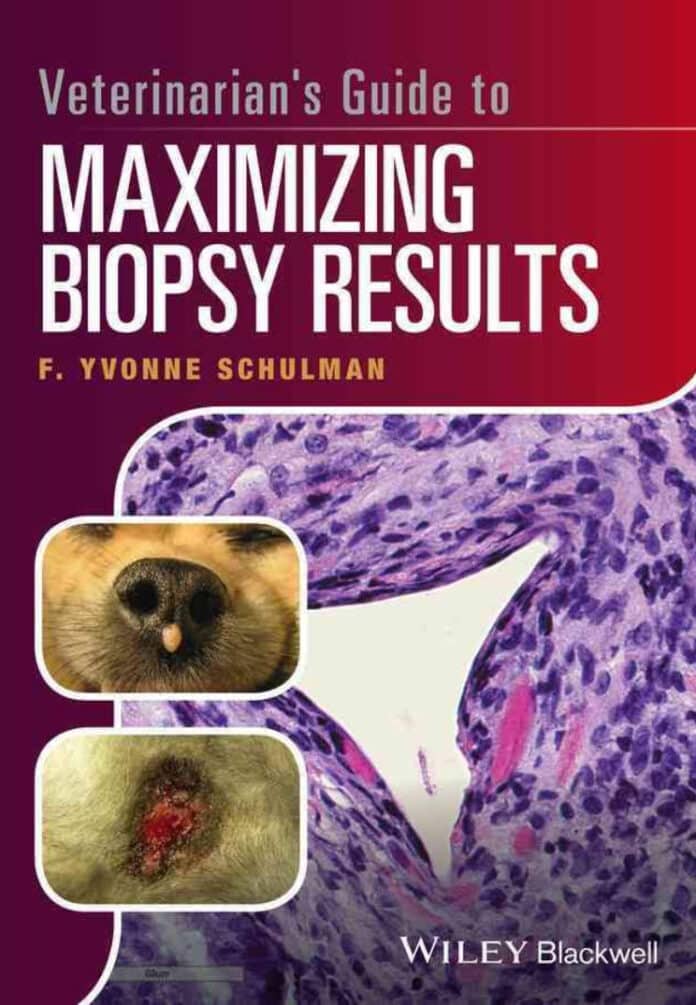
Veterinarian’s Guide to Maximizing Biopsy Results

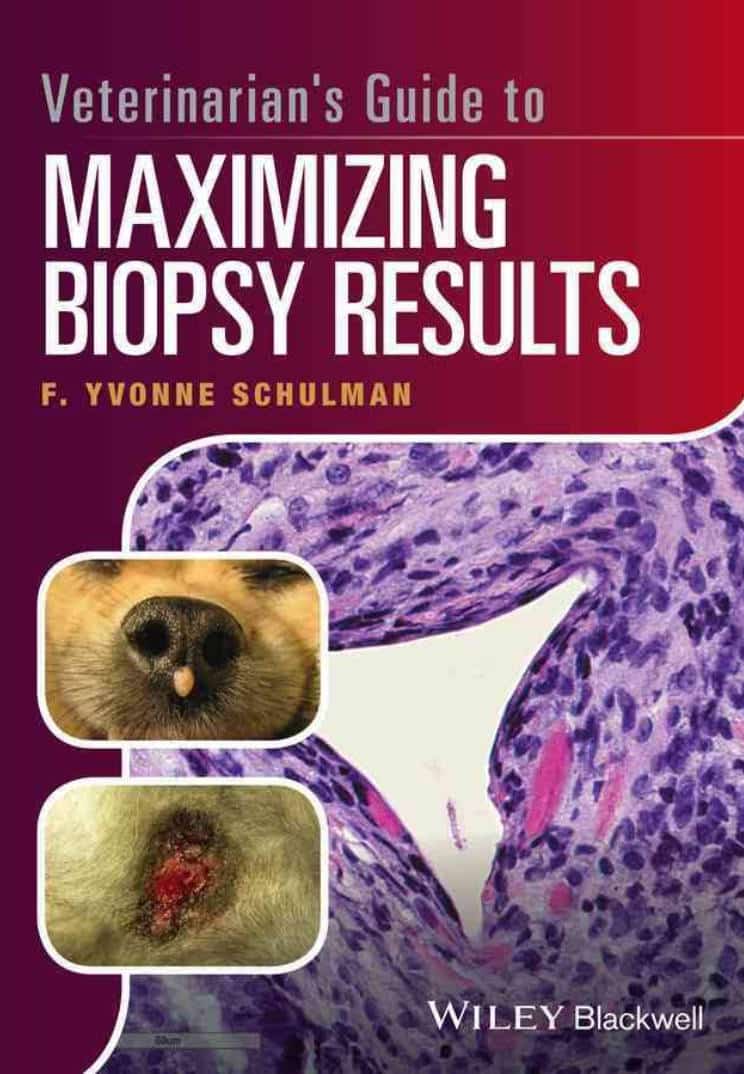
Veterinarian’s Guide to Maximizing Biopsy Results

Veterinarian’s Guide To Maximizing Biopsy Results Pdf Download

By F. Yvonne Schulman

Veterinarian’s Guide to Maximizing Biopsy Results helps veterinary practitioners in obtaining high-quality biopsy samples, maximizing the results and minimizing the cost.

Features

Features:

  • Details the biopsy process step by step
  • Includes a submission checklist to assure thoroughness
  • Helps clinicians avoid errors when collecting biopsy samples
  • Ensures high-quality samples for improved results and reduced costs
  • Provides practical, clinically oriented information


Table of Contents

Table of Contents:

Preface: Why Maximizing Your Biopsy Results Is Important
Acknowledgments

  1. Steps of a Successful Biopsy Submission
     1. Collection
      – Site
      – Size
      – Number
      – Fixation
      – Labeling and Packaging
     2. Submission Form
      – Signalment and Clinical History
      – Lesion Description
      – Differential Diagnosis and Specific Questions
     3. Clinicopathologic Correlation

  2. Organ System Specific Guidelines
     1. Skin
     2. Mammary
     3. Oral
     4. Gastrointestinal Tract
     5. Liver
     6. Pancreas
     7. Spleen
     8. Lymph Nodes
     9. Bone
     10. Digits
     11. Eyes
     12. Urinary
      – Kidney
      – Bladder and Urethra
     13. Respiratory
      – Nasal
      – Lung
     14. Reproductive
      – Female
      – Male
     15. Endocrine
      – Thyroid
      – Adrenal Gland
      – Parathyroid Gland
     16. Central Nervous System
     17. Skeletal Muscle
     18. Miscellaneous
      – Anal Sacs
      – Synovium

  3. Biopsy Submission Check List

  4. List of Biopsy Dos and Don’ts

  5. References

  6. Additional Reading

  7. Index

Get This Book

This Book is Avaiable for Members

Access this book instantly with a Premium membership

📄 PDF Format
⚡ Instant Delivery
Unlock Premium Access

Venomous Snakes: Envenoming, Therapy

Venomous Snakes: Envenoming, Therapy

Venomous Snakes: Envenoming, Therapy Pdf Download

By Jiri Valenta

Venomous Snakes: Envenoming, Therapy is a comprehensive monograph on the problems of intoxication incurred by snake venom. This publication is primarily intended for those at all levels of health care, for members of rescue teams, surgeries and emergency hospitals, as well as specialized workplaces and intensive care units. Providing didactic instructions for first aid and treatment procedures, information is also presented on venomous snakes, the fundaments of their morphology and behavior, snakebite prevention, the composition of snake venom, symptoms of envenoming, plus first aid in the event of snakebite for non-professionals, travelers, terrain biologists, and breeders. This book features an updated alphabetical list of types and sub-types of all venomous snakes, including their home ranges, as well as a comprehensive index, list of abbreviations, glossary, and color picture insert with one hundred photographs of venomous snakes.

Table of Contents

Table of Contents:

Chapter 1 Zoological Basis

Chapter 2 Epidemiology of Snakebites

Chapter 3 Snake Venoms

Chapter 4 Snake Antivenoms

Chapter 5 Snakebite: Therapy and Prevention

Chapter 6 Envenoming and Snakebite Treatment in Specific Snake Groups

Chapter 7 List of Venomous Snakes

Glossary
Author’s Affiliation
Index
Pictures

Get This Book

File Size 10 MB
File Format PDF
Download  link Download Now | Go Premium, Unlock All Books
Useful Links: Support | Browse All Categories
Join Telegram Channel: Telegram

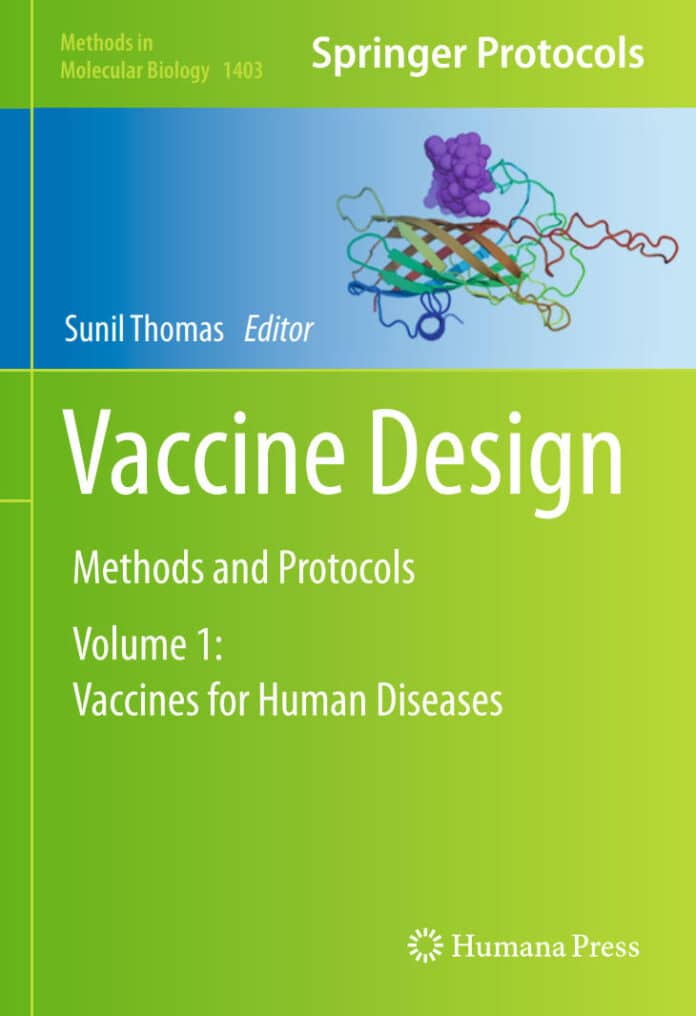
Vaccine Design, Methods and Protocols (Volume1-2)

Vaccine Design, Methods and Protocols (Volume1-2)

Vaccine Design, Methods And Protocols (Volume1-2) Pdf Download

Volume 1: Vaccines for Human Diseases

By Sunil Thomas

This text provides a practical guide providing step-by-step protocol to design and develop vaccines. Chapters detail protocols for developing novel vaccines against infectious bacteria, viruses, fungi, and parasites for humans and animals. Volume 1: Vaccines for Human Diseases has an introductory section on how vaccines impacted diseases, the immunological mechanism of vaccines, future challenges for vaccinologists, and current trends in vaccinology. The design of human vaccines for viral, bacterial, fungal, parasitic and prion diseases as well as vaccines for drug abuse, allergy, and tumor vaccines are also described in this volume. As a volume in the highly successful Methods in Molecular Biology series, chapters contain introductions to their respective topics, lists of the necessary materials and reagents, step-by-step, readily reproducible protocols, and tips on troubleshooting and avoiding known pitfalls.
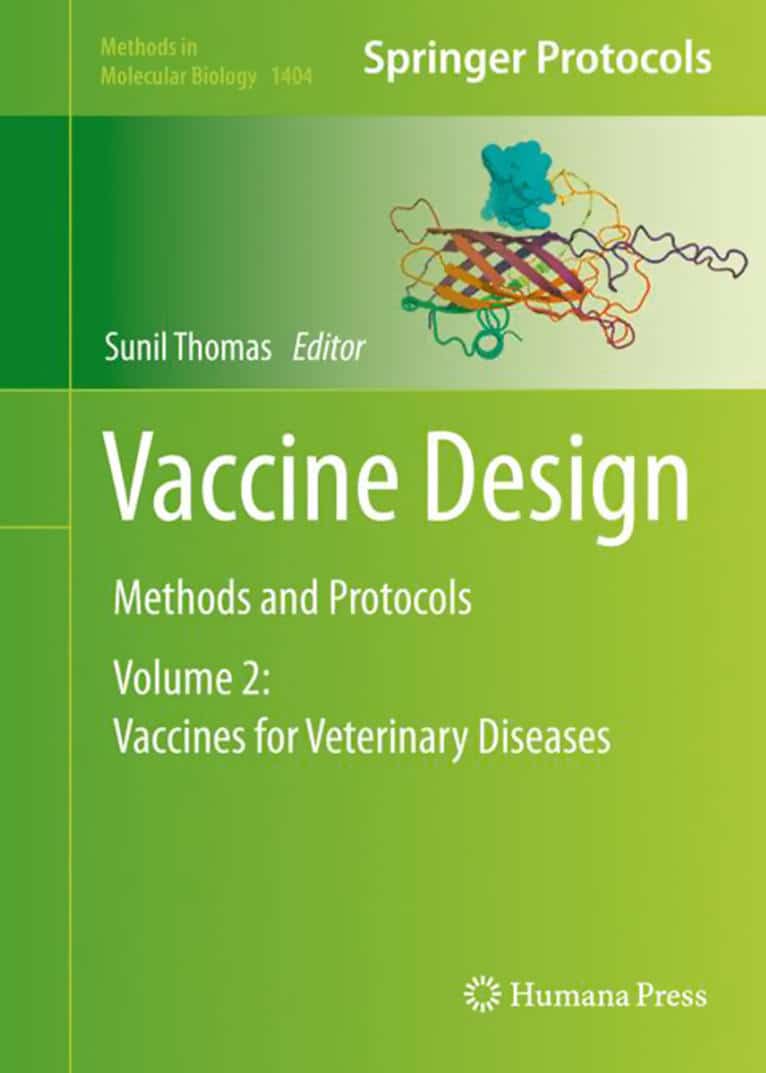
Vaccine Design, Methods And Protocols (Volume 2)

Volume 2: Vaccines for Veterinary Diseases

This text provides a practical guide providing step-by-step protocol to design and develop vaccines. Chapters detail protocols for developing novel vaccines against infectious bacteria, viruses, fungi, and parasites for humans and animals. Volume 2: Vaccines for Veterinary Diseases includes vaccines for farm animals and fishes, vaccine vectors and production, vaccine delivery systems, vaccine bioinformatics, vaccine regulation and intellectual property. Written for the Methods in Molecular Biology series, chapters include introductions to their respective topics, lists of the necessary materials and reagents, step-by-step, readily reproducible laboratory protocols, and tips on troubleshooting and avoiding known pitfalls.
Table of Contents – Volume 1

  • Dedication v
  • Preface vii
  • Contributors xiii
  • Part I: Vaccines – Introduction
  • 1. Clinical Impact of Vaccine Development – Puja H. Nambiar et al.
  • 2. Future Challenges for Vaccinologists – Sunil Thomas et al.
  • 3. Principles of Vaccination – Fred Zepp
  • Part II: Trends in Vaccinology
  • 4. Reverse Vaccinology: From Genomes to Tailored Vaccines
  • 5. Systems Vaccinology: Applications and Perspectives
  • 6. Proteomic Monitoring of B Cell Immunity
  • Part III: Vaccines for Human Viral Diseases
  • 7–17. Covers vaccine development for Rabies, CMV, Rift Valley Fever, Hepatitis C, Ebola, Norovirus, SARS-CoV, Tick-Borne Encephalitis, and other emerging viral pathogens.
  • Part IV: Vaccines for Human Bacterial Diseases
  • 18–29. Includes DNA vaccines, E. coli, Clostridium difficile, Staphylococcus aureus, Chlamydia, Shigella, Meningococcal, Lyme, Plague, and Ehrlichiosis vaccines.
  • Part V: Vaccines for Human Fungal Diseases
  • 30. Dendritic Cell-Based Fungal Vaccines
  • 31. T-Cell Responses Against Pulmonary Coccidioides Infection
  • Part VI: Vaccines for Human Parasitic Diseases
  • 32–36. Focuses on malaria, leishmaniasis, and hookworm vaccine development.
  • Part VII: Vaccines for Prion Diseases
  • 37. Methods for Developing Prion Vaccines
  • Part VIII: Vaccines for Substance Abuse and Toxins
  • 38–39. Ricin- and Hapten-Protein–Based Vaccine Strategies
  • Part IX: Vaccines for Allergy
  • 40–42. Rice Seed, Mycobacterium Antigen, and Dust Mite Allergy Vaccines
  • Part X: Development of Tumor Vaccines
  • 43–48. Cancer vaccine approaches: Dendritic cell, T-cell epitope, peptide-based, mRNA-transfected DC, and antibody-targeting tumor vasculature.
  • Part XI: Formulation and Stability of Vaccines
  • 49. Forced Degradation Studies and Stability Evaluation
  • Index 867

Table of Contents – Volume 2

  • Part I: Challenges in Veterinary Vaccine Development
  • 1. Overview of Veterinary Immunization Challenges
  • Part II: Vaccines for Farm Animals
  • 2–11. Includes recombinant, DNA, and peptide vaccines for swine, cattle, sheep, poultry, and parasites such as Toxoplasma and Fasciola.
  • Part III: Vaccines for Fishes and Shellfish
  • 12–16. Covers vaccine development for Pasteurellosis, Nocardiosis, Aeromonas, Betanodavirus, and shrimp viral infections.
  • Part IV: Vaccines Against Ticks
  • 17–19. Anti-tick vaccines, antigen screening, and vaccinomics approaches for tick control.
  • Part V: Vaccine Adjuvants
  • 20. CpG ODN-Based Adjuvant Formulations
  • Part VI: Vaccine Vectors and Production Systems
  • 21–40. Covers DNA scaffolds, adenovirus and alphavirus vectors, phage display systems, plant-based production, and recombinant expression platforms.
  • Part VII: Vaccine Delivery Systems
  • 41–46. Liposomes, microneedles, PLGA nanoparticles, and bacterial delivery systems.
  • Part VIII: Vaccine Bioinformatics
  • 47–50. Computational design methods, databases, and immunogenicity prediction platforms.
  • Part IX: Vaccine Safety and Regulation
  • 51. Regulatory Evaluation of Human Vaccines
  • Part X: Vaccine Intellectual Property
  • 52–54. Vaccine IP rights, commercialization strategies, and patent law implications.
  • Index 849
Get This Book

This Book is Avaiable for Members

Access this book instantly with a Premium membership

📄 PDF Format
⚡ Instant Delivery
Unlock Premium Access

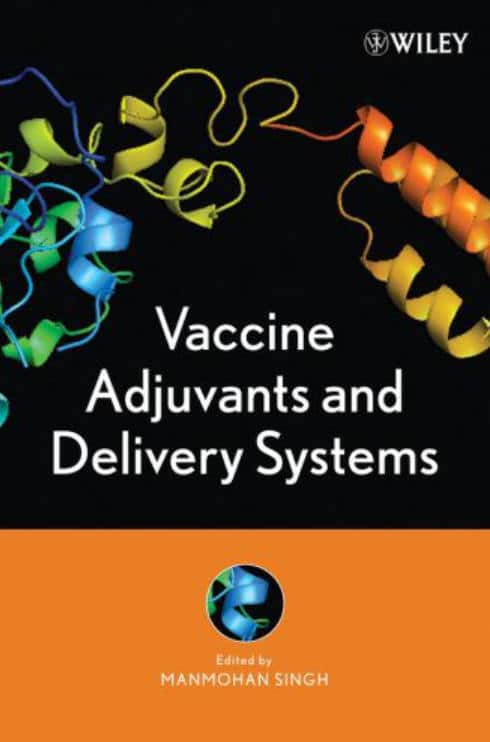
Vaccine Adjuvants and Delivery Systems

Vaccine Adjuvants and Delivery Systems

Vaccine Adjuvants And Delivery Systems Pdf Download

By Manmohan Singh

Vaccine Adjuvants and Delivery Systems. The authoritative reference on recent developments in vaccinology New technologies, including recombinant protein and DNA, have sparked phenomenal progress in vaccine development and delivery systems. This unique resource brings scientists up to date on recent advances and provides the information they need to select candidate adjuvants. With chapters written by leading experts in their fields, Vaccine Adjuvants and Delivery Systems: * Provides a comprehensive overview of the rapidly evolving field and developing formulation methods * Covers cutting-edge technologies and gives the current status of adjuvants in clinical trials and those still in the pre-clinical stage * Includes detailed information on specific vaccine adjuvants, including MF59, TLR4 agonists, new iscoms, cytokines, polyphosphazenes, and more * Provides a historical perspective on the development of vaccine adjuvants and discusses the mechanisms of adjuvant actions * Covers some novel adjuvants and delivery systems and the safety evaluation of adjuvants A great reference for researchers, scientists, and students in vaccinology, biotechnology, immunology, and molecular biology, this resource is also valuable for researchers and scientists in veterinary medicine who work to prevent diseases in animals.

Table of Contents

Table of Contents:

  1. Development of Vaccine Adjuvants: A Historical Perspective

  2. Antigen Processing and Presentation

  3. Mechanisms of Adjuvant Action

  4. Aluminum-Containing Adjuvants: Properties, Formulation, and Use

  5. MF59: A Safe and Potent Oil-in-Water Emulsion Adjuvant

  6. TLR4 Agonists as Vaccine Adjuvants

  7. Immunostimulatory CpG Oligodeoxynucleotides as Vaccine Adjuvants

  8. Small Molecule Immunopotentiators as Vaccine Adjuvants

  9. New ISCOMs Meet Unsettled Vaccine Demands

  10. Surface-Charged Poly(lactide-co-glycolide) Microparticles as Novel Antigen Delivery Systems

  11. Liposomal Cytokines and Liposomes Targeted to Co-Stimulatory Molecules as Adjuvants for HIV Subunit Vaccines

  12. Archaeosome Vaccine Adjuvants for Cross-Priming CD8+ T-Cell Immunity

  13. Mucosal Adjuvants and Delivery Systems

  14. Cytokines as Vaccine Adjuvants

  15. Polyphosphazenes as Vaccine Adjuvants

  16. Vaccine Delivery by Transdermal Electroporation

  17. Nonclinical Safety Assessment of Vaccines and the Evaluation of Novel Adjuvants and Delivery Systems

  18. Safety Evaluation of Vaccine Adjuvants

Index

Get This Book

File Size 8.9 MB
File Format PDF
Download  link Download Now | Go Premium, Unlock All Books
Useful Links: Support | Browse All Categories
Join Telegram Channel: Telegram

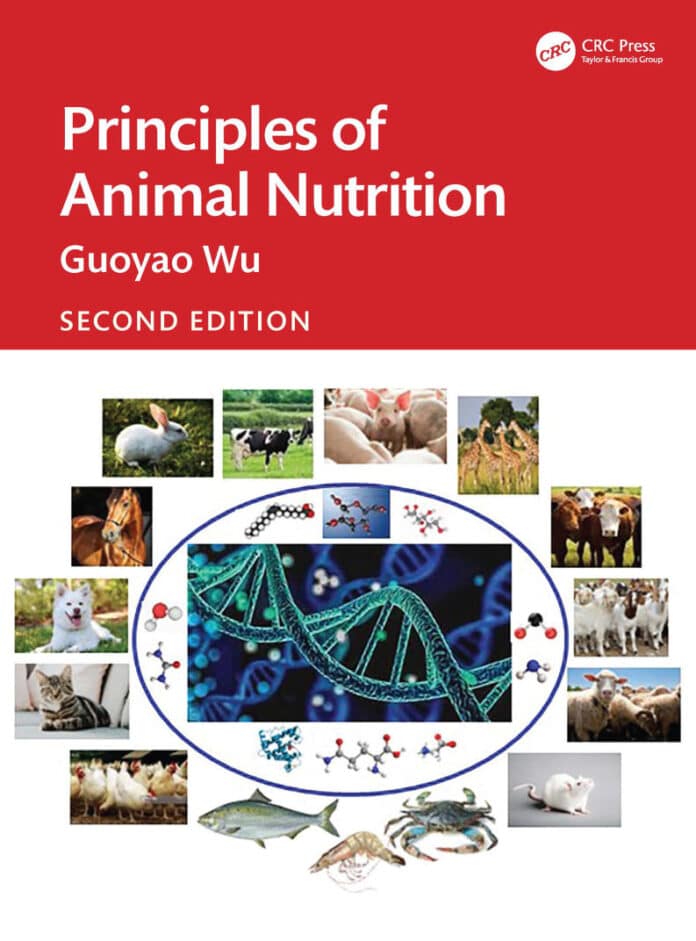
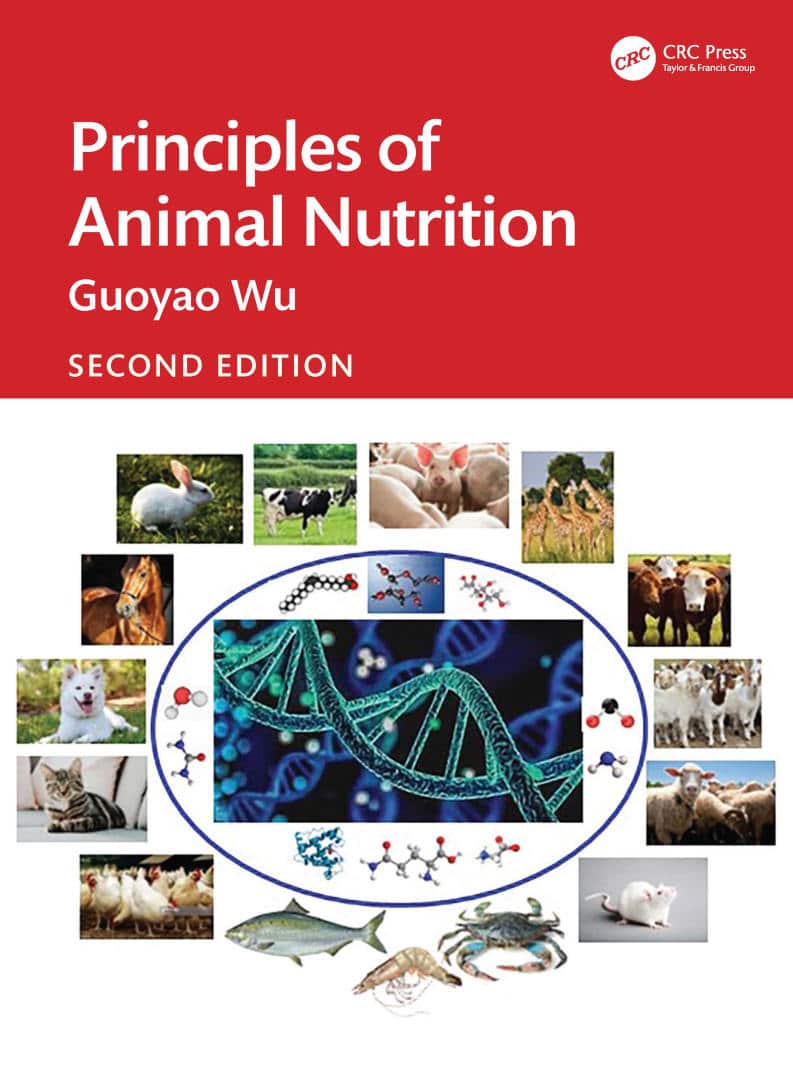
Principles of Animal Nutrition 2nd Edition

Principles of Animal Nutrition 2nd Edition

Principles Of Animal Nutrition 2Nd Edition Pdf Download

By Guoyao Wu

Principles of Animal Nutrition 2nd Edition presents comprehensive coverage of nutrition and metabolism in ruminants, nonruminant mammals (e.g., swine and horses), and poultry, as well as aquatic and companion animals. Substantially revised, expanded, and updated to reflect scientific advances (including the use of artificial intelligence in diet formulations and feeding), this book highlights the foundational aspects of nutrition that are essential to animal growth, development, reproduction, lactation, health, and survival.

Principles of Animal Nutrition 2nd Edition contains an overview of the physiological and biochemical bases of animal nutrition, followed by a detailed description of chemical properties of carbohydrates, lipids, protein, and amino acids. The text also covers the digestion, absorption, transport, and metabolism of macronutrients, energy, vitamins, and minerals in animals. To integrate the basic knowledge of nutrition with practical animal feeding, the book continues with a discussion of the nutritional requirements of animals for maintenance, production, and health, as well as the regulation of food intake by animals. Finally, the chapters explain feed additives, including those used to enhance animal growth and survival (e.g., enzymes, amino acids, organic acids, and animal co-products), improve feed efficiency for protein production, replace feed antibiotics, and promote circular bio-economies.

Table of Contents

  • Chemical, Biochemical, and Physiological Bases of Animal Nutrition
  • Chemistry of Carbohydrates
  • Chemistry of Lipids
  • Chemistry of Protein and Amino Acids
  • Nutrition and Metabolism of Carbohydrates
  • Nutrition and Metabolism of Lipids
  • Nutrition and Metabolism of Protein and Amino Acids
  • Energy Metabolism
  • Nutrition and Metabolism of Vitamins
  • Nutrition and Metabolism of Minerals
  • Nutritional Requirements for Maintenance, Production, and Health
  • Regulation of Food Intake by Animals
  • Feed Additives

Get This Book

This Book is Avaiable for Members

Access this book instantly with a Premium membership

📄 PDF Format
⚡ Instant Delivery
Unlock Premium Access

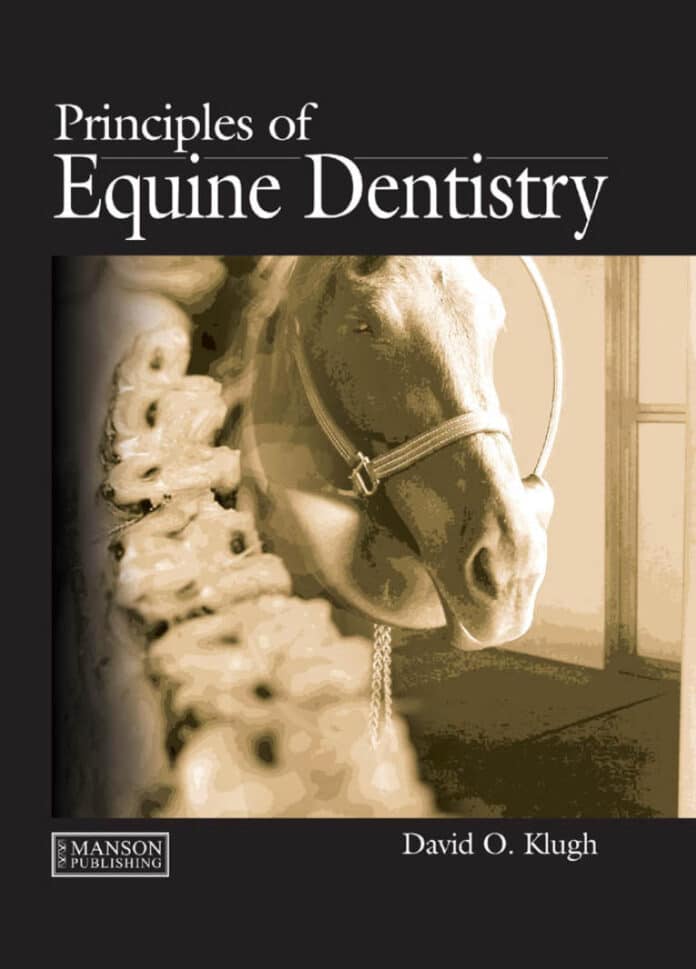
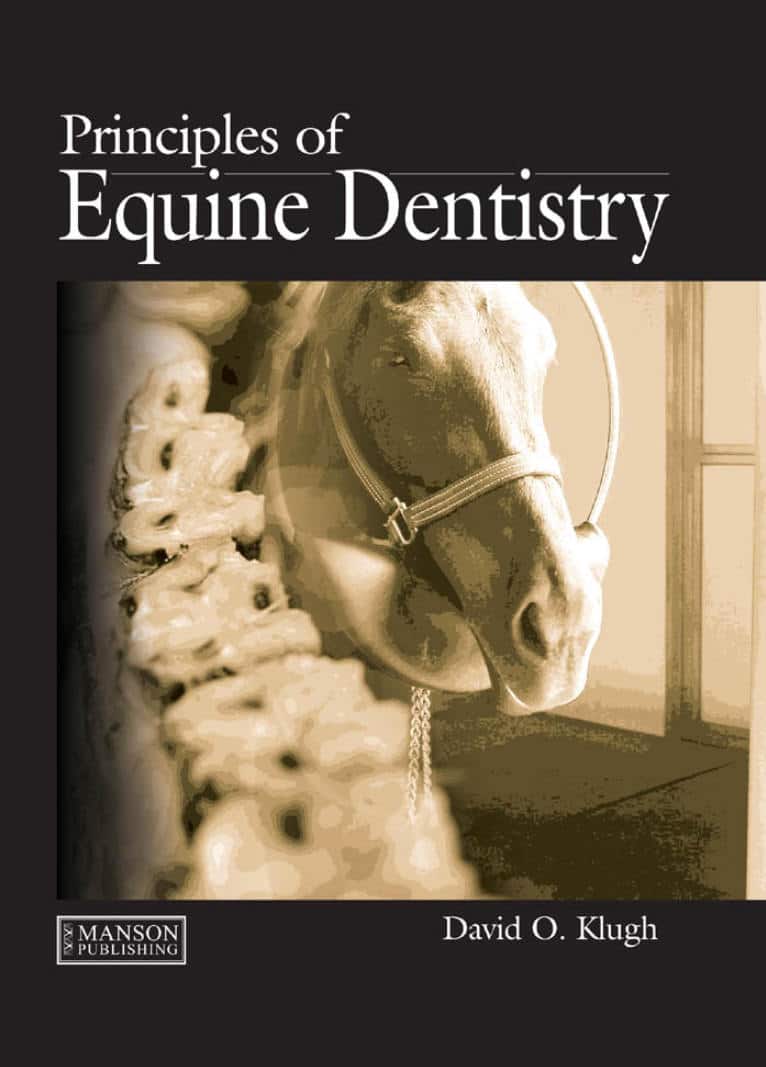
Principles of Equine Dentistry

Principles of Equine Dentistry

Principles Of Equine Dentistry Pdf Download

By David O Klugh

Principles of Equine Dentistry. The equine dentition (hypsodont) develops differently from that of humans and small animals (brachydont) yet many of the principles of general dentistry are applicable to the equine species. Some are not.

Dr Klugh and his contributing authors identify, apply and evaluate the principles of equine dentistry in relation to the horse—their similarities and differences. Such a system is of value in terms of vocabulary, biology and disease process.

The book’s coverage ranges from anatomy, biomechanics and examination to radiology, anesthesia, trauma, disease and restoration. Top quality color photographs and diagrams illustrate the text throughout.

Principles of Equine Dentistry is of value to equine dentists, equine practitioners, instructors and trainees, and to veterinary students.

Table of Contents

Table of Contents:

  1. Evolution of the Hypsodont Tooth
  2. Dental examination
  3. Anatomical characteristics of equine dentition
    Embryology
  4. Muscles of mastication
  5. Principles of mastication biomechanics
  6. Principles of Occlusal Equilibration
  7. Eruption and shedding of teeth
  8. Dental radiology
  9. Standing chemical restraint I the dental patient
  10. Regional and local anaesthesia
  11. Exodontics of equine teeth
  12. Standing repulsion of equine cheek teeth
  13. Head trauma in horses
  14. Principles of restoration of diseased teeth
  15. Principles of periodontal disease
  16. Principles of endodontics
  17. Principles of orthodontics

Get This Book

This Book is Avaiable for Members

Access this book instantly with a Premium membership

📄 PDF Format
⚡ Instant Delivery
Unlock Premium Access

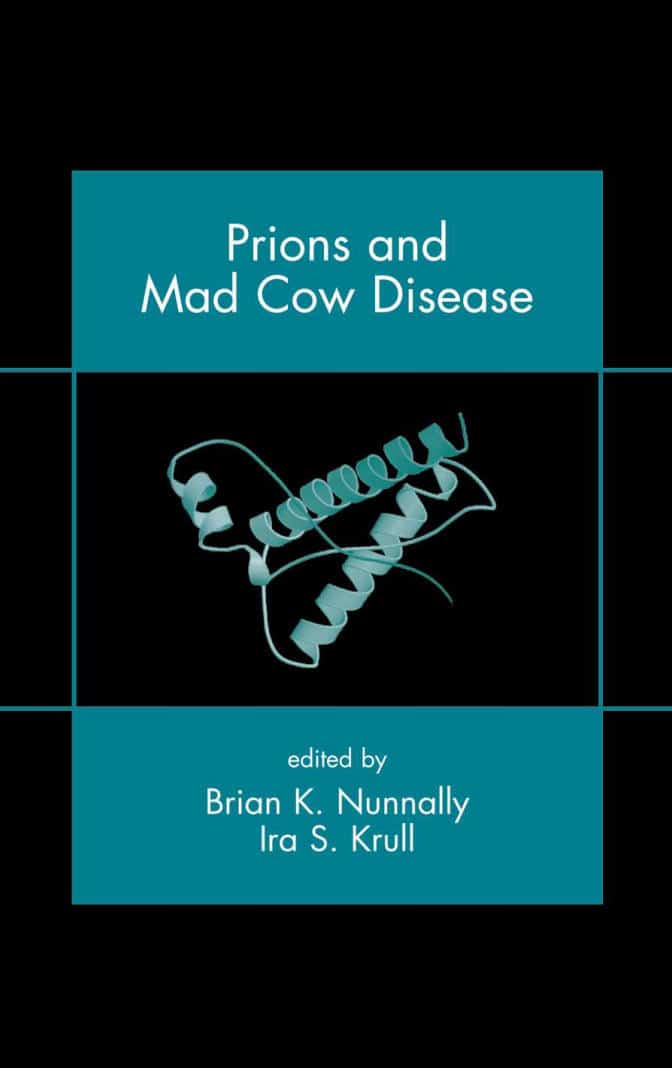
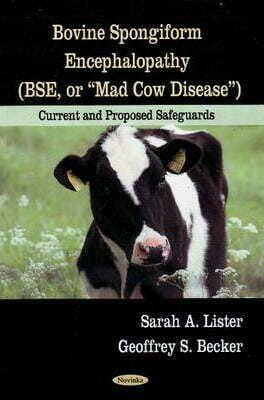
Prions and Mad Cow Disease

Prions and Mad Cow Disease

Prions And Mad Cow Disease Book Pdf Download

By Brian K. Nunnally and Ira S. Krull

Prions and Mad Cow Disease Book. The alarm sounded by Canada’s recently confirmed case of bovine spongiform encephalopathy (BSE) has reaffirmed the exigency of establishing improved safeguards and more aggressive surveillance protocols in North America and around the world. Research converging on the probable causative agent-prion proteins-calls for intensive assessment of the headway gained in tracing prions, testing for transmissible neurodegenerative diseases, and developing methods for cornering the epidemic. Administered by an illustrious panel of 36 international contributors, this timely book marshals techniques for prion protein assay and diagnosis of transmissible spongiform encephalopathies (TSEs).

Features

Features:

  • manifests evidence of infectious agents believed responsible for TSEs
  • explores prion protein detection via immunoassay, chemiluminescent ELISA, bioassay, and fluorescence
  • relates differential extraction, DELFIA, multispectral techniques, and in vivo diagnostics
  • consults comparable sheep-carried infection scrapie for BSE leads
  • examines chronic wasting disease, a TSE striking deer and elk populations
  • specifies measures for active BSE surveillance and safety monitoring of biological products
  • presents models for estimating probabilities of animal-animal BSE spread

Table of Contents

Table of Contents:

  1. Taking Aim at the Transmissible Spongiform Encephalopathies Infectious Agents

  2. Prions, the Protein Hypothesis, and Scientific Revolutions

  3. A Simulation Model for Evaluating the Potential for Spread of Bovine Spongiform Encephalopathy in Animals or to People

  4. Actions to Prevent Bovine Spongiform Encephalopathy from Entering the United States

  5. Overview of Transmissible Spongiform Encephalopathy in Cervids in the United States

  6. Bioassays for Prions

  7. Cyclic Amplification of Scrapie Prion Protein: Implications for Diagnosis

  8. The Enfer Transmissible Spongiform Encephalopathies Assay: Chemiluminescent ELISA of Prion Proteins

  9. Sensitive Detection of Prion Proteins by Immunoassay: CEA/Bio-Rad Test

  10. The Diagnosis of Transmissible Spongiform Encephalopathies Using Differential Extraction and DELFIA

  11. In Vivo Diagnosis of Prion Diseases

  12. Diagnosis of Prion Diseases by Multispectral Techniques

  13. Detection of the Prion Protein in Blood Using a Fluorescence Immunoassay

  14. Prion Detection and Application to the Safety of Biological Products

Index

Get This Book

File Size 11.3 MB
File Format PDF
Download  link Download Now | Go Premium, Unlock All Books
Useful Links: Support | Browse All Categories
Join Telegram Channel: Telegram

Psychoactive Herbs in Veterinary Behavior Medicine

Psychoactive Herbs in Veterinary Behavior Medicine

Psychoactive Herbs In Veterinary Behavior Medicine Pdf Download

By Stefanie Schwartz

Psychoactive Herbs in Veterinary Behavior Medicine. The phenomenal growth of public interest in alternatives to Western treatments for human disease has spilled over into veterinary medicine. Many holistic veterinarians and pet owners are now interested in using alternative remedies to solve health problems with their pets. Psychoactive Herbs in Veterinary Behavior Medicine is the first text on psychoactive herbal remedies for the treatment of behavior problems in small animals.

Psychoactive Herbs in Veterinary Behavior Medicine is an important guide for board-certified veterinary behaviorists, as well as veterinarians and veterinary students with a particular interest in behavior medicine. In addition, pet owners interested in alternative medicine for their misbehaving pets can use this well-rounded work to make informed decisions on the use of over-the-counter remedies.

Psychotropic Herbs in Veterinary Behavior Medicine will be the first text on herbal remedies for the treatment of behavior problems in dogs and cats.

Features

Features:

  • Provides readers with the history of herbal medicine
  • Details various herbs and their potential use in veterinary behavior medicine.
  • Gives an overview of the risks involved in the use of psychotropic herbs.
  • Summarizes behavior modification for the most common behavior problems in pets.

Table of Contents

Table of Contents:

CH 1 Western Psychoactive Herbs.

CH 2 Native American Psychoactive Herbs.

CH 3 Ayurvedic Psychoactive Herbs.

CH 4 Oriental Psychoactive Herbs.

Appendix 1: Miscellaneous Psychoactive Herbs Introduction.

Appendix 2: Suggested Clinical Applications.

Appendix 3: Basic Approaches to Common Behavior Problems in Pet Cats and Dogs.

Addendum 1: Psychoactive Pharmaceutical Drugs in Veterinary Behavior Practice.

Addendum 2: Traditional Jewish Medicine – Parallels to Ayurveda and TCM.

Addendum 3: Online Resources Glossary of Psychoactive Herbs.

Index od Psychoactive Herbs.

General Index

Get This Book

This Book is Avaiable for Members

Access this book instantly with a Premium membership

📄 PDF Format
⚡ Instant Delivery
Unlock Premium Access

Biotechnologies Applied to Animal Reproduction, Current Trends and Practical Applications for Reproductive Management

Biotechnologies Applied to Animal Reproduction, Current Trends and Practical Applications for Reproductive Management

Biotechnologies Applied To Animal Reproduction, Current Trends And Practical Applications For Reproductive Management Pdf Download

By Juan Carlos Gardón and Katy Satué

Biotechnologies Applied to Animal Reproduction, Current Trends and Practical Applications for Reproductive Management focuses on recent trends and new technologies used in the management of reproduction in major farm animals, focusing on both males and females of bovine, equine, and porcine species. With chapters written by scientists who specialize in their respective topics, the volume presents a selection of different technologies that have been developed to assure reproductive success by improving reproductive efficiency, generating germplasm banks, and maintaining genetic diversity in cattle, horses, and pigs. In the last decade, reproductive technologies in veterinary medicine have progressed considerably, providing high profitability to livestock farms. This book provides basic and applied information on the most used reproductive technologies in bovine, equine, and porcine species for academics, scientists, and veterinarians. The volume discusses reproductive and postpartum management, reproductive ultrasound, sperm management, egg retrieval, artificial insemination, embryo transfer, nutrition, genetics, and certain clinical aspects, such as endocrinology and robustness of reproductive systems.

Table of Contents

Table of Contents:

Part 1: Bovine

1. Bovine Reproductive Management

2. Ultrasonography in Bovine Gynecology

3. Ultrasonography of the Bovine Reproductive System: Ultrasound Management of the Male Reproductive System

4. Postpartum Management in Dairy Cows

5. Reproductive Efficiency in Dairy Cows: Changing Trends!!

6. Ovum Pick-Up (OPU) in Cattle: An Update

Part 2: Equine

7. Clinical Endocrinology of Pregnant Mares

8. Equine Semen Preservation: Current and Future Trends

Part 3: Porcine

9. The Journey of the Porcine Spermatozoa from Its Origin to the Fertilization Site: The Road in vivo Vs.in vitro

10. Reproductive Biotechnologies Applied to Artificial Insemination in Swine

Get This Book

This Book is Avaiable for Members

Access this book instantly with a Premium membership

📄 PDF Format
⚡ Instant Delivery
Unlock Premium Access

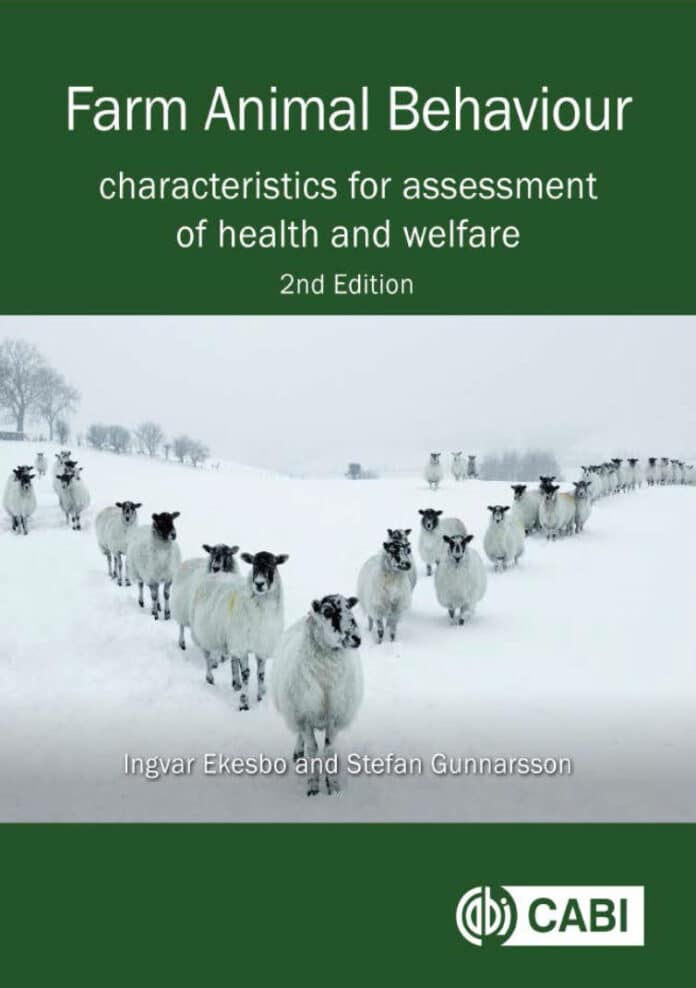
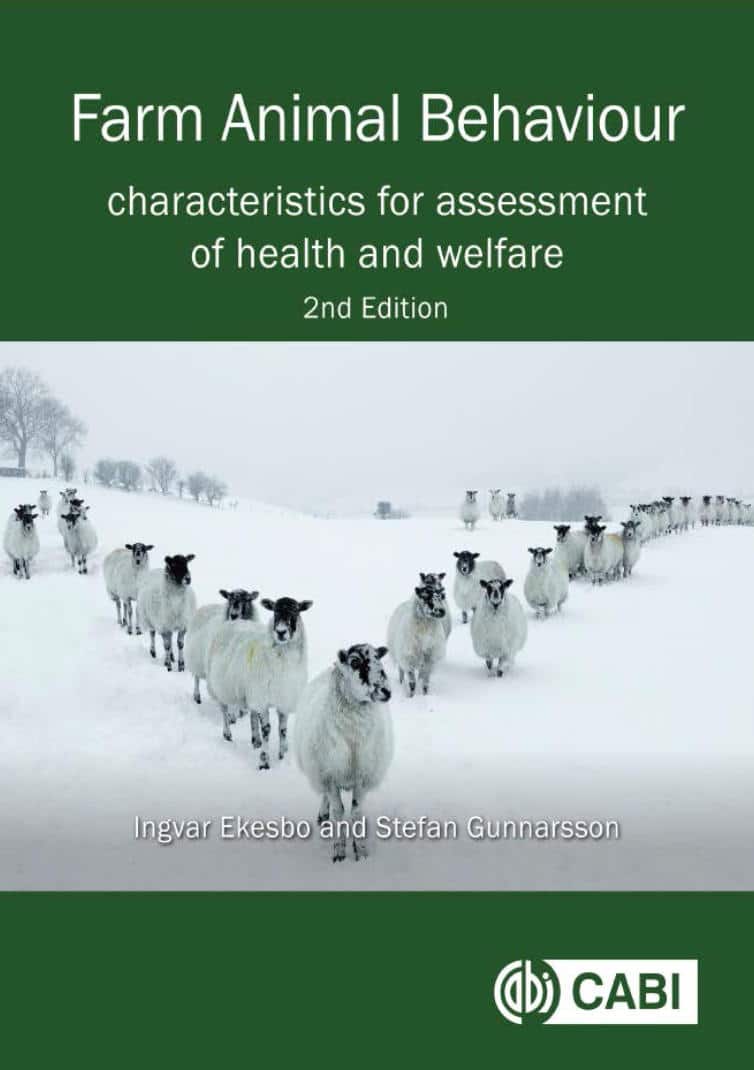
Farm Animal Behaviour: Characteristics for Assessment of Health and Welfare, 2nd Edition

Farm Animal Behaviour: Characteristics for Assessment of Health and Welfare, 2nd Edition

Farm Animal Behaviour: Characteristics For Assessment Of Health And Welfare, 2Nd Edition Pdf Download

By Ingvar Ekesbo and Stefan Gunnarsson

Farm Animal Behaviour: Characteristics for Assessment of Health and Welfare, 2nd Edition continues to provide essential information on normal and stereotypic behaviours in a wide variety of farm animals to help in the assessment and diagnosis of their health and welfare.

Comprehensive coverage of a range of farmed animals from: horses, cattle, sheep, goats and pigs through to domesticated poultry, deer, ostrich and many other species.

Innate, learned and social behaviours are described together with activity, vision and hearing to build a picture of normal behaviours presented in a clear and consistent way for each species.

Stereotypic behaviours, injuries and disease, resulting from improper management practices, are outlined in detail.

For the second edition
Professor Stefan Gunnarsson joins the author team and contributes his long-standing knowledge, clinical and scientific expertise.
Many new snapshot photographs in full colour throughout have been added to further illustrate behaviours as they occur.
New information on normal and stereotypic behaviours is included.
The explosion in new research is captured with a wealth of new references and pointers for further reading.
A consistent approach to each species allows for easy comparison.

Farm Animal Behaviour 2nd Edition provides a comprehensive yet concise background for all students, postgraduates and practitioners in veterinary medicine, animal science, welfare and ethology.

Table of Contents

Table of Contents:

PART I: DOMESTICATED MAMMALS

1: Horse (Equus caballus)

2: Swine (Sus scrofa)

3: Rabbit (Oryctolagus cuniculus)

4: Cattle (Bos taurus)

5: Sheep (Ovis aries)

6: Goat (Capra hircus)

PART II: DOMESTICATED BIRDS

7: Domestic Fowl (Gallus gallus domesticus)

8: Turkey (Meleagris gallopavo)

9: Goose (Anser anser f. domesticus, Anser cygnoides f. domesticus)

10: Domestic Duck (Anas platyrhynchos) and Muscovy Duck (Cairina moschata)

PART III: NON-DOMESTICATED FARMED ANIMALS

11: Deer: Fallow Deer (Dama dama) and Red Deer (Cervus elaphus)

12: Ratite: Ostrich (Struthio camelus), Rhea or Nandu (Rhea americana) and Emu (Dromaius novaehollandiae)

Get This Book

This Book is Avaiable for Members

Access this book instantly with a Premium membership

📄 PDF Format
⚡ Instant Delivery
Unlock Premium Access