Home Blog Page 28

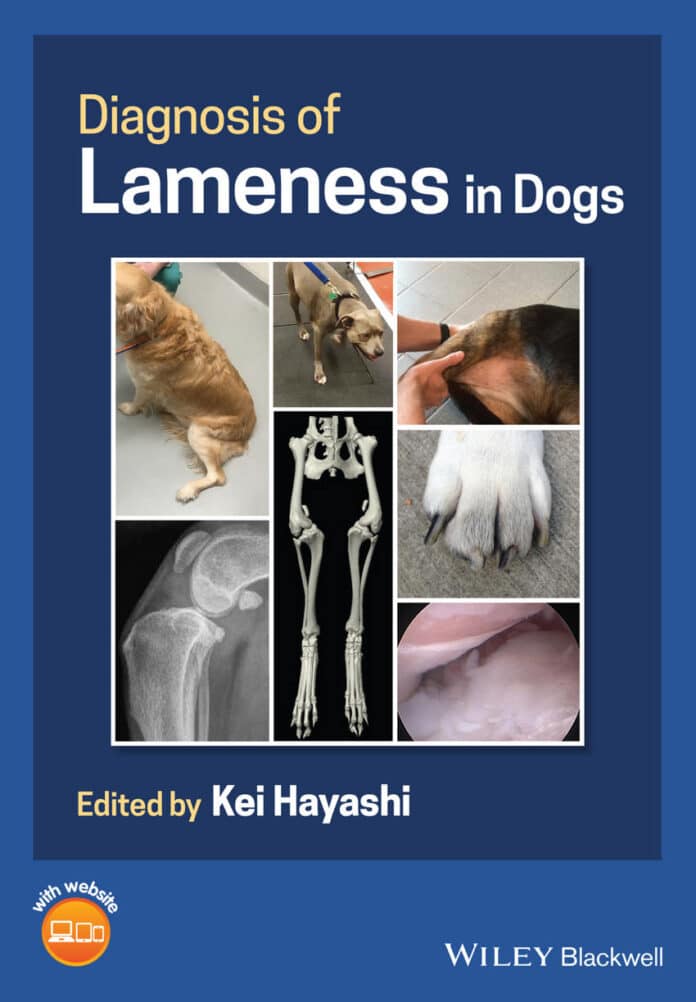
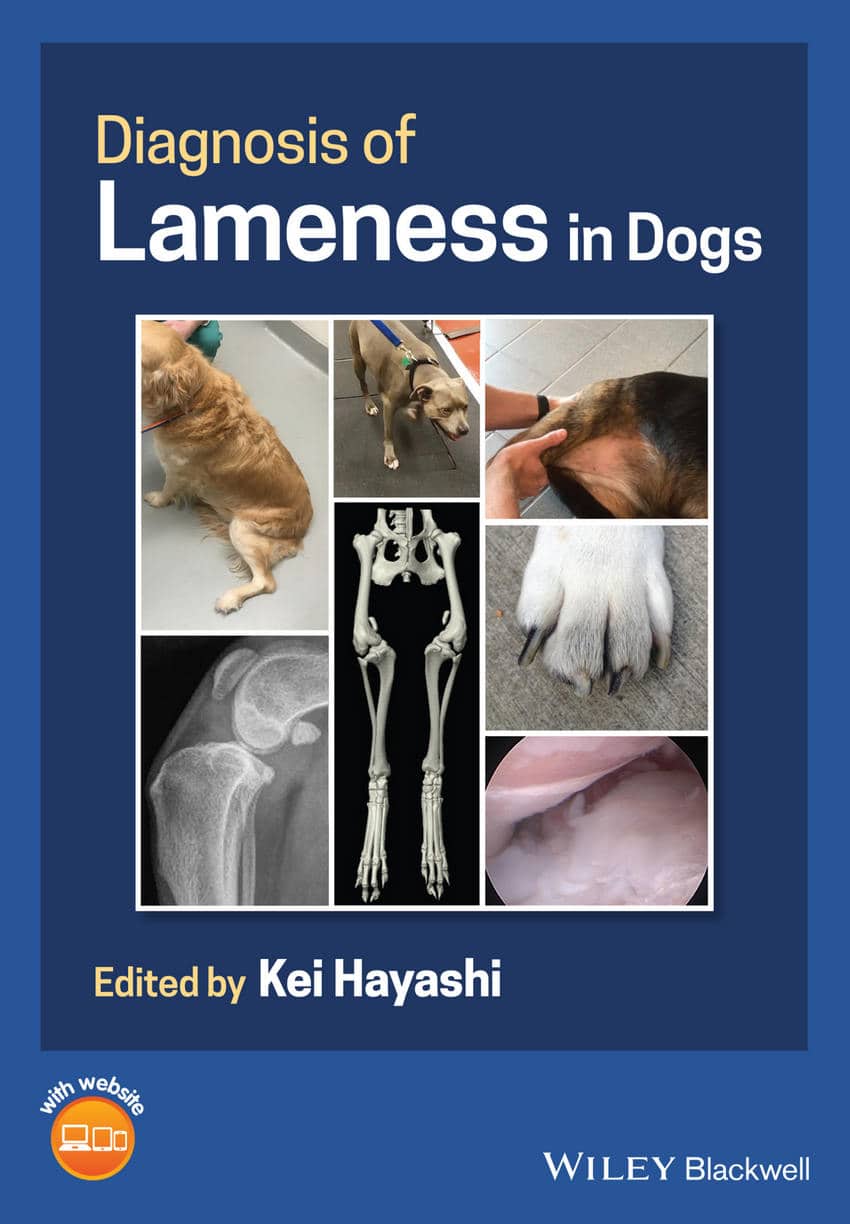
Diagnosis of Lameness in Dogs

Diagnosis of Lameness in Dogs PDF

Diagnosis Of Lameness In Dogs Pdf

By Kei Hayashi

Diagnosis of Lameness in Dogs provides general practice vets with a practical, step-by-step guide to performing the orthopedic diagnostic exam, including basic diagnostic imaging and advanced techniques such as CT, MRI, ultrasound, and arthroscopy, and arriving at a correct diagnosis. Treatment options are briefly summarized with the focus of the book being on diagnostics – because general practitioners will generally refer lameness cases. This book therefore provides guidance on possible causes of lameness and when to refer, and perhaps more critically, when not to refer.

Overall, the text enables general practice veterinarians and veterinary students to develop confidence in accurately diagnosing causes of lameness. More than 600 color images depicting the procedures are included throughout the text. A companion website provides video clips of specific lameness conditions to aid in reader comprehension and information retention.
The first book to cover lameness diagnosis in detail, Diagnosis of Lameness in Dogs is a highly useful resource for veterinarians and students interested in improving their orthopedic diagnostic skills through gaining a foundation of relevant knowledge and an understanding of how to apply this knowledge in a field setting.

Features

• General examinations, providing a systematic approach to the examination ensures that multiple problems are not missed
• Immediate steps to provide urgent care to severely traumatized dogs with hemorrhaging wounds and unstable/open fractures
• Systemic conditions, neurological disorders, and oncologic diseases that need to be ruled out before arriving at a diagnosis of the problem
• Specific conditions and diagnostic procedures for the thoracic limb, including bone disease, carpal/distal joints, the elbow joint, and the shoulder joint
• Specific conditions and diagnostic procedures for the pelvic limb, including bone disease, tarsal/distal joints, the stifle joint, and the hipar joint
Table of Contents

Section 1 Orthopedic Examination 1

1 General Examination 3

1.1 General Strategy 3

1.2 Chief Complaint and History 6

1.3 Rule-Outs: Systemic (Medical) Conditions and Neurologic Disorders 7

1.4 Differential Diagnosis 8

1.5 Orthopedic Examination Form 11

2 Orthopedic Observation 17

2.1 Distant Observation 17

2.2 Sit Observation 31

2.3 Gait Observation 34

3 Orthopedic Palpation 1: Standing Examination 38

3.1 General and Neurologic Examination 38

3.2 Thoracic Limb 40

3.3 Pelvic Limb 43

4 Orthopedic Palpation 2: Recumbent Examination 47

4.1 Thoracic Limb 47

4.2 Pelvic Limb 54

Section 2 Common Orthopedic Conditions 63

5 Thoracic Limb Conditions 65

5.1 Common General Conditions 65

5.2 Shoulder Region: Growing Dogs 69

5.3 Shoulder Region: Mature Dogs 72

5.4 Elbow Region and Antebrachium: Growing Dogs 78

5.5 Elbow Region: Mature Dogs 89

5.6 Carpal Region and Distal Limb: Growing Dogs 92

5.7 Carpal Region and Distal Limb: Mature Dogs 95

6 Pelvic Limb Conditions 101

6.1 Common General Conditions 101

6.2 Hip Region: Growing Dogs 102

6.3 Hip (and Pelvic) Region: Mature Dogs 107

6.4 Stifle Region: Growing Dogs 111

6.5 Stifle Region: Mature Dogs 117

6.6 Tarsal Region and Distal Limb: Growing Dogs 122

6.7 Tarsal Region and Distal Limb: Mature Dogs 124

Section 3 Case Discussion 127

7 Congenital/Developmental Conditions and Deformities 129

7.1 Congenital Elbow (Radial) Luxation 129

7.2 Congenital Elbow (Ulnar) Luxation 134

7.3 Angular Limb Deformity/Elbow Subluxation 138

7.4 Carpal Laxity Syndrome 148

7.5 Genu Recurvatum (Congenital Stifle Hyperextension) 150

7.6 Tibial Deformity (Pes Varus) 152

7.7 Hypertrophic Osteodystrophy 153

8 Thoracic Limb Lameness in Young Dogs 155

8.1 Elbow Dysplasia (Medial Coronoid Disease) 155

8.2 Shoulder Osteochondrosis Dissecans 160

8.3 Physeal Fractures, Avulsion Fractures 162

9 Thoracic Limb Lameness in Mature Dogs 164

9.1 Elbow Osteoarthritis 164

9.2 Shoulder Tendinopathy 166

9.3 Shoulder Luxation in Small Dogs 168

9.4 Carpal Hyperextension 171

9.5 Neoplasia 173

9.6 Immune-Mediated Poly-arthropathy 177

10 Pelvic Limb Lameness in Young Dogs 179

10.1 Medial Patellar Luxation 179

10.2 Lateral Patellar Luxation 189

10.3 Hip Dysplasia 191

10.4 Femoral Head Necrosis (Legg–Calve–Perthes Disease) and Related Conditions 193

10.5 Tarsal/Stifle Osteochondritis Dissecans 198

10.6 Physeal Fractures, Avulsion Fractures 202

11 Pelvic Limb Lameness in Mature Dogs 205

11.1 Cruciate Disease 205

11.2 Cruciate Disease and Medial Patellar Luxation 213

11.3 Hip Osteoarthritis 216

11.4 Lumbosacral Disease 218

11.5 Hip Luxation 219

11.6 Calcaneal Tendon Pathology 221

11.7 Neoplasia 223

11.8 Immune-Mediated Poly-arthropathy, Septic Arthritis 225

12 Multiple Limb Lameness 229

12.1 Poly-arthropathy 229

12.2 Bilateral Stifle Osteochondritis Dissecans and Cruciate Disease 232

12.3 Bilateral Hip Luxation, Cruciate Disease, and Medial Patellar Luxation 235

12.4 Bilateral Hip Osteoarthritis and Cruciate Disease 237

Get This Book

This Book is Avaiable for Members

Access this book instantly with a Premium membership

📄 PDF Format
⚡ Instant Delivery
Unlock Premium Access

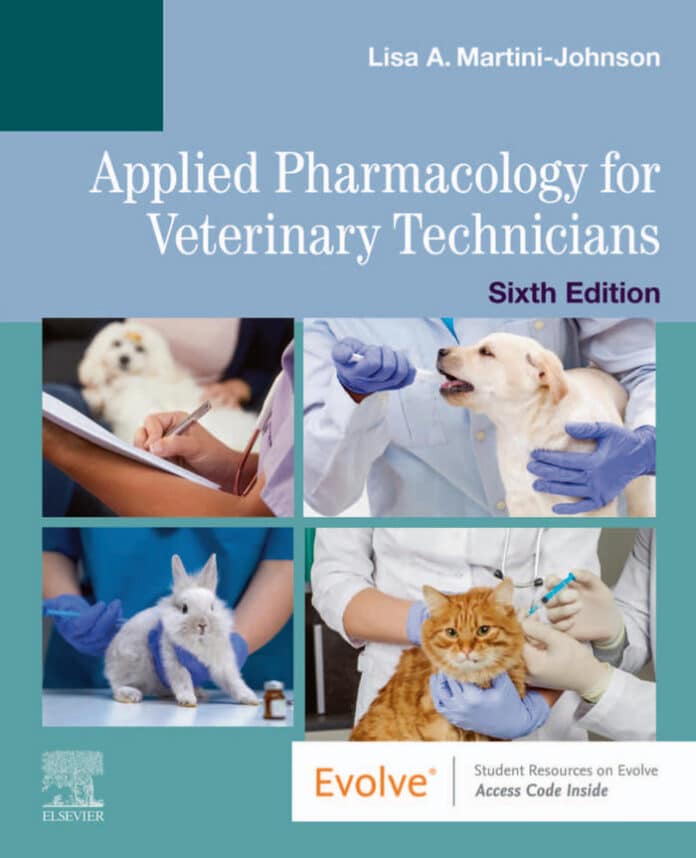
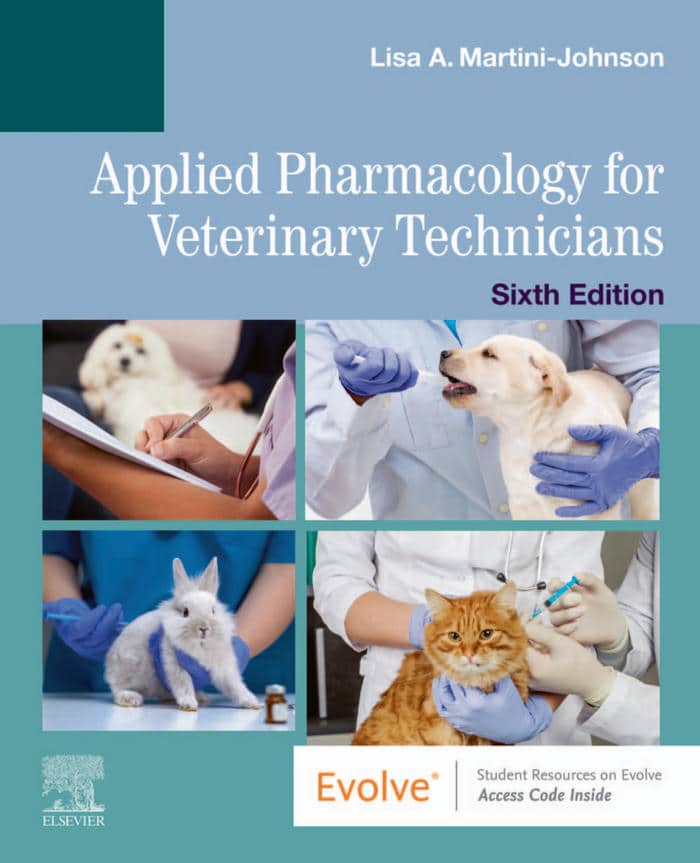
Applied Pharmacology for Veterinary Technicians 6th Edition

Applied Pharmacology for Veterinary Technicians 6th Edition

Applied Pharmacology For Veterinary Technicians 6Th Edition Pdf Download

By Lisa Martini-Johnson

Applied Pharmacology for Veterinary Technicians, 6th Edition shows you how to determine drug dosages, administer prescribed drugs to animals, and instruct clients about side effects and precautions. Coverage of drugs includes pharmacokinetics, pharmacodynamics, clinical uses, dosage forms, and adverse effects. An Evolve companion website offers animations of pharmacologic processes, practice with dosage calculations, narrated videos demonstrating drug administration techniques, and more. Written by veterinary technology educator Lisa Martini-Johnson, this resource provides the pharmacology knowledge you need to succeed as a vet tech!

Features

Applied Pharmacology for Veterinary Technicians 6th Edition Features:

  • Quick-access format makes it easy to find important drug information, including clinical uses, dosage forms, and adverse side effects.
  • Body systems organization follows a logical sequence of study.
  • Illustrated, step-by-step procedures demonstrate proper administration techniques for common drug forms.
  • Key terms, chapter outlines, Notes boxes, and learning objectives focus your learning and make studying easier.
  • Proprietary drug names are listed with the generic drug names, highlighting drugs that have generic options.
  • Companion Evolve website includes drug administration videos, drug calculators with accompanying word problems, animations of pharmacologic processes, and dosage calculation exercises.
  • Dosage calculation exercises provide practice immediately after new information is presented.
  • Review questions reinforce your understanding of key concepts, with answers located in the back of the book.
  • Technician Notes provide useful hints and important reminders to help you avoid common errors and increase your efficiency on the job.
  • NEW! Emergency Drugs chapter is added.
  • UPDATED drug information keeps veterinary students current with the newest pharmacologic agents and their uses, adverse side effects, and dosage forms.
  • NEW! Case studies at the end of every chapter provide students with real-world scenarios.

Table of Contents

Table of Contents:

1. General Pharmacology
2. Routes and Techniques of Drug Administration
3. Practical Calculations
4. Drugs Used in Nervous System Disorders
5. Drugs Used in Respiratory System Disorders
6. Drugs Used in Renal and Urinary Tract Disorders
7. Drugs Used in Cardiovascular System Disorders
8. Drugs Used in Gastrointestinal System Disorders
9. Drugs Used in Hormonal, Endocrine, and Reproductive Disorders
10. Drugs Used in Ophthalmic and Otic Disorders
11. Drugs Used in Skin Disorders
12. Anti-infective Drugs
13. Antiparasitic Drugs
14. Drugs Used to Relieve Pain and Inflammation
15. Therapeutic Nutritional, Fluid, and Electrolyte Replacements
16. Blood-Modifying, Antineoplastic, and Immunosuppressant Drugs
17. Immunologic Drugs
18. Miscellaneous Therapeutic Agents
19. Inventory: The Veterinary Technician’s Role
20. Emergency Drugs  NEW!
Appendix A: Common Abbreviations Used in Veterinary Medicine
Appendix B: Weights and Measures
Appendix C: Antidotes
Appendix D: Common Drugs: Approximate Dosages
Appendix E: Listing of Drugs According to Functional and Therapeutic Classification
Appendix F: Controlled Substances Information Summary
Bibliography
Glossary

Get This Book

This Book is Avaiable for Members

Access this book instantly with a Premium membership

📄 PDF Format
⚡ Instant Delivery
Unlock Premium Access

VetPocket IV Fluid Therapy Guidelines for Dogs and Cats

VetPocket IV Fluid Therapy Guidelines for Dogs and Cats PDF

Vetpocket Iv Fluid Therapy Guidelines For Dogs And Cats

By Daniela de Kock

VetPocket IV Fluid Therapy Guidelines for Dogs and Cats is designed to address the confusion that still surrounds the use of IV fluid therapy in the veterinary profession—despite it being something we use on an almost daily basis.

To be fair, fluid therapy guidelines is an ever-evolving subject, and much like medical guidelines, gets updated periodically. It is, however, important to stay up to date with the most current research at the time. Fluid therapy is not benign and is considered to be a drug. It is extremely important that fluid therapy be used correctly. Incorrect usage or dosage can lead to, and has led to, amongst other adverse effects, fluid overload and death in patients. We can do better.

Images, tables, reference ranges and formulas are also included in VetPocket IV Fluid Therapy Guidelines for Dogs and Cats for easy understanding of the topics covered and for quick reference.

If you are unable to answer any of the questions posed above, or you just know you need some help with IV fluid therapy guidelines, then this is for YOU!

Table of Contents

It is perfect for pre-vet students, vet students, vet tech students, vet techs, vet nurses and vets.
Topics Covered:

  1. Fluid compartments
  2. Starling’s law of the capillary
  3. Types of fluid disturbances
  4. Reasons for IV fluid therapy
  5. Types of dehydration
  6. Routes of fluid therapy administration
  7. Risks of IV fluid therapy
  8. Main fluid types
  9. General classifications of crystalloids
  10. Effects of crystalloid tonicity
  11. Balanced isotonic crystalloids for replacement
  12. Unbalanced isotonic crystalloids for replacement
  13. Hypertonic crystalloids
  14. Hypotonic crystalloids
  15. Hypotonic crystalloids for maintenance
  16. Synthetic colloids
  17. (Natural colloids or blood products are just given a shoutout)
  18. Hypovolemic shock (perfusion deficit)
  19. Maintenance, dehydration and ongoing losses
  20. Sensible vs insensible fluid losses
  21. Fluid rate tables
  22. Anesthetic fluid rates
  23. IV fluid therapy thought process
  24. Practical tips

Get This Book

File Size 11.6 MB
File Format PDF
Download  link: Download Now | Go Premium, Unlock All Books
Useful Links: Support | Browse All Categories
Join Telegram Channel: Telegram

Illustrated Handbook of Veterinary Radiology

Illustrated Handbook of Veterinary Radiology

Illustrated Handbook Of Veterinary Radiology Pdf Download

Illustrated Handbook of Veterinary Radiology contains information obtained from highly regarded resources. Reprinted material sources are indicated. Copyright for individual articles remains with the authors as indicated and published under Creative Commons License. A Wide variety of references are listed. Reasonable efforts have been made to publish reliable data and views articulated in the chapters are those of the individual contributors, and not necessarily those of the editors or publishers. Editors or publishers are not responsible for the accuracy of the information in the published chapters or consequences of their use. The publisher assumes no responsibility for any damage or grievance to the persons or property arising out of the use of any materials, instructions, methods or thoughts in the book. The editors and the publisher have attempted to trace the copyright holders of all material reproduced in this publication and apologize to copyright holders if permission has not been obtained. If any copyright holder has not been acknowledged, please write to us so we may rectify.

Table of Contents

  • Glossary of Selected Terms
  • Preface
  • Chapter 1 — Introduction of Modalities and Radiation Safety
  • Chapter 2 — Conventional and Digital X-ray Machine
  • Chapter 3 — Radiographic Interpretation in Animals
  • Chapter 4 — Ultrasonography – Principles and Applications in Veterinary Practice
  • Chapter 5 — CT, MRI & Advanced Imaging Principles
  • Chapter 6 — Scintigraphy, Gamma Camera, Xeroradiography & Doppler
  • Chapter 7 — Radiation Therapy, Isotopes & Their Uses
  • Chapter 8 — Radiation Protection
  • Index

Get This Book

This Book is Avaiable for Members

Access this book instantly with a Premium membership

📄 PDF Format
⚡ Instant Delivery
Unlock Premium Access

Vet Clinic Design: 5 Effective Strategies for Enhanced Performance

Veterinary clinics perform most effectively when the vet clinic design goes beyond impressing clients. The aesthetic side and clients’ comfort should never be neglected in the pet clinic design. Furthermore, there are other crucial considerations related to daily workflows, such as time-saving, smooth and quick performance and cleanliness. An efficient veterinary clinic design improves the work environment to reduce stress, enhance productivity and maximize the quality of animal care. The veterinary clinic layout should incorporate safety standards and support easy maintenance to prevent potential issues and ensure long-term safety and reliability.

Vet Books

1. Embedding Daily Work Routine Into The Vet Clinic Design

The result of a client’s visit is a synergism between the comfort level, the veterinarian’s accuracy, and the workflow. Between admission and discharge, various stages and workstations must be factored into the vet clinic design plan. Most veterinary practices require accuracy, quietness, and a stress-free environment.

Zone Separation Plan

A zone separation plan can support the whole veterinary clinic’s performance as follows:

  • Reducing stress on owners, animals, and employees
  • Improving the daily workflow
  • Maximizing the quality of animals’ care

The ideal vet clinic design includes two main zones: clinical and non-clinical zones.

Clinical Zone

A veterinarian’s expertise can do nothing without a quiet, stress-free area to help with accurate diagnosis and decision-making. The owner usually pays for both accuracy and privacy during consultation. So, an isolated clinical zone with limited access must be considered. The clinical zone includes areas and workplaces concerned with the whole process of animal care, starting from consulting and examination, passing through an operation, and ending with anaesthesia recovery.

Key Design Criteria for Clinical Zones

  • Walls and Doors: Noise-insulating.
  • Corridors and Movement Passages: Practical, made from easily cleaned, anti-slippery material.
  • Lighting: Sufficient for accurate examination and operations.
  • Sinks: For handwashing to ensure hygiene in handling animals and tools.
  • Storage: For tools, drugs, and equipment to avoid interruptions and overstocking.

Examination Room

The examination room must permit a smooth and stress-free examination. The layout must provide sufficient light, diagnostic equipment, and storage for essential diagnostic tools. Direct access to the operation area can support the workflow.

Operating Area

The vet clinic design must support both minor and major surgical practices. The operation theatre should include three main partitions:

  1. Preparation Room: Designated for preparations before anaesthesia, such as clipping hair and evacuating the urinary bladder. It should be distinct from the surgical room.
  2. Surgical Changing Room: Features include:
    • Numbered lockers for staff members.
    • Containers for collecting used surgical scrubs and shoes.
  3. Surgical Room: The layout should be rectangular to allow free movement, with restricted access to maintain sterility.

Recovery Area

Preferably positioned close to the surgical room, the design should ensure a quiet environment, temperature control, and proper ventilation.

Non-Clinical Zone

This zone includes staff and client-related areas, like reception and waiting areas, as well as administrative workspaces.

Reception and Waiting Areas

The design should emphasize communication, engagement, comfort, and safety for both clients and staff. Separate species waiting areas also improve comfort and workflow.

Offices

The office design should promote seamless workflow and effective communication. Key considerations include:

  • Location: Upper floors to maximize ground-floor space.
  • Open Workspaces: To facilitate staff communication.
  • Storage: For archives, supplies, invoices, etc.
  • Technology Equipment: Computers, servers, printers, and network tools.

2. Creating a Positive Work Environment

Design details deeply influence employees’ well-being and productivity. A functional and productive work environment reduces work stress through:

  • Ergonomic Furniture: Chairs and desks.
  • Open Workspaces: Allowing easy communication.
  • Climate Control Systems: Air conditioners.
  • Adequate Lighting: For a comfortable work atmosphere.

A quiet and comfortable break area can help employees relieve stress, while an accommodation area can support overnight shifts.

3. Considering Clients’ Comfort in The Vet Clinic Design

Improving the client experience is crucial when designing a veterinary clinic. The journey begins upon arrival and continues through the entrance, reception, and waiting areas. Enhancing the overall experience at each stage is essential.

4. Incorporating Technology into The Veterinary Practice

Integrating IT and technology enhances time-saving and supports workflow. Consider:

  • Computers in Workspaces: For smooth access to essential data like medical records.
  • Internet Access: Wired or wireless for easy access to patients’ data at any point.

5. Considering Safety and Effective Maintenance Plan

Ensuring operational efficacy and safety must be a key focus. Key aspects include:

  • Durability and Cleanability: Non-wearing, non-rusty, and easily cleaned materials for floors, walls, and surfaces.
  • Adequate Secure holding: for hazardous materials like drugs, anaesthetic gases, sanitizers or cleaning products to be kept away with limited access.
  • Anti-Slippery Floors: To minimize accident risks in areas where liquids are present.
  • Proper Ventilation: To maintain air quality and prevent harmful gas accumulation.
  • Scheduled Maintenance: Regular equipment checks to prevent disruptions and ensure smooth running.

Read more: Infection Control in Small Animal Clinical Practice [Book]

Conclusion 

Your vet clinic design is a crucial factor in its overall success. It influences every aspect of performance, from daily workflows to client comfort and staff well-being.

Implementing a zone separation between clinical and non-clinical areas can reduce stress for veterinarians, animals, and clients, ultimately improving the quality of animal care. Technology integration also boosts efficiency, providing easy access to essential data and facilitating communication.

Additionally, aesthetics and comfort play vital roles in client satisfaction and in creating a positive work environment for employees.

Safety measures should never be overlooked. This includes using durable, easy-to-clean materials for walls, doors, floors, and surfaces, as well as secure storage for hazardous materials. Regular maintenance and equipment checks are essential to prevent disruptions and minimize errors, keeping your clinic running smoothly.

Tip

Do You Want To Increase Your Veterinary Knowledge and Practical Skills?

You Can Now Browse and Download +3000 Veterinary Books Online In All Veterinary Fields.

Download All Veterinary Books

Equine Bandaging, Splinting and Casting Techniques

Equine Bandaging, Splinting, and Casting Techniques

Equine Bandaging, Splinting And Casting Techniques

By J. Dylan Lutter, Haileigh K. Avellar and Jen M. Panzer

The application of bandages, splints, and casts is an essential part of equine surgical and veterinary care. Traditionally, however, there have been few available resources wholly dedicated to application techniques. The result is that equine veterinary practitioners learn to bandage, splint, and cast on the job, with highly variable results; some practitioners are unwilling even to attempt a cast, spurning this valuable healing tool entirely rather than attempt it from an uncertain base of knowledge.

Equine Bandaging, Splinting, and Casting Techniques offers the first comprehensive reference to this specific set of techniques and their applications in equine veterinary medicine. It promises to cultivate a rigorous, clinically tested, consistent standard of care that will improve patient outcomes and long-term owner costs. It is a must-own for any veterinary practitioner who works with equine patients.
Equine Bandaging, Splinting, and Casting Techniques is ideal for all veterinary practitioners, technicians, and students interested in equine care.

Features

• Step-by-step organization guides reader smoothly through each process
• Practical tips and advice for improving quality and appearance of bandages and casts
• Over 270 color images, including clinical examples and radiographs, supplementing every listed technique
Table of Contents

  1. Equine Bandages
    • Materials and Concepts
    • Distal Limb Bandages
    • Full Limb Bandages
    • Carpal Bandages
    • Tarsal Bandages
    • Head and Neck Bandages
    • Upper Limb and Body Bandages
  2. Equine Limb Splints
    • Materials and Concepts
    • Distal Limb Splinting
    • Full Limb Splinting
  3. Equine Casts
    • Materials and Concepts
    • Hoof and Phalangeal Casts
    • Bandage Casts
    • Half Limb Casts
    • Full Limb Casts

Index

Get This Book

This Book is Avaiable for Members

Access this book instantly with a Premium membership

📄 PDF Format
⚡ Instant Delivery
Unlock Premium Access

Integrating Horses Into Healing

Integrating Horses into Healing

Integrating Horses Into Healing

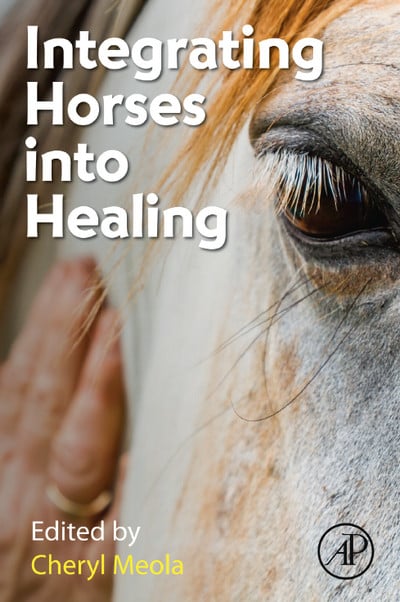
By Cheryl Meola

Written by experts and founders in the world of equine assisted services (EAS), Integrating Horses into Healing: A Comprehensive Guide to Equine Assisted Services is an all-inclusive, hands-on guide for any practitioner, researcher, or student interested in EAS. The book provides a wealth of knowledge, including perspectives from therapy and coaching practitioners, equine professionals, veterinarians, researchers, clients, board members, and founders of the EAS industry. These diverse perspectives offer a depth and insight that make this a go-to guide for EAS practitioners and researchers. The focus of Integrating Horses Into Healing is on the ethical incorporation of equines into different therapy modalities. The well-being of the equine as well as the practitioner team is addressed, as well as sustainability and health within a for-profit and non-profit structure.

Features

  • Offers ethical practices for integrating equine assisted services into therapies, coaching, and other services.
  • Provides a foundational introduction to the benefits and practices of equine assisted services
  • Discusses business and legal considerations for EAS ventures

Table of Contents

I. Introduction to Equine Assisted Services and the Healing Nature of Horses

1. The Natural Therapeutic Aspects of Horses

2. The Evolution of Equine Assisted Services: Horse are Good for People

3. Horse Speak and Partnership

II. Office to Farm: Incorporating the Horse into the Healing Process

4. Relational Equine-Partnered Counseling (REPC)

5. An In-Depth Approach to Relational Work with Equines: Natural Lifemanship

6. Breathing into Relationships: The Human-Equine Relational Development (HERD) Approach to Equine Facilitated Psychotherapy

7. Side to Side Astride: The Benefits and Challenges of Equine Mounted Work in Trauma Processing

8. Integrating Equine Engaged Internal Family Systems (EE-IFS) and Equine Connected Eye Movement Desensitization and Reprocessing (EC-EMDR) into the Natural Lifemanship Practice of Equine Assisted Psychotherapy (EAP)

9. Medical Therapy (OT, PT, SLP) Enhanced with Hippotherapy

10. The Equus Effect- An Integrated Approach to Nervous System Regulation through Equine Assisted Learning

11. Serving Those Who Served…. and Still Serve

12. Beyond Mind and Body: Spiritual Connections in Equine Assisted Services

III. Impact of Equine Assisted Services on Equines

13. Be the Horse’s Advocate

14. Enhancing the Horse’s Voice: Incorporating Horse Speak into Therapy

15. Exploring the Social-Emotional and Cognitive Development in Horses

16. Not Just Horsing Around: An Equine Professional’s Guiding Principles

17. The Role of the Equine Professional in Equine Assisted Services

18. Heart Centered Horsemanship: A Horse Trainer’s Perspective

19. A Holistic Perspective: My Transformative Journey Through Natural Lifemanship

IV. Practitioner Wellness

20. Are We There Yet? The Ongoing Journey of Healing for Healers

21. Mental Health and Wellbeing for EAS Professionals

V. The Sustainability of EAS: from Practitioner to Program to Industry

22. What Happens When you Put the Cart Before the Horse?

23. The Keys to a Successful Non-Profit Board

24. How do you Know it Works: Program Evaluation in EAS

25. How is Equine Assisted Research Important to my Practice?

26. Conclusions and Future Direction

Get This Book

This Book is Avaiable for Members

Access this book instantly with a Premium membership

📄 PDF Format
⚡ Instant Delivery
Unlock Premium Access

Reconstructive Surgery and Wound Management of the Dog and Cat

Reconstructive Surgery and Wound Management of the Dog and Cat Book PDF

Reconstructive Surgery And Wound Management Of The Dog And Cat Book Pdf

By Jolle Kirpensteijn and Gert ter Haar

Reconstructive Surgery and Wound Management of the Dog and Cat describes and illustrates step by step all currently available reconstructive surgical techniques. The book covers both dogs and cats with skin defects caused by injury or tumor resection and the reader is given the widest possible range of treatment options for dealing with individual cases.

After describing a new protocol for wound management in companion animals, and general, avascular and microvascular reconstructive techniques, the authors deal with specific techniques region by region: facial area and head, eyelids, neck and trunk, forelimb, and hindlimb.

Reconstructive Surgery and Wound Management of the Dog and Cat is an accessible overview and a source of practical help to improve treatment of patients with skin wounds. The book incorporates concise text, precise instructions and a wealth of top-quality color images. It will be of value to veterinary practitioners and students alike.

Table of Contents

  1. Introduction to companion animal reconstructive surgery

2. Wound management: A new protocol for companion animals

3. General reconstructive techniques

4. Avascular and microvascular reconstructive techniques

5. Head and eyelids reconstructive techniques

6. Reconstruction techniques of the neck and trunk

7. Reconstruction techniques of the forelimb

8. Reconstruction techniques of the hind limb

Get This Book

This Book is Avaiable for Members

Access this book instantly with a Premium membership

📄 PDF Format
⚡ Instant Delivery
Unlock Premium Access

Atlas of Normal Radiographic Anatomy and Anatomic Variants in the Dog and Cat, 3rd Edition

Atlas of Normal Radiographic Anatomy and Anatomic Variants in the Dog and Cat, 3rd Edition PDF Download

Atlas Of Normal Radiographic Anatomy And Anatomic Variants In The Dog And Cat, 3Rd Edition Pdf Download

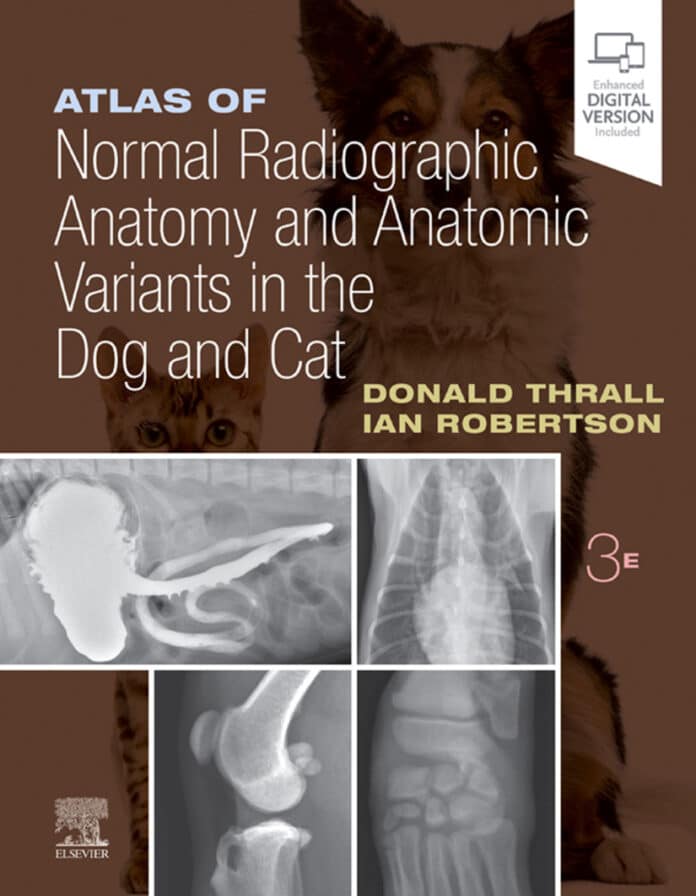
By Donald Thrall and Ian Robertson

Atlas of Normal Radiographic Anatomy and Anatomic Variants in the Dog and Cat 3rd Edition helps you make accurate diagnoses and achieve successful treatment outcomes with this highly visual, comprehensive atlas!

Featuring a substantial number of new high-contrast images, this edition provides an in-depth look at both normal and non-standard subjects, along with demonstrations of proper technique and image interpretations. Expert authors Donald E. Thrall and Ian D. Robertson describe a wider range of “normal” as compared to other books — not only showing standard dogs and cats, but also non-standard subjects such as overweight and underweight pets and animals with breed-specific variations.

Each body part is put into context with a description that helps explain why a structure appears as it does in radiographs, enabling you to appreciate variations of normal based on an understanding of basic radiographic principles.

Features

• UPDATED! Brief descriptive text and explanatory legends accompany all images to help put concepts into the proper context.
• High-quality digital images provide excellent contrast resolution and better visibility of normal structures to facilitate making accurate diagnoses.
• In-depth coverage of patient positioning and radiographic exposure guidelines assists in producing the very best results.
• NEW! Expanded coverage of the neonatal and juvenile subject includes additional radiographic examples.
• NEW! Additional material on the normal appearance of some of the more common special procedures performed in private practice includes barium esophagram, barium gastrointestinal study, and positive contrast cystogram.
• NEW! Coverage of shoulder arthrography illustrates the normal expected location of the joint capsule.
• NEW and UPDATED! Radiographic images of normal or standard prototypical animals are supplemented by images of non-standard subjects exhibiting breed-specific differences, physiologic variants, or common congenital malformations.
• NEW! Enhanced ebook, included with the purchase of a new print copy of the book, provides online access to a fully searchable version of the text and makes its content available on various devices.
Table of Contents

1 Basic Imaging Principles and Physeal Closure Time
2 The Skull
3 The Spine
4 The Thoracic Limb
5 The Pelvic Limb
6 The Thorax
7 The Abdomen
Index

Get This Book

This Book is Avaiable for Members

Access this book instantly with a Premium membership

📄 PDF Format
⚡ Instant Delivery
Unlock Premium Access

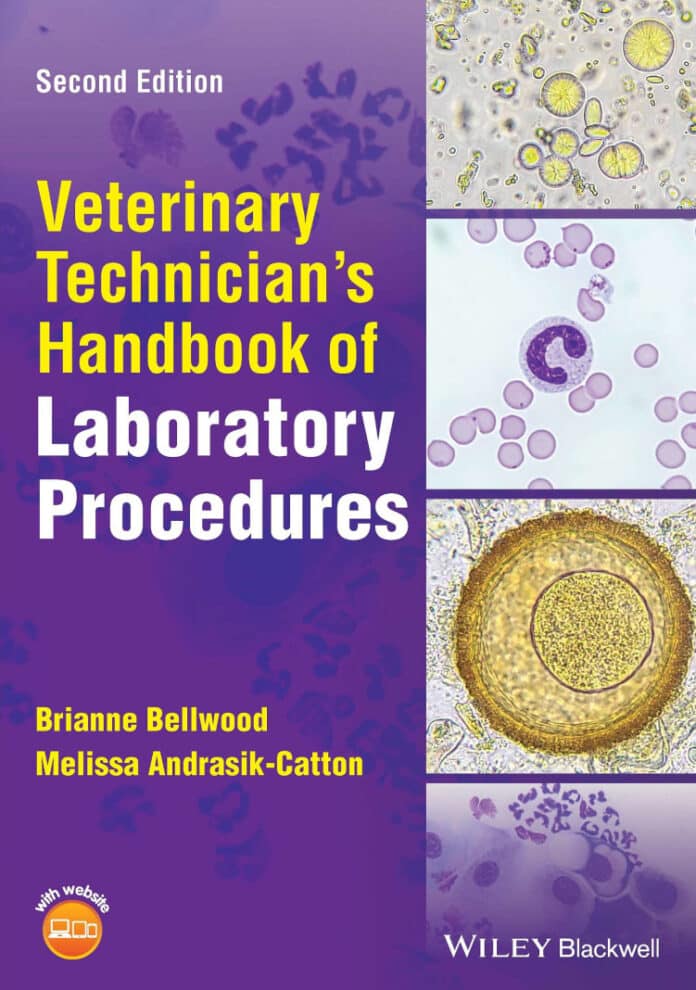
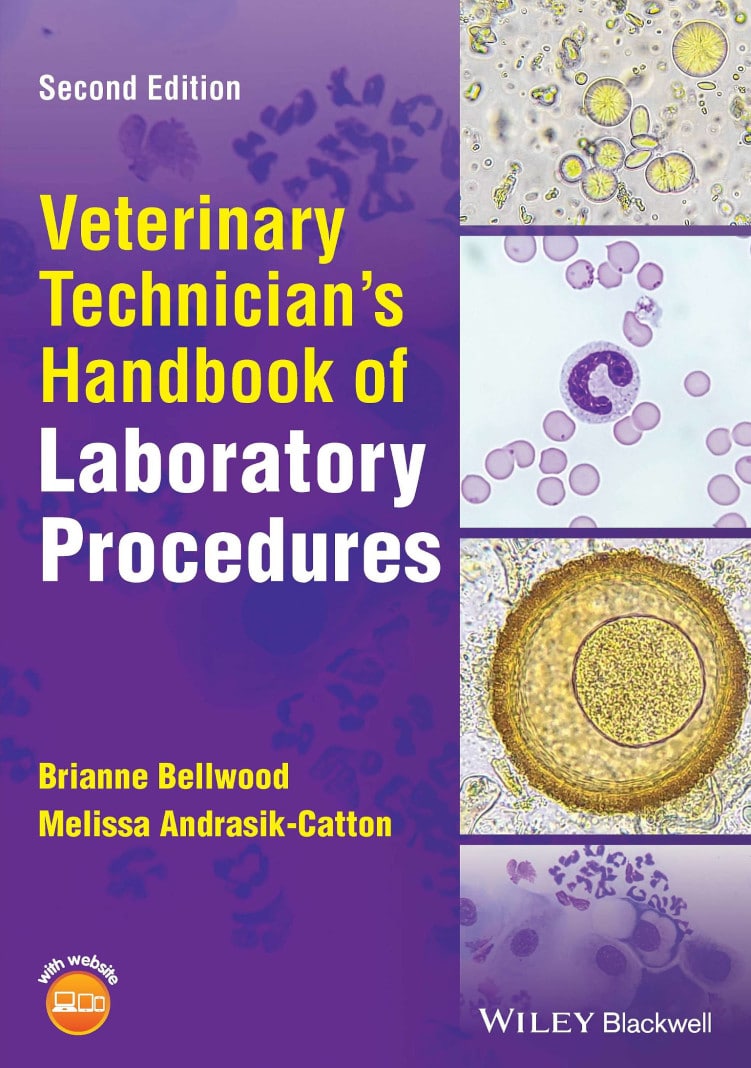
Veterinary Technician’s Handbook of Laboratory Procedures 2nd Edition

Veterinary Technician’s Handbook of Laboratory Procedures 2nd Edition

Veterinary Technician's Handbook Of Laboratory Procedures Pdf Download

By Brianne Bellwood and Melissa Andrasik-Catton

Veterinary Technician’s Handbook of Laboratory Procedures 2nd Edition provides a significant update and expansion to the First Edition, with larger and better-quality images, more images overall, and significant updates to information and equipment throughout.

New chapters cover topics such as microbiology and parasitology, and the Second Edition newly covers quality assurance in the introductory chapter as well.

Now encompassing topics in all areas of clinical pathology, the book covers procedures in hematology, clinical chemistry, urinalysis, microbiology, parasitology, serology, and cytology. A companion website features case studies, crossword puzzles, figures from the book in PowerPoint, and additional figures not found in the book.

Veterinary Technician’s Handbook of Laboratory Procedures is equally useful for veterinary technicians in training and in practice and has been carefully formatted and written to put the information veterinary technicians need at their fingertips.

Features

In Veterinary Technician’s Handbook of Laboratory Procedures, readers can expect to find helpful information on:

  • Laboratory equipment, covering microscopes, centrifuges, refractometers, and chemistry, hematology, and coagulation analyzers
  • Blood analysis, covering proper blood collection and handling techniques, blood collection tubes, blood smear preparation and staining, and hematology procedures
  • Urinalysis procedures including the physical, chemical and sediment examination
  • Cytology sample collection and smear preparation, covering the feather, line, squash, modified squash, and starfish methods, plus microscopic evaluation of cytology slides
  • Identification of parasites, covering internal and external, plus protozoans


Table of Contents

  1. The Gold Standard, Standards of Care, and Spectrum of Care

  • Defining the Gold Standard

  • Limitations of the Gold Standard

  • Case of the Cat with Stranguria

  • Limitations to Standards of Care

  • Spectrum of Care

  1. Consultation Room Communication Strategies

  • Communication in Human Health Care

  • Communication in Veterinary Health Care

  • Essential Communication Skills

  • Health Literacy and Compliance

  • Using Nonmedical Language

  • Checking In

  • Assessing Client’s Knowledge

  • Signposting

  • Addressing Cost of Care

  1. Packed Cell Volume (PCV)

  2. Total Protein via Refractometry

  3. Buffy Coat Evaluation

  4. The Blood Film

  5. Blood Glucose

  6. Blood Urea Nitrogen

  7. Whole Blood Lactate

  8. Saline Agglutination Test

  9. Activated Clotting Time

  10. Assessing Urine’s Physical Properties

  11. Urine Specific Gravity

  12. Chemical Evaluation of Urine

  13. Urine Sediment Examination

  14. Physical Properties of Fecal Matter

  15. Direct Smears

  16. Fecal Flotation

  • Fixed-Angle Centrifuge

  • Swinging Bucket Centrifuge

  • Passive Flotation

  1. Body Cavity Fluid Analysis

  2. Clinical Cases

  • Case 1: Fred

  • Case 2: Bella

  • Case 3: Benji

  • Case 4: Mittens

  • Case 5: Star

  • Case 6: Earl

  • Case 7: Sammy

  • Case 8: Coffee

  • Case 9: Dexter

Get This Book

This Book is Avaiable for Members

Access this book instantly with a Premium membership

📄 PDF Format
⚡ Instant Delivery
Unlock Premium Access