Home Blog Page 19

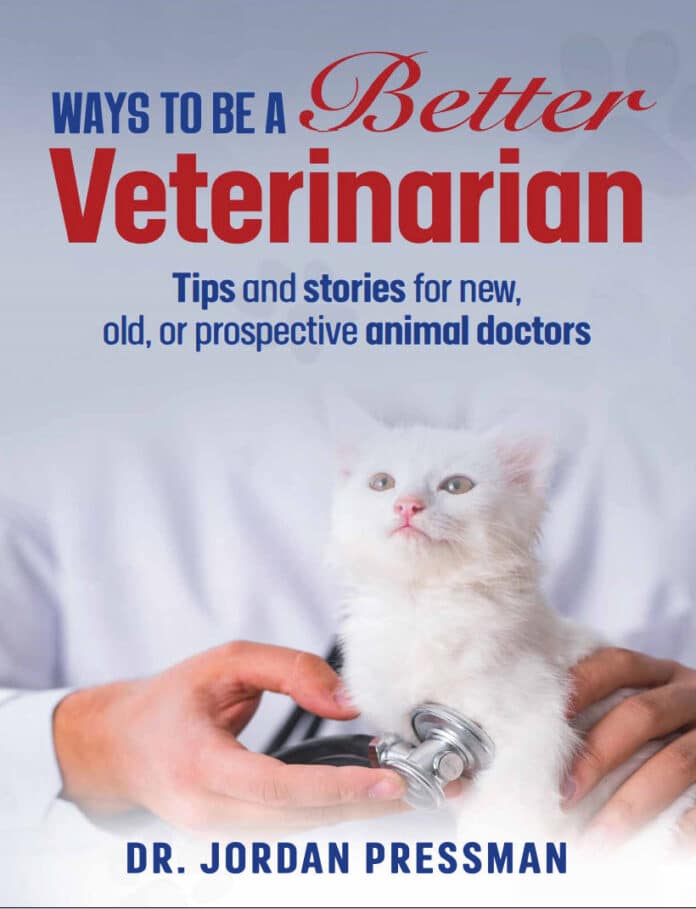
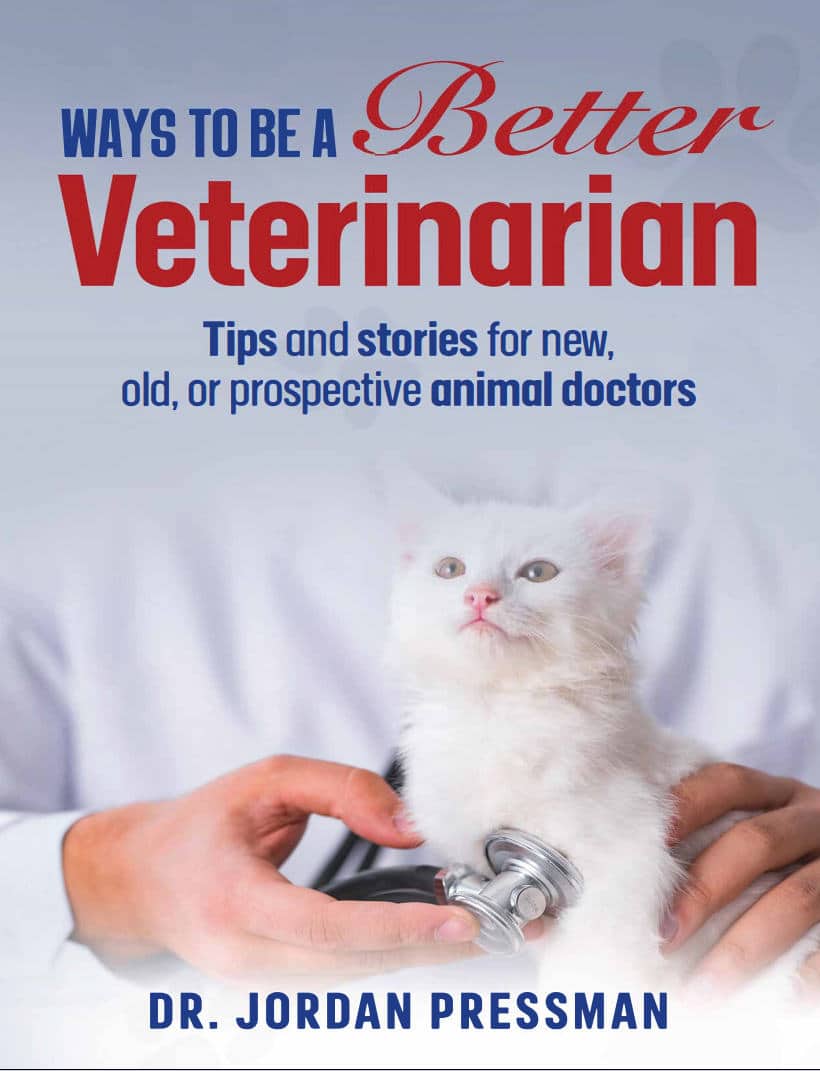
Ways to be a Better Veterinarian: Tips and stories for new, old, or prospective animal doctors

Ways to be a Better Veterinarian: Tips and stories for new, old, or prospective animal doctors

Ways To Be A Better Veterinarian: Tips And Stories For New, Old, Or Prospective Animal Doctors

By Dr. Jordan Pressman

In the demanding and rewarding world of veterinary medicine, compassion, skill, and continuous learning are essential to providing the best care for animals. Ways to be a Better Veterinarian offers a comprehensive guide packed with practical tips and insights to help veterinarians, from individuals looking to apply to veterinary school to seasoned professionals, elevate their practice and enrich their careers.

This book delves into the nuances of becoming not just a better doctor, but a more empathetic and effective caregiver. From identifying classic mistakes to building stronger relationships with pet owners and managing the emotional challenges of the job, this easy-to-read format makes this a must-read for those interested in or experienced in the field.

Readers will discover:
– Ways to cultivate a culture of teamwork and collaboration within a veterinary practice
– Essential self-care techniques for maintaining emotional resilience and a work-life balance
– A fun and concise list of recommendations and personal stories from the author to give a taste of veterinary medicine.

Whether you’re looking to develop a deeper connection with your patients, or simply reignite your passion for the profession, Ways to be a Better Veterinarian is your ultimate companion on the journey to becoming a more skilled, thoughtful, and fulfilled veterinarian.

Table of Contents

Table of Contents: 

1. Introduction
2. Anecdotes
3. Advice

Get This Book

This Book is Avaiable for Members

Access this book instantly with a Premium membership

📄 PDF Format
⚡ Instant Delivery
Unlock Premium Access

Atlas of Surgical Approaches for Soft Tissue and Oncologic Diseases in the Dog and Cat

Atlas of Surgical Approaches for Soft Tissue and Oncologic Diseases in the Dog and Cat

Atlas Of Surgical Approaches For Soft Tissue And Oncologic Diseases In The Dog And Cat Pdf

By Marije Risselada

Atlas of Surgical Approaches for Soft Tissue and Oncologic Diseases in the Dog and Cat offers practical guidance to making approaches for surgery to treat soft tissue and oncologic conditions in canine and feline patients. Every approach is outlined with step-by-step descriptions on how to handle the incision and covers indications and patient positioning. Detailed, high-quality medical illustrations are also included for each, and topics are logically laid out with images on the left and text on the right.

Atlas of Surgical Approaches to Soft Tissue and Oncologic Diseases in the Dog and Cat starts with a chapter on oromaxillofacial approaches, followed by chapters covering the cervical area and ear, forelimb, hindlimb, thorax, and abdomen. The book finishes with complete coverage of the approaches to the perineal area and pelvic canal and digits and tail, making it an excellent guide for surgeons to plan and execute their approach to soft tissue and oncologic diseases.

Features

  • Describes the complete approach to surgical incisions for soft tissue and oncologic disease, with alternative positions or approaches where appropriate
  • Provides a high-quality medical line drawing depicting each approach
  • Offers practical guidance for surgeons to direct their approach during surgery
  • Covers indications, patient positioning, and step-by-step summaries of each approach
  • Follows a logical two-page layout with text on one side and illustrations on the other

Table of Contents

Section 1: Oromaxillofacial

  • Approach to the Rostral Mandible

  • Ventral Approach to the Ramus of the Mandible

  • Intraoral Approach to the Ramus of the Mandible

  • Lateral Approach to the Mandible

  • Nasal Planectomy and Premaxillectomy in the Dog

  • Nasal Planectomy in the Cat

  • Approach to the Rostral Maxilla

  • Intraoral Approach to the Maxilla

  • Combined Dorsolateral and Intraoral Approach to the Caudal Maxilla

  • Approach to the Zygomatic Arch

  • Approach to the Temporomandibular Joint

  • Dorsal Rhinotomy in the Dog

  • Dorsal Rhinotomy in the Cat

  • Dorsal Approach to the Sinuses in the Dog

  • Dorsal Approach to the Sinuses in the Cat

Section 2: Cervical Area and Ear

  • Approach to the Lateral Ear Canal

  • Approach to the Horizontal Ear Canal and Tympanic Bulla

  • Ventral Approach to the Tympanic Bulla in the Dog

  • Ventral Approach to the Tympanic Bulla in the Cat

  • Lateral Approach to the Mandibular and Sublingual Salivary Glands

  • Ventral Approach to the Mandibular and Sublingual Salivary Glands

  • Lateral Approach to the Mandibular and Retropharyngeal Lymph Nodes

  • Ventral Approach to the Mandibular and Retropharyngeal Lymph Nodes

  • Lateral Approach to the Larynx

  • Ventral Approach to the Larynx

  • Ventral Approach to the Trachea, Esophagus, Carotid Sheath

  • Ventral Approach to the (Para)Thyroid Glands

  • Approach to the Superficial Cervical Lymph Node

Section 3: Forelimb

  • Lateral Approach to the Scapula

  • Dorsal Approach to the Spinous Processes and Scapula

  • Forequarter Amputation: Lateral Approach

  • Ventral Approach to the Brachial Plexus and Axillary Artery

  • Craniolateral Approach to the Brachial Plexus

Section 4: Hindlimb

  • Middle Hemipelvectomy (Acetabulectomy)

  • Total Hemipelvectomy

  • Coxofemoral Disarticulation

  • Mid-Femoral Amputation

  • Approach to the Popliteal Lymph Node

  • Approach to the Femoral Artery

Section 5: Thorax

  • Right Lateral Approach to the Cranial Thorax

  • Left Lateral Approach to the Cranial Thorax

  • Right Lateral Approach to the Caudal Thorax

  • Left Lateral Approach to the Caudal Thorax

  • Closure of a Rib Wall Resection without Diaphragmatic Advancement

  • Closure of a Rib Wall Resection with Diaphragmatic Advancement

  • Median Sternotomy

  • Transdiaphragmatic Approach to the Thorax

Section 6: Abdomen

  • Midline Approach to the Abdomen (Female Dog, Cats)

  • Midline Approach to the Abdomen (Male Dog)

  • Grid Approach to the Abdomen

  • Lateral Approach to the Dorsal Abdomen

  • Paramedian Approach to the Inguinal Canal and Lymph Node

  • Paracostal Approach to the Abdomen

  • Combined Paracostal and Midline Approach to the Abdomen

  • Closure of a Caudal Abdominal Defect with Mesh

  • Approach to the Prescrotal Urethra

  • Approach to the Scrotal Urethra

Section 7: Perineal Area and Pelvic Canal

  • Dorsal Perineal Approach

  • Lateral Perineal Approach for Perineal Hernia

  • Approach for Anal Sacculectomy

  • Episiotomy

  • Approach for Feline Perineal Urethrostomy

  • Ventral Approach to the Pelvic Canal

Section 8: Digits and Tail

  • Lateral Approach to Digit 1

  • Lateral Approach to Digit 2

  • Dorsal Approach to Digits 3 and 4

  • Dorsal Approach to Digit 5

  • Dorsal Approach to the Sacrococcygeal Joint

Get This Book

This Book is Avaiable for Members

Access this book instantly with a Premium membership

📄 PDF Format
⚡ Instant Delivery
Unlock Premium Access

Evidence-based Equine Nutrition: A Practical Approach for Professionals

Evidence-based Equine Nutrition, A Practical Approach for Professionals

Evidence-Based Equine Nutrition, A Practical Approach For Professionals Pdf Download

By Teresa Hollands and Lizzie Drury

Evidence-based Equine Nutrition, A Practical Approach for Professionals PDF uniquely provides both the scientific basis of equine nutrition and the translation of that science into practical, day-to-day feeding advice. It summarises the latest research to provide readers with the evidence base needed to both confidently advise those who want to understand the science behind equine nutrition, and apply that evidence into practical advice for anyone who just wants to know how to feed horses.

Both veterinary and animal science courses struggle to provide adequate nutrition training within their syllabuses. Much of the general information available is poorly explained and not evidence based. This book fills that gap, with the author team relaying over 50 cumulative years’ experience teaching equine nutrition to both practising clinicians and students.

Find answers to the most common queries and challenges encountered during nutritional consultations across 17 informative chapters, using typical case-based examples as experienced by the authors. Fully supported throughout with visual aids and photographic illustrations, they show how to easily increase compliance and understanding.

Table of Contents

Table of Contents

Introduction to Equine Nutrition

  1. Why This Book?
  2. Taking a Nutritional History: An Overview of the 5th Vital Sign

Assessing Dietary Needs

  1. Horse Information Required to Check Dietary Adequacy
  2. Diet Details: Understanding Forages, Feed Value, and Intake
  3. Diet Details: Cereals, Complementary Feeds, and Energy Sources
  4. What Are Supplements? The Importance of Micronutrients

Selecting and Evaluating Feeds

  1. Advising a Feed: How to Read a Label
  2. Which Feed? Quality Formulation, Control, and Standards
  3. Which Fibre? Choosing a Forage and Forage Analysis

Practical Feeding Applications

  1. Intake vs. Requirements: Using Computer Programs
  2. Feeding the Leisure Horse
  3. Feeding the Performance Horse
  4. Electrolytes and Their Role

Specialized Feeding Considerations

  1. Feeding for Breeding
  2. The Chronically Inflamed (Obese) Horse: Understanding Adipose Biology
  3. Feeding the Aged Horse
  4. Feeding the Donkey

Reference Section

  • Glossary of Abbreviations
  • Index

Get This Book

This Book is Avaiable for Members

Access this book instantly with a Premium membership

📄 PDF Format
⚡ Instant Delivery
Unlock Premium Access

Omics Approaches in Veterinary Parasitology Diagnosis Biomarkers and Drug Development

Omics Approaches in Veterinary Parasitology Diagnosis Biomarkers and Drug Development PDF

Omics Approaches In Veterinary Parasitology Diagnosis Biomarkers And Drug Development Pdf Download

By Muhammad Sohail Sajid and Hafiz Muhammad Rizwan

Omics Approaches in Veterinary Parasitology Diagnosis Biomarkers and Drug Development explores applications of omics approaches for diagnosis, biomarker discovery, and drug development against parasites of veterinary importance. It presents the fundamental principles of parasite biology and their complex physiological processes. The chapters review key aspects such as parasite life cycles, host-parasite interactions, and the molecular mechanisms that underlie parasitic diseases. The subsequent chapters delve into the principles and applications of genomics, transcriptomics, proteomics, and metabolomics in understanding parasites at a molecular level. The use of next-generation sequencing, PCR-based assays, and metagenomics in identifying and characterizing parasites for accurate and efficient diagnosis are also covered in detail. Toward the end, the book focuses on target identification, drug repurposing, and the optimization of drug efficacy while minimizing drug resistance using omics data. The book is useful for researchers, students, and professionals in the field of veterinary parasitology.

Table of Contents

  1. Molecular Biology and Physiology of Parasites
  2. Introduction to Omics Technologies
  3. Genomic Approaches in Parasitic Diagnosis
  4. Transcriptomic Profiling of Parasites
  5. Proteomics and Metabolomics in Parasitic Research
  6. Integrative Omics in Parasitology
  7. Omics-Based Biomarkers for Parasitic Infections
  8. Omics and Discoveries of Anti-Parasitic Drugs
  9. Bioinformatics and Data Analysis in Veterinary Parasitology

Index

Get This Book

This Book is Avaiable for Members

Access this book instantly with a Premium membership

📄 PDF Format
⚡ Instant Delivery
Unlock Premium Access

Atlas of Canine and Feline Urinalysis

Atlas of Canine and Feline Urinalysis

Atlas Of Canine And Feline Urinalysis Pdf Download

By Theresa E. Rizzi, Amy C. Valenciano, Mary Bowles, Rick L. Cowell, Ronald Tyler and Dennis B. DeNicola

Atlas of Canine and Feline Urinalysis offers an image-based reference for performing canine and feline urinalyses, with hundreds of full-color images depicting techniques, physical characteristics, urine chemistry, and microscopic characteristics of urine sediment in dogs and cats.

  • Presents hundreds of full-color images for reference and picture-matching while using urinalysis as a diagnostic tool
  • Provides a complete guide to properly performing a urinalysis exam in the veterinary practice
  • Emphasizes collection techniques, physical assessment, urine chemistry, and the microscopic sediment exam
  • Covers casts, crystals, cells, organisms, and artefacts
  • Offers a practical, visual resource for incorporating urinalysis into the clinic
Table of Contents

Section I: Sample Collection and Handling

  • Collection methods: Free Catch, Transurethral Catheterization, Cystocentesis
  • Urine Sample Handling and Culture

Section II: Urine Physical Characteristics

  • Volume, Color, Clarity/Turbidity, Odor, Specific Gravity

Section III: Urine Chemistry

  • pH, Protein, Glucose, Ketones, Blood, Bilirubin

Section IV: Urine Sediment

  • Preparation for Microscopic Examination
  • Casts (Hyaline, Cellular, Granular, Waxy, Fatty, Hemoglobin, Mixed, Pseudo)
  • Crystals associated with urolith formation (Struvite, Calcium oxalate, Calcium phosphate, Urate, Uric Acid, Cystine, etc.)
  • Cells (Transitional, Squamous, Renal Tubular Epithelial, Leukocytes, Erythrocytes, Atypical)
  • Organisms (Bacteria, Fungal Hyphae, Yeast, Dioctophyma renale Ova, Capillaria Ova, Microfilaria)
  • Miscellaneous findings and artifacts (Pollen, Fungal spores, Mucus, Lipid Droplets, Sperm, Air Bubbles, Starch Granules, Fiber)

Get This Book

This Book is Avaiable for Members

Access this book instantly with a Premium membership

📄 PDF Format
⚡ Instant Delivery
Unlock Premium Access

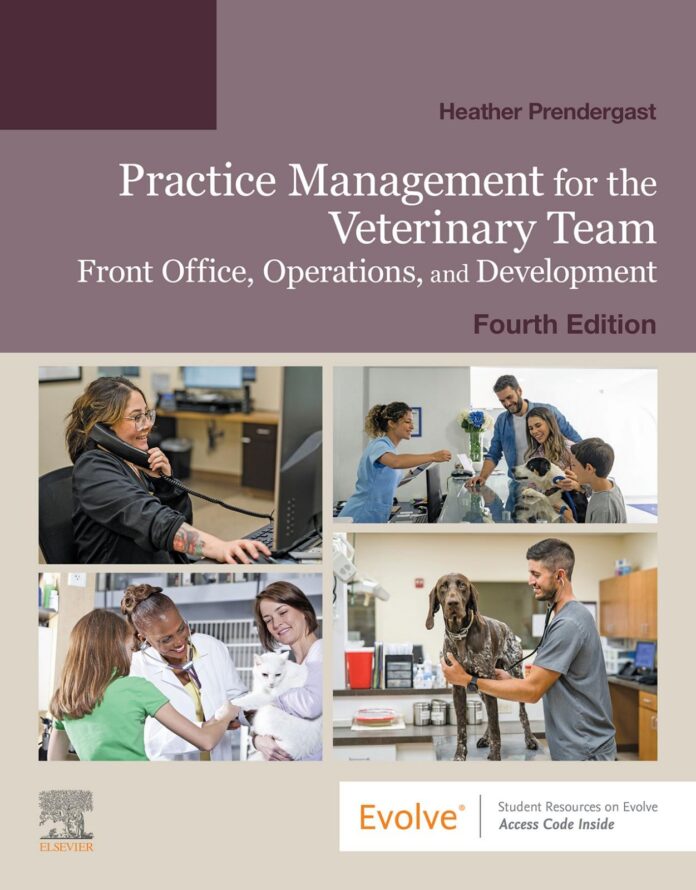
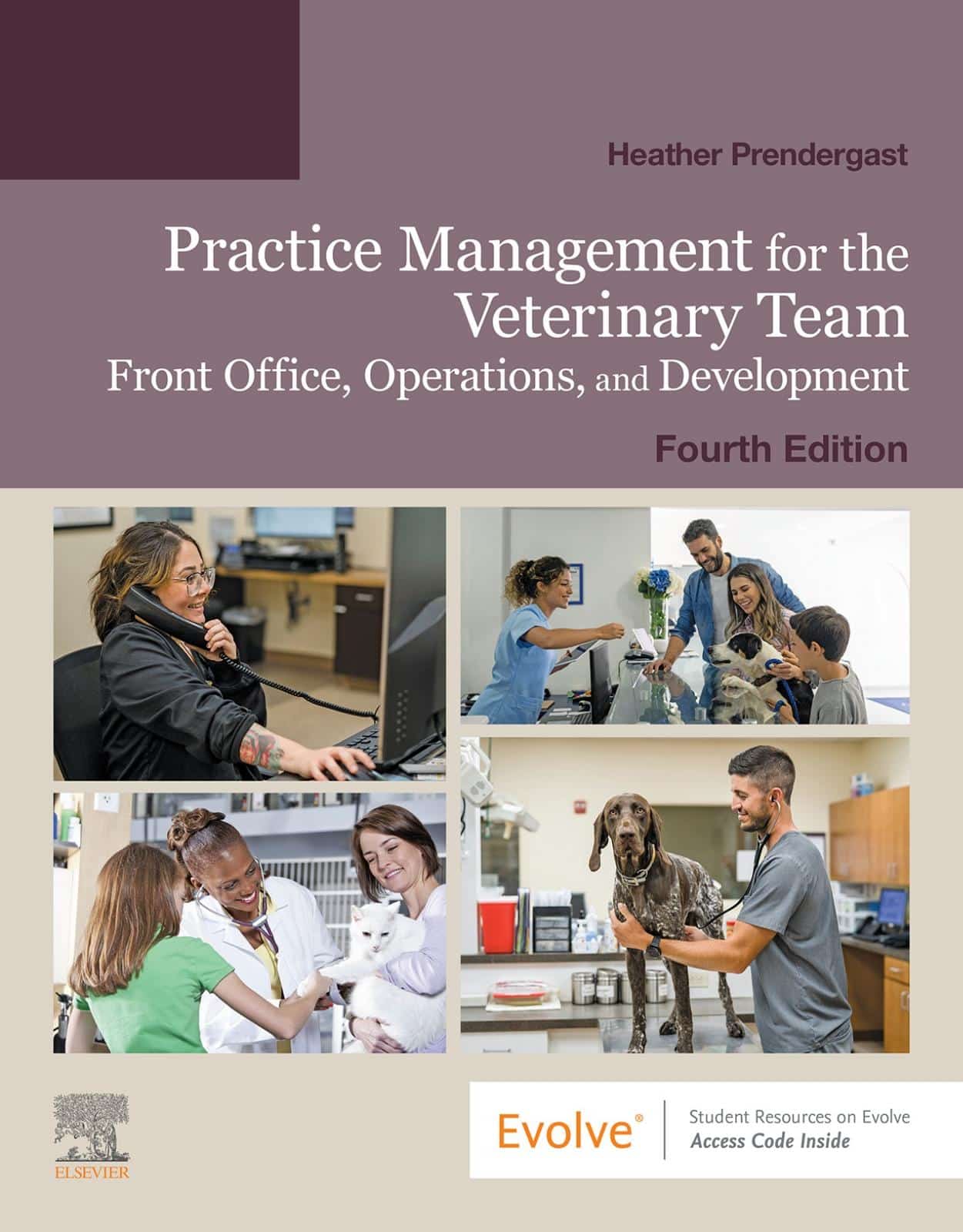
Practice Management for the Veterinary Team 4th Edition

Practice Management for the Veterinary Team, 4th Edition

Practice Management For The Veterinary Team 4Th Edition Pdf Download

By Heather Prendergast

Practice Management for the Veterinary Team: Front Office, Operations, and Development, 4th Edition, covers critical practice management subjects such as team leadership, inventory management, appointment management, team development, and providing an exceptional client experience through solid communication techniques. This edition includes revised and updated chapters on leadership, the veterinary team, professional growth and development, and medical record management. New to this edition are chapters covering telehealth and practice management software. This complete guide to veterinary practice management features step-by-step instructions, making it easier to learn essential practice management tasks.

Table of Contents

SECTION I Veterinary Practice Team and Development
1 The Heart of Veterinary Medicine
2 The Leadership Team
3 The Veterinary Team and Front Office Procedures
4 Human Resources in the Veterinary Practice
5 Veterinary Ethics and Legal Issues
6 Professional Development
7 Telemedicine
8 Practice Integrated Management Software
9 Medical Records Management
SECTION II Veterinary Operations
10 Appointment Management
11 The Client Experience
12 Marketing
13 Inventory Management
14 Controlled Substances
15 Safety in the Veterinary Practice
16 Finance Management
17 Strategic Planning
Abbreviations
Glossary
Index

Get This Book

This Book is Avaiable for Members

Access this book instantly with a Premium membership

📄 PDF Format
⚡ Instant Delivery
Unlock Premium Access

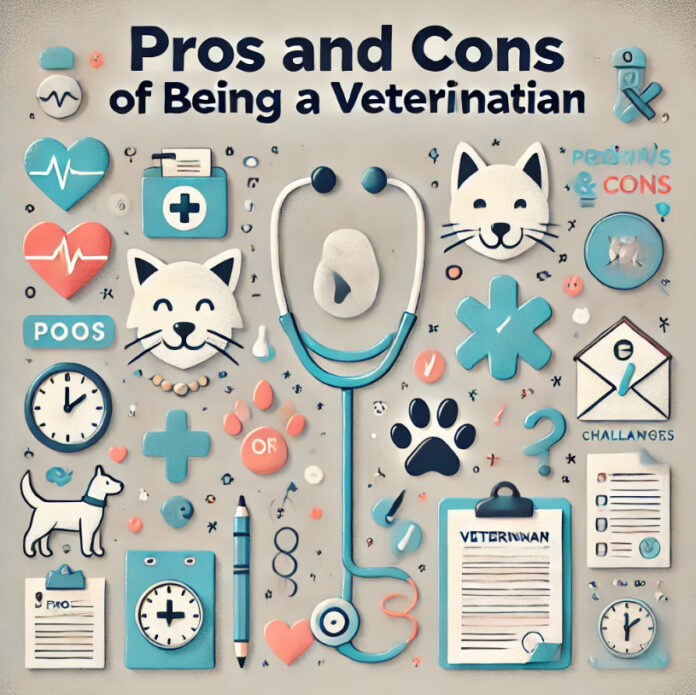
Pros And Cons of Being A Veterinarian: 4 Hidden Challenges

Pros And Cons of Being A Veterinarian

Understanding The Pros And Cons Of Being A Veterinarian To Decide If Veterinary Medicine The Right Fit.

Understanding the pros and cons of being a veterinarian helps you decide if this career is the right fit, lower your expectations and handle physical, psychological, and ethical dilemmas related to the animal care field.
Veterinary practice is double-edged. It’s not only limited to stress and challenges. It also enhances skills and satisfies emotions through the good feeling of helping others’ well-being.
Providing an animal with care isn’t easy at all. It’s time and effort-consuming, and it requires navigating all challenges and stress properly to achieve the desired results.

Vet Books

The Pros And Cons Of Being A Veterinarian 

Healthcare careers have a lot of details beyond.
Decision-making regarding whether or not to choose veterinary medicine requires weighing and evaluating the pros and cons of being a veterinarian.
Let’s discuss both of them in further detail.

3 Pros Of Being A Veterinarian 

On both personal and occupational sides, Investment in the veterinary career reflects valuable returns worth facing the challenges of being a veterinarian.

1-Financial Returns

Veterinary careers aren’t limited to direct work and contact with animals.
There is a diversity of related fields like food safety, and clinical and academic research.
The increased demand for veterinary practitioners in various veterinary fields increases veterinarians’ salary ranges.

2-Skills Development

Veterinary practices open the doors to enhancing practitioners’ business and leadership skills, as well as technical skills, to achieve the desired goals.

3-Emotional Satisfaction

Veterinary medicine practices satisfy veterinary practitioners’ passion for assuring others’ well-being. It comes either directly through animal treatment fields and solving complicated cases or indirectly through practices like research and food safety.

How Hard Is The Veterinary Practice?

The critical work conditions and the intense commitment to the work environment affect healthcare providers’ work-life balance to a degree that sometimes results in abandoning their careers or suicide in the worst cases.
Veterinarians are vulnerable to the risk of stress that arises from various factors.

5 Cons Of Being A Veterinarian 

Despite veterinary practices’ valuable returns, toxic work environments and an excess empathy hinder the enjoyment of these returns.
Veterinarians suffer from various dilemmas as follows:

1-Financial dilemmas

-High cost of veterinary education, as fresh graduates may suffer to pay off their debts while starting their careers.
-Investment in veterinary careers for example healthcare-providing businesses needs a large fundraiser which in turn reflects a stress on veterinarians especially those who seek private business establishment.
-Increased prices compared to low salary ranges in exploiting corporations.

2-Physical dilemmas

-Inorganized working schedules, long working hours and weekend shifts result in both physical and psychological exhaustion and health problems in the long term.

3-Psychological dilemmas

-Misunderstandings and conflicts between teamwork members spread negativity in the work environment.
-Difficulties handling and communicating with owners, especially at the beginning of careers.

4-Emotional dilemmas

-Veterinarians with direct contact with animals and their owners are more vulnerable to emotional exhaustion due to the grief they feel because of animals’ pain and losses.

5-Ethical dilemmas

-Decision-making in critical issues when there are many options to choose considering that choosing one option will violate a principle, like euthanasia and ending an animal’s pain and giving that priority versus its right in life.
-Handling owners and their right to refusal regarding vaccination schedules or euthanasia.

4 Hidden Challenges In Veterinary Practice

To what extent do the daily work challenges impact veterinarians?

Various work-related challenges and dilemmas can adversely affect veterinarians and in turn, all aspects of their practice.
Let’s discuss this in brief.

1- Stress

Stress is defined as a change or a disturbance in a certain equilibrium. The veterinary work conditions are not constant. For example; the quick switches and responses for immediate handling and treatment of a dog or a cat crushed in a car accident. This in turn leads to hormonal disturbance and rapid successive spikes that may not be recognized along with physical and mental exhaustion until falling asleep. Long-term stress results in health problems and complications like high blood pressure, heart disease, headache and short-term memory loss.

Read More: Veterinary Stress Management: 6 Tips Will Help You

2- Burnout syndrome

Giving time and effort to respond to excessive demands can be adversely reflected on the veterinarians when all their sacrifices are met with a lack of appreciation or insults either from clients or colleagues.
Feelings of negativity and apathy toward everything even animals’ illnesses arise and unfortunately they are not easily or quickly everted.

Read More: 4 Ways for Preventing Burnout among Your Veterinary Team

3- Compassion fatigue

Excess empathy toward animals’ pains leads to emotional exhaustion.

4- Vicarious trauma

Contact with animals and their owners with uncontrolled empathy can impel veterinarians through high levels of caring responsibilities and involvement to a degree they think about others’ suffering and problems as if they are their own problems.

Best practices to alleviate the challenges of being a veterinarian

Challenges of being a veterinarian and solutions to handle them shall be in priorities when a veterinary career is established.
Here are some tips for relief and navigating them.

Establishment Of A Self-Care Plan

Healthcare providers must get something to enhance their joy to create a work-life balance.

Mandatory Training Programs For Stress Handling

Awareness of different forms of stress and fatigue arising due to tough work conditions.

Improving Work Environment

This is Done In a Few Steps:

  • Organized work schedules to enhance veterinarians’ work-life balance.
  • Reinforcing transparent communication to avoid misunderstandings, rumours and negative vibes between teamwork members.

Documentation system establishment

Documents are necessary for veterinary practices, especially if it’s related to issues depending on owners’ consent and their refusal rights.

Conclusion
Decision-making to determine if a veterinary medicine career fits you or not requires an evaluation and weighing both the pros and cons of being a veterinarian.
It has personal and occupational returns that make it a choice for many people.
However, despite the privileges the Veterinary field provides veterinarians with, the work conditions are not easy and full of challenges. The challenges of being a veterinarian arise due to many factors related to the work environment and veterinarian-client relationships. So, these challenges should be considered and well-navigated to avoid potential losses or failures.

Tip

Do You Want To Increase Your Veterinary Knowledge and Practical Skills?

You Can Now Browse and Download +3000 Veterinary Books Online In All Veterinary Fields.

Download All Veterinary Books

Hundegesttztes Coaching und Training

Hundegestütztes Coaching und Training

Hundegesttztes Coaching Und Training Pdf Download

By J Manuela Lentzsch

Hunde bieten für Menschen als lebende, denkende und fühlende Lebewesen im Coaching und Training viele Mehrwerte. Manuela Lentzsch erläutert in diesem Buch, warum gerade Hunde so wunderbare Co-Trainer sind und welche verschiedenen Rollen und Funktionen sie dabei einnehmen können.

Das Buch zeigt neben den Grundlagen und den Wirkungsweisen von hundegestütztem Coaching und Training vor allem die Einsatzmöglichkeiten sowie Praxisbeispiele und konkrete Interventionen zur praktischen Anwendung auf. Die tiergestützten Übungen sind nach Persönlichkeits-, Führungskräfte- und Teamentwicklung unterteilt. Ein besonderes Augenmerk legt die Autorin neben dem klientenzentrierten auf einen tierzentrierten Ansatz, welcher dem Wohlbefinden des Hundes Rechnung trägt. Wichtige Aspekte der Qualitätssicherung sowie Auswahlkriterien beim Hund und tierschutzrelevante Gesichtspunkte werden daher in diesem Werk ebenfalls beleuchtet. Das Buch bietet einen fundierten Leitfaden für Menschen, die mehr über hundegestütztes Coaching und Training erfahren wollen.

Die Zielgruppen:
Coaches, Trainern und Hundeerziehern eröffnet das Buch ein spannendes zusätzliches Geschäftsfeld und zeigt deren Wirksamkeit, Grenzen sowie Einsatzmöglichkeiten auf. Führungskräfte erfahren, welche Kompetenzen sie durch hundegestütztes Coaching und Training effizienter, wirksamer und nachhaltiger bei sich selbst oder in ihrem Team stärken können. Hundehalter erhalten zudem Anregungen für die eigene Persönlichkeitsentwicklung mit ihrem Hund und können von einer verbesserten Mensch-Hund-Beziehung profitieren.

Features

Features:

  • Fundierte Einführung in hundegestütztes Coaching und Training

  • Konkrete Übungen und Interventionen für Persönlichkeitsentwicklung, Führungskräfteentwicklung und Teamentwicklung

  • Klienten- und tierzentrierter Ansatz für maximale Wirksamkeit

  • Fokus auf Qualitätssicherung, Tierschutz und sorgfältige Auswahl des Hundes

  • Praxisnahe Fallbeispiele und methodisches Vorgehen zur direkten Umsetzung

Table of Contents

Table of Contents:

  1. Einleitung

  2. Ursprung des tiergestützten Coachings

  3. Unterscheidung zwischen Coaching und Training

  4. Unterscheidung zwischen Co-Coach und Co-Trainer

  5. Wirkungsweise von hundegestütztem Coaching

  6. Warum sind Hunde so wertvolle Co-Trainer?

  7. Physiologische, hormonelle und neuronale Wirkung

  8. Notwendige Qualifikationen und Kompetenzen beim Menschen

  9. Coaching-Kompetenz für Menschen

  10. Coaching-Kompetenz für hundegestützte Interventionen

  11. Coaching-Kompetenz für Hunde

  12. Notwendige Qualifikationen und Kompetenzen beim Hund

  13. Die Auswahl und Eignung des Hundes

  14. Der Hund im Einsatz

  15. Gesetzliche Grundlagen und Qualitätsstandards

  16. Der Hund im Coachingprozess

  17. Das klienten- und tierzentrierte Beziehungsdreieck

  18. Die Bedürfnisse des Hundes

  19. Der Coaching-Prozess mit Hund

  20. Rollen und Funktionen des Hundes im Coaching

  21. Hundische Metaphern, Bedeutungsübertragungen, Zitate und Geschichten

  22. Einsatzgebiete, Zielgruppen, Themen, Besonderheiten und Grenzen

  23. Praxisbeispiele für hundegestütztes Coaching

  24. Ablauf des hundegestützten Coachings

  25. Hundegestütztes Design und Interventionen

  26. Reflexionsfragen für Hundehalter

  27. Reflexionsfragen für Kinder und Jugendliche

  28. Hundegestütztes Business Coaching

  29. Hundegestützte Führungskräfteentwicklung

  30. Hundegestützte Teamentwicklung

  31. Hundegestützte Teamrallye

  32. Weitere Unternehmens- und Personalentwicklungsansätze

  33. Ausblick

  34. Hundegestütztes Coaching mit Roboterhunden

  35. Schlusswort

Get This Book

This Book is Avaiable for Members

Access this book instantly with a Premium membership

📄 PDF Format
⚡ Instant Delivery
Unlock Premium Access

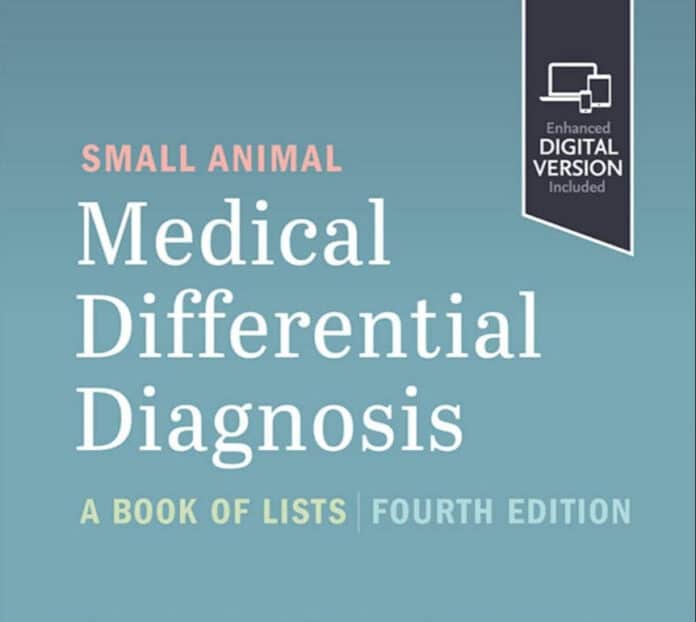
Small Animal Medical Differential Diagnosis 4th Edition

Small Animal Medical Differential Diagnosis 4th Edition

Small Animal Medical Differential Diagnosis: A Book Of Lists 4Th Edition Pdf Download

By Mark Thompson

Small Animal Medical Differential Diagnosis 4th Edition is the essential reference to facilitate rapid diagnosis of medical problems in dogs and cats. This portable, manageable guide covers the differential diagnosis, etiology, clinical signs, and relevant laboratory abnormalities of the most common conditions you will encounter in small animal practice. Historical, clinical, and laboratory findings for many of these diseases are also included in a separate section. Small Animal Medical Differential Diagnosis facilitates reliable point-of-care decisions, providing instant access to the critical data you need to make accurate diagnoses and enabling effective, focused treatment planning. With new lists and an eBook included with print purchase, Small Animal Medical Differential Diagnosis: A Book of Lists is the reference no small animal practice should be without!

Table of Contents

  1. Distension

  2. Effusions

  3. Pain

  4. Ascites

  5. Aggression

  6. Anxiety

  7. Compulsive Disorders

  8. Bradycardia

  9. Coughing

  10. Cyanosis

  11. Dyspnea

  12. Tachycardia

  13. Alopecia

  14. Erosions

  15. Ulcers

  16. Pruritus

  17. Scaling

  18. Acidosis

  19. Alkalosis

  20. Amyloidosis

  21. Cachexia

  22. Anorexia

  23. Constipation

  24. Diarrhea

  25. Vomiting

  26. Fever

  27. Flatulence

  28. Hemorrhage

  29. Icterus

  30. Ataxia

  31. Blindness

  32. Collapse

  33. Lameness

  34. Back Pain

  35. Joint Swelling

  36. Muscle Wasting

  37. Abortion

  38. Anuria

  39. Dysuria

  40. Incontinence

  41. Deafness

  42. Epistaxis

  43. Hematuria

  44. Obesity

  45. Weight Changes

  46. Arrhythmias

  47. Heart Failure

  48. Hypertension

  49. Pulmonary Disease

  50. Allergies

  51. Claw Disorders

  52. Folliculitis

  53. Pyoderma

  54. Diabetes

  55. Hyperthyroidism

  56. Hypothyroidism

  57. Adrenal Tumors

  58. Esophageal Disease

  59. Stomach Disorders

  60. Anemia

  61. Coagulopathies

  62. Leukocyte Disorders

  63. Thrombocytopenia

  64. Autoimmune Diseases

  65. Systemic Lupus

  66. Anaplasmosis

  67. Ehrlichiosis

  68. Mycoses

  69. Viruses

  70. Arthritis

  71. Bone Disorders

  72. Hepatic Lipidosis

  73. Pancreatitis

  74. Portosystemic Shunt

  75. Lymphoma

  76. Tumors

  77. Chemotherapeutic Toxicity

  78. Cognitive Dysfunction

  79. Cranial Nerve Deficits

  80. Seizures

  81. Anisocoria

  82. Corneal Erosions

  83. Red Eye

  84. Chemical Toxicoses

  85. Plant Toxicoses

  86. Venomous Bites

  87. Proteinuria

  88. Pyelonephritis

  89. Urinary Tract Infection

  90. Acute Pain Assessment

  91. Chronic Pain Assessment

  92. Trauma

  93. Triage

  94. Tracking

  95. Coagulation Tests

  96. Hormone Tests

  97. Enzyme Tests

  98. Blood Gases

  99. Protein Levels

  100. Complete Blood Count (CBC)

  101. Hemoglobin

  102. Hematocrit

  103. Platelet Count

  104. White Blood Cell Count

  105. Red Blood Cell Count

  106. Calcium

  107. Phosphorus

  108. Potassium

  109. Sodium

  110. Magnesium

  111. Adrenocorticotropic Hormone (ACTH)

  112. Cortisol

  113. Insulin

  114. Parathyroid Hormone (PTH)

  115. Glucose

  116. Lactate

  117. Bile Acids

  118. Ammonia

  119. Creatine Kinase (CK)

  120. Lipase

  121. Amylase

  122. Antinuclear Antibody (ANA)

  123. Coombs Test

  124. Immunoassays

  125. Heartworm Antibody Test

  126. Heartworm Antigen Test

  127. Alanine Aminotransferase (ALT)

  128. Alkaline Phosphatase (ALP)

  129. Blood Urea Nitrogen (BUN)

  130. Creatinine

  131. Urinalysis

  132. Urine Protein/Creatinine Ratio

  133. Urine Specific Gravity

  134. Fructosamine

  135. Glycated Hemoglobin

  136. NT-proBNP

  137. Myoglobinuria

  138. Synovial Fluid Analysis

  139. Cerebrospinal Fluid (CSF) Analysis

Get This Book

This Book is Avaiable for Members

Access this book instantly with a Premium membership

📄 PDF Format
⚡ Instant Delivery
Unlock Premium Access

5 Proven Veterinary Financial Management Approaches to Enhance Profitability

5 Proven Veterinary Financial Management Approaches to Enhance Profitability

In a highly competitive field like veterinary medicine, financial planning is essential rather than optional. Veterinary financial management is crucial for career growth and sustainability, as establishing a financial framework guarantees smooth operations and performance. It ensures covering everyday expenses like salaries, rent, and supplies, preventing interruptions that may impact service quality.

A financially stable practice also has opportunities for growth through investments in new technologies or additional locations. Although smaller practices do not require extensive accounting expertise, larger practices may need more specialized financial knowledge.

Vet Books

1. Considering Budgeting in Veterinary Financial Management Plan.

Budgeting is essential for long-term financial stability. It helps plan for expected expenses, establish financial goals, and make informed decisions about resource allocation.

Key Aspects of Budgeting

  • Expense Control: Ensures that salaries, supplies, and other operational needs are adequately funded, including emergencies.
  • Long-Term Investments: Plans for significant purchases or expansions without compromising financial stability.

2. Maximizing Revenue Streams

Generating revenue is the only way to ensure the practice’s sustainability. A practice can’t stand still or meet its obligations without revenue. Enhancing revenue in a veterinary practice requires a solid understanding of the revenue cycle.

The revenue cycle in veterinary practices involves five successive stages:

A. Appointment Scheduling

Effective management of appointment scheduling significantly increases revenue generation rates. Revenue begins well before the actual exchange of money; providing convenient facilities (like phone and internet options) and considering client behaviours can positively impact scheduling.

B. Check-in

During check-in, greet the client and their pet, update or confirm client data, and gather a brief overview of the visit’s purpose. This can be done on paper or through practice management software.

C. Client Compliance

After check-in and examination, the veterinarian determines the suitable treatment protocol, which may involve laboratory tests, medication, vaccinations, or surgical procedures. Clients must be informed of all details and costs, allowing them to provide consent or decline treatment.

D. Charges Capturing

Once consent is provided, fees are documented using a travel sheet or super bill, which is then recorded in the system. Accuracy at this stage ensures that all services are recorded, preventing potential losses.

E. Billing

After fees are recorded, payment should be collected from the client, noting that part of the fees may be delayed until treatment completion.

In Conclusion: A comprehensive veterinary financial management framework must ensure accuracy and transparency at every stage of the revenue cycle, from appointment scheduling and check-in to charge capture and billing. To enhance revenue, the plan must include:

  • Clearly defined payment policies to prevent confusion or financial loss.
  • Streamlined processes for data entry, billing, and payment collection.
  • Fee adjustments that reflect client budgets, market conditions, and staff efforts.

3. Controlling Expenses without Sacrificing Quality

Expense control plays a crucial role in the practice’s financial stability. Expenses in veterinary practices are categorized into two types:

  • Short-Term Expenses: Salaries, supplies, rent, maintenance, and emergencies.
  • Long-Term Expenses: Practice liabilities such as debts and depreciation.

Controlling expenses ensures profitability, prevents unnecessary spending, and helps allocate resources appropriately, which ultimately reflects the quality of services.

Strategies for Expense Control in Veterinary Financial Management:

  • Maintain a detailed statement of income and expenses.
  • Present expenses as a percentage of the budget to reflect changes and necessary adjustments.
  • Conduct year-to-year comparisons.
  • Monitor expenses regularly, whether annually or quarterly.

4. Effective Cash Flow Management in Veterinary Financial Management

The veterinary financial management framework must prioritize cash flow tracking to ensure the following:

  • Adequate Liquidity: To meet daily operational needs.
  • Efficient Planning: For significant investments or unexpected emergencies.
  • Transparency and Accuracy: To avoid risks of errors or embezzlement.

Key Strategies for Cash Flow Management:

  1. Daily Reconciliation: Ensure accurate transaction recording.
  2. Duties Separation: Assign an employee for each type of transaction.
  3. Regular Audits: Conduct both internal and external audits.
  4. Utilize Information Technology: Track cash flow and generate reports effectively.
  5. Monitor Accounts Receivable: Ensure timely payment collections and avoid debt accumulation.

5. Regular Financial Reporting

Financial reporting is crucial in the veterinary financial management system as it provides a clear view of the practice’s financial health.

Key Benefits of Financial Reporting:

The financial report should be well-designed, straightforward, and detailed to provide practice owners with:

  • Strategic Decision-Making: Insights into revenues, expenses, and liquidity.
  • Transparency: Internally (for staff and management) and externally (for investors and regulatory bodies).
  • Performance Tracking: Comparison of results against budgets to identify areas needing adjustments.

Methodologies in Financial Reporting:

There are two primary accounting methods used in financial reports:

  1. Cash-Based Accounting: Revenue and expenses are recorded when cash is received or paid. This method is simple and ideal for small practices.
  2. Accrual-Based Accounting: Revenue and expenses are recorded when services are performed, regardless of when cash is exchanged. This approach is more complicated but it’s suitable for organizations or practices with annual income exceeding $10 million.

Conclusion

Veterinary financial management is an essential aspect that cannot be overlooked when establishing a veterinary practice. It plays a critical role in ensuring the sustainability of the practice, maintaining service quality, and fostering growth and expansion opportunities. Effective financial management involves careful budgeting, robust revenue enhancement strategies, efficient expense control, accurate cash flow monitoring, and consistent financial reporting.

Tip

Do You Want To Increase Your Veterinary Knowledge and Practical Skills?

You Can Now Browse and Download +3000 Veterinary Books Online In All Veterinary Fields.

Download All Veterinary Books