Home Blog Page 151

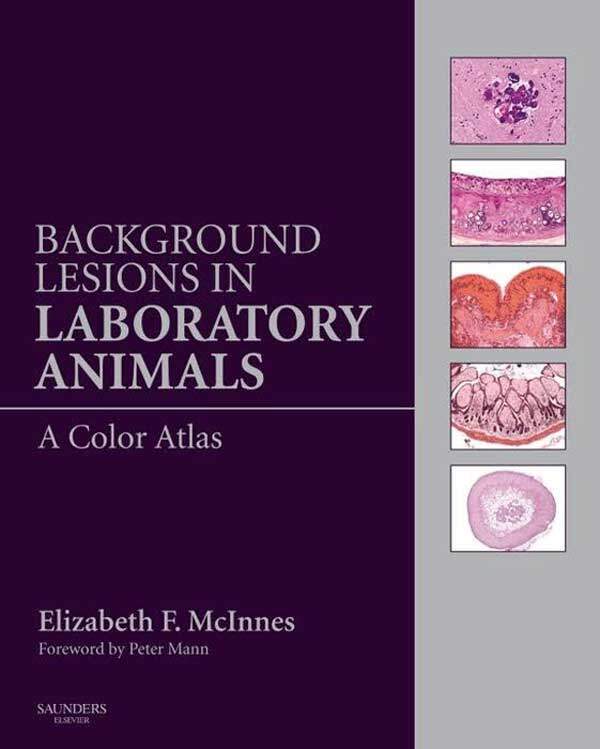
Background Lesions in Laboratory Animals: A Color Atlas

Background Lesions in Laboratory Animals: A Color Atlas

Background Lesions In Laboratory Animals A Color Atlas

By Elizabeth F McInnes and Peter Mann

Background Lesions in Laboratory Animals: A Color Atlas PDF. Background Lesions in Laboratory Animals will be an invaluable aid to pathologists needing to recognize background and incidental lesions while examining slides taken from laboratory animals in acute and chronic toxicity studies, or while examining exotic species in a diagnostic laboratory. It gives clear descriptions and illustrations of the majority of background lesions likely to be encountered. Many of the lesions covered are unusual and can be mistaken for treatment-related findings in preclinical toxicity studies.

The Atlas has been prepared with contributions from experienced toxicological pathologists who are specialists in each of the laboratory animal species covered and who have published extensively in these areas.

  • over 600 high-definition, top-quality color photographs of background lesions found in rats, mice, dogs, minipigs, non-human primates, hamsters, guinea pigs and rabbits
  • a separate chapter on lesions in the reproductive systems of all laboratory animals written by Dr Dianne Creasy, a world expert on testicular lesions in laboratory animals
  • a chapter on common artifacts that may be observed in histological glass slides
  • extensive references to each lesion described
  • aging lesions encountered in all laboratory animal species, particularly in rats in mice which are used for carcinogenicity studies
Table of Contents

Chapter 1 – Non human primates. Cynomolgus monkey (Maccaca fascicularis) and marmoset (Callithrix jacchus)

Chapter 2 – Wistar and CD rat

Chapter 3 – Beagle Dog

Chapter 4 – Mouse

Chapter 5 – Syrian Hamster

Chapter 6 – Minipig

Chapter 7 – Rabbit

Chapter 8 – Artifacts in processed tissues

Chapter 9 – Reproduction of the Rat, Dog, Primate and Pig

Get This Book

This Book is Avaiable for Members

Access this book instantly with a Premium membership

📄 PDF Format
⚡ Instant Delivery
Unlock Premium Access

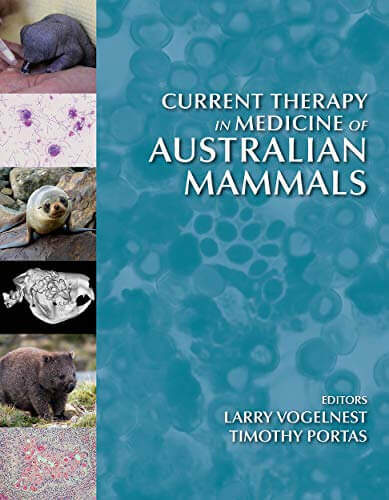
Current Therapy in Medicine of Australian Mammals

Current Therapy in Medicine of Australian Mammals

Current Therapy In Medicine Of Australian Mammals

By Larry Vogelnest and Timothy Portas

Current Therapy in Medicine of Australian Mammals PDF provides an update on Australian mammal medicine. Although much of the companion volume, Medicine of Australian Mammals, is still relevant and current, there have been significant advances in Australian mammal medicine and surgery since its publication in 2008. The two texts together remain the most comprehensive source of information available in this field.
This volume is divided into two sections. The first includes comprehensive chapters on general topics and topics relevant to multiple taxa. Several new topics are presented including: wildlife health in Australia and the important role veterinarians play in Australia’s biosecurity systems; medical aspects of native mammal reintroductions and translocations; disease risk analysis; wildlife rehabilitation practices in Australia with an emphasis on welfare of animals undergoing rehabilitation; management of overabundant populations; immunology; and stress physiology. The second section provides updates on current knowledge relevant to specific taxa. Several appendices provide useful reference data and information on clinical reference ranges, recommended venipuncture sites, chemical restraint agent doses and regimens, a drug formulary and dental charts.
Written by Australian experts, Current Therapy in Medicine of Australian Mammals is clinically oriented, with emphasis on practical content with easy-to-use reference material. It is a must-have for veterinarians, students, biologists, zoologists and wildlife carers and other wildlife professionals. This volume also complements, updates and utilises the resources of other books such as Radiology of Australian Mammals (Vogelnest and Allan 2015), Pathology of Australian Native Wildlife (Ladds 2009), Haematology of Australian Mammals (Clark 2004) and Australian Mammals: Biology and Captive Management (Jackson 2003), all CSIRO Publishing publications.

Table of Contents

Preface
Acknowledgements
List of contributors
SECTION 1 GENERAL TOPICS AND CONDITIONS AFFECTING MULTIPLE TAXA
1 Wildlife health in Australia
2 Veterinary aspects of native mammal conservation translocations
3 Disease risk analysis for wildlife translocations
4 Wildlife rehabilitation practices in Australia
5 Assessment and management of reproduction in Australian monotremes and marsupials;
6 Management of overabundant populations
7 Monotreme, marsupial and bat immunology
8 Stress physiology of Australian mammals
9 Capture, physical and chemical restraint
10 Surgery
11 Pharmacology
12 Dermatology
13 Dentistry
14 Nutrition
15 Paediatrics
16 Zoonoses
17 Antimicrobial resistance
18 Neoplasia
19 Plant and other toxicoses
20 Emerging infectious diseases
21 Toxoplasmosis
22 Mycobacteriosis
23 Marsupial herpesviruses
24 Neural angiostrongyliasis
25 Cryptococcosis
26 Haemoprotozoan parasites
SECTION 2 TAXON-SPECIFIC UPDATES AND TOPICS
27 Platypus
28 Short-beaked echidna
29 Coccidiosis in short-beaked echidnas
30 Macropods
31 Macropod progressive periodontal disease (‘lumpy jaw’)
32 Koala
33 Koala retrovirus
34 Chlamydiosis in koalas
35 Veterinary involvement in the research and management of free-ranging koala populations
36 Wombats
37 Possums and gliders
38 Dasyurids and the numbat
39 Devil facial tumour disease
40 Bandicoots and the greater bilby
41 Bats
42 Hendra virus
43 Rodents
44 Pinnipeds
45 Cetaceans
46 Dugong
Colour plates
Appendix 1. Clinical pathology and physiological values
Appendix 2. Blood collection sites
Appendix 3. Suggested chemical restraint agents, regimens and doses
Appendix 4. Drug formulary Appendix
5. Dentition charts for selected Australian mammal FamiliesAppendix
6. Abbreviations
Index

Get This Book

This Book is Avaiable for Members

Access this book instantly with a Premium membership

📄 PDF Format
⚡ Instant Delivery
Unlock Premium Access

Trends in Veterinary Sciences: Current Aspects in Veterinary Morphophysiology, Biochemistry, Animal Production, Food Hygiene and Clinical Sciences

Trends in Veterinary Sciences

Trends In Veterinary Sciences

By Cristiano Boiti (Editor), Adriana Ferlazzo (Editor), Alberto Gaiti (Editor)

Veterinary science is continuously achieving important developments in all its fields as a result of continuous technological advances in diagnostic tools and applied biology. Trends in Veterinary Sciences PDF contains 33 papers that were selected from those presented at the 65th Congress of the Italian Society for Veterinary Sciences held at Tropea-Drapia in 2011. Trends in Veterinary Sciences: Current Aspects in Veterinary Morphophysiology, Biochemistry, Animal Production, Food Hygiene and Clinical Sciences provides a timely overview of the current progress being made by Italian researchers and is of great value to anyone interested in all fields of veterinary science, both theoretical and applied, ranging from animal health and care to animal production and food hygiene.

Table of Contents

  1. Seasonal Effect on Hematological and Immune Parameters in Sea Bass

  2. Effect of Altitude on Plasma Serotonin Levels in Horses

  3. Identification of Aquaporin 1 in Diplodus sargus

  4. Effect of Dephosphorylation on Donkey Milk Caseins

  5. Sympathetic Ganglia Neurons in the Boar Urinary Bladder Trigone

  6. Stem Cells and Platelet-Rich Plasma for Tendon Regeneration in Sheep

  7. Plasma Fatty Acids in Dogs With and Without Hip Dysplasia

  8. Signaling in Sperm Activation Across Organisms

  9. Tenogenic Differentiation of Ovine Amniotic Stem Cells

  10. Cortisol Changes in Pregnant and Post-Partum Ewes

  11. Papillary and Chordoid Meningioma in the Dog

  12. Antibodies in Pigs Vaccinated Against Porcine Circovirus

  13. Mycobacterium avium in Raw Ovine Milk

  14. Canine Filariosis in Sardinia

  15. Detection of Anti-Toxoplasma gondii in Wild Boars

  16. Trichinelloid Nematodes in Dogs from Liguria

  17. Helminths in Sheep in Southern Italy

  18. Veterinary Drugs and Swimming Activity in Freshwater Organisms

  19. Toxicity of Ostreopsis Ovata Algal Biotoxins

  20. Aflatoxin M1 and Antibacterial Residues in Milk in Kosovo

  21. Heavy Metal Levels in Dog Liver and Kidney

  22. Ultrasonographic Assessment of Lymph Nodes in Puppies

  23. Dietary Protein Effects on Dairy Cow Performance

  24. Exercise-Induced Cardiac Troponin Release in Dogs

  25. A New Erythrocyte Pattern in Dogs (“Quatrefoil”)

  26. Pain Management in Companion Animals: Legal Aspects

  27. TVBN and TMA-N Levels in Stored Sparus aurata

  28. Actin Proteolysis in Dry-Cured Ham

  29. Donkey Milk Food Chain: Quality and Certification

  30. pH Decline and Quality of Calabrian Capocollo

  31. Obesity Incidence in a Canine Population in the USA

  32. Essential Oils in Beef Cattle: Health and Growth Effects

  33. Linseed in Goat Diets and Milk Conjugated Linoleic Acid

Get This Book

File Size 5.83 MB
File Format PDF
Download  link Download Now | Go Premium, Unlock All Books
Useful Links: Support | Browse All Categories
Join Telegram Channel: Telegram

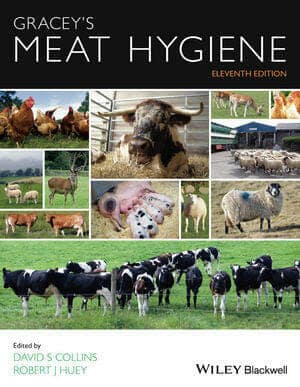
Gracey’s Meat Hygiene, 11th Edition

Gracey’s Meat Hygiene, 11th Edition

Gracey’s Meat Hygiene 11Th Edition

Gracey’s Meat Hygiene, Eleventh Edition is the definitive reference for veterinarians working in meat hygiene control.  This new edition of a classic text reflects the recent significant changes in science, legislation and practical implementation of meat hygiene controls in the UK, Europe and worldwide since the 10th edition was published in 1999.  An excellent practical guide for teaching food hygiene to veterinary students worldwide, in addition to laying the foundations of food animal anatomy, pathology and disease.  New chapters address the increased concern of both the public and inspectors to issues of animal welfare and recognise the role of the profession, and interest from the consumer, in environmental protection.

Key features include:

  • Fully updated new edition, in a refreshed design with colour photographs and illustrations throughout.
  • Includes new content on meat hygiene inspection covering the components of an integrated food safety management system as well as animal health and welfare controls in the ‘farm to fork’ system.
  • A practical approach to health and safety in meat processing is outlined by identifying the hazards and then describing how these can best be controlled.
  • With contributions from veterinary and industry experts, this edition is both a valuable teaching aid and a practical reference for veterinarians and all food business operators and their staff.
Table of Contents

Contributors xi

Preface xiii

Acknowledgements xv

1 The food animals 1

Dietary factors 2

World livestock production 3

UK meat plants and throughputs 4

Cattle 4

Breeds 4

Systems of beef production 6

Growth promoters 7

Definitions 7

Sheep 7

Definitions 9

Pigs 10

Pig breeds 10

Pig breeds in the United Kingdom 11

Pig production 11

Pig meat production 13

Glossary of terms 13

Additional facts 13

Goats 13

Poultry 14

Definitions 14

Rabbits 15

Deer 16

Handling of deer 17

References 17

Further reading 17

Form animal welfare council 17

2 Anatomy 19

Descriptive terms 19

Osteology and arthrology 19

Bones 19

Digestive system 21

Tongue 21

Stomach 22

Mucous membranes 22

Intestines 23

Liver 24

Pancreas (gut sweetbread) 25

Respiratory system 26

Lungs 26

Pluck 26

Circulatory system (heart, arteries, capillaries and veins) 26

Heart 26

Portal circulation 27

Spleen (melt) 27

Lymphatic system 28

Haemal lymph nodes 28

Lymph nodes of the ox 29

Nodes of the head and neck 30

Nodes of the chest and forequarter 30

Nodes of the abdomen and hindquarter 31

Lymph nodes of the pig 33

Head and neck 33

Other nodes 33

Urogenital system 34

Urinary organs 34

Genital organs 34

Kidney 34

Reproductive system 34

Uterus 34

Udder 36

Endocrine system 36

Thymus 36

Adrenal (suprarenal) bodies 36

Testicles (testes) 37

Collection and yield of glands 37

Skin 37

Horns 37

Muscular system 37

Connective tissue 38

Fat 38

Determination of age by dentition 38

Teeth 38

Determination of sex 39

Cattle 39

Sheep 40

Pigs 41

Horse and ox differentiation 41

Debasement of food

(adulteration and substitution) 41

Food tampering 43

References 43

Further reading 43

3 Meat establishment construction and equipment 45

Site 45

Environmental statement 45

Submission of plans 46

Area size 46

Facilities 47

Equipment design 50

Pest control 51

Small abattoir units 51

Lairage 52

Cattle lairage 52

Sheep lairage 52

Pig lairage 52

Deer lairage 53

Clipping or cleaning of livestock 53

Manure disposal 53

Slaughterhall 53

Stunning area 53

Bleeding area 54

Cattle carcase dressing 54

On-the-rail dressing 55

Sheep slaughterhall 56

Pig slaughterhall 57

Singeing and scraping 58

Refrigeration accommodation 58

Detained meat room 59

Condemned meat room 60

Hide and skin store 60

Gut and tripe room 60

Red offal room 60

The edible fat room 61

Cutting rooms 61

Equipment wash 61

Fresh meat dispatch area 61

Vehicle washing 62

General amenities for personnel 62

Veterinary office 62

Treatment of effluent 62

Pollution parameters 63

Treatment 63

Preliminary treatment: Screening, solids and grit removal 63

Secondary treatment 64

Further reading 65

4 Preservation of meat 67

Physical changes in stored meat 67

Chemical changes in stored meat 68

Water activity or water availability (aw ) 68

Meat curing 68

Salt 68

Ingredients used in curing 69

Production of bacon and ham 69

Cutting 70

Application of the pickle 70

Production of cooked hams 71

Traditional dry-cured bacon 71

Alternative dry cure 71

Smoking 71

Common defects in cured meat 71

Micro-organisms on cured product 72

Refrigeration 72

Mechanical refrigeration 72

Chilling of meat 73

Freezing of meat 75

Freeze-drying or lyophilisation 76

Storage of fresh meat 76

Vacuum packing 76

Modified atmosphere packing 76

Refrigerated meat transport and storage 76

Changes in frozen meat 77

‘Weeping’ or ‘drip’ 77

Durability of frozen meat 78

Effect of freezing on pathogenic micro-organisms and parasites 78

Heat: Thermal processing 78

Traditional canning methodology 79

Treatment of food to be canned 79

Canning operations 80

Canning of meats 82

Foods packed in glass 82

Spoilage in canned foods 82

Types of spoilage 83

The public health aspect of canned foods 85

Other methods of meat preservation 86

Antioxidants 86

Preservatives 86

Irradiation 86

Infrared radiation 86

Ultraviolet radiation 86

Ionising radiation 86

High pressure 87

References 87

Further reading 88

5 Plant sanitation 89

Reasons for cleaning and disinfecting plant 89

‘Scotoma effect’ or ‘factory-blindness’ 90

The chemistry of cleaning 90

The soil 91

The substrate: Materials of construction 91

Energies of cleaning 92

Chemical and physical reactions of cleaning 92

Detergents: Design and choice 95

Principles of disinfection 95

Biocidal active components 95

Disinfectants: Design and choice 97

Hygiene equipment and application methods 97

Manual cleaning 98

Foam cleaning 98

Foam and disinfectant application equipment 98

Gels 99

Spray 100

Fogging 100

Knife and cutting tool disinfection during processing 100

Machine washing 102

Cleaning-in-place (CIP) 102

Rinse systems 104

Contamination and re-contamination 105

Air 105

Water 106

People 106

Surfaces 106

Cleaning procedures 106

The cleaning sequence 106

Monitoring of hygiene 108

Training 110

Safety 110

Effluent and external odour control 110

Conclusion 111

Note 111

References 112

6 From farm to slaughter 113

Production of clean, healthy livestock 113

Clean livestock 115

Healthy livestock 117

Safe use of animal medicines 117

Safe disposal of animal waste 117

Animal welfare on the farm 119

Assessment of an animal’s welfare 119

Transportation of livestock 122

Loading and unloading 122

The journey to slaughter 123

EU transport legislation 123

Protection during transport 123

Means of transport 123

Space allowances 123

Duties of transporters 123

Feed, water and rest periods 123

Treatment of sick animals 124

Travel documentation 124

Loss of weight during transport 124

Transport mortality 125

Lairage construction 126

Animal husbandry in the lairage 127

Moving animals within the lairage 127

Social stress 128

Watering 128

Fasting 128

Resting of animals prior to slaughter 129

Pre-slaughter handling and meat quality 129

Stress and the animal 129

Stress and meat quality 130

Pre-slaughter feeding of sugars 131

Traumatic injury 131

Time of bruising 131

Rough handling 132

Presence of horns 132

Temperament 132

Stunning box design 132

Mixing of animals 133

Breed 133

Incentives and education 133

References 133

Further reading 134

7 Humane slaughter 135

Pre-slaughter handling/restraint 136

Cattle movement and restraint 136

Pig movement and restraint 137

The slaughtering process 137

Assessment of unconsciousness at

slaughter 137

Methods of stunning 138

Percussive stunning 138

Head sites for percussive stunning 140

Water jet stunning 142

Carbon dioxide and other gas mixtures 142

Electrical stunning 144

Effect of stunning on meat quality 146

Slaughter of minor species 146

Slaughter of deer 146

Slaughter of ostriches 147

Slaughter of rabbits 147

Other methods of slaughter 147

Slaughter of poultry 148

Electrical stunning of poultry 148

Assessment of unconsciousness in

electrical water bath stunned poultry 149

Stunning/killing poultry with controlled atmospheres 149

Percussive stunning of poultry 150

Other methods of slaughter 150

Effects of stunning on poultry meat quality 150

Pithing 150

Bleeding 151

Cattle 151

Sheep 151

Pigs 152

Efficiency of bleeding 153

Slaughter without pre-stunning 153

Shechita – Jewish religious slaughter 153

Muslim methods of slaughter 156

Slaughter of poultry without stunning 157

References 157

Further reading 158

8 Meat hygiene practice 159

Meat and animal by-products 159

Hygienic production 159

Sources of contamination 159

Outer integument – hide, hair, fleece or skin 159

Gastrointestinal tract 160

Stunning and sticking 160

Physical contact with structures 160

Operatives 160

Equipment and utensils 161

The slaughter hall environment 161

Vermin and pests 161

Chemical contamination 162

Methods of reducing contamination 162

Dealing with the dirty animal 162

Clipping cattle on line 163

Protecting the meat from the worker 163

Good hygiene practice 165

Layout and flow lines 167

Dressing techniques – Removal of hide/fleece/hair 167

Preventing contamination from the gastrointestinal tract 170

Post-slaughter decontamination 172

Water 172

Trimming 173

Chemical treatments 173

Bacteriophages 174

Ultraviolet and pulsed high-intensity light 174

Outputs of the slaughterhouse 174

Treatment of edible co-products 175

Fats 175

Edible fat rendering 176

Stomach and intestines 176

Bones 177

Hides and skins 177

Animal by-products 178

Category 1 178

Category 2 179

Category 3 (can be used for pet food) 180

Materials for technical uses 181

Hygiene requirements for animal by-product processing establishments 183

Rendering processes 183

References 184

9 Meat inspection protocols 185

The case for change 185

The holistic approach 187

Integrated Food Safety Assurance 187

Farm to fork 187

Food chain information 187

Ante-mortem inspection 188

Ante-mortem inspection procedure in the slaughter establishment 189

Practical ante-mortem procedure 190

Emergency slaughter animals 191

Emergency slaughter: The decision on farm 191

Emergency slaughter: The decision

at the slaughter establishment 192

Post-mortem inspection 192

Facilities for post-mortem inspection 192

Carcase identification and traceability 193

Traditional post-mortem inspection 194

Traditional post-mortem inspection of cattle 194

Traditional post-mortem inspection of calves 196

Traditional post-mortem inspection of sheep and goats 196

Traditional post-mortem inspection of pigs 196

Traditional post-mortem inspection of equines 197

Traditional post-mortem inspection of poultry 197

Decisions at post-mortem examination 198

Common post-mortem findings 203

Abscesses 203

Omphalophlebitis 204

Arthritis 204

Oedema 204

Pneumonia and pleurisy 205

Endocarditis 206

Pericarditis 207

Pyelonephritis 207

Bruising 208

Pigmentation 208

Haematogenous pigments 209

Bile pigments 209

Porphyrin 210

Lipofuscin (‘wear-and-tear pigment’, pigment of brown atrophy, lipochrome, haemofuscin) 211

Xanthosis (xanthomatosis, osteohaematochromatosis, brown atrophy) 211

Tumours 211

Classes of tumours 212

Causes of tumours 212

Effect on host 212

Nomenclature of neoplasms 212

Judgement of neoplasia 213

Poor condition/emaciation 213

Contamination 215

Parasitic conditions 215

Ascaris suum 215

Echinococcus granulosus: Hydatidosis and hydatid cyst 215

Taenia hydatigena (known as Cysticercus tenuicollis in larval stage) 216

Taenia ovis (previously known as Cysticercus ovis) 216

Fasciola hepatica: Liver fluke 216

Paramphistomiasis 216

Sarcocystis 216

Courses of action 217

Utilisation of post-mortem data 218

Control of hygienic production 218

Hazard analysis and critical control points (HACCP) 219

Implementation of an HACCP system 219

Worldwide food safety standards 221

References 222

Further reading 222

10 Poultry production, slaughter and inspection 223

Production of poultry 223

Poultry feedingstuffs 225

Poultry flock health 226

Catching and crating 226

Reception and unloading 227

Pre-slaughter inspection 228

Shackling 228

Stunning and slaughter 229

Scalding and defeathering 230

Defeathering 231

Evisceration 232

Chilling 235

Ante-mortem health inspection 237

Post-mortem inspection in the plant 240

Decision of the official veterinarian at the post-mortem inspection 241

General contamination 242

Guidelines on trimming poultry 242

Coliform infections 243

Salmonellosis 243

Campylobacteriosis 244

Chlamydiosis (psittacosis/ornithosis) 245

Miscellaneous conditions 245

Dead on arrival 245

Bruising and fractures 245

Breast blisters and hock burn 246

Ascites 246

Slaughter liver or cholangiohepatitis 246

Fatty liver haemorrhagic syndrome (FLHS) 246

Vices 246

Contamination 247

Decomposition 247

Barking 247

Diseases of the female reproductive system 247

Oregon disease 247

Over-scald 247

Fevered carcases 247

Septicaemia 247

Insufficient bleeding 247

Emaciation 247

Viscera absent 247

References 248

Further reading 248

11 Exotic meat production 249

Rabbits 249

Slaughter 249

Inspection 250

Post-mortem judgements in rabbit meat inspection 250

Zoonoses 251

Guidelines on contamination, missing viscera and trimming 252

Farmed deer 252

Handling and slaughter 252

Park deer 254

Wild deer 254

Killing 254

Ostriches 255

Restraint 256

Stunning 256

Dressing 256

Changes after slaughter 257

Commercial squab production 257

Further reading 257

12 Food poisoning and meat microbiology 259

Part 1: Food poisoning 259

Types of food poisoning 259

Surveillance of food poisoning 259

Laboratory reports of enteric infections 260

Outbreak surveillance 261

General considerations 261

Food-borne pathogens 261

Part 2: Meat microbiology 267

Bacteriological examination of carcases 267

Part 3: Meat decomposition and spoilage 271

Assessment of decomposition 277

Further reading 278

13 Controls on veterinary drug residues in the European Union 279

Legal framework 279

Licensed veterinary medicines 279

Hormones and ß-Agonists 280

Prohibited compounds 280

Unauthorised and unlicensed compounds 281

Regulatory limits: MRLs, MRPLs and RPAs 281

The National Residue Control Plan in EU member states 282

Compound groups 282

Sampling levels for each species 282

Relationship between species and substance to be analysed 283

Testing procedures and performance characteristics 284

Testing procedures 284

CCα and CCβ 285

Sampling of imported food 285

Legal basis for sampling of imports from third countries 285

Frequency of sampling of imports from third countries 285

Interpretation of non-compliant results 285

The Rapid Alert System for Food and Feed (RASFF) 285

Legal basis and description of the RASFF 285

RASFF notification types 286

Notification basis 286

Action taken 286

Distribution status 286

Actions taken following infringements 286

Analytical methods: Technical aspects 287

Method specificity 287

Performance characteristics 288

Method validation 288

Proficiency testing 289

References 289

14 Health and safety in meat processing 291

Accident statistics 291

UK legislation 291

General duties 292

Key topics requiring risk assessment 293

Being struck by hand tools

including knives 293

Musculoskeletal disorders 294

Slips, trips and falls 298

Contact with machinery 298

Transport 301

Falls from a height 301

Substances/microorganisms 302

Zoonoses 303

Specific control measures for zoonoses 303

Animals 310

Noise 310

Cold environment 311

General requirements 312

References 316

Index 319

Get This Book

This Book is Avaiable for Members

Access this book instantly with a Premium membership

📄 PDF Format
⚡ Instant Delivery
Unlock Premium Access

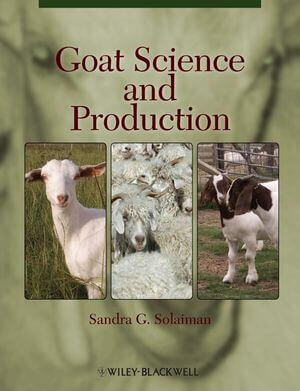
Goat Science and Production

Goat Science and Production

Goat Science And Production

By Sandra G. Solaiman

Goat Science and Production PDF is the first text in several decades to present comprehensive, state of the art information on goat science and production practices from an international perspective.  Including information on meat, dairy, and fiber goats, chapters are organized logically to facilitate fundamental understanding of goat anatomy and physiology as well as practical production applications.

Goat Science and Production begins with an overview of current global production, giving the reader necessary context to enhance subsequent chapters on breed variety, genetics, animal evaluation, and functional anatomy and physiology.  Later chapters expand on these concepts highlighting practical application affecting feeding practices, health and disease management, and housing requirements.  Information on milk, meat, and fiber production is also addressed, along with a key chapter on formulating a business plan and marketing strategy. The book concludes with a thorough discussion on further needs in research and education providing direction for future progress.

Goat Science and Production is globally contributed and provides an essential introduction and reference for students, researchers, outreach personnel, and producers world-wide.

  • Provides current information on science and production of meat, dairy, and fiber goats
  • Reviews domestic and international production systems
  • Discusses environmental impacts of goat production
  • Includes coverage of economics and marketing of goat production
Table of Contents

Foreword ix

Preface xi

Acknowledgments xiii

About the Contributors xv

1 Perspectives on Goats and Global Production 3
C. Devendra and S.G. Solaiman

2 Goat Breeds 21
N.K. Gurung and S.G. Solaiman

3 Conservation of Goat Genetic Resources 39
J.N.B. Shrestha and S. Galal

4 Breeding and Genetics 55
J.N.B. Shrestha and G.H. Crow

5 Animal Evaluation 77
R.A. Ebert and S.G. Solaiman

6 Functional Anatomy of the Goat 89
G.M. Constantinescu and I.A. Constantinescu

7 Applied Reproductive Physiology 139
J. Greyling

8 Digestive Physiology and Nutrient Metabolism 157
S.G. Solaiman and F.N. Owens

9 Ingestive Behavior, Diet Selection, and Feed Intake 179
H. Dove

10 Feeds and Feeding Management 193
S.G. Solaiman

11 Health Management, Diseases, and Parasites 217
J.E. Miller, B.M. Olcott, and G.F. Bath

12 Preferred Management Practices 241
L.J. Dawson

13 Meat Production and Quality 255
K.W. McMillin

14 Milk Production 275
Y.W. Park and G.F.W. Haenlein

15 Fiber Production 293
C.J. Lupton

16 Environmental Enhancement 313
A. Peischel

17 Housing Requirements 323
S.G. Solaiman

18 Business Plan, Production Enterprise, and Marketing Strategy 339
S.G. Solaiman, E. Kebede, and E.M. Aviki

19 Future Needs for Teaching, Research, Extension, and Outreach 359
S.G. Solaiman and G.F.W. Haenlein

Appendices 369

Index 389

Get This Book

This Book is Avaiable for Members

Access this book instantly with a Premium membership

📄 PDF Format
⚡ Instant Delivery
Unlock Premium Access

Gaining The Edge In Pork and Poultry Production: Enhancing Efficiency, Quality and Safety

Gaining The Edge In Pork and Poultry Production: Enhancing Efficiency, Quality and Safety PDF

Gaining The Edge In Pork and Poultry Production Enhancing Efficiency, Quality and Safety

Gaining The Edge In Pork And Poultry Production: Enhancing Efficiency, Quality And Safety Pdf

By J. A. Taylor-Pickard and P. Spring

Gaining The Edge In Pork and Poultry Production: Enhancing Efficiency, Quality and Safety PDF. Globally, pork and poultry production has become an extremely competitive industry. There is now more pork consumed in the world than any other meat, yet there is still intense competition for the industry to attract and retain consumers. Consumers continue to demand safe, high quality pork and poultry products at competitive prices compared to other high protein food alternatives. To ensure sustainability of both the pig and poultry industries, producers must endeavour to seek new technologies to improve production efficiency whilst lowering the cost of production and producing a quality product.

This edited collection of articles is taken from a series of seminars that brought together some of the world’s leading authorities in the field of pig and poultry nutrition and production. The fundamental theme is to re-examine the current trends in productivity within the pig and poultry industries, and to identify nutritional and managerial means to improve competitiveness as well as the quality of the end product. The importance of animal health together with novel strategies for disease control and ways to minimise the environmental impact of pig and poultry production are covered.

‘Gaining the edge in pork and poultry production’ is aimed at nutritionists and animal producers as well as students and researchers studying animal and applied biological sciences.

Table of Contents

Square pegs in round holes: the problems of variable pig performance

Recent developments in energy and amino acid nutrition of pigs

Pork quality: meeting the consumers’ needs

Considerations on the environmental impact of minerals in manure from pigs: strategies to minimise environmental load by nutrition and management

Trace mineral nutrition for the modern genotype

Managing meat production and efficiency: the key to competitiveness in the pig industry

Protein and amino acid nutrition in poultry: impacts on performance and the environment

Producing enzymes on feed ingredients: the solid state fermentation story

A fowl fear: is avian influenza (bird flu) on the leading edge of a global pandemic?

Meeting the demands of the consumer today and tomorrow: trends and lifestyles – with particular reference to food related lifestyles in Britain

Get This Book

This Book is Avaiable for Members

Access this book instantly with a Premium membership

📄 PDF Format
⚡ Instant Delivery
Unlock Premium Access

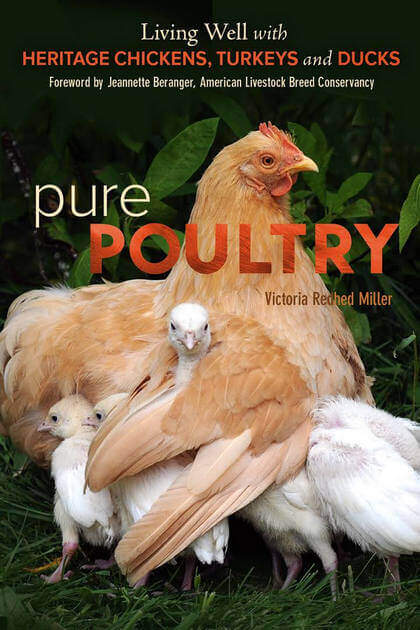
Pure Poultry: Living Well with Heritage Chickens, Turkeys and Ducks

Pure Poultry: Living Well with Heritage Chickens, Turkeys and Ducks PDF

Pure Poultry: Living Well with Heritage Chickens, Turkeys and Ducks

Pure Poultry: Living Well With Heritage Chickens, Turkeys And Ducks Pdf

By Victoria Miller and Jeannette Beranger

Pure Poultry: Living Well with Heritage Chickens, Turkeys and Ducks PDF. Houdan. Nankin. Indian Runner. Naragansett. These may sound like exotic place names or unusual varieties of produce, but each actually refers to one of the many hundreds of lesser-known poultry breeds that tempt the livestock owner who’s prepared to venture into less familiar territory. Providing an alternative to commercial breeds and hybrids, heritage breeds each boast their own unique set of characteristics and personality traits, and are a valuable (and entertaining) addition to a sustainable food system.

Pure Poultry is the first book in nearly a hundred years to focus specifically on heritage breeds of chickens, turkeys, and ducks and their role in a self-reliant lifestyle. This timely, beautifully illustrated resource includes:

  • Detailed guidelines on everything from housing, breeding, and day-to-day care, to processing, cooking, and preserving
  • Much-needed information on using heritage breeds for egg and meat production
  • Tips, inspiration, recommended reading, and additional resources
  • A unique planning worksheet that simplifies the process of starting out with poultry

Brimming with quiet humor, Pure Poultry is an immensely readable “how-to and why-to” based entirely on personal experience—including plenty of lessons learned the hard way. Pure Poultry shows how heritage-breed poultry can enhance and deepen anyone’s quality of life, whether you have a farm, a small backyard, or a neighbor with space to share.

Table of Contents

1. When Good People Get Poultry
2. Another Beautiful Day in Paradise
3. Daydreams
4. A Slippery Slope: Which Comes First, the Chickens or the Homework?
5. A Rooster Called Charlemagne
6. Poultry from Scratch
7. Turkeys Are People Too
but They’re Not Chickens
8. Everybody Look Busy
Here Come the Ducks!
9. Violet, Bumptious and Hampty
10. Heritage Turkeys and Chickens Are More Sustainable, and They Have More Fun
11. “The Mind of a Turkey”
12. Chicken Tractors and Slug Slurpers
13. Hunt and Peck: Putting Natural Foraging Behavior to Work
14. Turkeys and Chickens as Guard Animals?
15. Weasels Are Smaller Than You Think
16. Bobcats with Chicken Breath, and Other Bedtime Stories
17. Keeping the Ducks Safe at Night
18. Turkeys in the Canyon
19. Equal Rights for Unhatched Chicks
20. Keeping Poultry with Other Farmyard (and Backyard) Animals
21. Small Farm New Math: If (Chicken Tractor), Then (Pig Plow)
22. Farm-fresh Eggs: What’s the Big Deal?
23. Duck Eggs Are Delicious, and Great for Baking
24. Slaughtering and Processing Poultry
25. The Best Laid Schemes ..
26. How to Cook Your Heritage Turkey
27. Tastes Like Chicken: Making a Case for Heritage Chickens as Meat Birds
28. Pot Pies and Preservation
29. Egg Money
30. The Bigger Picture: Poultry in the Community
31. Chicken Coop for the Winter-hardy Soul
32. Back to Standard Time, Which the Birds Never Left
33. Warmth
34. Pure Poultry Premise #1: Purebred Birds Are More Sustainable
35. Pure Poultry Premise #2: Shorten the Food Chain
36. Pure Poultry Premise #3: Challenge the “Get Big or Get Out” Adage
37. Pure Poultry Premise #4: Have Fun!
38. Abundance and Gratitude
39. On Being Unplugged
40. Nesting
41. Tomorrow
Appendix A: Poultry from Scratch Worksheet
Appendix B: Resources

Get This Book

This Book is Avaiable for Members

Access this book instantly with a Premium membership

📄 PDF Format
⚡ Instant Delivery
Unlock Premium Access

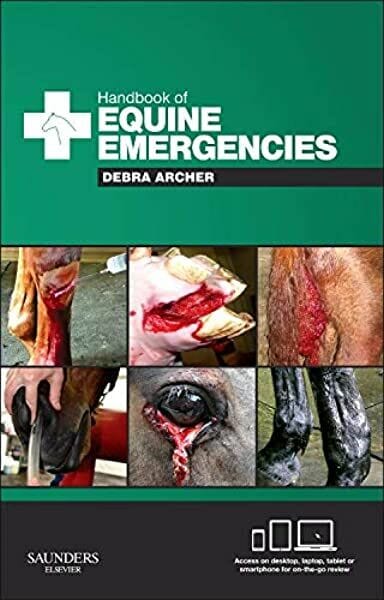
Handbook of Equine Emergencies

Handbook of Equine Emergencies

Handbook Of Equine Emergencies

By Debra Catherine Archer

Handbook of Equine Emergencies PDF is a concise, easy-to-follow practical guide to how to deal with a range of equine emergencies likely to be encountered by clinicians both in the UK and abroad. It is primarily aimed at new graduates and veterinarians who do not deal with equine emergencies on a regular basis, but will also appeal to more experienced equine practitioners who want a quick update on a specific subject area or practical technique.

  • Suitable for all veterinary clinicians seeing horses
  • Concise and practical layout and content
  • Videos, audio, text summaries and images all accessible via your mobile device
  • More than 150 full colour unique images
Table of Contents

Chapter 1 The Basics

Chapter 2 Wounds And Other Integumentary Emergencies

Chapter 3Musculoskeletal Emergencies

Chapter 4 Oral & Gastrointestinal Emergencies

Chapter 5 Respiratory Emergencies

Chapter 6 Ophthalmic Emergencies

Chapter 7 Neurological Emergencies

Chapter 8 Reproductive Emergencies

Chapter 9 Urinary Tract Emergencies

Chapter 10 Cardiovascular Emergencies

Chapter 11 Hepatic, Endocrine And Metabolic Emergencies

Chapter 12 Emergencies In Foals

Chapter 13 Emergencies In Donkeys And Mules

Chapter 14 Iatrogenic Emergencies

Chapter 15 Infectious Diseases

Chapter 16 Poisoning, Bites And Stings

Chapter 17 Other Specific Emergency Situations

Chapter 18 Other Essentials

Chapter 19 How To…

Abbreviations and Symbols

Index

Get This Book

This Book is Avaiable for Members

Access this book instantly with a Premium membership

📄 PDF Format
⚡ Instant Delivery
Unlock Premium Access

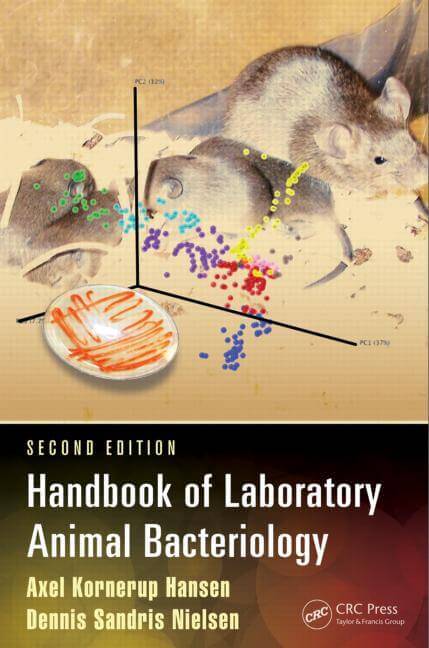
Handbook of Laboratory Animal Bacteriology, 2nd Edition

Handbook of Laboratory Animal Bacteriology, 2nd Edition

Handbook Of Laboratory Animal Bacteriology 2Nd Edition

By Axel Kornerup Hansen and Dennis Sandris Nielsen

The Handbook of Laboratory Animal Bacteriology 2nd Edition PDF provides comprehensive information on all bacterial phylae found in laboratory rodents and rabbits to assist managers, veterinary pathologists and laboratory animal veterinarians in the management of these organisms. The book starts by examining the general aspects of bacteriology and how to sample and identify bacteria in animals. It then describes the most relevant species within each phylum and discusses the impact they may have on research. Emphasizing those bacteria known to interfere with research protocols, the book offers methods for isolation and differentiation among related bacteria. It discusses where to purchase reagents for rodent bacteriology and outlines standards for safety in a bacteriological laboratory.

Highlights of the second edition:

  • Focuses on modern sequencing techniques based on molecular identification
  • Reorganizes content according to modern systematics based on new identification methods
  • Presents new chapters on mechanisms behind bacterial impact on animal models and on the systematic classification of bacteria
  • Provides information on a range of bacteria interfering with animal models for human disease, not only for those bacteria which cause disease in laboratory animal colonies
  • Includes new figures in color and with enhanced resolution

The book is essential reading for those interested in the management of organisms known to interfere with the colony health of rabbits and rodents used in research protocols—including facility managers, clinical veterinarians, veterinary pathologists, and researchers.

Table of Contents

Laboratory animal bacteriology: The past, the present, and the future
Sampling animals for bacteriological examination
Cultivation and identification of bacteria
Immunological methods
Molecular biology-based methods for microbiota characterization
Mechanisms behind bacterial impact on animal models
Systematic classification of bacteria
Firmicutes
Bacteroidetes
Proteobacteria
Actinobacteria
Spirochaetae
Verrucomicrobia, Deferribacteres, Fusobacterium, and TM7
Appendix A: Producers of reagents for laboratory animal bacteriology
Appendix B: Biosafety levels for microbiological laboratories
Appendix C: Media buffers and reagents commonly applied in
laboratory animal bacteriology
Index

Get This Book

This Book is Avaiable for Members

Access this book instantly with a Premium membership

📄 PDF Format
⚡ Instant Delivery
Unlock Premium Access

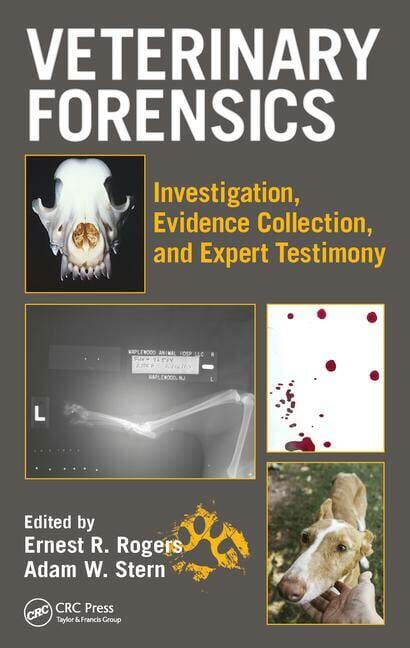
Veterinary Forensics – Investigation, Evidence Collection, and Expert Testimony

Veterinary Forensics – Investigation, Evidence Collection, and Expert Testimony

Veterinary Forensics Investigation Evidence Collection And Expert Testimony

Veterinary Forensics: Investigation, Evidence Collection, and Expert Testimony will provide anyone involved in an investigation of an animal involved crime or civil action with the knowledge and tools that can give guidance for their actions in completing a forensic investigation.

All 50 U.S. states, and numerous countries around the world, have laws against animal abuse and cruelty. Law enforcement agents, veterinarians, the judiciary, attorneys and forensic scientists may be involved in cases of animal cruelty, neglect or human crimes that may have an animal element. Additionally, the animal can be the victim, suspect or in some instances the witness of a crime. Given that acquittal or conviction is dependent upon the nature and veracity of the evidence, the quality of the evidence in an animal-related crime investigation must be beyond reproach.

The book begins with a discussion of animal abuse and crimes against animals, crime scene investigation, and, from there, discusses various types of forensic examinations of the animal, culminating in a review of the judicial system and testimony in a court of law. All contributing authors are practicing professionals in law, veterinary medicine, and the private sector who provide current, best-practice evidence collection and forensic techniques. Chapters provide in-depth detail about the forensic clinical examination and forensic necropsy of small and large animal species, forensic radiology, forensic toxicology, bitemark analysis and animal behavior. Various, relevant forensic disciplines such as bloodstain pattern analysis, DNA analysis, animal sexual abuse, agroterrorism, animal hoarding, ritual crimes against animals, and animal fighting are discussed.


  • Presents established and accepted police techniques in animal crime scene investigation including identification, documentation and packaging of physical evidence and scene photography and videography
  • Includes essential techniques to collect and preserve biological and DNA evidence for animal DNA testing
  • Review of the forensic clinical examination and forensic necropsy of small and large animals
  • Provides methods of evidence presentation in the courtroom, the nature of court room testimony, and the development of an expert report

Veterinary Forensics: Investigation, Evidence Collection, and Expert Testimony fills the void of applied, real-world investigative techniques for the collection and presentation of veterinary forensic medical and scientific information. It will be a welcome reference to both the student and professional in the understanding all relevant evidentiary, investigative, and legal elements of the discipline.

Table of Contents

1. An Introduction to Animal Abuse and Associated Human Behaviors

[Ernest Rogers]

2. Crime Scene Investigation

[Kevin Parmalee]

3. Videography: A New Tool in Animal Cruelty Investigations

[Debra Teachout]

4. Bloodstain Pattern Analysis

[Anita Zannin]

5. Forensic Physical Examination of the Cat and Dog

[Jennifer Woolf and Julie Brinker]

6. Forensic Physical Examination of Large Animals

[Janice Kritchevsky]

7. The Forensic Necropsy

[Adam W. Stern and Mee-Ja Sula]

8. Postmortem Changes and the Estimation of Time Since Death

[Jason W. Brooks]

9. Veterinary Forensic Radiology and Imaging

[Elizabeth Watson]

10. Bitemarks: Examination and Analysis

[Katherine E. Kling and Adam W. Stern]

11. DNA Evidence Collection and Analysis

[Kristen M. Webb]

12. Animal Behavior for the Forensics Specialist

[Elizabeth Stelow and Melissa Bain]

13. Veterinary Forensic Toxicology

[Ernest Rogers]

14. Animal Sexual Abuse

[Adam W. Stern and Martha Smith-Blackmore]

15. Agroterrorism

[Ernest Rogers]

16. The Judicial System

[Jon-Henry Barr]

17. Expert Witness Testimony and Report Writing

[Ernest Rogers and Adam W. Stern]

Get This Book

This Book is Avaiable for Members

Access this book instantly with a Premium membership

📄 PDF Format
⚡ Instant Delivery
Unlock Premium Access