Home Blog Page 92

Dog Breeding, Whelping and Puppy Care

Dog Breeding, Whelping and Puppy Care

Dog Breeding, Whelping And Puppy Care Pdf Download

By Gary England

Dog Breeding, Whelping and Puppy Care is a practical and up-to-date guide to canine reproduction for dog breeders, veterinarystudents and veterinary surgeons. Written in an easy-to-use style and presented in a practically useful format with clear illustrations.  The information is supported by references from the author’s published work and his wealth of clinical experience to form the important authoritative text in this field.  A vital aid to those seeking an understanding of normal and abnormal reproduction as well as common reproductive techniques.

Dogs For Dummies 2Nd Edition

Recommended Book:
Table of Contents

Table of Contents:

Section 1: Breeding, Reproduction and Care of the Normal Animal 

1. Care of the Juvenile, Genetics and Planning of Breeding

2. Anatomy of the Female

3. Physiology of the Female

4. Endocrinology of the Female

5. Clinical Examination of the Female

6. Anatomy of the Male

7. Physiology of the Male

8. Endocrinology of the Male

9. Normal Mating

10. Clinical Examination of the Male

11. Fertilization and the Optimal Breeding Time

12. Pregnancy and Lactation

13. Pregnancy Diagnosis

14. Normal Whelping

15. Care of Neonatal Puppies

Section 2: Abnormalities of Reproduction and the Perinatal Period 

16. Abnormalities of the Female

17. Abnormalities of the Male

18. Intersex Animals

19. Abnormal Female Physiology and Endocrinology

20. Abnormal Male Physiology and Endocrinology

21. Abnormal Pregnancy

22. Abnormal Parturition and Problems After Whelping

23. Care of the Sick Neonate

24. Approach to Infertility Cases

Section 3: Control of Reproduction and Reproductive Technologies 

25. Hormonal Contraception

26. Surgical Neutering

27. Pharmacological Control of Reproduction

28. Reproductive Biotechnology

Index

Get This Book

This Book is Avaiable for Members

Access this book instantly with a Premium membership

📄 PDF Format
⚡ Instant Delivery
Unlock Premium Access

Monitoring and Intervention for the Critically Ill Small Animal, The Rule of 20

Monitoring and Intervention for the Critically Ill Small Animal, The Rule of 20

Monitoring And Intervention For The Critically Ill Small Animal, The Rule Of 20 Pdf Download

By ebecca Kirby and Andrew Linklater

Monitoring and Intervention for the Critically Ill Small Animal: The Rule of 20 offers guidance for assessing the patient, interpreting diagnostic test results, and selecting appropriate monitoring procedures.Based on Rebecca Kirby’s time-tested Rule of 20, with a chapter devoted to each item on the checklist Provides comprehensive guidance for monitoring a critically ill small animal patient Emphasizes the interplay of each parameter with one another Designed for fast access on the clinic floor, with potentially life-saving ideas, tips, lists and procedures Presents tables, schematics, algorithms, and drawings for quick reference.

Table of Contents

Table of Contents:

  1. Introduction to SIRS and the Rule of 20
  2. Fluid Balance
  3. Blood Pressure
  4. Albumin and Colloid Osmotic Pressure
  5. Glucose
  6. Electrolytes
  7. Acid–Base Status
  8. Oxygenation and Ventilation
  9. Coagulation
  10. Red Blood Cells and Hemoglobin
  11. Heart Rate, Rhythm, and Contractility
  12. Neurological Status
  13. The Renal System
  14. White Blood Cells, Immune Status, and Antimicrobial Stewardship
  15. Gastrointestinal System Motility and Integrity
  16. Nutritional Status
  17. Temperature
  18. Drug Selection and Dosing Regimens
  19. Pain Management
  20. Veterinary Nursing Care
  21. Wounds and Bandages
  22. Anesthesia of the Critical Patient

Get This Book

This Book is Avaiable for Members

Access this book instantly with a Premium membership

📄 PDF Format
⚡ Instant Delivery
Unlock Premium Access

8 Pros and Cons of Being a Vet Tech You Should Know

Pros And Cons Of Being Veterinary Technician

Pros and Cons of Being a Vet Tech. Veterinary technicians are an essential part of the team carrying out the veterinary practices. They provide doctors with the much-needed help and assistance that allows them to do their job more effectively. Yet, despite this being such an important role, many people don’t know about what it takes to be one. In this article, we’ll discuss why you should become a vet technician, as well as some pros and cons that come with the profession.

Free Download: Small Animal Pathology for Veterinary Technicians eBook

The Pros Of Becoming A Veterinary Technician

The perks of pursuing the field of a veterinary technician include:

1. Working With Animals

It is an excellent job if you love animals. You will learn about animal care, anatomy, and physiology. Working closely with your supervisor can teach you many skills, such as how to get an animal comfortable during procedures or to assist in surgery when needed.

2. Secure Career

Veterinary technicians are vital members of any veterinary team. They keep things running smoothly by handling all aspects of patient care and administrative duties, and there is room for growth within this profession. It makes it very secure career-wise!

3. Educational Role

Veterinary technicians are in a unique position to educate the public about animal health. You’ll have extensive knowledge of how animals live and work closely with veterinarians to explain veterinary practices to clients.

4. Room for Advancement

There is room for advancement within this career path and opportunities for becoming technicians at different levels taking on leadership roles, being involved in research initiatives, and more!

Veterinary Books

The Cons Of Becoming A Veterinary Technician

The downsides of the career choice include:

1. Euthanasia

Veterinary technicians often have to carry out euthanasia. It can be very stressful and is something that should not be done without the right mindset. Sometimes, animals may not react how you expect them to when they are put down, leading to injury on either side of the situation.

2. Dangerous Situations

Many accidents happen every day as part of being a veterinary technician. It’s not uncommon for a vet to have stitches or bites on their hands after the shift because they were bitten by an animal in the office undergoing surgery.

3. Stressful Situations

If you’re someone who doesn’t do well with stressful situations, this may not be the right profession. Veterinary technicians are often exposed to many different animals, which can mean everything from new species to rare breeds of dog or cat that they’ve never seen before and have no experience working with. It means there is a lot more uncertainty regarding what might happen next during an appointment.

4. Unpredictable Animals

Depending on what type of animal you’re going to see, it can be unpredictable as far as knowing how they will behave. For example, some dogs may not react well when getting their nails clipped and biting the technician or other animals.

Summing Up

Therefore, there are many perks and downsides to being a veterinary technician. The best thing for you is to think about what might make the most sense for your career and life goals. If you’ve decided to go on and start your career, take a look at the popular Books For Vet Techs You Have To Read.

Tip

Do You Want To Increase Your Veterinary Knowledge and Practical Skills?

You Can Now Browse and Download +3000 Veterinary Books Online In All Veterinary Fields.

Browse All Veterinary Books

All About Veterinary Nursing: An Introduction

All About Veterinary Nursing

All About Veterinary Nursing

All About Veterinary Nursing: An Introduction. Veterinary nurses are an essential part of the vet teams. They help provide supportive care to animals undergoing treatment and work closely with veterinarians in providing diagnostic tests, performing minor surgical procedures, and medical therapies under their direction. It is a career that requires you to be compassionate and caring while also being very knowledgeable in the veterinary field.

Veterinary Books

Main Duties of Veterinary Nurses

Sometimes veterinarians work in tandem with Veterinary nurses to help their patients and support the doctors. Veterinary nurses are a vital part of every vet clinic because they can be relied on to manage many tasks. For example, preparing pets for surgery through recovery post-op.

  1. They also play an essential role during critical operations such as euthanizing animals.
  2. Also, they assist vets who need assistance scrubbing up before entering into operation theatre where surgical procedures take place.
  3. During emergencies, it’s likely that a nurse will assist veterinarians during procedures. For example, bandaging wounds or fractures while helping them by holding onto surgical instruments too!
  4. With all this going on, it’s not surprising that they will carry out consultations to assess pets’ health needs and administer fluids/medications when needed.
  5. It can be done by observing vital signs such as temperature, respiration rates (how quickly they breathe), pulse rate, and pain levels.
  6. The nurse may also be tasked with carrying out diagnostic tests on animals like blood samples or urine samples.
  7. Alongside this, the responsibilities will include educating pet owners about nutrition and preventative care. Also, they provide essential behavioral advice for their pets.

Some other medical responsibilities of the nurses include:

Animal nursing and care, anesthesia, analysis of laboratory specimen, radiographic imaging (x-ray), dental prophylaxis, nutritional management, and physical therapy

Veterinary nurses spend their days caring for animals and ensuring that they remain healthy. The field of veterinary nursing is a growing and exciting career choice for those who care about animals. Due to a growing demand for animal care professionals, there is plenty of opportunity in this field. There are excellent job prospects available to them.

Veterinary Nursing Training

To become a veterinary nurse, you will need to meet the minimum entry requirements set by your chosen organization or institute. The process is typically done through a college or university that offers accredited qualifications from RCVS. As a prospective student in veterinary medicine, one must enroll with the RCVS to legally undertake specific procedures.

The RCVS expects the student nurses to met competencies and skills while registering and submitting the application. It is so that the public’s interest in animal health can be protected, along with their welfare.

Tip

We Have Useful Books That Will Help You In Your Career Path.

Browse and Download A lot of Books For Vet Nurses Now.

Browse Vet Nursing Books PDF

Summing Up

Veterinary nurses are the backbone of any veterinary practice. They provide medical care for animals in a way similar to how human nurses work with doctors, but they also have significant knowledge about pet health and welfare due to their extensive education on animal medicine.

With so much responsibility involved within clinics and at home, veterinarians often instruct families on essential healthcare practices. If you’re aiming to pursue the career, have a look at The Consulting Veterinary Nurse” for in-depth knowledge.

Small-Animal Spect Imaging

Small-Animal Spect Imaging

Small-Animal Spect Imaging Pdf Download

By Matthew A. Kupinski and Harrison H. Barrett

Small-Animal SPECT Imaging offers a comprehensive overview of the cutting edge imaging tool that can aid in drug development, drug research, molecular imaging, and imaging science. It represents contributions of the world’s leading researchers in small-animal SPECT imaging, providing coverage from the basic physics of SPECT imaging to animal studies. Important integrated sections on animal handling, image quality assessment, and reconstruction algorithms are included, allowing its audience to design and run their own studies.

Small-Animal SPECT Imaging is aimed at researchers performing imaging to study the effects of drugs, molecular agents, and treatments, including molecular imaging scientists, imaging scientists; nuclear medicine researchers, and all those interested in the application of SPECT systems in the areas of cancer research, cardiovascular research, and gene therapy

Features

Features:

  • Scintillation and semiconductor detector technologies
  • Digital signal processing techniques
  • System modeling and reconstruction algorithms
  • Animal monitoring and handling, including anesthesia issues
  • Applications of small-animal imaging
  • Detailed sections on animal handling, image assessment, and reconstruction algorithms -allow readers to implement their own tailored studies

Table of Contents

Table of Contents:

  1. Biomedical Significance of Small-Animal Imaging
  2. Detectors for Small-Animal SPECT I
  3. Detectors for Small-Animal SPECT II
  4. The Animal in Animal Imaging
  5. Objective Assessment of Image Quality
  6. SPECT Imager Design and Data-Acquisition Systems
  7. Computational Algorithms in Small-Animal Imaging
  8. Reconstruction Algorithm with Resolution Deconvolution in a Small-Animal PET Imager
  9. Estimates of Axial and Transaxial Resolution for One-, Two-, and Three-Camera Helical Pinhole SPECT
  10. Pinhole Aperture Design for Small-Animal Imaging
  11. Comparison of CsI(Ti) and Scintillating Plastic in a Multi-Pinhole/CCD-Based Gamma Camera for Small-Animal Low-Energy SPECT
  12. Calibration of Scintillation Cameras and Pinhole SPECT Imaging Systems
  13. Imaging Dopamine Transporters in a Mouse Brain with Single-Pinhole SPECT
  14. A Micro-SPECT/CT System for Imaging of AA-Amyloidosis in Mice
  15. Feasibility of Micro-SPECT/CT Imaging of Atherosclerotic Plaques in a Transgenic Mouse Model
  16. Effect of Respiratory Motion on Plaque Imaging in the Mouse Using Tc-99m Labeled Annexin-V
  17. Calibration and Performance of the Fully Engineered YAP-(S)PET Scanner for Small Rodents
  18. A Small-Animal SPECT Imaging System Utilizing Position Tracking of Unanesthetized Mice
  19. A Multidetector High-Resolution SPECT/CT Scanner with Continuous Scanning Capability
  20. High-Resolution Multi-Pinhole Imaging Using Silicon Detectors
  21. Development and Characterization of a High-Resolution MicroSPECT System for Small-Animal Imaging
  22. High-Resolution Radionuclide Imaging Using Focusing Gamma-Ray Optics
  23. SPECT/Micro-CT Imaging of Bronchial Angiogenesis in a Rat
  24. Projection and Pinhole-Based Data Acquisition for Small-Animal SPECT Using Storage Phosphor Technology
  25. Cardiac Pinhole-Gated SPECT in Small Animals

Get This Book

This Book is Avaiable for Members

Access this book instantly with a Premium membership

📄 PDF Format
⚡ Instant Delivery
Unlock Premium Access

How to Build a Loyal Client In Your Veterinary Practice

How to Build a Loyal Client In Your Veterinary Practice

How To Build A Loyal Client Database

How to Build a Loyal Client Database. There are a few of the reasons why client loyalty is important in the veterinary field. These include:

  • Clients always have a choice. They will happily travel some distance to
    find a better experience for their pet.
  • A better experience makes everyone’s job easier. Customer satisfaction
    leads to happier, more accommodating patients. This can make it easier
    to deliver bad news, while mix-ups and errors are easier to understand.
    Overall, the practice benefits from a smooth client experience.
  • A client who is confident in the treatment your practice provides to their pet
    is going to talk about their experience. This leads to more word-of-mouth
    referrals, which means more patients and a higher profile.
Veterinary Books

Providing a Better Client Experience

Given the benefits of a loyal clientele, how can practices work to provide a better client experience? Ensure you and your team can empathize with your clients as well as your patients. Make sure they feel comfortable and respected. Keep waiting times to a minimum. While sometimes we have to react to an emergency, or there are strains on staff levels, always remember that for clients in the waiting room who are worried about their pets’ health, any delay can seem like forever. Make sure your reception staff are empowered to come out from behind their desk and keep clients updated, and are comfortable chatting to clients. Get social. Most of your clients will be using social media on a regular basis. Post regularly on social media, and encourage your clients to engage with your practice profile. Your posts can show your personal side, which can help you to get to know your clients and their pets better. Encourage your team to get involved on a personal level.

You should bear in mind, however, that social media is a two-edged sword. You should think about whether:

  1. you or your employees are breaching client confidentiality
  2. all your employees understand that they are expected to follow any equal opportunities, anti-bullying, or diversity policies your practice has.

Remember, if any employee of your business posts something that breaches client confidentiality, or contravenes equal opportunities legislation, you as their employer can be held liable.

I would recommend having a social media policy, which explicitly lays out what is expected from employees who use social media. The policy applies even when somebody is using social media outside of work, and using their own device.

Provide more information to your clients. Information and transparency can make any client interaction more pleasant. If a client feels like they aren’t being kept fully informed, they can become more distrustful.

If they feel confused by what they’ve been told, they may leave feeling neglected, or worse still they may not follow recommendations properly. While clients may not understand the technical or biological complexities of their pets’ health, they are still invested in knowing what’s going on with their pets’ conditions.

Make it personal. Look your clients in the eye when talking to them, listen to what they have to say, and make sure your team knows about the importance of these personal touches, which can make a positive difference to your clients.

The most important thing for most clients is that they know you care about them and their pets.

How are you gaining new clients?

When a new client registers, ask where they heard about your practice. It can be very illuminating to analyze how you are gaining new clients.

The most typical referral sources can include:

• existing clients/word of mouth;
• social media;
• advertising; and
• other professionals/networking.

That a typical practice can typically win over 50% of new clients through
word of mouth should come as no surprise.

What about networking?

We all know the importance of attending veterinary events throughout the year. They are a chance to catch up on the latest innovations, to reconnect about business networking? Love it or hate it, networking is a useful tool in building up your profile and embedding your practice in the local business community.

Networking can help you build long-term relationships. This doesn’t happen overnight. It’s unrealistic to think you can walk into a room, hand out your business card and then sit back and wait for clients to knock at your door. Trusted relationships take months to build.

It’s a truism that people buy from people they like. This is equally, if not more, true with veterinary clients. Networking contacts are also far more likely to refer your practice to friends and colleagues if they know and trust you on a personal level.

Networking can also be fun! From informal drinks to a day at the races or a dinner, it’s not all shop talk. Once you’re in the swing of things, you can help other people connect with each other too. This will definitely make you a popular person to connect with!

Of course, there are some cons to take into account with business networking. It can prove expensive, especially if you have to pay membership fees. This is another reason to keep track of how new clients found out about your practice: so you can see if these costs are outweighed by the new business you win.

Breakfast or evening meetings may not fit in with surgery times or indeed family life. You will have to find meetings that can work around your other commitments.

Not everyone enjoys networking. If you’re introverted or shy, it can be a real slog. You could consider asking a more gregarious colleague to get involved, or you might find that if you persevere, it becomes easier as you get to know your fellow networkers.

There are a lot of networking groups available. Test out some groups and find the ones that work for you. It’s better to regularly attend meetings of a few groups than join loads and then rarely turn up.

In summary, a growing client database is built on relationships. Your team, your network, your online community are all going to help grow your business.

Tip

Do You Want To Increase Your Veterinary Knowledge and Practical Skills?

You Can Now Browse and Download +3000 Veterinary Books Online In All Veterinary Fields.

Register Now

Small Animal Spinal Disorders: Diagnosis and Surgery 2nd Edition

Small Animal Spinal Disorders: Diagnosis and Surgery 2nd Edition

Small Animal Spinal Disorders: Diagnosis And Surgery 2Nd Edition Pdf Download

By Nicholas Sharp and Simon Wheeler

Small Animal Spinal Disorders: Diagnosis and Surgery 2nd Edition Updated to keep pace with the cutting edge of technology, the new edition of this essential text has been reorganized and expanded. The broad scope of spinal disorders is covered, along with an abundance of color and black-and-white illustrations. Its well-organized approach begins with chapters on relevant anatomy and clinical examination, proceeding to delve into the most updated diagnosis, differential diagnosis, and pre-operative diagnostic aids, concluding with the review of each spinal disorder.

Features

  • This edition moves from an atlas-style presentation to that of a fully illustrated text.
  • Lengthy figure legends have been replaced with shorter, easier-to-digest figure legends.
  • 50 new color prints and line figures enhance coverage on new spine surgery techniques.
  • A description-rich presentation of surgical procedures, outcomes, and complications makes this edition a vital resource for every clinical practice.

Table of Contents

Table of Contents:

1. Functional Anatomy

2. Patient Examination

3. Diagnosis and Differential Diagnosis

4. Diagnostic Aids

5. Instrumentation

6. Pre-operative Assessment

7. Cervical Disc Disease

8. Thoracolumbar Disc Disease

9. Atlantoaxial Subluxation

10. Lumbosacrial Disease

11. Caudal Cervical Spondylomyelopathy

12. Neoplasia

13. Trauma

14. Miscellaneous Conditions

15. Post-operative Care

Glossary of Acronyms
Index

This Book is Avaiable for Members

Access this book instantly with a Premium membership

📄 PDF Format
⚡ Instant Delivery
Unlock Premium Access

Invertebrate Zoology: A Tree of Life Approach

Invertebrate Zoology: A Tree of Life Approach PDF

Invertebrate Zoology A Tree Of Life Approach Book Cover

By Bernd Schierwater, Rob DeSalle

Invertebrate Zoology: A Tree of Life Approach is a modern and authoritative textbook that presents invertebrate zoology within a clear phylogenetic framework. It preserves the foundations of classical morphology and anatomy while integrating recent advances in phylogenomics, next-generation sequencing, and evolutionary developmental biology (evo-devo).

The book explains how molecular data reshaped invertebrate classification and evolutionary relationships, offering a structured overview of major invertebrate lineages. It is widely used as an academic reference and textbook for undergraduate and graduate students in zoology, biology, and evolutionary sciences.

  • Integrates classical morphology with modern phylogenetic and evo-devo approaches
  • Reflects the latest understanding of invertebrate phylogeny and classification
  • Provides essential background in systematic and biodiversity studies
  • Includes supplementary teaching and learning materials such as figures and lecture resources
Table of Contents

The following table of contents outlines the full structure of the book, from early metazoan evolution to modern invertebrate systematics.

  • Prologue
  • Introduction to Invertebrate Zoology
  • How to Study Invertebrates
  • Invertebrate Phylogenomics
  • Modern Invertebrate Systematics: The Phylogenetics of Early Metazoa
  • Organizing Invertebrates
  • Introduction to the Invertebrate Tree of Life
  • Choanoflagellata and Others
  • Placozoa
  • Porifera
  • Ctenophora
  • Cnidaria
  • Scyphozoa
  • Anthozoa
  • Hydrozoa
  • Myxozoa
  • Bilateria
  • Platyhelminthes
  • Chaetognatha
  • Gastrotricha
  • Rotifera
  • Gnathostomulida, Micrognathozoa and Cycliophora
  • Lophotrochozoa
  • Mollusca
  • Annelida
  • Ectoprocta and Phoronida
  • Nemertea
  • Acanthocephala
  • Entoprocta
  • Ecdysozoa
  • Crustacea
  • Hexapoda
  • Chelicerata
  • Myriapoda
  • Onychophora
  • Nematoda
  • Tardigrada
  • Nematomorpha, Priapulida, Kinorhyncha
  • Deuterostomia
  • Echinodermata
  • Xenoturbellida
  • Chordata – Invertebrate Chordates
  • Epilogue

Get This Book

This Book is Avaiable for Members

Access this book instantly with a Premium membership

📄 PDF Format
⚡ Instant Delivery
Unlock Premium Access

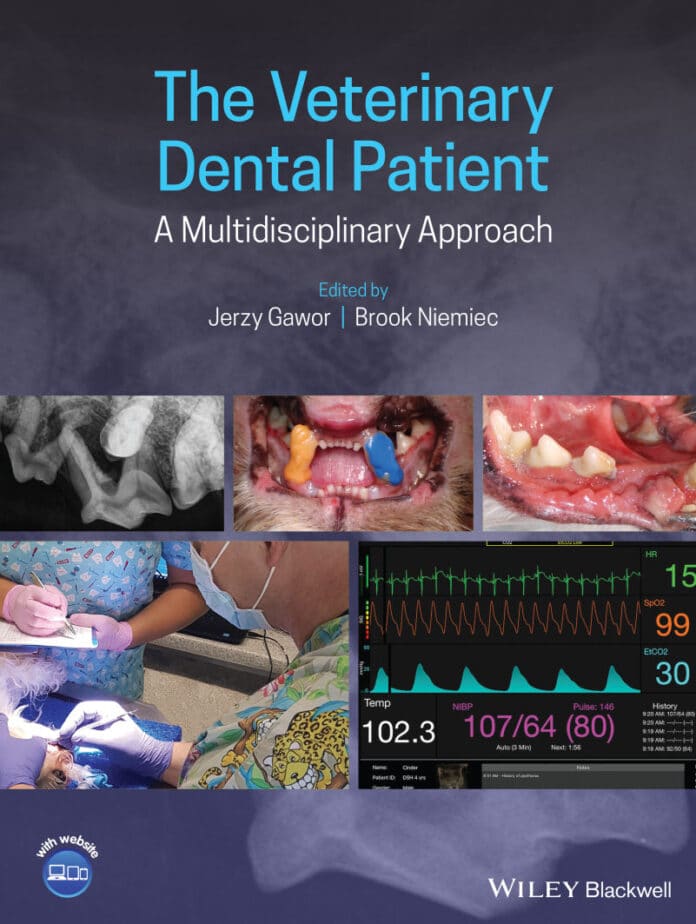
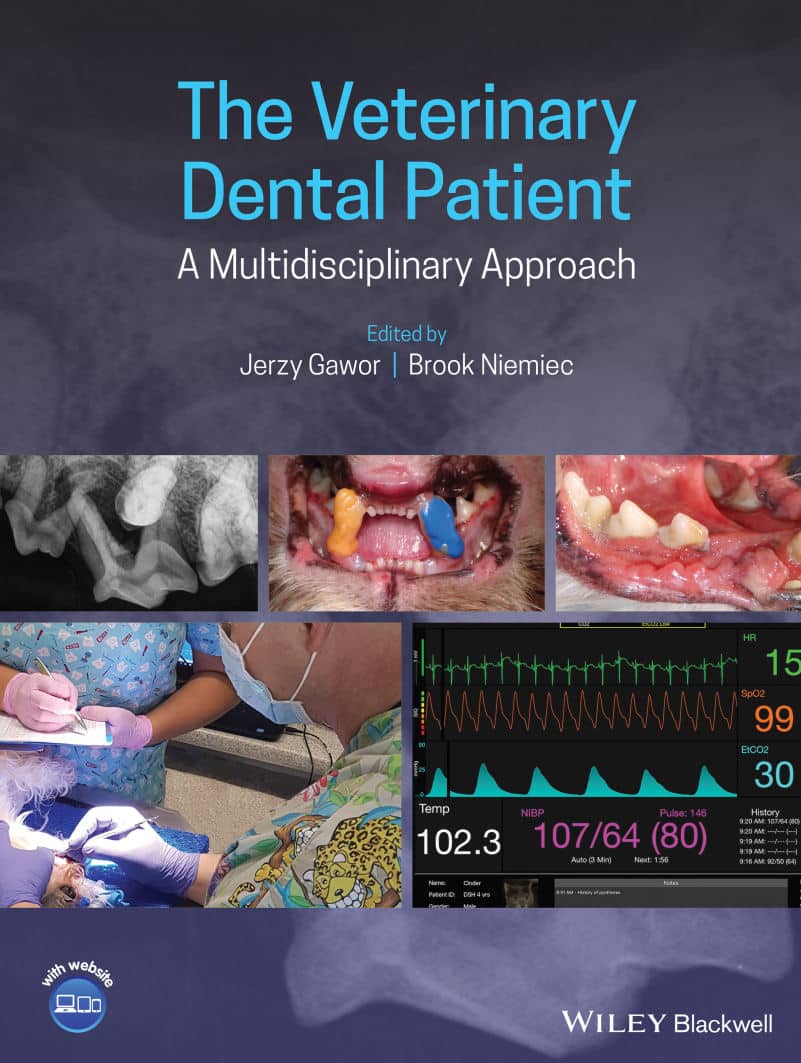
The Veterinary Dental Patient: A Multidisciplinary Approach

The Veterinary Dental Patient: A Multidisciplinary Approach

The Veterinary Dental Patient: A Multidisciplinary Approach Pdf Download

By Jerzy Gawor , Brook Niemiec

Provides an interdisciplinary approach to the veterinary dental patient and offers guidance on all aspects of integrating dentistry into veterinary general practice

The Veterinary Dental Patient: A Multidisciplinary Approach helps veterinarians understand the dental aspects of every canine and feline patient and shows them how to effectively manage their oral health. It also provides guidance to the rest of the veterinary team so they can offer a coordinated approach when recommending and performing veterinary dentistry as a regular part of general practice.

Edited by two prominent veterinary dentists who are Board Certified in both Europe and the United States, the text includes the latest information on safe anesthetic and monitoring protocols, accurate diagnosis and management, and referring patients to specialists. Chapters cover: establishing a dental presence in general veterinary practice; nutrition, oral health, and feeding dental patients; local, regional, and systemic complications of dental diseases; pain management; ophthalmic considerations; common situations for malpractice and mistakes; oral and maxillofacial surgery; extraction techniques and equipment; drug dosages and more. The book also offers several helpful appendixes.

The Veterinary Dental Patient: A Multidisciplinary Approach is an essential book for all vets in general small animal practice as well as the wider veterinary team, including managers, veterinary nurses and technicians, and administrative staff.

Table of Contents

Table of Contents:

Part I General Considerations: How to Start Dentistry 

1. Establishing a Dental Presence within a General Veterinary Practice

2. Marketing and Communication in Veterinary Dentistry

3. Teaching Veterinary Dentistry

4. Distribution of Tasks Around the Dental Patient in General Practice: Receptionists, Technicians, and Other Veterinary Team Members

5. Prophylactic Program for Oral Health

6. Nutrition, Oral Health, and Feeding Dental Patients

7. Antimicrobials in Veterinary Dentistry

8. Dental Patient Welfare

Part II The Dental Patient 

9. Local, Regional, and Systemic Complications of Dental Diseases

10. Hereditary Oral Disorders in Purebred Dogs and Cats

11. Pain Management in the Dental Patient

12. Anesthesia of the Dental Patient

13. The Dental Patient and Its General Conditions: Cardiac Disease, Diabetes Mellitus, Pregnancy, History of Seizures, and Brachycephalic Syndrome

14. Ophthalmic Considerations in the Veterinary Dental Patient

15. Oral Health in the Context of Other Planned Surgeries

16. Systemic Diseases Influencing Oral Health and Conditions

17. Common Situations of Malpractice and Mistakes, and How Best to Avoid Them

18. Dentistry Through Life: Pediatric and Geriatric Dentistry

Part III Dentistry in Daily Practice: What Every Veterinarian Should Know 

19. Management of the Dental Patient

20. Professional Dental Cleaning

21. Oral and Maxillofacial Surgery: What’s the Difference?

22. Extraction Techniques and Equipment

23. Oral Emergencies

24. Feline Dentistry

Part IV When to Call the Specialist 

25. A Brief Introduction to Specific Oral and Dental Problems that Require Specialist Care

26. How to Cooperate with a Specialist

Appendix A: Drugs and Doses

Appendix B: Instruments Handling and Sharpening

Appendix C: Abbreviations and Dental Charts

Appendix D: List of Hereditary Problems and Breed Predispositions in Dogs and Cats

Appendix E: Tolerance of Malocclusion and Dental Abnormalities in Dogs

Appendix F: Assisted Feeding in Dental Patients

Index

Get This Book

This Book is Avaiable for Members

Access this book instantly with a Premium membership

📄 PDF Format
⚡ Instant Delivery
Unlock Premium Access

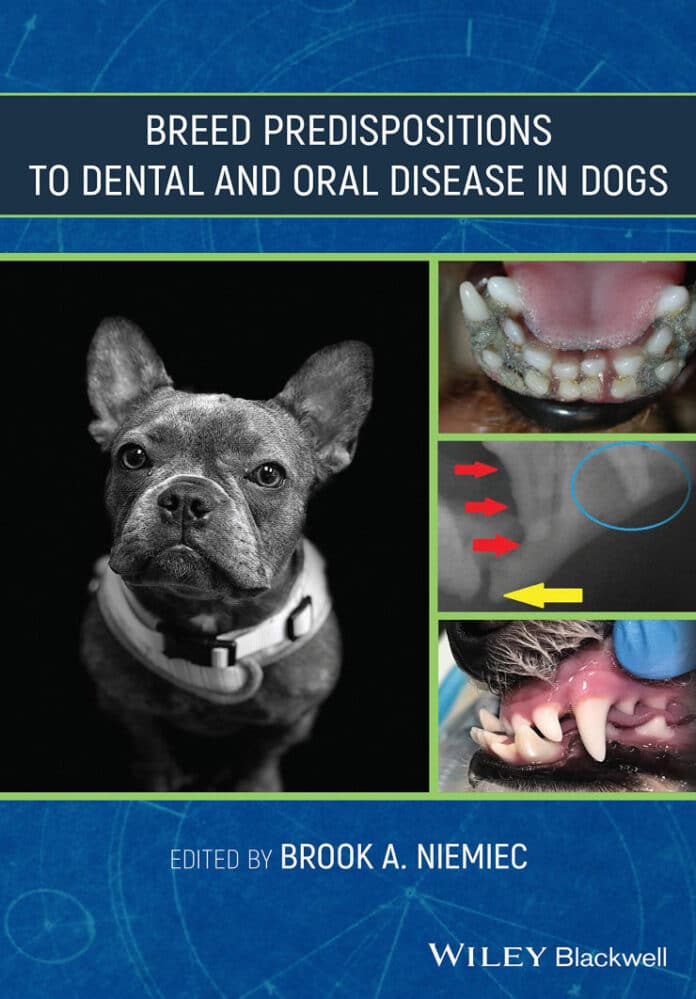
Breed Predispositions to Dental and Oral Disease in Dogs

Breed Predispositions to Dental and Oral Disease in Dogs

Breed Predispositions To Dental And Oral Disease In Dogs Pdf Download

By Brook Niemiec

Breed Predispositions to Dental and Oral Disease in Dogs  is an accessible guide to hereditary oral and dental disease. The text is designed to help veterinarians make informed clinical decisions and better communicate with clients. Comprehensive in scope, the book provides a thorough understanding of the differences between large and small dogs as related to effective dental treatment.

This Book includes specific information for treating small and toy breed dogs, small breed brachycephalic dogs, and brachycephalic dogs. It contains key details of clinical conditions more likely to be faced in specific breeds.  To enhance the text, the book is filled with high quality clinical photographs and dental radiographs that demonstrate the concepts discussed.

In addition, there are chapters on the welfare implications of breed specific problems as well as how to address brachiocephalic syndrome. Written for veterinary practitioners, students, technicians and nurses, Breed Predispositions to Dental and Oral Disease in Dogs  is a useful patient-side reference for veterinary professionals.

Features

Features:

  • Offers a practical guide to the considerations in treating dental disease in specific dog breeds
  • Helps veterinarians make decisions about dental therapy and communicate with clients
  • Offers an understanding of breed predispositions to dental disease
  • Explores the myths about the dangers of anesthetizing small breed as well as brachycephalic dogs and provides balanced information on anesthesia


Table of Contents

Table of Contents:

Chapter 1: Conditions common in Small and Toy breed dogs

Chapter 2: Conditions seen in both small and brachycephalic breeds, therefore small brachycephalic breeds are even more significantly affected.

Chapter 3: The Welfare Concerns of Heritable Dental Diseases

Chapter 4: Conditions commonly seen in Brachycephalic breeds

Chapter 5: Brachycephalic Airway Disease

Chapter 6: The Unique Welfare Challenges of Brachycephalism

Chapter 7: Other heritable conditions

Chapter 8: Anesthetic Management of Toy & Small Breed Dogs

Chapter 9: Brachycephalic Breeds and Anesthesia

Chapter 10: Periodontal Therapy in Small and Toy Breed Dogs

Chapter 11: Extractions

Get This Book

This Book is Avaiable for Members

Access this book instantly with a Premium membership

📄 PDF Format
⚡ Instant Delivery
Unlock Premium Access