
Home Blog Page 91

Diagnostic Radiology and Ultrasonography of the Dog and Cat 5th Edition

Diagnostic Radiology and Ultrasonography of the Dog and Cat 5th Edition

Diagnostic Radiology And Ultrasonography Of The Dog And Cat 5Th Edition Pdf Download

By J. Kevin Kealy, Hester McAllister and John Graham

Diagnostic Radiology and Ultrasonography of the Dog and Cat 5th Edition covers the principles of diagnostic radiology and ultransonography and includes clear, complete instruction in image interpretation. It illustrates the normal anatomy of body systems, and then uses numbered points to describe radiologic signs of abnormalities. It also includes descriptions of the ultrasonographic appearance of many conditions in dogs and cats. Updated with the latest on digital imaging, CT, MR, and nuclear medicine, and showing how to avoid common errors in interpretation, this book is exactly what you need to refine your diagnostic and treatment planning skills!

Features

Features:

  • Hundreds of detailed radiographs and ultrasonograms clearly illustrate principles, aid comprehension, and help you accurately interpret your own films.
  • The normal anatomy and appearance for each body system is included so you can identify deviations from normal, such as traumatic and pathologic changes.
  • Coverage of the most common disorders associated with each body system help you interpret common and uncommon problems.
  • Coverage of radiographic principles and procedures includes density, contrast, detail, and technique, so you can produce the high-quality films necessary for accurate diagnosis.
  • Clinical signs help you arrive at a clinical diagnosis.
  • An emphasis on developing a standardized approach to viewing radiographs and ultrasonograms ensures that you do not overlook elements of the image that may affect proper diagnosis.
  • Complete coverage of diagnostic imaging of small animals includes all modalities and echocardiography, all in a comprehensive, single-source reference.
  • Discussions of ultrasound-guided biopsy technique help you perform one of the most useful, minimally invasive diagnostic procedures.
  • Single chapters cover all aspects of specific body compartments and systems for a logical organization and easy cross-referencing.
  • Coverage of different imaging modalities for individual diseases/disorders is closely integrated in the text and allows easier comprehension.
  • A consistent style, terminology, and content results from the fact that all chapters are written by the same authors.

Table of Contents

Table of Contents:

1. The Radiograph

2. The Abdomen

3. The Thorax

4. Bones and Joints

5. The Skull and Vertebral Column

6. Soft Tissues

Get This Book

This Book is Avaiable for Members

Access this book instantly with a Premium membership
📄 PDF Format
⚡ Instant Delivery
Unlock Premium Access

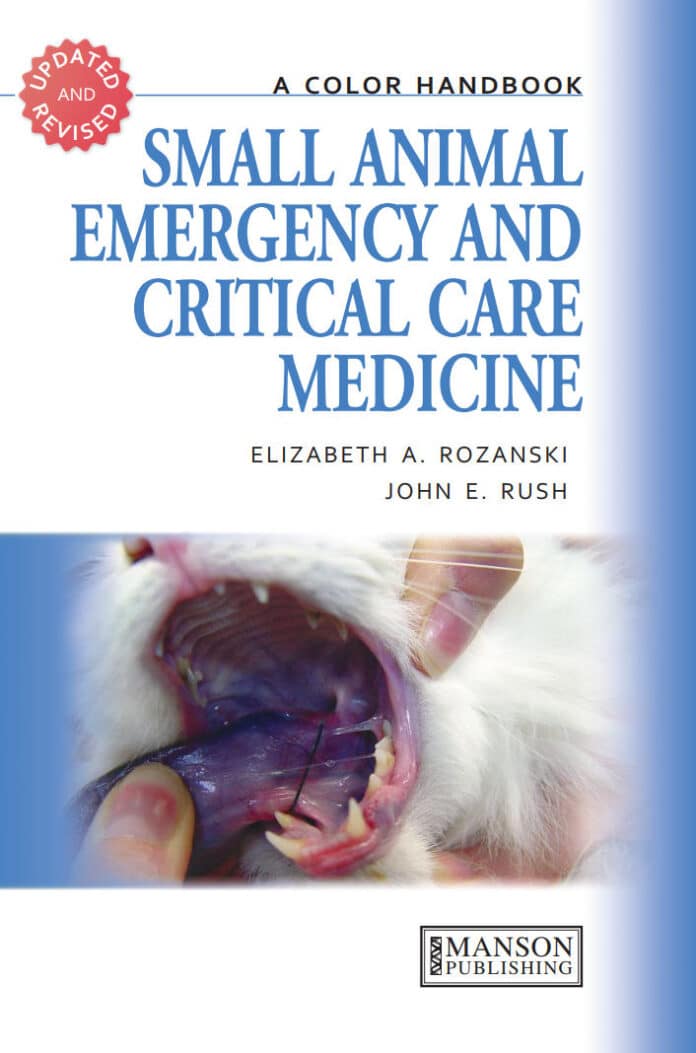
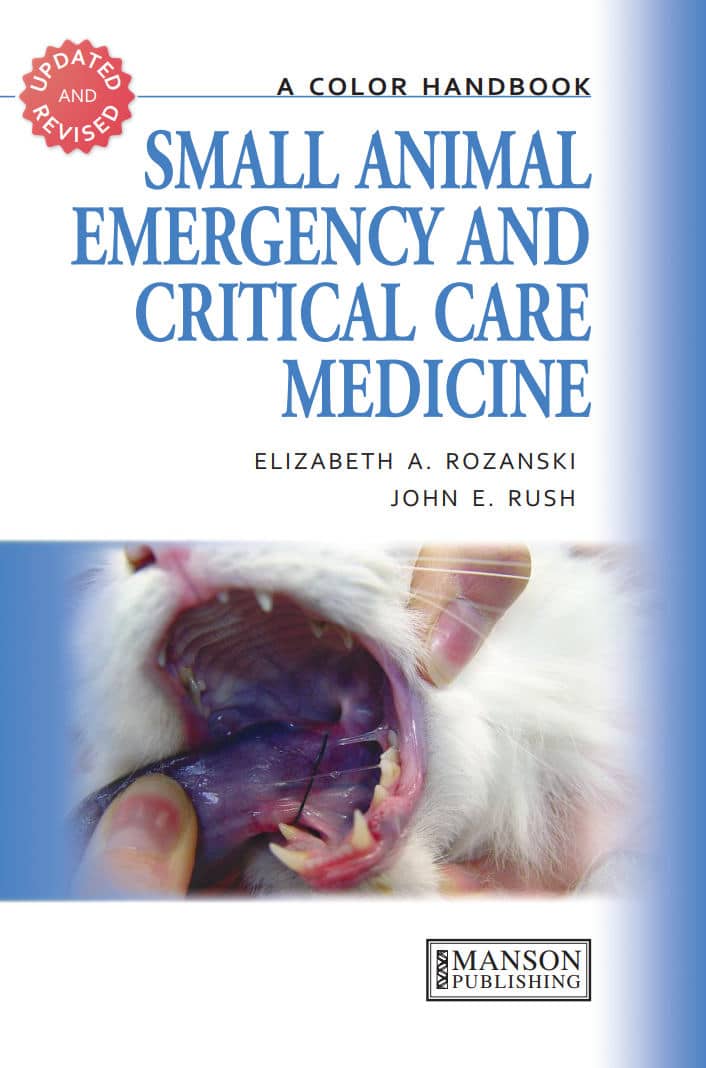
Small Animal Emergency and Critical Care Medicine: A Colour Handbook

Small Animal Emergency and Critical Care Medicine: A Colour Handbook

Small Animal Emergency And Critical Care Medicine: A Colour Handbook Pdf Download

By Elizabeth A. Rozanski and John E. Rush

Small Animal Emergency and Critical Care Medicine: A Colour Handbook aims to provide the busy veterinary practitioner with a guide to managing emergency and critical care situations. Life threatening problems must be handled immediately and decisions have to be made quickly regarding diagnostic and treatment plans. For easy reference the text is organized by body-system and covers all essential areas including cardiac emergencies, respiratory distress, neurological emergencies, and trauma and poisoning.This book will be useful to veterinarians in practice and working in emergency clinics. It should also appeal to veterinary students and nurses.

Table of Contents

Table of Contents:

Part One: Emergency Medicine

Part Two: Critical Care

Appendices
Conversion Tables
Calculation of a continuous rate infusion
Intensive care unit drug formulary

Index

Get This Book

This Book is Avaiable for Members

Access this book instantly with a Premium membership
📄 PDF Format
⚡ Instant Delivery
Unlock Premium Access

Small Animal Soft Tissue Surgery: Self-Assessment Color Review, Second Edition

Small Animal Soft Tissue Surgery: Self-Assessment Color Review, Second Edition pdf

Small Animal Soft Tissue Surgery: Self-Assessment Color Review, Second Edition Pdf
By Kelley Thieman Mankin

Small Animal Soft Tissue Surgery: Self-Assessment Color Review, Second Edition Presented in a question-and-answer format with all new cases, this new edition of a bestselling book provides a broad overview of small animal soft tissue surgery. Clinical cases appear in random order to simulate the way they might appear in an actual veterinary practice. Cases include photos, a description of presenting symptoms, and questions the veterinarian must answer in order to arrive at the correct diagnosis and to plan proper treatment. Complete answers are provided for each question.

This practical structure with integrated questions, illustrations, and detailed explanations is designed to educate as well as to provide answers. Veterinary students, general practitioners, surgical residents, and specialists with an interest in soft tissue surgery will find Small Animal Soft Tissue Surgery: Self-Assessment Color Review, Second Edition an essential resource.

Table of Contents

Table of Contents:

  • Chapter 1: Preoperative Considerations

  • Chapter 2: Skin and Subcutaneous Tissue

  • Chapter 3: Head and Neck

  • Chapter 4: Thorax

  • Chapter 5: Abdomen

  • Chapter 6: Perineum and Anus

  • Chapter 7: Urogenital System

  • Chapter 8: Miscellaneous

Get This Book

This Book is Avaiable for Members

Access this book instantly with a Premium membership
📄 PDF Format
⚡ Instant Delivery
Unlock Premium Access

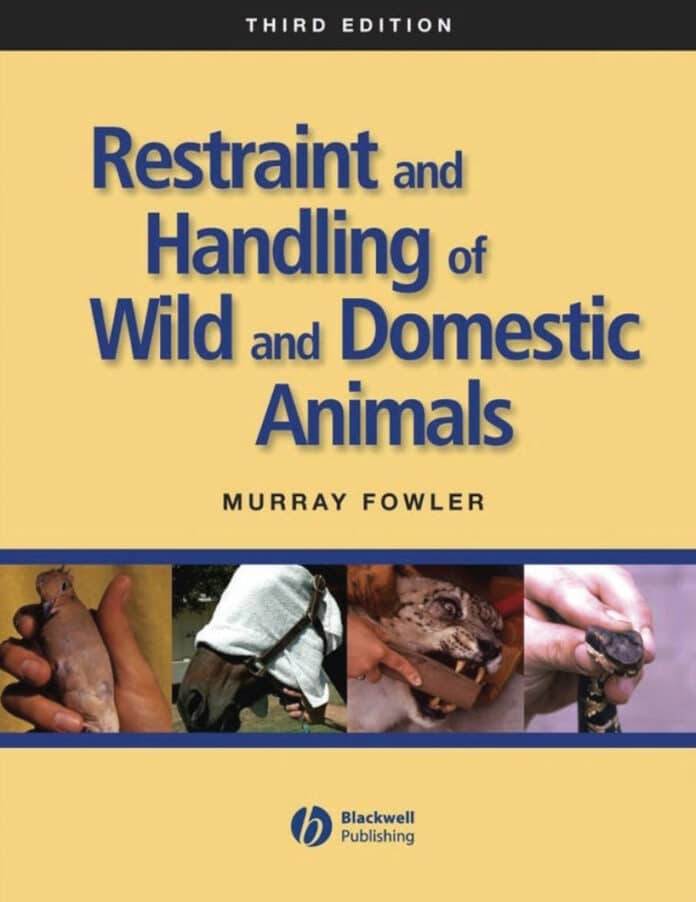
Restraint and Handling of Wild and Domestic Animals, 3rd Edition

Restraint and Handling of Wild and Domestic Animals, 3rd Edition

Restraint And Handling Of Wild And Domestic Animals, 3Rd Edition Pdf Download

By Murray Fowler

Restraint and Handling of Wild and Domestic Animals, 3rd Edition offers an introduction to the basic principles of animal restraint and an overview of techniques for vertebrate wild and domestic animals. Fully updated throughout, the third edition also includes new chapters on understanding behavior, training for restraint and handling, and animal welfare and restraint. Now in full color, the third edition of this classic reference is an invaluable tool to recognizing potential danger in restraint and reducing stress in the animal.

Features

Features:

  • New edition of the classic reference
  • Introduction to basic principles of animal restraint and overview of techniques
  • Focuses on the most effective physical restraint techniques
  • Provides essential information for ensuring the safety of both the handler and animal
  • Now in full color with five new chapters

Table of Contents

Table of Contents:

Part 1. General Concepts

1. Introduction

2. Tools of Restraint

3. Rope Work

4. Thermoregulation

5. Understanding Behavior for Restraint Purposes

6. Training for Restraint Procedures

7. Stress

8. Animal Welfare Concerns During Restraint

9. Medical Problems During Restraint

Part 2. Domestic Animals

10. Horses, Donkeys, Mules

11. Cattle and Other Domestic Bovids

12. Sheep and Goats

13. Swine

14. Camelids

15. Dogs

16. Cats

17. Laboratory Rodents and Rabbits

18. Poultry and Waterfowl

Part 3. Wild Animals

19. Delivery Systems

20. Chemical Restraint

21. Monotremes and Marsupials

22. Small Mammals

23. Carnivores

24. Nonhuman Primates

25. Marine Mammals

26. Elephants

27. Other Megavertebrates (Hoofed Stock)

28. Hoofed Stock (Other than the Megavertebrates)

29. Birds

30. Reptiles

31. Amphibians and Fish

Appendices

Index

Get This Book

This Book is Avaiable for Members

Access this book instantly with a Premium membership
📄 PDF Format
⚡ Instant Delivery
Unlock Premium Access

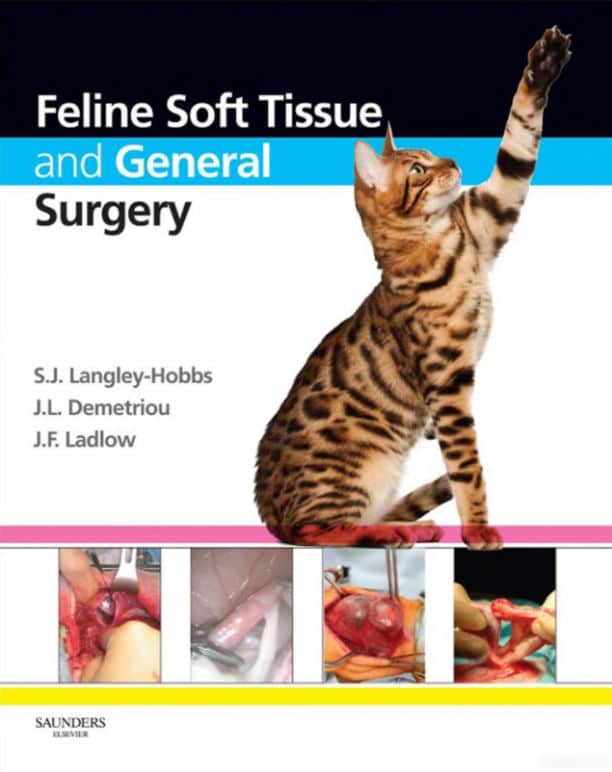
Feline Soft Tissue and General Surgery

Feline Soft Tissue and General Surgery

Feline Soft Tissue And General Surgery Pdf Download

By Sorrel J. Langley-Hobbs, Jackie L. Demetriou and Jane F. Ladlow

Feline Soft Tissue and General Surgery Book. While the practice of feline general and oncologic surgery has developed greatly in recent years, the option of referral for some cat owners is not always a viable one. The increasing requirement for the general veterinarian to be competent in performing feline surgery has not, however, been supported by a dedicated text on the subject. This Book assembles an international team of editors and contributors to present the first comprehensive resource devoted solely to all aspects of soft-tissue surgeries in the cat. Techniques are covered in a practical and detailed ‘how to’ manner and range from the common to the more specialized, ensuring the widest possible appeal.

The book divides into several sections, initially considering the general approach to the feline surgery patient and then proceeding to detailed coverage of surgery by anatomic location. Part 1 deals with the basics of feline anesthesia, analgesia, preoperative and postoperative care of the patient, surgical instrumentation and surgical principles for oncology cases. Part 2 covers surgical techniques of general and oncological feline diseases and injuries, which are explained as step-by-step methods with many specially prepared schematic illustrations specific to the cat. Emphasis is on presenting both classical methods and new techniques.

Feline Soft Tissue and General Surgery is the perfect sister-text to Feline Orthopedic Surgery and Musculoskeletal Disease, also published by Elsevier. Together they comprise a comprehensive and complete literature giving practial coverage of all possible surgical procedures in the cat.

Table of Contents

Table of Contents:

PART 1 

  1. The pre- and post-operative patient.
  2. Pre-operative assessment for surgery.
  3. Analgesia for soft-tissue cases.
  4. Anaesthesia for soft-tissue cases.
  5. Imaging for soft-tissue disease.
  6. Blood transfusion in cats.
  7. Post-operative nursing.
  8. Nutrition for the surgical patient.
  9. Pre-, intra- and post-operative complications.

PART 2

  1. Surgical equipment and implants. Instrumentation for feline general surgery. Suturing, sutures and general surgical implants. Surgical drains.

PART 3 

  1. Principles of oncological surgery.
  2. Surgical therapy for tumours.
  3. Radiation for feline neoplasia.
  4. Chemotherapy.

PART 4 

  1. Skin and adnexa.
  2. Wound management.
  3. Axillary wounds.
  4. Skin grafts and flaps.
  5. Feline mammary glands.
  6. Injection site sarcomas.

PART 5

  1. The abdomen.
  2. Exploratory celiotomy.
  3. Laparoscopic surgery.
  4. Abdominal wall and ruptures.
  5. Peritoneum and peritoneal cavity.
  6. Oesophagus.
  7. Stomach.
  8. Small intestines.
  9. Large intestine, rectum and anus.
  10. Liver and biliary system.
  11. Portosystemic shunts.
  12. Pancreas.
  13. Spleen.
  14. Adrenal gland.
  15. Kidney and ureter.
  16. Bladder. Male urethra. Male reproductive tract.
  17. Female reproductive tract.

PART 6 

  1. The thorax.
  2. Thoracotomy.
  3. Thorascopic surgery.
  4. Thoracic wall.
  5. Pleura and pleural space.
  6. Diaphragmatic rupture and hernias.
  7. Trachea and bronchus.
  8. Lungs.
  9. Cardiac and vascular surgery.

PART 7

  1. Head and neck.
  2. Tongue, Lips, cheeks, chin, tonsils, pharynx and salivary glands.
  3. Ear surgery.
  4. Eyelid and periorbital surgery.
  5. Nose, nasal passage and sinuses.
  6. Cranium.
  7. Palate.
  8. Larynx.
  9. Thyroid and parathyroid.
  10. Mandibulectomy and maxillectomy.
  11. Teeth.

Get This Book

This Book is Avaiable for Members

Access this book instantly with a Premium membership

📄 PDF Format
⚡ Instant Delivery
Unlock Premium Access

Work-Life Balance For Veterinarians: Great Tips

Work-Life Balance For Veterinarians

Work-Life Balance For Veterinarians
Work-Life Balance For Veterinarians: Great Tips. For veterinarians, balancing work and life can be a difficult task. With long hours in the office and on the road, it’s easy to let personal time slip away. The blog post will give you some tips for achieving a healthy work-life balance so that your veterinary practice is flourishing and you are happy!

Veterinary Books

1. Track Your Time

It is the first step to work-life balance for veterinarians because it helps us truly understand where your time goes and what you get done each day or week. It can be tough to keep track of everything, but try using a timer on your phone if this task feels too daunting.

  • It will track your daily habits without committing yourself to fill out an entire spreadsheet all at once (although that’s not discouraged either).
  • The most important thing is that you make sure you are consistent with self-tracking so that over time patterns become apparent.
  • For example, when do you usually turn off the email notifications? What do you tend to think about during lunch breaks?

2. Organize Errands

Where does your time usually go? If you’re like most, it’s spent on getting everything done. So why not set aside a few hours each week to organize errands that can help make life a little easier. Ensure all items are written down and organized by category so they don’t pile up over time.

3. Lower Expectations

Veterinarians are often confronted with a lot of stress from both work and the home. Their time is limited, and it can be challenging to find quality time for family or themselves. The solution? Lower your expectations! It sounds like an impossible feat, but if you lower them enough.

There’s bound to be some space for fulfilling those needs. Don’t overschedule yourself. Set limits on how many hours per day/weekend you’re willing to spend working and stick to them as best as possible.

4. Learn To Say No

It is a hard one, but you have to learn that saying yes all of the time will not lead you down a more manageable or happier path. Saying yes often means setting yourself up for higher expectations, which leads to disappointment when things don’t go as planned. Learning how to balance your thoughts with those around you may take some time. But once this skill has been developed, it can be applied in many parts of life.

5. Practice Meditation

If you struggle with self-control, try to work on it through meditation or mindfulness exercises rather than creating a strict set of rules for yourself. They will only make you feel worse when broken and lead to more guilt in the long run. It’s also essential for veterinarians to remember their goals and why they have those particular goals to understand better how things can be balanced.

7. Create A Schedule And Stick To It

To create your work-life schedule, you must first identify the personal time that is important for you. You might also want to have some designated evenings during the week where you can go home early. On top of this, it’s essential not to take on any extra responsibilities outside of your current job without considering how they will impact your life balance.

  • Please don’t do anything new unless it fits into your schedule!
  • It would be best to make sure you can efficiently do everything while still spending time with family and friends when they’re available.
  • If possible, build up vacation days so that you won’t feel like work has taken over entirely if there is an emergency outside of regular business hours.

7. Prioritize The Tasks

Even though you have a lot on your plate, prioritizing tasks isn’t complicated. It’s just about making sure that you’re focused on one thing that has time to get done at some point in the day. One great way for veterinarians to do this is by creating an “energy” list.

  • It is sometimes called a priority matrix or value hierarchy list as part of their weekly planning process.
  • The worksheet includes short-term goals and long-term but essential projects such as grants and presentations, client meetings, clinics, etc.
  • Also, include self-care items such as exercise and writing deadlines; personal chores such as cooking and shopping, etc.

Summing Up

Lack of work-life balance is a common complaint amongst working professionals. The veterinarians’ schedules are often booked solid with appointments and other time-consuming activities. It can be challenging for veterinarians to find the flexibility needed to maintain an active personal life that doesn’t interfere too much with their work responsibilities.

Tip

Do You Want To Increase Your Veterinary Knowledge and Practical Skills?

You Can Now Browse and Download +3000 Veterinary Books Online In All Veterinary Fields.

Register Now

The Skull of Quadruped and Bipedal Vertebrates: Variations, Abnormalities and Joint Pathologies

The Skull of Quadruped and Bipedal Vertebrates: Variations, Abnormalities and Joint Pathologies

The Skull Of Quadruped And Bipedal Vertebrates: Variations, Abnormalities And Joint Pathologies Pdf Download

By Djillali Hadjouis

The Skull of Quadruped and Bipedal Vertebrates: Variations, Abnormalities and Joint Pathologies forms part of the set, Comparative Anatomy and Posture of Animal and Human, and focuses on the skulls of Quaternary mammals and of Man since the acquisition of upright posture. Although the vast majority of the quadruped fossil species have a balanced postural adaptation, with no asymmetries or maxillo-mandibular dysmorphoses, the Hominine species that has acquired this readjustment of the body as well as a bipedal adaptation to the ground, will experience a series of postural imbalances starting with malocclusion in the genus Homo.

In order to arrive at this conclusion, the cranio-facial architectural biodynamics of several species of fossil and current mammals have been analyzed over three decades. In addition, hundreds of skulls of anatomically modern Hominids have been examined, highlighting their occlusal offsets, variations, anomalies and pathologies.

Table of Contents

Table of Contents:

Part 1. The Skull of Fossil and Present-day Quadruped Vertebrates: Craniofacial Structure and Postural Balance

  1. Proboscideans: The Mammoth (Mammuthus primigenius)

  2. Equidae

  3. Bovidae

  4. Cervidae

  5. Suidae

  6. Carnivores

  7. Lagomorphs: The Hare (Lepus capensis)

Part 2. The Skull of Fossil Bipedal Vertebrates: Craniofacial Structure and Postural Balance
8. Primates
9. Hominoids
10. From Hominoids to Hominids
11. Australopithecus
12. The Genus Homo
13. Migration and Paleogeographic Distribution of the Homininae

Part 3. The Skull of Homo sapiens in All its Diversity
14. The Craniofacial Puzzle in Motion
15. The Basics of Structural Analysis
16. Identification of Malformation
17. Ignored Pathologies

Conclusion
References
Index

Get This Book

This Book is Avaiable for Members

Access this book instantly with a Premium membership
📄 PDF Format
⚡ Instant Delivery
Unlock Premium Access

Food Microbiology: An Introduction, 4th Edition

Food Microbiology: An Introduction, 4th Edition

Food Microbiology: An Introduction, 4Th Edition Pdf Download

By Karl R. Matthews, Kalmia E. Kniel and Thomas J. Montville

Food Microbiology: An Introduction, 4th Edition. The multidisciplinary nature of food microbiology is one of the things that make it so fascinating as a career. Food microbiologists must understand basic microbiology, the roles of beneficial microbes, food safety regulations and policy, and the proper practices that ensure safe and healthy food for billions of people. They must also be nimble thinkers, willing to embrace new analytical methods, eager to solve problems, and ever vigilant about keeping the food supply safe.

The fourth edition of Food Microbiology: An Introduction is designed for undergraduate courses in food science, nutrition, and microbiology. This edition has been substantially updated with new information on topics like the Food Safety Modernization Act and the use of bacteriophage as antimicrobial agents, while retaining the pedagogy that students and professors appreciate. Written in a clear and easy-to-understand style, the textbook is divided into four sections:

Basics of food microbiology presents the growth processes of food microorganisms, the biology of spores and sporeformers, and the establishment of microbiological criteria in food safety programs, and it introduces students to some of the methods used to detect and enumerate microbes in food and food handling equipment. Foodborne pathogenic bacteria opens with a discussion about the regulatory agencies and surveillance systems responsible for keeping the United States food supply safe. The remainder of the section is a rogue’s gallery of pathogenic bacteria found in food.
Other microbes important in food examines the many beneficial and detrimental ways that microorganisms affect our food supply. The section opens with a look at numerous foods, like beer, bread, pickles, and cheeses, created by the fermentation reactions of lactic acid bacteria and yeast. The rest of the section looks at microbes that are less desirable: the spoilers of food, toxigenic molds, and foodborne parasites. This section closes with a look at viruses and prions.
Control of microorganisms in food discusses the tactics used to inhibit microbial growth in food. The section ends with a chapter on the essentials of developing quality sanitation and HACCP programs in food processing facilities.

Table of Contents

Table of Contents:

SECTION 1 BASICS OF FOOD MICROBIOLOGY

Chapter 1 The Trajectory of Food Microbiology

Chapter 2 Microbial Growth, Survival, and Death in Foods

Chapter 3 Spores and Their Significance

Chapter 4 Detection and Enumeration of Microbes in Food

Chapter 5 Rapid and Automated Microbial Methods

Chapter 6 Indicator Microorganisms and Microbiological Criteria

SECTION 2 FOODBORNE PATHOGENIC BACTERIA

Chapter 7 Regulatory Issues

Chapter 8 Bacillus cereus

Chapter 9 Campylobacter Species

Chapter 10 Clostridium botulinum

Chapter 11 Clostridium perfringens

Chapter 12 Enterohemorrhagic Escherichia coli

Chapter 13 Listeria monoctyogenes

Chapter 14 Salmonella Species

Chapter 15 Shigella Species

Chapter 16 Staphylococcus aureus

Chapter 17 Vibrio Species

Chapter 18 Yersinia enterocolitica

SECTION 3 OTHER MICROBES IMPORTANT IN FOOD

Chapter 19 Lactic Acid Bacteria and Their Fermentation Products

Chapter 20 Yeast-Based and Other Fermentations

Chapter 21 Spoilage Organisms

Chapter 22 Molds

Chapter 23 Parasites

Chapter 24 Viruses and Prions

SECTION 4 CONTROL OF MICROORGANISMS IN FOOD

Chapter 25 Chemical Antimicrobials

Chapter 26 Biologically Based Preservation and Probiotic Bacteria

Chapter 27 Physical Methods of Food Preservation

Chapter 28 Nonthermal Processing

Chapter 29 Sanitation and Related Practices

Critical Thinking Skills

Useful Websites for Food Safety Information

Glossary

Answers to Crossword Puzzles

Answers to Selected Questions for Critical Thought

Index

Get This Book

This Book is Avaiable for Members

Access this book instantly with a Premium membership

📄 PDF Format
⚡ Instant Delivery
Unlock Premium Access

Teleconsulting In The Veterinary Profession: A Brief Guide

Teleconsulting In The Veterinary Profession

Teleconsulting In The Veterinary Profession: A Brief Guide

Teleconsulting In The Veterinary Profession

Teleconsulting In The Veterinary Profession: A Brief Guide. Thanks to their diverse education and training, vets have long been at the forefront of animal health care. But as technological advances continue, more and more veterinary professionals are turning to teleconsulting for added flexibility in their schedules and an opportunity to broaden their services. The practicing veterinarians can take help and guidance from specialists using telehealth tools!

Veterinary Books

What Is Teleconsulting?

The teleconsulting space is becoming more and more well-known for its remote communication service between vets and specialists. It is a branch that’s almost entirely different than vet pet telemedicine. There are few running players in this field, which means there could be an opportunity to remotely provide patients with specialist advice.

  • It will be through their local veterinarian or veterinary office without any physical contact necessary!
  • Teleconsulting has officially become a one-word veterinarian’s use as they work closely via webcams with other medical professionals.
  • They may not even live near them at all times. Vet-to-specialist remote communications take place constantly now due to how many people rely on it, considering pets cannot always receive treatment from surgeons or doctors themselves if they are far away!

How Can Teleconsulting Help?

Teleconsulting services can allow veterinary practitioners to partner with specialists and other veterinarians to save time and money. It is an excellent way for vets, nurses, technicians, and clients alike to make the best decisions when it comes down to the pet’s care plan!

Revolution In Teleconsulting

In recent decades, the field of veterinary care has undergone a revolution. There were few referral centers in the past, and most people went to teaching establishments or large hospitals for specialist assistance with their pet’s health problems.

But now, private hospital referrals have opened all across the country, creating unprecedented access to high-quality medical services. They can be both close by and further away due to increased transportation options. It does enable more pets than ever before to get treatment at these facilities. Many owners can still be limited by cost, geographical location, time constraints, or lockdown situations due to COVID.

Time Constraints Of Vets

When it comes to client expectations, there is time constrain issues. A recent survey amongst veterinary specialists in the UK found that these vets spend five hours a week giving advice to other vets. Yet half of them said only 25% or fewer cases resulted in referral. Half of those surveyed often or always felt time-pressured, and 70% feel pulled in too many directions, but over 90% wished they had consulted with their vet much sooner.

  • It’s a complex situation for specialists under pressure to provide quick diagnoses yet want to help their colleagues in primary care and have these conversations sooner.
  • For those individuals who lack confidence in their medical diagnoses or want reassurance from another opinion, there is the barrier of wondering how specialists and colleagues perceive them.
  • Practitioners are often reluctant to ask for help because it can make them seem incompetent as a vet.

Teleconsulting And Future

Veterinary professionals are at the forefront of using telehealth for a variety of tasks. As telemedicine in the veterinary field becomes more prevalent, veterinarians need to start embracing and utilizing these innovations. The past year has forced an acceleration of this process on all members due to COVID. But now, you can focus on what makes virtual meetings beneficial, such as managing demand, modernizing workflows, and providing better services. Now is the moment to focus on these advances and get ready for what’s coming next!

Summing Up

Veterinary teleconsulting has been proven to be a vital tool for veterinarians. It would be best if you continued to explore how it can help animals and their owners in the future. We hope this post has given you some insight into veterinary teleconsulting and how they benefit from consulting with other experts.

Tip

Do You Want To Increase Your Veterinary Knowledge and Practical Skills?

You Can Now Browse and Download +3000 Veterinary Books Online In All Veterinary Fields.

Register Now

Veterinary Stress Management: 6 Tips Will Help You

Stress Management For Veterinarians

Stress Management For Veterinarians
Veterinary Stress Management: 6 Tips Will Help You. Veterinarians are some of the most highly regarded professionals in society, and for a good reason. They save lives every day! However, being a veterinarian can also be one of the most stressful professions out there. The stressors in this profession are plentiful: long hours, high levels of responsibility, and complex working environments.

All this stress takes a toll on your mental health, and it’s easy to let it take over your life if you don’t have any coping skills. This blog post will discuss how veterinarians can reduce their stress levels to start feeling refreshed and ready for challenges!

Veterinary Books

1. Be Kind To Yourself

It is the most important thing you can do for your mental health and physical well-being. The only person who’s going to be there with you through life, thick or thin, is YOU! So take care of yourself when it comes to things like rest.

So that you are in a good place mentally before taking on other tasks during the day, which might put more stress on your mind or body, it will help keep any minor setbacks from becoming significant crises later down the line too!

2. Get Plenty Of Restful Sleep Every Night

A sound sleep is essential for mental health. If you’re not getting enough sleep, then, by extension, neither are your patients or clients out there waiting for their vet. You need to be at 100% capacity when dealing with animals who need help right now because you could be the only one to help them.

So make sure you’re putting yourself in a position to succeed by getting enough sleep every night. So your brain is rested and ready for what’s coming up during the day!

3. Exercise Regularly

It has been proven time and again as an excellent way of managing stress, improving physical health, and boosting moods overall. Make it a priority at least three times per week or set aside 30 minutes every day to break a sweat. Whatever allows you to stick with this new habit of yours is the best! It doesn’t have to be anything significant either. Try out some yoga poses that will ease tension and also help reduce stress levels.

4. Find A Support Network

Your friends and family are an excellent source of this. You might also make some new ones along the way by joining various groups in your community designed to help people with similar problems as yours. It can be anything from running clubs, therapy sessions for pets, or even something as small as a book club where everyone reads self-help books together! Whatever makes sense for you is what matters most. Also, it will go a long way towards helping reduce stress levels at home while away too!

5. Keep Things In Perspective

It is another crucial thing that can help keep any setbacks from becoming significant crises down the line. Also, it’s as simple as reminding ourselves of what we have to be grateful for! Whether you write your three most significant accomplishments every day or take a few minutes at the end of each night to reflect on all the good things that happened during the day. It will go a long way towards helping reduce stress by focusing on what matters most right now!

6. Be Proactive About Self-Care

If you are always so busy worrying about other people (patients) when they come through your doors, then don’t forget to worry about YOURSELF too! It’s easy to neglect yourself after work when you’re exhausted and want to take care of home but make time for yourself.

It’s not selfish in the slightest! It might be as simple as eating something delicious at night or reading an eBook on your phone during lunch break. Sometimes you have to put YOURSELF first before anything else can happen with any success.

Summing Up

Stress is a common problem for many professionals, but it can be incredibly challenging for veterinarians. Work stress is essential to cope with. It can be in meditation, relaxation exercises, or practicing stress management skills for a healthy life. Follow Stress Management For Veterinarians Guide To Help Yourself.

Tip

Do You Want To Increase Your Veterinary Knowledge and Practical Skills?

You Can Now Browse and Download +3000 Veterinary Books Online In All Veterinary Fields.

Register Now