Home Blog Page 67

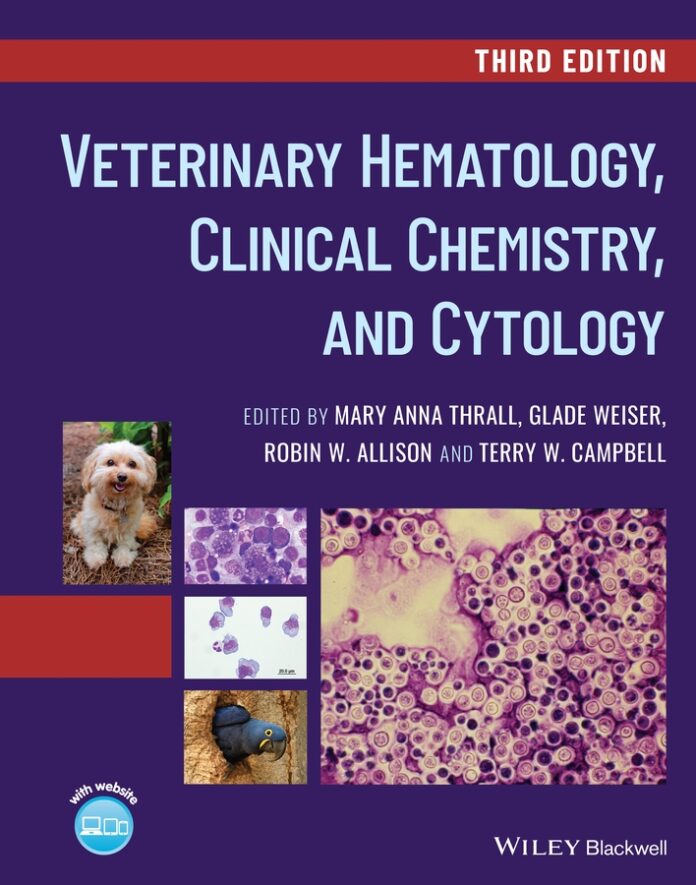
Veterinary Hematology, Clinical Chemistry, and Cytology 3rd Edition

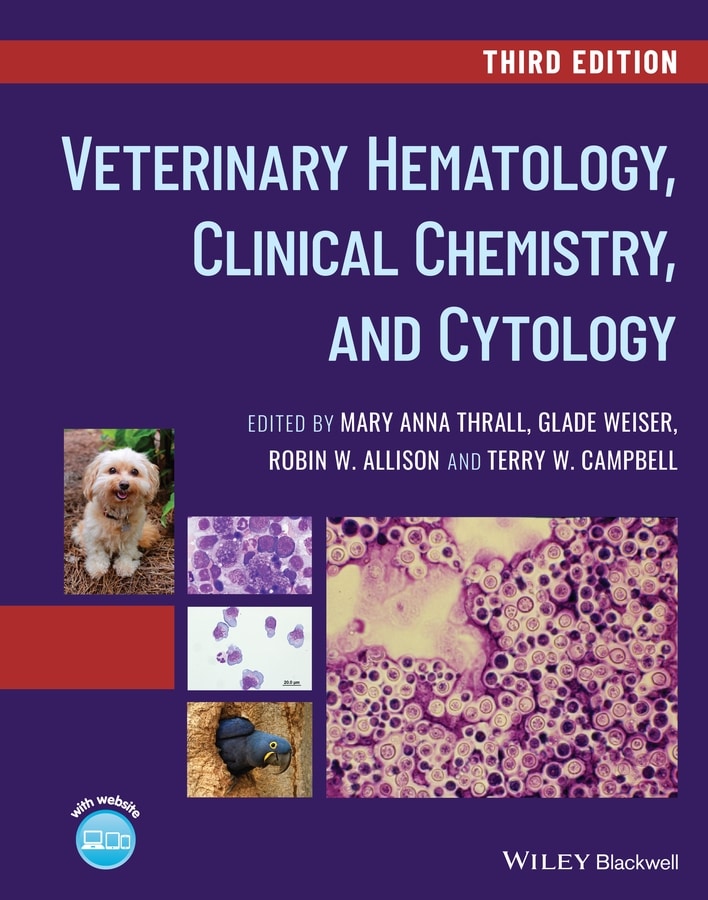
Veterinary Hematology, Clinical Chemistry, and Cytology 3rd Edition

Veterinary Hematology, Clinical Chemistry, And Cytology, 3Rd Edition Pdf Download

By Mary Anna Thrall , Glade Weiser , Robin W. Allison and Terry W. Campbell

Veterinary Hematology, Clinical Chemistry, and Cytology, 3rd Edition delivers a thorough and focused exploration of the basic principles of veterinary lab testing and diagnosis, as well as the cytology, hematology, and chemistry of common domestic and non-domestic species. The book offers readers an expanded wealth of clinical case presentations, providing case data and narrative discussions designed to promote skill development.

The book is packed with information useful to veterinary students, technicians, pathologists, and researchers, and includes access to a companion website that offers clinical cases and the figures from the book in PowerPoint. Heavily and clearly illustrated, with a strong practical emphasis, this latest edition includes a brand-new section on veterinary cytology and a chapter on laboratory diagnosis of infectious diseases as well as updated information throughout that keeps pace with the rapidly developing field of clinical pathology.
Features

Features:

  • A comprehensive overview of laboratory testing and diagnosis principles, with unique emphases on interpretive perspectives and slide preparation techniques.
  • A complete treatment of hematopathology of domestic animal species, organized by erythrocytes, leukocytes, platelets, bone marrow, hemostasis, and transfusion medicine.
  • A comprehensive treatment of clinical biochemistry in domestic animals organized by organ system, including electrochemical evaluation of electrolyte and acid-base pathology.
  • A complete treatment of domestic animal cytology organized by both common collection sites and principles of inflammation, infectious agents, and neoplasia.
  • Complete sections covering practical treatment of hematology and clinical biochemistry of non-domestic mammals, birds, reptiles, fish, and amphibians.

Table of Contents

Table of Contents:

  1. General Principles of Laboratory Testing and Diagnosis

  2. Laboratory Technology for Veterinary Medicine

  3. Sample Collection and Processing, Preparations for Clinical Microscopy, and Analysis of Laboratory Service Options

  4. Perspectives in Laboratory Data Interpretation and Disease Diagnosis

  5. Immunodiagnostics: Current Use and Future Trends in Veterinary Medicine

  6. Laboratory Diagnosis of Infectious Diseases of Animals

  7. Hematology of Common Domestic Species

  8. Erythrocyte Production, Function, and Morphology

  9. Classification of and Diagnostic Approach to Anemia

  10. Nonregenerative Anemia

  11. Regenerative Anemia

  12. Classification of and Diagnostic Approach to Erythrocytosis

  13. Introduction to Leukocytes and the Leukogram

  14. Neutrophil Production, Trafficking, and Kinetics

  15. Interpretation of Leukocyte Responses in Disease

  16. Molecular Diagnostics of Hematologic Malignancies

  17. Laboratory Evaluation of Bone Marrow

  18. Lymphoproliferative Disorders and Myeloid Neoplasms

  19. Disorders of Hemostasis

  20. Principles of Blood Transfusion and Crossmatching

  21. Hematology of Common Nondomestic Mammals, Birds, Reptiles, Fish, and Amphibians

  22. Mammalian Hematology: Laboratory Animals and Miscellaneous Species

  23. Hematology of Birds

  24. Hematology of Reptiles

  25. Hematology of Fish

  26. Hematology of Amphibians

  27. Clinical Chemistry of Common Domestic Species

  28. Laboratory Evaluation and Interpretation of the Urinary System

  29. Laboratory Evaluation of Electrolytes

  30. Laboratory Evaluation of Acid-Base Disorders

  31. Laboratory Evaluation of the Liver

  32. Laboratory Evaluation of the Pancreas and Glucose Metabolism

  33. Laboratory Evaluation of Gastrointestinal Disease, Digestion, and Intestinal Absorption

  34. Laboratory Evaluation of Plasma and Serum Proteins

  35. Laboratory Detection of Muscle Injury

  36. Laboratory Evaluation of Lipids

  37. Laboratory Evaluation of the Thyroid, Adrenal, and Pituitary Glands

  38. Parathyroid Glands and Calcium and Phosphorus Metabolic Pathology

  39. Clinical Chemistry of Common Nondomestic Mammals, Birds, Reptiles, Fish, and Amphibians

  40. Clinical Chemistry of Mammals: Laboratory Animals and Miscellaneous Species

  41. Clinical Chemistry of Birds

  42. Clinical Chemistry of Reptiles

  43. Clinical Chemistry of Fish and Amphibians

  44. Cytopathology of Common Domestic Animals

  45. Cytology of Inflammation and Infectious Agents

  46. Cytology of Neoplasia

  47. Cytology of Skin and Subcutaneous Masses

  48. Cytology of Body Cavity Effusions

  49. Cytology of Synovial Fluid

  50. Cytology of Abdominal Organs

  51. Cytology of Lymph Nodes

  52. Clinical Case Presentations

Get This Book

This Book is Avaiable for Members

Access this book instantly with a Premium membership

📄 PDF Format
⚡ Instant Delivery
Unlock Premium Access

Pit Bulls for Dummies 2nd Edition

Pit Bulls for Dummies 2nd Edition

Pit Bulls For Dummies, 2Nd Edition Pdf Download

By D. Caroline Coile

No breed of dog is the subject of more extreme feelings—both good and bad—than the Pit Bull. Man-eating monster or heroic nanny-dog: What’s the real story? Are Pit Bulls the very best breed for kids? (Not always.) Is it all in how you raise them? (Not totally). Will they lick you to death? (Absolutely!)

In the Pit Bulls for Dummies, 2nd Edition, Dr. Caroline Coile—Dog Writer’s Association of America Hall of Famer and former Pit Bull owner—sniffs out the reality behind the myth, rips through the dogma that both vilifies and sanctifies this unique family of dogs, helps you find the best source for your new family member, and shows you the latest and greatest ways to raise, train, and live with your own partying Pit Bull and reap the rewards of happy canine companionship for years to come.

Understand your Pit Bull’s origins and characteristics

  • Decide if a Pit Bull is for you
  • Evaluate Pit Bull sources, whether adopting, rescuing, or buying
  • Care for all ages, from puppies to older dogs
  • Deal with bad behavior
  • Socialize your new dog

Follow the advice in this book and help show the world that well-brought-up Pit Bulls are some of the most charming, companionable, and fun-to-be-around dogs out there—enjoy!

Dogs For Dummies 2Nd Edition

Recommended Book:
Table of Contents

Table of Contents:

  1. Understanding the American Pit Bull Terrier

  2. Deciding Whether a Pit Bull Is Right for You

  3. Choosing Your Pit Bull

  4. Gearing Up for Your Pit Bull

  5. Preparing Your Home

  6. Bringing Your Pit Bull Home

  7. Bonding with Your Pit Bull

  8. Basic Training and Commands

  9. House Training Your Pit Bull

  10. Socializing Your Pit Bull

  11. Dealing with Behavioral Issues

  12. Fun and Games with Your Pit Bull

  13. Advanced Training and Activities

  14. Grooming and Routine Care

  15. Feeding Your Pit Bull

  16. Health Care and Preventative Medicine

  17. Recognizing and Treating Common Illnesses

  18. Special Considerations for Aging Pit Bulls

  19. Traveling with Your Pit Bull

  20. Ten Myths about Pit Bulls

  21. Ten Must-Have Items for Your Pit Bull

  22. Ten Resources for Pit Bull Lovers

Get This Book

File Size 11.1 MB
File Format
Zip File With Pdf And Epub

ZIP File Contain
Converted PDF + Original EPUB

Download  link Download Now | Go Premium, Unlock All Books
Useful Links: Support | Browse All Categories
Join Telegram Channel: Telegram

Muller and Kirk’s Small Animal Dermatology 7th Edition

Muller and Kirk's Small Animal Dermatology 7th Edition PDF

Muller And Kirk's Small Animal Dermatology 7Th Edition Pdf Download

By George Muller

Muller and Kirk’s Small Animal Dermatology 7th Edition is Covering the diagnosis and treatment of hundreds of dermatologic conditions, This Book is today’s leading reference on dermatology for dogs, cats, and pocket pets. Topics include clinical signs, etiology, and pathogenesis of dermatologic conditions including fungal, parasitic, metabolic, nutritional, environmental, and psychogenic. This edition includes full updates of all 21 chapters, and more than 1,300 full-color clinical, microscopic, and histopathologic images. Written by veterinary experts William Miller, Craig Griffin, and Karen Campbell, this resource helps students and clinicians distinguish clinical characteristics and variations of normal and abnormal facilitating accurate diagnosis and effective therapy.

  • Over 1,300 high-quality color images clearly depict the clinical features of hundreds of dermatologic disorders, helping to ensure accurate diagnoses and facilitating effective treatment.
  • Comprehensive coverage includes environmental, nutritional, behavioral, hereditary, and immune-mediated diseases and disorders.
  • Well-organized, thoroughly referenced format makes it easy to access information on skin diseases in dogs, cats, and exotic pets.
Table of Contents

1. Structure and Function of the Skin
2. Diagnostic Methods
3. Dermatologic Therapy
4. Bacterial Skin Diseases
5. Fungal Skin Diseases
7. Viral Rickettsial and Protozoal Skin Diseases
8. Skin Immune System and Allergic Skin Diseases
9. Immune-Metabolic Diseases
10. Endocrine and Metabolic Diseases
11. Acquired Alopecias
12. Congenital and Hereditary Defects
13. Pigmentary Abnormalities
14. Keratinization Defects
15. Psychogenic Skin Diseases
16. Environmental Skin Diseases
17. Nutritional Skin Diseases
18. Miscellaneous Skin Diseases
19. Diseases of the Eyelids, Claws, Anal Sacs, and Ears
20. Neoplastic and Non-Neoplastic Tumors
21. Dermatoses of Pet Rodents, Rabbits, and Ferrets

Get This Book

This Book is Avaiable for Members

Access this book instantly with a Premium membership

📄 PDF Format
⚡ Instant Delivery
Unlock Premium Access

In Ovo Techniques and Treatments in Poultry Eggs

In Ovo Techniques and Treatments in Poultry Eggs

In Ovo Techniques And Treatments In Poultry Eggs Pdf Download

By Mahmoud Alagawany and Mayada Ragab Farag

In Ovo Techniques and Treatments in Poultry Eggs Book provides a comprehensive review of in ovo techniques and treatments in poultry eggs, which are aimed at improving embryonic development and decreasing economic losses in poultry farms. The book is divided into five chapters, which address the basics of in ovo techniques and sites of in ovo injection, nutrient utilisation for the development of the chick embryo, the role of early in ovo feeding for the chick embryo, and applications of in ovo technology for various nutrients and biological supplements in poultry.

Table of Contents

Table of Contents:

1. In ovo techniques: basics, procedures and consequences for the poultry embryo

  • Basics of in ovo techniques
  • Procedure and sites for in ovo injection
  • Injection time
  • Volume of injected substance
  • Egg weight
  • Depth of the injection
  • Consequences of early in ovo feeding for the embryo
  • Conclusion

2. Applications of in ovo technology: nutrients and biological supplements

  • Substances administered by in ovo injection
  • Carbohydrates
  • Immunostimulants
  • Nanoparticles
  • Probiotics, prebiotics and synbiotics
  • Omega-3 and omega-6 fatty acids
  • Conclusion

3. In ovo feeding of amino acids in poultry

  • Effect of in ovo injection of amino acids
  • Productive and reproductive indices
  • Intestinal morphology and development
  • Heat shock proteins (HSP)
  • Immunity
  • Lipid profile and metabolism
  • Amino acid metabolism
  • Conclusion

4. In ovo feeding of vitamins in poultry

  • Beneficial effects
  • Vitamin C
  • Riboflavin (vitamin B2)
  • Pyridoxine (vitamin B6)
  • Vitamin B12
  • Vitamin E
  • Vitamin D
  • Folic acid
  • Conclusion

5. In ovo administration of vaccines and drugs

  • Beneficial impacts of in ovo vaccination in poultry
  • In ovo vaccination against virus diseases
  • In ovo vaccination against coccidiosis
  • In ovo vaccination against bacterial infections
  • Factors affecting the in ovo vaccination process
  • Sites of in ovo vaccination
  • Volume of vaccine
  • Time of vaccination
  • Mechanism of immunisation
  • Conclusion

Annexes

References

Get This Book

This Book is Avaiable for Members

Access this book instantly with a Premium membership

📄 PDF Format
⚡ Instant Delivery
Unlock Premium Access

New Vet Jumpstart Guide, Twenty Common General Practice Cases Simplified

New Vet Jumpstart Guide, Twenty Common General Practice Cases Simplified

New Vet Jumpstart Guide, Twenty Common General Practice Cases Simplified Pdf Download

By Ashley Gray, Monica Tarantino

New Vet Jumpstart Guide, Twenty Common General Practice Cases Simplified. Are you a current student in one of the toughest educational programs out there or a recent graduate? We see you, veterinary colleague! Your knowledge is vast, and you put in a lot of hard work to get to this point. Now, all you have to do is go out there and save some animal’s lives, right? If only it was that easy…

Most new veterinarians, like you, find the transition into practice challenging. You no longer have oversight from professors and are still learning how to apply all of your medical knowledge. This can make even simple cases difficult when you first start out, and it often puts you in situations where you are stressed out, putting you at risk for easily avoidable mistakes.

Dr. Gray and Dr. Tarantino also experienced these same challenges and hurdles. After years of mentoring students and interns, they decided to create the V.O.T.R New Vet Jumpstart Guide to help you and make your transition into practice easier.

The V.O.T.R. New Vet Jumpstart Guide is a cliff notes version of twenty common cases new veterinarians will face out in general practice. It gives the new veterinarian a practical approach and breaks them down in a way that you cannot find in any other veterinary resource out there.

With our book in your hand, you will already be one step ahead of the game. Think of it as the holy grail of general practice. You get all of our tips and tricks in one place to get you DAY ONE READY!

Features

Features:

  • Simplified approach to common cases
  • Straightforward diagnostic and treatment plans
  • Client communication tips to cover all bases
  • How to avoid common pitfalls

Table of Contents

Table of Contents:

  1. Advice we kept referencing as new grads
  2. Chronic diarrhea in older cats
  3. Chronic kidney disease in cats
  4. Chronic vomiting in older cats
  5. Cushing’s disease in dogs
  6. Cutaneous mast cell tumor in dogs
  7. Dental disease
  8. Diabetes mellitus in dogs
  9. Diarrhea in kittens
  10. Flea allergy dermatitis in cats
  11. Foreign bodies in dogs
  12. Heart murmurs in small breed dogs
  13. Hyperthyroidism in cats
  14. Lick granulomas in dogs
  15. Osteoarthritis in dogs
  16. Otitis externa in dogs
  17. Pruritus in dogs
  18. Seizures in dogs
  19. Thunderstorm anxiety in dogs
  20. Urinary tract infections in dogs
  21. Urolithiasis in dogs
  22. Bonus chapters:
  23. Repeat calcium oxalate formers
  24. When to refer??
  25. Interpreting ALKP
  26. ACTH stimulation test
  27. Conclusion

Get This Book

This Book is Avaiable for Members

Access this book instantly with a Premium membership

📄 PDF Format
⚡ Instant Delivery
Unlock Premium Access

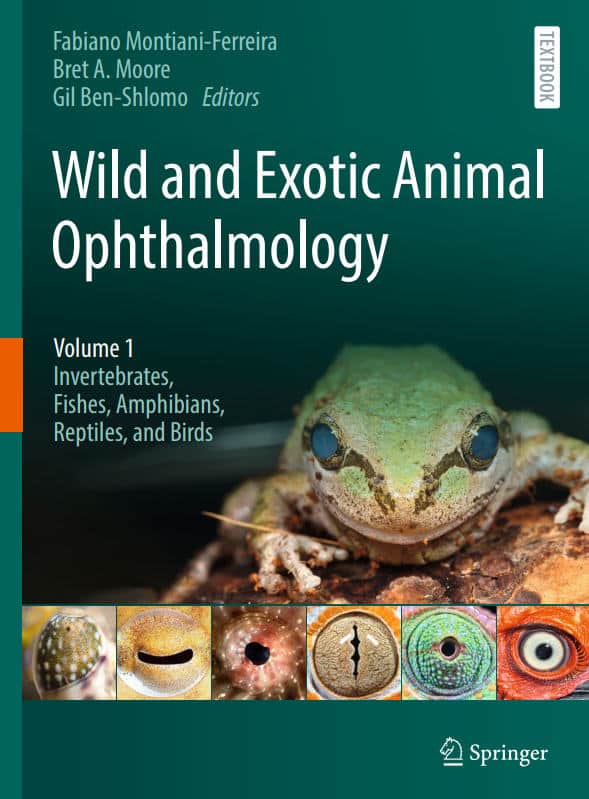
Wild and Exotic Animal Ophthalmology, Volume 1, Invertebrates, Fishes, Amphibians, Reptiles, and Birds

Wild and Exotic Animal Ophthalmology, Volume 1, Invertebrates, Fishes, Amphibians, Reptiles, and Birds PDF

Wild And Exotic Animal Ophthalmology, Volume 1, Invertebrates, Fishes, Amphibians, Reptiles, And Birds Pdf Download

By Fabiano Montiani-Ferreira, Bret A. Moore and Gil Ben-Shlomo

Wild and Exotic Animal Ophthalmology, Volume 1, Invertebrates, Fishes, Amphibians, Reptiles, and Birds is the first textbook to offer a practical yet comprehensive approach to clinical ophthalmology in wild and exotic invertebrates, fishes, amphibia, reptiles, and birds. A phylogenetic approach is used to introduce the ecology and importance of vision across all creatures great and small before focusing on both the diverse aspects of comparative anatomy and clinical management of ocular disease from one species group to the next. Edited by three of the most esteemed authorities in exotic animal ophthalmology, this two-volume work is separated into non-mammalian species (Volume 1: Invertebrates, Fishes, Amphibians, Reptiles, and Birds) and Mammals (Volume 2: Mammals).

Wild and Exotic Animal Ophthalmology, Volumes 1 and 2 is an essential collection for veterinary ophthalmologists and other veterinary practitioners working with wild and exotic animals.

Features

Features:

  • Provides hundreds of high quality color photos and illustrations to visualize ocular conditions
  • Brings clinical expertise in managing ophthalmic diseases to a comprehensive approach of animal vision science
  • Covers all important orders of fish, amphibia, reptiles, birds and invertebrates

Table of Contents

Table of Contents:

Early Photoreception, Invertebrates, and Fishes

  • Evolution of Photoreception and the Eye
  • Ophthalmology of Invertebrates
  • Ophthalmology of Agnatha: Lampreys and Hagfish
  • Ophthalmology of Cartilaginous Fish: Skates, Rays, and Sharks
  • Ophthalmology of Osteichthyes: Bony Fish

Amphibia

  • Introduction to Ophthalmology of Amphibia
  • Ophthalmology of Amphibia: Caecilians, Salamanders, Frogs, Toads, and Relatives

Reptilia

  • Introduction to Ophthalmology of Reptilia
  • Ophthalmology of Rhynchocephalia: Tuatara
  • Ophthalmology of Gekkota: Geckos
  • Ophthalmology of Scinciformata and Laterata: Skinks, Lizards, and Relatives
  • Ophthalmology of Anguimorpha and Iguania: Chameleons, Monitors, Dragons, Iguanas, and relatives
  • Ophthalmology of Serpentes: Snakes
  • Ophthalmology of Testudines: Turtles and Tortoises
  • Ophthalmology of Crocodilia: Alligators, Crocodiles, Caimans, and Gharials

Aves

  • Introduction to Ophthalmology of Aves
  • Ophthalmology of Psittaciformes: Parrots and Relatives
  • Ophthalmology of Passeriformes
  • Ophthalmology of Coraciimorphae: Toucans, Hornbills, Woodpeckers, Kingfishers, and Relatives
  • Ophthalmology of Accipitrimorphae, Strigidae, and Falconidae: Hawks, Eagles, Vultures, Owls, Falcons, and Relatives
  • Ophthalmology of Gruiformes and Aequorlitonithes: Flighted Seabirds & Relatives
  • Ophthalmology of Sphenisciformes: Penguins
  • Ophthalmology of Strisores: Nightjars, Frogmouths, Swifts, Hummingbirds, and Relatives
  • Ophthalmology of Galloanserae: Fowl, Waterfowl, & Relatives
  • Ophthalmology of Palaeognathae: Ostriches, Rheas, Emu, Cassowaries, Tinamous, and Kiwis

Get This Book

This Book is Avaiable for Members

Access this book instantly with a Premium membership
📄 PDF Format
⚡ Instant Delivery
Unlock Premium Access

Veterinary Practice Management 2nd Edition

Veterinary Practice Management 2nd Edition

Veterinary Practice Management 2Nd Edition Pdf Download

By Ignacio Mérida Isla

Veterinary Practice Management 2nd Edition presents veterinary professionals with practical solutions to specific situations they may encounter due to new tendencies influencing the sector. The author gives clear, straightforward, and yet dynamic explanations of topics such as market research, how to form a team and retain staff, business plans and protocols, or how to control expenditure. The book has also been updated with the know-how required to get the most out of the new technologies and digital tools now available to veterinary practices (social media, digital marketing, etc.). The book aims to introduce veterinary professionals who own a practice to the management skills that can empower them to become cutting-edge veterinary entrepreneurs.

Table of Contents

Table of Contents:

Introduction

MARKETING

1. What is marketing and where should investments be made?

2. Positioning of a practice

3. Strategy

4. Brand design

5. Market study and practice viability

6. Marketing in the waiting room

7. Design of a marketing campaign

8. Quality survey: what to ask and what for

9. Client retention

10. How to and why sell food products

11. Inbound marketing for veterinary practices

12. Getting to know our clients

13. Value proposition

14. Customer experience

HUMAN RESOURCES

15. How to be a leader

16. Team building

17. Personnel retention

18. Job descriptions

19. Coaching

20. Employee appraisal

21. Design of job offers

22. Job interview

23. Incentives and cross-selling

PROCESS IMPROVEMENT

24. The Toyota production system

25. Protocols in the veterinary practice

26. Appointments

27. Technology use in the modern practice

28. Personnel management and work schedule improvement

29. Creation of information sheets

30. Process improvement

31. Management software

FINANCIAL ANALYSES

32. Target-based incentives

33. Simple tools to assess success

34. What is a business plan

35. Controlling expenses

36. Establishing business objectives

37. Pricing strategy

38. Financial analysis and types

of financing

39. Suppliers

Bibliography

Get This Book

This Book is Avaiable for Members

Access this book instantly with a Premium membership
📄 PDF Format
⚡ Instant Delivery
Unlock Premium Access

Feline Emergency and Critical Care Medicine

Feline Emergency and Critical Care Medicine

Feline Emergency And Critical Care Medicine Pdf Download

By Christopher G. Byers, Massimo Giunti

Feline Emergency and Critical Care Medicine. Successfully managing emergency patients and those with critical illness requires knowledge and skills often not adequately covered in veterinary school and veterinary technician/nurse training programs. Through this book, the Editors and Authors have created a comprehensive resource to use to grasp the issues and scope of problems inevitably encountered in clinical practice. The book’s format is designed to allow readers to digest the broad range of topics inherent to feline emergency and critical care medicine. Each chapter begins with a Summary Section that details practical points about pathophysiology, clinical signs, diagnosis, and treatment, including algorithms that attempt to simplify a problem and point the reader in the right direction.

Table of Contents

Table of Contents:

  1. Triage and initial stabilization

  2. Fluid therapy and electrolytes

  3. Shock and circulatory failure

  4. Cardiovascular emergencies

  5. Respiratory emergencies

  6. Neurologic emergencies

  7. Gastrointestinal emergencies

  8. Urogenital emergencies

  9. Endocrine emergencies

  10. Hematologic and immune-mediated emergencies

  11. Infectious disease emergencies

  12. Toxicologic emergencies

  13. Pain management

  14. Nutritional support in critical care

  15. Monitoring the critical feline patient

  16. Cardiopulmonary resuscitation

  17. Mechanical ventilation

  18. Blood transfusion and component therapy

  19. Anesthesia in the critical feline patient

  20. Ethical considerations and euthanasia

Get This Book

This Book is Avaiable for Members

Access this book instantly with a Premium membership
📄 PDF Format
⚡ Instant Delivery
Unlock Premium Access

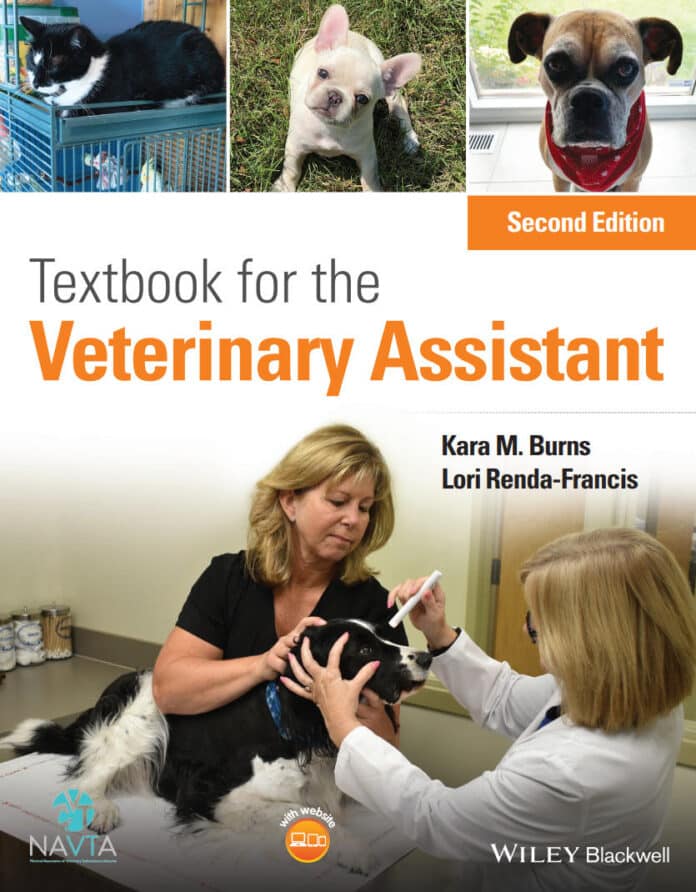
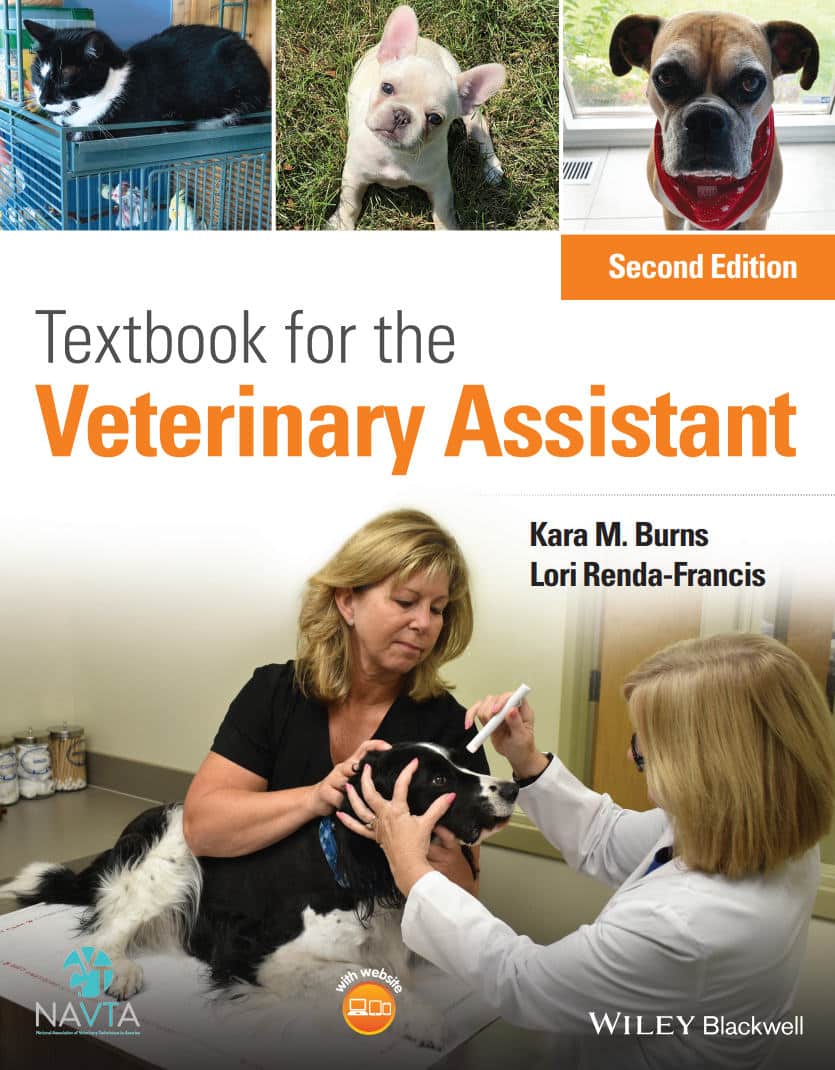
Textbook for the Veterinary Assistant 2nd Edition

Textbook for the Veterinary Assistant 2nd Edition PDF

Textbook For The Veterinary Assistant 2Nd Edition Pdf Download

By Kara M. Burns and Lori Renda-Francis

Textbook for the Veterinary Assistant 2nd Edition delivers a complete exploration of the veterinary assisting curriculum and acts as a comprehensive text for students and instructors. The book discusses all aspects of the curriculum approved by the National Association of Veterinary Technicians in America.

The book is thoroughly updated to reflect cutting-edge advances in veterinary practice and includes a new chapter on laboratory considerations and an updated chapter on avian and exotics covering popular exotic pets. Readers get access to an expanded companion website that offers teaching PowerPoints, homework assignments, self-assessment tests and quizzes, multiple-choice questions, teaching activities, breed study guides, and instructional video clips.

Textbook for the Veterinary Assistant is the ideal resource for veterinary assistant students and veterinary assistants studying for the NAVTA Approved Veterinary Assistant exam, as well as practicing veterinary assistants seeking a one-stop resource that includes up-to-date information on topics such as restraint, behavior, nutrition, anatomy, and laboratory considerations. It is also useful for veterinary technology students in introductory courses.

Features

Features:

  • A thorough introduction to medical terminology for veterinary assistants, including prefixes, suffixes, and common abbreviations used in veterinary medicine
  • Comprehensive explorations of veterinary anatomy, including anatomical directional terms and all relevant anatomical systems
  • Practical discussions of the behavior, handling, and restraint of animals, including explorations of animal body language
  • In-depth examinations of animal nutrition, including discussions of weight management, body condition scoring, and food assessment


Table of Contents

Table of Contents:

Chapter 1 Introduction to the Veterinary (or Assistant)

Chapter 2 Medical Terminology

Chapter 3 Anatomy

Chapter 4 Behavior, Handling, and Restraint

Chapter 5 Office Procedures and Telephone Techniques

Chapter 6 Nutrition

Chapter 7 Breeds

Chapter 8 Breeding and Genetics

Chapter 9 General Nursing Care and Physical Exams

Chapter 10 Exam Room Procedures

Chapter 11 Immunology

Chapter 12 Laboratory Procedures

Chapter 13 Pharmacology

Chapter 14 Radiology

Chapter 15 Surgical Assisting

Chapter 16 Avian and Reptile

Chapter 17 Equine

Chapter 18 Preparing for Internships and Employment

Chapter 19 Inventory

Chapter 20 Euthanasia and Pet Loss

Chapter 21 Client Management

Chapter 22 Medical Records

Chapter 23 Occupational Safety and Health Administration

Get This Book

This Book is Avaiable for Members

Access this book instantly with a Premium membership
📄 PDF Format
⚡ Instant Delivery
Unlock Premium Access

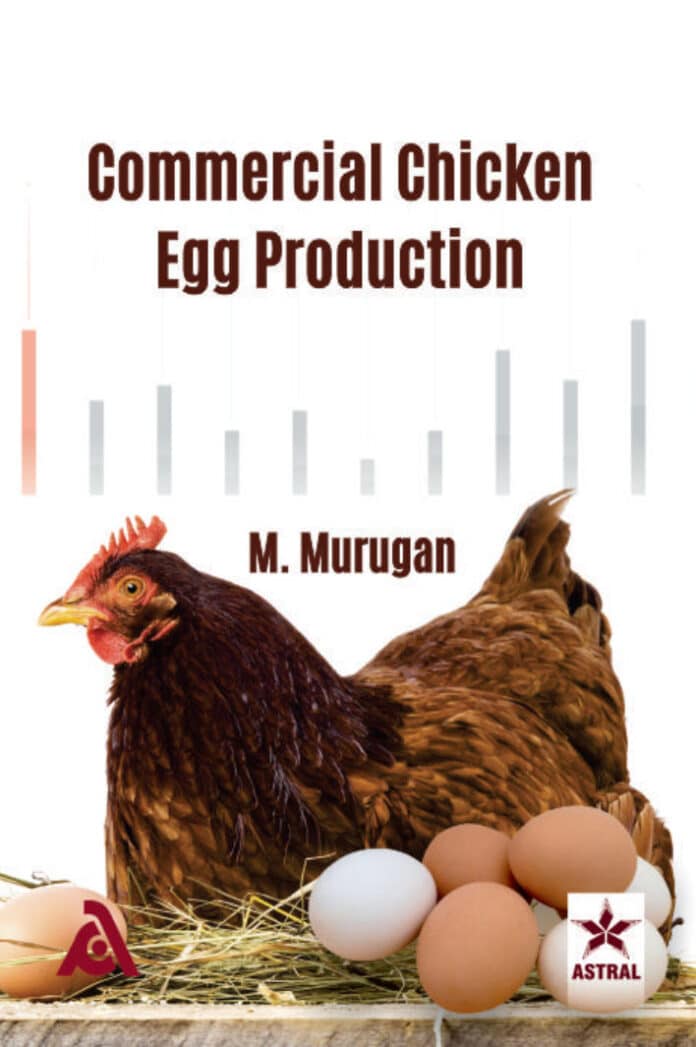
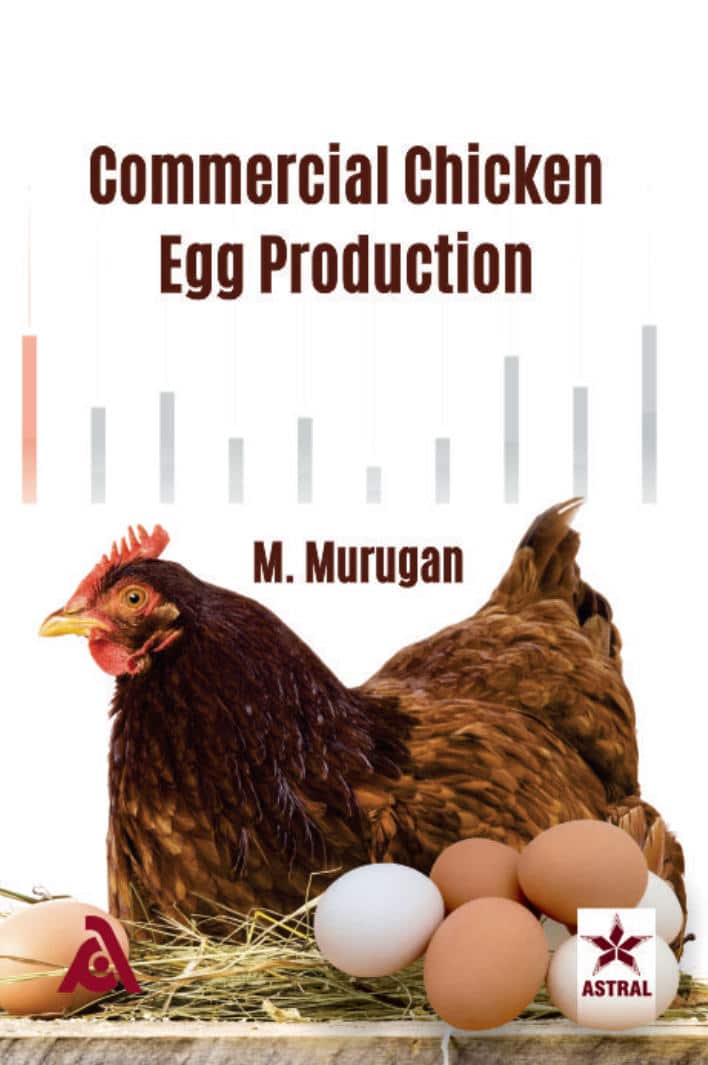
Commercial Chicken Egg Production

Commercial Chicken Egg Production PDF

Commercial Chicken Egg Production Pdf Download

By M Murugan

Commercial Chicken Egg Production. The objective of this book is to elaborate the commercial chicken production system of India with our own farming perspectives. There is a striking difference between western and Indian poultry production systems, which has to be clearly understood for effective professional practice of poultry production in India. Largely, Indian poultry system is tropical climate based and our experience in tropical chicken egg production is unique.The content of commercial chicken egg production is sequentially presented in the book for easy and comprehensive learning and activities have also been provided at the end of each chapter for practice. The target audience for this book is undergraduate and postgraduate students of veterinary science, poultry science, commercial poultry farm managers, farming aspirants and practicing field veterinary technocrats etc.

Table of Contents

Table of Contents:

Preface v
1. Introduction to Commercial Chicken Egg Production
2. Genetic Stocks of Chicken Egg Production
3. Poultry Housing of Layer Chicken
4. Layer Chicken Management
5. Commercial Layer Chicken Feeding
6. Chicken Egg Quality
7. Bio-security in Commercial Layer Farm
8. Common Poultry Diseases
9. Water Quality Management
10. Good Husbandry Practices in Commercial Layer Farming
11. Commercial Chicken Layer Farm Economics
Annexure
Index
Color plates

Get This Book

This Book is Avaiable for Members

Access this book instantly with a Premium membership
📄 PDF Format
⚡ Instant Delivery
Unlock Premium Access