Home Blog Page 118

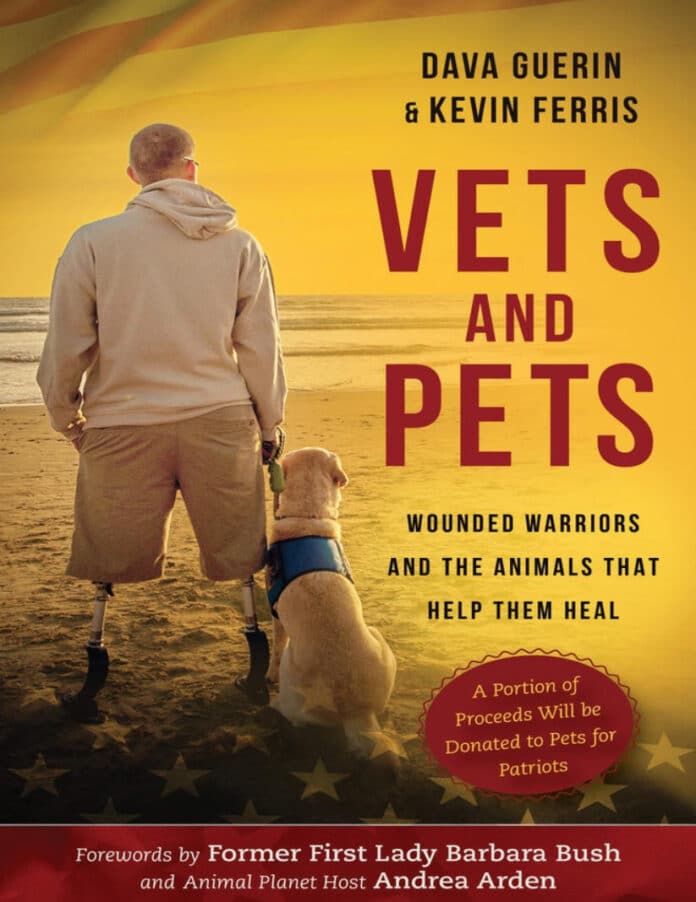
Vets and Pet, Wounded Warriors and the Animals That Help Them Heal

Vets and Pet, Wounded Warriors and the Animals That Help Them Heal

Vets And Pet, Wounded Warriors And The Animals That Help Them Heal Pdf Download

By Dava Guerin and Kevin Ferris

Experience firsthand the inspiring and heartwarming bonds between wounded veterans and their service and companion animals.

“Vets and Pets tells fifteen emotional and entertaining stories of the incredible bonds between wounded warriors, veterans, and other service members and their service and companion animals. Whether these special relationships are with dogs, cats, horses, pigs, or even birds of prey, readers will discover how these remarkable animals help veterans return to civilian life and live independently while simultaneously bringing joy and confidence into their lives.

Tyler struggled to adjust to civilian life after losing both of his legs in Afghanistan, until he met his intelligent and willfully disobedient red European Doberman pinscher, Apollo. Vietnam veteran Patrick regained a sense of well-being and hope through the study of birds of prey. Max the horse has helped numerous veterans learn to trust, improve their communication, and increase their self-confidence and self-esteem. Mandi discovered that the intelligence and unconditional love of pigs were exactly what she needed to heal from an abusive past and a disappointing army-training injury. These are just a few of the uplifting stories that are featured in this striking collection.

In addition to exploring the unique, lifelong bonds that can develop between veterans and their animal companions, Vets and Pets spotlights extraordinary nonprofits that unite wounded warriors with service and companion animals, including Pets for Patriots, Hooves Marching for Mercy, Horses Helping Heroes, and Avian Veteran Alliance, among others. A portion of the proceeds from this book will be donated to Pets for Patriots.

Table of Contents

Table of Contents:

Chapter 1: Animals and Veterans in America: Their Enduring Bonds and Healing Powers

Part 1: At Your Service
Chapter 2: The Army Specialist
Chapter 3: The Marine Tank Commander
Chapter 4: The Army Nurse
Chapter 5: The Army Captain
Chapter 6: The Marine Corporal
Chapter 7: The Navy Vietnam Veteran
Chapter 8: The Navy Dog Handler

Part 2: More Creatures, Great and Small
Chapter 9: The Vietnam Infantryman
Chapter 10: The Army Reservist
Chapter 11: The Cowboy Marine
Chapter 12: The Air Force Vet and Veterinarian
Chapter 13: The Navy Boatswain’s Mate
Chapter 14: Max, the Horse That Helps Heroes
Chapter 15: The Army Veteran
Chapter 16: Secrets for an Enduring Bond

Epilogue
About the Authors
Photos

Get This Book

This Book is Avaiable for Members

Access this book instantly with a Premium membership

📄 PDF Format
⚡ Instant Delivery
Unlock Premium Access

Veterinary Practice Management, 3rd Edition

Veterinary Practice Management, 3rd Edition

Veterinary Practice Management, 3Rd Edition Pdf Download

By John S. M. Bower, John N. Gripper, Peter L. Gripper and Dixon Gunn

Veterinary Practice Management, 3rd Edition Book continues to provide an essential source of information on practice management. It gives straightforward guidance to veterinary surgeons setting up in practice for the first time as well as being invaluable to established practitioners and staff keen to improve the efficiency of their business. Those preparing for the Certificate in Veterinary Practice Management will find it particularly helpful.

Written by recognised experts in their field, Veterinary Practice Management now includes new chapters on veterinary nurse clinics, pharmacy management, management accounts and staff appraisals. There is also new material providing information and advice on partnership contracts, business marketing and health and safety.

Table of Contents

Table of Contents:

1. Starting up in Practice

2. General Tips

3. The Practice Premises

4. The Pet Care Centre

5. Client Meetings

6. Involvement in the Local Community

7. The Receptionist and the Nurse

8. Veterinary Nurse Clinics

9. The Veterinary Surgeon

10. Staff Motivation

11. Staff Training

12. Staff Appraisal

13 Interview Techniques

14. Partner’s Responsibilities

15. Retirement

16. The Practice Manager

17. The Practice Manual

18. Business Marketing

19. Record Keeping

20. Stock Control

21. Computers in Practice

22. The Business Plan

23. Understanding Practice Accounts

24. Budget Forecasts and Performance Monitoring

25. Capital Budgeting

26. The Ins and Outs of Cash Flow

27. Management Accounts

28. Construction of a Fee

29. Securing Income

30. Buying a Property

31. A Tax on Income

32. Value Added Tax

33. PAYE and National Insurance

34. Insurance and Pensions

35. Pharmacy

36. Health and Safety and COSHH (Control of Substances Hazardous to Health)

37. Employment Law

38. Limited Companies

39. Buying and Selling a Partnership

40. Payment by the Incoming Partner

41. Valuation of Goodwill

42. Partnership Contracts

Index

Get This Book

This Book is Avaiable for Members

Access this book instantly with a Premium membership

📄 PDF Format
⚡ Instant Delivery
Unlock Premium Access

Veterinary Oncology: A Short Textbook

Veterinary Oncology: A Short Textbook

Veterinary Oncology: A Short Textbook Pdf Download

By Robert Klopfleisch

Veterinary Oncology: A Short Textbook provides a comprehensive but concise overview of the principles of oncogenesis in veterinary medicine, discussing selected tumors in domestic animals in detail, and addressing cancer diagnostics and therapy. All chapters are illustrated with histological and radiological images to enhance readers’ understanding. Accordingly, the book is a must-have reference guide for all graduate and advanced undergraduate students in Veterinary Medicine with a special interest in oncology.

Features

Features:

  • First concise graduate textbook on Veterinary Oncology
  • Covers the most common tumor types in domesticated animals
  • Presents state of the art strategies in cancer diagnostics and treatment

Table of Contents

Table of Contents:

  1. Basic Principles of Carcinogenesis
  2. Basic Principles of Cancer Diagnostics
  3. Basic Principles of Cancer Therapy
  4. Skin Tumors
  5. Mammary Tumors
  6. Hematopoietic Tumors
  7. Urogenital Tract Tumors
  8. Hepatobiliary Tumors
  9. Alimentary Tumors
  10. Tumors of the Exocrine Pancreas
  11. Skeletal Tumors
  12. Endocrine Tumors
  13. Nervous System Tumors
  14. Respiratory System Tumors
  15. Vascular Tumors
  16. Ocular and Periocular Tumors
  17. Thymomas
  18. Mesotheliomas
  19. Tumors of Mice, Rats, Rabbits, and Guinea Pigs

Get This Book

This Book is Avaiable for Members

Access this book instantly with a Premium membership

📄 PDF Format
⚡ Instant Delivery
Unlock Premium Access

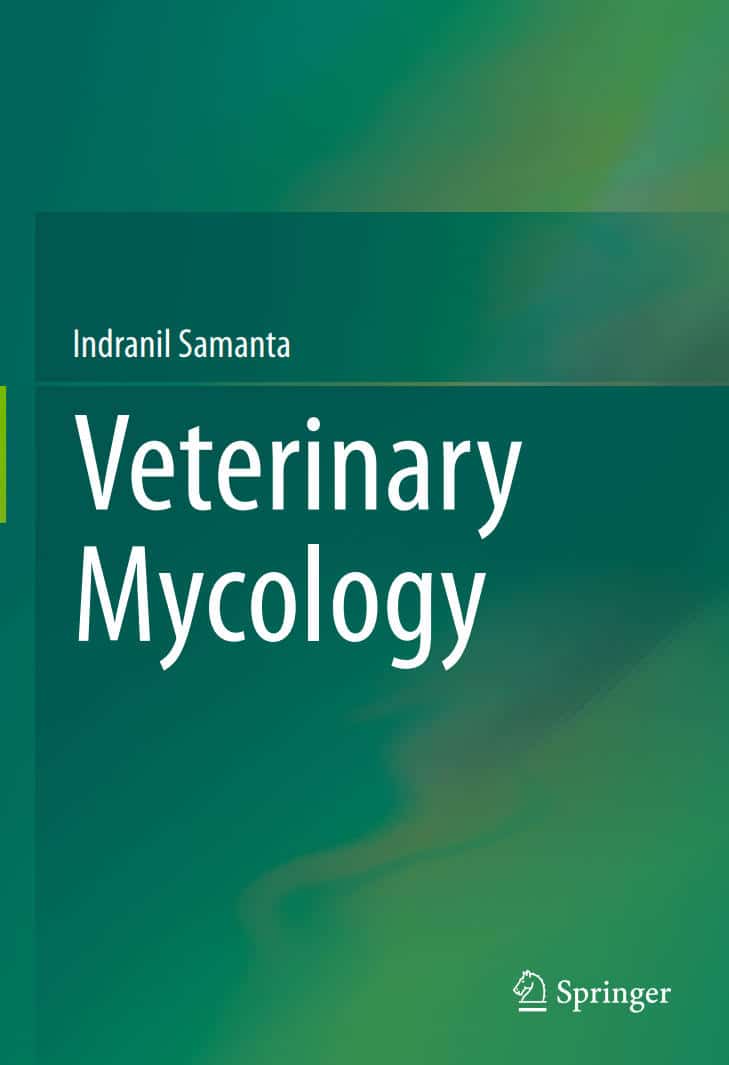
Veterinary Mycology

Veterinary Mycology

Veterinary Mycology Pdf Download

By Indranil Samanta

Veterinary Mycology is a comprehensive overview of the fungi that are clinically relevant for animals and humans. It is divided in three major parts: the first part comprises the history of veterinary and medical mycology, general aspects of morphology, growth, nutrition, reproduction and classification of fungi. In the second part, the etiologic agents of cutaneous, subcutaneous and systemic mycoses are described in detail with special emphasis on emerging and uncommon pathogenic fungi. Each chapter consists of a brief history and the morphology, classification, reproduction, susceptibility to disinfectants, natural habitat, distribution, genome, isolation, growth and colony characteristics, antigenic characteristics, virulence factors. The major diseases and their routes of transmission, pathogenesis, immunity, diagnosis and treatment are also covered. The third part focuses on laboratory diagnosis including clinical sample collection, their processing for fungal isolation, special stains for microscopic visualization, culture media composition and a relevant glossary. Each chapter includes color photographs, schematic diagrams and tables for better understanding.

Features

Features:

  • Provides the latest information on all facets of Veterinary Mycology
  • Starts with introduction of basic characteristics and classification of fungi, moves onto systematic mycology, focuses on fungi causing mastitis abortion and mycotoxicosis and concludes with collection, processing and diagnostic techniques for fungi
  • Will serve as a useful reference not only for the academicians but also for the professionals engaged in the animal disease diagnosis laboratory


Table of Contents

  • 1. History
  • 1.1 Medical Mycology
  • 1.2 Veterinary Mycology
  • 2. General Characteristics of Fungi
  • 2.1 Morphology
  • 2.1.1 Types of Hyphae
  • 2.1.2 Fungal Cell Structure
  • 2.2 Nutrition and Growth
  • 2.3 Reproduction
  • 3. Classification of Fungi
  • 4. Cutaneous, Subcutaneous and Systemic Mycology
  • 4.1 Trichophyton
  • 4.2 Microsporum
  • 4.3 Epidermophyton
  • 4.4 Aspergillus
  • 4.5 Blastomyces
  • 4.6 Coccidioides
  • 4.7 Histoplasma
  • 4.8 Rhinosporidium
  • 4.9 Rhizopus
  • 4.10 Mucor
  • 4.11 Penicillium
  • 4.12 Cryptococcus
  • 4.13 Candida
  • 4.14 Sporothrix
  • 4.15 Mycetoma (Madurella, Pseudallescheria, Scedosporium)
  • 4.16 Pythium
  • 4.17 Emerging and Uncommon Pathogenic Fungi
  • 5. Collection and Transport of Clinical Material for Isolation of Fungi
  • 5.1 Transport of Clinical Materials
  • 6. Diagnostic Techniques for Fungi
  • Appendix
  • Composition of Commonly Used Mounting Fluids/Stains
  • Composition of Commonly Used Media in Diagnostic Mycology
  • Glossary
  • Index

Get This Book

File Size 5.2 MB
File Format PDF
Download  link Download Now | Go Premium, Unlock All Books
Useful Links: Support | Browse All Categories
Join Telegram Channel: Telegram

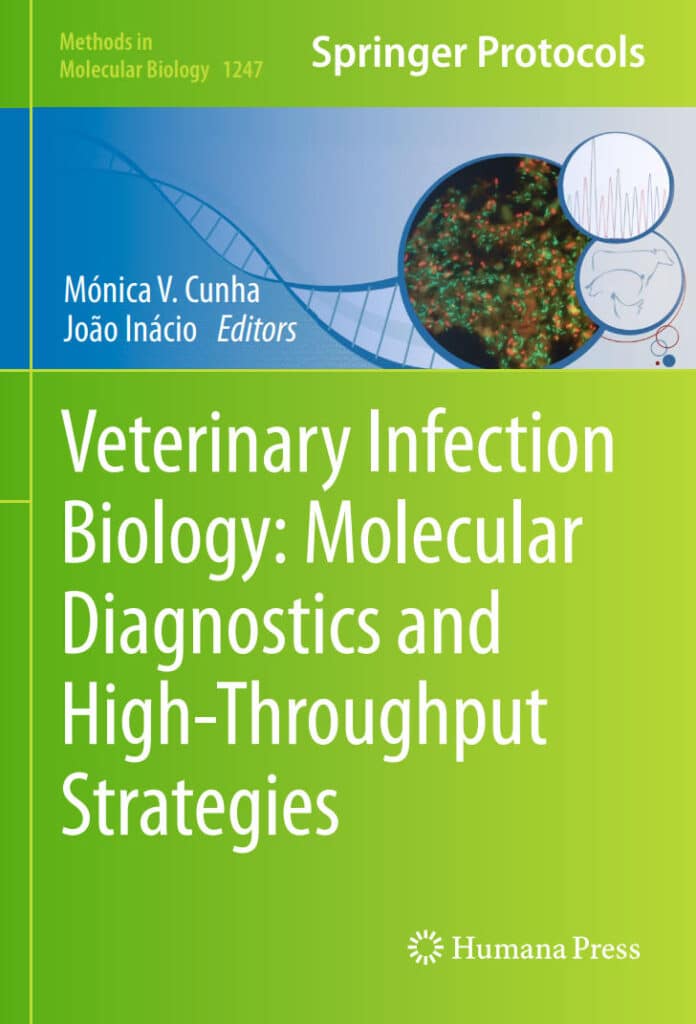
Veterinary Infection Biology: Molecular Diagnostics and High-Throughput Strategies

Veterinary Infection Biology: Molecular Diagnostics and High-Throughput Strategies

Veterinary Infection Biology: Molecular Diagnostics And High-Throughput Strategies Pdf Download

By Mónica V. Cunha and João Inácio

Veterinary Infection Biology: Molecular Diagnostics and High-Throughput Strategies provides an overview of molecular biology tools for pathogen detection and characterization. Focusing on biobanking, biosafety, good laboratory practices, biological specimen collection and processing, quality assurance and control, validation of molecular diagnostic assays for veterinary use; molecular detection and identification of animal pathogens using a wide range of established techniques and covering, also, emerging diagnosis approaches; genotyping tools for assessing the genetic landscape and epidemiology of pathogens; and integrative omics and high-throughput technologies as powerful research tools. Written in the highly successful Methods in Molecular Biology series format, chapters include introductions to their respective topics, lists of the necessary materials and reagents, step-by-step, readily reproducible laboratory protocols, and key tips on troubleshooting and avoiding known pitfalls.

Authoritative and practical, Veterinary Infection Biology: Molecular Diagnostics and High-Throughput Strategies aids scientists in continuing to study a broad range of molecular approaches, from simple and affordable to emerging and sophisticate.

Features

Features:

  • Includes cutting-edge methods and protocols
  • Provides step-by-step detail essential for reproducible results
  • Contains key notes and implementation advice from the experts


Table of Contents

  • PART I – Introducing Nucleic Acid Testing in the Veterinary Laboratory
  • Overview and Challenges of Molecular Technologies in the Veterinary Microbiology Laboratory
  • Significance and Integration of Molecular Diagnostics in the Framework of Veterinary Practice
  • Biosafety Principles and Practices for the Veterinary Diagnostic Laboratory
  • Veterinary Biobank Facility: Development and Management for Diagnostic and Research Purposes
  • Biological Specimen Collection and Processing for Molecular Analysis
  • Validation of Molecular Diagnostic Assays and Quality Assurance and Control in the Veterinary Laboratory
  • PART II – Molecular Detection and Identification of Animal Pathogens in Laboratorial Settings
  • Molecular Approaches to Recognize Relevant and Emerging Infectious Diseases in Animals
  • Real-Time Reverse Transcriptase PCR for the Detection of Bluetongue Virus
  • Nested and Multiplex Real-Time PCR Using Dual-Labeled Probes: Detecting and Discriminating Mycobacterium tuberculosis Complex Members in Cultures and Animal Tissues
  • A Real-Time PCR Assay for the Diagnosis of Gastrointestinal Nematode Infections of Small Ruminants
  • Improved Detection of Mycobacterium bovis in Bovine Tissues Using Immunomagnetic Separation Approaches
  • Detection of Fish Pathogens by Loop-Mediated Isothermal Amplification (LAMP) Technique
  • Direct Detection of Theileria annulata in Bovine Blood Samples Using Standard and Isothermal DNA Amplification Approaches
  • Reverse Line Blot Hybridization with Species-Specific Oligonucleotide Probes: Application to Piroplasm Detection
  • DNA Microarray-Based Detection of Multiple Pathogens: Mycoplasma spp. and Chlamydia spp.
  • In Situ Hybridization with Labeled Probes: Assessment of African Swine Fever Virus in Formalin-Fixed Paraffin-Embedded Tissues
  • Fluorescence In Situ Hybridization for the Tissue Detection of Bacterial Pathogens Associated with Porcine Infections
  • Identification of Animal Pasteurellaceae by MALDI-TOF Mass Spectrometry
  • Gold Nanoparticles as a Potential Tool for Diagnosis of Fish Diseases
  • Nucleic-Acid Testing, New Platforms and Nanotechnology for Point-of-Decision Diagnosis of Animal Pathogens
  • PART III – Molecular Profiling of Veterinary Relevant Microbial Pathogens
  • Molecular Typing Tools: From Pattern Recognition to Genome-Based Algorithms
  • Characterization of Campylobacter jejuni and Campylobacter coli Genotypes in Poultry Flocks by Restriction Fragment Length Polymorphism (RFLP) Analysis
  • Pulsed-Field Gel Electrophoresis (PFGE): Application in Population Structure Studies of Bovine Mastitis-Causing Streptococci
  • Multiple-Locus Variable-Number Tandem Repeat (VNTR) Analysis (MLVA) Using Multiplex PCR and Multicolor Capillary Electrophoresis: Application to the Genotyping of Brucella Species
  • Multilocus Sequence Typing (MLST): Markers for the Traceability of Pathogenic Leptospira Strains
  • Single-Nucleotide Polymorphism Discrimination Using High-Resolution Melting Analysis for the Genotyping of Bacillus anthracis
  • Clustered Regularly Interspaced Short Palindromic Repeats (CRISPRs) Analysis of Members of the Mycobacterium tuberculosis Complex
  • Rapid Microarray-Based Genotyping of Chlamydia spp. Strains from Clinical Tissue Samples
  • Multiplexed Genotyping of Bacillus anthracis by Luminex xMap Suspension Array
  • PART IV – Integrative Omics and High-Throughput Platforms
  • Next-Generation Sequencing in Veterinary Medicine
  • Impact of Next-Generation Technologies on Exploring Socioeconomically Important Parasites and Developing New Interventions
  • Functional Genomics of Tick Vectors Challenged with the Cattle Parasite Babesia bigemina
  • Metagenomic Approaches to Disclose Disease-Associated Pathogens: Detection of Viral Pathogens in Honeybees
  • Proteomics Characterization of Tick-Host-Pathogen Interactions
  • Index

Get This Book

File Size 16.6 MB
File Format PDF
Download  link Download Now | Go Premium, Unlock All Books
Useful Links: Support | Browse All Categories
Join Telegram Channel: Telegram

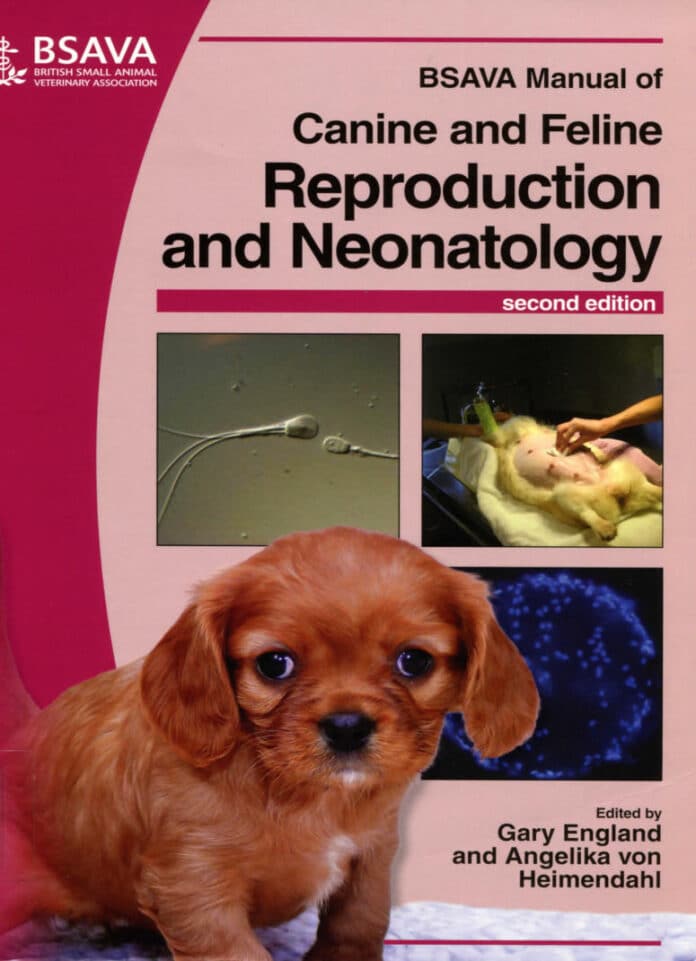
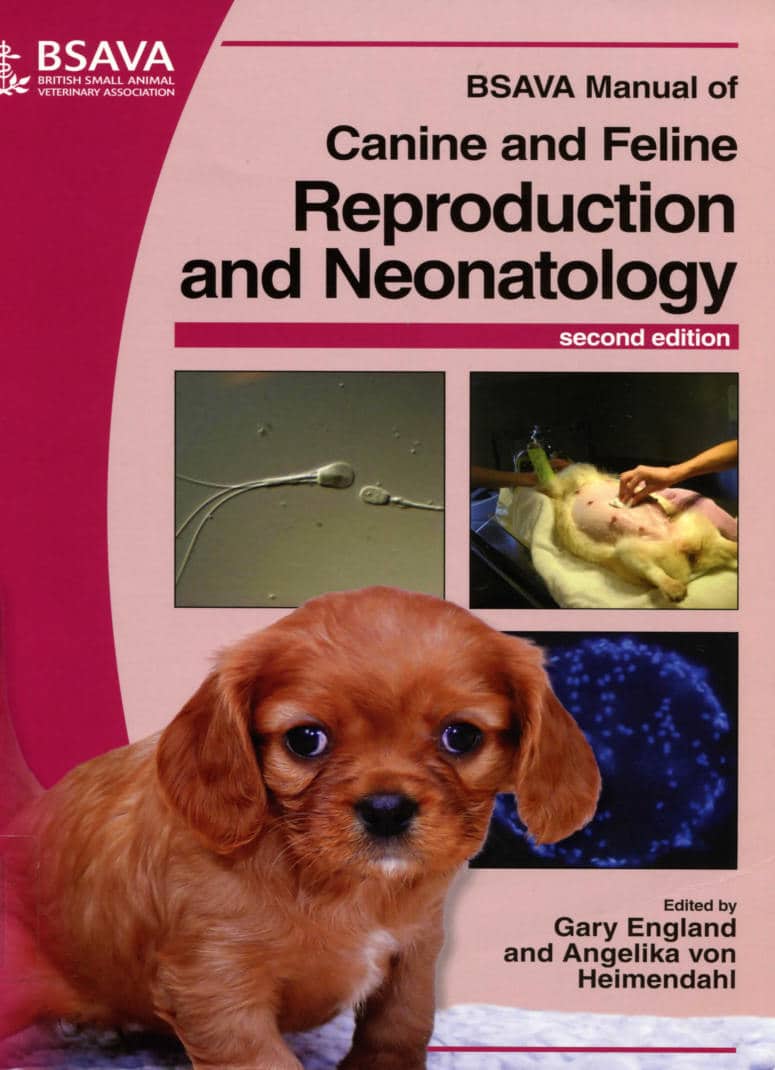
BSAVA Manual of Canine and Feline Reproduction and Neonatology, 2nd Edition

BSAVA Manual of Canine and Feline Reproduction and Neonatology, 2nd Edition

Bsava Manual Of Canine And Feline Reproduction And Neonatology, 2Nd Edition Pdf Download

By Gary England and Angelika von Heimendahl

BSAVA Manual of Canine and Feline Reproduction and Neonatology, 2nd Edition. Following the success of the first edition, this Manual has been completely updated and reorganized to be even more practical and user-friendly. It follows reproductive medicine from mating, through conception and birth, looking at problems such as infertility and dystocia along the way. Care of the neonate plus conditions that may affect new puppies and kittens are also included. New developments in drugs and in biotechnology are discussed. Full colour photographs and illustrations support the text, which has been prepared by international contributors.

Table of Contents

Table of Contents:

  1. Physiology and endocrinology of the female
  2. Physiology and endocrinology of the male
  3. Prevention of breeding in the female
  4. Prevention of breeding in the male
  5. Determining breeding status
  6. Clinical approach to the infertile bitch
  7. Clinical approach to the infertile queen
  8. Clinical approach to the infertile male
  9. Artificial insemination in dogs
  10. Pregnancy diagnosis, normal pregnancy and parturition in the bitch
  11. Pregnancy diagnosis, normal pregnancy and parturition in the queen
  12. Clinical approach to unwanted mating and pregnancy termination
  13. Clinical approach to abnormal parturition
  14. Problems during and after parturition
  15. Care of the neonate
  16. Clinical approach to neonatal conditions
  17. Clinical approach to mammary gland disease
  18. Clinical approach to conditions of the non-pregnant and neutered bitch
  19. Clinical approach to conditions of the non-pregnant and neutered queen
  20. Clinical approach to conditions of the male
  21. Clinical relevance of biotechnological advances
  22. Index

Get This Book

This Book is Avaiable for Members

Access this book instantly with a Premium membership

📄 PDF Format
⚡ Instant Delivery
Unlock Premium Access

Saunders Solutions in Veterinary Practice: Small Animal Dermatology

Saunders Solutions in Veterinary Practice: Small Animal Dermatology

Saunders Solutions In Veterinary Practice: Small Animal Dermatology Pdf DownloadBy Anita Patel and Peter Forsythe

Saunders Solutions in Veterinary Practice: Small Animal Dermatology is one of the most important Veterinary Books Pdf on available on our website .This title is directed primarily towards health care professionals outside of the United States. For most dermatological conditions several treatment and/or management options are available, making the situation even more complicated. Small Animal Dermatology is a handy reference for these cases and encourages the practitioner to pursue a definitive diagnosis and plan effective management even if the condition can not be cured.

Features

Features:

  • Unique new cased-based approach relating essential theory to clinical practice
  • Modern, highly designed and illustrated so key information can be seen at a glance
  • Self testing, MCQs and remediation means these books are ideally suited for CPD or as an exam revision aid
  • Essential for all general small animal veterinary practitioners and students


Table of Contents

Table of Contents:

Chapter 1. The dermatology consultation
Chapter 2. Laboratory tests
Section I: PRURITUS WITH PAPULES AND/OR CRUSTING AND/ OR SCALING
Chapter 3. Introduction to pruritus-pathogenesis and evolution of lesions
Chapter 4. Sarcoptic mange
Chapter 5. Flea allergic dermatitis
Chapter 6. Atopic dermatitis
Chapter 7. Malassezia dermatitis
Chapter 8. Cheyletiellosis
Chapter 9. Dermatophytosis in a Jack Russell terrier
Chapter 10. Dermatophytosis in a guinea-pig
Chapter 11. Adverse food reaction
Section 2: SCALE AND CRUST WITHOUT PRURITUS
Chapter 12. Introduction to crusting and scaling
Chapter 13. Sebaceous adenitis
Chapter 14. Exfoliative dermatitis with thymoma
Chapter 15. Epitheliotropic lymphoma


Get This Book

This Book is Avaiable for Members

Access this book instantly with a Premium membership

📄 PDF Format
⚡ Instant Delivery
Unlock Premium Access

FoalinMare DVD: Insights Inside the Foaling Mare

FoalinMare DVD: Insights Inside the Foaling Mare

Foalinmare Dvd: Insights Inside The Foaling Mare Pdf Download

By Jan Govaere, Katrien Martens and Aart de Kruif

FoalinMare DVD: Insights Inside the Foaling Mare. In comparison with other domestic animals, parturition in the horse is a fast and almost explosive event. Mostly it takes place in an uncomplicated manner, but when difficulties arise, adequate veterinary intervention can be life saving. Most of these life saving interventions can only be learned from bitter experience, with all the consequences which this involves.

The objective of this DVD is to provide veterinary surgeons and students, grooms and horse owners with more ‘insights inside’ the foaling mare. This was done by creating a model to visualize the entire birth process from stage I through stage III.

The resulting DVD consists of 2 high-definition film sequences and 45 minutes of 3-D movie animations illustrating the normal intra-uterine development of the foal, the normal progression of stages 1, 2 and 3 of parturition and the associated abnormalities, prolapse of the bladder, uterine torsion and many other complications pre- and postpartum, including malpostures and malpresentations, obstetrical manipulations, foetotomy, cesarean section, and more.

All details thus captured were checked by renowned specialists in equine obstetrics, and scientific considerations prevailed in the design.

The entire production comes along with voice-overs in English, Spanish, French, Italian and German. Subtitling and texts are available in Arabic, Dutch, Estonian, Japanese, Portuguese and Russian.

Get This Book

This Book is Avaiable for Members

Access this book instantly with a Premium membership

📄 PDF Format
⚡ Instant Delivery
Unlock Premium Access

Parasitology: An Integrated Approach 2nd Edition

Parasitology: An Integrated Approach 2nd Edition

Parasitology: An Integrated Approach 2Nd Edition Pdf Download

By Alan Gunn and Sarah Jane Pitt

Parasitology: An Integrated Approach 2nd Edition holds true to its engaging and easy-to-read approach. It comprehensively covers the complex and dynamic interaction between the parasite and its host ranging from invertebrates to vertebrates. Following an integrated approach, the authors explain how the study of parasites requires an understanding of biological concepts such as growth and reproduction, molecular biology, biochemistry, immunology, and pathology. In this second edition, they further address parasites and parasite relationships in the grand scheme of global changes and their impact.

This textbook also reviews the often-neglected positive aspects of parasite infections and how humans have used parasites for their own advantage.

Parasitology: An Integrated Approach includes supplementary learning resources such as self-assessment quizzes, practical exercises, and an extensive collection of photographs.

A valuable and comprehensive learning resource for undergraduate students in the biological, biomedical and veterinary sciences and in medicine. It is also of interest to postgraduates and professionals with an interest including but not limited to parasitology, animal welfare, ecology, and medical microbiology.

Features

Features:

  • Now includes parasite life cycles in colour
  • Strong focus on parasite interactions with other pathogens such as bacteria and viruses
  • Discusses major advancements in the field of parasite diagnostics
  • Additional image material and learning resources (quizzes, practical exercises) provided online

Table of Contents

Table of Contents:

1. Animal Associations and the Importance of Parasites

2. Taxonomy

3. Parasitic Protozoa Part A: Phyla Rhizopoda, Metamonada, Apicomplexa

4. Parasitic Protozoa Part B: Phylum Kinetoplastida; Parasitic Algae and Fungi

5. Platyhelminth and Acanthocephalan Parasites

6. Nematode Parasites

7. Arthropod Parasites

8. Parasite Transmission

9. Immune Reactions to Parasitic Infections

10. Pathology Part A: Factors Influencing Pathogenesis, How Parasites Cause Pathology, Types of Pathology

11. Pathology Part B: Damage to Specific Organs; Co-Infections and Pathogenesis

12. The Useful Parasite

13. The Identification of Protozoan and Helminth Parasites

14. Parasite Treatment

15. Parasite Vaccines

16. Parasite Control

References

Index

Get This Book

This Book is Avaiable for Members

Access this book instantly with a Premium membership

📄 PDF Format
⚡ Instant Delivery
Unlock Premium Access

Kirk’s Current Veterinary Therapy XIV

Kirk’s Current Veterinary Therapy XIV

Kirk’s Current Veterinary Therapy Xiv Pdf Download

By John D. Bonagura and David C. Twedt

Kirk’s Current Veterinary Therapy XIV includes the most up-to-date information from leading experts in the veterinary field with over 260 new chapters. The user-friendly format presents content clearly to help you easily find the information you need and put it in practice. Selective lists of references and suggested readings provide opportunities for further research, and the Companion CD includes helpful information from the previous volume that still applies to current practice.

Features

Features:

  • Authoritative, reliable information on diagnosis includes details on the latest therapies.
  • An organ-system organization makes it easy to find solutions for specific disorders.
  • Concise chapters are only 2-5 pages in length, saving you time in finding essential information.
  • Well-known writers and editors provide accurate, up-to-date coverage of important topics.
  • A convenient Table of Common Drugs, updated by Dr. Mark Papich, offers a quick reference to dosage information.
  • Cross-references to the previous edition make it easy to find related information that remains valid and current.
  • A list of references and suggested readings is included at the end of most chapters.
  • A fully searchable companion Evolve website adds chapters from Kirk’s Current Veterinary Therapy XIII, with information that has not changed significantly since its publication. It also includes an image collection with over 300 images, and references linked to PubMed. Useful appendices on the website provide a virtual library of valuable clinical references on laboratory test procedures and interpretation, normal reference ranges, body fluid analyses, conversion tables, nutritional profiles, a drug formulary, and more.
  • More than 260 new chapters keep you at the leading edge of veterinary therapy.

Table of Contents

Table of Contents:

Section 1: Critical Care

1. Shock

2. Acute Pain Management

3. Nutrition in Critical Care

4. Antiplatelet and Anticoagulant Therapy

5. Cardiopulmonary Cerebral Resuscitation

6. Traumatic Brain Injury

7. Vascular Access Techniques

8. Pacing in the Critical Care Setting

9. Fluid Therapy

10. Acid-Base Disorders

11. Colloid Fluid Therapy

12. Acute Abdomen: Evaluation and Emergency Treatment

13. Drainage Techniques for the Septic Abdomen

14. Gastric Dilatation-Volvulus

15. Emergency Management of Open Fractures

16. Thoracic Trauma

17. Intravenous Anesthetic and Analgesic Techniques

Section 2: Toxicologic Disorders

18. Toxin Exposures in Small Animals

19. Toxins Seen in Emergency Clinics

20. Reporting an Adverse Drug Reaction to the FDA

21. Sources of Help for Toxicosis Cases

22. Small Animal Poisoning: Additional Considerations Related to Legal Claims

23. Urban Legends of Toxicology-Facts and Fiction

24. Toxicosis Treatments

25. Rodenticide Toxicoses

26. Insecticide Toxicoses

27. Parasiticide Toxicoses: Avermectins

28. Lead Toxicosis in Small Animals

29. Automotive Toxins

30. Nicotine Toxicosis

31. Recently Recognized Animal Toxicants

32. Human Drugs of Abuse

33. Toxicology of Veterinary and Human Estrogen and Progesterone Formulations in Dogs

34. Herbal Hazards

35. Aflatoxicosis in Dogs

36. Nephrotoxins

37. Food Toxicoses in Small Animals

Section 3: Endocrine and Metabolic Diseases

38. Interpretation of Endocrine Diagnostic Test Results for Adrenal and Thyroid Disease

39. Medical Treatment of Hyperthyroidism

40. Radiodidine for Hyperthyroidism

41. Hypothyroidism

42. Obesity

43. Canine Diabetes Mellitus

44. Feline Diabetes Mellitus

45. Diet and Diabetes

46. Diabetic Monitorinq

47. Complicated Diabetes Mellitus

48. Atypical and Subclinical Hyperadrenocorticism

49. Hyperadrenocorticism

50. Adrenal Insufficiency in Critical Illness

51. Hypoadrenocoticism

52. Idiopathic Hypercalcemia in Cats

53. Treatment of Hypoparathyroidism

54. Hypercalcemia and Primary Hyperparathyroidism in Dogs

Section 4: Hematology, Oncology, Immunology

55. Immunosuppressive Agents

56. Blood Typing and Cross-Matching

57. Immune-Mediated Hemolytic Anemia

58. Nonregenerative Anemias

59. von Willebrand’s Disease and Other Hereditary Coagulopathies

60. Thrombocytopenia

61. DIC Diagnosis and Management

62. Platelet Dysfunction

63. Clinical Trials in Veterinary Oncology

64. Collection of Specimens for Cytology

65. Anticancer Drugs and Protocols – Traditional Drugs

66. Anticancer Drugs – New Drugs

67. Radiation Therapy

68. Surgical Oncology Principles

69. Canine Soft Tissue Sarcomas

70. Hemangiosarcoma

71. Feline Vaccine Associated Sarcoma

72. Canine Lymphoma

73. Feline Gastrointestinal Lymphoma

74. Paraneoplastic Hypercalcemia

75. Malignant Histiocytosis

76. Nasal Tumors

77. Pulmonary Neoplasia

78. Osteosarcoma

79. Mammary Cancer

80. Urinary Bladder Cancer

81. Mast Cell Tumor

82. Malignant Melanoma

83. Anal Sac Tumors

Section 5: Dermatologic Diseases

84. Cyclosporine Use in Dermatology

85. Interferons

86. Avermectins in Dermatology

87. Hypoallergenic Diets- Principles of Therapy

88. Pentoxifylline

89. Glucocorticoids in Dermatology

90. Pruritis Therapy in the Cat

91. Shampoo Therapy

92. Allergen-specific Immunotherapy

93. Topical Immune Modulatorsv

94. Dust Mites and Their Control

95. Topical Therapy of Otitis Externa

96. Systemic Therapy for Otitis Externa and Media

97. Ear Flushing Techniques

98. Feline Demodecosis

99. Feline Viral Skin Diseases

100. Canine Papillomaviruses

101. Pyotraumatic Dermatitis (Hot Spots)

102. Methicillin Resistant Canine Pyoderma

103. Sebaceous Adenitis

104. Malassezia Therapy

105. Treatment of Dermatophytosis in Dogs and Cats

106. Canine Cutaneous Histiocytic Diseases

107. Anal Sac Diseases

108. Acral Lick Dermatitis

Section 6: Gastrointestinal Diseases

109. Feline Stomatitis Faucitis

110. Dysphasia

111. Esophagitis

112. Megaesophagus

113. Helicobacter Gastritis

114. Gastric Ulceration

115. Inflammatory Bowel Disease

116. Tylosin Responsive Diarrhea

117. Trichomonas

118. Protein-Losing Enteropathy

119. Chronic Colitis in Dogs and Cats

120. Canine Ulcerative Colitis

121. Flatulence

122. Anal-Rectal Disease

123. Exocrine Pancreatic Insufficiency

124. Canine Pancreatic Disease

125. Feline Pancreatic Disease

126. Diagnostic Approach to Hepatobiliary Disease

127. Diagnostic Evaluation of Elevated Serum Alkaline Phosphatase in the Dog

128. Hepatic Support Therapy

129. Copper-Associated Chronic Hepatitis

130. Ursodeoxycholic Acid Therapy

131. Drug-Associated Liver Disease

132. Feline Hepatic Lipidosis

133. Cholangitisv

134. Portal Systemic Shunts

135. Biliary Mucocele in Dogs

136. Esophageal Feeding Tubes

Section 7: Respiratory Diseases

137. Oxygen Therapy

138. Ventilator Therapy

139. Rhinitis in the Dog

140. Rhinitis in the Cat

141. Brachycephalic Upper Airway Syndrome in Dogs

142. Nasopharyngeal Disorders

143. Laryngeal Diseases

144. Medical Management of Tracheal Collapse

145. Tracheal Collapse

146. Chronic Bronchitis in Dogs

147. Bordetella-bronchiseptica Bronchitis

148. Bronchitis and Asthma in Cats

149. Bacterial Pneumonia

150. Noncardiogenic Pulmonary Edema

151. Respiratory Parasites

152. Interstitial Lung Diseases

153. Pleural Effusion

154. Pneumothorax

155. Pulmonary Thromboembolism

156. Pulmonary Hypertension

Get This Book

This Book is Avaiable for Members

Access this book instantly with a Premium membership

📄 PDF Format
⚡ Instant Delivery
Unlock Premium Access