Home Blog Page 111

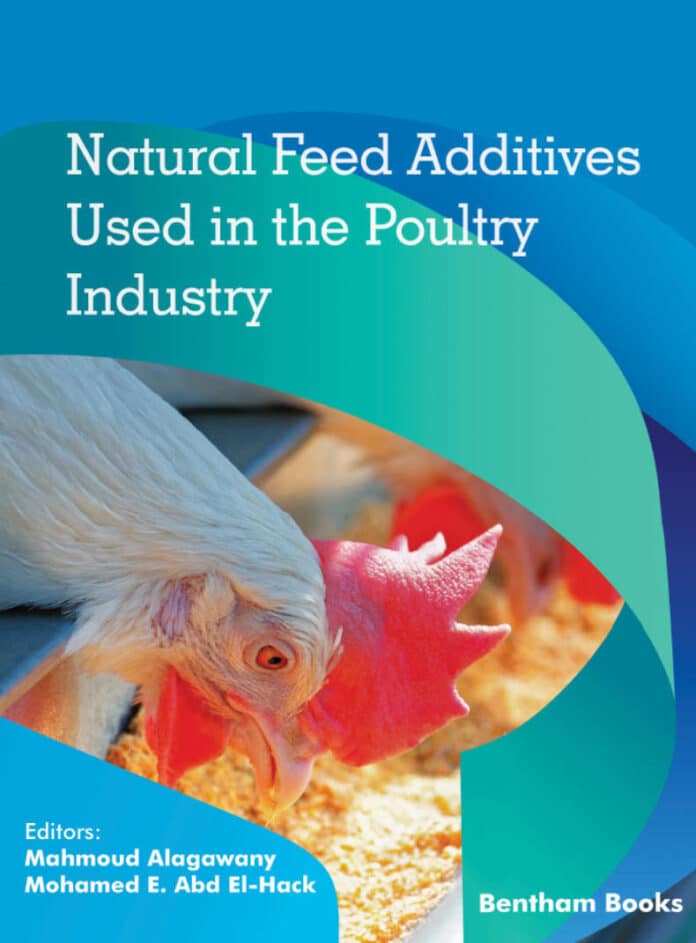
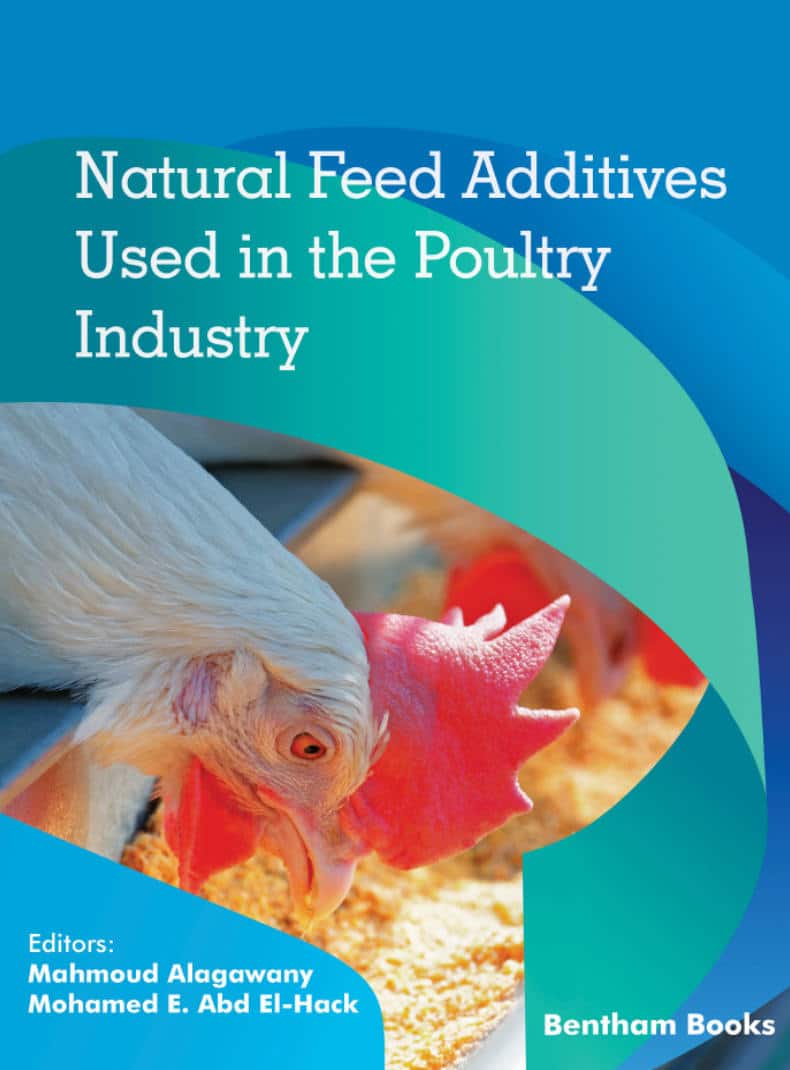
Natural Feed Additives Used in the Poultry Industry

Natural Feed Additives Used in the Poultry Industry

Natural Feed Additives Used In The Poultry Industry Pdf Download

By Mahmoud Alagawany and Mohamed E. Abd El-Hack

Natural Feed Additives Used in the Poultry Industry addresses recent information on the use of different natural feed additives in poultry nutrition. Chapters in the book focus on the growth, production, reproduction and health of poultry.

This handbook represents an up-to-date review of the existing knowledge on natural feed additives, both in vitro and in vivo and the basis for future research. The text is useful to students of poultry sciences, nutritionists, scientists, veterinarians, pharmacologists, poultry breeders, and animal husbandry extension workers.
Features

Features:

  • 15 chapters contributed by more than 30 experts and scientists involved in animal and poultry nutrition, physiology, toxicology, pharmacology, and pathology
  • Chapters highlight the significance of a variety of herbal plant extracts and derivatives, cold pressed and essential oils, fruits by-products, immunomodulators, organic acids, probiotics, nanoparticles and their role in poultry industry instead of the growth promoter antibiotics.
  • Provides details about the use of antibiotic as growth promoters in poultry and the development of bacterial resistance.
  • Provides a holistic approach on how natural feed additives can provide an efficient solution to animal health,
  • Covers the main categories of poultry, including broiler chickens, laying hens, quails, geese, ducks, and turkey.
  • References in each chapter for further reading


Table of Contents

Table of Contents:

Chapter 1 an Overview of Natural Feed Additive Alternatives to Agps

Chapter 2 Antibiotics as Growth Promoters in Poultry Feeding

Chapter 3 the Role of Garlic and Rosemary Herbs in Poultry Nutrition

Chapter 5 Beneficial Impacts of Licorice (Glycyrrhiza Glabra) Herb To Promote Poultry Health and Production

Chapter 6 the Useful Applications of Origanum Vulgare in Poultry Nutrition

Chapter 7 Importance of Quinoa (Chenopodium Quinoa) In Poultry Nutrition

Chapter 8 Turmeric (Curcuma Longa) As a Useful Feed Supplement In Poultry

Chapter 9 Nutritional and Promising Therapeutic Potential of Chia Seed as a Feed Additive in Poultry

Chapter 10 Cassia Fistula: Potential Health-Promoting Candidate For

Chapter 11 Moringa (Moringa Oleifera) And Its Role in PoultryNutrition

Chapter 12 Green Tea (Camellia Sinensis) And Its Beneficial Role In Poultry Nutrition

Chapter 13 Beneficial Impacts of Essential Oils on Poultry Health And Production

Chapter 16 Nutritional Applications of Nanotechnology in Poultry With Special References to Minerals

Get This Book

This Book is Avaiable for Members

Access this book instantly with a Premium membership

📄 PDF Format
⚡ Instant Delivery
Unlock Premium Access

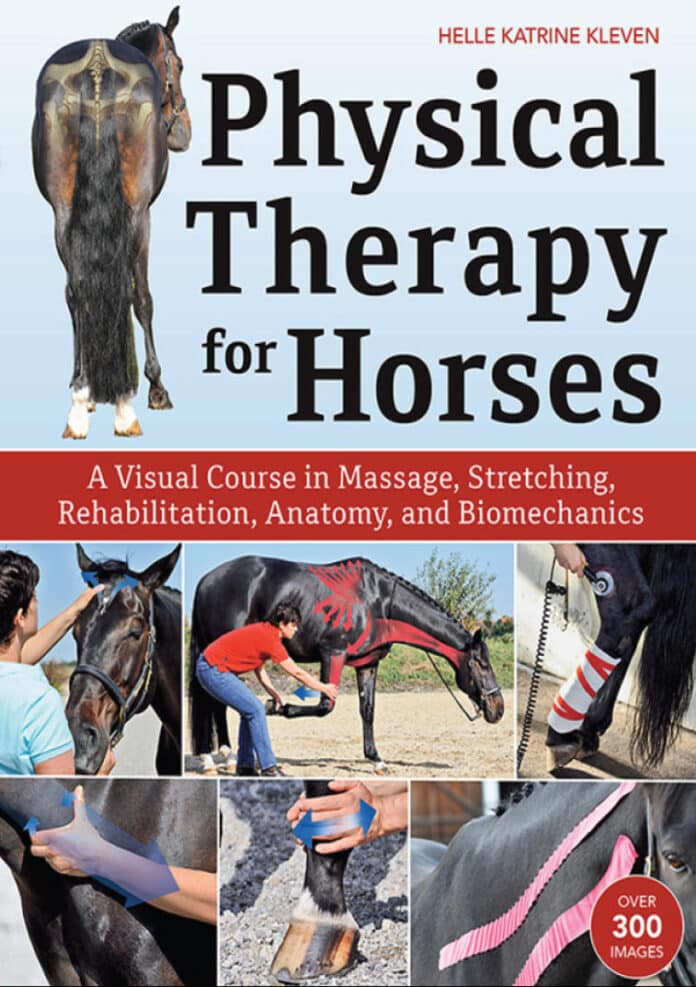
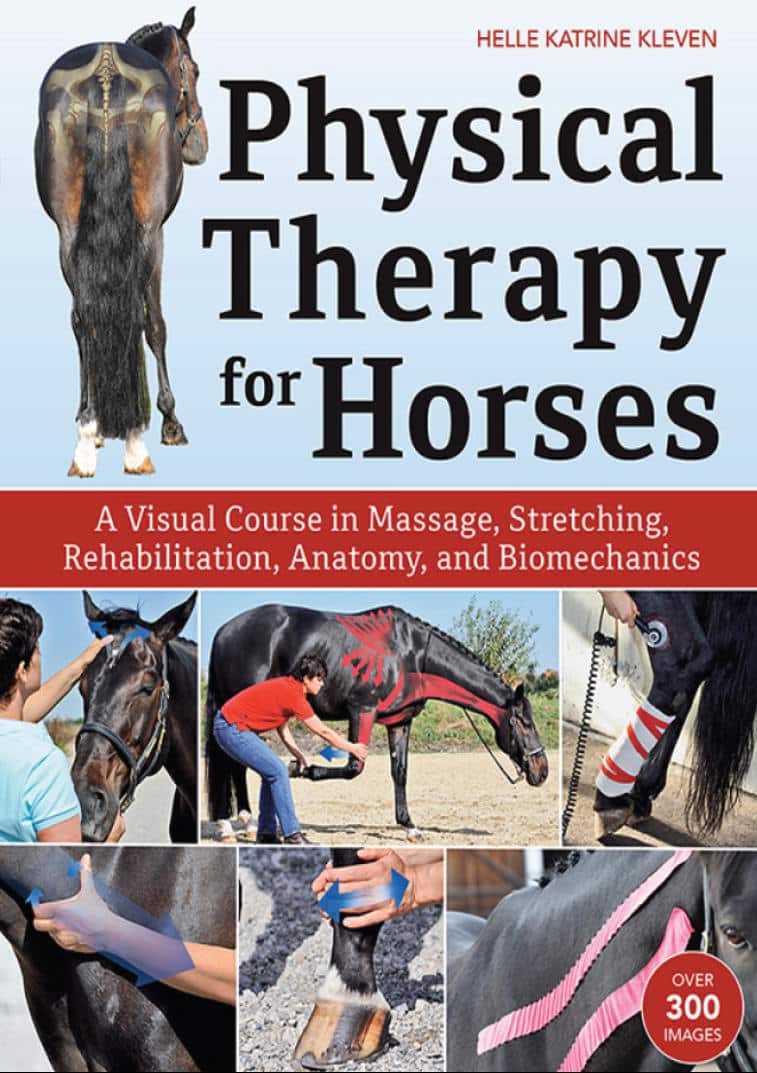
Physical Therapy for Horses: A Visual Course in Massage, Stretching, Rehabilitation, Anatomy, and Biomechanics

Physical Therapy for Horses: A Visual Course in Massage, Stretching, Rehabilitation, Anatomy, and Biomechanics

Physical Therapy For Horses: A Visual Course In Massage, Stretching, Rehabilitation, Anatomy, And Biomechanics Pdf Download
By Helle Katrine Kleven

Physical Therapy for Horses: A Visual Course in Massage, Stretching, Rehabilitation, Anatomy, and Biomechanics. An incredible illustrated reference to help keep the horse sound in body and mind and at the top of his game.In this highly illustrated book, equine physical therapy expert Helle Katrine Kleven begins with a comprehensible introduction to the musculoskeletal and nervous systems, as well as an instructive conversation covering biomechanics basics, then explores the major areas of physical therapy in detail.

Readers will find practical how-to guidance in the most popular therapeutic modalities, as well as cutting-edge alternatives that are currently gaining ground:

  • Fascia work
  • Stretching
  • Massage
  • Stability and strengthening exercises
  • Laser therapy
  • Kinesiotaping
  • And much more.

With this incredible course in preventive and rehabilitative techniques, horse owners and professionals will be thoroughly prepared to ensure their horses’ comfort and well-being.

Features

Physical Therapy for Horses: A Visual Course in Massage, Stretching, Rehabilitation, Anatomy, and Biomechanics Features:

  • Over 300 color photos and illustrations.
  • Facts and tips in easy-to-read callouts throughout.
  • A section on preventive measures to stop problems before they start.
  • Handy anatomical guides to the equine skeleton, muscle layers, and fascia.


Table of Contents

Table of Contents:

1. Introduction to Physical Therapy for Horses

2. The Anatomy of the Musculoskeletal System

3. Biomechanics

4. The Nervous System

5. Observation

6. Palpation

7. Massage—The Art of Healing with Your Hands

8. Mobilizing and Stretching

9. Stabilization and Strengthening

10. Physical Therapy

11. Rehabilitation

12. Preventive Measures

Index

Get This Book

This Book is Avaiable for Members

Access this book instantly with a Premium membership

📄 PDF Format
⚡ Instant Delivery
Unlock Premium Access

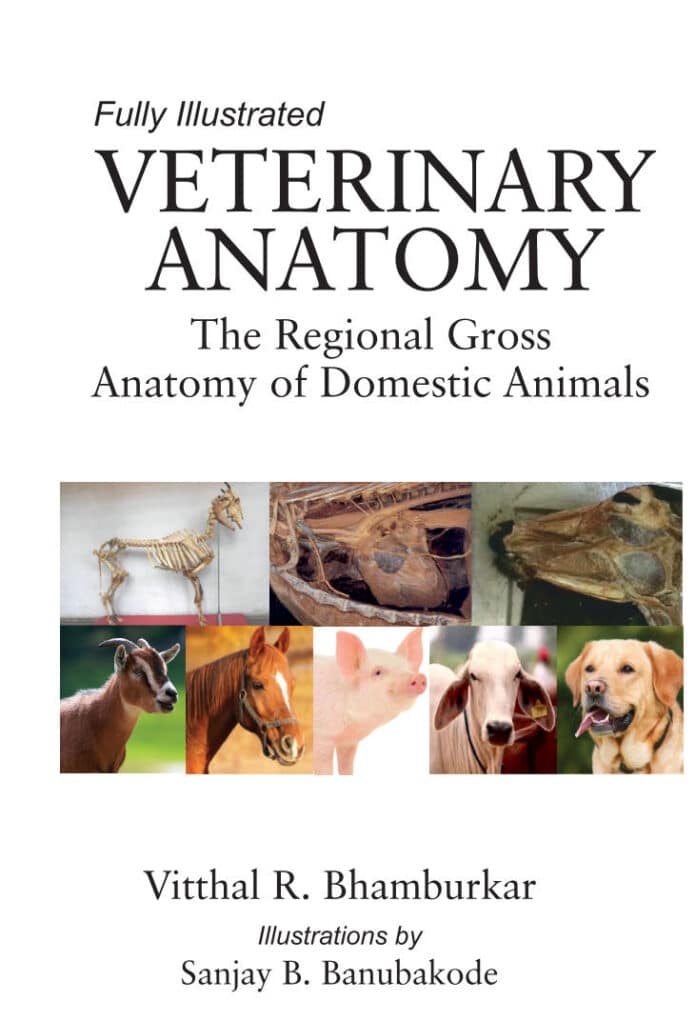
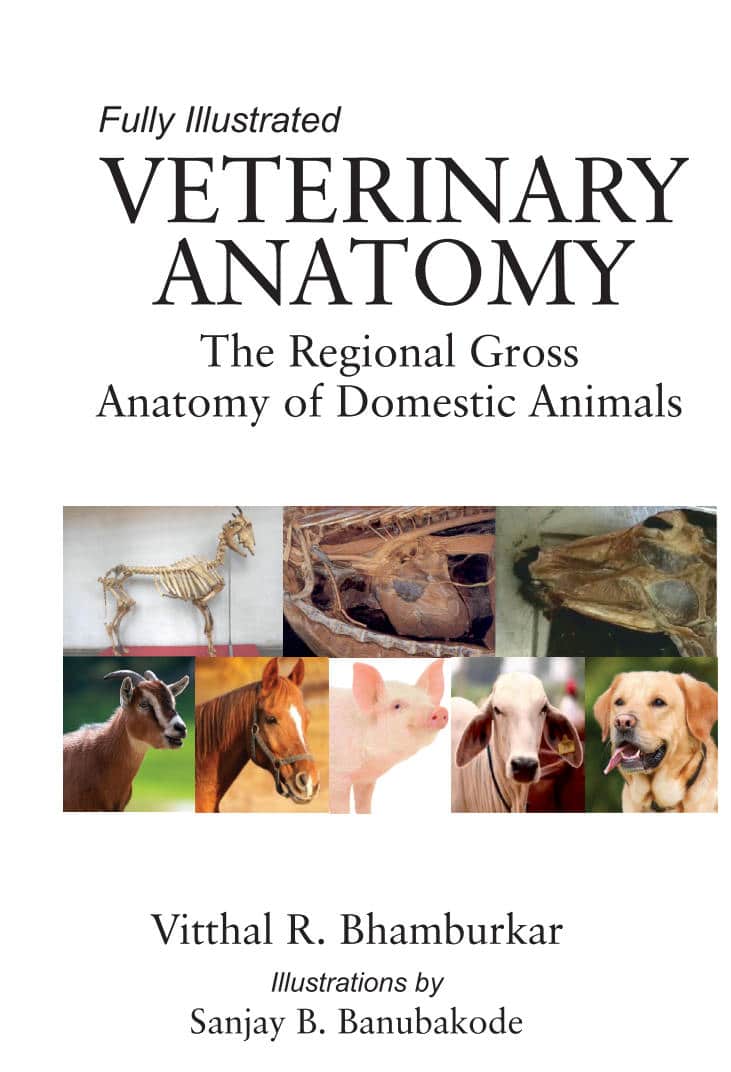
Veterinary Anatomy: The Regional Gross Anatomy of Domestic Animals

Veterinary Anatomy: The Regional Gross Anatomy of Domestic Animals

 Veterinary Gross Anatomy Pdf Download

By Vitthal R. Bhamburkar

Veterinary Anatomy: The Regional Gross Anatomy of Domestic Animals ( Veterinary Gross Anatomy). The text of this book with regional approach of teaching and studying veterinary gross anatomy has been divided in six parts. The first part comprises the basics of veterinary anatomy described in the conventional form of systemic anatomy while the remaining five parts comprise region wise description of gross anatomy. Each of these parts contains the description of all anatomical structures viz. bones, joints, muscles, viscera, blood vessels, lymphatics nerves, etc located in the respective region of the animal body viz. head, neck, thorax, abdomen, pelvis and the fore and hind limb. Bovine animal, the ox, has been considered as a model species for detail description of the anatomical features, while the major differences or remarkable features in other species like horse, dog, sheep and goat, pig and fowl have been described under a separate heading as Comparative Anatomy at the end of each section. In addition to this, a separate section on Applied Anatomy has been introduced at the end of each regional part. This will make it easy to understand the applications of the anatomical features that form the basis of surgical, diagnostic, medical and obstetrical techniques in the solution of clinical disorders which is the main purpose of regional pattern of learning the anatomy. Because of these distinctive features, the book has become a little voluminous and therefore, had to be split into two volumes. Part-I comprises the first three parts viz-General Systemic Anatomy, Anatomy of Head and Neck and the Anatomy of Thorax while the Part-II comprises the next three parts viz- the Anatomy of Abdomen and Pelvis, the Anatomy of Fore limb and the Anatomy of Hind Limb.

Table of Contents

Table of Contents:

PART 1.1: General Systemic Anatomy

    • Section A: Locomotor System

      • Skeletal System (Osteology)

      • Articular System (Syndesmology/Arthrology)

      • Muscular System (Myology)

    • Section B: Splanchnology

      • Digestive System

      • Respiratory System

      • Urinary System

      • Genital System (Reproductive System)

    • Section C: Endocrine System

      • Endocrine Organs

    • Section D: Blood Vascular System

      • Heart and Pericardium

      • Major Blood Vessels

      • Lymphatic System

    • Section E: Nervous System

      • Central Nervous System

      • Peripheral Nervous System

    • Section F: Sense Organs and Common Integument

      • Organs of General and Special Senses

PART 1.2: Anatomy of Head and Neck

    • Section A: Musculo-Skeletal Component

      • Skeleton of Head (Skull)

      • Comparative Anatomy of Skeleton of Head

      • Skeleton of Neck

      • Comparative Anatomy of Skeleton of Neck (Cervical Vertebrae)

      • Articulations of Head

      • Articulations of Neck

      • Comparative Anatomy of Articulations of Head and Neck

      • Muscles of Head

      • Muscles of Neck (Cervical Muscles)

      • Comparative Anatomy of Muscles of Head

      • Comparative Anatomy of Muscles of Neck

    • Section B: Organs and Glands

      • Organs of Digestion

      • Organs of Respiration

      • Organs of Central Nervous System

      • Sense Organs and Common Integument

      • Endocrine Glands in Head and Neck

      • Comparative Anatomy of the Organs and Glands in Head and Neck

    • Section C: Blood Vessels and Lymphatics

      • Arteries of Head and Neck

      • Veins of Head and Neck

      • Lymphatics of Head and Neck

      • Comparative Anatomy of Blood Vessels and Lymphatics of Head and Neck

    • Section D: Nerves

      • Nerves of Head (Cranial Nerves)

      • Nerves of Neck (Cervical Spinal Nerves)

      • Comparative Anatomy of Nerves of Head and Neck

    • Section E: Applied Anatomy

      • Applied Anatomy of Head and Neck

PART 1.3: Anatomy of Thorax

    • Section A: Musculo-Skeletal Component

      • Skeleton of Thorax

      • Comparative Anatomy of Skeleton of Thorax

      • Articulations of Thorax

      • Muscles of Thor

Get This Book

File Size 74.1 MB
File Format PDF
Download  link Download Now | Go Premium, Unlock All Books
Useful Links: Support | Browse All Categories
Join Telegram Channel: Telegram

Veterinary Technicians and Assistants: a Practical Career Guide

Veterinary Technicians and Assistants: a Practical Career Guide

Veterinary Technicians And Assistants: A Practical Career Guide Pdf Download

By Kezia Endsley

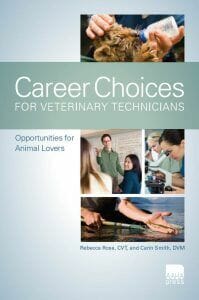
Veterinary Technicians and Assistants: a Practical Career Guide. Welcome to the veterinary technicians and assistants field! If you are interested in a career as a veterinary technician or assistant, you’ve come to the right book. So what exactly do these people do on the job, day in and day out? What kind of skills and educational background do you need to succeed in these fields? How much can you expect to make, and what are the pros and cons of these various fields? Is this even the right career path for you? How do you avoid burnout and deal with stress? This book can help you answer these questions and more.

Veterinary Technicians and Assistants: A Practical Career Guide includes interviews with professionals in a field that has proven to be a stable, lucrative, and growing profession.

  • Veterinary Technician
  • Veterinary Assistant
  • Veterinary Technologist
Table of Contents

Table of Contents:

Introduction

Chapter 1: Why Choose a Career as a Veterinarian technician or Assistant?

Chapter 2: Forming a Career Plan for Veterinarian technicians and Assistants

Chapter 3: Pursuing the Education Path

Chapter 4: Pursuing a Professional Veterinarian technician or Assistant Career

Notes

Glossary

Further Resources

About the Author

Get This Book

This Book is Avaiable for Members

Access this book instantly with a Premium membership

📄 PDF Format
⚡ Instant Delivery
Unlock Premium Access

Freshney’s Culture of Animal Cells: A Manual of Basic Technique and Specialized Applications, 8th Edition

Freshney’s Culture Of Animal Cells A Manual Of Basic Technique And Specialized Applications, 8Th Edition Pdf Download

By Amanda Capes-Davis and R. Ian Freshney

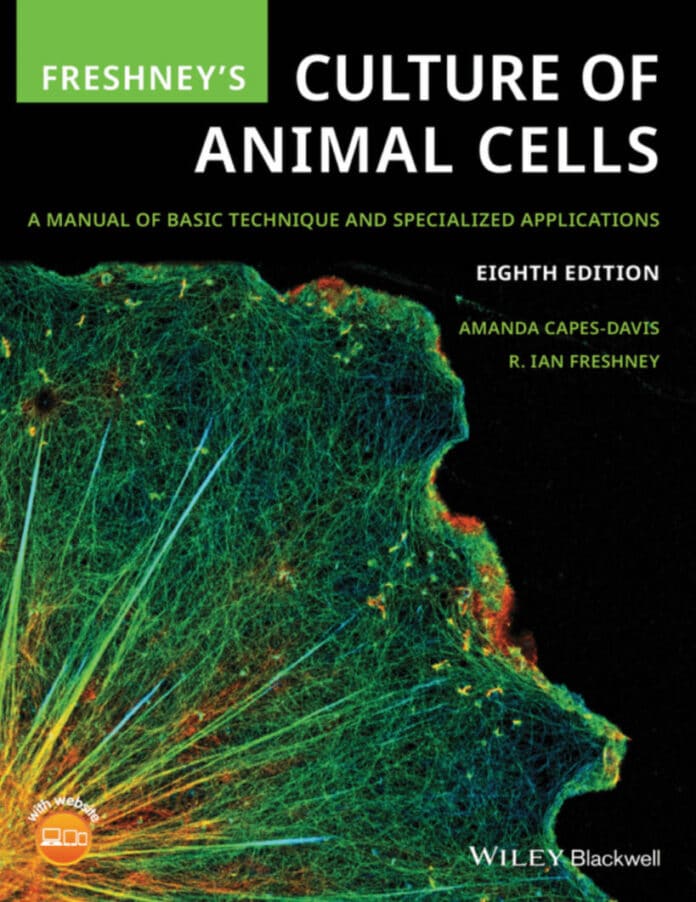
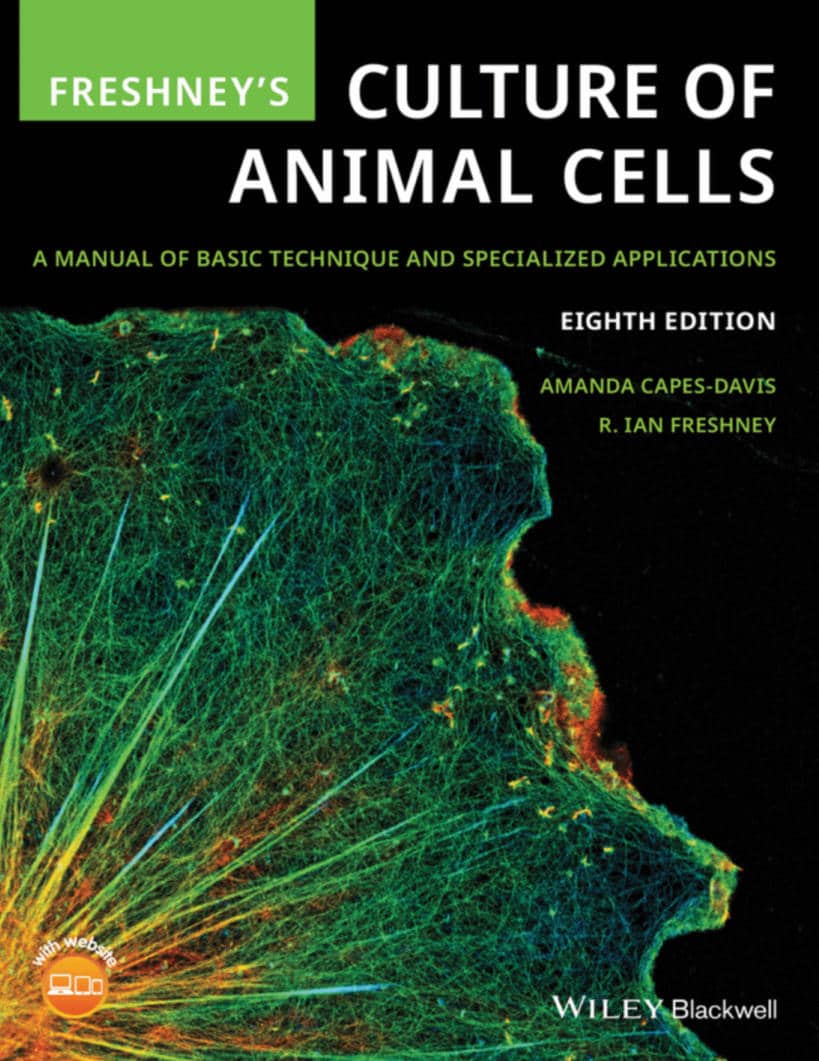
Freshney’s Culture of Animal Cells is the most comprehensive and up-to-date resource on the principles, techniques, equipment, and applications in the field of cell and tissue culture. Explaining both how to do tissue culture and why a technique is done in a particular way, this classic text covers the biology of cultured cells, how to select media and substrates, regulatory requirements, laboratory protocols, aseptic technique, experimental manipulation of animal cells, and much more.

The eighth edition contains extensively revised material that reflects the latest techniques and emerging applications in cell culture, such as the use of CRISPR/Cas9 for gene editing and the adoption of chemically defined conditions for stem cell culture. A brand-new chapter examines the origin and evolution of cell lines, joined by a dedicated chapter on irreproducible research, its causes, and the importance of reproducibility and good cell culture practice. Throughout the book, updated chapters and protocols cover topics including live-cell imaging, 3D culture, scale-up and automation, microfluidics, high-throughput screening, and toxicity testing. The eighth edition of Freshney’s Culture of Animal Cells is an indispensable volume for anyone involved in the field, including undergraduate and graduate students, clinical and biopharmaceutical researchers, bioengineers, academic research scientists, and managers, technicians, and trainees working in cell biology, molecular biology, and genetics laboratories.

Features

Features:

  • Provides comprehensive single-volume coverage of basic skills and protocols, specialized techniques and applications, and new and emerging developments in the field
  • Covers every essential area of animal cell culture, including lab design, disaster and contingency planning, safety, bioethics, media preparation, primary culture, mycoplasma and authentication testing, cell line characterization and cryopreservation, training, and troubleshooting
  • Features a wealth of new content including protocols for gene delivery, iPSC generation and culture, and tumor spheroid formation
  • Includes an updated and expanded companion website containing figures, artwork, and supplementary protocols to download and print

Table of Contents

Table of Contents:

Part I: Understanding Cell Culture

  1. Introduction
    • Terminology
    • Historical Development
    • Applications
    • Advantages of Tissue Culture
    • Limitations of Tissue Culture
    • References
  2. Biology of Cultured Cells
    • The Culture Environment
    • Cell Adhesion
    • Cell Division
    • Cell Fate
    • Cell Death
    • References
  3. Origin and Evolution of Cultured Cells
    • Origin of Cultured Cells
    • Evolution of Cell Lines
    • Changes in Genotype and Phenotype
    • Senescence and Immortalization
    • Transformation
    • Conclusions
    • References

Part II: Laboratory and Regulatory Requirements

  1. Laboratory Design and Layout
    • Design and Layout Requirements
    • Disaster and Contingency Planning
    • References
  2. Equipment and Materials
    • Sterile Handling Area
    • Imaging, Incubation, and Storage Equipment
    • References
  3. Safety and Bioethics
    • Laboratory Safety
    • Biosafety and Bioethics
    • References
  4. Reproducibility and Good Cell Culture Practice
    • Reproducibility Requirements
    • Good Practice and Quality Assurance
    • References

Part III: Medium and Substrate Requirements

  1. Culture Vessels and Substrates
    • Growth Requirements and Treatments
    • Choice of Culture Vessel
    • References
  2. Defined Media and Supplements
    • Development and Properties
    • Media Formulations and Supplements
    • References
  3. Serum-Free Media
    • Rationale and Development
    • Formulations and Replacements
    • References
  4. Preparation and Sterilization
    • Sterilization Methods and Protocols
    • References

Part IV: Handling Cultures

  1. Aseptic Technique
    • Objectives and Best Practices
    • Equipment Contamination Control
    • References
  2. Primary Culture
    • Initiation and Explantation Techniques
    • Enzymatic and Mechanical Disaggregation
    • Record Keeping
    • References
  3. Subculture and Cell Lines
    • Maintaining and Subculturing Cell Lines
    • Record Keeping
    • References
  4. Cryopreservation and Banking
    • Principles and Procedures
    • Transporting Cells
    • References

Part V: Validation and Characterization

  1. Microbial Contamination
    • Sources and Management
    • Protocols for Disposal
    • References
  2. Cell Line Misidentification and Authentication
    • Cross-Contamination and Provenance
    • References
  3. Cell Line Characterization
    • Genotype and Phenotype-Based Methods
    • References
  4. Quantitation and Growth Kinetics
    • Cell Counting and Proliferation Analysis
    • References

Part VI: Physical and Genetic Manipulation

  1. Cell Cloning and Selection
    • Cloning Techniques and Selective Culture
    • References
  2. Cell Separation and Sorting
    • Methods Including FACS and Magnetic Sorting
    • References
  3. Genetic Modification and Immortalization
    • Gene Delivery and Editing Techniques
    • References

Part VII: Stem Cells and Differentiated Cells

  1. Culture of Stem Cells
    • Types and Protocols
    • References
  2. Culture of Specific Cell Types
    • Specialized Cells and Availability
    • References
  3. Culture of Tumor Cells
    • Tumor Cell Line Development
    • References
  4. Differentiation
    • Models and Practical Aspects
    • References

Part VIII: Model Environments and Applications

  1. Three-Dimensional Culture
    • Technologies and Applications
    • References
  2. Scale-Up and Automation
    • Bioreactors and High-Throughput Systems
    • References
  3. Toxicity Testing
    • Cytotoxicity and Genotoxicity Assays
    • References

Part IX: Teaching and Troubleshooting

  1. Training
    • Principles and Programs
    • References
  2. Problem Solving
    • Common Issues in Cell Culture
    • References
  3. In Conclusion

Appendices

  • Glossary
  • Calculations and Preparation of Reagents
  • Media Formulations

Index

Get This Book

This Book is Avaiable for Members

Access this book instantly with a Premium membership

📄 PDF Format
⚡ Instant Delivery
Unlock Premium Access

Nutrition Experiments in Pigs and Poultry A Practical Guide

Nutrition Experiments in Pigs and Poultry A Practical Guide

Nutrition Experiments In Pigs And Poultry A Practical Guide Pdf Download

By Michael R. Bedford, Mingan Choct and Helen V. Masey O’Neill

Nutrition Experiments in Pigs and Poultry A Practical Guide provides an invaluable resource for all animal and veterinary scientists designing, analysing and interpreting results from nutrition and feed experiments in pigs and poultry.

The emphasis throughout is on practical aspects of designing nutrition experiments. The book builds on the basics and proceeds to describe the limitations of experiment design involving different ingredients. It goes on to describe the characterization of experimental diets including ingredient selection, composition and the minimum proximate analysis required. The text details measurements and the tools available for understanding diverse data sets, data analysis and eventual publication of the research.

This fully balanced and extensively referenced, yet practical, text is an invaluable resource to all animal, veterinary and biomedical scientists involved in the designing of nutrition experiments in pigs and poultry, and the publication of their research.

Table of Contents

Table of Contents:

Chapter: 1
General principles of designing a nutrition experiment.

Chapter: 2
Most common designs and understanding their limits.

Chapter: 3
Practical relevance of test diets.

Chapter: 4
Characterization of the experimental diets.

Chapter: 5
Measurements of nutrients and nutritive value.

Chapter: 6
Designing, conducting and reporting swine and poultry nutrition research.

Chapter: 7
Extending the value of the literature: data requirements for holo-analysis and interpretation of the outputs.

Chapter: 8
Presentation and publication of your data.

Get This Book

This Book is Avaiable for Members

Access this book instantly with a Premium membership

📄 PDF Format
⚡ Instant Delivery
Unlock Premium Access

Textbook on Meat, Poultry and Fish Technology

Textbook on Meat, Poultry and Fish Technology

Textbook On Meat, Poultry And Fish Technology Pdf Download

By Jhari Sahoo and Manish Kumar Chatli

Textbook on Meat, Poultry and Fish Technology provides a comprehensive overview of meat, poultry, and fish technology, covering the scientific, nutritional, microbiological, and processing aspects of these major food categories. It includes detailed explanations of animal tissue structure, postmortem changes, rigor mortis, meat quality defects such as PSE and DFD, essential nutrients, and factors affecting overall product quality. The book also discusses meat microbiology, tenderization methods, and issues related to chemical residues.

The poultry and fish sections explore quality identification, processing techniques, nutritive value, preservation, packaging, and factors that influence product safety and shelf life. Topics include pre-slaughter management, transportation, ante-mortem and postmortem examination, slaughter procedures, carcass yield, egg structure and functionality, designer eggs, and the impact of anti-nutrients and antibiotics. The book also covers GMP, HACCP, Codex standards, WTO/GOI regulations, fishery resources, waste utilization, preservation methods, value-added products, and processing steps used in poultry and fish product development.

Overall, the text offers a clear and structured foundation in the technology, safety standards, and quality control practices of meat, poultry, and fish products, making it a valuable reference for food science, meat industry, and veterinary students.

Table of Contents

  • Preface
  • Part I – Fresh Meat Technology
  • 1. History and Development of Meat Science and Meat Industry, Current Trends and Prospects of Meat Industry
  • 2. Structure and Chemistry of Animal Tissues
  • 3. Muscle Functions and Postmortem Changes: Rigor Mortis, Conversion of Muscle to Meat
  • 4. Effect of Transport on Meat Quality: Its Veterinary and Clinical Importance
  • 5. PSE and DFD in Meat Quality
  • 6. Composition, Essential Nutrients in Meat and Poultry Meat
  • 7. General Quality Characterization and Evaluation of Meat and Meat Products
  • 8. Meat Microbiology
  • 9. Factors Affecting Quality of Meat
  • 10. Tenderization of Meat
  • 11. Chemical Residues in Meat and their Effects on the Health of the Consumer
  • Part II – Poultry and Fish Technology
  • 12. History and Development of Poultry Meat and Egg Processing Industry
  • 13. Commonly Occurring Anti-Nutrients and Antibiotics in Poultry Feed Ingredients and Their Effect on Egg and Meat Nutrition
  • 14. Quality Identification and Quality Maintenance of Poultry Meat
  • 15. Structure, Chemical, Nutritional and Microbiological Quality of Poultry Meat
  • 16. Nutritive Value, Preservation and Packaging Techniques of Shelled and Liquid Eggs
  • 17. Quality Identification of Shell Eggs and Factors Influencing the Quality
  • 18. Pre-slaughter Care, Transportation, Resting, Fasting, Ante-mortem Examination
  • 19. Methods of Slaughter and Slaughtering Procedure – Postmortem Inspection, Reasons for Condemnation of Carcass
  • 20. Yield and Loss in Poultry Carcass Component Parts, Deboned Meat Quality and Grading of Dressed Chicken
  • 21. Structure, Nutritive Value, Compositional Chemistry, Microbiology and Functional Properties of Eggs
  • 22. Low Cholesterol-cum-Designer Eggs
  • 23. GMP, HACCP Procedures for Food Safety, Codex Regulation for Food Products Safety, WTO/GOI Regulations for Import and Export of Poultry Products
  • 24. National and International Regulations, Standards, Quality Control and Marketing of Fish and Fish Products
  • 25. Utilization of Fish Processing Waste
  • 26. Fishery Resources, Marine and Freshwater Fishes, Transportation, Processing, Preservation, Grading Standards
  • 27. Post-processing Value Added Meat for Export – Integration, Poultry and Fish Processing and Marketing
  • 28. Storage and Packaging of Poultry and Fish Products
  • 29. Preservation Methods of Poultry Meat and Fish Products
  • 30. Cooking Methods and Preparation of Further Processed Poultry and Fish Products
  • Index

Get This Book

This Book is Avaiable for Members

Access this book instantly with a Premium membership

📄 PDF Format
⚡ Instant Delivery
Unlock Premium Access

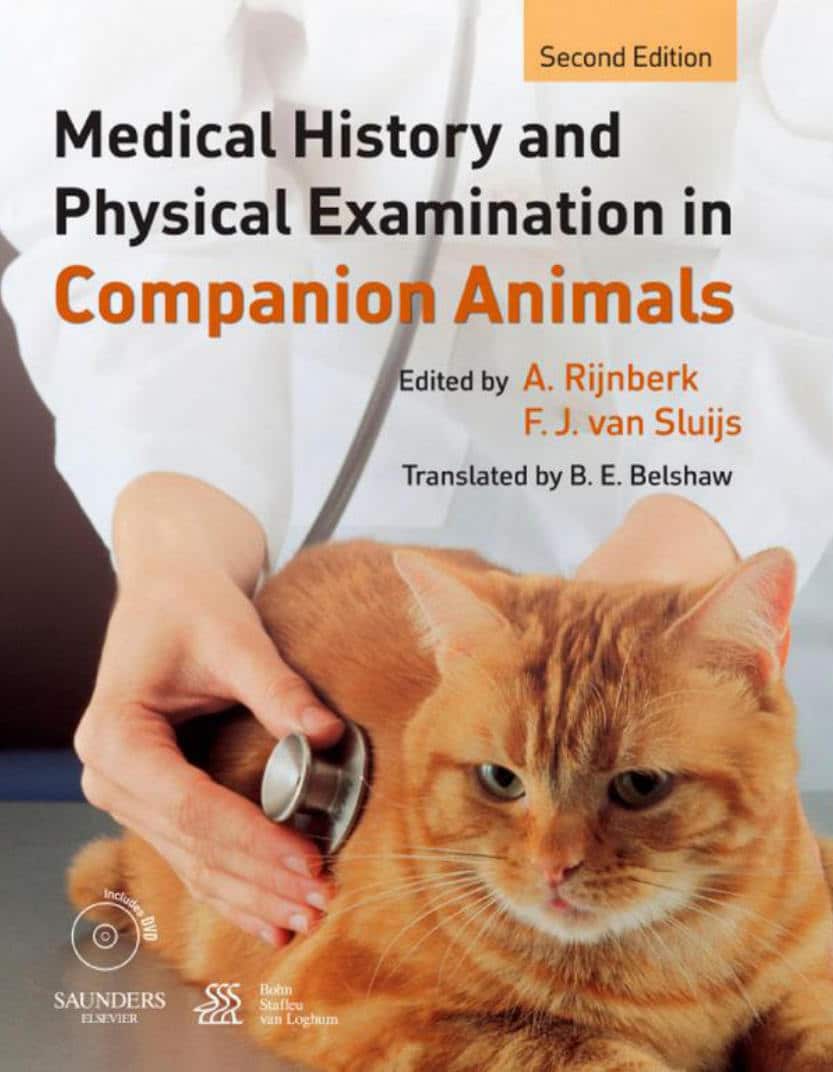
Medical History and Physical Examination in Companion Animals 2nd Edition

Medical History and Physical Examination in Companion Animals 2nd Edition

Medical History And Physical Examination In Companion Animals Pdf Download

By A. Rijnberk and F.J. van Sluijs

Medical History and Physical Examination in Companion Animals. The medical history and physical examination are the most important cornerstones of clinical diagnosis. This is the only veterinary book devoted to a description of methods applicable to companion animals. The methods described are used in the veterinary schools of Utrecht (the Netherlands) and Ghent (Belgium), but their effectiveness and usefulness is recognized by many visiting staff members and students from other veterinary schools in Europe and North America. Central to the book is the concept that the examination should be as efficient as possible. The descriptions of the examination are very detailed and enhanced with many high quality colour illustrations. The accompanying DVD includes video clips of a variety of examinations and forms (in PDF format) that can be used for determining the results when carrying out the medical history and physical examination in companion animals.

Features

Medical History and Physical Examination in Companion Animals 2nd Edition Features:

  • first book devoted to medical history and clinical examination in companion animals
  • system-based approach
  • problem-oriented approach: short initial examination is used to define the problems presented by the owner
  • uses same effective method of examination throughout
  • separate chapter on Reptiles
  • accompanying DVD with video clips and medical forms in PDF format to be used when carrying out medical history-taking and physical examination
  • written by top-experts in the field


Table of Contents

Table of Contents:

Chapter 1 – Introduction

Chapter 2 – The rationale for this approach

Chapter 3 – A few concepts and an introduction to the diagnostic process

Chapter 4 – Methods and instruments

Chapter 5 – Medical records

Chapter 6 – The history

Chapter 7 – General impression

Chapter 8 – General examination

Chapter 9 – Respiratory system

Chapter 10 – Circulatory system

Chapter 11 – Digestive tract

Chapter 12 – Kidneys and urinary tract

Chapter 13 – Female reproductive tract

Chapter 14 – Male reproductive tract

Chapter 15 – Skin, hair, and nails

Chapter 16 – Mammary glands

Chapter 17 – Locomotor system

Chapter 18 – Nervous system

Chapter 19 – Eyes

Chapter 20 – Ears

Chapter 21 – Endocrine glands

Chapter 22 – Behavior

Chapter 23 – Emergencies

Chapter 24 – Positions and restraint

Chapter 25 – Collection of material for laboratory examination

Chapter 26 – Preanesthetic examination

Chapter 27 – Health certification

Chapter 28 – Birds

Chapter 29 – Small mammals: rabbit, guinea pig, chinchilla, golden hamster, mouse, rat, gerbil, ferret, and mink

Chapter 30 – Reptiles

Appendix 1 – Guidelines for housing of rats, gerbils, hamsters, guinea pigs, rabbits, and ferrets as experimental animals

Appendix 2 – Classification of reptiles (ref: Animal Diversity Web)

Appendix 3 – Basic husbandry requirements for reptiles (I)

Appendix 4 – Basic husbandry requirements for reptiles (II)

Index

Get This Book

This Book is Avaiable for Members

Access this book instantly with a Premium membership

📄 PDF Format
⚡ Instant Delivery
Unlock Premium Access

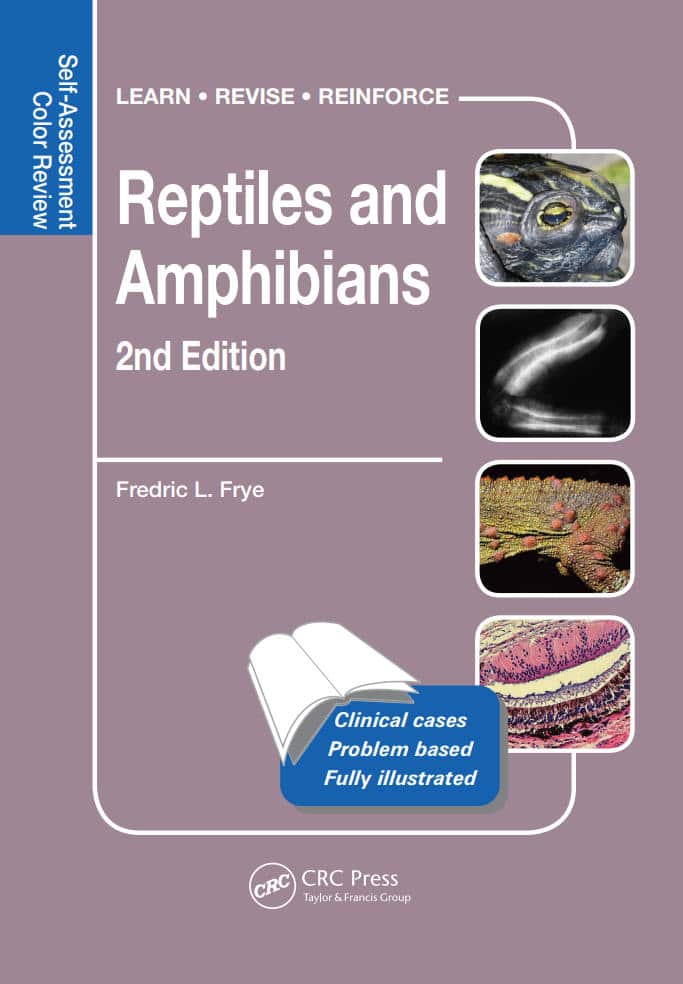
Reptiles and Amphibians: Self-Assessment Color Review, 2nd Edition

Reptiles and Amphibians: Self-Assessment Color Review, 2nd Edition

Reptiles And Amphibians: Self-Assessment Color Review, 2Nd Edition Pdf DownloadBy Fredric L. Frye

Reptiles and Amphibians: Self-Assessment Color Review, 2nd Edition. Many more scientists and clinicians have taken an interest in reptiles and amphibians, novel radiographic techniques have been developed, and veterinary surgeons have devised operative solutions to numerous serious conditions in both reptiles and amphibians. The time is right for an expanded second edition that covers these developments and more.

Written by a foremost authority, this book presents more than 230 cases and questions at different levels of expertise, with detailed explanatory answers. The cases appear in random order, just as they would in real life, and enable you—by solving the clinical puzzle—to make differential diagnoses, treatment plans, and prognoses. The color review includes a wealth of problem-oriented information of value—and enjoyment—for formal and informal training and continuing education.

Features

Features:

  • More than 230 new and revised reptile and amphibian cases, illustrated in color
  • Case studies with answers that fully explore the disease or disorder in question
  • Case selection based on common reptilian and amphibian species kept as pets or study animals

Table of Contents

Table of Contents:

About the Author
Preface
Abbreviations
Cases
Appendix

Get This Book

This Book is Avaiable for Members

Access this book instantly with a Premium membership

📄 PDF Format
⚡ Instant Delivery
Unlock Premium Access

How To Achieve Successful Veterinary Practice

Veterinary Practice Management

How to have successful veterinary practice management. A healthy and happy veterinary establishment doesn’t just come out of nowhere. Collaborative effort and knowledge are needed to promote progress. Even though the main goal is to focus on the medical aspect, it’s also important that you cultivate a positive working environment.

We are going to give you some tips on How To Achieve Successful Veterinary Practice that makes the employees, the clients, and the owner satisfied. If you want more information about veterinary practice management you can read great veterinary books about practice management from here

Veterinary Books

1- Keeping the staff happy

Eliminate gossip and be an advocate for open communication between the management and between the staff members. All people should be involved and listened to during team meetings.

Unfortunately, being a good manager means that you need to fire the people that are toxic in the team and ruin it for everyone.

Unhappy staff will negatively affect your clients. Sometimes it’s enough to only listen to their suggestions and sometimes you need to invest in them to enhance the overall profitability.

2- Keep client coming back

Your whole profit depends on whether your clients are happy or not. The first impression is very important so you need to hire office staff that’s friendly and greets the client sincerely.

Don’t keep the clients waiting for too long. When they need to be seated for a while provide clean waiting rooms and restrooms.

Before the client leaves schedule the next appointment and shows that you care. It’s also a nice gesture to give a pet that stayed at the vet practice the whole night a complimentary bath before discharge.

At last, the most important thing is to be an institution of trust. You must be open to concerns and questions from clients day and night. Sometimes they only need a vet to calm them down and tell them that there’s nothing to worry about.

Read More: How to Build a Loyal Client Database

3- Profit through added services

A lot of new services you can offer to your clients will generate revenue and help you build stronger relationships with the people. One example is yearly wellness packages that encourage preventative care and frequent pet visits.

Specialty services like dentistry or exotic animal care open a lot of doors for expanding your business. Whenever you plan to include new departments you will also need to consider hiring new staff specialized in that field or train some of the existing staff.

The millennial generation is the moving engine of the pet industry at the moment and except for good vet service, they also look for excellent grooming, bathing, and boarding services. Some other ideas can include:

  • House visits
  • In-house lab work/x-rays
  • Nutritionals and toys
  • Pet spa/physical therapy

Read More: How To Increase Revenue In a Veterinary Practice

4- Adjust to the needs of the community

The pricing, location, and working hours of your veterinary practice have to meet the needs of the community, otherwise, your reputation will have a negative impact. Try to focus on implementing positive energy within the community.

Many successful vet practices host special puppy meeting events, spay/neuter events, charity auctions for stray animals, etc. Besides the clients, it’s also advisable to have good relations with nearby pet-friendly shops.

Tip

Do You Want To Increase Your Veterinary Knowledge and Practical Skills?

You Can Now Browse and Download +3000 Veterinary Books Online In All Veterinary Fields.

Register Now