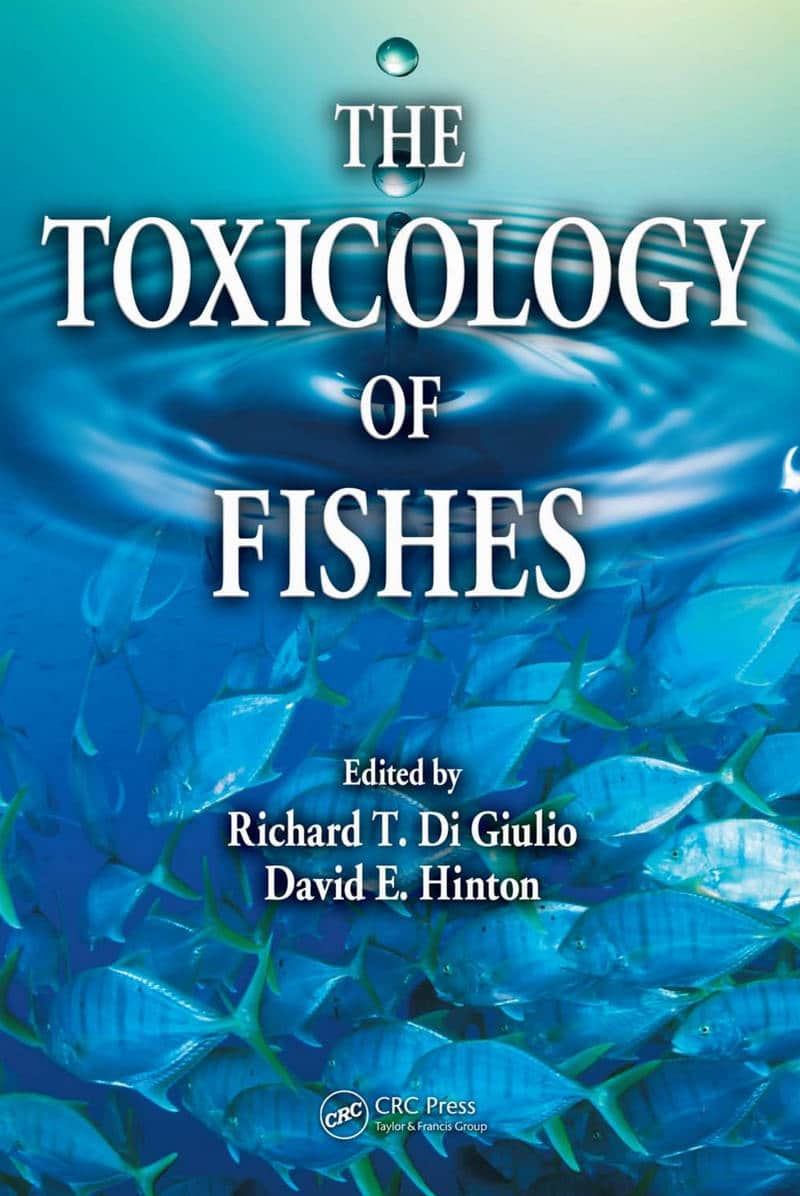
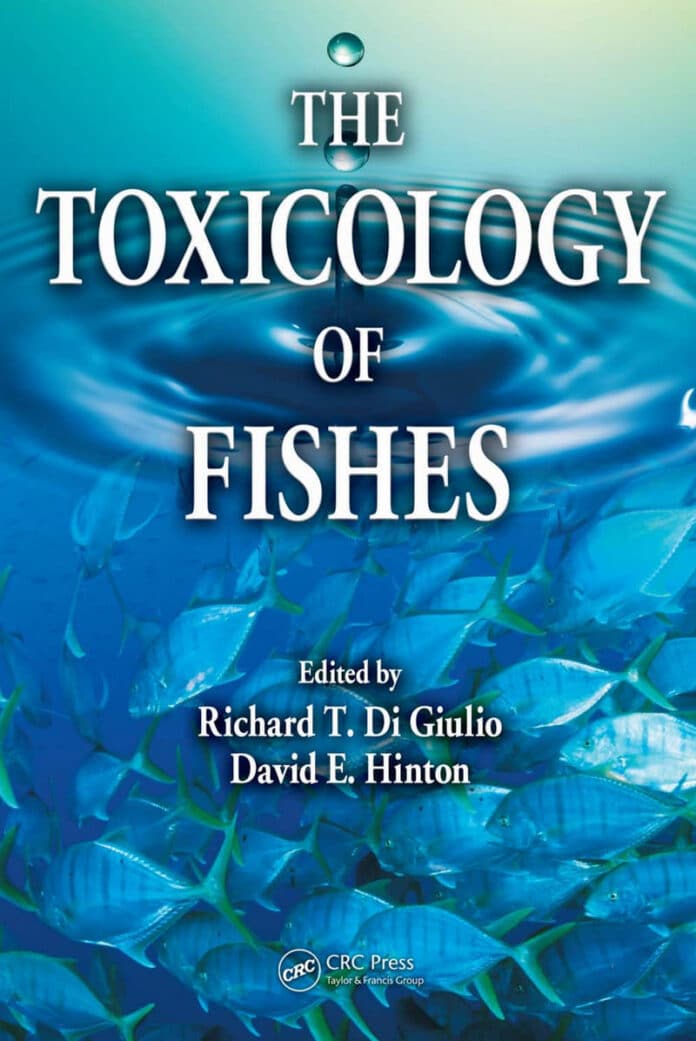
By Richard T. Di Giulio and David E. Hinton
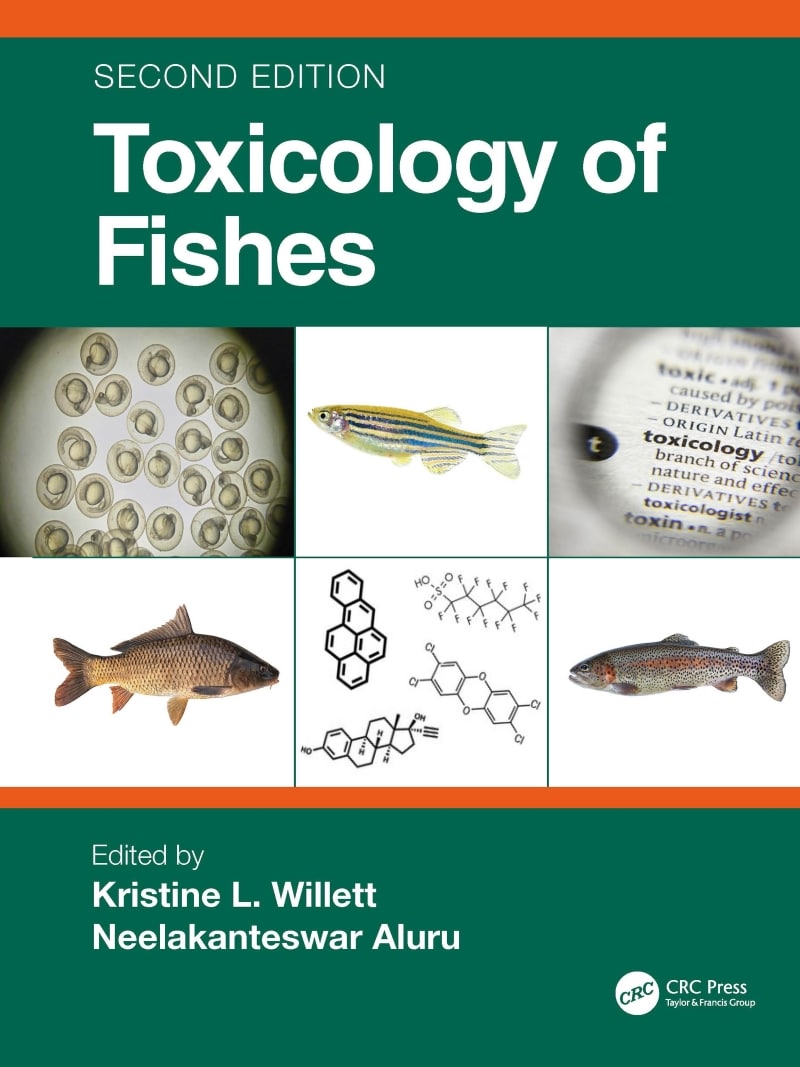
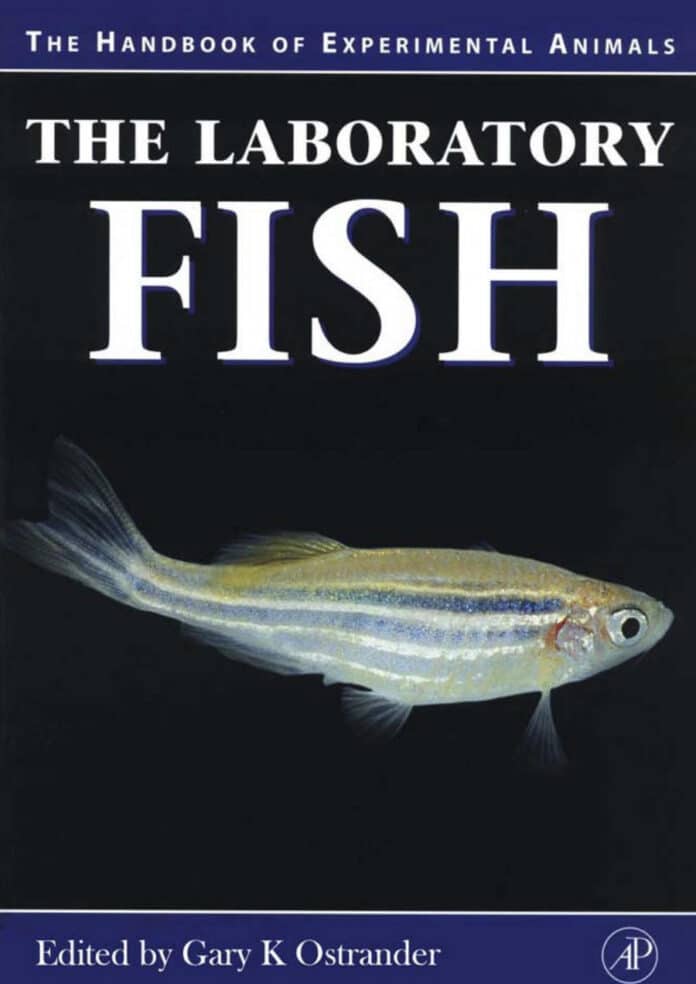
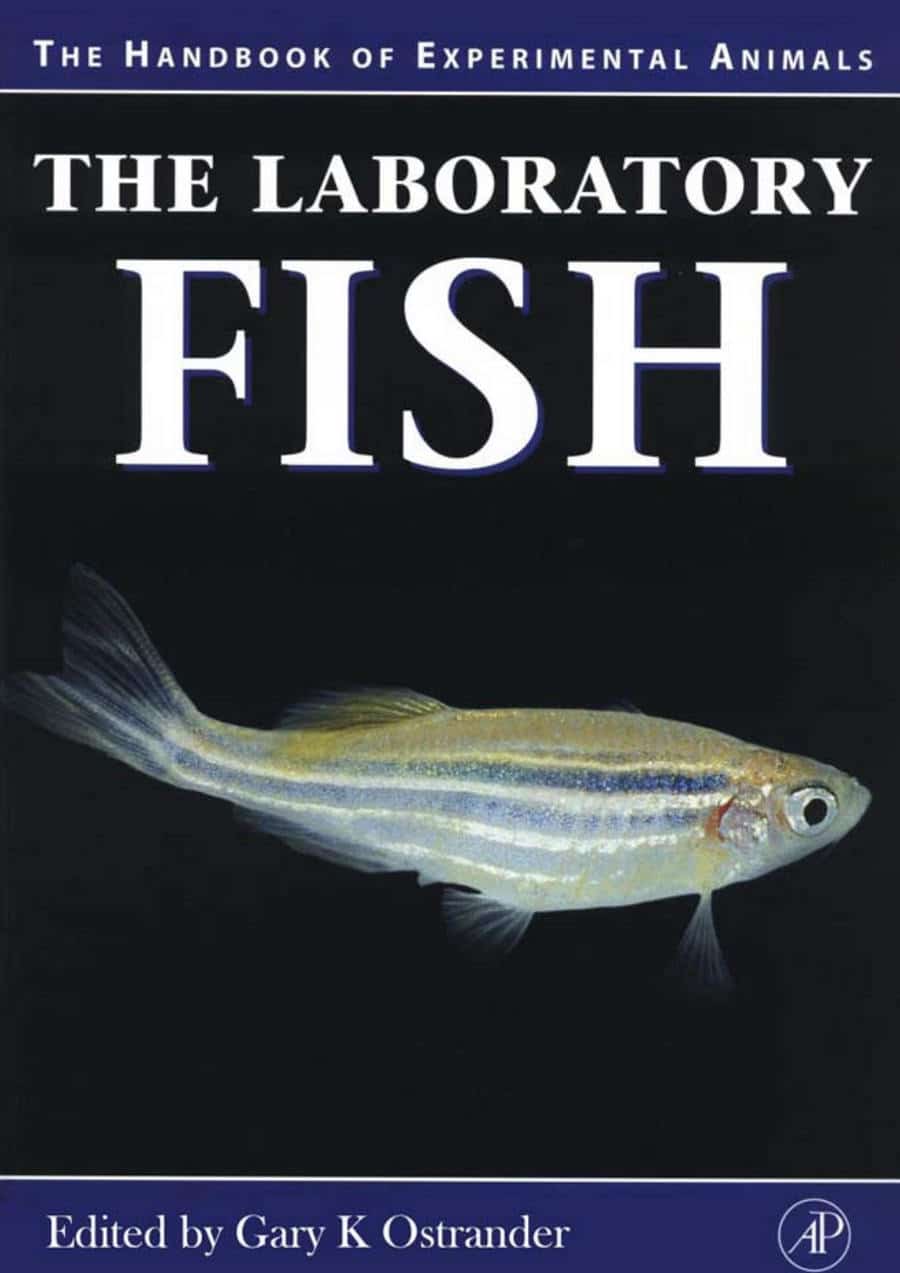
The Toxicology of Fishes. When looking for a book on fish toxicology, you might find one that discusses the biochemical and molecular aspects, or one that focuses aquatic toxicology in general. You can find resources that cover human and animal toxicology or ecotoxicology in general, but no up-to-date, comprehensive monograph devoted to the effects of chemical pollution on these organisms has been widely available, until now. Filling this void, The Toxicology of Fishes, written by recognized experts, covers toxic responses ranging from reduced reproduction and/or abnormal development, growth, and differentiation.
General Principles — Discusses fundamental topics such as the bioavailability of chemicals present in the aquatic environment to fishes, processes governing chemical distribution within these organisms, how fish metabolize organic chemicals, and fundamental mechanisms of chemical toxicity
Key Target Systems and Organismal Effects — Describes key target organ systems for chemical impacts in fish, how chemicals produce cancer in these animals, and how fishes can develop resistance to chemical toxicity
Methodologies and Applications — Dovers methods for the assessment of chemical effects on fish such as toxicity tests, biomarkers, simulated ecosystems, and modeling approaches and the use of data from such studies in ecological risk assessments
Case Studies — Provides examples of how the principles and approaches presented in earlier units are actually deployed in studies
Illustrated by case studies of actual, large-scale field investigations, the book reviews the tools used to assess unwanted effects in laboratory model- and wild fish in detail. With 238 illustrations, 70 tables, and 50 equations, this comprehensive monograph presents detailed information on the boiavailability of chemical pollutants, their distribution, metabolism, and excretion in the host fish and mechanisms and sites of toxic responses.
Features
Features:
- Provides in-depth coverage that ranges from the molecular level to the community and population level
- Covers the interaction of chemical contaminants with freshwater and marine fishes
- Presents case studies that give insight into the effects of chemical classes perturbing aquatic systems
- Explores the interplay of feedback between controlled laboratory experiments and field investigations
Table of Contents
Table of Contents:
-
Introduction
-
Bioavailability of Chemical Contaminants in Aquatic Systems
-
Toxicokinetics in Fishes
-
Biotransformation in Fishes
-
Receptor-Mediated Mechanisms of Toxicity
-
Reactive Oxygen Species and Oxidative Stress
-
Key Target Systems and Organismal Effects
-
Liver Toxicity
-
Toxic Responses of the Fish Nervous System
-
The Endocrine System
-
The Immune System of Fish: A Target Organ of Toxicity
-
Toxicity Resistance
Methodologies and Applications
13. Exposure Assessment and Modeling in the Aquatic Environment
14. Fish Toxicity Studies
15. Biomarkers
16. Aquatic Ecosystems for Ecotoxicological Research: Considerations in Design Analysis for Fish
17. Ecological Risk Assessment
Case Studies
18. Mining Impacts on Fish in the Clark Fork River, Montana: A Field Ecotoxicology Case Study
19. Toxicology of Synthetic Pyrethroid Insecticides in Fish: A Case Study
20. Reproductive Impairment of Great Lakes Lake Trout by Dioxin-Like Chemicals
21. The Effects of Polycyclic Aromatic Hydrocarbons in Fish from Puget Sound
22. Effects of the Exxon Valdez Oil Spill on Pacific Herring in Prince William Sound
23. Case Study: Pulp and Paper Mill Impacts
24. Estrogenic Effects of Treated Sewage Effluent on Fish: Steroids and Surfactants in English Rivers
-
Index





![Ettinger’s Textbook of Veterinary Internal Medicine 9th Edition [True PDF+Videos]](https://www.vet-ebooks.com/wp-content/uploads/2024/10/ettingers-textbook-of-veterinary-internal-medicine-9th-edition-100x70.jpg "Ettinger’s Textbook of Veterinary Internal Medicine 9th Edition")