Home Blog Page 64

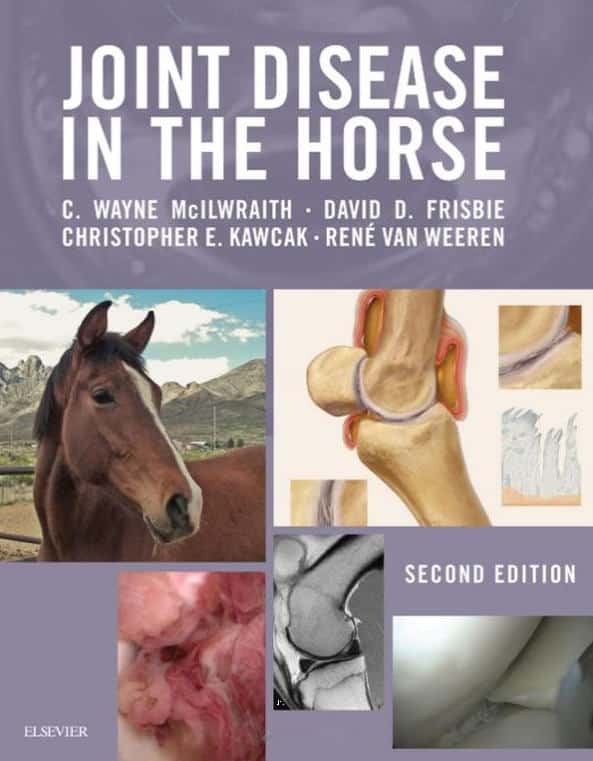
Joint Disease in the Horse 2nd edition

Joint Disease in the Horse 2nd Edition PDF

Joint Disease In The Horse 2Nd Edition Pdf Download

By C. Wayne McIlwraith, David Frisbie, Chris Kawcak and René van Weeren

Joint Disease in the Horse 2nd Edition gives you a full account of equine joint disease, combining a thorough, up-to-date survey of scientific advances with a practical guide to both medical and surgical treatments. With contributions from nationally and internationally recognized pioneers in the field, this groundbreaking text offers an overview of joint structure and function and translates the latest information on basic joint pathobiology into practical application for the clinician. Step-by-step guidance on injection techniques and medications, along with a survey of practical arthroscopic surgery and developments, make it a truly indispensable reference for all equine veterinarians treating sports and racing horses.

Features

Features:

  • UNIQUE! Unprecedented, state-of-the-art coverage of the pathology, pathogenesis, and clinical diagnosis of traumatic and degenerative joint disease, so you stay in the know.
  • Section on general principles of joint pathobiology provides the background to evaluate and interpret the diagnostic and surgical aspects of disease.
  • Explores treatments for traumatic arthritis and osteoarthritis and other joint entities, offering a broad range of options and up-to-date recommendations for problematic decisions.
  • Addresses recent advances and results in arthroscopic surgery for the acute injury and results including fragment removal, fragment fixation, and synovectomy.
  • Discussion of current research provides insight for difficult cases and calls out the directions in which future arthritis research is headed.
  • More than 325 photographs and line drawings help engage and guide you through procedures and treatments.

Table of Contents

Table of Contents:

Section I: General Principles of Joint Pathobiology
1. General Anatomy and Physiology of Joints
2. Biomechanics
3. Traumatic Arthritis and Post-traumatic Osteoarthritis
4. Pathologic Manifestations of Joint Disease
5. Osteochondritis Dissecans
6. Subchondral Cystic Lesions
7. Infective (septic) Arthritis
8. Effect of Loading/Exercise on Articular Tissues

Section II: General Principles of Diagnosis and Treatment
9. Principles of Diagnosis
10. Synovial fluid and serum biomarkers

Section III: Principles of Therapy of Traumatic Arthritis and Osteoarthritis
11. Nonsteroidal Anti-inflammatory Drugs
12. Intraarticular Corticosteroids
13. Hyaluronan
14. Polysulfated Glycosaminoglycan (Adequan®)
15. Potential Use of Pentosan Polysulfate for the Treatment of Equine Joint Disease
16. Biological Therapies
17. Stem Cells
18. Rehabilitation
19. Use of oral joint supplements in equine joint disease

Section IV: Specifics of Anatomy, Clinical Diagnosis, Imaging Diagnosis and Treatment by Region
20. Distal limb
21. Fetlock
22. Carpus
23. Elbow and Shoulder
24. Tarsus
25. Stifle
26. Hip

Section V: New Frontiers
27. Arthritis Research, Some Present and Future Direction in Joint Disease

Get This Book

This Book is Avaiable for Members

Access this book instantly with a Premium membership

📄 PDF Format
⚡ Instant Delivery
Unlock Premium Access

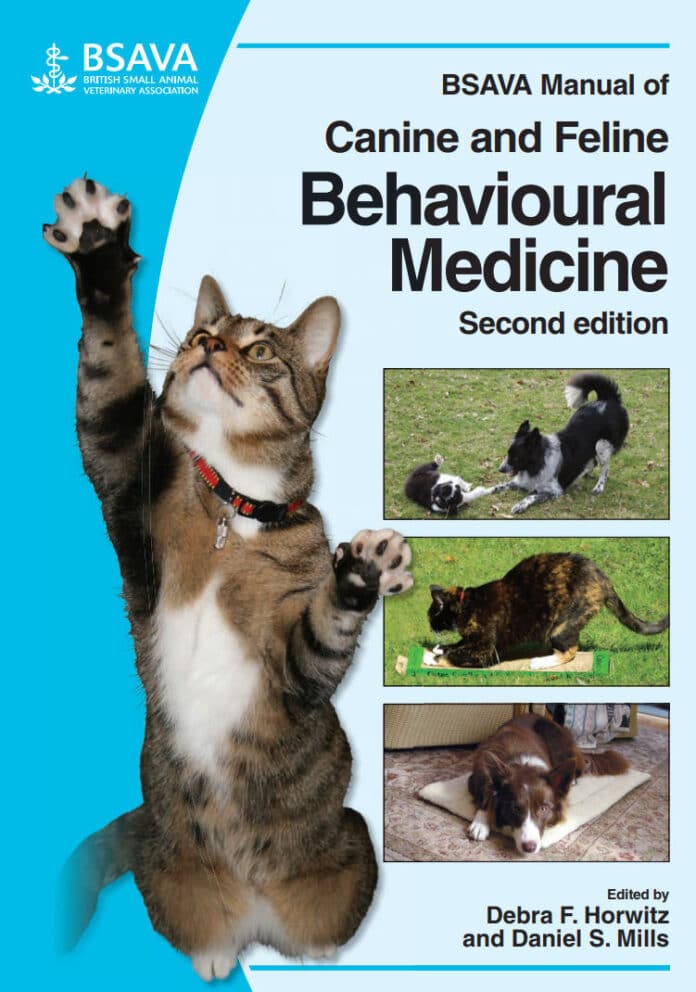
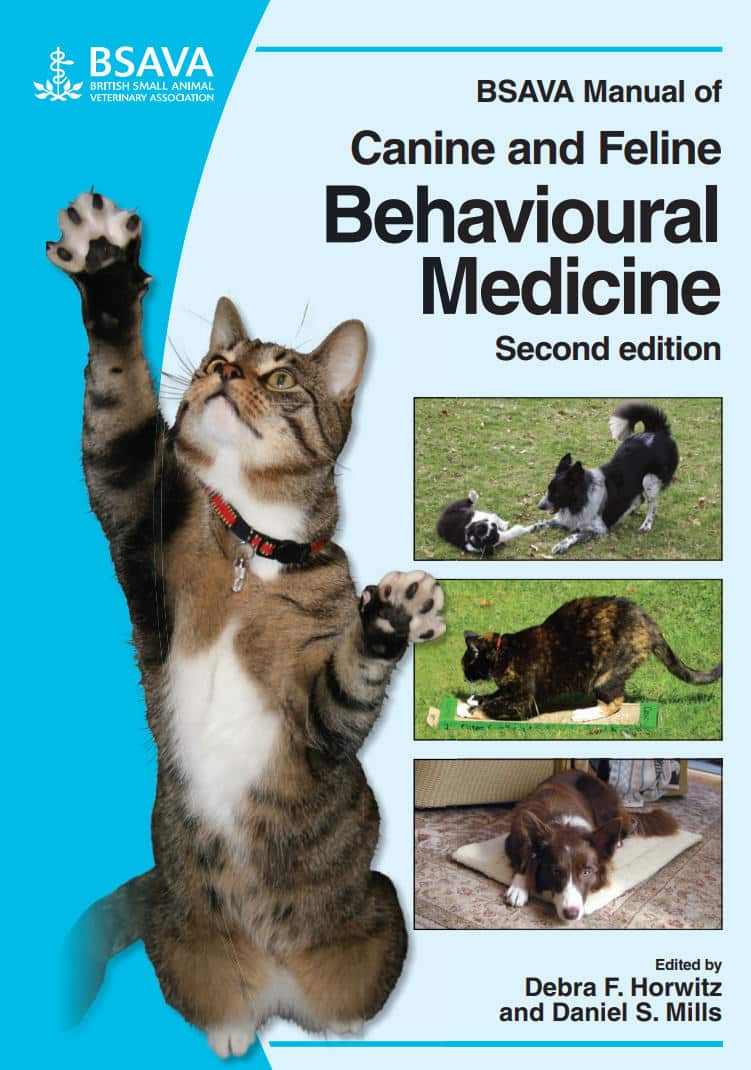
BSAVA Manual of Canine and Feline Behavioural Medicine, 2nd Edition

BSAVA Manual of Canine and Feline Behavioural Medicine, 2nd Edition PDF

Bsava Manual Of Canine And Feline Behavioural Medicine, 2Nd Edition Pdf Download

By Debra F. Horwitz and Daniel S. Mills

BSAVA Manual of Canine and Feline Behavioural Medicine, 2nd Edition. The importance of animal behavior and psychological well-being is increasingly being recognized in the veterinary profession. This new edition is designed to be even more practical and user-friendly than the first. For a range of behavioral presentations, consideration is given to evaluation of the patient, including any possible underlying disease; evaluation of client attitudes, beliefs and behavior; risk evaluation; behavioral biology of the condition; acute management protocols; long-term treatment strategies; prognosis; follow-up; and preventive measures. A special chapter on shelter animals has been added, as this is an area where veterinary support is increasingly sought in both health and husbandry. An included CD offers client handouts, history-taking forms, detailed behavioral questionaires for each species and a referral form.

Features

Features:

  • New edition designed to be even more practical and user-friendly
  • Coverage of shelter medicine included
  • International authors

Table of Contents

Table of Contents:

  1. Introduction to behavioural medicine

  2. The role of the behaviourist

  3. Behavioural development in dogs and cats

  4. The human–animal bond

  5. Neurology and behaviour

  6. The role of learning in problem behaviour

  7. Taking a behavioural history

  8. Making a diagnosis and devising a treatment plan

  9. Behavioural first aid

  10. The use of psychopharmacological agents in the treatment of behaviour problems

  11. Managing the environment

  12. Behavioural problems in dogs

  13. Behavioural problems in cats

  14. Behavioural problems in puppies and kittens

  15. The veterinarian’s role in behavioural medicine

  16. Legal and ethical considerations

  17. Behavioural issues in shelter animals

  18. Behaviour and pain

  19. Clinical techniques in behavioural medicine

  20. Rehoming the problem pet

Get This Book

This Book is Avaiable for Members

Access this book instantly with a Premium membership

📄 PDF Format
⚡ Instant Delivery
Unlock Premium Access

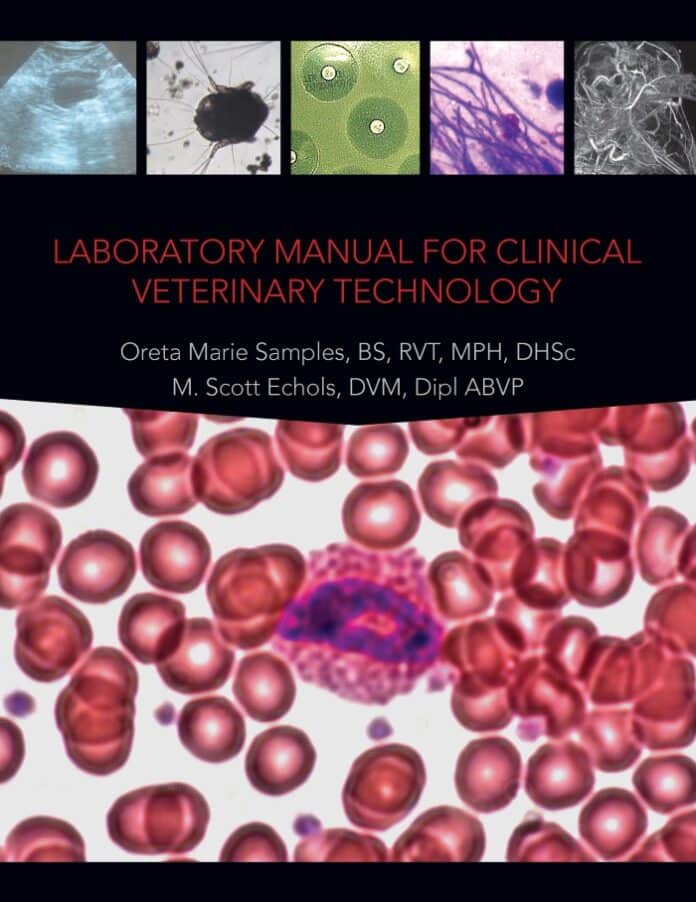
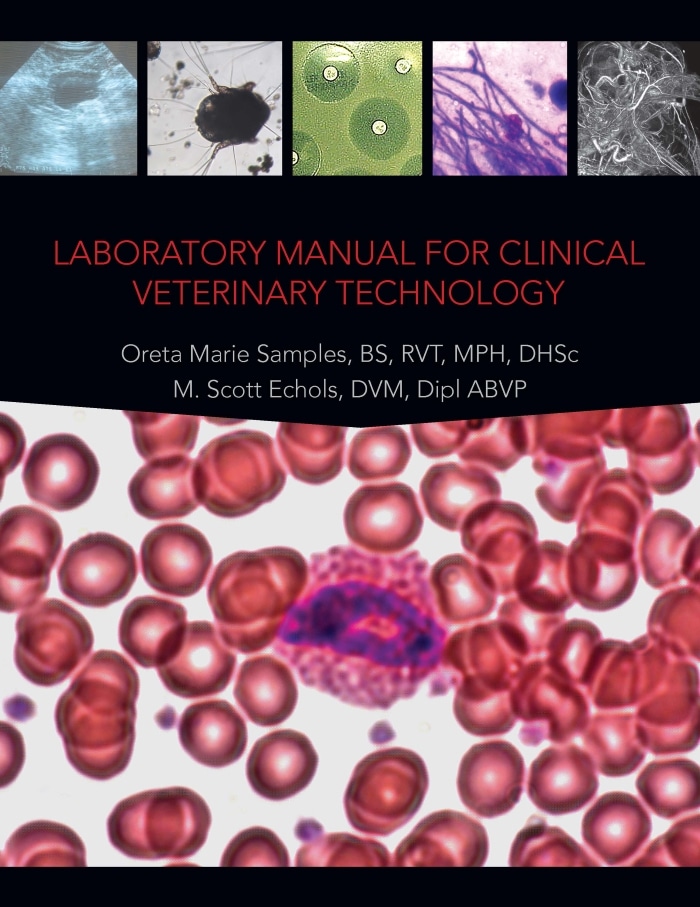
Laboratory Manual for Clinical Veterinary Technology

Laboratory Manual for Clinical Veterinary Technology

Laboratory Manual For Clinical Veterinary Technology Book Pdf Download

By Oreta Marie Samples and M. Scott Echols

Laboratory Manual for Clinical Veterinary Technology Book. Veterinary students and practicing technicians will find this book to be an important bench manual as well as an educated tool to have on their desk. Also included in the package is a free online resource for testing and additional information.

Authors

Dr. Samples is a graduate of Fort Valley State University with a BS in Veterinary Technology. Master’s degree in public health and a doctorate in health sciences from Nova Southeastern U. She currently serves as Program Coordinator for the MPH program at Fort Valley State where she is the lead Veterinary Technologists.

Dr. Echols completed his residency at the Medical Center for Birds in Oakley, California and he is board certified in avian practice. He served as President of the Association of Avian Veterinarians and in 2005 was the recipient of the T.J. Lafeber Avian Practitioner of the Year.

Table of Contents

Table of Contents:

1. THE CLINICAL PATHOLOGY LABORATORY

2. THE CLINICAL PATHOLOGY LABORATORY

3. URINALYSIS LABORATORY

4. PROPER LABORATORY TREATMENT OF BLOOD SMEARS AND CELLS

5. HEMATOLOGY- THE BLOOD SMEAR

6. HEMATOLOGY – THE WHITE BLOOD CELL COUNT AND IDENTIFICATION

7. THE 3-H’S OF HEMATOLOGY

8. COAGULATION TESTING

9. MECHANICAL HEMATOLOGY

10. ANTIGEN-ANTIBODY TESTING

11. COPROPHOLOGICAL TESTING OF GASTROINTESTINAL FUNCTION

12. MICROBIOLOGICAL PREPARATION

13. MICROBIOLOGICAL SUPPLIES AND COLLECTION OF VETERINARY SPECIMENS

14. MICROBIAL CULTURE AND SENSITIVITY AND BIOCHEMICAL TESTING

15. MILK TESTING  16. INTRODUCTION TO CYTOLOGY

17. CYTOLOGY: THE ART OF FINE NEEDLE ASPIRATION

18. NECROPSY: A TECHNICIAN’S ROLE

19. AVIAN, EXOTIC MAMMALS, REPTILES AND FISH

20. RUMEN FLUID COLLECTION AND EVALUATION

Get This Book

This Book is Avaiable for Members

Access this book instantly with a Premium membership

📄 PDF Format
⚡ Instant Delivery
Unlock Premium Access

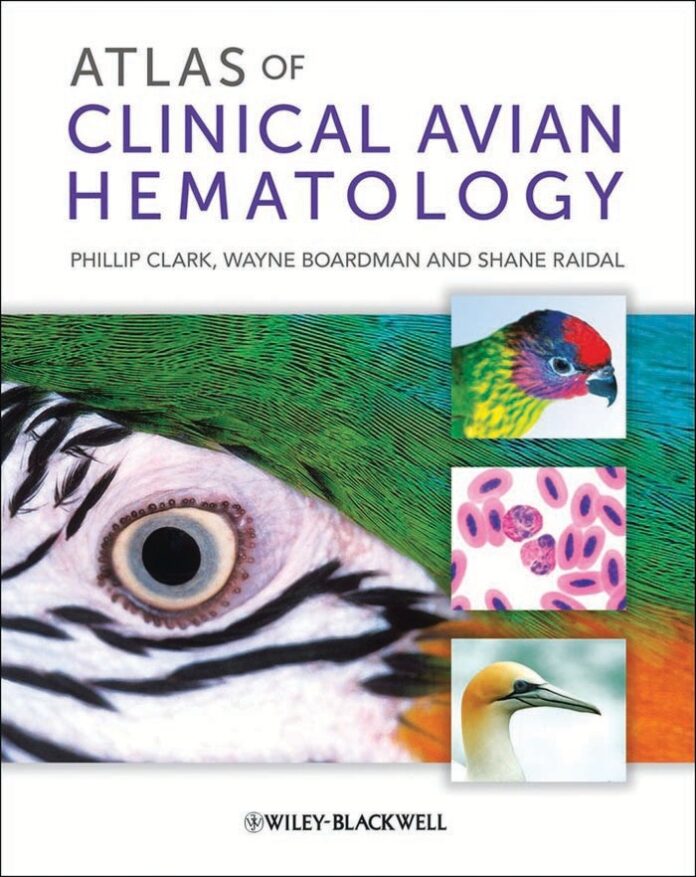
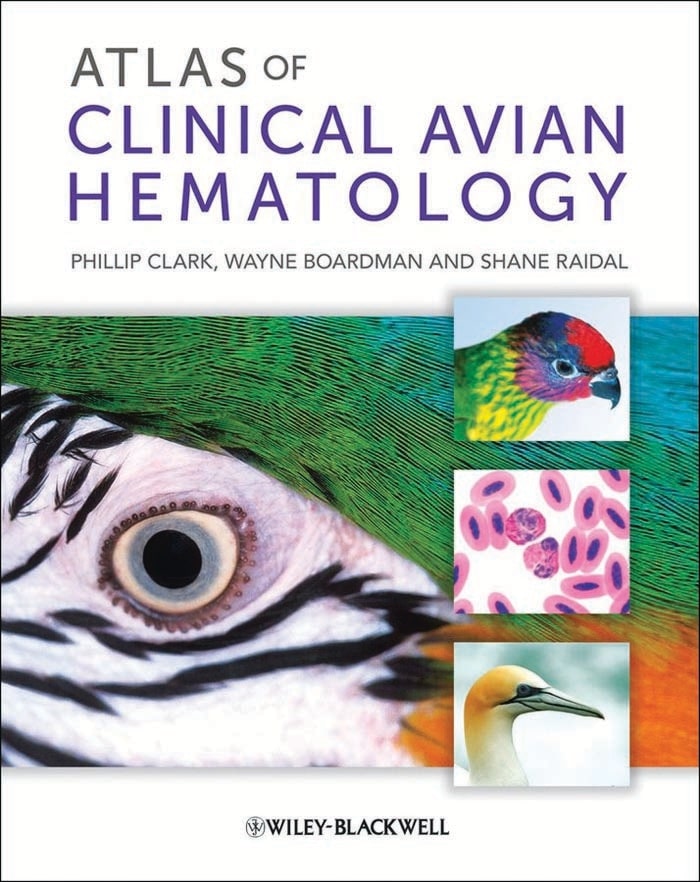
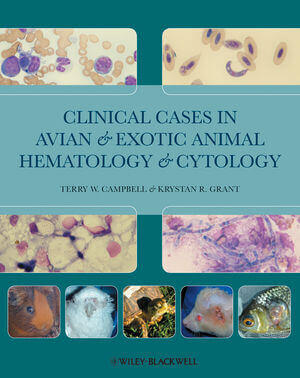
Atlas of Clinical Avian Hematology

Atlas of Clinical Avian Hematology

Atlas Of Clinical Avian Hematology Pdf Download

By Phillip Clark, Wayne Boardman and Shane Raidal

Atlas of Clinical Avian Hematology provides fundamental information and a practical guide to the hematological characteristics of birds. The book initially describes how to collect and handle blood samples from birds to best preserve the quality of the blood. This rich resource aids interpretation of hematological data, covering both healthy and diseased birds. The Atlas is illustrated throughout with colour photographs, and covers over 100 species of birds.

Features

Features:

  • Basic and comparative aspects of avian hematology in healthy birds are described, including the variation in hematological characteristics between different Orders.
  • Hematological responses to disease are illustrated through brief case reports.
  • Identification of hematoparasites is covered.
  • Emphasis is placed on the morphology of hematological cells to ensure accurate classification plus identification of pathological changes. 

Table of Contents

Table of Contents:

Preface.

1. Collection and handling of blood samples.

2. General hematological characteristics of birds.

3. Order specific hematological characteristics of birds.

4. Physiological and pathological influences on the hematological characteristics of birds.

5. Hemoparasites of birds.

References

Get This Book

This Book is Avaiable for Members

Access this book instantly with a Premium membership

📄 PDF Format
⚡ Instant Delivery
Unlock Premium Access

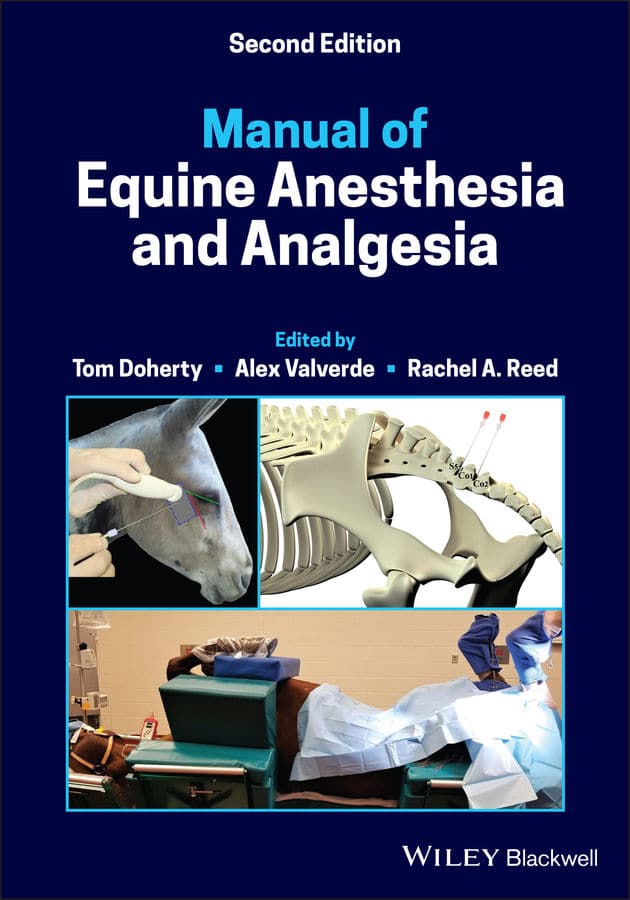
Manual of Equine Anesthesia and Analgesia 2nd Edition

Manual of Equine Anesthesia and Analgesia 2nd Edition

Manual Of Equine Anesthesia And Analgesia 2Nd Edition Pdf Download

By Tom Doherty, Alexander Valverde, Rachel A. Reed

Manual of Equine Anesthesia and Analgesia 2nd Edition Is A fully updated new edition of this practical guide to managing anesthesia in horses and other equids, providing updated and expanded information in a concise, easy-to-read format

Manual of Equine Anesthesia and Analgesia provides practitioners and veterinary students with concise, highly practical guidance to anesthetizing horses, donkeys, and mules. Using a bulleted quick-reference format, this popular resource covers the basic physiological and pharmacological principles of anesthesia, patient preparation and monitoring, and the management of sedation and anesthesia. Chapters written by leading veterinary anesthesiologists contain numerous clinical images and illustrations, case examples, tables, diagrams, and boxed summaries of important points.

Now in full color, Manual of Equine Anesthesia and Analgesia 2nd Edition features extensively revised and updated information throughout. New sections cover chronic pain, management of horses undergoing MRI, ventilators, nerve blocks for reproductive surgery, muscle relaxants, various new drugs, paravertebral anesthesia, treatment of pain using acupuncture and physical rehabilitation techniques, and more. Up-to-date appendices contain drug lists and dosages as well as equations related to equine cardiovascular and respiratory systems.

Manual of Equine Anesthesia and Analgesia, Second Edition, remains a must-have resource for all equine practitioners and veterinary students involved with anesthetizing horses.

Features

Features:

  • Provides practical, clinically oriented information on anesthetizing equids
  • Uses a bulleted format designed for fast access of key information
  • Offers step-by-step instructions and diagrams of nerve blocks of the limbs, head, and ophthalmic structures
  • Includes new coverage of topics including regulation of extracellular fluid and blood pressure, acid-base disorders, and hemodynamic effects of autonomic drugs


Table of Contents

Table of Contents:

  1. Preoperative Evaluation

  2. The risk of equine anesthesia

  3. Patient preparation

  4. Serum Chemistry and Hematology

  5. The Cardiovascular System

  6. Physiology of the cardiovascular system

  7. Evaluation of the cardiovascular system

  8. The Respiratory System

  9. Anatomy of the respiratory system

  10. Physiology of the respiratory system

  11. Evaluation of the respiratory system

  12. Airway management

  13. Tracheostomy

  14. The Renal System

  15. Neurophysiology and Neuroanesthesia

  16. The Autonomic Nervous System

  17. Electrolyte and Fluid Therapy

  18. Electrolytes

  19. Fluid therapy

  20. Acid-base Physiology

  21. Traditional approach

  22. Physicochemical approach

  23. Hemostasis and Hemotherapy

  24. Hemostasis

  25. Hemotherapy

  26. Thermoregulation

  27. Pharmacology of Drugs Used in Equine Anesthesia

  28. Phenothiazines

  29. Butyrophenones

  30. Alpha2 adrenergic agonists

  31. Opioids

  32. Tramadol

  33. Trazadone

  34. Benzodiazepines

  35. Guaifenesin

  36. Ketamine

  37. Tiletamine and zolazepam (TZ)

  38. Alfaxalone

  39. Propofol

  40. Barbiturates

  41. Intravenous lidocaine

  42. Horse-related drug regulations in Europe

  43. Inhalational Anesthetics

  44. Local Anesthetics

  45. Neuromuscular Blocking Agents in Horses

  46. Non-steroidal Anti-inflammatory Drugs and Corticosteroids

  47. Anesthetic Machines and Equipment

  48. Positioning the Anesthetized Horse

  49. Monitoring

  50. Monitoring the central nervous system

  51. Cardiovascular monitoring

  52. Respiratory monitoring

  53. Anesthetic agent monitoring

  54. Monitoring temperature

  55. Monitoring neuromuscular function

  56. Standing Sedation

  57. General Anesthesia Techniques

  58. Inhalational anesthesia

  59. Total intravenous anesthesia (TIVA)

  60. Partial intravenous anesthesia (PIVA)

  61. Anesthesia of the Head and Neck

  62. Anesthesia of the head

  63. Maxillary nerve block in donkeys

  64. Cervical plexus block

  65. Local Anesthesia of the Eye

  66. Anesthesia of the Limbs

  67. Anesthesia of the Perineum and Testicle

  68. Pudendal nerve block – Electrostimulation technique

  69. Pudendal nerve block – blind approach

  70. Local anesthesia for castration

  71. Anesthesia of the Abdominal Wall

  72. Thoracolumbar paravertebral block – Electrostimulation technique

  73. Paravertebral nerve block – Blind technique

  74. Transversus abdominis plane block

  75. Caudal intercostal block for abdominal surgery (CIBAS)

  76. Epidural Analgesia and Anesthesia

  77. Pathophysiology of Pain

  78. Pain Recognition in Horses

  79. Management of Pain

  80. The pharmacologic approach to pain management

  81. Rehabilitation modalities for acute and chronic pain in horses

  82. Equine acupuncture

  83. Anesthesia of Foals

  84. Anesthesia of Horses with Intestinal Emergencies (Colic)

  85. Anesthesia of the Geriatric Horse

  86. Anesthesia and Pregnancy

  87. Anesthesia for Equine Imaging

  88. Anesthesia of Donkeys and Mules

  89. Anatomical, physiological, and behavioral differences

  90. Sedation and anesthesia of donkeys and mules

  91. Donkey pain assessment scales

  92. Remote Capture of Equids

  93. Complications

  94. Intraoperative hypotension

  95. Intraoperative hypertension

  96. Hypoxia and hypoxemia

  97. Hypercarbia

  98. Pulmonary edema as a consequence of airway obstruction

  99. Endotoxemia

  100. Postanesthetic myopathy

  101. Neuropathy

  102. Hyperkalemic periodic paralysis (HYPP)

  103. Malignant hyperthermia

  104. Delayed awakening and recovery

  105. Paraphimosis and priapism

  106. Anaphylactic and anaphylactoid reactions

  107. Intra-carotid and perivascular injections

  108. Equine cardiopulmonary resuscitation

  109. Recovery from Anesthesia

  110. Euthanasia

Get This Book

This Book is Avaiable for Members

Access this book instantly with a Premium membership

📄 PDF Format
⚡ Instant Delivery
Unlock Premium Access

Practical Small Animal MRI

Practical Small Animal MRI

Practical Small Animal Mri Pdf

By Patrick R. Gavin and Rodney S. Bagley

Practical Small Animal MRI is the seminal reference for clinicians using Magnetic Resonance Imaging in the diagnosis and treatment of veterinary patients. Although MRI is used most frequently in the diagnosis of neurologic disorders, it also has significant application to other body systems. This book covers normal anatomy and specific clinical conditions of the nervous system, musculoskeletal system, abdomen, thorax, and head and neck. It also contains several chapters on disease of the brain and spine, including inflammatory, infectious, neoplastic, and vascular diseases, alongside congenital and degenerative disorders.

Table of Contents

Table of Contents:

1. Physics 

Section 1. Comparative Imaging

Section 2. Basic Physics

Section 3. Sequence Selection

Section 4. Artifacts

Section 5. Equipment Consideration and Selection

2. Veterinary Clinical Magnetic Resonance Imaging 

Section 1. Diagnosis of Intracranial Disease

Section 2. Diagnosis of Spinal Disease

Section 3. Magnetic Resonance Imaging of Peripheral Nerve Disease

3. Orthopedic

4. Magnetic Resonance Imaging of Abdominal Disease 

5. Thorax 

6. Head—Non-CNS 

7. Cancer Imaging

 Index

Get This Book

This Book is Avaiable for Members

Access this book instantly with a Premium membership

📄 PDF Format
⚡ Instant Delivery
Unlock Premium Access

Difference between Wildlife Biologists and Zoologists

Difference between Wildlife Biologists and Zoologists

Difference between Wildlife Biologists and Zoologists. The wildlife around the world is on the brink of extinction because of the activities of man. Conservation biologists and zoologists work hard to protect wildlife and preserve the natural world. While animals are ailing in wildlife, it is the biologists and zoologists in wildlife that are working day and night to help them. Wishing to know how the biologists and zoologists are helping the wildlife? Here we will look at some ideas on how biologists and zoologists can help wildlife.

Veterinary Books

Difference between Wildlife Zoologists and Biologists

Some Wildlife biologist studies how animals interact with their environments while some wildlife zoologist focuses on how the organism is affected by its environment. Zoologists have an interest in studying an animal’s behavior, anatomy, physiology, and characteristics. While wildlife biologists study the organism’s interaction with other elements such as plants, climate, and other species.

Animal zoologists and biologists conduct research, observe animal life and collect essential data but their duties may vary. Here is how

Zoologists

Zoologists are scientists often working within various branches of biology who specialize in the study of animals. Depending on their area (or specific field) of expertise or research focus they may specifically be interested in different groups of mammals, reptiles, sea life, insects, or other groups of living things.

These experts receive extensive training. They can perform many roles at zoos, including curators, directors, zookeepers, protectors, conservationists, and caretakers. To become an animal scientist a master’s degree is required for working in academia. Master’s degrees are necessary for those entering the private sector pursuing careers such as animal shelter manager or zoo supervisor.

Other jobs of zoologists include:

  • Observing the animal’s natural environment
  • Collecting a sample for research
  • Keep an eye on the behavior of animals
  • Effect of human development on the life of animals

Wildlife Biologists

Wildlife biology is one of the many sub-fields originating from the larger area of biological studies. The purpose of wildlife biology is to improve our understanding of animals and their environments as quickly as possible. These professionals are most often tasked with studying their breeding patterns, migration habits, and any other data relevant to an animal’s life cycle.

They conduct research in diverse places including forests, parks, and protected areas, working alongside ecologists to better document the existence of animals in different ecosystems. A lot of biologists love being outdoors, so this type of job involves traveling around quite a bit and living in many diverse environments.

If you want to become wildlife you need a bachelor’s degree and for further advancement, you need a Ph.D. in this field for a well-designated job. Another important qualification that a wildlife biologist must have is good communication skills and they can speak fluently with the public.

Conclusion

Wildlife biologists and zoologists are two similar types of professionals, who both study animals. The main difference between wildlife biologists and zoologists in their area of study. While wildlife biologists are more concerned with how animals interact with the ecosystems, zoologists are more concerned with how animals interact with each other.

Don’t Forget, You Can Read More Books From Our Veterinary Books Library Online In Order To Increase Your Veterinary knowledge and Practical Skills. Click Here To Browse & Download +3000 Vet eBooks.

5 Interesting Facts about Veterinarians

Interesting Facts about Veterinarians

5 Interesting Facts about Veterinarians. Becoming a veterinarian is a fulfilling career choice. You will be able to work with animals, something that you love doing. But the number of veterinarians has grown tremendously in the last decade. Hence, getting a job may not be as easy as you would think. You will also have to work in different locations and you may need to move around a lot. Here is a blog that looks at what is interesting about being a veterinarian and how you can crack the process of becoming a veterinarian.

Veterinary Books

1- You Need To Be Good In Academics to Be a Vet

Becoming a veterinarian requires a lot of preparation. You need to get admission to Veterinary Medicine College. For admission, you need to have a 3.5 GPA. But these high grades won’t get you admission you also have to show passion outside the academic carrier.

2- Not All Vets Work With Animals

While being a veterinarian tends to encompass all things pet related, there are many subspecialties when it comes down to the actual profession. While most veterinarians work in private practices caring for cats, dogs, ferrets, and other pets, some spend their days caring for farm animals within different animal husbandry firms. Others choose to train in medical research professions that deal with specific fields or infectious diseases. You could also focus on enriching your knowledge on training creatures such as bees and beavers too.

3- Vets Have To Work In Tough Environment

Working as a vet can be a difficult career choice because, depending on the vet and the size of their practice or hospital, it may involve long hours in uninviting or dangerous conditions with little to no pay. While veterinarians can work with animals they will care for throughout their profession – many might not make it through surgery or life-saving methods. They also have to deal with an emotional toll because of the stress involved.

4- A Vet Needs To Be Good In Communication with People

Good communication is a crucial element of any successful business. It’s especially important in a job in which you interchange with patients and their owners on daily basis. Studies have shown that if you lose as little as 5% of your patients/clients after every year that passes means there could be something wrong with your operation and communication. So good communication skills are important.

5- A Vet Must Be a Specialist in a Certain Field

Just like humans, a veterinarian needs to specialize in a specific field. They can specialize in certain types of niche because there are over million species of animals. This means that veterinarians will have to go through extensive training and different certification requirements to become the best vet. So that they can provide their patients with the best possible care possible.

Conclusion

With a veterinarian degree and years of experience, you will have the opportunity to work with animals in a number of areas. You can work on farms, with domestic animals, participate in scientific research, and do many other things. You will likely have to complete a residency program and certification test. Hope this blog tells a lot of interesting things about vets.

Tip

Do You Want To Increase Your Veterinary Knowledge and Practical Skills?

You Can Now Browse and Download +3000 Veterinary Books Online In All Veterinary Fields.

Browse All Veterinary Books

Opportunities for Advancement Exist for Veterinarians

What Opportunities for Advancement Exist for Veterinarians?

Opportunities for Advancement Exist for Veterinarians. Every profession has its road map to success, and the veterinary profession is no exception. Medicine and technology are advancing at a rapid pace, and this is especially true in the field of veterinary medicine. Veterinarians have access to more specialized schooling, more advanced technologies, and more resources than ever before.

This opens up many exciting opportunities for them to further advance their scientific knowledge, provide better medical care to animals, and advance their careers. This blog will explore the different opportunities that exist for veterinarians to advance in their profession.

Veterinary Books

Opportunities For Advancement

After graduating from veterinary school, you’ll be able to look forward to working in an established practice. However, with the option of moving into private practice and taking continuing education courses, you can also advance your career as a specialist. Additionally, you can work for the government or become a researcher who studies animal health and care.

Private Practice

A majority of veterinarians start their careers from entry-level positions at an established veterinarian office. By beginning to work for someone else, you can begin to build your professional portfolio and client base so that when financially feasible, you can go into private practice. You can do that by investing in startup procedures like buying state-of-the-art equipment and investing in a private office space. To gain clients, also invest in marketing as well!

Government Employees

A registered veterinarian can also work for the government. Veterinary public health specialists focus on protecting and promoting public health while they perform their duties. As a result, they place a strong emphasis on educating people about animal diseases, preventing the spread of diseases, and enforcing disease control measures through effective surveillance activities.

Unlike other veterinarians who treat animals, veterinary public health specialists primarily serve communities by working in local or state governments to help promote and protect human health. Often these public health specialists will oversee the operations of meat and poultry plants as well as food transport and distribution companies. This help to ensure that they properly dispose of contaminated products as well as meet federal guidelines to promote safe and healthy food.

Advance Education

To grow and become the best veterinarian, one has to take continuing education classes. That will keep them abreast of the latest medical techniques that should be used while treating pets or livestock. There are much advancement in every field constantly being created. So you also have to make sure that you go and get your certificates/degrees in areas like cancer treatment for pets, preventative dental health for animals.

Conclusion

A veterinarian is a dream job to many, but is it the right career path for you? The job market is changing and many people are finding that the job that they once dreamed of is not what they expected. That’s why it’s important to research your career options before you commit to a career path. By taking the time to research, you can make sure that you are making the best choice for your career and your life.

We Can Help In Our Library By Reading Books From Our Veterinary Books Library Online In Order To Increase Your Veterinary knowledge and Practical Skills.

What Can You Do With a Bachelors in Veterinary Medicine?

What Can I Do After Veterinary Medicine Degree?

What Can You Do With a Bachelors in Veterinary Medicine?, While it may be a bit of a niche career path, students who choose to become veterinarians usually do so because they love animals and want to help them. However, prospective students who are curious about what can they do with a veterinary medicine degree should know that there are many roles and opportunities available to those who have a veterinary medicine degree. Here are a few options that those with a veterinary medicine degree can consider. We will discuss that topic in our Veterinary Books Libray to help all our colleagues.

Veterinary Books

What Can You Do With a Bachelors in Veterinary Medicine?

If you’re a future veterinarian, you have a bright career ahead of you. There are many different opportunities available after vet school as well. Firstly, some jobs are directly related to the degree which you got in veterinary medicine. There are also some jobs in which degrees can be useful and one can perform a vital role.

You could be working with companion animals at a wide variety of practice locations like private practices, zoos, animal shelters, etc. At the same time, being trained as a veterinarian can provide skills and knowledge that is transferable to other industries like food services. In those industries there might be tasks involved like dealing with food-borne bacteria or cleaning up an infected wound.

This is why veterinary medicine is an important degree for anyone who has completed their training program to obtain.

Jobs That Have Direct Connection with Degree

Veterinary Surgeon

A Veterinary Surgeon (Vet) will diagnose, heal and treat sick and injured animals. One of his main responsibilities is to keep the animal population healthy and disease-free.

Get Veterinary Books about Veterinary Surgery: Veterinary Surgery Books

Animal Nutritionist

An animal nutritionist is a type of expert used to help animals with their diet. They help determine the best way to ensure that your pet is getting exactly what it needs to maintain as healthy a lifestyle as possible.

Get Veterinary Books about Animal Nutrition: Animal Nutrition Books

Jobs That Are Indirectly Related To Your Degree

Environment Consultant

Environmental consultants are independent pros who provide info about environmental changes that may adversely impact animal life.

Nature Conservation Officer

In this job, a vet will be engaged in the protection and nurturing of animals, important for the overall sustainability of our ecosystem.

Ecologists

Ecologists study several relationships between organisms and the environment which all come together to create a complete habitat, no matter how big or small. They can look at anything from microscopic bacteria to the thousands of animal and plant communities found in forests and deserts.

Zoologist

A zoologist studies how animals interact within their natural habitats. They learn how different species inhabit their respective ecosystems and work to identify interspecies patterns as well as monitor overall animal behavior.

Get Veterinary Books about Wildlife and Zoo Animals: Veterinary Wildlife Books

Higher education lecturer

Lecturers work with their students as well as other university staff, to help plan lessons and organize course notes, exam questions, laboratory practices, and all things related to the educational curriculum.

Conclusion

If you’re curious about what you can do with a veterinary medicine degree, you’re not alone. Veterinarians play a vital role in society, especially as the world’s population grows. Becoming a veterinarian can be a rewarding and fulfilling career, but understand that it is a challenging degree. We hope our blog today has helped you see that a career in veterinary medicine is a good fit for you.

Tip

Do You Want To Increase Your Veterinary Knowledge and Practical Skills?

You Can Now Browse and Download +3000 Veterinary Books Online In All Veterinary Fields.

Browse All Veterinary Books