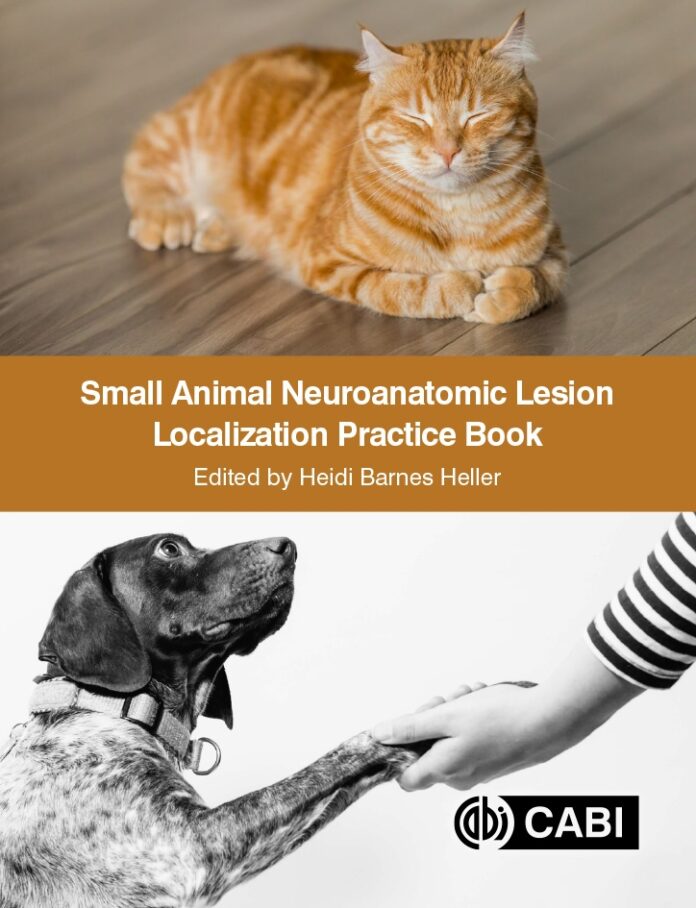
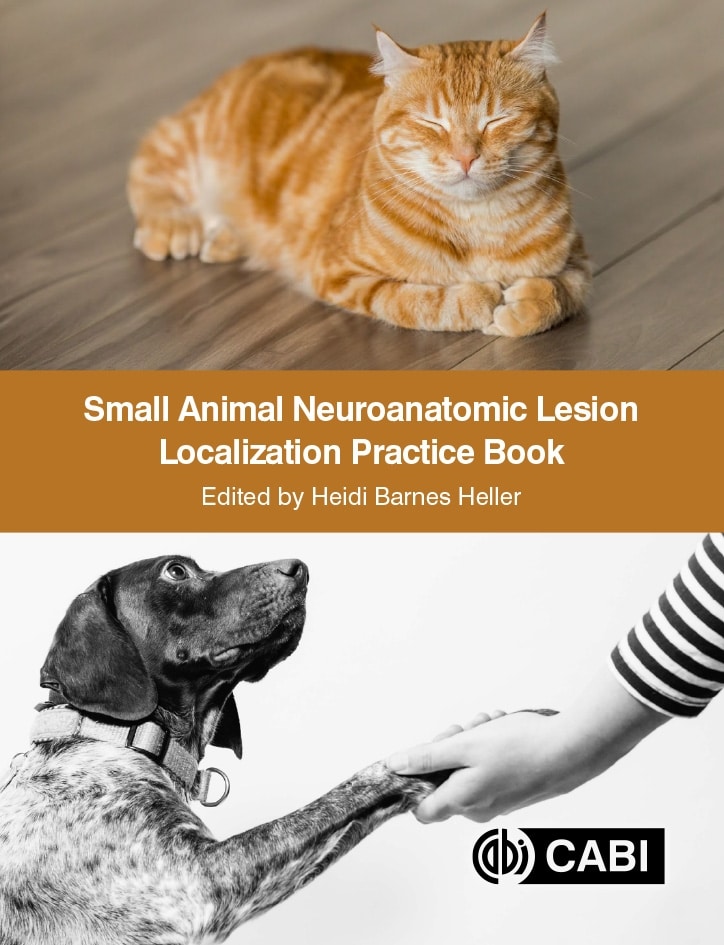
Small Animal Neuroanatomic Lesion Localization Practice Book is key when presented with a dog or cat with signs of neurologic disease. The correct neuroanatomic lesion localization will drive veterinarians towards an appropriate list of differential diagnoses and help lead the client towards applicable diagnostic investigation. Neuroanatomic lesion localization is the first step when managing any pet with signs of neurologic disease. Despite its importance, it remains a challenge for veterinary students, residents, and practitioners in their daily practice.
Laid out in a case-based format and workbook style to guide the reader through neuroanatomic lesion localization.
Written by a team of eminent, international veterinary neurologists, this book is an invaluable resource for veterinary students and practitioners looking to expand their skills in veterinary neurology.
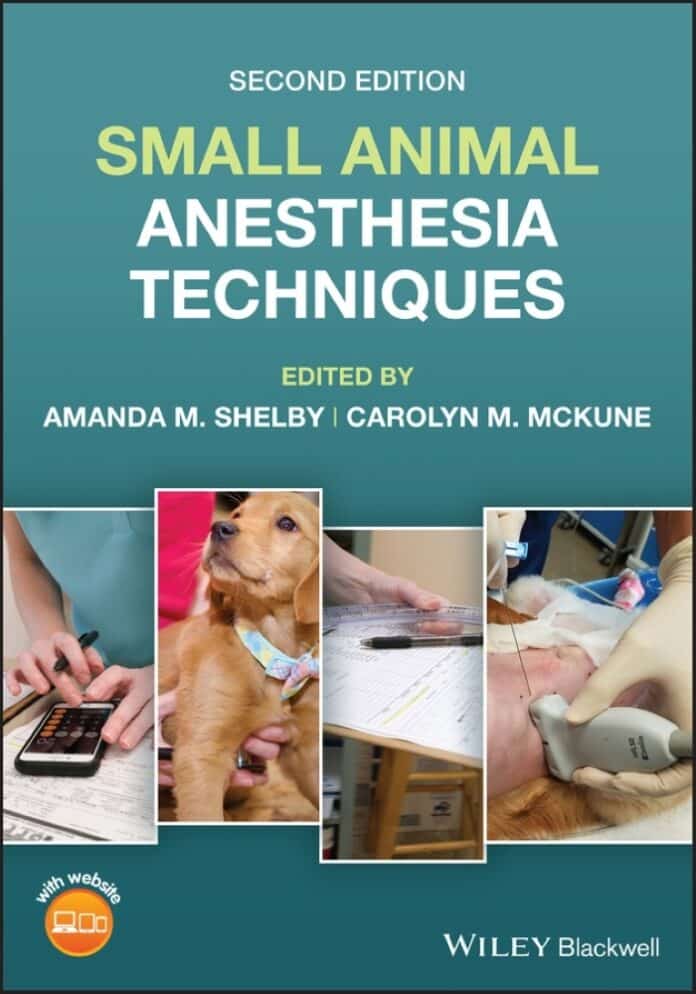
Small Animal Anesthesia Techniques 2nd Edition offers quick reference to essential information for anesthetizing canine, feline, and exotic animal patients, presenting easy-to-follow protocols to support veterinary technicians and veterinary practitioners in safely and effectively delivering anesthesia in clinical practice. This book is highly unique in its quick reference, techniques-focused approach, making it ideal for all professionals seeking procedure-based coverage of the topic.
Designed for fast access in the clinical setting, the text covers practical information on anesthetic plans, equipment, potential complications, and more. A companion website provides video clips, images, and worksheets.
The Second Edition has been thoroughly updated throughout to reflect advances in equipment, knowledge, and trends, now covering anaphylaxis under anesthesia, opioid alternatives in the face of drug shortages, feline and canine pain scales, reducing mortality associated with anesthesia, managing difficult intubations, the importance of gastroprotectants and use of medications to combat vomiting, and other trending topics and areas of interest since the 2014 edition was published. Additional images, tables, and charts have also been added to further enhance the text.
Small Animal Anesthesia Techniques is a must-have reference for small animal veterinary technicians and practitioners. It is an extremely valuable resource both in the knowledge contained within and the highly practical guidelines for implementing concepts in the field to provide better care to small animals of all types.
Important concepts of anesthesia, including safety in anesthesia through practical steps like anesthesia checklists
New and important advances in equipment, such as patient warming and difficult airway management equipment
Relevant literature reviews of a multitude of drugs for use peri-operatively, including CBD for analgesia and liposomal encapsulated bupivacaine for long term wound desensitization
New developments that an evolving veterinary practice demands, including those not yet popular in the mainstream
Table of Contents
Table of Contents:
Anesthetic process
Anesthesia equipment and monitoring
Adverse events/anesthetic complications
Anesthetic considerations for specific procedures
Anesthesia in patients with concurrent disease
Anesthesia and analgesia in the exotic patient
Nonopioid analgesia alternatives and locoregional blocks
Drug formulary
Appendices 9. Pain scale options 10. Cardiopulmonary resuscitation 11. Constant-rate infusion calculations 12. Creating dilutions and reconstituting solutions 13. Abdominal tap 14. Drugs to withhold or continue in the perianesthetic period 15. Calculating fluid drip rates 16. Epidural calculations 17. Conversions
Get This Book
This Book is Avaiable for Members
Access this book instantly with a Premium membership
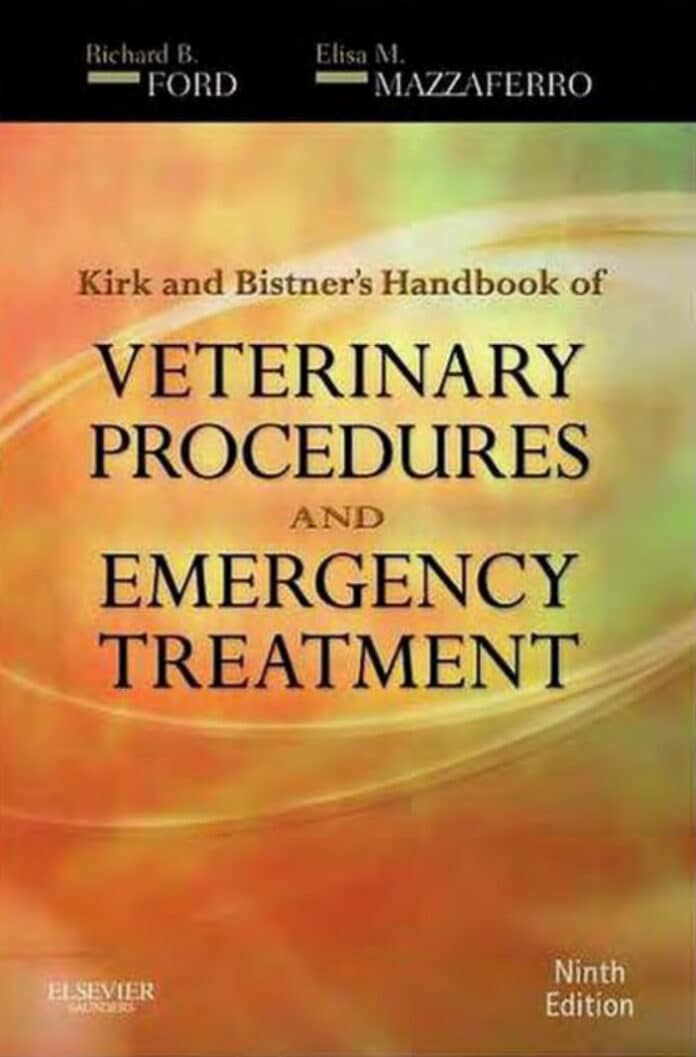
Kirk and Bistner’s Handbook of Veterinary Procedures and Emergency Treatment, 9th Edition covers not only the management of emergency conditions, but also strategies for dealing with hundreds of routine diagnostic and treatment challenges in small animals. Its user-friendly format provides instant access to vital information — making it an ideal resource in emergency situations — and it is conveniently organized by both body systems and presenting signs to help you easily reach a diagnosis and determine a treatment plan for all clinical situations. Written by veterinary experts Richard Ford and Elisa Mazzaferro, Kirk and Bistner’s Handbook of Veterinary Procedures and Emergency Treatment provides current guidelines for small animal emergency care and the diagnostic procedures most commonly performed in a busy, team-oriented practice.
Step-by-step instructions and illustrations are provided for all major emergency and non-emergency clinical procedures.
A logical, easy-to-use format lists all emergency conditions in alphabetical order, and includes quick reference boxes calling out key information such as clinical tips and cautions.
Clear, concise guidelines help you evaluate clinical signs and laboratory test data.
Clinical algorithms make it easier to identify and treat abnormalities.
Guidelines for assessment and treatment include practical advice and solutions, how to examine the small animal patient using a body systems and problem list approach, and a review of basic diagnostic procedures used in daily practice.
Coverage of toxicological emergencies describes how to manage exposures and poisonings.
A quick reference guide to the management of the emergency patient is conveniently located on the inside cover.
A comprehensive drug formulary makes lookup easy, and includes proprietary names, actions/use of each drug, formulations, recommended dosages, and special precautions, with emergency medications highlighted for fast reference
This all-in-one reference includes practical coverage of emergency procedures, physical assessment in sickness and health, routine and advanced testing procedures, diagnostic tests sampling, preparation, procedures, and interpretation.
Table of Contents
Table of Contents:
Prehospital management of the injured animal
Initial emergency examination, management, and triage
Emergency diagnostic and therapeutic procedures
Pain: assessment, prevention, and management
Emergency management of specific conditions
Patient evaluation and organ system examination
Clinical signs
Diagnostic and therapeutic procedures
Laboratory diagnosis and test protocols
Clinically pertinent tables and charts
Get This Book
This Book is Avaiable for Members
Access this book instantly with a Premium membership
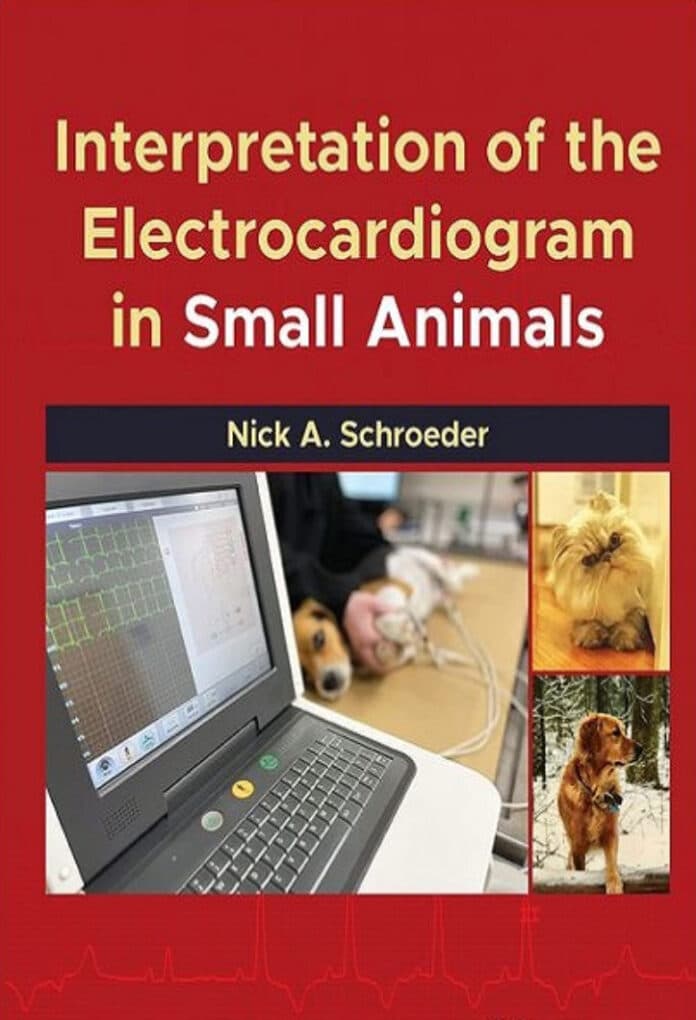
Interpretation of the Electrocardiogram in Small Animals delivers a simplified and accessible approach to electrocardiography interpretation for veterinarians treating dogs and cats. This practical manual covers a comprehensive list of arrhythmias and associated phenomena using an easy-to-follow format, with hundreds of electrocardiograms and ladder diagrams supporting the text.
Interpretation of the Electrocardiogram in Small Animals PDF focuses on the clinical applications of electrocardiographic interpretation, with less emphasis on physics and subcellular mechanisms, making the book a useful patient-side resource. Interpretation of the Electrocardiogram in Small Animals offers readers an up-to-date understanding and knowledge of common and rare phenomena alike.
Beginning with a description of the single cardiac cycle as illustrated by surface EKG, the book moves on to describe variations on the P-QRS-T complex that occur in response to chamber enlargement and hypertrophy.
Interpretation of the Electrocardiogram in Small Animals is a convenient, one-stop reference for the interpretation of electrocardiography in small animals for veterinary students, residents, and specialists as well as for small animal general practitioners.
A detailed discussion of aberrancy and its differentiation from ventricular ectopy
A thorough exploration of arrhythmias and conduction disorders including escape mechanisms, atrioventricular block, extrasystoles, accelerated rhythms, tachycardias, flutter and fibrillation
An examination of pacemaker basics, as well as a few common abnormalities and pacemaker problems, including undersensing, oversensing, and failure to capture
Table of Contents
Table of Contents:
Main Introduction
Part I: The P-QRS-T: Introduction
Part II: Aberrancy: Introduction
Chapter 4 Atrial Aberrancy
Chapter 5 Right Bundle Branch Block
1) Left Bundle Branch Block
2) Fascicular Blocks
3) Wide Complex Supraventricular Tachycardia and Interventricular Conduction Disturbances
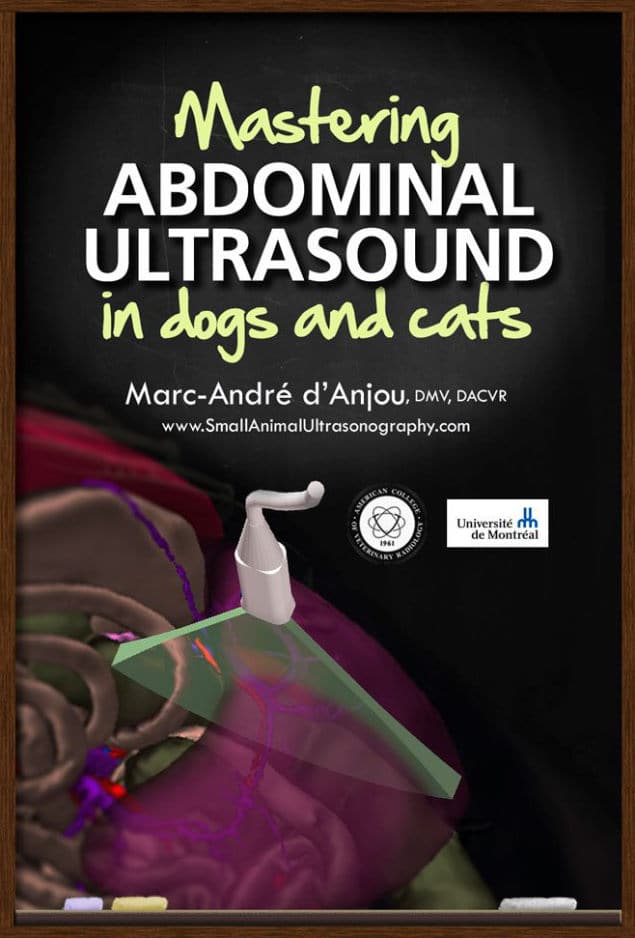
Mastering Abdominal Ultrasound in Dogs and Cats Videos. Experience this unique multimedia tool designed to help you undertake canine and feline abdominal ultrasonography. These courses are filled with illustrations, animations and videos that will help you understand and master essential concepts for a comprehensive use of ultrasonography in your small animal practice. Review your anatomy in 3D, learn how to prepare your patient and adopt a systemic ultrasound approach for a thorough examination of all structures, even those you never thought you could find! These tutorials integrate 3D reconstruction of CT and ultrasound images with real-time probe positioning, helping you becoming efficient with this modality, and using it the way it should be for the benefit of your patients.
In this Page, you’ll find multiple-choice questions (MCQs) covering the fundamental aspects of cellular physiology and cancer biology, essential for veterinary students. Understanding how cells function, grow, and respond to their environment is critical for grasping broader physiological processes. Additionally, questions on cancer biology will help you explore how normal cell regulation can go awry, leading to tumor formation, and the role of treatment strategies in combating cancer.
Your Score and Progress
Total Questions: 0
Right Answers: 0
Progress:
0%
0 / 0 questions answered
Keep page opened to avoid losing your progress
1 What is the major functional unit of the nervous system?
A) Glial cell ✖
B) Dendrite ✖
C) Neuron ✔
D) Axon ✖
Correct! Well done!
Incorrect! The correct answer is shown in green.
The neuron is the primary functional unit of the nervous system, responsible for receiving, processing, and transmitting information through electrical and chemical signals. It consists of dendrites (which receive information), a cell body (soma), an axon (which transmits information), and presynaptic terminals (which communicate with other neurons or target cells).
2 How does protein shape influence its function?
A) All proteins have the same shape regardless of function ✖
B) Proteins only function when they are unfolded ✖
C) Protein shape has no effect on function ✖
D) Protein shape determines its binding properties and function ✔
Correct! Well done!
Incorrect! The correct answer is shown in green.
The three-dimensional shape of a protein, or its conformation, is crucial for its function. Proteins have specific binding sites that allow them to interact with other molecules. This interaction depends on the shape of the protein, which can change through mechanisms such as ligand binding, phosphorylation, and environmental factors like voltage.
3 Which of the following best describes the concept of allosteric regulation in proteins?
A) Proteins only function in the presence of calcium ions ✖
B) Proteins change their function when they move within the cell ✖
C) Proteins change shape when binding to a specific ligand, altering their activity ✔
D) Proteins remain unchanged regardless of the molecules they bind ✖
Correct! Well done!
Incorrect! The correct answer is shown in green.
Allosteric regulation occurs when a protein changes its shape in response to the binding of a ligand at a site other than its active site. This shape change can either enhance or inhibit the protein’s activity, depending on the specific function it regulates.
4 What is the function of phosphorylation in protein regulation?
A) It adds a phosphate group to a protein, causing a conformational change ✔
B) It removes phosphate groups, deactivating proteins ✖
C) It breaks down proteins into amino acids ✖
D) It binds proteins together to form complex structures ✖
Correct! Well done!
Incorrect! The correct answer is shown in green.
Phosphorylation involves the addition of a phosphate group (usually to serine, threonine, or tyrosine residues) on a protein. This process causes a conformational change in the protein, which can either activate or deactivate its function.
5 What is the mechanism of action for G-protein–coupled receptors in cellular signaling?
A) They activate second messengers inside the cell ✔
B) They transport ions across the membrane ✖
C) They directly release neurotransmitters ✖
D) They inhibit enzyme activity ✖
Correct! Well done!
Incorrect! The correct answer is shown in green.
G-protein–coupled receptors (GPCRs) activate intracellular signaling cascades by triggering second messengers, such as cyclic AMP, leading to various cellular responses.
6 What is the primary structural component of biological membranes?
A) Cholesterol molecules ✖
B) Phospholipid bilayer ✔
C) Protein complexes ✖
D) Carbohydrate chains ✖
Correct! Well done!
Incorrect! The correct answer is shown in green.
The phospholipid bilayer forms the basic structure of biological membranes, providing a barrier that regulates the movement of molecules in and out of the cell.
7 Which molecules can pass through the lipid bilayer of a biological membrane without assistance?
A) Large, polar molecules ✖
B) Small, uncharged molecules and oily molecules ✔
C) Charged ions ✖
D) Proteins ✖
Correct! Well done!
Incorrect! The correct answer is shown in green.
Small, uncharged molecules such as oxygen and carbon dioxide, along with hydrophobic molecules, can diffuse through the lipid bilayer without assistance.
8 How do voltage-dependent proteins function in cellular signaling?
A) They open or close in response to changes in membrane voltage ✔
B) They use chemical messengers to transmit signals ✖
C) They release calcium ions to activate enzymes ✖
D) They store energy in the form of ATP ✖
Correct! Well done!
Incorrect! The correct answer is shown in green.
Voltage-dependent proteins, such as ion channels, respond to changes in membrane voltage by opening or closing, which regulates the movement of ions across the membrane.
9 What is the significance of the fluid mosaic model of biological membranes?
A) It describes a static structure that provides rigidity to cells ✖
B) It suggests that membranes are rigid layers of lipids and proteins ✖
C) It describes a dynamic structure where proteins float in a flexible phospholipid bilayer ✔
D) It explains how carbohydrates transport ions across the membrane ✖
Correct! Well done!
Incorrect! The correct answer is shown in green.
The fluid mosaic model depicts biological membranes as dynamic structures where proteins can move within the lipid bilayer, allowing for flexibility and functionality.
10 Which of the following processes describes the movement of water across a semipermeable membrane?
A) Active transport ✖
B) Osmosis ✔
C) Diffusion ✖
D) Facilitated diffusion ✖
Correct! Well done!
Incorrect! The correct answer is shown in green.
Osmosis is the movement of water across a semipermeable membrane from a region of lower solute concentration to a region of higher solute concentration, balancing the concentration on both sides of the membrane.
11 Which molecules typically require a membrane protein to facilitate their movement across the lipid bilayer?
A) Oxygen ✖
B) Glucose ✔
C) Carbon dioxide ✖
D) Nitrogen ✖
Correct! Well done!
Incorrect! The correct answer is shown in green.
Large or polar molecules like glucose require transport proteins to cross the hydrophobic interior of the lipid bilayer efficiently.
12 What distinguishes active transport from passive transport in membrane dynamics?
A) Active transport moves molecules from high to low concentration ✖
B) Active transport requires energy to move molecules against their concentration gradient ✔
C) Active transport occurs without the use of membrane proteins ✖
D) Active transport only occurs in specialized cells ✖
Correct! Well done!
Incorrect! The correct answer is shown in green.
Active transport requires cellular energy, often in the form of ATP, to move molecules from areas of low concentration to areas of high concentration, against their natural gradient.
13 What role do transport proteins play in the membrane?
A) They selectively allow specific molecules to cross the membrane ✔
B) They randomly move molecules across the membrane ✖
C) They provide structural support for the membrane ✖
D) They inhibit the movement of ions ✖
Correct! Well done!
Incorrect! The correct answer is shown in green.
Transport proteins act as selective gates, facilitating the movement of specific ions or molecules across the membrane based on size, charge, or other factors.
14 What is the function of the sodium-potassium pump in maintaining cellular homeostasis?
A) It passively transports sodium into the cell ✖
B) It uses ATP to pump sodium out and potassium into the cell ✔
C) It allows both sodium and potassium to freely diffuse across the membrane ✖
D) It prevents calcium from entering the cell ✖
Correct! Well done!
Incorrect! The correct answer is shown in green.
The sodium-potassium pump maintains the proper ion balance by actively transporting sodium out of the cell and potassium into the cell using energy from ATP hydrolysis.
15 Which of the following describes the driving force behind passive transport of molecules?
A) Electrochemical gradients ✔
B) ATP hydrolysis ✖
C) Calcium ion signaling ✖
D) G-protein activation ✖
Correct! Well done!
Incorrect! The correct answer is shown in green.
Passive transport is driven by electrochemical gradients, where molecules move from areas of high concentration to areas of low concentration without energy input.
16 What is the relationship between concentration gradients and the movement of molecules during diffusion?
A) Molecules move from high concentration to low concentration ✔
B) Molecules move from low concentration to high concentration ✖
C) Molecules require ATP to move along the gradient ✖
D) Molecules remain stationary along concentration gradients ✖
Correct! Well done!
Incorrect! The correct answer is shown in green.
Diffusion is the passive movement of molecules from regions of higher concentration to lower concentration, aiming to reach equilibrium.
17 Which of the following describes the process of muscle contraction at the molecular level?
A) Tropomyosin converts chemical energy into mechanical energy ✖
B) Actin releases energy from ATP to move myosin filaments ✖
C) Myosin binds to ATP, hydrolyzes it, and moves actin filaments ✔
D) Proteins bind to calcium ions and cause muscle relaxation ✖
Correct! Well done!
Incorrect! The correct answer is shown in green.
Muscle contraction occurs through the sliding filament mechanism, where myosin heads bind to actin and pull the filaments, using ATP hydrolysis to generate force.
18 What is the role of calcium ions (Ca2+) in muscle contraction?
A) They provide energy for muscle contraction ✖
B) They activate troponin, which removes the inhibition on actin binding ✔
C) They inhibit the binding of myosin to actin ✖
D) They stabilize the actin filament ✖
Correct! Well done!
Incorrect! The correct answer is shown in green.
Calcium ions bind to troponin, causing a conformational change that shifts tropomyosin away from actin’s myosin-binding sites, enabling muscle contraction.
19 What is the primary function of troponin in muscle contraction?
A) To provide energy for muscle contraction ✖
B) To stabilize muscle fibers during relaxation ✖
C) To bind calcium ions and move tropomyosin from actin-binding sites ✔
D) To break down ATP ✖
Correct! Well done!
Incorrect! The correct answer is shown in green.
Troponin regulates muscle contraction by binding to calcium ions, which causes a shift in tropomyosin, exposing the actin sites for myosin binding.
20 What happens during the cross-bridge cycle in muscle contraction?
A) Calcium ions are pumped into the sarcoplasmic reticulum to initiate contraction ✖
B) Tropomyosin binds ATP to activate contraction ✖
C) Myosin heads detach from actin to initiate contraction ✖
D) Actin filaments slide past myosin filaments, shortening the muscle ✔
Correct! Well done!
Incorrect! The correct answer is shown in green.
The cross-bridge cycle involves the binding of myosin heads to actin, pulling the filaments past each other to shorten the muscle and generate force.
21 What is the role of the sarcoplasmic reticulum in muscle relaxation?
A) It actively pumps calcium back into its lumen to reduce cytoplasmic calcium levels ✔
B) It synthesizes proteins for muscle repair ✖
C) It stores and releases ATP for muscle contraction ✖
D) It inhibits actin-myosin interactions ✖
Correct! Well done!
Incorrect! The correct answer is shown in green.
The sarcoplasmic reticulum facilitates muscle relaxation by actively sequestering calcium ions, decreasing their concentration in the cytoplasm.
22 What occurs during excitation-contraction coupling in skeletal muscle?
A) Depolarization triggers calcium release from the sarcoplasmic reticulum ✔
B) ATP is synthesized for contraction ✖
C) Muscle relaxes in response to high calcium levels ✖
D) Calcium ions leave the muscle fiber to initiate contraction ✖
Correct! Well done!
Incorrect! The correct answer is shown in green.
In excitation-contraction coupling, depolarization of the muscle membrane leads to the release of calcium from the sarcoplasmic reticulum, initiating contraction.
23 What is the role of ATP in active transport processes?
A) It binds to ligands to promote diffusion ✖
B) It powers the movement of molecules against their concentration gradient ✔
C) It provides structural support for ion channels ✖
D) It inhibits membrane proteins to conserve energy ✖
Correct! Well done!
Incorrect! The correct answer is shown in green.
ATP provides the energy required for active transport, allowing molecules to move from areas of low concentration to high concentration, against their natural gradient.
24 How does the body prevent excessive water loss through capillaries during fluid exchange?
A) By increasing hydrostatic pressure in capillaries ✖
B) By maintaining oncotic pressure through plasma proteins ✔
C) By secreting calcium ions ✖
D) By reducing blood flow to tissues ✖
Correct! Well done!
Incorrect! The correct answer is shown in green.
Oncotic pressure, maintained by plasma proteins like albumin, draws water into the capillaries, preventing excessive fluid loss.
25 How do cells regulate the movement of large polar molecules and ions across their membranes?
A) By using transport proteins for facilitated or active transport ✔
B) By allowing free diffusion through the lipid bilayer ✖
C) By converting molecules into non-polar forms ✖
D) By using G-protein–coupled receptors ✖
Correct! Well done!
Incorrect! The correct answer is shown in green.
Large polar molecules and ions rely on transport proteins, either for passive facilitated diffusion or active transport, to cross the lipid bilayer.
26 What causes the release of calcium from the sarcoplasmic reticulum in muscle cells?
A) Depolarization of the muscle cell membrane ✔
B) An influx of sodium ions ✖
C) Decreased ATP levels ✖
D) Binding of neurotransmitters to myosin ✖
Correct! Well done!
Incorrect! The correct answer is shown in green.
Depolarization triggers calcium channels in the sarcoplasmic reticulum to release calcium ions, initiating muscle contraction.
27 How do voltage-gated ion channels contribute to nerve signal transmission?
A) They release neurotransmitters ✖
B) They convert chemical signals into electrical ones ✖
C) They open or close in response to changes in membrane potential ✔
D) They transport neurotransmitters across the synaptic cleft ✖
Correct! Well done!
Incorrect! The correct answer is shown in green.
Voltage-gated ion channels regulate nerve signal transmission by opening or closing in response to changes in membrane potential, allowing ions to flow through.
28 Why is passive transport important in cellular processes?
A) It generates ATP for cells ✖
B) It allows substances to move without energy expenditure ✔
C) It requires energy to move molecules ✖
D) It prevents ion leakage ✖
Correct! Well done!
Incorrect! The correct answer is shown in green.
Passive transport moves substances down their concentration gradient without using cellular energy, helping maintain homeostasis.
29 What determines the specificity of ligand binding to proteins in signal transduction pathways?
A) The ligand concentration ✖
B) Calcium ion presence ✖
C) The solubility of the ligand ✖
D) The three-dimensional shape of the binding site ✔
Correct! Well done!
Incorrect! The correct answer is shown in green.
Specificity in ligand binding is determined by the complementary shape and chemistry between the ligand and the binding site on the protein.
30 What is the key role of the sarcoplasmic reticulum during muscle relaxation?
A) It pumps calcium back into its lumen to reduce cytoplasmic calcium levels ✔
B) It releases calcium ions to maintain contraction ✖
C) It breaks down actin filaments ✖
D) It synthesizes ATP for muscle relaxation ✖
Correct! Well done!
Incorrect! The correct answer is shown in green.
The sarcoplasmic reticulum ensures muscle relaxation by actively pumping calcium ions back into storage, lowering cytoplasmic calcium levels.
31 How do small hydrophobic molecules like oxygen pass through membranes?
A) By facilitated diffusion ✖
B) Through active transport ✖
C) By simple diffusion across the lipid bilayer ✔
D) With the help of protein channels ✖
Correct! Well done!
Incorrect! The correct answer is shown in green.
Small hydrophobic molecules like oxygen diffuse freely across the lipid bilayer without the need for transport proteins.
32 What is the function of biological membranes in compartmentalization?
A) To transport nutrients into the cell ✖
B) To separate different environments and create specialized regions ✔
C) To degrade harmful substances within the cell ✖
D) To allow free movement of all molecules ✖
Correct! Well done!
Incorrect! The correct answer is shown in green.
Biological membranes enable compartmentalization by isolating specific areas within the cell, allowing distinct biochemical processes to occur efficiently.
33 Which of the following molecules would most likely diffuse passively through the lipid bilayer of a membrane?
A) Glucose ✖
B) Sodium ions (Na+) ✖
C) Oxygen (O2) ✔
D) ATP ✖
Correct! Well done!
Incorrect! The correct answer is shown in green.
Small hydrophobic molecules like oxygen can diffuse passively across the lipid bilayer without assistance from transport proteins.
34 How does the body prevent excessive water loss through capillaries during fluid exchange?
A) By reducing blood flow to tissues ✖
B) By maintaining oncotic pressure through plasma proteins ✔
C) By secreting calcium ions ✖
D) By increasing hydrostatic pressure ✖
Correct! Well done!
Incorrect! The correct answer is shown in green.
Plasma proteins like albumin help maintain oncotic pressure, drawing water back into the capillaries and preventing excessive fluid loss.
35 What happens when the electrochemical gradient across a membrane reaches equilibrium?
A) Molecules stop moving across the membrane ✖
B) Molecules move in both directions with no net movement ✔
C) Active transport begins to move molecules ✖
D) The membrane becomes impermeable ✖
Correct! Well done!
Incorrect! The correct answer is shown in green.
At equilibrium, molecules continue to move across the membrane, but there is no net change in concentration on either side.
36 How do transport proteins influence the movement of ions across membranes?
A) They allow ions to passively diffuse through the bilayer ✖
B) They provide specific pathways for ions to move along their electrochemical gradients ✔
C) They inhibit the movement of ions ✖
D) They convert ions into hydrophobic molecules ✖
Correct! Well done!
Incorrect! The correct answer is shown in green.
Transport proteins offer selective channels for ions to pass through, allowing them to move along their electrochemical gradients efficiently.
37 What role does passive transport play in cellular processes?
A) It requires transport proteins ✖
B) It moves molecules without energy expenditure ✔
C) It generates ATP ✖
D) It prevents ion leakage ✖
Correct! Well done!
Incorrect! The correct answer is shown in green.
Passive transport allows substances to move along their concentration gradients without using cellular energy, helping maintain homeostasis.
38 How are concentration gradients related to diffusion in biological systems?
A) Molecules move from high to low concentration ✔
B) Molecules move from low to high concentration ✖
C) ATP is required for diffusion ✖
D) Molecules remain stationary along the gradient ✖
Correct! Well done!
Incorrect! The correct answer is shown in green.
In biological systems, diffusion occurs when molecules move from areas of higher concentration to areas of lower concentration, following their gradient.
39 What distinguishes active transport from passive transport in terms of energy use?
A) Active transport moves molecules from high to low concentration ✖
B) Active transport requires energy to move molecules against their gradient ✔
C) Active transport occurs without transport proteins ✖
D) Active transport only happens in specialized cells ✖
Correct! Well done!
Incorrect! The correct answer is shown in green.
Active transport requires cellular energy, usually in the form of ATP, to move molecules from areas of low concentration to high concentration, against their natural gradient.
40 How do voltage-gated ion channels help transmit nerve signals?
A) They release neurotransmitters from synaptic vesicles ✖
B) They open or close in response to membrane potential changes ✔
C) They inhibit ion movement across the membrane ✖
D) They convert chemical signals into electrical ones ✖
Correct! Well done!
Incorrect! The correct answer is shown in green.
Voltage-gated ion channels change shape in response to membrane potential changes, allowing ions to pass through, which helps generate and transmit nerve signals.
41 How does the sodium-potassium pump contribute to cellular homeostasis?
A) It pumps sodium out and potassium in using ATP ✔
B) It passively moves sodium into the cell ✖
C) It transports both ions equally across the membrane ✖
D) It prevents calcium from entering the cell ✖
Correct! Well done!
Incorrect! The correct answer is shown in green.
The sodium-potassium pump maintains ion balance by actively transporting sodium out of the cell and potassium in, crucial for nerve function and cellular homeostasis.
42 What triggers the release of neurotransmitters at synapses?
A) Increased ATP levels in neurons ✖
B) Depolarization of the presynaptic membrane and calcium influx ✔
C) Hyperpolarization of the postsynaptic membrane ✖
D) G-protein activation ✖
Correct! Well done!
Incorrect! The correct answer is shown in green.
Depolarization causes voltage-gated calcium channels to open, allowing calcium ions to enter, triggering the release of neurotransmitters from synaptic vesicles.
43 How do ligand-binding events trigger signal transduction cascades?
When a ligand binds to its receptor, the receptor changes shape, initiating intracellular signal transduction cascades that lead to various cellular responses.
44 What role do second messengers play in intracellular signaling?
A) They degrade neurotransmitters ✖
B) They amplify and propagate signals within the cell ✔
C) They block receptor activity ✖
D) They directly bind to ligands ✖
Correct! Well done!
Incorrect! The correct answer is shown in green.
Second messengers, like cAMP and calcium ions, propagate and amplify the signals initiated by receptor activation, leading to cellular responses.
45 Why is it important for cells to maintain ion balance across membranes?
A) To allow diffusion of large proteins ✖
B) To store energy and maintain electrical gradients ✔
C) To stabilize the cell membrane ✖
D) To prevent protein degradation ✖
Correct! Well done!
Incorrect! The correct answer is shown in green.
Maintaining ion balance creates electrochemical gradients that store energy, essential for processes like nerve impulse transmission and muscle contraction.
46 How do small hydrophobic molecules, such as oxygen, cross cell membranes?
A) By simple diffusion across the lipid bilayer ✔
B) By facilitated diffusion through protein channels ✖
C) Through active transport ✖
D) With ATP-dependent pumps ✖
Correct! Well done!
Incorrect! The correct answer is shown in green.
Small hydrophobic molecules like oxygen easily diffuse across the lipid bilayer without the need for transport proteins or energy.
47 What is the role of ATP in active transport processes?
A) It powers the movement of molecules against their concentration gradient ✔
B) It inhibits membrane proteins to prevent transport ✖
C) It facilitates passive diffusion ✖
D) It generates structural support for the cell membrane ✖
Correct! Well done!
Incorrect! The correct answer is shown in green.
ATP provides the necessary energy for active transport, allowing molecules to move against their natural concentration gradient, which is essential for maintaining cellular homeostasis.
48 What is the primary cause of cancer at the cellular level?
A) Overproduction of proteins ✖
B) Genetic mutations that disrupt normal cell cycle regulation ✔
C) Increased oxygen levels in the cell ✖
D) Overexpression of cell surface receptors ✖
Correct! Well done!
Incorrect! The correct answer is shown in green.
Cancer arises from mutations that interfere with normal cell cycle regulation, leading to uncontrolled cell proliferation and tumor formation.
49 How do cancer cells differ from normal cells in terms of apoptosis?
A) Cancer cells undergo apoptosis more frequently than normal cells ✖
B) Cancer cells avoid apoptosis, allowing them to survive and proliferate uncontrollably ✔
C) Cancer cells require external signals to trigger apoptosis ✖
D) Cancer cells actively seek apoptosis when damaged ✖
Correct! Well done!
Incorrect! The correct answer is shown in green.
Cancer cells develop mechanisms to evade apoptosis, which enables their unchecked growth and resistance to cell death signals.
50 What role do tumor suppressor genes play in preventing cancer?
A) They promote cell division to replace damaged cells ✖
B) They inhibit cell division and promote DNA repair or apoptosis ✔
C) They initiate apoptosis in healthy cells ✖
D) They convert normal cells into cancerous cells ✖
Correct! Well done!
Incorrect! The correct answer is shown in green.
Tumor suppressor genes help prevent cancer by regulating cell division, promoting DNA repair, or initiating apoptosis if the damage is irreparable.
51 What is the function of oncogenes in the context of cancer development?
A) Oncogenes promote abnormal cell growth and proliferation ✔
B) Oncogenes slow down the cell cycle ✖
C) Oncogenes repair damaged DNA in cancer cells ✖
D) Oncogenes prevent the spread of cancer cells to other tissues ✖
Correct! Well done!
Incorrect! The correct answer is shown in green.
Oncogenes are mutated or overexpressed versions of normal genes (proto-oncogenes) that drive uncontrolled cell division and tumor growth.
52 How does cancer typically spread from its original site?
A) Through metastasis, where cancer cells invade nearby tissues and travel through the bloodstream or lymphatic system ✔
B) By releasing hormones that trigger distant tumor formation ✖
C) By fusing with healthy cells in other organs ✖
D) Through direct cell-to-cell contact across the body ✖
Correct! Well done!
Incorrect! The correct answer is shown in green.
Metastasis is the process by which cancer cells spread from the primary tumor to other parts of the body, forming secondary tumors.
53 What is the significance of apoptosis in cancer prevention?
A) It prevents the accumulation of damaged or potentially cancerous cells by inducing programmed cell death ✔
B) It allows for the expansion of tissues ✖
C) It removes cells that have reached their life span ✖
D) It promotes the division of healthy cells ✖
Correct! Well done!
Incorrect! The correct answer is shown in green.
Apoptosis is a natural mechanism that eliminates damaged cells, preventing them from accumulating and potentially developing into cancer.
54 What is one common environmental factor that can lead to cancer?
A) Increased oxygen levels ✖
B) UV radiation, which can damage DNA and lead to mutations ✔
C) Elevated potassium levels in the blood ✖
D) A high-sodium diet ✖
Correct! Well done!
Incorrect! The correct answer is shown in green.
Environmental factors such as UV radiation cause DNA damage, which increases the risk of mutations and can trigger the development of cancer.
55 What is the role of angiogenesis in tumor growth?
A) It provides immune cells to the tumor ✖
B) It supplies nutrients and oxygen to the tumor by forming new blood vessels ✔
C) It increases apoptosis in tumor cells ✖
D) It prevents tumor cells from dividing ✖
Correct! Well done!
Incorrect! The correct answer is shown in green.
Angiogenesis, the formation of new blood vessels, is critical for providing oxygen and nutrients to support tumor growth and survival.
56 Why are mutations in DNA repair genes associated with cancer?
A) DNA repair genes stimulate cancer cell growth ✖
B) DNA repair genes inhibit apoptosis ✖
C) Mutations reduce the cell’s ability to repair damaged DNA, increasing the likelihood of further mutations ✔
D) DNA repair genes convert normal cells into cancer cells ✖
Correct! Well done!
Incorrect! The correct answer is shown in green.
Mutations in DNA repair genes impair the cell’s ability to fix DNA damage, leading to the accumulation of mutations that can promote cancer development.
57 How does the loss of contact inhibition contribute to tumor formation?
A) It allows cells to continue dividing even when in contact with others, forming a tumor mass ✔
B) It prevents normal cells from dividing ✖
C) It inhibits the immune response to cancer cells ✖
D) It increases the production of growth hormones ✖
Correct! Well done!
Incorrect! The correct answer is shown in green.
In normal tissues, contact inhibition stops cell division when cells touch. Cancer cells lose this property, leading to continuous proliferation and tumor formation.
58 What role does epithelial-to-mesenchymal transition (EMT) play in metastasis?
A) It causes cancer cells to lose their ability to divide ✖
B) It enhances cancer cell invasiveness by acquiring mesenchymal properties ✔
C) It suppresses tumor growth by inducing apoptosis ✖
D) It promotes differentiation of cancer cells into immune cells ✖
Correct! Well done!
Incorrect! The correct answer is shown in green.
EMT allows epithelial cancer cells to acquire mobility and invasive properties, which facilitate their migration and spread to distant tissues.
59 Why do cancer cells that undergo EMT have an increased ability to metastasize?
A) EMT reduces the growth rate of cancer cells ✖
B) EMT enhances the expression of apoptosis-related genes ✖
C) EMT enables cancer cells to migrate and invade tissues more effectively ✔
D) EMT leads to immune cell infiltration into the tumor ✖
Correct! Well done!
Incorrect! The correct answer is shown in green.
Through EMT, cancer cells gain the ability to move and invade, increasing their potential to metastasize and colonize distant organs.
60 What is the role of the p53 gene in cancer prevention?
A) It promotes uncontrolled cell division ✖
B) It repairs damaged DNA or triggers apoptosis if the damage is irreparable ✔
C) It inhibits the immune system’s ability to detect cancer ✖
D) It stimulates angiogenesis in tumor cells ✖
Correct! Well done!
Incorrect! The correct answer is shown in green.
The p53 gene functions as a tumor suppressor by repairing DNA or initiating apoptosis, preventing cells with damaged DNA from proliferating uncontrollably.
61 How do proto-oncogenes differ from oncogenes?
A) Proto-oncogenes suppress tumor growth, while oncogenes promote it ✖
B) Proto-oncogenes are normal genes that can become oncogenes when mutated or overexpressed ✔
C) Proto-oncogenes are only active in cancer cells, while oncogenes are active in healthy cells ✖
D) Proto-oncogenes are involved in apoptosis, while oncogenes regulate cell division ✖
Correct! Well done!
Incorrect! The correct answer is shown in green.
Proto-oncogenes are involved in normal cell growth and division, but mutations can convert them into oncogenes, driving uncontrolled proliferation.
62 What is a consequence of mutations in tumor suppressor genes?
A) Increased activation of the immune system ✖
B) Loss of inhibition of cell division, leading to uncontrolled growth ✔
C) Activation of apoptosis pathways in healthy cells ✖
D) Reduced ability to form new blood vessels ✖
Correct! Well done!
Incorrect! The correct answer is shown in green.
Mutations in tumor suppressor genes disable their ability to control cell division, allowing cells to grow and divide uncontrollably, contributing to cancer.
63 How do mutations in the Ras oncogene contribute to cancer?
A) Ras mutations prevent cell growth ✖
B) Mutated Ras proteins remain constantly active, leading to continuous cell division and cancer progression ✔
C) Ras mutations increase apoptosis in cancer cells ✖
D) Ras mutations repair damaged DNA in cancer cells ✖
Correct! Well done!
Incorrect! The correct answer is shown in green.
Ras oncogenes, when mutated, remain in an active state, continuously signaling for cell division, which can lead to cancer progression.
64 Why is genomic instability a hallmark of cancer progression?
A) It enhances the immune response against tumor cells ✖
B) It leads to the accumulation of mutations, driving tumor progression ✔
C) It stabilizes the cell cycle, preventing cancer from spreading ✖
D) It reduces the number of cell divisions, slowing tumor growth ✖
Correct! Well done!
Incorrect! The correct answer is shown in green.
Genomic instability causes the accumulation of mutations, increasing the likelihood of cancerous transformation and promoting tumor progression.
65 How do cancer cells achieve sustained proliferative signaling?
A) By decreasing growth factor production ✖
B) By activating oncogenes that mimic normal growth signals, allowing continuous cell division ✔
C) By inhibiting cell cycle checkpoints ✖
D) By enhancing tumor suppressor gene activity ✖
Correct! Well done!
Incorrect! The correct answer is shown in green.
Cancer cells often activate oncogenes, enabling them to bypass normal growth regulation and continuously divide, fueling tumor progression.
66 How does telomerase contribute to the immortality of cancer cells?
A) It adds DNA sequence repeats to chromosomes, maintaining telomere length and enabling unlimited cell division ✔
B) It repairs DNA mutations in cancer cells ✖
C) It prevents apoptosis in cancer cells ✖
D) It shortens telomeres to stop cell proliferation ✖
Correct! Well done!
Incorrect! The correct answer is shown in green.
Telomerase prevents telomere shortening, allowing cancer cells to bypass the normal limit on cell divisions, making them effectively immortal.
67 What is the Warburg effect in cancer metabolism?
A) Cancer cells use glycolysis for energy production, even in the presence of oxygen ✔
B) Cancer cells rely primarily on aerobic respiration for energy ✖
C) Cancer cells stop producing ATP during tumor growth ✖
D) Cancer cells increase their mitochondrial activity ✖
Correct! Well done!
Incorrect! The correct answer is shown in green.
The Warburg effect refers to cancer cells preferentially using glycolysis for energy production, even when oxygen is available, supporting rapid cell growth.
68 How does chronic inflammation contribute to cancer development?
A) It supports tumor growth by causing DNA damage and releasing growth factors ✔
B) It promotes apoptosis in cancer cells ✖
C) It reduces the risk of mutations ✖
D) It suppresses immune responses to cancer ✖
Correct! Well done!
Incorrect! The correct answer is shown in green.
Chronic inflammation can promote cancer by creating a tumor-friendly environment through DNA damage and the release of cytokines and growth factors.
69 What role do cyclins and CDKs play in cancer progression?
A) They regulate the cell cycle, and their overactivation promotes uncontrolled cell division ✔
B) They repair DNA damage ✖
C) They inhibit cell cycle progression in cancer ✖
D) They induce apoptosis in cancer cells ✖
Correct! Well done!
Incorrect! The correct answer is shown in green.
Cyclins and CDKs drive the cell cycle. In cancer, their overexpression or hyperactivation leads to unregulated cell proliferation.
70 How do cancer cells resist chemotherapy?
A) By mutating to overexpress drug efflux pumps, repair DNA damage, or activate alternative survival pathways ✔
B) By overproducing proteins that enhance drug absorption ✖
C) By enhancing the immune system’s ability to detect tumors ✖
D) By increasing apoptosis in response to drugs ✖
Correct! Well done!
Incorrect! The correct answer is shown in green.
Cancer cells develop resistance to chemotherapy by using mechanisms such as overexpressing drug efflux pumps, repairing DNA, or activating alternate survival strategies.
71 How do tumors achieve growth through angiogenesis?
A) By inducing apoptosis in neighboring cells ✖
B) By promoting immune cell infiltration into the tumor ✖
C) By forming new blood vessels to supply oxygen and nutrients to the tumor ✔
D) By reducing cancer cell division ✖
Correct! Well done!
Incorrect! The correct answer is shown in green.
Angiogenesis allows tumors to grow by providing the necessary oxygen and nutrients through newly formed blood vessels.
72 How do cancer cells evade the immune system?
A) By secreting hormones that stimulate immune activity ✖
B) By triggering the apoptosis of immune cells ✖
C) By expressing immune checkpoint proteins, downregulating antigens, or releasing immunosuppressive molecules ✔
D) By promoting immune cell activation against the tumor ✖
Correct! Well done!
Incorrect! The correct answer is shown in green.
Cancer cells evade immune detection by using mechanisms such as expressing immune checkpoint proteins like PD-L1, which suppress immune responses.
73 What role does the immune system play in cancer surveillance?
A) It enhances cancer cell proliferation ✖
B) It prevents DNA repair in healthy cells ✖
C) It identifies and destroys abnormal or cancerous cells before they can form tumors ✔
D) It promotes the growth of tumors ✖
Correct! Well done!
Incorrect! The correct answer is shown in green.
The immune system plays a crucial role in surveillance by recognizing and eliminating potentially cancerous cells, preventing tumor formation.
74 How does immune checkpoint blockade work as a cancer therapy?
A) It suppresses immune activity to prevent inflammation ✖
B) It blocks inhibitory signals on immune cells, enhancing their ability to attack cancer cells ✔
C) It stimulates oncogene activation in immune cells ✖
D) It enhances angiogenesis within the tumor microenvironment ✖
Correct! Well done!
Incorrect! The correct answer is shown in green.
Immune checkpoint blockade therapies block proteins like PD-1 and CTLA-4, reactivating immune cells to recognize and destroy cancer cells.
75 What role do cancer-associated fibroblasts (CAFs) play in the tumor microenvironment?
A) They promote tumor growth by remodeling the extracellular matrix and secreting growth factors ✔
B) They increase immune surveillance against the tumor ✖
C) They suppress the formation of blood vessels ✖
D) They induce apoptosis in cancer cells ✖
Correct! Well done!
Incorrect! The correct answer is shown in green.
CAFs enhance tumor progression by creating a favorable environment through matrix remodeling and the secretion of growth-promoting signals.
76 How do tumor-associated macrophages (TAMs) contribute to cancer progression?
A) They promote immune recognition of cancer ✖
B) They secrete growth factors, cytokines, and enzymes that enhance tumor invasion and metastasis ✔
C) They inhibit blood vessel formation ✖
D) They induce apoptosis in cancer cells ✖
Correct! Well done!
Incorrect! The correct answer is shown in green.
TAMs promote tumor progression by releasing factors that enhance angiogenesis, invasion, and immune suppression within the tumor environment.
77 Why is targeting the tumor microenvironment a key strategy in cancer therapy?
A) It promotes immune system activation against tumors ✖
B) The microenvironment consists of normal cells that prevent tumor growth ✖
C) The tumor microenvironment supports cancer growth through stromal cells, immune cells, and blood vessels ✔
D) It reduces the invasiveness of cancer cells ✖
Correct! Well done!
Incorrect! The correct answer is shown in green.
Targeting the tumor microenvironment disrupts the supportive network of cells and blood vessels that enable tumor growth and survival.
78 What is the significance of personalized medicine in cancer treatment?
A) It uses broad-spectrum chemotherapy to treat all cancers ✖
B) It targets specific mutations in individual tumors, improving treatment efficacy and reducing side effects ✔
C) It avoids immune system involvement in cancer treatments ✖
D) It prevents cancer by inhibiting cell proliferation in healthy cells ✖
79 How do cancer stem cells contribute to tumor recurrence?
A) They suppress the immune system ✖
B) They prevent metastasis ✖
C) They induce apoptosis in neighboring cells ✖
D) They are resistant to therapy and regenerate the tumor after treatment ✔
80 Why do cancer cells activate alternative metabolic pathways like the PPP?
A) To generate NADPH and building blocks for nucleotides, supporting biosynthesis and oxidative stress defense ✔
B) To increase ATP production ✖
C) To enhance apoptosis in cancer cells ✖
D) To reduce DNA damage ✖
81 What is the significance of the BRCA1 and BRCA2 genes in cancer biology?
A) They promote tumor formation ✖
B) They are tumor suppressor genes involved in DNA repair, and mutations increase the risk of breast and ovarian cancers ✔
C) They stimulate angiogenesis ✖
D) They suppress immune responses ✖
82 How does tumor hypoxia promote cancer progression?
A) It inhibits tumor growth ✖
B) It activates hypoxia-inducible factors (HIFs), promoting angiogenesis and metabolic adaptations ✔
C) It triggers immune responses ✖
D) It stabilizes the cell cycle ✖
83 What is the role of reactive oxygen species (ROS) in cancer progression?
A) They repair DNA damage ✖
B) They reduce angiogenesis ✖
C) They cause DNA damage and promote mutations, driving tumor growth ✔
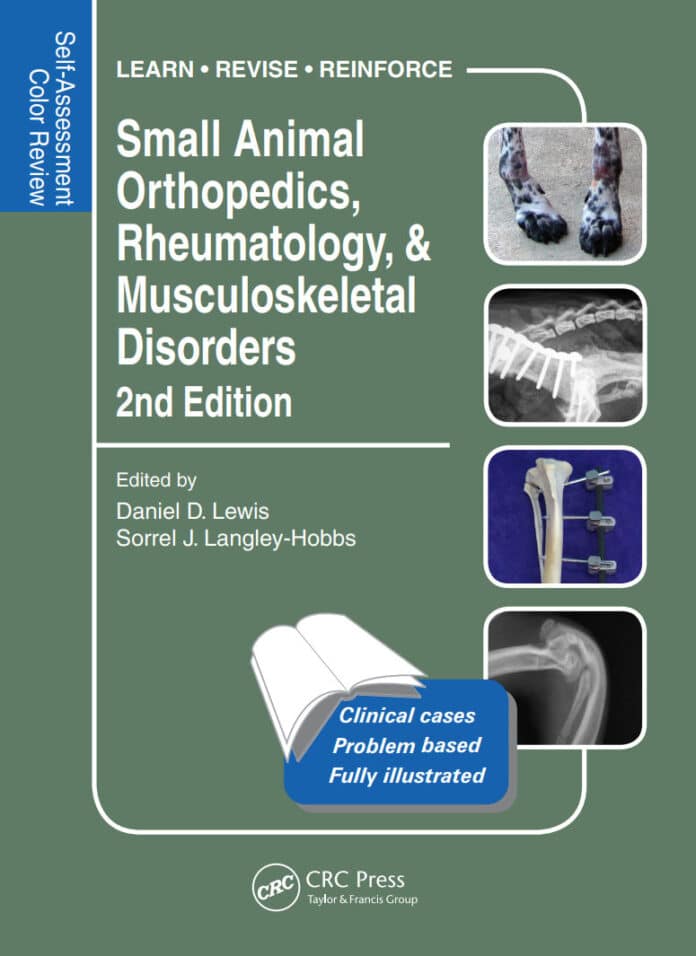
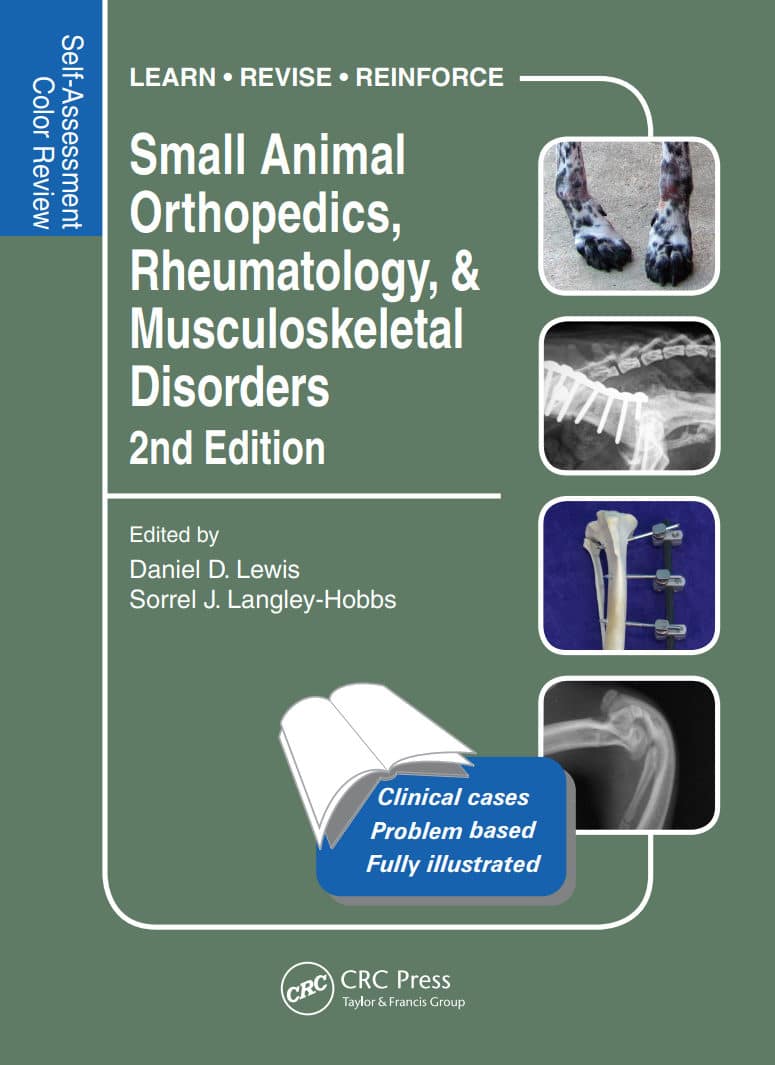
The practice of small animal orthopedics has advanced considerably in the 15 years since the publication of the first edition of Self-Assessment Color Review of Small Animal Orthopedics. Diagnostic procedures, instrumentation, implant systems, and surgical techniques have evolved and progressed considerably.
Small Animal Orthopedics, Rheumatology and Musculoskeletal Disorders: Self-Assessment Color Review 2nd Edition of a trusted text keeps pace with the rapidly expanding practice of small animal orthopedics while embracing the developing fields of canine sports medicine and rehabilitative medicine. The newly titled Small Animal Orthopedics, Rheumatology and Musculoskeletal Disorders: Self-Assessment Color Review, 2nd Edition is designed to facilitate active learning through a new selection of clinical case scenarios along with integrated questions and answers that help readers develop sound decision-making skills.
This illustrative, self-directed educational tool disseminates essential information to veterinary students, interns, and residents in training as well as small animal practitioners with specific interests in orthopedics, canine sports medicine, and rehabilitative medicine. In response to feedback provided by readers of the original text, references have been provided for each question, allowing readers the opportunity to delve more deeply into the topic of focus.
The book includes contributions from an international group of clinicians and investigators. Orthopedic surgeons, radiologists, internists, pathologists, neurologists, and anesthetists as well as veterinarians engaged in rehabilitative medicine have provided their diverse expertise and experience to make this text a comprehensive review of the expanding fields relating to small animal orthopedics.
Dog Behavior: Modern Science and Our Canine Companions provides readers with a better understanding of canine science, including evolutionary concepts, ethograms, brain structures and development, sensory perspectives, the science of emotions, social structure, and the natural history of the species. The book also analyzes relationships between humans and dogs and how the latter has evolved. Readers will find this to be an ideal resource for researchers and students in animal behavior, specifically focusing on dog behavior and human-canine relationships. In addition, veterinarians seeking further information on dog behavior and the social temperament of these companion animals will find this book to be informative.
Provides an accessible, engaging introduction to animal behavior specifically related to human-canine relationships
Clarifies misunderstandings, mysteries and misconceptions about canines with historical evidence and scientific studies
Offers insights and techniques to improve human-canine relationships
Table of Contents
Table of Contents:
1. A Brief History of Evolutionary Theory
2. The Outward and Inward World of the Animal
3. Brain Structure and Development – Understanding Capabilities and Limitations of Mammals and Dogs
4. Sensory Perception to Interpret Behavior
5. The Science of Emotions
6. How Concepts of Costs vs. Benefits Drives Decision-Making and the Evolution of Behavior
7. Costs and Benefits of Being Social – Temperament and Personality
8. Game Theory
9. Limited Resources of Social Structure
10. Species Natural History – Behavior Associated with Mating and Social Structure
This Book is Avaiable for Members
Access this book instantly with a Premium membership
An invaluable addition to every small animal clinician’s library, Consultations in Feline Internal Medicine Volume 5 investigates the latest topics and therapies in feline internal medicine such as neurogenic micturition disorders, chronic rhinosinusitis, feline asthma, osteoarthritis and geriatrics, obesity and its health consequences, shelter medicine, overpopulation, cruelty toward cats. Includes new, full-color illustrations throughout!
99 expert contributors provide the most current, cutting-edge information.
Logical anatomical systems organization of content enables quick retrieval of important information.
Quality of life issues include pain management and rehabilitation, for unique feline pain and post-surgical management issues.
Extensive discussion of topics related to shelter medicine considers the many-faceted problems of high-density cat populations, and attitudinal and humane issues related to cats.
Content is 100% new — all 80 chapters, both text and images.
10 world-renowned section editors, with many new contributors from the US, UK, and Australia.
Full-color illustrations, tables, and charts offer a contemporary, reader-friendly format.
Table of Contents
Table of Contents:
Section I Infectious Diseases
Chapter 1 Calicivirus: Spectrum of Disease
Chapter 2 Cutaneous Manifestations of Viral Disease
Chapter 3 Infectious Uveitis
Chapter 4 Bartonellosis
Chapter 5 Bacterial Causes of Enteritis and Colitis
Chapter 6 New Diagnostic Tools for Infectious Diseases
Chapter 7 Opportunistic Fungal Infections
Chapter 8 Localized and Generalized Tetanus
Section II Gastrointestinal System
Chapter 9 Odontoclastic Resorptive Lesions
Chapter 10 Esophagitis and Esophageal Strictures
Chapter 11 Current Considerations for Evaluating Liver Function in the Cat
Chapter 12 Acute Necrotizing Pancreatitis
Chapter 13 Cobalamin in the Diagnosis and Treatment of Chronic Gastrointestinal Disease
Chapter 14 Clinical Staging for Inflammatory Bowel Disease
Chapter 15 Diarrhea in Kittens
Chapter 16 Practical Aspects of Enteral Nutrition
Section III Endocrine and Metabolic Diseases
Chapter 17 Update on Hypercalcemia Disorders
Chapter 18 Transdermal Therapeutics
Chapter 19 Pathogenesis and Management of Obesity
Chapter 20 Options for Monitoring Diabetic Cats
Chapter 21 Diagnostic Methods for Hyperthyroidism
Chapter 22 Update on Treatment of Hyperthyroidism
Chapter 23 Goiter in Apparently Euthyroid Cats
Chapter 24 Diagnostic Usefulness of and Clinical Syndromes Associated with Reproductive Hormones
Section IV Dermatology
Chapter 25 Update on Feline IgE and Diagnostic Recommendations for Atopy
Chapter 26 Eosinophils and Eosinophilic Diseases
Chapter 27 Demodicosis
Chapter 28 Bacterial Pyoderma
Chapter 29 Diagnosis and Management of Pemphigus Foliaceus
Chapter 30 Controversial and Emerging Diseases
Chapter 31 Drug Therapy in Cats: Precautions and Guidelines
Chapter 32 Recent Research on Dermatophytosis
Section V Cardiology and Respiratory Disorders
Chapter 33 Cardiomyopathy: Establishing a Diagnosis
Chapter 34 Cardiomyopathy: Therapeutic Decisions
Chapter 35 Arrhythmogenic Right Ventricular
Cardiomyopathy
Chapter 36 Dirofilariasis
Chapter 37 Prevention and Management of
Thromboembolism
Chapter 38 Chronic Rhinosinusitis
Chapter 39 Bronchial Disease
Chapter 40 Pleural Disease
Section VI Urinary System
Chapter 41 Acute Ureteral Obstruction
Chapter 42 Clinical Progression of Early Chronic Renal Failure and Implications for Management
Chapter 43 Upper Tract Uroliths: Questions, Answers, Questions
Chapter 44 Lithotripsy
Chapter 45 Proteinuria
Chapter 46 Dietary Considerations for Calcium Oxalate Urolithiasis
Chapter 47 New Insights in the Pathophysiology of Idiopathic Cystitis
Chapter 48 Revisiting Bacterial Urinary Tract Infection
Section VIII Hematopoietic and Lymphatic Systems
Chapter 57 Safety of Blood and Blood Products
Chapter 58 New Generation of Blood Products
Chapter 59 Thromboembolic Disease: Diagnosis and Treatment
Chapter 60 Anemia
Chapter 61 Platelet Disorders
Chapter 62 Interpreting the Leukogram
Chapter 63 Plasma Cell Neoplasms
Chapter 64 Update on Haemoplasmosis
Section IX Oncology
Chapter 65 Tumor-Related Feline Oncology Emergencies
Chapter 66 Dilemmas in Lymph Node Cytology
Chapter 67 Extranodal Lymphosarcoma
Chapter 68 Malignant Effusions
Chapter 69 Tumors of the Urinary Tract
Chapter 70 Treatment-Related Emergencies in Feline Oncology
Chapter 71 Supportive Medical Care and Pain Management in Feline Cancer Patients
Chapter 72 Dealing with Client Grief
Section X Population Medicine
Chapter 73 Behavior of Single Cats and Groups in the Home
Chapter 74 Euthanasia of Cats in the Animal Shelter Environment
Chapter 75 Cruelty Toward Cats
Chapter 76 Killing Cats and Killing Birds: An Overview of Philosophical Issues Involving Feral Cats and Wildlife
Chapter 77 Zoonotic and Vector-Borne Infections in High-Density Cat Populations
Chapter 78 Recognition and Management of Stress in Housed Cats
Chapter 79 Controlling Feline Respiratory Disease in Animal Shelters
Chapter 80 Osteoarthritis
Get This Book
This Book is Avaiable for Members
Access this book instantly with a Premium membership
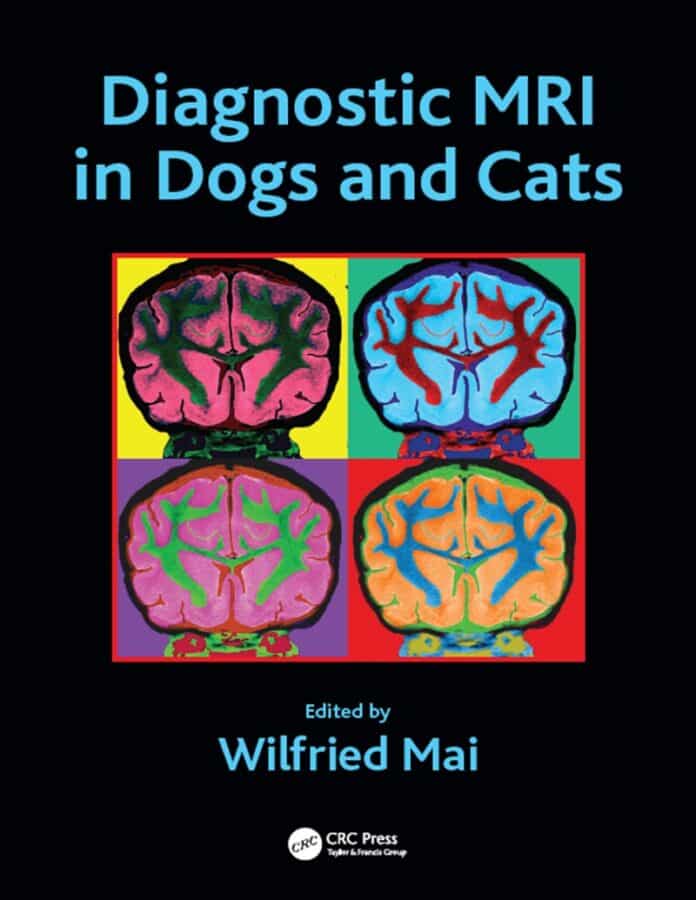
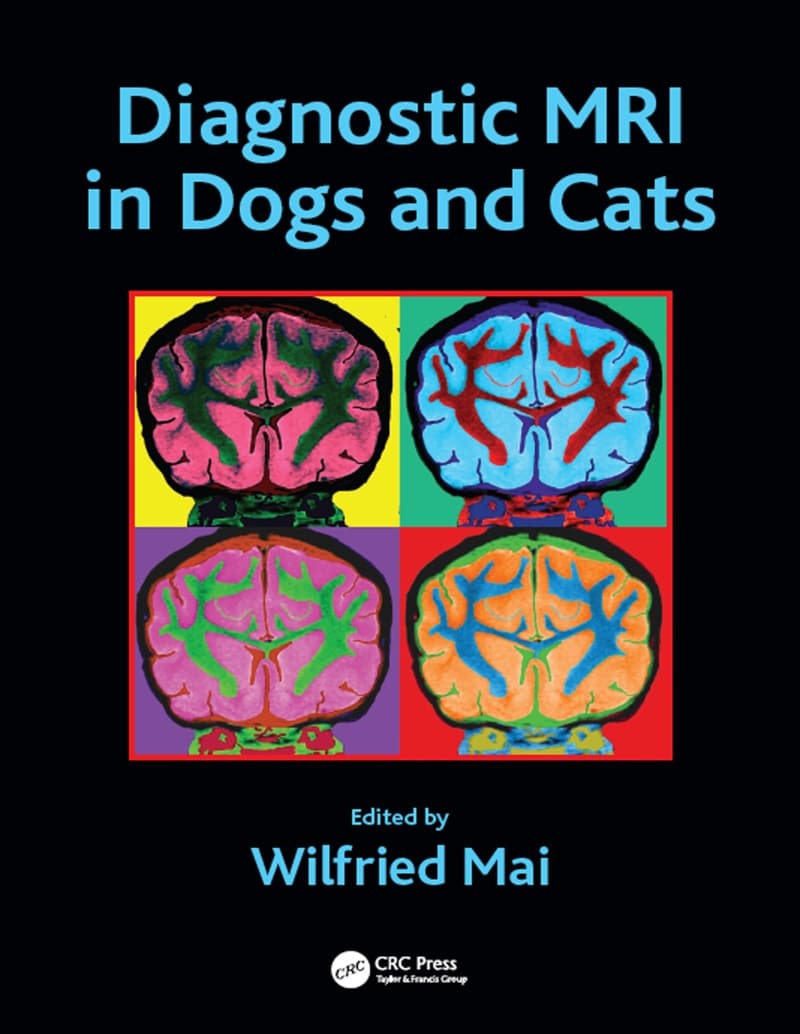
Diagnostic MRI in Dogs and Cats makes the vast and increasingly complex topic of clinical MRI in small animals accessible to all veterinarians. With the increasing availability of MRI technology, there is also a pressing need for expertise in interpreting these images. This is the first reference textbook to provide a well-illustrated and comprehensive overview of the current knowledge, focusing on imaging appearance rather than on clinical signs or treatment. With chapters on MRI physics and technology as well as sections on specific anatomical regions, the book functions as a stand-alone reference for the reader, whether they be a radiology/neurology resident in training or a practitioner with a need to learn about veterinary clinical MRI.
The chapters on physics and MRI technology are concise and accessible, using many visual aids and diagrams, and avoiding abstract concepts and equations whenever possible. Within each anatomical section, each chapter focuses on a disease category of that body region. When it is important to understand the imaging appearance, the pathophysiology is reviewed and imaging features of prognostic relevance are detailed.
This practical yet thoroughly comprehensive book is primarily an evidence-based learning resource for trainees, but will also aid practising veterinarians who have less MRI experience.
Includes both evidenced-based material and the authors’ personal experience, providing an excellent overview of current knowledge in the field.
Contributors are international leaders in the field.
Bullet points format and table summaries throughout the book keep the concepts concise and organized.
Richly illustrated with over 650 annotated images showcasing the main features of the disease processes.
Images are obtained at all magnet field strengths, so as to reflect the current reality of veterinary MRI, which uses low-, mid- and high-field magnets.
Table of Contents
Table of Contents:
1. GENERAL PRINCIPLES OF MRI
2. PULSE SEQUENCES, SIGNAL AND CONTRAST IN MRI
3. MRI ARTIFACTS
4. OPTIMIZED TECHNIQUE
5. MRI OF THE BRAIN
6. MRI OF THE HEAD (NON NEUROLOGIC)
7. SPINAL MRI
8. MUSCULOSKELETAL MRI
9. THORACIC MRI
10. ABDOMINAL MRI
Get This Book
This Book is Avaiable for Members
Access this book instantly with a Premium membership




 By John R. August




![Ettinger’s Textbook of Veterinary Internal Medicine 9th Edition [True PDF+Videos]](https://www.vet-ebooks.com/wp-content/uploads/2024/10/ettingers-textbook-of-veterinary-internal-medicine-9th-edition-100x70.jpg "Ettinger’s Textbook of Veterinary Internal Medicine 9th Edition")