
Get This Book
This Book is Avaiable for Members
Access this book instantly with a Premium membership
📄 PDF Format
⚡ Instant Delivery
Already a member? Login

Access this book instantly with a Premium membership
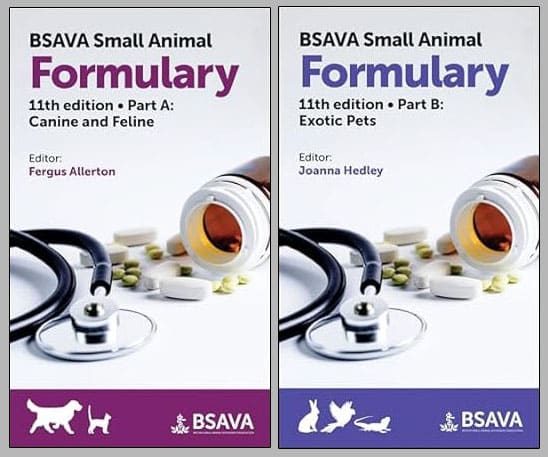
The BSAVA Small Animal Formulary has been one of the Association’s most trusted and highly valued publications for over a quarter of a century. Under the guidance of Editor-in-Chief, Fergus Allerton, the Editorial Panel has thoroughly reviewed and updated the content of the Formulary. As well as up-to-date information on over 400 drug monographs, the new edition includes: 20 new drug monographs, a clear indication of which drugs are authorized for use in dogs, cats or both species; guidance on the prescribing cascade and medicines available as ‘veterinary specials’; and a sedation protocol for dogs with the ABCB1 gene and a mycobacterial protocol for cats. As part of BSAVA’s continuing commitment to providing rational and tiered antibiotic selection, relevant drug monographs now cite the European Medicines Agency (EMA) categories. This is complemented by an Appendix providing guidance on the categories and on the responsible use of antibiotics.
As the popularity of non-traditional companion animals grows, there is an increasing need for dedicated information on drug use in these animals. The BSAVA Small Animal Formulary, 11th edition – Part B: Exotic Pets covers mammals, birds, reptiles, amphibians and fish. The drug monographs have been comprehensively reviewed and updated by the Editorial Panel, with new drugs added and additional information including a new table on antimicrobial susceptibility and guidelines on the responsible use of parasiticides. This online version includes a revised table covering proprietary medicines for fish, and a new series of tables covering doses for British wildlife.

Access this book instantly with a Premium membership

By D. Phillip Sponenberg and Julie T. Cecere
Breeding Better Dogs: Canine Breeding Management delves into the biology of managing reproduction in dogs, from mating to whelping and the first few weeks of life. It also delves into the genetic management of dog breeds and selection procedures to aid breeders in producing sound, useful dogs. Breeding Better Dogs Genetics and Reproduction includes: – details of managing the genetic structure of breeds and genetic management of individual breeding programs – details of managing dogs that are used for breeding – details of mating dogs, managing pregnancies and whelping This book is an excellent resource for dog breeders. Providing an accessible approach to a complex subject, Breeding Better Dogs breaks down into digestible chunks the essential information for understanding the subject at a broad level.
Access this book instantly with a Premium membership
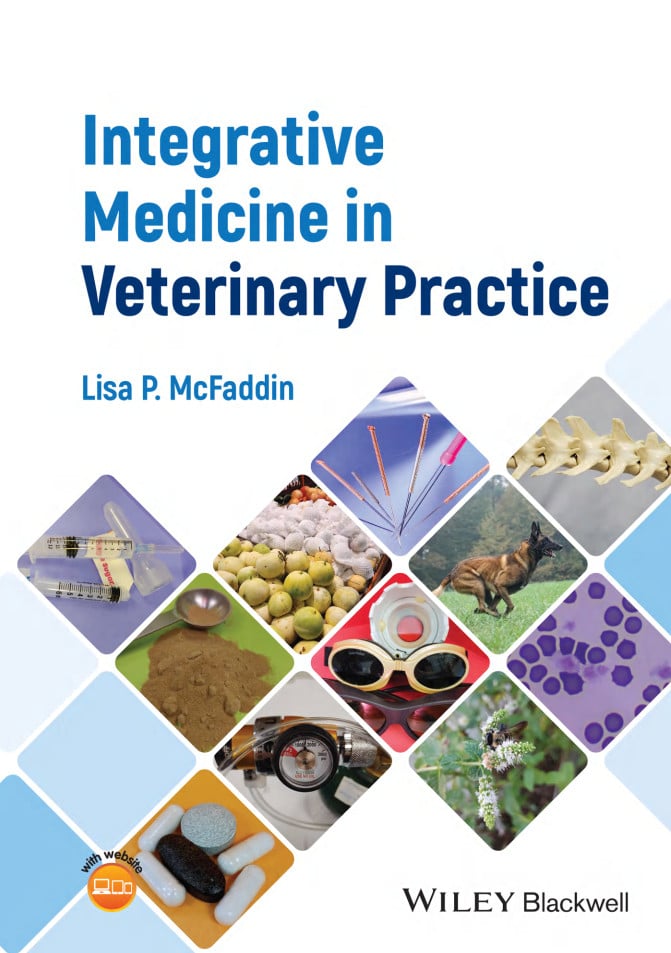
By Lisa P. McFaddin
Integrative Medicine in Veterinary Practice is a unique resource designed to introduce the basic concepts of ten different integrative modalities to all members of the hospital team to establish a baseline of knowledge: explaining how patients will benefit from their use, discussing return on investment, informing veterinarians of available courses and suggested reading materials, walking managers through staff training, and providing client education materials. Supplemental web-based documents and presentations increase the ease with which staff are trained and clients are educated.
Integrative medicine is not an all-or-nothing concept. This umbrella term encompasses a wide spectrum of treatment modalities. Therapies can be used individually or in combination, as part of a multimodal approach, and applied easily to every patient or used in select cases.
Access this book instantly with a Premium membership
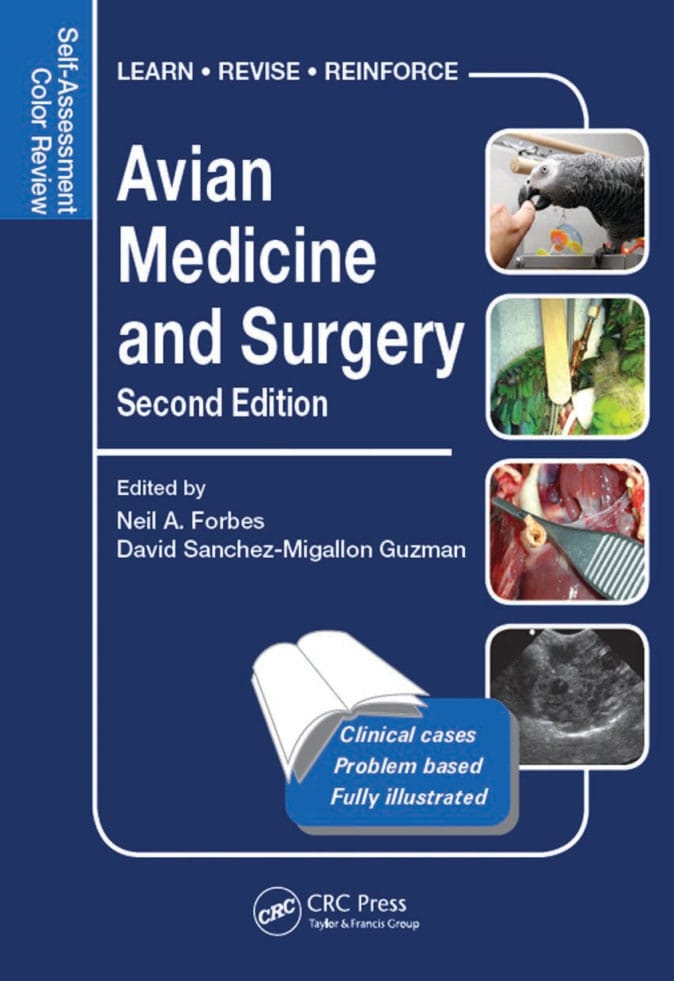
By Neil A. Forbes and David Sanchez-Migallon Guzman
Avian Medicine and Surgery: Self-Assessment Color Review, 2nd Edition includes over 260 all-new colour illustrated cases, with questions and answers fully exploring a breadth of diseases and disorders. Avian patients are a routine part of the veterinary case load and are being seen by many clinicians across the world. This book provides a unique quick reference for clinicians and a useful self-test for students by offering comprehensive, clinically-oriented information that can be quickly accessed, easily understood and applied.
With contributions from leading international authorities with diverse fields of expertise, the book covers a wide range of disciplines, organ systems and species. The cases are presented in a random order, just as they would appear in daily practice, challenging the reader to address real clinical situation and offering, where possible, a comprehensive solution.

Access this book instantly with a Premium membership

By Huw Golledge and Claire Richardson
The UFAW Handbook on the Care and Management of Laboratory and Other Research Animals 9th Edition delivers an up-to-date and authoritative exploration on worldwide developments, current thinking, and best practices in the field of laboratory animal welfare science and technology.
The gold standard in laboratory and captive animal care and management references, this latest edition continues the series’ tradition of excellence by including brand-new chapters on ethical review, the care of aged animals, and fresh guidance on the care of mole rats, corvids, zebrafish, and decapods.
The book offers introductory chapters covering a variety of areas of laboratory animal use, as well as chapters on the management and care of over 30 different taxa of animals commonly utilised in scientific procedures and research around the world.
The UFAW Handbook on the Care and Management of Laboratory and Other Research Animals Ninth Edition is essential for laboratory animal scientists, veterinarians, animal care staff, animal care regulatory authorities, legislators, and professionals working in animal welfare non-governmental organizations.
Access this book instantly with a Premium membership

By Birte Lindstrom Nielsen
Contemporary, thought-provoking yet utterly practical, Asking Animals: An Introduction to Animal Behaviour Testing provides an introductory text covering the use and misuse of behavior tests applied to animals. By including illustrative examples from a variety of species, the book inspires the animal scientist to think about what a given behavioral test can be used for and how the results can be interpreted. This text includes: the dos and don’ts of running behavior tests and interpreting the results; many clear, simple illustrations which make the information readily accessible; down-to-earth, practical advice combined with a thorough, evidence-based approach; information on behavior tests for a whole range of species from companion, farm, zoo, laboratory and wild animals–all in in a succinct yet comprehensive text. This book is an essential item in the researcher’s toolkit when embarking on and devising any animal behavior test and is valuable to students, established researchers, teachers and practitioners of applied ethology, animal welfare science, and veterinary science.

Access this book instantly with a Premium membership

In This Motor Control and Vestibular System Physiology MCQs Quizz, We will covers the physiology of motor units, the control of voluntary and reflex movements, and the role of the vestibular system in balance and posture through Multiple choice questions and answers with explanations to help remember the information.
Total Questions: 0
Right Answers: 0
Progress:
0 / 0 questions answered
Keep page opened to avoid losing your progress
Ventral horn α motor neurons are lower motor neurons, as they are located in the ventral horn of the spinal cord and directly innervate skeletal muscle to produce contraction.
Key Difference: UMNs do not directly innervate skeletal muscle; instead, they synapse on lower motor neurons or interneurons in the spinal cord or brainstem.
The right rear leg shows classic signs of a lower motor neuron (LMN) lesion, including:
Why not UMN?
An upper motor neuron lesion typically results in hyperreflexia and spasticity, not muscle atrophy or reflex loss.
The thoracolumbar spinal cord is the most likely location of the lesion based on the clinical findings:
The lower motor neurons to the hind legs are most likely affected based on the following findings:
The absence of muscle contraction in response to nerve stimulation, combined with a contraction after direct muscle stimulation, strongly indicates a lower motor neuron (LMN) lesion.
Conclusion: Lower motor neuron damage prevents the relay of signals from the CNS to the muscles, causing loss of voluntary movement.
Lower motor neuron (LMN) disease is characterized by muscle atrophy due to the loss of innervation to the affected muscles.
Other Signs of LMN Disease:
Contrast with UMN Disease: Upper motor neuron disease causes spastic paralysis and exaggerated reflexes, but muscle atrophy is typically absent.
Upper motor neurons (UMNs) are located entirely within the central nervous system (CNS) and serve to control and regulate the activity of lower motor neurons (LMNs).
Key distinction: UMNs do not directly innervate skeletal muscles; this task is performed by LMNs.
In upper motor neuron disease, reflexes are retained but exaggerated due to the loss of inhibitory control normally exerted by UMNs.
Contrast with LMN disease: LMN lesions result in flaccid paralysis, muscle atrophy, and absent reflexes.
Lower motor neurons (LMNs) located in the ventral horn of the spinal cord directly innervate the skeletal muscles of the limbs and are responsible for producing voluntary and reflexive motor responses.
Contrast with Other Motor Neurons:
Hyperreflexia, or exaggerated reflexes, is a hallmark of upper motor neuron (UMN) lesions due to the loss of inhibitory control provided by UMNs.
Contrast with Lower Motor Neuron Lesions:
The clinical signs observed in this dog—spastic gait, exaggerated reflexes, and absence of muscle atrophy—are classic indicators of an upper motor neuron (UMN) lesion affecting the hind legs.
Lower motor neurons (LMNs) are essential for transmitting signals from the CNS to skeletal muscles. Damage to LMNs disrupts this pathway, leading to:
Key Contrast: Upper motor neuron damage typically results in hyperreflexia, spasticity, and preserved muscle mass.
Upper motor neuron (UMN) lesions are characterized by a loss of inhibitory control over reflex arcs, leading to hyperreflexia or exaggerated reflexes in affected areas.
Contrast with LMN Lesions:
The clinical signs of paralysis without muscle atrophy, combined with exaggerated reflexes in the hind legs, strongly suggest an upper motor neuron (UMN) lesion.
Motor neuron pools in the ventral horn of the spinal cord are arranged somatotopically to coordinate muscle control:
This arrangement ensures functional organization within the spinal cord to facilitate both fine and gross motor tasks.
Decerebrate rigidity occurs due to damage to the brainstem or forebrain, which disrupts cortical control over brainstem motor pathways. This condition is characterized by:
This syndrome highlights the critical role of cortical control in modulating motor pathways.
The rubrospinal tract is primarily involved in controlling distal limb musculature, particularly flexor muscles, to enable skilled and voluntary movements. This pathway complements the corticospinal tract in mediating precise motor control.
The corticospinal (pyramidal) tract is responsible for initiating fine, skilled, voluntary movements, particularly of the distal limb muscles. This tract is crucial for precision and coordination, such as movements of the hand in primates. It predominantly influences flexor muscles and is vital for complex motor tasks.
Postural and antigravity movements are controlled by brainstem motor pathways like the vestibulospinal and reticulospinal tracts.
The signs of weakness and proprioceptive placing reaction deficit in the left front and hind legs can be traced to either:
If the initial muscle shortening doesn’t occur, the muscle spindle detects the stretch and sends sensory input to the spinal cord. This leads to:
This process is part of the stretch reflex, which maintains muscle tone and helps fine-tune movements.
The vestibulospinal tract is primarily responsible for controlling antigravity muscles, which help maintain posture. It acts on the axial and proximal extensor muscles of the body to keep it upright and stable:
By controlling postural muscles, it plays a critical role in preventing falls and maintaining equilibrium.
The rubrospinal tract is primarily responsible for controlling voluntary skilled movements of the distal limbs. It plays a crucial role in enabling precise and refined motor control, especially of the flexor muscles in quadrupeds:
By regulating skilled movements, this tract ensures smooth and coordinated control of the limbs.
The basal ganglia are critical for modulating motor activity without directly initiating movement. They help select and suppress movement patterns based on context, ensuring smooth transitions between actions:
By modulating movement, the basal ganglia ensure purposeful and coordinated motor functions.
The corticospinal tract is the primary pathway for skilled voluntary movements, particularly for the distal limbs. It is responsible for precise control of fine motor actions:
The corticospinal tract is essential for tasks requiring precise and skilled voluntary movement, and damage to it causes significant functional deficits.
The cerebellum is responsible for coordinating complex movements by ensuring they are smooth, well-timed, and precise:
Damage to the cerebellum can result in ataxia, characterized by uncoordinated and jerky movements, demonstrating its key role in motor control.
The tectospinal tract is involved in reflex movements of the head and neck, enabling the organism to orient toward external stimuli:
These reflexive movements help the organism respond quickly to stimuli such as sounds or visual cues, enhancing survival and response to potential threats.
The corticobulbar tract controls voluntary movements of the face and head muscles:
The corticobulbar tract ensures the precise and coordinated motor control of the muscles of the face and head.
The reticulospinal tract plays a crucial role in regulating muscle tone and maintaining posture:
This pathway is essential for coordinating body movements and making postural adjustments during locomotion.
Gamma motor neurons adjust the tension in the intrafusal fibers of muscle spindles, ensuring that the spindles remain sensitive to stretch during voluntary muscle contraction:
This mechanism ensures precise control of movement and helps maintain muscle tone regulation.
The corticospinal tract is responsible for controlling voluntary, skilled movements, particularly of the distal limb muscles:
Damage to the corticospinal tract impairs dexterity and skilled motor movements, as it is crucial for precise control of distal limb muscles.
The supplementary motor cortex plays a critical role in planning and organizing complex movement sequences:
Unlike simple reflexive movements, this area is responsible for higher-order motor control.
The medial descending brainstem motor pathways, such as the vestibulospinal and reticulospinal tracts, control postural muscles:
These pathways help resist gravity and maintain an upright posture, complementing the lateral tracts that control fine motor skills.
The cerebellum is critical for the smooth execution of coordinated movements:
Damage to the cerebellum results in ataxia, characterized by uncoordinated and jerky movements, demonstrating its essential role in motor control.
The basal ganglia are key for modulating motor activity:
Dysfunction in the basal ganglia, as seen in Parkinson’s disease, leads to symptoms like tremors, rigidity, and difficulty initiating movement.
The cerebellum ensures that movements are smooth, well-timed, and coordinated by:
Damage to the cerebellum results in ataxia, which is characterized by uncoordinated and jerky movements, showing its critical role in movement precision.
The corticospinal tracts have distinct roles in movement control:
These tracts work together to coordinate both precise and gross motor control across the body.
The pyramidal decussation is a key anatomical feature of the corticospinal tract:
The lateral vestibulospinal tract plays a crucial role in maintaining posture and balance by:
This tract works reflexively to keep the body upright, especially during unexpected shifts in position or movement.
The motor cortices consist of:
These regions work together to ensure smooth and coordinated voluntary motor activity.
By Chand Khanna
Therapeutic Strategies in Veterinary Oncology is a comprehensive resource for veterinary oncologists and trainees, covering therapeutic strategies used in the treatment of veterinary patients. In the setting of a rapidly changing field like oncology, this timely text focuses on mechanisms of action and biological rationale rather than current specific clinical recommendations, allowing current and future clinicians to adapt treatment approaches as our understanding of the biology of cancer evolves.
With each chapter written by experts in their field, Therapeutic Strategies in Veterinary Oncology provides informative figures that convey this biological understanding and rationale of therapy. It starts from the mechanisms of treatment as we currently understand them, covering radiation therapy, chemotherapy, immunotherapy, targeted therapy, and many more. Dispensing vital, detailed and practical information about the different therapeutic strategies available, this book is a vital resource for practicing veterinarians, while also providing students of veterinary oncology with a better understanding of the key differences between different treatment strategies.
Access this book instantly with a Premium membership
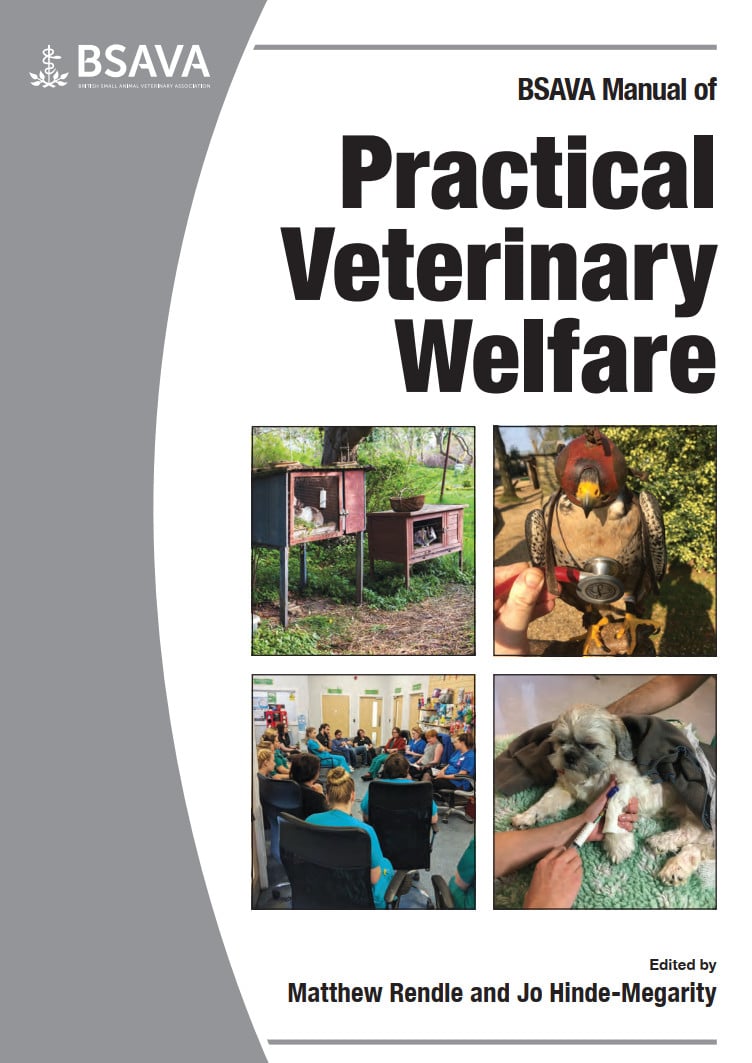
By Matthew Rendle and Jo Hinde
BSAVA Manual of Practical Veterinary Welfare. Awareness of animal sentience and welfare continues to grow in parallel with that of human mental health. This brand new manual for the whole practice team provides concise practical information on how to assess and maintain the highest standards of welfare in all veterinary environments. Written by a team of experts from a range of disciplines, the manual is relevant to all veterinary professionals and animal carers, as well as those studying animal welfare and behaviour. This title takes a holistic approach to animal health, and covers the welfare of the veterinary team and the ‘One Health’ positive aspects of pet ownership and animal contact.
Access this book instantly with a Premium membership

![Ettinger’s Textbook of Veterinary Internal Medicine 9th Edition [True PDF+Videos]](https://www.vet-ebooks.com/wp-content/uploads/2024/10/ettingers-textbook-of-veterinary-internal-medicine-9th-edition-100x70.jpg "Ettinger’s Textbook of Veterinary Internal Medicine 9th Edition")