Home Blog Page 278

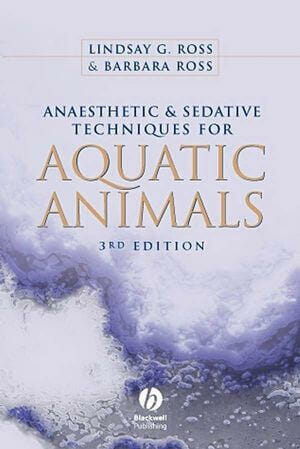
Anaesthetic and Sedative Techniques for Aquatic Animals 3rd Edition

Anaesthetic and Sedative Techniques for Aquatic Animals, 3rd Edition By Lindsay G. Ross and Barbara Ross

Anaesthetic and Sedative Techniques for Aquatic Animals, 3rd Edition

Anaesthetic And Sedative Techniques For Aquatic Animals, 3Rd Edition By Lindsay G. Ross And Barbara Ross

By Lindsay G. Ross and Barbara Ross

Anaesthetic and Sedative Techniques for Aquatic Animals 3rd Edition PDF provided the fisheries and aquaculture industry with vital information on the use of sedation and anaesthetics in the avoidance of stress and physical damage, which can easily be caused by crowding, capture, handling, transportation and release.

Now fully revised and expanded, the third edition has maintained its accessible format and incorporates much new emphasis on:

• Fish pain and welfare: a rapidly developing area of interest and debate
• Anaesthesia and legislation: with an international perspective

Personnel involved in the aquaculture industry including fish farmers, fish veterinarians, fisheries scientists and fish biologists along with small animal veterinarians, animal laboratory managers and government and regulatory personnel will find this book a valuable and practical resource.

Features

  • Comprehensively updated to reflect new emphasis on fish pain and welfare
  • International perspective including detailed coverage of developments in legislation
  • Detailed data on chemical nomenclature and structure of all featured anaesthetic drugs

Read more: Anesthesia, Analgesia, and Pain Management for Veterinary Technicians

Table of Contents

1. Introduction.

2. Defining stress in aquatic animals.

3. Pain in aquatic animals.

4. The nature of anaesthesia, sedation and analgesia.

5. The features of anaesthetic agents and their legal use.

6. Anaesthesia and Legislation.

7. Factors affecting the response of aquatic ectotherms to anaesthesia.

8. Anaesthesia of fish. I. Inhalation anaesthesia.

9. Anaesthesia of fish. II. Inhalation anaesthesia using gases.

10. Anaesthesia of fish. III. Parenteral and oral anaesthesia.

11. Anaesthesia of fish. IV. Non chemical methods.

12. Anaesthesia of Aquatic Invertebrates.

13. Anaesthesia of Amphibians and Reptiles.

14. Transportation and anaesthesia.

15. Concluding remarks

Get This Book

File Size 1.7 MB
File Format PDF
Download  link Download Now | Go Premium, Unlock All Books
Support & Updates Support | Browse All Categories
Join Our Telegram Channel Telegram
More Books: Browse All Categories

Animal Physiologic Surgery 2nd Edition

Animal Physiologic Surgery, 2nd Edition PDF By C. Max Lang

Animal Physiologic Surgery 2nd Edition

Animal Physiologic Surgery, 2Nd Edition Pdf By C. Max Lang

By C. Max Lang

Animal Physiologic Surgery 2nd Edition PDF presents an integrated introduction to surgery for students in all of the health sciences. As with the first, this edition introduces the novice to surgery using the animal model, and emphasizes the relation of surgery to physiologic function. The book begins with a practical introduction to sterile technique and instrumentation, then develops the student’s familiarity with basic surgical skills, and progresses to procedures requiring some proficiency and inter­ pretation. While all of the procedures involve a degree of complexity, our experience has shown that beginning students are capable of handling these exercises as we have presented them. We have expanded and revised the section covering surgical technique in response to the many useful and encouraging comments we received on the first edition. In addition, the section on clinical procedures and laboratory techniques has been reorgan­ ized to include a chapter on emergency and resuscitative procedures. By emphasizing the physiologic responses to disease states and to surgical intervention, we not only convey an understanding of surgery’s potential and limitations, but also point out the student’s responsibility for providing the best possible pre-, intra-, and postoperative care. The section on laboratory procedures is designed to provide further insight into the body’s physiology in a clinical context

Read more: Advanced Techniques in Canine and Feline Neurosurgery

Get This Book

File Size 6.8 MB
File Format PDF
Download  link Download Now | Go Premium, Unlock All Books
Support & Updates Support | Browse All Categories
Join Our Telegram Channel Telegram
More Books: Browse All Categories

Tschauner’s Guide to Small Animals Clinics 2nd Edition

Tschauner's Guide to Small Animals Clinics 2nd Edition PDF

Tschauner's Guide To Small Animals Clinics Pdf By Chris Pasquini, Susan Pasquini

By Chris Pasquini, Susan Pasquini

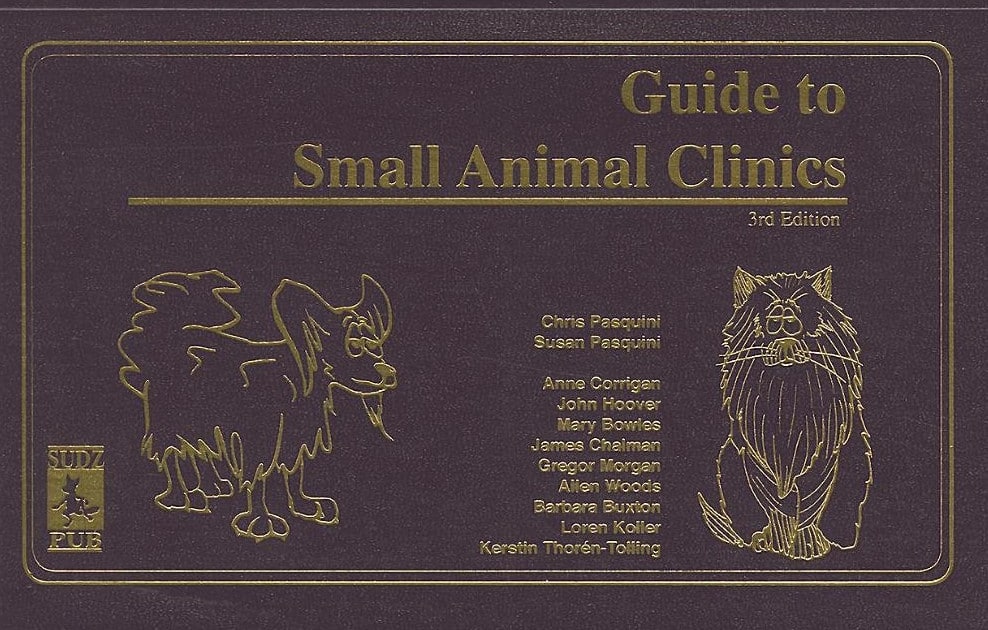
Downlaod Tschauner’s Guide to Small Animals Clinics PDF From Our Best Veterinary Books Online. This book is a truely wonderful collection of text, tables and drawings. The small cartoons break up the monotony of study, as well as providing visual prompts regarding the particular condition.
Each disease/condition has concise information regarding causes, clinical signs, diagnoses and treatment, as well as differentials. Each is summarized by a few key points, and all ‘commonly seen’/diagnostic of choice etc are in bold print for easy identification.
A great book, vital for clinical rotations, exam study and graduate practice.

Table of Contents

Quick Table of Contents, Quick References
Page setup
Differential Diagnosis
Complete references
Introduction
Student – Memory – Notebook
Vaccinations – Cat
Vaccinations – Dog
Systems
Digestive System
Respiratory System
Circulatory System
Urinary System
Reproductive System
Neuromuscular System
Skeletal System
Endocrine System
Systemic Diseases
Toxicology
Drugs – Trade name®: generic name
Drugs – generic name: Trade name®
Index
Measurements – Equivalents
Abbreviations
Drug abbreviations/Blood tubes
Inside front cover

Get This Book

File Size 27 MB
File Format PDF
Download  link Download Now | Go Premium, Unlock All Books
Updates & Support Support | Browse All Categories
Become a Premium Premium Membership
More Books: Browse All Categories

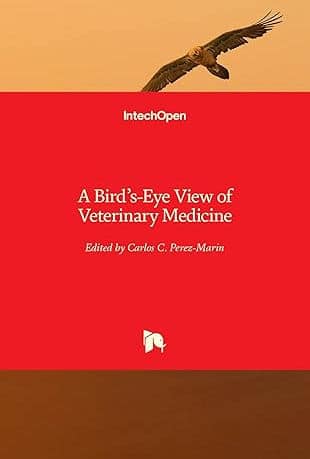
A Bird’s-Eye View of Veterinary Medicine

A Bird's-Eye View of Veterinary Medicine

A Bird’s-Eye View Of Veterinary Medicine Pdf

By Carlos C Perez-Marin

Veterinary medicine is advancing at a very rapid pace, particularly given the breadth of the discipline. A Bird’s-Eye View of Veterinary Medicine PDF examines new developments covering a wide range of issues from health and welfare in livestock, pets, and wild animals to public health supervision and biomedical research. As well as containing reviews offering fresh insight into specific issues, this book includes a selection of scientific articles which help to chart the advance of this science. The book is divided into several sections. The opening chapters cover the veterinary profession and veterinary science in general, while later chapters look at specific aspects of applied veterinary medicine in pets and in livestock. Finally, research papers are grouped by specialisms with a view to exploring progress in areas such as organ transplantation, therapeutic use of natural substances, and the use of new diagnostic techniques for disease control. This book was produced during World Veterinary Year 2011, which marked the 250th anniversary of the veterinary profession. It provides a fittingly concise and enjoyable overview of the whole science of veterinary medicine.

Table of Contents

  • Chapter 1: Veterinary business landscape, contemporary issues, and emerging trends.
  • Chapter 2: The role of artificial insemination in veterinary science.
  • Chapter 3: Regulatory concerns regarding steroid hormones in food-producing animals (focus on Europe).
  • Chapter 4: The significance of experience in veterinary pathological anatomy.
  • Chapter 5: The study of veterinary dysmorphology.
  • Chapter 6: Use of Dual-Energy X-Ray Absorptiometry (DXA) in non-human vertebrates, focusing on research and clinical practice.
  • Chapter 7: Periodontal disease in dogs.
  • Chapter 8: Continuous electrocardiography in pets.
  • Chapter 9: Arthroscopic follow-up after cranial cruciate ligament rupture.
  • Chapter 10: Congenital aplasia of the uterine-vaginal segment in dogs.
  • Chapter 11: Atresia ani in dogs and cats.
  • Chapter 12: Tumor markers as prognostic factors in mammary gland neoplasms in female canines.
  • Chapter 13: Local anesthesia for husbandry procedures and experimental purposes in farm animals.
  • Chapter 14: The role of artificial insemination in the transmission of swine viruses.
  • Chapter 15: Health management practices for controlling PRRSV infection in pigs.
  • Chapter 16: Blood variable values in calves.
  • Chapter 17: Growth performance evaluation of cattle breeds in Uganda.
  • Chapter 18: Clinical approach to repeat breeder cow syndrome.
  • Chapter 19: Bovine respiratory syndrome (BRD) etiopathogenesis, diagnosis, and control.
  • Chapter 20: Zoonotic aspects and current epidemiological situation of Q fever in Poland.
  • Chapter 21: Risk factors for non-infectious claw disorders in dairy cows under varying grazing systems.
  • Chapter 22: Pharmacokinetic and pharmacodynamic considerations for bovine mastitis treatment.
  • Chapter 23: Protozoan diseases in farm ruminants.
  • Chapter 24: Vitronectin and its receptor during bovine fertilization in vitro.
  • Chapter 25: Analysis of 3’UTR of Prnp gene in mammals and its role in TSE sensitivity in Bovidae and Cervidae.
  • Chapter 26: Causes of death in rhesus monkeys undergoing liver transplantation.
  • Chapter 27: Molecular characterization of hypothalamo-pituitary-thyroid genes in pigs.
  • Chapter 28: Detection of poxvirus using electron microscopy in Bay-Winged Cowbirds.
  • Chapter 29: Doppler ultrasonography for evaluating vascular responses to ergopeptine alkaloids in livestock.
  • Chapter 30: Pathogenicity of Avian Paramyxovirus serotype-3 in poultry.
  • Chapter 31: In vitro antimicrobial activity of Erythrina abyssinica and Capsicum annum in controlling poultry diseases in Uganda.

Get This Book

File Size 39.7 MB
File Format PDF
Download  link Download Now | Go Premium, Unlock All Books
Updates & Support Support | Browse All Categories
Become a Premium Premium Membership
More Books: Browse All Categories

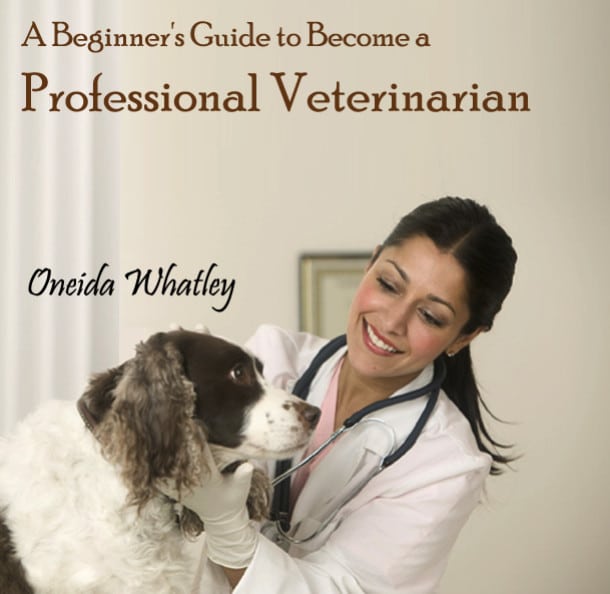
A Beginner’s Guide to Become a Professional Veterinarian

A Beginner’s Guide to Become a Professional Veterinarian

A Beginner’s Guide To Become A Professional Veterinarian Pdf

By Oneida Whatley

A Beginner’s Guide to Become a Professional Veterinarian PDF. A veterinarian (American English) or a veterinary surgeon (British English), often shortened to vet, is a doctor who treats non-human animals and a practitioner of veterinary medicine. The word comes from the Latin veterinae meaning “working animals”. “Veterinarian” was first used in print by Thomas Browne in 1646. Many careers are open to those with veterinary degrees (Doctor of Veterinary Medicine), D.V.M., VMD (Veterinaria Medicina Doctoris), MVB (Medicina Veterinaria Baccalaureate), BVS (Bachelor of Veterinary Surgery), BVMS (Bachelor of Veterinary Medicine and Surgery), BVetMed (Bachelor of Veterinary Medicine) or B.V.Sc. & A. H. (Bachelor of Veterinary Science and Animal Husbandry). Those working in clinical settings often practice medicine in a limited field such as “companion animal” or pet medicine, which includes small animals such as dog, cat, and pocket pets, production medicine or livestock medicine. Production medicine includes specialties in dairy cattle, beef cattle, swine, sheep, and poultry, equine medicine (e.g., sport, race track, show, rodeo), laboratory animal medicine, reptile medicine, or ratite medicine. Veterinarians may choose to specialize in medical disciplines such as surgery, dermatology or internal medicine, after post-graduate training and certification.

A Beginner’s Guide to Become a Professional Veterinarian Contents:

Chapter 1 – Veterinarian

Chapter 2 – How to Become a Veterinarian Chapter 3 – How to Know if a Cat Is Sick

Chapter 4 – How to Detect Diabetes in Dogs

Chapter 5 – How to Prevent Heat Stroke in Dogs

Chapter 6 – How to Make a Safety Kit for a Rabbit

Chapter 7 – How to Give an Iguana an Injection

Chapter 8 – How to Become a Veterinary Technician

Chapter 9 – How to Help a Cow Give Birth

Chapter 10 – How to Give First Aid to an Electrocuted Animal

Chapter 11 – Veterinary Surgeon Chapter 12 – Veterinary Technician Chapter 13 – Veterinary Medicine

Get This Book

File Size 2 MB
File Format PDF
Download  link Download Now | Go Premium, Unlock All Books
Updates & Support Support | Browse All Categories
Become a Premium Premium Membership
More Books: Browse All Categories

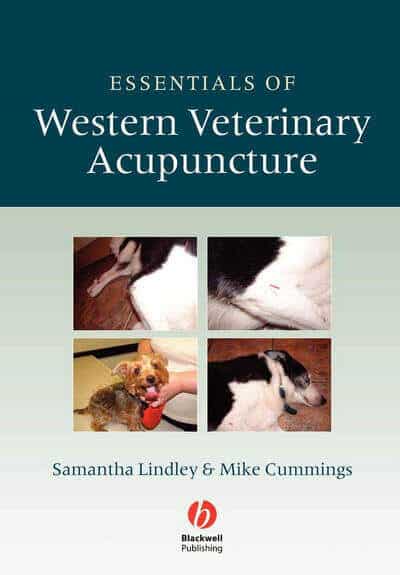
Essentials of Western Veterinary Acupuncture

Essentials of Western Veterinary Acupuncture PDF

Essentials of Western Veterinary Acupuncture

Essentials Of Western Veterinary Acupuncture Pdf

By Samantha Lindley and Mike Cummings

Essentials of Western Veterinary Acupuncture PDF. The field of pain research is rapidly expanding in both human and veterinary medicine, and has helped increase our understanding of acupuncture. However, many are still highly sceptical about the use of acupuncture and prefer for it to remain far from orthodox veterinary practice.

This book seeks to challenge common misgivings by showing how veterinary acupuncture works (for small and large animals), and why it should be established as an orthodox form of treatment.

Written from a Western approach, rather than a traditional Chinese Medicine approach, it explains the background and history of acupuncture and includes key information on safety aspects, understanding pain and how acupuncture can help, practical aspects such as types of needles and methods of restraint, and related techniques.

Not intended as a techniques manual, this book is a preparatory text for those considering taking an acupuncture course and those wishing to gain a solid understanding of the subject.

Read more: Veterinarians Guide to Natural Remedies for Dogs: Safe and Effective Alternative Treatments and Healing…

Table of Contents

Dedications.
Preface.
About the authors.
Introduction.

PART ONE.

1. Modern veterinary acupuncture.

2. An historical perspective.

3. Acupuncture – what is it and how does it work?

4. Acupuncture – does it work?

PART TWO.

5. The use of acupuncture for acute and chronic pain.

6. The use of acupuncture for muscoskeletal pain.

7. Principles of point selection.

8. Acupuncture for the treatment of visceral pain and dysfunction.

9. Acupuncture for the treatment of non-painful conditions.

PART THREE.

10. Practical aspects of acupuncture in the veterinary species.

11. Electroacupuncture and related techniques.

Index.

Get This Book

File Size 1.3 MB
File Format PDF
Download  link Download Now | Go Premium, Unlock All Books
Support & Updates Support | Browse All Categories
Join Our Telegram Channel Telegram
More Books: Browse All Categories

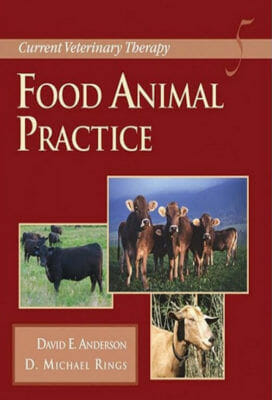
Current Veterinary Therapy Food Animal Practice 5th Edition

Current Veterinary Therapy Food Animal Practice 5th Edition PDF

Current Veterinary Therapy Food Animal Practice 5th Edition

Current Veterinary Therapy Food Animal Practice 5Th Edition PdfBy David E. Anderson and Michael Rings

Current Veterinary Therapy Food Animal Practice 5th Edition PDF is Written by leading food animal researchers, practitioners, and educators, this comprehensive guide provides quick access to the latest medical and surgical interventions for cattle, sheep, and goats. The concise, quick-reference format and logical body systems organization make it ideal for use in both the clinical setting and the field. You’ll easily locate key information on preventing, treating, and managing disease in food animals, as well as expert insights on improving outcomes for individual animals and herd populations.

  • Authoritative, cutting-edge coverage offers clinically relevant strategies for diagnosing and managing a wide range of diseases and disorders in food animals, with a focus on cattle, sheep, and goats.
  • Logically organized content is easy-to-follow and provides a practical approach to determining appropriate medical and surgical interventions.
  • Concise, easy-to-read format helps you find essential information quickly and easily.
  • Expert editors, consultants, and writers ensure the accuracy, relevance, and timeliness of each topic to keep you on the cutting edge of food animal therapy.

Read more: Color Atlas of Farm Animal Dermatology 2nd Edition

Table of Contents
SECTION 1: DIGESTIVE SYSTEM

1. Pharyngeal lacerations and retropharyngeal abscesses in cattle

2. Vesicular diseases of ruminants

3. Actinomycosis and actinobacillosis

4. Esophageal obstruction (choke)

5. Bloat or ruminal tympany

6. Function and dysfunction of the ruminant forestomach

7. Simple indigestion and secondary indigestion

8. Ruminal acidosis and rumenitis

9. Rumenotomy and rumenostomy

10. Abomasal ulcers

11. Abomasal emptying defect in sheep

12. Pathophysiology of displacement of the abomasum in cattle

13. Surgical considerations for management of displacement of the abomasum in cattle

14. Prognostic indicators and comparison of corrective fixation techniques for displacement of the abomasum in dairy cattle

15. Laparoscopic abomasopexy for correction of left displaced abomasum

16. Hepatotoxicities of ruminants

17. Hemorrhagic bowel syndrome

18. Clostridium novyi (myconecrosis, black disease, and bacillary hemoglobinuria) and Clostridium septicum (braxy) infections

19. Clostridial Enterotoxemia (Clostridium perfringens)

20. Johne’s disease (paratuberculosis)

21. Neonatal calf diarrhea

22. Helminth parasites of the ruminant gastrointestinal tract

23. Gastrointestinal protozoal infections in ruminants

24. Bovine viral diarrhea virus

25. Salmonellosis

26. Winter dysentery

27. Duodenal obstruction

28. Trichobezoars

29. Intussusception

30. Intestinal volvulus

31. Intestinal atresia

32. Rectal prolapse

SECTION 2: METABOLIC SYSTEM

33. Milk fever (parturient paresis) in cows, ewes, and doe goats

34. Phosphorus deficiency

35. Ruminant hypomagnesemic tetanies

36. Ketosis

37. Pregnancy toxemia of ewes

38. Fatty liver in dairy cattle

39. Clinical use of ultrasound for subcutaneous fat thickness measurements in dairy cattle

40. Metabolic profile testing in dairy cattle

SECTION 3: RESPIRATORY SYSTEM

41. Mannheimia haemolytica– and Pasteurella multocida–induced bovine pneumonia

42. Bovine respiratory disease virology

43. Mycoplasmas in bovine respiratory disease

44. Sheep and goat respiratory disease

45. Diseases of the upper respiratory system in cattle, sheep, and goats

46. Surgery of the upper respiratory tract

47. Surgery of the thorax

SECTION 4: CARDIOVASCULAR SYSTEM

48. Examination of the bovine patient with heart disease

49. Congenital heart disease in cattle

50. Acquired heart diseases in cattle

SECTION 5: MUSCULOSKELETAL SYSTEM

51. Noninfectious disorders of the foot

52. Infectious disorders of the foot skin

53. Surgery of the bovine digit

54. Small ruminant infectious disease of the foot

55. Fracture management in cattle

56. Septic arthritis in cattle

57. Osteochondrosis in cattle

58. Ligament injuries of the stifle

59. Coxofemoral luxation

60. Hygroma of the carpus and tarsus

SECTION 6: NEUROLOGICAL SYSTEM

61. Clinical examination

62. Ancillary tests

63. Muscular tone and gait abnormalities

64. Cranial nerve abnormalities

65. Mentation abnormality, depression, and cortical blindness

66. Central nervous system infection and infestation

SECTION 7: URINARY SYSTEM

67. Urolithiasis

68. Urinary tract infection in food animals

69. Neonatal urinary disorders

70. Ulcerative posthitis

71. Bovine enzootic hematuria

72. Surgery of the urinary tract

SECTION 8: GENITAL SURGERY – MALE

73. Diagnosis and management of juvenile anomalies of the penis and prepuce

74. Diagnosis and management of penile deviations

75. Diagnosis and management of injuries to the penis and prepuce of bulls

76. Diagnosis and management of inguinal hernia in bulls

77. Diagnosis and management of conditions of the scrotum and testes

78. Preparation of teaser bulls, rams, and bucks

SECTION 9: GENITAL SURGERY – FEMALE

79. Bovine cesarean sections: risk factors and outcomes

80. Surgery of the vagina and nongravid uterus

81. Umbilical surgery in calves

82. Diagnosis and management of teat injury

83. Laparoscopy in large animal surgery

SECTION 10: OPHTHALMOLOGY

84. Ophthalmic examination techniques for production animals

85. Selected eye diseases of cattle

86. Selected eye diseases of sheep and goats

87. Ophthalmology of South American camelids: llamas, alpacas, guanacos, and vicunas

88. Selected eye diseases of swine

89. Food animal ocular neoplasia

90. Neurogenic vision loss

91. Ophthalmic therapeutics

92. Enucleation in the bovine

SECTION 11: PHARMACOLOGY AND THERAPEUTICS

93. Ethical responsibilities of bovine veterinarians in selecting and using therapeutic drugs

94. Ethical responsibilities of small ruminant veterinarians in selecting and using therapeutics

95. Practical pharmacokinetics for the food animal practitioner

96. The Food Animal Residue Avoidance Databank (FARAD) and related drug regulations

97. Anthelmintic therapy in an era of resistance

98. Antimicrobial resistance in human pathogens and the use of antimicrobials in food animals: challenges in food animal veterinary practice

99. Evidence-based veterinary medicine – therapeutic considerations

100. Therapeutic options in organic livestock medicine

101. Decision making in mastitis therapy

102. Respiratory disease treatment considerations in feedyards

103. Antibiotic treatment of diarrhea in preweaned calves

104. Fluid therapy, transfusion, and shock therapy

105. Pain management in cattle and small ruminants

SECTION 12: CHEMICAL RESTRAINT, GENERAL ANESTHESIA, AND PAIN MANAGEMENT

106. Chemical restraint in ruminants

107. General anesthesia in ruminants

108. Managing severe pain in ruminants

SECTION 13: COW-CALF/SMALL RUMINANT PRODUCTION MEDICINE

109. Marketing beef cow-calf production medicine in private practice

110. Economic analysis techniques for the cow-calf practitioner

111. Cow-calf operation beef quality assurance (BQA)

112. Biosecurity for cow-calf enterprises

113. Management of neonatal diarrhea in cow-calf herds

114. Calf preweaning immunity and impact on vaccine schedules

115. Beef heifer development

116. Investigation and abortion and fetal loss in the beef herd

117. Addressing high dystocia incidence in cow-calf herds

118. Carcass ultrasound uses in beef cattle production settings

SECTION 14: FEEDLOT PRODUCTION MEDICINE

119. Preconditioned calves in the feedyard

120. Low stress livestock handling

121. Biosecurity for feedlot enterprises

122. Use of statistical process control in feedlot practice

123. Growth promotants

124. Feedlot vaccination protocols

125. An economic risk assessment model for management of pregnant feeder heifers

126. Investigation of lameness outbreaks in feedlot cattle

127. Investigating a respiratory disease outbreak

128. Feedlot therapeutic protocols

129. Managing hospital pen systems

130. No loose parts necropsy procedure for the feedyard

Get This Book

File Size 24.6 MB
File Format PDF
Download  link Download Now | Go Premium, Unlock All Books
Support & Updates Support | Browse All Categories
Join Our Telegram Channel Telegram
More Books: Browse All Categories

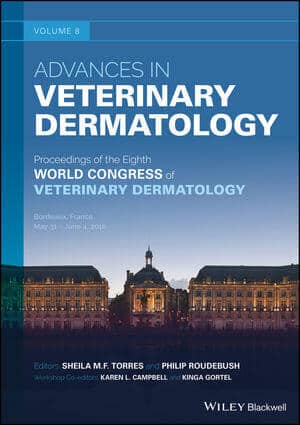
Advances in Veterinary Dermatology, Volume 8

Advances in Veterinary Dermatology, Volume 8

Advances in Veterinary Dermatology, Volume 8

Advances In Veterinary Dermatology, Volume 8

By Sheila M. F. Torres , Philip Roudebush

Representing the most recent developments in veterinary dermatology around the globe. Advances in Veterinary Dermatology, Volume 8 PDF presents selected scientific papers from the Eighth World Congress of Veterinary Dermatology. The Congress, held in Bordeaux, France in June 2016, hosted an exceptional scientific program, with delegates attending from over 70 countries.

Cutting edge information was presented as review papers and original studies in the areas of:

  • Genetics and genomics
  • Allergy
  • New trends in therapy
  • Skin biology
  • Infectious diseases
  • New diagnostic approaches

These peer-reviewed and edited papers were published in the journal Veterinary Dermatology in volume 28 issue 1, and are included in this volume of the conference proceedings. Also included are 11 workshop reports which summarise sessions where experts presented topics in various areas providing a wonderful opportunity for colleagues to ask questions and exchange ideas in an informal atmosphere.

Advances in Veterinary Dermatology, Volume 8 is a vital resource for all practising veterinarians and researchers interested in the field of veterinary dermatology.

Read more: Small Animal Dermatology: What’s Your Diagnosis?

Table of Contents

Sponsors vi

Organizing Committees vii

Editorials viii

8th World Congress of Veterinary Dermatology viii
Philip Roudebush and Sheila M.F. Torres

9th World Congress of Veterinary Dermatology viii
Mandy Burrows

The 2016 Hugo Schindelka Medal and Lecture awarded to Professor David H. Lloyd ix
Kenneth W. Kwochka

PART 1 GENETICS AND GENOMICS OF THE SKIN AND SKIN DISEASES 1

1.1 Genetic testing in veterinary dermatology 3
Tosso Leeb, Eliane J. Muller, Petra Roosje and Monika Welle

1.2 Epidermolysis bullosa simplex in sibling Eurasier dogs is caused by a PLEC non-sense variant 9
Elizabeth A. Mauldin, Ping Wang, Thierry Olivry, Paula S. Henthorn and Margret L. Casal

PART 2 THE SKIN AS AN IMMUNE ORGAN – ALLERGY 15

2.1 A review of the roles of keratinocyte-derived cytokines and chemokines in the pathogenesis of atopic dermatitis in humans and dogs 17
Ryota Asahina and Sadatoshi Maeda

2.2 The future of immunotherapy for canine atopic dermatitis: a review 26
Douglas J. DeBoer

2.3 Co-sensitization and cross-reactivity between related and unrelated food allergens in dogs – a serological study 32
Jennifer Bexley, Timothy J. Nuttall, Bruce Hammerberg and Richard E. Halliwell

2.4 Triggers, risk factors and clinico-pathological features of urticaria in dogs – a prospective observational study of 24 cases 39
Ana Rostaher, Natalie Hofer-Inteeworn, Claudia Kummerle-Fraune, Nina Maria Fischer and Claude Favrot

PART 3 NEW TRENDS IN THERAPY 47

3.1 The selective glucocorticoid receptor agonist mapracorat displays a favourable safety–efficacy ratio for the topical treatment of inflammatory skin diseases in dogs 49
Wolfgang Baumer, Kristine Rossbach and Bernard H. Schmidt

3.2 Therapeutic anti-IgE monoclonal antibody single chain variable fragment (scFv) safety and immunomodulatory effects after one time injection in four dogs 55
Bruce Hammerberg and Sitka Eguiluz-Hernandez

3.3 Treatment of itch in dogs: a mechanistic approach* 63
Thierry Olivry and Wolfgang Baeumer

*This study was not published in the special issue of the Veterinary Dermatology journal (VDE 2017; 28:1).

PART 4 THE LIVING SKIN – SKIN BIOLOGY AND THE CUTANEOUS ECOSYSTEM 71

4.1 The cutaneous ecosystem: the roles of the skin microbiome in health and its association with inflammatory skin conditions in humans and animals 73
Aline Rodrigues Hoffmann

4.2 Characterization of the cutaneous mycobiota in healthy and allergic cats using next generation sequencing 84
Courtney Meason-Smith, Alison Diesel, Adam P. Patterson, Caitlin E. Older, Timothy J. Johnson, Joanne M. Mansell, Jan S. Suchodolski and Aline Rodrigues Hoffmann

PART 5 INFECTIOUS DISEASES 95

5.1 Bacterial resistance to antimicrobial agents and its impact on veterinary and human medicine 97
Stefan Schwarz, Anette Loeffler and Kristina Kadlec

5.2 Bartonellosis, One Health and all creatures great and small 111
Edward B. Breitschwerdt

5.3 Clinical, microscopic and microbial characterization of exfoliative superficial pyoderma-associated epidermal collarettes in dogs 122
Frane Banovic, Keith Linder and Thierry Olivry

5.4 Molecular and epidemiological characterization of canine Pseudomonas otitis using a prospective case-control study design 133
Daniel O. Morris, Meghan F. Davis, Brian S. Palmeiro, Kathleen O’Shea and Shelley C. Rankin

5.5 Staphylococcus aureus penetrate the interkeratinocyte spaces created by skin-infiltrating neutrophils in a mouse model of impetigo 141
Ichiro Imanishi, Shinpei Hattori, Junzo Hisatsune, Kaori Ide, Motoyuki Sugai and Koji Nishifuji

PART 6 NEW DIAGNOSTIC APPROACHES 149

6.1 Dermatopathology – the link between ancillary techniques and clinical lesions 151
Verena K. Affolter

6.2 Diagnostic microbiology in veterinary dermatology: present and future 163
Luca Guardabassi, Peter Damborg, Ivonne Stamm, Peter A. Kopp, Els M. Broens and Pierre-Louis Toutain, the ESCMID Study Group for Veterinary Microbiology

6.3 Comparison of two in vitro antifungal sensitivity tests and monitoring during therapy of Sporothrix schenckii sensu stricto in Malaysian cats 173
Hock Siew Han, Rui Kano, Charles Chen and Chiara Noli

6.4 The usefulness of dermoscopy in canine pattern alopecia: a descriptive study 178
Giordana Zanna, Paola Roccabianca, Eric Zini, Sara Legnani, Fabia Scarampella, Silvana Arrighi and Antonella Tosti

PART 7 WORKSHOP REPORTS 185
Co-editors: Dr Karen L. Campbell, University of Illinois, Urbana, USA and University of Missouri Veterinary Health Center, Wentzville, USADr Kinga Gortel, Lake Country Veterinary Specialist Hospital, Lake Country, BC, Canada

7.1 Vaccines for canine leishmaniasis 187
C. Noli and A. Fondati

7.2 Pros and cons of oclacitinib therapy 192
W.S. Rosenkrantz and A.S. Bourgeois

7.3 Resisting the resistance. Is there progress in maintaining antimicrobial efficacy? 199
D.H. Lloyd and E.K. Varjonen

7.4 Update on the diagnosis and treatment of canine demodicosis 206
R. Mueller and M. Shipstone

7.5 Otitis controversies 210
G. Griffin and J. Aniya

7.6 Immune modulating drugs in cats: new perspectives and old favourites 217
A.K. Burrows and M.K. Siak

7.7 Topical therapy for atopic dermatitis. A practical option? Are expectations met? 220
R. Marsella and C. Friberg

7.8 Ectoparasitic agents 224
P. Bourdeau and A.G. Cannon

7.9 Why biopsy bald patients? 229
M. Linek and E. Kuznetsova

7.10 Performing and interpreting allergy tests: their value and pitfalls 235
R. Halliwell and M. Kovalik

7.11 Flavour of the month: foods as diagnosis and/or treatment 241
P. Roudebush and C.P. Souza

Get This Book

File Size 8.46 MB
File Format PDF
Download  link Download Now | Go Premium, Unlock All Books
Support & Updates Support | Browse All Categories
Join Our Telegram Channel Telegram
More Books: Browse All Categories

Feline Internal Medicine Secrets

Feline Internal Medicine Secrets PDF

Feline Internal Medicine Secrets Pdf

By Michael R. Lappin

Feline Internal Medicine Secrets PDF covers the breadth of feline diagnosis and management in the textbook-in-question-and-answer format of The Secrets Series®. After years of being treated under the basic medical model of the canine, feline medicine has reached greater prominence in the past few years, and has become a hot topic in veterinary medicine, yielding several successful books. Michael Lappin is one of the major names in modern feline medicine, and he has assembled a cast of contributors featuring many of the major feline authorities in the U.S. Each chapter presents a brief overview of, discusses the diagnostic plan, and then focuses on the key concepts for each topic.

Table of Contents

Front Matter

Copyright

DEDICATION

CONTRIBUTORS

PREFACE

I: CARDIOPULMONARY DISORDERS

II: GASTROINTESTINAL PROBLEMS

III: URINARY PROBLEMS

IV: ENDOCRINE PROBLEMS

V: REPRODUCTIVE PROBLEMS

VI: POLYSYSTEMIC PROBLEMS

VII: HEMOLYMPHATIC PROBLEMS

VIII: PREVENTION OF DISEASES

IX: PUBLIC HEALTH RISKS

APPENDIX – Drugs Commonly Used in Feline Internal Medicine Practice

INDEX

Get This Book

File Size 31 MB
File Format PDF
Download  link Download Now | Go Premium, Unlock All Books
Updates & Support Support | Browse All Categories
Become a Premium Premium Membership
More Books: Browse All Categories

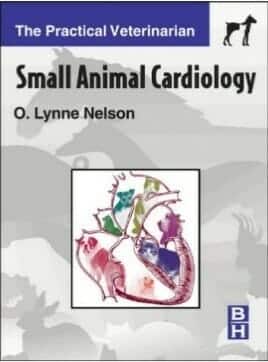
Small Animal Cardiology: The Practical Veterinarian

Small Animal Cardiology: The Practical Veterinarian PDF

Small Animal Cardiology: The Practical Veterinarian Pdf

By O. Lynne Nelson 

Small Animal Cardiology: The Practical Veterinarian PDF is Designed to be useful to both student and veterinary practitioner, Small Animal Cardiology is the ideal supplement manual to the in-depth internal medicine texts required in classes. It reinforces key concepts and serves as a handy reference guide in the clinical setting. Part of the Practical Veterinarian series, this helpful tool provides fast answers to common questions in an outline format and cuts quickly to the heart of vital subject matter.

  • Pocket-sized for go-anywhere, easy access.
  • Information is at the reader’s fingertips in an easy-to-use outline format.
  • Focuses on the most common cardiovascular diseases of the dog and cat.
  • Puts drug information at the reader’s fingertips with a handy drug index.
  • Text is enhanced with a number of charts, diagrams, and flowcharts to provide instant access to information at a glance.
  • Provides appendices on commonly used drugs, sedation protocols, and predisposition of breeds to various cardiovascular disease.
  • Authored by an expert in the field of small animal cardiology.

Table of Contents

1.The Heart and Circulation Review
2. The Cardiovascular Examination
3. Diagnostic Methods for the Cardiovascular System
4. Principles of Therapy for Congestive Heart Failure
5. Canine Myocardial Diseases
6. Feline Myocardial Diseases
7. Acquired Valvular Diseases
8. Common Congenital Anomalies
9. Pericardial Diseases
10. Pulmonary Hypertension
11. Systemic Hypertension
12. Common Cardiac Arrhythmias

Get This Book

File Size 2.8 MB
File Format PDF
Download  link Download Now | Go Premium, Unlock All Books
Updates & Support Support | Browse All Categories
Become a Premium Premium Membership
More Books: Browse All Categories