Home Blog Page 27

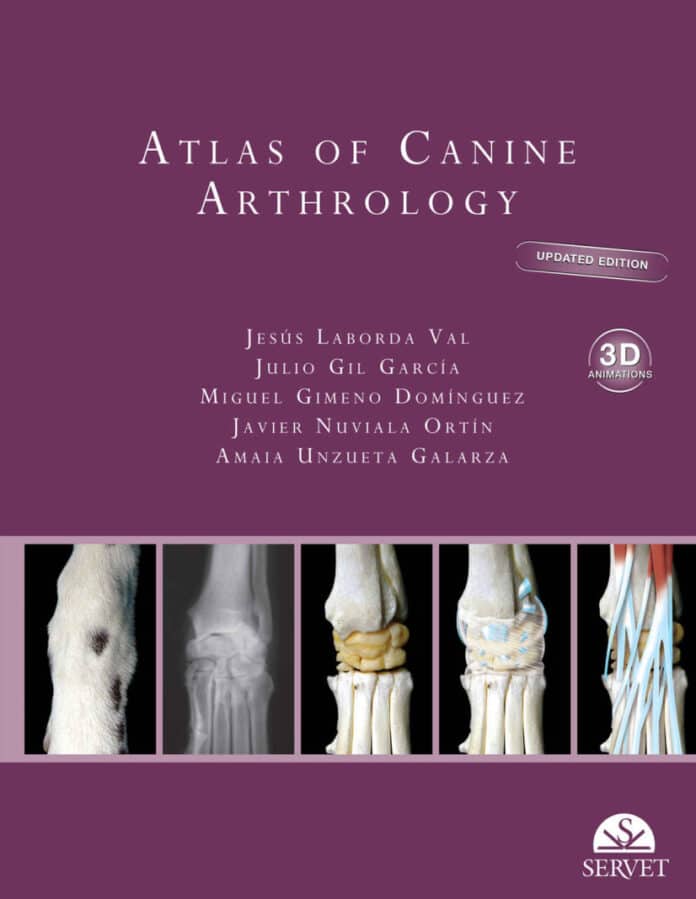
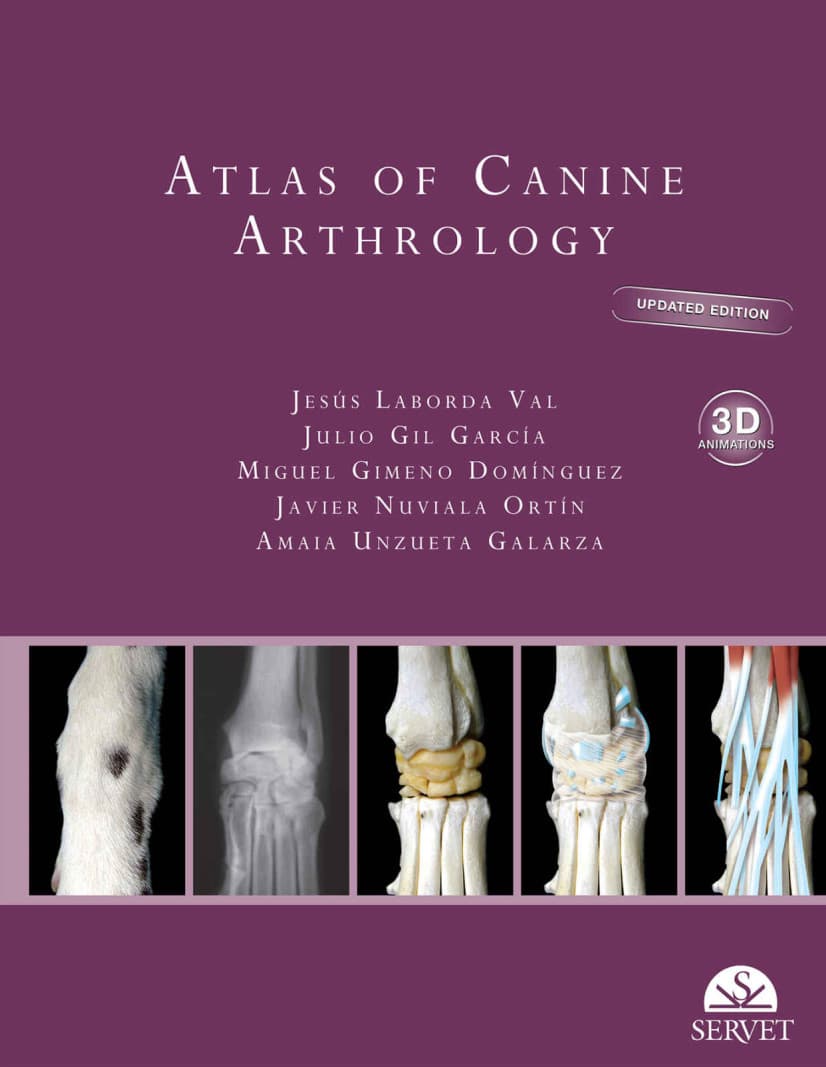
Atlas of Canine Arthrology: Updated Edition with 3D Animations

Atlas of Canine Arthrology: Updated Edition with 3D Animations PDF Download

Atlas Of Canine Arthrology: Updated Edition With 3D Animations Pdf Download

By Jesús Laborda Val, Julio Gil García, Miguel Gimeno Domínguez, Javier Nuviala Ortín and Amaia Unzueta Galarza

Atlas of Canine Arthrology: Updated Edition with 3D Animations. In this practical atlas, the description of the anatomy of the dog’s joints provided in the previous edition has been completed and complemented with new tools, 3D animations, and self-evaluation tests that will help readers acquire knowledge and form a better understanding of joint anatomy and function – elements of great importance for each dog’s physical health and well-being.
Table of Contents

1- General aspects.

2- Angles and joints

3- Characteristics of articular cartilage

4- Ossification of the thoracic limb

5- Ossification of the pelvic limb

6- Characteristics of the synovial joint

7-  Head and axial region.

8- Joints of the head

9- Joints of the vertebral column

10- Joints between vertebrae and ribs

11- Joints of the sternum

12- Joints of the thoracic limb

13- Joints of the pelvic limb

14- Self-assessment

15- Thoracic limb.

16- Joints

Self-Assessment

17- Pelvic limb.

18- Joints

Self-assessment

Get This Book

This Book is Avaiable for Members

Access this book instantly with a Premium membership

📄 PDF Format
⚡ Instant Delivery
Unlock Premium Access

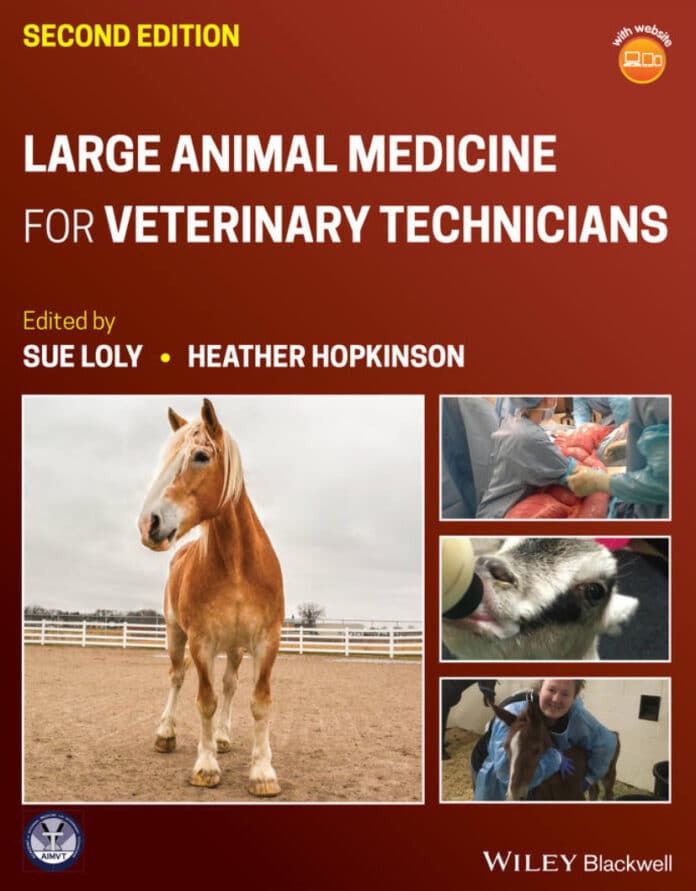
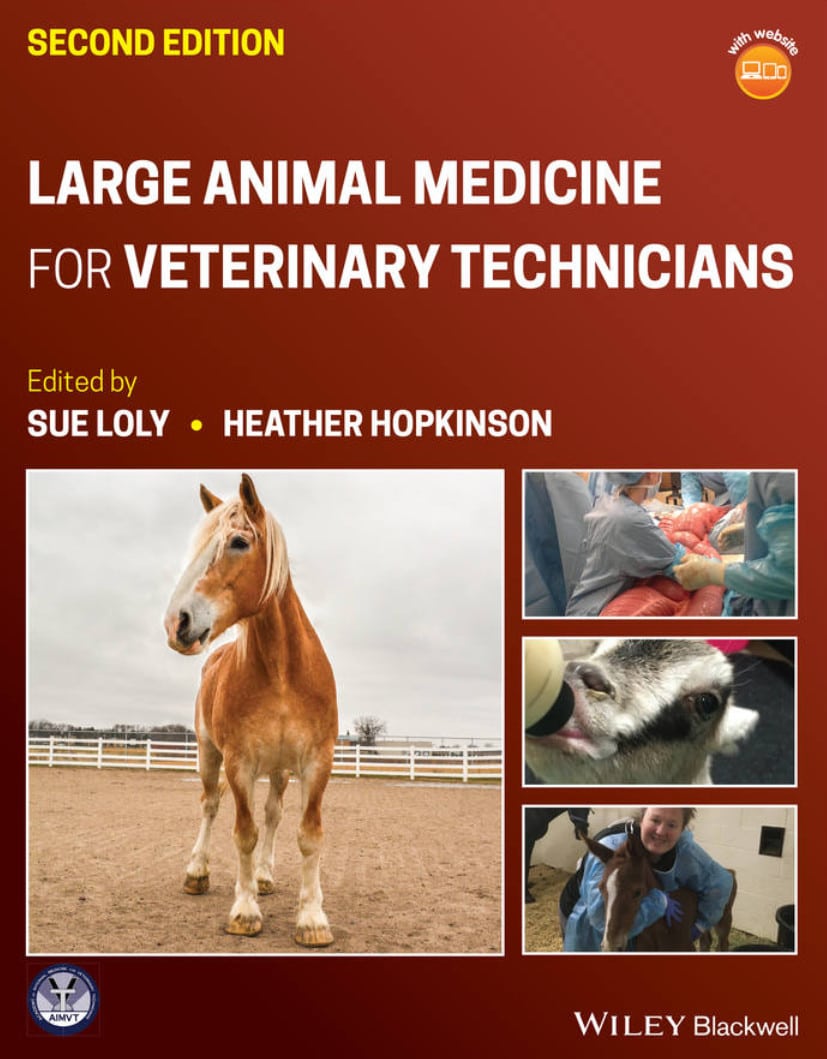
Large Animal Medicine for Veterinary Technicians 2nd Edition

Large Animal Medicine for Veterinary Technicians 2nd Edition PDF Download

Large Animal Medicine For Veterinary Technicians 2Nd Edition Pdf Download

By Sue Loly and Heather Hopkinson

Large Animal Medicine for Veterinary Technicians 2nd Edition provides comprehensive guidance on caring for horses, cattle, camelids, small ruminants, pigs, and other farm animals. Reflecting the topics required by the American Veterinary Medical Association (AMVA), this practical resource covers hospital biosecurity, restraint, physical examinations, clinical and diagnostic procedures, reproduction, nutrition, disease, and more. Detailed chapters written by expert contributors contain numerous full-color images, clinical applications, self-review questions, and accurate, species-specific information.

Large Animal Medicine for Veterinary Technicians 2nd Edition features revised and new content throughout, including brand-new chapters on common surgical procedures and general anesthesia, dentistry, and popular hobby farm animals such as fowl, poultry, and pet pigs. Updated and expanded sections on neonatology, diagnostics, and imaging are supported by a wealth of new images and examples. Covering the skills and knowledge necessary for success in both Veterinary Technician Specialty (VTS) programs and in clinical practice.

Features

Features:

  • Offers new coverage of imaging and diagnostic technologies such as dynamic endoscoping and the use of treadmills
  • Contains more than 500 high-quality color images, multiple-choice questions with answers, and a glossary of terms
  • Features a range of pedagogical tools including learning objectives, clinical case problems, charts and diagrams, and “Technician Tip” boxes
  • Includes a significantly expanded companion website with self-review questions, case studies, PowerPoint slides, and an image bank to aid in breed identification

Table of Contents

1. Hospital Biosecurity

2. Restraint

3. History

4. Physical Exam

5. Nutrition

6. Clinical Procedures

7. Diagnostic Procedures

8. Medical Imaging

9. Reproduction

10. Anesthesia and Surgery

11. Neonatology

12. Diseases

Index

Get This Book

This Book is Avaiable for Members

Access this book instantly with a Premium membership

📄 PDF Format
⚡ Instant Delivery
Unlock Premium Access

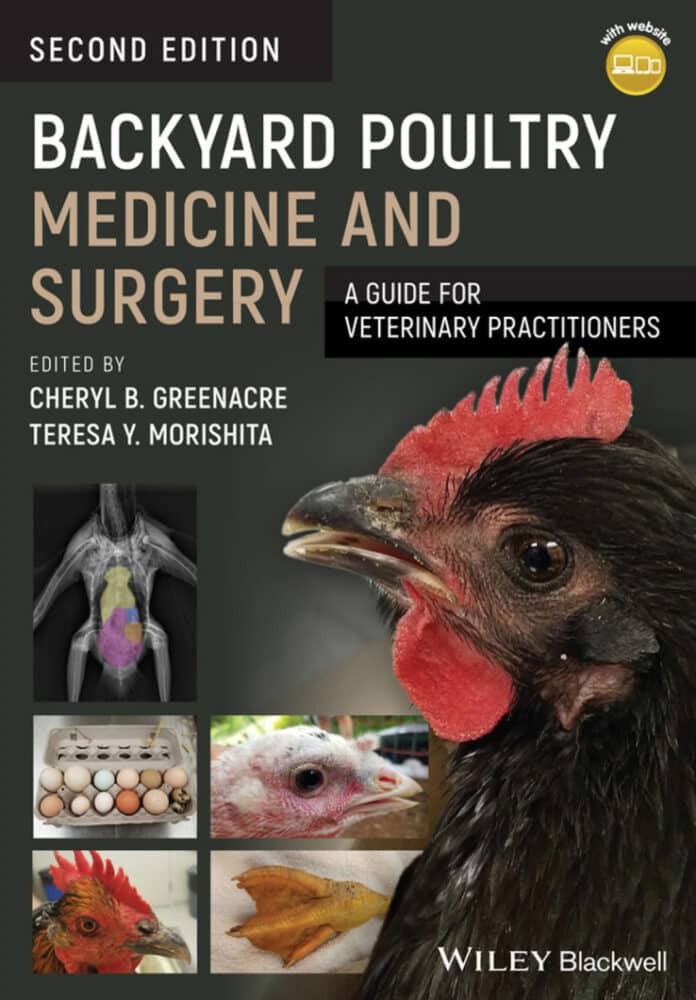
Backyard Poultry Medicine and Surgery: A Guide for Veterinary Practitioners, 2nd Edition

Backyard Poultry Medicine and Surgery: A Guide for Veterinary Practitioners, 2nd Edition PDF Download

Backyard Poultry Medicine And Surgery: A Guide For Veterinary Practitioners, 2Nd Edition Pdf Download

By Cheryl B. Greenacre and Teresa Y. Morishita

You can look to Backyard Poultry Medicine and Surgery, Second Edition for practical veterinary information on the treatment of poultry. You’ll find six new chapters covering radiology, toxicology, euthanasia, gross pathology, behavior, and emergency medicine. The book is written by some of the most respected specialists in a broad range of fields.

With many original chapters also significantly expanded, the book provides a complete guide to all aspects of husbandry, medicine, and surgery for poultry. Diseases are organized by body systems to aid in developing a diagnosis. This book supports your work as a practitioner, whether you treat birds occasionally or regularly.

Backyard Poultry Medicine and Surgery: A Guide for Veterinary Practitioners, 2nd Edition is providing enhanced and updated information to support all types of practitioners—from the dedicated avian veterinarian to those who rarely treat these species.

Features

  • Review information on the topics of husbandry, medicine, and surgery
  • Gain guidance on developing a diagnostic or treatment plan for the individual or small flock of poultry
  • Choose appropriate doses of labeled and extra-label drugs
  • Find new chapters on emergency medicine, toxicology, euthanasia, gross pathology, normal and abnormal radiographic findings, and other key topics
  • Use color photographs to aid in breed identification and poultry disease diagnoses
  • View photographs, videos, and linked references and websites on an accompanying website

Table of Contents

Section 1: General Care

Chapter 1 – Laws and Regulations Governing Backyard Poultry in the US

Chapter 2 – Common Breeds of Backyard Poultry

Chapter 3 – Chicken and Turkey Husbandry and Management

Chapter 4 – Anseriforme Husbandry and Management

Chapter 5 – Biosecurity

Chapter 6 – Backyard Poultry Nutrition

Section 2: Initial Examinations

Chapter 7 – Anatomy, and Physiology

Chapter 8 – Physical Examination

Chapter 9 – Radiographic Evaluation of Normal and Common Diseases

Section 3: Diseases

Chapter 10 – Zoonotic Diseases

Chapter 11 – Parasitic Diseases

Chapter 12 – Respiratory Diseases

Chapter 13 – Avian Influenza and Viscerotropic Velogenic (Exotic) Newcastle Disease

Chapter 14 – Musculoskeletal Diseases

Chapter 15 – Dermatological Diseases

Chapter 16 – Reproductive Diseases

Chapter 17 – Gastrointestinal and Hepatic Diseases

Chapter 18 – Cardiovascular Diseases

Section 4: Specialized Care and Surgery

Chapter 19 – Emergency Medicine and Critical Care

Chapter 20 – Common Toxicoses

Chapter 21 – Soft Tissue Surgery

Chapter 22 – Behavior

Section 5: Diagnosis of Disease

Chapter 23 – Euthanasia of Companion Poultry

Chapter 24 – Egg Diagnostics

Chapter 25 – How to Perform a Necropsy

Chapter 26 – Diagnostic Laboratory Sampling

Chapter 27 – Interpretation of Laboratory Results and Values

Section 6: Treatment and Prevention of Disease

Chapter 28 – Regulatory Considerations for Medication Use in Poultry

Chapter 29 – Commonly Used Medications

Chapter 30 – Vaccination of Poultry

Index

Get This Book

This Book is Avaiable for Members

Access this book instantly with a Premium membership

📄 PDF Format
⚡ Instant Delivery
Unlock Premium Access

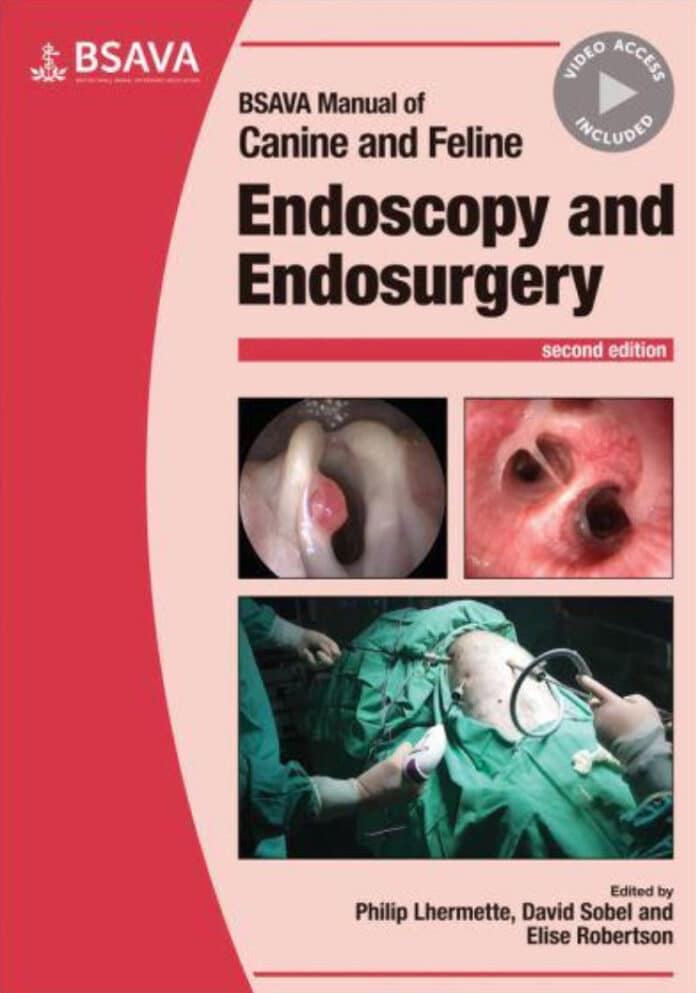
BSAVA Manual of Canine and Feline Endoscopy and Endosurgery, 2nd Edition

BSAVA Manual of Canine and Feline Endoscopy and Endosurgery, 2nd Edition

Bsava Manual Of Canine And Feline Endoscopy And Endosurgery, 2Nd Edition Pdf Download

By Philip Lhermette, David Sobel and Elise Robertson

The BSAVA Manual of Canine and Feline Endoscopy and Endosurgery provides a comprehensive and practical guide for practitioners who wish to practice minimally invasive techniques. Routine procedures are described in detail and more advanced techniques suitable for advanced practitioners are also included.

  • All the chapters have been thoroughly revised and updated
  • Chapters on oesophagoscopy, interventional endoscopy and future developments are new to this edition
  • More detailed information on minimally invasive techniques in cats included throughout
  • The chapter on laparoscopy has been significantly expanded and covers techniques ranging from liver biopsy and ovariectomy to cholecystectomy and adrenalectomy
Table of Contents

1 An introduction to endoscopy and endosurgery

2 Instrumentation

3 Flexible endoscopy: basic technique

4 Flexible endoscopy: oesophagoscopy

5 Flexible endoscopy: upper gastrointestinal tract

6 Flexible endoscopy: lower gastrointestinal tract

7 Flexible endoscopy: respiratory tract

8 Principles of rigid endoscopy

9 Rigid endoscopy: rhinoscopy

10 Rigid endoscopy: otoendoscopy

11 Rigid endoscopy: urethrocystoscopy and vaginoscopy

12 Rigid endoscopy: laparoscopy

13 Rigid endoscopy: thoracoscopy

14 Rigid endoscopy: arthroscopy

15 Interventional endoscopy and radiology

16 An Introduction to laser endosurgery

17 Future developments

Index

Get This Book

This Book is Avaiable for Members

Access this book instantly with a Premium membership

📄 PDF Format
⚡ Instant Delivery
Unlock Premium Access

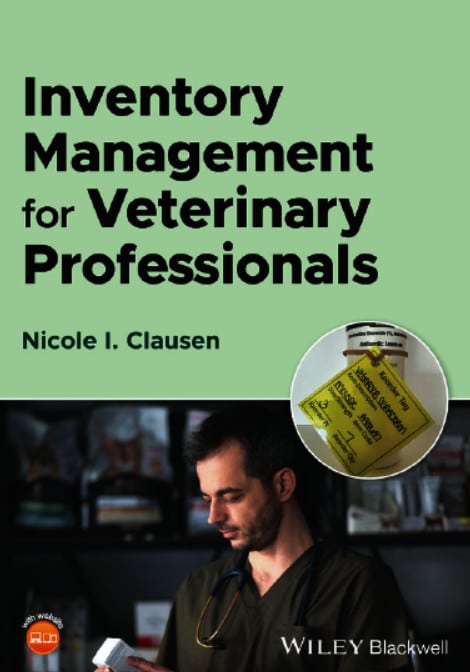
Inventory Management for Veterinary Professionals

Inventory Management for Veterinary Professionals PDF

Inventory Management For Veterinary Professionals Pdf Download

By Nicole I. Clausen

Inventory Management for Veterinary Professionals provides a thorough introduction to the logistics of effective and efficient veterinary inventory management. Designed for any employee of a veterinary practice, the book covers strategies and tactics for all major aspects of inventory management. It provides veterinary professionals with a practical roadmap for this key business operation, with stories drawing on the author’s experience to provide a real-world perspective.

Emphasizing both the ‘how’ and the ‘why’ of developing effective inventory management systems, it’s an indispensable tool for veterinary professionals at every level of practice. Taking a holistic approach to setting up, maintaining, and optimizing an inventory system, Inventory Management for Veterinary Professionals begins by describing the theory and strategies for inventory management, then discusses how to incorporate this knowledge into practice.

Features

  • Detailed discussion of topics including the flow of inventory through the practice, forecasting, ordering, troubleshooting, and more
  • Advice on how to receive and restock, organize, price, and sell inventory
  • Guidance on how to set up an inventory action plan
  • A chapter on setting and executing inventory management protocols around controlled substances
  • A companion website with additional tools, resources, and self-assessment questions

Table of Contents

  1. Introduction to Inventory Management
  2. Your Inventory Ecosystem and Flow of Inventory
  3. Introduction to Demand Forecasting and Reorder Point
  4. Efficient Ordering and Replenishment
  5. Receiving and Restocking Your Inventory
  6. Organizing, Storing, and Protecting Your Inventory
  7. Strategic Pricing for Your Inventory
  8. Selling and Consuming Your Inventory Appropriately
  9. Optimizing Your Inventory
  10. Why the Wheels Come off the Bus and How to Fix It
  11. You’re Brand New… Now What? How to Set Up Your Inventory
  12. Introduction to Controlled Substances
  13. Maintaining Your Inventory
  14. Appendices References Index

Get This Book

This Book is Avaiable for Members

Access this book instantly with a Premium membership

📄 PDF Format
⚡ Instant Delivery
Unlock Premium Access

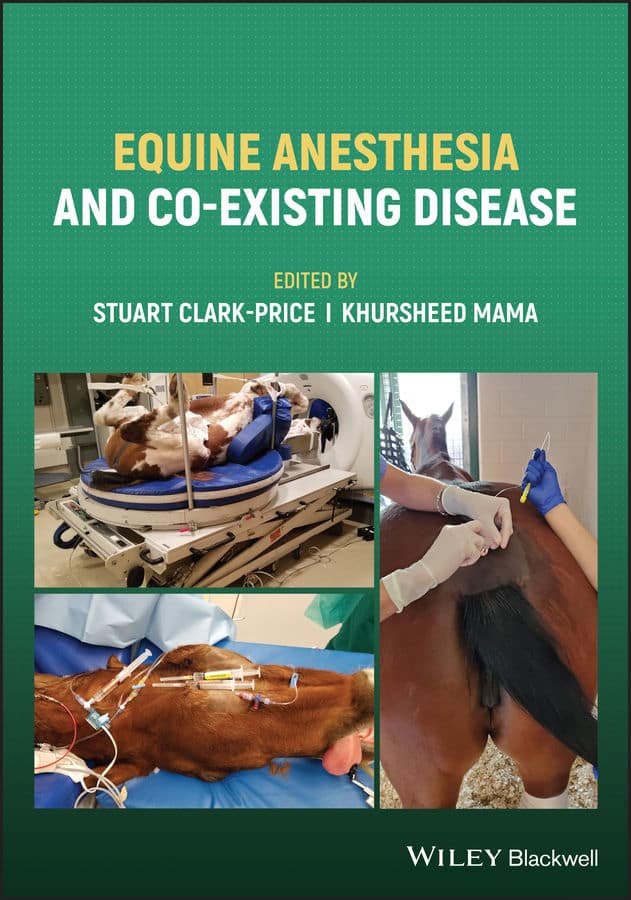
Equine Anesthesia and Co-Existing Disease

Equine Anesthesia and Co-Existing Disease PDF

Equine Anesthesia And Co-Existing Disease Pdf

By Stuart Clark-Price and Khursheed Mama

Equine Anesthesia and Co-Existing Disease offers practical guidance on anesthetizing horses with pre-existing diseases or other unique conditions. Filling a significant gap in available literature, this authoritative reference is the ideal companion to existing publications on basic management principles, equipment, and complications in equine anesthesia. Detailed chapters, co-authored by anesthesiologists and other allied specialists, offer a body-system approach to anesthesia considerations in horses presenting with a variety of disease conditions.
Each chapter contains foundational knowledge such as pathophysiology or diagnostic techniques, clinical images, practical information for pharmacologic selection, and technical requirements for completion of procedures. The text covers equine anesthesia management relevant to respiratory, neuromuscular, and gastrointestinal diseases, cardiac and orthopedic procedures, diagnostic imaging and unique therapies, and more.
Equine Anesthesia and Co-Existing Disease is a must-have reference and clinical guide for everyone involved in the anesthetization of equine patients, including equine general practitioners, anesthesiologists, specialists in related areas, residents in veterinary anesthesiology, and equine anesthesia technicians.

Features

• Provides complete coverage of anesthetic management of horses with existing conditions or diseases
• Describes how pre-existing conditions can affect anesthesia in equine patients
• Includes coverage of accident and error management, induction, and recovery
• Discusses how anesthesia management differs in feral or non-domesticated and domesticated equids including donkeys and mules

Table of Contents

Introduction

Chapter 1: Sedation and anesthetic management for dental and sinus surgery

Chapter 2: Anesthetic management for ocular interventions

Chapter 3: Anesthesia of horses with inflammatory or infectious respiratory diseases

Chapter 4: Sedation and anesthetic management for surgery of the respiratory tract

Chapter 5: Sedation and anesthetic management for interventional cardiac procedures

Chapter 6: Anesthetic management of horses with medical and surgical neurologic conditions

Chapter 7: Anesthetic management for orthopedic conditions

Chapter 8: Anesthetic management of horses with muscular conditions

Chapter 9: Sedation and anesthetic management for laparoscopic and thoracoscopic procedures

Chapter 10: Anesthetic management for gastrointestinal diseases

Chapter 11: Anesthetic management of geriatric horses and horses with endocrine diseases

Chapter 12: Sedation and anesthetic management for urogenital interventions

Chapter 13: Anesthetic management of foals

Chapter 14: Sedation and anesthetic management of other domesticated and non-domesticated equids

Chapter 15: Errors and Accidents in Equine Anesthesia

Index

Get This Book

This Book is Avaiable for Members

Access this book instantly with a Premium membership

📄 PDF Format
⚡ Instant Delivery
Unlock Premium Access

Veterinary Telemedicine Services: 7 Key Considerations Before Launching

Veterinary Telemedicine Services: 7 Key Considerations Before Launching

Veterinary telemedicine offers a solution for pet owners who face geographical barriers and difficulties that limit their ability to visit a veterinarian regularly. Owners are willing to pay for vet telehealth appointment schedules if available. In addition to geographical barriers and service shortages, veterinary telemedicine plays a crucial role during pandemics, when emergencies necessitate specific regulations and restrictions which was highlighted during the COVID-19 pandemic. Telemedicine services can be further developed to match the advancements in veterinary healthcare bridging such gaps. Now, let’s explore the key insights to follow before launching a telemedicine service.

Vet Books

1. Following States’ Veterinary Telemedicine Regulations

There are differences between states regarding telehealth regulations. However, some states allow the creation of electronic veterinary clinic-patient relationships although others do not allow it. The first step to establishing a veterinary telemedicine system is to align with the AVMA(American Veterinary Medicine Association) model and its regulations.

Key AVMA Regulations

  • License: The veterinarians must be licensed in both states where they practice and their clients are located.
  • Accountability: The veterinarian must be responsible for making any treatment decisions and providing the appropriate referrals.
  • Sufficient Knowledge: The veterinarian must possess the essential data related to the animal’s condition to help initiate at least a preliminary diagnosis.
  • Client’s Consent: The client should consent to all medical instructions and recommendations.
  • Follow-up availability: The veterinarian must ensure available time for further check-ups and organize for expected emergencies.
  • Oversight: Facilities to monitor and oversight treatment should be provided.
  • Honesty: Careful and safe management of the medical records and client’s data.
  • Right-to-End Relationship: For the veterinarian and the client according to the principles of AVMA.

2. Integrating a Seamless Veterinary Telemedicine Service

To ensure a high-quality service there are questions regarding essential aspects that should be answered.

  • Space: Is there an adequate space with a quiet environment that ensures a professional telemedicine experience free from interruptions?
  • Technology: What are the technology tools and platforms required to provide vet telehealth appointment schedules? And their cost regarding initial step, usage and regular maintenance.
  • Appointment Schedules: Does the current schedule accommodate to integration of an additional service inside the practice or new staff members will be hired?
  • Diagnostic Workups: How the diagnostic workups will be handled and facilitated? In cases requiring laboratory tests is there a service provided to collect the samples from patients’ environment?
  • Medical Records: How medical records will be handled? And who will be responsible for entering and keeping them?
  • Medications: Will the practice offer an online pharmacy? And is a service provided to deliver medications?
  • Workflow: How will team members collaborate to ensure a high-quality remote animal care service? And how will responsibilities be coordinated between each other?

3. Evaluating Service Providers

To ensure a professional service, it’s essential to select a provider that prioritizes the client experience and delivers high-quality service at a reasonable price.

Key Aspects in Selecting a Service Provider

When making this decision, it’s important to receive clear and transparent details regarding the following points:

  • The platform’s full capabilities and associated costs
  • Required technologies for both clients and the team
  • Necessary equipment for the platform’s efficient operation
  • Recommended internet speed for optimal performance
  • Ability to handle multiple consultations simultaneously
  • Level of support provided after integration
  • Frequency of software updates
  • Training needed for team members, including troubleshooting
  • Safeguarding of medical records and client data
  • Integration with the practice management system
  • User experience and ease of payment methods
  • Communication features (text messages, emails, video conferences, etc.)
  • Accessibility across various devices (computers, smartphones, etc.)
  • Ability to share images and handle radiographs and laboratory reports

4. Training of Team Members

Selecting the provider and integrating the service is just the beginning. The practice should implement a comprehensive training module for veterinarians and employees before launching the service. The training should cover the following key areas:

  • Importance of The service: Training should emphasize the service’s value for clients and the practice, ensuring alignment with the practice’s vision.
  • Role of The Staff: How they will contribute to achieving the desired goals.
  • Staff Fears and Resistance: Should be handled and overcome to ensure they are fully prepared to meet clients’ perceptions.
  • Backup Plans: Emergencies like power outages, internet issues, clients’ access problems, etc should be considered.
  • Clients’ Education: Developing the approaches to inform clients about the new service and offering recommendations for an optimal veterinary telemedicine experience.
  • Role play: Encouraging communication and talking about the new service to immerse different situations and contexts which in turn helps detect weak points and work to improve them.

5. Building a Marketing Strategy

Develop marketing strategies and plans to reach the target clients through social media platforms, blog posts, messages, the clinic app, etc.

Incorporating measurable key performance indicators while setting the marketing plan.

Read More: 9 Marketing Ideas For Veterinary Practice

6. Service Pricing

Veterinary telemedicine pricing should be subject to the following considerations:

Operational Considerations

  • Number of staff members who provide the service (technicians, veterinarians, managers)
  • The expected duration of each consultation
  • Availability to run multiple consults simultaneously

  Financial Considerations

  • Clients’ Perceptions and Budgets
  • Market Demands and Conditions
  • Staff Efforts and Time
  • Service Expenses

7. Monitoring and Evaluation

Incorporating measurable key performance indicators before launching the service helps monitor and assess whether the service has met its goals. A sheet of KPIs should be shared monthly with the team to discuss strengths and weaknesses points.

Key Performance Indicators:

  • Profitability: Through average transactions and usage reports.
  • Client’s Satisfaction: Through anonymous client surveys.
  • Staff Satisfaction: Through anonymous team member surveys.

Conclusion

Veterinary telemedicine offers a vital solution for clients in remote areas or with difficulties preventing their regular visits as well as pandemics and times of worldwide emergencies. Implementing a telemedicine service within the veterinary practice requires many steps and considerations to follow starting with the state’s regulations, choosing the perfect service provider to integrate the service, training the staff to ensure an optimal client experience and pricing the service regarding operational costs ending with evaluating the performance to ensure profitability and clients’ satisfaction.

Tip

Do You Want To Increase Your Veterinary Knowledge and Practical Skills?

You Can Now Browse and Download +3000 Veterinary Books Online In All Veterinary Fields.

Download All Veterinary Books

Adams and Stashak’s Lameness in Horses 7th Edition

Adams and Stashak's Lameness in Horses 7th Edition PDF

Adams And Stashak's Lameness In Horses 7Th Edition Pdf

By Gary M. Baxter

Adams and Stashak’s Lameness in Horses features updates throughout and more in-depth information on objective lameness assessment, sports medicine, rehabilitation, treatment options, and advanced imaging. With contributions from the world’s leading authorities on the subject, the book covers functional anatomy, examination, imaging, lameness of the distal limb, proximal limb, and axial skeleton, principles of musculoskeletal disease, therapies, occupation-related conditions, lameness in young horses, and farriery. More than 1,700 images support the text, making it an exhaustive reference for all aspects of lameness in horses.
Adams and Stashak’s Lameness in Horses is a must-have reference for any practicing large animal and equine veterinarian, equine veterinary specialist, or veterinary student dealing with lameness in the horse.

Adams and Stashak’s Lameness in Horses 7th Edition continues to be the definitive resource on equine lameness for veterinary specialists, practitioners, interns, residents, and students alike. The book is supplemented with a companion website offering a plethora of “how-to” videos demonstrating a variety of different physical examination techniques, including palpation, hoof testing, flexion tests, and perineural and intrasynovial injection techniques.

Equine Surgery, 5Th Edition

Recommended Book:
Features

  • Offers a fully revised new edition of the classic text on equine lameness
  • Includes more extensive information on objective lameness assessment, sports medicine, rehabilitation, treatment options and advanced imaging
  • Features over 1,700 images to illustrate the concepts described
  • Written by internationally renowned experts in the field
  • Includes access to a companion website with “how-to” videos

Table of Contents

  1. Preface to the Seventh Edition

  2. Preface to the Sixth Edition

  3. Preface to the Fifth Edition

  4. Preface to the Fourth Edition

  5. Acknowledgements

  6. Common Terminologies and Abbreviations

  7. About the Companion Website

  8. Functional Anatomy of the Musculoskeletal System

  9. Hoof – Fails

  10. Forelimb – Fails

  11. Hindlimb – Fails

  12. Axial skeleton – Fails

  13. Examination for Lameness

  14. History, visual exam and conformation – Baxter and Stashak

  15. Palpation and manipulation – Baxter and Stashak

  16. Subjective assessment of lameness – Keegan

  17. Objective assessment of lameness – Keegan

  18. Perineural and Intrasynovial anesthesia – Baxter

  19. Diagnostic Imaging

  20. Radiography – Acutt, Barrett

  21. Ultrasound – Redding

  22. Nuclear scintigraphy – Selberg, Acutt, Valdes-Martinez

  23. CT – Spriet

  24. MRI – Schramme and Segard-Weisse

  25. Thermography – Turner

  26. Lameness of the Distal Limb

  27. Navicular region and soft tissue injuries of the foot – Eggleston and Baxter

  28. Coffin joint and distal phalanx – Baxter

  29. Miscellaneous conditions of the foot – Baxter

  30. Laminitis – Belknap, Parks, Dern

  31. Pastern – Watts and Baxter

  32. Fetlock – Brokken and Bertone

  33. Metacarpal/metatarsal regions – Ortved and Bertone

  34. Lameness of the Proximal Limb

  35. Carpus – Kawcak

  36. Antebrachium, elbow and humerus – Hubert

  37. Shoulder and scapula – Hubert

  38. Tarsus – Redding

  39. Tibia and Crus – Redding

  40. Stifle – FP region – Baxter and Sullins

  41. Stifle – FT region – Kawcak

  42. Femur and coxofemoral region – Ernst, Trumble

  43. Lameness Associated with the Axial Skeleton

  44. Pelvis – Van Wessum

  45. Sacroiliac region – Van Wessum

  46. Thoracolumbar region/Back – Van Wessum

  47. Neck and poll – Van Wessum

  48. Principles of Musculoskeletal Disease

  49. Joint disease and osteoarthritis – McIlwraith

  50. Bone injuries and disease – Kawcak and Baxter

  51. Tendon and ligament injuries – Goodrich

  52. Muscle injuries/disease – Valberg

  53. Principles of Therapy for Lameness

  54. Systemic/Parenteral – Koch and Goodrich

  55. Topical/local – Koch and Goodrich

  56. Intrasynovial – Smanik and Goodrich

  57. Intralesional – Steward and Goodrich

  58. Oral/Nutritional – Ernst and Trumble

  59. Therapeutic trimming and shoeing – Parks

  60. Acupuncture/chiropractic/manipulation – Haussler

  61. Rehabilitation/Physical therapy – King, Ellis, Stubbs

  62. Occupation-related Lameness Conditions

  63. Thoroughbred racehorses – Carpenter

  64. Standardbred racehorses – Johnston and Nickels

  65. Quarter Horse racehorses – Goodman and Overly

  66. Western performance horses – Dabariener

  67. Jumping/Dressage/Eventing – Maher

  68. Endurance horses – Holbrook

  69. Show/pleasure horses – Johnson and Frisbie

  70. Gaited horses – Wilson and Keegan

  71. Draft horses – Hawkins

  72. Lameness in the Young Horse

  73. The physis/physeal fractures/physitis – Tatarniuk, Trumble and Baxter

  74. Angular limb deformities/cuboidal bone malformation – Ernst, Trumble and Baxter

  75. Flexural deformities – Ernst, Trumble and Baxter

  76. Osteochondrosis – McIlwraith

  77. Lameness in foals – Hunt

  78. Foot Care and Farriery

  79. Basic foot care – O’Grady

  80. Principles of trimming and shoeing – O’Grady

  81. Farriery for common hoof problems – O’Grady

  82. Natural balance trimming and shoeing – Ovnicek

  83. Miscellaneous Musculoskeletal Conditions

  84. Musculoskeletal emergencies – Seabaugh

  85. The poor-performing horse – Davidson

  86. Evaluation of Saddle fit – Haussler

  87. Prepurchase examination – Eggleston

  88. Stance and Gait Anomalies caused by Neurological Disease – Goehring

  89. Index

Get This Book

This Book is Avaiable for Members

Access this book instantly with a Premium membership

📄 PDF Format
⚡ Instant Delivery
Unlock Premium Access

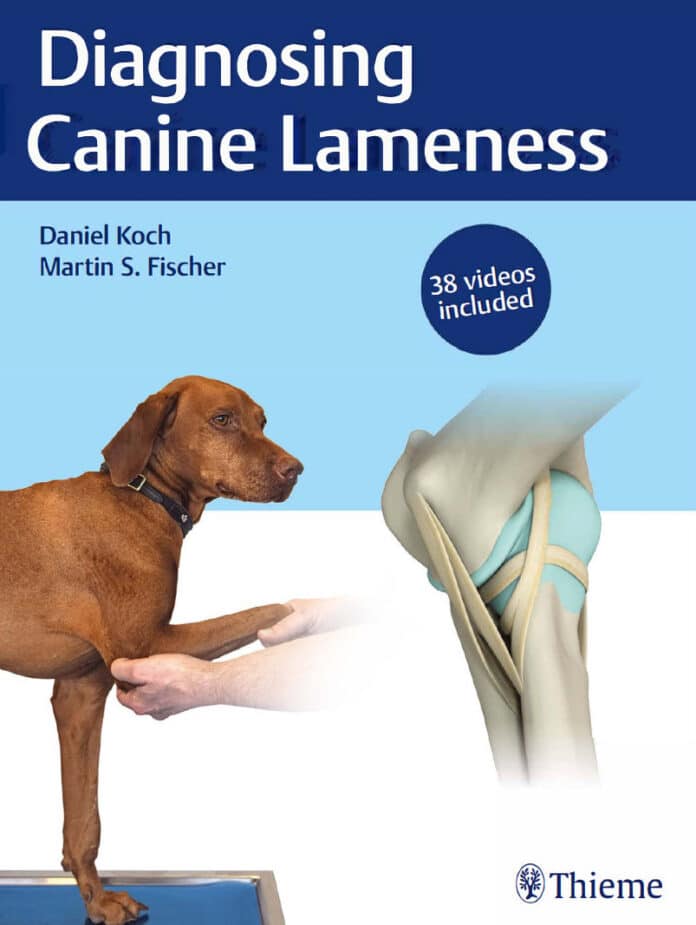
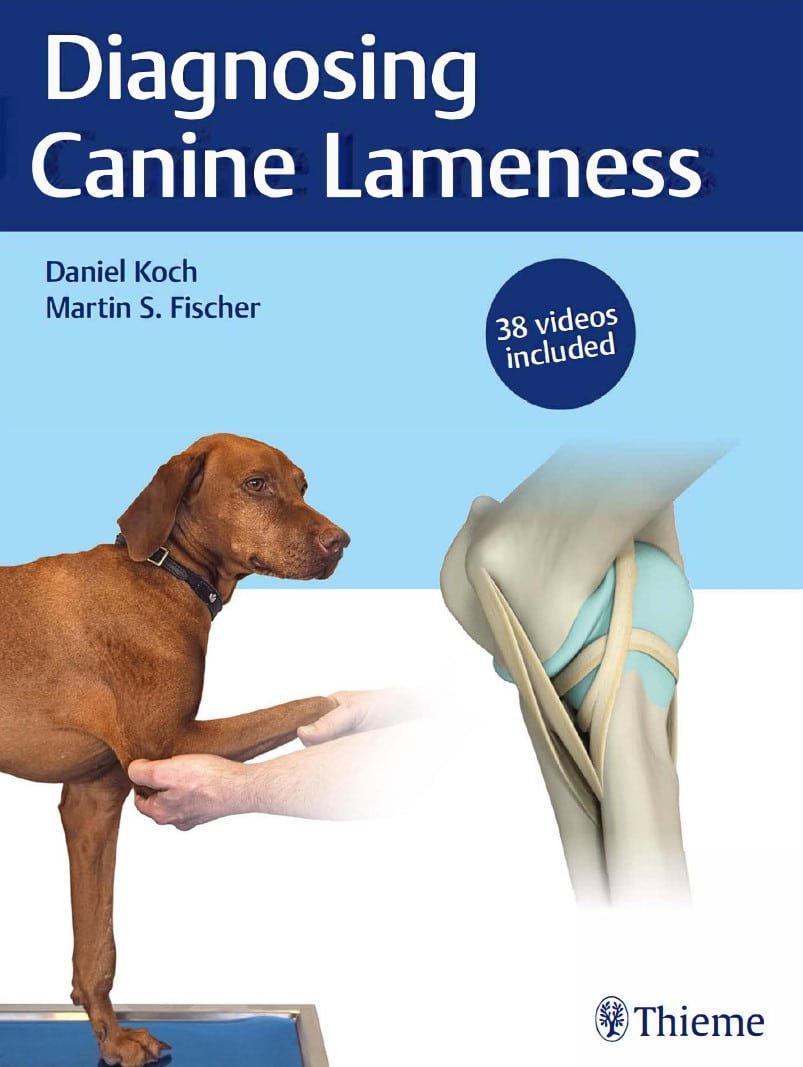
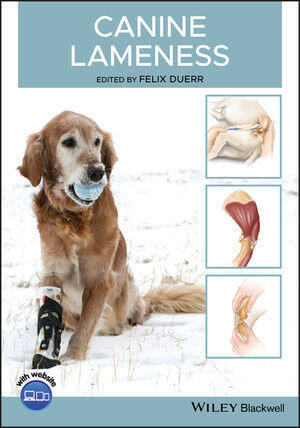
Diagnosing Canine Lameness

Diagnosing Canine Lameness (38 Videos Included)

Diagnosing Canine Lameness (38 Videos Included)

By Daniel Koch and Martin S. Fischer

Diagnosing Canine Lameness is a guide to systematic, step by step lameness examination is based on the latest findings in locomotion research.

Each step of the examination is clearly described and informatively illustrated. Video demonstrations of techniques used throughout the examination process are also provided. An introductory chapter delivers the key to a functional understanding of canine anatomy. Anatomical structures relevant to each stage of the examination are depicted in detailed graphics to faciliate elucidation of findings derived from palpation. The most common observations and their interpretation are presented in convenient, quick-reference summaries. Investigation of lameness is complemented by a comprehensive guide to neurological examination, including accompanying videos.

The most important orthopedic and neurological disorders are presented through video examples of abnormal gaits, as well as detailed descriptions of diagnostics and therapeutics.

Canine Lameness

Recommended Book:
Table of Contents

Diagnosing Canine Lameness Table of Contents:

Part 1 Basic Principles
1 Physiology and Anatomy of the Locomotor

Part 2 Diagnostic Procedure
2 Introduction
3 Anamnesis
4 Visual Assessment and Gait Analysis
5 Examination of the Dog in a Standing Position
6 Examination of the Dog in Recumbency
7 Neurological Examination

Part 3 Therapeutic Guidelines for Common Disorders
8 Important Orthopedic Disorders
9 Selected Neurological Disorders

Part 4 Appendix
10 Glossary of Terms
11 Video Content
12 Image Attribution

Get This Book

This Book is Avaiable for Members

Access this book instantly with a Premium membership

📄 PDF Format
⚡ Instant Delivery
Unlock Premium Access

MiniVet Guide: Emergency Medicine

MiniVet Guide: Emergency Medicine

Minivet Guide: Emergency Medicine

By Gerardo Poli and Taleta Hompas

Everything you love about the MiniVet Guide Companion Animal Medicine: pocket-sized, concise, practical and relevant focusing on common emergency procedures designed to help Veterinarians find the resources that they need in an emergency… Fast!
In MiniVet Guide: Emergency Medicine, Common emergency presentations are listed alphabetically (except CPR which is at the top – because when you need this information, you need it fast!).
Whether you’re a student on final year rotations or studying for final year exams, a new graduate in their first year of practice, an experienced emergency veterinarian or a veterinarian working with emergency patients, the MiniVet Guide to Emergency Medicine is here to make our veterinary careers a little easier. It is not just a book – it’s a lifesaver!

Features

• Core concepts
• Flowcharts
• DDx Algorithm
• Drug Index
• Procedures

Table of Contents

  1. Cardiopulmonary Resuscitation

  2. Emergency Drugs

  3. Constant Rate Infusion: Vasopressors/Inotropes

  4. Acute Abdominal Pain

  5. DDx Algorithm: Abdominal pain

  6. AFAST/TFAST

  7. ALI/ARDS

  8. Anaemia and Pale Mucous Membranes

  9. Flowchart: Non-Regenerative Anaemia

  10. Flowchart: Pale mucous membranes

  11. DDx Algorithm: Anaemia

  12. Anaesthesia and Analgesia

  13. Sedatives, Premedicants

  14. Induction and Maintenance

  15. Opioids

  16. Constant Rate Infusion: Analgesia/Anesthesia

  17. Local Anaesthetics

  18. Non-Steroidal Anti-inflammatories

  19. Procedures: Arterial Catheter Placement, Central Venous Catheterisation Placement, Intravenous Catheter Placement

  20. Antimicrobial Selection

  21. Antibiotics

  22. Constant Rate Infusion: Antibiotic Medications

  23. Biochemistry

  24. Sample Collection and Storage

  25. Cardiovascular Disease

  26. Pericardial effusion

  27. Flowchart: Weakness/Collapse

  28. DDx Algorithm: Heart murmur, Syncope/Collapse

  29. Cardiopulmonary Drugs

  30. Constant Rate Infusion: Cardiac Medications

  31. Procedure: Pericardial Effusion Drainage

  32. Coagulopathy

  33. Acute Coagulopathy of Trauma and Shock (ACOTS)

  34. Flowchart: Bleeding

  35. Constipation and Tenesmus

  36. Sample Collection and Storage

  37. Diarrhoea: Small intestine, Large intestine

  38. Flowchart: Diarrhoea (Small/Large Intestine)

  39. DDx Algorithm: Diarrhoea, Haematemesis, Haematochezia, Malena

  40. Flowchart: Effusions/Oedema

  41. Endocrine Disease

  42. Critical Illness-Related Corticosteroid Insufficiency (CIRCI)

  43. Fluid Therapy

  44. Gastric Distension and Volvulus

  45. DDx Algorithm: Abdominal distension

  46. Heatstroke

  47. Jaundice

  48. Kidney Disease (Acute and Chronic)

  49. Procedure: Dog Indwelling Catheter Placement

  50. Mechanical Ventilation

  51. Neurological Disease

  52. Neurological Exam, Vestibular Disease

  53. Flowchart: Seizure disorders, Status Epilepticus, Constipation/Tenesmus

  54. Cytology

  55. Flowchart: Diarrhoea

  56. DDx Algorithm: Haematemesis, Haematochezia, Malena

  57. Haematology

  58. DDx Algorithm: Hyperthermia

  59. Hepatobiliary Disease

  60. Flowchart: Jaundice, Anuria/Oliguria

  61. Nutrition

  62. Refeeding Syndrome

  63. Pancreatic Disease

  64. Pyrexia of Unknown Origin

  65. Flowchart: Pyrexia of unknown origin

  66. Radiology

  67. Respiratory Disease

  68. Tracheal Collapse, Laryngeal Paralysis, Feline Bronchial Disease, Pneumonia, Pleural Effusion

  69. Flowchart: Respiratory distress

  70. Procedures: Temporary Tracheostomy Tube Placement, Thoracostomy Tube Placement

  71. Seizure Disorders

  72. DDx Algorithm: Seizures, Paresis/Paralysis

  73. Ophthalmology

  74. DDx Algorithm: Blindness, Dystocia

  75. Shock and Anaphylaxis

  76. Skeletal Disease

  77. DDx Algorithm: Multiple Joint/Limb Lameness, Single Joint/Limb Lameness

  78. Toxicology

  79. Transfusion Therapy

  80. Urinary Tract Disease

  81. DDx Algorithm: Dysuria, Haematuria

  82. Vomiting and Regurgitation

  83. Flowchart: Regurgitation, Vomiting (Acute and Chronic)

  84. Procedures: Nasogastric Tube Placement, Oesophagostomy Tube Placement

  85. Wound Management

Get This Book

File Size 466 MB
File Format PDF
Download  link: Download Now | Go Premium, Unlock All Books
Useful Links: Support | Browse All Categories
Join Telegram Channel: Telegram