Home Blog Page 264

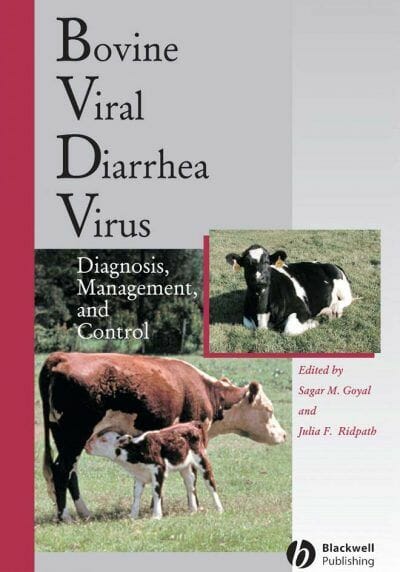
Bovine Viral Diarrhea Virus: Diagnosis, Management,and Control

Bovine Viral Diarrhea Virus: Diagnosis, Management, and Control By Sagar M. Goyal, Julia F. Ridpath

Bovine Viral Diarrhea Virus: Diagnosis, Management, and Control

Bovine Viral Diarrhea Virus: Diagnosis, Management, And Control By Sagar M. Goyal, Julia F. Ridpath

By Sagar M. Goyal, Julia F. Ridpath

For almost 60 years, continual research on the subject of Bovine Viral Diarrhea (BVD) has raised as many questions as that research has answered. This common disease continues to cause sickness, death, abortion and fetal anomalies despite the millions of vaccination doses used each year to prevent its spread.

Bovine Viral Diarrhea Virus: Diagnosis, Management, and Control PDF Written by international experts on the subject of the BVD virus, BVDV: Diagnosis, Management and Control includes the latest information on BVD and outlines methods of diagnosis, management and control. Researchers, academics, and large animal practitioners will find this book an invaluable and irreplaceable resource for understanding and controlling outbreaks of BVD.

Read more: Bovine Reproduction, 2nd Edition

Table of Contents

Contributors.

Preface.

1. Introduction and History. (Dirk Deregt).

2. Distribution and Prevalence. ( Hans Houe).

3. Virus Classification and Molecular Virology. (Julia F. Ridpath).

4. Virus Replication. (S. K. Hietala and B.M. Crossley).

5. Virus Transmission. (Mark C. Thurmond).

6. Clinical Features. (James F. Evermann and George M. Barrington).

7. Pathogenesis. (E. Liebler-Tenorio).

8. Reproductive Disease and Persistent Infections. (Kenny V. Brock, Daniel L. Grooms, and M. Daniel Givens).

9. Immunity and Immunosuppression. (Sanjay Kapil, Paul Walz, Melinda Wilkerson and Harish Minocha).

10. Hosts. (Trevor R. Ames).

11. Interactions of Virus and Host. (John D. Neill).

12. Diagnosis. (Sagar M. Goyal).

13. Vaccines. (Robert L. Fulton).

14. Management Systems and Control Programs. (Robert L. Larson).

15. Conclusions and Future Research. (Julia F. Ridpath and Sagar M. Goyal).

Index.

Get This Book

File Size 3 MB
File Format PDF
Download  link Download Now | Go Premium, Unlock All Books
Support & Updates Support | Browse All Categories
Join Our Telegram Channel Telegram
More Books: Browse All Categories

Biochemistry, 8th Edition

Biochemistry, 8th Edition By Jeremy M. Berg , John L. Tymoczko , Gregory J. Gatto Jr. , Lubert Stryer

Biochemistry, 8th Edition

Biochemistry, 8Th Edition By Jeremy M. Berg , John L. Tymoczko , Gregory J. Gatto Jr. , Lubert Stryer

By Jeremy M. Berg , John L. Tymoczko , Gregory J. Gatto Jr. , Lubert Stryer

Biochemistry, 8th Edition PDF. For four decades, this extraordinary textbook played an pivotal role in the way biochemistry is taught, offering exceptionally clear writing, innovative graphics, coverage of the latest research techniques and advances, and a signature emphasis on physiological and medical relevance. Those defining features are at the heart of this edition.

Read more: Fundamentals of Biochemistry 5th Edition

Clear Writing
Biochemistry makes the language of the course as accessible as possible. Its straightforward and logical organization enhances clarity by stepping the reader through processes and helping them navigate complex pathways and mechanisms. In this edition, as in all previous editions, the authors thoroughly revised the text with an eye for clarity, rewriting and reorganizing discussions where advances in the field have given us a different perspective on biochemistry.

Precise, informative Illustrations
Each figure focuses on a single concept, clearly telling the story of a mechanism, pathway or process without the distraction of excess detail.

Physiological Relevance
Biochemistry helps students see their own lives in the in the study of life at the smallest scale. It presents pathways and processes in a physiological context to show how biochemistry works in different parts of the body and under different environmental and hormonal conditions.

Clinical Insights
Wherever appropriate, pathways and mechanisms are applied to health and disease in discussions. These applications show students how biochemistry is relevant to them while reinforcing the concepts they have just learned.

Evolutionary Perspective
Evolution is evident in the structures and pathways of biochemistry, and is woven into the narrative of the textbook.

LaunchPad
Developed with extensive feedback from instructors and students, this new online course space offers:

  • Pre-built units for each chapter, curated by experienced educators, with media organized and ready to assign or customize to suit your course.
  • All resources for the text in one location, including an interactive e-book, LearningCurve adaptive quizzing (see below), Case Studies, clicker questions, and more.
  • Intuitive and useful analytics and gradebook that reveals how your class is doing individually and as a whole.
  • A streamlined and intuitive interface that lets you create your entire course in minutes.

LearningCurve
In a game-like format, LearningCurve adaptive and formative quizzing provides an effective way to get students involved in the coursework. It offers:

  • A unique learning path for each student, with quizzes shaped by each individual’s correct and incorrect answers.
  • A Personalized Study Plan, to guide students’ preparation for class and for exams.
  •  Feedback for each question with live links to relevant e-book pages, guiding students to the reading they need to do to improve their areas of weakness.

NEW Case Studies
With these assignable and assessable biochemistry case studies, students work with data, develop critical thinking skills, connect topics and apply what they’re learning to real scenarios. Cases include suggestions for using them in the classroom and aligned assessment questions for quizzes and exams.

NEW Clicker Questions (Microsoft Word and PowerPoint)
With these questions, instructors can integrate active learning in the classroom and assess students’ understanding of key concepts during lectures.

New Coauthor, Gregory J. Gatto, Jr.
A longtime contributor to the text, Gatto has made major contributions throughout the new edition, leading the revision of:

Chapter 2. Protein Composition and Structure
Chapter 3. Exploring Proteins and Proteomes
Chapter 5. Exploring Genes and Genomes
Chapter 6. Exploring Evolution and Bioinformatics
Chapter 7. Hemoglobin: Portrait of a Protein in Action
Chapter 12. Lipids and Cell Membranes
Chapter 13. Membrane Channels and Pumps
Chapter 14. Signal-Transduction Pathways
Chapter 34. The Immune System
Chapter 36 Drug DevelopmentContent Update Highlights
Chapter 5 Exploring Genes and Genomes
Expanded coverage on Mass Spectrometry, Protein Mass, Protein Identity
and Protein Sequence

Chapter 9 Catalytic Strategies
New section on “Mutations in Genes Encoding Hemoglobin Subunits Can Result in Disease”
New Clinical Insight “Thalassemia is caused by an imbalanced production of hemoglobin chains”

Chapter 13 Membrane Channels and Pumps
New Clinical Insight “Mutations in Protein Kinase A Can Cause Cushing Syndrome”

Chapter 14 Signal-Transduction Pathways

  • Expanded coverage in sections 14.1 & 14.2 to include:
  • Most Digestive Enzymes Are Secreted as Inactive Precursors
  • A new clinical insight “Protein Digestion Begins in the Stomach”
  • Protein Digestion Continues in the Intestine
  • A new clinical insight “Celiac Disease Results from the Inability to Properly Digest Certain Protein”

Chapter 15 Metabolism: Basic Concepts and Design
New section “Energy Is Required to Meet Three Fundamental Needs”
Expanded coverage on phosphates in biochemical processes

Chapter 16 Glycolysis and Gluconeogenesis
New Clinical Insight “Excessive fructose consumption can lead to pathological conditions”
New clinical Insight “Aerobic glycolysis is a property of rapidly growing cells”

Chapter 20 The Calvin Cycle and the Pentose Phosphate Pathway
New Clinical Insight “Loss of Iron-Sulfur Cluster Results in Friedreich’s Ataxia”

Chapter 21 Glycogen Metabolism
New Clinical Insight “ATP Synthase Can Be Regulated”

Chapter 22 Fatty Acid Metabolism
Expanded coverage on “The Activity of Chloroplast ATP Synthase Is Regulated”

Chapter 24 The Biosynthesis of Amino Acids
Expanded coverage on Phosphorylase

Chapter 26 The Biosynthesis of Membrane Lipids and Steroids
New Clinical Insight “The Pentose Phosphate Pathway Is Required For Rapid Cell Growth”

Chapter 27 The Integration of Metabolism
New Clinical Insight “Ketogenic Diets May Have Therapeutic Properties”
New Clinical Insight “Some Fatty Acids May Contribute to the Development of Pathological Conditions”

Chapter 28 DNA Replication, Repair, and Recombination
New Clinical Insight “Fatty Acid Metabolism Is Altered in Tumor Cells”

Chapter 29 RNA Synthesis and Processing
New Clinical Insight “Phosphatidylcholine Is An Abundant Phospholipid”
New Clinical Insight “Cycling of the LDL Receptor Is Regulated”
New Clinical Insight “The Clinical Management of Cholesterol Levels Can Be Understood at a Biochemical Level”

Chapter 30 Protein Synthesis
New Clinical Insight “Blood Levels of Aminotransferase Serve a Diagnostic Function”

This Book is Avaiable for Members

Access this book instantly with a Premium membership

📄 PDF Format
⚡ Instant Delivery
Unlock Premium Access

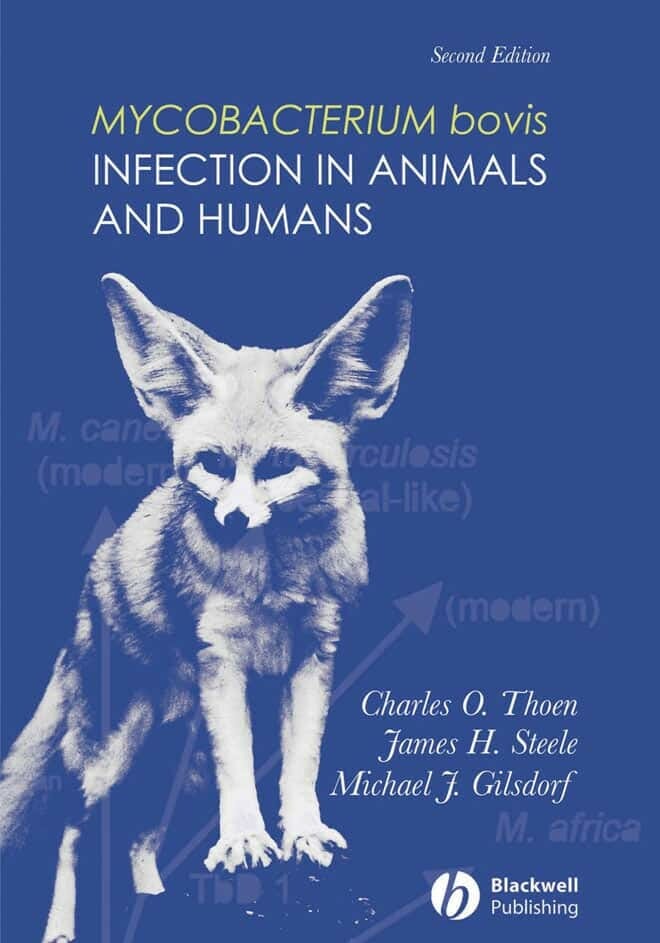
Mycobacterium bovis Infection in Animals and Humans 2nd Edition

Mycobacterium bovis Infection in Animals and Humans 2nd Edition PDF By Charles O. Thoen , James H. Steele , Michael J. Gilsdorf

Mycobacterium Bovis Infection in Animals and Humans 2nd Edition

Mycobacterium Bovis Infection In Animals And Humans 2Nd Edition Pdf By Charles O. Thoen , James H. Steele , Michael J. Gilsdorf

By Charles O. Thoen , James H. Steele , Michael J. Gilsdorf

Mycobacterium bovis Infection in Animals and Humans 2nd Edition PDF is Written by tuberculosis specialists from around the world, Mycobacterium Bovis Infection in Animals and Humans, Second Edition remains the most comprehensive collection of timely information regarding Mycobacterium bovis in any single source.

The chapters are organized for quick access to well-indexed topics, and extensive reference lists are included to aid infectious disease specialists, regulatory officials, diagnosticians, researchers or public health workers interested in M bovis.

This international reference includes the most current information on mechanisms of virulence of tubercle bacilli and immunologic and biochemical responses of the host involved in resistance. The book includes information on the diagnosis and application of the latest molecular techniques in epidemiologic investigations. Included are chapters on the economic impact of outbreaks of M. bovis in alternate species on control programs in domestic animals. There are also contributions by representatives of the International Union Against Tuberculosis and Lung Disease, PAHO of the World Health Organization, The Centers for Disease Control, and The University of Texas Health Center.

This excellent reference is an invaluable aid to clinicians dealing directly with tuberculosis, as well as to government regulatory personnel, professional and graduate students, and instructors in basic and allied health sciences.

Read more: Salmonella in Domestic Animals, 2nd Edition

Table of Contents

Contributors.

Preface.

1 Introduction.

2 Public Health Significance of M. Bovis.

3 Human TB due to M. bovis in Latin America and the Carribean.

4 Pathogenesis.

5 Epidemiology.

6 Diagnosis Tests for Bovine Tuberculosis.

7 Molecular Techniques: Applications in Epidemiologic Studies.

8 PCR Detection of M. Tuberculosis Complex in Formalin Fixed Tissues.

9 Economics of Bovine Tuberculosis.

10 A Tuberculosis Outbreak in Farmed Deer in Sweden and its Economic Consequences.

11 Benefit and Cost Assessment of the U. S. Bovine Tuberculosis Eradication Program.

12 The Fall and Rise of Bovine Tuberculosis in Great Britain.

13 Economic Significance of Bovine Tuberculosis in Italy and Impact of Mycobacterium Bovis Infection in Wild Swine.

14 The Impact of Wildlife Reservoirs on M. bovis on Programs for the Eradication of Tuberculosis in Cattle in Ireland.

15 Control and Eradication of Bovine Tuberculosis in Central Europe.

16 Bovine Tuberculosis in Latin American and the Carribean.

17 The Status of Mycobacterium Bovis in India.

18 Bovine Tuberculosis in Russia and the Former States of the Soviet Union.

19 Mycobacterium Bovis in Africa.

20 Current Challenges and Impacts to the U.S. National Bovine Tuberculosis Eradication Program.

21 Impact of Bovine Tuberculosis in Wildlife on a National Eradication Program (Canada).

22 The Bovine Tuerculosis Program in South Africa.

23 Bovine Tuberculosis in China.

24 Mycobacterium Bovis infections in Cattles in Germany.

25 Tuberculosis in Captive Wild Animals.

26 Tuberculosis in Fur Seals and Sea Lions Caused by Mycobacterium pinnipedii.

27 Tuberculosis in Non-human Primates.

28 DNA Vaccines Against Tuberculosis.

29 Bovine Tuberculosis: Environmental Public Health Preparedness Considerations for the Future.

Index

Get This Book

File Size 9.7 MB
File Format PDF
Download  link Download Now | Go Premium, Unlock All Books
Support & Updates Support | Browse All Categories
Join Our Telegram Channel Telegram
More Books: Browse All Categories

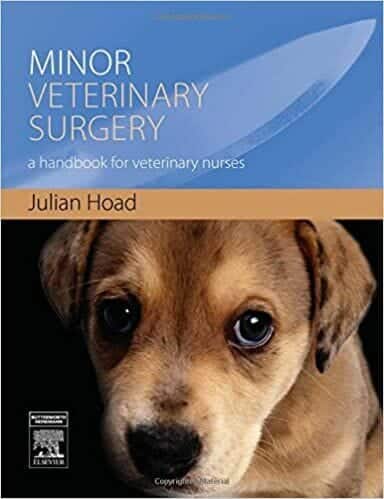
Minor Veterinary Surgery, A Handbook for Veterinary Nurses

Minor Veterinary Surgery, A Handbook for Veterinary Nurses PDF By Julian Hoad

Minor Veterinary Surgery, A Handbook for Veterinary Nurses

Minor Veterinary Surgery, A Handbook For Veterinary Nurses Pdf By Julian Hoad

By Julian Hoad

Minor Veterinary Surgery, A Handbook for Veterinary Nurses PDF is directed primarily towards health care professionals outside of the United States. It brings together all the information needed for a veterinary nurse to confidently approach minor surgical procedures in small animals. Based on a thorough grounding of surgical principles, the book takes a hands-on approach and focuses on applying theory to practice. The author has included clear instructions for performing a number of minor surgical techniques and offers practical advice in the form of handy hints and tips making this a highly accessible and user-friendly text.

Read more: The Veterinary Nurse’s Practical Guide to Small Animal Anaesthesia

Table of Contents

Foreword
Preface
AcknoWledgements
Abbreviations
Part 1: General principles
1- The veterinary nurse and minor surgery
2- The minor surgical patient
3- Premedication and patient preparation
4- General anaesthesia
5- Wound dressings and bandages
Part 2: Minor surgical techniques
6- Wound management
7- Principles of soft-tissue surgery
8- Common surgical procedures
9- Dental and oral surgery
10- The postoperative patient
Glossary
Further reading
Useful addresses
Appendix 1
Suggested contents of emergency box
Appendix 2
Emergency procedure – cardiopulmonary arrest
Appendix 3
Emergency procedure – status epilepticus
Index

Get This Book

File Size 39 MB
File Format PDF
Download  link Download Now | Go Premium, Unlock All Books
Support & Updates Support | Browse All Categories
Join Our Telegram Channel Telegram
More Books: Browse All Categories

Minimum Standards For Wildlife Rehabilitation 4th Edition

Minimum Standards For Wildlife Rehabilitation, 4th Edition PDF By Erica A. Miller

Minimum Standards For Wildlife Rehabilitation, 4th Edition

Minimum Standards For Wildlife Rehabilitation, 4Th Edition Pdf By Erica A. Miller

By Erica A. Miller

Minimum Standards For Wildlife Rehabilitation, 4th Edition PDF. The US National Wildlife Rehabilitation Association (NWRA) and The International Wildlife Rehabilitation Council (IWRC) have jointly published the industry standard in rehabilitation management since 1989. The 3rd edition is no longer available from IWRC.

Minimum Standards for Wildlife Rehabilitation, 4th edition, is based on accepted norms in biology, medicine, behavior, natural history, and, of course, wildlife rehabilitation. The information in the publication pertains to all who rehabilitate wildlife, regardless of numbers and types of wildlife cared for, budget size, number of paid or volunteer staff, and size and location of activity.

This 116-page publication was reviewed and updated by experienced wildlife rehabilitators and provides useful information on appropriate cage sizes, disinfectants, and cage furniture while caring for wildlife undergoing rehabilitation.

Read more: Essential Facts of Physiotherapy in Dogs and Cats: Rehabilitation and Pain Management With DVD

Table of Contents

ACKNOWLEDGMENTS

LIST OF TABLES

CODE OF ETHICS

MESSAGE FROM THE PRESIDENTS

STATEMENT OF PURPOSE

DEFINITIONS

Chapter 1 – MINIMUM STANDARDS FOR REHABILITATION PROCESS

Chapter 2 – DISEASE CONTROL

Chapter 3 – BASIC REQUIREMENTS FOR HOUSING ANIMALS

Chapter 4 – AVIAN HOUSING REQUIREMENTS

Chapter 5 – MAMMAL HOUSING REQUIREMENTS

Chapter 6 – REPTILE HOUSING REQUIREMENTS

Chapter 7 – FINAL DISPOSITION

Appendices

Get This Book

File Size 3 MB
File Format PDF
Download  link Download Now | Go Premium, Unlock All Books
Support & Updates Support | Browse All Categories
Join Our Telegram Channel Telegram
More Books: Browse All Categories

Microbiologically Safe Foods

Microbiologically Safe Foods PDF By Norma L. Heredia , Irene V. Wesley, Jose Santos Garcia

Microbiologically Safe Foods

Microbiologically Safe Foods Pdf By Norma L. Heredia , Irene V. Wesley, Jose Santos Garcia

By Norma L. Heredia , Irene V. Wesley, Jose Santos Garcia

Microbiologically Safe Foods PDF book focuses on state of the art technologies to produce microbiologically safe foods for our global dinner table.  Each chapter summarizes the most recent scientific advances, particularly with respect to food processing, pre- and post-harvest food safety, quality control, and regulatory information.

The book begins with a general discussion of microbial hazards and their public health ramifications.  It then moves on to survey the production processes of different food types, including dairy, eggs, beef, poultry, and fruits and vegetables, pinpointing potential sources of human foodborne diseases. The authors address the growing market in processed foods as well novel interventions such as innovative food packaging and technologies to reduce spoilage organisms and prolong shelf life. Each chapter also describes the ormal flora of raw product, spoilage issues, pathogens of concern, sources of contamination, factors that influence survival and growth of pathogens and spoilage organisms, indicator microorganisms, approaches to maintaining product quailty and reducing harmful microbial populations, microbial standards for end-product testing, conventional microbiological and molecular methods, and regulatory issues.

Other important topics include the safety of genetically modified organisms (GMOs), predictive microbiology, emerging foodborne pathogens, good agricultural and manufacturing processes, avian influenza, and bioterrorism.

Read more: Analytical Methods for Food Safety by Mass Spectrometry, Volume I, Pesticides

Table of Contents

CONTRIBUTORS.

FOREWORD.

PREFACE.

I MICROBIAL FOOD HAZARDS.

1 PUBLIC HEALTH IMPACT OF FOODBORNE ILLNESS: IMPETUS FOR THE INTERNATIONAL FOOD SAFETY EFFORT  (Irene V. Wesley).

1.1 Introduction.

1.2 Statistical Estimates.

1.3 Impact of Representative Foodborne Pathogens.

1.4 National Microbial Baseline Surveys.

1.5 Global Marketplace.

References.

2 FOODBORNE PATHOGENS AND TOXINS: AN OVERVIEW (Santos Garcia and Norma Heredia).

2.1 Introduction.

2.2 Aeromonas.

2.3 Arcobacter.

2.4 Bacillus cereus.

2.5 Brucella.

2.6 Campylobacter.

2.7 Clostridium botulinum.

2.8 Clostridium perfringens.

2.9 Escherichia coli.

2.10 Listeria.

2.11 Plesiomonas shigelloides.

2.12 Salmonella.

2.13 Shigella.

2.14 Staphylococcus aureus.

2.15 Vibrio.

2.16 Yersinia.

2.17 Mycotoxins and Fungi.

2.18 Cryptosporidium.

2.19 Cyclospora.

2.20 Entamoeba.

2.21 Giardia.

2.22 Anisakis simplex.

2.23 Ascaris.

2.24 Diphyllobothrium latum.

2.25 Taenia.

2.26 Trichinella spiralis.

2.27 Hepatitis A and E Viruses.

2.28 Norovirus.

References.

II EMERGING ISSUES.

3 CRONOBACTER GEN. NOV. (ENTEROBACTER) SAKAZAKII: CURRENT KNOWLEDGE AND FUTURE CONSIDERATIONS (Genisis Iris Dancer and Dong-Hyun Kang).

3.1 Introduction.

3.2 History of Illness Caused by (E). sakazakii.

3.3 Infant Susceptibility.

3.4 Novel Prevention Strategies.

3.5 Infant Formula Processing.

3.6 Biochemical Characterization and Taxonomy.

3.7 Environmental Sources of (E). sakazakii.

3.8 Resistance and Virulence Factors of (E). sakazakii.

3.9 Current Isolation and Detection Techniques.

References.

4 PRION DISEASES (Debbie McKenzie and Judd Aiken).

4.1 Introduction.

4.2 Transmissible Spongiform Encephalopathies.

4.3 Nature of the Illness Caused.

4.4 Pathogenesis.

4.5 Characteristics of the Agent.

4.6 Epidemiology.

4.7 PrPSc Detection.

4.8 Physical Means of Destruction of the Organism.

4.9 Prevention and Control Measures.

References.

5 AVIAN INFLUENZA A (H5N1): POTENTIAL THREAT TO FOOD SAFETY (James Mark Simmerman and Peter K. Ben Embarek).

5.1 Introduction.

5.2 Emergence of H5N1 Avian Influenza.

5.3 Epidemiology of Human H5N1 Infection.

5.4 Clinical Presentation and Laboratory Diagnosis.

5.5 Food Safety Considerations.

5.6 Global Response.

References.

III FOOD SAFETY ISSUES AND THE MICROBIOLOGY OF SPECIFIC COMMODITIES.

6 FOOD SAFETY ISSUES AND THE MICROBIOLOGY OF BEEF (Robin C. Anderson, Steven C. Ricke, Bwalya Lungu, Michael G. Johnson, Christy Oliver, Shane M. Horrocks, and David J. Nisbet).

6.1 Introduction.

6.2 Enterohemorrhagic Escherichia coli O157:H7 in Beef.

6.3 Salmonella in Beef.

6.4 Listeria in Beef.

6.5 Campylobacter in Beef.

6.6 Control of Foodborne Pathogens in Beef.

6.7 Conclusions.

References.

7 FOOD SAFETY ISSUES AND THE MICROBIOLOGY OF MILK AND DAIRY PRODUCTS (Mansel W. Griffiths).

7.1 Introduction.

7.2 Microflora of Raw Milk.

7.3 Public Health Concerns from Dairy Products.

7.4 Milk and Cream.

7.5 Cheese and Fermented Dairy Products.

7.6 Ice Cream.

7.7 Butter.

7.8 Milk Powder.

7.9 Detection of Microorganisms in Milk.

7.10 Novel Processing Methods.

7.11 Global Trade and Regulations.

References.

8 FOOD SAFETY ISSUES AND THE MICROBIOLOGY OF POULTRY (Irene V. Wesley).

8.1 Introduction.

8.2 Characteristics of Foodborne Illness.

8.3 Approaches to Maintaining Product Quality and Reducing the Number of Microorganisms.

8.4 Conclusions.

References.

9 FOOD SAFETY ISSUES AND THE MICROBIOLOGY OF EGGS AND EGG PRODUCTS (Jean-Yves D’Aoust).

9.1 Shell Egg Development and Structure.

9.2 Microflora of Shell Eggs.

9.3 Significance of the Detection of Salmonella.

9.4 Eggborne Outbreaks of Human Salmonellosis.

9.5 Thermal Processing of Egg Products.

9.6 Potentially Hazardous Egg Products in the Home.

9.7 Control.

References.

10 FOOD SAFETY ISSUES AND THE MICROBIOLOGY OF PORK (Gay Y. Miller and James S. Dickson).

10.1 Introduction.

10.2 Normal Flora of Raw Pork.

10.3 Spoilage.

10.4 Pathogens of Concern.

10.5 Risk of Contamination During Processing.

10.6 Survival and Growth of Pathogens and Spoilage Organisms in Pork Products.

10.7 Indicator Microorganisms.

10.8 Maintaining Product Quality and Reducing the Number of Microorganisms.

10.9 Microbiological Methods for Detection and Quantification.

10.10 Regulations.

References.

11 FOOD SAFETY ISSUES AND THE MICROBIOLOGY OF FISH AND SHELLFISH (Lucio Galaviz-Silva, Gracia Gomez-Anduro, Zinnia J. Molina-Garza, and Felipe Ascencio-Valle).

11.1 Introduction.

11.2 Normal Flora of Fish and Shellfish.

11.3 Microbial Hazards and Preventive Measures.

11.4 Spoilage.

11.5 Seafood Processing and Food Safety.

11.6 Product Quality and Microorganism Reduction Methods.

11.7 Microbiological Methods for Detection and Quantification of Seafood Pathogens.

11.8 Food Safety Challenges for Aquaculture and the Commercial Fishing Industry.

11.9 Effects of Climate on Waterborne and Foodborne Seafood Pathogens.

11.10 Conclusions.

References.

12 FOOD SAFETY ISSUES AND THE MICROBIOLOGY OF FRUITS AND VEGETABLES (Juan S. Leon, Lee-Ann Jaykus, and Christine L. Moe).

12.1 Introduction.

12.2 Normal Microflora of Fresh Produce.

12.3 Spoilage of Fresh Produce.

12.4 Human Pathogens Associated with Produce.

12.5 Factors that Influence Survival and Growth of Organisms.

12.6 Microbiological Methods for Detection and Quantification.

12.7 Indicator Microorganisms.

12.8 Sources of Produce Contamination.

12.9 Maintaining Produce Quality and Reducing the Number of Microorganisms.

12.10 Regulations.

12.11 Conclusions.

References.

13 FOOD SAFETY ISSUES AND THE MICROBIOLOGY OF FRUIT BEVERAGES AND BOTTLED WATER (Mickey E. Parish).

13.1 Introduction.

13.2 Normal Microflora.

13.3 Spoilage.

13.4 Pathogens.

13.5 Maintaining Product Quality and Reducing Microbial Numbers.

13.6 U.S. Regulations.

References.

14 FOOD SAFETY ISSUES AND THE MICROBIOLOGY OF CANNED AND FROZEN FOODS (Nina G. Parkinson).

14.1 Introduction.

14.2 History of Canned Foods.

14.3 Categories of Canned Foods.

14.4 Safety of Canned Foods.

14.5 Microbial Spoilage of Canned Foods.

14.6 History of Frozen Foods.

14.7 Principles of Frozen Food Preservation.

14.8 Safety and Spoilage of Frozen Foods.

14.9 U.S. Regulations.

References.

15 FOOD SAFETY ISSUES AND THE MICROBIOLOGY OF CEREALS AND CEREAL PRODUCTS (Lloyd B. Bullerman and Andreia Bianchini).

15.1 Introduction.

15.2 Health Implications of Fungal Deterioration of Grains.

15.3 Mycotoxins.

15.4 Media and Methods for Molds and Mycotoxins.

References.

16 FOOD SAFETY ISSUES AND THE MICROBIOLOGY OF SPICES AND HERBS (Keith A. Ito).

16.1 Introduction.

16.2 Use of Spices and Herbs in Foods.

16.3 Antimicrobial Effects.

16.4 Contamination of Spices and Herbs.

16.5 Recalls and Outbreaks.

16.6 Control Procedures.

16.7 Conclusions.

References.

17 FOOD SAFETY ISSUES AND THE MICROBIOLOGY OF MAYONNAISE, SALAD DRESSINGS, ACIDIC CONDIMENTS, AND MAYONNAISE-BASED SALADS (Larry R. Beuchat).

17.1 Introduction.

17.2 Mayonnaise.

17.3 Salad Dressings and Sauces.

17.4 Acidic Condiments.

17.5 Salads, Sandwiches, and Other Ready-to-Eat Foods Containing Mayonnaise and Acidic Condiments.

References.

18 FOOD SAFETY ISSUES AND THE MICROBIOLOGY OF CHOCOLATE AND SWEETENERS (Norma Heredia and Santos Garcia).

18.1 Introduction.

18.2 Normal Flora of Raw and Fermented Cocoa Beans.

18.3 Spoilage and Shelf Life of Chocolate.

18.4 Pathogens in Confectionery Products.

18.5 Sources of Contamination.

18.6 Factors that Influence Survival and Growth of Pathogens and Spoilage Organisms.

18.7 Maintaining Product Quality and Reducing Microbial Numbers.

18.8 Microbiological Methods for Detection and Quantification.

18.9 Regulations.

References.

IV PREVENTION AND CONTROL STRATEGIES.

19 MICROBIAL RISK ASSESSMENT (Marianne D. Miliotis and Robert L. Buchanan).

19.1 Introduction.

19.2 Risk Assessment Framework.

19.3 Risk Assessment Analytical Tools.

19.4 Qualitative vs. Quantitative Risk Assessments.

19.5 Types of Risk Assessment.

19.6 Predictive Microbiology.

19.7 Using Risk Assessment to Make Risk Management Decisions.

References.

20 GOOD MANUFACTURING PRACTICES (Olga I. Padilla-Zakour).

20.1 Introduction.

20.2 Personnel.

20.3 Buildings and Facilities.

20.4 Sanitation.

20.5 Pest Control.

20.6 Equipment.

20.7 Operations.

20.8 Warehousing and Distribution.

20.9 Sanitation Standard Operating Procedures.

References.

21 CLEANING AND SANITIZING OPERATIONS (Kevin Keener).

21.1 Introduction.

21.2 Food Sanitation.

21.3 Food Regulations.

21.4 Sanitation Programs.

21.5 Sanitation Program Development.

21.6 Crisis Management: How to Survive a Recall.

21.7 Educational and Training Resources.

References.

22 HAZARD ANALYSIS OF CRITICAL CONTROL POINTS (Martin W. Bucknavage and Catherine Nettles Cutter).

22.1 Introduction.

22.2 HACCP Fundamentals.

22.3 Conclusions.

References.

23 TRADITIONAL AND HIGH-TECHNOLOGY APPROACHES TO MICROBIAL SAFETY IN FOODS (Tatiana Koutchma).

23.1 Introduction.

23.2 Thermal vs. Nonthermal Technology.

23.3 Establishment of Specifications for Preservation.

23.4 Technologies Based on Thermal Effects.

23.5 Technologies Based on Nonthermal Effects.

23.6 Conclusions.

References.

24 FOOD PRESERVATION TECHNIQUES OTHER THAN HEAT AND IRRADIATION (Ronald G. Labbe and Linda L. Nolan).

24.1 Introduction.

24.2 Traditional Physical Methods of Food Preservation.

24.3 Food Antimicrobials.

24.4 Preservatives from Biological Sources.

24.5 Hurdle Technology.

References.

25 FOOD SAFETY AND INNOVATIVE FOOD PACKAGING  (Jung (John H. Han).

25.1 Introduction.

25.2 Innovative Packaging to Enhance Food Safety.

25.3 Conclusions.

References.

V DETECTION OF FOODBORNE PATHOGENS.

26 TRADITIONAL METHODS FOR DETECTION OF FOODBORNE PATHOGENS (Luisa Solıs, Eduardo Sanchez, Santos Garcıa, and Norma Heredia).

26.1 Introduction.

26.2 General Quantification Methods.

26.3 Quantification and Detection Methods for Specific Microorganisms.

References.

27 RAPID METHODS FOR FOODBORNE BACTERIAL ENUMERATION AND PATHOGEN DETECTION (Peter Feng and Norma Heredia).

27.1 Introduction.

27.2 Logistics of Food Testing.

27.3 Rapid Pathogen Testing Methods.

27.4 Rapid Enumeration Methods.

27.5 Logistics, Resources, and Applicability.

References.

28 LABORATORY ACCREDITATION AND PROFICIENCY TESTING (DeAnn L. Benesh).

28.1 Introduction.

28.2 Laboratory Accreditation.

28.3 Proficiency Testing.

28.4 Global Perspectives.

References.

VI CURRENT AND FUTURE ISSUES IN FOOD SAFETY.

29 BIOTERRORISM AND FOOD SAFETY  (Barbara. A. Rasco and Gleyn E. Bledsoe).

29.1 Introduction.

29.2 The Need for Protective Food Security Programs.

29.3 Vulnerability Assessment.

29.4 Emergency Response and Product Recovery.

29.5 Prevention as the First Line of Defense.

29.6 Development of a Food Security Plan Based on HACCP Principles.

29.7 Evaluating Security Risks and Identifying Hazards.

29.8 Managing Risk: Preventive Measures.

29.9 Security Strategies.

Appendix: An Example.

References.

30 PREDICTIVE MICROBIOLOGY: GROWTH IN SILICO (Mark L. Tamplin).

30.1 Introduction.

30.2 Applications of Predictive Microbiology in the Food Industry.

30.3 Models.

30.4 Tools in Predictive Microbiology.

30.5 Databases to Support Predictive Microbiology.

30.6 Conclusions.

References.

31 ROLE OF GENETICALLY MODIFIED ORGANISMS IN FOOD SAFETY (Fidel Guevara-Lara).

31.1 Introduction .

31.2 Genetically Modified Foods in the World Market.

31.3 Potential of GMOs to Increase Food Safety.

31.4 Increased Safety of GMOs for the Environment and Human Health.

31.5 Food Safety Issues and Public Concerns Regarding GMOs.

31.6 Conclusions.

References.

INDEX.

Get This Book

File Size 18 MB
File Format PDF
Download  link Download Now | Go Premium, Unlock All Books
Support & Updates Support | Browse All Categories
Join Our Telegram Channel Telegram
More Books: Browse All Categories

Metabolic Diseases of Dairy Cattle: Veterinary Clinics of North America, Food Animal Practice

Metabolic Diseases of Dairy Cattle: Veterinary Clinics of North America, Food Animal Practice By Thomas H. Herdt

Metabolic Diseases of Dairy Cattle: Veterinary Clinics of North America, Food Animal Practice

Metabolic Diseases Of Dairy Cattle: Veterinary Clinics Of North America, Food Animal Practice By Thomas H. Herdt

By Thomas H. Herdt

Metabolic Diseases of Dairy Cattle: Veterinary Clinics of North America, Food Animal Practice PDF. A current, comprehensive issue on metabolic diseases for the food animal practitioner. Topics include obesity and insulin resistance in dairy cows, ketosis therapy, use of serum NEFA and BHBA concentrations in herd-level assessment, mineral nutrition in transition diets, protein, fat, and energy in dairy transition diets, prophylactic calcium therapy in peripartum dairy cows, metabolic regulators of feed intake, assessing and managing body condition score for the prevention of metabolic disease, and more!

Read more: Rebhun’s Diseases of Dairy Cattle 3rd Edition

Get This Book

File Size 4 MB
File Format PDF
Download  link Download Now | Go Premium, Unlock All Books
Support & Updates Support | Browse All Categories
Join Our Telegram Channel Telegram
More Books: Browse All Categories

Methods in Gut Microbial Ecology for Ruminants

Methods in Gut Microbial Ecology for RuminantsBy Harinder P.S. Makkar , Christopher S. McSweeney

Methods in Gut Microbial Ecology for Ruminants

Methods In Gut Microbial Ecology For Ruminantsby Harinder P.s. Makkar , Christopher S. Mcsweeney

By Harinder P.S. Makkar , Christopher S. McSweeney

Methods in Gut Microbial Ecology for Ruminants PDF.  As a result of various human activities, such as an increase in human population, a decrease in arable land due to soil degradation, urbanization, industrialization, and associated increase in the demand for livestock products, dramatic changes are occurring in the global ruminant livestock sector. These changes include the size of regional livestock populations and the types of management and feeding systems under which ruminant livestock are held, and increased demand for a wider range of quality attributes from animal agriculture, not just of the products themselves but also of the methods used in their production. The livestock sector will need to respond to new challenges of increasing livestock productivity while protecting the environment and human health and conserving biodiversity and natural resources. The micro-organisms in the digestive tracts of ruminant livestock have a profound influence on the conversion of feed into end products, which can impact on the animal and the environment. As the livestock sector grows particularly in developing countries, there will be an increasing need to understand these processes for b- the management and use of both feed and other natural resources that underpin the development of sustainable feeding systems.

Improving Rumen Function

Related Book:

Get This Book

File Size 8.8 MB
File Format PDF
Download  link Download | Go Premium, Lifetime Deal!
Updates & Support Support | Browse All Categories
Become a Premium Premium Membership
More Books: Browse All Categories

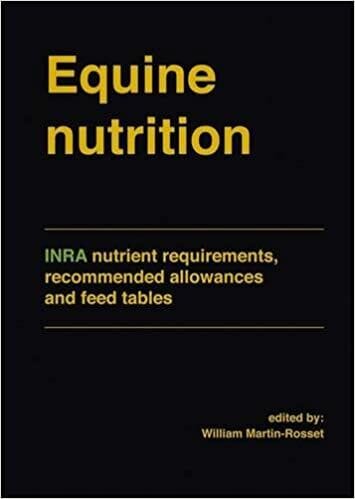
Equine Nutrition: Inra Nutrient Requirements, Recommended Allowances and Feed Tables

Equine Nutrition: Inra Nutrient Requirements, Recommended Allowances and Feed Tables PDF By William Martin-Rosset

Equine Nutrition INRA Nutrient Requirements, Recommended Allowances, and Feed Tables

Equine Nutrition: Inra Nutrient Requirements, Recommended Allowances And Feed Tables Pdf By William Martin-Rosset

By William Martin-Rosset

Equine Nutrition: Inra Nutrient Requirements, Recommended Allowances and Feed Tables PDF deals with the UFC system for net energy, the MADC system for global amount of amino acids, and the evaluation of intake. These systems allow accurate comparison of the nutritive value of feeds, the formulation of well-balanced rations to achieve production or utilisation goals, and the prediction of equine performance from the quantity and quality of the ration.’Equine nutrition’ provides an update of the nutrient requirements for all the main categories of equine including mare, stallion, young horse and exercise horse of different breeds and sports or races and pulling, pony and donkey. The tables of allowances and the simple approach to formulation of rations based on the use of a maximum amount of forage are likely to be widely applicable. The nutrient requirements and allowances are based on factorial and feeding trial methods carried out at INRA. A method for ration formulation and evaluation is displayed. The importance of grass during summer for the different categories of equines is evaluated and grazing management is described. Feed allowances and feeding practices are proposed in respect of health and behaviour of the equine.The feed tables list about 170 forages and crop residues, 80 concentrates and by-product feeds. Data have been derived from digestibility trials on horses, carried out at INRA and measurements of voluntary intake for most of the forages.This book is intended for scientists, teachers and their students, advisers and industrialists.

Read more: Manual of Equine Lameness, 2nd Edition

Table of Contents

Front Matter

Chapter 1. Nutritional principles for horses

Chapter 2. Diet formulation

Chapter 3. The mare

Chapter 4. The stallion

Chapter 5. The growing horse

Chapter 6. The exercising horse

Chapter 7. Fattening horse for meat

Chapter 8. Ponies, donkeys and other cases of interest

Chapter 9. Feeds, additives and contaminants

Chapter 10. Pasture

Chapter 11. Harvest and preservation of forages

Chapter 12. Nutritive value of feeds

Chapter 13. Formulating a ration

Chapter 14. Environmental impact of horses

Chapter 15. Behaviour and behavioural management during rearing and stabling

Chapter 16. Tables of chemical and nutrient composition of feedstuffs

Back Matter

Get This Book

File Size 8.12 MB
File Format PDF
Download  link Download Now | Go Premium, Unlock All Books
Support & Updates Support | Browse All Categories
Join Our Telegram Channel Telegram
More Books: Browse All Categories

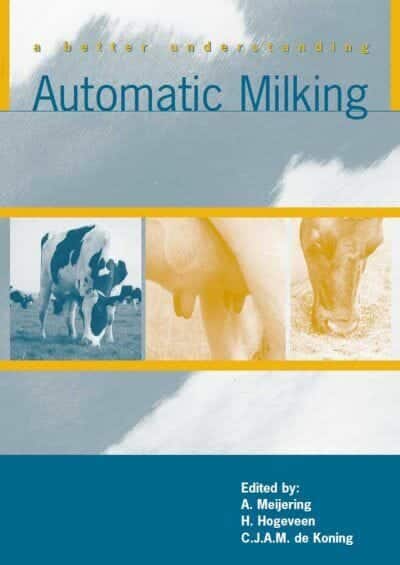
Automatic Milking: A Better Understanding

Automatic Milking: A Better Understanding By Ed. Meijering, A.

Automatic Milking: A Better Understanding

Automatic Milking: A Better Understanding By Ed. Meijering, A.

By Ed. Meijering, A.

Automatic Milking: A Better Understanding PDF. In 2000 the book Robotic Milking, reflecting the proceedings of an International Symposium which was held in The Netherlands came out. At that time, commercial introduction of automatic milking systems was no longer obstructed by technological inadequacies. Particularly in a few west-European countries, systems were being installed at an increasing rate. However, it was recognised that the changeover from ‘traditional’ to automatic milking affected the farming operation, herd management and control of milk quality profoundly and that many of the implications were still unknown. So, new challenges in various fields of dairy farming and new research areas emerged.

Since this previous International Symposium, much has happened. In general automatic milking has been adopted as a realistic alternative for milking in the ‘traditional’ milking parlour. Systems have gradually been improved and, maybe even more importantly, farmers have become more familiar with their potential and limitations, both technically and in herd management. The number of farms milking with an automatic milking system has worldwide increased to more than 2.200 by the end of 2003.

From 2000 to now, the level of scientific knowledge on various aspects and consequences of automatic milking has increased largely as well because of research efforts all over the world. A significant share of these efforts has been made within the framework of a EU-granted project on the implications of the introduction of automatic milking on dairy farms. Some seven research institutes and six industrial companies from six countries joined their expertise and experience in order to facilitate a widespread adoption of automatic milking without undesirable side effects.

This book reflects the knowledge on automatic milking generated all over the world in the last few years. Its contents can therefore be regarded as the present state of knowledge in the field of automatic milking, for a better understanding.

Read more: Probiotics in Poultry Production, Concept and Applications

Get This Book

File Size 12 MB
File Format PDF
Download  link Download Now | Go Premium, Unlock All Books
Support & Updates Support | Browse All Categories
Join Our Telegram Channel Telegram
More Books: Browse All Categories