Home Blog Page 25

VetPocket Small Animal Reference Cards

VetPocket Small Animal Reference Cards PDF

Vetpocket Small Animal Reference Cards Pdf Download

By VetPocket

VetPocket Small Animal Reference Cards includes all of our 23 Reference Cards:

  • Anesthesia for Dogs and Cats (3 reference cards)
  • Blood Work for Dogs and Cats (2 reference cards)
  • Capnography Waveforms (3 reference cards)
  • CPR Emergency Drugs for Dogs and Cats (3 reference cards)
  • Dentistry for Cats (1 reference card)
  • Dentistry for Dogs (1 reference card)
  • Energy Requirements (1 reference card)
  • General Anesthesia Fluid Rate for Dogs and Cats (1 reference card)
  • Maintenance IV Fluid Rate (1 reference card)
  • Medical Calculations (2 reference cards)
  • Unit Conversion Factors (1 reference card)
  • Vaccination Guidelines (1 reference card)

The ultimate reference card bundle does not include a designation badge, a badge reel, a lanyard, or a sharpie.

  • Packed with high-quality essential information you need to know
  • Conveniently on you at all times, and at your fingertips
  • Aesthetic design
  • Created for pre-veterinary students, veterinary students, veterinary technicians, veterinary nurses, veterinary assistants and veterinarians
  • By a veterinarian with 10+ years practicing in the USA

Get This Book

File Size 6.4 MB
File Format PDF
Download  link: Download Now | Go Premium, Unlock All Books
Useful Links: Support | Browse All Categories
Join Telegram Channel: Telegram

Concise Textbook of Equine Clinical Practice Book 2: Reproduction and the Foal

Concise Textbook of Equine Clinical Practice Book 2 Reproduction and the Foal PDF

Concise Textbook Of Equine Clinical Practice Book 2: Reproduction And The Foal Pdf Download

By Tracey Chenier, Charles D. Cooke, Graham Munroe and Victoria Scott

Concise Textbook of Equine Clinical Practice Book 2: Reproduction and the Foal covers the essential information veterinary students and nurses, new graduates and practitioners need to succeed in equine practice, focussing on reproduction and the foal. Written for an international readership, the book conveys the core information in an easily digestible, precise form with extensive use of bullet-points, lists, diagrams, protocols and extensive illustrations (nearly 200 full colour, high quality photographs).

Part of a five-book series that extracts and updates key information from Munroe’s Equine Surgery, Reproduction and Medicine, Second Edition, the book distils best practice in a logical straightforward clinical-based approach. It details clinical anatomy, physical clinical examination techniques, diagnostic techniques and normal parameters, emphasising the things regularly available to general practitioners with minimal information of advanced techniques. The clinical information is split into anatomy-based sections.

Ideal for veterinary students and nurses on clinical placements with horses as well as for practitioners needing a quick reference ‘on the ground’.

See Also:

    1. Concise Textbook Of Equine Clinical Practice Book 1 Lameness
    2. Concise Textbook of Equine Clinical Practice Book 3: Respiratory and Gastrointestinal Diseases
    3. Concise Textbook of Equine Clinical Practice Book 4 Liver, Endocrine, Urinary, Skin and Wounds
    4. Concise Textbook of Equine Clinical Practice Book 5 Nervous System, Eyes, Cardiovascular Disorders and Haemolymphatic System
Table of Contents

  1.  The Female Reproductive Tract.
  2. The Male Reproductive Tract.
  3. The Foal.

Get This Book

This Book is Avaiable for Members

Access this book instantly with a Premium membership

📄 PDF Format
⚡ Instant Delivery
Unlock Premium Access

Vaccines in Small Animals: Boosting the Immune Response

Vaccines in Small Animals. Boosting the Immune Response PDF Download

Vaccines In Small Animals. Boosting The Immune Response Pdf Download

By Fernando Fariñas Guerrero, Marisa Palmero Colado, Rafael Astorga Márquez

Vaccines in Small Animals. Boosting the Immune Response. Cats are not small dogs and they are frequently forgotten in the literature. This book is intended to be an easy to use reference for practitioners and dermatology enthusiasts that only focuses on cats and their manifestations of skin disease. The emphasis will be on problem-based approach with numerous flowcharts and clinical images to provide examples of the various manifestations of skin disease in cats. The prominence is placed on clinically applicable information and experienced based clinical tips to help clinicians troubleshoot the various clinical presentations of skin disease in this species. Many dermatologic diseases may look alike and the purpose of Vaccines in Small Animals: Boosting the Immune Response book is to help clinicians successfully diagnose the underlying disease rather than empirically treat symptoms. Particular emphasis will be placed on syndromes that are peculiar of cats and the special precautions that need to be taken when prescribing treatments in this species.

Table of Contents

CHAPTER 1: Clinical approach to feline patients with Skin disorders

  • General onsiderations
  • Signalment and history
  • Physical examination
  • Definition and examples of primary lesions
  • Examples of secondary lesions
  • Dermatological terms frequently used
  • Approach to the disease
  • Concluding remarks

CHAPTER 2: Diagnostic tests in feline dermatology

  • General onsiderations
  • Skin cytology
  • Skin scraping
  • Direct hair examination
  • Wood’s lamp
  • Fungal culture using Dermatophyte test media (DTM)
  • Bacterial culture
  • Skin biopsy
  • Skin test
  • Patch test

CHAPTER 3: Dermatologic therapy

  • General consideration
  • Therapy for ectoparasites
  • Therapy for fungal infections
  • Therapy for bacterial infections
  • Therapy for allergic and autoimmune diseases
  • Allergies
  • Autoimmune skin diseases
  • Therapy for diseases of keratinization

CHAPTER 4: Clinical approach to feline pruritus

  • General considerations
  • Diagnosis of pruritus
  • Distribution of lesions
  • Diagnostic tools
  • Etiological diagnosis

CHAPTER 5: Clinical approach to feline allergic skin diseases

  • General consideration
  • Food allergies
  • Environmental allergies
  • Flea allergy

CHAPTER 6: Clinical approach o feline superficial fungal infections

  • Dermatophytosis (“ringworm”)
  • Prevalence and evelopment of infection
  • Clinical signs
  • Diagnosis
  • Treatment
  • Environmental decontamination and tips for the management of dermatophytosis in a cattery/shelter setting
  • Malassezia dermatitis

CHAPTER 7: Clinical approach to feline ectoparasites

  • General consideration
  • Fleas
  • Mites
  • Notoedres
  • Otodectes
  • Demodex in cats
  • Cheyletiella
  • Pediculosis

CHAPTER 8: Clinical approach to feline crusting dermatitis

  • General onsiderations
  • Etiologies of crusting dermatitis
  • Bacteria and parasites
  • Allergic diseases
  • Autoimmune diseases
  • Viral diseases
  • Bullous diseases and vasculitis
  • Idiopathic ulcerative dermatitis
  • Metabolic causes
  • Neoplasia
  • Malassezia overgrowth
  • Primary keratinization alteration
  • Distribution of crusting dermatitis lesions
  • Clinical signs
  • Diagnosis of crusting dermatitis
  • Treatment of crusting dermatitis
  • Pemphigus foliaceous

CHAPTER 9: Clinical approach o feline nodular dermatitis

  • General consideration
  • Clinical approach
  • Importance of signalment and history
  • Physical examination
  • Initial diagnostic approach
  • Infectious diseases 04
  • Fungal diseases
  • Bacterial diseases
  • Algae and oomyces
  • Sterile/Inflammatory disease

CHAPTER 10: Clinical approach to eosinophilic granuloma complex

  • Indolent ulcer
  • Eosinophilic granuloma
  • Eosinophilic plaque

CHAPTER 11: Clinical approach to feline ulcerative diseases

  • General consideration
  • Importance of istory and physical examination
  • Vasculitis
  • Erythema multiforme
  • Toxic epidermal necrolysis
  • Pemphigus vulgaris
  • Bullous pemphigoid
  • Systemic lupus erythematosus
  • Idiopathic ulcerative disease
  • Indolent ulcers
  • Skin fragility syndrome

CHAPTER 12: Clinical approach to feline alopecia

  • General consideration
  • Distribution and localization of alopecia
  • Diagnostic approach
  • Mechanisms for alopecia

CHAPTER 13: Clinical approach to feline otitis

  • General consideration
  • Factors involved in otitis externa
  • Otitis externa vs. otitis media
  • Diagnostic approach to otitis externa
  • Approach to otitis media
  • Approach o Pseudomonas cases
  • A note about ear cleaners

CHAPTER 14: Clinical approach to feline facial dermatitis

  • General consideration
  • Allergies
  • Parasites
  • Immunomediated diseases
  • Nodular diseases
  • Viral diseases
  • Polychondritis
  • Diseases of the planum nasale

CHAPTER 15: Clinical approach to feline pododermatitis and nail diseases

  • General consideration
  • Terminology
  • Differential diagnosis
  • Infectious diseases
  • Allergic disease
  • Plasma cell pododermatitis
  • Other conditions

Get This Book

This Book is Avaiable for Members

Access this book instantly with a Premium membership

📄 PDF Format
⚡ Instant Delivery
Unlock Premium Access

Introduction to Diseases, Diagnosis, and Management of Dogs and Cats

Introduction to Diseases, Diagnosis, and Management of Dogs and Cats

Introduction To Diseases, Diagnosis, And Management Of Dogs And Cats Pdf Download

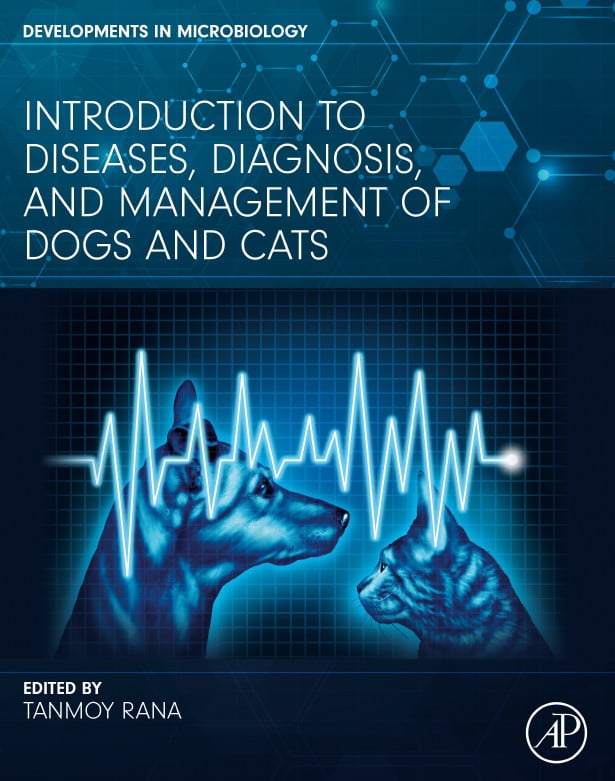
By Tanmoy Rana

Introduction to Diseases, Diagnosis, and Management of Dogs and Cats covers the diseases of dogs and cats and their remedial measure after drug application. The book describes disease evaluation and its pathogenesis, identification of pathogens and their severity to animals, exhibition of disease manifestation, and preventive and treatment strategies to counteract the etiopathogenesis caused by several types of pathogens. The exhibitions of animal disease severity as well as clinical manifestation are also justified for microbial pathogen identification. Finally, treatment regimes are evaluated to counteract diseases, with an emphasis on etiological factors, disease diagnosis and control measures.

Users will find Introduction to Diseases, Diagnosis, and Management of Dogs and Cats to be an idea reference on recent advancements in diseases that affect cats and dogs that also highlights the management of diseases in a well-structured fashion.

Table of Contents

Section A: Introduction of Diseases

Chapter 1: General Aspects of Introduction to Diseases, Diagnosis, and Management of Dogs and Cats

  • Introduction to disease diagnosis and management

Chapter 2: Biological System of Dogs and Cats and its Clinical Management

  • Musculoskeletal, digestive, respiratory, male and female reproductive organs, mammary glands, urinary, endocrine, and sense organs
  • Common disorders and parasites
  • Vaccination schedules

Chapter 3: Nutritional Strategies of Dogs and Cats

  • Overview of balanced nutrition and recommendations

Chapter 4: Clinical Examination and Diagnostic Perspectives in Dogs and Cats

  • Noninvasive and invasive diagnostic tests

Chapter 5: Maintenance of Fluids, Electrolytes, and Acid–Base Therapy in Dogs and Cats

  • Physiology and clinical aspects of fluid and electrolyte balance

Chapter 6: Collection, Preservation, Processing, and Dispatch of Samples for Disease Diagnosis in Dogs and Cats

  • Procedures for various diagnostic tests

Chapter 7: Necropsy Procedure and Basic Laboratory Methods in Dogs and Cats

  • Necropsy and laboratory diagnostic procedures

Section B: Clinical Diseases of Dogs and Cats

Chapter 8: Behavioral Disorders of Dogs and Cats

  • Various behavioral disorders and their management

Chapter 9: Respiratory Diseases of Dogs and Cats

  • Anatomy, pathogenic agents, and common respiratory diseases

Chapter 10: Urinary System Diseases of Dogs and Cats

  • Overview and management of urinary tract infections, urolithiasis, and kidney diseases

Chapter 11: Diseases of the Reproductive System of Male Dogs and Cats

  • Disorders of male reproductive organs

Chapter 12: Autoimmune Diseases of Dogs and Cats

  • Mechanisms, diagnosis, and management of autoimmune diseases

Chapter 13: Diseases of the Cardiovascular System of Dogs and Cats

  • Congenital and acquired heart diseases

Chapter 14: Diseases of the Reproductive System of Female Dogs and Cats

  • Disorders of female reproductive organs

Chapter 15: Diseases of the Endocrine System in Dogs and Cats

  • Various endocrine disorders and their management

Chapter 16: Diseases of the Nervous System of Dogs and Cats

  • Neurological problems and common affections

Chapter 17: Diseases of the Integument System of Dogs and Cats

  • Skin disorders

Chapter 18: Gastrointestinal Disorders of Dogs and Cats

  • Disorders of the esophagus, stomach, small intestine, and large intestine

Chapter 19: Ocular Manifestation of Infectious and Noninfectious Diseases of Dogs and Cats

  • Systemic diseases with ocular manifestations

Chapter 20: Diseases of the Ear in Dogs and Cats

  • Disorders of the external, middle, and inner ear

Chapter 21: Overview of Diseases of the Blood and Hematopoietic System in Dogs and Cats

  • Hematopoietic system disorders

Chapter 22: Diseases and Disorders of the Musculoskeletal System in Dogs and Cats

  • Musculoskeletal disorders and their diagnosis/treatment

Chapter 23: Geriatric Diseases of Dogs and Cats

  • Age-related changes and diseases in senior pets

Chapter 24: Neoplasms in Dogs and Cats

  • Benign and malignant tumors, diagnosis, and management

Chapter 25: Diseases of the Hepatobiliary System of Dogs and Cats

  • Disorders of the liver and biliary system

Chapter 26: Common Toxicological Phenomenon in Dogs and Cats

  • Various toxins and poisoning in pets

Chapter 27: Anesthesia and Pain Management in Dogs and Cats

  • Preanesthetic preparation, anesthesia, and pain management techniques

Chapter 28: Drugs in Therapeutic Application of Dogs and Cats

  • Therapeutic drugs and their applications

Chapter 29: Nutritional and Metabolic Diseases of Dogs and Cats

  • Overview of nutritional and metabolic disorders

Section C: Infectious Diseases of Dogs and Cats

Chapter 30: General Introduction of Infectious Diseases in Dogs and Cats

  • Modes of transmission, diagnosis, treatment, and prevention of infectious diseases

Chapter 31: Clinical Signs and Symptoms of Infectious Diseases in Dogs and Cats

  • Clinical findings of infectious diseases

Chapter 32: Parasitic Diseases of Dogs and Cats

  • Protozoal, internal, and external parasitic diseases

Chapter 33: Mycoplasma, Rickettsia, and Chlamydia Diseases of Dogs and Cats

  • Diseases caused by Mycoplasma, Rickettsia, and Chlamydia bacteria

Chapter 34: Bacterial Diseases of Dogs and Cats

  • Various bacterial infections and their management

Chapter 35: Fungal Diseases of Dogs and Cats

  • Fungal infections, mechanisms, diagnosis, and treatment

Chapter 36: Common Viral Diseases of Dogs and Cats

  • Viral diseases affecting dogs and cats

Chapter 37: Zoonotic Diseases of Dogs and Cats

  • Diseases transmissible between pets and humans

Chapter 38: Drug Resistance of Infectious Diseases of Dogs and Cats

  • Emerging drug resistance and conservation strategies

Chapter 39: Diagnostic Techniques of Infectious Diseases of Dogs and Cats

  • Clinical, microbiological, and histopathological diagnostic methods

Chapter 40: One Health Approach of Infectious Diseases of Dogs and Cats

  • Infectious diseases with zoonotic potential and their management

Chapter 41: Prevention and Control of Infectious Diseases

  • Strategies for preventing and controlling infectious diseases

Get This Book

This Book is Avaiable for Members

Access this book instantly with a Premium membership

📄 PDF Format
⚡ Instant Delivery
Unlock Premium Access

Animal Abuse and Interpersonal Violence: A Psycho-Criminological Understanding

Animal Abuse and Interpersonal Violence: A Psycho-Criminological Understanding

Animal Abuse And Interpersonal Violence: A Psycho-Criminological Understanding Pdf Download

By Heng Choon (Oliver) Chan and Rebecca W. Y. Wong

Animal Abuse and Interpersonal Violence: A Psycho-Criminological Understanding addresses the many aspects of the link between animal cruelty and human violence. Presenting new theory, research, policy, and practice, this authoritative volume explores the subject through a psycho-criminological lens to describe, explain, and potentially prevent intentional behavior that causes pain, suffering, or death in animals and humans.

With an integrated theoretical-practical approach, Animal Abuse and Interpersonal Violence offers up-to-date research and provides real-world insights into current thinking in the study of animal abuse and interpersonal violence. Sixteen in-depth chapters by a multidisciplinary team of active researchers and experienced field practitioners examine central topics in the field, including different forms of animal exploitation, connections between animal cruelty and substance abuse, the association between childhood animal cruelty and adult interpersonal violence, the role of veterinarians in the identification of animal abuse cases, the complex legal aspects of animal abuse cases, and more. Animal Abuse and Interpersonal Violence: A Psycho-Criminological Understanding is essential reading for practitioners, researchers, scholars, and advanced students in fields such as behavioral science, law, criminology, veterinary forensics, criminal justice, law enforcement, social work, sociology, social sciences, education, and animal welfare.

Features

Features:

  • Advances scholarship on animal abuse, its relationship with interpersonal violence, and the psycho-criminological mechanisms involved in that relationship
  • Introduces readers to contemporary research on a range of topics and issues related to animal abuse and interpersonal violence
  • Examines the origins of animal cruelty, its societal implications, and various prevention and treatment approaches
  • Defines and describes various types of animal maltreatment and their links to different forms of interpersonal violence

Table of Contents

Table of Contents:

1. Introduction: A Psycho-Criminological Understanding of Animal Abuse and Interpersonal Violence

Part 1: Theory and Research

2. Animal Abuse: Beyond Companion Animals and Domestic Households

3. The Animal Cruelty-Delinquency Relationship: Violence Graduation, Deviance Generalization, or Antecedent Lifestyle?

4. Animal Cruelty and the Development of “Link” Research between Nonhuman and Human Violence

5. Attitudes toward Animal Abuse and Interpersonal Relating

6. Toward a Classification of Animal Maltreatment

7. How Animal Abuse Is Related to Interpersonal Violence: A Review of Research in Turkey

8. Dog Ownership, Love, and Violentization among Young People in the United Kingdom

9. Instrumental Harm toward Animals in a Milgram-like Experiment in France: The Role of Nonpathological Personality Traits

Part 2: Policy and Practice

10. Animal Cruelty, the Link to Interpersonal Violence, and the Law

11. Bestiality: Understanding Sex with Animals and Its Forensic Relevance

12. The Role of Veterinarians in the Recognition of Animal Cruelty: Lessons from a Pilot Study in the Netherlands

13. Animal Abuse, Control, and Intimate Partner Violence

14. Substance Abuse and Animal Maltreatment: An Overlooked Opportunity for Intervention?

15. The Impact of Discretion in the Criminal Justice System on Animal Cruelty Prosecutions in Hong Kong

16. Conclusion

Index

Get This Book

This Book is Avaiable for Members

Access this book instantly with a Premium membership

📄 PDF Format
⚡ Instant Delivery
Unlock Premium Access

Diagnostic Tools In Veterinary Medicine

Get Diagnostic Tools In Veterinary Medicine Book

Diagnostic Tools In Veterinary Medicine Pdf Download

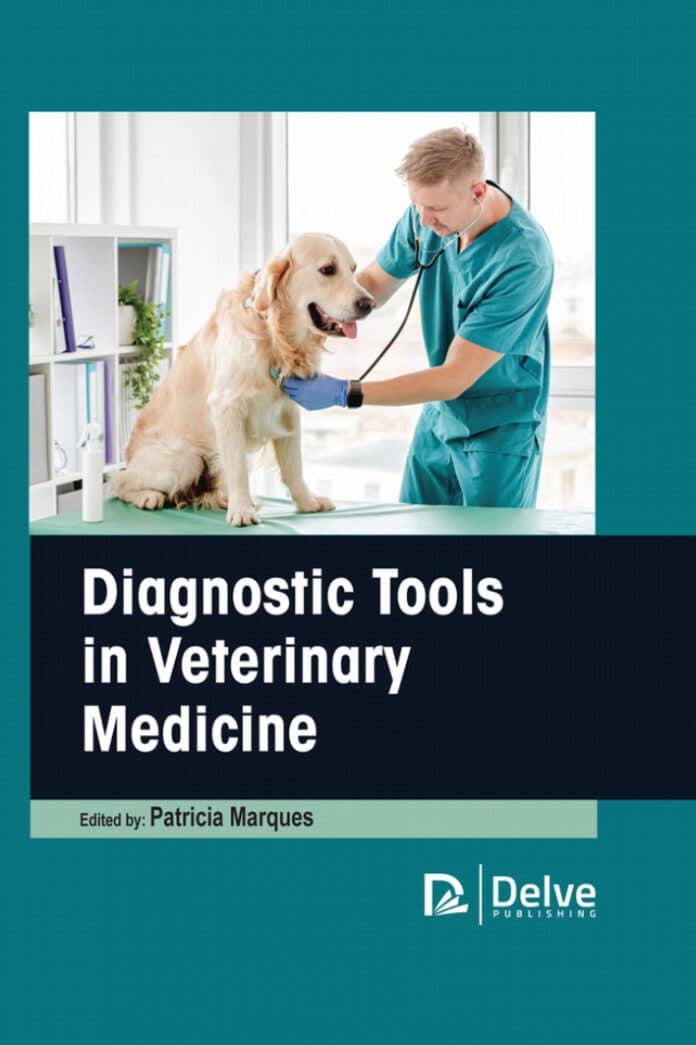
By Patricia Marques

Diagnostic Tools in Veterinary Medicine Book focuses on the key components of the veterinary diagnostic system: vet laboratory, vet devices, and veterinary diagnostic test kits. Traditionally, laboratory diagnostics for veterinary pathogens have relied on methods of detecting the pathogen by culture or antibodies, using varied techniques, such as neutralization, Enzyme-linked Immunosorbent Assay (ELISA), agar gel immunodiffusion, and complement fixation.

Over the years, veterinarians have incorporated new molecular diagnostic techniques, such as Polymerase Chain Reaction (PCR) and Western blot, as well as improved older techniques by using recombinant antigens, monoclonal antibodies, and synthetic peptides. Despite the routine use of conventional diagnostic assays, new molecular techniques have enabled veterinarians to use new tools for rapid and specific diagnosis of animal disease in real-time. The globalization of trade in animals and animal products is a major driver for the improvement of the analytical and diagnostic quality of tests.

Table of Contents

Diagnostic Tools In Veterinary Medicine Contents:

  1. Epidemiology and Surveillance
    • Chapter 1: Identifying an Outbreak of a Novel Swine Disease using Test Requests for Porcine Reproductive and Respiratory Syndrome as a Syndromic Surveillance Tool
    • Chapter 2: Syndromic Surveillance Using Veterinary Laboratory Data: Algorithm Combination and Customization of Alerts
    • Chapter 3: A Focused Ethnographic Study of Alberta Cattle Veterinarians’ Decision Making about Diagnostic Laboratory Submissions and Perceptions of Surveillance Programs
    • Chapter 4: Exploratory Analysis of Methods for Automated Classification of Laboratory Test Orders into Syndromic Groups in Veterinary Medicine
  2. Serology
    • Chapter 5: Getting More Out of Less – A Quantitative Serological Screening Tool for Simultaneous Detection of Multiple Influenza A Hemagglutinin-Types in Chickens
    • Chapter 6: Serological Diagnostic Potential of Recombinant Outer Membrane Proteins (rOMPs) from Brucella Melitensis in Mouse Model using Indirect Enzyme-linked Immunosorbent Assay
  3. Immunoassays
    • Chapter 7: Comparison of a Flow Assay for Brucellosis Antibodies with the Reference CELISA Test in West African Bos indicus
  4. Tissue Culture
    • Chapter 8: Proof of Concept of Faecal Egg Nematode Counting as a Practical Means of Veterinary Engagement with Planned Livestock Health Management in a Lower Income Country
    • Chapter 9: Diagnosis of Bacterial Urinary Tract Infection: Utility of Urine Myeloperoxidase Concentration to Predict Urine Culture Results in Dogs
  5. Diagnostic using PCR and Sequencing Techniques
    • Chapter 10: Transcriptomic Markers Meet the Real World: Finding Diagnostic Signatures of Corticosteroid Treatment in Commercial Beef Samples
    • Chapter 11: A Molecular Diagnostic Tool to Replace Larval Culture in Conventional Faecal Egg Count Reduction Testing in Sheep
    • Chapter 12: BeeDoctor, a Versatile MLPA-Based Diagnostic Tool for Screening Bee Viruses
  6. Diagnosis by Imaging
    • Chapter 13: Confocal Laser Scanning Microscopy, a New in Vivo Diagnostic Tool for Schistosomiasis
    • Chapter 14: Rhinoceros Feet Step Out of a Rule-of-Thumb: A Wildlife Imaging Pioneering Approach of Synchronized Computed Tomography-Digital Radiography
    • Chapter 15: International Veterinary Epilepsy Task Force Consensus Reports on Epilepsy Definition, Classification and Terminology, Affected Dog Breeds, Diagnosis, Treatment, Outcome Measures of Therapeutic Trials, Neuroimaging and Neuropathology in Companion Animals
  7. Mass Spectrometry
    • Chapter 16: Quantitative and Selective Analysis of Feline Growth Related Proteins Using Parallel Reaction Monitoring High Resolution Mass Spectrometry
    • Chapter 17: MALDI-TOF Mass Spectrometry as a Diagnostic Tool in Human and Veterinary Helminthology: A Systematic Review
    • Chapter 18: Peptide Barcodes in Dogs affected by Mitral Valve Disease with and without Pulmonary Hypertension using MALDI-TOF MS and LC-MS/MS
  8. Specific Instruments for Veterinary Diagnosis
    • Chapter 19: Diagnostic Accuracy of a Short-duration 3 Tesla Magnetic Resonance Protocol for Diagnosing Stifle Joint Lesions in Dogs with Non-traumatic Cranial Cruciate Ligament Rupture
    • Chapter 20: Evaluation of a New Portable 1-lead Digital Cardiac Monitor (eKuore) compared with Standard Base-apex Electrocardiography in Healthy Horses
  9. Machine Learning and AI
    • Chapter 21: Validation of Computerized Diagnostic Information in a Clinical Database from a National Equine Clinic Network
    • Chapter 22: Proof of Concept of a Workflow Methodology for the Creation of basic Canine head Anatomy Veterinary Education Tool Using Augmented Reality
  10. Other Methods of Diagnosis
    • Chapter 23: Novel Physico-chemical Diagnostic Tools for High Throughput Identification of Bovine Mastitis Associated Gram-Positive, Catalase-negative Cocci
    • Chapter 24: The Usefulness of Uterine Lavage and Acute Phase Protein Levels as a Diagnostic Tool for Subclinical Endometritis in Icelandic Mares
    • Chapter 25: Diagnostic Tools of Caprine and ovine Anaplasmosis: A Direct Comparative Study

Get This Book

This Book is Avaiable for Members

Access this book instantly with a Premium membership

📄 PDF Format
⚡ Instant Delivery
Unlock Premium Access

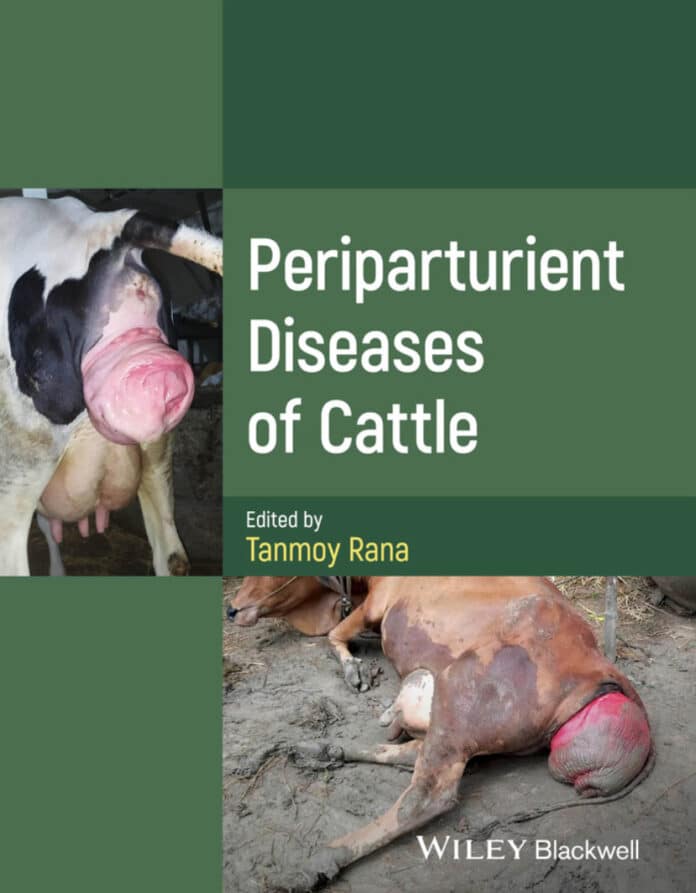
Periparturient Diseases of Cattle

Periparturient Diseases of Cattle PDF Download

Periparturient Diseases Of Cattle Pdf Download

By Tanmoy Rana

Milk is one of the backbones of the global food economy, with its high vitamin content and key contribution to bone health. As a result, dairy farming is one of the most essential sectors of the global agricultural market, and the health of cattle is an issue of global importance. Periparturient diseases, those sustained in the period immediately before, during, and after giving birth, have a potentially devastating impact on the reproductive cycle of cattle, and an understanding of these conditions is a critical aspect of food production.

Periparturient Diseases of Cattle offers a comprehensive overview of these diseases, their pathogenesis, and their treatments. Summarizing all of the major periparturient disorders, their etiology, and their management, it is a critical resource for veterinary practitioners and others for whom cattle health is of fundamental importance. As a reference, a diagnostic aid, and a tool in farm management, this volume is indispensable.
Periparturient Diseases of Cattle is ideal for student and working veterinarians, academicians, farm managers, industrialists, farm owners, and many more.

Features

Features:

  • In-depth description of disease advancement
  • Detailed treatment of disorders including metritis, mastitis, ketosis, and many more
  • Color figures and line drawings to illustrate key concepts

Table of Contents

Table of Contents:

1. Introduction to Periparturient Diseases of Cattle
2. Nutrition, Immune Function, and Health
3. Metabolic Profile Tests
4. Behavior of Cattle During and After Parturition
5. Rumen Acidosis
6. Ketosis
7. Parturient Paresis (Milk Fever)
8. Cystic Ovarian Disease
9. Retained Fetal Membranes
10. Periparturient Immunological Disorders
11. Mastitis
12. Downer-Cow Syndrome
13. Uterine Infections/Metritis
14. Injuries to the Birth Canal
15. Dystocia in Bovines
16. Abomasal Displacements in Cattle
17. Hypomagnesemia
18. Fatty Liver Disease
19. Thelitis
20. Acute Hypokalemia
21. Stillbirth
22. Digestive Disorders
23. Respiratory Problems
24. Uterine Torsion
25. Genital Prolapse and Management
26. Postpartum Hemorrhage
27. Nutritional Hemoglobinuria
28. Infertility
29. Ulcerative Mammillitis
30. Physiological Edema
31. Nerve Paralysis
32. Lameness
33. Repeat Breeding
34. Endometritis
35. Immunomodulation in Periparturient Diseases
36. Application of Biosensors and Artificial Learning in Disease Diagnosis
37. Genomic, Transcriptomic, Proteomic, and Metabolomic Profiles for Disease Diagnosis
38. Management of Periparturient Disorders
Index

Get This Book

This Book is Avaiable for Members

Access this book instantly with a Premium membership

📄 PDF Format
⚡ Instant Delivery
Unlock Premium Access

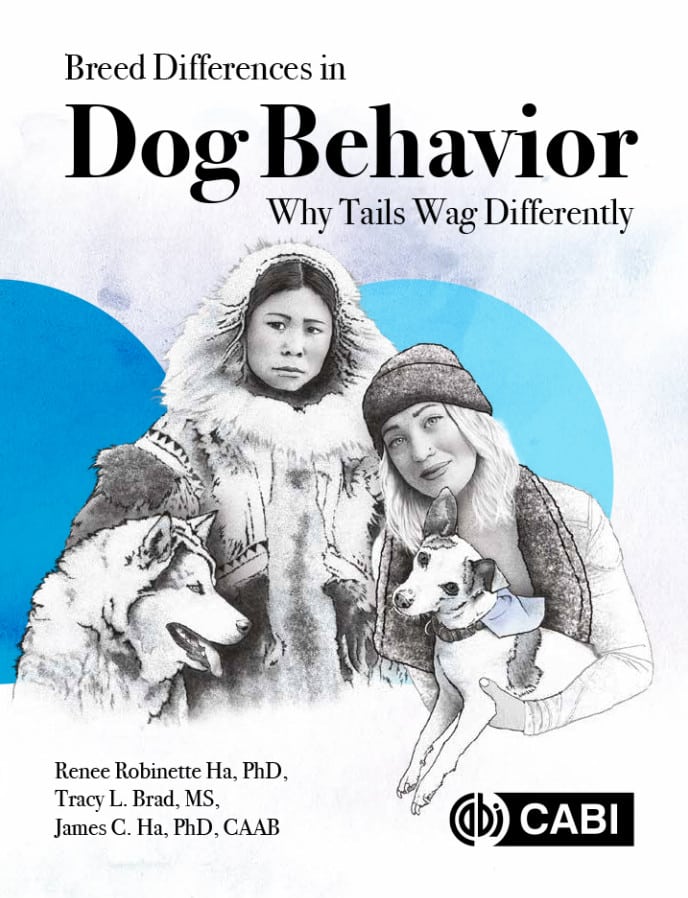
Breed Differences in Dog Behavior: Why Tails Wag Differently

Breed Differences in Dog Behavior, Why Tails Wag Differently PDF Download

Breed Differences In Dog Behavior, Why Tails Wag Differently Pdf Download

By Renee Robinette Ha, Tracy L. Brad, James C. Ha

Breed Differences in Dog Behavior: Why Tails Wag Differently explores how centuries of selective breeding have shaped not only the physical traits of dogs, but also their behavior. Humans have bred dogs for physical and behavioral characteristics for millennia. These efforts can have unintended side effects, however, which may be either advantageous or cause issues – such as a predisposition to certain medical complaints, or, controversially, behavioral issues.

The scientific study of domestic dogs is still in its infancy, but public demand for this information is at a record high as more and more pet owners seek to understand their canine family members. Focusing on the behavioral differences and tendencies that have arisen in different breed lines, Breed Differences in Dog Behavior: Why Tails Wag Differently explores, summarizes, and explains the scientific evidence on what breed can tell us about behavior – and, crucially, what it cannot. Providing a comprehensive and approachable view of the science behind breed-specific behaviors, this book gives dog enthusiasts from all professional and personal backgrounds a better understanding of why dogs do what they do, and how we can improve our relationships with our canine companions.

Features

This book covers:

  • The impact of inbreeding, how it contributes to problematic behavioral issues such as anxiety and aggression, and how it potentially affects the future health of the breed;
  • The limits of predicting a dog’s behavior based upon breed, individual differences within breeds, and thus the corresponding limitations of breed-specific legislation;
  • Guidance for professionals to help their clients better understand behavioral issues, traits, and appropriate expectations around the right breed for their household.


Table of Contents

Table of Contents:

  1. What Is a Dog?

  2. How to Build a Breed

  3. A Crash Course in Genetics

  4. Individuals Vary

  5. Deep Roots, Broad Branches: The Range of Dog Breeds

  6. Behavior Came Along for the Ride

  7. Breed Differences in Temperament and Reactivity

  8. Social Behavior and Breed Differences

  9. Aggression and Breed Differences

  10. Learning, Problem Solving, Training, and Breed Differences

  11. What We Know, What We Don’t, and Where We’re Going

Get This Book

This Book is Avaiable for Members

Access this book instantly with a Premium membership

📄 PDF Format
⚡ Instant Delivery
Unlock Premium Access

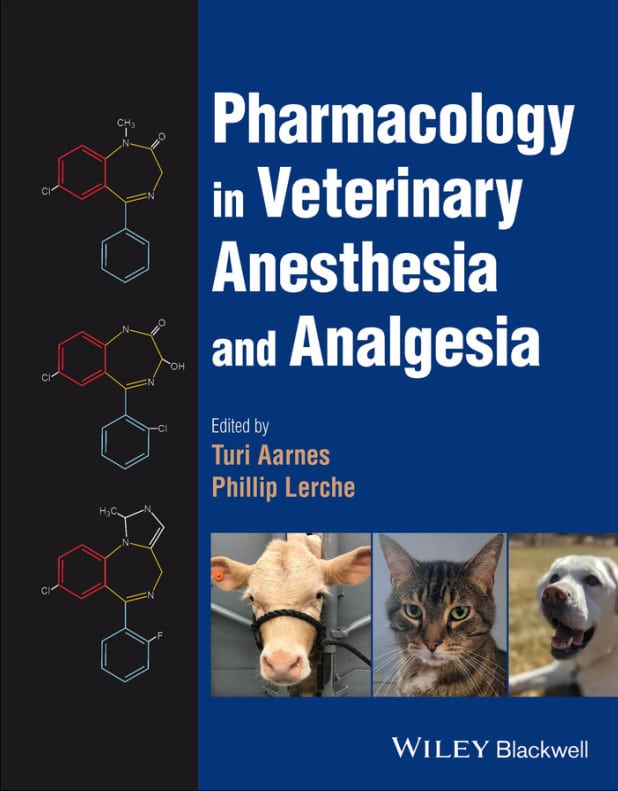
Pharmacology in Veterinary Anesthesia and Analgesia

Pharmacology in Veterinary Anesthesia and Analgesia PDF Download

Pharmacology In Veterinary Anesthesia And Analgesia Pdf Download

By Turi Aarnes and Phillip Lerche

In Pharmacology in Veterinary Anesthesia and Analgesiaa team of distinguished veterinary practitioners delivers a singular and comprehensive text dedicated to anesthetic drug pharmacology and drug interactions related specifically to anesthetic drugs in a veterinary setting. This concise, easily navigable reference combines information scattered throughout the academic literature and covers mechanisms of action of commonly used drugs in commonly encountered species, drug interactions, and clinical uses of anesthetic drugs.

The volume explores drug metabolism, the effects of various drugs on organ systems, risks of adverse effects, as well as the impact of anesthesia on drugs, and the effects of drugs on anesthesia.

Perfect for veterinary anesthesiologists and criticalists, internists, and surgeons, Pharmacology in Veterinary Anesthesia and Analgesia will also earn a place in the libraries of private practitioners and veterinary technicians performing anesthesia as well as researchers using veterinary species as a model.

Features

Features:

  • A thorough introduction to pharmacokinetics, pharmacodynamics, and pharmacogenomics in veterinary anesthesia
  • Comprehensive explorations of veterinary regulatory concerns associated with anesthesia and analgesia for food animals
  • Practical discussions of alpha-2 agonists and antagonists, phenothiazines, butyrophenones, benzodiazepines, and opioid agonists and antagonists
  • Fulsome treatments of local anesthetics, non-steroidal anti-inflammatory drugs, inhalants, and induction drugs

Table of Contents

Table of Contents:

  1. Pharmacokinetics and Pharmacodynamics

  2. Pharmacogenetics in Veterinary Anesthesia and Analgesia

  3. Veterinary Regulatory Concerns Associated with Anesthesia and Analgesia for Food Animals

  4. α2 Receptor Agonists and Antagonists

  5. Phenothiazines and Butyrophenones

  6. Benzodiazepines

  7. Opioid Agonists and Antagonists

  8. Barbiturates

  9. Induction Drugs

  10. Inhalant Anesthetic Agents

  11. Non-Steroidal Anti-Inflammatory Drugs

  12. Local Anesthetics

  13. Anticholinergics

  14. CNS Stimulants

  15. Centrally Acting Muscle Relaxants

  16. Neuromuscular Blocking Agents

  17. Anticholinesterase Drugs and Reversal of Neuromuscular Blockade

  18. Sympathomimetics and Vasopressin

  19. Antihypertensives

  20. Antiarrhythmic Therapies and Calcium Channel Blockers

  21. Peripheral Vasodilators

  22. Behavior Drugs

  23. Adjunctive Analgesic Pharmaceuticals

  24. Diuretics

  25. Antiepileptics

  26. Antihistamines

  27. Anti-nausea, Antacid, and Prokinetic Drugs

  28. Insulin

  29. Electrolytes

  30. IV Fluids

  31. Blood and Blood Products

Index

Get This Book

This Book is Avaiable for Members

Access this book instantly with a Premium membership

📄 PDF Format
⚡ Instant Delivery
Unlock Premium Access

What Your Vet Never Told You Secrets to Supporting Peak Health for Your Animal

What Your Vet Never Told You Secrets to Supporting Peak Health for Your Animal

What Your Vet Never Told You Secrets To Supporting Peak Health For Your Animal Pdf Download

By Odette Suter

Have you gone from veterinarian to veterinarian and not found the answers you’re looking for to help your animal heal? Is your animal still suffering while you feel helpless? Odette Suter will show you how to turn your animal’s health around to achieve peak health for your beloved animal companions.

  • Discover the Cutting Edge Functional Approach to Healing for Your Animal
  • Learn How to Restore Your Animal’s Healthy Body Function
  • Recognize the Biggest Mistakes People Make Regarding Health
  • Implement a Specific Plan that Facilitates Return to a Healthy State
  • Gain Tools to Prevent Disease and Give Your Animal a Healthy and Happy Life

“Save yourself heartache, time, and frequent trips to the vet by reading this book!”
—Jody Page, Owner of Page’s Healthy Paws, Natural Pet Products

“This refreshing and easily readable book will help you understand and apply this knowledge to improve and maintain the health, well-being, and longevity of your animal companions.”
—W. Jean Dodds, DVM, President and Founder of Hemopet/Hemolife Canine Blood Bank and Diagnostic Program


Table of Contents

Table of Contents:

1. Why your animal’s health is at risk
2. Understanding the roots of disease
3. Vaccinations: risks and alternatives
4. Nutrition secrets for vibrant health
5. The dangers of commercial pet food
6. Creating a holistic diet
7. Detoxification for pets
8. Environmental toxins and your pet
9. Natural remedies and healing tools
10. Energy medicine and animals
11. Emotional and behavioral wellness
12. Partnering with your vet
13. Finding the right holistic vet
14. Taking charge of your animal’s health
15. Creating a lifelong wellness plan

Get This Book

This Book is Avaiable for Members

Access this book instantly with a Premium membership

📄 PDF Format
⚡ Instant Delivery
Unlock Premium Access