Home Blog Page 24

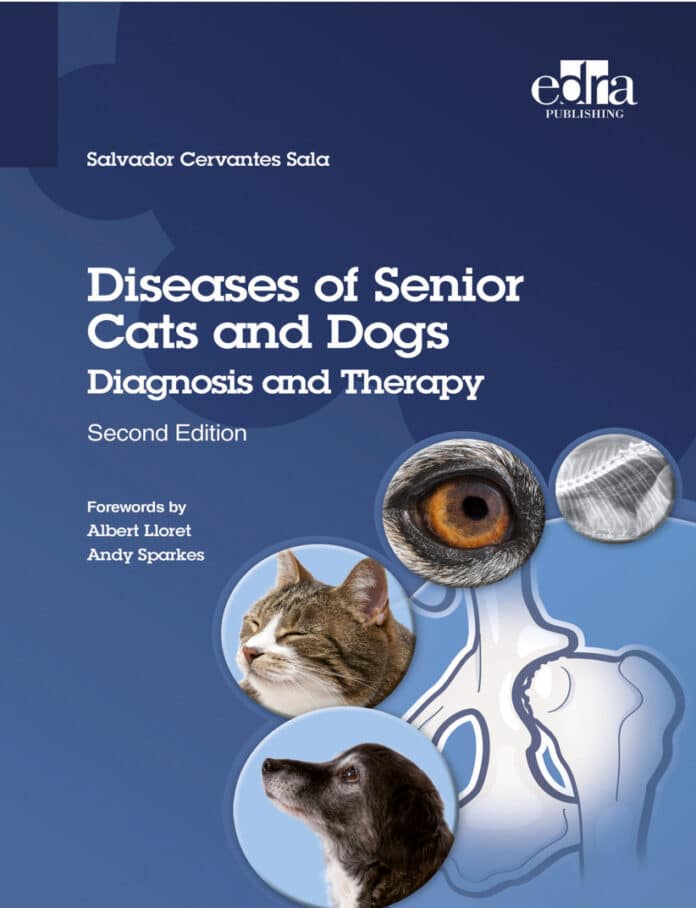
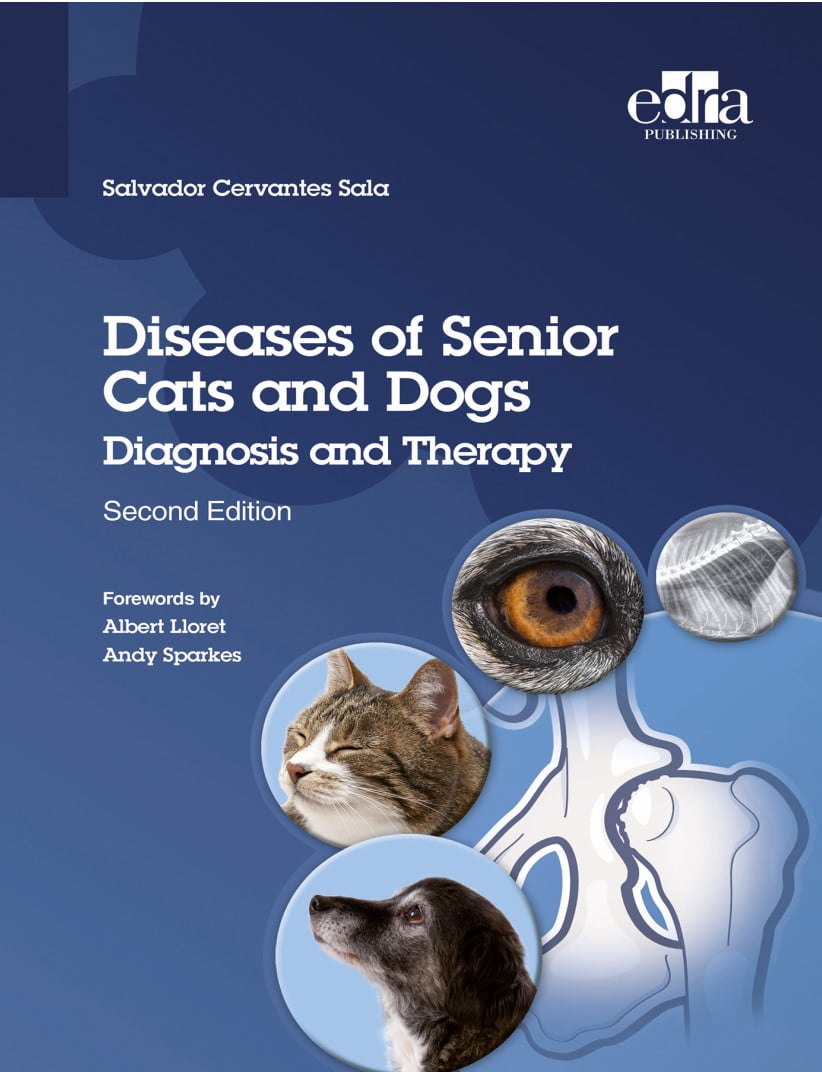
Diseases of Senior Cats and Dogs: Diagnosis and Therapy, 2nd Edition

Diseases of Senior Cats and Dogs: Diagnosis and Therapy, 2nd Edition PDF

Diseases Of Senior Cats And Dogs: Diagnosis And Therapy, 2Nd Edition Pdf Download

By Salvador Cervantes Sala

Diseases of Senior Cats and Dogs: Diagnosis and Therapy, 2nd Edition covers geriatric medicine of dogs and cats, and provides readers, whether veterinary surgeons or students approaching the end of their veterinary medicine degree, with a different approach to clinically useful information on. All chapters have been rigorously reviewed and updated, with a particular emphasis on pharmacological protocols and dosages and new therapies. An entire new chapter on endocrine problems in senior pets has been added.

Table of Contents

  1. Ageing in small animals Ageing in numbers
  2. Nutrition in elderly patients Assessing the nutritional status of geriatric patients
  3. Pharmacological treatment of geriatric patients
  4. Anaesthesia in elderly patients
  5. Environmental enrichment for cats and dogs
  6. Chronic pain. Arthrosis Introduction. Definitions and basic concepts Pathophysiology of pain Identifying pain
  7. Orodental problems in elderly animals Considerations before starting The orodental exam
  8. Chronic kidney disease Definition and prevalence Renal physiology
  9. Liver problems in geriatric patients
  10. Endocrine problems in senior patients
  11. Reproductive diseases in senior patients
  12. Senior cardiovascular disease
  13. Most frequent neurological problems in senior patients
  14. Health plans in senior animals
  15. Bibliography

Get This Book

This Book is Avaiable for Members

Access this book instantly with a Premium membership

📄 PDF Format
⚡ Instant Delivery
Unlock Premium Access

Veterinary PCR Diagnostics

Veterinary PCR Diagnostics PDF

Veterinary Pcr Diagnostics Pdf Download

By Chengming Wang, Bernhard Kaltenboeck and Mark D. Freeman

PCR (Polymerase Chain Reaction) technology has become an indispensable component of routine veterinary diagnostics. However, a number of pitfalls and limiting factors affect its sensitivity and specificity of detection. It is imperative that veterinary PCR diagnosticians include such considerations in their work. Extensive experience with PCR technology in both research and diagnostic applications enables researchers to pinpoint these practical limitations, and therefore instruct the user in approaches that avoid these common errors.

Veterinary PCR Diagnostics Book discusses the basic concepts, chemistries, and instrumentation of standard and real-time PCR, and includes present applications and future perspectives for veterinary diagnostics. Critical pitfalls have been highlighted in this text with regard to veterinary PCR diagnostics which include: i) choice of platform technologies for PCR diagnosis; ii) construction of optimized PCR primers and probes to ensure its highest specificity and sensitivity; iii) correct sampling and efficient methods to preserve and release nucleic acids; iv) maximization of PCR amplification efficiency; and v) avoidance and monitoring of contamination in Veterinary PCR Diagnostics. This eBook should be a valuable reference for all veterinary professionals interested in this modern diagnostic tool.

Table of Contents

  1. Principles of Real-Time PCR
  2. Design and Optimization of Real-Time PCR Assays
  3. Antimicrobial Resistance in Bacterial Pathogens: Mechanisms and PCR-Based Detection Technologies
  4. PCR-Based Diagnosis of Veterinary Bacterial Pathogens
  5. PCR Detection of Viruses in Veterinary Medicine
  6. Quantitative PCR as a Diagnostic Technique in Veterinary Parasitology
  7. PCR and Veterinary Cancer Diagnostics

Index

Get This Book

This Book is Avaiable for Members

Access this book instantly with a Premium membership

📄 PDF Format
⚡ Instant Delivery
Unlock Premium Access

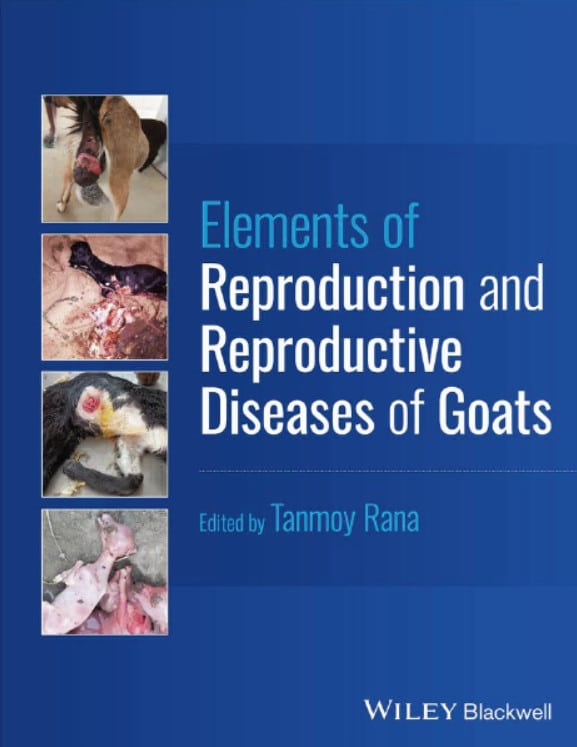
Elements of Reproduction and Reproductive Diseases of Goats

Elements of Reproduction and Reproductive Diseases of Goats PDF Download

Elements Of Reproduction And Reproductive Diseases Of Goats Pdf Download

By Tanmoy Rana

Elements of Reproduction and Reproductive Diseases of Goats discusses the reproductive system and various reproductive diseases of goats, with coverage of pathogenesis of diseases, disease prevention, diagnosis, and treatment via drugs and other methods, along with general best management of goats. To aid in reader comprehension and practical application, the book includes colored figures, lined figures, and tables visualizing key concepts.

Elements of Reproduction and Reproductive Diseases of Goats explains reproductive anatomy of both males and females in a systematic way. The main topics in this book include breeding characteristics, pregnancy detection, diagnosis, and treatment, management of infertility, obstetrics, abortion, surgery of the reproductive tract, and care and management of kids. The book emphasizes state-of-the-art research on the physiological and biochemical mechanisms in regulation of reproduction.

Edited by a highly qualified practitioner and contributed to by a wide variety of contributors, each with specialized knowledge in their respective area of knowledge.

Features

  • Puberty and sexual maturity, selection criteria, nutrition, parasitic infection, seasonal perspectives, and estrus synchronization
  • Preparation for breeding season, gestation and parturition, lactation, reproductive failures, and postpartum care
  • Diseases of the glans penis and prepuce, urethra, scrotum and inguinal lymph nodes, prostate, and testis
  • Infectious abortive diseases, including chlamydiosis, toxoplasmosis, q fever, brucellosis, and campylobacteriosis, along with non-infectious abortive diseases
  • Ketosis and pregnancy toxemia, hypocalcemia, uterine and rectal prolapse, retained placenta and fetal membranes, metritis and endometritis, pyometra, and mastitis

Table of Contents

Section 1: Goat Reproductive Health

  1. Anatomy of the Reproductive System in the Buck and Doe
  2. Puberty and Sexual Maturity in the Buck and Doe
  3. Reproductive Biology of the Buck and Doe
  4. Selection Criteria for the Buck and Doe
  5. Impact of Nutrition on Reproduction in Goats
  6. Effect of Parasitic Infection on Reproductive Health
  7. Seasonal Perspectives on Reproduction of the Buck and Doe
  8. The Buck Effect: A Management Tool for Improving Reproductive Efficiency in Goats
  9. Estrus Synchronization and Mating Systems in Goats
  10. Preparation for the Breeding Season
  11. Gestation and Parturition
  12. Lactation
  13. Reproductive Techniques
  14. Reproductive Failure in Does
  15. Postpartum Care of the Doe

Section 2: Disorders of the Male Reproductive System

  1. Diseases of the Glans Penis and Prepuce
  2. Diseases of the Urethra
  3. Diseases of the Inguinal Lymph Nodes
  4. Diseases of the Prostate
  5. Diseases of the Scrotum
  6. Diseases of the Testes

Section 3: Diseases of Pregnancy

  1. Abortion: General Considerations
  2. Infectious Abortive Diseases: Chlamydiosis
  3. Infectious Abortive Diseases: Toxoplasmosis
  4. Infective Abortive Diseases: Q Fever
  5. Infectious Abortive Diseases: Brucellosis
  6. Infectious Abortive Diseases: Campylobacteriosis
  7. Noninfectious Abortive Diseases: Toxic Plants, Nutritional, and Genetic
  8. Management of Abortive Diseases

Section 4: Metabolic Diseases

  1. Ketosis/Pregnancy Toxemia
  2. Hypocalcemia

Section 5: Postpartum Disorders

  1. Uterine and Rectal Prolapse
  2. Retained Placenta and Fetal Membranes
  3. Metritis
  4. Pyometra
  5. Mastitis
  6. General Preparations for the Newborn Kid
  7. Feeding of Kids

Section 6: Early Diseases of Kids

  1. Stillborn, Weak or Dead Kid
  2. Hypothermia and Hypoglycemia
  3. Bacteria and Toxins
  4. Pneumonia
  5. Scours (Diarrhea)
  6. Navel and Joint Ill

Section 7: Late Diseases of Kids

  1. Coccidiosis
  2. White Muscle Disease
  3. Enterotoxemia
  4. Acidosis
  5. Urolithiasis
  6. Polioencephalomalacia
  7. Salmonellosis
  8. Rectal Prolapse in Kids
  9. Copper Deficiency

Index

Get This Book

This Book is Avaiable for Members

Access this book instantly with a Premium membership

📄 PDF Format
⚡ Instant Delivery
Unlock Premium Access

Small Animal Critical Care Medicine 3rd Edition

Small Animal Critical Care Medicine 3rd Edition PDF Download

Small Animal Critical Care Medicine 3Rd Edition Pdf Download

By Deborah C. Silverstein and Kate Hopper

Small Animal Critical Care Medicine 3rd Edition has been significantly updated to focus specifically on diagnostic and management strategies for the sickest veterinary patients. It covers critical care medical therapy, monitoring, and prognosis — from assessment and stabilization through the entire course of intensive care treatment. To make therapeutic decisions easier, clear and practical guidelines address underlying clinical findings, pathophysiology, outpatient follow-up, and long-term care. Editors Deborah Silverstein and Kate Hopper, along with leading experts from the veterinary emergency and critical care profession, have created this indispensable resource to help you and your team provide the highest standard of care for your critically ill patients.

New to this edition
  • NEW! Coverage of high-flow nasal oxygen therapy and both core and advanced concepts for mechanical ventilation helps you deliver high-quality care to patients with respiratory failure.
  • NEW! Chapters on current critical care topics include Assessment of Intravascular Volume, Urine Osmolality and Electrolytes, and Infectious Disease Control in the ICU.
  • NEW! Chapters on novel procedures offer coverage of tracheal stents, urinary diversion techniques, and an in-depth review of point-of-care ultrasound with extensive figures and images.
  • NEW! Coverage of increasingly prevalent problems seen in the intensive care unit includes coagulation disorders of the critically ill patient, feline aortic thromboembolism, oxygen toxicity, and treatment of severe hypertension.
  • NEW! Chapters on shock fluid therapy and transfusion therapy provide cutting edge information on how to prevent complications and maximize resources.
  • NEW! Prevention of Compassion Fatigue and Burnout chapter addresses this major challenge currently affecting the veterinary profession.
  • NEW! Algorithms and figures throughout the text clarify key concepts and aid in diagnosis and treatment.
  • NEW! Enhanced eBook, included with the purchase of a new print copy of the book, provides online access to a fully searchable version of the text and makes its content available on various devices.
  • UPDATED! Coagulation section includes chapters on hemostasis, management of the bleeding patient, coagulation and platelet monitoring, and viscoelastic monitoring.
  • EXPANDED! Pharmacology section offers coverage of cannabis, trazadone, gabapentin, pimobendane, and appetite stimulants.
Features

  • Over 200 concise, thoroughly updated chapters cover all the clinical areas needed for evaluating, diagnosing, managing, and monitoring a critical veterinary patient.
  • More than 150 recognized experts and many new authors offer in-depth, authoritative guidance on emergency and critical care clinical situations from a variety of perspectives.
  • A problem-based approach focuses on clinically relevant details.
  • Hundreds of full-color illustrations with updated photos and videos depict various emergency procedures, such as chest tube placement.
  • Handy appendices offer quick access to the most often needed calculations, conversion tables, continuous rate infusion determinations, reference ranges, and more.
  • Practical, user-friendly format makes reference quick and easy with summary tables, boxes highlighting key points, illustrations, and algorithmic approaches to diagnosis and management

Table of Contents

1. Key Critical Care Concepts
2. Respiratory Disorders
3. Advanced Respiratory Support
4. Cardiovascular Disorders
5. Electrolyte and Acid-Base Disturbances
6. Fluid Therapy
7. Endocrine Disorders
8. Neurologic Disorders
9. Infectious Disorders
10. Hematologic Disorders
11. Intraabdominal Disorders
12. Urogenital Disorders
13. Nutrition
14. Trauma
15. Anesthesia and Pain Management
16. Environmental Emergencies
17. Miscellaneous Disorders
18. Pharmacology
19. Antimicrobial Therapy
20. Extracorporeal Therapy
21. Monitoring
22. Procedures
23. Intensive Care Unit Design and Management
Appendices

Get This Book

This Book is Avaiable for Members

Access this book instantly with a Premium membership

📄 PDF Format
⚡ Instant Delivery
Unlock Premium Access

Understanding, Assessing and Improving Farm Animal Welfare

Understanding, Assessing and Improving Farm Animal Welfare PDF

Understanding, Assessing And Improving Farm Animal Welfare Pdf Download

By Luc Mounier

Understanding, Assessing and Improving Farm Animal Welfare highlights how improving welfare in farmed animals is not only beneficial for the animals themselves, but also enhances productivity and meets rising consumer expectations.

This English translation of the Le Bien-être des animaux d’élevage series covers the current scientific knowledge on animal sensitivity and consciousness. It explores how to understand, assess, and ultimately improve the well-being of farm animals. Beginning with the philosophical and legal history of animal welfare, it builds a shared reference framework to align on what it truly means.

The book then delves into the welfare assessment process, which must be objective, reliable, and based on appropriate indicators. These indicators, outlined in reference documents, are summarized according to specific farming contexts for quick and practical application.

Ideal for students and researchers in animal agriculture, animal science, and veterinary medicine, Understanding, Assessing and Improving Farm Animal Welfare provides a clear, comprehensive, and science-based foundation on this essential subject.

Table of Contents

Part 1: Understanding Animal Welfare

  1. Societal Expectations – Consumer demand and institutional awareness.
  2. Historical Development – Philosophical roots and key texts.
  3. Regulations – European, national, and global frameworks.
  4. Animal Sentience – Scientific basis for emotional and cognitive awareness.
  5. Welfare Definitions – Harmony, adaptation, and the Five Freedoms.

Part 2: Assessing Animal Welfare

  1. Assessment Indicators – Animal-based vs. environment-based indicators.
  2. Animal-Based Indicators – Behavioral, physiological, and health markers.
  3. Indicator Validation – Specificity, feasibility, and repeatability.
  4. Integration Process – Herd-level and individual data scoring.
  5. Protocols – Welfare Quality® and other assessment methods.
  6. New Technologies – Tools and ethical concerns in welfare assessment.

Part 3: Improving Animal Welfare

  1. Physical and Social Environments – Improving conditions with enrichment.
  2. Animal-Human Interactions – Enhancing relational practices.
  3. Health Management – Addressing risks through integrated management.
  4. Pain Management – Detection and the “3S principle.”
  5. Genetics – Using genetics to improve welfare.
  6. Transport and Slaughter – Reducing stress and improving conditions.
  7. Conclusion: ‘One Welfare’ – A unified approach to animal welfare.

Get This Book

This Book is Avaiable for Members

Access this book instantly with a Premium membership

📄 PDF Format
⚡ Instant Delivery
Unlock Premium Access

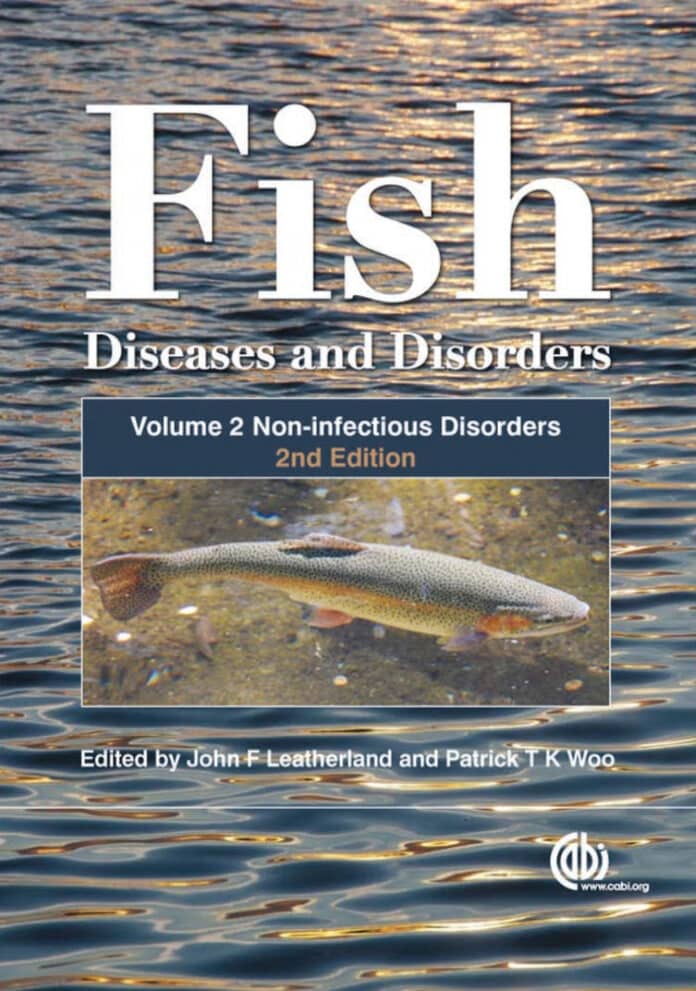
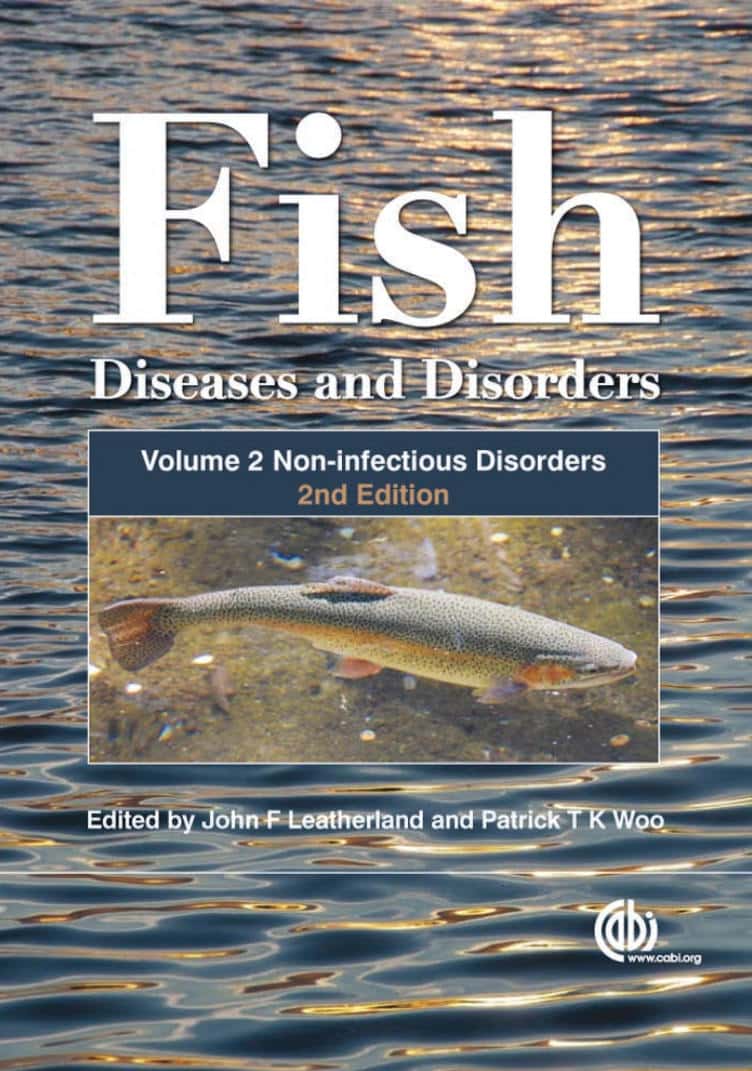
Fish Diseases and Disorders, Volume 2- Non-infectious Disorders, 2nd Edition

Fish Diseases and Disorders, Volume 2- Non-infectious Disorders, Second Edition

Fish Diseases And Disorders, Volume 2- Non-Infectious Disorders, Second Edition Pdf Download

By JF Leatherland and PTK Woo

Written by leading authorities in the field, this new edition of Volume 2 in the successful Fish Diseases and Disorders trilogy has been thoroughly updated with new research and contributions.

Focusing largely on finfish, it covers non-infectious disorders of development, growth and physiology of wild and captive species, including genetic conditions, respiratory disorders, stress physiology, environmental factors and a new contribution on the relationship between welfare issues and disorders associated with intensive fish culture. The book is indispensable for zoologists, fish health specialists and veterinarians, researchers and students, and those involved with fisheries and aquaculture.

Fish Diseases And Medicine

Recommended Book:
Table of Contents

Table of Contents:

  1. Introduction: Diagnostic Assessment of Non-infectious Disorders
  2. Neoplasms and Related Disorders
  3. Endocrine and Reproductive Systems, Including Their Interaction with the Immune System
  4. Chemically Induced Alterations to Gonadal Differentiation in Fish
  5. Disorders of Development in Fish
  6. Stress Response and the Role of Cortisol
  7. Disorders of Nutrition and Metabolism
  8. Food Intake Regulation and Disorders
  9. Immunological Disorders Associated with Polychlorinated Biphenyls and Related Halogenated Aromatic Hydrocarbon Compounds
  10. Disorders of the Cardiovascular and Respiratory Systems
  11. Hydromineral Balance, its Regulation and Imbalances
  12. Disorders Associated with Exposure to Excess Dissolved Gases
  13. Welfare and Farmed Fish
  14. Glossary
    Index

Get This Book

This Book is Avaiable for Members

Access this book instantly with a Premium membership

📄 PDF Format
⚡ Instant Delivery
Unlock Premium Access

Fish Diseases and Disorders, Volume 1: Protozoan and Metazoan Infections

Fish Diseases and Disorders, Volume 1: Protozoan and Metazoan Infections

Fish Diseases And Disorders, Volume 1: Protozoan And Metazoan Infections Pdf Download

By P. T. K. Woo

Fish is the principal source of protein for people in many parts of the world, particularly in developing countries. While most fish are caught from nature, aquaculture or fish farming is now making a significant contribution to total fish production. More intensive conditions of aquaculture often result in a higher incidence of fish diseases and disorders. As in the first edition, the focus of this second edition is on protozoan and metazoan parasites that cause disease in fish. Significant changes to this second edition include the addition of 3 new chapters and 4 of the original chapters have new authors.

Fish Diseases And Medicine

Recommended Book:
Table of Contents

Table of Contents:

  1. Preface to the First Edition
  2. Phylum Amoebozoa
  3. Phylum Dinoflagellata
  4. Diplomonadida (Phylum Parabasalia) and Kinetoplastea (Phylum Euglenozoa)
  5. Ichthyophthirius multifiliis and Cryptocaryon irritans (Phylum Ciliophora)
  6. Trichodinidae and Other Ciliophorans (Phylum Ciliophora)
  7. Phylum Apicomplexa
  8. Phylum Microspora
  9. Phylum Myxozoa
  10. Monogenea (Phylum Platyhelminthes)
  11. Digenea (Phylum Platyhelminthes)
  12. Cestoidea (Phylum Platyhelminthes)
  13. Phylum Nematoda
  14. Phylum Acanthocephala
  15. Phylum Arthropoda
  16. Phylum Annelida: Hirudinea as Vectors and Disease Agents
  17. Fish-borne Parasitic Zoonoses
  18. Parasitic Diseases of Shellfish
  19. The Immune System of Fish
  20. Immunocompetent Cells and Their Mediators in Fin Fish
  21. Molecular Approaches and Techniques
    Glossary
    Index

Get This Book

This Book is Avaiable for Members

Access this book instantly with a Premium membership

📄 PDF Format
⚡ Instant Delivery
Unlock Premium Access

A Colour Atlas of Companion Animal Parasites Life Cycles and Morphological Identification

A Colour Atlas of Companion Animal Parasites Life Cycles and Morphological Identification PDF Download

A Colour Atlas Of Companion Animal Parasites Life Cycles And Morphological Identification Pdf Download

By John W McGarry, Hany M Elsheikha and Suzanne Taylor

A Colour Atlas of Companion Animal Parasites: Life Cycles and Morphological Identification illustrates how to identify common parasites of dogs, cats and horses using simple morphological features. It presents parasite life cycles in straightforward, accurate terms, and covers:

  • The general features of major arthropods, helminths and protozoa of dogs, cats and horses.
  • Morphological identification of both adult parasites and their immature stages in tissues, with particular consideration given to differential identification.
  • Major parasites of companion animals which may shift regions because of climate change, animal movement and other anthropogenic factors.

Parasite identification is fundamental, not only for planning treatment, prevention and management of parasitic disease, but also for surveillance of invasive exotic parasites and for monitoring the spread of endemic species. With 600 parasite specimens photographed and annotated as a quick reference resource, this book mirrors what a practitioner might view down a microscope, bringing the subject alive. It forms a complete and practical resource for all veterinary students, veterinarians, and anyone interested in parasite control.

Table of Contents

  1. Introduction to Parasite Life Cycles
  2. Parasites of Dogs and Cats
  3. Parasites of Horses
  4. Morphology of Parasites and Their Stages in Tissues
  5. Arthropods of Cats and Dogs
  6. Helminths of Cats and Dogs
  7. Protozoa of Dogs and Cats
  8. Arthropods of Horses
  9. Helminths of Horses
  10. Parasites and Vectors Associated with Companion Animal Importation

Get This Book

This Book is Avaiable for Members

Access this book instantly with a Premium membership

📄 PDF Format
⚡ Instant Delivery
Unlock Premium Access

How to Start a Successful Veterinary Clinic

How to Start a Successful Veterinary Clinic PDF

How To Start A Successful Veterinary Clinic Pdf Download

By Herman Peters

Are you a passionate veterinarian dreaming of opening your own clinic? Or perhaps you’re an aspiring entrepreneur looking to make a difference in the world of pet care? In How to Start a Successful Veterinary Clinic, Herman Peters provides a comprehensive guide to turning your vision into reality.

Drawing on years of experience in the veterinary field and successful clinic management, Peters breaks down the essential steps needed to establish and run a thriving veterinary practice. This book covers everything from crafting a solid business plan and securing financing to navigating regulatory requirements and choosing the perfect location. You’ll learn how to build an effective team, implement best practices for patient care, and leverage technology to enhance your clinic’s operations.

How to Start a Successful Veterinary Clinic delves into marketing strategies to attract and retain clients, including the use of social media and community engagement. Peters also emphasizes the importance of ongoing staff training and professional development, ensuring your clinic remains at the forefront of veterinary medicine.

With practical tips, real-life examples, and invaluable insights, this book is a must-read for anyone looking to make their mark in the veterinary industry. Whether you’re starting from scratch or looking to enhance an existing practice, How to Start a Successful Veterinary Clinic is your essential roadmap to success in this rewarding field.

Table of Contents

Table of Contents:

1. Introduction
2. Why Start a Veterinary Clinic?
3. Defining Your Vision and Mission
4. Vision Statement
5. Mission Statement
6. Aligning with Personal Values
7. Conducting Market Research and Feasibility Study
8. Assessing Market Demand
9. Competitive Analysis
10. Identifying Your Niche
11. Feasibility Study
12. Creating a Business Plan
13. Executive Summary
14. Services Offered
15. Organizational Structure
16. Financial Planning and Projections
17. Marketing Strategy
18. Choosing the Right Location
19. Factors to Consider When Choosing a Location
20. Leasing vs. Buying
21. Renovations and Layout
22. Procuring Equipment and Supplies
23. Veterinary Equipment
24. Pharmaceutical Supplies
25. Technology and Software
26. Hiring and Managing Staff
27. Recruiting Veterinarians and Technicians
28. Recruiting Channels
29. Support Staff
30. Staff Training and Development
31. Creating a Positive Work Environment
32. Managing and Retaining Your Staff
33. Legal and Regulatory Considerations
34. Licensing and Permits
35. Zoning Laws
36. Insurance for Veterinary Clinics
37. Marketing and Building a Client Base
38. Branding and Identity
39. Online Presence
40. Partnerships and Community Involvement
41. Providing Exceptional Client Care
42. Pet Owner Education
43. Building Trust with Clients
44. Managing Difficult Cases
45. Growth and Expansion
46. Adding New Services
47. Expanding Your Clinic
48. Opening Additional Locations
49. Conclusion

Get This Book

This Book is Avaiable for Members

Access this book instantly with a Premium membership

📄 PDF Format
⚡ Instant Delivery
Unlock Premium Access

Greene’s Infectious Diseases of the Dog and Cat 5th Edition

Greene's Infectious Diseases of the Dog and Cat 5th Edition PDF Download

 Greene's Infectious Diseases Of The Dog And Cat 5Th Edition Pdf Download

By Jane Sykes

Greene’s Infectious Diseases of the Dog and Cat, 5th Edition provides a comprehensive, clinically useful reference on the management of infectious diseases caused by viruses, bacteria (including rickettsiae, chlamydiae, mycoplasmas, and spirochetes), fungi, algae, protozoa, parasites, and other atypical agents.

Each section guides the reader through diagnostic testing for specific infectious diseases, from specimen collection to laboratory submission to interpretation of results to appropriate treatment measures. Greene’s Infectious Diseases of the Dog and Cat 5th Edition has a Full-color illustrations and hundreds of tables that provide convenient access to diagnostic and therapeutic recommendations, along with the appropriate drug dosages for effective treatment and prevention.

Features

Features:

  • More than 150 internationally recognized experts contribute chapters on topics in their field of specialty.
  • Clear and logical organization of chapters provides a solid basis for an approach to diseases caused by specific pathogens, with the first part of the book including sections on diagnostic approaches, treatments (including recommended antimicrobial drug doses), and prevention.
  • Specific pathogens are addressed in the second part of the book, using a structured approach that includes etiology/epidemiology (relevance to wildlife animal hosts, role of the environment), clinical and laboratory findings, treatment, prevention, and public health implications.
  • Case examples illustrate principles and highlight how the material can be applied.
  • More than 800 clinical images, maps, life cycles, and photomicrographs assist with accurate understanding of epidemiology, pathogenesis, diagnosis of disease, and disease prevention.
  • Visually appealing maps and life-cycle drawings enhance your comprehension and retention of the material.
  • Convenient drug dosage tables in each chapter provide complete prescribing information; chapters on antimicrobial drugs in the first part of the book summarize pharmacokinetics, indications, contraindications, handling and administration guidelines; and dosage recommendations are made for antivirals, antibacterials, antifungals, antiprotozoals, and antiparasitic drugs. The book emphasizes approaches to optimize antimicrobial stewardship.
  • Clinical Problems section helps you understand what infectious diseases should be considered in animals seen with clinical signs relating to different organ systems.
  • Suggested readings and references are listed in each chapter, facilitating further research and study.
  • Fully searchable enhanced eBook version is included with print purchase, allowing access to all of the text and figures on a variety of digital devices.

Table of Contents

Table of Contents:

Part I. Principles of Diagnosis, Treatment and Control of Infectious Diseases

Section 1. Principles of Infectious Disease Diagnosis

1. Isolation in Cell Culture

2. Immunoassays

3. Isolation and Identification of Aerobic and Anaerobic Bacteria

4. Laboratory Diagnosis of Fungal Infections

5. Diagnostic Techniques for Identification of Parasites

6. Molecular Diagnostic Methods for Pathogen Detection

7. Clinical Epidemiology in Infectious Diseases and Interpretation of Diagnostic Tests

Section 2. Anti-infective Drugs

8. Principles of Anti-infective Therapy

9. Antiviral Chemotherapy and Immunomodulatory Drugs

10. Antibacterial Drugs

11. Antifungal Drugs

12. Antiprotozoal Drugs

13. Antiparasitic Drugs

Section 3. Principles of Infection Control

14. Cleaning and Disinfection

15. Prevention of Infectious Diseases in Hospital Environments

16. Prevention and Management of Infectious Diseases in Multiple-Cat Environments

17. Prevention and Management of Infection in Canine Populations

18. Considerations and Management of Infectious Diseases of Community (Unowned, Free-Roaming) Cats

19. Companion Animal Zoonoses in Immunocompromised and Other High-Risk Human Populations

20. Immunization

Part II. Specific Infectious Diseases and Their Etiologic Agents

Section 1. Viral Diseases

21. Rabies

22. Canine Distemper Virus Infection

23. Infectious Canine Hepatitis and Feline Adenovirus Infection

24. Canine Herpesvirus Infection

25. Influenza Virus Infections

26. Canine Parainfluenza Virus Infection

27. Canine Respiratory Coronavirus Infection

28. Miscellaneous and Emerging Canine Respiratory Viral Infections

29. Canine Parvovirus Infections and Other Viral Enteritides

30. Feline Panleukopenia Virus Infection and Other Feline Viral Enteritides

31. Feline Coronavirus Infections

32. Feline Leukemia Virus Infection

33. Feline Immunodeficiency Virus Infection

34. Feline Herpesvirus Infections

35. Feline Calicivirus Infections

36. Feline Foamy (Syncytium-Forming) Virus Infection

37. Paramyxovirus Infections

38. Feline Poxvirus Infections

39. Pseudorabies

40. Papillomavirus Infections

41. Arthropod-Borne Viral Infections

42. Bornavirus Infection

43. Emerging and Miscellaneous Viral Infections

Hantavirus Infection

Arenavirus Infection

Encephalomyocarditis Virus Infection

Enterovirus Infections

Ebola Virus Infection

Hepatitis E Virus Infection

Foot-And-Mouth Disease

Vesicular Exanthema and Other Caliciviruses

Rabbit Hemorrhagic Disease

Severe Acute Respiratory Coronavirus Infections

Section 2. Bacterial Diseases

44. Ehrlichiosis

45. Anaplasmosis

46. Spotted Fever Rickettsioses, Flea-Borne Rickettsioses, and Typhus

47. Neorickettsiosis

48. Coxiellosis and Q Fever

49. Chlamydial Infections

50. Streptococcal and Enterococcal Infections

51. Staphylococcal Infections

52. Miscellaneous Gram-Positive Bacterial Infections

53. Gram-Negative Bacterial Infections

54. Anaerobic Bacterial Infections

55. Bordetellosis

56. L-Form Infections

57. Mycoplasma Infections

58. Hemotropic Mycoplasma Infections

59. Actinomycosis

60. Nocardiosis

61. Mycobacterial Infections

62. Salmonellosis

63. Enteric Escherichia coli Infections

64. Enteric Clostridial Infections

65. Campylobacteriosis

66. Helicobacter Infections

67. Miscellaneous Enteric Bacterial Infections

68. Leptospirosis

69. Borreliosis

70. Bartonellosis

71. Canine Brucellosis

72. Tetanus and Botulism

73. Yersinia pestis (Plague) and Other Yersinioses

74. Tularemia

75. Bite and Scratch Wound Infections

76. Surgical and Traumatic Wound Infections

77. Miscellaneous Bacterial Infections

Section 3. Fungal Diseases

78. Dermatophytosis

79. Malassezia Dermatitis

80. Blastomycosis

81. Histoplasmosis

82. Cryptococcosis

83. Coccidioidomycosis and Paracoccidioidomycosis

84. Sporotrichosis

85. Candidiasis and Rhodotorulosis

87. Miscellaneous Fungal Diseases

88. Pythiosis, Lagenidiosis, Paralagenidiosis, Entomophthoromycosis, and Mucormycosis

89. Pneumocystosis

90. Protothecosis and Chlorellosis

91. Rhinosporidiosis

92. Microsporidiosis (Encephalitozoonosis)

Section 4. Protozoal Diseases

93. Toxoplasmosis

94. Neosporosis

95. Sarcocystosis

96. Leishmaniosis

97. Babesiosis

98. Cytauxzoonosis

99. Hepatozoonosis

100. Trypanosomiasis

101. Giardiasis

102. Trichomonosis

103. Cryptosporidiosis and Cyclosporiasis

104. Cystoisosporiasis and Other Enteric Coccidioses

105. Emerging and Miscellaneous Protozoal Diseases

Rangeliosis

Nonenteric (Free-Living) Amebiasis

Gastrointestinal Amebiasis and Balantidiasis

Blastocystosis

Section 5. Metazoan Parasites and Parasitic Diseases

106. Fleas and Lice

107. Mosquitoes and Other Blood-Feeding Flies

108. Myiasis

109. Ticks

110. Mites

111. Heartworm and Related Nematodes

112. Ascarids

113. Hookworms

114. Whipworms

115. Tapeworms

116. Miscellaneous Nematode Infections

117. Nematode Infections of the Respiratory Tract

118. Trematodes

Section 6. Infectious Diseases of Body Systems and Clinical Problems

119. Pyoderma, Otitis Externa and Otitis Media

120. Abscesses and Cellulitis

121. Osteomyelitis, Discospondylitis, and Infectious Arthritis

122. Cardiovascular Infections (Bacteremia, Endocarditis, Myocarditis, Infectious Pericarditis)

123. Sepsis

124. Bacterial Respiratory Infections (Tracheobronchitis, Pneumonia, and Pyothorax)

125. Gastrointestinal and Intra-Abdominal Infections

126. Hepatobiliary Infections

127. Infections of the Genitourinary Tract

128. Ocular Infections

129. Miscellaneous Infections and Inflammatory Disorders of the Central Nervous System

Prion Diseases and Feline Spongiform Encephalopathy

Bacterial Meningitis and Meningoencephalomyelitis

Neurologic Diseases of Suspected Infectious Origin

Greyhound Nonsuppurative Meningoencephalitis

Feline Poliomyelitis

Steroid-Responsive Meningitis-Arteritis

130. Hereditary and Acquired Immunodeficiencies

131. Fever

Appendix. Vaccination Schedules for Dogs and Cats

Index

Get This Book

This Book is Avaiable for Members

Access this book instantly with a Premium membership

📄 PDF Format
⚡ Instant Delivery
Unlock Premium Access