Home Blog Page 17

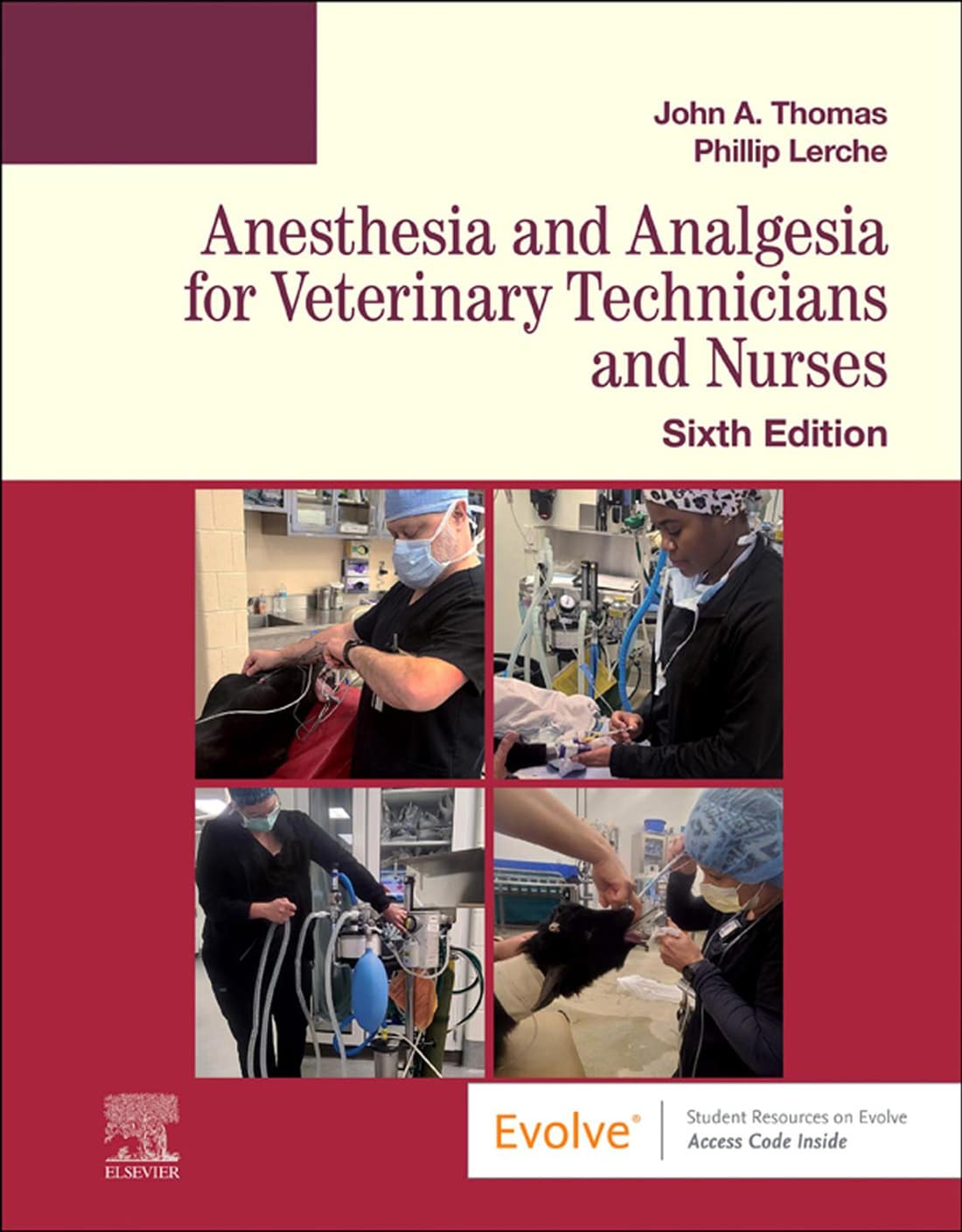
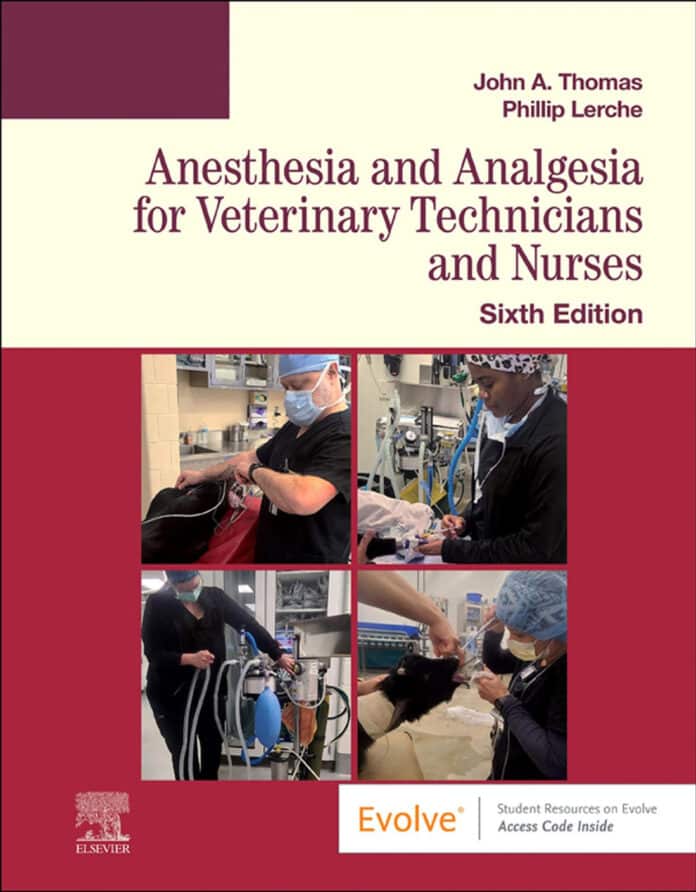
Anesthesia and Analgesia for Veterinary Technicians and Nurses 6th Edition

Anesthesia and Analgesia for Veterinary Technicians 6th Edition

Anesthesia And Analgesia For Veterinary Technicians 6Th Edition Pdf Download

By John Thomas and Phillip Lerche

Anesthesia and Analgesia for Veterinary Technicians and Nurses 6th Edition is the definitive guide to the latest drugs, techniques and protocols, and anesthetic equipment. Clear guidelines to anesthesia administration include pre-anesthetic preparation of the patient, induction procedures, the monitoring of patients’ vital signs during the anesthetic period, and postoperative care. Written by expert educators John A. Thomas and Philip Lerche, this trusted text prepares you for success in the classroom and on the Veterinary Technician National Exam (VTNE).

Features
  • Comprehensive coverage of dogs, cats, horses, cattle, camelids, and swine makes this an excellent resource for veterinary students and technicians.
  • Illustrated, step-by-step guidelines to common procedures include patient preparation, IV catheter placement, anesthetic induction techniques, endotracheal intubation, anesthetic maintenance techniques, and anesthetic recovery.
  • Two large-animal anesthesia chapters cover pain management and anesthetic techniques for equine, ruminant, camelid, and swine patients.
  • Reference tables and boxes provide quick access to fluid administration rates, properties of anesthetic drugs, oxygen flow rates, anesthetic protocols, normal and abnormal monitoring parameters, and more.
  • Learning features include chapter outlines, learning objectives, key terms, Technician Notes, key points, review questions, and suggested readings.
  • Glossary at the end of the text makes it easy to look up definitions of terms.
  • NEW! Content on anesthetic practices used to improve patient outcomes includes anesthetic safety checklists, anxiolysis, minimization of anatomical dead space, and administration of constant rate infusions.
  • NEW! Updates reflect the latest advances in veterinary anesthesia and analgesia including new fasting recommendations, drugs, equipment, and anesthetic protocols.
  • NEW! Expanded coverage includes equipment care and sanitation, management of hypothermia, and local anesthetic techniques used to provide analgesia.
  • NEW! Updated practice guidelines provide the basis for anesthesia information, including the 2022 AAHA Pain Management Guidelines for Dogs and Cats and the 2020 AAHA Anesthesia and Monitoring Guidelines for Dogs and Cats.
  • NEW! Revised and additional reference tables and charts enhance their ease of use for routine tasks such as calculation of IV fluid administration rates and oxygen flow rates, and interpretation of monitoring data.


Table of Contents

1. Introduction to Anesthesia
2. Patient Preparation
3. Anesthetic Agents and Adjuncts
4. Anesthetic Equipment
5. Workplace Safety
6. Anesthetic Monitoring
7. Special Techniques
8. Analgesia
9. Canine and Feline Anesthesia
10. Equine Anesthesia
11. Anesthesia of Ruminants, Camelids, and Swine
12. Rodent and Rabbit Anesthesia
13. Anesthetic Problems and Emergencies
Appendix A: Procedure for Operation of a Full Rebreathing System
Appendix B: American College of Veterinary Anesthesia and Analgesia Monitoring Guidelines Update, 2009
Appendix C: Equipment and Drugs for Use in an Emergency Crash Cart
Appendix D: Standard Volumes, Weights, Measures, and Equivalents
Answer Key
Glossary

Get This Book

This Book is Avaiable for Members

Access this book instantly with a Premium membership

📄 PDF Format
⚡ Instant Delivery
Unlock Premium Access

List of Veterinary Equipment and Tools: A Complete Guide (2026)

List of Veterinary Equipment and Tools For Veterinarians

Veterinary Equipment & Tools: A Complete List For Clinics & Hospitals (2026) + Free Book
List Of Veterinary Equipment And Tools For Veterinarians
Choosing the right veterinary equipment is essential for running a safe and efficient veterinary clinic in 2026. Modern practice depends on the right mix of veterinary tools, diagnostic devices, and clinical essentials to support accurate diagnosis and high-quality patient care.

This updated guide provides a clear list of veterinary equipment and tools used in small clinics, large hospitals, and specialized practices.

Whether you are opening a new clinic or upgrading your setup, this page works as a practical reference for veterinarians. For quick selection, the items are organized by function and clinical importance—so you can easily identify essential tools, advanced equipment, and optional devices based on your needs in 2026.

Essential Diagnostic Tools

Diagnostic tools form the foundation of daily veterinary practice. These instruments are used during routine examinations and initial assessments to help veterinarians evaluate an animal’s health, detect abnormalities, and decide on further diagnostic or treatment steps. The following tools are considered essential for any veterinary clinic in 2026, regardless of size or specialty.

Veterinary Stethoscopes

Veterinary Stethoscopes

Stethoscopes are fundamental and one of the most important Vet Tools that all professionals in the medical field need, but the vet needs a specific stethoscope for their practices. Littmann stethoscopes are the most popular.

The stethoscope is a small, lightweight, and portable tool that has different parts like ear tips, tubes, ear tubes, stem, headset, diaphragm, chest-piece, and bell. The diaphragm or bell picks up the sound created by the animal’s body and passes it to the earpiece.

The stethoscope is essential because it helps us bypass all muscles and fur, and in fact, helps us hear the sounds of the lungs, intestines, and heartbeat. Thanks to this specialized equipment, it is now easy to examine any large or small animal.

Related guide:

6 Best Veterinary Stethoscopes For Veterinarians In 2026

Thermometers
Veterinary Thermometers

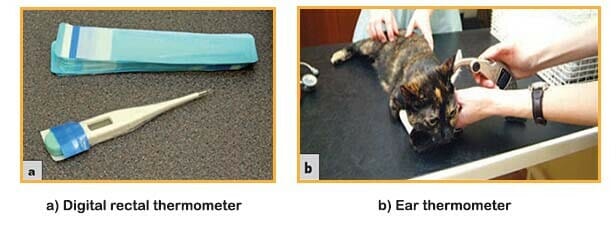
These can be of the traditional glass and mercury type, although they will require a risk assessment and plans for mercury disposal in case of breakage. They must be thoroughly cleaned and disinfected between patients.

Digital rectal thermometers are accurate and easy to read and are usually supplied with sterile single-use disposable probe covers to avoid cross-infection.

Ear thermometers can also be used and suitable models are now available for most small animals. These also use disposable covers to prevent cross-infection.

It is better to continue to use the same type of thermometer when monitoring the temperature of an ongoing case, as there can be significant differences in readings between rectal and ear thermometers.

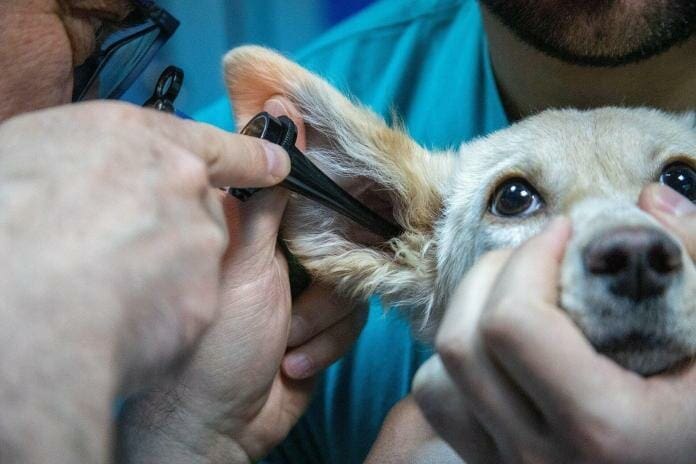
Ophthalmic and Aural Examination Tools
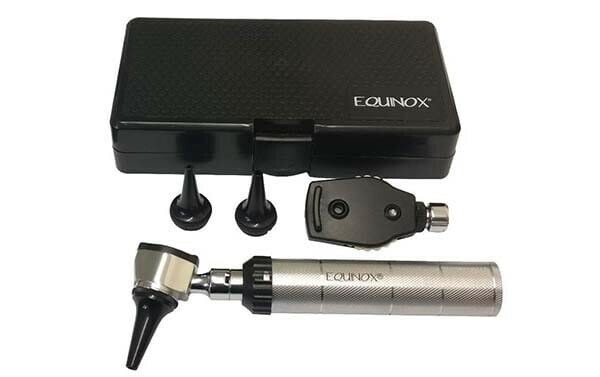
Veterinary Ophthalmic And Aural Examinations Tools

For ophthalmic examinations a pen torch or Finhoff transilluminator is useful; a hand lens, fluorescein strips and tear test strips should also be to hand in the consulting area.

Ophthalmoscopes and auriscopes should be cleaned and checked regularly. Ophthalmoscope and auriscope sets can be either mains- or battery-operated.

Wall-mounted mains-operated sets in each consulting room are easy to use, look neat and tidy, are always available, and have the added advantage of never having a flat battery, but attention should be paid to the extending wires.

Battery-operated sets are more portable, can be shared between rooms, and taken out on visits, but they need regular checks and supplies of spare batteries available (unless rechargeable batteries are used).

They are also easy to leave on, leading to flat batteries, although handsets that come on when they are picked up and automatically switch off when they are put down are now available.

Microscopes
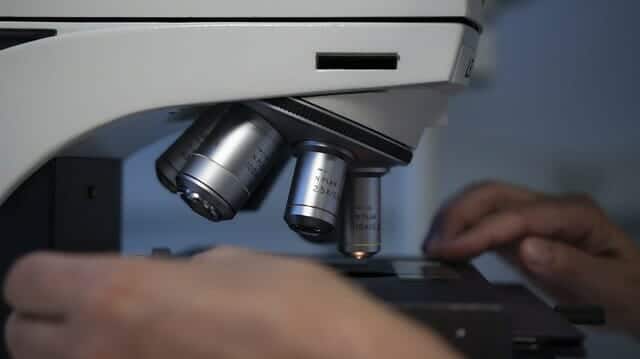
Microscopes For Veterinarians

Microscopes are used in veterinary practice for the proper diagnosis and treatment of patients. A microscope can increase the efficiency of a veterinary clinic. They are used to examine patient samples microscopically with the help of certain solutions.

The microscope has significant use in veterinary practices for viewing:

  • Ear swabs
  • Urine sediments
  • Fecal parasites
  • Blood cytologies
  • Differential counts
  • Tumor aspirates
  • Embryo transfer
  • Sperm motilities
  • Skin issues

With the advancement of technology, the new microscopes ensure sharp and bright images coupled with new LED lighting, making it easier to examine samples even during evening hours.

Centrifugal Machine
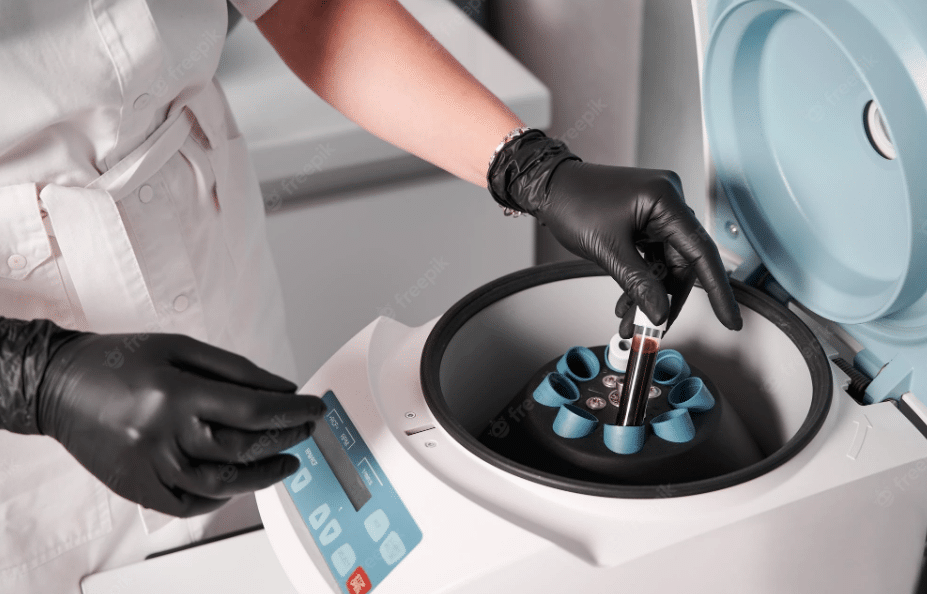
Centrifugal Machine For Veterinarians,List Of Veterinary Tools

A centrifugal machine is an essential device in veterinary clinics and laboratories. It is used to separate plasma and serum from blood cells for diagnostic testing.

Centrifuges are also used in urine and fecal sediment examination. The separated serum can be utilized for various diagnostic tests, including antigen and antibody detection.

Exam Room Equipment

The examination room is the core area of any veterinary clinic. Proper equipment in this space allows veterinarians to perform physical examinations safely, efficiently, and comfortably for both the animal and the clinician.

Exam and Procedure Tables
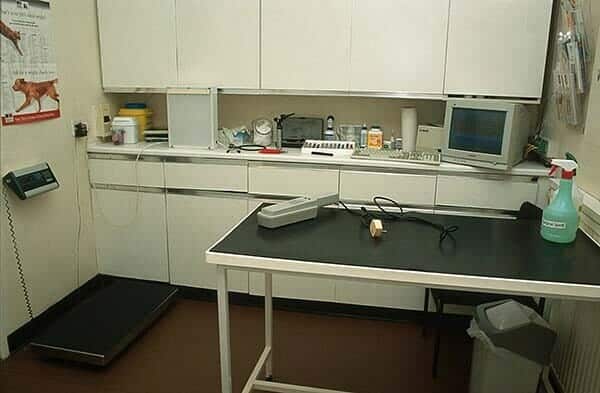
Exam And Procedure Tables For Vet Clinic

To examine and treat animals, you will need an examination table in each treatment room. There are different types of exam tables available according to the unique needs of your clinic.

  • Electric and hydraulic tables
  • V-top tables
  • Lift tables

The surface of these examination tables is very versatile and flexible and can be adjusted according to the size of the pet patient or the area under examination.

These tables are not like standard tables; they are designed for routine disinfection and easy cleaning.

Weighing Scales
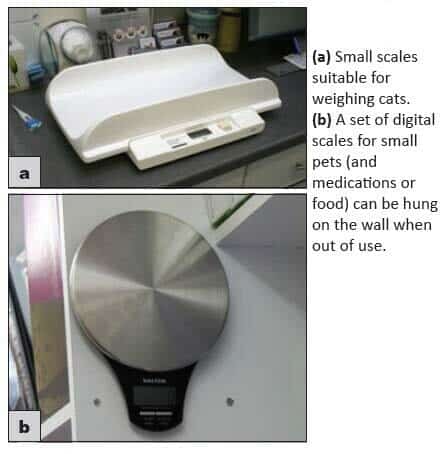
Weighing Scales For Vet Clinic

Weighing scales are used in veterinary clinics to measure the weight of each patient, which is essential for determining ideal body weight, health status, and accurate drug dosing.

Scales are available in a variety of sizes and styles for cats, dogs, horses, and wild animals.

Large scales should be carefully positioned to avoid trip hazards, while smaller scales for cats are best kept in the consulting room to reduce the risk of escape.

There should also be accurate scales suitable for small and exotic pets, as well as scales for weighing food for hospitalized patients.

Modern scales are pet-friendly and often feature comfortable rubber mats, LED displays, and portable designs with AC and battery options.

Lighting

Veterinary Lighting For Vet Clinic

Proper lighting is required in the examination room for routine treatment, surgery preparation, and dental examinations.

In the past, incandescent and halogen bulbs were commonly used in veterinary clinics. Today, LED-based lighting systems are preferred due to their efficiency, eco-friendly nature, long lifespan, and improved light quality.

LED lights typically have a lifespan of up to 50,000 hours and consume significantly less electricity than traditional lighting systems.

Refrigerators

Refrigerators

Refrigerators are commonly used in veterinary clinics for storing vaccines, medications, biological samples, and certain medical supplies.

In small clinics, refrigerators may be used mainly for vaccines and basic medications, while larger hospitals may require multiple refrigerators for drugs, laboratory samples, and nutritional products.

Surgery & Sterilization Essentials

Surgical and sterilization equipment are critical components of any veterinary clinic that performs operative procedures. Proper tools and strict sterilization protocols are essential to ensure patient safety, reduce infection risks, and maintain high clinical standards.

Anaesthetic Machine
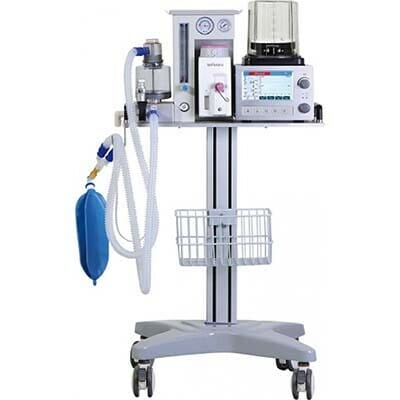
Veterinary Anesthesia Machine For Vet Clinic

An anesthesia machine is one of the most essential pieces of veterinary equipment used to generate and deliver medical gases during surgical procedures.

It helps maintain sedation while reducing risks to the animal’s life and is commonly used alongside monitoring equipment to track vital signs throughout anesthesia.

Oxygen is typically used during anesthesia, and following proper anesthetic protocols is critical to ensure patient safety during surgery.
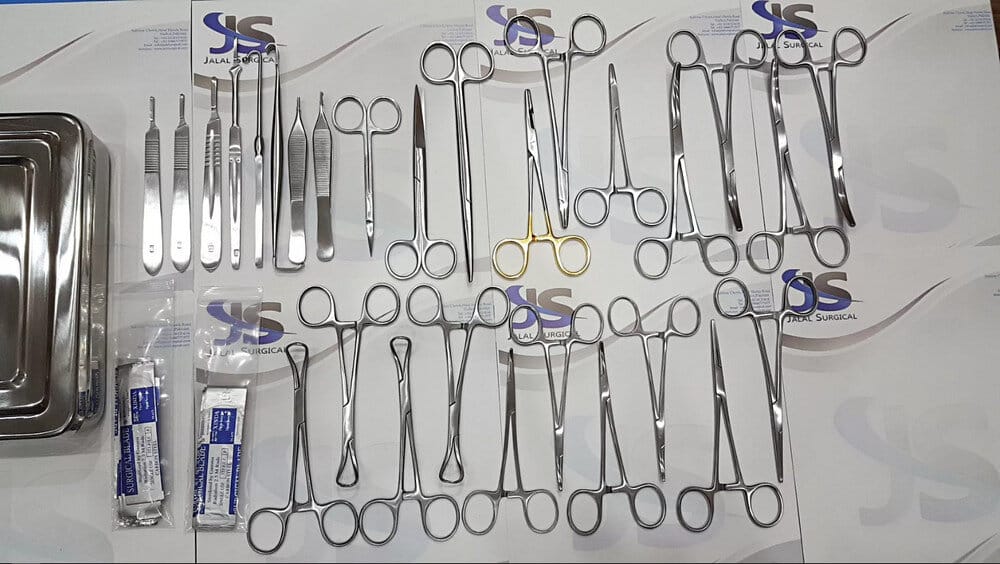
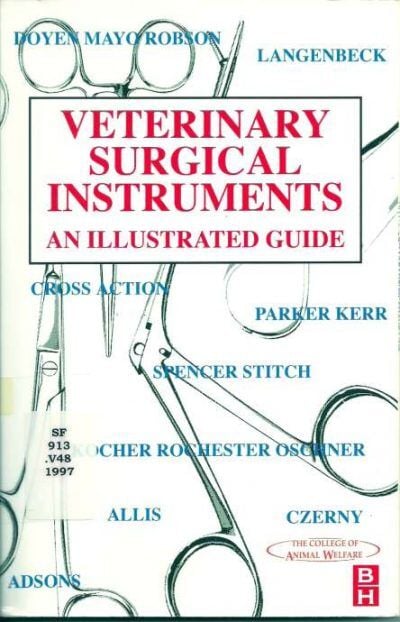
Veterinary Surgical Instruments

Veterinary Surgical Instruments List

General surgical instruments are the basic instruments required for most surgical operations. These instruments must be manufactured with high precision to ensure accuracy and safety during surgical procedures.

Common general surgical instruments include:

  • Scissors
  • Forceps
  • Dissecting forceps
  • Tissue forceps
  • Clamps or hemostats
  • Visceral clamps
  • Towel clamps
  • Scalpel
  • Retractors
  • Self-retaining retractors
  • Needle holders

In addition to general instruments, specialized surgical tools are used for orthopedic, ophthalmic, dental, and teat surgeries depending on the type of practice.

Related guide:

Veterinary Surgical Instruments List: Names, Uses, and Pictures

Autoclaves and Sterilizers
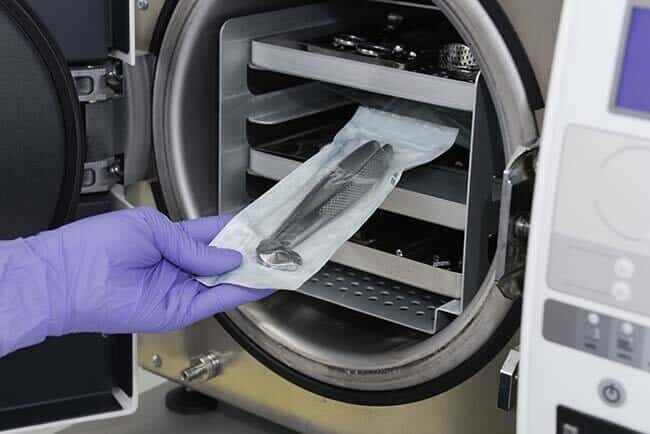
Veterinary Autoclaves And Sterilizers

Autoclaves and sterilizers are essential in veterinary clinics for the proper sterilization of surgical instruments and medical tools.

Sterilized instruments reduce the risk of infection and contamination while also extending the lifespan of surgical tools compared to harsh chemical disinfection methods.

Autoclaves are available in various sizes depending on clinic volume. High-volume clinics often require larger units, while digital and automatic autoclaves allow faster turnaround times than manual models.

Monitoring & Therapeutic Equipment

Monitoring and therapeutic equipment play a vital role in maintaining patient safety during anesthesia, surgery, and critical care. These tools allow veterinarians to continuously assess vital parameters and provide supportive therapy when needed.

Monitoring Equipment
Monitoring Equipment For Vet Clinic

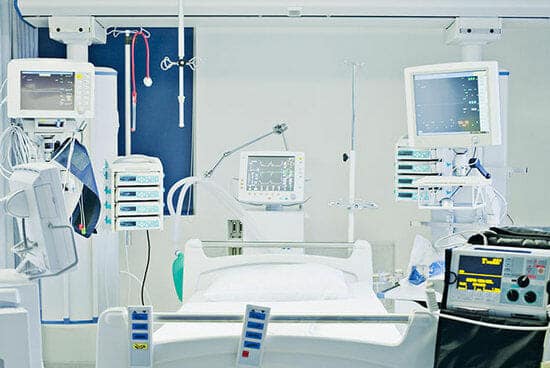
Monitoring equipment can be used in a veterinary clinic to help keep patients safe, healthy, and productive.

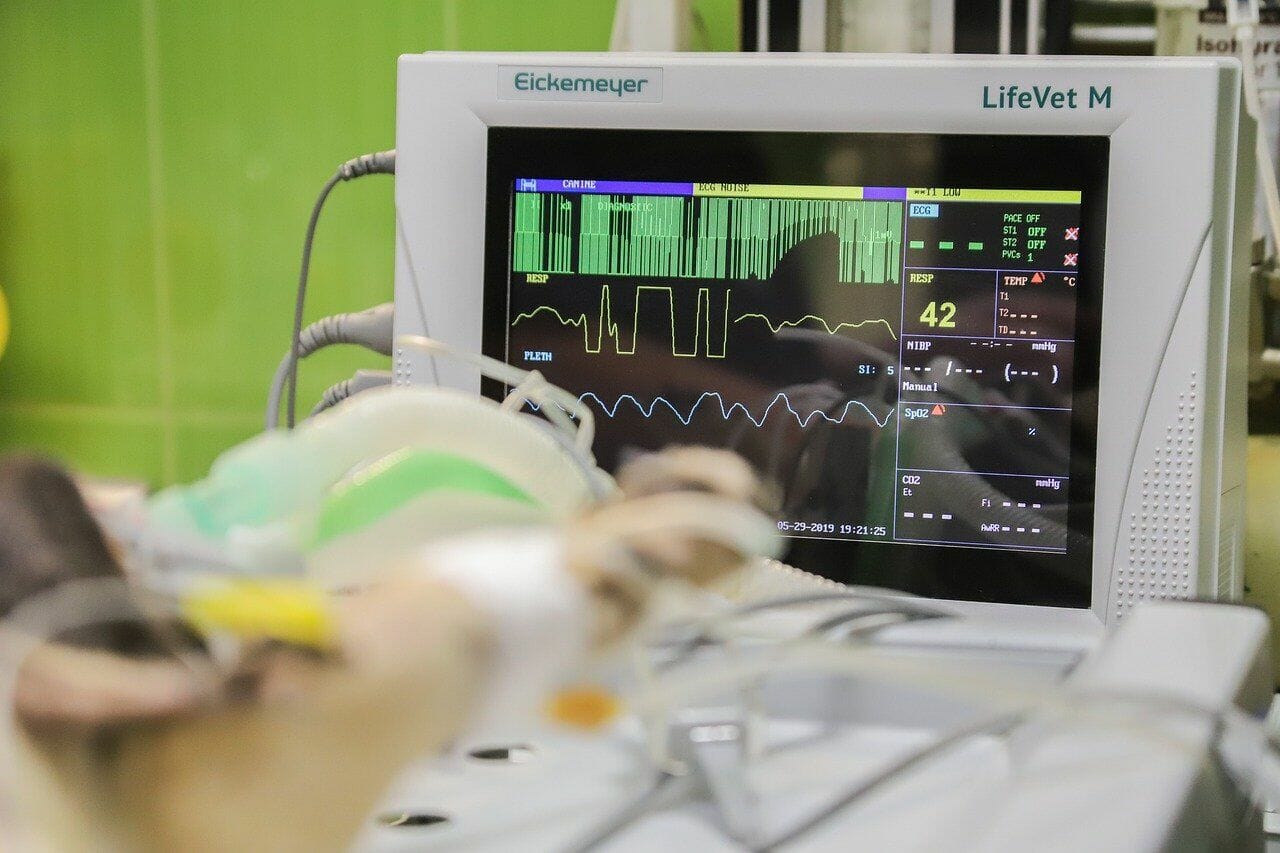
By using monitors, veterinarians can keep track of important health information such as blood pressure, heart rate, and other vital signs.

Continuous monitoring helps improve patient outcomes and allows early detection of complications during anesthesia and intensive care.

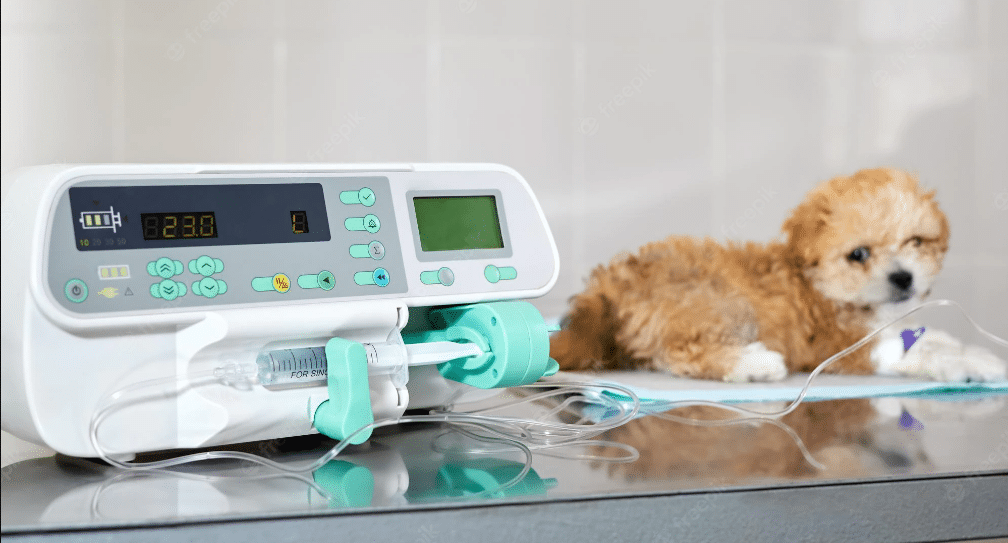
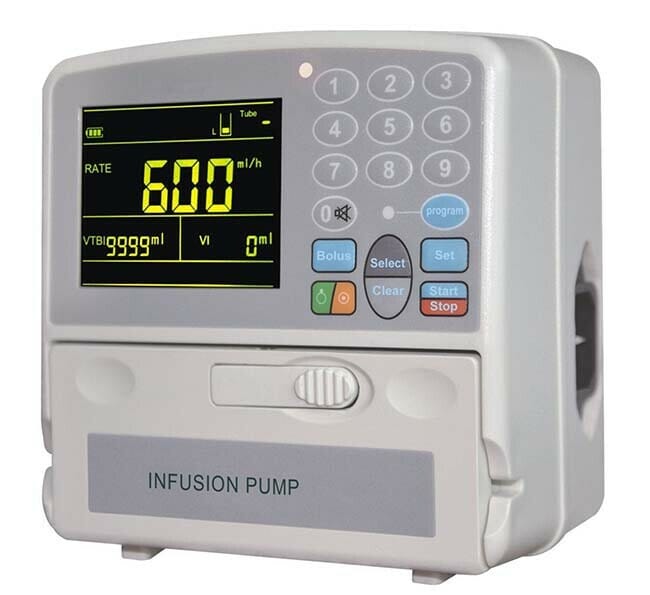
IV Pumps
Veterinary Iv Pumps For Vet Clinic

IV pumps are essential equipment used in veterinary clinics to administer medications, fluids, and supplements to patients during surgeries and critical care.

They are used to control a constant infusion rate over a specific period of time, ensuring accurate and safe drug delivery.

Syringe pumps offer a wider range of delivery modes and support different syringe sizes. Although more expensive, IV pumps are durable and provide long-term value for veterinary practices.

Warming Unit

Warming Unit For Vet Clinic

A patient warming unit (PWU) is an electronic device used to maintain or increase a patient’s body temperature in a veterinary clinic.

Warming units are commonly used before, during, and after surgical procedures to improve patient comfort and reduce the risk of hypothermia.

Emergency Equipment

Veterinary Emergency Equipment

If the consulting room is at a small satellite branch surgery with consulting-only facilities, it is worth considering keeping an emergency box at the branch.

This emergency box can be similar to an anesthetic crash kit and may include intravenous fluids and catheters, endotracheal tubes, oxygen supply, and essential emergency drugs.

Emergency equipment allows veterinarians to stabilize critical patients before referral to a main surgery or hospital.

Related guide:

10 Emergency Equipment For Every Veterinary Hospital

Advanced & Specialized Tools

Advanced and specialized veterinary equipment is typically used in large clinics, referral centers, and hospitals that offer extended diagnostic and therapeutic services. These tools enhance diagnostic accuracy and allow for advanced treatment options.

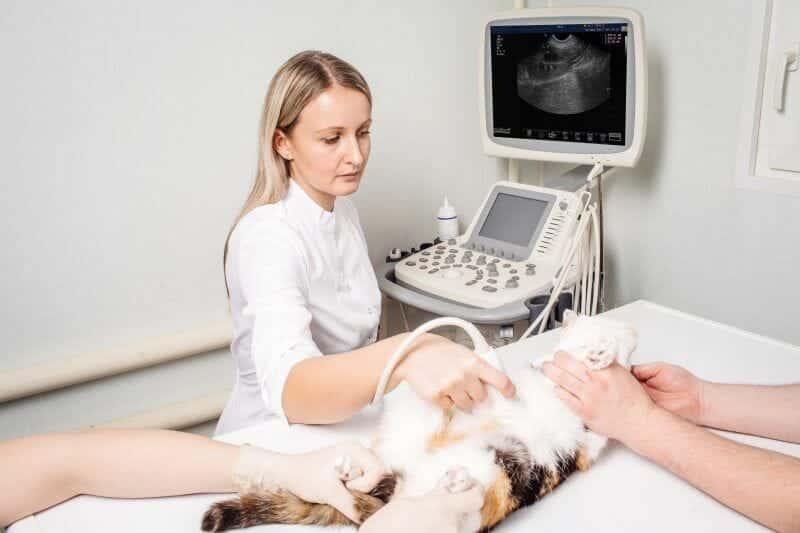
Veterinary Ultrasound
Veterinary Ultrasounds

Ultrasound is a widely used diagnostic imaging tool in veterinary medicine that uses sound waves to produce real-time images of internal organs and body systems.

Modern ultrasound machines provide clearer images, faster examination times, and can be used across a wide range of animal sizes. Portable ultrasound devices are especially useful for mobile practices and on-site examinations.

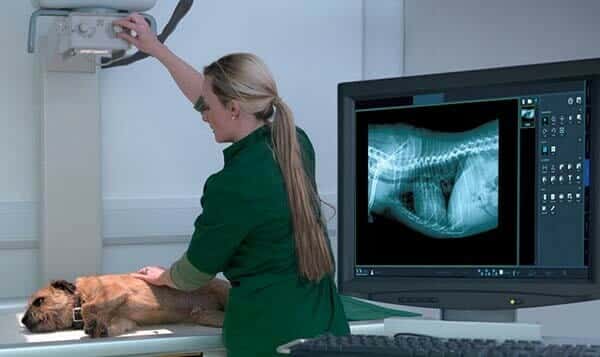
Digital X-Ray Machines
Digital X-Ray Machines For Vet Clinic

Digital radiography allows veterinarians to obtain high-quality images of bones, muscles, and internal organs without the need for traditional film processing.

Digital images can be zoomed, enhanced, and shared easily for consultation, making digital X-ray systems an essential diagnostic tool in many veterinary hospitals.

CT Scanners & MRI
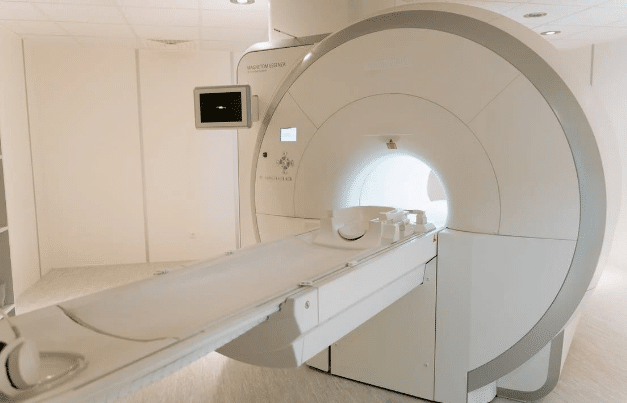
Ct Scanner For Vet Clinic

CT scanners and MRI systems provide detailed cross-sectional and three-dimensional images of the body, allowing for advanced diagnostic capabilities.

These imaging tools are particularly useful for identifying tumors, neurological conditions, and complex musculoskeletal disorders, and are commonly found in referral hospitals.
Dental Equipment

Veterinary Dental Equipment And Tools

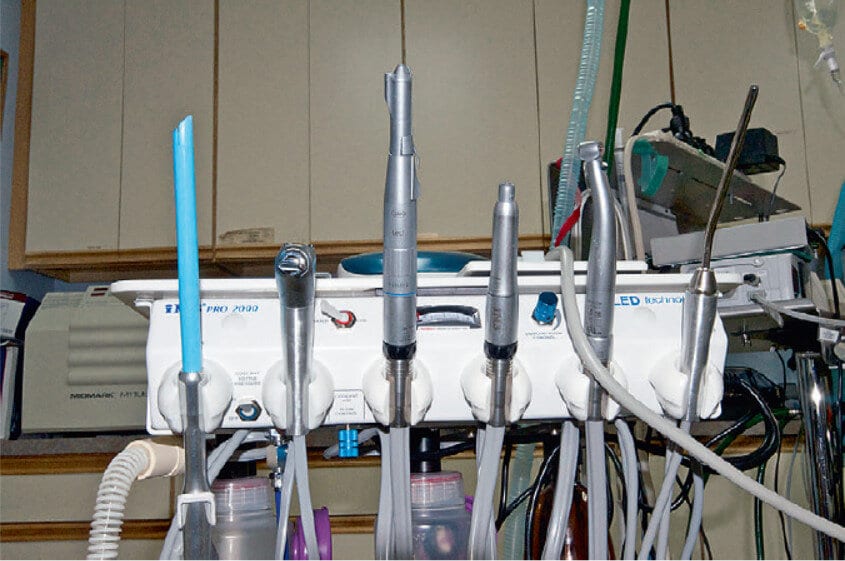
Veterinary dental equipment is essential for maintaining oral health and preventing dental disease in animals. Proper dental care helps reduce infections, pain, and systemic health problems associated with poor oral hygiene.

Common veterinary dental equipment includes ultrasonic scalers, dental units, extraction forceps, bone curettes, mouth gags, and polishing tools. Ultrasonic scalers are particularly effective for removing dental calculus while minimizing damage to tooth surfaces.

Dental procedures are commonly performed under anesthesia, making proper monitoring and supportive equipment essential during dental treatments.

Related guide:

Veterinary Dental Equipment and Instruments: Names and Uses

Endoscopic Instruments
List Of Veterinary Tools

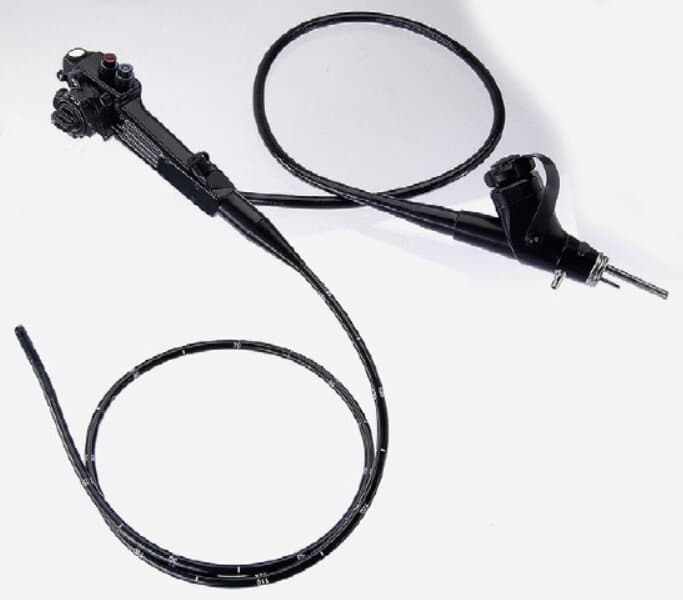
Endoscopy is a diagnostic and therapeutic technique used to examine internal organs such as the gastrointestinal tract, joints, and body cavities.

Endoscopes may be flexible or rigid. Flexible endoscopes are commonly used for gastrointestinal examinations, while rigid endoscopes are used for joints and non-tubular body cavities.

Incubators
Incubators For Veterinarians

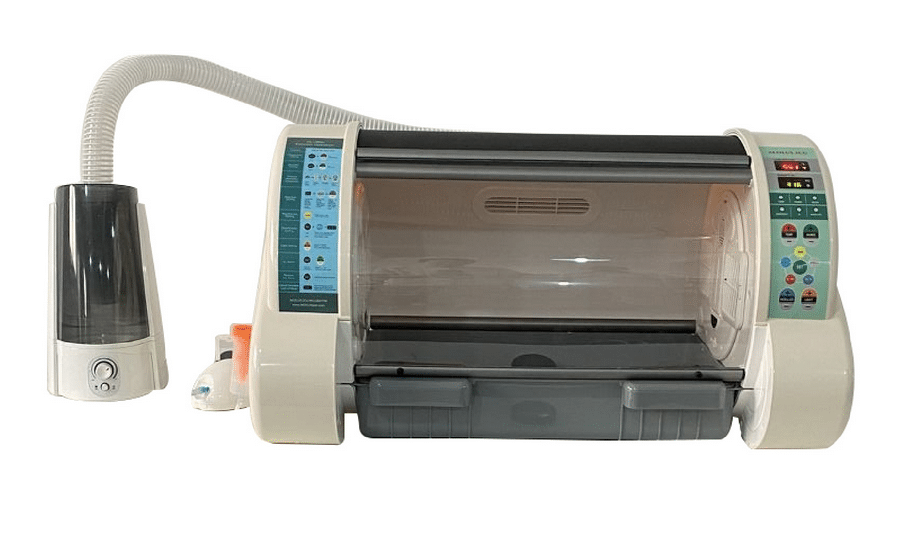
Incubators are used in veterinary clinics for bacterial culture, antibiotic sensitivity testing, and embryo management.

They provide controlled environments to support laboratory diagnostics and specialized reproductive procedures.

Other Tools

A selection of scissors and basic forceps is helpful in the consulting room, as is a range of nail clippers varying from heavy-duty to small sizes.

Electric clippers are particularly useful and upset animals much less than standard clippers. Cordless clippers are more practical and reduce trip hazards.

All clippers should be cleaned thoroughly and disinfected between patients.

Tools for taking samples such as swabs, blood tubes, and sample containers should be readily available. Microscope slides and coverslips should also be kept close at hand.

Examination gloves should include non-latex options for staff with latex allergies.

Additional Basic Tools

  • Otoscope
  • Refractometer
  • Hemocytometer
  • Muzzles
  • Nail clippers and electric clippers
  • Disposable syringes
  • Dose syringe
  • Needles
  • Matic dose syringe
  • Oral calf drencher
  • Balling gun
  • Frick speculum
  • White nail trimmer
  • Fecal loop
  • Bull ring
  • Electric dehorner
  • Burdizzo castrator
  • Fetal extractor
  • Trocar and cannula
  • Sphygmomanometer
  • Blow dart
  • Insemination kit
  • Suction machine

Setup & Workflow Tips

Proper clinic setup and workflow organization play a major role in improving efficiency, reducing staff stress, and enhancing patient safety. Even with advanced equipment, poor layout and workflow can negatively impact daily veterinary operations.

General Workflow Principles for All Clinics

  • Ensure easy access to essential tools such as examination tables, diagnostic instruments, and weighing scales.
  • Arrange equipment to minimize unnecessary movement and excessive animal handling.
  • Maintain clear and consistent equipment placement to speed up routine procedures.

Examination Room Setup

  • Keep frequently used diagnostic tools within arm’s reach.
  • Position weighing scales inside or near consultation rooms to reduce patient movement.
  • Ensure adequate lighting for physical and dental examinations.

Sterilization and Infection Control Workflow

  • Separate sterilization areas from examination and treatment zones.
  • Follow a clear workflow: cleaning → sterilization → storage.
  • Use dedicated storage for sterile and non-sterile instruments.

Equipment Maintenance and Safety

  • Schedule regular maintenance and calibration of diagnostic and monitoring equipment.
  • Clean and disinfect reusable tools after each use.
  • Inspect electrical and mechanical devices to prevent unexpected failures.

Trends in Veterinary Equipment 2026

Veterinary equipment continues to evolve alongside advancements in technology and changes in clinical practice. In 2026, the focus is on digital integration, portability, efficiency, and sustainability across different types of veterinary practices.

General Trends Across All Veterinary Clinics

  • Increased use of digital diagnostic and imaging systems.
  • Greater emphasis on workflow efficiency and time-saving tools.
  • Adoption of integrated digital record and monitoring systems.

Small Animal Clinics

  • Portable ultrasound and compact digital X-ray systems.
  • Wireless patient monitoring devices.
  • Space-efficient equipment suitable for smaller clinics.

Large Veterinary Hospitals and Referral Centers

  • Advanced imaging technologies such as CT and MRI.
  • Integrated monitoring systems for ICU and surgical units.
  • High-capacity sterilization and laboratory equipment.

Specialized Practices

  • Dental clinics: advanced dental units and imaging tools.
  • Emergency and critical care: high-level monitoring and rapid-response equipment.
  • Equine and farm practices: mobile and field-ready diagnostic tools.
  • Exotic and wildlife practices: specialized handling and diagnostic devices.

Sustainability and Energy Efficiency

  • Energy-efficient lighting and equipment.
  • Eco-friendly sterilization and waste management systems.
  • Reduced power consumption without compromising performance.

Conclusion

This guide provides a comprehensive and structured overview of veterinary equipment and tools used in modern veterinary clinics and hospitals. From essential diagnostic instruments to advanced imaging and monitoring systems, proper equipment selection plays a critical role in delivering safe and effective patient care.

Veterinary clinics should prioritize essential tools first, then expand gradually based on practice needs, budget, and service scope. Staying informed about new technologies and maintaining proper workflow standards ensures long-term success.

Tip

Do You Want To Increase Your Veterinary Knowledge and Practical Skills?

You Can Now Download +3000 Veterinary Books Online In All Veterinary Fields.

Register Now

Illustrated Handbook of Sheep Farming

Illustrated Handbook of Sheep Farming PDF Download

Illustrated Handbook Of Sheep Farming Pdf Download

By Aleksandar Mratinković, Hazem Shawky Fouda

The Illustrated Handbook of Sheep Farming is a comprehensive and practical guide designed for veterinarians, veterinary students, and sheep farmers who want to improve flock health and productivity. The book covers every essential aspect of sheep production — including breeds, nutrition, housing, reproduction, disease prevention, lambing management, parasite control, and general flock care — all explained with clear illustrations and real-world examples.

  • Contains information on every step of the process, from breeding and rearing to wool production and beyond.
  • Covers business management, pasture growth and management, nutrition and feed management, reproductive management, disease management, genetic improvement, and animal welfare.
Table of Contents

  • Glossary of Selected Terms
  • Preface
  • CHAPTER 1 — Business Management of Sheep Farming
  • CHAPTER 2 — Pasture Growth and Management
  • CHAPTER 3 — Nutrition and Feed Management
  • CHAPTER 4 — Drought Management
  • CHAPTER 5 — Reproduction Management
  • CHAPTER 6 — Disease Management
  • CHAPTER 7 — Genetic Improvement
  • CHAPTER 8 — Animal Welfare
  • Index

Get This Book

This Book is Avaiable for Members

Access this book instantly with a Premium membership

📄 PDF Format
⚡ Instant Delivery
Unlock Premium Access

9 Marketing Ideas For Veterinary Practice

Veterinary Marketing Ideas

Veterinary Marketing Ideas

Animals are considered the nicest companions of human beings.  According to a survey, more than a billion domestic animals live with families in Europe, the United States of America, and other countries in the world.  In addition to that, the cost of treatment, food, and other pet services varies from country to country.

Many vets look forward to knowing about different strategies to promote veterinary clinics. As you know, effective marketing plays an important role in attracting clients to your clinic.  Keep one thing in your mind, be innovative and creative.

In this blog, we will discuss “ Basic Veterinary Marketing Ideas” on the basis of my own experience.

Veterinary Books

1-Marketing on Social Media

Veterinary Clinic Marketing

Social media contains various enthusiastic animal lovers from all around the world. Many pet owners seek help from social media forum,s particularly online pet websites.  You can create various interesting blogs/visual graphics and interesting images regarding the care of pets and other animals.

Do viral those images/graphics on social media to attract clients. For example, you can create an account on Pinterest and provide a description of your services over there.

Facebook Marketing

Veterinary Clinic Marketing

You create a page on Facebook about your veterinary clinic services. Showcase your veterinary clinic with all available facilities in a better way. All along with that describe your all services there. Over and above, you can also post some true stories of different pets which visit your clinic along with their pictures.

Also post awareness blogs related to the pet diseases, awareness to the owners, etc. This is also better to answer the queries of customers on Facebook to engage them.  In addition, you can celebrate several animal days as well. For example, cat day, dog day, animal welfare day, etc.

Note: Try to stay active on social media and viral your page in different groups of animal lovers.

Marketing on Miscellaneous Social Media Forums

Veterinary Clinic Marketing

You can also market/promote your veterinary clinic on other social media platforms. For example, Twitter, Google +, Linked In etc. You can share informative articles, small posts, and other important veterinary stuff here. These all things would help you in developing and promoting a veterinary clinic in an effective way.

Read More: 5 Ways By Which Social Media Can Level Up Your Veterinary Practice

2-Host a Social Media Contest

Veterinary Clinic Marketing

This is also a wonderful activity that can help you in promoting your veterinary clinic.  For instance, create an innovative and creative event on social media i-e pet pictures contest. All along with that, let the pet owners submit the best pictures of their pets and then ask your other followers to vote for the wonderful pictures out of them. These types of contests will help in marketing your clinic by attracting more clients.

3-Create a Website

Veterinary Clinic Marketing


This is an awesome strategy to boost up your veterinary clinic business. You can create a user-friendly website. On that website, you must provide all the essential information that an animal owner needs to know. Here, we have listed some important points.

  • Location of your clinic
  • Contact information
  • Service cost
  • Available facilities
  • Availability hours
  • Frequently asked questions

A well-explanatory website can engage many animals owners and market your veterinary clinic in an effective way.

4- Search Engine Optimization of Veterinary Clinic

Veterinary Clinic Marketing

This is a highly important point that can help you in marketing the veterinary clinic among animal lovers. Optimize your site in such a way that if a customer is looking for veterinary clinic or pet care services then your clinic must be among the top search results.

Keep in mind that, owners won’t definitely like to travel a long distance to find pet care services.  They would like to find nearby options.

Methodology:

Local SEO is the best option. It can attract customers in your local area or nearby regions. There are different ways to do SEO optimization, for example, you can add the name of your city in the title tags of your website. Secondly, you can register your veterinary clinic business with Google (the best way to market the veterinary clinic).

5- Work on the Infrastructure of Your Clinic

Veterinary Clinic Marketing

This is a general observation that the attractive infrastructure and eye-catching colors of the veterinary clinic attract many owners.  Choose the best colors for your hospital and try to keep your hospital neat and clean.

In Addition to your clinic or hospital design, try to get all the necessary Veterinary Equipment and Tools in order to be able to provide clients will all services they need.

Read More: List of Veterinary Equipment and Tools Essential For Your Clinic

6- Develop a Food Product

Veterinary Clinic Marketing

Developing a unique and highly nutritious food product can also help in promoting your veterinary clinic. It attracts the attention of pet owners and makes your clinic the center of attention for all. Try to maintain the quality of the product and provide it at affordable prices to attract the people. Also, advertise your product on social media to attract the attention of clients.

7- Ask Your Friends to Recommend Your Clinic

Recommend Your Clinic

This is also a wonderful way to market a veterinary clinic. Ask your friends, relatives, and other clients to recommend you to others. It can increase the rush of clients to your clinic.  Also, offer special discounts to your new clients.

8- Create a Profile of Your Working Staff

Working Staff 2

It can also help in the marketing of your clinic. You can create the profile of the working staff of your hospital starting from the manager, nursing staff to the veterinary surgeons. Give the basic info along with other specialization of the staff.  Remember, don’t forget to mention the experience, qualification, and expertise of the veterinary surgeons working in your hospitals.

9- Set an Incredible Image Among the Community

The Best Veterinarian

As you know, this is the era of competition. Animal owners tend to look for the best veterinarian who provides them with everything under a single roof. You can set your image by creating a well-established, well-equipped clinic that should clearly separate you from the other competitive clinics.

Points to Keep In Consideration:


Points To Keep In Consideration 1

Here we have listed some important points which can help you in developing an excellent image of your clinic in the community.

  • Provide doorstep services
  • There must be the facility of the ambulance and the transportation of old clients.
  • Ensure punctuality. There must be a minimal wait time. Try to provide quick services as early as you can.
  • Hire knowledgeable, well-trained, and cooperative receptionists which can guide the clients in a better way.
  • Provide 24/7 online veterinary consultation services to the clients.
  • Market your clinic by participating in various community level or national events, doing shelter work for animals, food drives for animals, etc.
  • Provide a separate waiting area for cats and the nervous animals
  • There should be minimal veterinarian and employees’ turnover in your clinic.
  • Mobile pick-up and drop-off services.
  • Provide first-free checkups to attract more clients.

Note: Remember, it is a time-consuming process to create and maintain a veterinary clinic marketing plan.

Secrete note: You can promote your free check-up camp via Facebook and Instagram. You can promote it through a graphic. Just spend a few dollars and in return, you can reach to many pet owners. There is different software which can help you to create graphics.

Conclusion

Marketing a veterinary clinic is a critical thing that needs dedication, patience, and full-time efforts. It will help you Achieve successful veterinary practice and Increase revenue in a veterinary practice. There are different ways that help in promoting your veterinary clinic. For example, digital marketing plays a crucial role in growing the veterinary clinic business. Stay active on social media and advertise your clinic on different social media forums. Try to give pet news with reference to your veterinary clinic in the local newspaper. Also, take part in various events at national and international levels and represent your clinic there. Furthermore, work wisely and provide all-important facilities to the pet owners.

Tip

Do You Want To Increase Your Veterinary Knowledge and Practical Skills?

You Can Now Browse and Download +3000 Veterinary Books Online In All Veterinary Fields.

Register Now
Ultrasonography Of The Bovine Musculoskeletal System: Indications, Examination Protocols, Findings

Ultrasonography Of The Bovine Musculoskeletal System: Indications, Examination Protocols, Findings

Ultrasonography Of The Bovine Musculoskeletal System: Indications, Examination Protocols, Findings

By Johann Kofler

The ultrasound examination of the bovine musculoskeletal system is established as a routine examination in veterinary clinics worldwide. Practical veterinarians use their existing ultrasound equipment not only for gynaecological but increasingly also for orthopaedic examinations of calves and adult cattle. Ultrasonography Of The Bovine Musculoskeletal System: Indications, Examination Protocols, Findings provides specific instructions for the ultrasonographic examination of individual joints and describes particular anatomical landmarks of each region as a guide. In over 300 illustrations, international specialists present normal sonoanatomical findings and sonopathological findings of common diseases. A must have for modern cattle practitioners who want to broaden their diagnostic horizon!

Table of Contents

  1. Principles of Ultrasonographic Imaging of the Bovine Musculoskeletal System
  2. Ultrasonography of Arthritis, Tenosynovitis, Bursitis, Abscesses, Hematomas – General Findings
  3. Ultrasonographic Examination of the Distal and Proximal Interphalangeal Joint Regions
  4. Ultrasonographic Examination of the Metacarpo- and Metatarsophalangeal Joint Regions
  5. Ultrasonographic Examination of the Carpal Region
  6. Ultrasonographic Examination of the Elbow Region

  7. Ultrasonographic Examination of the Shoulder Region
  8. Ultrasonographic Examination of the Tarsal Region
  9. Ultrasonographic Examination of the Stifle Region
  10. Ultrasonographic Examination of the Coxofemoral Joint and Pelvic Region
  11. Ultrasonographic Examination of Flexor and Extensor Tendons, Tendon Sheaths and the Suspensory Ligament
  12. Ultrasonographic Examination of Muscles
  13. Ultrasonographic Examination of Limb Vessels
  14. Ultrasonographic Imaging of Bone Lesions
  15. Ultrasonographic Imaging and Measurement of Sole Horn and Digital Fat Cushion Thicknesses
  16. Ultrasonographic Measurement of Backfat Thickness
  17. Ultrasonographic Imaging of Large Nerves and Ultrasound-Guided Nerve Blocks of the Limbs
  18. Ultrasonographic Imaging of the Spinal Cord
  19. Ultrasound-Guided Joint and Soft Tissue Interventions

Get This Book

This Book is Avaiable for Members

Access this book instantly with a Premium membership

📄 PDF Format
⚡ Instant Delivery
Unlock Premium Access

Canine Hepatobiliary and Exocrine Pancreatic Diseases

Canine Hepatobiliary and Exocrine Pancreatic Diseases PDF

Canine Hepatobiliary And Exocrine Pancreatic Diseases Pdf Download

By Penny Watson

Diseases of the liver and pancreas can cause a degree of despair in veterinary practitioners: so much about the causes and treatments of these diseases is poorly understood, and too many cases remain idiopathic. Nonetheless, over recent years, clinical research makes clear that logical workup and treatment of clinical cases really can significantly impact both the quality and duration of life. There are very few, if any, clinical signs that are pathognomonic for liver or pancreas diseases, and the clinician must consider differential diagnoses for presenting signs. The first section of the Canine Hepatobiliary and Exocrine Pancreas Diseases with problem-orientated algorithms guides both first and second opinion practitioners through clinical assessments and workups, preventing oversight of potential underlying causes. The subsequent sections meticulously delve into pancreatic and liver diseases, encompassing clinical pathology, imaging, biopsy acquisition, cytology, and histology, all expertly elucidated by specialists. Loaded with informative algorithms, tables, figures, and videos, the Canine Hepatobiliary and Exocrine Pancreatic Diseases book caters to the needs of busy veterinary practitioners.

Table of Contents

SECTION I: Differential Diagnoses for Owner Chief Concerns and Physical Examination Findings

  • Vomiting
  • Diarrhea
  • Weight Loss
  • Poor Appetite/No Appetite
  • Polyphagia
  • Polyuria/Polydipsia
  • Lethargy/Stupor/Pacing
  • Jaundice
  • Dark Feces or Melena
  • Abdominal Enlargement
  • Cranial Abdominal Pain
  • Petechiae and Ecchymoses

SECTION II: Diagnosis of Exocrine Pancreatic Disease

  • Nonspecific Laboratory Findings in Pancreatic Disease
  • More Specific Laboratory Tests for Exocrine Pancreatic Disease
  • Pancreatic Imaging
  • Pancreatic Biopsy

SECTION III: Diseases of the Exocrine Pancreas

  • Introduction to the Anatomy and Physiology of the Exocrine Pancreas
  • Acute Pancreatitis
  • Chronic Pancreatitis
  • Exocrine Pancreatic Insufficiency
  • Neoplasia of the Exocrine Pancreas in Dogs
  • Nutrition for Pancreatic Disease
  • Analgesia in Acute and Chronic Pancreatitis

SECTION IV: Diagnosis of Hepatobiliary Disease

  • Nonspecific Laboratory Tests in Hepatobiliary Disease
  • Laboratory Tests More Specific for Hepatobiliary Disease
  • Imaging the Liver, Biliary System, and Portal Vasculature
  • Liver Biopsy
  • Interpretation of Cytological Examination of the Liver
  • Interpretation of Liver Biopsy Reports

SECTION V: Diseases of the Liver, Gallbladder, and Biliary Tract

  • Introduction to the Liver Anatomy and Physiology
  • Acute Toxic Hepatopathy
  • Acute Infectious Liver Disease and Hepatic Abscess
  • Chronic Hepatitis: Copper-Associated
  • Chronic Hepatitis: Idiopathic, Autoimmune, and Other Non-Copper-Associated Causes
  • Gallbladder and Biliary Tract Diseases: Mucoceles and Infections
  • Congenital Vascular Diseases
  • Other Congenital Liver Diseases: Ductal Plate and Gallbladder Disorders
  • Canine Vacuolar Hepatopathies, Hepatocutaneous Syndrome, and Amyloidosis
  • Liver Tumors in Dogs
  • Nutrition for Acute and Chronic Liver Disease

Get This Book

This Book is Avaiable for Members

Access this book instantly with a Premium membership

📄 PDF Format
⚡ Instant Delivery
Unlock Premium Access

Feeding Horses: An Evidence-Based Approach to Equine Nutrition

Feeding Horses An Evidence-Based Approach to Equine Nutrition book

Feeding Horses An Evidence-Based Approach To Equine Nutrition Pdf Download

By Gulsah Kaya Karasu, Peter Huntington

Feeding Horses: An Evidence-Based Approach to Equine Nutrition provides evidence-based, practical horse nutrition accessible to all readers. Standing out from very dense, theoretical and practical horse nutrition books, it arms equine students, veterinary students and horse owners with practically applicable information, bringing theory and practice together. At the end of each chapter, veterinarian and equine nutrition experts Dr Gulsah Kaya Karasu and Dr Peter Huntington provide guidance on practical applications, calculations and the real-life use of information. For example, how is gastric ulcer formation triggered by traditional horse feeding? How can the risk of gastric ulcer formation be reduced with evidence-based feeding? Divided into four parts, Feeding Horses: An Evidence-Based Approach to Equine Nutrition covers the horse’s digestive system, types of feeds, formulating rations, and nutrition-related health disorders. Its scientifically validated, practical information will be invaluable for horse owners, students and trainers, equine nutritionists and practitioners within the equine industry.
Table of Contents

  1. Introduction

  2. Understanding the Equine Digestive System

  3. Foregut Anatomy and Digestion

  4. Hindgut Anatomy and Digestion

  5. References

  6. Feed Sources for Horses

  7. Forage

  8. Concentrate Feed

  9. Feed Processing

  10. Fats

  11. Supplements

  12. Feeding Frequency

  13. Feed Storage Guidelines

  14. References

  15. Formulating Rations for Horses

  16. Reading the Feed Tag

  17. Diet Evaluation and Formulation for Horses

  18. References

  19. Nutrition-Related Health Disorders in Horses

  20. The Role of Nutrition in Developmental Orthopedic Diseases

  21. The Role of Nutrition in Colic

  22. The Role of Nutrition in Equine Gastric Ulcer Syndrome (EGUS)

  23. The Role of Nutrition in Obesity

  24. The Role of Nutrition in Laminitis

  25. The Role of Nutrition in Endocrine Diseases

  26. The Role of Nutrition in Myopathies

  27. The Role of Nutrition in Asthma

  28. References

  29. Index

Get This Book

This Book is Avaiable for Members

Access this book instantly with a Premium membership

📄 PDF Format
⚡ Instant Delivery
Unlock Premium Access

Clinical Atlas of Small Animal Cytology and Hematology, 2nd Edition

Clinical Atlas of Small Animal Cytology and Hematology, 2nd Edition PDF Download

Clinical Atlas Of Small Animal Cytology And Hematology, 2Nd Edition Pdf Download

By Andrew G. Burton

Clinical Atlas of Small Animal Cytology and Hematology 2nd Edition is an essential, comprehensive resource for all veterinary professionals preparing and evaluating cytology and blood samples. Featuring hundreds of large, high-quality images, this fully updated new edition provides an even more extensive collection of exceptional photomicrographs, accompanied by detailed descriptions, figure legends and annotations to guide readers through the diagnostic process.

The Second Edition adds an extensive new hematology section, new chapters detailing sample acquisition and preparation, and many new diseases across all chapters. Each section provides a detailed description of the microscopic appearance, clinical considerations, and prognosis for each disease, using a bullet point format to promote rapid review for efficient, evidence-based clinical decision making.

Easy to use, with superior quality images and detailed yet succinct clinical information, Clinical Atlas of Small Animal Cytology and Hematology is a powerful resource to help improve confidence and skill in the interpretation of cytology and hematology samples, and in turn positively impact patient care and outcomes.

Features

• More than 750 high-quality cytology and hematology images
• 6 new chapters, including detailed sections on sample acquisition and the preparation and staining of cytology and hematology slides
• A comprehensive hematology section including an easy-to-follow blood smear interpretation guide, and detailed chapters describing erythrocytes, leukocytes, platelets and background features
• Updated cytology sections with new diseases and images in all chapters

Table of Contents

  1. Cytology Sampling and Preparation
  2. Cytologic Analysis of Cells
  3. Infectious Agents
  4. Integument
  5. Hemolymphatic
  6. Body Cavity Fluids
  7. Musculoskeletal
  8. Hepatobiliary
  9. Digestive System
  10. Urinary
  11. Respiratory
  12. Endocrine
  13. Reproductive
  14. Neurologic
  15. Ocular and Special Senses
  16. Blood Smear Preparation and Evaluation
  17. Erythrocytes
  18. Leukocytes
  19. Platelets
  20. Background Features and Miscellaneous Cells

References

Index

Get This Book

This Book is Avaiable for Members

Access this book instantly with a Premium membership

📄 PDF Format
⚡ Instant Delivery
Unlock Premium Access

Small Animal Toxicology Essentials, 2nd Edition

Small Animal Toxicology Essentials, 2nd Edition PDF Download

Small Animal Toxicology Essentials, 2Nd Edition

By Tina Wismer

Veterinary technicians play a vital role in the successful operation of any small animal practice. One of the most important types of case they will face is an emergency call related to a possibly toxic exposure, which demands that they assess clinical urgency, triage calls, offer guidelines for the collection of diagnostic samples, and more. Small Animal Toxicology Essentials, 2nd Edition offers a foundational, practical guide to the most common small animal toxins, their poisoning risks, and the essential steps required to evaluate client calls and provide timely, effective assistance. Fully updated for reflect the latest research and expand treatment of key subjects, this is the must-own reference for clinical professionals.

Readers of the second edition of Small Animal Toxicology Essentials, 2nd Edition will also find:

  • Updated treatment of all common toxins
  • Detailed discussion of topics including differential diagnoses, clinical signs, laboratory sample collection, and many more
  • Additional color photographs and tables to facilitate toxin identification

Small Animal Toxicology Essentials is ideal for veterinary technicians and veterinary technician students, for those working in small animal or emergency practice, no matter the length of employment.

Table of Contents

  • Section 1: Fundamentals of Veterinary Clinical Toxicology
  • 1. General Toxicologic Principles
    – Definitions, Classifications, Exposure, Dose–Response, Toxicokinetics
  • 2. Incidence of Poisoning in Small Animals
    – Demographics, Agents, Signs, Outcomes
  • 3. Toxicology Information Resources
    – Types, Evaluation, Usage
  • 4. Taking a Toxicologic History
    – Presentation, Records, Telephone Triage
  • 5. Essential Calculations
    – Conversions, Solutions, Key formulas
  • 6. Initial Management of Acute Intoxications
    – Triage, Diagnostics, Vascular Access, Decontamination
  • 7. Decontamination Procedures
    – Sources, Effects, Management
  • 8. Antidotes
    – Chemical, Pharmacologic, Functional antidotes
  • 9. Most Deadly Toxins & Fatal Poisoning Investigations
  • 10. Toxicologic Testing & Diagnostic Laboratories
  • Section 2: A Systems-Affected Approach to Toxicology
  • 11. Nervous System
    – Mechanisms, Patterns, Repair
  • 12. Cardiovascular System
    – Toxic injury to heart & vessels
  • 13. Pulmonary System
    – Respiratory toxic injury
  • 14. Hepatobiliary System
    – Liver toxic injury, repair
  • 15. Urinary System
    – Renal toxic injury & healing
  • 16. Other Systems
    – GI, Hematopoietic, Integumentary, Musculoskeletal
  • Section 3: Specific Toxicants
  • 17. Rodenticides
    – Anticoagulants, Bromethalin, Cholecalciferol, Strychnine, Zinc phosphide
  • 18. Insecticides
    – Amitraz, Isoxazolines, OPs/Carbamates, Pyrethroids, Neonicotinoids
  • 19. Other Pesticides
    – Fungicides, Herbicides, Molluscicides
  • 20. Plants
    – Toxic plants by system + Non-toxic plant list
  • 21. Dietary Supplements & Herbs
    – Xanthines, Sympathomimetics, Oils, Herb risks
  • 22. Metals and Minerals
    – Arsenic, Fluoride, Iron, Lead, Mercury, Zinc
  • 23. Prescription Drugs
    – Albuterol, Amphetamines, Antidepressants, Cardiac meds, 5-FU
  • 24. Over-the-Counter Drugs
    – Acetaminophen, NSAIDs, Antihistamines, Vitamins
  • 25. Illicit Drugs & Drugs of Abuse
    – Marijuana, Cocaine, LSD, Opioids, Amphetamines
  • 26. Zootoxins
    – Bees, Wasps, Fire ants, Toads
  • 27. Food-Associated Intoxications
    – Onion, Avocado, Grapes, Macadamia, Xylitol
  • 28. Mycotoxins & Mushrooms
    – GI, Neurotoxic, Hepatotoxic mushrooms + Aflatoxins
  • 29. Household & Industrial Toxicants
    – Alcohols, Glycols, Detergents, Bleach, Phenols, Adhesives
  • 30. Miscellaneous Toxicants
    – Petroleum products, Fertilizers, Mulch, Fireworks
  • Appendix 1: Drugs Used in Toxicology
  • Appendix 2: Toxic Plants by System
  • Appendix 3: Non-Toxic Plants
  • Index

Get This Book

This Book is Avaiable for Members

Access this book instantly with a Premium membership

📄 PDF Format
⚡ Instant Delivery
Unlock Premium Access

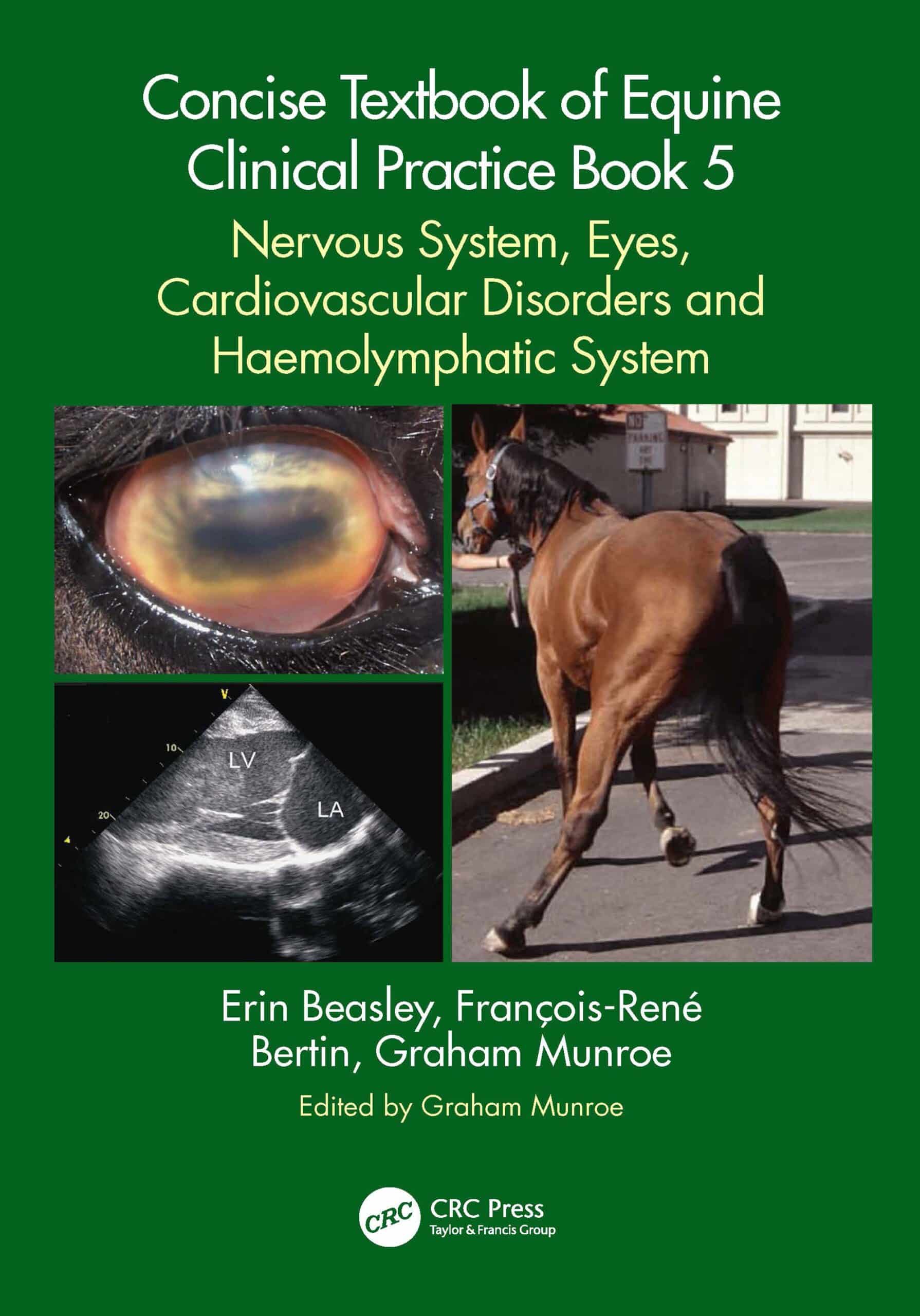
Concise Textbook of Equine Clinical Practice Book 5: Nervous System, Eyes, Cardiovascular Disorders and Haemolymphatic System

Concise Textbook Of Equine Clinical Practice Book 5: Nervous System, Eyes, Cardiovascular Disorders And Haemolymphatic System Pdf Download

By Erin Beasley, Graham Munroe, François-René Bertin and Graham Munroe

Concise Textbook of Equine Clinical Practice Book 5: Nervous System, Eyes, Cardiovascular Disorders and Haemolymphatic System covers the essential information veterinary students need to succeed in equine medicine and surgery, focusing on the nervous system, eyes, cardiovascular disorders and haemolymphatic systems. Written for an international readership, the book conveys the core information in an easily digestible, precise form with extensive use of bullet points, tables, flow charts, diagrams, lists, protocols and extensive illustrations.

Part of a five-book series that extracts and updates key information from Munroe’s Equine Surgery, Reproduction and Medicine, Second Edition, the book distils best practice in a logical straightforward clinical-based approach. It details clinical anatomy, physical clinical examination techniques, diagnostic techniques and normal parameters, emphasising the things regularly available to general practitioners with minimal information of advanced techniques.

See Also:

  1. Concise Textbook Of Equine Clinical Practice Book 1 Lameness
  2. Concise Textbook of Equine Clinical Practice Book 2: Reproduction and the Foal
  3. Concise Textbook of Equine Clinical Practice Book 3: Respiratory and Gastrointestinal Diseases
  4. Concise Textbook of Equine Clinical Practice Book 4 Liver, Endocrine, Urinary, Skin and Wounds

Features

  • The nervous system section discusses in detail the neurological exam, mentions relevant diagnostic tests and divides the diseases of the system into congenital, infectious, traumatic, toxin-induced and miscellaneous causes.
  • In the eye section, the relevant anatomy and the examination of the eye are followed by discussion of useful diagnostic tests and procedures. Diseases of the eye are discussed under the headings of congenital/neonatal, neoplastic, infectious and inflammatory disorders, neurological based and parasitic problems.
  • The cardiological examination and relevant diagnostic tests are followed by sections on arrhythmias, congenital and acquired cardiac diseases, pericardial disease and miscellaneous cardiovascular disease.
  • Finally, the haemolymphatic section discusses in detail relevant diagnostic approaches and laboratory aids, followed by sections on anaemia, haemostasis disorders, infections and neoplasia.

Table of Contents

  1. Nervous System
  2. Eyes
  3. Cardiovascular Disorders
  4. Haemolymphatic system

Get This Book

This Book is Avaiable for Members

Access this book instantly with a Premium membership

📄 PDF Format
⚡ Instant Delivery
Unlock Premium Access