Home Blog Page 143

Paratuberculosis: Organism, Disease, Control
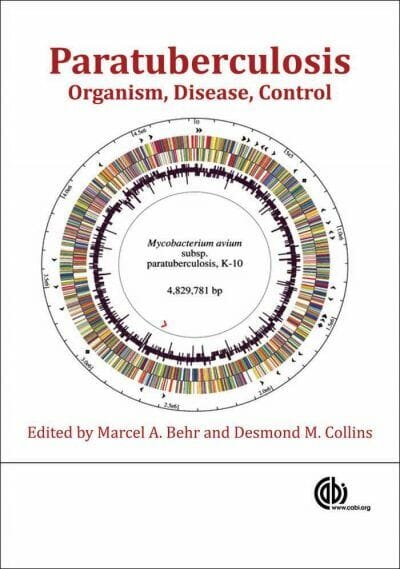
Paratuberculosis: Organism, Disease, Control

Paratuberculosis Organism Disease Control

By Marcel A. Behr

Paratuberculosis: Organism, Disease, Control PDF. Paratuberculosis, also referred to as Johne’s disease, affects cattle, goats, sheep, buffalo, deer and other ruminants. It is common worldwide and responsible for significant economic losses in the dairy industry. Recent advances in detection, vaccination and microbial genetics make this a timely book that examines the epidemiology of paratuberculosis, the organism that causes the disease, and practical aspects of its diagnosis and control. It also addresses the link between paratuberculosis in the food chain and human health implications, including Crohn’s disease. This authoritative text is an essential resource for large animal veterinarians, livestock industry personnel and those involved in the dairy and meat industries, as well as microbiologists, researchers and students in these fields.

Table of Contents

1. Epidemiology, Global Prevalence and Economics of Infection
2. Mycobacterium avium subsp. paratuberculosis in Animal-Derived Foods and the Environment
3. Paratuberculosis and Crohn’s Disease
4. Genetics of Host Susceptibility to Paratuberculosis
5. Mycobacterium avium Complex
6. Comparative Genomics and Genomic Epidemiology of Mycobacterium avium subsp. paratuberculosis Strains
7. Molecular Genetics of Mycobacterium avium subsp. paratuberculosis
8. Proteins and Antigens of Mycobacterium avium subsp. paratuberculosis
9. Host-Pathogen Interactions and Intracellular Survival of Mycobacterium avium subsp. paratuberculosis
10. Drug Susceptibility Testing and Antimicrobial Resistance in Mycobacterium avium subsp. paratuberculosis
11. Paratuberculosis in Cattle
12. Paratuberculosis in Sheep
13. Paratuberculosis in Goats
14. Paratuberculosis in Deer, Camelids and Other Ruminants
15. Infection of Non-Ruminant Wildlife by Mycobacterium avium subsp. paratuberculosis
16. Experimental Animal Models of Paratuberculosis
17. Immunology of Paratuberculosis Infection and Disease
18. Cultivation of Mycobacterium avium subsp. paratuberculosis
19. Diagnosis of Paratuberculosis by PCR
20. Immune-Based Diagnosis of Paratuberculosis
21. Paratuberculosis Control Measures
22. Paratuberculosis Vaccines and Vaccination
23. Development of New Paratuberculosis Vaccines

Get This Book

File Size 8.43 MB
File Format PDF
Download  link Download Now | Go Premium, Unlock All Books
Useful Links: Support | Browse All Categories
Join Telegram Channel: Telegram

Stress, Compassion Fatigue and Burnout Handling in Veterinary Practice

Stress, Compassion Fatigue and Burnout Handling in Veterinary Practice

Stress Compassion Fatigue And Burnout Handling In Veterinary Practice

By Inmaculada Pérez Madrigal and Patricia Smith

Stress, Compassion Fatigue and Burnout Handling in Veterinary Practice. There is a need to publicize the syndromes occurring in veterinary personnel due to work-related stress. Vets are apathetic or leaving the profession. It is vital for their emotional health that they know about these syndromes and the importance of seeking help early on. The up-to-date compilation of studies gives a clinical and human vision of these challenges based on the authors’ experience.

Table of Contents

1. Introduction to work-related stress syndromes and how they arise in the veterinary sector

2. How these syndromes affect the company and personnel
Psychosocial factors
Company-specific characteristics that affect worker stress
Psychosocial consequences of monotonous work
Indicators of work-related stress in the company
Wellbeing at work and self-efficacy

3. Understanding stress, burnout, and compassion fatigue in the veterinary profession
What is stress?
What is burnout?
What is compassion fatigue?

4. Vicarious trauma or vicarious traumatization
Signs and symptoms associated with vicarious trauma
Working on empathy
Balancing systems
Clarity of thought and common sense

5. Relationship between fatigue syndromes in human and veterinary medicine
Is there a parallel between human medicine and veterinary medicine with respect to fatigue syndromes?
Auxiliary veterinary personnel
What are toxic work environments and toxic companies?
Some empirical studies and data

6. Ethics, morals, and values in animal care
Ethics
The ethical dilemma
Strategies for reducing ethical tensions
Taboos in the veterinary profession
Documents that minimize the number of ethical dilemmas

7. Ten best practices to support staff and colleagues in veterinary practice
Ten best practices to help jumpstart the project
Compassion satisfaction is a best practice

8. How to deal with euthanasia and its emotional impact on veterinary clinic personnel
What is euthanasia?
How does euthanasia affect veterinary staff?
How do adults go through the grieving process?
Grief in children
How to deliver bad news to the owner: Buckman’s 6-step protocol
When to opt for euthanasia
Communication with the team
Future needs

9. Loss, grief, and suicide in veterinary medicine
Loss
Grief
Suicide
Best practices for organizational grieving
Best practices for individual grieving

10. Incorporating integrated wellness and standards of self-care in veterinarians and staff

11. Self-evaluation to measure levels of stress, burnout, and compassion fatigue
The Professional Quality of Life (ProQOL) self-test
The Secondary Traumatic Stress Informed Organization Assessment (STSI-OA)
Onsite debriefings
Additional testing

12. Next steps: achieving and sustaining wellness in the veterinary profession

Get This Book

This Book is Avaiable for Members

Access this book instantly with a Premium membership

📄 PDF Format
⚡ Instant Delivery
Unlock Premium Access

Charm your Clients. Neuromarketing for Vets

Charm Your Clients Neuromarketing For Vets

By Miguel Ángel Valera Arnanz, Inmaculada Pérez Madrigal and Nuria Tabares Rivero

Charm your Clients. Neuromarketing for Vets. Why do people buy things? What tools can we use to convince clients and sell our services? In this work, the authors offer their more than 20 years of experience working in different areas of a veterinary practice. Written with a practical approach, this book reviews the current knowledge in neuromarketing and provides advice for its implementation in the real daily life of veterinary practices.

Table of Contents

Introduction
1 What is neuromarketing and how can it be used?
2 Integrity and beliefs. Ethics in neuromarketing
3 What makes people buy things?
4 Future trends in veterinary medicine
5 How do your clients perceive you?
6 Are you willing to change?
7 Sell – what a wretched word!
8 Attracting clients. Reputation, coherence, and symbolic value
9 Reception in a neuromarketing clinic
10 Conquering your client’s mind. Neuromarketing in the consultation
room
11 Enabling decisions
12 How to offer health plans
13 Even more complicated: neuromarketing on social media
14 Neuromarketing over the telephone
15 Using neuromarketing to manage critical points during consultations
16 Managing internal clients. Employee communication and motivation
17 Tools for implementing neuromarketing in a veterinary practice
References

Get This Book

This Book is Avaiable for Members

Access this book instantly with a Premium membership

📄 PDF Format
⚡ Instant Delivery
Unlock Premium Access

Notes in the Category of C, Reflections on Laboratory Animal Care and Use

Notes in the Category of C, Reflections on Laboratory Animal Care and Use

Notes In The Category Of C Reflections On Laboratory Animal Care And Use

By Steven M. Niemi

Notes in the Category C: Reflections on Laboratory Animal Care and Use PDF addresses how to improve laboratory animal care and use, also characterizing the current state of the industry and speculating on its long-term future. It offers analysis from a professional who has spent a lot of time in the trenches, also highlighting new approaches to produce further advances in the field. As the proper care and use of lab animals is critically important to scientists and those who depend on data generated from those animals, this comprehensive book is an ideal resource on the topic.

Physicians, patients and their families, consumers, federal and non-profit research funding entities, health advocacy organizations, the FDA, EPA, regulatory approval agencies, and companies that invest billions in R&D to create new diagnostics, drugs, vaccines and medical devices will find this an informative addition for their work.

  • Offers an open dialogue about problems and issues in laboratory animal science
  • Discusses various approaches to making laboratory animal science programs more cost-effective
  • Presents new frameworks for lab animal medicine that may advance better veterinary care and improve informative animal models

Get This Book

File Size 6.05 MB
File Format PDF
Download  link Download Now | Go Premium, Unlock All Books
Useful Links: Support | Browse All Categories
Join Telegram Channel: Telegram

The Laboratory Rat 3rd Edition

The Laboratory Rat 3rd Edition PDF

The Laboratory Rat 3rd Edition

The Laboratory Rat 3Rd Edition Pdf

By Mark Suckow, F. Claire Hankenson, Ronald Wilson and Patricia Foley

The Laboratory Rat 3rd Edition PDF features updated information on a variety of topics, including rats as research models for basic and translational research in areas such as genomics, alcoholism, diabetes, metabolic syndrome, obesity, neuroscience, spinal cord injury, traumatic brain injury, regenerative medicine, and infectious disease. New information related to the husbandry and veterinary care of rats is provided including topics related to nutrition, reproduction, anesthesia and surgery, infectious and noninfectious disease, and the care of surgical and other fragile models.  It is a premier source of information on the laboratory rat, this book will be of interest to veterinary and medical students, senior graduate students, postdocs and researchers who utilize animals in biomedical research.

  • New chapters on the care of surgical and fragile models and on the use of rats in research areas such as alcoholism, regenerative medicine, spinal cord injury, traumatic brain injury, and others are included.
  • All chapters were written by scientific and veterinary experts.
  • This book condenses information from many sources on topics related to the care and use of rats in research.
  • It is the premier source of information on the laboratory rat.
Table of Contents

Background of the laboratory rat
1. Historical Foundations
2. Taxonomy and Stocks and Strains
3. Translational Potential of Rats in Research

Biology and care
4. Functional Anatomy and Physiology
5. Clinical Pathology of the Rat
6. Reproduction and Breeding
7. Assisted Reproductive Technologies and Genetic Modification in Rats
8. Analysis of Behavior in Laboratory Rats
9. Nutrition
10. Housing and Environment

Clinical care and disease
11. Medical Management and Diagnostic Approaches
12. Bacterial, Mycoplasmal, and Mycotic Infections
13. Viral Disease
14. Parasitic Diseases
15. Neoplastic Disease
16. Metabolic, Traumatic, and Miscellaneous Diseases
17. Anesthesia, Analgesia, and Euthanasia
18. Care of Surgical and Other Fragile Models

Rats as research models
19. General Experimental Techniques
20. Integrating Biology with Rat Genomic Tools
21. Gnotobiotics and the Microbiome
22. Toxicology
23. Embryology and Teratology
24. Rat Immunology
25. Cardiovascular Research
26. Rat Models of Alcohol Use Disorder
27. Rat Models of Obesity, Metabolic Syndrome, and Diabetes
28. The Rate in Neuroscience Research
29. Rat Models of Central Nervous System Injury
30. Use of the Rat as a Model in Regenerative Medicine
31. Rat Models of Infectious Disease

Get This Book

This Book is Avaiable for Members

Access this book instantly with a Premium membership

📄 PDF Format
⚡ Instant Delivery
Unlock Premium Access

Poultry and Pig Nutrition, Challenges of the 21st century

Poultry and Pig Nutrition, Challenges of the 21st century

Poultry And Pig Nutrition Challenges Of The 21St Century

By Wouter H. Hendriks, M. W. A. Verstegen and, László Babinszky

Poultry and pig nutrition: challenges of the 21st century PDF focuses on the important challenges animal production faces in the light of increasing global feed scarcity, climate change and improvements in animal welfare. Animal nutrition plays a critical role in providing answers to these 21st century challenges. Internationally leading authorities in nutrition and nutrition-related disciplines provide their views and solutions. New research areas are discussed and the current gaps in our knowledge are identified. Among the topics discussed are the use of microbes for natural solutions, the importance of individual feed intake determination, technological treatments of feed ingredients, and advances in modelling. In addition, authors provide their insights on the effects of environment/housing on animal functioning and the impact of climate change on the mycotoxin content of feed ingredients as well as the importance of pro- and antioxidant balance in animals. The increasing global demand for feed will increase the search for alternative feed ingredients especially new protein sources while for an environmentally sustainable human diet, life cycle assessment needs to be combined with other modelling techniques that address environmental impacts of dietary choices at the (inter)national level. Future challenges require new solutions and innovations, and this book contains a collection of ideas for our 21st century challenges.

Table of Contents

Challenges in the 21st century in pig and poultry nutrition and the future of animal nutrition

New facets to an understanding of dietary nutrient utilisation

Feed intake and regulation

Gut nutrition and health in pigs and poultry

Animal nutrition and immunity in pigs and poultry Nutritional modulation to improve health and welfare

Nutrigenomics and its perspective in nutrition

The adverse effects of heat stress on the antioxidant status and performance of pigs and poultry and reducing these effects with nutritional tools

Using non-invasive synchrotron-based analytical techniques in animal nutrition: a novel approach

Biotechnology in the feed industry and animal nutrition: harnessing microbes to provide natural solutions

Co-products in swine nutrition and feed formulation

Mycotoxins in the feed and animal products

Novel protein sources in animal nutrition: considerations and examples

Future of animal nutrition: the role of life cycle assessment

Nutrition and environmental sustainability

The role of nutrient utilisation models in precision animal managementFuture technologies in pigs & poultry nutrition

Precision livestock feeding, principle and practice

Get This Book

This Book is Avaiable for Members

Access this book instantly with a Premium membership

📄 PDF Format
⚡ Instant Delivery
Unlock Premium Access

Avian Pathology: A Colour Handbook

Avian Pathalogy: A Colour Handbook PDF Download

Avian Pathology, A Colour Handbook

Avian Pathalogy: A Colour Handbook Pdf Download

By Nath Ravindra Sharma and Neelesh Sharma

Avian Pathology: A Colour Handbook PDF. Since past few decades because of changing demand for white meat from red meat, the small poultry farms and backyard poultry units developed to commercial farms. The adaptation of intensive poultry keeping methods and rearing of different species of poultry together has given rise to many disease problems. Since the inception of intensive poultry production worldwide farmers were struggling with severe diseases and huge economic losses in their unit. In order to keep pace with ever expanding poultry industry and meeting the increased demand for poultry products, knowledge for prevention and control of poultry diseases will be crucial. The book will enable veterinary students to have sound understanding and working knowledge of poultry diseases. The book will also assist personnel at the poultry disease diagnostic laboratories and progressive farmers. The book devotes total seven sections including basics about avian, bacterial diseases, viral diseases, fungal diseases, parasitic diseases, nutritional deficiency diseases and miscellaneous disorders affecting poultry. There are total 74 chapters in a capsule form. Emphasis has been put on etiology, transmission, epizootiology, clinical signs, gross and microscopic lesions, diagnosis, treatment and control. Where necessary, mention has been made on zoonoses. Necessary images and tables have been added to enhance the understanding of the diseases.

Table of Contents

Preface

Section-1: Basics About Avian
1. Glossary of Poultry Terms
2. Taxonomy of Avian Species
3. Immunity and Inflammation in Birds

Section-2: Bacterial Diseases
4. Avian Salmonellosis
5. Paratyphoid Infections
6. Arizonosis
7. Avian Mycoplasmosis
8. Colibacillosis / Escherichia Coli Infections
9. Fowl Cholera
10. Riemerella Anatipestifer Infection
11. Erysipelas
12. Yersinia Pseudotuberculosis (Pasteurella Pseudotuberculosis)
13. Campylobacter Infections
14. Spirochetosis
15. Avian Intestinal Spirochetosis
16. Clostridial Infections
17. Infectious Coryza (Fowl Coryza)
18. Ornithobacterium Rhinotracheale Infection
19. Bardetellosis (Turkey Coryza)
20. Mycobacteriosis
21. Chlamydiosis
22. Omphalitis (Navel ill, Mushy chick disease)
23. Staphylococcosis
24. Streptococcus
25. Enterococcosis

Section-3: Viral Diseases
26. Newcastle Disease (ND; Avian Pneumoencephalitis)
27. Pneumovirus Infections (Turkey Rhinotracheitis, TRT
and Swollen Head Syndrome, SHS)
28. Infectious Laryngotracheitis (Laryngotracheitis, ILT; LT)
29. Infectious Bronchitis (IB)
30. Infectious Anemia (Chicken Anemia Agent [CAA] infection)
31. Adenovirus Infections of Chickens
32. Quail Bronchitis (QB)
33. Inclusion Body Hepatitis (IBH; Adenoviral Infection)
34. Hydropericardium Syndrome (HS)
35. EGG Drop Syndrome 1976 (EDS 76)
36. Viral Arthritis
37. Fowl Pox (Pox; Avian Pox)
38. Infectious Bursal Disease (IBD; Gumboro Disease)
39. Marek’s Disease
40. Avian Leukosis (LL) (Lymphoid Leukosis, LL)
41. Myelocytomatosis
42. Reticuloendotheliosis
43. Avian Nephritis
44. Avian Influenza (AI; Influenza; Fowl Plague)
45. Avian Encephalomyelitis
46. Coronaviral Enteritis of Turkeys (CVE) (Blue comb disease,
mud fever, transmissible enteritis, infectious enteritis) ……………………… 187
47. Hemorrhagic Enteritis of Turkeys (HE; BLOODY GUT) ……………….. 189
48. Duck Virus Enteritis (DVE, Duck Plague) ……………………………………. 191
49 Duck Virus Hepatitis (DVH) ………………………………………………………. 195
50. Eastern Equine Encephalitis (Eee) Virus Infection………………………….. 199
51. West Nile Virus (WNV) ……………………………………………………………… 203

Section-4: Fungal Diseases
52. Aspergillosis (Brooder pneumonia)
53. Candidiasis (Thrush; Mycosis of Digestive Tract)
54. Cryptococcosis
55. Dermatophytosis (FAVUS)
56. Mycotoxicosis

Section-5: Parasitic Diseases
57. Coccidiosis
58. Cryptosporidiosis
59. Histomoniasis (Black Head; Enterohepatitis)
60. Trichomoniasis
61. Toxoplasmosis
62. Nematodes (Round Worms)
63. Tapeworms (Cestodes)
64. Blood Borne Parasite
65. Ectoparasites

Section-6: Deficiency Diseases
66. Vitamin Deficiency
67. Mineral Deficiency

Section-7: Miscellaneous Disorders
68. Bumble Foot (Pododermatitis/ Planter absces)
69. Cage Layer Fatigue (Osteoporosis)
70. Stunting Runting Syndrome
71. Ascites Syndrome (Water belly, Right ventricular failure, Hypertension syndrome)
72. Hypoglycemia-Spiking Mortality Syndrome of Broiler Chickens (HSMS)
73. Proventricular Dilatation of Broiler Chickens
74. Round Heart Disease of Chickens and Turkeys (Dilated cardiomyopathy)

Index

Get This Book

This Book is Avaiable for Members

Access this book instantly with a Premium membership

📄 PDF Format
⚡ Instant Delivery
Unlock Premium Access

Large Dairy Herd Management 3rd Edition

Large Dairy Herd Management, 3rd Edition

Large Dairy Herd Management 3Rd Edition

By David K. Beede

Large Dairy Herd Management 3rd Edition PDF. The ADSA Foundation is pleased to announce that after untold hours of work by a dedicated group of 171 chapter authors, 18 section editors, and 73 external reviewers, under the leadership of Dr. David Beede, the third edition of Large Dairy Herd Management (e-book) is available for purchase. This edition was developed to help meet the growing information needs of dairy farmers, service professionals, and students worldwide. It brings peer-reviewed dairy science and management information to users in an accessible, easy-to-use format. The e-book includes 97 chapters in 15 sections.

Table of Contents

Section 1: Building Sustainability and Capacity

Section 2: Large Herd Systems of the World

Section 3: Facilities and Environment

Section 4: Milk Markets and Marketing

Section 5: Genetic Selection Programs and Breeding Strategies

Section 6: Calves and Replacements

Section 7: Reproduction and Reproductive Management

Section 8: Nutrition and Nutritional Management

Section 9: Lactation and Milking Systems

Section 10: Mastitis and Milk Quality

Section 11: Animal and Herd Welfare

Section 12: Herd Health

Section 13: Business and Economic Analysis and Decision-Making

Section 14: Effective Management of Farm Employees

Section 15: Precision Management Technologies

Index

Get This Book

File Size 118 MB
File Format PDF
Download  link Download Now | Go Premium, Unlock All Books
Useful Links: Support | Browse All Categories
Join Telegram Channel: Telegram

Climate Change and Non-infectious Fish Disorders

Climate Change and Non-infectious Fish Disorders

Climate Change And Non Infectious Fish Disorders

By Patrick T. K. Woo and George K. Iwama

Climate Change and Non-infectious Fish Disorders PDF. Freshwater, brackish and marine ecosystems are particularly impacted by the effects of climate change and global warming. A global rise in water temperature and acidification of the aquatic environment will continue even if we can significantly reduce the current output of greenhouse gasses. Increases in water temperature will affect the life cycle, physiology, behaviours, distribution and community structure of aquatic organisms, especially fish. This important new text on climate change, and its effects on selected non-infectious disorders of fish, contains contributions by internationally recognized experts who have contributed significantly to our knowledge in this area. Comprehensive and thought provoking, the text details abiotic and biotic environmental changes associated with climate change and their effects on fish in tropical, subtropical and temperate waters. It proceeds to cover in detail developmental, physiological and metabolic disorders of fish. Outlining both current and expected changes in aquaculture systems due to climate change, plus suggestions for further studies, this contemporary text is key reading for biologists, aquatic ecologists, fish health consultants, veterinarians, policy makers and all those involved in fish health and the environment.

Table of Contents

Section I: Climate Change

Chapter 1: An Overview with Discussions on Freshwater and Marine Ecosystems in North America

Chapter 2: Tropical Marine and Brackish Ecosystems

Section II: Developmental and Physiological Fish Disorders

Chapter 3: Skeletal Abnormalies

Chapter 4: Neoplasms

Chapter 5: Feeding and its Regulation

Chapter 6: Nutritional and Metabolic Disorders

Chapter 7: Behaviour including Fish Migration

Chapter 8: Stress in Response to Environmental Changes

Chapter 9: Ionic Regulation

Chapter 10: Excess Dissolved Gases and Gas Bubble Disease

Chapter 11: The Immune System: Effects of Water Temperature and Acidification

Get This Book

This Book is Avaiable for Members

Access this book instantly with a Premium membership

📄 PDF Format
⚡ Instant Delivery
Unlock Premium Access

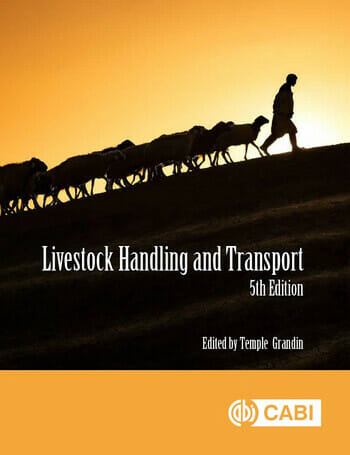
Livestock Handling and Transport 5th Edition

Livestock Handling and Transport 5th Edition

Livestock Handling And Transport 5Th Edition

Table of Contents

Get This Book

This Book is Avaiable for Members

Access this book instantly with a Premium membership

📄 PDF Format
⚡ Instant Delivery
Unlock Premium Access