Home Blog Page 130

Infectious Diseases of Wild Mammals, 3rd Edition

Infectious Diseases of Wild Mammals, 3rd Edition

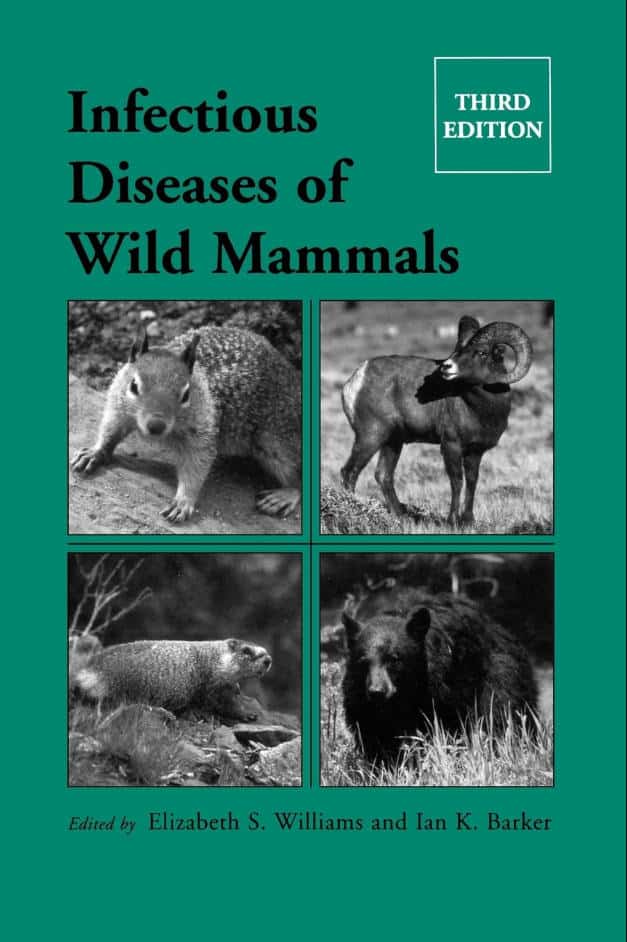
Infectious Diseases Of Wild Mammals, 3Rd Edition Cover

By Elizabeth S. Williams and Ian K. Barker

Infectious Diseases of Wild Mammals, 3rd Edition is a comprehensive academic reference addressing infectious diseases affecting both free-ranging and captive wild mammal species. Edited by Elizabeth S. Williams and Ian K. Barker, this book compiles expert contributions that examine disease processes across diverse ecological and geographic contexts.

The book provides structured coverage of viral, prion, bacterial, and mycotic diseases, with detailed discussion of etiology, epidemiology, clinical presentation, pathology, and immune responses. It also emphasizes diagnostic approaches, treatment considerations, and disease control strategies relevant to wildlife health and conservation.

This reference is widely used in veterinary wildlife medicine, disease ecology, and public health research, particularly for understanding zoonotic risks and disease transmission at the wildlife–human interface.

Table of Contents

Preface.

Part 1. Viral and Prion Diseases.

1. Rabies (Charles E. Rupprecht, Klaus Stohr, and Courtney Meredith).

2. Morbilliviral Diseases.

3. Bluetongue, Epizootic Hemorrhagic Disease, and Other Orbivirus-Related Diseases (Elizabeth W. Hoswerth, David E. Stalknecht, and Peter D. Kirkland).

4. Arbovirus Infections (Thomas M. Yuill and Charles Seymour).

5. Parcornavirus Infections (Gavin R. Thomson, Roy G. Bengis, and Corrie C. Brown).

6. Parvovirus Infections (Ian K. Barker and Colin R. Parrish).

7. Herpesvirus Infections.

8. Poxvirus Infections (Anthony J. Robinson and Peter J. Kerr).

9. Adenovirus Diseases (Leslie W. Woods).

10. Retrovirus Infections (Michael Worley).

11. Papillomavirus Infections (John P. Sundberg, Marc Van Ranst, and A. Bennett Jensen).

12. Pestivirus Infections (Hana Van Campen, Kari Frolich, and Martin Hofmann).

13. Coronaviral Infections (James F. Evermann and David A. Benfield).

14. Rodent-borne Hemorrhagic Fever Viruses (James N. Mills and James E. Childs).

15. Orthomyxovirus and Paramyxovirus Infections (Hana Van Campen and Greg Early).

16. Calicivirus Infections (Cor Lenghaus, Michael J. Studdert, and Dolores Gavier-Widen).

17. Transmissible Spongiform Encephalopathies (Elizabeth S. Williams, James K. Kirkwood, and Michael W. Miller).

Part 2. Bacterial and Mycotic Diseases.

18. Tularemia (Torsten Morner and Edward Addison).

19. Plague and Yersiniosis (Peter W. Gasper and Rowena P. Watson).

20. Pasreurellosis (Michael W. Miller).

21. Mycobacterial Diseases.

22. Brucellosis (E. Tom Thorne).

23. Anthrax (C. Cormack Gates, Brett Elkin, and Dan Dragon).

24. Diseases due to Mycoplasmas (Kevin Whithear).

25. Chlamydiosis of Koalas (Richard Whittington).

26. Lyme Borreliosis (Richard N. Brown and Elizabeth C. Burgess).

27. Order Rickettsiales.

28. Miscellaneous Bacterial Infections.

29. Mycotic Diseases (Kathy Burek).

Contributors.

Index

Get This Book

File Size 11.1 MB
File Format PDF
Download link: Download Now | Go Premium, Unlock All Books
Useful Links: Support | Browse All Categories
Join Telegram Channel: Telegram

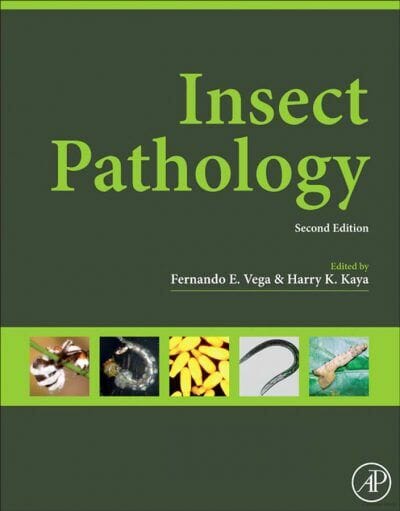
Insect Pathology 2nd Edition

Insect Pathology 2Nd Edition

By Fernando E. Vega and Harry K. Kaya

Insect Pathology 2nd Edition is a comprehensive and updated reference covering the biology, ecology, diagnosis, and pathogenesis of diseases affecting insects. Building on the classic work by Tanada and Kaya, this edition reflects major advances in molecular biology, phylogenetics, and microbial ecology that have reshaped the field over the past two decades.

The book provides in-depth coverage of insect pathogens, including viruses, bacteria, fungi, microsporidia, nematodes, and protists, with detailed discussion of host–pathogen interactions, transmission, host resistance, and epizootiology. It also addresses diseases of beneficial insects and the role of microbial agents in biological control programs.

Edited by Fernando E. Vega and Harry K. Kaya, this edition brings together contributions from leading researchers, making it a reliable academic reference for understanding both fundamental and applied aspects of insect pathology.

Table of Contents

  • Preface
  • Acknowledgments
  • About the Authors
  • Part I – Fundamentals of Insect Pathology
  • Chapter 1: Introduction to Insect Pathology
  • Chapter 2: History of Insect Pathogens and Pathology
  • Chapter 3: Insect Immune System and Defense Mechanisms
  • Chapter 4: Host–Pathogen Relationships
  • Part II – Agents of Insect Disease
  • Chapter 5: Viral Pathogens
  • Chapter 6: Bacterial Pathogens
  • Chapter 7: Fungal Pathogens
  • Chapter 8: Protozoan and Microsporidian Pathogens
  • Chapter 9: Nematode and Helminth Pathogens
  • Chapter 10: Parasitoids and Parasites
  • Part III – Disease Ecology and Environmental Factors
  • Chapter 11: Ecology of Insect Diseases
  • Chapter 12: Environmental Effects on Pathogen Transmission
  • Chapter 13: Population-Level Disease Dynamics
  • Part IV – Applied Insect Pathology
  • Chapter 14: Insect Pathology in Biological Control
  • Chapter 15: Pathogens as Biopesticides
  • Chapter 16: Laboratory Diagnosis of Insect Diseases
  • Chapter 17: Rearing and Maintenance of Infected Insects
  • Part V – Case Studies and Specialized Topics
  • Chapter 18: Viral Disease Case Studies
  • Chapter 19: Bacterial and Fungal Disease Case Studies
  • Chapter 20: Integrated Pest and Disease Management
  • Glossary
  • References
  • Index

Get This Book

File Size 11.1 MB
File Format PDF
Download  link Download Now | Go Premium, Unlock All Books
Useful Links: Support | Browse All Categories
Join Telegram Channel: Telegram

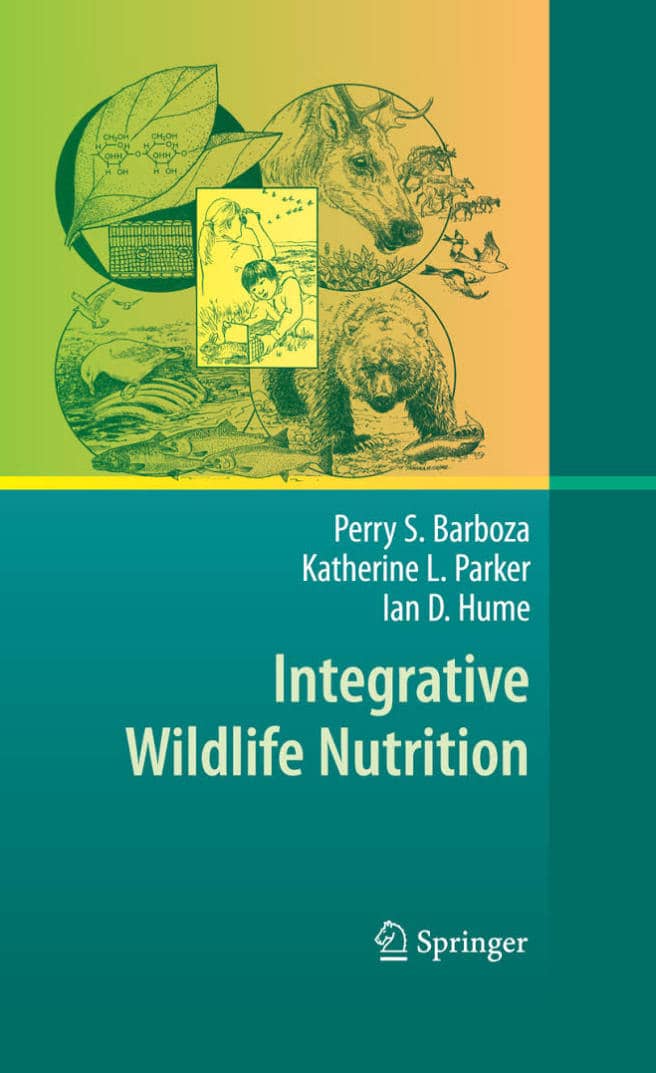
Integrative Wildlife Nutrition

Integrative Wildlife Nutrition Book Cover

Integrative Wildlife Nutrition Book Cover

By Perry S. Barboza, Katherine L. Parker and Ian D. Hume

Integrative Wildlife Nutrition presents a comparative and ecological approach to understanding how wild animals acquire, process, and allocate nutrients across different environments. The book integrates principles of animal physiology, nutrition, and ecology to explain how energy and nutrients connect individuals to populations, communities, and entire ecosystems.

Rather than focusing solely on digestion and metabolism, this work links behavioral, morphological, and biochemical traits to life-history strategies and population dynamics. It provides a practical framework for understanding nutritional limitations in wildlife, managing harvested species, and conserving threatened populations.

Authored by Perry S. Barboza, Katherine L. Parker, and Ian D. Hume, the book draws on decades of teaching and research experience across North America and Australia. It is widely used as a reference and teaching text in wildlife biology, conservation biology, and animal physiology programs.

Table of Contents

Functional Relationships

Introduction: Common Themes Across Diverse Taxa

Food and Populations

Feeding Dynamics: Functional and Behavioral Responses

Measuring Food Consumption

Digestive Function

Substrates and Tissue Constituents

Carbohydrates: Sugars, Fiber and Fermentation

Lipids: Fatty Acids and Adipose Tissue

Nitrogenous Substrates: Nucleic Acids to Amino Excretion

Metabolic Constituents: Water, Minerals and Vitamins

Energy and Integration

Energy: Carbon as a Fuel and a Tissue Constituent

Integrating Nutrient Supply and Demand in Variable Environments

Get This Book

File Size 9.37 MB
File Format PDF
Download  link Download Now | Go Premium, Unlock All Books
Useful Links: Support | Browse All Categories
Join Telegram Channel: Telegram

Introduction to Food Toxicology, 2nd Edition

Introduction to Food Toxicology, 2nd Edition - PDF

Introduction To Food Toxicology, 2Nd Edition - Pdf

By Takayuki Shibamoto and Leonard F. Bjeldanes

Introduction to Food Toxicology – 2nd Edition provides a clear and updated overview of toxic compounds found in food, whether naturally occurring or introduced through processing, agriculture, or industry. The book builds a strong foundation in food toxicology while incorporating recent advances in analytical methods and regulatory science.

This edition examines the mechanisms of action, metabolism, and regulation of foodborne toxins, with detailed coverage of xenobiotic activation and detoxification, dietary interactions, and emerging food contaminants. Modern analytical techniques such as LC/MS, immunoassays, and solid-phase extraction are discussed in the context of food safety monitoring.

Special attention is given to natural toxins in food plants, dioxins, acrylamide, antioxidants, and nutraceutical phytochemicals, making this book a valuable academic reference for understanding risk assessment and toxicological evaluation in food systems.

Table of Contents

  • Preface
  • Introduction to Food Toxicology
  • Part I – Basic Principles
  • Principles of Toxicology
  • Toxicokinetics and Toxicodynamics
  • Risk Assessment and Risk Management
  • Part II – Toxic Substances in Food
  • Naturally Occurring Toxicants in Foods
  • Food Additives and Adulterants
  • Pesticide Residues
  • Veterinary Drug Residues
  • Environmental Contaminants
  • Mycotoxins
  • Heavy Metals and Trace Elements
  • Part III – Food Processing and Safety
  • Toxicants Formed During Food Processing
  • Packaging Materials and Migration
  • Foodborne Chemical Hazards
  • Part IV – Regulatory and Applied Food Toxicology
  • Food Safety Regulations and Standards
  • Toxicological Evaluation of Food Ingredients
  • Analytical Methods in Food Toxicology
  • Glossary
  • References
  • Index

Get This Book

This Book is Avaiable for Members

Access this book instantly with a Premium membership

📄 PDF Format
⚡ Instant Delivery
Unlock Premium Access

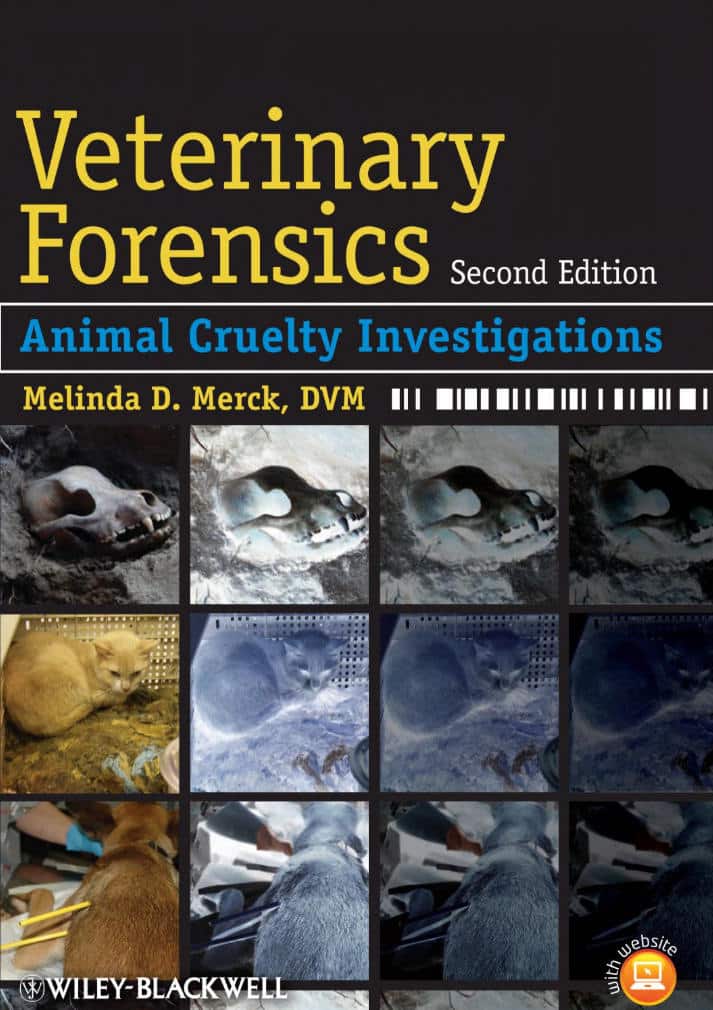
Introduction to Veterinary and Comparative Forensic Medicine

Introduction to Veterinary and Comparative Forensic Medicine Book Cover

Introduction To Veterinary And Comparative Forensic Medicine Pdf

By John E. Cooper, Margaret E. Cooper

Introduction to Veterinary and Comparative Forensic Medicine is a pioneering work in an emerging specialty, reflecting the growing demand for expert veterinary input in legal and forensic contexts. The book addresses key areas such as wildlife conservation, animal welfare and alleged cruelty, insurance, certification, malpractice, and the identification of live or deceased animals and animal-derived materials.

It also examines current concerns regarding potential links between animal abuse and domestic violence. Throughout the text, emphasis is placed on the importance of a systematic and thorough approach to forensic investigation. A notable feature of the book is its practical focus, offering protocols for managing common forensic problems, supported by case studies, appendices, and an extensive bibliography.

This book serves as an essential reference for veterinary professionals, legal practitioners, enforcement agencies, and welfare and conservation organizations. Its comparative perspective also provides valuable insight for those working in human forensic medicine and the biological sciences.

Table of Contents

Table of Contents

  • Dedication
  • Foreword
  • Authors’ Preface
  • Introduction to Veterinary and Comparative Forensic Medicine
    • What is forensic medicine?
    • Key features of veterinary and comparative forensic practice
    • The role and application of animal law
  • Types of Forensic Cases
    • Animal welfare and cruelty cases
    • Conservation and wildlife crime
  • Forensic Methodology
    • Clinical forensic examinations
    • Post-mortem investigations
    • Laboratory testing and analysis
    • Site visits and evidence collection
    • Data collation, analysis, and record-keeping
    • Storage, labelling, and presentation of evidence
    • Expert witness duties and court appearance
    • The future of veterinary forensic medicine
  • Appendices
    • Submission and report forms
    • Useful addresses and information sources
    • Glossary of terms
    • Case studies demonstrating forensic approaches
    • Journals, societies, and organizations
    • Scientific names of species
  • References and Further Reading
  • Index

Get This Book

This Book is Avaiable for Members

Access this book instantly with a Premium membership

📄 PDF Format
⚡ Instant Delivery
Unlock Premium Access

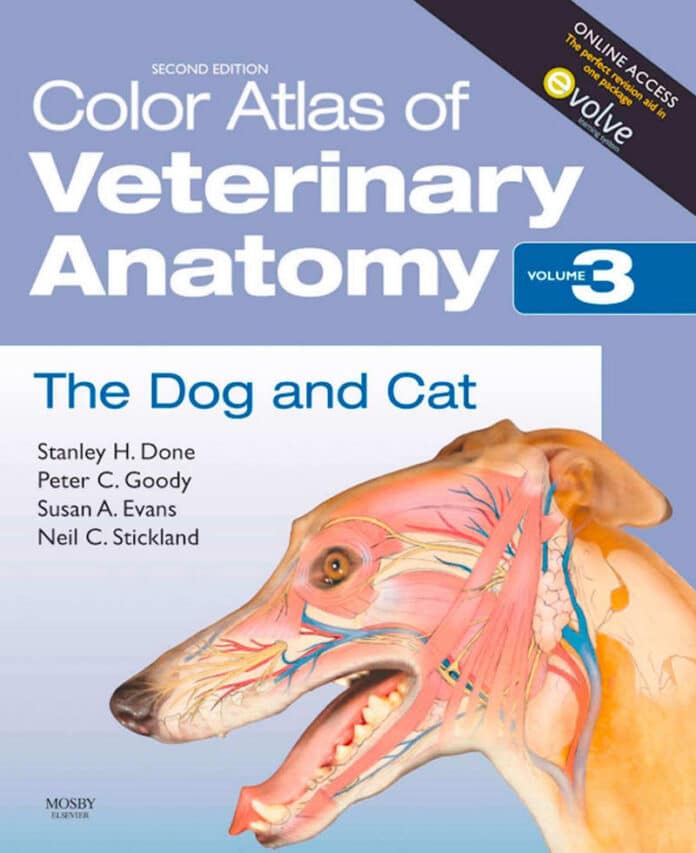
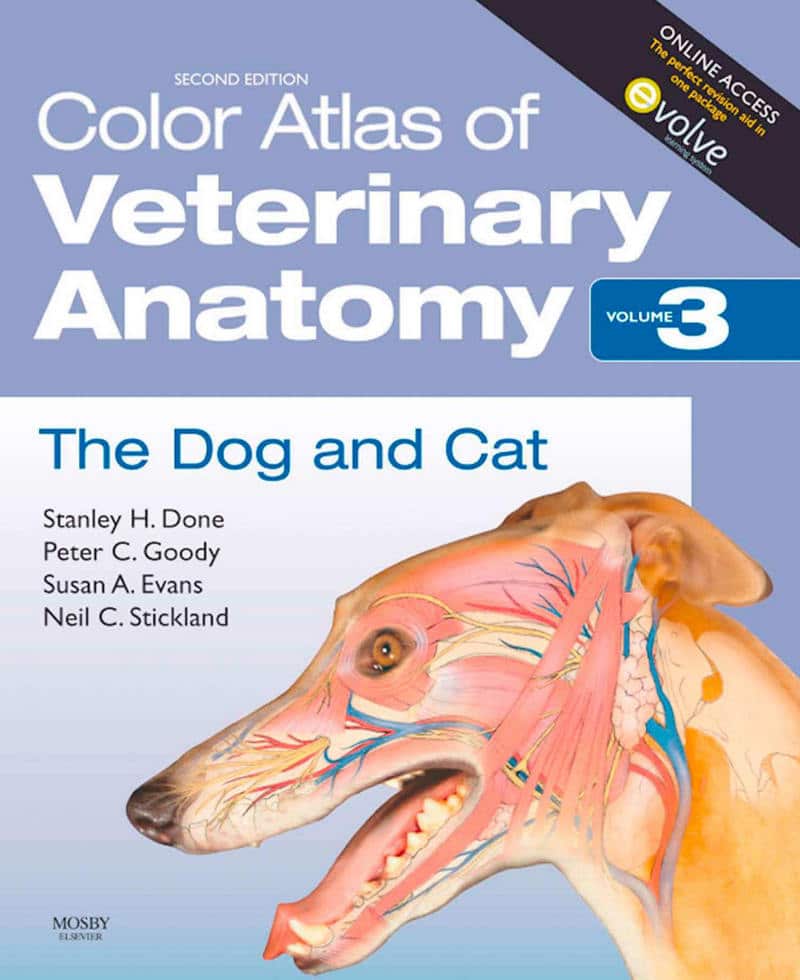
Color Atlas of Veterinary Anatomy, Volume 3- The Dog and Cat 2nd Edition

Color Atlas of Veterinary Anatomy, Volume 3, The Dog and Cat, 2nd Edition PDF

Color Atlas Of Veterinary Anatomy, Volume 3, The Dog And Cat, 2Nd Edition Pdf

By Stanley H. Done, Peter C. Goody, Susan A. Evans and Neil C. Stickland

If you are looking for a book that presents a unique photographic record of dissections showing the topographical Color Atlas of Veterinary Anatomy, Volume 3 The Dog and Cat, 2nd Edition. This is the atlas for you! Part of a comprehensive 3-volume set that also covers Ruminants (Volume 1) and The Horse (Volume 2), the Color Atlas of the Dog and Cat takes a complete look at virtually every aspect of veterinary anatomy. With this book you will be able to see the position and relationships of bones, muscles, nerves, blood vessels and viscera that go to make up each region of the body and each organ system. Rich with full-color photographs and drawings of dissections prepared specifically for these texts, each book in the series illustrates regional surface features photographed before dissection, then gives high-quality complementary photographs of articulated skeletons.
Features:

  • Accessibly and systematically structured with each chapter is devoted to a specific body region
  • Important features of regional and topographical anatomy presented in full color photos of detailed dissections
  • Detailed color line drawings clarify the relationships of relevant structures
  • Website offers drag and drop quizzes and the chance to test yourself with mcqs
  • Informative captions give additional information necessary for proper interpretation of the images
  • Presents anatomy in a clinical context
Table of Contents

Introduction

1 Live and skeletal anatomy of whole animal

2 The head

3 The neck

4 The forelimb

5 The thorax

6 The abdomen

7 The hindlimb

8 The pelvis

9 The vertebral column

10 The cat: comparative aspects

Index

Get This Book

This Book is Avaiable for Members

Access this book instantly with a Premium membership

📄 PDF Format
⚡ Instant Delivery
Unlock Premium Access

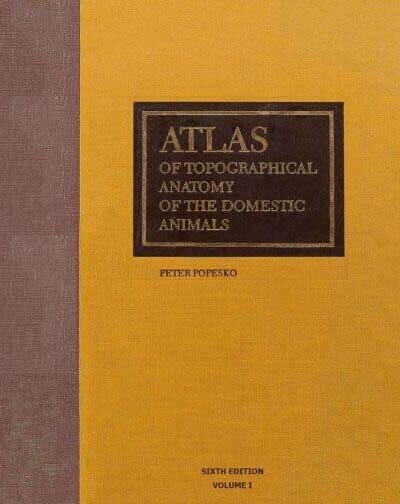
Atlas of Topographical Anatomy of the Domestic Animals 6th Edition [3 Volumes]

Atlas of Topographical Anatomy of the Domestic Animals, 6th Edition

Atlas Of Topographical Anatomy Of The Domestic Animals Voulme I Head And Neck 6Th Edition

By Peter Popesko

Table of Contents:

  1. Bovine Anatomy
  2. Sheep Anatomy
  3. Goat Anatomy
  4. Swine Anatomy
  5. Horse Anatomy
  6. Dog Anatomy
  7. Cat Anatomy
  8. Rabbit Anatomy

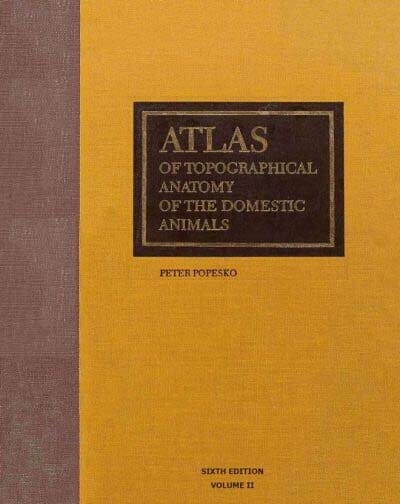
Atlas of Topographical Anatomy of the Domestic Animals, Volume II, Trunk, 6th Edition

Atlas Of Topographical Anatomy Of The Domestic Animals Volume Ii Trunk 6Th Edition

Table of Contents:

  1. Bovine Anatomy
  2. Sheep Anatomy
  3. Goat Anatomy
  4. Swine Anatomy
  5. Horse Anatomy
  6. Dog Anatomy
  7. Cat Anatomy
  8. Rabbit Anatomy

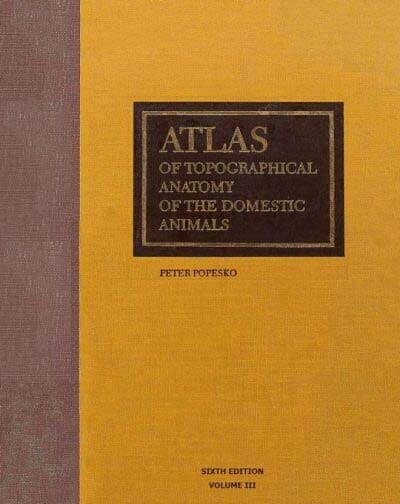
Atlas of Topographical Anatomy of the Domestic Animals, Volume III, Pelvis and Limbs, 6th Edition

Atlas Of Topographical Anatomy Of The Domestic Animals Volume Iii Pelvis And Limbs 6Th Edition

Table of Contents:

  1. Bovine Anatomy
  2. Sheep Anatomy
  3. Goat Anatomy
  4. Swine Anatomy
  5. Horse Anatomy
  6. Dog Anatomy
  7. Cat Anatomy
  8. Rabbit Anatomy

Get This Book

File Size 76 MB / 72 MB / 67 MB
File Format PDF
Download link: Volume I | Volume II | Volume III
Useful Links: Support | Browse All Categories
Join Telegram Channel: Telegram

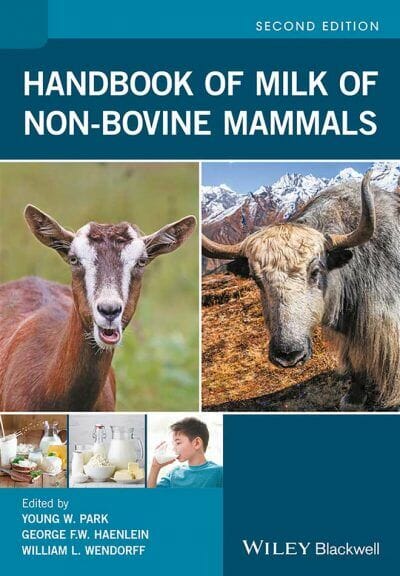
Handbook of Milk of Non-Bovine Mammals, 2nd Edition

Handbook of Milk of Non-Bovine Mammals, 2nd Edition

Handbook Of Milk Of Non Bovine Mammals 2Nd Edition

THE ONLY SINGLE-SOURCE GUIDE TO THE LATEST SCIENCE, NUTRITION, AND APPLICATIONS OF ALL THE NON-BOVINE MILKS CONSUMED AROUND THE WORLD

Featuring contributions by an international team of dairy and nutrition experts, this second edition of the popular Handbook of Milk of Non-Bovine Mammals provides comprehensive coverage of milk and dairy products derived from all non-bovine dairy species.

Milks derived from domesticated dairy species other than the cow are an essential dietary component for many countries around the world. Especially in developing and under-developed countries, milks from secondary dairy species are essential sources of nutrition for the humanity. Due to the unavailability of cow milk and the low consumption of meat, the milks of non-bovine species such as goat, buffalo, sheep, horse, camel, Zebu, Yak, mare and reindeer are critical daily food sources of protein, phosphate and calcium. Furthermore, because of hypoallergenic properties of certain species milk including goats, mare and camel are increasingly recommended as substitutes in diets for those who suffer from cow milk allergies. This book:

  • Discusses key aspects of non-bovine milk production, including raw milk production in various regions worldwide
  • Describes the compositional, nutritional, therapeutic, physio-chemical, and microbiological characteristics of all non-bovine milks
  • Addresses processing technologies as well as various approaches to the distribution and consumption of manufactured milk products
  • Expounds characteristics of non-bovine species milks relative to those of human milk, including nutritional, allergenic, immunological, health and cultural factors.
  • Features six new chapters, including one focusing on the use of non-bovine species milk components in the manufacture of infant formula products

Thoroughly updated and revised to reflect the many advances that have occurred in the dairy industry since the publication of the acclaimed first edition, Handbook of Milk of Non-Bovine Mammals, 2nd Edition is an essential reference for dairy scientists, nutritionists, food chemists, animal scientists, allergy specialists, health professionals, and allied professionals.

Table of Contents

List of Contributors vii

1. Overview of Milk of Non-BovineMammals (Second Edition) 1
Young W. Park, George F.W. Haenlein, and W.L.Wendorff

2. GoatMilk 11

2.1 Production of Goat Milk 11
Mariana Marques de Almeida and George F.W. Haenlein

2.2 Goat Milk – Chemistry and Nutrition 42
Young W. Park

2.3 Goat Milk Products: Types of Products, Manufacturing Technology, Chemical Composition, and Marketing 84
Golfo Moatsou and Young W. Park

2.4 Therapeutic, Hypo-Allergenic and Bioactive Potentials of Goat Milk, and Manifestations of Food Allergy 151
Young W. Park and George F.W. Haenlein

3. SheepMilk 181

3.1 Production of Sheep Milk 181
David L. Thomas and George F.W. Haenlein

3.2 Sheep Milk – Composition and Nutrition 210
W.L.Wendorff and George F.W. Haenlein

3.3 Processing of Sheep Milk 222
W.L.Wendorff and Samir Kalit

4. Buffalo Milk 261

4.1 Buffalo Milk Production 261
Mian AnjumMurtaza, Ajit J. Pandya, and M.Mohamed H. Khan

4.2 Buffalo Milk Utilization for Dairy Products 284
Mian AnjumMurtaza, Ajit J. Pandya, and M. Mohamed H. Khan

4.3 Traditional Indian Dairy Products 343
Mian AnjumMurtaza, Ajit J. Pandya, George F.W. Haenlein, and M. Mohamed H. Khan

5. Mare Milk 369
Elisabetta Salimei and Young W. Park

6. CamelMilk 409
El-Sayed Ibrahim El-Agamy

7. YakMilk 481
Ying Ma, Shenghua He, and YoungW. Park

8. Zebu-Brahma andMithun Milk 515
Leorges M. Fonseca

9. ReindeerMilk 535
Øystein Holand, Halivard Gjøstein, Mauri Nieminen, and George F.W. Haenlein

10. Sow Milk 559
YoungW. Park

11. OtherMinor Species Milk 579
B´en´edicte Coud´e

12. Flavor and Sensory Characteristics of Non-Bovine Species Milk and Their Dairy Products 595
Pat Polowsky, B´en´edicte Coud´e, Luis A. Jim´enez-Maroto, Mark Johnson, and Young W. Park

13. Potential Applications of Non-Bovine Mammalian Milk in Infant Nutrition 625
Shane V. Crowley, Alan L. Kelly, John A. Lucey, and James A. O’Mahony

14. Human Milk 655
Young W. Park

Index 681

Get This Book

This Book is Avaiable for Members

Access this book instantly with a Premium membership

📄 PDF Format
⚡ Instant Delivery
Unlock Premium Access

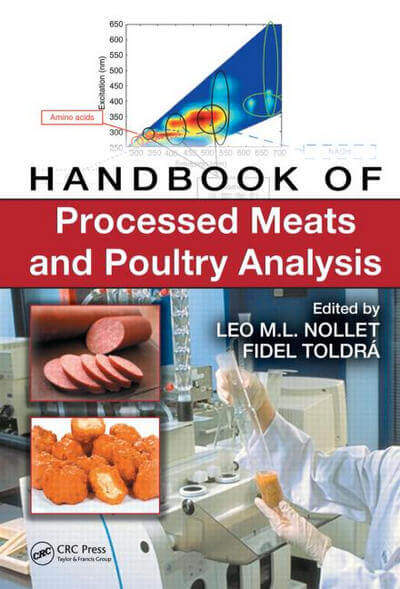
Handbook of Processed Meats and Poultry Analysis

Handbook Of Processed Meats And Poultry Analysis By Fidel Toldra, Leo M.l Nollet

By Fidel Toldra, Leo M.L Nollet

Handbook of Processed Meats and Poultry Analysis brings together contributions from more than 45 internationally recognized experts and provides a comprehensive overview of analytical techniques and methodologies used for animal-derived products. The book focuses on the analysis of nutrients affected by processing and offers an in-depth examination of the nutritional quality of meat and poultry products.

Essential Techniques for Meat Processing Control and Quality Evaluation
Edited by leading food analysis specialists Leo M. L. Nollet and Fidel Toldrà, the handbook addresses the assessment of technological quality, including the use of physical sensors, process monitoring techniques, and methods for measuring moisture content and water activity. It also covers key analytical areas such as:

  • Additives, including preservatives and colorants
  • Methods for evaluating antioxidant capacity
  • Spoilage detection techniques
  • Analytical tools for identifying chemical residues, pathogens, and toxins
Table of Contents

Table of Contents

  • Preface
  • Editors
  • Contributors
  • Processing Control
    • Importance of analysis in meat products
    • Physical sensors and process monitoring techniques
    • Moisture and water activity
    • Ingredients: meat, fat, and salt
    • Additives, preservatives, smoke flavorings, and colorants
    • Oxidation, proteolysis, and lipolysis analysis
  • Nutritional Quality
    • Composition, calories, and essential amino acids
    • Omega-3 and trans fatty acids
    • Antioxidant capacity of meat products
    • Vitamins, minerals, and trace elements
  • Sensory Quality
    • Color characteristics of meat and poultry
    • Texture analysis
    • Flavor and sensory descriptors of cooked and dry-cured products
  • Safety and Contaminants
    • Spoilage detection and foodborne pathogens
    • Mycotoxins and genetically modified organisms
    • Adulteration and species identification
    • Chemical contaminants and food contact materials
    • Veterinary drug residues and biogenic amines
    • Nitrosamines, polycyclic aromatic hydrocarbons, and irradiated ingredients
  • Index

Get This Book

File Size 7.25 MB
File Format PDF
Download link: Download Now | Go Premium, Unlock All Books
Useful Links: Support | Browse All Categories
Join Telegram Channel: Telegram

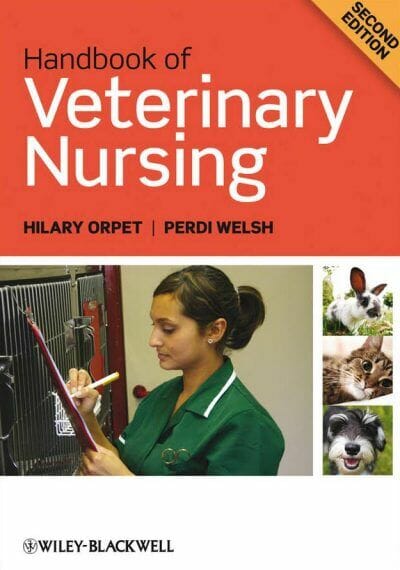
Handbook of Veterinary Nursing 2nd Edition

Handbook of Veterinary Nursing 2nd Edition PDF

Handbook Of Veterinary Nursing 2Nd Edition Pdf

By Hilary Orpet and Perdi Welsh

Handbook of Veterinary Nursing provides essential guidance and practical advice on delivering high-quality nursing care and developing core clinical skills within veterinary practice.

Fully updated, this accessible guide reflects recent changes in veterinary nursing qualifications, current terminology, and commonly used medications. Emphasis is placed on working methodically and applying high standards of practice to support the veterinary team and achieve optimal outcomes in animal care.

Written in concise note format for quick reference, the book is suitable for veterinary nurses and technicians at all stages of training and professional practice. It serves as a valuable resource for exam preparation as well as day-to-day use in the clinic.

Topics covered include the nursing process in veterinary care, patient physical assessment, hospital and operating room management, surgical nursing, anaesthesia, diagnostic imaging and tests, triage and emergency procedures, and essential calculations for drugs, fluids, nutrition, and radiographic exposure.

Table of Contents

Section 1 Contemporary Veterinary Nursing

Section 2 Managing the Hospital Environment

Section 3 Managing the Operating Room

Section 4 The Operating Room – Surgical Nursing Activities

Section 5 Anaesthesia

Section 6 Diagnostic Imaging

Section 7 Diagnostic Tests

Section 8 Triage and Emergency Procedures

Appendix: Calculations

Get This Book

File Size 12.4 MB
File Format PDF
Download link Download Now | Go Premium, Unlock All Books
Useful Links: Support | Browse All Categories
Join Telegram Channel: Telegram