
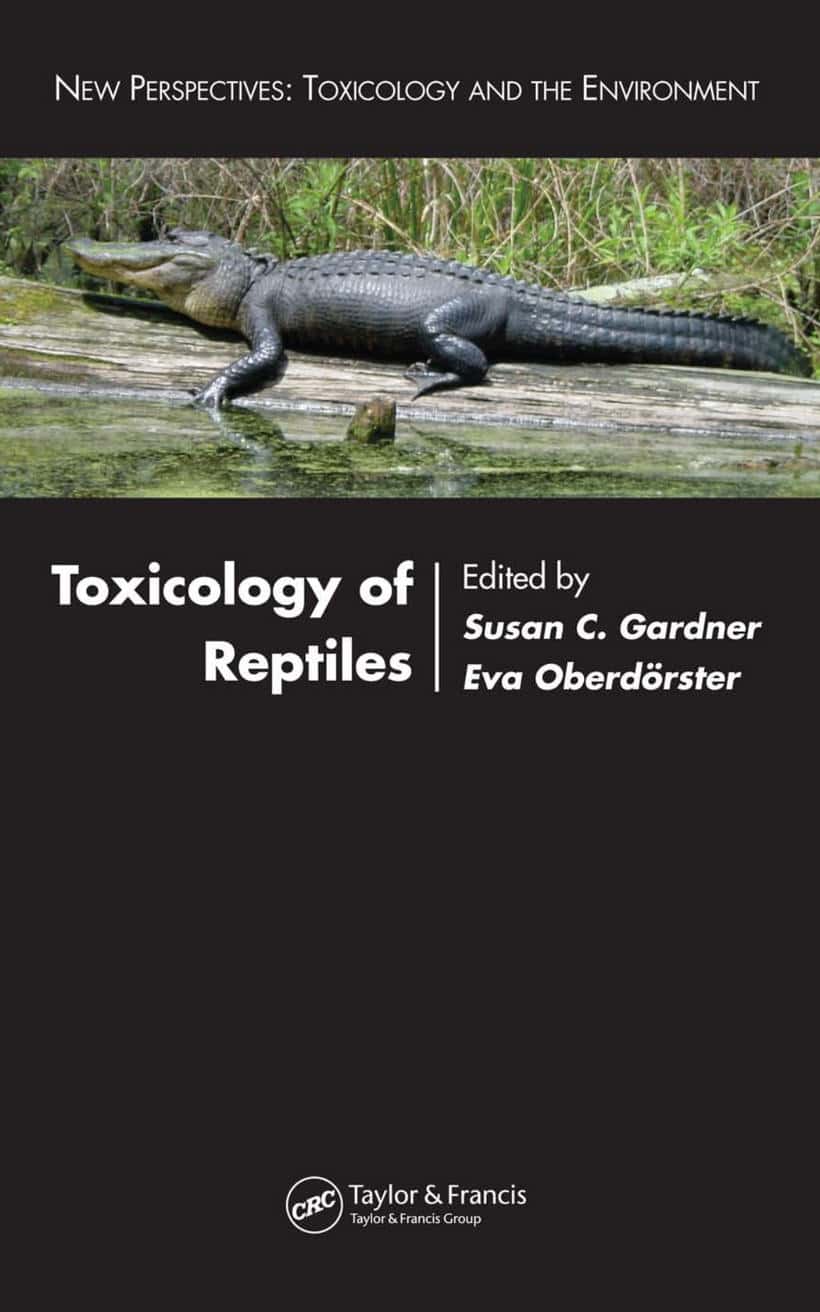
By Susan C. M. Gardner and Eva Oberdorster
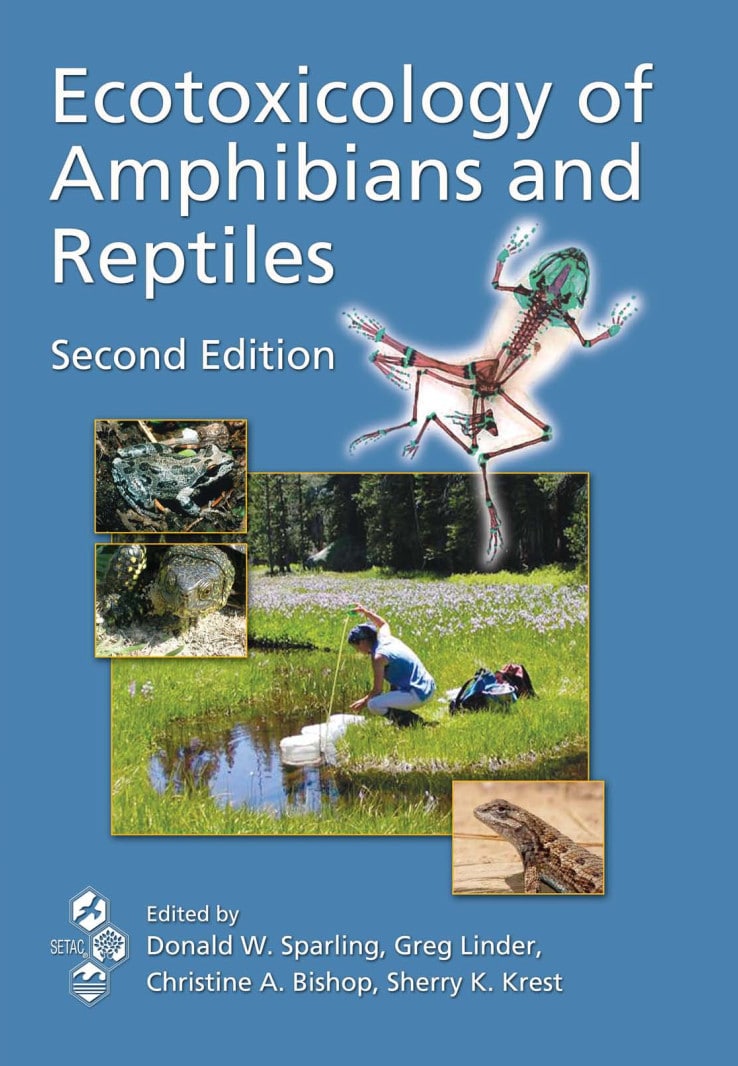
Toxicology of Reptiles Book cohesively summarizes much of the cutting-edge research taking place in fields such as reptilian endocrinology, neurophysiology, immunology, and ecology. It also addresses conservation needs along with the complications often associated with population studies. The text is easy to synthesize and apply in the evaluation and understanding of potential risks to reptiles from environmental contaminants.
This book provides a comprehensive description of the current state of knowledge of reptilian toxicology from the perspective of target organ systems. It covers major contaminant classes within each chapter, focusing on those of greatest concern. The authors highlight the most pressing information gaps, and propose priority directions for further advancement in the fields of reptilian biology, wildlife and environmental toxicology, conservation, and ecological risk assessment.
This Book is Avaiable for Members
Access this book instantly with a Premium membership
![Ettinger’s Textbook of Veterinary Internal Medicine 9th Edition [True PDF+Videos]](https://www.vet-ebooks.com/wp-content/uploads/2024/10/ettingers-textbook-of-veterinary-internal-medicine-9th-edition-100x70.jpg "Ettinger’s Textbook of Veterinary Internal Medicine 9th Edition")