Home Blog Page 82

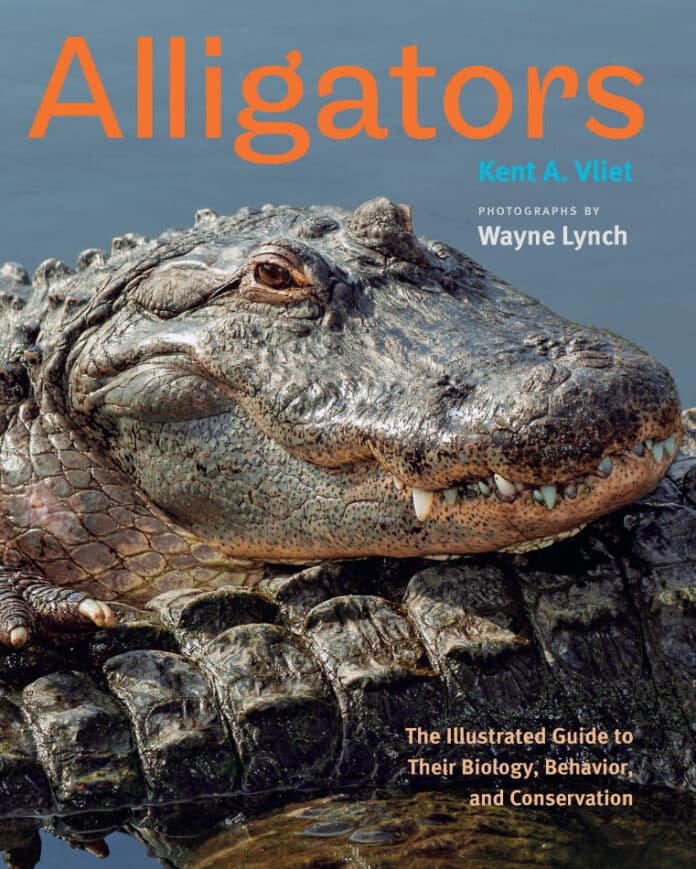
Alligators The Illustrated Guide to Their Biology, Behavior, and Conservation

Alligators The Illustrated Guide to Their Biology, Behavior, and Conservation

Alligators The Illustrated Guide To Their Biology, Behavior, And Conservation Pdf Download

By Kent A. Vliet

Alligators The Illustrated Guide to Their Biology, Behavior, and Conservation is The ultimate guide to understanding the biology and behavior of the amazing and underappreciated American alligator.

Few scenes put the senses on edge more than a submerged alligator, only eyes and snout showing, when peering across a southern lake on a misty morning. An iconic American predator, these reptiles grow to thirteen feet or more and can live as long as humans. Alligators are complex creatures, capable of terrific attacks and yet tending to their young in the same gentle way a mother duck looks after her brood. Once extremely numerous, alligators came close to extinction in the twentieth century, but thanks to conservation efforts have since made a comeback, reclaiming their rightful place as the monarchs of the southern wetlands.

In this fascinating account, richly illustrated with more than 150 photographs from award-winning wildlife photographer Wayne Lynch, expert zoologist Kent A. Vliet introduces readers to the biology, ecology, and natural history of the American alligator. Sharing nuanced depictions of their hidden lives that will forever change the way you think of these giant reptiles.

Features

Features:

• combines captivating storytelling with the most current scientific facts
• chronicles the life cycle of the alligator
• explains why the alligator’s precise anatomy and physiology make it so successful
• covers a wide range of topics, from courtship and reproduction to communication, basking, nest-building, and hunting
• reveals the alligator’s sophisticated social life in detail
• evaluates the alligator’s environmental role as a keystone species
• examines the complicated relationship between alligators and people

Table of Contents

Table of Contents:

    1. A dragon among us
    2. First encounters
    3. Alligator adaptations
    4. Where they live
    5. Sun bathers
    6. An alligator’s appetite
    7. Meet the relatives
    8. Love is in the water
    9. Small beginnings
    10. Long chances and long life
    11. Alligator societies
    12. Living with alligators
    13. From slaughter to salvation
    14. Alligators at sunset
    15. Appendix A. species names mentioned in the text
    16. Appendix B. places to see wild alligators.

Get This Book

This Book is Avaiable for Members

Access this book instantly with a Premium membership

📄 PDF Format
⚡ Instant Delivery
Unlock Premium Access

Veterinary Anesthesia Monitoring: Techniques and Best Practices

Veterinary Anesthesia Monitoring Quiz with Clinical Scenarios & Explanations

In addition to pain control, safe anaesthesia depends on effective patient monitoring. This veterinary anesthesia monitoring quiz covers the key parameters and techniques used to assess central nervous system function, cardiovascular stability, respiratory efficiency, body temperature, urine output, neuromuscular blockade, and blood glucose levels during anaesthesia.

The quiz includes comprehensive multiple-choice questions with detailed explanations and real clinical scenarios, helping veterinary students and practitioners improve decision-making, detect complications early, and optimize anaesthetic outcomes across species.

Here are the topics covered in this quiz:

  1. Introduction to Patient Monitoring
  2. General Considerations
  3. Central Nervous System (CNS) Monitoring
  4. Circulatory System Monitoring
  5. Respiratory System Monitoring
  6. Body Temperature Monitoring
  7. Urine Output Monitoring
  8. Neuromuscular Blockade Monitoring
  9. Blood Glucose Monitoring

Your Score and Progress

Total Questions: 0

Right Answers: 0

Progress:

0%

0 / 0 questions answered

Keep page opened to avoid losing your progress

1- What are the primary objectives of patient monitoring during veterinary anaesthesia?

  • A) To reduce costs and improve surgical outcomes.
  • B) To ensure survival, minimize physiological disturbances, and adapt anaesthetic plans.
  • C) To monitor equipment performance only during surgery.
  • D) To limit the need for skilled personnel in the operating room.
  • E) To focus solely on post-operative care.
Correct! Well done!
Incorrect! The correct answer is shown in green.

Monitoring during anaesthesia serves several key purposes:

  • Ensuring survival: Vital for all patients, especially high-risk ones with compromised organ systems or undergoing major surgery.
  • Minimizing disturbances: Helps manage physiological challenges like hypoxaemia, hypotension, or respiratory depression.
  • Adapting plans: Monitoring provides feedback to adjust anaesthetic depth or fluid therapy during the procedure.
💡 Note: Always begin monitoring from the premedication stage, especially for high-risk animals, to identify potential complications early.

2- How have technological advancements improved patient monitoring in veterinary anaesthesia?

  • A) By providing precise, non-invasive tools for real-time data and improving patient safety.
  • B) By completely replacing the need for skilled personnel.
  • C) By eliminating complications during anaesthesia.
  • D) By reducing the reliance on physical examinations during surgery.
  • E) By standardizing anaesthetic protocols for all species.
Correct! Well done!
Incorrect! The correct answer is shown in green.

Advances in technology have revolutionized anaesthetic monitoring through:

  • Non-invasive devices: Tools like capnographs and pulse oximeters allow continuous monitoring of oxygen saturation, CO2 levels, and blood pressure.
  • Real-time feedback: Enables early detection and correction of complications such as hypoxaemia or hypotension.
  • Enhanced safety: Particularly beneficial for species with unique anatomical or physiological challenges, such as horses or brachycephalic breeds.
💡 Note: Despite technological advances, the role of a skilled anaesthetist remains irreplaceable, especially during emergencies.

3- Why is patient monitoring a cornerstone of veterinary anaesthesia, and how does it contribute to post-anaesthetic care?

  • A) It ensures proper drug administration during surgery.
  • B) It applies only to specific species or procedures.
  • C) It focuses exclusively on post-operative outcomes.
  • D) It replaces manual observations during surgery.
  • E) It minimizes risks by detecting complications early and provides data for recovery management.
Correct! Well done!
Incorrect! The correct answer is shown in green.

Monitoring is critical because it:

  • Detects complications early: Issues like respiratory arrest or cardiac arrhythmias can arise suddenly and require immediate action.
  • Improves recovery: Data collected during monitoring guides post-operative care, such as oxygen therapy or fluid adjustments.
  • Reduces risks: Continuous observation helps ensure safety throughout all phases of anaesthesia.
💡 Note: Extend monitoring into the recovery phase to catch delayed complications like hypoventilation or hypothermia. That’s how it contributes to post-anaesthetic care.

4- Why is vigilance, training, and regular equipment maintenance crucial during veterinary anaesthesia?

  • A) They ensure anaesthetic depth remains consistent throughout surgery.
  • B) They eliminate the need for post-operative care.
  • C) They minimize human error, equipment failure, and prevent emergencies.
  • D) They allow for reduced reliance on advanced technology.
  • E) They standardize anaesthetic outcomes across all species.
Correct! Well done!
Incorrect! The correct answer is shown in green.

Anaesthesia is a complex process that requires a combination of human expertise and reliable equipment. This is why vigilance, training, and equipment maintenance are indispensable:

  • Vigilance: Anaesthetic complications, such as respiratory depression or cardiovascular instability, can occur suddenly. A vigilant anaesthetist ensures timely detection and intervention.
  • Training: Proper training enables staff to interpret data accurately, manage emergencies, and maintain optimal anaesthetic conditions.
  • Equipment maintenance: Regular checks reduce the risk of malfunctions, ensuring accurate monitoring and preventing data errors during surgery.
💡 Note: Always use equipment checklists before procedures to prevent avoidable errors or delays during surgery.

5- How does pre-anaesthetic monitoring and preparation enhance patient safety?

  • A) It eliminates the need for intraoperative monitoring.
  • B) It focuses solely on adjusting post-operative recovery plans.
  • C) It simplifies the use of anaesthetic drugs in all species.
  • D) It helps identify risk factors like cardiovascular or respiratory conditions, guiding anaesthetic planning.
  • E) It ensures the procedure is completed faster.
Correct! Well done!
Incorrect! The correct answer is shown in green.

Before administering anaesthesia, thorough preparation is key to identifying potential risks and tailoring the anaesthetic plan. Pre-anaesthetic monitoring helps:

  • Identify underlying conditions: Issues like anaemia, dehydration, or organ dysfunction can significantly impact anaesthetic safety.
  • Guide anaesthetic protocols: Adjusting drug choices and doses based on patient-specific needs reduces complications during surgery.
  • Prevent complications: High-risk patients, such as geriatrics or brachycephalic breeds, benefit from early airway management or fluid therapy to mitigate risks like obstruction or aspiration.
💡 Note: Conduct thorough pre-anaesthetic assessments, including physical exams and blood tests, to customize protocols for each patient.

6- Why is documentation during anaesthesia important for veterinary practice?

  • A) It improves anaesthetic safety by tracking real-time events and supporting future case management.
  • B) It guarantees the prevention of post-operative complications.
  • C) It replaces the need for advanced monitoring devices.
  • D) It ensures reduced costs for surgical procedures.
  • E) It eliminates the need for training in monitoring.
Correct! Well done!
Incorrect! The correct answer is shown in green.

Keeping detailed records during anaesthesia is essential to ensure safety and provide valuable data for future use. Documentation serves multiple purposes:

  • Real-time tracking: It allows the anaesthetist to monitor changes in the patient’s condition, such as fluctuations in vital signs or anaesthetic depth, and make informed decisions.
  • Improving future outcomes: Records help refine techniques and protocols, particularly for high-risk or unusual cases.
  • Legal and research importance: Comprehensive records are critical for clinical studies and legal documentation if complications arise.
💡 Note: Use standardized anaesthetic records to ensure all critical details are captured systematically.

7- What reflexes are commonly assessed to determine the depth of anaesthesia?

  • A) Palpebral, corneal, and pedal reflexes.
  • B) Withdrawal, swallowing, and coughing reflexes.
  • C) Sneezing, vomiting, and gag reflexes.
  • D) Gag reflex, pupillary reflex, and vocalization.
  • E) Coughing, blinking, and sneezing reflexes.
Correct! Well done!
Incorrect! The correct answer is shown in green.

Reflex assessment is crucial for monitoring anaesthetic depth:

  • Palpebral reflex: Blinking when the eyelids are lightly touched; present during light anaesthesia and lost at surgical depth.
  • Corneal reflex: Eye retraction in response to corneal stimulation; typically persists even under deep anaesthesia.
  • Pedal reflex: Withdrawal of a limb when pressure is applied to a digit; disappears as anaesthesia deepens.
💡 Note: Always interpret reflexes in combination with other signs, as certain drugs may suppress reflexes without adequate anaesthesia.

8- How do eye position and pupil size indicate the depth of anaesthesia?

  • A) Central eye position and constricted pupils indicate deep anaesthesia, while dilated pupils suggest light anaesthesia.
  • B) Eye rotation is only relevant in small mammals; pupil size is irrelevant.
  • C) Pupil dilation is absent during surgical anaesthesia, and eye position has no impact on depth.
  • D) Ventromedial eye rotation and moderate pupil size indicate surgical depth, while central eye position with dilated pupils suggests light or deep planes.
  • E) Central eye position and dilated pupils always indicate light anaesthesia.
Correct! Well done!
Incorrect! The correct answer is shown in green.

  • Ventromedial eye rotation: Indicates the patient is at a surgical plane of anaesthesia.
  • Central eye position: Suggests either a light or excessively deep anaesthetic plane.
  • Pupil size:
    • Constricted pupils typically indicate light anaesthesia.
    • Moderate pupil size is often seen at surgical depth.
    • Dilated pupils can occur at light or deep anaesthesia planes.
💡 Note: There can be species differences, with some species (e.g., cats) showing less reliable eye position changes.

9- Why is muscle tone an important indicator of anaesthetic depth?

  • A) Increased tone indicates the patient is in a surgical plane.
  • B) Decreased muscle tone suggests light anaesthesia.
  • C) Muscle tone decreases progressively as anaesthesia deepens.
  • D) Muscle tone only changes in response to surgical stimuli.
  • E) Muscle tone is unaffected by anaesthesia depth.
Correct! Well done!
Incorrect! The correct answer is shown in green.

Muscle tone is a reliable indicator of anaesthetic depth:

  • During light anaesthesia: Muscle tone is generally high.
  • As anaesthesia progresses: Muscle relaxation occurs, aiding surgical procedures.
  • Excessive relaxation: May indicate over-sedation, requiring immediate adjustments.
💡 Note: Assess muscle tone by gently manipulating the jaw or limbs, but consider the effects of neuromuscular blocking agents.

10- What are the key signs of inadequate anaesthetic depth?

  • A) Persistent palpebral reflex, increased heart rate, and purposeful movements.
  • B) Loss of all reflexes and no movement in response to surgery.
  • C) Central eye position and complete loss of muscle tone.
  • D) Ventromedial eye rotation and absence of corneal reflex.
  • E) Dilated pupils with no reflex responses.
Correct! Well done!
Incorrect! The correct answer is shown in green.

Inadequate anaesthetic depth is characterized by:

  • Palpebral reflex persistence: Indicates the patient is not fully unconscious.
  • Increased heart rate: A response to surgical stimulation.
  • Purposeful movements: Suggest insufficient anaesthetic depth to block nociceptive responses.
💡 Note: Always verify anaesthetic depth before proceeding with painful procedures to avoid patient awareness or suffering.

11- How does the assessment of reflexes vary between species during anaesthesia?

  • A) Reflexes are universally consistent across all species.
  • B) Reflex assessment is only accurate in small mammals.
  • C) Species differences require adapting reflex evaluation methods.
  • D) Reflexes in ruminants are entirely absent during anaesthesia.
  • E) Reptiles rely on eye signs alone for anaesthetic monitoring.
Correct! Well done!
Incorrect! The correct answer is shown in green.

Different species exhibit variability in reflexes during anaesthesia:

  • Ruminants: Palpebral reflexes may persist at surgical depth, making other signs more reliable.
  • Horses: Eye rotation and corneal reflexes are consistent indicators.
  • Reptiles: Eye signs and muscle tone are preferred due to their unique physiology.
💡 Note: Be aware of drug-specific effects on reflexes, which can vary even within the same species.

12- What is the primary purpose of circulatory monitoring during anaesthesia?

  • A) To detect and manage cardiovascular abnormalities early.
  • B) To ensure consistent anaesthetic depth.
  • C) To replace respiratory monitoring.
  • D) To simplify the anaesthetic procedure.
  • E) To assess only the recovery phase.
Correct! Well done!
Incorrect! The correct answer is shown in green.

Circulatory monitoring is essential for identifying changes in cardiovascular function during anaesthesia. Key objectives include:

  • Detecting conditions: Such as hypotension, hypertension, tachycardia, or bradycardia.
  • Ensuring adequate perfusion: Oxygen delivery to vital organs is crucial for maintaining stability.
💡 Note: Always correlate circulatory parameters with clinical signs for accurate interpretation.

13- What does capillary refill time (CRT) indicate in anaesthetic monitoring?

  • A) Depth of anaesthesia.
  • B) Perfusion and cardiovascular function.
  • C) Adequacy of oxygenation.
  • D) Respiratory efficiency.
  • E) Blood glucose levels.
Correct! Well done!
Incorrect! The correct answer is shown in green.

CRT assesses peripheral perfusion by measuring the time it takes for the capillaries to refill after blanching:

  • Normal CRT: Less than 2 seconds, indicating adequate perfusion.
  • Prolonged CRT: Suggests poor circulation due to hypotension, hypovolaemia, or vasoconstriction.
💡 Note: CRT may vary in different species; always consider species-specific norms.

14- What are the main methods of blood pressure monitoring during anaesthesia, and why is it important?

  • A) Blood pressure monitoring is optional if heart rate is stable.
  • B) Doppler is exclusively used in small animals, while invasive methods are only for large animals.
  • C) Oscillometric monitoring replaces invasive techniques in critical cases.
  • D) Invasive methods eliminate the need for non-invasive monitoring.
  • E) Doppler and oscillometric methods are non-invasive, while invasive arterial monitoring provides continuous accuracy.
Correct! Well done!
Incorrect! The correct answer is shown in green.

Blood pressure monitoring is crucial for assessing circulatory health and ensuring adequate tissue perfusion during anaesthesia. It is achieved through:

  • Non-invasive methods:
    • Doppler: Uses ultrasound to detect blood flow and measures systolic pressure. It is highly reliable for small or hypotensive patients.
    • Oscillometric: Measures systolic, diastolic, and mean arterial pressure (MAP). It is easy to use but less accurate in hypotensive or arrhythmic patients.
  • Invasive methods: Involves arterial catheterization for continuous, real-time monitoring of systolic, diastolic, and MAP values. It is ideal for critical or high-risk cases requiring precise control.
💡 Note: The choice of method depends on the patient’s size, species, and clinical condition. Doppler is preferred for small animals, while invasive monitoring is best suited for complex surgeries or unstable patients.

15- How is cardiac output monitored in veterinary anaesthesia, and why is it important?

  • A) By measuring pulse rate alone.
  • B) Through capillary refill time.
  • C) By assessing respiratory rate and rhythm.
  • D) Using advanced techniques like thermodilution or Doppler echocardiography.
  • E) By observing eye signs during anaesthesia.
Correct! Well done!
Incorrect! The correct answer is shown in green.

Cardiac output monitoring measures the volume of blood pumped by the heart per minute:

  • Techniques: Thermodilution and Doppler echocardiography provide reliable cardiac output estimates.
  • Importance: Low cardiac output can indicate inadequate perfusion, leading to organ dysfunction.
💡 Note: Cardiac output monitoring is typically used in critical or unstable patients.

16- What are the signs of inadequate circulatory function during anaesthesia?

  • A) Prolonged CRT, weak pulse, and hypotension.
  • B) Shortened CRT, tachypnoea, and hypertension.
  • C) Dilated pupils, central eye position, and muscle rigidity.
  • D) Hypoventilation, bradycardia, and hyperglycaemia.
  • E) Increased heart rate, hypertension, and pupil constriction.
Correct! Well done!
Incorrect! The correct answer is shown in green.

Inadequate circulatory function is indicated by:

  • Prolonged CRT: Poor peripheral perfusion.
  • Weak pulse: Suggests reduced cardiac output.
  • Hypotension: Indicates inadequate blood pressure to maintain organ perfusion.
💡 Note: Always assess circulatory parameters alongside other vital signs for a comprehensive evaluation.

17- How do circulatory monitoring parameters vary between species?

  • A) All species have identical circulatory responses to anaesthesia.
  • B) Large animals typically tolerate hypotension better than small animals.
  • C) Species-specific considerations influence monitoring techniques and normal values.
  • D) Small animals rarely exhibit circulatory complications during anaesthesia.
  • E) Species differences only affect respiratory monitoring.
Correct! Well done!
Incorrect! The correct answer is shown in green.

Different species require tailored approaches to circulatory monitoring:

  • Small animals: Lower tolerance for hypotension; Doppler devices are commonly used.
  • Large animals: Invasive blood pressure monitoring is more common due to size and complexity.
  • Ruminants: Unique cardiovascular physiology may affect interpretation of circulatory parameters.
💡 Note: Always calibrate monitoring equipment based on the species and patient size.

18- Why is mean arterial pressure (MAP) a critical parameter in circulatory monitoring?

  • A) It reflects the adequacy of tissue perfusion during anaesthesia.
  • B) It only monitors systolic blood pressure.
  • C) It is not affected by anaesthetic depth.
  • D) It is primarily used to assess respiratory efficiency.
  • E) It eliminates the need for other circulatory parameters.
Correct! Well done!
Incorrect! The correct answer is shown in green.

MAP is a key indicator of perfusion pressure in vital organs:

  • Normal range: Should remain above 60 mmHg in small animals to ensure adequate perfusion.
  • Significance: Low MAP can lead to organ hypoxia and dysfunction, while high MAP may indicate excessive vasoconstriction.
💡 Note: Use both MAP and other parameters like CRT and heart rate for a comprehensive circulatory assessment.

19- Why is monitoring respiratory rate and depth essential during anaesthesia?

  • A) It ensures anaesthetic depth remains constant.
  • B) It indicates cardiovascular function directly.
  • C) It replaces the need for capnography and pulse oximetry.
  • D) It focuses solely on post-operative care.
  • E) It helps detect abnormalities in ventilation and oxygenation.
Correct! Well done!
Incorrect! The correct answer is shown in green.

Respiratory rate and depth are critical indicators of respiratory function during anaesthesia:

  • Respiratory rate: Sudden changes, such as bradypnoea or tachypnoea, may indicate issues like anaesthetic overdose or pain.
  • Respiratory depth: Shallow breaths suggest hypoventilation, while excessively deep breaths could indicate hyperventilation.
💡 Note: Always correlate respiratory rate and depth with other parameters like end-tidal CO₂ and oxygen saturation for a complete assessment.

20- What does capnography measure, and why is it crucial for anaesthetic monitoring?

  • A) It measures oxygen saturation levels in the blood.
  • B) It assesses the depth of anaesthesia.
  • C) It monitors end-tidal CO₂ (ETCO₂), indicating ventilation efficiency.
  • D) It replaces blood gas analysis in critical cases.
  • E) It measures respiratory rate directly without additional devices.
Correct! Well done!
Incorrect! The correct answer is shown in green.

Capnography is a key tool for monitoring ventilation during anaesthesia:

  • ETCO₂ measurement: Reflects the CO₂ concentration in exhaled air, providing a real-time evaluation of ventilation.
  • Normal ETCO₂ range: 35-45 mmHg. Levels outside this range indicate hypoventilation (high ETCO₂) or hyperventilation (low ETCO₂).
💡 Note: Capnography also helps detect critical issues like airway obstructions, disconnections, or anaesthetic circuit malfunctions.

21- How does pulse oximetry contribute to respiratory monitoring during anaesthesia?

  • A) It directly measures CO₂ levels in arterial blood.
  • B) It provides oxygen saturation levels (SpO₂) and heart rate.
  • C) It eliminates the need for capnography.
  • D) It replaces physical assessment of respiratory effort.
  • E) It measures respiratory rate accurately.
Correct! Well done!
Incorrect! The correct answer is shown in green.

Pulse oximetry is a non-invasive method that evaluates oxygenation:

  • SpO₂ levels: Indicate the percentage of haemoglobin bound to oxygen, with normal levels above 95%.
  • Heart rate: Displayed alongside oxygen saturation, providing additional circulatory information.
💡 Note: Factors like patient movement, poor perfusion, or pigmented skin may affect pulse oximeter accuracy; always consider alternative methods if readings seem unreliable.

22- What is the role of arterial blood gas analysis in respiratory monitoring?

  • A) It provides direct measurements of oxygenation, ventilation, and acid-base status.
  • B) It eliminates the need for pulse oximetry.
  • C) It measures respiratory rate and effort.
  • D) It simplifies anaesthetic monitoring in large animals.
  • E) It provides indirect indicators of ventilation efficiency.
Correct! Well done!
Incorrect! The correct answer is shown in green.

Arterial blood gas (ABG) analysis is the gold standard for respiratory monitoring:

  • Oxygenation: Measures PaO₂, reflecting how well oxygen is being absorbed.
  • Ventilation: Measures PaCO₂, indicating whether the patient is hypoventilating or hyperventilating.
  • Acid-base status: Assesses pH and bicarbonate (HCO₃⁻) levels, providing insights into metabolic and respiratory balance.
💡 Note: Frequent sampling may be necessary in prolonged or complicated anaesthetic procedures to track changes in respiratory status.

23- How can hypoventilation be detected during anaesthesia?

  • A) By observing hypercapnia on capnography and decreased respiratory effort.
  • B) By detecting hypoxaemia with pulse oximetry alone.
  • C) By noticing tachycardia and bradycardia in pulse rate.
  • D) By measuring increased oxygen saturation levels.
  • E) By observing reduced SpO₂ with no change in ventilation.
Correct! Well done!
Incorrect! The correct answer is shown in green.

Hypoventilation occurs when ventilation is insufficient to remove CO₂ effectively, leading to:

  • Hypercapnia: Elevated ETCO₂ values above 45 mmHg on capnography.
  • Decreased respiratory effort: Shallow or infrequent breaths observed clinically.
💡 Note: Ensure the anaesthetic circuit and airway are patent before diagnosing hypoventilation.

24- What signs indicate the need for mechanical ventilation during anaesthesia?

  • A) Tachypnoea and normal ETCO₂.
  • B) Normal respiratory rate with slight hypercapnia.
  • C) Elevated SpO₂ with shallow breathing.
  • D) Decreased respiratory rate, hypoxaemia, and hypercapnia.
  • E) Central eye position with deep muscle relaxation.
Correct! Well done!
Incorrect! The correct answer is shown in green.

Mechanical ventilation is indicated when the patient’s spontaneous respiration is insufficient to maintain normal oxygenation and ventilation:

  • Hypoxaemia: SpO₂ below 90%, indicating inadequate oxygen levels.
  • Hypercapnia: ETCO₂ above 50 mmHg, reflecting poor CO₂ elimination.
  • Decreased respiratory rate: Suggesting respiratory depression or fatigue.
💡 Note: Adjust ventilator settings based on body weight and compliance to avoid complications like barotrauma.

25- How does respiratory monitoring differ between small and large animals?

  • A) Large animals require invasive methods exclusively.
  • B) Small animals tolerate hypoventilation better than large animals.
  • C) Large animals often require more intensive respiratory support and monitoring.
  • D) Respiratory monitoring techniques are identical across species.
  • E) Pulse oximetry is ineffective in large animals.
Correct! Well done!
Incorrect! The correct answer is shown in green.

Respiratory monitoring varies significantly based on species:

  • Small animals: Non-invasive methods like capnography and pulse oximetry are typically sufficient.
  • Large animals: Often require invasive techniques (e.g., arterial blood gas analysis) and mechanical ventilation due to their size and unique respiratory challenges.
  • Species-specific considerations: Factors like anatomy and metabolism influence monitoring strategies.
💡 Note: Large animals are more prone to hypoventilation and hypoxaemia due to body positioning and anaesthetic effects; careful planning is essential.

26- Why is body temperature monitoring essential during anaesthesia?

  • A) To ensure accurate anaesthetic dosing.
  • B) To detect and manage hypothermia or hyperthermia effectively.
  • C) To replace other vital sign monitoring methods.
  • D) To prevent anaesthetic depth fluctuations.
  • E) To maintain consistent blood pressure.
Correct! Well done!
Incorrect! The correct answer is shown in green.

Monitoring body temperature is crucial because anaesthesia affects thermoregulation, leading to:

  • Hypothermia: Common during anaesthesia due to heat loss from vasodilation, reduced metabolic rate, and exposure to cold environments.
  • Hyperthermia: Less common but may occur in certain species or due to excessive warming.
💡 Note: Maintaining normal body temperature reduces complications like prolonged recovery, coagulopathies, or cardiovascular depression. Use temperature monitoring devices such as oesophageal or rectal thermometers to ensure consistent readings throughout the procedure.

27- What are the primary causes of hypothermia during anaesthesia, and how can it be prevented?

  • A) Hypothermia is caused by reduced oxygen levels and can be prevented by fluid restriction.
  • B) It is caused by excessive metabolism during anaesthesia and is prevented by reducing activity.
  • C) Anaesthetic agents increase body temperature, requiring cooling devices.
  • D) It occurs due to heat loss from the body, and active warming techniques can help prevent it.
  • E) Hypothermia only occurs in large animals and requires invasive management.
Correct! Well done!
Incorrect! The correct answer is shown in green.

Hypothermia is a common complication during anaesthesia caused by:

  • Heat loss: Through radiation, conduction, convection, and evaporation.
  • Anaesthetic effects: Drugs reduce metabolic heat production and impair thermoregulation.

Prevention strategies include:

  • Active warming: Use of heating pads, warm IV fluids, and forced-air warming devices.
  • Environmental adjustments: Keeping the surgical area warm and minimizing patient exposure.
💡 Note: Monitor temperature continuously during long procedures, especially in small animals, which lose heat more rapidly.

28- What are the clinical signs and consequences of hyperthermia during anaesthesia?

  • A) Hyperthermia is always benign and requires no intervention.
  • B) It causes tachycardia, muscle rigidity, and can lead to organ damage if untreated.
  • C) Hyperthermia is self-resolving after anaesthesia ends.
  • D) It only affects large animals under anaesthesia.
  • E) Hyperthermia results in hypoventilation and low oxygen saturation.
Correct! Well done!
Incorrect! The correct answer is shown in green.

Hyperthermia, an abnormal elevation in body temperature during anaesthesia, is rare but serious. It can result from excessive warming or a condition called malignant hyperthermia:

  • Signs: Tachycardia, rapid breathing, muscle rigidity, and a dramatic rise in body temperature.
  • Malignant hyperthermia: A genetic disorder triggered by specific anaesthetic agents (e.g., halothane) or stress, causing uncontrolled heat production in muscles.
  • Consequences: If untreated, hyperthermia can lead to organ failure, coagulation disorders, or death.

Management includes:

  • Cooling measures: External cooling, IV fluid therapy, and removing heat sources.
  • For malignant hyperthermia: Immediate cessation of triggering agents and administration of dantrolene (a muscle relaxant).
💡 Note: Always monitor body temperature closely in susceptible breeds (e.g., pigs or specific canine lines) and have dantrolene readily available in surgical setups.

29- How can temperature monitoring devices be used effectively during anaesthesia?

  • A) Use surface thermometers exclusively for accurate readings.
  • B) Monitor temperature intermittently to save resources.
  • C) Use oesophageal, rectal, or tympanic thermometers for continuous monitoring.
  • D) Avoid monitoring in small animals as they cool down rapidly.
  • E) Temperature monitoring is optional in short procedures.
Correct! Well done!
Incorrect! The correct answer is shown in green.

Effective temperature monitoring during anaesthesia involves:

  • Devices: Oesophageal and rectal thermometers provide accurate core temperature readings. Tympanic thermometers can also be used but are less common.
  • Continuous tracking: Essential for detecting sudden changes in temperature during long or critical procedures.
  • Species considerations: Small animals require more frequent monitoring due to rapid heat loss.
💡 Note: Avoid overheating patients with warming devices, as this can lead to hyperthermia-related complications.

30- Why is monitoring urine output important during anaesthesia, and what are the normal values?

  • A) It ensures proper anaesthetic depth is maintained.
  • B) It provides insights into renal function and circulatory status, with typical rates of ≥1 mL/kg/hour.
  • C) It eliminates the need for fluid therapy adjustments.
  • D) It replaces the need for cardiovascular monitoring.
  • E) It focuses solely on post-operative care.
Correct! Well done!
Incorrect! The correct answer is shown in green.

Urine output is a vital parameter during anaesthesia because:

  • Renal function and circulation: Reflects kidney health and adequate perfusion.
  • Normal values: Urine output is generally ≥1 mL/kg/hour in most species. Deviations may indicate hypovolaemia, hypotension, or kidney dysfunction.
  • Species-specific considerations: Small animals like cats and dogs have similar thresholds, but large animals may vary slightly due to their size and metabolic differences.
💡 Note: Accurate measurement using urinary catheters is especially important in prolonged surgeries or high-risk patients.

31- What methods are used to monitor urine output during anaesthesia, and how are abnormalities managed?

  • A) Use of urinary catheters for accurate measurements and adjustments in fluid therapy.
  • B) Observation of bladder size and non-invasive ultrasound only.
  • C) Visual estimation of urine volume without specific devices.
  • D) Monitoring only after signs of hypovolaemia appear.
  • E) Relying on pulse rate to infer urine production.
Correct! Well done!
Incorrect! The correct answer is shown in green.

Urine output can be monitored using:

  • Urinary catheters: Provide precise, continuous measurements of urine volume.
  • Bladder palpation or ultrasound: Non-invasive methods to estimate urine production in certain cases.

Management of abnormalities:

  • Oliguria (low output): Address underlying causes like hypovolaemia or hypotension with fluid therapy or vasopressors.
  • Polyuria (high output): Monitor for excessive fluid administration or underlying metabolic disorders.
💡 Note: Regularly empty collection systems to prevent backflow and ensure accurate readings.

32- Why is neuromuscular blockade monitoring important during anaesthesia, and how is it achieved?

  • A) To monitor cardiovascular function and evaluate muscle rigidity.
  • B) To directly measure oxygenation and ventilation.
  • C) To eliminate the need for anaesthetic depth monitoring.
  • D) To replace the need for circulatory and respiratory monitoring.
  • E) To assess the effects of neuromuscular blocking agents and ensure adequate muscle relaxation using peripheral nerve stimulators.
Correct! Well done!
Incorrect! The correct answer is shown in green.

Neuromuscular blockade monitoring ensures proper muscle relaxation and avoids excessive or inadequate blockade during anaesthesia:

  • Purpose: To assess the depth of neuromuscular blockade, enabling controlled muscle relaxation for surgical procedures like abdominal or thoracic surgeries.
  • Techniques: Peripheral nerve stimulators deliver electrical impulses to nerves, monitoring muscle response to assess the degree of blockade.
  • Prevention of complications: This helps prevent residual blockade post-surgery, which can impair recovery.
💡 Note: Commonly used sites for stimulation include the ulnar nerve in small animals or the facial nerve in larger species.

33- What are the patterns of stimulation used in neuromuscular blockade monitoring, and how are results interpreted?

  • A) Train-of-four (TOF) and tetanic stimulation patterns help assess the level of blockade, guiding anaesthetic and reversal plans.
  • B) TOF stimulation measures respiratory rate changes during blockade.
  • C) Tetanic stimulation determines the depth of the anaesthetic plane.
  • D) Post-tetanic count eliminates the need for reversal agents.
  • E) Stimulation patterns provide direct cardiovascular monitoring.
Correct! Well done!
Incorrect! The correct answer is shown in green.

Monitoring patterns are critical for evaluating the depth of neuromuscular blockade:

  • Train-of-four (TOF): Four electrical stimuli are delivered in quick succession. The degree of muscle response determines the level of blockade.
  • Tetanic stimulation: A continuous electrical impulse evaluates residual neuromuscular function.
  • Post-tetanic count: Used in deep blockade cases to assess the number of responses after tetanic stimulation.

Interpreting results:

  • Adequate relaxation: Allows smooth surgical procedures.
  • Excessive blockade: May delay recovery or require reversal agents like neostigmine or sugammadex.
💡 Note: Use these patterns consistently during prolonged surgeries or when neuromuscular blocking agents are administered to avoid residual effects.

34- Why is blood glucose monitoring important during anaesthesia, and which patients require it most?

  • A) It ensures normal blood pressure and heart rate in all patients.
  • B) It is primarily used to adjust anaesthetic depth in small animals.
  • C) It is critical for managing diabetic, paediatric, or critically ill patients to prevent hypoglycaemia or hyperglycaemia.
  • D) It eliminates the need for fluid therapy adjustments.
  • E) It replaces other metabolic monitoring techniques.
Correct! Well done!
Incorrect! The correct answer is shown in green.

Blood glucose monitoring is vital in specific high-risk cases to ensure metabolic stability:

  • Diabetic patients: Require glucose monitoring to avoid hypo- or hyperglycaemic crises, which can lead to complications like organ failure.
  • Paediatric patients: Have limited glycogen reserves, making them prone to hypoglycaemia.
  • Critical care cases: Conditions like sepsis or shock may alter glucose metabolism, necessitating close monitoring.

Maintaining stable blood glucose levels during anaesthesia supports better outcomes and reduces recovery complications.

💡 Note: Regularly monitor blood glucose in long or complex procedures involving high-risk patients to prevent metabolic derangements.

35- How are blood glucose levels monitored during anaesthesia, and how should abnormalities be managed?

  • A) By measuring respiratory rate and adjusting ventilatory support.
  • B) Using pulse oximetry as an indirect glucose measurement method.
  • C) Monitoring heart rate to infer blood glucose changes.
  • D) Using glucometers to measure glucose levels and addressing hypo- or hyperglycaemia appropriately.
  • E) Monitoring blood glucose only post-operatively in diabetic patients.
Correct! Well done!
Incorrect! The correct answer is shown in green.

Blood glucose monitoring during anaesthesia involves:

  • Techniques: Portable glucometers provide quick and accurate measurements of blood glucose.
  • Normal ranges: Most species maintain glucose levels between 70-120 mg/dL, though these may vary.

Management of abnormalities:

  • Hypoglycaemia: Treat with dextrose-containing fluids or boluses to restore normal glucose levels.
  • Hyperglycaemia: Address underlying causes (e.g., stress, excessive glucose infusion) and administer insulin if required.
💡 Note: Tailor fluid therapy to the patient’s condition, and monitor glucose trends closely in prolonged anaesthetic cases.

36- During anaesthesia, a 6-year-old diabetic dog under your care starts showing signs of tachycardia and shallow breathing. Capnography reveals a rising ETCO₂, and pulse oximetry shows SpO₂ dropping to 88%. What is the most appropriate sequence of actions?

  • A) Increase anaesthetic depth and provide supplemental oxygen.
  • B) Immediately start mechanical ventilation and increase IV fluid rates.
  • C) Reduce anaesthetic depth, check the airway, and administer fluid therapy.
  • D) Administer insulin to control glucose levels and observe the patient.
  • E) Increase the ETCO₂ threshold and reduce oxygen delivery.
Correct! Well done!
Incorrect! The correct answer is shown in green.

The scenario suggests hypoventilation and possible hypoxaemia. The correct approach includes:

  • Reducing anaesthetic depth: To improve respiratory drive.
  • Checking the airway: To rule out obstructions or equipment malfunctions.
  • Administering fluids: To improve circulation and oxygen delivery.
💡 Note: Monitor glucose levels in diabetic patients during anaesthesia to prevent metabolic complications that could exacerbate respiratory distress.

37- Case 1: A 12-year-old cat undergoing abdominal surgery exhibits prolonged CRT and weak pulses. Blood pressure monitoring shows a mean arterial pressure (MAP) of 55 mmHg. What immediate steps should be taken?

  • A) Increase the anaesthetic agent to stabilize the cardiovascular system.
  • B) Initiate neuromuscular blockade to improve muscle tone.
  • C) Discontinue monitoring devices and proceed with surgery.
  • D) Use Doppler ultrasound to confirm MAP and reduce fluid therapy.
  • E) Administer a fluid bolus and reassess blood pressure and CRT.
Correct! Well done!
Incorrect! The correct answer is shown in green.

The cat is showing signs of hypotension (MAP < 60 mmHg), requiring:

  • Fluid bolus: To restore circulatory volume and improve perfusion.
  • Reassessment: Evaluate CRT, pulse strength, and MAP post-intervention.
💡 Note: If fluid therapy fails, consider vasopressors to support blood pressure.

38- Case 2: A large dog undergoing thoracic surgery is placed on mechanical ventilation. The anaesthetist notices an ETCO₂ of 55 mmHg and SpO₂ of 92%. What adjustments should be made?

  • A) Increase the respiratory rate or tidal volume to lower ETCO₂.
  • B) Decrease the ventilator settings and provide supplemental oxygen.
  • C) Switch to non-invasive ventilation and increase anaesthetic depth.
  • D) Focus on SpO₂ levels and ignore ETCO₂ for now.
  • E) Discontinue ventilation to assess spontaneous breathing.
Correct! Well done!
Incorrect! The correct answer is shown in green.

An ETCO₂ of 55 mmHg indicates hypoventilation. Corrective actions include:

  • Increasing respiratory rate or tidal volume: To enhance CO₂ elimination.
  • Maintaining oxygenation: Ensure SpO₂ stays above 95%.
💡 Note: Monitor closely for barotrauma when adjusting ventilator settings, especially in large animals.

39- Case 3: During an anaesthetic procedure, a small dog develops muscle rigidity and a rapid increase in body temperature. What is the likely cause, and how should it be managed?

  • A) Hypothermia due to prolonged anaesthesia; warm the patient immediately.
  • B) Hyperthermia caused by excessive warming devices; reduce warming sources.
  • C) Malignant hyperthermia triggered by anaesthetic agents; discontinue the agent and administer dantrolene.
  • D) Stress-induced hyperventilation; reduce anaesthetic depth.
  • E) Hyperglycaemia due to prolonged fasting; administer insulin.
Correct! Well done!
Incorrect! The correct answer is shown in green.

Malignant hyperthermia presents with:

  • Signs: Muscle rigidity, rapid temperature increase, and tachycardia.
  • Management: Discontinue triggering agents (e.g., halothane) and administer dantrolene.
💡 Note: Ensure active cooling and fluid therapy to prevent organ damage during recovery.

40- Case 4: A 3-month-old kitten undergoing surgery for a fracture repair has a glucose reading of 50 mg/dL. The kitten is showing lethargy and bradycardia. What is the best course of action?

  • A) Increase anaesthetic depth to stabilize glucose metabolism.
  • B) Administer a bolus of dextrose-containing fluids and reassess glucose levels.
  • C) Continue the procedure without intervention to avoid delaying surgery.
  • D) Initiate mechanical ventilation to improve oxygen delivery.
  • E) Reduce IV fluids to prevent hyperglycaemia.
Correct! Well done!
Incorrect! The correct answer is shown in green.

The kitten’s glucose reading indicates hypoglycaemia, requiring:

  • Dextrose administration: To restore normal glucose levels and prevent complications like seizures or prolonged recovery.
  • Reassessment: Monitor glucose levels to ensure stabilization before continuing the procedure.
💡 Note: Paediatric patients have limited glycogen reserves, making them prone to hypoglycaemia during prolonged anaesthesia.

Basics of Veterinary Anesthesia: Techniques, Risks, and Patient Preparation

Veterinary Anaesthesia Quiz: Principles, MAC, Risk & Patient Preparation

This veterinary anaesthesia quiz reviews the core principles of veterinary anesthesiology, focusing on general anaesthesia, mechanisms of action, anaesthetic depth, MAC and MIR, risk assessment, and patient preparation.

It highlights species-specific differences that influence anaesthetic planning, monitoring, and safety, making it ideal for veterinary students and practitioners preparing for exams or clinical practice.

Here are the topics covered in this quiz:
1. Introduction
2. Veterinary Anaesthesia
3. General Anaesthesia
4. Mechanisms of Action of General Anaesthetic Agents
5. Depth of Anaesthesia
6. Computer Control in Anaesthesia
7. Minimum Alveolar Concentration (MAC) & Minimum Infusion Rate (MIR)
8. Anaesthetic Risk
9. General Considerations in Anaesthetic Method Selection
10. Patient Evaluation Before Anaesthesia
11. Preparation of the Patient
12. Influence of Pre-Existing Drug Therapy
13. Pharmacogenetics in Veterinary Anaesthesiology

Your Score and Progress

Total Questions: 0

Right Answers: 0

Progress:

0%

0 / 0 questions answered

Keep page opened to avoid losing your progress

1 What is the historical significance of anaesthesia in veterinary and human medicine?

  • A) Anaesthesia has been used since ancient times for surgical procedures.
  • B) The first clinical use of anaesthesia was in the 1840s, significantly reducing pain and suffering.
  • C) Anaesthesia was first developed for large animals before being applied to humans.
  • D) Pain management was not a concern before the 20th century.
  • E) The term “anaesthesia” was coined in the 20th century to describe pain insensitivity.
Correct! Well done!
Incorrect! The correct answer is shown in green.

📖 Explanation:

Understanding the historical development of anaesthesia helps appreciate its transformative impact on surgery and veterinary medicine:

  • Terminology: The term “anaesthesia” was coined by Oliver Wendell Holmes in 1846, meaning “without feeling.”
  • Impact: This innovation significantly reduced pain and suffering during surgical procedures, making them safer and more humane.
💡 Note: While analgesics like opiates were available before this period, anaesthesia transformed surgical practices by addressing pain and unconsciousness together.

2 How does modern anaesthesia differ from its original purpose?

  • A) Modern anaesthesia focuses solely on inducing unconsciousness.
  • B) Early anaesthesia prioritized only surgical immobility.
  • C) It now includes comprehensive care, such as perioperative pain management and analgesia.
  • D) The definition of anaesthesia has remained unchanged since its inception.
  • E) Modern anaesthesia eliminates all risks associated with surgery.
Correct! Well done!
Incorrect! The correct answer is shown in green.

Modern anaesthesia has expanded beyond its initial purpose of unconsciousness. It now emphasizes comprehensive patient care, including:

  • Perioperative analgesia: Pain relief during and after surgery to ensure comfort and faster recovery.
  • Adjusted approaches: Tailoring anaesthetic protocols based on the patient’s needs, procedure type, and duration.
  • Multimodal care: Incorporating techniques like local anaesthesia and sedation alongside general anaesthesia.
💡 Note: This broader scope reflects advancements in technology, pharmacology, and a focus on improving patient outcomes.

3 What are the key differences between general anaesthesia and local anaesthesia or analgesia?

  • A) General anaesthesia involves unconsciousness, while local anaesthesia allows awareness but no pain perception.
  • B) Local anaesthesia always requires the use of inhalation agents.
  • C) General anaesthesia does not include muscle relaxation or pain control.
  • D) Local anaesthesia is only suitable for minor procedures, unlike general anaesthesia.
  • E) General anaesthesia eliminates all risks associated with surgical procedures.
Correct! Well done!
Incorrect! The correct answer is shown in green.

When choosing between general and local anaesthesia, it’s essential to understand their distinct characteristics:

  • General anaesthesia: Induces unconsciousness, immobility, and amnesia. Suitable for major or invasive surgeries requiring complete insensibility.
  • Local anaesthesia/analgesia: Provides pain relief without affecting the patient’s awareness. Often used for minor procedures or to complement general anaesthesia.
💡 Note: Both forms play a vital role in modern veterinary and human medicine, allowing adjusted approaches based on the patient and procedure.

4 What are the unique challenges of veterinary anaesthesia compared to human anaesthesia?

  • A) Simplified monitoring requirements in veterinary practice.
  • B) The limited availability of anaesthetic drugs for all species.
  • C) The need to standardize techniques for all species.
  • D) Differences in anatomical and metabolic characteristics across species.
  • E) The lack of focus on pain management in veterinary anaesthesia.
Correct! Well done!
Incorrect! The correct answer is shown in green.

Veterinary anaesthesia presents unique challenges that arise from species-specific variations, including:

  • Anatomy: Differences in airway structure, size, and positioning (e.g., brachycephalic breeds or large animals).
  • Metabolism: Variations in drug metabolism and elimination rates across species (e.g., cats’ limited ability to conjugate certain drugs).
  • Behavior and handling: Species-specific behaviors necessitate adjusted approaches to sedation and restraint.
💡 Note: These challenges require veterinarians to adapt anaesthetic protocols based on individual patient characteristics and species needs.

5 What are the primary objectives of veterinary anaesthesia, and how do legal and logistical factors influence its practice?

  • A) To ensure rapid recovery and reduce procedural time.
  • B) To achieve humane treatment, adequate surgical conditions, and prevent injuries, while considering legal and logistical factors.
  • C) To eliminate the need for monitoring and post-operative care.
  • D) To ensure only one drug is used for all species to minimize costs.
  • E) To focus solely on pain management after surgery.
Correct! Well done!
Incorrect! The correct answer is shown in green.

Veterinary anaesthesia aims to meet several critical objectives:

  • Humane treatment: Includes prevention of pain and anxiety, ensuring animal welfare.
  • Adequate surgical conditions: Achieved through proper immobility, muscle relaxation, and reflex suppression.
  • Safety: Protects both animals and veterinary staff from injuries during procedures.

Legal and logistical factors also impact anaesthetic choices, such as:

  • Drug availability: Legal restrictions on drug use for certain species or in food-producing animals.
  • Resource limitations: Access to specialized equipment and monitoring in different clinical settings.
💡 Note: These considerations highlight the importance of adjusted, ethical approaches to veterinary anaesthesia.

6 What is the definition of general anaesthesia, and why is it critical for surgical procedures?

  • A) A state of mild sedation used for diagnostic procedures.
  • B) A state of hyperactivity induced to enhance surgical outcomes.
  • C) A reversible, controlled CNS depression that ensures unconsciousness and pain relief during surgery.
  • D) A permanent suppression of reflexes achieved through long-term sedation.
  • E) A state where only local tissues are desensitized.
Correct! Well done!
Incorrect! The correct answer is shown in green.

General anaesthesia is a cornerstone of surgical procedures because it:

  • Induces unconsciousness: Prevents the patient from experiencing or remembering the procedure.
  • Provides pain relief: Achieves analgesia to eliminate surgical pain.
  • Is reversible: Allows recovery after the procedure without long-term CNS damage.
💡 Note: General anaesthesia ensures humane treatment and optimal conditions for both patient and surgeon.

7 What are the primary goals of general anaesthesia during surgical procedures?

  • A) To induce rapid recovery and eliminate post-operative care.
  • B) To achieve immobility, amnesia, muscle relaxation, and reflex suppression.
  • C) To provide only pain relief without affecting consciousness.
  • D) To reduce surgical costs and procedural time.
  • E) To increase metabolic activity during anaesthesia.
Correct! Well done!
Incorrect! The correct answer is shown in green.

General anaesthesia is designed to achieve:

  • Immobility: Preventing voluntary or reflexive movement during surgery.
  • Amnesia: Ensuring the patient has no memory of the procedure.
  • Muscle relaxation: Facilitating surgical access and precision.
  • Reflex suppression: Minimizing physiological responses to surgical stimuli, such as heart rate or respiratory changes.
💡 Note: These goals ensure both patient safety and optimal surgical conditions.

8 How do single-agent and multi-agent techniques differ in achieving general anaesthesia?

  • A) Single-agent techniques use fewer drugs but require more monitoring.
  • B) Both techniques achieve the same outcomes but are used interchangeably.
  • C) Single-agent techniques always include inhalational anaesthetics.
  • D) Multi-agent techniques replace the need for post-operative care.
  • E) Multi-agent techniques combine drugs to achieve immobility, analgesia, and muscle relaxation.
Correct! Well done!
Incorrect! The correct answer is shown in green.

The choice between single-agent and multi-agent techniques depends on the patient and procedure:

  • Single-agent techniques: Use one drug (e.g., injectable or inhalational) to achieve general anaesthesia, often simpler but less flexible.
  • Multi-agent techniques: Combine drugs (e.g., sedatives, analgesics, muscle relaxants) to achieve the desired effects while minimizing side effects.
💡 Note: Multi-agent approaches allow for better control of anaesthetic depth and fewer side effects compared to single-agent techniques.

9 How do general anaesthetic agents affect the central nervous system (CNS) to induce anaesthesia?

  • A) By increasing synaptic excitation and neuronal activity.
  • B) By altering synaptic transmission to suppress neuronal communication.
  • C) By enhancing excitatory neurotransmitters like glutamate.
  • D) By blocking all synaptic activity permanently.
  • E) By stimulating reflex pathways during surgical procedures.
Correct! Well done!
Incorrect! The correct answer is shown in green.

General anaesthetic agents affect the CNS primarily by reducing synaptic activity:

  • Inhibition of excitatory transmission: Decreasing the effects of neurotransmitters like glutamate at NMDA (N-methyl-D-aspartate) receptors.
  • Enhancement of inhibitory pathways: Increasing GABAergic activity at GABAA receptors, leading to reduced neuronal excitability.

These changes result in unconsciousness, analgesia, and muscle relaxation.

💡 Note: Synaptic transmission is modulated at multiple levels to achieve a balanced anaesthetic effect.

10 What is the role of GABAA receptors in the mechanism of general anaesthetic agents?

  • A) GABAA receptors are inhibitory and are potentiated by many anaesthetic agents.
  • B) GABAA receptors enhance excitatory neurotransmission in the CNS.
  • C) GABAA receptors block the effects of dissociative anaesthetics like ketamine.
  • D) GABAA receptors increase the release of glutamate during anaesthesia.
  • E) GABAA receptors are only involved in the actions of gaseous anaesthetics.
Correct! Well done!
Incorrect! The correct answer is shown in green.

GABAA receptors are critical targets for many general anaesthetic agents:

  • Inhibitory function: Activation of GABAA receptors increases chloride ion influx, hyperpolarizing neurons and reducing excitability.
  • Agents affecting GABAA receptors: Propofol, isoflurane, and sevoflurane enhance the activity of these receptors.
💡 Note: Potentiation of GABAA receptors is a primary mechanism for achieving sedation and unconsciousness during anaesthesia.

11 How do NMDA receptors contribute to the mechanism of dissociative anaesthetic agents like ketamine?

  • A) NMDA receptors enhance inhibitory neurotransmission during anaesthesia.
  • B) NMDA receptors are blocked by dissociative agents to reduce excitatory activity in the CNS.
  • C) NMDA receptors regulate muscle relaxation directly.
  • D) NMDA receptors are activated by ketamine to produce sedation.
  • E) NMDA receptors are unaffected by anaesthetic agents.
Correct! Well done!
Incorrect! The correct answer is shown in green.

NMDA receptors are key excitatory neurotransmitter receptors in the CNS:

  • Blocking NMDA receptors: Ketamine and other dissociative agents prevent the binding of glutamate, reducing excitatory synaptic transmission.
  • Effect: This leads to dissociation, where the patient is unaware of their surroundings while maintaining some reflexes.
💡 Note: Unlike other anaesthetics, dissociative agents do not rely on GABAA receptor modulation.

12 What are the main types of general anaesthetic agents, and how do they act?

  • A) Injectable agents provide analgesia exclusively, while gaseous agents suppress consciousness.
  • B) Gaseous agents like nitrous oxide target glycine receptors directly.
  • C) Volatile agents like isoflurane and sevoflurane act through GABAA receptors, while dissociative agents like ketamine act on NMDA receptors.
  • D) Injectable agents eliminate the need for volatile agents in most cases.
  • E) All anaesthetic agents act through the same receptor mechanisms.
Correct! Well done!
Incorrect! The correct answer is shown in green.

The main types of general anaesthetic agents and their mechanisms include:

  • Injectable agents: (e.g., propofol, etomidate) primarily enhance GABAA receptor activity.
  • Volatile agents: (e.g., isoflurane, sevoflurane) modulate GABAA and glycine receptors to induce unconsciousness.
  • Dissociative agents: (e.g., ketamine) block NMDA receptors, disrupting excitatory neurotransmission.
  • Gaseous agents: (e.g., nitrous oxide) have mixed mechanisms, including NMDA receptor antagonism.
💡 Note: The choice of anaesthetic agent depends on the desired clinical effects and patient condition.

13 What cellular and molecular changes underlie the depth of anaesthesia achieved by general anaesthetic agents?

  • A) Complete suppression of all synaptic activity.
  • B) Rapid stimulation of synaptic activity to induce sedation.
  • C) Irreversible inhibition of neuronal communication.
  • D) Reversible reduction in synaptic transmission, enhancing inhibitory and suppressing excitatory pathways.
  • E) Permanent changes in CNS receptor density.
Correct! Well done!
Incorrect! The correct answer is shown in green.

The depth of anaesthesia is determined by specific molecular changes, including:

  • Inhibitory pathway enhancement: Increasing GABAA or glycine receptor activity to reduce neuronal excitability.
  • Excitatory pathway suppression: Blocking NMDA receptors to inhibit excitatory neurotransmission.
  • Reversibility: These effects are temporary, allowing patients to recover once the anaesthetic agent is discontinued.
💡 Note: Understanding these mechanisms helps adjust anaesthetic protocols for safe and effective depth management.

14 How has the understanding of anaesthetic depth evolved historically?

  • A) Anaesthetic depth has always been assessed using EEG monitoring.
  • B) Early concepts like John Snow’s stages relied on physical signs such as reflexes and eye movements.
  • C) Modern anaesthetic depth assessment ignores historical approaches.
  • D) Anaesthetic depth was not a significant focus until the 20th century.
  • E) Depth of anaesthesia is now determined solely by drug concentration.
Correct! Well done!
Incorrect! The correct answer is shown in green.

Understanding the history of anaesthetic depth highlights its evolution:

  • Historical approaches: John Snow categorized depth into stages based on observable physical signs such as breathing patterns, reflexes, and eye movements.
  • Limitations: These methods, while effective, were subjective and influenced by individual variability.
  • Modern developments: Incorporate objective tools like EEG (Electroencephalogram) to supplement traditional observations.
💡 Note: Combining historical and modern techniques ensures a comprehensive assessment of anaesthetic depth.

15 What classic signs are used to determine anaesthetic depth, and how are they interpreted?

  • A) Reflex responses, muscle tone, and eye movement are key indicators of depth.
  • B) Blood glucose levels are the primary determinant of depth.
  • C) Anaesthetic depth is determined solely by cardiovascular parameters.
  • D) Reflexes like coughing and sneezing increase with deeper anaesthesia.
  • E) Muscle tone is unaffected by the depth of anaesthesia.
Correct! Well done!
Incorrect! The correct answer is shown in green.

Classic signs provide practical insights into anaesthetic depth:

  • Eye movement: Central eye position suggests deeper anaesthesia, while ventromedial movement indicates the surgical plane.
  • Reflex responses: Reflexes like the palpebral and corneal reflex diminish as depth increases.
  • Muscle tone: Reduced muscle tone indicates progression toward deeper anaesthesia.
💡 Note: Neuromuscular blocking drugs can suppress these signs, requiring additional monitoring methods.

16 How do modern techniques like EEG and cerebral monitors enhance the assessment of anaesthetic depth?

  • A) They replace traditional signs and eliminate the need for physical observations.
  • B) EEG and cerebral monitors provide objective data on brain activity to supplement traditional assessments.
  • C) Modern techniques focus solely on cardiovascular effects.
  • D) EEG monitoring simplifies anaesthetic assessment for all species without adjustments.
  • E) Cerebral monitors are only useful in post-operative care.
Correct! Well done!
Incorrect! The correct answer is shown in green.

Modern tools enhance anaesthetic depth assessment by:

  • EEG monitoring: Tracks brain activity to identify sedation levels and ensure adequate depth.
  • Cerebral function monitors: Provide numerical indices, helping refine anaesthetic dosing.
  • Integration with traditional signs: Eye movement and reflex responses remain valuable but are complemented by these advanced tools.
💡 Note: EEG and cerebral monitors are particularly useful in cases involving neuromuscular blocking drugs, where physical signs may be suppressed.

17 How are computer-controlled systems used in anaesthesia, and what are their advantages and limitations in veterinary practice?

  • A) They eliminate the need for traditional monitoring equipment.
  • B) They replace the need for skilled anaesthetists in all veterinary procedures.
  • C) They automate anaesthetic depth monitoring and drug delivery, offering improved precision but facing challenges like species-specific differences.
  • D) They simplify anaesthesia for all species without the need for adjustments.
  • E) They are exclusively used in human medicine and have no role in veterinary anaesthesia.
Correct! Well done!
Incorrect! The correct answer is shown in green.

Computer-controlled systems enhance anaesthesia management through:

  • Applications: Automated monitoring and drug infusion systems maintain consistent anaesthetic depth, reducing human error.
  • Closed-loop systems: These adjust anaesthetic delivery based on real-time feedback from monitoring devices, ensuring precise control.
  • Advantages: Improved consistency, reduced workload for anaesthetists, and enhanced safety.
  • Limitations: Veterinary use is complicated by species-specific differences in physiology, technical challenges, and the need for calibration.
💡 Note: While promising, computer systems are most effective when combined with the expertise of skilled anaesthetists for optimal results.

18 What is Minimum Alveolar Concentration (MAC), and why is it significant in anaesthesia?

  • A) MAC is a measure of anaesthetic depth and determines recovery time.
  • B) MAC is the concentration of an inhalational anaesthetic required to prevent movement in 50% of patients in response to a noxious stimulus.
  • C) MAC measures the potency of intravenous anaesthetics.
  • D) MAC determines the speed of induction of injectable agents.
  • E) MAC is irrelevant when using multi-agent techniques.
Correct! Well done!
Incorrect! The correct answer is shown in green.

MAC is a key parameter for assessing the potency of inhalational anaesthetic agents:

  • Definition: The minimum alveolar concentration at which 50% of patients do not respond to a painful stimulus.
  • Clinical use: Guides anaesthetic dosing to ensure adequate depth while minimizing side effects.
  • Potency relationship: Agents with lower MAC values (e.g., isoflurane) are more potent than those with higher MAC values (e.g., nitrous oxide).
💡 Note: MAC values are affected by factors such as age, species, temperature, and concurrent use of sedatives or analgesics.

19 What is Minimum Infusion Rate (MIR), and how does it compare to MAC?

  • A) MIR replaces the need for monitoring anaesthetic depth.
  • B) MIR and MAC measure the same parameter but are interchangeable.
  • C) MIR determines recovery time for inhalational agents.
  • D) MIR applies to injectable agents, while MAC is used for inhalational anaesthetics.
  • E) MIR is a fixed value unaffected by patient condition.
Correct! Well done!
Incorrect! The correct answer is shown in green.

MIR is a concept analogous to MAC but applies to intravenous agents:

  • Definition: The minimum infusion rate of an intravenous anaesthetic needed to maintain a surgical plane of anaesthesia.
  • Comparison to MAC:
    • MAC measures inhalational anaesthetic potency.
    • MIR guides dosing for injectable agents like propofol or alfaxalone.
  • Influencing factors: Both are affected by patient-specific variables like age, body temperature, and co-administered drugs.
💡 Note: MIR is particularly useful in procedures where injectable anaesthetics are the primary agents.

20 What factors influence MAC and MIR, and how do they vary across species?

  • A) MAC and MIR are constant values unaffected by patient condition.
  • B) Factors such as species, age, temperature, and concurrent drug use significantly alter MAC and MIR.
  • C) MAC and MIR are only relevant in small animal anaesthesia.
  • D) Variations in MAC are unrelated to physiological differences.
  • E) MAC and MIR increase proportionally with anaesthetic depth.
Correct! Well done!
Incorrect! The correct answer is shown in green.

MAC and MIR are influenced by several variables:

  • Species: Different species exhibit unique sensitivities to anaesthetic agents.
  • Age: Neonates and geriatrics often require lower MAC and MIR values due to reduced metabolic rates.
  • Temperature: Hypothermia decreases MAC and MIR, while hyperthermia increases them.
  • Concurrent drugs: Sedatives and analgesics (e.g., opioids) reduce MAC and MIR requirements.
💡 Note: Understanding these factors allows for adjusted anaesthetic protocols that optimize safety and efficacy across diverse patients.

21 What factors contribute to anaesthetic risk, and how can they be managed?

  • A) Patient health, procedural complexity, anaesthetist experience, and available resources all impact risk, and these can be minimized through careful planning.
  • B) Only the anaesthetist’s skill affects risk; surgical complexity is irrelevant.
  • C) Anaesthetic risk is primarily determined by the duration of surgery.
  • D) Risk is higher in younger patients regardless of their health status.
  • E) There are no significant risks associated with anaesthesia in healthy animals.
Correct! Well done!
Incorrect! The correct answer is shown in green.

Anaesthetic risk is influenced by multiple factors:

  • Patient health: Pre-existing conditions (e.g., cardiovascular disease) can increase risk, and patient assessment helps guide the anaesthetic plan.
  • Surgical complexity: Major surgeries are riskier than minor ones, requiring more intensive monitoring.
  • Anaesthetist experience: Skilled practitioners can identify and address complications immediately.
  • Resources: Availability of advanced equipment (e.g., monitoring devices) enhances safety.
💡 Note: Risk can be minimized through preoperative assessment, appropriate drug selection, and careful intraoperative monitoring.

22 How does the ASA (American Society of Anesthesiologists) classification system help assess anaesthetic risk?

  • A) It classifies patients by their expected recovery time.
  • B) It assesses the risk of complications from surgical procedures alone.
  • C) It only applies to emergency procedures.
  • D) It determines the type of anaesthetic agent to be used.
  • E) It provides a grading system based on a patient’s physical status and health conditions.
Correct! Well done!
Incorrect! The correct answer is shown in green.

The ASA (American Society of Anesthesiologists) classification system categorizes patients based on their overall health status, which helps determine anaesthetic risk:

  • Class I: Healthy animals with minimal risk.
  • Class II: Animals with mild systemic disease.
  • Class III: Animals with severe systemic disease that limits function.
  • Class IV: Animals with a life-threatening systemic disease.
  • Class V: Moribund patients not expected to survive without surgery.
💡 Note: The ASA classification helps anaesthetists plan appropriate interventions and determine monitoring requirements based on risk.

23 What are the common risks associated with anaesthesia, and how can they be minimized?

  • A) Cardiovascular and respiratory complications are common risks, which can be mitigated by thorough monitoring and immediate intervention.
  • B) Anaesthesia carries no risk when the correct drugs are used.
  • C) Anaesthetic risk is entirely determined by the patient’s age.
  • D) Surgical complications are unrelated to anaesthesia and should be treated separately.
  • E) There are no risks associated with the use of volatile anaesthetics.
Correct! Well done!
Incorrect! The correct answer is shown in green.

Common risks of anaesthesia include:

  • Cardiovascular complications: Hypotension, arrhythmias, or bradycardia can occur, requiring fluid therapy or pharmacologic intervention.
  • Respiratory complications: Hypoxia or hypoventilation may develop, necessitating ventilation support and oxygen supplementation.

Mitigation strategies:

  • Pre-anaesthetic assessment: Identifying high-risk patients before surgery.
  • Monitoring: Continuous monitoring of heart rate, blood pressure, oxygen saturation, and ventilation during the procedure.
💡 Note: Immediate intervention for detected complications, such as fluid administration or adjusting anaesthetic depth, is critical for patient safety.

24 What factors influence the selection of anaesthetic methods for a patient?

  • A) The surgeon’s preference and anaesthetist’s comfort level with drugs.
  • B) The procedure type, patient health, species-specific needs, and available resources.
  • C) Only the duration of surgery is important in selecting anaesthesia.
  • D) Only the age of the patient determines the anaesthetic approach.
  • E) The only factor considered is the cost of the anaesthetic drugs.
Correct! Well done!
Incorrect! The correct answer is shown in green.

The choice of anaesthetic method is influenced by multiple factors:

  • Procedure type: Major surgeries may require general anaesthesia with specific agents, while minor surgeries may be suitable for local anaesthesia.
  • Patient health: Pre-existing conditions (e.g., cardiovascular or respiratory issues) guide anaesthetic selection to minimize risk.
  • Species-specific considerations: Different species metabolize drugs differently, requiring adjusted anaesthetic plans.
  • Resources: Availability of equipment (e.g., ventilators, monitoring devices) also determines the choice.
💡 Note: Choosing an anaesthetic method involves balancing these factors to ensure safety and efficacy for each patient.

25 How do species-specific factors impact the selection of anaesthetic agents?

  • A) All species respond the same to anaesthetic agents, so there’s no need to adjust protocols.
  • B) Species with similar anatomy can be treated with identical anaesthetic methods.
  • C) Some species require higher doses of anaesthetic agents due to metabolic differences.
  • D) Only large animals need tailored anaesthetic techniques.
  • E) Anaesthetic protocols are designed the same way for all species.
Correct! Well done!
Incorrect! The correct answer is shown in green.

Species differences significantly influence the choice of anaesthetic:

  • Metabolic rates: Some species (e.g., cats) metabolize certain drugs more slowly, requiring careful dosage adjustments.
  • Anatomical differences: The airway structure in brachycephalic breeds may necessitate specific ventilation strategies.
  • Drug sensitivity: Certain species are more sensitive to specific anaesthetics (e.g., greyhounds and barbiturates).
💡 Note: Always consider these factors when planning anaesthesia to avoid complications and ensure safety.

26 Why is patient health status an essential consideration in anaesthetic method selection?

  • A) Healthy animals can undergo any anaesthetic method without concerns.
  • B) Patients with chronic conditions may need adjusted drug dosages and additional monitoring.
  • C) Only elderly animals require modified anaesthetic methods.
  • D) Anaesthetic methods are the same regardless of health status, as all animals react similarly.
  • E) Healthy animals require no pre-anaesthetic evaluation.
Correct! Well done!
Incorrect! The correct answer is shown in green.

The health status of the patient greatly impacts anaesthesia choices:

  • Chronic conditions: (e.g., renal or cardiovascular disease) may require modifications to anaesthetic agents or dosages to avoid complications.
  • Age: Geriatric or paediatric patients may have different metabolic rates, necessitating dosage adjustments.
  • Pre-anaesthetic evaluation: Essential to identify any health issues that could affect anaesthesia, such as compromised liver or kidney function.
💡 Note: Thorough pre-anaesthetic assessments ensure the anaesthetic plan is safe and effective, especially for high-risk patients.

27 How does premedication influence the anaesthetic method chosen for a procedure?

  • A) Premedication is unnecessary in most procedures and does not influence anaesthetic choice.
  • B) Premedication always requires intravenous anaesthesia to be effective.
  • C) Premedication can only include muscle relaxants to facilitate the procedure.
  • D) Premedication with sedatives and analgesics enhances patient comfort, reduces stress, and allows for smoother induction and recovery.
  • E) Premedication is only used for emergency surgeries.
Correct! Well done!
Incorrect! The correct answer is shown in green.

Premedication is an important part of anaesthesia planning:

  • Sedatives and analgesics: Help reduce anxiety, provide pain relief, and smooth the transition into anaesthesia.
  • Combination drugs: Often used to reduce the required dosages of induction agents and decrease overall anaesthetic risk.
  • Improved outcomes: Proper premedication leads to a more controlled anaesthetic induction and recovery, minimizing side effects.
💡 Note: Always adjust premedication to the patient’s specific needs, considering their species, age, and health status.

28 Why is a thorough pre-anaesthetic assessment crucial for patient safety?

  • A) It helps determine the cost of anaesthesia.
  • B) It ensures that all animals receive the same anaesthetic protocol.
  • C) It identifies existing health conditions and helps adjust the anaesthetic plan to minimize risks.
  • D) It eliminates the need for monitoring during the procedure.
  • E) It guarantees a quick recovery after anaesthesia.
Correct! Well done!
Incorrect! The correct answer is shown in green.

A pre-anaesthetic assessment is vital for:

  • Identifying health issues: Pre-existing conditions like cardiovascular, respiratory, or renal disease can significantly impact anaesthesia, requiring adjustments.
  • Adjusting anaesthetic protocols: The assessment guides drug selection, dosages, and monitoring strategies to minimize complications during and after the procedure.
  • Improving safety: Understanding the patient’s overall health ensures that anaesthesia is safely managed and adjusted to individual needs.
💡 Note: Always conduct a complete clinical examination and consider relevant laboratory tests to assess the risk.

29 What role does the ASA classification system play in pre-anaesthetic assessment?

  • A) It is used to classify patients based on their breed.
  • B) It categorizes patients based on their physical health status, guiding anaesthetic risk.
  • C) It determines the anaesthetic drug dosage needed for induction.
  • D) It predicts the length of recovery after anaesthesia.
  • E) It focuses only on the surgical procedure type.
Correct! Well done!
Incorrect! The correct answer is shown in green.

The ASA (American Society of Anesthesiologists) classification system is widely used to assess anaesthetic risk:

  • ASA I: Healthy animals with minimal risk.
  • ASA II: Mild systemic disease or health concerns, such as a minor heart murmur or slight obesity.
  • ASA III: Severe systemic disease that limits activity but is not life-threatening, such as controlled diabetes or chronic kidney disease.
  • ASA IV: Severe, life-threatening disease that requires intensive management, like uncontrolled heart failure or severe respiratory distress.
  • ASA V: Moribund patients not expected to survive without surgery, often due to critical organ failure.
💡 Note: The ASA classification ensures that anaesthetic protocols are adapted to match the patient’s condition, improving safety during procedures.

30 How does patient history influence anaesthetic planning and risk management?

  • A) It provides insights into previous anaesthesia reactions and ongoing health concerns that may affect anaesthesia.
  • B) It helps determine which surgical instruments to use.
  • C) It is irrelevant to the anaesthetic plan once the patient is stable.
  • D) It only helps identify allergies unrelated to anaesthesia.
  • E) It only affects recovery time post-anaesthesia.
Correct! Well done!
Incorrect! The correct answer is shown in green.

A detailed patient history is essential for informed anaesthetic planning:

  • Previous anaesthesia reactions: Understanding any adverse reactions to previous anaesthetics helps prevent similar issues.
  • Current health concerns: Conditions like heart disease, respiratory disorders, or liver dysfunction influence anaesthetic choices.
  • Medications: Knowing the patient’s current medications (e.g., beta-blockers, diuretics) can guide adjustments to anaesthetic agents to avoid drug interactions.
💡 Note: Always inquire about any recent illness, medications, or prior anaesthetic experiences to ensure safe anaesthesia.

31 Why is pre-anaesthetic fasting important, and how do fasting guidelines differ across species?

  • A) Fasting is only necessary for small animals to prevent vomiting during anaesthesia.
  • B) Fasting is irrelevant for any species undergoing minor surgery.
  • C) Fasting helps reduce the risk of aspiration by ensuring an empty stomach, with specific fasting times varying by species.
  • D) Fasting is not required for patients that have been fasted for more than 24 hours.
  • E) Fasting should be avoided to prevent dehydration, especially in young animals.
Correct! Well done!
Incorrect! The correct answer is shown in green.

Pre-anaesthetic fasting is important to reduce the risk of aspiration and regurgitation during anaesthesia:

  • Fasting duration: Typically, food is withheld for 12 hours for adult animals, but this can vary based on species, age, and health status.
  • Species differences:
    • Dogs and cats: Fasting is typically 8-12 hours.
    • Ruminants: Fasting periods are usually longer due to the nature of their digestion.
    • Young or sick animals: May need modified fasting guidelines to avoid dehydration.
💡 Note: Always consider species-specific fasting protocols and adjust fasting durations based on the patient’s health status and the type of procedure.

32 How does fluid therapy play a role in the preparation of a patient for anaesthesia?

  • A) It helps prevent hypovolaemia, maintains hydration, and ensures adequate circulation during the procedure.
  • B) Fluid therapy should be avoided to prevent excess water retention during surgery.
  • C) It is only necessary for large animals undergoing surgery.
  • D) Fluid therapy is used exclusively after anaesthesia to speed up recovery.
  • E) It is not recommended for diabetic patients undergoing anaesthesia.
Correct! Well done!
Incorrect! The correct answer is shown in green.

Fluid therapy is critical in maintaining circulatory volume and hydration:

  • Pre-anaesthetic fluids: Help ensure stable blood pressure, prevent hypovolaemia, and provide adequate tissue perfusion during anaesthesia.
  • Fluid choices: Lactated Ringer’s solution or saline is commonly used based on the patient’s condition.
  • Species and health status: Adjust fluid rates according to species, age, and pre-existing medical conditions (e.g., renal or cardiac issues).
💡 Note: Close monitoring during anaesthesia is necessary to prevent fluid overload, particularly in patients with compromised organ function.

33 What diagnostic tests are commonly performed before anaesthesia, and why are they important?

  • A) Only blood glucose levels are checked prior to anaesthesia.
  • B) Bloodwork, ECG, and imaging are essential to evaluate organ function and identify potential anaesthetic risks.
  • C) Diagnostic tests are not necessary for healthy young animals.
  • D) Diagnostic tests are required only if the patient shows visible signs of illness.
  • E) Radiographs should be performed before every anaesthesia procedure, regardless of patient condition.
Correct! Well done!
Incorrect! The correct answer is shown in green.

Diagnostic tests help identify pre-existing conditions and assess the patient’s ability to tolerate anaesthesia:

  • Bloodwork: Includes complete blood count (CBC), chemistry panels, and organ function tests to detect issues like anaemia, electrolyte imbalances, or liver/renal disease.
  • ECG: Assesses heart rate and rhythm, identifying arrhythmias or other cardiovascular concerns.
  • Imaging: Provides insights into the patient’s internal anatomy, helping identify structural problems that could complicate surgery.
💡 Note: Even in healthy animals, basic diagnostic tests ensure anaesthetic safety, reducing the risk of complications during surgery.

34 What special considerations should be taken when preparing high-risk patients for anaesthesia?

  • A) High-risk patients, such as paediatric or geriatric animals, require no special preparation.
  • B) No changes are needed in the anaesthetic method if the patient is classified as high-risk.
  • C) High-risk patients should be excluded from anaesthesia procedures.
  • D) Anaesthesia protocols should be adjusted based on the patient’s age, health condition, and pre-existing diseases.
  • E) Fluid therapy should be completely avoided in high-risk patients to prevent complications.
Correct! Well done!
Incorrect! The correct answer is shown in green.

High-risk patients, including paediatric, geriatric, and compromised animals, require:

  • Adjusted anaesthesia plans: Adjust dosages, anaesthetic agents, and monitoring to minimize risks.
  • Pre-anaesthetic assessment: Thorough evaluation of health status, including cardiovascular, respiratory, and renal function.
  • Special monitoring: Continuous and more frequent monitoring during anaesthesia and recovery to detect early complications.
💡 Note: For high-risk patients, consider using agents with a safer profile, such as lower doses of volatile anaesthetics or injectable agents, and provide extra care during recovery.

35 How do pre-existing drug therapies affect the selection of anaesthetic agents?

  • A) Pre-existing medications rarely affect anaesthetic choices, as they do not interfere with drug metabolism.
  • B) Certain medications may interact with anaesthetic agents, requiring adjustments in dosages and drug selection.
  • C) Pre-existing medications always necessitate using the same anaesthetic protocol.
  • D) Anaesthetic agents are unaffected by the patient’s pre-existing drug regimen.
  • E) Pre-existing medications do not influence anaesthetic plans for young animals.
Correct! Well done!
Incorrect! The correct answer is shown in green.

Pre-existing drug therapies can significantly influence anaesthetic planning by:

  • Modifying drug metabolism: For example, drugs like beta-blockers or ACE inhibitors can alter cardiovascular responses, requiring careful anaesthetic agent selection and dosage.
  • Interacting with anaesthetics: Medications such as anticoagulants or steroids may increase bleeding risks or alter immune function, necessitating adjustments in the anaesthetic plan.
  • Cautious monitoring: The patient’s medication history helps predict potential complications, such as delayed drug metabolism or altered drug effects.
💡 Note: Always review the patient’s medication history thoroughly to identify potential drug interactions before selecting anaesthetic agents.

36 What are the potential risks of anaesthetizing a patient on long-term corticosteroid therapy?

  • A) There is no risk associated with anaesthetizing patients on corticosteroids.
  • B) Corticosteroids can increase the risk of hypoglycaemia during anaesthesia.
  • C) Patients on long-term corticosteroids may have suppressed adrenal function, requiring perioperative steroid supplementation.
  • D) Corticosteroids have no effect on the patient’s cardiovascular system during anaesthesia.
  • E) Anaesthesia is contraindicated in all patients on corticosteroids.
Correct! Well done!
Incorrect! The correct answer is shown in green.

Long-term corticosteroid therapy suppresses the adrenal glands, potentially impairing the body’s ability to respond to stress:

  • Adrenal suppression: Leads to inadequate production of cortisol during anaesthesia, increasing the risk of hypotension and hypoglycaemia.
  • Steroid supplementation: Additional doses of corticosteroids may be required during the perioperative period to prevent adrenal insufficiency.
  • Monitoring: Close monitoring of blood pressure and glucose levels is essential during surgery.
💡 Note: Always consult the patient’s medication history and adjust the anaesthetic protocol accordingly, especially for long-term steroid use.

37 How should anaesthetic protocols be adjusted for a patient on anticoagulant therapy?

  • A) The anaesthetist should ensure the patient’s clotting parameters are monitored and adjust for the increased bleeding risk.
  • B) Anaesthetic agents should be administered at higher doses to counteract the effects of anticoagulants.
  • C) There is no need to adjust the anaesthetic protocol for patients on anticoagulants.
  • D) No additional monitoring is required as anticoagulants do not affect anaesthesia.
  • E) The use of anticoagulants is a contraindication for anaesthesia.
Correct! Well done!
Incorrect! The correct answer is shown in green.

Patients on anticoagulants (e.g., warfarin, aspirin) have an increased risk of bleeding during surgery:

  • Pre-anaesthetic assessment: Check clotting parameters (e.g., PT, APTT) to assess bleeding risk.
  • Adjustment of anaesthetic techniques: Choose agents that minimize blood loss and use drugs that provide better haemodynamic stability.
  • Monitoring: Increased alertness for signs of bleeding or bruising during and after the procedure.
💡 Note: Plan for potential blood transfusion or hemostatic support during surgery for patients with altered coagulation profiles.

38 What is pharmacogenetics, and how does it impact anaesthetic practice?

  • A) Pharmacogenetics focuses on how the environment influences drug interactions during anaesthesia.
  • B) Pharmacogenetics studies how genetic variations affect drug metabolism and response, which can help tailor anaesthetic protocols.
  • C) Pharmacogenetics only applies to drugs used in human medicine, not veterinary anaesthesia.
  • D) It is irrelevant in anaesthesia, as all patients metabolize drugs in the same way.
  • E) Pharmacogenetics only affects the dosing of analgesics, not anaesthetics.
Correct! Well done!
Incorrect! The correct answer is shown in green.

Pharmacogenetics is crucial in anaesthesia because:

  • Genetic variations: Patients may metabolize drugs differently due to inherited genetic traits, affecting drug efficacy and safety.
  • Tailoring anaesthetic plans: Knowledge of genetic predispositions allows anaesthetists to adjust drug choices and dosages, improving patient outcomes and reducing adverse effects.
  • Clinical relevance: Certain genetic conditions (e.g., enzyme deficiencies) can make standard anaesthetic protocols less effective or even dangerous.
💡 Note: Understanding pharmacogenetics allows for more personalized anaesthesia care, reducing the risk of complications in genetically predisposed individuals.

39 What is an example of a pharmacogenetic disorder that affects anaesthesia, and how does it impact drug selection?

  • A) Malignant hyperthermia in pigs and some dog breeds, which is triggered by certain anaesthetic agents.
  • B) Genetic mutations causing rapid anaesthetic recovery, which requires higher doses of agents.
  • C) A condition that makes all animals metabolize anaesthetic drugs at the same rate.
  • D) A genetic disorder that only affects opioid metabolism.
  • E) A condition that makes volatile anaesthetics ineffective in all animals.
Correct! Well done!
Incorrect! The correct answer is shown in green.

Malignant hyperthermia is a life-threatening pharmacogenetic condition where certain anaesthetic agents (e.g., halothane) trigger a hypermetabolic state:

  • Symptoms: Muscle rigidity, tachycardia, and a rapid increase in body temperature.
  • Management: Immediate discontinuation of the triggering agent and administration of dantrolene to reverse the condition.
  • Genetic susceptibility: Pigs, certain dog breeds (e.g., Greyhounds), and humans are genetically predisposed to this disorder.
💡 Note: It is crucial to recognize at-risk breeds and avoid triggering agents in patients with a history of malignant hyperthermia.

3 Roles of Veterinarian In Our Daily Life and Public Health

Role of Veterinarian In Our Daily Life and Public Health

Role of Veterinarian In Our Daily Life and Public Health

Role Of Veterinarian In Our Daily Life And Public Health

Role of Veterinarian In Our Daily Life and Public Health. Veterinarians are a vital part of the medical community, and their work is essential to the health and wellbeing of both animals and humans. In addition to providing care for sick or injured animals, veterinarians also play a role in disease prevention, public health, and food safety. They also often work with researchers to help advance medical knowledge and treatment options for animals.

As technology evolves, veterinarians increasingly use tools like digital imaging and telemedicine to provide care for animals remotely. As our society becomes more and more reliant on animals for companionship, service, and food production, the importance of veterinarians only continues to grow. Here in this article, we will discuss the veterinarian’s role in our daily life.

Veterinary Books

1- The Role Of Veterinarian In Our Daily Life

A veterinarian has the knowledge and expertise to diagnose medical issues in animals. They are also responsible for managing diseases, surgical procedures like spaying or neutering (castrating), vaccines against common ailments, providing nutrition therapy, and giving proper advice to owners on how to take care of their animals.

When a veterinarian takes the Oath, it becomes clear that they are ready to put their life on hold for others. They make this choice in order to provide care and protection from disease so animals can live better lives. Veterinarians have also committed themselves to responsibilities that include using science-based practices like vaccinations while working towards public health goals such as reducing animal suffering through preventative measures like education programs about proper nutrition options, public health, and advancement of medical knowledge.

A veterinarian is often the first person to be called when problems arise in an animal’s health. Their duty is just like pediatricians. For example, if your baby has a fever and you will always go to someone who knows how to take care of kids because they cannot tell what’s wrong with them. The same is the case with animals; they cannot tell what’s wrong with them. Its owners, who have to know about history and veterinarian will diagnose the problem.

Other roles of veterinarians include :

  • Diagnosing problems associated with animal health
  • Prescribing medicine to the animals
  • Vaccination against diseases
  • Treating injuries and dressing wounds
  • Performing surgery in different ailments
  • Curing fractures
  • Euthanizing animals
  • Giving advice to the animal owners about nutrition and reproduction
  • Performing diagnostic tests like EKG, X-ray, ultrasound, urine, blood, and feces
  • Providing information on how to prevent different health problems in animals

2- Role Of Veterinarians In Public Health

Veterinarians are the first responders when it comes to diseases and outbreaks. They investigate animal, zoonotic diseases, and foodborne illnesses such as influenza or rabies that can affect humans too. A veterinary doctor works with different agencies like city health departments to keep our communities safe from harmful pathogens entering our daily lives.

The best part about being a veterinarian is that they ensure food safety, keep check and balance on food processing plants, restaurants, and water supplies. A veterinarian always has a vital role in keeping us all healthy by serving both animals AND people alike.

Veterinarians work with Environment protection agencies to provide research into the effects of pesticides, industrial pollutants, and other contaminants on animals. Veterinarians working there are dedicated to studying how these toxins impact both humans’ and animals’ health.  They also make rules for future regulations regarding environmental protection and keep updated knowledge about what may be harming our environment or making it more vulnerable.

Related Book: Veterinary Public Health: At A Glance

3- Veterinarian Role In Teaching And Research

A veterinarian’s career is more than just a job. It’s an adventure that starts with an animal patient and ends up teaching humans, too. They are always learning new skills through continuing education programs for practicing veterinarians as well as teaching various classes at their university or veterinary school. Veterinarians also conduct research in their respective faculties on how to provide better health care to animals and how a veterinarian can acquire new knowledge and skills.

Veterinarians are making a difference in human health by discovering new ways to diagnose and treat diseases. These veterinarians have also made many valuable contributions that help humans live healthier lives. Those veterinarians working in the pharmaceutical industries develop new medicine and supervise the production of medicine that will be used for animals and humans.

Conclusion

Veterinarians are the only professionals in the world who take care of animals and treat them. It is essential to have a veterinarian in your daily life. They can help you with any kind of animal problem, from pet care and health issues to wildlife rehabilitation. I hope this blog post help elaborate on the role of the veterinarian in daily life.

Tip

Do You Want To Increase Your Veterinary Knowledge and Practical Skills?

You Can Now Browse and Download +3000 Veterinary Books Online In All Veterinary Fields.

Browse All Veterinary Books

Occupational Hazards in Veterinary Practice

Occupational Hazards in Veterinary Practice

Occupational Hazards in Veterinary Practice

Occupational Hazards In Veterinary Practice

Occupational Hazards in Veterinary Practice. In the veterinarian’s line of work, they are at risk for many occupational hazards. The hazards of being a vet are many and varied, some more serious than others. From dealing with animals almost daily to using large amounts of medical equipment, veterinarians are always at risk. These risks can range from things like contact dermatitis or allergic reactions to animal dander and being exposed to neurotic animals like rabies dogs. But Veterinarians are doing their duties irrespective of these problems. In this blog post, we will discuss some occupational hazards that you will face being a veterinarian.

Veterinary Books

What Are The Occupational Hazards in Veterinary Practice?

Occupational environments can be considered the sum of external conditions and influences that prevail at work. These factors have an impact on one’s health, especially if they are negative ones, such as noise pollution from machinery or high temperatures in the summertime when you’re outside all day long with little shade available.

Veterinarians in their occupational environment are constantly exposed to factors that can be adverse. They may not even know what the hazards they are exposed to are. The health hazards veterinarians are exposed to are

Disease Due To Physical Agents

Radiation (X rays)

X-rays are a powerful form of radiation that can damage DNA and cause mutations, leading to cancer later in life. For this reason, X-ray machines were once only available at hospitals because they were considered carcinogenic. Carcinogens are substances that may lead directly or indirectly towards developing one or more types of cancer. If a veterinarian is continuously exposed to X-ray radiation, he is at continuous risk of getting cancer.

Related Book: Radiation Protection in Veterinary Medicine

Injuries And Accidents

The veterinarian’s work is extremely dangerous. They are at risk for bites, scratches, and other injuries from wild animals in zoos or kennels that they may be working with daily. Many veterinarians, especially those who work with cats and dogs, are at risk for injury. Cat bites accounted for 81% of all reported injuries, while scratches caused 92% of felines, and dog bites accounted for 63 %.  One in five veterinarians suffers an arm trauma due to animal interaction.

Diseases To Biological Agents

Some diseases and biological agents can be transferred from animals to humans. A vet might contact these through their work, so they need to know what they are.

Bacterial infection

Bacterial diseases that can be transferred from animals to humans include brucellosis and anthrax. Animal tuberculosis is another example, though rarer than the examples mentioned above.

Due to close contact between numerous types of livestock such as cattle, goats, or sheep with Veterinarians, there have been many cases where these bacteria were contracted by vets who came in contact with them at some point during their lives; even just touching an animal’s nose could lead one into becoming infected.

Viral infections

Rabies is a virus that’s able to be transferred from animals such as bats, dogs, and wolves. It can cause death in vets if they are not vaccinated. However, the disease rarely does since there are vaccines available for those who may come into contact with these types of vector species.  Avian influenza has been on the radar lately due to its ability via infected birds droppings/feces and causes the severe infection is vets taking care of them.

Fungal infections

Ringworm is a skin disease that can be contracted from infected animals. Vets with animal allergies should also beware of this fungus as the spores are easily transferred via their hair and nails when petting an animal or handling its bedding, which could lead to infection on their body.

Ectoparasites

The ectoparasites can harm human health by leaving their mark on you directly. They feed off fluids in your skin and orifices, dwelling inside for a period of time before reproducing with other mite eggs ready to hatch into larvae that will burrow back out again when they have molted. This cycle could go on indefinitely if not treated. These parasites can suck blood and injure the person or vet in contact with.

Allergies

It’s well known that animal dander can cause allergies in humans. So, a vet is at continuous risk of these allergies at the vet clinic.

Conclusion

When you are a vet, the dangers of your job never end. If anything, that only increases as time goes on is injuries that happen more frequently. The Department of Veteran Affairs has estimated that one-third of all veterans will experience an injury in their lifetime. But irrespective of these facts, vets are still serving animals for their health and welfare.

Tip

Do You Want To Increase Your Veterinary Knowledge and Practical Skills?

You Can Now Browse and Download +3000 Veterinary Books Online In All Veterinary Fields.

Register Now

BSAVA Manual of Feline Practice: A Foundation Manual

BSAVA Manual of Feline Practice: A Foundation Manual

Bsava Manual Of Feline Practice: A Foundation Manual Pdf Download

By Andrea Harvey and Séverine Tasker

BSAVA Manual of Feline Practice: A Foundation Manual provide an easily accessible source of practical advice on the management of common feline problems encountered in first-opinion practice. It begins with an introduction to important general issues in effective feline practice, including handling techniques, principles of examination and how to ensure a cat-friendly practice. Gold-standard preventive healthcare guidelines focusing on a life-stage approach and a discussion on therapeutics including antibiotic use, analgesia and anaesthesia follow. The main part of the Manual comprises problem-oriented sections that focus on the investigation and initial management of, first, emergencies and then other common presentations such as alopecia, polydipsia and seizures. The final systems-based section gives more detailed information on the management of the disorders commonly seen in general practice.

The Manual gives enough information for any vet to deal very competently with commonly seen feline problems, also providing guidance on where to go for further information if required. Where appropriate, guidelines are also given for when referral should be considered, and for situations where financial limitations may exist.

A unique feature of this Manual are the many ‘Quick Reference Guides’ (QRGs) provided throughout , which present practical techniques and treatments in easy-to-follow step-by-step guides, with clear colour photographs illustrating each step whenever possible.

The international panel of authors were carefully chosen for their practical expertise and passion in different areas of feline practice. The practical and easy-to-follow advice provided in this Manual makes it essential reading for all new graduates and first-opinion vets who see feline cases, as well as veterinary students and veterinary nurses worldwide.

Table of Contents

Table of Contents:

SECTION 1: Effective feline practice

1. The cat-friendly practice

2. Preventive healthcare: a life-stage approach

3. Practical therapeutics

SECTION 2: Common presenting complaints

4. Feline emergencies

4.1 Collapse

4.2 Dyspnoea, tachypnoea and hyperpnoea

4.3 Hypercalcaemia

4.4 Hypocalcaemia

4.5 Hypoglycaemia

4.6 Hypokalaemia

4.7 Seizures

4.8 Sudden-onset blindness

4.9 Toxins – common feline poisonings

4.10 Trauma and wound management

4.11 Urethral obstruction

5. Other common feline problems

5.1 Abdominal effusion

5.2 Abdominal masses

5.3 Alopecia

5.4 Anaemia

5.5 Anorexia

5.6 Ataxia

5.7 Azotaemia

5.8 Cat bite abscesses

5.9 Constipation

5.10 Coughing

5.11 Dehydration

5.12 Diarrhoea

5.13 Haematuria

5.14 Hairballs

5.15 Head shaking and/or ear scratching

5.16 Head tilt

5.17 Heart murmur

5.18 Hypertension

5.19 Hyphaema

5.20 Inappropriate defecation

5.21 Inappropriate urination, dysuria and pollakiuria

5.22 Jaundice

5.23 Lameness

5.24 Mentation and behavioural changes

5.25 Ocular discharge

5.26 Overgrooming and pruritus

5.27 Pica

5.28 Polyphagia

5.29 Polyuria and polydipsia

5.30 Pyrexia and hyperthermia

5.31 Raised liver parameters

5.32 Regurgitation

5.33 Skin masses, nodules and swellings

5.34 Sneezing and nasal discharge

5.35 Vomiting

5.36 Weight loss

SECTION 3: Management of common disorders

6. Managing skin disorders

7. Dental disorders and their management

8. Management of eye disease

9. Management of cardiovascular disorders

10. Management of respiratory disorders

11. Management of gastrointestinal disorders

12. Management of hepatic and pancreatic disorders

13. Management of urinary tract disorders

14. Management of endocrine disorders

15. Management of reproduction and related disorders

16. Management of fractures and orthopaedic disease

17. Management of neurological and neuromuscular disorders

18. Management of behavioural disorders

19. Infectious diseases

20. Management of haematological disorders

21. Management of commonly encountered feline cancers

Appendix

Suture patterns

Index

Quick reference guides

QRG 1.1 Calculation of energy requirements for ill cats

QRG 1.2 Handling techniques for simple procedures

QRG 1.3 Examining the eye

QRG 1.4 Examining the mouth in a conscious cat

QRG 1.5 Thoracic examination and auscultation

QRG 1.6 Performing a neurological examination

QRG 1.7 Blood sampling: practical tips

QRG 2.1 Calculation of energy requirements for life stages and weight management

QRG 2.2 Prepubertal neutering of kittens

QRG 2.3 Prepubertal neutering of males: castration

QRG 2.4 Prepubertal neutering of females: ovariohysterectomy

QRG 2.5 Compassionate euthanasia

QRG 3.1 Giving oral medications to cats

QRG 4.1.1 Intravenous catheterization

QRG 4.1.2 Approach to hypotension

QRG 4.1.3 Intravenous fluid therapy

QRG 4.1.4 Recording and interpreting an electrocardiogram

QRG 4.2.1 Immediate management of severe dyspnoea

QRG 4.2.2 Oxygen therapy

QRG 4.2.3 Emergency thoracic radiography

QRG 4.2.4 Thoracocentesis

QRG 4.2.5 Inserting a chest drain

QRG 4.2.6 Inserting a small-bore wire-guided chest drain

QRG 4.4.1 Treatment of hypocalcaemia

QRG 4.5.1 Treating hypoglycaemia

QRG 4.6.1 Treatment of hypokalaemia

QRG 4.7.1 Emergency management of the seizuring cat

QRG 4.10.1 Abdominal rupture and hernia management

QRG 4.10.2 Bladder rupture repair

QRG 4.11.1 Approach to hyperkalaemia

QRG 4.11.2 Relief of urethral obstruction in a tomcat

QRG 4.11.3 Urinalysis

QRG 4.11.4 Cystocentesis

QRG 5.1.1 Abdominocentesis

QRG 5.3.1 Wood’s lamp examination

QRG 5.3.2 Hair plucks

QRG 5.3.3 Skin biopsy

QRG 5.4.1 Making and examining a blood smear

QRG 5.4.2 Haematological assessment

QRG 5.4.3 Obtaining bone marrow samples

QRG 5.5.1 Enteral assisted nutrition

QRG 5.5.2 Placement of a naso-oesophageal feeding tube

QRG 5.5.3 Placement of an oesophagostomy feeding tube

QRG 5.10.1 Bronchoalveolar lavage (BAL)

QRG 5.15.1 Ear flushing

QRG 5.15.2 Ear cytology

QRG 5.18.1 Measuring blood pressure

QRG 5.18.2 Treatment of hypertension

QRG 5.21.1 Radiographic contrast studies of the lower urinary tract

QRG 5.26.1 Coat brushing

QRG 5.26.2 Skin scrapes

QRG 5.26.3 Skin cytology

QRG 5.33.1 Fine-needle aspiration

QRG 5.34.1 Evaluating the nasopharynx

QRG 5.34.2 Nasal flushing and biopsy

QRG 6.1 Dietary trial for cutaneous adverse food reaction

QRG 7.1 Dental examination, scaling and polishing

QRG 7.2 Tooth extraction

QRG 8.1 Enucleation

QRG 10.1 Inhalant asthma treatment

QRG 11.1 Gut biopsy

QRG 12.1 Liver biopsy

QRG 13.1 Increasing water intake

QRG 13.2 Subcutaneous fluid therapy

QRG 14.1 Intracapsular thyroidectomy with preservation of the cranial parathyroid gland

QRG 14.2 Ear vein sampling for blood glucose determination

QRG 15.1 Diagnosing and managing dystocia

QRG 17.1 Tail-pull injuries and tail amputation

QRG 20.1 Feline blood types and blood typing methods

QRG 20.2 Blood transfusion

QRG 21.1 Lymph node excision

QRG 21.2 Chemotherapy for lymphoma

QRG 21.3 Pinnectomy

Get This Book

This Book is Avaiable for Members

Access this book instantly with a Premium membership

📄 PDF Format
⚡ Instant Delivery
Unlock Premium Access

Periparturient Diseases of Dairy Cows: A Systems Biology Approach

Periparturient Diseases of Dairy Cows: A Systems Biology Approach

Periparturient Diseases Of Dairy Cows: A Systems Biology Approach Pdf Download

By Burim N. Ametaj

Periparturient Diseases of Dairy Cows: A Systems Biology Approach summarizes the results achieved so far by application of various biological systems (including genomics, transcriptomics, proteomics, and metabolomics) involved in the pathomechanisms and early diagnosis of periparturient diseases as specific biomarkers of disease in cattle. These emerging technologies help to extensively enhance our understanding of the etiology and pathogenesis of periparturient diseases of transition dairy cows. The book includes a chapter dedicated to ‘omics’ sciences and one that discusses the myths established in animal and veterinary sciences in recent decades and emerging, new paradigms. The diseases discussed include metritis, mastitis, laminitis, ketosis, rumen acidosis, periparturient immunosuppression, gastrointestinal microbiota and their involvement in disease, infertility, fatty liver, milk fever, and retained placenta. This book is intended for academics, veterinarians, animal nutritionists, researchers, and graduate students working in the field of ‘omics sciences’ with a special interest in dairy cattle health.

Features

Features:

  • Discusses theory and application of systems biology approaches in dairy cattle health
  • Provides insights into etiology and pathogenesis of selected periparturient diseases
  • Intended to incite thinking and to trigger development of new research ideas

Table of Contents

Table of Contents:

  1. What Are Omics Sciences?
  2. Demystifying the Myths: Switching Paradigms from Reductionism to Systems Veterinary in Approaching Transition Dairy Cow Diseases
  3. An Omics Approach to Transition Cow Immunity
  4. Systems Biology and Ruminal Acidosis
  5. Cattle Gastrointestinal Tract Microbiota in Health and Disease
  6. A Systems Biology Approach to Dairy Cattle Subfertility and Infertility
  7. Retained Placenta: A Systems Veterinary Approach
  8. Omic Approaches to a Better Understanding of Mastitis in Dairy Cows
  9. Laminitis: A Multisystems Veterinary Perspective with Omics Technologies
  10. Ketosis Under a Systems Veterinary Medicine Perspective
  11. The Omics Side of Fatty Liver: A Holistic Approach for a Commonly Occurring Peripartal Disease
  12. Milk Fever: Reductionist Versus Systems Veterinary Approach

Get This Book

File Size 6.57 MB
File Format PDF
Download  link Download Now | Go Premium, Unlock All Books
Useful Links: Support | Browse All Categories
Join Telegram Channel: Telegram

Atlas of Histology with Functional Correlations 13th Edition

Atlas of Histology with Functional Correlations 13th Edition

Atlas Of Histology With Functional Correlations 13Th Edition Pdf Download

By Victor P. Eroschenko

Atlas of Histology with Functional Correlations 13th Edition provides a rich understanding of the basic histology concepts that medical and allied health students need to know. Realistic, full-color illustrations as well as actual photomicrographs of histologic structures are complemented by concise discussions of their most important functional correlations.

Features

Features:

  • Illustrated histology images show the idealized view, while photomicrographs provide the actual view to help students hone their skills in identifying structures.
  • New and improved layout helps students connect the morphology of a structure with its function.
  • Updated and expanded Functional Correlations boxes integrated throughout chapters reflect new scientific information and interpretations.
  • NEW photomicrographs and electron micrographs provide views of microanatomy as experienced in practice.
  • Bulleted Chapter Summaries distill the most essential knowledge for rapid review.
  • NEW Additional Histologic Images sections round out each chapter with supplemental photomicrographs and electron micrographs.
  • NEW Chapter Review Questions allow students to assess their comprehension of each chapter with 375 questions and answers in the book and 250 more online in an Interactive Question Bank.

Table of Contents

Table of Contents:

Part I: Introduction

Chapter 1: Histologic Methods

Part II: Cell and Cytoplasm
Chapter 2: Light and Transmission Electron Microscopy
Chapter 3: Cells and the Cell Cycle

Part III: Tissues
Chapter 4: Epithelial Tissue
Chapter 5: Connective Tissue
Chapter 6: Hematopoietic Tissue
Chapter 7: Skeletal Tissue: Cartilage and Bone
Chapter 8: Muscle Tissue
Chapter 9: Nervous Tissue

Part IV: Systems
Chapter 10: Circulatory System
Chapter 11: Immune System
Chapter 12: Integumentary System
Chapter 13: Digestive System Part I: Oral Cavity and Major Salivary Glands
Chapter 14: Digestive System Part II: Esophagus and Stomach
Chapter 15: Digestive System Part III: Small Intestine and Large Intestine
Chapter 16: Digestive System Part IV: Accessory Digestive Organs (Liver, Pancreas, and Gallbladder)
Chapter 17: Respiratory System
Chapter 18: Urinary System
Chapter 19: Endocrine System
Chapter 20: Male Reproductive System
Chapter 21: Female Reproductive System
Chapter 22: Organs of Special Senses: Visual Auditory Systems

Get This Book

This Book is Avaiable for Members

Access this book instantly with a Premium membership

📄 PDF Format
⚡ Instant Delivery
Unlock Premium Access

Small Animal Dermatology, Advanced Cases: Self-Assessment Color Review

Small Animal Dermatology, Advanced Cases: Self-Assessment Color Review

Small Animal Dermatology- Advanced Cases: Self-Assessment Color Review Pdf Download

By Karen A Moriello , Alison Diesel

Building on the great success of the author’s earlier book, Small Animal Dermatology, Advanced Cases: Self-Assessment Color Review presents 255 clinical scenarios in self-assessment format. Coverage includes allergy; alopecia; autoimmune and congenital diseases; neoplasia, viral, parasitic, bacterial, and fungal diseases; and diseases related to nutrition and pigment. The cases reflect real life practice and vary in complexity from the more easily treatable to the most difficult and serious cases.

The self-assessment format, featuring questions, top quality color illustrations, and detailed answers and explanations is designed to educate, not just to test. This new volume is designed for veterinary practitioners and students, veterinary nurses, technicians, and all those working with skin diseases in small animals.

Features

Features:

  • Provides 255 advanced dermatology cases
  • Includes more than 300 superb color illustrations
  • Written by the same author as our bestselling Self-Assessment Color Review of Small Animal Dermatology

Table of Contents

Table of Contents:

  1. Allergic Cases

  2. Alopecic Cases

  3. Autoimmune Cases

  4. Bacterial Cases

  5. Congenital Cases

  6. Diagnostic Cases

  7. Ear Cases

  8. Endocrine Cases

  9. Fungal Cases

  10. Keratinization Cases

  11. Metabolic Cases

  12. Miscellaneous Cases

  13. Neoplasia Cases

  14. Nutrition Cases

  15. Parasite Cases

  16. Pigmentation Cases

  17. Structure and Function Cases

  18. Therapy Cases

  19. Viral Cases

Get This Book

This Book is Avaiable for Members

Access this book instantly with a Premium membership

📄 PDF Format
⚡ Instant Delivery
Unlock Premium Access

Anorexia (Reduced Appetite) in Small Animal Practice: How to Approach the Case

Reduced Appetite in Small Animal Practice: A Clinical Approach Educational Article For Vets and Students

Reduced Appetite In Small Animal Practice: A Clinical Approach Educational Article For Vets And Students

A structured, first-opinion veterinary approach to assessing reduced appetite in small animal practice, focusing on clinical reasoning and diagnostic evaluation.

What you will learn in this article

  • How to define and interpret reduced appetite in small animal patients.
  • How to distinguish inappetence from true anorexia in clinical practice.
  • Which history and examination findings are most diagnostically useful.
  • How to organize differential diagnoses using a problem-oriented framework.
  • When monitoring is appropriate and when escalation is required.

Defining the Clinical Problem

Reduced appetite is one of the most common presenting complaints in small animal practice. Despite its frequency, it represents a non-specific clinical sign rather than a diagnosis. The first clinical task is therefore to define the problem accurately in the individual patient before considering further investigation.

In everyday consultations, the statement “the patient is not eating” may describe very different clinical situations. Some patients show only a mild reduction in food intake, while others completely refuse all forms of food. These differences are clinically important because they influence both urgency and the subsequent diagnostic approach.

Inappetence

Inappetence refers to a partial reduction in appetite. The patient may eat smaller amounts than normal, become selective about food, or refuse the usual diet while still accepting alternative or highly palatable options. In small animal practice, inappetence is commonly associated with mild gastrointestinal disturbance, early systemic disease, stress-related factors, or recent changes in diet or environment.

The presence of inappetence indicates that some willingness to eat remains. In stable patients, this distinction may allow for short-term monitoring, provided that clear reassessment criteria are established.

Anorexia

Anorexia describes a complete refusal of food. Affected patients show little or no interest in eating, even when offered highly palatable options. Clinically, anorexia is more concerning than inappetence and is more often associated with significant pain, systemic illness, inflammatory disease, or marked metabolic disturbance.

Why this distinction matters

Correctly differentiating between inappetence and anorexia improves early clinical decision-making. Patients with true anorexia generally warrant a lower threshold for diagnostic investigation and closer monitoring than those with mild inappetence. Failure to make this distinction can lead to delayed recognition of serious underlying disease.

Common pitfall
Do not accept “not eating” as a final description. Always clarify how much food is consumed, what types of food are refused or accepted, and whether the problem represents inappetence or true anorexia.

Once the nature of the appetite abnormality has been clearly defined, the next step is to obtain a focused and purposeful history.

Targeted History Taking

Once reduced appetite has been clearly defined, the next step is to obtain a focused and purposeful history. At this stage, the goal is not to reach a definitive diagnosis, but to narrow the list of likely causes and identify patients that may require urgent investigation.

A common error in small animal practice is asking numerous unfocused questions. Instead, history taking should concentrate on key areas that are most relevant to appetite loss and that provide the greatest diagnostic value.

Duration and onset

Establishing when the appetite change began is essential. Acute onset over hours to a few days is often associated with gastrointestinal upset, dietary indiscretion, acute pain, or stress-related events. In contrast, a chronic or progressively worsening reduction in appetite raises concern for systemic disease, chronic pain, metabolic disorders, or neoplastic processes.

It is also important to determine whether the change was sudden or gradual, as gradual appetite loss is frequently under-recognized by owners and may indicate a longer-standing disease process.

Changes in eating behaviour

Owners may report that the patient is not eating, but careful questioning often reveals more specific patterns. Some patients refuse their normal diet while still accepting treats or hand-fed food, whereas others show little interest in any type of food.

Clarifying what the patient will eat, how eagerly it approaches food, and whether feeding behaviour has changed can provide important diagnostic clues. Selective eating may suggest palatability issues, stress, or early disease, while complete food refusal is more concerning.

Associated clinical signs

Reduced appetite rarely occurs in isolation. The clinician should actively ask about additional signs such as vomiting, diarrhoea, weight loss, lethargy, coughing, changes in drinking or urination, and alterations in behaviour. These associated signs often help direct the diagnostic approach more effectively than appetite loss alone.

Dietary, environmental, and medication history

Recent dietary changes, access to table scraps, scavenging behaviour, or changes in feeding routine should be explored. Environmental factors such as travel, boarding, household changes, or stressors may also contribute to appetite reduction, particularly in cats.

A complete medication history is essential, including recently started treatments and over-the-counter products. Some medications can reduce appetite directly or cause gastrointestinal discomfort that discourages eating.

Assessment of pain

Subtle indicators of pain should always be considered during history taking. Reluctance to move, stiffness, changes in posture, or avoidance of the food bowl may suggest musculoskeletal or oral pain rather than primary gastrointestinal disease.

Clinical tip
A structured history often narrows the differential diagnosis significantly before physical examination or diagnostic testing is performed.

Information obtained during history taking should always be interpreted alongside the findings of a thorough physical examination.

Physical Examination Priorities

The physical examination is a critical component of evaluating reduced appetite in small animal patients. Findings at this stage often help determine whether the problem is likely to be local, systemic, or pain-related and guide the need for further investigation.

The aim is not to perform an exhaustive examination of every system, but to focus on areas most commonly associated with appetite loss while remaining alert to unexpected findings.

General appearance and demeanor

Observation should begin as soon as the patient enters the consultation area. Level of alertness, posture, willingness to move, and interaction with the environment provide valuable information about overall health status.

A bright, responsive patient with mild inappetence may be approached differently from a dull or depressed patient with true anorexia or additional systemic signs.

Body condition and weight

Body condition score and muscle mass should be assessed whenever possible. Even subtle weight loss or muscle wasting may indicate a longer-standing problem than initially reported by the owner.

Oral cavity examination

Examination of the oral cavity is essential in patients with reduced appetite. Dental disease, oral inflammation, fractured teeth, foreign material, or oral masses can all cause pain that discourages eating.

Patients with oral pain may approach food but then drop it, chew on one side, or walk away from the food bowl. These signs may be missed if the oral cavity is not examined carefully.

Abdominal palpation

Gentle abdominal palpation should be performed to assess for pain, distension, masses, or abnormal organ size. Gastrointestinal discomfort is a common cause of appetite loss, and localized pain may help guide further diagnostic steps.

Marked abdominal pain, guarding, or distension should be considered significant findings and may warrant prompt diagnostic evaluation.

Hydration status and body temperature

Assessment of hydration status provides insight into disease severity and duration. Dehydration may reflect reduced intake, ongoing fluid losses, or systemic illness.

Body temperature should always be recorded. Fever supports an inflammatory or infectious process, while hypothermia in an unwell patient is a concerning indicator of systemic compromise.

Lymph nodes and musculoskeletal system

Peripheral lymph nodes should be palpated routinely. Generalized lymphadenopathy may suggest systemic disease, while localized enlargement may indicate regional pathology.

The musculoskeletal system should not be overlooked. Pain associated with joints, spine, or movement can reduce appetite, particularly in older patients.

Clinical reminder
Reduced appetite is frequently secondary to pain. A normal gastrointestinal examination does not exclude musculoskeletal, oral, or systemic causes.

Findings from the physical examination should be integrated with the history to determine whether monitoring, targeted diagnostics, or immediate escalation is most appropriate.

Differential Diagnosis Framework

Following history taking and physical examination, potential causes of reduced appetite should be organized into a logical differential diagnosis framework. At this stage, the objective is not to identify a single definitive diagnosis, but to group possibilities in a structured way that guides further investigation.

Using a problem-oriented framework helps avoid common diagnostic errors, such as focusing too early on gastrointestinal disease or overlooking systemic and pain-related causes.

Gastrointestinal disease

Gastrointestinal conditions are frequently considered when appetite is reduced. Acute gastritis, enteritis, dietary indiscretion, foreign material, or inflammatory bowel disease may all reduce appetite due to nausea or abdominal discomfort.

The presence of vomiting, diarrhoea, abdominal pain, or changes in stool quality increases suspicion of a primary gastrointestinal cause.

Systemic and metabolic disorders

Many systemic diseases are associated with reduced appetite. Renal disease, hepatic disease, endocrine disorders, and chronic inflammatory conditions commonly present with appetite changes as part of a broader clinical picture.

In these cases, appetite loss is often accompanied by lethargy, weight loss, changes in drinking behaviour, or poor body condition.

Pain-related causes

Pain is a frequently under-recognized cause of reduced appetite in small animal patients. Dental disease, oral pathology, musculoskeletal pain, spinal discomfort, or intra-abdominal pain may all discourage eating.

Patients in pain may appear otherwise bright but show subtle changes in posture, movement, or feeding behaviour that point away from primary gastrointestinal disease.

Infectious and inflammatory conditions

Infectious and inflammatory processes often lead to appetite reduction as part of a systemic response. Fever, lymphadenopathy, or other signs of inflammation support consideration of this category.

Appetite loss associated with infection or inflammation is rarely an isolated finding and should prompt further assessment.

Neoplastic disease

Neoplasia should be considered, particularly in older patients or those with chronic, progressive appetite loss and weight loss. Although reduced appetite alone is non-specific, its presence alongside other concerning signs warrants inclusion of neoplastic disease in the differential list.

Clinical approach
Grouping differential diagnoses into broad categories ensures that important causes are not overlooked and provides a rational basis for selecting diagnostic tests.

Once a working list of differential diagnoses has been established, the clinician can determine whether immediate diagnostic testing is required or whether short-term monitoring is appropriate.

Initial Diagnostic Approach

Once a structured differential diagnosis framework has been established, the clinician must decide on an appropriate initial diagnostic approach. Not every patient with reduced appetite requires immediate extensive testing, and the decision should be guided by clinical findings, duration of signs, and overall patient stability.

A common mistake at this stage is either performing excessive testing too early or delaying investigation in patients that clearly warrant further assessment. A rational, stepwise approach helps balance these risks.

Patients suitable for short-term monitoring

In selected cases, a brief period of monitoring may be appropriate. These patients are typically bright, alert, and systemically stable, with mild inappetence of short duration and no concerning abnormalities on physical examination.

When monitoring is chosen, owners should be given clear instructions regarding what changes to observe and when reassessment is required. Monitoring should always be time-limited and purposeful.

Indications for baseline diagnostic testing

Baseline diagnostic testing should be considered when appetite reduction persists, when additional clinical signs are present, or when physical examination findings raise concern for systemic or significant disease.

Initial investigations are most useful when they are selected to address specific clinical questions rather than performed as routine panels. Even limited testing can provide valuable information that guides further decision-making.

Guiding test selection using clinical findings

Results of history taking and physical examination should guide which diagnostic tests are prioritized. Findings suggestive of gastrointestinal disease, systemic illness, or pain-related conditions will influence the choice and sequence of investigations.

This targeted approach reduces unnecessary testing and helps ensure that diagnostic efforts remain focused, efficient, and cost-effective.

The importance of reassessment

Reassessment is a critical component of managing patients with reduced appetite. Patients that fail to improve, develop new clinical signs, or show worsening appetite reduction should be re-evaluated promptly.

Clinical caution
Persistence or progression of reduced appetite despite initial monitoring should prompt escalation of diagnostics to avoid delayed recognition of serious underlying disease.

Following the initial diagnostic approach, the clinician must also be able to recognize situations where more urgent action is required.

Red Flags and When to Escalate

Although many cases of reduced appetite can be approached methodically, certain findings should immediately raise concern. Recognizing these red flags is essential to avoid delays in diagnosing serious or potentially life-threatening conditions.

Persistent anorexia

Complete refusal of food that persists beyond a short period is a significant concern, particularly when accompanied by lethargy or signs of discomfort. Persistent anorexia increases the risk of metabolic complications and is often associated with systemic or severe underlying disease.

Progressive weight loss or poor body condition

Documented weight loss, muscle wastage, or declining body condition score suggests a chronic or progressive process. These findings should lower the threshold for diagnostic testing even if other clinical signs appear mild.

Evidence of systemic illness

Signs such as fever, dehydration, jaundice, marked lethargy, or changes in drinking and urination patterns indicate systemic involvement. Reduced appetite in these patients is rarely an isolated problem and warrants prompt investigation.

High-risk patients

Young animals, geriatric patients, and those with known chronic disease have reduced physiological reserves. Appetite loss in these groups should be approached cautiously, as deterioration may occur more rapidly.

Failure to respond to initial management

Lack of improvement or clinical deterioration during a period of monitoring should prompt reassessment. Failure to respond as expected often indicates that further investigation is required.

Key point
When red flags are present, early escalation of diagnostics is preferable to delayed recognition of serious disease.

Once urgent cases have been identified and addressed, effective communication with the owner becomes essential to ensure appropriate follow-up and compliance.

Communicating With the Owner

Clear and effective communication with the owner is a critical part of managing reduced appetite in small animal practice. Appetite loss often causes significant concern, even when the patient appears otherwise stable, and the clinician plays an important role in guiding expectations and decision-making.

Explaining the clinical problem

Owners frequently expect a single, definitive explanation for why their animal is not eating. It is important to explain that reduced appetite is a non-specific clinical sign and that multiple conditions may produce similar presentations.

Using simple, non-technical language and summarizing key examination findings helps owners understand what has been assessed and what remains uncertain.

Discussing monitoring and uncertainty

When immediate diagnostic testing is not indicated, owners should be given a clear explanation of why short-term monitoring is appropriate. Emphasizing that monitoring is an active process rather than inaction helps build trust.

Uncertainty is an inevitable part of clinical practice, and acknowledging this openly often improves owner confidence and cooperation.

Setting clear follow-up expectations

Owners should leave the consultation with specific guidance on what changes to monitor at home, including appetite, activity level, vomiting, diarrhoea, and weight changes.

Clear instructions regarding when to return for reassessment reduce the risk of delayed presentation in patients whose condition is worsening.

Clinical communication tip
Clear explanations and defined follow-up plans improve owner compliance and reduce the likelihood of missed clinical deterioration.

Effective communication ensures that clinical reasoning is understood and supported, forming an essential link between assessment, monitoring, and ongoing care.

Suggested diagnostic reading

Problem-oriented approaches to reduced appetite are discussed in several small animal references that focus on clinical reasoning, case evaluation, and diagnostic decision-making in general practice.

Clinical Reasoning in Veterinary Practice: Problem Solved!, 2nd Edition

Educational disclaimer:This article is intended for veterinary education and clinical reasoning support only and does not replace professional judgment or case-specific diagnostic evaluation.