Home Blog Page 47

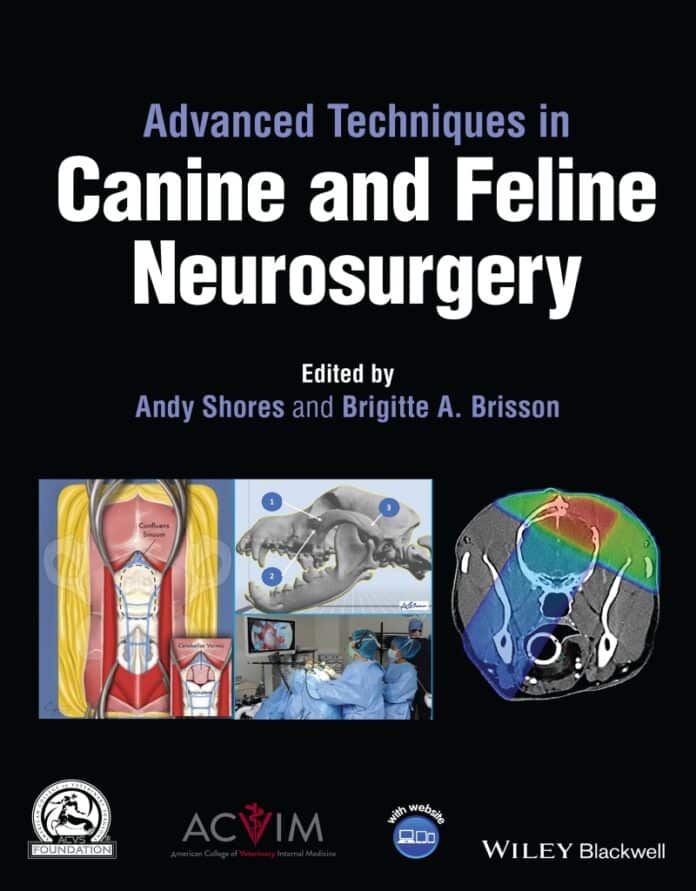
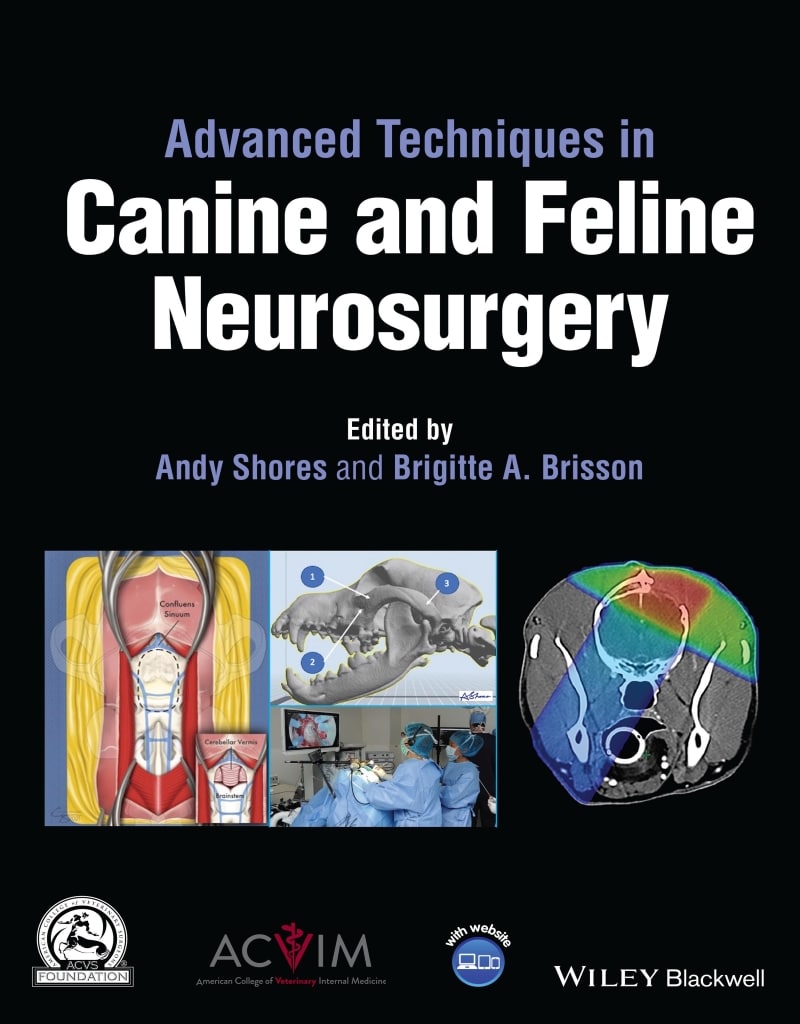
Advanced Techniques in Canine and Feline Neurosurgery

Advanced Techniques In Canine And Feline Neurosurgery Pdf Download

By Andy Shores and Brigitte A. Brisson

Advanced Techniques in Canine and Feline Neurosurgery Book delivers an authoritative and accessible compilation of current best practices for surgery of the spine, neck, and head in dogs and cats. The book focuses on advanced and cutting-edge techniques in the field, offering detailed and step-by-step descriptions of state-of-the-art procedures accompanied by video clips of most.

The authors have developed a companion website that includes additional resources for the techniques described in the book, which provides coverage of percutaneous laser disk fenestration, spinal stabilization, and pituitary surgery. Each chapter presents a detailed description of an operative technique, indications, surgical anatomy, and related and detailed illustrations. Readers will also find:
A thorough introduction to the history of veterinary neurosurgery and applications of 3D printing in veterinary neurosurgery In-depth treatments of post-operative radiation therapy of intracranial tumors Comprehensive discussions of the more routine spinal procedures, including cervical ventral slot decompression Explorations of intracranial procedures, including intraoperative ultrasound in intracranial surgery

Perfect for veterinary surgeons and veterinary internal medicine specialists, Advanced Techniques in Canine and Feline Neurosurgery will also earn a place in the libraries of veterinary residents and interns.

Table of Contents

Table of Contents:

1. A History of Veterinary Neurosurgery

2. Applications of 3D Printing in Veterinary Neurosurgery

3. Post-operative Radiation Therapy of Intracranial Tumors

4. Neuroanesthesia

Part 1 Spinal Procedures

5. Cervical Ventral Slot Decompression

6. Thoracolumbar Decompression (Hemilaminectomy and Mini-hemilaminectomy)

7. Thoracolumbar Disc Fenestration

8. Percutaneous Laser Disk Ablation

9. The Cranial Thoracic Spine: Approach via Dorsolateral Hemilaminectomy

10. Principles in Surgical Management of Locked Cervical Facets

11. Spinal Stabilization Cervical Spine

12. Spinal Stabilization Thoracolumbar Spine

13. Surgical Management of Congenital Spinal Anomalies

14. Lumbosacral Decompression and Foramenotomy Techniques

15. Surgical Management of Spinal Nerve Root Tumors

16. Craniocervical Junction Anomalies

17. Ventral Approach to the Cervicothoracic Spine

Part 2 Intracranial Procedures

18. Intraoperative Ultrasound in Intracranial Surgery

19. Brain Biopsy Techniques

20. Surgical Management of Sellar Masses

21. Surgical Management and Intraoperative Strategies for Tumors of the Skull

22. Surgical Management of Intracranial Meningiomas

23. Lateral Ventricular Fenestration

24. Surgery of the Caudal Fossa Tumors

25. Transzygomatic Approach to Ventrolateral Craniotomy/Craniectomy

Get This Book

This Book is Avaiable for Members

Access this book instantly with a Premium membership

📄 PDF Format
⚡ Instant Delivery
Unlock Premium Access

10 Emergency Equipment For Every Veterinary Hospital
10 Emergency Equipment For Every Veterinary Hospital

10 Emergency Equipment For Every Veterinary Hospital

10 Emergency Equipment For Every Veterinary Hospital

Veterinary Emergency Equipment is an important part of the List of Veterinary Equipment and Tools Essential for any veterinary hospital. It is essential that we must have all the equipment and tools on hand to handle emergencies effectively. Every pet owner relies on a veterinary hospital in case of any emergency so it’s important that the hospital must provide the necessary care in case of an emergency. From defibrillators and oxygen delivery systems to intravenous fluid pumps and emergency medications, if you have the right equipment you can save an animal’s life easily. In this article, we will discuss some of the essential emergency equipment that every veterinary hospital should have.

Veterinary Books

1- Oxygen Delivery System

Oxygen Delivery System

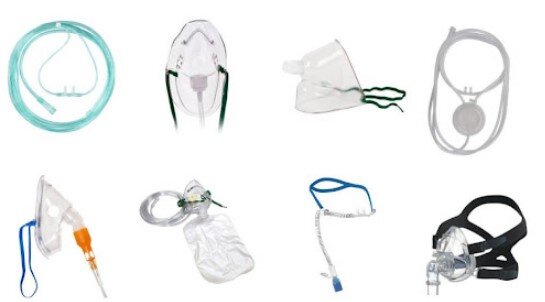
One of the most important emergency equipment for a veterinary hospital is an oxygen delivery system. When an animal is struggling to breathe it provides supplemental oxygen to help them breathe in respiratory distress. An oxygen delivery system has four main parts oxygen cylinder, a flow meter, a regulator, and an oxygen mask. In order to make sure that the oxygen cylinder is working correctly it must be filled with oxygen on regular basis and always ready for use.

2- Defibrillator
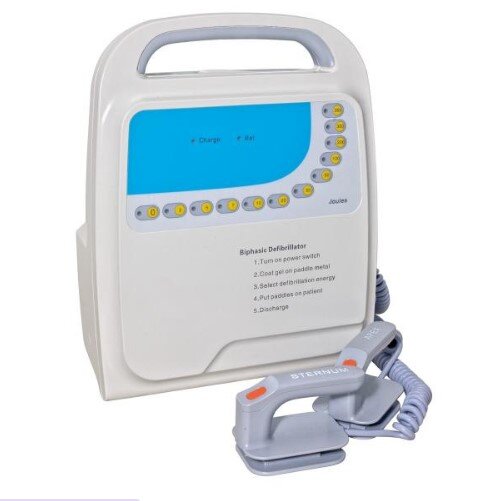
Defibrillator

Cardiac arrest is one of the main issues that most animals can suffer through in their life. A defibrillator is an equipment that will be used in such conditions to save the animal’s life. It works by giving an electrical shock to the heart and restoring its normal activity. It is a very easy-to-use defibrillator and the whole veterinary staff must be trained to use it. It is crucial to have a defibrillator readily available, as every minute counts in cases of cardiac arrest.

3- Intravenous Fluid Pump
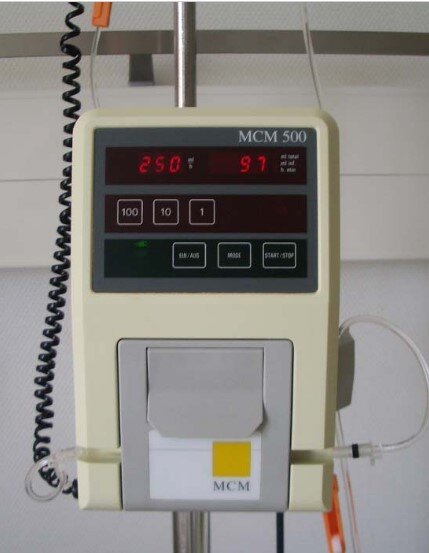
Intravenous Fluid Pump

An intravenous fluid pump can also help save the lives of animals and it must be available in every veterinary hospital. It works by delivering the fluid directly to the animal veins and is mostly used in cases of shock, dehydration, and other issues in which immediate fluid therapy is necessary. An intravenous fluid pump is easy to use and can be set to deliver precise amounts of fluids over a set period of time.

4- Emergency Medications
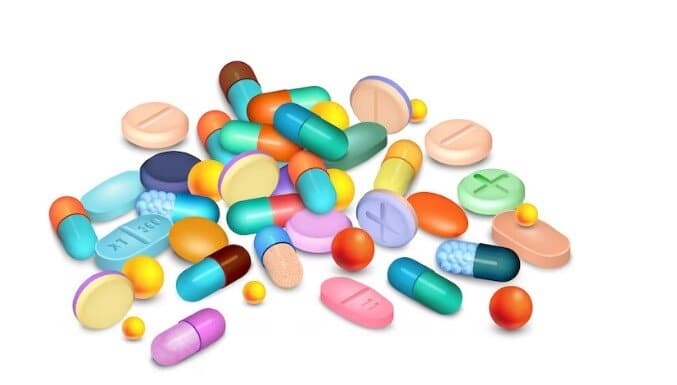
Emergency Medications

Emergency medications should be available every time in all veterinary hospitals. They are the must-have for all the emergency conditions like seizures, anaphylaxis, and cardiac arrest. Different medicines are used in different conditions but the most important medicines used are antihistamines, epinephrine, atropine, and diazepam. It is important to ensure that emergency medications are stored correctly and have not expired.

5- Suction Machine
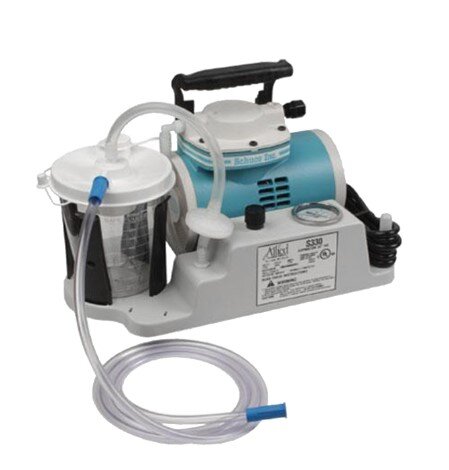
Suction Machine

A suction machine is an essential piece of equipment in a veterinary hospital. The main purpose of the suction machine is to remove debris and fluids from an animal’s airways in case of emergency procedures. The main parts of a suction machine are tubing, a vacuum pump, and a collection canister. It is important to make sure that the suction machine is functioning correctly and that the collection canister is emptied regularly.

6- Diagnostic Equipment
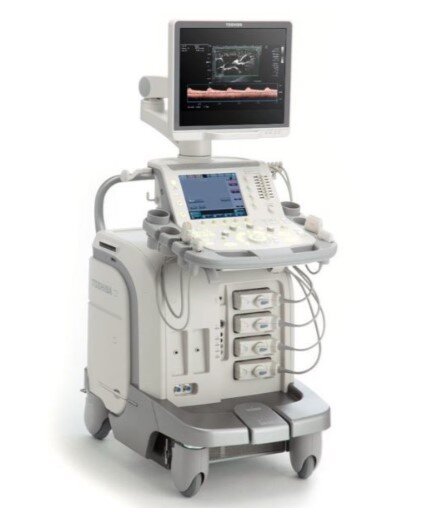
Diagnostic Equipment

As a vet, you will also need diagnostic types of equipment to deal with different emergencies. The most essential diagnostic equipment for every hospital is a pulse oximeter, blood pressure monitor, ECG, and ultrasound machine. This diagnostic equipment help in identifying the actual cause of an emergency and what should be the best treatment for it. It is important to ensure that diagnostic equipment is well-maintained and functioning correctly.

7- Splints and Bandages
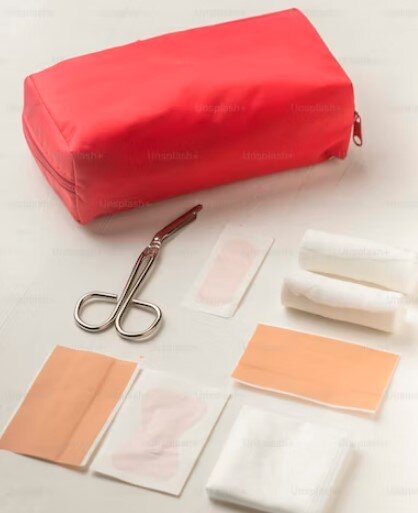
Splints And Bandages

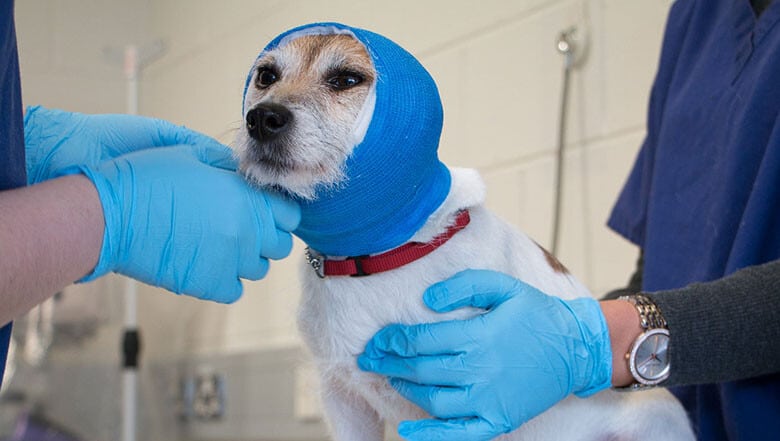
In case of fractures and wounds splints and bandages is the necessary emergency equipment. Splints help is immobilizing broken bones and bandages help control bleeding and protect the injury site from infection. It is important to have a variety of sizes and types of splints and bandages on hand to meet the needs of different animals.

8- Heating Pads

Heating Pads

Sometimes the animals come to hospitals suffering from shock or hypothermia. In such conditions animals need warmth and you must have heating pads in your hospital to provide this facility. As an emergency care provider, the heating pads should always be kept ready to be used in emergencies.

9- Emergency Lighting
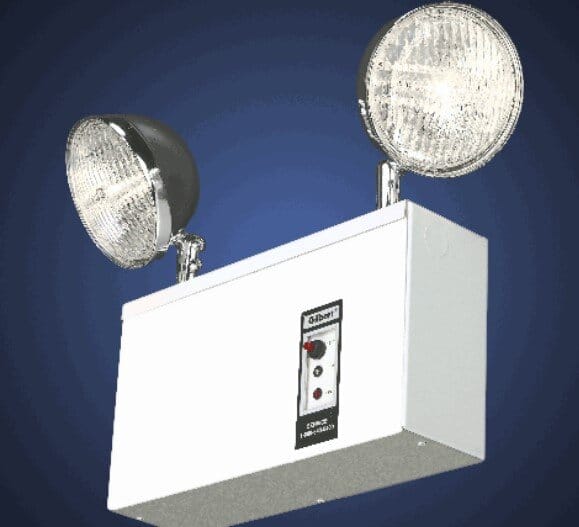
Emergency Lighting

When it comes to Emergency lighting veterinary hospitals are no different from any other business. They need a reliable source of light that can function in the event of a power outage, as well as one that is bright enough to aid in the treatment of animals.

In many cases, this means installing an emergency lighting system that uses LED bulbs and batteries. This type of system is easier to maintain than traditional fluorescent tube lights and does not require frequent maintenance or replacement. The batteries can last for years without needing to be replaced, which is great news for those who don’t want to worry about how much money they’re spending on their emergency lighting system every year.

10- Resuscitation Kit
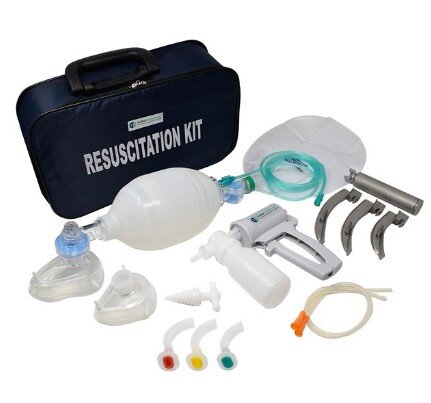
Resuscitation Kit

Resuscitation Kit in a veterinary hospital can be used to revive a patient who has stopped breathing. It should only be used if the cause of death is due to a lack of oxygen. The kit can also be used to stabilize an animal that is having trouble breathing and may not be able to breathe on its own. The kit typically includes an airway kit, bag valve mask, endotracheal tubes, and a laryngoscope. A resuscitation kit should be readily available in the hospital, and staff should be trained in its use.

Conclusion

Having the right Veterinary emergency equipment in a veterinary hospital is crucial in providing the best care for animals in times of need. Equipment such as oxygen delivery systems, defibrillators, intravenous fluid pumps, emergency medications, suction machines, diagnostic equipment, splints and bandages, heating pads, emergency lighting, and resuscitation kits are essential in handling emergencies quickly and effectively. It is important for veterinary hospitals to have well-maintained equipment that is regularly checked and stocked with all necessary items. With the right equipment and trained staff, veterinary hospitals can provide the best possible care for animals in times of emergency.

Read More: List of Veterinary Equipment and Tools Essential For Your Vet Clinic

Tip

Do You Want To Increase Your Veterinary Knowledge and Practical Skills?

You Can Now Browse and Download +3000 Veterinary Books Online In All Veterinary Fields.

Download All Veterinary Books

Plumb’s Veterinary Drug Handbook, 10th Edition

Plumb’s Veterinary Drug Handbook, 10th Edition

Plumb’s Veterinary Drug Handbook, 10Th Edition Pdf Download

By James A. Budde and Dawn M. McCluskey

Plumb’s Veterinary Drug Handbook, 10th Edition, the most comprehensive, detailed, and trusted source of drug information relevant to veterinary medicine. Covering dosages, drug interactions, adverse effects, and contraindications, among other key drug details, Plumb’s Veterinary Drug Handbook is a must for practicing veterinarians and anyone requiring reliable information on the use of drugs in animals. Designed for ease of use, the book surveys an exhaustive list of drugs with applications for a wide variety of species, including dogs, cats, birds, small mammals, and farm animals.

This edition includes updates to all 738 drug monographs and adds 30 new monographs, including 9 new insulin monographs, to its exhaustive coverage of drugs used in the care of animals.

Features

Features:

    • Provides an extensively reviewed and updated version of the must-have veterinary drug reference
    • Includes 30 new drug monographs, including 9 new insulin monographs
    • Updates all 738 drug monographs, with robust citing of new information
    • Covers a wide variety of species, including dogs, cats, birds, small mammals, and farm animals
    • Presents detailed dosing information for an exhaustive list of drugs used in animals

Table of Contents

Table of Contents:

  1. Acepromazine
  2. Alfaxalone
  3. Allopurinol
  4. Amlodipine
  5. Amoxicillin and Clavulanic Acid
  6. Amphotericin B
  7. Atenolol
  8. Atipamezole
  9. Atropine
  10. Azathioprine
  11. Benzylpenicillin
  12. Bethanechol
  13. Buprenorphine
  14. Butorphanol
  15. Calcium Gluconate
  16. Carbimazole
  17. Carprofen
  18. Cefovecin
  19. Cefuroxime
  20. Cephalexin
  21. Chloramphenicol
  22. Chlorpromazine
  23. Cimetidine
  24. Cisapride
  25. Cisplatin
  26. Clindamycin
  27. Clomipramine
  28. Clopidogrel
  29. Clotrimazole
  30. Codeine
  31. Colchicine
  32. Cyclosporin
  33. Cytarabine
  34. Danofloxacin
  35. Dantrolene
  36. Deslorelin
  37. Desmopressin
  38. Dexamethasone
  39. Dexmedetomidine
  40. Diazepam
  41. Diazoxide
  42. Diclofenac
  43. Digoxin
  44. Diltiazem
  45. Dimenhydrinate
  46. Dimethyl Sulfoxide
  47. Diphenhydramine
  48. Dobutamine
  49. Domperidone
  50. Dopamine
  51. Doxapram
  52. Doxorubicin
  53. Doxycycline
  54. Enalapril
  55. Enrofloxacin
  56. Epinephrine
  57. Erythromycin
  58. Etamiphylline
  59. Famotidine
  60. Fenbendazole
  61. Fentanyl
  62. Ferrous Sulfate
  63. Fipronil
  64. Fluconazole
  65. Fluorouracil
  66. Furosemide
  67. Gabapentin
  68. Gentamicin
  69. Glargine
  70. Glucosamine
  71. Glutamine
  72. Glycopyrrolate
  73. Griseofulvin
  74. Heparin
  75. Hydralazine
  76. Hydrochlorothiazide
  77. Hydrocodone
  78. Hydrocortisone
  79. Hydroxyzine
  80. Imidacloprid
  81. Imipramine
  82. Indomethacin
  83. Insulin
  84. Interferon
  85. Itraconazole
  86. Ivermectin
  87. Ketamine
  88. Ketoconazole
  89. Ketoprofen
  90. Lactulose
  91. Levetiracetam
  92. Levothyroxine
  93. Lidocaine
  94. Lincomycin
  95. Loperamide
  96. Lorazepam
  97. Lufenuron
  98. Magnesium Sulfate
  99. Marbofloxacin
  100. Mebendazole
  101. Medetomidine
  102. Megestrol Acetate
  103. Melarsomine
  104. Melatonin
  105. Meloxicam
  106. Meperidine
  107. Metamizole
  108. Methadone
  109. Methimazole
  110. Methocarbamol
  111. Methotrexate
  112. Metoclopramide
  113. Metronidazole
  114. Miconazole
  115. Midazolam
  116. Milbemycin Oxime
  117. Miltefosine
  118. Misoprostol
  119. Mitotane
  120. Morphine
  121. Moxidectin
  122. Naloxone
  123. Naltrexone
  124. Neomycin
  125. Neostigmine
  126. Nitrofurantoin
  127. Nitroglycerin
  128. Nitrous Oxide
  129. Nystatin
  130. Omeprazole
  131. Ondansetron
  132. Orbifloxacin
  133. Oseltamivir
  134. Oxazepam
  135. Oxytetracycline
  136. Oxytocin
  137. Paracetamol
  138. Paromomycin
  139. Pentobarbital
  140. Pentoxifylline
  141. Pergolide
  142. Phenobarbital
  143. Phenylephrine
  144. Phenytoin
  145. Physostigmine
  146. Pilocarpine
  147. Piroxicam
  148. Polymyxin B
  149. Potassium Bromide
  150. Praziquantel
  151. Prednisolone
  152. Prednisone
  153. Propofol
  154. Propranolol
  155. Pyrantel
  156. Pyridostigmine
  157. Quinine
  158. Ranitidine
  159. Rifampin
  160. Robenacoxib
  161. Ronidazole
  162. Salbutamol
  163. Selamectin
  164. Sildenafil
  165. Silver Sulfadiazine
  166. Spironolactone
  167. Streptomycin
  168. Sucralfate
  169. Sulfacetamide
  170. Sulfamethoxazole-Trimethoprim
  171. Sulfasalazine
  172. Tetracycline
  173. Theophylline
  174. Thiopental
  175. Thiamine
  176. Thiamylal
  177. Tiletamine-Zolazepam
  178. Tobramycin
  179. Tolazoline
  180. Tramadol
  181. Triamcinolone
  182. Triflupromazine
  183. Trimethoprim
  184. Tylosin
  185. Valproic Acid
  186. Vancomycin
  187. Vasopressin
  188. Vecuronium
  189. Verapamil
  190. Vinblastine
  191. Vincristine
  192. Xylazine
  193. Yohimbine
  194. Zinc Gluconate

Get This Book

This Book is Avaiable for Members

Access this book instantly with a Premium membership

📄 PDF Format
⚡ Instant Delivery
Unlock Premium Access

Blackwell’s Five-Minute Veterinary Consult Clinical Companion Small Animal Endocrinology and Reproduction

Blackwell's Five-Minute Veterinary Consult Clinical Companion Small Animal Endocrinology and Reproduction PDF

Blackwell's Five-Minute Veterinary Consult Clinical Companion Small Animal Endocrinology And Reproduction Pdf Download

By Deborah S. Greco , Autumn P. Davidson

Blackwell’s Five-Minute Veterinary Consult Clinical Companion Small Animal Endocrinology and Reproduction is a highly practical, clinically oriented guide to endocrine and reproductive disorders in small animals, ideally formatted for fast access in the veterinary practice.

Features:

  • Provides a complete yet practical clinical manual on endocrine and reproductive problems in small animals
  • Draws on the endocrinology and theriogenology sections of Blackwell’s Five-Minute Veterinary Consult: Canine and Feline, supplying a greater depth of information in a similar quick-reference format
  • Presents expanded information, additional topics, and color images throughout
  • Arranged alphabetically for easy searching and reference
  • Includes access to a companion website with client handouts in Word, which can be downloaded, edited, and used in practice

&Quot;Feline

Recommended Book:
Table of Contents

Table of Contents:

  1. Anthelmentics in pregnant and breeding dogs

  2. Antimicrobial stewardship in small animal reproduction

  3. Autoimmune polyglandular syndrome

  4. Breeding management of the bitch and ovulation timing for optimal reproductive efficiency

  5. Breeding management of the queen: pre-breeding examination and breeding husbandry

  6. Carcinoid and carcinoid syndrome

  7. Cesarean section, elective and emergency

  8. Pyometra, cystic endometrial hyperplasia (hydrometra, mucometra, hematometra)

  9. Cryptorchidism

  10. Diabetes insipidus

  11. Canine diabetes mellitus

  12. Feline diabetes mellitus

  13. Diabetes mellitus with ketoacidosis

  14. Disorders of sexual differentiation (DSD)

  15. Dystocia

  16. Eclampsia

  17. Episioplasty/Vulvoplasty in the bitch and queen

  18. Estrous cycle abnormalities (prolonged proestrus/estrus, prolonged anestrus, short interestrous interval)

  19. Genetic disease counseling in the pre-breeding examination

  20. Glucagonoma

  21. Canine hyperadrenocorticism (Cushing’s syndrome)

  22. Feline hyperadrenocorticism

  23. Hyperglycemia

  24. Hyperkalemia

  25. Hyperlipidemia

  26. Hypernatremia

  27. Diabetes mellitus with hyperosmolar coma

  28. Hyperparathyroidism

  29. Hyperphosphatemia

  30. Hypersomatotropism and acromegaly in the dog

  31. Hypersomatotropism and acromegaly in the cat

  32. Hyperthyroidism

  33. Canine hypoadrenocorticism (Addison’s disease)

  34. Feline hypoadrenocorticism

  35. Hypoglycemia

  36. Hypokalemia

  37. Hyponatremia

  38. Hypoparathyroidism

  39. Hypophosphatemia

  40. Canine hypothyroidism

  41. Insulinoma

  42. Mammary gland disorders: agalactia, galactostasis, and mastitis

  43. Feline mammary hyperplasia

  44. Medical manipulation of the estrous cycle

  45. Medical abortion, canine and feline

  46. Neonatal resuscitation and early neonatal care

  47. Nutrition in pregnancy and lactation in the bitch and queen

  48. Ovarian remnant syndrome/Hyperestrogenism

  49. Pheochromocytoma

  50. Post-partum metritis/Subinvolution of placental sites (SIPS)

  51. Pregnancy diabetes

  52. Pregnancy edema in the bitch

  53. Pregnancy ketosis

  54. Infectious causes of pregnancy loss, canine: toxoplasmosis/neosporosis, cryptosporidium, herpes virus, brucellosis, minute virus

  55. Infectious causes of pregnancy loss – feline

  56. Priapism and paraphimosis

  57. Primary hyperaldosteronism in cats

  58. Canine prostate disease: benign prostatic hyperplasia, cystic benign prostatic hyperplasia, prostatitis

  59. Reproductive malignancies

  60. Canine semen abnormalities – orchitis/epididymitis

  61. Semen peritonitis

  62. Syndrome of inappropriate ADH secretion

  63. Uterine inertia

  64. Evaluation of ovulation with ultrasound

  65. Ultrasonographic gestational aging in the bitch and queen

  66. Unusual thyroid disorders (feline hypothyroidism, canine hyperthyroidism)

  67. Vulvovaginal malformations

Get This Book

This Book is Avaiable for Members

Access this book instantly with a Premium membership

📄 PDF Format
⚡ Instant Delivery
Unlock Premium Access

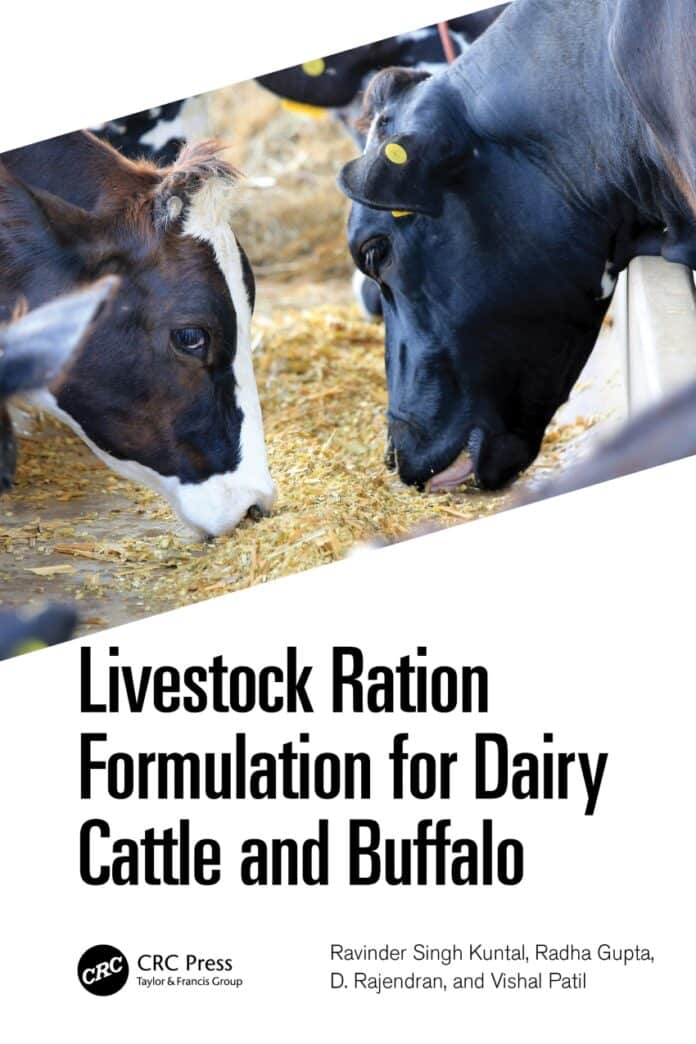
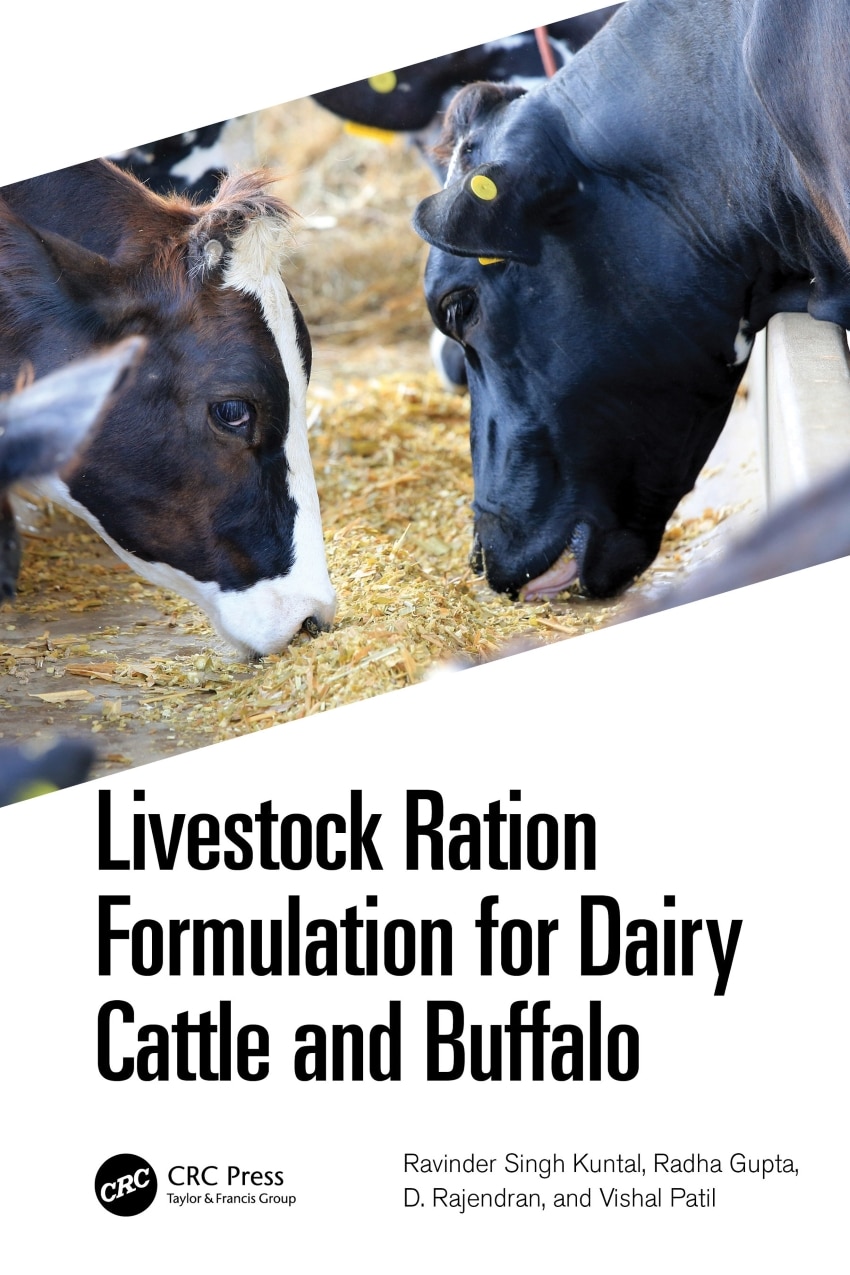
Livestock Ration Formulation for Dairy Cattle and Buffalo

Livestock Ration Formulation for Dairy Cattle and Buffalo

Livestock Ration Formulation For Dairy Cattle And Buffalo Pdf Download

By Ravinder Singh Kuntal, Radha Gupta, D. Rajendran and Vishal Patil

Livestock Ration Formulation for Dairy Cattle and Buffalo provides an interdisciplinary, integrative perspective and optimization on dairy cattle feed formulation problem solving. It helps dairy farmers by introducing them the right frequency and right amount of balanced diet to be fed to cattle’s and buffaloes at different body condition so that their feeding cost should be decreased and there should be increase in income for dairy farmers, as they don’t have enough knowledge of feeding practice. It helps animal nutritionist to work for dairy farmers which have very limited feed resources to fulfil nutrients requirement in terms of crude protein (CP), total digestible nutrient (TDN), calcium (Ca) and phosphorus (P) by developing a software programme to plan a balanced low budget diet.

It includes the Linear and Goal programming model for non-pregnant dairy buffalo is been solved using Hybrid Real Coded Genetic Algorithm and the results are compared with Real Coded Genetic Algorithm (RGA) considering different versions like RGA without crossover, RGA without Mutation, RGA with crossover and mutation. These models can also be applied with other nutritional models like CNCPS, INRA.

Livestock Ration Formulation for Dairy Cattle and Buffalo is a step forward in that direction to provide least cost diet formulation based on nutrient requirement of the cattle and buffalo, which is been calculated according to Indian Council of Agricultural Research (ICAR, 2013) and NRC (2001) on dry matter basis, provides a clear and precise platform for other researcher in Animal Nutrition field which also give initial platform to build a software and android application to formulate least cost ration Based on data and algorithm used in this book, which helps Dairy farmers directly to feed balanced diet at cheap rate.

Features

Livestock Ration Formulation for Dairy Cattle and Buffalo Features:

  • It is a good reference to local dairy farmers by introducing them to the right frequency and right amount of balanced diet to be fed to cattle and buffaloes at different production cycles.
  • It will provide basic platform and some solutions to built-up software about cattle nutrition development and least cost formulation for end-user.
  • It has several techniques for optimizing animal diet formulation but a good balance between coding/programming and animal nutrition is incorporated towards application of soft computing technique to improve the quality of the solution due to rigidity of the constraints.

Table of Contents

Table of Contents:

  1. Introduction to Animal Nutrition
  2. Review of Literature
  3. Tools and Techniques
  4. Binary-Coded Genetic Algorithm to Solve Ration Formulation Problem
  5. Least Cost Feed Formulation for Dairy Cattle During Pregnancy by Using Real Coded Genetic Algorithm: An Application
  6. Study of Real Coded Hybrid Genetic Algorithm to Find Least Cost Ration for Non-Pregnant Dairy Buffaloes

Conclusion

References

Index

Get This Book

This Book is Avaiable for Members

Access this book instantly with a Premium membership

📄 PDF Format
⚡ Instant Delivery
Unlock Premium Access

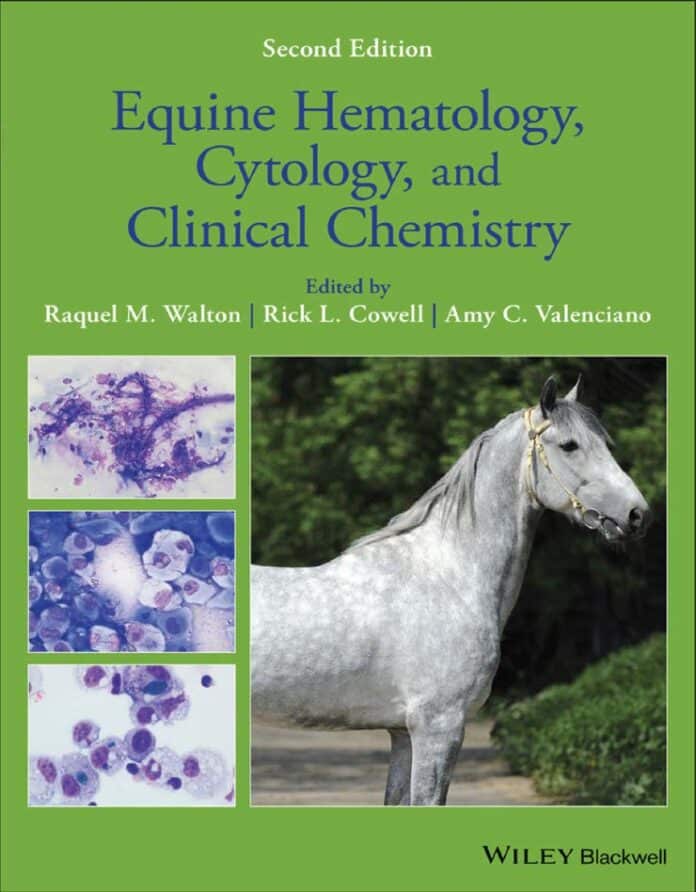
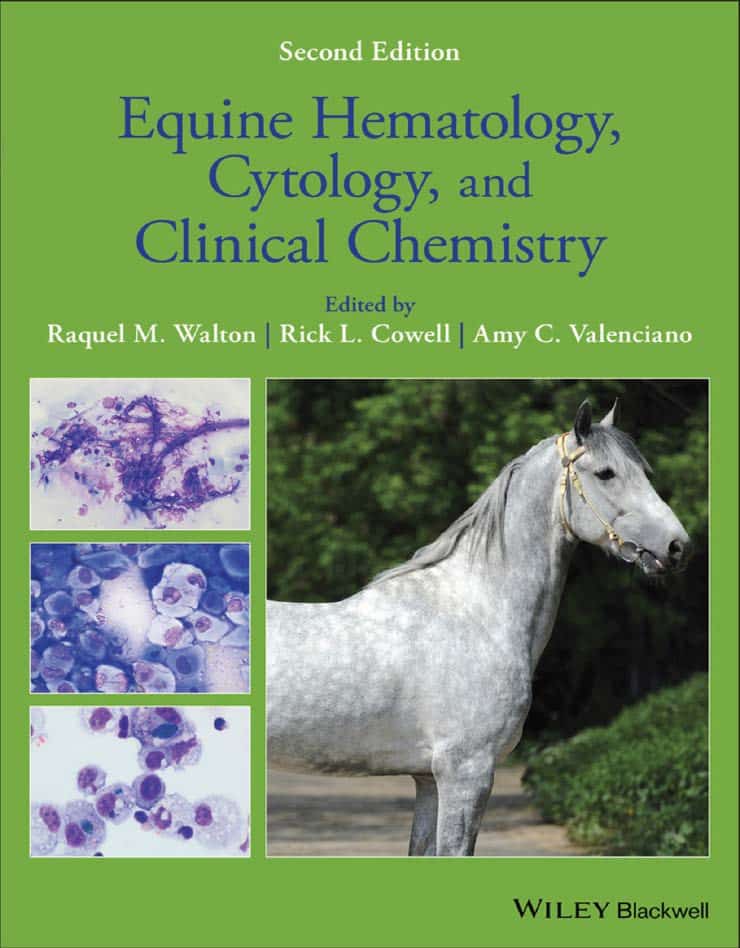
Equine Hematology, Cytology, and Clinical Chemistry, 2nd Edition

Equine Hematology, Cytology, and Clinical Chemistry, 2nd Edition PDF

Equine Hematology, Cytology, And Clinical Chemistry, 2Nd Edition Pdf Download

By Raquel M. Walton , Rick L. Cowell and Amy C. Valenciano

Equine Hematology, Cytology, and Clinical Chemistry, 2nd Edition. The all-new Equine Hematology, Cytology, and Clinical Chemistry draws on hematology and clinical chemistry information featured in the first edition of Equine Clinical Pathology and adds valuable cytopathology material from Diagnostic Cytology and Hematology of the Horse, making it a truly definitive reference to clinical pathology in equids. Thoroughly updated and expanded throughout, this Second Edition offers more images, more information, and new knowledge for previous chapters and entirely new chapters on bone marrow evaluation and cytopathology.

Designed to present clear, concise, and clinically relevant information, the book is logically organized for easy reference. Numerous figures, tables and images support the text, together with summarized information for ease of use.

A must-have purchase for anyone using hematology, clinical chemistry, and cytology in equine patients, Equine Hematology, Cytology, and Clinical Chemistry, 2nd Edition is a valuable resource for equine practitioners, clinical pathologists and residents and veterinary students.

Features

Features:

  • Offers a focus on clinical pathology in the horse, with in-depth information on hematology, clinical chemistry, and cytopathology in equids
  • Presents equine disease from a systems-based, clinicopathological perspective
  • Features hundreds of high-quality images
  • Includes contributions from veterinary specialists with expert knowledge of clinical pathology

Table of Contents

Table of Contents:

1. General laboratory medicine

2. Equine hematology

3. Bone marrow evaluation

4. Immunohematology and hemostasis

5. The liver

6. The kidney

7. Acid-base and electrolyte evaluation

8. Proteins

9. Laboratory assessment of lipid and glucose metabolism

10. Laboratory markers of muscle injury

11. Endocrine evaluation

12. Cytology of Cutaneous and Subcutaneous Lesions

13. Cytology of the Eyes and Associated Structures

14. Cytology of the Alimentary Tract

15. Cytology of the Lymph Nodes

16. Cytology of the Endometrium

17. Semen Evaluation

18. Evaluation of fluids

19. Cerebrospinal fluid

20. Cytology of the Respiratory Tract

Get This Book

This Book is Avaiable for Members

Access this book instantly with a Premium membership

📄 PDF Format
⚡ Instant Delivery
Unlock Premium Access

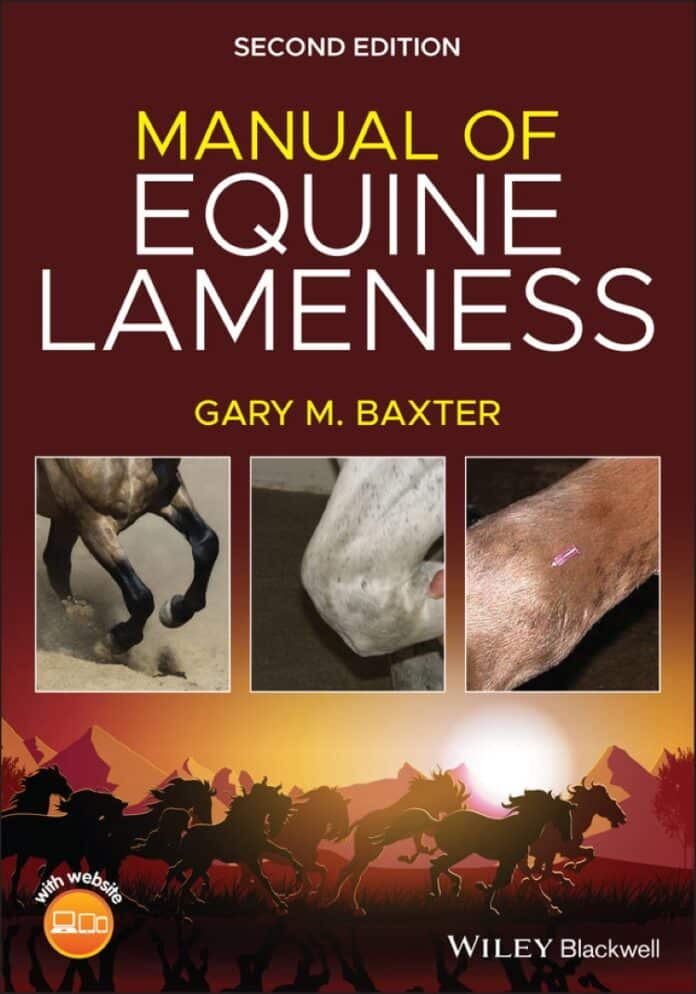
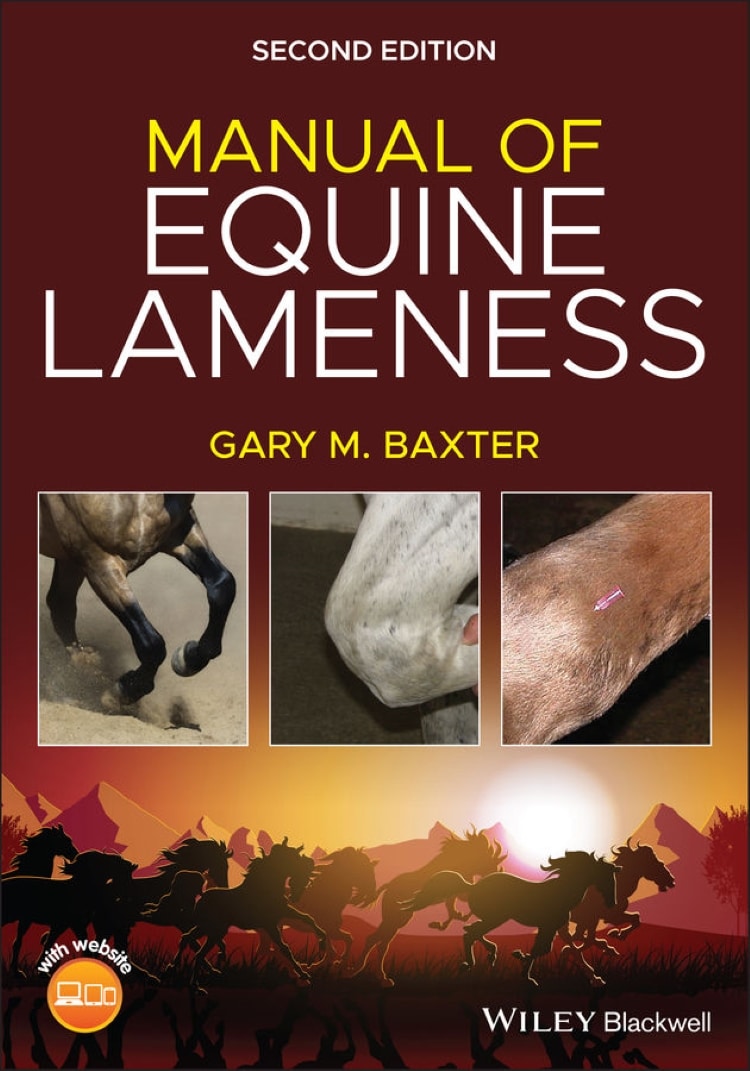
Manual of Equine Lameness, 2nd Edition

Manual of Equine Lameness, 2nd Edition

Manual Of Equine Lameness, 2Nd Edition Pdf Download

By Gary M. Baxter

Manual of Equine Lameness, 2nd Edition offers a concise and accessible manual of lameness diagnosis and treatment in horses. Perfect for use as a quick reference, this book provides straightforward access to the essentials of equine lameness, including the clinical assessment of the horse and commonly performed diagnostic nerve blocks and the most common conditions of the foot, forelimb, and hindlimb that may be contributing to the lameness. Current therapeutic options to treat lameness are also discussed, as well as guidance on how to manage musculoskeletal emergencies. The content has been distilled from the authoritative Seventh Edition of Adams and Stashak’s Lameness in Horses, and this new edition has been re-envisioned to be even quicker and easier to navigate than the previous version.

Color photographs and illustrations support the text, which presents lameness information most relevant to equine general practitioners, mixed animal practitioners, and veterinary students. A companion website offers videos that focus on the clinical examination of the horse and select diagnostic blocks and relevant anatomy. Diagnostic and treatment material has been revised from the previous edition to include the most up-to-date information.

Ideal for veterinary students, early career equine practitioners, and mixed animal veterinarians, the Second Edition of Manual of Equine Lameness is an indispensable reference for any veterinarian seeking a concise one-stop reference for equine lameness.

Features

Features:

  • A thorough introduction to the assessment of the lame horse, including history, visual exam, palpation, subjective and objective assessments of lameness, perineural anesthesia, and intrasynovial anesthesia
  • An exploration of common conditions of the foot, including the navicular region and soft tissue injuries, coffin joint and distal phalanx conditions, and laminitis
  • Discussions of the most common conditions of the forelimb, including the pastern, fetlock, metacarpus/metatarsus, carpus, antebrachium, elbow, and humerus, as well as the shoulder and scapula
  • Discussions of common conditions of the hindlimb and axial skeleton
  • A review of therapeutic options to treat lameness conditions
  • How to manage musculoskeletal emergencies in the horse

Table of Contents

Table of Contents:

Chapter 1. Assessment of the lame horse

a. History, visual exam and palpation

b. Subjective assessment of lameness

c. Objective assessment of lameness

d. Perineural anesthesia

e. Intrasynovial anesthesia

Chapter 2. Common conditions of the foot

a. Navicular region and soft tissue injuries of the foot

b. Coffin joint and distal phalanx

c. Miscellaneous conditions of the foot

d. Laminitis

e. Foot care and farriery

Chapter 3. Common conditions of the forelimb

a. Pastern

b. Fetlock

c. Metacarpus/metatarsus

d. Carpus

e. Antebrachium, elbow and humerus

f. Shoulder and scapula

Chapter 4. Common conditions of the hindlimb

a. Tarsus

b. Tibia and crus

c. Stifle – femoropatellar region

d. Stifle – femorotibial region

e. Femur and coxofemoral region

Chapter 5. Common conditions of the axial skeleton

a. Pelvis

b. Sacroiliac region

c. Thoracolumbar region/back

d. Neck and poll

Chapter 6. Therapeutic Options

a. Systemic/parenteral

b. Topical/local

c. Intrasynovial

d. Intralesional

e. Oral/Nutritional

f. Rehabilitation/physical therapy

Chapter 7.  Musculoskeletal emergencies

a. Severe unilateral lameness

b. Severely swollen limb

c. Long bone fractures/luxations

d. Synovial infections

e. Tendon lacerations

Get This Book

This Book is Avaiable for Members

Access this book instantly with a Premium membership

📄 PDF Format
⚡ Instant Delivery
Unlock Premium Access

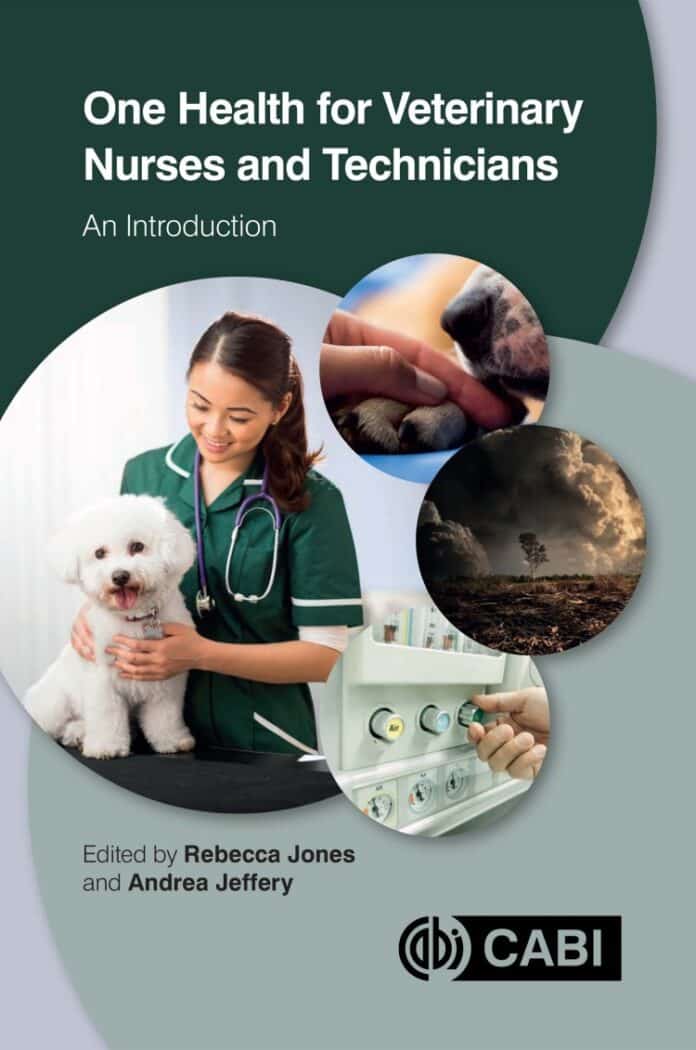
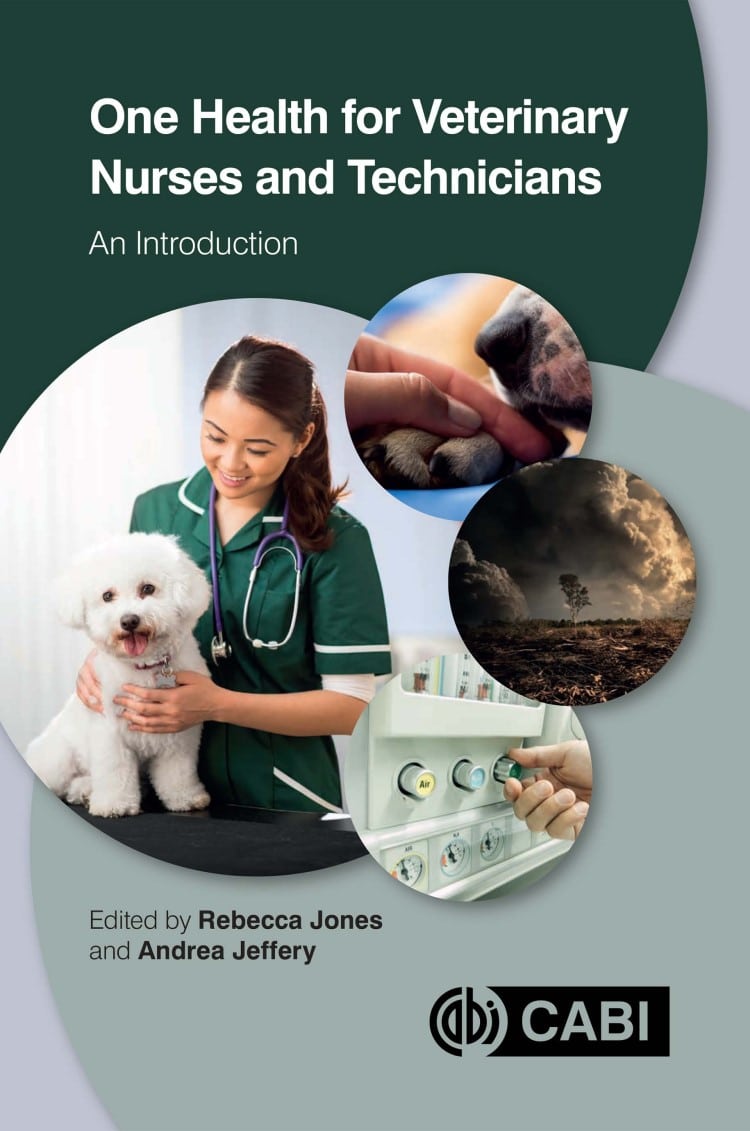
One Health for Veterinary Nurses and Technicians: An Introduction

One Health for Veterinary Nurses and Technicians: An Introduction

One Health For Veterinary Nurses And Technicians: An Introduction Pdf Download

By Rebecca Jones and Andrea Jeffery

One Health for Veterinary Nurses and Technicians: An Introduction recognizes that the health of humans, animals and the environment are interlinked, and that maintaining optimal health for all is dependent on a collaborative and multidisciplinary approach at a local, national and global level. This book provides information and guidance for veterinary nurses in understanding both the scope of this concept and their role within it.

Beginning with an overview of the global issues faced, One Health for Veterinary Nurses and Technicians focuses on providing an insight into how One Health can be applied within a veterinary practice and in the local community. Translating this important concept and making it relevant for veterinary nurses and their clients.

Reviewing the interrelations between humans, animals and their environment, this book is an approachable and useable introduction to One Health and is suitable for veterinary nurses and students in the clinical and non-clinical environment

One Health for Veterinary Nurses and Technicians has been written by contributors based within the United Kingdom. However, the content is applicable to those working internationally within a veterinary environment and will also be of interest to other allied healthcare professionals.

Features

Features:

  • Covers both communicable and non-communicable disease, as well as public health, climate change, sustainability and the importance of the human-animal bond.
  • Includes case studies to help to translate theory into practice.
  • Provides questions to help promote discussion and implement change.

Table of Contents

Table of Contents:

  1. The Human-Animal-Environment Interface
  2. The Human
  3. Animal Bond
  4. Non-Communicable Diseases and Other Shared Health risks
  5. Communicable Diseases
  6. Public Health
  7. Environmental Sustainability in Veterinary Practice

Get This Book

This Book is Avaiable for Members

Access this book instantly with a Premium membership

📄 PDF Format
⚡ Instant Delivery
Unlock Premium Access

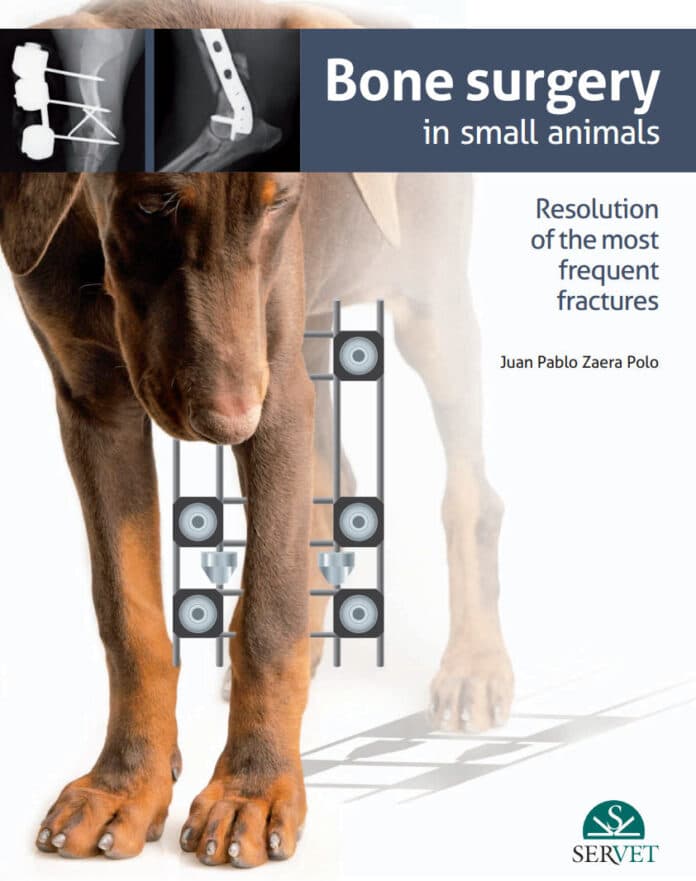
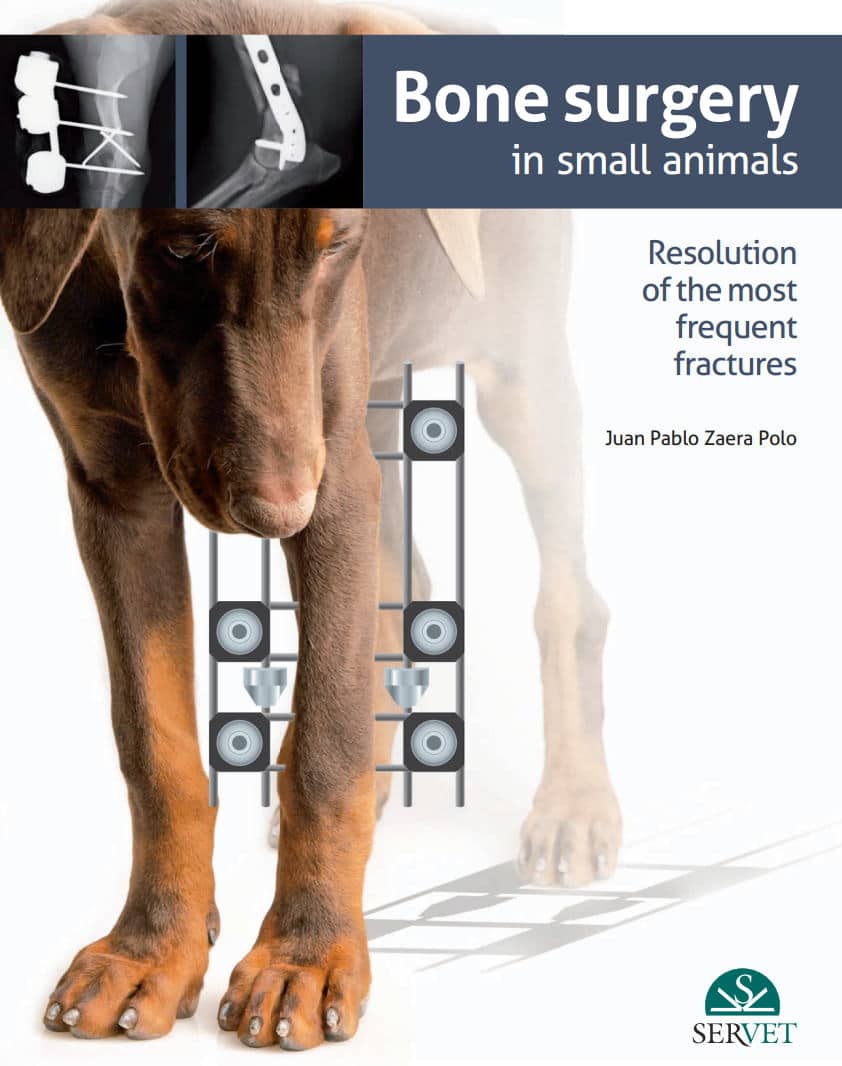
Bone Surgery In Small Animals

Bone Surgery In Small Animals PDF Download

Bone Surgery In Small Animals Pdf Download

By Juan Pablo Juan Pablo Zaera Polo

Bone Surgery In Small Animals. Servet publishes this traumatology manual in which the most common fractures in the canine species and the way to solve them by osteosynthesis are described. The first six chapters are devoted to the general aspects of bone growth and healing, classification of bone fractures and the different types of osseous healing. The following chapters set out the fractures that can occur in the different bones, from the skull to the phalanges, with the various alternatives to address them and the advantages or disadvantages of the different applicable osteosynthesis systems. The information is supplemented by abundant radiographs showing the reader the possible treatment options. Finally, the author includes a chapter of selected clinical cases.

Table of Contents

Table of Contents:

1. Bone tissue

2. Bone growth and healing

3. Classification of fractures

4. Bone stimulation

5. Osteosynthesis systems and biomechanics

6. Complications in the bone healing process

7. Head fractures

8. Forelimb fractures

9. Hind limb fractures

Get This Book

This Book is Avaiable for Members

Access this book instantly with a Premium membership

📄 PDF Format
⚡ Instant Delivery
Unlock Premium Access

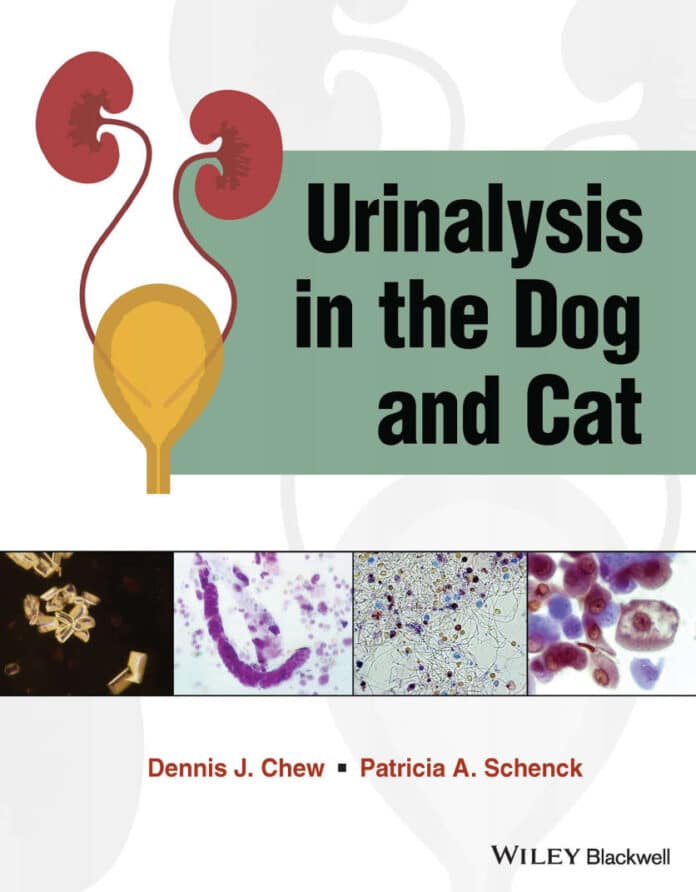
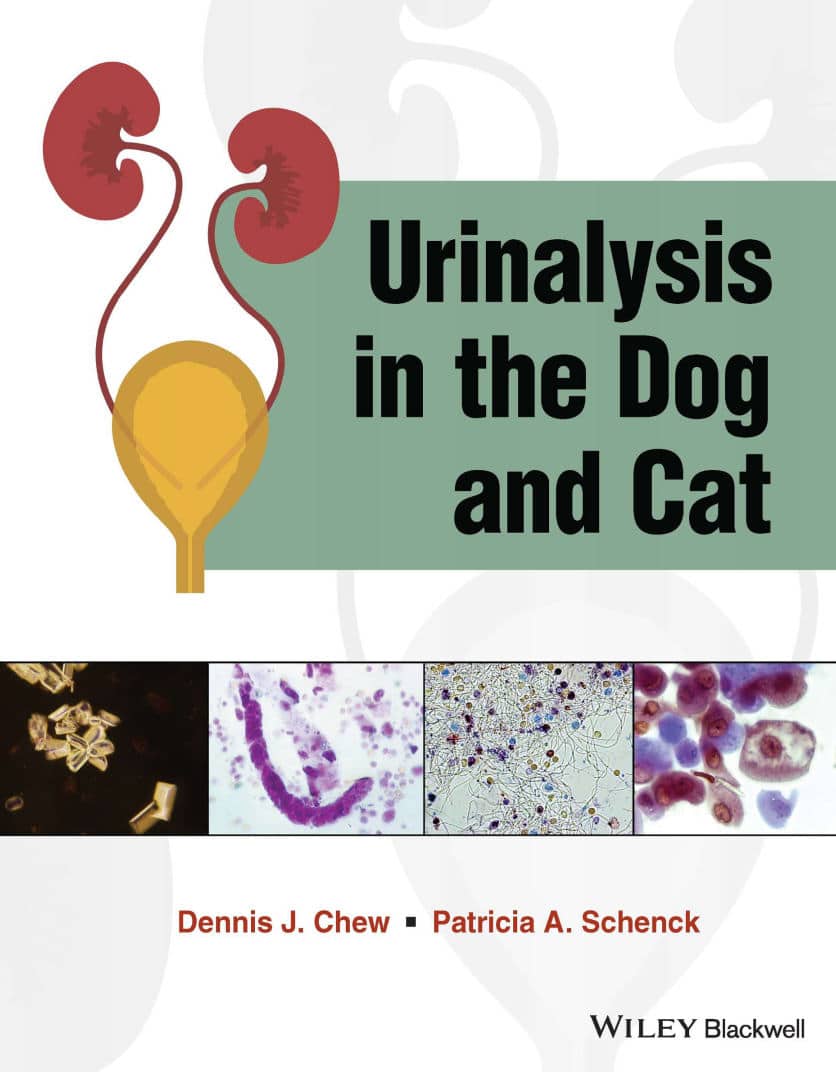
Urinalysis in the Dog and Cat

Urinalysis in the Dog and Cat PDF Download

Urinalysis In The Dog And Cat Pdf Download

By Dennis J. Chew and Patricia A. Schenck

In Urinalysis in the Dog and Cat, a logical sequence to collection of urine, performing the complete urinalysis (physical and chemical properties along with urinary sediment microscopy), and interpretation of results is presented. The FAQ chapter and the chapter on urinalysis case examples provide easily accessible information for primary care veterinarians and technicians as well as veterinary students. Each didactic chapter is designed to provide basic information first and then more advanced materials deeper into each chapter. Some materials will also be useful to specialists and those in advanced training. An extensive review of proteinuria is included as a separate chapter. Automated urine chemistry by dipstrip and automated urinary sediment microscopy are discussed in some detail as this technology increasingly will be incorporated in veterinary laboratory practice.

The text is accompanied by hundreds of high-quality photographs and medical illustrations that highlight common and rare findings from the urine of dogs and cats. Numerous algorithms suggest possible pathways for the diagnosis and treatment of urinary disorders.

This book is destined to be widely used in veterinary hospitals by seasoned and young attending veterinarians seeking to know more about urinalysis, as well as by veterinary laboratory technicians. Several sections of this book will be useful in the teaching of basic concepts to veterinary students.

Urinalysis in the Dog and Cat is an essential reference for primary care veterinarians, veterinary technicians, veterinary students, those in advanced training programs, and specialists interested in learning more about disorders of the urinary tract.

Features

Features:

  • An introduction to the philosophy of urinalysis and the detailed information about collection of urine from dogs and cats.
  • Comprehensive explorations of urine sample handling, preparation, and analysis.
  • Detailed aspects of USG as the most important physical property of canine and feline urine
  • In-depth discussions of urine chemistry dipstrip evaluation for pH, protein, occult blood, glucose, ketones, and bilirubin.
  • Extensive detailing of urinary sediment microscopy.
  • Sections on FAQ and urinalysis case examples allow the reader to test their knowledge about urinalysis.

Table of Contents

Table of Contents:

  1. Renal Anatomy, Physiology, and Evaluation of Function

  2. Introduction to Urinalysis

  3. Urine Sample Collection and Handling

  4. Physical Properties of Urine

  5. Chemical Properties of Urine

  6. Examination of Urinary Sediment

  7. Proteinuria

  8. Atlas

  9. Frequently Asked Questions (FAQ)

  10. Case Studies

Get This Book

This Book is Avaiable for Members

Access this book instantly with a Premium membership

📄 PDF Format
⚡ Instant Delivery
Unlock Premium Access