Home Blog Page 307

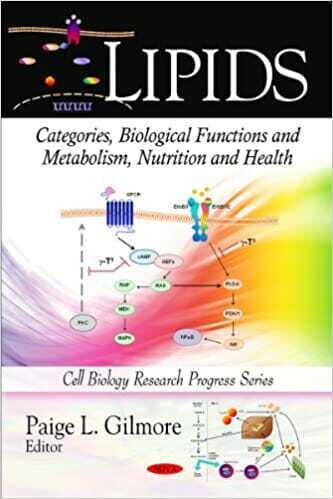
Lipids Categories, Biological Functions and Metabolism, Nutrition and Health

Lipids Categories, Biological Functions and Metabolism, Nutrition and Health PDF

Lipids Categories, Biological Functions and Metabolism, Nutrition and Health PDF

Lipids Categories, Biological Functions And Metabolism, Nutrition And Health Pdf

By Paige L. Gilmore

Lipids Categories, Biological Functions and Metabolism, Nutrition and Health PDF. The main biological function of lipids include energy storage, as structural components of cell membranes, and as important signalling molecules. Lipids are a major source of energy in the body and supply essential lipid-soluble vitamins and polyunsaturated fatty acids (PUFA) that are required in relatively high amounts during growth and life. Lipids affect the composition of membrane structures and modulate membrane functions as well as the functional development of the central nervous system. This book presents and discusses topical data on lipids including: the lipid composition of erythrocytes in cardiovascular and hepatobiliary disease; the correlation of dietary fat, fat composition and fatty acids on human nutrition; flax lipids; Vitamin E lipids with important antioxidant benefits; omega-3 fatty acids in neurochemistry; and others.

Table of Contents

  1. Preface
  2. Lipid Composition of Erythrocytes at Cardiovascular & Hepatobiliary Diseases
  3. Metabolism & Interaction of Fatty Acids, Antioxidants & Biological Active Substances in Animal Muscle & Consequent Quality of Animal Foods
  4. Flax Lipids: Classes, Biosynthesis, Genetics & the Promise of Applied Genomics for Understanding & Altering of Fatty Acids
  5. Natural Forms of Vitamin E in Breast Cancer Prevention & Treatment
  6. Brain N-3 (Omega-3) Fatty Acids in Neurochemistry, Behavior, & Mood: Implications for the Treatment & Prevention of Non-Puerperal & Postpartum Depression
  7. Bioactive Lipids
  8. Cholesterol Degradation in Food: Effects of Temperature
  9. Nisinic Acid, 24:6n-3, & other Methylene-Interrupted Very Long Chain Polyunsaturated Fatty Acids
  10. Plasma Triglycerides as Parameter in Random Mouse Mutagenesis Projects for the Generation of Novel Biomedical Animal Models
  11. Inhibitors of the 3-hydroxy-3-methylglutaryl coenzyme A reductase: beneficial & detrimental effects of statins & genetic polymorphism of cytochrome P450
  12. Index.

Get This Book

This Book is Avaiable for Members

Access this book instantly with a Premium membership

📄 PDF Format
⚡ Instant Delivery
Unlock Premium Access

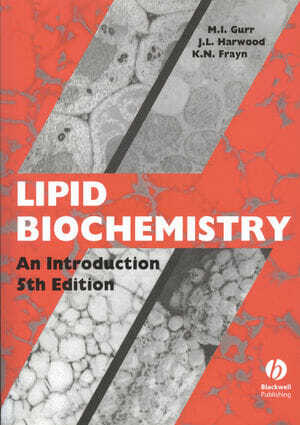
Lipid Biochemistry 5th Edition

Lipid Biochemistry 5th Edition PDF

Lipid Biochemistry 5th Edition

Lipid Biochemistry 5Th Edition Pdf

By Michael I. Gurr, John L. Harwood, Keith N. Frayn

Lipid Biochemistry 5th Edition PDF. Since the publication of the first edition of this successful and popular book in 1970, the subject of lipid biochemistry has evolved greatly and this fifth up-to-date and comprehensive edition includes much new and exciting information.

Lipid Biochemistry 5th edition has been largely re-written in a user-friendly way, with chapters containing special interest topic boxes, summary points and lists of suggested reading, further enhancing the accessibility and readability of this excellent text.

Contents include abbreviations and definitions used in the study of lipids, routine analytical methods, fatty acid structure and metabolism, dietary lipids and lipids as energy stores, lipid transport, lipids in cellular structures and the metabolism of structural lipids. The book provides a most comprehensive treatment of the subject, making it essential reading for all those working with or studying lipids.

Upper level students of biochemistry, biology, clinical subjects, nutrition and food science will find the contents of this book invaluable as a study aid, as will postgraduates specializing in the topics covered in the book. Professionals working in research in academia and industry, including personnel involved in food and nutrition research, new product formulation, special diet formulation (including nutraceuticals and functional foods) and other clinical aspects will find a vast wealth of information within the book’s pages.

Table of Contents

Preface.

Abbreviations.

Acknowledgement.

1. Lipids: definition, isolation, separation and detection.

2. Fatty acid structure and metabolism.

3. Lipids as energy stores.

4. Dietary lipids.

5. Lipid transport.

6. Lipids in cellular structures.

7. Metabolism of structural lipids.

Further reading.

Index

Get This Book

File Size 2.8 MB
File Format PDF
Download  link Download Now | Go Premium, Unlock All Books
Updates & Support Support | Browse All Categories
Become a Premium Premium Membership
More Books: Veterinary Books

Lecture Notes Clinical Biochemistry, 8th Edition

Lecture Notes Clinical Biochemistry 8th Edition PDF

Lecture Notes Clinical Biochemistry 8th Edition

Lecture Notes Clinical Biochemistry 8Th Edition

By Geoffrey Beckett, Simon W. Walker, Peter Rae, Peter Ashby

Lecture Notes Clinical Biochemistry 8th Edition PDF is a concise introduction to clinical biochemistry that presents the fundamental science underpinning common biochemical investigations used in clinical practice.

Lecture Notes Clinical Biochemistry 8th Edition PDF allows the reader to make efficient and informed use of the diagnostic services offered by their clinical biochemistry department. The result is a text that serves as a reference to the practitioner as well as the student. This Book takes a system-based approach, with the underlying physiological rationale for any test explained in the context of disruption by disease. This leads naturally to an integrated and practical understanding of biochemical diagnostics.

Including multiple choice questions (MCQs) alongside end-of-chapter case studies to help develop test-selection skills, Lecture Notes: Clinical Biochemistry provides the essential background to biochemical investigations and is an ideal course companion and revision guide for medical students, junior doctors on the Foundation Programme, general practitioners, and nurses and laboratory technicians.

Table of Contents

Preface.

List of abbreviations.

1 Requesting and interpreting tests.

2 Disturbances of water, sodium and potassium balance.

3 Acid-base balance and oxygen transport.

4 Renal disease.

5 Disorders of calcium, phosphate and magnesium metabolism.

6 Diabetes mellitus and hypoglycaemia.

7 Disorders of the hypothalamus and pituitary.

8 Abnormalities of thyroid function.

9 Disorders of the adrenal cortex and medulla.

10 Investigation of gonadal function infertility, menstrual irregularities and hirsuitism.

11 Pregnancy and antenatal screening.

12 Cardiovascular disorders.

13 Liver disease.

14 Gastrointestinal tract disease.

15 Nutrition.

16 Trauma, inflammation, immunity and malignancy.

17 Disorders of iron and porphyrin metabolism.

18 Uric acid, gout and purine metabolism.

19 Central nervous system and cerebrospinal fluid.

20 Therapeutic drug monitoring and chemical toxicology.

21 Clinical biochemistry in paediatrics and geriatrics Self-assessment MCQs.

Answers to MCQs.

Appendix: Reference ranges – SI units and ‘conventional’ units.

Index.

Get This Book

This Book is Avaiable for Members

Access this book instantly with a Premium membership

📄 PDF Format
⚡ Instant Delivery
Unlock Premium Access

Laboratory Experiments for General, Organic, and Biochemistry An Applied Approach

Laboratory Experiments for General, Organic, and Biochemistry An Applied Approach

Laboratory Experiments For General Organic And Biochemistry An Applied Approach 1

By Joseph Landesberg , Frederick A. Bettelheim

Laboratory Experiments for General, Organic, and Biochemistry An Applied Approach PDF.
14 experiments (6 general chemistry, 4 organic chemistry, and 4 biochemistry) illustrate important concepts. Experiments are separated into ‘recommended’ and ‘optional’ experiments to streamlines lab course design while allowing the instructor to easily pick and choose experiments.


Table of Contents

1. Laboratory Measurements.
2. Density Determination.
3. Classes of Chemical Reactions.
4. Separation of Components of a Mixture.
5. Factors Affecting Rate of Reactions.
6. The Law of Chemical Equilibrium and the Le Chatelier Principle.
7. pH and Buffer Solutions.
8. Structure and Stereochemistry in Organic Compounds, the Use of Molecular Models.
9. Aspirin: Preparation and Properties (Acetylsalicylic Acid).
10. Carbohydrates.
11. Fats and Oils: Preparation and Properties of Soap.
12. Acid-Base Properties of Amino Acids.
13. Isolation and Identification of Casein.
14. Enzymes.

Get This Book

This Book is Avaiable for Members

Access this book instantly with a Premium membership

📄 PDF Format
⚡ Instant Delivery
Unlock Premium Access

Introduction To Organic and Biochemistry 8th Edition

Introduction To Organic and Biochemistry 8th Edition PDF

Introduction To Organic and Biochemistry 8th Edition

Introduction To Organic And Biochemistry 8Th Edition Pdf

By Frederick A. Bettelheim , William H. Brown , Mary K. Campbell , Shawn O. Farrell, Omar Torres

Table of Contents

Organic Chemistry
Chapter 1 Organic Chemistry 1
Chapter 2 Alkanes 18
Chapter 3 Alkenes and Alkynes 49
Chapter 4 Benzene and Its Derivatives 79
Chapter 5 Alcohols, Ethers, and Thiols 95
Chapter 6 Chirality: The Handedness of Molecules 119
Chapter 7 Acids and Bases 142
Chapter 8 Amines 178
Chapter 9 Aldehydes and Ketones 196
Chapter 10 Carboxylic Acids 215
Chapter 11 Carboxylic Anhydrides, Esters, and Amides 240
Biochemistry
Chapter 12 Carbohydrates 261
Chapter 13 Lipids 291
Chapter 14 Proteins 324
Chapter 15 Enzymes 365
Chapter 16 Chemical Communications: Neurotransmitters and Hormones 390
Chapter 17 Nucleotides, Nucleic Acids, and Heredity 419
Chapter 18 Gene Expression and Protein Synthesis 453
Chapter 19 Bioenergetics: How the Body Converts Food to Energy 485
Chapter 20 Specifi c Catabolic Pathways: Carbohydrate, Lipid, and Protein Metabolism 506
Chapter 21 Biosynthetic Pathways 531
Chapter 22 Nutrition 546
Chapter 23 Immunochemistry 567
Body Fluids

Appendix I Exponential Notation A1
Appendix II Signifi cant Figures A5
Answers to In-Text and Odd-Numbered
End-of-Chapter Problems A8
Glossary G1
Index I1

Get This Book

This Book is Avaiable for Members

Access this book instantly with a Premium membership

📄 PDF Format
⚡ Instant Delivery
Unlock Premium Access

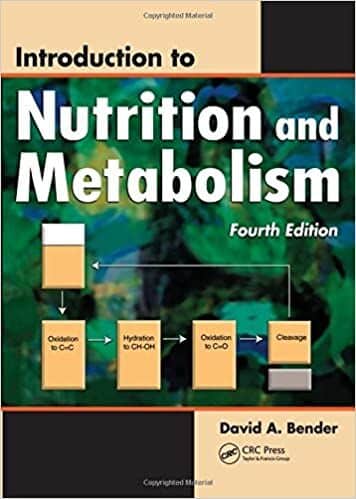
Introduction to Nutrition and Metabolism 4th Edition

Introduction to Nutrition and Metabolism 4th Edition

Introduction To Nutrition And Metabolism 4Th Edition

By David A. Bender

Introduction to Nutrition and Metabolism 4th Edition PDF is Extensively revised and updated to reflect our current understanding of nutritional and dietary requirements, Introduction to Nutrition and Metabolism, Fourth Edition includes new information examining the role of nutrition in common chronic diseases. Also new to this edition are revised end-of-chapter exercises, key point summaries, and a CD-ROM with PowerPoint presentations for each chapter, self-assessment tests, clinical problems, a virtual laboratory, and a program for nutrient analysis and meal evaluation.

Retaining the wealth of detailed information delivered in the accessible manner of its predecessors, Introduction to Nutrition and Metabolism 4th Edition PDF continues to provide a clear introduction to the principles of nutrition and metabolism, the interactions between diet and health, and the scientific basis for dietary goals and recommendations. The author uses concise, authoritative language to emphasize and describe the underlying biochemistry that is essential to an understanding of nutrient function and the ability to evaluate and interpret future advances in nutrition science. With clear and simple diagrams, the text explores the physiological need for food and describes the metabolic pathways, their integration and control, and the biochemical basis of their nutritional and physiological importance. It covers digestion and absorption and the metabolic roles of ATP, enzymes, and coenzymes. Describing the functional utilization of protein, fats, and carbohydrates, the book discusses macronutrients in terms of energy yield, energy balance, and reserves. It also covers the endocrinology of metabolic control and the biochemistry of vitamins and minerals.

Examining nutritional biochemistry and the role of diet in heath and disease, Introduction to Nutrition and Metabolism, Fourth Edition provides the scientific basis from which to make prudent and healthy dietary recommendations.

Table of Contents

Why Eat?
Objectives
The Need for Energy
Metabolic Fuels
Hunger and Appetite
Key points

Enzymes and Metabolic Pathways
Objectives
Chemical reactions: Breaking and Making Covalent Bonds
Enzymes
Factors Affecting Enzyme Activity
Coenzymes and Prosthetic Groups
The Classification and Naming of Enzymes
Metabolic Pathways
Enzymes in Clinical Chemistry and Medicine
Key points

The Role of ATP in Metabolism
Objectives
The Adenine Nucleotides
Functions of ATP
Phosphorylation of ADP to ATP
Key points

Digestion and Absorption
Objectives
The Gastrointestinal Tract
Digestion and Absorption of Carbohydrates
Digestion and Absorption of Fats
Digestion and Absorption of Proteins
The Absorption of Vitamins and Minerals
Key points

Energy Nutrition-the Metabolism of Carbohydrates and Fats
Objectives
Estimation of Energy Expenditure
Energy Balance and Changes in Body Weight
Metabolic Fuels in the Fed and Fasting States
Energy-Yielding Metabolism
The Metabolism of Fats
Tissue Reserves of Metabolic Fuels
Gluconeogenesis-the Synthesis of Glucose from Noncarbohydrate Precursors
Key points

Diet and Health-Nutrition and Chronic Diseases
Objectives
Chronic Diseases (the “Diseases of Affluence”)
Types of Evidence Linking Diet and Chronic Diseases
Guidelines for a Prudent Diet
Nutritional Genomics: Interactions between Diet and Genes
Free Radicals, Oxidative Damage, and Antioxidant Nutrients
Other Protective Compounds in Foods
Key points

Overweight and Obesity
Objectives
Desirable Body Weight
The Problems of Overweight and Obesity
The Causes and Treatment of Obesity
Key points

Protein-Energy Malnutrition-Problems of Undernutrition
Objectives
Problems of Deficiency
Protein-Energy Malnutrition
Marasmus
Cachexia
Kwashiorkor
Key points

Protein Nutrition and Metabolism
Objectives
Nitrogen Balance and Protein Requirements
Protein Synthesis
The Metabolism of Amino Acids
Key points

The Integration and Control of Metabolism
Objectives
Patterns of Metabolic Regulation
Intracellular Regulation of Enzyme Activity
Responses to Fast-acting Hormones by Covalent Modification of Enzyme Proteins
Slow-acting Hormones: Changes in Enzyme Synthesis
Hormonal Control in the Fed and Fasting States
Selection of Fuel for Muscle Activity
Diabetes mellitus-a Failure of Regulation of Blood Glucose Concentration
Key points

Micronutrients-the Vitamins and Minerals
Objectives
The Determination of Requirements and Intakes
Vitamin A
Vitamin D
Vitamin E
Vitamin K
Vitamin B1 (thiamin)
Vitamin B2 (riboflavin)
Niacin
Vitamin B6
Vitamin B12
Folic acid
Biotin
Pantothenic acid
Vitamin C (ascorbic acid)
Minerals
Key points

Appendix
Glossary

Get This Book

This Book is Avaiable for Members

Access this book instantly with a Premium membership

📄 PDF Format
⚡ Instant Delivery
Unlock Premium Access

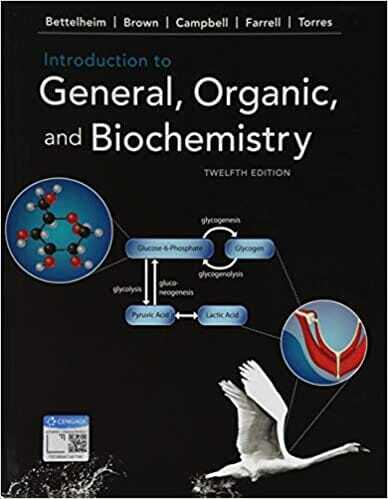
Introduction To General Organic and Biochemistry 12th Edition

Introduction To General Organic and Biochemistry 12th Edition PDF

Introduction To General Organic and Biochemistry 12th Edition

Introduction To General Organic And Biochemistry 12Th Edition Pdf

By Frederick A. Bettelheim , William H. Brown , Mary K. Campbell , Shawn O. Farrell , Omar Torres

Introduction To General Organic and Biochemistry 12th Edition PDF. Gain a comprehensive understanding of chemistry and see how it relates to health science with Introduction To General Organic and Biochemistry 12th Edition PDF. This bestseller features dynamic art, interesting examples, coverage of the latest issues, and a wide variety of medical and biological applications. As you explore topics such as botulin toxin as a cosmetic agent, implications for the use of antibiotics, and ultraviolet sunscreen, you will see how useful the study of chemistry is to your life. The book’s built-in integration with OWLv2 (Online Web Learning) turns your chemistry study time into active experiences that build your comprehension, bring concepts to life, and help you succeed in the course.

Table of Contents

1. Matter, Energy, and Measurement.

2. Atoms.

3. Chemical Bonds.

4. Chemical Reactions.

5. Gases, Liquids, and Solids.

6. Solutions and Colloids.

7. Reaction Rates and Chemical Equilibrium.

8. Acids and Bases.

9. Nuclear Chemistry.

10. Organic Chemistry.

11. Alkanes.

12. Alkenes, Alkynes, and Aromatic Compounds

13. Alcohols, Ethers, and Thiols.

14. Chirality: The Handedness of Molecules.

15. Amines.

16. Aldehydes and Ketones.

17. Carboxylic Acids.

18. Carboxylic Anhydrides, Esters, and Amides.

19. Carbohydrates.

20. Lipids.

21. Proteins.

22. Enzymes.

23. Chemical Communications: Neurotransmitters and Hormones.

24. Nucleotides, Nucleic Acids, and Heredity.

25. Gene Expression and Protein Synthesis.

26. Bioenergetics: How the Body Converts Food to Energy.

27. Specific Catabolic Pathways: Carbohydrate, Lipid, and Protein Metabolism.

28. Biosynthetic Pathways.

29. Nutrition.

30. Immunochemistry

31. Body Fluids.

Appendix 1. Exponential Notation.

Appendix 2. Significant Figures.

Answers to In-Text and Odd-Numbered End-of-Chapter Problems.

Glossary

Credits

Index.

Get This Book

This Book is Avaiable for Members

Access this book instantly with a Premium membership

📄 PDF Format
⚡ Instant Delivery
Unlock Premium Access

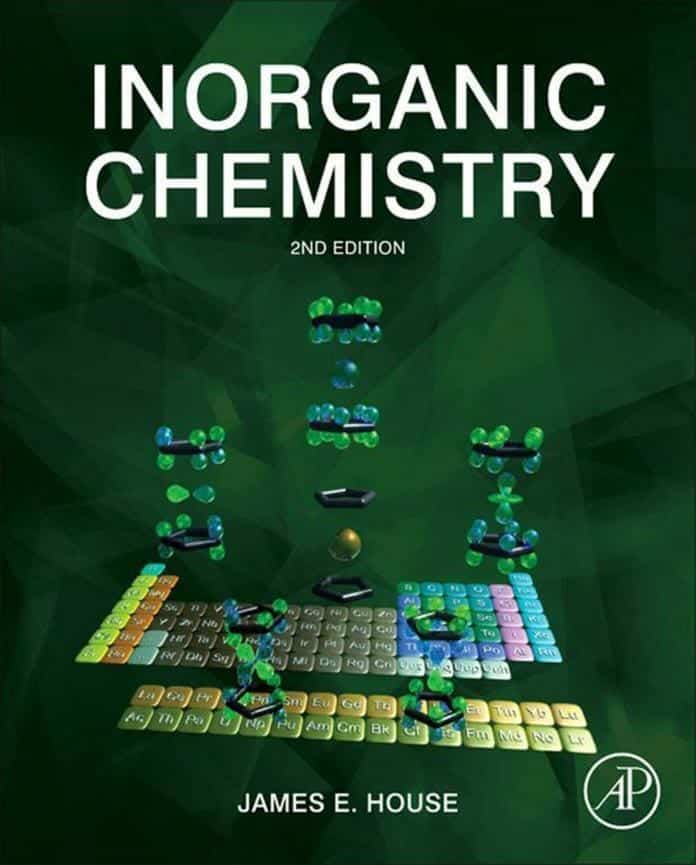
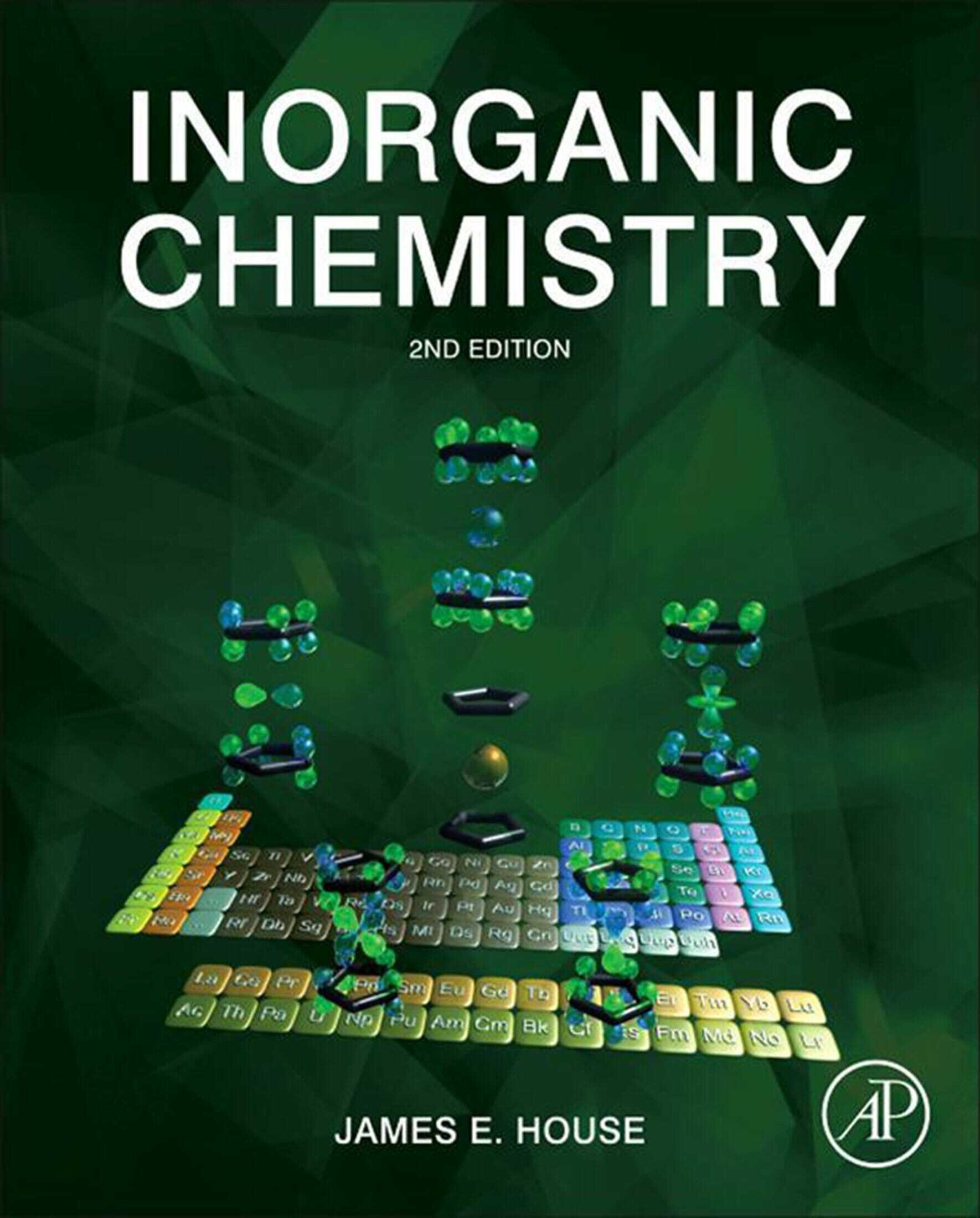
Inorganic Chemistry 2nd Edition

Inorganic Chemistry 2nd Edition PDF

Inorganic Chemistry 2nd Edition

Inorganic Chemistry 2Nd Edition Pdf

By James E. House

Inorganic Chemistry 2nd Edition PDF provides essential information for students of inorganic chemistry or for chemists pursuing self-study. The presentation of topics is made with an effort to be clear and concise so that the book is portable and user friendly. The text emphasizes fundamental principles—including molecular structure, acid-base chemistry, coordination chemistry, ligand field theory, and solid state chemistry. Inorganic Chemistry 2nd Edition PDF is organized into five major themes (structure, condensed phases, solution chemistry, main group and coordination compounds) with several chapters in each. There is a logical progression from atomic structure to molecular structure to properties of substances based on molecular structures, to behavior of solids, etc.

Inorganic Chemistry 2nd Edition PDF contains a balance of topics in theoretical and descriptive chemistry. For example, the hard-soft interaction principle is used to explain hydrogen bond strengths, strengths of acids and bases, stability of coordination compounds, etc. Discussion of elements begins with survey chapters focused on the main groups, while later chapters cover the elements in greater detail. Each chapter opens with narrative introductions and includes figures, tables, and end-of-chapter problem sets.

This new edition features new and improved illustrations, including symmetry and 3D molecular orbital representations; expanded coverage of spectroscopy, instrumental techniques, organometallic and bio-inorganic chemistry; and more in-text worked-out examples to encourage active learning and to prepare students for their exams.

Inorganic Chemistry 2nd Edition PDF is ideal for advanced undergraduate and graduate-level students enrolled in the Inorganic Chemistry course. This core course serves Chemistry and other science majors. The book may also be suitable for biochemistry, medicinal chemistry, and other professionals who wish to learn more about this subject area.

  • Concise coverage maximizes student understanding and minimizes the inclusion of details students are unlikely to use
  • Discussion of elements begins with survey chapters focused on the main groups, while later chapters cover the elements in greater detail
  • Each chapter opens with narrative introductions and includes figures, tables, and end-of-chapter problem sets
Table of Contents

  • Preface to the Second EditionPreface to the First EditionPart 1: Structure of Atoms and MoleculesChapter 1. Light, Electrons, and Nuclei

    1.1 Some Early Experiments in Atomic Physics

    1.2 The Nature of Light

    1.3 The Bohr Model

    1.4 Particle–Wave Duality

    1.5 Electronic Properties of Atoms

    1.6 Nuclear Binding Energy

    1.7 Nuclear Stability

    1.8 Types of Nuclear Decay

    1.9 Predicting Decay Modes

    References for Further Study

    Quetions and Problems

    Chapter 2. Basic Quantum Mechanics and Atomic Structure

    2.1 The Postulates

    2.2 The Hydrogen Atom

    2.3 The Helium Atom

    2.4 Slater Wave Functions

    2.5 Electron Configurations

    2.6 Spectroscopic States

    References for Further Study

    Quetions and Problems

    Chapter 3. Covalent Bonding in Diatomic Molecules

    3.1 The Basic Ideas of Molecular Orbital Methods

    3.2 The and H2 Molecules

    3.3 Diatomic Molecules of Second-Row Elements

    3.4 Photoelectron Spectroscopy

    3.5 Heteronuclear Diatomic Molecules

    3.6 Electronegativity

    3.7 Spectroscopic States for Molecules

    References for Further Study

    Quetions and Problems

    Chapter 4. A Survey of Inorganic Structures and Bonding

    4.1 Structures of Molecules Having Single Bonds

    4.2 Resonance and Formal Charge

    4.3 Complex Structures: A Preview of Coming Attractions

    4.4 Electron-Deficient Molecules

    4.5 Structures having Unsaturated Rings

    4.6 Bond Energies

    References for Further Study

    Quetions and Problems

    Chapter 5. Symmetry and Molecular Orbitals

    5.1 Symmetry Elements

    5.2 Orbital Symmetry

    5.3 A Brief Look at Group Theory

    5.4 Construction of Molecular Orbitals

    5.5 Orbitals and Angles

    5.6 Simple Calculations Using the Hückel Method

    References for Further Study

    Quetions and Problems

    Part 2: Condensed Phases

    Chapter 6. Dipole Moments and Intermolecular Interactions

    6.1 Dipole Moments

    6.2 Dipole–Dipole Forces

    6.3 Dipole-Induced Dipole Forces

    6.4 London (Dispersion) Forces

    6.5 The van der Waals Equation

    6.6 Hydrogen Bonding

    6.7 Cohesion Energy and Solubility Parameters

    6.8 Solvatochromism

    References for Further Study

    Quetions and Problems

    Chapter 7. Ionic Bonding and Structures of Solids

    7.1 Energetics of Crystal Formation

    7.2 Madelung Constants

    7.3 The Kapustinskii Equation

    7.4 Ionic Sizes and Crystal Environments

    7.5 Crystal Structures

    7.6 Solubility of Ionic Compounds

    7.7 Proton and Electron Affinities

    7.8 Structures of Metals

    7.9 Defects in Crystals

    7.10 Phase Transitions in Solids

    7.11 Heat Capacity

    7.12 Hardness of Solids

    References for Further Study

    Quetions and Problems

    Chapter 8. Dynamic Processes in Inorganic Solids

    8.1 Characteristics of Solid-State Reactions

    8.2 Kinetic Models for Reactions in Solids

    8.3 Thermal Methods of Analysis

    8.4 Effects of Pressure

    8.5 Reactions in Some Solid Inorganic Compounds

    8.6 Phase Transitions

    8.7 Reactions at Interfaces

    8.8 Diffusion in Solids

    8.9 Sintering

    8.10 Drift and Conductivity

    References for Further Study

    Quetions and Problems

    Part 3: Acids, Bases, and Solvents

    Chapter 9. Acid–Base Chemistry

    9.1 Arrhenius Theory

    9.2 Brønsted–Lowry Theory

    9.3 Factors Affecting the Strength of Acids and Bases

    9.4 Acid–Base Character of Oxides

    9.5 Proton Affinities

    9.6 Lewis Theory

    9.7 Catalytic Behavior of Acids and Bases

    9.8 The Hard–Soft Interaction Principle (HSIP)

    9.9 Electronic Polarizabilities

    9.10 The Drago Four-Parameter Equation

    References for Further Study

    Quetions and Problems

    Chapter 10. Chemistry in Nonaqueous Solvents

    10.1 Some Common Nonaqueous Solvents

    10.2 The Solvent Concept

    10.3 Amphoteric Behavior

    10.4 The Coordination Model

    10.5 Chemistry in Liquid Ammonia

    10.6 Liquid Hydrogen Fluoride

    10.7 Liquid Sulfur Dioxide

    10.8 Superacids

    References for Further Reading

    Quetions and Problems

    Part 4: Chemistry of the Elements

    Chapter 11. Chemistry of Metallic Elements

    11.1 The Metallic Elements

    11.2 Band Theory

    11.3 Groups IA And IIA Metals

    11.4 Zintl Phases

    11.5 Aluminum and Beryllium

    11.6 The First-Row Transition Metals

    11.7 Second- and Third-Row Transition Metals

    11.8 Alloys

    11.9 Chemistry of Transition Metals

    11.10 The Lanthanides

    References for Further Reading

    Quetions and Problems

    Chapter 12. Organometallic Compounds of the Main Group Elements

    12.1 Preparation of Organometallic Compounds

    12.2 Organometallic Compounds of Group Ia Metals

    12.3 Organometallic Compounds of Group IIA Metals

    12.4 Organometallic Compounds of Group IIIA Metals

    12.5 Organometallic Compounds of Group IVA Metals

    12.6 Organometallic Compounds of Group VA Elements

    12.7 Organometallic Compounds of Zn, Cd, and Hg

    References for Further Study

    Quetions and Problems

    Chapter 13. Chemistry of Nonmetallic Elements I. Hydrogen, Boron, Oxygen, and Carbon

    13.1 Hydrogen

    13.2 Boron

    13.3 Oxygen

    13.4 Carbon

    References for Further Reading

    Quetions and Problems

    Chapter 14. Chemistry of Nonmetallic Elements II. Groups IVA and VA

    14.1 The Group IVA Elements

    14.2 Nitrogen

    14.3 Phosphorus, Arsenic, Antimony, and Bismuth

    References for Further Reading

    Quetions and Problems

    Chapter 15. Chemistry of Nonmetallic Elements III. Groups VIA–VIIIA

    15.1 Sulfur, Selenium, and Tellurium

    15.2 The Halogens

    15.3 The Noble Gases

    References for Further Reading

    Quetions and Problems

    Part 5: Chemistry of Coordination Compounds

    Chapter 16. Introduction to Coordination Chemistry

    16.1 Structures of Coordination Compounds

    16.2 Metal–Ligand Bonds

    16.3 Naming Coordination Compounds

    16.4 Isomerism

    16.5 A Simple Valence Bond Description of Coordinate Bonds

    16.6 Magnetism

    16.7 A Survey of Complexes of First-Row Metals

    16.8 Complexes of Second- and Third-Row Metals

    16.9 The 18-Electron Rule

    16.10 Back Donation

    16.11 Complexes of Dinitrogen, Dioxygen, and Dihydrogen

    References for Further Study

    Quetions and Problems

    Chapter 17. Ligand Fields and Molecular Orbitals

    17.1 Splitting of d Orbital Energies in Octahedral Fields

    17.2 Splitting of d Orbital Energies in Fields of Other Symmetry

    17.3 Factors Affecting Δ

    17.4 Consequences of Crystal Field Splitting

    17.5 Jahn–Teller Distortion

    17.6 Spectral Bands

    17.7 Molecular Orbitals in Complexes

    References for Further Study

    Quetions and Problems

    Chapter 18. Interpretation of Spectra

    18.1 Splitting of Spectroscopic States

    18.2 Orgel Diagrams

    18.3 Racah Parameters and Quantitative Methods

    18.4 The Nephelauxetic Effect

    18.5 Tanabe–Sugano Diagrams

    18.6 The Lever Method

    18.7 Jørgensen’s Method

    18.8 Charge Transfer Absorption

    18.9 Solvatochromism

    References for Further Study

    Quetions and Problems

    Chapter 19. Composition and Stability of Complexes

    19.1 Composition of Complexes in Solution

    19.2 Job’s Method of Continuous Variations

    19.3 Equilibria Involving Complexes

    19.4 Distribution Diagrams

    19.5 Factors Affecting the Stability of Complexes

    References for Further Study

    Quetions and Problems

    Chapter 20. Synthesis and Reactions of Coordination Compounds

    20.1 Synthesis of Coordination Compounds

    20.2 Substitution Reactions in Octahedral Complexes

    20.3 Ligand Field Effects

    20.4 Acid-Catalyzed Reactions of Complexes

    20.5 Base-Catalyzed Reactions of Complexes

    20.6 The Compensation Effect

    20.7 Linkage Isomerization

    20.8 Substitution in Square Planar Complexes

    20.9 The Trans Effect

    20.10 Electron Transfer Reactions

    20.11 Reactions in Solid Coordination Compounds

    References for Further Study

    Quetions and Problems

    Chapter 21. Complexes Containing Metal–Carbon and Metal–Metal Bonds

    21.1 Binary Metal Carbonyls

    21.2 Structures of Metal Carbonyls

    21.3 Bonding of Carbon Monoxide to Metals

    21.4 Preparation of Metal Carbonyls

    21.5 Reactions of Metal Carbonyls

    21.6 Structure and Bonding in Metal–Alkene Complexes

    21.7 Preparation of Metal–Alkene Complexes

    21.8 Chemistry of Cyclopentadienyl and Related Complexes

    21.9 Bonding in Ferrocene

    21.10 Reactions of Ferrocene and Other Metallocenes

    21.11 Complexes of Benzene and Related Aromatics

    21.12 Compounds Containing Metal–Metal Bonds

    References for Further Study

    Quetions and Problems

    Chapter 22. Coordination Compounds in Catalysis

    22.1 Elementary Steps in Catalytic Processes

    22.2 Homogeneous Catalysis

    References for Further Study

    Quetions and Problems

    Chapter 23. Bioinorganic Chemistry

    23.1 What Metals Do in Some Living Systems

    23.2 Cytotoxicity of Some Metal Compounds

    23.3 Antimalarial Metallodrugs

    References for Further Study

    Quetions and Problems

    Appendix A. Ionization Energies

    Appendix B. Character Tables for Selected Point Groups

    Index

Get This Book

This Book is Avaiable for Members

Access this book instantly with a Premium membership

📄 PDF Format
⚡ Instant Delivery
Unlock Premium Access

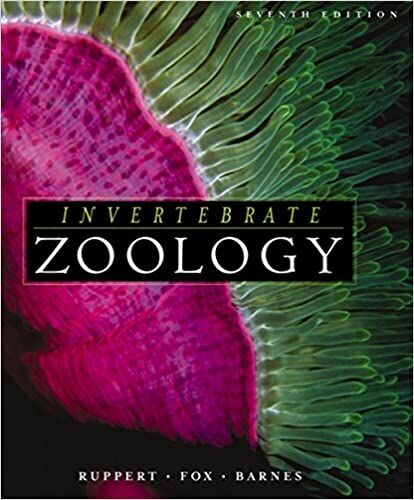
Ruppert and Barnes Invertebrate Zoology 7th Edition

invertebrate zoology by ruppert and barnes pdf download,invertebrate zoology a functional evolutionary approach 7th edition pdf

Ruppert and Barnes Invertebrate Zoology: A Functional Evolutionary Approach 7th Edition PDF Download

Invertebrate Zoology By Ruppert And Barnes Pdf Download,Invertebrate Zoology A Functional Evolutionary Approach 7Th Edition Pdf

By Edward E. Ruppert , Richard S. Fox , Robert D. Barnes

Invertebrate Zoology By Ruppert and Barnes PDF Free Download This long-awaited revision to Ruppert/Barnes’ best-selling introduction to the biology of invertebrates is highly regarded for its accuracy and strong research base. This thorough revision provides a survey by groups, emphasizing adaptive morphology and physiology, while covering anatomical ground plans and basic developmental patterns. New co-author Richard Fox brings to the revision his expertise as an ecologist, offering a good balance to Ruppert’s background as a functional morphologist. Rich illustrations and extensive citations make the book extremely valuable as a teaching tool and reference source.

Table of Contents

1. Introduction to Invertebrates.

2. Introduction to Protozoa.

3. Protozoa.

4. Introduction to Metazoa.

5. Porifera and Placozoa.

6. Introduction to Eumetazoa.

7. Cnidaria.

8. Ctenophora.

9. Introduction to Bilateria.

10. Platyhelminthes and Mesozoa.

11. Nemertea.

12. Mollusca.

13. Annelida.

14. Echiura and Sipuncula.

15. Onychophora and Tardigrada.

16. Introduction to Arthropoda.

17. Trilobitomorpha.

18. Chelicerata.

19. Crustacea.

20. Myriapoda.

21. Insecta.

22. Cycloneuralia (Gastrotricha, Nematoda, Nematomorpha, Priapulida, Loricifera, Kinorhyncha).

23. Gnathifera (Gnathostomulida, Rotifera, Acanthocephala, Micrognathozoa).

24. Kamptozoa (Entoprocta) and Cycliophora.

25. Lophophorata (Phoronida, Brachiopoda, Bryozoa).

26. Chaetognatha.

27. Hemichordata.

28. Echinodermata.

29. Chordata

Get This Book

File Size 332 MB
File Format PDF
Download  link Download Now | Go Premium, Unlock All Books
Updates & Support Support | Browse All Categories
Become a Premium Premium Membership
More Books: Browse All Categories

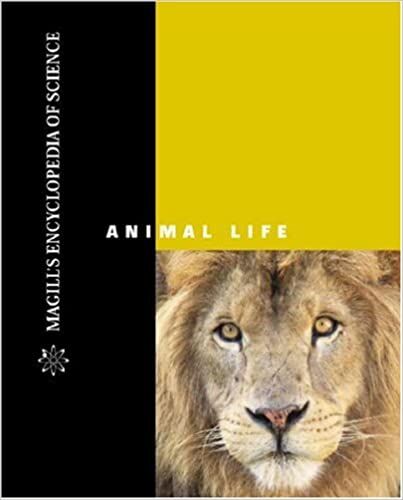
Magill’s Encyclopedia of Science Animal Life

Magill’s Encyclopedia of Science Animal Life

Magill’s Encyclopedia Of Science Animal Life

By Carl W. Hoagstrom

Magill’s Encyclopedia of Science Animal Life PDF. Ideal for high school, undergraduate, and general readers, this 4-volume set offers accessible, easy-to-understand scientific information on a subject that is of significant popular and academic interest. Entries ranging from 1,000-3,000 words, focus on nonhumans from the Animal Kingdom, from insects to reptiles to mammals. Early humans are addressed in an evolutionary context, and modern humans are included only for interspecies comparison or for their efforts to coexist with other species. Species overviews, at 1,000-2,000 words, discuss notable anatomy and physiology, habitat, behavior and reproduction and include a sidebar listing classification, geographical location, life span, and special anatomy. All entries begin with ready-reference information about the type of animal science and fields of study and feature a list of principal terms, with brief definitions. Numerous subheads guide the reader through the main text of the entry. Every essay ends with an annotated bibliography. Issue oriented discussions (animal rights, habitat destruction, poaching) and biographical entries (John James Audubon, Charles Darwin, Jane Goodall) appear as 500-word sidebars within main entries. In addition, longer entries provide one or more brief sidebars highlighting interesting subjects relating to the text.
Table of Contents

A
Aardvarks, 1
Adaptations and their mechanisms, 3
Adaptive radiation, 8
Aging, 13
Allosaurus, 16
Altruism, 19
American pronghorns, 24
Amphibians, 27
Anatomy, 34
Animal kingdom, 38
Antelope, 44
Antennae, 48
Ants, 51
Apatosaurus, 54
Apes to hominids, 57
Arachnids, 63
Archaeopteryx, 68
Armadillos, anteaters, and sloths, 71
Arthropods, 75
Asexual reproduction, 79

B
Baboons, 82
Bats, 85
Beaks and bills, 88
Bears, 92
Beavers, 96
Bees, 99
Beetles, 103
Biodiversity, 107
Biogeography, 114
Biology, 117
Bioluminescence, 119
Birds, 122
Birth, 130
Bone and cartilage, 134
Brachiosaurus, 138
Brain, 141
Breeding programs, 147
Butterflies and moths, 152

C
Camels, 156
Camouflage, 159
Cannibalism, 163
Carnivores, 165
Cats, 170
Cattle, buffalo, and bison, 175
Cell types, 179
Centipedes and millipedes, 185
Chameleons, 188
Chaparral, 191
Cheetahs, 194
Chickens, turkeys, pheasant, and quail, 197
Chimpanzees, 201
Chordates, lower, 205
Circulatory systems of invertebrates, 210
Circulatory systems of vertebrates, 216
Clams and oysters, 220
Claws, nails, and hooves, 223
Cleavage, gastrulation, and neurulation, 227
Clines, hybrid zones, and introgression, 232
Cloning of extinct or endangered species, 236
Cockroaches, 240
Coevolution, 243
Cold-blooded animals, 249
Communication, 252
Communities, 259
Competition, 265
Convergent and divergent evolution, 271
Copulation, 277
Coral, 280
Courtship, 283
Crabs and lobsters, 288
Cranes, 292
Crocodiles, 295
Crustaceans, 300

D
Death and dying, 304
Deep-sea animals, 308
Deer, 311
Defense mechanisms, 314
Demographics, 320
Deserts, 326
Determination and differentiation, 331
Development: Evolutionary perspective, 337
Digestion, 342
Digestive tract, 348
Dinosaurs, 354
Diseases, 360
Displays, 366
Dogs, wolves, and coyotes, 370
Dolphins, porpoises, and other toothed whales, 375
Domestication, 380
Donkeys and mules, 385
Ducks, 388
E
Eagles, 394
Ears, 399
Echinoderms, 405
Ecological niches, 409
Ecology, 415
Ecosystems, 422
Eels, 428
Elephant seals, 431
Elephants, 434
Elk, 437
Embryology, 440
Emotions, 444
Endangered species, 448
Endocrine systems of invertebrates, 456
Endocrine systems of vertebrates, 461
Endoskeletons, 466
Estivation, 473
Estrus, 476
Ethology, 480
Evolution: Animal life, 486
Evolution: Historical perspective, 491
Exoskeletons, 499
Extinction, 505
Extinctions and evolutionary explosions, 512
Eyes, 520

F
Fauna: Africa, 524
Fauna: Antarctica, 530
Fauna: Arctic, 532
Fauna: Asia, 534
Fauna: Australia, 539
Fauna: Caribbean, 546
Fauna: Central America, 549
Fauna: Europe, 553
Fauna: Galápagos Islands, 559
Fauna: Madagascar, 561
Fauna: North America, 564
Fauna: Pacific Islands, 569
Fauna: South America, 575
Feathers, 582
Fertilization, 585
Fins and flippers, 589
Fish, 594
Flamingos, 600
Flatworms, 603
Flies, 606
Flight, 609
Food chains and food webs, 614
Forests, coniferous, 620
Forests, deciduous, 624
Fossils, 628
Foxes, 634
Frogs and toads, 637

G
Gametogenesis, 646
Gas exchange, 651
Geese, 657
Gene flow, 660
Genetics, 664
Giraffes, 670
Goats, 673
Gophers, 676
Gorillas, 679
Grasshoppers, 683
Grasslands and prairies, 686
Grizzly bears, 690
Grooming, 693
Groups, 698
Growth, 704

H
Habitats and biomes, 709
Habituation and sensitization, 716
Hadrosaurs, 722
The Hardy-Weinberg law of genetic equilibrium, 725
Hawks, 731
Hearing, 737
Heart, 741
Herbivores, 745
Herds, 750
Hermaphrodites, 754
Heterochrony, 757
Hibernation, 761
Hierarchies, 765
Hippopotamuses, 769
Home building, 772
Homeosis, 776
Hominids, 782
Homo sapiens and human diversification, 790
Hormones and behavior, 798
Hormones in mammals, 804
Horns and antlers, 811
Horses and zebras, 815
Horseshoe crabs, 820
Human evolution analysis, 823
Hummingbirds, 829
Hydrostatic skeletons, 832
Hyenas, 836
Hyraxes, 839

I
Ichthyosaurs, 842
Immune system, 845
Imprinting, 849
Infanticide, 856
Ingestion, 859
Insect societies, 865
Insects, 873
Instincts, 880
Intelligence, 885
Invertebrates, 889
Isolating mechanisms in evolution, 894

J
Jaguars, 899
Jellyfish, 902

K
Kangaroos, 905
Kidneys and other excretory structures, 908
Koalas, 912

L
Lactation, 915
Lakes and rivers, 920
Lampreys and hagfish, 925
Language, 930
Learning, 936
Lemurs, 943
Leopards, 946
Life spans, 949
Lions, 955
Lizards, 958
Locomotion, 963
Lungfish, 969
Lungs, gills, and tracheas, 972

M
Mammalian social systems, 977
Mammals, 983
Mammoths, 988
Manatees, 991
Marine animals, 994
Marine biology, 1000
Mark, release, and recapture methods, 1005
Marsupials, 1011
Mating, 1016
Meerkats, 1021
Metabolic rates, 1024
Metamorphosis, 1028
Mice and rats, 1033
Migration, 1036
Mimicry, 1042
Moles, 1045
Mollusks, 1048
Molting and shedding, 1052
Monkeys, 1056
Monotremes, 1059
Moose, 1062
Morphogenesis, 1065
Mosquitoes, 1070
Mountain lions, 1073
Mountains, 1076
Multicellularity, 1079
Muscles in invertebrates, 1087
Muscles in vertebrates, 1094
Mutations, 1099
N
Natural selection, 1106
Neanderthals, 1114
Nervous systems of vertebrates, 1119
Nesting, 1125
Neutral mutations and evolutionary clocks, 1129
Nocturnal animals, 1135
Nonrandom mating, genetic drift, and mutation, 1139
Noses, 1144
Nutrient requirements, 1147
O
Octopuses and squid, 1151
Offspring care, 1155
Omnivores, 1160
Opossums, 1163
Orangutans, 1166
Osmoregulation, 1170
Ostriches and related birds, 1176
Otters, 1179
Owls, 1182
P
Packs, 1187
Pair-bonding, 1191
Paleoecology, 1194
Paleontology, 1199
Pandas, 1209
Parrots, 1212
Parthenogenesis, 1215
Pelicans, 1219
Penguins, 1222
pH maintenance, 1226
Pheromones, 1232
Phylogeny, 1238
Physiology, 1243
Pigs and hogs, 1246
Placental mammals, 1249
Plant and animal interactions, 1253
Platypuses, 1259
Poisonous animals, 1262
Polar bears, 1266
Pollution effects, 1269
Population analysis, 1275
Population fluctuations, 1279
Population genetics, 1285
Population growth, 1291
Porcupines, 1298
Praying mantis, 1301
Predation, 1304
Pregnancy and prenatal development, 1310
Prehistoric animals, 1316
Primates, 1323
Protozoa, 1330
Pterosaurs, 1336
Punctuated equilibrium and continuous evolution, 1339
Q
R
Rabbits, hares, and pikas, 1344
Raccoons and related mammals, 1347
Rain forests, 1350
Reefs, 1354
Reflexes, 1357
Regeneration, 1364
Reindeer, 1370
Reproduction, 1373
Reproductive strategies, 1379
Reproductive system of female mammals, 1385
Reproductive system of male mammals, 1390
Reptiles, 1395
Respiration and low oxygen, 1401
Respiration in birds, 1407
Respiratory system, 1413
Rhinoceroses, 1419
Rhythms and behavior, 1422
Rodents, 1428
Roundworms, 1433
Ruminants, 1436
S
Salamanders and newts, 1439
Salmon and trout, 1443
Sauropods, 1446
Savannas, 1450
Scales, 1453
Scavengers, 1456
Scorpions, 1460
Seahorses, 1463
Seals and walruses, 1466
Sense organs, 1471
Sex differences: Evolutionary origin, 1477
Sexual development, 1483
Sharks and rays, 1487
Sheep, 1493
Shells, 1496
Shrews, 1500
Skin, 1502
Skunks, 1506
Sleep, 1509
Smell, 1514
Snails, 1517
Snakes, 1520
Sparrows and finches, 1525
Spiders, 1530
Sponges, 1535
Squirrels, 1538
Starfish, 1541
Stegosaurs, 1544
Storks, 1547
Swamps and marshes, 1550
Swans, 1554
Symbiosis, 1557
Systematics, 1564
T
Tails, 1573
Tasmanian devils, 1578
Teeth, fangs, and tusks, 1581
Tentacles, 1586
Termites, 1589
Territoriality and aggression, 1592
Thermoregulation, 1599
Tidepools and beaches, 1605
Tigers, 1609
Tool use, 1612
Triceratops, 1616
Tundra, 1619
Turtles and tortoises, 1622
Tyrannosaurus, 1626
U
Ungulates, 1629
Urban and suburban wildlife, 1633
V
Velociraptors, 1639
Vertebrates, 1642
Veterinary medicine, 1645
Vision, 1650
Vocalizations, 1654
Vultures, 1660
W
Warm-blooded animals, 1663
Wasps and hornets, 1666
Water balance in vertebrates, 1669
Weasels and related mammals, 1674
Whale sharks, 1679
Whales, baleen, 1682
White sharks, 1687
Wildlife management, 1690
Wings, 1695
Woodpeckers, 1702
Worms, segmented, 1706
X
Y
Z
Zoology, 1709
Zooplankton, 1713
Zoos, 1716
Glossary, 1723
Animal Terminology, 1764
Time Line, 1769
Classification Table, 1770
Geographical List of Animals, 1784
Biographical List of Scientists, 1788
General Bibliography, 1798
Journals, 1808
Organizations, 1816
Alphabetical List, LVII
Category List, LXIII
Index, LXXIII

Get This Book

This Book is Avaiable for Members

Access this book instantly with a Premium membership

📄 PDF Format
⚡ Instant Delivery
Unlock Premium Access