Home Blog Page 30

7 Popular Types of Veterinary Practices: A Brief Guide

A Brief Guide to Popular 7 Types of Veterinary Practices
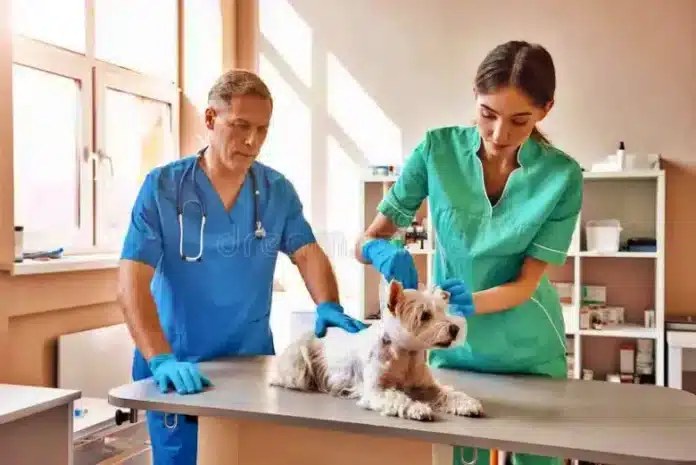
Veterinary practice

Explore different types of veterinary practices, from general clinics to specialized care, ensuring optimal health for pets and farm animals.

There are many specialists in pet clinics according to the pathological condition of your pet. It plays a crucial role in maintaining animal health; in addition to improving the productivity of farm animals, it’s also enhancing public health and environmental safety.

Between 64% and 85% of the veterinarians work in private practices. Thus making it the favorite working environment for veterinarians. So, if you have a pet or veterinary clinic and want to start your own business, knowing the types of veterinary practices is critical.

Veterinary Books

Types of Veterinary Practices

  1. General Practice Veterinary Clinics
  2. Specialized Vet Clinics
  3. Exotic Animal Practice
  4. Emergency or Critical Care Facilities
  5. Mobile Veterinary Practice
  6. Equine and Large Animal Practices
  7. Animal Sanctuaries and Wildlife Rehabilitation Clinics

1- The general practice of veterinary clinics

General practice is the most common type of vet practice; it includes many examinations and the necessary comprehensive medical care for different kinds of pets, mostly cats and dogs or smaller pets such as birds and rabbits. Also provides many services, which include:

  • Dental healthcare.
  • Skin infection treatment.
  • Vaccinations.
  • Usual check-ups.
  • Surgeries.
  • Diagnosis and treatment of illness or injury.
  • Client communication.
  • Emergency care.
  • Preventative care programs.
  • Documenting and recording.
  • Team structure.
  • Veterinary practice management.

Dental healthcare

Veterinarians should have many skills to deal with emergency conditions and not be limited to one specialist.

Dental disease is the most common disease in pets, affecting up to 80% of dogs and cats. So routine check-ups must include dental examinations. Veterinarians advise dental cleanings, including scaling and removing plaque, and recommend them at least once a year for most pets.

In some cases, X-rays are used to identify problems that cannot be determined by visual examination. It is so important in every pet clinic to present veterinary teams to provide guidelines for home dental care for pet owners and recommend products that reduce plaque and tartar build-up.

Skin infection treatment

It is considered one of the veterinary practices that includes bacterial, fungal, and parasitic infections. It is recommended to take the pet to a veterinary clinic to obtain the appropriate treatment and necessary care.

Vaccinations

It is considered the cornerstone of preventive healthcare. There are two types: core vaccines and non-core vaccines. In veterinary clinics, the vaccine is given according to the appropriate schedule, and post-vaccination care is provided in the event of any side effects.

Usual check-ups

It occurs in many steps. The first step is a physical examination.

  • Appearance and behaviour.
  • Measure the temperature and pulse rate.
  • Listening to the heart and lungs.
  • Evaluation of the eyes, nose, and mouth.

Then, in veterinary practice, diagnostic tests such as urine and stool analysis, blood analysis, ultrasound, and X-rays are performed.

Surgeries

Surgical operations can be used in some cases, such as spaying and breaking bones.

Diagnosis and treatment of illness or injury

Diagnosis is a puzzle to determine the correct treatment. Firstly, it begins with a diagnostic, followed by a comprehensive examination that your pet will undergo. Lastly, treatment and follow-up of the condition.

Client communication

Effective communication is important in the pet clinic. Here are some of these things: 

  • Active listening

A successful vet who truly hears his clients’ concerns with some questions to understand their perspective.

  • Clear explanation

It is important in veterinary practice to simplify medical terms and provide information about the diagnosis of the condition for the pet’s owner while providing appropriate treatment and allowing them to be involved in their pet’s care plan.

Read More: 7 Essential Skills For Improving Communication In Veterinary Practice

Emergency care

A skilled team tackles emergencies and deals with conditions, including:

  • Breathing trouble.
  • Severe bleeding.

The emergency crew focuses on immediately stabilizing your pet. This might involve oxygen therapy, controlling bleeding, and pain relief.

Preventative care programs

It keeps your pet healthy and focuses on prevention, not just treating it with regular checkups.

Documenting and recording 

It is an important step to follow up on your pet’s medical history.

Team structure

Teams work together to keep pets healthy. Each member plays a vital role in animal care, they help with examinations, surgeries, diagnosis, and treatment.

Veterinary practice management 

The clinic’s brain keeps things running regularly by scheduling staff, managing supplies, and marketing the clinic.

2- Specialized vet clinics

These clinics focus on many specialties. Here are some examples:

  • Dermatology.
  • Ophthalmology.
  • Cardiology.
  • Oncology.
  • Dentistry.
  • Neurology.

3- Exotic animal practice

Exotic animal practice means other pets that need diagnosis, treatment, and care differ from cats and dogs. These pets include birds, reptiles, and amphibians.

4- Emergency or critical care facilities

It plays a vital role in saving the lives of pets in life. Including an emergency department, and emergency equipment with advanced diagnosis tools to stabilize and treat pets, this practice provided 24 hours of care for urgent cases and trauma.

Read More: How to Become a Successful Emergency Vets by Risk Analysis

5- Mobile veterinary practice

In the US, there are around 30,000 mobile vet practices, this number increases annually, referring to the need for pet care.

The services provided are routine care, chronic disease management, reduced stress for pets, saved time, and convenience for owners.

6- Equine and large animal practices 

Veterinary medicine is concerned with large animals that cannot be treated in the usual manner in the clinic. There are specialized clinics for large animals, such as horse care.

7- Animal sanctuaries and wildlife rehabilitation clinics

Animal reserves play an important role in the rehabilitation of life and work to provide the necessary care and appropriate nutrition in veterinary practice.

They work to provide shelter and care for animals that cannot be returned to the wild, due to illness or injury.

Tip

Do You Want To Increase Your Veterinary Knowledge and Practical Skills?

You Can Now Browse and Download +3000 Veterinary Books Online In All Veterinary Fields.

Browse All Veterinary Books

Conclusion

Veterinary practices are an essential field that cares for the lives of countless animals and pet owners. They also play a vital role in public health by preventing the spread of zoonotic diseases and ensuring the safety of foods. Diversity in the types of veterinary practices is critical in animal care. We can expect even better care for our animal companions in the coming years.
Ecotoxicology of Amphibians and Reptiles 2nd Edition

Ecotoxicology of Amphibians and Reptiles 2nd Edition PDF

Ecotoxicology Of Amphibians And Reptiles 2Nd Edition Pdf

By Donald W. Sparling, Greg Linder, Christine A. Bishop and Sherry Krest

Ecotoxicology of Amphibians and Reptiles 2nd Edition presents newly available findings on the species that are important environmental indicators. This new edition covers nearly twice as many topics as the first, including recent developments in the ecotoxicology of amphibians and reptiles, the current status of these animals, and intrinsic factors that affect their susceptibility to contaminants. The book also provides the latest information on specific groups of contaminants and their effects and body burdens in herpetafauna. After a review of how contaminants interact with other ecological factors, the text explores concerns for the future.

Features
      • New research on the effects of pesticides, heavy metals, endocrine disrupting chemicals, and UVB
      • Increased focus on the effects of contaminants rather than merely reporting residue information
      • A synthesis of information on atrazine and its effects on gonads at low concentrations
      • Coverage of the potentially alarming new cadre of chemicals that have recently or are about to come on the market for which there is very little or no information
      • Important advances in surveying and monitoring

Table of Contents
  1. Recent Advancements in Amphibian and Reptile Ecotoxicology

  2. Declines and the Global Status of Amphibians

  3. The Global Status of Reptiles and Causes of Their Decline

  4. Ecotoxicology of Amphibians and Reptiles in a Nutshell

  5. Physiological Ecology of Amphibians and Reptiles: Natural History and Life History Attributes

  6. Effects of Current-Use Pesticides on Amphibians

  7. Ecotoxicology of Pesticides in Reptiles

  8. Atrazine in the Environment and Its Implications for Amphibians and Reptiles

  9. Ecotoxicology of Organic Contaminants to Amphibians

  10. Organic Contaminants in Reptiles

  11. Interdisciplinary and Hierarchical Approaches for Studying the Effects of Metals and Metalloids on Amphibians

  12. The Ecotoxicology of Metals in Reptiles

  13. Solar UV Radiation and Amphibians: Factors Mitigating Injury

  14. Multiple Stressors and Indirect Food Web Effects of Contaminants on Herptofauna

  15. Emerging Contaminants and Their Potential Effects on Amphibians and Reptiles

  16. A Decade of Deformities: Advances in Our Understanding of Amphibian Malformations and Their Implications

  17. Population Estimation Methods for Amphibians and Reptiles

  18. Epilogue: Ecotoxicology of Amphibians and Reptiles — Where Should We Be Going and How Do We Get There?

  19. Appendix: Metal Contamination in Reptiles: An Appendix of Data Compiled from the Existing Literature

  20. Index

This Book is Avaiable for Members

Access this book instantly with a Premium membership

📄 PDF Format
⚡ Instant Delivery
Unlock Premium Access

Safety of Dietary Supplements for Horses, Dogs, and Cats

Safety of Dietary Supplements for Horses, Dogs, and Cats

Safety Of Dietary Supplements For Horses, Dogs, And Cats

By National Research Council

Safety of Dietary Supplements for Horses, Dogs, and Cats explores the growing trend of pet owners giving dietary supplements to support their animals’ health. Many people assume supplements are safer than drugs, but in reality, there is very limited safety data on dietary supplements for pets. Numerous challenges hinder the ability to determine whether animal dietary supplements are safe and at what dosage. Supplements considered safe for humans or other species are not necessarily safe for horses, dogs, and cats.

An improved adverse event reporting system is badly needed, and the absence of specific laws and regulations surrounding animal dietary supplements creates significant confusion for both the industry and the public. Clear, precise regulations are essential to ensure only safe products reach the market. Safety of Dietary Supplements for Horses, Dogs, and Cats examines the broader issues of supplement safety and takes a closer look at three specific supplements—lutein, evening primrose oil, and garlic—providing a detailed evaluation of their safety in companion animals.

Table of Contents

1. Introduction and Background

2. Regulation of Dietary Supplements in the United States

3. Assessing the Safety of Animal Dietary Supplements

4. Factors Affecting Animal Dietary Supplement Safety

5. Categories of Scientific Evidence

6. Lutein

7. Evening Primrose Oil

8. Garlic

9. General Considerations in Determining Safety of Animal Dietary Supplements

Appendixes

Index

Get This Book

This Book is Avaiable for Members

Access this book instantly with a Premium membership

📄 PDF Format
⚡ Instant Delivery
Unlock Premium Access

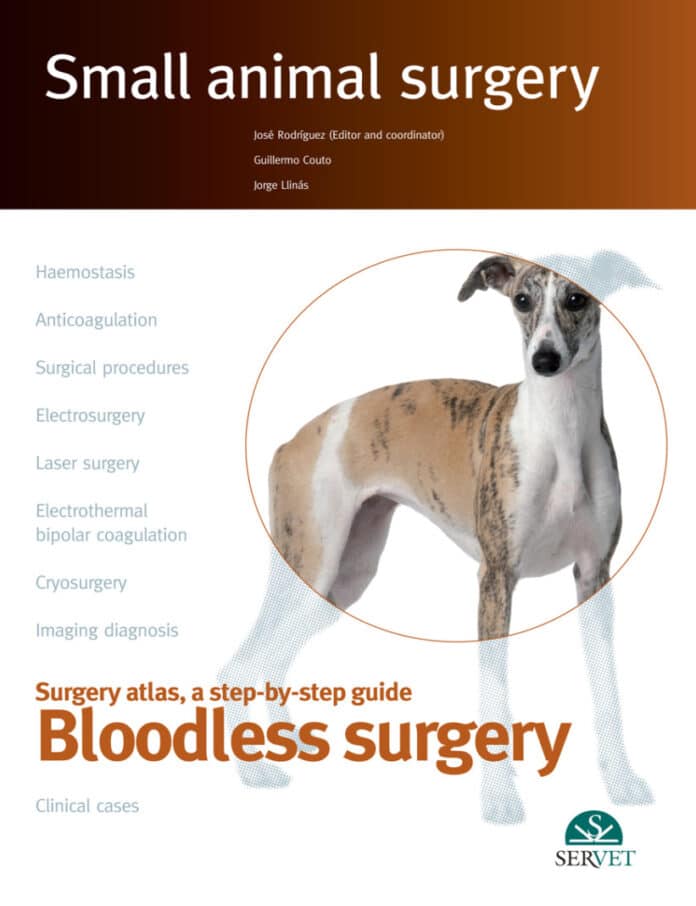
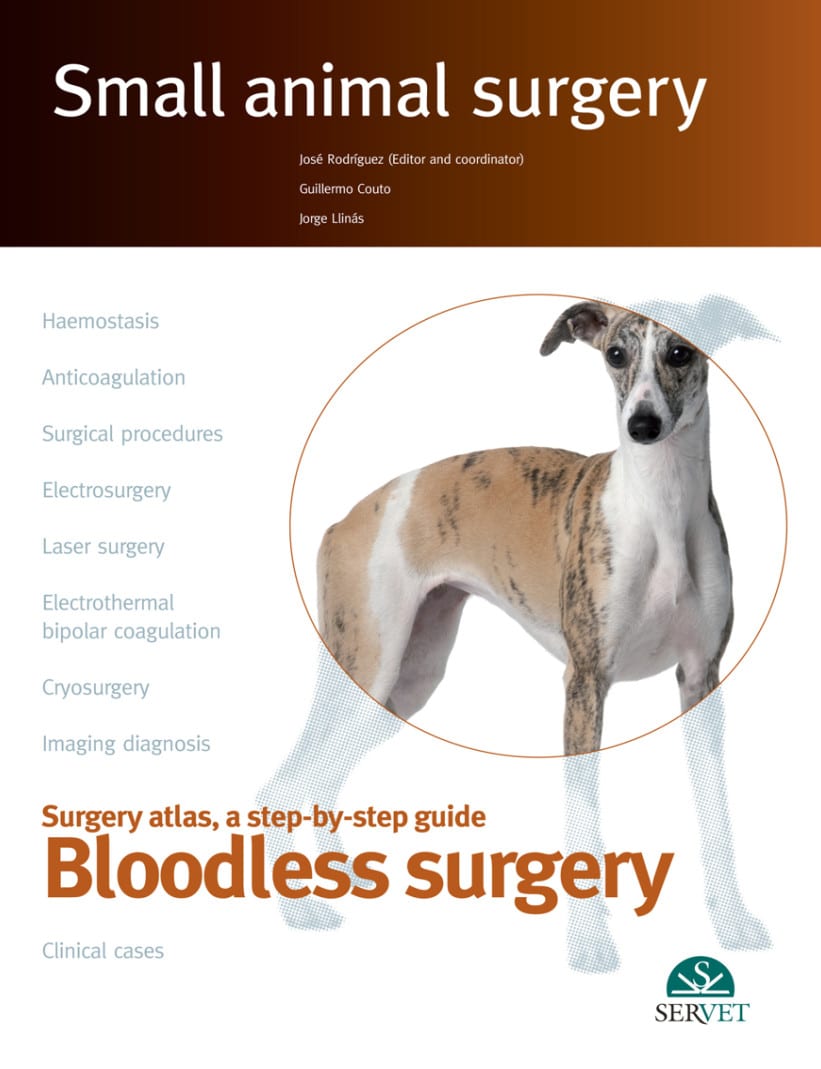
Small Animal Surgery: Bloodless Surgery

Small Animal Surgery, Bloodless Surgery

Small Animal Surgery, Bloodless Surgery

By José Rodríguez Gómez, Guillermo C. Couto and Jorge Llinás

Small Animal Surgery: Bloodless Surgery – José Rodríguez, together with Guillermo Couto and Jorge Llinás, surprises us again with a new volume of the Small Animal Surgery collection—this time focusing on the application of bloodless surgery.

The author and his colleagues use their wide experience to show readers the importance of ensuring appropriate haemostasis in surgical procedures. The basic principles of haemostasis, their practical application in various clinical cases, and the different techniques available are explained throughout the book.

The information is complemented by numerous images that will help the clinician to ensure haemostasis—such as step-by-step knot-tying and surgical procedures shown in image sequences.

Small Animal Surgery: Bloodless Surgery also stands out by including high-quality and very didactic videos, through which the reader will gain valuable knowledge.

Table of Contents

1. Introduction

2. Haemostasis and haemostatic disorders

  • Physiology of haemostasis for clinicians
  • Clinical signs in haemorrhagic syndromes
  • Techniques for the evaluation of haemostasis
  • Care of patients with coagulopathies orpreoperativehaemorrhages
  • Common coagulopathies in veterinary practice

3. Anticoagulation and fibrinolysis

  • Introduction
  • Thromboembolic diseases
  • Antiplatelet drugs, anticoagulants and fibrinolytics

4. Principles of blood transfusion

  • Introduction
  • Indications
  • Blood types
  • Blood administration
  • Crossmatching

5. Anaesthesia and perioperative bleeding

  • Introduction
  • Factors involved
  • Effects of anaesthetic drugs
  • Fluid therapy
  • Local and regional anaesthesia
  • Hypothermia
  • Acidosis
  • Anaesthetic techniques thatminimise bleeding

6. Preoperative haemostatic techniques

  • Systemic prohaemostatic drugs
  • Supportive haemostatic treatments

7. Intraoperative haemostasis techniques

  • Techniques for minimising blood loss during surgery
  • Preventative haemostasis
  • Clinical applications in hepatic, splenic and pulmonary surgery
  • Definitive haemostasis
  • Surgical haemostatic techniques
  • Estimated intraoperative blood loss

8. High energy surgical equipment

  • Introduction
  • Electrosurgery
  • Laser surgery
  • Laser in veterinary surgery
  • Other systems
  • Personal safety
  • 9. Cryotherapy and cryosurgery
  • Local hypothermia. Cryotherapy
  • Cryosurgery
  • Cryogenic agents
  • Cryogenic agent application techniques
  • Warnings and postoperative care

10. Postoperative bleeding

  • Introduction
  • Causes of bleeding
  • Assessment of bleeding severity
  • Treatment
  • Evolution of postoperative bleeding
  • Diagnosis and ultrasound monitoring of postoperative bleeding

11. Applications and surgical case studies

  • Maxillofacial surgery
  • Ophthalmic surgery
  • Ear surgery
  • Penile surgery
  • Hepatic surgery
  • Adrenal gland surgery
  • Cardiovascular surgery
  • Perianal fistulae
  • Brachycephalic syndrome

12. References

Get This Book

This Book is Avaiable for Members

Access this book instantly with a Premium membership

📄 PDF Format
⚡ Instant Delivery
Unlock Premium Access

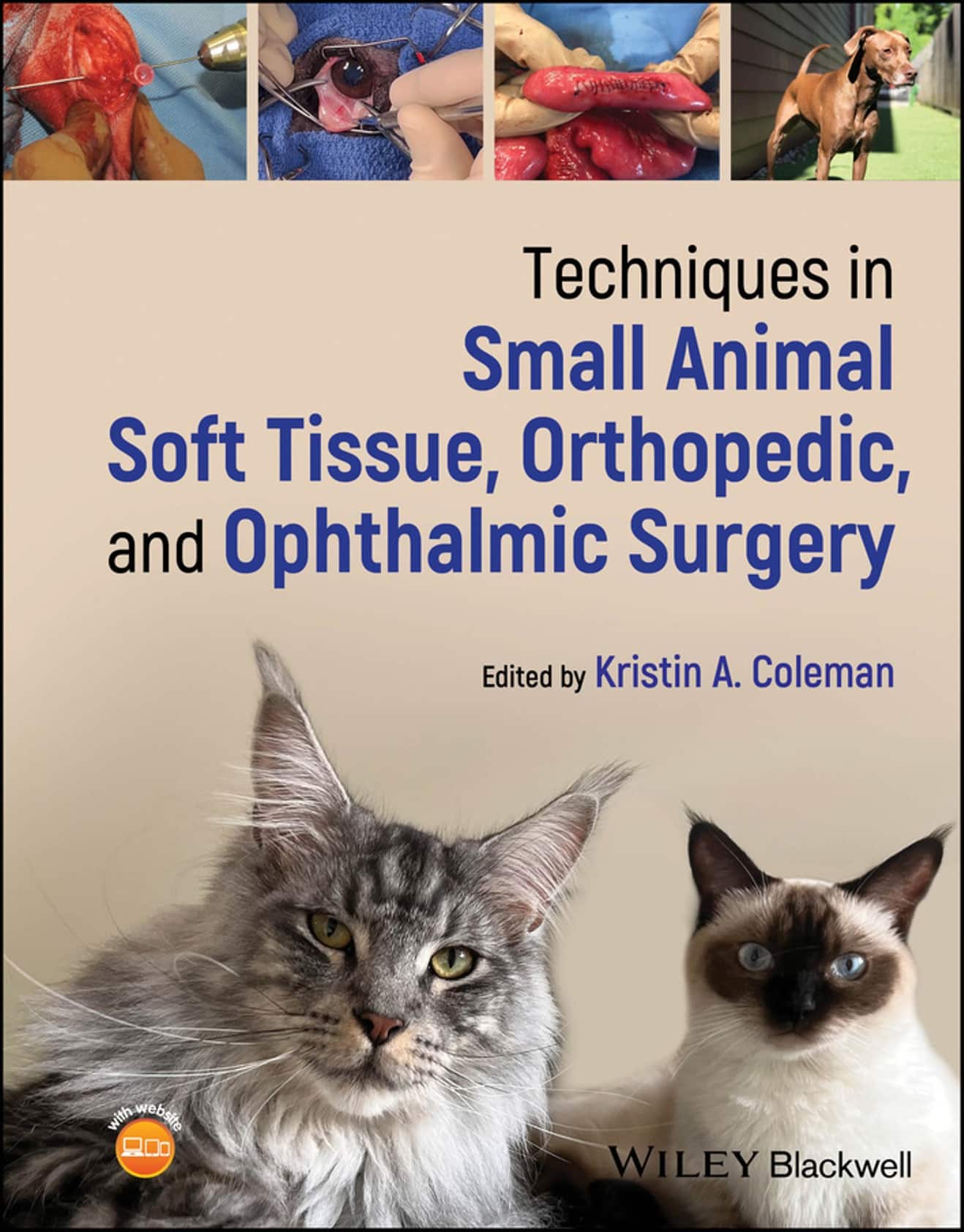
Techniques in Small Animal Soft Tissue, Orthopedic, and Ophthalmic Surgery

Techniques in Small Animal Soft Tissue, Orthopedic, and Ophthalmic Surgery

Techniques In Small Animal Soft Tissue, Orthopedic, And Ophthalmic Surgery Pdf DownloadBy Kristin A. Coleman

Techniques in Small Animal Soft Tissue, Orthopedic, and Ophthalmic Surgery offers fast access to step-by-step procedures for the most common surgeries in small animal patients. This book discusses the relevant anatomy, brief pathophysiology, pre-operative considerations, potential complications, and treatment options and detailed techniques for a wide range of surgical procedures, as well as the equipment needed to perform them. Written by specialists from around the world, the 54 chapters each cover multiple treatment options or variations to techniques described in the literature, featuring soft tissue, orthopedic, and ophthalmic surgeries.

Practical tips and tricks for success in the operating room applicable to technicians, general practitioners, and surgeons are included throughout the book. High-quality color photographs accompany the surgical descriptions, along with video clips demonstrating some of the techniques hosted on a companion website.

Features

• Simple eyelid mass removal, steps for prolapsed third eyelid gland, surgery for successful entropion repair, and enucleation
• Brachycephalic obstructive airway syndrome in dogs and cats and various surgical interventions, how to address aural hematoma, pinnectomy, and total ear canal ablation and lateral bulla osteotomy
• Ventral bulla osteotomy, mandibulectomy, sialoadenectomy, thyroidectomy, unilateral cricoarytenoid lateralization, and peripheral lymph node extirpation
• Extracapsular suture stabilization for the cranial cruciate ligament-deficient stifle, medial patellar luxation repair, femoral head and neck ostectomy, and canine elbow dysplasia
• Limb amputation in companion animals, skin reconstruction options, digit amputation, gastropexy, gastrointestinal procedures, splenectomy, and liver biopsies
• And many more procedures!

Table of Contents

  1. Preparing for an Abdominal Procedure
  2. Steps for Simple Eyelid Mass Removal
  3. Surgery for the Prolapsed Third Eyelid Gland
  4. Tips and Tricks for Successful Entropion Repair
  5. A Guide to Enucleation
  6. Nosectomy in Cats
  7. Brachycephalic Obstructive Airway Syndrome in Dogs and Cats
  8. Aural Hematoma
  9. Pinnectomy
  10. Total Ear Canal Ablation and Lateral Bulla Osteotomy (TECA-LBO)
  11. Ventral Bulla Osteotomy (VBO)
  12. Mandibulectomy
  13. Sialoadenectomy
  14. Thyroidectomy
  15. Laryngeal Paralysis
  16. Peripheral Lymph Node Extirpation in the Dog and Cat
  17. Limb Amputation in Companion Animals: Thoracic and Pelvic Limb Amputations
  18. Summary of Skin Reconstruction Options
  19. Digit Amputation
  20. The Art of the Abdominal Explore
  21. Gastropexy
  22. Gastrointestinal Procedures
  23. Splenectomy
  24. Liver Biopsies
  25. Ovariohysterectomy/Ovariectomy
  26. Cesarean Section
  27. Pyometra
  28. Cystotomy and Partial Cystectomy
  29. Prostatic Abscessation
  30. Inguinal, Umbilical, and Diaphragmatic Hernias
  31. Canine Scrotal Ablation and Scrotal Urethrostomy
  32. Feline Perineal Urethrostomy
  33. Rectal Prolapse
  34. Perineal Hernia
  35. Anal Sacculectomy in Dogs and Cats
  36. Caudectomy
  37. Preparing for Orthopedic Procedures
  38. Principles of Fracture Repair
  39. Orthopedic Implants
  40. Principles of External Coaptation
  41. 3D-Printing in Orthopedics
  42. Mandibular Fractures
  43. Metacarpal and Metatarsal Fractures
  44. Humeral Condylar Fractures
  45. Canine Elbow Dysplasia
  46. Femoral Head and Neck Ostectomy (FHO)
  47. Lumbosacral Steroid Epidural
  48. Pelvic Fractures
  49. Medial Patellar Luxation Repair
  50. Extracapsular Stabilization for the Cranial Cruciate Ligament-Deficient Stifle
  51. Osteochondrosis
  52. Arthrocentesis
  53. Tendon Lacerations
  54. Bone Grafts

Get This Book

This Book is Avaiable for Members

Access this book instantly with a Premium membership

📄 PDF Format
⚡ Instant Delivery
Unlock Premium Access

Autonomic Nervous System Physiology MCQs: Questions on Sympathetic and Parasympathetic Control

Autonomic Nervous System Veterinary Physiology MCQs Questions

In This Autonomic Nervous System Physiology MCQs Quizz, We will covers the physiology of Autonomic Nervous System: Sympathetic and Parasympathetic Control. Test your understanding of the autonomic nervous system, including its role in regulating organ function and maintaining homeostasis.

Your Score and Progress

Total Questions: 0

Right Answers: 0

Progress:

0%

0 / 0 questions answered

Keep page opened to avoid losing your progress

1 What is the key difference between the autonomic nervous system (ANS) and the somatic nervous system?

  • A) The ANS innervates skeletal muscle, while the somatic system innervates smooth muscle.
  • B) The ANS uses a single neuron to communicate between the CNS and its target organ.
  • C) The ANS has two peripheral neurons in its motor pathways, while the somatic system has one.
  • D) The ANS only functions during rest, while the somatic system functions during stress.
  • E) The ANS has no synaptic transmission at the target organ.
Correct! Well done!
Incorrect! The correct answer is shown in green.

The key difference lies in the motor pathways used by each system:

  • Autonomic nervous system (ANS):
    • Uses a two-neuron chain:
      • Preganglionic neuron: Cell body in the CNS.
      • Postganglionic neuron: Cell body in a peripheral ganglion, which sends signals to the target organ.
  • Somatic nervous system: Uses a single motor neuron to connect the CNS directly to the skeletal muscle.

This structural difference allows the ANS to regulate involuntary functions such as heart rate, digestion, and blood pressure, while the somatic system controls voluntary skeletal muscle movements.

References: Cunningham’s Textbook of Veterinary Physiology, 6th Edition, Chapter 11, Autonomic and Somatic Nervous Systems

2 Which neurotransmitter is released by preganglionic neurons in both the sympathetic and parasympathetic divisions of the ANS?

  • A) Acetylcholine
  • B) Norepinephrine
  • C) Epinephrine
  • D) Dopamine
  • E) Serotonin
Correct! Well done!
Incorrect! The correct answer is shown in green.

In both the sympathetic and parasympathetic divisions of the autonomic nervous system (ANS), preganglionic neurons release acetylcholine to transmit signals:

  • Target receptors: Acetylcholine binds to nicotinic receptors on the postganglionic neurons in the peripheral ganglia.
  • Role: Acts as the primary neurotransmitter to relay signals from the CNS to the peripheral ganglia, initiating the next step in the autonomic pathway.

This mechanism is crucial for coordinating involuntary responses in both divisions.

References: Cunningham’s Textbook of Veterinary Physiology, 6th Edition, Chapter 11, Autonomic Nervous System

3 Which of the following is true about the sympathetic nervous system?

  • A) It originates in the craniosacral regions of the CNS.
  • B) It uses long preganglionic neurons and short postganglionic neurons.
  • C) It increases heart rate and blood pressure during stress.
  • D) It primarily utilizes acetylcholine at target organs.
  • E) It is not involved in homeostatic functions.
Correct! Well done!
Incorrect! The correct answer is shown in green.

The sympathetic nervous system (SNS), known as the “fight or flight” system, responds to stress by:

  • Functions:
    • Increasing heart rate and blood pressure.
    • Mobilizing energy reserves to prepare the body for action.
  • Neurotransmitters:
    • Primarily uses norepinephrine at target organs, except in specific cases like sweat glands, where acetylcholine is utilized.
  • Origin:
    • The SNS originates from the thoracolumbar regions of the CNS, not the craniosacral regions.

This system is vital for preparing the body to handle acute stressors.

References: Cunningham’s Textbook of Veterinary Physiology, 6th Edition, Chapter 11, Sympathetic Nervous System

4 Where are the cell bodies of parasympathetic preganglionic neurons located?

  • A) Thoracolumbar region of the spinal cord
  • B) Cervical ganglia
  • C) Brainstem and sacral spinal cord
  • D) Sympathetic trunk
  • E) Adrenal medulla
Correct! Well done!
Incorrect! The correct answer is shown in green.

The parasympathetic preganglionic neurons originate from the:

  • Brainstem: Associated with cranial nerves III (oculomotor), VII (facial), IX (glossopharyngeal), and X (vagus).
  • Sacral spinal cord (S2–S4): Supplies pelvic organs and lower gastrointestinal structures.

This distribution is why the parasympathetic division is referred to as the “craniosacral system.”

References: Cunningham’s Textbook of Veterinary Physiology, 6th Edition, Chapter 11, Parasympathetic Nervous System

5 Which neurotransmitter is most commonly released by postganglionic sympathetic neurons at their target organs?

  • A) Acetylcholine
  • B) Norepinephrine
  • C) Epinephrine
  • D) Dopamine
  • E) Serotonin
Correct! Well done!
Incorrect! The correct answer is shown in green.

Postganglionic sympathetic neurons predominantly release norepinephrine to mediate the effects of the sympathetic nervous system (SNS):

  • Receptor activation:
    • Norepinephrine binds to adrenergic receptors (alpha and beta) on target organs.
  • Physiological effects:
    • Increased heart rate (beta-1 receptors).
    • Vasoconstriction in certain vessels (alpha-1 receptors).
  • Exceptions:
    • Sweat glands release acetylcholine instead of norepinephrine.

This neurotransmitter is crucial for executing the “fight or flight” response.

References: Cunningham’s Textbook of Veterinary Physiology, 6th Edition, Chapter 11, Sympathetic Neurotransmitters

6 What is the primary function of the parasympathetic nervous system?

  • A) To increase heart rate and dilate pupils
  • B) To mobilize energy during stress
  • C) To promote digestion and conserve energy
  • D) To stimulate glycogenolysis and lipolysis
  • E) To constrict bronchioles and reduce respiratory rate
Correct! Well done!
Incorrect! The correct answer is shown in green.

The parasympathetic nervous system is often called the “rest and digest” system because it supports body functions during relaxation and recovery by:

  • Slowing heart rate: Reduces energy expenditure.
  • Promoting digestion: Enhances gastrointestinal activity and increases glandular secretions for nutrient processing.
  • Conserving energy: Focuses resources on restoring the body rather than preparing for stress.

This system maintains homeostasis during restful states.

References: Cunningham’s Textbook of Veterinary Physiology, 6th Edition, Chapter 11, Parasympathetic Nervous System

7 Which autonomic receptor type is involved in the dilation of bronchioles in response to sympathetic stimulation?

  • A) Muscarinic
  • B) Nicotinic
  • C) Alpha-1 adrenergic
  • D) Beta-2 adrenergic
  • E) Alpha-2 adrenergic
Correct! Well done!
Incorrect! The correct answer is shown in green.

Beta-2 adrenergic receptors mediate bronchodilation during sympathetic stimulation to improve oxygen delivery.

  • Mechanism:
    • Activation of beta-2 receptors on bronchial smooth muscles causes relaxation of these muscles, resulting in bronchodilation.
  • Purpose:
    • Increases airflow to the lungs during stress or exercise, ensuring adequate oxygen supply to meet the body’s increased demands.

This response is crucial during the “fight or flight” reaction.

References: Cunningham’s Textbook of Veterinary Physiology, 6th Edition, Chapter 11, Autonomic Receptors

8 Which organ receives only sympathetic innervation, without parasympathetic influence?

  • A) Heart
  • B) Lungs
  • C) Adrenal medulla
  • D) Salivary glands
  • E) Urinary bladder
Correct! Well done!
Incorrect! The correct answer is shown in green.

The adrenal medulla is unique in that it receives only sympathetic innervation.

  • Mechanism:
    • Preganglionic sympathetic neurons release acetylcholine, which activates chromaffin cells in the adrenal medulla.
    • These cells secrete epinephrine and norepinephrine directly into the bloodstream, functioning as hormones to amplify the sympathetic response.
  • Purpose:
    • This system supports the “fight or flight” response by increasing heart rate, blood pressure, and energy availability.

References: Cunningham’s Textbook of Veterinary Physiology, 6th Edition, Chapter 11, Sympathetic Nervous System

9 What is the role of visceral afferent neurons in autonomic reflex arcs?

  • A) They transmit motor signals from the CNS to target organs.
  • B) They carry sensory information from visceral organs to the CNS.
  • C) They release neurotransmitters at target organs.
  • D) They inhibit autonomic responses during stress.
  • E) They secrete hormones into the bloodstream.
Correct! Well done!
Incorrect! The correct answer is shown in green.

Visceral afferent neurons are sensory neurons that play a critical role in autonomic reflex arcs by:

  • Function: Transmitting sensory input from internal organs (e.g., blood pressure, chemical changes, stretch) to the central nervous system (CNS).
  • Integration: The CNS processes this information and generates motor responses via autonomic efferent neurons to maintain homeostasis.

These neurons are essential for regulating internal organ function and responding to physiological changes.

References: Cunningham’s Textbook of Veterinary Physiology, 6th Edition, Chapter 11, Autonomic Reflexes

10 Which of the following receptors is stimulated by norepinephrine and is primarily responsible for vasoconstriction?

  • A) Beta-1 adrenergic
  • B) Beta-2 adrenergic
  • C) Alpha-1 adrenergic
  • D) Muscarinic
  • E) Nicotinic
Correct! Well done!
Incorrect! The correct answer is shown in green.

Alpha-1 adrenergic receptors are primarily responsible for vasoconstriction during sympathetic activation.

  • Mechanism: Norepinephrine binds to alpha-1 receptors on vascular smooth muscle, causing contraction of the muscle fibers.
  • Effect: Vasoconstriction increases vascular resistance and blood pressure, ensuring adequate blood flow to critical organs during stress.

References: Cunningham’s Textbook of Veterinary Physiology, 6th Edition, Chapter 11, Adrenergic Receptors

11 What role does the sympathetic nervous system play in controlling blood flow to the kidneys?

  • A) It increases blood flow by vasodilating renal arteries.
  • B) It decreases blood flow by vasoconstricting renal arteries.
  • C) It increases the glomerular filtration rate by relaxing the afferent arterioles.
  • D) It inhibits renin release to lower blood pressure.
  • E) It promotes diuresis through beta-2 adrenergic receptor activation.
Correct! Well done!
Incorrect! The correct answer is shown in green.

During sympathetic activation, blood flow to the kidneys is reduced to prioritize perfusion of vital organs like the brain and heart.

  • Mechanism: The renal arteries are vasoconstricted via activation of alpha-1 adrenergic receptors, reducing blood flow to the kidneys.
  • Purpose: This redistribution of blood flow ensures sufficient oxygen delivery to essential organs during stress or emergencies.

References: Cunningham’s Textbook of Veterinary Physiology, 6th Edition, Chapter 11, Renal Blood Flow Regulation

12 Which type of adrenergic receptor is responsible for increasing heart rate and the force of contraction during sympathetic stimulation?

  • A) Alpha-1 adrenergic
  • B) Alpha-2 adrenergic
  • C) Beta-1 adrenergic
  • D) Beta-2 adrenergic
  • E) Muscarinic
Correct! Well done!
Incorrect! The correct answer is shown in green.

Beta-1 adrenergic receptors are located primarily in the heart and are responsible for:

  • Increasing heart rate (chronotropy): Stimulation by norepinephrine or epinephrine accelerates the heart’s pacing.
  • Enhancing force of contraction (inotropy): Improves myocardial contraction strength, enabling the heart to pump more blood during stress or exercise.

These actions prepare the body to meet increased energy and oxygen demands during the “fight or flight” response.

References: Cunningham’s Textbook of Veterinary Physiology, 6th Edition, Chapter 11, Adrenergic Receptors

13 Which autonomic function is associated with the cranial nerve X (vagus nerve)?

  • A) Increasing heart rate
  • B) Promoting digestion in the gastrointestinal tract
  • C) Stimulating sweat gland secretion
  • D) Dilating the pupil
  • E) Constricting blood vessels in skeletal muscle
Correct! Well done!
Incorrect! The correct answer is shown in green.

The vagus nerve (cranial nerve X) is the primary parasympathetic nerve innervating the thoracic and abdominal organs.

  • Digestive functions:
    • Increases gastric secretions to aid in digestion.
    • Enhances intestinal motility for efficient food movement.
    • Relaxes gastrointestinal sphincters to facilitate nutrient absorption.
  • Other roles: The vagus nerve also slows heart rate and supports other “rest and digest” activities.

References: Cunningham’s Textbook of Veterinary Physiology, 6th Edition, Chapter 11, Parasympathetic Function

14 Which autonomic division is primarily responsible for the “fight or flight” response, and what physiological changes does it cause?

  • A) Parasympathetic; decreased heart rate and increased gastrointestinal motility
  • B) Parasympathetic; increased salivation and urination
  • C) Sympathetic; increased heart rate and dilated pupils
  • D) Sympathetic; constricted bronchioles and increased tear production
  • E) Parasympathetic; increased sweating and constricted pupils
Correct! Well done!
Incorrect! The correct answer is shown in green.

The sympathetic division of the autonomic nervous system (ANS) activates the “fight or flight” response to prepare the body for stressful or emergency situations.

  • Physiological changes:
    • Increased heart rate (tachycardia): To enhance blood delivery to vital organs.
    • Dilated pupils (mydriasis): To improve vision by allowing more light into the eyes.
    • Redistribution of blood flow: Redirects blood to skeletal muscles and away from non-essential systems like digestion.
  • Purpose: These changes enhance physical readiness and energy availability for survival.

References: Cunningham’s Textbook of Veterinary Physiology, 6th Edition, Chapter 11, Sympathetic Nervous System

15 What is the role of muscarinic acetylcholine receptors in the parasympathetic nervous system?

  • A) They cause vasoconstriction in skeletal muscles.
  • B) They stimulate increased heart rate.
  • C) They mediate responses such as reduced heart rate and increased glandular secretions.
  • D) They act at the neuromuscular junction to excite skeletal muscle.
  • E) They release epinephrine from the adrenal medulla.
Correct! Well done!
Incorrect! The correct answer is shown in green.

Muscarinic acetylcholine receptors are located on target organs of the parasympathetic nervous system and mediate its “rest and digest” functions.

  • Responses mediated by muscarinic receptors:
    • Reduced heart rate (bradycardia): Slows the heart to conserve energy.
    • Increased glandular secretions: Enhances salivary, gastric, and intestinal secretions to support digestion.
    • Pupil constriction (miosis): Helps focus on near vision tasks.
  • Mechanism: Activated by acetylcholine released from parasympathetic postganglionic neurons.

References: Cunningham’s Textbook of Veterinary Physiology, 6th Edition, Chapter 11, Parasympathetic Receptors

16 Which of the following describes the effect of sympathetic stimulation on the gastrointestinal (GI) tract?

  • A) Increased motility and relaxation of sphincters
  • B) Increased blood flow to the GI tract
  • C) Decreased motility and contraction of sphincters
  • D) Increased secretion of digestive enzymes
  • E) Stimulation of the gallbladder to release bile
Correct! Well done!
Incorrect! The correct answer is shown in green.

Sympathetic stimulation reduces gastrointestinal activity to conserve energy for critical functions during stress:

  • Decreased motility: Reduces smooth muscle contractions, slowing the movement of food through the digestive system.
  • Sphincter contraction: Prevents the flow of digestive contents to focus resources on “fight or flight” responses.
  • Blood flow redistribution: Diverts blood away from the GI tract to skeletal muscles and vital organs like the heart and brain.

This allows the body to prioritize immediate survival over digestion.

References: Cunningham’s Textbook of Veterinary Physiology, 6th Edition, Chapter 11, Sympathetic Effects on GI Function

17 Which of the following describes the function of alpha-2 adrenergic receptors in the sympathetic nervous system?

  • A) Increase heart rate and cardiac output
  • B) Promote bronchodilation in the lungs
  • C) Inhibit norepinephrine release from presynaptic terminals
  • D) Stimulate glycogenolysis in the liver
  • E) Cause vasodilation in coronary arteries
Correct! Well done!
Incorrect! The correct answer is shown in green.

Alpha-2 adrenergic receptors act as negative feedback regulators in the sympathetic nervous system:

  • Location: Found on presynaptic terminals of sympathetic neurons.
  • Function:
    • When activated, these receptors inhibit further release of norepinephrine, modulating the intensity of sympathetic stimulation.
    • Prevents excessive norepinephrine levels, maintaining balance in sympathetic responses.

This mechanism helps regulate the duration and strength of sympathetic activity.

References: Cunningham’s Textbook of Veterinary Physiology, 6th Edition, Chapter 11, Adrenergic Receptors

18 Which neurotransmitter is released by the adrenal medulla in response to sympathetic stimulation, and what is its effect?

  • A) Acetylcholine; decreases heart rate
  • B) Norepinephrine; increases blood glucose
  • C) Epinephrine; dilates bronchial airways
  • D) Serotonin; promotes vasoconstriction
  • E) Dopamine; inhibits GI motility
Correct! Well done!
Incorrect! The correct answer is shown in green.

In response to sympathetic stimulation, the adrenal medulla releases epinephrine into the bloodstream.

  • Effect of epinephrine:
    • Acts on beta-2 adrenergic receptors in the lungs, causing bronchodilation, which increases airflow.
    • Supports the “fight or flight” response by improving oxygen delivery to vital organs and tissues.
  • Additional effects:
    • Increases heart rate and blood glucose levels to provide energy for immediate action.

References: Cunningham’s Textbook of Veterinary Physiology, 6th Edition, Chapter 11, Adrenal Medulla

19 What is the primary function of the enteric nervous system, a subdivision of the autonomic nervous system?

  • A) Control heart rate and blood pressure
  • B) Regulate digestion and gastrointestinal motility
  • C) Mediate stress responses and energy mobilization
  • D) Control sweating and temperature regulation
  • E) Coordinate voluntary muscle contractions
Correct! Well done!
Incorrect! The correct answer is shown in green.

The enteric nervous system (ENS) is a network of neurons located within the walls of the gastrointestinal (GI) tract and functions to:

  • Regulate digestion:
    • Controls peristalsis (coordinated muscle contractions for food movement).
    • Stimulates secretion of digestive enzymes and regulates nutrient absorption.
  • Autonomous function: The ENS operates independently of the brain and spinal cord but is modulated by the sympathetic and parasympathetic systems.

This “second brain” ensures efficient digestive function and gut homeostasis.

References: Cunningham’s Textbook of Veterinary Physiology, 6th Edition, Chapter 11, Enteric Nervous System

20 Which statement is correct about the dual innervation of many visceral organs by the autonomic nervous system?

  • A) Most organs receive only parasympathetic innervation.
  • B) The sympathetic and parasympathetic systems have synergistic effects on organ function.
  • C) Sympathetic stimulation always overrides parasympathetic stimulation.
  • D) Sympathetic and parasympathetic systems usually have opposing effects on the same organs.
  • E) The sympathetic system regulates digestion, while the parasympathetic system controls stress responses.
Correct! Well done!
Incorrect! The correct answer is shown in green.

The autonomic nervous system (ANS) typically provides dual innervation to visceral organs, with the sympathetic and parasympathetic divisions exerting opposing effects:

  • Examples:
    • Heart rate:
      • Sympathetic stimulation increases heart rate.
      • Parasympathetic stimulation decreases heart rate.
    • Digestive activity:
      • Sympathetic stimulation decreases motility.
      • Parasympathetic stimulation increases motility.
  • Purpose: This balance ensures precise control of organ function depending on the body’s needs (e.g., stress vs. rest).

References: Cunningham’s Textbook of Veterinary Physiology, 6th Edition, Chapter 11, Dual Innervation

21 Which of the following best describes the role of nicotinic acetylcholine receptors in the autonomic nervous system?

  • A) They are found on postganglionic neurons and trigger an excitatory response.
  • B) They are found on target organs and trigger an inhibitory response.
  • C) They are stimulated by epinephrine released from the adrenal medulla.
  • D) They are responsible for smooth muscle relaxation.
  • E) They inhibit neurotransmitter release from presynaptic terminals.
Correct! Well done!
Incorrect! The correct answer is shown in green.

Nicotinic acetylcholine receptors play a critical role in the autonomic nervous system (ANS) by:

  • Location: Found on the cell bodies of postganglionic neurons in autonomic ganglia of both the sympathetic and parasympathetic divisions.
  • Function: When acetylcholine binds to these receptors, it causes an excitatory response, resulting in the activation of the postganglionic neuron.

This mechanism ensures the effective transmission of signals from the CNS to peripheral target organs.

References: Cunningham’s Textbook of Veterinary Physiology, 6th Edition, Chapter 11, Nicotinic Receptors

22 What is the primary function of beta-2 adrenergic receptors in the context of sympathetic stimulation?

  • A) Vasoconstriction of peripheral blood vessels
  • B) Decrease in heart rate
  • C) Bronchodilation and vasodilation in skeletal muscle
  • D) Increased gastrointestinal motility
  • E) Pupil constriction
Correct! Well done!
Incorrect! The correct answer is shown in green.

Beta-2 adrenergic receptors, when activated by epinephrine or norepinephrine, contribute to the “fight or flight” response by:

  • Bronchodilation: Relaxing smooth muscle in the airways to increase airflow and oxygen delivery to the lungs.
  • Vasodilation in skeletal muscle: Enhancing blood flow to active muscles, improving oxygen and nutrient supply during stress or exercise.

These effects optimize respiratory and muscular performance during heightened sympathetic activity.

References: Cunningham’s Textbook of Veterinary Physiology, 6th Edition, Chapter 11, Adrenergic Receptors

23 Which autonomic reflex is responsible for maintaining blood pressure during changes in posture?

  • A) Pupillary light reflex
  • B) Baroreceptor reflex
  • C) Micturition reflex
  • D) Gastrointestinal reflex
  • E) Thermoregulatory reflex
Correct! Well done!
Incorrect! The correct answer is shown in green.

The baroreceptor reflex is critical for maintaining stable blood pressure during positional changes, such as standing up:

  • Mechanism:
    • Baroreceptors in the carotid arteries and aortic arch detect changes in blood pressure.
    • When blood pressure drops (e.g., due to gravity when standing), the reflex triggers sympathetic activation.
  • Effects:
    • Increased heart rate (tachycardia): To maintain cardiac output.
    • Vasoconstriction: To elevate vascular resistance and stabilize blood pressure.

This reflex prevents dizziness and fainting due to inadequate cerebral blood flow during postural changes.

References: Cunningham’s Textbook of Veterinary Physiology, 6th Edition, Chapter 11, Baroreceptor Reflex

24 How does sympathetic stimulation affect the urinary bladder?

  • A) It causes contraction of the detrusor muscle, leading to bladder emptying.
  • B) It relaxes the detrusor muscle and contracts the internal sphincter, promoting urine storage.
  • C) It contracts the external sphincter, leading to immediate urination.
  • D) It increases blood flow to the bladder wall, enhancing filtration.
  • E) It triggers the release of renin from the kidneys.
Correct! Well done!
Incorrect! The correct answer is shown in green.

During sympathetic stimulation, the bladder adjusts for urine storage by:

  • Relaxing the detrusor muscle: Reduces bladder wall tension to accommodate more urine.
  • Contracting the internal sphincter: Prevents urine leakage during stress or physical activity.

This response ensures efficient urine retention, allowing the body to focus on “fight or flight” functions.

References: Cunningham’s Textbook of Veterinary Physiology, 6th Edition, Chapter 11, Sympathetic Control of the Bladder

25 Which of the following structures releases both epinephrine and norepinephrine directly into the bloodstream during sympathetic activation?

  • A) Paravertebral ganglia
  • B) Adrenal medulla
  • C) Celiac ganglion
  • D) Thoracic spinal cord
  • E) Pineal gland
Correct! Well done!
Incorrect! The correct answer is shown in green.

The adrenal medulla, located on top of the kidneys, is a specialized structure that plays a key role in the sympathetic nervous system:

  • Hormone release:
    • Epinephrine (adrenaline) and norepinephrine are released into the bloodstream.
  • Effect:
    • These hormones act on multiple tissues, enhancing the “fight or flight” response by increasing heart rate, bronchodilation, and energy mobilization.

The adrenal medulla functions as an endocrine amplifier of sympathetic activity.

References: Cunningham’s Textbook of Veterinary Physiology, 6th Edition, Chapter 11, Adrenal Medulla

26 What is the effect of parasympathetic stimulation on the pupils?

  • A) Pupil dilation (mydriasis)
  • B) Pupil constriction (miosis)
  • C) No effect on pupil size
  • D) Pupillary fluctuation depending on light intensity
  • E) Pupil constriction followed by dilation
Correct! Well done!
Incorrect! The correct answer is shown in green.

Parasympathetic stimulation causes pupil constriction (miosis) by:

  • Mechanism: Activates the sphincter pupillae muscle in the iris, reducing pupil size.
  • Purpose: Protects the retina by limiting the amount of light entering the eye, particularly in bright environments.

This response is part of the rest and digest functions mediated by the parasympathetic system.

References: Cunningham’s Textbook of Veterinary Physiology, 6th Edition, Chapter 11, Parasympathetic Effects on the Eye

27 What is the primary role of alpha-1 adrenergic receptors in sympathetic target organs?

  • A) Increase in heart rate
  • B) Vasoconstriction of blood vessels
  • C) Relaxation of bronchial smooth muscle
  • D) Glycogen synthesis in the liver
  • E) Stimulation of sweat glands
Correct! Well done!
Incorrect! The correct answer is shown in green.

Alpha-1 adrenergic receptors mediate vasoconstriction during sympathetic activation:

  • Mechanism:
    • Norepinephrine or epinephrine binds to alpha-1 receptors on vascular smooth muscle, causing contraction.
  • Effect:
    • Increases vascular resistance, raising blood pressure to ensure adequate blood flow to vital organs during the “fight or flight” response.

This action prioritizes blood flow to critical areas like the heart and muscles while reducing flow to non-essential regions.

References: Cunningham’s Textbook of Veterinary Physiology, 6th Edition, Chapter 11, Adrenergic Receptors

28 Which organ or system is not typically affected by parasympathetic innervation?

  • A) Digestive system
  • B) Respiratory system
  • C) Adrenal medulla
  • D) Salivary glands
  • E) Urinary bladder
Correct! Well done!
Incorrect! The correct answer is shown in green.

The adrenal medulla is unique because it:

  • Receives only sympathetic innervation:
    • It is controlled by preganglionic sympathetic neurons, which release acetylcholine to stimulate chromaffin cells.
  • Function:
    • Releases catecholamines (epinephrine and norepinephrine) directly into the bloodstream to amplify the “fight or flight” response.

In contrast, the parasympathetic system does not directly influence the adrenal medulla.

References: Cunningham’s Textbook of Veterinary Physiology, 6th Edition, Chapter 11, Adrenal Medulla

29 Which of the following best describes the enteric nervous system (ENS) in the context of the autonomic nervous system?

  • A) It is entirely controlled by the sympathetic division.
  • B) It functions independently of both sympathetic and parasympathetic inputs.
  • C) It controls heart rate and blood pressure.
  • D) It regulates gastrointestinal function and is modulated by both the sympathetic and parasympathetic divisions.
  • E) It exclusively regulates the secretion of digestive enzymes.
Correct! Well done!
Incorrect! The correct answer is shown in green.

The enteric nervous system (ENS) is a specialized network of neurons located within the walls of the gastrointestinal (GI) tract:

  • Primary role:
    • Regulates digestion, motility, and secretions to maintain efficient GI function.
  • Modulation:
    • Functions autonomously but is influenced by sympathetic (inhibitory) and parasympathetic (stimulatory) divisions.

The ENS is often referred to as the “second brain” due to its autonomy and critical role in gut function.

References: Cunningham’s Textbook of Veterinary Physiology, 6th Edition, Chapter 11, Enteric Nervous System

30 Which autonomic receptor is primarily responsible for decreasing heart rate when activated?

  • A) Beta-1 adrenergic
  • B) Alpha-2 adrenergic
  • C) Muscarinic cholinergic
  • D) Nicotinic cholinergic
  • E) Beta-2 adrenergic
Correct! Well done!
Incorrect! The correct answer is shown in green.

Muscarinic cholinergic receptors, located in the heart, are activated by acetylcholine released from parasympathetic postganglionic neurons.

  • Effect on the heart:
    • Decreases heart rate (negative chronotropy).
    • Reduces the force of cardiac contractions (negative inotropy).
  • Purpose:
    • Helps maintain a calm and restful state by counteracting the effects of sympathetic activation.

References: Cunningham’s Textbook of Veterinary Physiology, 6th Edition, Chapter 11, Parasympathetic Receptors

31 Which component of the ANS is responsible for the “rest and digest” responses, and how does it affect the heart?

  • A) Sympathetic; increases heart rate
  • B) Parasympathetic; decreases heart rate
  • C) Sympathetic; decreases heart rate
  • D) Parasympathetic; increases heart rate
  • E) Enteric; inhibits heart contractions
Correct! Well done!
Incorrect! The correct answer is shown in green.

The parasympathetic nervous system, known for its “rest and digest” functions, reduces heart rate:

  • Mechanism:
    • Parasympathetic neurons release acetylcholine, which binds to muscarinic receptors in the heart.
  • Effect:
    • Slows the heart rate, conserving energy during periods of rest.

This response supports bodily recovery and homeostasis by counterbalancing the effects of sympathetic activation.

References: Cunningham’s Textbook of Veterinary Physiology, 6th Edition, Chapter 11, Parasympathetic Nervous System

32 What effect does sympathetic stimulation have on the liver, and which receptor is involved?

  • A) Promotes glycogen synthesis via alpha-1 adrenergic receptors
  • B) Inhibits gluconeogenesis via beta-1 adrenergic receptors
  • C) Increases insulin secretion via muscarinic receptors
  • D) Promotes glycogenolysis via nicotinic receptors
  • E) Stimulates glycogenolysis via beta-2 adrenergic receptors
Correct! Well done!
Incorrect! The correct answer is shown in green.

During sympathetic stimulation, beta-2 adrenergic receptors in the liver are activated, leading to:

  • Glycogenolysis: Breakdown of glycogen into glucose, increasing blood glucose levels.
  • Purpose: Provides a quick energy source to support the “fight or flight” response.

This mechanism ensures the body has sufficient glucose for energy-intensive activities during stress.

References: Cunningham’s Textbook of Veterinary Physiology, 6th Edition, Chapter 11, Adrenergic Receptor Function

33 How does the autonomic nervous system regulate pupil size, and which receptor mediates dilation?

  • A) Parasympathetic; muscarinic receptor for dilation
  • B) Sympathetic; alpha-1 adrenergic receptor for dilation
  • C) Parasympathetic; nicotinic receptor for dilation
  • D) Sympathetic; beta-2 adrenergic receptor for dilation
  • E) Sympathetic; muscarinic receptor for dilation
Correct! Well done!
Incorrect! The correct answer is shown in green.

The sympathetic nervous system regulates pupil dilation (mydriasis) via alpha-1 adrenergic receptors:

  • Mechanism:
    • Stimulation of alpha-1 receptors in the radial muscles of the iris causes them to contract, enlarging the pupil.
  • Purpose:
    • Allows more light to enter the eye, improving vision during low-light conditions or the “fight or flight” response.

This response enhances visual awareness during stress or emergencies.

References: Cunningham’s Textbook of Veterinary Physiology, 6th Edition, Chapter 11, Sympathetic Effects on the Eye

34 What role does the parasympathetic nervous system play in controlling bronchial smooth muscle?

  • A) Causes bronchodilation via beta-2 adrenergic receptors
  • B) Causes bronchoconstriction via muscarinic receptors
  • C) Causes bronchodilation via alpha-1 adrenergic receptors
  • D) Inhibits secretion of mucus via nicotinic receptors
  • E) Causes bronchoconstriction via nicotinic receptors
Correct! Well done!
Incorrect! The correct answer is shown in green.

The parasympathetic nervous system controls bronchial smooth muscle tone via muscarinic receptors:

  • Mechanism:
    • Activation of muscarinic receptors causes contraction of the bronchial smooth muscle, leading to bronchoconstriction.
  • Effect:
    • Reduces airflow in the lungs, which is suitable for restful conditions when oxygen demand is lower.

This response is part of the “rest and digest” functions.

References: Cunningham’s Textbook of Veterinary Physiology, 6th Edition, Chapter 11, Parasympathetic Effects on the Respiratory System

35 What is the effect of sympathetic stimulation on blood vessels supplying skeletal muscles?

  • A) Vasoconstriction via alpha-1 adrenergic receptors
  • B) Vasodilation via beta-2 adrenergic receptors
  • C) Vasoconstriction via beta-1 adrenergic receptors
  • D) Vasodilation via muscarinic receptors
  • E) Vasoconstriction via muscarinic receptors
Correct! Well done!
Incorrect! The correct answer is shown in green.

During sympathetic activation, beta-2 adrenergic receptors in blood vessels supplying skeletal muscles mediate:

  • Vasodilation:
    • Increases blood flow to skeletal muscles.
    • Enhances oxygen and nutrient delivery during “fight or flight” situations.
  • Purpose:
    • Prepares muscles for increased activity and ensures optimal performance during stress or exercise.

This action supports the body’s readiness for physical exertion during emergencies.

References: Cunningham’s Textbook of Veterinary Physiology, 6th Edition, Chapter 11, Adrenergic Receptor Functions

36 Which of the following statements is true about the effects of parasympathetic activation on the gastrointestinal tract?

  • A) Inhibits motility and secretion of digestive enzymes
  • B) Stimulates motility and secretion of digestive enzymes
  • C) Inhibits salivary gland secretion
  • D) Promotes vasoconstriction in the digestive organs
  • E) Causes relaxation of the gastrointestinal sphincters
Correct! Well done!
Incorrect! The correct answer is shown in green.

The parasympathetic nervous system enhances digestive functions as part of the “rest and digest” response:

  • Increased motility: Activates smooth muscles in the GI tract, facilitating food movement through peristalsis.
  • Secretion of digestive enzymes: Promotes the release of enzymes and gastric juices for efficient nutrient breakdown.

This activity optimizes digestion and nutrient absorption during restful states.

References: Cunningham’s Textbook of Veterinary Physiology, 6th Edition, Chapter 11, Parasympathetic Effects on Digestion

37 How does the sympathetic nervous system affect the salivary glands, and which receptor is involved?

  • A) Increases saliva secretion via alpha-1 adrenergic receptors
  • B) Increases watery saliva secretion via beta-1 adrenergic receptors
  • C) Decreases saliva secretion via muscarinic receptors
  • D) Promotes thick, mucous-rich saliva via alpha-1 adrenergic receptors
  • E) Inhibits all saliva production via beta-2 adrenergic receptors
Correct! Well done!
Incorrect! The correct answer is shown in green.

The sympathetic nervous system modulates salivary gland activity to produce thick, mucous-rich saliva under stress:

  • Mechanism: Activation of alpha-1 adrenergic receptors stimulates the secretion of mucous-rich saliva.
  • Purpose: Lubricates the mouth during stress, but less effective for digestion compared to the watery saliva promoted by parasympathetic activation.

This response is part of the “fight or flight” mechanism, where energy is redirected from digestion to other vital functions.

References: Cunningham’s Textbook of Veterinary Physiology, 6th Edition, Chapter 11, Sympathetic Effects on Salivary Glands

38 What is the primary neurotransmitter released by preganglionic neurons in both the sympathetic and parasympathetic systems?

  • A) Norepinephrine
  • B) Epinephrine
  • C) Dopamine
  • D) Acetylcholine
  • E) Serotonin
Correct! Well done!
Incorrect! The correct answer is shown in green.

Acetylcholine is the neurotransmitter released by preganglionic neurons in both the sympathetic and parasympathetic nervous systems:

  • Function: Binds to nicotinic receptors on postganglionic neurons in autonomic ganglia.
  • Purpose: Relays signals from the CNS to postganglionic neurons, which then activate target organs.

This neurotransmitter is critical for transmitting signals in the autonomic nervous system.

References: Cunningham’s Textbook of Veterinary Physiology, 6th Edition, Chapter 11, Autonomic Neurotransmitters

39 What is the effect of sympathetic stimulation on the arrector pili muscles in the skin?

  • A) Causes muscle relaxation and sweating
  • B) Stimulates hair to stand on end via alpha-1 adrenergic receptors
  • C) Promotes vasodilation in skin blood vessels
  • D) Inhibits contraction of the arrector pili muscles
  • E) Activates muscarinic receptors to cause hair relaxation
Correct! Well done!
Incorrect! The correct answer is shown in green.

Sympathetic stimulation activates alpha-1 adrenergic receptors in the arrector pili muscles, resulting in:

  • Piloerection: Contraction of these muscles causes hairs on the skin to stand on end.
  • Purpose:
    • Part of the “fight or flight” response, piloerection may help animals appear larger or trap insulating air in cold conditions.

This reflex is a characteristic feature of the body’s stress response.

References: Cunningham’s Textbook of Veterinary Physiology, 6th Edition, Chapter 11, Sympathetic Effects on the Skin

40 Which receptor type is involved in mediating the release of insulin from the pancreas during parasympathetic stimulation?

  • A) Alpha-1 adrenergic
  • B) Beta-2 adrenergic
  • C) Nicotinic cholinergic
  • D) Muscarinic cholinergic
  • E) Alpha-2 adrenergic
Correct! Well done!
Incorrect! The correct answer is shown in green.

Parasympathetic stimulation promotes insulin release from the pancreas by activating muscarinic cholinergic receptors:

  • Mechanism: Acetylcholine released from parasympathetic postganglionic neurons binds to muscarinic receptors in pancreatic beta cells.
  • Function:
    • Enhances insulin secretion to regulate blood glucose by facilitating glucose uptake into cells.

This response supports the “rest and digest” state by promoting nutrient storage and energy balance.

References: Cunningham’s Textbook of Veterinary Physiology, 6th Edition, Chapter 11, Parasympathetic Regulation of the Pancreas

41 Which type of receptor is primarily involved in inhibiting insulin secretion from the pancreas during sympathetic activation?

  • A) Beta-1 adrenergic
  • B) Alpha-2 adrenergic
  • C) Beta-2 adrenergic
  • D) Nicotinic cholinergic
  • E) Muscarinic cholinergic
Correct! Well done!
Incorrect! The correct answer is shown in green.

Alpha-2 adrenergic receptors inhibit insulin secretion from pancreatic beta cells during sympathetic activation:

  • Mechanism: Norepinephrine binds to alpha-2 receptors, suppressing insulin release.
  • Purpose:
    • Conserves glucose for essential organs like the brain and skeletal muscles during the “fight or flight” response, ensuring sufficient energy for immediate needs.

This regulation is vital for maintaining blood glucose levels under stress.

References: Cunningham’s Textbook of Veterinary Physiology, 6th Edition, Chapter 11, Sympathetic Effects on the Pancreas

42 What is the role of the sympathetic nervous system in thermoregulation through sweat gland activation?

  • A) It inhibits sweat production to conserve body heat.
  • B) It activates sweat glands via beta-2 adrenergic receptors to release sweat.
  • C) It stimulates sweat glands via muscarinic receptors to promote heat loss.
  • D) It increases secretion of thick mucous sweat via alpha-1 receptors.
  • E) It activates sweat glands via alpha-2 adrenergic receptors to maintain fluid balance.
Correct! Well done!
Incorrect! The correct answer is shown in green.

Sweat glands are unique among sympathetic targets because they are stimulated by acetylcholine, which binds to muscarinic receptors:

  • Mechanism: Sympathetic postganglionic fibers release acetylcholine instead of norepinephrine to activate sweat glands.
  • Effect:
    • Promotes sweat production, aiding in heat loss and body temperature regulation.

This process is vital for thermoregulation, especially during elevated body temperature or physical exertion.

References: Cunningham’s Textbook of Veterinary Physiology, 6th Edition, Chapter 11, Sympathetic Effects on Sweat Glands

43 Which system is responsible for controlling blood flow to the skin and what is its effect during a stress response?

  • A) Parasympathetic; increases blood flow to the skin
  • B) Sympathetic; decreases blood flow to the skin
  • C) Sympathetic; increases blood flow to the skin
  • D) Enteric; increases blood flow to the skin
  • E) Parasympathetic; decreases blood flow to the skin
Correct! Well done!
Incorrect! The correct answer is shown in green.

During a stress response, the sympathetic nervous system reduces blood flow to the skin by causing vasoconstriction of cutaneous blood vessels:

  • Mechanism: Activation of alpha-1 adrenergic receptors leads to contraction of vascular smooth muscle in the skin.
  • Purpose:
    • Redirects blood toward vital organs like the heart, muscles, and brain to prioritize survival during the “fight or flight” response.

This adaptation helps the body manage physical stress and prepare for action.

References: Cunningham’s Textbook of Veterinary Physiology, 6th Edition, Chapter 11, Sympathetic Regulation of Blood Flow

44 Which autonomic division controls lacrimal gland secretion and what neurotransmitter does it use?

  • A) Sympathetic; norepinephrine
  • B) Sympathetic; acetylcholine
  • C) Parasympathetic; acetylcholine
  • D) Parasympathetic; norepinephrine
  • E) Sympathetic; dopamine
Correct! Well done!
Incorrect! The correct answer is shown in green.

The parasympathetic nervous system controls lacrimal gland secretion to promote tear production:

  • Mechanism: Acetylcholine is released from parasympathetic postganglionic neurons and binds to muscarinic receptors on lacrimal glands.
  • Effect:
    • Increases tear production, which lubricates and protects the surface of the eye.

This response is part of the “rest and digest” functions of the parasympathetic system.

References: Cunningham’s Textbook of Veterinary Physiology, 6th Edition, Chapter 11, Parasympathetic Regulation of Lacrimal Glands

45 Which of the following effects is NOT typically associated with sympathetic activation?

  • A) Increased heart rate
  • B) Bronchodilation
  • C) Decreased gastrointestinal motility
  • D) Increased saliva production
  • E) Pupil dilation
Correct! Well done!
Incorrect! The correct answer is shown in green.

During sympathetic activation, saliva production is reduced or altered:

  • Saliva characteristics:
    • Sympathetic stimulation promotes thicker, mucous-rich saliva via alpha-1 adrenergic receptors, not the increased watery saliva typical of parasympathetic activation.
  • Other effects of sympathetic activation:
    • Increased heart rate, bronchodilation, pupil dilation (mydriasis), and decreased gastrointestinal motility are hallmarks of the “fight or flight” response.

References: Cunningham’s Textbook of Veterinary Physiology, 6th Edition, Chapter 11, Sympathetic and Parasympathetic Effects

46 How does the parasympathetic nervous system affect the urinary bladder during the process of micturition?

  • A) Relaxes the detrusor muscle and contracts the internal sphincter
  • B) Contracts the detrusor muscle and relaxes the internal sphincter
  • C) Inhibits the external sphincter without affecting the detrusor muscle
  • D) Stimulates both the detrusor muscle and internal sphincter contraction
  • E) Promotes urine storage by contracting the external sphincter
Correct! Well done!
Incorrect! The correct answer is shown in green.

The parasympathetic nervous system facilitates micturition (urination) by:

  • Contraction of the detrusor muscle: Increases pressure within the bladder, pushing urine toward the urethra.
  • Relaxation of the internal sphincter: Opens the pathway for urine to exit the bladder.

This coordinated action allows urine to be expelled efficiently during the “rest and digest” state.

References: Cunningham’s Textbook of Veterinary Physiology, 6th Edition, Chapter 11, Parasympathetic Regulation of Micturition

47 Which of the following statements best describes the role of the sympathetic nervous system in the metabolic regulation of energy during stress?

  • A) It decreases blood glucose by stimulating insulin secretion.
  • B) It promotes glycogenolysis and gluconeogenesis to increase blood glucose.
  • C) It enhances protein synthesis and reduces fat breakdown.
  • D) It inhibits the release of catecholamines from the adrenal medulla.
  • E) It promotes glycogen synthesis and increases insulin sensitivity.
Correct! Well done!
Incorrect! The correct answer is shown in green.

During sympathetic activation, the body mobilizes energy to meet increased demands by:

  • Glycogenolysis: Breaking down glycogen into glucose to provide an immediate energy source.
  • Gluconeogenesis: Producing glucose from noncarbohydrate sources, such as amino acids, to sustain energy supply.
  • Purpose:
    • Ensures adequate glucose levels for critical organs and skeletal muscles during the “fight or flight” response.

This metabolic regulation prepares the body to respond effectively to stress.

References: Cunningham’s Textbook of Veterinary Physiology, 6th Edition, Chapter 11, Sympathetic Metabolic Effects

48 What type of receptor mediates the constriction of vascular smooth muscle in response to sympathetic stimulation?

  • A) Alpha-1 adrenergic receptors
  • B) Beta-1 adrenergic receptors
  • C) Beta-2 adrenergic receptors
  • D) Nicotinic receptors
  • E) Muscarinic receptors
Correct! Well done!
Incorrect! The correct answer is shown in green.

Alpha-1 adrenergic receptors mediate vasoconstriction in vascular smooth muscle during sympathetic activation:

  • Mechanism: Norepinephrine binds to alpha-1 receptors, causing smooth muscle contraction in blood vessel walls.
  • Effect:
    • Increases vascular resistance and blood pressure, ensuring adequate blood flow to vital organs during the “fight or flight” response.

This is a key function of the sympathetic nervous system during stress or emergencies.

References: Cunningham’s Textbook of Veterinary Physiology, 6th Edition, Chapter 11, Adrenergic Receptor Effects

49 How does parasympathetic stimulation affect the airways?

  • A) It causes bronchodilation by stimulating beta-2 receptors.
  • B) It causes bronchoconstriction via activation of muscarinic receptors.
  • C) It causes vasodilation in the pulmonary circulation.
  • D) It inhibits mucus production by the bronchi.
  • E) It increases airflow by stimulating adrenergic receptors.
Correct! Well done!
Incorrect! The correct answer is shown in green.

The parasympathetic nervous system influences the airways by:

  • Mechanism: Acetylcholine binds to muscarinic receptors in bronchial smooth muscle, causing contraction.
  • Effect: Bronchoconstriction reduces airflow when oxygen demand is low, such as during rest.

This response is part of the “rest and digest” functions, conserving energy in non-stressful conditions.

References: Cunningham’s Textbook of Veterinary Physiology, 6th Edition, Chapter 11, Parasympathetic Effects on the Respiratory System

50 Which physiological effect is caused by sympathetic stimulation of the adrenal medulla?

  • A) Increased production of cortisol
  • B) Release of acetylcholine into the bloodstream
  • C) Secretion of epinephrine and norepinephrine
  • D) Stimulation of insulin release
  • E) Decrease in aldosterone secretion
Correct! Well done!
Incorrect! The correct answer is shown in green.

Sympathetic stimulation activates the adrenal medulla, causing it to release epinephrine and norepinephrine into the bloodstream:

  • Effects of catecholamines:
    • Increased heart rate (chronotropy): Enhances blood flow to critical organs.
    • Airway dilation: Facilitates improved oxygen intake.
    • Energy mobilization: Promotes glycogenolysis and lipolysis to fuel muscles.
  • Purpose: Supports the “fight or flight” response, preparing the body to handle stress.

References: Cunningham’s Textbook of Veterinary Physiology, 6th Edition, Chapter 11, Sympathetic Activation of the Adrenal Medulla

51 Which receptor type mediates the effects of sympathetic stimulation on the heart, leading to an increase in heart rate and contractility?

  • A) Alpha-1 adrenergic receptors
  • B) Beta-1 adrenergic receptors
  • C) Beta-2 adrenergic receptors
  • D) Muscarinic receptors
  • E) Nicotinic receptors
Correct! Well done!
Incorrect! The correct answer is shown in green.

Beta-1 adrenergic receptors are located in the heart and are activated by norepinephrine during sympathetic stimulation:

  • Effects on the heart:
    • Increased heart rate (chronotropy): Enhances the pacing of the sinoatrial (SA) node.
    • Increased contractility (inotropy): Strengthens cardiac contractions to improve cardiac output.
  • Purpose: Optimizes blood delivery to muscles and vital organs during the “fight or flight” response.

References: Cunningham’s Textbook of Veterinary Physiology, 6th Edition, Chapter 11, Adrenergic Receptors in Cardiac Function

52 What is the role of parasympathetic innervation in the control of heart rate, and which receptor mediates this effect?

  • A) Increase heart rate via beta-1 adrenergic receptors
  • B) Decrease heart rate via muscarinic receptors
  • C) Increase heart rate via nicotinic receptors
  • D) Increase heart rate via alpha-1 adrenergic receptors
  • E) Decrease heart rate via alpha-2 adrenergic receptors
Correct! Well done!
Incorrect! The correct answer is shown in green.

The parasympathetic nervous system reduces heart rate via muscarinic (M2) receptors in the heart:

  • Mechanism:
    • Acetylcholine, released by parasympathetic postganglionic neurons, binds to M2 receptors on the sinoatrial (SA) node.
    • This slows the firing rate of the SA node and reduces cardiac contractility.
  • Effect: Heart rate decreases, conserving energy during restful states.

This is part of the “rest and digest” response to maintain homeostasis.

References: Cunningham’s Textbook of Veterinary Physiology, 6th Edition, Chapter 11, Parasympathetic Effects on the Heart

53 Which autonomic function is directly regulated by the sympathetic nervous system and leads to increased fat breakdown?

  • A) Glycogenesis
  • B) Lipogenesis
  • C) Lipolysis
  • D) Protein synthesis
  • E) Ketogenesis
Correct! Well done!
Incorrect! The correct answer is shown in green.

Sympathetic stimulation promotes lipolysis, the breakdown of stored fat, to provide energy during stress or exercise:

  • Mechanism:
    • Activation of beta-adrenergic receptors in adipose tissue by norepinephrine stimulates enzymes that convert triglycerides into free fatty acids and glycerol.
  • Purpose:
    • These byproducts are used as energy sources to fuel vital organs and muscles during the “fight or flight” response.

This process ensures the body can meet its increased energy demands during stress.

References: Cunningham’s Textbook of Veterinary Physiology, 6th Edition, Chapter 11, Sympathetic Metabolic Effects

54 How does the parasympathetic nervous system influence pancreatic enzyme secretion?

  • A) Inhibits enzyme release via beta-1 adrenergic receptors
  • B) Stimulates enzyme release via muscarinic receptors
  • C) Reduces enzyme secretion via alpha-2 adrenergic receptors
  • D) Stimulates glucagon release via nicotinic receptors
  • E) Inhibits insulin secretion via muscarinic receptors
Correct! Well done!
Incorrect! The correct answer is shown in green.

The parasympathetic nervous system promotes digestive activity by stimulating enzyme secretion from the pancreas:

  • Mechanism: Acetylcholine, released from parasympathetic postganglionic neurons, binds to muscarinic receptors in the pancreas.
  • Effect: Enhances the secretion of digestive enzymes, which aids in the breakdown and absorption of nutrients following food intake.

This response supports the “rest and digest” functions of the parasympathetic system.

References: Cunningham’s Textbook of Veterinary Physiology, 6th Edition, Chapter 11, Parasympathetic Regulation of Digestion

55 Which of the following is a primary effect of parasympathetic stimulation on the eyes?

  • A) Pupil dilation (mydriasis)
  • B) Pupil constriction (miosis)
  • C) Increased intraocular pressure
  • D) Reduced tear production
  • E) Accommodation for distant vision
Correct! Well done!
Incorrect! The correct answer is shown in green.

Parasympathetic stimulation controls the eyes to regulate light entry and focus:

  • Mechanism: Activation of muscarinic receptors causes contraction of the sphincter pupillae muscle, leading to pupil constriction (miosis).
  • Purpose: Protects the retina from excessive light exposure, especially in bright environments.

This response optimizes visual performance in conditions requiring less light intake.

References: Cunningham’s Textbook of Veterinary Physiology, 6th Edition, Chapter 11, Parasympathetic Effects on the Eye

56 Which receptor is activated by sympathetic neurons to mediate vasodilation in skeletal muscle blood vessels during stress or exercise?

  • A) Alpha-1 adrenergic receptors
  • B) Beta-1 adrenergic receptors
  • C) Beta-2 adrenergic receptors
  • D) Muscarinic receptors
  • E) Nicotinic receptors
Correct! Well done!
Incorrect! The correct answer is shown in green.

During sympathetic stimulation, beta-2 adrenergic receptors in the blood vessels of skeletal muscles mediate vasodilation:

  • Mechanism: Activation by epinephrine or norepinephrine causes relaxation of vascular smooth muscle.
  • Effect: Increases blood flow to skeletal muscles, enhancing oxygen and nutrient delivery during stress or physical activity.

This ensures optimal muscle performance during the “fight or flight” response.

References: Cunningham’s Textbook of Veterinary Physiology, 6th Edition, Chapter 11, Adrenergic Receptor Functions

57 Which autonomic division promotes glycogen synthesis in the liver, and through what receptor does it achieve this?

  • A) Sympathetic; beta-1 adrenergic receptors
  • B) Parasympathetic; muscarinic receptors
  • C) Sympathetic; alpha-2 adrenergic receptors
  • D) Parasympathetic; nicotinic receptors
  • E) Sympathetic; beta-2 adrenergic receptors
Correct! Well done!
Incorrect! The correct answer is shown in green.

The parasympathetic nervous system promotes glycogen synthesis in the liver through muscarinic receptor activation:

  • Mechanism: Acetylcholine binds to muscarinic receptors, signaling the liver to convert glucose into glycogen.
  • Purpose: Restores glycogen stores after meals, conserving glucose for later use and supporting the “rest and digest” state.

This process ensures energy is stored efficiently during restful periods.

References: Cunningham’s Textbook of Veterinary Physiology, 6th Edition, Chapter 11, Parasympathetic Effects on the Liver

58 What effect does sympathetic stimulation have on the gastrointestinal sphincters, and which receptor is involved?

  • A) Relaxation via beta-1 adrenergic receptors
  • B) Contraction via alpha-1 adrenergic receptors
  • C) Relaxation via muscarinic receptors
  • D) Contraction via beta-2 adrenergic receptors
  • E) Inhibition of motility via nicotinic receptors
Correct! Well done!
Incorrect! The correct answer is shown in green.

Sympathetic stimulation regulates gastrointestinal activity to prioritize energy for vital functions during stress:

  • Preparation: The body temporarily inhibits digestive processes by activating alpha-1 adrenergic receptors located on the smooth muscle of the gastrointestinal sphincters.
  • Mechanism: Norepinephrine, released during sympathetic activation, binds to these receptors, causing contraction of the sphincters.
  • Effect: Prevents the movement of food or waste, conserving energy and redirecting resources to critical systems like the heart and skeletal muscles.

This action supports the “fight or flight” response by optimizing the body’s physiological state for immediate action.

References: Cunningham’s Textbook of Veterinary Physiology, 6th Edition, Chapter 11, Sympathetic Regulation of GI Function

Cerebellum Physiology MCQs: Questions on Coordination and Movement

Cerebellum Physiology MCQs: Questions on Coordination and Movement

In This Cerebellum Physiology MCQs Quizz, We will covers the physiology of Cerebellum Physiology. Test your understanding of the autonomic nervous system, including its role in regulating organ function and maintaining homeostasis.

Your Score and Progress

Total Questions: 0

Right Answers: 0

Progress:

0%

0 / 0 questions answered

Keep page opened to avoid losing your progress

1 Which region of the cerebellum is primarily responsible for planning coordinated, properly timed movement sequences?

  • A) Vestibulocerebellum
  • B) Spinocerebellum
  • C) Cerebrocerebellum
  • D) Archicerebellum
  • E) Both A and B
Correct! Well done!
Incorrect! The correct answer is shown in green.

The cerebrocerebellum, located in the lateral zones of the cerebellar hemispheres, is responsible for planning and coordinating complex movement sequences.

  • Planning movements: Helps the motor cortex predict and organize the next steps in a sequence of actions.
  • Timing coordination: Ensures transitions between different movement phases are smooth and properly timed.

This region plays a crucial role in enabling fluid and precise execution of voluntary movements.

References: Cunningham’s Textbook of Veterinary Physiology, 6th Edition, Chapter 10, Cerebellar Function

2 Which of the following is false about the role of the cerebellum?

  • A) The cerebellum is involved in adjusting movement timing and coordination.
  • B) The cerebellum initiates voluntary movements.
  • C) The cerebellum compares intended movement with actual movement and makes adjustments.
  • D) The cerebellum plays a role in motor learning.
  • E) The cerebellum refines movement signals through inhibitory Purkinje cells.
Correct! Well done!
Incorrect! The correct answer is shown in green.

The cerebellum does not initiate voluntary movements; its primary role is to adjust and refine movements already in progress.

  • Key roles of the cerebellum:
    • Timing and coordination: Fine-tunes the timing and smoothness of movements.
    • Comparison and adjustment: Compares intended movements with actual movements, making corrections to ensure accuracy.
    • Motor learning: Plays a role in adapting and improving motor performance through practice.
    • Inhibitory regulation: Refines motor signals using inhibitory Purkinje cells, which modulate activity in the cerebellar output pathways.

The cerebellum complements, rather than initiates, voluntary motor control.

References: Cunningham’s Textbook of Veterinary Physiology, 6th Edition, Chapter 10, Cerebellar Contributions to Movement

3 What type of neurons are Purkinje cells, and what is their function?

  • A) Excitatory neurons that stimulate motor cortex activity
  • B) Inhibitory neurons that refine movement by modulating deep cerebellar nuclei
  • C) Sensory neurons that detect muscle stretch
  • D) Excitatory neurons that initiate movement
  • E) Inhibitory neurons that directly control muscle tone
Correct! Well done!
Incorrect! The correct answer is shown in green.

Purkinje cells are large inhibitory neurons located in the cerebellar cortex.

  • Function:
    • They release the neurotransmitter GABA, which inhibits neurons in the deep cerebellar nuclei.
    • This inhibition helps to refine and modulate motor signals, ensuring smooth, precise, and coordinated movements.
    • Purkinje cells play a critical role in regulating the timing and accuracy of cerebellar outputs.

References: Cunningham’s Textbook of Veterinary Physiology, 6th Edition, Chapter 10, Cerebellar Cortex

4 Which of the following correctly describes the vestibulocerebellum’s function?

  • A) It coordinates limb movements and muscle tone.
  • B) It helps maintain balance and coordinates eye movements.
  • C) It refines voluntary movement planning.
  • D) It regulates blood pressure during movement.
  • E) It inhibits the spinocerebellum.
Correct! Well done!
Incorrect! The correct answer is shown in green.

The vestibulocerebellum, located in the flocculonodular lobe, plays a key role in:

  • Balance: Receives input from the vestibular system to adjust axial and proximal muscles, maintaining posture.
  • Eye movements: Coordinates gaze stabilization through vestibulo-ocular reflexes (VOR), ensuring clear vision during head motion.

This region is critical for integrating vestibular information to maintain equilibrium and visual stability.

References: Cunningham’s Textbook of Veterinary Physiology, 6th Edition, Chapter 10, Vestibulocerebellum

5 Loss of the cerebellum leads to which of the following clinical symptoms?

  • A) Loss of muscle strength
  • B) Inability to initiate movement
  • C) Ataxia and intention tremors
  • D) Paralysis of limbs
  • E) Enhanced reflex responses
Correct! Well done!
Incorrect! The correct answer is shown in green.

Damage to the cerebellum does not cause paralysis or loss of muscle strength, but it results in movement disorders, including:

  • Ataxia: Lack of coordination, causing unsteady and clumsy movements.
  • Intention tremors: Tremors that worsen during voluntary movement, as the cerebellum fails to adjust motor output accurately.

These symptoms occur because the cerebellum cannot properly compare intended movements with actual movements to make precise adjustments.

References: Cunningham’s Textbook of Veterinary Physiology, 6th Edition, Chapter 10, Cerebellar Disorders

6 What is the main function of the spinocerebellum?

  • A) Coordinating balance and eye movement
  • B) Planning voluntary movements
  • C) Maintaining muscle tone and coordinating limb movements
  • D) Controlling autonomic functions
  • E) Inhibiting spinal reflexes
Correct! Well done!
Incorrect! The correct answer is shown in green.

The spinocerebellum, located along the vermis and intermediate zones of the cerebellum, is critical for:

  • Muscle tone maintenance: Ensures proper tension in muscles for stability and posture.
  • Limb movement coordination: Receives sensory input from the spinal cord and adjusts ongoing movements in real time based on sensory feedback.

By integrating sensory information, the spinocerebellum ensures smooth and coordinated execution of motor tasks.

References: Cunningham’s Textbook of Veterinary Physiology, 6th Edition, Chapter 10, Spinocerebellum

7 Which of the following is true about the climbing fibers in the cerebellum?

  • A) They inhibit Purkinje cells.
  • B) They provide excitatory input to the cerebellar cortex and deep cerebellar nuclei.
  • C) They originate from the thalamus.
  • D) They are responsible for muscle contraction.
  • E) They modulate reflexive eye movements.
Correct! Well done!
Incorrect! The correct answer is shown in green.

Climbing fibers are excitatory fibers that play a critical role in cerebellar function.

  • Origin: They originate from the inferior olivary nucleus in the brainstem.
  • Function:
    • Provide excitatory input to Purkinje cells in the cerebellar cortex.
    • Stimulate the deep cerebellar nuclei directly.
  • Role: These fibers carry information related to movement execution and timing and are essential for motor learning and adaptation.

References: Cunningham’s Textbook of Veterinary Physiology, 6th Edition, Chapter 10, Cerebellar Pathways

8 Which of the following terms refers to the inability to measure muscular contraction correctly, leading to movements that either continue too long or not long enough?

  • A) Ataxia
  • B) Dysmetria
  • C) Hypermetria
  • D) Hypometria
  • E) Asynergia
Correct! Well done!
Incorrect! The correct answer is shown in green.

Dysmetria is a movement disorder commonly associated with cerebellar dysfunction.

  • Definition: Refers to the inability to accurately measure the force, range, or direction of muscle contraction.
  • Symptoms:
    • Hypermetria: Movements overshoot their target.
    • Hypometria: Movements fall short of their target.

Dysmetria disrupts smooth, controlled motion, leading to jerky or uncoordinated movements.

References: Cunningham’s Textbook of Veterinary Physiology, 6th Edition, Chapter 10, Cerebellar Disorders

9 Which of the following is a function of the cerebrocerebellum?

  • A) Coordinating axial muscles for balance
  • B) Receiving sensory input from the vestibular system
  • C) Assisting in the planning and timing of voluntary movements
  • D) Controlling reflexive head and neck movements
  • E) Regulating muscle stretch reflexes
Correct! Well done!
Incorrect! The correct answer is shown in green.

The cerebrocerebellum, located in the lateral zones of the cerebellum, is involved in:

  • Planning movements: Interacts with the motor cortices to plan voluntary motor actions.
  • Timing coordination: Ensures smooth transitions between different components of a movement sequence.
  • Complex motor tasks: Plays a critical role in the execution of precise and properly timed movements, such as playing an instrument or writing.

References: Cunningham’s Textbook of Veterinary Physiology, 6th Edition, Chapter 10, Cerebrocerebellum

10 How does the cerebellum contribute to motor learning?

  • A) By inhibiting muscle contraction during new movements
  • B) By regulating spinal reflexes during voluntary movement
  • C) By adjusting motor output during repetitive movements to make them automatic
  • D) By receiving input from the autonomic nervous system
  • E) By controlling the vestibular system during gait adjustments
Correct! Well done!
Incorrect! The correct answer is shown in green.

The cerebellum plays a significant role in motor learning by:

  • Adjusting motor output: During the learning phase of new movements, the cerebellum refines motor signals to improve accuracy and efficiency.
  • Automating repetitive movements: Over time, it makes these movements more automatic, reducing the need for conscious control.
  • Neural changes: This process involves structural and functional modifications in cerebellar neural circuits, which enhance the precision of learned motor skills.

Examples: Skills like riding a bicycle or typing on a keyboard are initially effortful but become automatic with cerebellar involvement.

References: Cunningham’s Textbook of Veterinary Physiology, 6th Edition, Chapter 10, Motor Learning

11 What is the main role of Purkinje cells in the cerebellum?

  • A) Transmit motor signals directly to muscles
  • B) Provide excitatory signals to deep cerebellar nuclei
  • C) Integrate sensory inputs from the spinal cord
  • D) Inhibit the activity of neurons in the deep cerebellar nuclei
  • E) Coordinate sensory information from the vestibular system
Correct! Well done!
Incorrect! The correct answer is shown in green.

Purkinje cells are large inhibitory neurons located in the cerebellar cortex.

  • Role:
    • They release GABA, an inhibitory neurotransmitter, which reduces the activity of neurons in the deep cerebellar nuclei.
    • This inhibition allows the cerebellum to refine and regulate motor activity, ensuring smooth and precise movement.
    • Without this control, motor signals from the cerebellum would be excessive or poorly coordinated.

References: Cunningham’s Textbook of Veterinary Physiology, 6th Edition, Chapter 10, Purkinje Cells

12 Which cerebellar region is responsible for helping coordinate axial muscles and maintaining posture?

  • A) Vestibulocerebellum
  • B) Spinocerebellum
  • C) Cerebrocerebellum
  • D) Neocerebellum
  • E) Archicerebellum
Correct! Well done!
Incorrect! The correct answer is shown in green.

The vestibulocerebellum, located in the flocculonodular lobe, plays a key role in:

  • Posture and balance: It receives input from the vestibular system to coordinate axial muscles, helping the body maintain an upright posture.
  • Eye movement control: It regulates gaze stabilization through its connections with the vestibular nuclei, ensuring clear vision during movement.

This region is critical for maintaining equilibrium and stability during static and dynamic activities.

References: Cunningham’s Textbook of Veterinary Physiology, 6th Edition, Chapter 10, Vestibulocerebellum

13 Which type of tremor is most commonly associated with cerebellar disease and worsens during voluntary movement?

  • A) Resting tremor
  • B) Intention tremor
  • C) Postural tremor
  • D) Essential tremor
  • E) Physiological tremor
Correct! Well done!
Incorrect! The correct answer is shown in green.

Intention tremor is a hallmark of cerebellar disease and occurs during voluntary movements, particularly when approaching a target.

  • Characteristics:
    • Worsens with precise tasks, such as reaching for or touching an object.
    • Typically absent or minimal when the individual is at rest.
  • Cause: Results from the cerebellum’s inability to properly coordinate muscle activity and fine-tune movements.

References: Cunningham’s Textbook of Veterinary Physiology, 6th Edition, Chapter 10, Cerebellar Disorders

14 Which of the following correctly describes the spinocerebellar tracts’ function?

  • A) Transmit auditory information to the cerebellum
  • B) Relay sensory feedback about limb position and muscle tone
  • C) Send motor signals from the cerebellum to the spinal cord
  • D) Coordinate head and neck movements with visual stimuli
  • E) Control voluntary movements through the cerebral cortex
Correct! Well done!
Incorrect! The correct answer is shown in green.

The spinocerebellar tracts are sensory pathways that relay information to the cerebellum.

  • Function:
    • Carry sensory input from muscles, joints, and skin about limb position and muscle tone.
    • Provide the cerebellum with real-time data to adjust movements.
  • Role in coordination: The cerebellum uses this feedback to refine and ensure smooth, coordinated motor activity by adjusting ongoing movements.

References: Cunningham’s Textbook of Veterinary Physiology, 6th Edition, Chapter 10, Spinocerebellar Pathways

15 Which of the following structures provides the cerebellum with information about errors in movement, allowing for motor corrections?

  • A) Mossy fibers
  • B) Climbing fibers
  • C) Purkinje cells
  • D) Granule cells
  • E) Basket cells
Correct! Well done!
Incorrect! The correct answer is shown in green.

Climbing fibers, originating from the inferior olivary nucleus, provide the cerebellum with critical information about motor errors.

  • Function:
    • Synapse directly onto Purkinje cells in the cerebellar cortex.
    • Highlight discrepancies between intended and actual movements, enabling the cerebellum to adjust motor output.
  • Role in motor learning: This system fine-tunes movements and supports the learning of new motor skills through repeated corrections.

References: Cunningham’s Textbook of Veterinary Physiology, 6th Edition, Chapter 10, Climbing Fibers

16 Which of the following is NOT a function of the cerebrocerebellum?

  • A) Planning complex voluntary movements
  • B) Coordinating sequential movements
  • C) Timing the execution of voluntary movements
  • D) Receiving input from the vestibular system
  • E) Sending output to motor cortices via the thalamus
Correct! Well done!
Incorrect! The correct answer is shown in green.

The cerebrocerebellum is responsible for planning, coordinating, and timing complex voluntary movements.

  • Functions of the cerebrocerebellum:
    • Receives input from the motor cortices via the corticopontine-cerebellar system.
    • Sends output to the motor cortices via the thalamus, refining and sequencing motor tasks.
  • Input distinction: Input from the vestibular system is managed by the vestibulocerebellum, not the cerebrocerebellum.

References: Cunningham’s Textbook of Veterinary Physiology, 6th Edition, Chapter 10, Cerebrocerebellum

17 Which condition is characterized by movements that are too large or too exaggerated due to cerebellar dysfunction?

  • A) Dysmetria
  • B) Ataxia
  • C) Asynergia
  • D) Hypermetria
  • E) Hypometria
Correct! Well done!
Incorrect! The correct answer is shown in green.

Hypermetria is a movement disorder associated with cerebellar dysfunction.

  • Characteristics:
    • Movements are excessively large or exaggerated.
    • The individual overshoots the intended target during voluntary movement.
  • Cause: Reflects the cerebellum’s inability to properly regulate the force and duration of muscle contractions, leading to poor motor control.

References: Cunningham’s Textbook of Veterinary Physiology, 6th Edition, Chapter 10, Cerebellar Disorders

18 Which structure carries both afferent and efferent axons to and from the cerebellum?

  • A) Middle cerebellar peduncle
  • B) Inferior cerebellar peduncle
  • C) Superior cerebellar peduncle
  • D) Caudal cerebellar peduncle
  • E) Rostral cerebellar peduncle
Correct! Well done!
Incorrect! The correct answer is shown in green.

The inferior cerebellar peduncle is responsible for transmitting both afferent (incoming) and efferent (outgoing) axons between the cerebellum and other parts of the nervous system.

  • Afferent axons: Carry sensory information to the cerebellum from the spinal cord and brainstem.
  • Efferent axons: Send motor output from the cerebellum to the brainstem and spinal cord for postural and reflexive adjustments.

This dual role makes the inferior cerebellar peduncle essential for integrating sensory input and coordinating motor output.

References: Cunningham’s Textbook of Veterinary Physiology, 6th Edition, Chapter 10, Cerebellar Pathways

19 Which symptom is commonly associated with lesions in the cerebrocerebellum?

  • A) Nystagmus
  • B) Intention tremors
  • C) Loss of muscle strength
  • D) Auditory dysfunction
  • E) Paralysis
Correct! Well done!
Incorrect! The correct answer is shown in green.

Lesions in the cerebrocerebellum result in intention tremors, which are movement disorders characterized by:

  • Timing of tremors: Occur during voluntary movements and worsen as the individual approaches the target.
  • Cause: The cerebrocerebellum is responsible for planning and coordinating fine motor movements. Damage to this region leads to inaccuracies in movement execution and tremors.

References: Cunningham’s Textbook of Veterinary Physiology, 6th Edition, Chapter 10, Cerebrocerebellum Dysfunction

20 What role do mossy fibers play in cerebellar function?

  • A) Inhibit Purkinje cells
  • B) Excite the deep cerebellar nuclei and cerebellar cortex
  • C) Inhibit the deep cerebellar nuclei
  • D) Transmit auditory signals to the vestibulocerebellum
  • E) Regulate blood flow to the cerebellum
Correct! Well done!
Incorrect! The correct answer is shown in green.

Mossy fibers are excitatory fibers that play a key role in cerebellar function by:

  • Input to the cerebellum: Transmit information about sensory and motor activity from the spinal cord, brainstem, and other regions.
  • Excitatory role:
    • Activate neurons in the deep cerebellar nuclei.
    • Provide input to the cerebellar cortex via synapses with granule cells, which ultimately influence Purkinje cells.
  • Purpose: Help the cerebellum adjust and refine motor coordination based on incoming sensory data.

References: Cunningham’s Textbook of Veterinary Physiology, 6th Edition, Chapter 10, Mossy Fibers

21 Which of the following describes the role of the vestibulospinal tract in cerebellar function?

  • A) Coordinates limb movements with visual stimuli
  • B) Regulates postural reflexes and balance
  • C) Controls voluntary limb movements
  • D) Modulates reflexive head and neck movements
  • E) Sends sensory signals to the cerebellum for processing
Correct! Well done!
Incorrect! The correct answer is shown in green.

The vestibulospinal tract, influenced by input from the vestibulocerebellum, plays a key role in maintaining balance and postural reflexes by:

  • Targeting muscles: Sends signals to axial and proximal muscles to stabilize posture and prevent falls.
  • Adjusting balance: Helps the body respond to changes in position or movement, ensuring stability during locomotion or standing.

This tract is critical for coordinating reflexive motor responses that maintain equilibrium.

References: Cunningham’s Textbook of Veterinary Physiology, 6th Edition, Chapter 10, Vestibulospinal Tract

22 What is the significance of the cerebellum’s uniform histological structure across different regions?

  • A) It indicates that the cerebellum only controls simple reflexes.
  • B) It suggests a common underlying processing mechanism in all regions.
  • C) It limits the cerebellum’s ability to process complex movements.
  • D) It means that the cerebellum has no functional subdivisions.
  • E) It results in uniform output signals across all motor systems.
Correct! Well done!
Incorrect! The correct answer is shown in green.

The uniform histological structure of the cerebellum, characterized by its three-layered cortex and the presence of Purkinje cells, granule cells, and other elements, highlights a common mechanism across its regions:

  • Processing similarity: All regions of the cerebellum refine and coordinate movements using similar cellular and circuit-level processes.
  • Specialization: Despite the uniform structure, specific regions (e.g., vestibulocerebellum, spinocerebellum, cerebrocerebellum) are specialized based on the inputs they receive and the outputs they produce for different motor functions.

This design supports both versatility and efficiency in cerebellar processing.

References: Cunningham’s Textbook of Veterinary Physiology, 6th Edition, Chapter 10, Cerebellar Architecture

23 Which of the following cerebellar structures is most involved in motor learning and adjusting motor reflexes?

  • A) Vestibulocerebellum
  • B) Spinocerebellum
  • C) Cerebrocerebellum
  • D) Inferior olivary nucleus
  • E) Caudal cerebellar peduncle
Correct! Well done!
Incorrect! The correct answer is shown in green.

The cerebrocerebellum, located in the lateral zones of the cerebellar hemispheres, is critical for motor learning and refining motor output:

  • Motor learning: Adjusts movements during practice to make them more automatic and precise over time.
  • Reflex adaptation: Modifies motor reflexes to adapt to new conditions, enhancing flexibility in motor control.

This region works closely with the motor cortex to improve the accuracy and efficiency of voluntary movements.

References: Cunningham’s Textbook of Veterinary Physiology, 6th Edition, Chapter 10, Cerebrocerebellum

24 Which part of the cerebellum is primarily responsible for fine-tuning motor actions during ongoing movement?

  • A) Cerebrocerebellum
  • B) Spinocerebellum
  • C) Vestibulocerebellum
  • D) Inferior cerebellar peduncle
  • E) Purkinje layer
Correct! Well done!
Incorrect! The correct answer is shown in green.

The spinocerebellum, which includes the vermis and intermediate zones of the cerebellar hemispheres, fine-tunes motor actions during ongoing movements by:

  • Integrating sensory input: Receives real-time sensory information from muscles and joints.
  • Adjusting muscle tone and movements: Uses this input to refine and correct motor output for smooth, coordinated actions.

The spinocerebellum is essential for maintaining precision and stability in movements.

References: Cunningham’s Textbook of Veterinary Physiology, 6th Edition, Chapter 10, Spinocerebellum

25 What is the primary input to the vestibulocerebellum, and what is its function?

  • A) Spinal cord, controls limb coordination
  • B) Primary motor cortex, coordinates voluntary movements
  • C) Vestibular system, maintains balance and eye movement
  • D) Thalamus, adjusts reflexes
  • E) Auditory cortex, processes sound localization
Correct! Well done!
Incorrect! The correct answer is shown in green.

The vestibulocerebellum, located in the flocculonodular lobe, receives input from the vestibular system to:

  • Maintain balance: Regulates axial and proximal muscles to stabilize posture.
  • Coordinate eye movements: Ensures clear vision during head and body motion by controlling the vestibulo-ocular reflex (VOR).

This region is essential for maintaining equilibrium and visual stability during dynamic activities.

References: Cunningham’s Textbook of Veterinary Physiology, 6th Edition, Chapter 10, Vestibulocerebellum

26 Which condition is defined as a lack of coordination of muscle movements due to cerebellar damage?

  • A) Dysmetria
  • B) Ataxia
  • C) Hyperreflexia
  • D) Tremor
  • E) Hypotonia
Correct! Well done!
Incorrect! The correct answer is shown in green.

Ataxia is a movement disorder caused by cerebellar dysfunction, characterized by:

  • Lack of coordination: Results in unsteady gait and poor balance.
  • Impaired voluntary movements: Difficulty executing smooth and accurate movements.

Ataxia reflects the cerebellum’s inability to integrate sensory input and motor commands effectively, leading to disrupted motor control.

References: Cunningham’s Textbook of Veterinary Physiology, 6th Edition, Chapter 10, Cerebellar Disorders

27 Which of the following is true about cerebellar disease?

  • A) It results in muscle paralysis
  • B) It primarily affects muscle strength
  • C) It impairs coordination and timing of movements
  • D) It directly causes sensory deficits
  • E) It enhances voluntary movement precision
Correct! Well done!
Incorrect! The correct answer is shown in green.

Cerebellar disease disrupts the cerebellum’s role in adjusting motor output, leading to:

  • Impaired coordination: Movements become unsteady, clumsy, or poorly controlled.
  • Disrupted timing: Difficulty executing movements smoothly and accurately.

Common symptoms: Include tremors, ataxia, and difficulty maintaining balance or posture.

Cerebellar disease does not cause paralysis or sensory deficits, as its primary function is motor coordination, not direct motor initiation or sensory processing.

References: Cunningham’s Textbook of Veterinary Physiology, 6th Edition, Chapter 10, Cerebellar Disorders

28 What type of neurons provide excitatory input to both the deep cerebellar nuclei and the cerebellar cortex?

  • A) Mossy fibers
  • B) Climbing fibers
  • C) Purkinje cells
  • D) Golgi cells
  • E) Basket cells
Correct! Well done!
Incorrect! The correct answer is shown in green.

Mossy fibers are excitatory neurons that play a key role in cerebellar function by:

  • Providing input: Deliver sensory and motor information to the cerebellar cortex via granule cells.
  • Exciting deep cerebellar nuclei: Directly excite the deep cerebellar nuclei to influence motor output.

Function: Refines movement and muscle tone by transmitting information required for real-time motor adjustments.

The activity of mossy fibers is critical for ensuring precise and coordinated motor performance.

References: Cunningham’s Textbook of Veterinary Physiology, 6th Edition, Chapter 10, Mossy Fibers

29 What is the clinical consequence of cerebellar hypoplasia in animals?

  • A) Paralysis and loss of reflexes
  • B) Progressive muscle atrophy
  • C) Wide-based gait, ataxia, and intention tremors
  • D) Sensory deficits and blindness
  • E) Enhanced postural reflexes
Correct! Well done!
Incorrect! The correct answer is shown in green.

Cerebellar hypoplasia is the underdevelopment of the cerebellum, leading to:

  • Wide-based gait: To compensate for poor balance.
  • Ataxia: Uncoordinated and clumsy movements.
  • Intention tremors: Tremors that worsen during voluntary movements, such as reaching for an object.

Causes: Often due to in utero infections (e.g., viral infections like feline panleukopenia) or developmental defects.

This condition impairs the cerebellum’s ability to regulate motor coordination and balance.

References: Cunningham’s Textbook of Veterinary Physiology, 6th Edition, Chapter 10, Cerebellar Disorders

30 Which structure is directly involved in transmitting information from the primary motor cortex to the cerebellum for the planning of complex movements?

  • A) Vestibulospinal tract
  • B) Corticopontine-cerebellar system
  • C) Spinocerebellar tract
  • D) Inferior colliculus
  • E) Olivocerebellar system
Correct! Well done!
Incorrect! The correct answer is shown in green.

The corticopontine-cerebellar system transmits information from the primary motor cortex and premotor cortex to the cerebellum.

  • Function: Facilitates the planning and fine-tuning of complex voluntary movements.
  • Importance: Ensures smooth and accurate execution of intricate motor tasks, such as writing or playing an instrument.

This pathway is essential for integrating cortical motor planning with cerebellar motor refinement.

References: Cunningham’s Textbook of Veterinary Physiology, 6th Edition, Chapter 10, Cerebrocerebellar Connections

31 Which of the following describes the role of the deep cerebellar nuclei?

  • A) They transmit inhibitory signals to the cerebral cortex
  • B) They provide output signals from the cerebellum to other motor centers
  • C) They receive input exclusively from climbing fibers
  • D) They directly control autonomic functions
  • E) They inhibit motor reflexes at the spinal cord level
Correct! Well done!
Incorrect! The correct answer is shown in green.

The deep cerebellar nuclei serve as the primary output centers of the cerebellum:

  • Function: Send refined motor signals to the brainstem and cerebral cortex, enabling precise execution of voluntary movements.
  • Input: Receive inhibitory input from Purkinje cells and excitatory input from mossy and climbing fibers.

These nuclei are essential for coordinating and executing smooth, voluntary motor actions.

References: Cunningham’s Textbook of Veterinary Physiology, 6th Edition, Chapter 10, Deep Cerebellar Nuclei

32 Which of the following functions is most affected by lesions in the spinocerebellum?

  • A) Planning complex voluntary movements
  • B) Reflexive control of eye movements
  • C) Postural control and coordination of limb movements
  • D) Motor learning and adaptation
  • E) Auditory processing
Correct! Well done!
Incorrect! The correct answer is shown in green.

The spinocerebellum, located in the vermis and intermediate zones, is responsible for:

  • Postural control: Maintains balance by regulating axial muscles.
  • Limb movement coordination: Uses sensory input from muscles and joints to fine-tune motor output.

Lesion effects:

  • Disruption leads to poor posture, uncoordinated limb movements, and difficulties maintaining muscle tone during motor tasks.

References: Cunningham’s Textbook of Veterinary Physiology, 6th Edition, Chapter 10, Spinocerebellum

Parasitism and Parasitic Control in Animals: Strategies for the Developing World

Parasitism and Parasitic Control in Animals: Strategies for the Developing World PDF Download

Parasitism And Parasitic Control In Animals: Strategies For The Developing World Pdf Download

By Hafiz Muhammad Rizwan and Muhammad Sohail Sajid

Parasitism and Parasitic Control in Animals: Strategies for the Developing World brings together all the details needed to appropriately manage parasites in domestic animals. It provides comprehensive coverage of parasites and factors affecting their transmission, principles of parasite control, diagnosis, and assessment of parasitological information.

With numerous new case histories and maps showing the spread of anthelmintic resistance, this textbook forms an essential guide for veterinary practitioners, students and technicians. It is also an invaluable resource for parasitologists, researchers, animal health professionals and anyone working with these parasites in developing countries.

Features

• Covering a range of methods for effective parasite control, including chemotherapy, nutrition, pasture management, selective breeding, vaccination and more;
• Considering drug resistance and parasitic infections;
• Including cattle, buffalo, sheep, goat, horses, donkeys, dogs, cats, poultry, pigs and fish, as well as wild animals in the context of intermediate hosts, vectors or as reservoirs of infection.

Table of Contents

Section I: Fundamentals of Parasitism
– Biology and ecology of parasites
– Pathology of parasitic infections
– Epidemiology of parasitic diseases
– Conventional and molecular diagnosis of parasites
– Parasites and One Health

Section II: Parasitic Control
– Parasite control strategies: chemotherapy
– Drug resistance in parasitic infections
– Parasite control strategies: pasture management
– Parasite control strategies: bioactive crops and nutrition
– Parasite control strategies: phytotherapy
– Parasite control strategies: selective breeding
– Parasite control strategies: biological materials
– Parasite control strategies: trace elements and minerals
– Parasite control strategies: ecological interventions
– Parasite control strategies: immunoprophylaxis
– Parasites of fish and aquaculture and their control

Get This Book

This Book is Avaiable for Members

Access this book instantly with a Premium membership

📄 PDF Format
⚡ Instant Delivery
Unlock Premium Access

Atlante di Anatomia del cane e del gatto

Atlante di anatomia del cane e del gatto

Atlante Di Anatomia Del Cane E Del Gatto Pdf Download

By di Stanley Done, Peter C. Goody and Susan A. Evans

Questo articolo è acquistabile con Carta Cultura Giovani, Carta del Merito e/o Carta del Docente quando venduto e spedito da Amazon: Sono esclusi prodotti di Venditori terzi del Marketplace. Il Bonus è strettamente personale e può essere utilizzato esclusivamente dal suo titolare.

La nuova edizione di questo volume, considerato una delle opere più complete nell’ambito dell’anatomia macroscopica del cane e del gatto, fornisce le conoscenze anatomiche di base indispensabili per poter applicare, oltre alle metodiche cliniche tradizionali, anche quelle più avanzate come la diagnostica per immagini e la diagnostica interventistica.

Get This Book

This Book is Avaiable for Members

Access this book instantly with a Premium membership

📄 PDF Format
⚡ Instant Delivery
Unlock Premium Access

Advances in Animal Science and Zoology

Advances in Animal Science and Zoology

Advances In Animal Science And Zoology Pdf Download

By Shalini Vaswani

Advances in Animal Science and Zoology explores the essential roles of animal science and zoology in our lives. Animal science focuses on the biological study and management of livestock such as cattle, horses, sheep, pigs, and fowl. Zoology examines the structure, physiology, classification, distribution, and behavior of animals. From food production to companionship and research, animals are central to human existence. The domestication of animals has shaped culture, environmental impact, and societal development by providing food, clothing, and enabling population growth. This book provides valuable insights into these disciplines, their historical impact, and their future directions.

Features

Features:

  •  Comprehensive coverage of animal science and zoology
  • Historical impact of domestication on human civilization
  •  Insight into animal production, nutrition, and genetics
  • Discussion on farm animal policies, diseases, and management
  • Explores future trends and innovations in animal sciences

Table of Contents

Table of Contents:

  1. Principles of Animal Production (Cattle)

  2. Animal Reproduction and Technology

  3. Utilization and Conservation of Animal Genetic Resources

  4. Principles of Animal Nutrition

  5. Production and Utilization of Pastures and Fodder

  6. Remote Sensing

  7. Etiology of Diseases

  8. General Management of Farm Animals

  9. Agricultural Policy and Laws on Farm Animals

  10. The Future of Animal Science and Zoology

  11. References

Index

Get This Book

This Book is Avaiable for Members

Access this book instantly with a Premium membership

📄 PDF Format
⚡ Instant Delivery
Unlock Premium Access