Home Blog Page 29

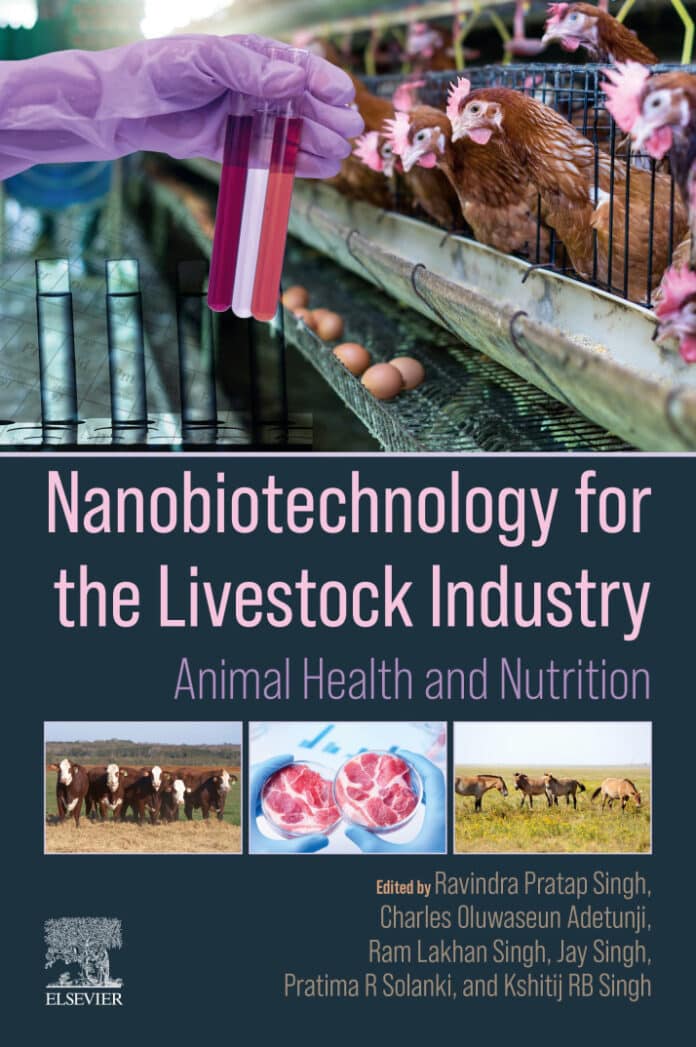
Nanobiotechnology for the Livestock Industry

Nanobiotechnology for the Livestock Industry PDF Download

Nanobiotechnology For The Livestock Industry Pdf Download

By Ravindra Pratap Singh, Charles Oluwaseun Adetunji, Ram Lakhan Singh, Jay Singh, Pratima R. Solanki and Kshitij RB Singh

Nanobiotechnology for the Livestock Industry: Animal Health and Nutrition delivers a multidisciplinary reference of nanobiotechnology applications in various sectors, including farming practices, healthcare and breeding practices, market and economic analysis/benefits, biosafety, regulation, and more. The book explores nanobiotechnology’s role in livestock handling, including hygiene maintenance and feed/nutrient delivery. The book also examines nanobiotechnology’s role in maintaining nutrient quality in food products, and covers healthcare practices utilizing nanobiotechnology, such as maintaining and monitoring livestock health, diagnosis and treatment of disease, monitoring drug delivery, optimizing breeding patterns, and cryopreservation of sperm and eggs.

Features

  • Discusses livestock diseases and major handling mistakes in livestock treatment and potential solutions
  • Provides detailed explanations of food safety technologies and food regulation policies
  • Presents a detailed analysis of market growth and trends related to the livestock industry
  • Includes biosafety and bioregulation of the nanobiotechnological tools used to produce transgenic animals

Table of Contents

  1. Introduction: Nanobiotechnology for Livestock Industry
  2. Advances in livestock handling practices
  3. Role of nanobiotechnology in maintaining a hygienic environment for the livestock
  4. Role of nanobiotechnology in maintaining a sterile environment for the livestock care management people
  5. Biological nanocarriers for nutrient delivery
  6. Potentialities of nanobiotechnology in nutrient management in the livestock products
  7. Introduction to numerous diseases of the livestock
  8. Nanobiotechnology potential for creating various diagnostic approaches for diseases in livestock
  9. Nanobiotechnology potentialities for the treatment of various livestock diseases
  10. Role of Nanomedicine for targeted drug delivery in livestock
  11. Advances in nanobiotechnology for improving traditional veterinary medicines
  12. Breeding technologies utilizing nanobiotechnology
  13. Bionanomaterials utility for enhancing fertility
  14. Nanobiotechnological in advancements in reproductive biotechnology
  15. Potentialities of nanobiotechnology for creating preservatives for packaging
  16. Livestock industry market trend and analysis
  17. Patents based on nanobiotechnology applications in the livestock industry
  18. Advantages of using nanobiotechnology in enhancing the economic status of the country
  19. Biosafety aspects in nanobiotechnology for livestock industries utility
  20. Bioregulation of nanobiotechnological based products
  21. Ethical issues regarding the use of nanobiotechnology-based products
  22. Prospects of nanobiotechnological applications for the livestock industry

Get This Book

This Book is Avaiable for Members

Access this book instantly with a Premium membership
📄 PDF Format
⚡ Instant Delivery
Unlock Premium Access

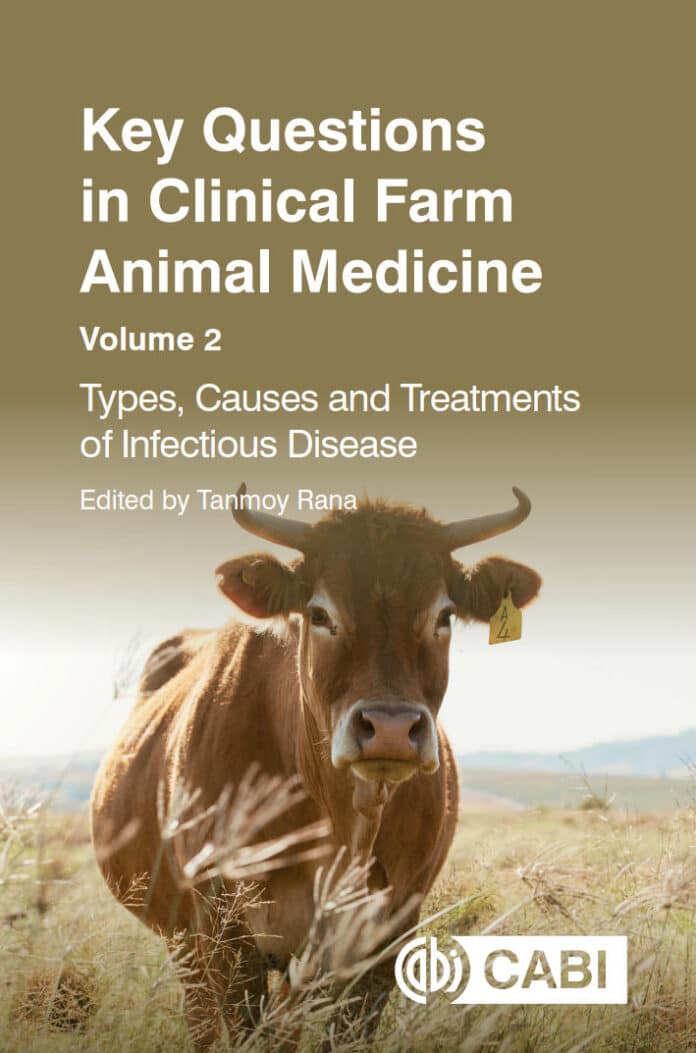
Key Questions in Clinical Farm Animal Medicine, Volume 2: Types, Causes and Treatments of Infectious Disease

Key Questions In Clinical Farm Animal Medicine -Volume 2 Types, Causes And Treatments Of Infectious Disease Pdf Download

By Tanmoy Rana

Providing well over 1,500 questions to test your knowledge of clinical farm animal medicine, the book has been produced in a convenient format so that it can be used at any time in any place. Each chapter starts with a brief introduction to the topic before providing relevant multiple-choice questions.

Covering clinical veterinary medicine for common livestock species, this book includes questions about:

  • diseases of the reproductive, integumentary and urinary systems;
  • anaesthesia and pain management;
  • perinatal and geriatric diseases.

With full chapters also covering diseases of the eye and ear, this self-test resource for students provides a convenient and useful current source of information to anyone interested in learning, revising and assessing their knowledge.

Table of Contents

Table of Contents:

  1. Diseases of the Urinary System
  2. Diseases of the Mammary Gland
  3. Diseases of the Reproductive System
  4. Perinatal Diseases
  5. Anaesthesia and Pain Management
  6. Diseases of the Integumentary System
  7. Diseases of the Ear
  8. Diseases of the Eye
  9. Geriatric Diseases

Get This Book

This Book is Avaiable for Members

Access this book instantly with a Premium membership
📄 PDF Format
⚡ Instant Delivery
Unlock Premium Access

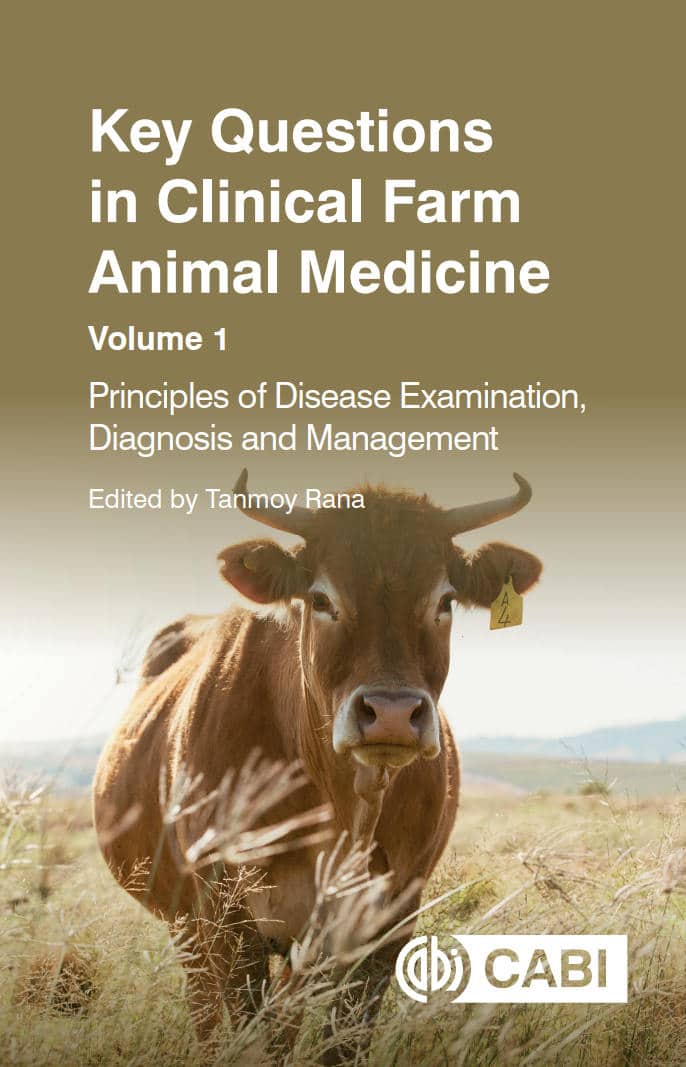
Small Animal Neurological Emergencies

Small Animal Neurological Emergencies PDF Download

Small Animal Neurological Emergencies Pdf Download

By Laurent Garosi and Simon R. Platt

Small Animal Neurological Emergencies deals systematically with the assessment and treatment of small animal neurological patients in light of latest research findings and greatly improved imaging techniques.
The authors first discuss step-wise neurological and systemic approaches to common emergency cases—examination, critical care and rapid assessment—based on presenting signs. They then deal in depth with the pathophysiology, treatment options and likely prognoses of each of the more common types of neurological emergency, be it vascular accident, infection, trauma, seizure, acute disease or neoplasia. Detailed support techniques and therapies are provided on emergency anaesthesia, pain management, fluid therapy, post-operative care and physical rehabilitation.

Small Animal Neurological Emergencies will appeal to small animal practitioners, specialists, residents, course directors and students interested in neurology, emergency medicine and critical care, internal medicine, imaging and pathology.

Table of Contents

  1. Admission and Neurodiagnostic Tests

  2. Examining the neurological emergency – Laurent Garosi

  3. Respiratory and cardiovascular support in the neurological patient – Anthea Raisis and Gabrielle Musk

  4. Metabolic evaluation of critically ill neurological patients – Louise Clark

  5. Imaging of neurological emergencies – Fraser McConnell

  6. Cerebrospinal fluid analysis – Amy Wood, Laurent Garosi and Simon Platt

  7. Obtundation, stupor and coma – Peter Dickinson

  8. Seizures – Simon Platt

  9. Exercise-associated weakness and collapse – Arianna Negrin and Simon Platt

  10. Ataxia – John Levine

  11. Paresis and paralysis – Jay McDonnell

  12. Spinal pain – Ronaldo da Costa

  13. Acute blindness – Peter Nghiem and Scott Schatzberg

  14. Tremors and involuntary movements – Marc Kent

  15. Head tilt and nystagmus – Laurent Garosi

  16. Acute disorders of the head and face – Lara Matiasek and Alberta de Stefani

  17. Monoparesis and neurological causes of lameness – Toby Gemmill and Malcolm McKee

  18. Cerebrovascular accidents – Laurent Garosi

  19. Ischaemic myelopathy – Luisa de Risio

  20. Infectious and inflammatory diseases of the central nervous system – Scott Schatzberg and Peter Nghiem

  21. Head trauma – Courtenay Freeman and Simon Platt

  22. Spinal trauma – Natasha Olby

  23. Acute disc disease – Joan Coates

  24. Status epilepticus – Allison Haley and Simon Platt

  25. Myasthenia gravis – Kerry Bailey

  26. Tetanus and botulism – Jacques Penderis

  27. Intracranial neoplasia and secondary pathological effects – John Rossmeisl and Theresa Pancotto

  28. Metabolic encephalopathies – Kate Chandler and Robert Goggs

  29. Neurological toxicities – Jennifer Pittman, Benjamin Brainard and Katrin Swindells

  30. Emergency neuroanaesthesia – Anthea Raisis and Gabrielle Musk

  31. Analgesia for patients with neurological disease – Gabrielle Musk and Anthea Raisis

  32. Fluid therapy – Anthea Raisis and Katrin Swindells

  33. Postoperative and supportive care and physical rehabilitation – Sebastien Behr and Rebecca Green

  34. Further reading

  35. Drug dosages for the emergency patient – Amy Wood, Simon Platt and Laurent Garosi

  36. Units and reference ranges – Simon Platt and Laurent Garosi

  37. Blood transfusion sheet – Simon Platt and Laurent Garosi

Get This Book

This Book is Avaiable for Members

Access this book instantly with a Premium membership
📄 PDF Format
⚡ Instant Delivery
Unlock Premium Access

Practical Human Behaviour Change for the Health and Welfare of Animals

Practical Human Behaviour Change for the Health and Welfare of Animals

Practical Human Behaviour Change For The Health And Welfare Of Animals

By Bronwen Williams

Practical Human Behaviour Change for the Health and Welfare of Animals is the practical guide to helping people change behaviour for the welfare, wellbeing, and health of their animals. Grounded in evidence, this book enables readers to understand some of the underlying causes of human behaviour towards animals and deliver the crucial techniques and skills to help people make needed behavior changes. These techniques, including the use of the Stages of Change model, Motivational Interviewing (MI), and skilled Active Listening, support practical interventions for owner’s behaviors such as those around diet, exercise, weight control, and breeding; the text also supports professionals through difficult conversations such as euthanasia, hoarding, and giving up ownership. These approaches have been found to improve outcomes for animals as well as engagement with workers by owners. This way of working also reduces psychological burden on workers and help with job satisfaction.

To aid in reader comprehension, Practical Human Behaviour Change for the Health and Welfare of Animals is complemented by case examples, analogies, and exercises. A supporting website provides worksheets and resources to further support the reader’s learning and help put skills into practice.

Features

  • What helps people change—and what doesn’t—covering traditional techniques that are less likely to help, and alternative methods that have been proven to support behavioral change in others
  • Principles and key ideas underpinning motivational interviewing and active listening skills for motivational interviewing
  • Structuring conversations with a focus, developing understanding of the owner’s situation and experiences, working with ambivalence, and supporting people to prepare for change
  • Preparing for action via goal setting and action planning, supporting people to move into making changes and to maintain change in the long-term

Table of Contents

1. Understanding What Lies Behind Behaviours

2. Behaviour Change – Traditional Methods and Other Ways to Support Behaviour Change in Others

3. The Stages of Change Model

4. Motivational Interviewing

5. Active Listening

6. Finding Focus and Setting the Agenda

7. Three Structures to Understand Behaviours and What Change Might Mean

8. Working with Ambivalence – The Key to Making Change

9. Supporting Preparation for Change – Envisaging Change

10. Preparation – Setting Goals, Making Action Plans and Contingency Plans

11. Supporting People to Move into Action

12. Maintenance of Change and Beyond

13. Looking Forward

14. Templates and Appendices

Index

Get This Book

This Book is Avaiable for Members

Access this book instantly with a Premium membership
📄 PDF Format
⚡ Instant Delivery
Unlock Premium Access

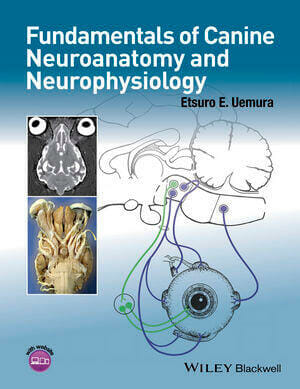
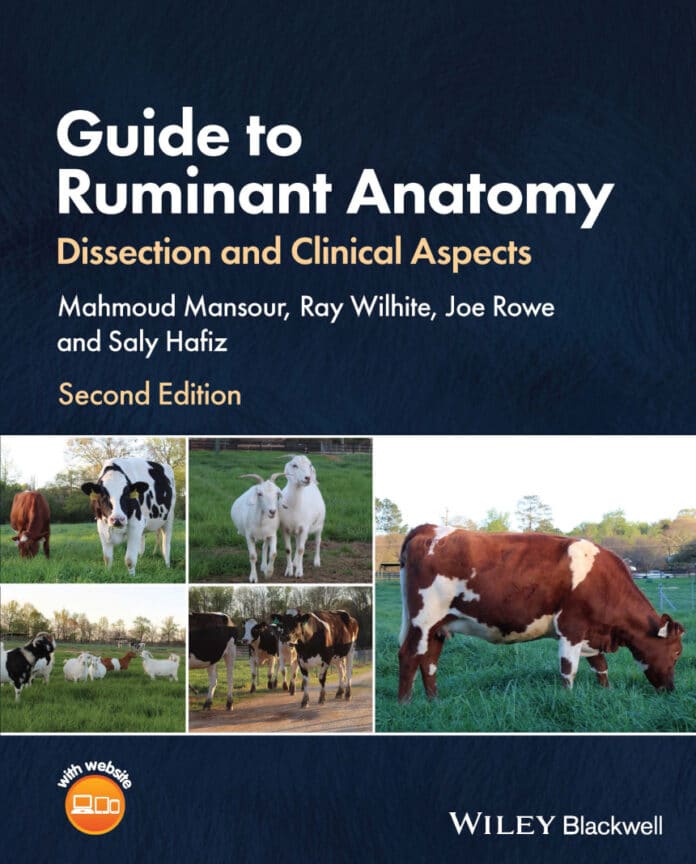
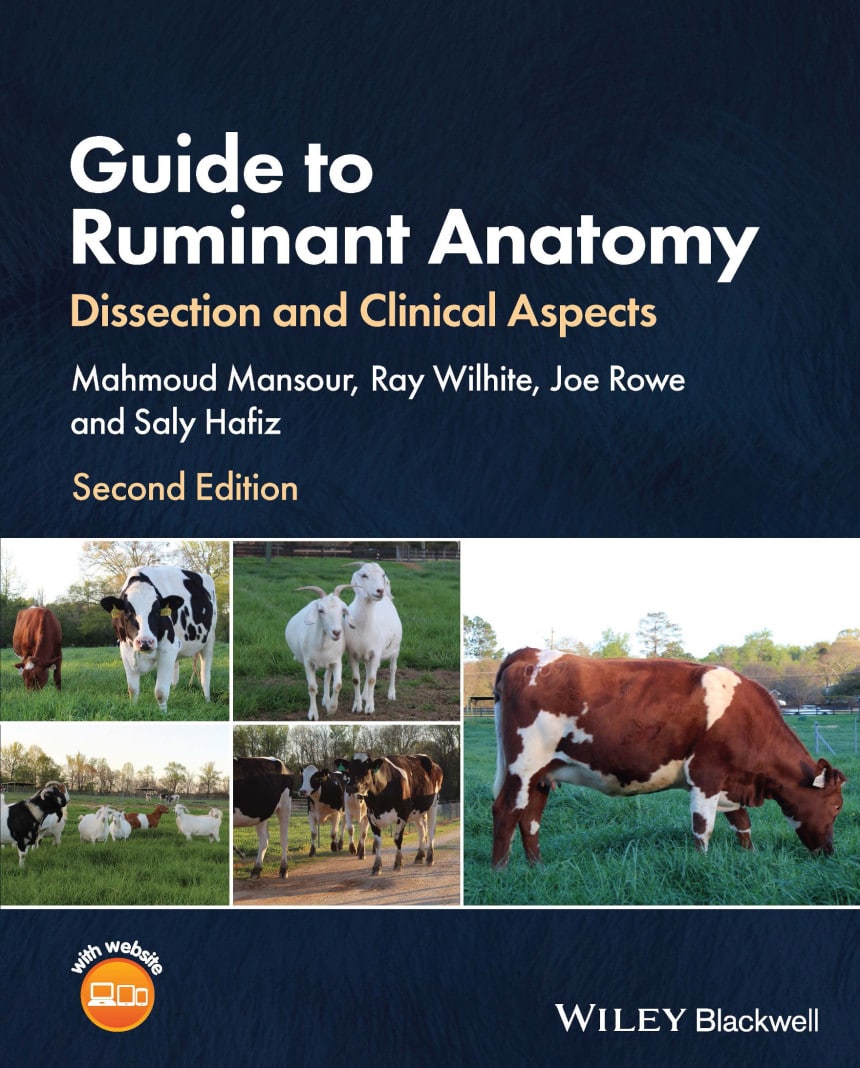
Guide to Ruminant Anatomy: Dissection and Clinical Aspects, 2nd Edition

Guide to Ruminant Anatomy: Dissection and Clinical Aspects, 2nd Edition PDF Download

Guide To Ruminant Anatomy: Dissection And Clinical Aspects 2Nd Edition Pdf Download

By Mahmoud Mansour, Ray Wilhite, Joe Rowe and Saly Hafiz

Guide to Ruminant Anatomy: Dissection and Clinical Aspects 2nd Edition provides a richly illustrated guide tailored to the practical needs of veterinary clinicians. Divided for ease of use into sections representing different parts of the ruminant body, this in-depth introduction uses real dissection images to familiarize readers in detail with the internal and external anatomy of caprine, ovine, and bovine animals. It provides an outstanding demonstration of the relevance of anatomy in clinical settings.

Guide to Ruminant Anatomy is an essential guide for veterinary students studying anatomy of food animals, as well as veterinary practitioners of all kinds looking for an easy-to-use reference on ruminant anatomy.

Features

Guide to Ruminant Anatomy readers will also find:

  • Practical clinical applications discussed by board certified clinicians in each chapter
  • Line drawings corresponding to dissection images of embalmed specimens
  • Learning objectives in each section, tying key concepts to clinician development
  • A companion website featuring laboratory videos demonstrating relevant anatomy


Table of Contents

Preface

Acknowledgments

About the Companion Website

  1. The Head, Neck, and Vertebral Column
  2. The Thorax
  3. The Abdomen
  4. The Pelvis and Reproductive Organs
  5. The Forelimb
  6. The Hind Limb
  7. Appendix B: Terminology
  8. Appendix C: Further Reading

Index

Get This Book

This Book is Avaiable for Members

Access this book instantly with a Premium membership
📄 PDF Format
⚡ Instant Delivery
Unlock Premium Access

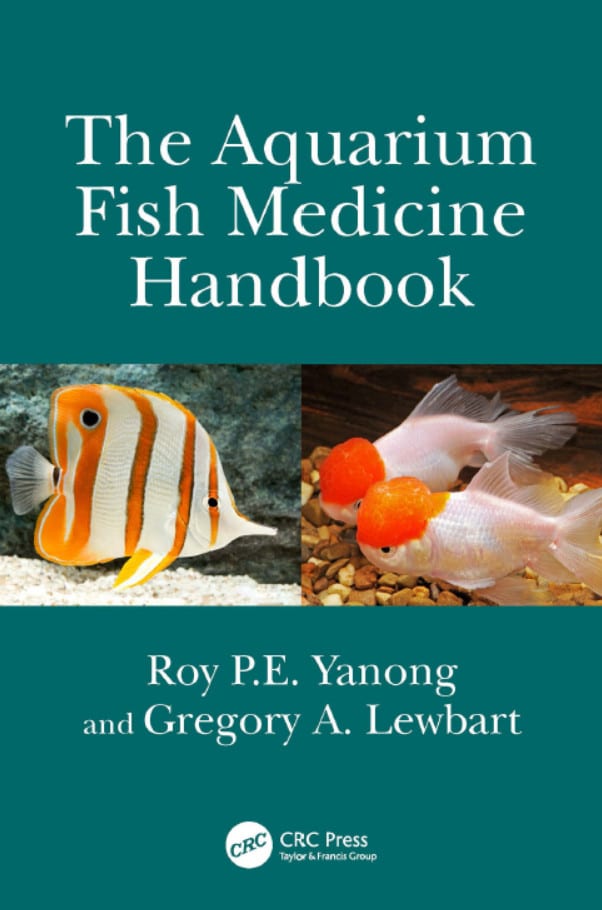
The Aquarium Fish Medicine Handbook

The Aquarium Fish Medicine Handbook

The Aquarium Fish Medicine Handbook

By Roy P.E. Yanong and Gregory A. Lewbart

The Aquarium Fish Medicine Handbook is a thorough yet concise guide for practicing veterinarians, veterinary technicians, professional aquarists, fish researchers, and tropical fish hobbyists—a complete how-to resource for keeping fish under human care healthy and thriving. Whether you’re new to fish medicine and husbandry or an expert in the field, there is valuable information within these pages for you. The book is arranged in a logical order so that readers can quickly and efficiently find the information they seek.

The Aquarium Fish Medicine Handbook is filled with valuable and applicable information on dozens of topics, including how to manage aquatic life support systems for fish, history taking, natural history, anatomy, physiology, diagnostic techniques, anesthesia, analgesia, and surgery. Virtually all of the most important ornamental fish pathogens—viruses, bacteria, fungi, and parasites—are described and richly illustrated. There are also sections on fish welfare and conservation.

While there are many books on the market that explore the topics of ornamental fish health and care, none provide the amount of helpful information and resources in such a small, affordable package.

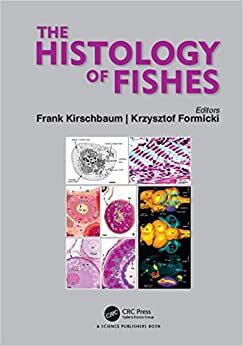
The Histology Of Fishes

Recommended Book:
Table of Contents

Chapter 1: Aquarium Fish Families and Species
Chapter 2: Aquarium Systems and Water Quality
Chapter 3: Nutrition and Diet
Chapter 4: General Reproduction
Chapter 5: Clinical Case Work Ups: Initial Considerations
Chapter 6: Ante-Mortem Diagnostics
Chapter 7: Imaging
Chapter 8: Post-Mortem Evaluation
Chapter 9: Euthanasia, Anesthesia, and Sedation
Chapter 10: Surgery
Chapter 11: Infectious Diseases
Chapter 12: Common Medical Conditions
Chapter 13: Health Certificates/Certificate of Veterinary Inspection
Chapter 14: Drugs and Chemicals: Administration Methods and Formulary
Chapter 15: Equipment and Supplies Checklist
Chapter 16: Material Resources
References/Further Reading

Get This Book

This Book is Avaiable for Members

Access this book instantly with a Premium membership

📄 PDF Format
⚡ Instant Delivery
Unlock Premium Access

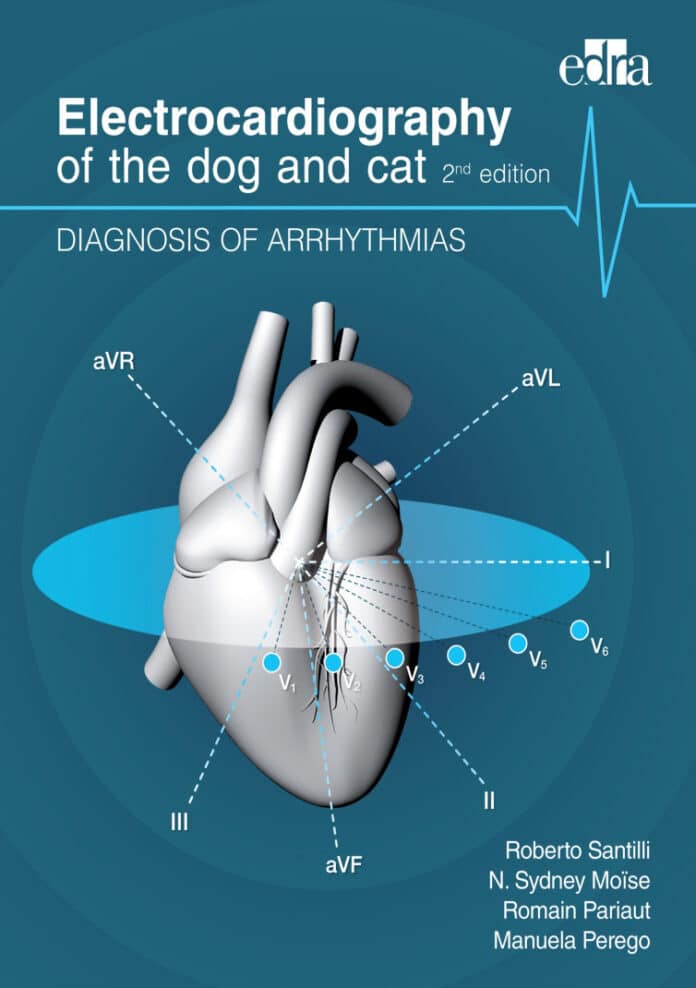
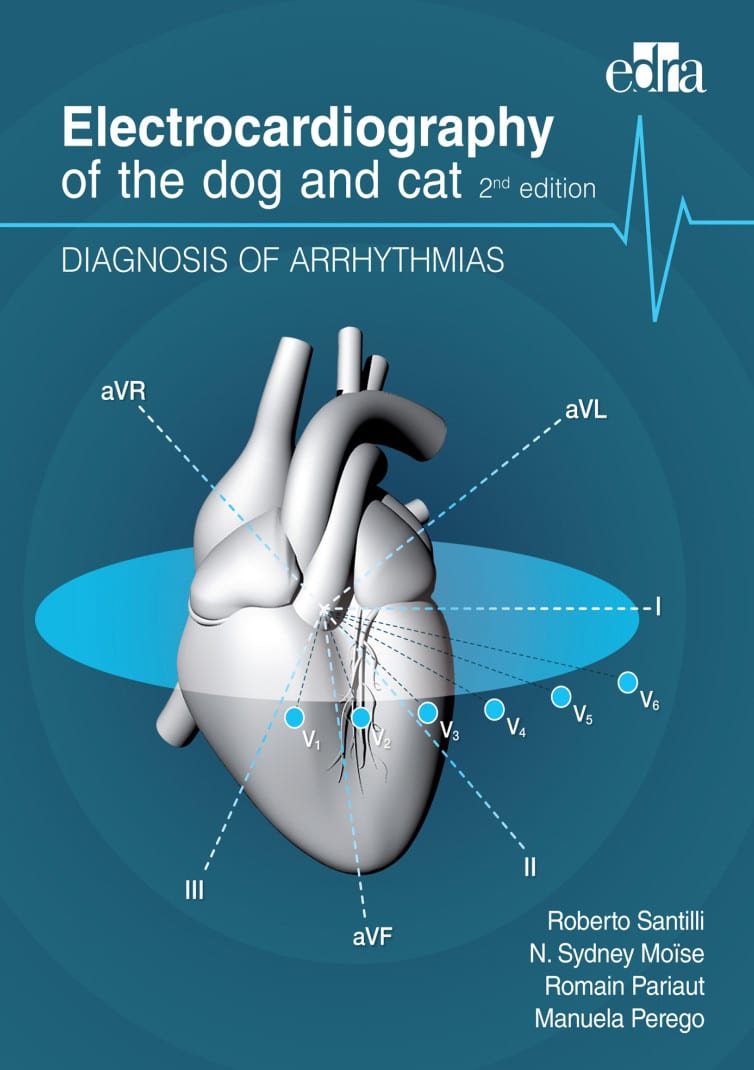
Electrocardiography of the Dog and Cat 2nd Edition: Diagnosis of Arrhythmias

Electrocardiography of the Dog and Cat 2nd Edition. Diagnosis of Arrhythmias

Electrocardiography Of The Dog And Cat 2Nd Edition. Diagnosis Of Arrhythmias

By Manuela Perego, Roberto Santilli, Romain Pariaut, Sidney Moïse

Electrocardiography of the Dog and Cat 2nd Edition: Diagnosis of Arrhythmias promises to give the student and the specialist both the practical approach of the electrocardiographic diagnosis and the depth of understanding that promotes genuine learning in a subject area that has intrigued clinicians for more than a century. The combined and varied experiences of the authors give strengths to the review of the literature, and the approach to electrocardiogram interpretation in the dog and cat.

Table of Contents

  1. Anatomy and physiology of the conduction system

  2. Principles of electrocardiography

  3. Formation and interpretation of the electrocardiographic waves

  4. Normal sinus rhythms

  5. Chamber enlargement

  6. Background to the diagnosis of arrhythmias

  7. Supraventricular beats and rhythms

  8. Supraventricular tachycardias

  9. Ventricular ectopic beats and rhythms

  10. Ventricular arrhythmias

  11. Bradyarrhythmias

  12. Conduction disorders

  13. Electrocardiographic changes secondary to systemic disorders and drugs

  14. Electrocardiography and pacing

  15. Guided interpretation of electrocardiographic tracings

Get This Book

This Book is Avaiable for Members

Access this book instantly with a Premium membership

📄 PDF Format
⚡ Instant Delivery
Unlock Premium Access

Advances in Equine Laparoscopy, 2nd Edition

Advances in Equine Laparoscopy, 2nd Edition

Advances In Equine Laparoscopy, 2Nd Edition

By Claude A. Ragle

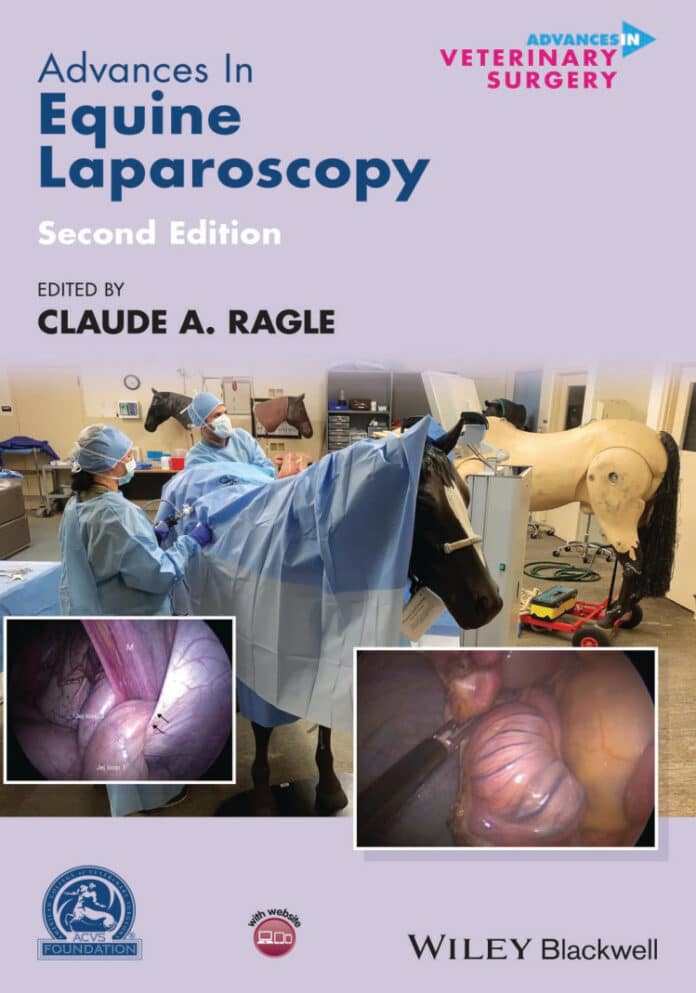
Advances in Equine Laparoscopy 2nd Edition is a state-of-the-art reference to all aspects of laparoscopy in equine patients. The book covers skills and instrumentation, standing surgeries, and recumbent surgeries, with new sections describing evaluation of the small intestine, closure of the epiploic foramen, thoracoscopic repair of diaphragmatic hernia, uterine tear repair, ovariohysterectomy, and large granulosa cell tumors. A new companion website features video clips demonstrating the procedures discussed.

Each chapter in the new edition has been updated with relevant references produced during the intervening decade. The Second Edition adds 10 new chapters covering techniques and applications developed in the last decade, along with the addition of a section on two-stage procedures.

With chapters written by leading experts, Advances in Equine Laparoscopy discusses:

  • The foundations of laparoscopy, fundamental laparoscopic skills, suturing and knot-tying techniques, fundamentals of energy sources, and reusable and disposable equipment
  • Sedation and analgesia in the standing horse, diagnostic techniques, and evaluation of horses with signs of acute and chronic abdominal pain
  • Evaluation of the small intestine, closure of the nephrosplenic space, adhesiolysis, and mesenteric rent repair
  • Peritoneal flap hernioplasty technique for preventing the recurrence of acquired strangulating inguinal herniation in the stallion and inguinal hernioplasty using cyanoacrylate

Equine Medicine Secrets

Recommended Book:
Table of Contents

Section I: Laparoscopic Skills and Instrumentation

  • History of Laparoscopy
  • Fundamental Laparoscopic Skills
  • Suturing and Knot-Tying Techniques
  • Fundamentals of Energy Sources
  • Imaging Equipment and the Operating Room
  • Instruments

Section II: Laparoscopy in the Standing Horse

  • Sedation and Analgesia in the Standing Horse
  • Dietary Approaches to Optimize the Feed Restriction Period
  • Laparoscopic Diagnostic Techniques
  • Evaluation of Horses with Abdominal Pain
  • Standing Laparoscopic Exploration of the Small Intestines
  • Closure of the Nephrosplenic Space
  • Laparoscopic Foramen Epiploicum Mesh Closure (FEMC) Technique
  • Laparoscopic Adhesiolysis
  • Mesenteric Rent Repair
  • Standing Cryptorchidectomy
  • Techniques for Preventing the Recurrence of Acquired Strangulating Inguinal Herniation
  • Direct Closure of the Vaginal Ring
  • Laparoscopic Intersex Gonadectomy
  • Bilateral Ovariectomy in the Mare
  • Bilateral Ovariectomy as a Treatment for Chronic Pyometra
  • Ovariectomy for the Removal of Large Pathologic Ovaries in Mares
  • Laparoscopic Imbrication of the Mesometrium
  • Laparoscopic Repair of Uterine Tears
  • Nephrectomy
  • Standing Laparoscopic Repair of the Ruptured Equine Bladder
  • Ureteral Osteoplasty for Ectopic Ureter
  • Equine Thoracoscopy
  • Thoracoscopic Repair of Diaphragmatic Hernias

Section IIa: Two-Stage Procedures

  • Laparoscopic-assisted Surgery for Treatment of Extended Septic Funiculitis
  • Large Granulosa Cell Tumors (Two Stage)
  • Laparoscopic-assisted Ovariohysterectomy (Two-step) in the Mare

Section III: Laparoscopy in the Recumbent Horse

  • General Anesthesia in the Recumbent Horse
  • Mesh Incisional Hernioplasty
  • Recumbent Cryptorchidectomy
  • Inguinal Hernioplasty
  • Ventral Abdominal Approach for Recumbent: Bilateral Laparoscopic Ovariectomy
  • Laparoscopic- and Endoscopic-assisted Removal of Cystic Calculi
  • Hand-assisted Laparoscopy

Index

Get This Book

This Book is Avaiable for Members

Access this book instantly with a Premium membership
📄 PDF Format
⚡ Instant Delivery
Unlock Premium Access

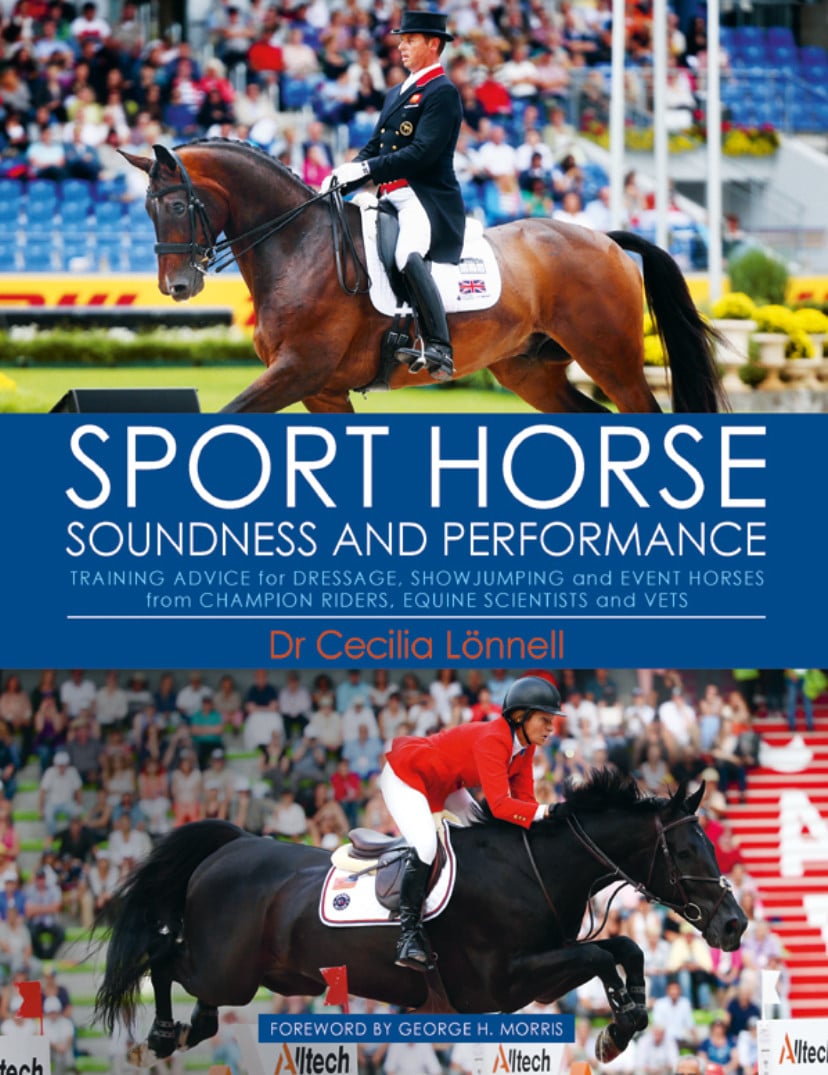
Sport Horse Soundness and Performance: Training Advice for Dressage, Showjumping and Event Horses from Champion Riders, Equine Scientists and Vets

Sport Horse Soundness and Performance PDF Download

Sport Horse Soundness And Performance: Training Advice For Dressage, Showjumping And Event Horses From Champion Riders, Equine Scientists And Vets

By Cecilia Lonnell

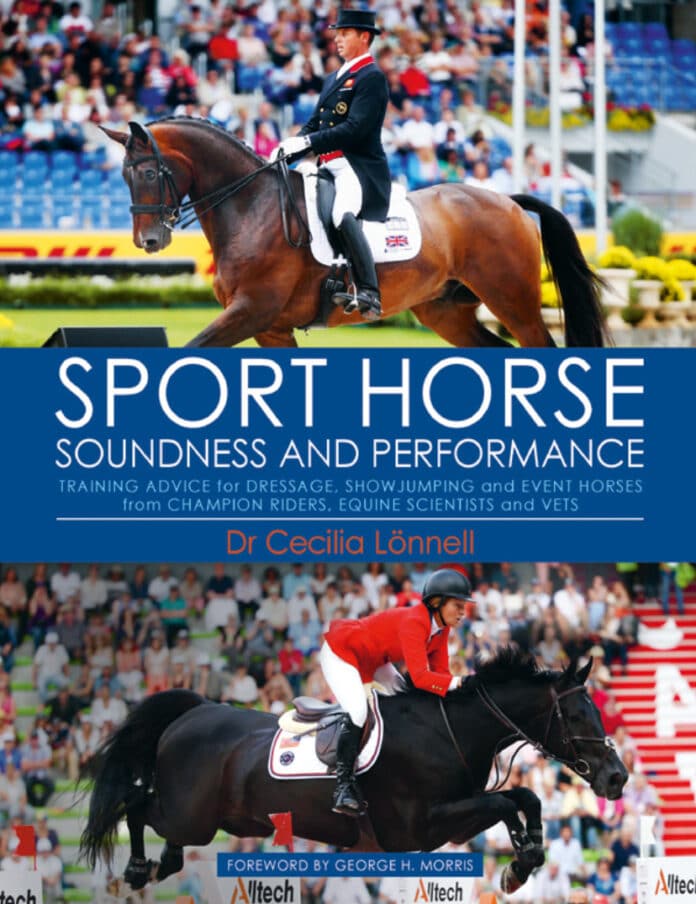
There are many books and DVDs devoted to the technical training of horse and rider―how to perform movements correctly, clear obstacles, communicate efficiently, and in other ways attain the idealized image of an athletic partnership that results in competitive success. But Sport Horse Soundness and Performance is different: its focus is how the rider and trainer can make it easier for the horse to perform optimally.

Sport Horse: Soundness and Performance includes understanding reasonable expectations for a particular horse at a certain level of schooling and fitness (including strength and conditioning), as well as how injuries develop due to the interaction between internal and external factors, such as genetics, conformation, management, and training. Relying on her veterinary background, in-depth research, and dozens of interviews with top riders and trainers from around the world―including Beezie Madden, Kyra Kirklund, Carl Hester, and Pippa Funnell, to name just a few―Lönnell provides guidelines for nurturing a happy, healthy equine athlete. With special focus on conscientious pacing when building the horse’s physical capability over time, diversification of schooling practices, detail-oriented management and care, and putting the horse’s needs above competitive ambition, readers are given a solid grasp of what it takes to truly reach the pinnacle of equestrian sport―and remain there―on a consistent basis. Throughout, gorgeous color photographs of world-class horses and the people who work with them visually demonstrate the success of these methods.

Table of Contents

1. BACKGROUND – WHY THIS BOOK?

2. THE HORSE’S BODY – ANATOMY AND FUNCTION

  • The Internal Organs
  • The Musculoskeletal System

3. PREVENTING INJURY

  • What Does Scientific Research Say?
  • What Do Champion Riders and Top Vets Say?

4. THE ‘RIGHT’ HORSE – ARE YOU A GOOD MATCH?

  • Points to Consider
  • Are You a Good Match?
  • Advice When Buying a Horse

5. ALLOW YOUR HORSE TIME

  • Show the Young Horse Respect
  • Treat the Horse as an Individual

6. YOUR RESPONSIBILITIES AS A RIDER

  • The Horse’s Manager – You
  • Improving Yourself Mentally and Physically
  • Build a Skilled Team

7. FEEDING, SUPPLEMENTS AND WATER

8. RIDING SURFACES – VARY WHERE YOU RIDE

  • Surface Characteristics and Use
  • Maintenance

9. TRAINING

  • Basic Training Principles
  • Injury Risk and Training Antidotes
  • Training Planning

10. COMPETITION PLANS AND TRAVEL

  • Competition Planning
  • Travelling (to Competitions)

11. SUPPLEMENTS, MEDICATION AND DOPING

References – Scientific Studies

Get This Book

This Book is Avaiable for Members

Access this book instantly with a Premium membership
📄 PDF Format
⚡ Instant Delivery
Unlock Premium Access

Mosby’s Comprehensive Review for Veterinary Technicians 5th Edition

Mosby’s Comprehensive Review for Veterinary Technicians, 5th Edition

Mosby’s Comprehensive Review For Veterinary Technicians, 5Th Edition Pdf

By Monica M. Tighe and Marg Brown

Master critical concepts to succeed on your certification exam! Mosby’s Comprehensive Review for Veterinary Technicians 5th Edition is the ideal review tool which reflects the most recent changes to the Veterinary Technician National Exam (VTNE). This edition features a user-friendly outline format that helps break down information visually for better comprehension of the material. Coverage reinforces key concepts in basic and clinical sciences, clinical applications, patient management and nutrition, anesthesia and pharmacology, medical and surgical nursing, and critical care, and information on pain management. Wide-ranging coverage includes dogs, cats, large animals, birds, reptiles, and laboratory animals. To ensure the most meaningful review, this new edition features a study mode on the Evolve site that includes 500 review questions and an exam mode with a computer-based testing environment similar to what you will encounter when taking the VTNE.

Features

Mosby’s Comprehensive Review for Veterinary Technicians Features:

  • The accompanying Evolve site includes an expanded Comprehensive Test with 500 review questions, and a test engine containing an additional 500 questions that can be used for practice or exam-mode simulation.
  • Comprehensive Test at the end of the book simulates the VTNE testing environment, giving students the confidence and practice they need to master the exam.
  • UPDATED! Chapter discussions expanded throughout text provide additional information in areas such as emergency procedures, as well as urinalysis and hematology, sanitation, sterilization, and disinfection, small and large animal nutrition and feeding, and exotic animal medicine.
  • UPDATED! The digital section in the Radiography chapter has been expanded.
  • Comprehensive coverage includes all areas of veterinary technology, such as: basic and clinical sciences; clinical applications; patient management, nursing and nutrition; anesthesia and pharmacology; and professional practices and issues.
  • Coverage of multiple species, including dogs, cats, large animals, birds, reptiles, and laboratory animals, prepares readers for all aspects of the national board examination.
  • A user-friendly outline format ensures content can be quickly comprehended and is conducive to classification and grouping of material, which helps the reader retain the content.
  • End-of-chapter review questions cover the content in each of the chapters equally, providing you with a solid review of the vet tech curriculum and of the information you will need to know to pass the VTNE.
  • Full-color format features vivid color photos to support comprehension and recognition of essential concepts including histology, hematology, diagnostic microbiology and mycology, virology, urinalysis, and parasitology.
  • Easy-to-read summaries support visual learners and serve as useful review and study tools.
  • Detailed Appendices provide you with quick access to helpful resources for veterinary technicians.
  • NEW! Content mapped to the VTNE domains, tasks, and knowledge statements prepares you for taking the VTNE.
  • NEW! The use and care of endoscopic equipment added to the Ultrasound and Other Imaging Modalities chapter.


Table of Contents

PART 1: Anatomy and Veterinary Diagnostics

1. Animal Anatomy and Physiology

2. Urinalysis and Hematology

3. Parasitology

4. Clinical Chemistry

5. Cytology

6. Diagnostic Microbiology and Mycology

7. Radiography

8. Ultrasound and Other Imaging Modalities

PART 2: Patient Management

9. Virology and Immunology

10. Sanitation, Sterilization, and Disinfection

11. Companion Animal Behavior

12. Restraint and Handling

13. Small Animal Nutrition

14. Large Animal Nutrition and Feeding

15. Genetics, Theriogenology, and Neonatal Care

16. Laboratory Animal Medicine

17. Exotic Animal Medicine

18.Zoonoses

PART 3: Veterinary Therapeutics 

19. Pharmacology

20. Pharmaceutical Calculations

21. Anesthesia

22. Pain Management

23. Surgical Principles

24. Small Animal Nursing

25. Equine Nursing and Surgery

26. Ruminant, South American Camelid, and Swine Nursing, Surgery and Anesthesia

27. Emergency Medicine

28. Veterinary Dentistry

PART 4: Professional Management

29. Personal, Practice, and Professional Management Skills and Ethics

Appendix A: Comprehensive Test

Appendix B: Chapter Review Answer Key

Get This Book

This Book is Avaiable for Members

Access this book instantly with a Premium membership
📄 PDF Format
⚡ Instant Delivery
Unlock Premium Access