
By G. Robert Grisel
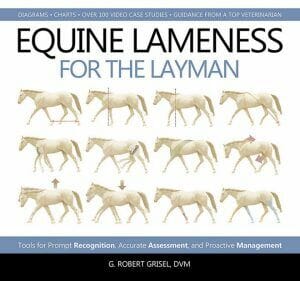
Equine Lameness for the Layman: Tools for Prompt Recognition, Accurate Assessment, and Proactive Management PDF. Lameness is the most common cause of poor performance in the horse. This makes management of his soundness over the long–term integral to both his general well–being and his ability to participate in recreational and competitive activities.
Unfortunately, most equine caretakers are unable to perceive abnormal movement in the horse, extending the period between the onset of a problem and its eventual treatment, and the longer an issue is allowed to persist, the greater the chance that it will progress. Many equine veterinarians also find it difficult to visually decipher lameness, which leads to lengthy, expensive, and often inaccurate diagnostic work–ups. It is with these two key audiences in mind that Dr. Bob Grisel has created a book unlike any other. With hundreds of illustrations, dozens of charts, and links to online videos of explanatory case studies, readers are given a complete course in observing, identifying, and decoding equine lameness. Dr. Grisel helps you interpret what is seen, plain and simple (no need for medical knowledge of equine anatomy and pathology). Whether first–time horse owner or seasoned professional, you are guaranteed to come away with a detailed, systematic, and comprehensive method for a happier, healthier equine partner.

| File Size | 13.6 MB |
| File Format | |
| Download link: | Download Now | Go Premium, Unlock All Books |
| Useful Links: | Support | Browse All Categories |
| Join Telegram Channel: |  |





![Ettinger’s Textbook of Veterinary Internal Medicine 9th Edition [True PDF+Videos]](https://www.vet-ebooks.com/wp-content/uploads/2024/10/ettingers-textbook-of-veterinary-internal-medicine-9th-edition-100x70.jpg "Ettinger’s Textbook of Veterinary Internal Medicine 9th Edition")