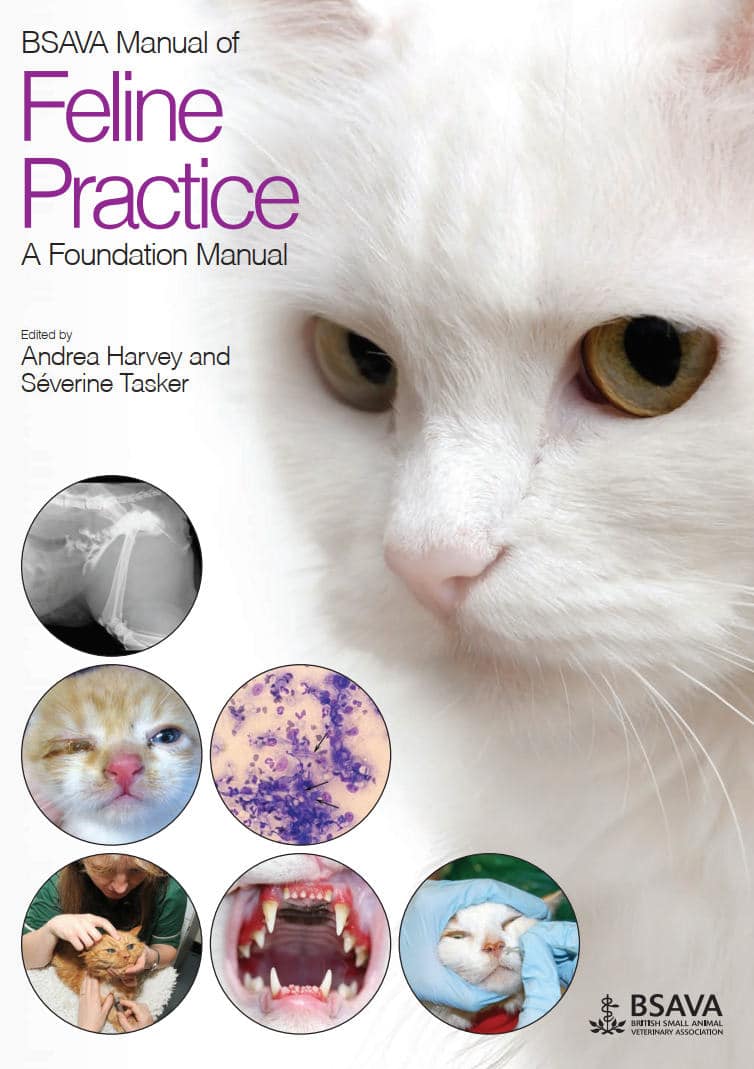
Table of Contents:
SECTION 1: Effective feline practice
1. The cat-friendly practice
2. Preventive healthcare: a life-stage approach
3. Practical therapeutics
SECTION 2: Common presenting complaints
4. Feline emergencies
4.1 Collapse
4.2 Dyspnoea, tachypnoea and hyperpnoea
4.3 Hypercalcaemia
4.4 Hypocalcaemia
4.5 Hypoglycaemia
4.6 Hypokalaemia
4.7 Seizures
4.8 Sudden-onset blindness
4.9 Toxins – common feline poisonings
4.10 Trauma and wound management
4.11 Urethral obstruction
5. Other common feline problems
5.1 Abdominal effusion
5.2 Abdominal masses
5.3 Alopecia
5.4 Anaemia
5.5 Anorexia
5.6 Ataxia
5.7 Azotaemia
5.8 Cat bite abscesses
5.9 Constipation
5.10 Coughing
5.11 Dehydration
5.12 Diarrhoea
5.13 Haematuria
5.14 Hairballs
5.15 Head shaking and/or ear scratching
5.16 Head tilt
5.17 Heart murmur
5.18 Hypertension
5.19 Hyphaema
5.20 Inappropriate defecation
5.21 Inappropriate urination, dysuria and pollakiuria
5.22 Jaundice
5.23 Lameness
5.24 Mentation and behavioural changes
5.25 Ocular discharge
5.26 Overgrooming and pruritus
5.27 Pica
5.28 Polyphagia
5.29 Polyuria and polydipsia
5.30 Pyrexia and hyperthermia
5.31 Raised liver parameters
5.32 Regurgitation
5.33 Skin masses, nodules and swellings
5.34 Sneezing and nasal discharge
5.35 Vomiting
5.36 Weight loss
SECTION 3: Management of common disorders
6. Managing skin disorders
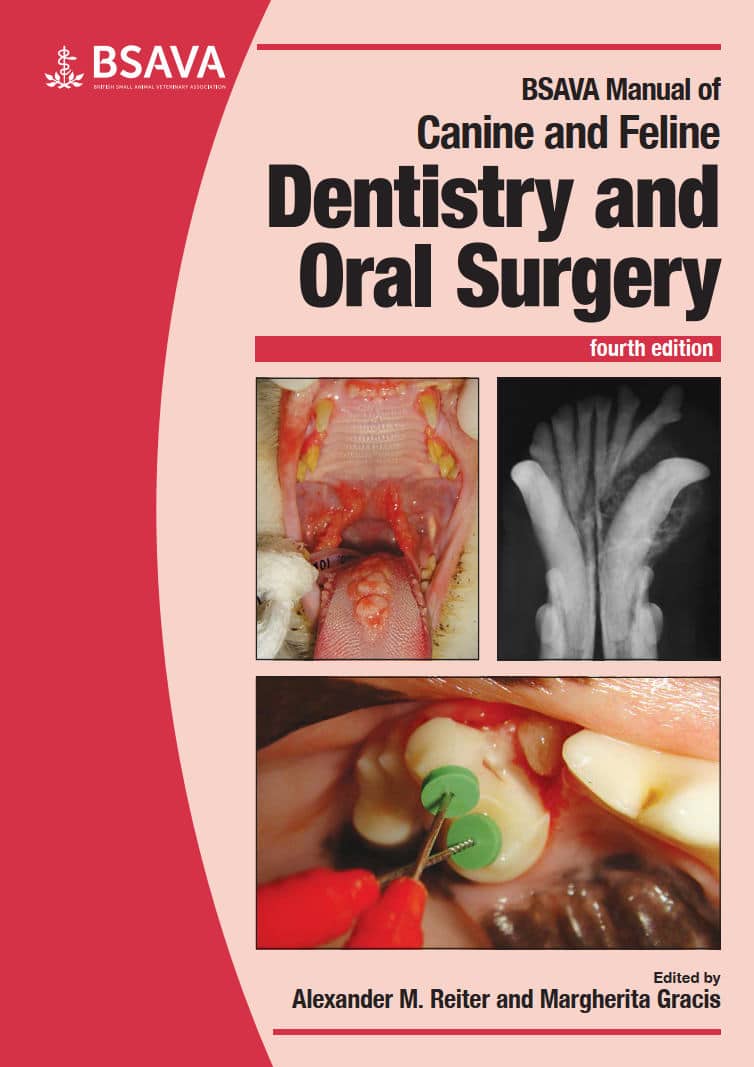
7. Dental disorders and their management
8. Management of eye disease
9. Management of cardiovascular disorders
10. Management of respiratory disorders
11. Management of gastrointestinal disorders
12. Management of hepatic and pancreatic disorders
13. Management of urinary tract disorders
14. Management of endocrine disorders
15. Management of reproduction and related disorders
16. Management of fractures and orthopaedic disease
17. Management of neurological and neuromuscular disorders
18. Management of behavioural disorders
19. Infectious diseases
20. Management of haematological disorders
21. Management of commonly encountered feline cancers
Appendix
Suture patterns
Index
Quick reference guides
QRG 1.1 Calculation of energy requirements for ill cats
QRG 1.2 Handling techniques for simple procedures
QRG 1.3 Examining the eye
QRG 1.4 Examining the mouth in a conscious cat
QRG 1.5 Thoracic examination and auscultation
QRG 1.6 Performing a neurological examination
QRG 1.7 Blood sampling: practical tips
QRG 2.1 Calculation of energy requirements for life stages and weight management
QRG 2.2 Prepubertal neutering of kittens
QRG 2.3 Prepubertal neutering of males: castration
QRG 2.4 Prepubertal neutering of females: ovariohysterectomy
QRG 2.5 Compassionate euthanasia
QRG 3.1 Giving oral medications to cats
QRG 4.1.1 Intravenous catheterization
QRG 4.1.2 Approach to hypotension
QRG 4.1.3 Intravenous fluid therapy
QRG 4.1.4 Recording and interpreting an electrocardiogram
QRG 4.2.1 Immediate management of severe dyspnoea
QRG 4.2.2 Oxygen therapy
QRG 4.2.3 Emergency thoracic radiography
QRG 4.2.4 Thoracocentesis
QRG 4.2.5 Inserting a chest drain
QRG 4.2.6 Inserting a small-bore wire-guided chest drain
QRG 4.4.1 Treatment of hypocalcaemia
QRG 4.5.1 Treating hypoglycaemia
QRG 4.6.1 Treatment of hypokalaemia
QRG 4.7.1 Emergency management of the seizuring cat
QRG 4.10.1 Abdominal rupture and hernia management
QRG 4.10.2 Bladder rupture repair
QRG 4.11.1 Approach to hyperkalaemia
QRG 4.11.2 Relief of urethral obstruction in a tomcat
QRG 4.11.3 Urinalysis
QRG 4.11.4 Cystocentesis
QRG 5.1.1 Abdominocentesis
QRG 5.3.1 Wood’s lamp examination
QRG 5.3.2 Hair plucks
QRG 5.3.3 Skin biopsy
QRG 5.4.1 Making and examining a blood smear
QRG 5.4.2 Haematological assessment
QRG 5.4.3 Obtaining bone marrow samples
QRG 5.5.1 Enteral assisted nutrition
QRG 5.5.2 Placement of a naso-oesophageal feeding tube
QRG 5.5.3 Placement of an oesophagostomy feeding tube
QRG 5.10.1 Bronchoalveolar lavage (BAL)
QRG 5.15.1 Ear flushing
QRG 5.15.2 Ear cytology
QRG 5.18.1 Measuring blood pressure
QRG 5.18.2 Treatment of hypertension
QRG 5.21.1 Radiographic contrast studies of the lower urinary tract
QRG 5.26.1 Coat brushing
QRG 5.26.2 Skin scrapes
QRG 5.26.3 Skin cytology
QRG 5.33.1 Fine-needle aspiration
QRG 5.34.1 Evaluating the nasopharynx
QRG 5.34.2 Nasal flushing and biopsy
QRG 6.1 Dietary trial for cutaneous adverse food reaction
QRG 7.1 Dental examination, scaling and polishing
QRG 7.2 Tooth extraction
QRG 8.1 Enucleation
QRG 10.1 Inhalant asthma treatment
QRG 11.1 Gut biopsy
QRG 12.1 Liver biopsy
QRG 13.1 Increasing water intake
QRG 13.2 Subcutaneous fluid therapy
QRG 14.1 Intracapsular thyroidectomy with preservation of the cranial parathyroid gland
QRG 14.2 Ear vein sampling for blood glucose determination
QRG 15.1 Diagnosing and managing dystocia
QRG 17.1 Tail-pull injuries and tail amputation
QRG 20.1 Feline blood types and blood typing methods
QRG 20.2 Blood transfusion
QRG 21.1 Lymph node excision
QRG 21.2 Chemotherapy for lymphoma
QRG 21.3 Pinnectomy





![Ettinger’s Textbook of Veterinary Internal Medicine 9th Edition [True PDF+Videos]](https://www.vet-ebooks.com/wp-content/uploads/2024/10/ettingers-textbook-of-veterinary-internal-medicine-9th-edition-100x70.jpg "Ettinger’s Textbook of Veterinary Internal Medicine 9th Edition")