
By Sarah Pilliner, Samantha Elmhurst , Zoe Davies
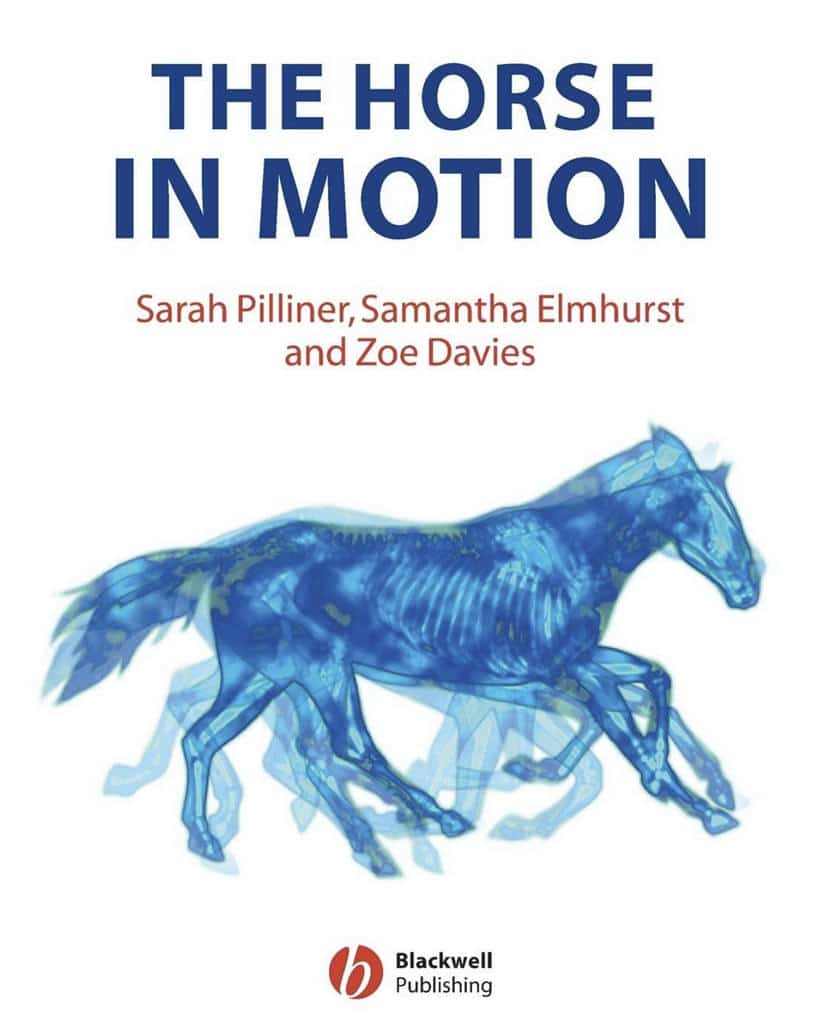
We all want our horses to be able to perform to the best of their ability and we know that an effective training regime has many facets. The horse must be worked correctly, fed a balanced ration, mentally and physically healthy and well looked after. This book examines a further aspect of the horse’s performance: it is designed to help all horse owners and riders to understand how a horse moves and how its anatomy helps, or hinders, the horse’s athletic ability.
First, the book uses sequences of photographs and detailed anatomical drawings to show the systems of support and movement at each phase of each of the horse’s gaits. The walk, trot, canter, gallop and jump are all examined, and the effect of the rider on the horse evaluated so that the rider can take appropriate action to avoid hindering the horse. Tips are provided throughout on ways in which the horse’s life can be made easier, such as saddle fitting, warming up and cooling down procedures.

This Book is Avaiable for Members
Access this book instantly with a Premium membership
![Ettinger’s Textbook of Veterinary Internal Medicine 9th Edition [True PDF+Videos]](https://www.vet-ebooks.com/wp-content/uploads/2024/10/ettingers-textbook-of-veterinary-internal-medicine-9th-edition-100x70.jpg "Ettinger’s Textbook of Veterinary Internal Medicine 9th Edition")