back to top

Exclusive Deal: Get Lifetime Access with Only One-Time Payment - Free Updates

Never Miss a New Book
Sign Up Now
Home Blog Page 329

RNA Folding: Methods and Protocols
RNA Folding: Methods and Protocols PDF 

RNA Folding: Methods and Protocols

Rna Folding: Methods And Protocols Pdf 

By Christina Waldsich

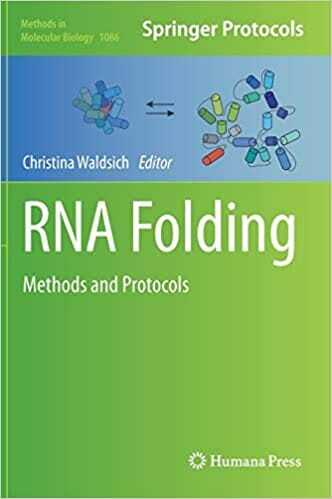
RNA Folding: Methods and Protocols PDF provides a comprehensive collection of experimental protocols which are suitable to dissect RNA folding pathways and to characterize the structure of RNA folding intermediates at nucleotide or even atomic resolution. The presented techniques include powerful tools with a long tradition in RNA research as well as more advanced, novel methods, thus the methods span multiple disciplines, including molecular biology, biochemistry, biophysics, and computational biology.  Written in the highly successful Methods in Molecular Biology series format, chapters include introductions to their respective topics, lists of the necessary materials and reagents, step-by-step, readily reproducible laboratory protocols, and tips on troubleshooting and avoiding known pitfalls.

Practical and authoritative, RNA Folding: Methods and Protocols serves as a vital reference for researchers attempting to gain insights into the secrets of this astounding macromolecule.

Get This Book

File Size 9 MB
File Format PDF
Download  link Download Now | Go Premium, Unlock All Books
Support & Updates Contact Us | Broken Link
Join Our Telegram Channel Telegram

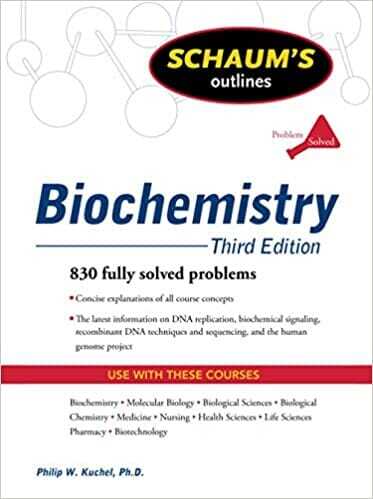
Schaum’s Outline of Biochemistry 3rd Edition

Schaums Outline Of Biochemistry 3Rd Edition

By Philip W. W. Kuchel

Schaum’s Outline of Biochemistry 3rd Edition PDF.

Fortunately for you, there’s Schaum’s.

More than 40 million students have trusted Schaum’s to help them succeed in the classroom and on exams. Schaum’s is the key to faster learning and higher grades in every subject. Each Outline presents all the essential course information in an easy-to-follow, topic-by-topic format. You also get hundreds of examples, solved problems, and practice exercises to test your skills.

This Schaum’s Outline gives you

  • 830 fully solved problems with complete solutions
  • Clear, concise explanations of all course concepts
  • Coverage of biochemical signaling, genetic engineering, the human genome project, and new recombinant DNA techniques and sequencing

b>Fully compatible with your classroom text, Schaum’s highlights all the important facts you need to know. Use Schaum’s to shorten your study time-and get your best test scores!

Table of Contents

Schaum’s Outline of Biochemistry 3rd Edition Table of Contents

1. Fundamentals of biology.
The basic structure of science
The chemistry of life: an inorganic perspective
The chemistry of life: the organic level
2. Biology of the cell.
The cellular organization of life
Energy transformations
Photosynthesis
3. Genetics and inheritance.
The nature of the gene
Cell reproduction
The mechanism of inheritance
Control mechanisms in genetics
Embryology
Animal reproduction
4. Plant biology.
Basic structure and function in vascular plants
Interactions of vascular plants with their environment
5. Animal biology
Homeostasis: regulation of physiological functions
Animal nutrition and the digestive system
The excretory system
The circulatory system
Immunology
The respiratory system
Hormones and the endocrine system
he nervous system
The musculoskeletal system: support and movement
Animal behavior
6. Evolution and ecology. Evolution: the process
Ecology
Origin of life
7. Biological diversity.
The kingdom Monera (the prokaryotes)
The kingdom Protista
The kingdom Fungi
The kingdom Plantae
The kingdom Animalia
The primates


Get This Book

File Size 9 MB
File Format PDF
Download  link Download Now | Go Premium, Unlock All Books
Support & Updates Contact Us | Broken Link
Join Our Telegram Channel Telegram

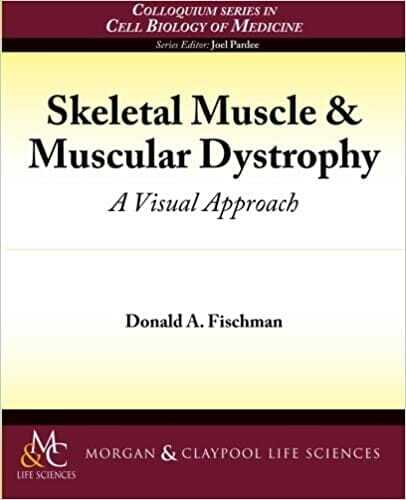
Skeletal Muscle and Muscular Dystrophy A Visual Approach

Skeletal Muscle And Muscular Dystrophy A Visual Approach

By Donald A.Fischman

Skeletal Muscle and Muscular Dystrophy A Visual Approach PDF. Histologically, muscle is conveniently divided into two groups, striated and nonstriated, based on whether the cells exhibit cross-striations in the light microscope (Figure 3). Smooth muscle is involuntary: its contraction is controlled by the autonomic nervous system. Striated muscle includes both cardiac (involuntary) and skeletal (voluntary). The former is innervated by visceral efferent fibers of the autonomic nervous system, whereas the latter is innervated by somatic efferent fibers, most of which have their cell bodies in the ventral, motor horn of the spinal cord. Smooth muscle is designed to have slow, relatively sustained contractions, while striated muscle contracts rapidly and usually phasically. Both cardiac and smooth muscle cells are mononucleated, whereas skeletal muscle cells (fibers) are multinucleated. [In aging hearts or hypertrophied hearts, cardiac muscle cells are often binucleated.] Multinucleation of skeletal muscle arises during development by the cytoplasmic fusion of muscle precursor cells, myoblasts. Adult skeletal muscle cells do not divide; that is also true of most cardiac myocytes. However, skeletal muscle exhibits a considerable amount of regeneration after injury. This is because adult skeletal muscle contains a stem cell, the satellite cell, which lies beneath the basement membrane surrounding the muscle fibers. [The multinucleation of cardiac muscle arises from karyokinesis without cytokinesis.] A diagrammatic series of enlargements of skeletal muscle are shown in Figure 4. A bundle of muscle fibers (fasciculus) is cut from the deltoid muscle. Each muscle cell is termed a myofiber or muscle fiber. Each muscle fiber contains contractile organelles termed myofibrils, which contain the contractile units of muscle termed sarcomeres. The sarcomeres are composed of myofilaments, which in turn are composed of contractile proteins. Muscle connective tissue layers are organized in concentric layers that are important in the entry and exit of vessels and nerves to and from the tissue. These are shown in Figure 5. The outermost layer is the epimysium or muscle sheath. Connective tissue septae (perimysium) run radially into the muscle tissue, dividing it into muscle fascicles. The deepest layer, surrounding each of the muscle fibers is the endomysium. The endomysium is in direct contact with a basal lamina that ensheathes each muscle fiber. It surrounds the plasma membrane of the muscle fiber termed the sarcolemma.

Table of Contents

  1. Introduction to the cell biology of medicine
  2. Introduction
  3. The muscle cell (myofiber)
  4. The sarcomere
  5. The myosin molecule
  6. Regulation of muscle contraction
  7. The sarcoplasmic reticulum
  8. Muscle fiber types
  9. The myotendon junction
  10. The satellite cell
  11. Muscular dystrophy
  12. Recommended readings
  13. Series editor biography
  14. Index

Get This Book

File Size 2 MB
File Format PDF
Download  link Download Now | Go Premium, Unlock All Books
Support & Updates Contact Us | Broken Link
Join Our Telegram Channel Telegram

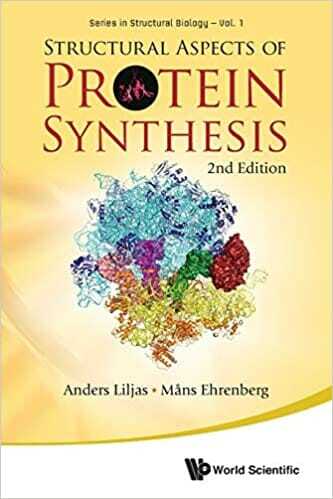
Structural Aspects Of Protein Synthesis 2nd Edition

Structural Aspects Of Protein Synthesis 2Nd Edition

By Anders Liljas, Mans Ehrenberg

Structural Aspects Of Protein Synthesis 2nd Edition book provides an up-to-date description of the structure and function of the translation system including ribosomes, tRNAs, translation factors, antibiotics and aminoacyl-tRNA synthetases.Research on translation is undergoing rapid changes and is receiving significant attention as evidenced by the Nobel Prize in Chemistry 2009. The structural research by crystallography and cryo-EM forms part of an interactive framework that involves biochemistry and molecular computation. The book provides a comprehensive overview of translation in light of the structural results. It is a valuable resource for scientists in this and related fields, as well as for students taking courses with a focus on translation.There is no other book in this field currently except the previous edition of this book. The authors have for a long time worked in the field of structure and function of the translation system.

Table of Contents

Structural Aspects Of Protein Synthesis 2nd Edition PDF Contents

  1. The Basics of Translation
  2. Historical Milestones
  3. Methods of Studying Structure
  4. The Message – mRNA
  5. The Adaptor – tRNA
  6. The Workbench – Ribosomes
  7. The Structure of the Ribosome
  8. Ribosomal Sites and Ribosomal States
  9. The Catalysts – Translation Factors
  10. Inhibitors of Protein Synthesis – Antibiotics, Resistance
  11. The Process – Translation
  12. Protein Processing, Folding and Targeting
  13. Evolution of the Translation Apparatus.

Get This Book

File Size 37 MB
File Format PDF
Download  link Download Now | Go Premium, Unlock All Books
Support & Updates Contact Us | Broken Link
Join Our Telegram Channel Telegram

The Pentose Phosphate Pathway Terry Wood

The Pentose Phosphate Pathway Terry Wood

The Pentose Phosphate Pathway Pdf

By Terry Wood

The Pentose Phosphate Pathway PDF Book aims to explore the pentose phosphate cycle and the practical techniques applied in its investigation. The main focus of the book is the pentose phosphate cycle in animals as well as microorganisms, and does not discuss the one related to photosynthesis. The book covers the formulation of the pathway, its types, and its alternative formulations; the preparation, processes, and analysis of the pathway; and the enzymes involved. Also covered in the book are the intermediates in intact cells and tissues; distribution of enzymes among different tissues and species; the operation, regulation, and overall control of the pathway; and the clinical, nutritional, and metabolic aspects of the pathway. The text is recommended for biologists and biochemists who would like to understand further the pentose phosphate pathway and the processes related to it.

Table of Contents

Preface

List of Abbreviations

1 Introduction

Introduction

2 Formulation of the Pathway

Introduction

Experiments with Isotopes

The L-Type Pathway

Other Alternative Formulations of the Pathway

D-Erythrose 4-Phosphate as an Intermediate of the Pathway

The Transketolase-Transaldolase Coupled Reaction and the Existence of Enzyme Complexes

Conclusion

3 Preparation, Properties, and Analysis of the Intermediates of the Pathway

Introduction

General Analytical Methods

Preparation and General Chemistry

Individual Intermediates

4 Preparation, Properties, and Analysis of the Enzymes of the Pathway

Introduction

D-Ribose-5-Phosphate Ketol-Isomerase (EC 5.3.1.6)

D-Ribulose-5-Phosphate 3-Epimerase (EC 5.1.3.1)

Transaldolase (EC 2.2.1.2)

Transketolase (EC 2.2.1.1)

Other Enzymes

5 Intermediates in Intact Cells and Tissues

Introduction

Liver

Brain

Erythrocytes

Other Tissues

Ascites and HeLa Cells

Bacteria

Plants

Individual Intermediates

6 Distribution of the Enzymes among Different Tissues and Different Species

Introduction

General Surveys

Specific Tissues

Measurements on Other Species

Changes in Enzyme Levels during Development

Discussion

7 Operation and Regulation in Broken-Cell Preparations

Introduction

The Utilization of Different Substrates

8 Operation and Regulation in Intact Cells and Tissues

Introduction

Factors Stimulating the Oxidative Branch of the Pathway

The Effects of Changes in Physiological Factors on the Pathway

9 Overall Control of the Pathway

Introduction

Approach I: Rate-Limiting Enzymes

Approach II: Mass Action Ratios

Approach III: Cross-Over Plots

Approach IV: Enzymes under Hormonal and Allosteric Control

Approach V: Enzymes That Change in Response to Changes in the Environment

Control of the Oxidative Branch of the Pathway by an Activating Factor

Mathematical Models

Conclusion

10 Clinical and Nutritional Aspects

The Assay of Blood Transketolase

Normal Values for Blood Transketolase

The “TPP Effect”

Measurements of Other Enzymes

Clinical Studies of Various Pathological and Physiological States

Studies of Transketolase and Thiamine Deficiency in Other Species

The Mechanism of Activation of Transketolase by Thiamine

11 Glutathione Metabolism and the Pentose Phosphate Pathway

Text

12 Use of Radioisotopes in Elucidating the Nature of and Quantitating the Pentose Pathway

Introduction

The Nature of the Pathway

Quantitation

Conclusion

References

Index

Get This Book

File Size 2.8 MB
File Format PDF
Download  link Download Now | Go Premium, Unlock All Books
Support & Updates Contact Us | Broken Link
Join Our Telegram Channel Telegram

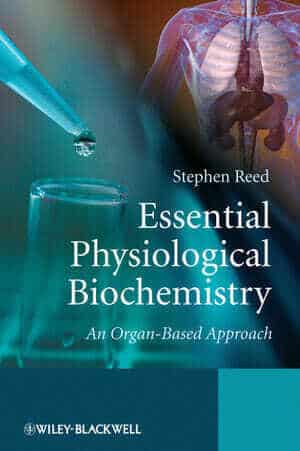
Essential Physiological Biochemistry An organ-based approach

Essential Physiological Biochemistry An organ-based approach PDF

Essential Physiological Biochemistry An Organ-Based Approach Pdf

By Stephen Reed

Essential Physiological Biochemistry An organ-based approach PDF Book provides a fresh, accessible introduction to human metabolism that shows how the physiological actions of selected organs can be explained by their particular biochemical processes.

Focusing on metabolic integration, rather than pathways, this book opens with three introductory chapters that explore the principles of metabolism and its control before moving onto ‘themed’ chapters that investigate liver, communication systems (endocrine and neurological), blood and vascular system, muscle and adipose tissue and renal biochemistry.

Targeted at non-biochemistry majors who need to get to grips with key biochemical concepts and ideas, Essential Physiological Biochemistry An organ-based approach PDF is an essential guide for all undergraduate biomedical science, sports science, nutrition and other allied health students.

Essential Physiological Biochemistry An organ-based approach Features:

  • A fresh, accessible primer that adopts a unique, organ-system based approach to human metabolism.
  • Assumes only a basic understanding of chemistry.
  • Chapters are arranged specifically to enable readers to grasp key concepts and to aid understanding.
  • Some chapters include ‘Case Notes, illustrating key aspects of metabolism in cells, tissues and organs.
About Author

About Author

Dr. Stephen Charles Reed, Department of Biomedical Sciences, University of Westminster, London, UK.

Table of Contents

Essential Physiological Biochemistry An organ-based approach PDF Contents

Preface.

Acknowledgement.

1 Introduction to metabolism.

Overview of the Chapter.

1.1 Introduction.

1.2 Metabolic Pathways.

1.3 Organization of Pathways.

1.4 Enzymes and Enzyme-Mediated Reactions.

1.5 Bioenergetics: An Introduction to Biological Thermodynamics.

1.6 Enzyme-mediated Control of Metabolic Pathways.

1.7 Strategy for Learning the Details of a Pathway: ‘Active Learning’ is Essential.

Chapter Summary.

Problems and Challenges.

2 Dynamic and Quantitative Aspects of Metabolism: Bioenergetics and Enzyme Kinetics.

Overview of the Chapter.

2.1 Introduction.

2.2 Bioenergetics: The Application of Thermodynamic Principles to Biological Systems.

2.3 Enzyme Kinetics.

2.4 Energy Generating Metabolic Processes.

Chapter Summary.

3 Principles of Metabolic Control: Enzymes, Substrates, Inhibitors and Genes.

Overview of the Chapter.

3.1 Introduction.

3.2 General Principles.

3.3 Glycolysis and the K TCA Cycle as Models of Control of Metabolic Pathways.

Chapter Summary.

Problems and Challenges.

4 Biochemistry of Intercellular Communication; Metabolic Integration and Coordination.

Overview of the Chapter.

4.1 Key Pathways.

4.2 Introduction.

4.3 Physiological Aspects.

4.4 Signalling Molecules.

4.5 Synthesis of Hormones.

4.6 Target Tissue Response to Signals.

4.7 Receptor Tyrosine Kinases.

4.8 Diabetes Mellitus (Greek: Large Volumes of Sweet Fluid).

Chapter Summary.

Case Notes.

5 Biochemistry of the Blood and the Vascular System.

Overview of the Chapter.

Key Pathways.

5.1 Introduction.

5.2 The Blood Vascular System.

5.3 Circulating Blood Cells.

5.4 Coagulation and Complement: Two of the Body’s Defence Mechanisms.

5.5 Blood as a Transport Medium.

Chapter Summary.

Case Notes.

6 Biochemistry of the Liver.

Overview of the Chapter.

Key Pathways.

6.1 Introduction.

6.2 Physiology of the Liver.

6.3 Synthetic Functions.

6.4 Detoxification and Waste Disposal.

6.5 Maintenance of Blood Glucose Concentration.

Chapter Summary.

Case Notes.

7 Biochemistry of Muscle.

Overview of the Chapter.

Key Pathways.

7.1 Introduction.

7.2 Physiology of Muscles.

7.3 Fuel Metabolism within Muscles.

7.4 Maintenance of ATP Availability in Active Muscle.

7.5 Fatty Acid as a Fuel in Muscle.

7.6 Proteins and Amino Acids as Fuels.

7.7 Fuel Utilization by Muscle: Adaptation to Exercise and Training.

Chapter Summary.

Case Notes.

8 Biochemistry of the Kidneys.

Overview of the Chapter.

Key Pathways.

8.1 Introduction.

8.2 Renal Physiology.

8.3 Metabolic Pathways in the Kidneys.

Chapter Summary.

Case Notes.

9 Biochemistry of Connective Tissue: Bone and Adipose.

Overview of the Chapter.

Key Pathways.

9.1 Introduction.

9.2 Histology of Connective Tissue.

9.3 The ECM of Connective Tissue.

9.4 Bone.

9.5 Cartilage.

9.6 Adipose Tissue.

9.7 Adipose as an Endocrine Tissue.

Chapter Summary.

Case Notes.

Appendix.

Index.

Get This Book

File Size 6 MB
File Format PDF
Download  link Download Now | Go Premium, Unlock All Books
Support & Updates Contact Us | Broken Link
Join Our Telegram Channel Telegram

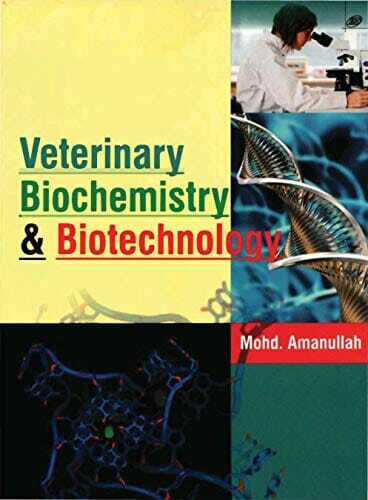
Veterinary Biochemistry & Biotechnology

Veterinary Biochemistry & Biotechnology PDF

Veterinary Biochemistry &Amp; Biotechnology Pdf

By Mohammed Amanullah

Veterinary Biochemistry & Biotechnology PDF. Undergraduate Veterinary students assume Biochemistry to be a terror among all the subjects. The fear in this aspect is just because of their sudden exposure to the vast knowledge available in basic sciences, especially in Biochemistry. In order to overcome this nightmare, there was an urgent need to prepare a textbook for Veterinary Sciences which put forth a brief description of Biochemistry, just enough to understand the other subjects required to complete the B.V.Sc. & A.H course. Hence this book “Veterinary Biochemistry & Biotechnology” is prepared keeping in view the immature minds of the students who just entered a professional course.

Table of Contents

Veterinary Biochemistry & Biotechnology PDF Contents

SECTION – I (VBC-111)

1. BIOCHEMISTRY-SCOPE AND IMPORTANCE IN VETERINARY
SCIENCES
2. GENERAL CHEMISTRY
Water
Acids And Bases
pH
Buffers
Colloids
Osmosis
Radioactivity
3. CELL – STRUCTURE AND FUNCTION
4. CARBOHYDRATES
Classification
Monosaccharides
Disaccharides
Polysaccharides
5. LIPIDS
Fatty Acids
Classification of Lipids
Simple Lipids
Compound Lipids
Derived Lipids
Chemical Properties of lipids
6. PROTEINS
Amino Acids
Classification of Amino Acids
Reactions of Amino Acids
Primary Structure of Protein
Secondary Structure of Protein
Tertiary Structure of Protein
Quaternary Structure of Protein
Properties of Proteins
Classification of Proteins
7. NUCLEIC ACIDS
Deoxyribonucleic Acid (DNA)
Functions of DNA
Packaging of DNA
Properties of DNA
Ribonucleic Acid (RNA)

SECTION – 11 (VBC-121)
8. ENZYMES 
Classification of Enzymes
Mechanism of Enzyme Action
Factors Affecting Enzyme Action
Enzyme Specificity
Enzyme Inhibition
9. BIOLOGICAL OXIDATION 
Electron Transport Chain
10. CARBOHYDRATE METABOLISM 
Glycolysis
Kreb’s Cycle or Citric Acid Cycle or TCA Cycle
Glycogen metabolism
Gluconeogenesis
11. LIPID METABOLISM 
-Oxidation of Fatty Acids
Ketone Bodies
12. PROTEIN METABOLISM 
General Reactions of Amino Acids
Urea Cycle
13. VITAMINS 
Role of B-complex group of vitamins as coenzymes
Vitamin – C (Ascorbic Acid)
Vitamin – A
Vitamin – D
Vitamin – E
Vitamin – K

14. MINERALS
Calcium
Phosphorus
Sodium, Potassium, Chloride
Iron Metabolism
15. ENERGY METABOLISM 
Measurement of Calorific Value of Food
Respiratory Quotient
Basal Metabolic Rate
Specific Dynamic Action (S.D.A.) of Food
16. BLOOD AND BODY FLUIDS 
Blood.
Plasma Proteins
Hemoglobin
Hemoglobin Derivatives
Abnormal Hemoglobins
Bile Pigments and their Excretion
17. TISSUE BIOCHEMISTRY 
Epithelial Tissue
Connective Tissue
Muscle Tissue
Nervous Tissue

SECTION – III (VBC-122)
18. MOLECULAR BIOLOGY 
Informational Macromolecules
DNA Replication
Transcription
Translation
19. BIOTECHNOLOGY 
Nucleic acid probes
Gene Sequencing
Polymerase Chain Reaction
Subunit Vaccines
Animal Cell Culture
Hybridoma Technique
Fermentation Technology

20. BIOTECHNOLOGY IN REPRODUCTION
Induction and Synchronization of Estrus and Ovulation
Superovulation
Artificial Insemination
Embryo Transfer Technology
Pregnancy Diagnosis
In vitro Fertilization
Transgenic Animals

SECTION – IV (VBC-411)
21. CLINICAL BIOCHEMISTRY
Acid Base Balance
Respiratory Acid Base Balance
Renal Acid Base Balance
Biochemistry of Stress and Shock
Digestive Disorders
Acute Rumen Indigestion
Bloat
Urea Poisoning
Vomition
Diarrhea
Gastric Dilatation-Volvulus
Detoxification
22. HORMONES
Mechanism of Hormone Action
Growth Hormone
Prolactin
Oxytocin
Vasopressin or Antidiuretic Hormone
Thyroid Hormones
Parathormone
Insulin
Glucagon
Catecholamines
Corticosteroids
Testosterone
Estrogens
Progesterone
23 DIAGNOSTIC BIOCHEMISTRY
Role of Blood Sugar as an aid to Diagnosis
Role of Ketone Bodies as an aid to Diagnosis
Diagnostic Importance of Non-Protein Nitrogen substances
Diagnostic Importance of Enzymes
24. IMMUNOLOGY
Basic Structure of Immunoglobulin
IgG, IgA, IgM
IgD, IgE

SECTION – V (VLD-421 & VLD-5U)
25. COLLECTION OF BIOLOGICAL FLUIDS 
Blood Collection
Urine Collection
Collection of Cerebrospinal Fluid
Collection of Synovial Fluid
26. URINE 
Normal Constituents of Urine
Pathological Constituents of Urine
Analysis Normal Constituents of Urine
Identification of Pathological Constituents of Urine
COLORIMETRY
Calibration curve
28. QUANTITATIVE ESTIMATIONS 
Estimation of Blood Sugar
Estimation of Total Serum Protein by Biuret method
Estimation of Tutal Serum Cholesterol
Estimation of Blood Urea by Oxime Method
Determination of Blood Bilirubin
Estimation of Serum Calcium by Clark and Collip method
Estimation of Inorganic Phosphorus in Serum
Metabolites Diagnostic to Diseases
Various Anticoagulants Used in Biochemical Estimations
Normal Biochemical Values in Blood/Plasma/Serum -of Various
Species
INDEX 

Get This Book

File Size 15 MB
File Format PDF
Download  link Download Now | Go Premium, Unlock All Books
Support & Updates Contact Us | Broken Link
Join Our Telegram Channel Telegram

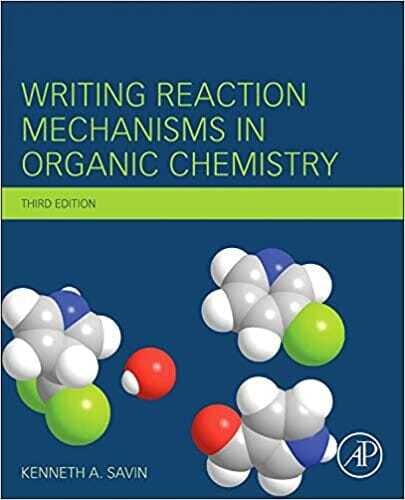
Writing Reaction Mechanisms in Organic Chemistry 3rd Edition

Writing Reaction Mechanisms in Organic Chemistry 3rd Edition PDF

Writing Reaction Mechanisms In Organic Chemistry 3Rd Edition Pdf

By Kenneth A. Savin

Writing Reaction Mechanisms in Organic Chemistry 3rd Edition PDF is a guide to understanding the movements of atoms and electrons in the reactions of organic molecules. Expanding on the successful book by Miller and Solomon, this new edition further enhances your understanding of reaction mechanisms in organic chemistry and shows that writing mechanisms is a practical method of applying knowledge of previously encountered reactions and reaction conditions to new reactions. Writing Reaction Mechanisms in Organic Chemistry 3rd Edition has been extensively revised with new material including a completely new chapter on oxidation and reduction reactions including stereochemical reactions. It is also now illustrated with hundreds of colorful chemical structures to help you understand reaction processes more easily. The book also features new and extended problem sets and answers to help you understand the general principles and how to apply these to real applications. In addition, there are new information boxes throughout the text to provide useful background to reactions and the people behind the discovery of a reaction. Writing Reaction Mechanisms in Organic Chemistry 3rd Edition will be of interest to students and research chemists who want to learn how to organize what may seem an overwhelming quantity of information into a set of simple general principles and guidelines for determining and describing organic reaction mechanisms.

Writing Reaction Mechanisms in Organic Chemistry 3rd Edition Features: 

  • Extensively rewritten and reorganized with a completely new chapter on oxidation and reduction reactions including stereochemical reactions
  • Essential for those who need to have mechanisms explained in greater detail than most organic chemistry textbooks provide
  • Now illustrated with hundreds of colorful chemical structures to help you understand reaction processes more easily
  • New and extended problem sets and answers to help you understand the general principles and how to apply this to real applications
  • New information boxes throughout the text to provide useful background to reactions and the people behind the discovery of a reaction
Table of Contents

Writing Reaction Mechanisms in Organic Chemistry 3rd Edition Contents

  • Acknowledgments for the Third Edition
  • Chapter 1. Introduction—Molecular Structure and Reactivity
    • 1. How to Write Lewis Structures and Calculate Formal Charges
    • 2. Representations of Organic Compounds
    • 3. Geometry and Hybridization
    • 4. Electronegativities and Dipoles
    • 5. Resonance Structures
    • 6. Aromaticity and Antiaromaticity
    • 7. Tautomers and Equilibrium
    • 8. Acidity and Basicity
    • 9. Nucleophiles and Electrophiles
    • Answers to Problems
  • Chapter 2. General Principles for Writing Reaction Mechanisms
    • 1. Balancing Equations
    • 2. Using Arrows to Show Moving Electrons
    • 3. Mechanisms in Acidic and Basic Media
    • 4. Electron-Rich Species: Bases or Nucleophiles?
    • 5. Trimolecular Steps
    • 6. Stability of Intermediates
    • 7. Driving Forces For Reactions
    • 8. Structural Relationships Between Starting Materials and Products
    • 9. Solvent Effects
    • 10. A Last Word
    • Answers to Problems
  • Chapter 3. Reactions of Nucleophiles and Bases
    • 1. Nucleophilic Substitution
    • 2. Eliminations at Saturated Carbon
    • 3. Nucleophilic Addition to Carbonyl Compounds
    • 4. Base-Promoted Rearrangements
    • 5. Additional Mechanisms in Basic Media
    • Answers to Problems
  • Chapter 4. Reactions Involving Acids and Other Electrophiles
    • 1. Stability of Carbocations
    • 2. Formation of Carbocations
    • 3. The Fate of Carbocations
    • 4. Rearrangement of Carbocations
    • 5. Electrophilic Addition
    • 6. Acid-Catalyzed Reactions of Carbonyl Compounds
    • 7. Electrophilic Aromatic Substitution
    • 8. Carbenes
    • 9. Electrophilic Heteroatoms
    • Answers to Problems
  • Chapter 5. Radicals and Radical Anions
    • I. Introduction
    • 2. Formation of Radicals
    • 3. Radical Chain Processes
    • 4. Radical Inhibitors
    • 5. Determining the Thermodynamic Feasibility of Radical Reactions
    • 6. Addition of Radicals
    • 7. Fragmentation Reactions
    • 8. Rearrangement of Radicals
    • 9. The SRN1 Reaction
    • 10. The Birch Reduction
    • 11. A Radical Mechanism for the Rearrangement of Some Anions
    • Answers to Problems
  • Chapter 6. Pericyclic Reactions
    • 1. Introduction
    • 2. Electrocyclic Reactions
    • 3. Cycloadditions
    • 4. Sigmatropic Rearrangements
    • 5. The Ene Reaction
    • 6. A Molecular Orbital View of Pericyclic Processes
    • Answers to Problems
  • Chapter 7. Oxidations and Reductions
    • 1. Definition of Oxidation and Reduction
    • 2. Oxidations
    • 3. Reductions
    • Answers to Problems
  • Chapter 8. Additional Problems
    • Answers to Problems
  • Appendix A. Lewis Structures of Common Functional Groups
  • Appendix B. Symbols and Abbreviations Used in Chemical Notation
  • Appendix C. Relative Acidities of Common Organic and Inorganic Substances
  • Index

Get This Book

File Size 22 MB
File Format PDF
Download  link Download Now | Go Premium, Unlock All Books
Support & Updates Contact Us | Broken Link
Join Our Telegram Channel Telegram

Premium Vet Study Notes + Question Bank [Updated Frequently]

Premium Vet Study Notes + Question Bank [Updated Frequently]

Premium Vet Study Notes + Question Bank [Updated Frequently]

Vetprep Premium Study Materials [Notes+Question Bank]

1- Vetprep Study Notes For A-Z Animal Diseases

Canine and Feline

Canine and Feline

This Content is a Bonus For Our Premium Members Only
Become a Premium Member Now

Bovine

Bovine

This Content is a Bonus For Our Premium Members Only

Become a Premium Member Now

Equine

Equine

This Content is a Bonus For Our Premium Members Only

Become a Premium Member Now

Exotic Pocket pet

Exotic Pocket pet

This Content is a Bonus For Our Premium Members Only

Become a Premium Member Now

Ovine

Ovine

This Content is a Bonus For Our Premium Members Only

Become a Premium Member Now

Procine

Procine 

This Content is a Bonus For Our Premium Members Only

Become a Premium Member Now

2- Vetprep Question Bank

1- Dose of Vetprep Questions

This Content is a Bonus For Our Premium Members Only

Become a Premium Member Now

2- Animals Diseases Question Bank

Canines and Felines

1- Canines and Felines

This Content is a Bonus For Our Premium Members Only

Become a Premium Member Now

Cow

2- Cow

This Content is a Bonus For Our Premium Members Only

Become a Premium Member Now

Horses

3- Horses

This Content is a Bonus For Our Premium Members Only

Become a Premium Member Now

Other Animals

4- Other Animals

This Content is a Bonus For Our Premium Members Only

Become a Premium Member Now

ZukuReview Premium Study Materials [Question Bank + FlashCards]

1- ZukuReview Question Bank

Anesthesia

Clinical Anatomy

Clinical pathology

Medicine

Dentistry

Pharmacology

Physiology

Preventive Medicine

Radiology

Surgery

Toxicology

2- ZukuReview FlashCards

Canine

Canine

Feline

Feline

Equine

Equine

Ruminants

Ruminants

Swine

Swine

Chickens

Chickens

Others

Others

Medical Terminology: A Programmed Systems Approach, 10th Edition

Medical Terminology: A Programmed Systems Approach 10th Edition PDF

Medical Terminology: A Programmed Systems Approach, 10th Edition

Medical Terminology: A Programmed Systems Approach 10Th Edition Pdf

By Genevieve Love Smith, Jean Tannis Dennerll, and Phyllis E. Davis

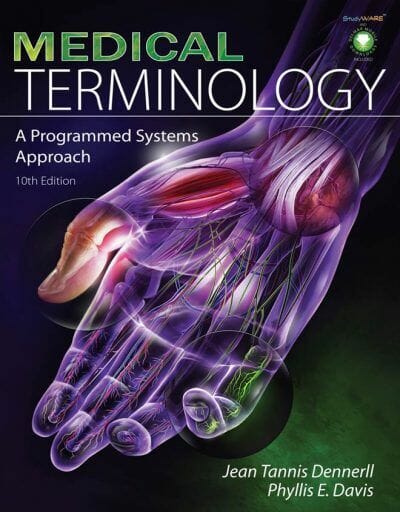
Medical Terminology: A Programmed Systems Approach, 10th Edition PDF is your number one resource for learning medical terminology. Enhanced with innovative built-in tools to make learning easier, interactive exercises, and improvements that reflect the most accurate, up-to-date industry terms today, makes this book an industry leading resource. Medical Terminology: A Programmed Systems Approach, 10th Edition uses a unique word-building programmed approach that will teach you to break down key medical terms into their roots, prefixes, and suffixes. This programmed-learning format requires active participation through reading, writing, answering questions, labeling, repetition, and providing immediate feedback. With engaging review activities, back-of-the-book flash cards, and an accompanying CD-ROM with interactive learning activities, this book provides a complete package for building a comprehensive entry-level knowledge of medical language for readers with little or no previous experience. Now in its 10th edition, this book is a proven resource that is easy and fun to use. Teaching medical terminology has never been easier.

Table of Contents

  1. Title
  2. Statement
  3. Copyright
  4. Contents
  5. Preface
  6. Acknowledgments
  7. List of Illustrations
  8. About This Programmed System
  9. How to Use Studyware™
  10. Section A: How to Work the Program—Directions for Use of Programmed Learning
  11. Unit 1: Frames 1.1–1.98: The Word-Building System—Introduction to Word Parts Including Word Roo
  12. Case Study Investigation (CSI): Shingles. Varicella Zoster Virus (VZV). Herpes Zoster. Postherpetic
  13. Professional Profile: Dermatologist
  14. Case Study Investigation (CSI): Dermatitis
  15. Unit 2: Frames 2.1–2.137: Surgical Suffixes, Hematology, and Diagnostic Imaging
  16. Case Study Investigation (CSI): Castleman’s Disease
  17. Professional Profile: Registered Radiologic Technologist
  18. Case Study Investigation (CSI): Spleen
  19. Professional Profile: Cytotechnologist
  20. Case Study: Discharge Summary—Acute Chest Pain
  21. Unit 3: Frames 3.1–3.143: Oncology and the Central Nervous System
  22. Case Study Investigation (CSI): Malignant Melanoma
  23. Professional Profile: Medical Technologist (MT [ASCP]), Medical Laboratory Technician (MLT), Certifi
  24. Case Study Investigation (CSI): Ovarian Cancer

Get This Book

File Size 35 MB
File Format PDF
Download  link Download Now | Go Premium, Unlock All Books
Support & Updates Support | Browse All Categories
Join Our Telegram Channel Telegram
More Books: Browse All Categories