
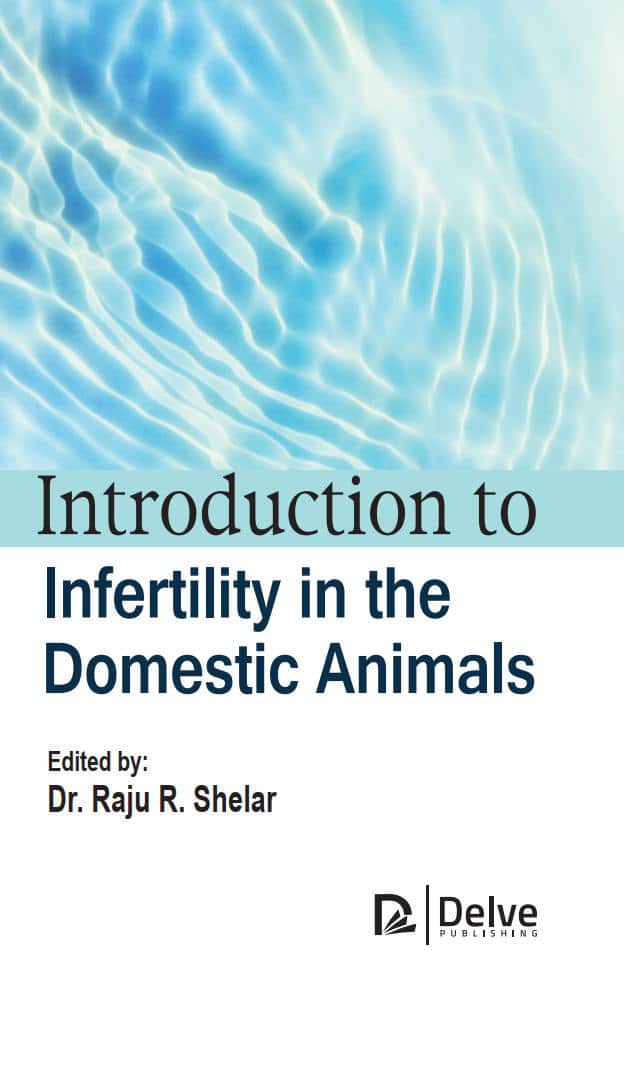
By Dr. Raju R. Shelar
Reproduction is a vital component in the animal husbandry practices. Infertility is a significant concern in domestic animals, as it can impact breeding programs, animal productivity, and the overall health of animal populations. Infertility in domestic animals refers to the inability of an animal to reproduce successfully, either by conceiving, carrying a pregnancy to term, or giving birth to healthy offspring. It can also affect various species of domestic animals, including cattle, horses, sheep, goats, pigs, dogs, cats, and more. It is a significant concern for animal breeders, farmers, pet owners, and veterinarians, as it can have economic, emotional, and practical implications. Infertility can have various causes, including genetic, anatomical abnormalities, age, physiological, endocrine disruptions, nutrition, infections and diseases, environmental, and management factors.
Infertility diagnosis in domestic animals involves a combination of physical examinations, clinical evaluation, reproductive history, and various diagnostic tests, such as hormone level assessments, ultrasound imaging of reproductive organs, and semen analysis in males. Veterinarians work to identify the underlying cause of infertility to develop appropriate treatment and management strategies. Addressing infertility requires focusing on the health and well-being of domestic animals, mitigating challenges posed by infertility and ensuring sustainability of livestock production and companion animal populations.
This Book is Avaiable for Members
Access this book instantly with a Premium membership

![Ettinger’s Textbook of Veterinary Internal Medicine 9th Edition [True PDF+Videos]](https://www.vet-ebooks.com/wp-content/uploads/2024/10/ettingers-textbook-of-veterinary-internal-medicine-9th-edition-100x70.jpg "Ettinger’s Textbook of Veterinary Internal Medicine 9th Edition")