By Richard Hill
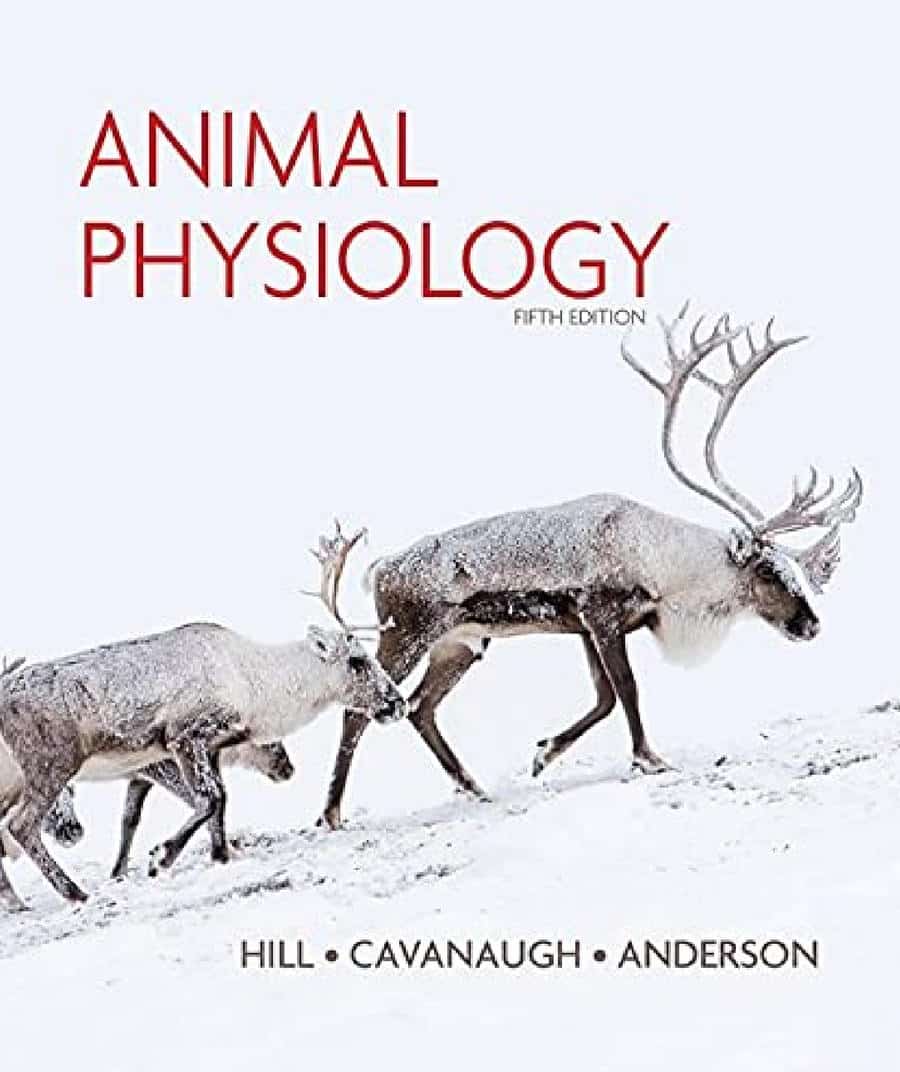
Comprehensive, contemporary, and engaging,ย Animal Physiologyย provides evolutionary and ecological context to help students make connections across all levels of physiological scale. One of the major challenges instructors and students face in Animal Physiology is making connections across levels of biological scale.ย Animal Physiologyย addresses this challenge by providing ecological and evolutionary context to the study of physiology at all levels of organization: genome, molecular biology, biochemistry, cells, tissues, organs, and organ systems.
Hillโs inclusion of ecology and evolution helps readers gain a holistic perspective on animal function and setsย Animal Physiologyย apart from texts that focus more narrowly on physiology. Hillโsย Animal Physiologyย is trusted by instructors and students because of its authoritative, current, engaging, and lavishly illustrated presentation.

Table of Contents
- Part I: Fundamentals of Physiology
- Chapter 1: Animals and Environments
- Chapter 2: Molecules and Cells in Animal Physiology
- Chapter 3: Genomics, Proteomics, and Related Approaches to Physiology
- Chapter 4: Physiological Development and Epigenetics
- Chapter 5: Transport of Solutes and Water
- Part II: Food, Energy, and Temperature
- Chapter 6: Nutrition, Feeding, and Digestion
- Chapter 7: Energy Metabolism
- Chapter 8: Aerobic and Anaerobic Forms of Metabolism
- Chapter 9: The Energetics of Aerobic Activity
- Chapter 10: Thermal Relations
- Chapter 11: Food, Energy, and Temperature at Work
- Part III: Integrating Systems
- Chapter 12: Neurons
- Chapter 13: Synapses
- Chapter 14: Sensory Processes
- Chapter 15: Nervous System Organization and Biological Clocks
- Chapter 16: Endocrine and Neuroendocrine Physiology
- Chapter 17: Reproduction
- Chapter 18: Integrating Systems at Work: Animal Navigation
- Chapter 19: Control of Movement
- Chapter 20: Muscle
- Chapter 21: Movement and Muscle at Work: Plasticity in Response to Use and Disuse
- Part IV: Oxygen, Carbon Dioxide, and Internal Transport
- Chapter 22: Introduction to Oxygen and Carbon Dioxide Physiology
- Chapter 23: External Respiration โ The Physiology of Breathing
- Chapter 24: Transport of Oxygen and Carbon Dioxide in Body Fluids
- Chapter 25: Circulation
- Chapter 26: Oxygen, Carbon Dioxide, and Internal Transport at Work โ Diving by Marine Mammals
- Part V: Water, Salts, and Excretion
- Chapter 27: Water and Salt Physiology โ Introduction and Mechanisms
- Chapter 28: Water and Salt Physiology of Animals in Their Environments
- Chapter 29: Kidneys and Excretion
- Chapter 30: Water, Salts, and Excretion at Work โ Mammals of Deserts and Dry Savannas
- Appendices & Index
- Appendix A: The Systรจme International and Other Units of Measure
- Appendix B: Prefixes Indicating Orders of Magnitude
- Appendix C: Gases at Standard Temperature and Pressure
- Appendix D: Logarithms
- Appendix E: Exponential and Allometric Equations
- Appendix F: Phylogenetically Independent Contrasts
- Appendix G: The Standard Amino Acids
- Appendix H: Basic Physics Terms
- Appendix I: Summary of Major Hormones in Mammals
- Glossary
- Index