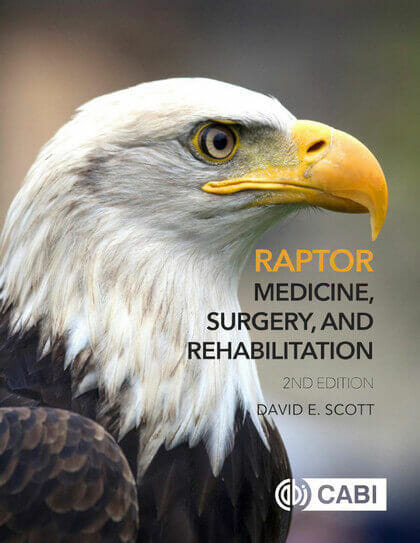
By David E. Scott
Raptor Medicine, Surgery and Rehabilitation, 2nd Edition consolidates years of practical knowledge of dealing with injured birds of prey. Written by a practicing veterinarian, it: concisely covers helpful, day-to-day advice through hints, tips and clinical insights; provides an emphasis on practical procedures; and includes numerous illustrations for easy recognition of symptoms and replication of techniques. Outlining everything from handling and the intake examination through to practical procedures and the treatment of a comprehensive range of conditions and injuries, the book also advises readers on housing, rehabilitation and eventual release. Also including numerous rapid reference charts, this book is the one text that any avian or general veterinarian needs by the bench for the treatment of raptors and birds of prey.
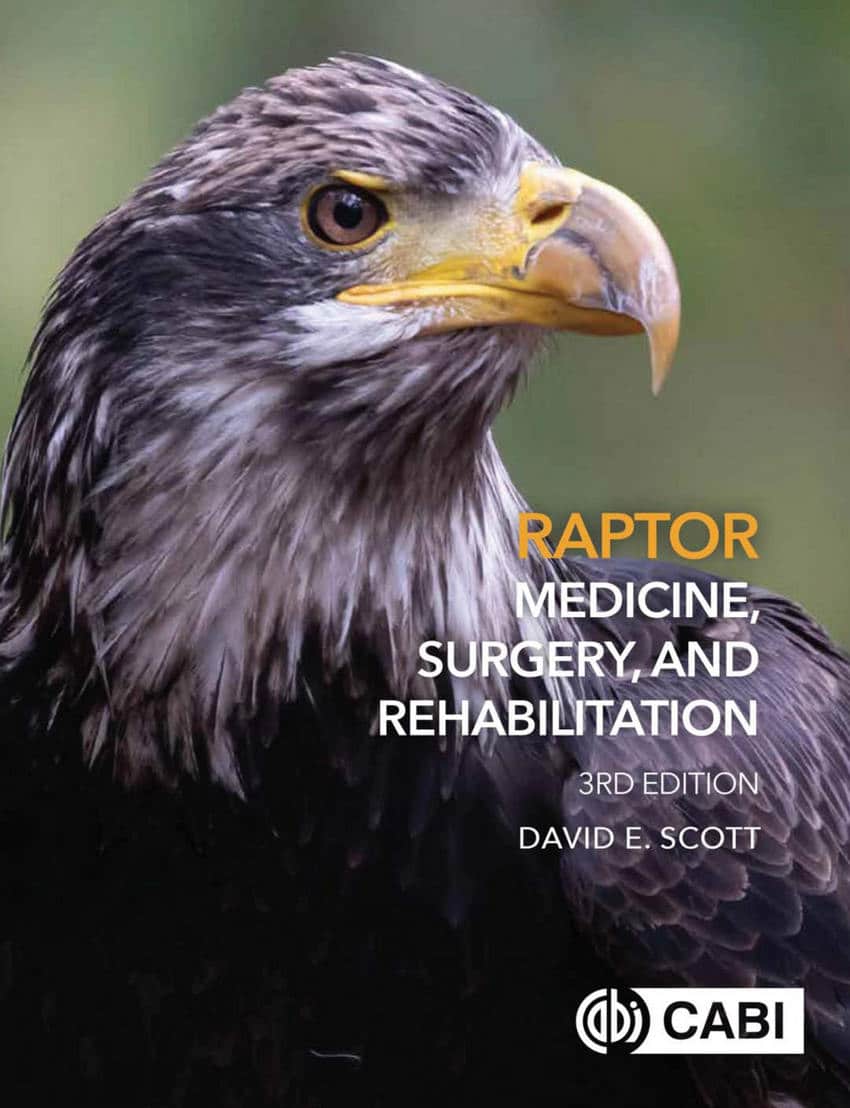
Table of Contents
- Front Matter & Foundations
- About the Author, Foreword, Acknowledgements, Abbreviations
- Section I — Handling, Examination & Core Biology
- Handling and Physical Examination (restraint, exam protocols, imaging)
- Anatomy and Physiology (musculoskeletal systems, organs, clinical pathology)
- Species Overview (regional distribution and species profiles)
- Section II — Clinical Management & Therapeutics
- Fluid Therapy and Treatments (routes, dosing, transfusion, procedures)
- Ophthalmology (anatomy, common conditions, surgical decisions)
- Infectious Diseases (viral, bacterial, parasitic diseases of birds)
- Miscellaneous Conditions (toxicities, trauma, nutritional and metabolic issues)
- Section III — Anesthesia, Surgery & Orthopedics
- Anesthesia (monitoring, maintenance, theory and practice)
- Soft Tissue Surgery (wound care, coeliotomy, airway and ocular procedures)
- Orthopedics (fracture management, fixation techniques, healing and complications)
- Endoscopy (equipment, approaches, tracheal and syrinx evaluation)
- Section IV — Rehabilitation, Development & Release
- Orphans (identification, rearing protocols, imprinting, release decisions)
- Feathers and Aging (molting, aging methods, sex determination, imping)
- Clinical Pathology (hematology, biochemistry, diagnostic interpretation)
- Section V — Husbandry, Welfare & Field Practice
- Housing and Husbandry (indoor/outdoor housing, resident bird care)
- Capturing Trapped Birds (chimneys, warehouses, rescue scenarios)
- Time for Release (pre-release checks, criteria, special cases)
- Appendices & Reference Material
- Appendices A–G (feeding guides, formulary, anesthesia records, regulations, resources)
- Index





![Ettinger’s Textbook of Veterinary Internal Medicine 9th Edition [True PDF+Videos]](https://www.vet-ebooks.com/wp-content/uploads/2024/10/ettingers-textbook-of-veterinary-internal-medicine-9th-edition-100x70.jpg "Ettinger’s Textbook of Veterinary Internal Medicine 9th Edition")