Home Blog Page 4

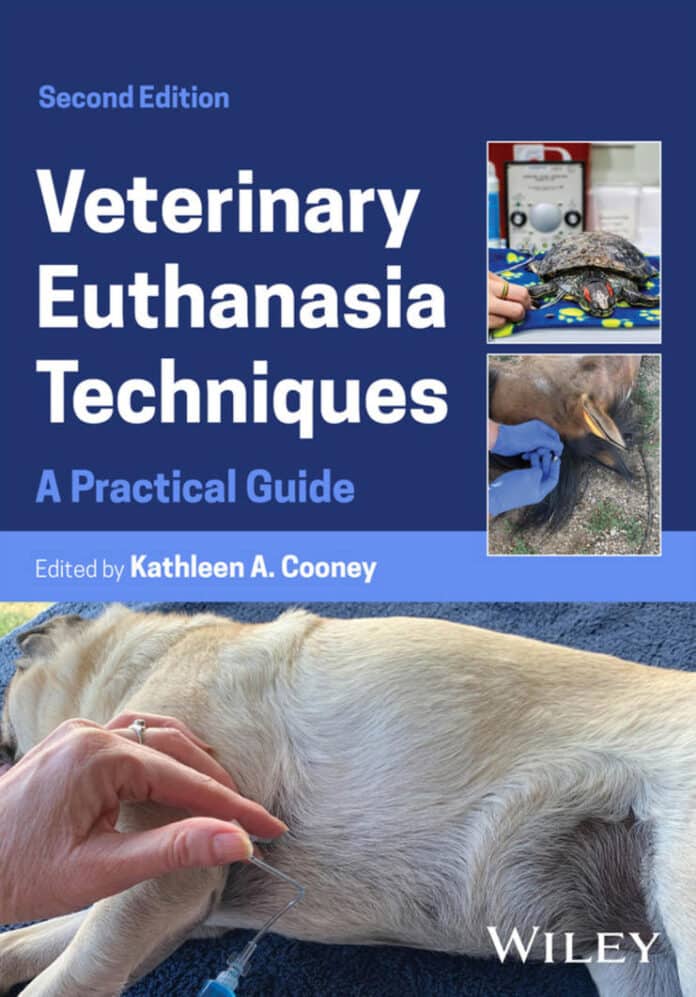
Veterinary Euthanasia Techniques: A Practical Guide 2nd Edition

Veterinary Euthanasia Techniques: A Practical Guide, 2nd Edition

Veterinary Euthanasia Techniques: A Practical Guide 2Nd Edition Pdf Download

By Kathleen A. Cooney

Veterinary Euthanasia Techniques offers how-to guidance for performing euthanasia techniques in dogs, cats, exotic animals, horses, production animals, and, in this new edition, zoo and marine animals. Veterinary Euthanasia Techniques: A Practical Guide 2nd Edition has been reorganized by species to make it easier to find information, with each species-specific chapter covering restraint, equipment, sedatives, and techniques. Sections discussing drugs and data have been updated throughout, with new discussions on how to handle pentobarbital shortages and animal welfare considerations.

Veterinary Euthanasia Techniques: A Practical Guide 2nd Edition includes information on:

  • Pre-euthanasia sedation and anesthesia, covering unconscious and sedation assessment
  • Euthanasia techniques, including inhalant, injectable, and physical techniques, with guidance on how death is achieved, positioning and restraint, and how to choose an appropriate method
  • Burial aftercare, covering the burial process, composing, cremation/incineration, alkaline hydrolysis, and rendering
  • Client considerations concerning companion animals
  • The history of the field, current research, and emerging trends
Table of Contents

  • Author Biographies
  • Foreword from the Editor
  • Preface
  • Acknowledgments
  • 1. Euthanasia Standards in Modern Times
  • 1.1 A Brief Look at Euthanasia’s History
  • 1.2 Ethics and a Focus on Animal Welfare
  • 1.3 Writing Today’s Euthanasia Story
  • 1.4 Euthanasia Technique Selection
  • 1.5 Professional Best Practices to Support Euthanasia
  • 2. Canine and Feline Euthanasia
  • 2.1 Species-Specific Considerations
  • 2.2 Equipment and Handling
  • 2.3 Pre-Euthanasia Sedation and Anesthesia
  • 2.4 Euthanasia Techniques
  • 2.5 Special Circumstances
  • 3. Exotic Pet Euthanasia
  • 3.1 Species-Specific Considerations
  • 3.2 Equipment and Handling
  • 3.3 Pre-Euthanasia Sedation and Anesthesia
  • 3.4 Euthanasia Techniques
  • 3.5 Special Circumstances
  • 4. Equine Euthanasia
  • 4.1 Species-Specific Considerations
  • 4.2 Equipment and Handling
  • 4.3 Pre-Euthanasia Sedation and Anesthesia
  • 4.4 Euthanasia Techniques
  • 4.5 Special Circumstances
  • 5. Livestock Euthanasia
  • 5.1 Species-Specific Considerations
  • 5.2 Equipment and Handling
  • 5.3 Pre-Euthanasia Sedation and Anesthesia
  • 5.4 Euthanasia Techniques
  • 5.5 Special Circumstances
  • 6. Zoo Species Euthanasia Considerations and Techniques
  • 6.1 Sociocultural Considerations
  • 6.2 Institutional and Professional Community Considerations
  • 6.3 End-of-Life Considerations
  • 6.4 Taxon-Based Euthanasia Overview
  • 6.5 Postmortem Considerations
  • 7. Post-Death Considerations and Closing Thoughts
  • 7.1 The Evolving Landscape of Deceased Pet Aftercare
  • 7.2 Types of Aftercare: Current Options
  • 7.3 Closing Thoughts on the Future of Euthanasia
  • Index

Get This Book

This Book is Avaiable for Members

Access this book instantly with a Premium membership
📄 PDF Format
⚡ Instant Delivery
Unlock Premium Access

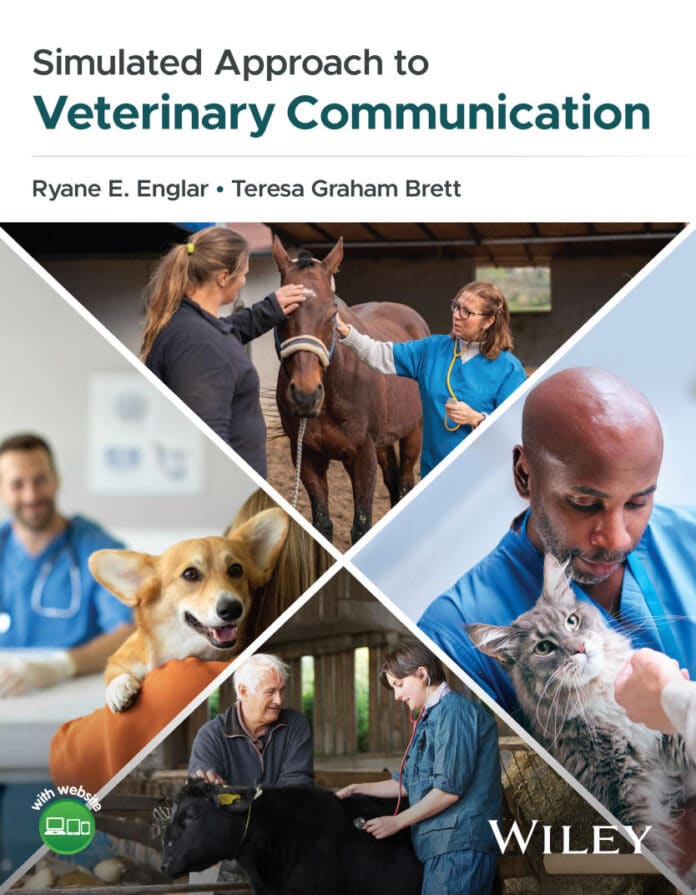
Simulated Approach to Veterinary Communication

Simulated Approach to Veterinary Communication

Simulated Approach To Veterinary Communication Book Pdf

By Ryane E. Englar, Teresa Graham Brett

Simulated Approach to Veterinary Communication explores the development of communication training and relational practice in veterinary healthcare. It introduces foundational communication theories and evidence supporting effective client–provider relationships in veterinary medicine.

The book translates theory into practical application through 30 simulated client encounters designed for veterinary curricula, providing an evidence-based framework for integrating communication skills training across species and practice settings.

Simulated Approach to Veterinary Communication PDF serves as a structured guide for veterinary faculty, educators, curriculum developers, and students seeking reproducible training in veterinary communication and client interaction.

📚 More books like this: Practice Management Books →
Table of Contents

  • Front Matter
  • Part I: Communication Skills In Veterinary Education
  • Chapter 1: Need For Communication Training
  • Chapter 2: Self-Awareness And Professional Identity
  • Chapter 3: Bias And Interpersonal Communication
  • Chapter 4: Communication With Small Animal Clients
  • Chapter 5: Communication With Equine Clients
  • Chapter 6: Communication With Bovine Producers
  • Chapter 7: Communication With Exotic Animal Clients
  • Chapter 8: Communication Models
  • Chapter 9: Teaching Communication Skills
  • Chapter 10: Simulated Client Encounters
  • Chapter 11: Simulation Design And Scripting
  • Chapter 12: Preparing Learners For Simulation
  • Chapter 13: Reflective Practice
  • Chapter 14: Inclusive Communication Training
  • Chapter 15: Technology In Communication Training
  • Part II: Case Vignettes And Applications
  • Chapter 16: Canine And Feline Cases
  • Chapter 17: Equine Cases
  • Chapter 18: Small Ruminant Cases
  • Chapter 19: Bovine Cases
  • Appendices
  • Back Matter

Get This Book

This Book is Avaiable for Members

Access this book instantly with a Premium membership
📄 PDF Format
⚡ Instant Delivery
Unlock Premium Access

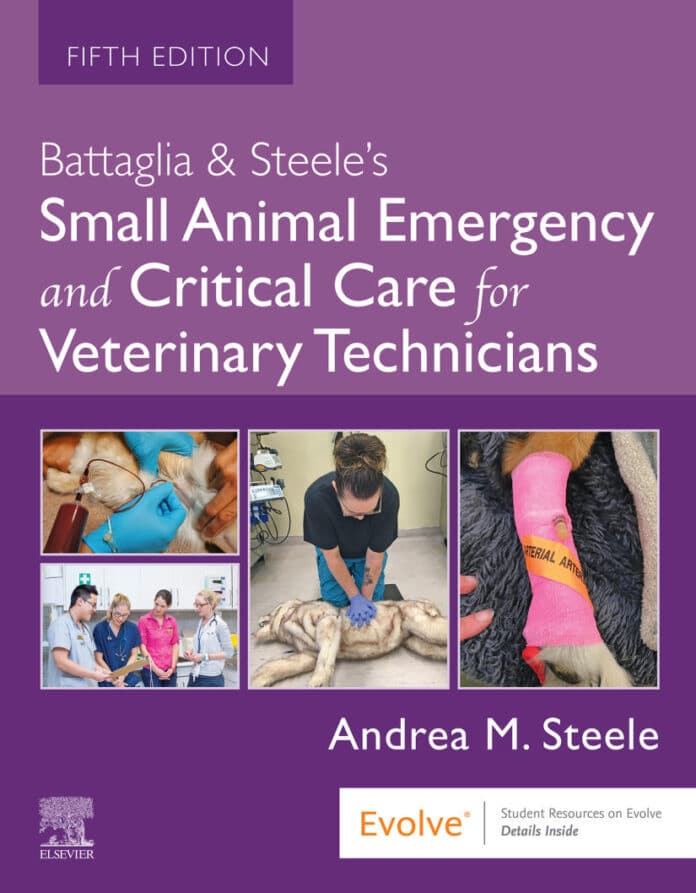
Battaglia & Steele’s Small Animal Emergency and Critical Care for Veterinary Technicians 5th Edition

Battaglia & Steele's Small Animal Emergency and Critical Care for Veterinary Technicians 5th Edition

Battaglia &Amp; Steele's Small Animal Emergency And Critical Care For Veterinary Technicians 5Th Edition

By Andrea M. Steele

Battaglia & Steele’s Small Animal Emergency and Critical Care for Veterinary Technicians, 5th Edition, provides quick access to dozens of common, lifesaving protocols and procedures. Each treatment technique is described in step-by-step detail and illustrated in full color. To prepare you for the veterinary setting, a team approach is emphasized. With two new chapters and practical, easy-to-apply medical math and scenario-based exercises, this resource sets you up for success on the VTNE, in veterinary practices, and in animal hospital emergency departments.

  • Two new chapters, High-Flow Nasal Oxygen and Renal Replacement Therapy, provide the latest information on these vital areas in emergency and critical care
  • New and expanded content throughout
Features

Features:

  • NEW!Two additional chapters, High-Flow Nasal Oxygen and Renal Replacement Therapy, provide the latest information on these vital areas in emergency and critical care
  • NEW! Updated and expanded content throughout keeps you current with the latest advances in small animal emergency and critical care
  • Step-by-step instructions demonstrate how to perform specific procedures and techniques, guiding you through key assessment and treatment techniques
  • Comprehensive coverage of pain management, respiratory emergencies, and urologic emergencies provides cutting-edge treatment options for a wide variety of commonly seen presenting problems
  • Coverage of equipment and techniques includes the latest advances in basic lab equipment, fluid therapy, and oxygen therapy
  • Review and preparation for the VTNE (Veterinary Technician National Examination) includes Medical Math exercises and questions based on real-world scenarios
  • Technician Notes highlight specific procedures with diagrams, photos, and detailed instructions, providing you with at-a-glance guidance


Table of Contents

  • SECTION I — Critically Ill Small Animals
    • 1. Critical Thinking—Skill of Observation and Interpretation
    • 2. Monitoring of the Critically Ill or Injured Patient
    • 3. Patient’s Lifeline: Intravenous Catheter
    • 4. Fluid Therapy
    • 5. Transfusion Medicine
    • 6. Nutritional Support for the Critically Ill Patient
    • 7. Oxygen Therapy Techniques
    • 8. High-Flow Nasal Oxygen
    • 9. Mechanical Ventilation
    • 10. Extracorporeal Therapies
    • 11. Pain Assessment and Treatment
    • 12. Physical Rehabilitation Techniques
    • 13. Anesthesia in the Critically Ill or Injured Patient
    • 14. Isolation Techniques in Clinical Practice
  • SECTION II — Emergency Care for Small Animals
    • 15. Emergency Receiving
    • 16. Management of Patients in Shock
    • 17. Cardiopulmonary Resuscitation
    • 18. Traumatic Emergencies
    • 19. Hematologic Emergencies
    • 20. Cardiovascular Emergencies
    • 21. Respiratory Emergencies
    • 22. Gastrointestinal Emergencies
    • 23. Metabolic and Endocrine Emergencies
    • 24. Urologic Emergencies
    • 25. Reproductive Emergencies
    • 26. Ocular Emergencies
    • 27. Neurologic Emergencies
    • 28. Toxicologic Emergencies: Dogs and Cats
    • 29. Avian and Exotic Emergencies
    • 30. Disaster Medicine
  • SECTION III — Practice Management
    • 31. Well-Being, Mental Health, and Resilience in ER & ICU
    • 32. The Art of Scheduling
    • 33. Client Communication in an Emergency
    • 34. Management of Pharmaceuticals in the Emergency Department

Get This Book

This Book is Avaiable for Members

Access this book instantly with a Premium membership
📄 PDF Format
⚡ Instant Delivery
Unlock Premium Access

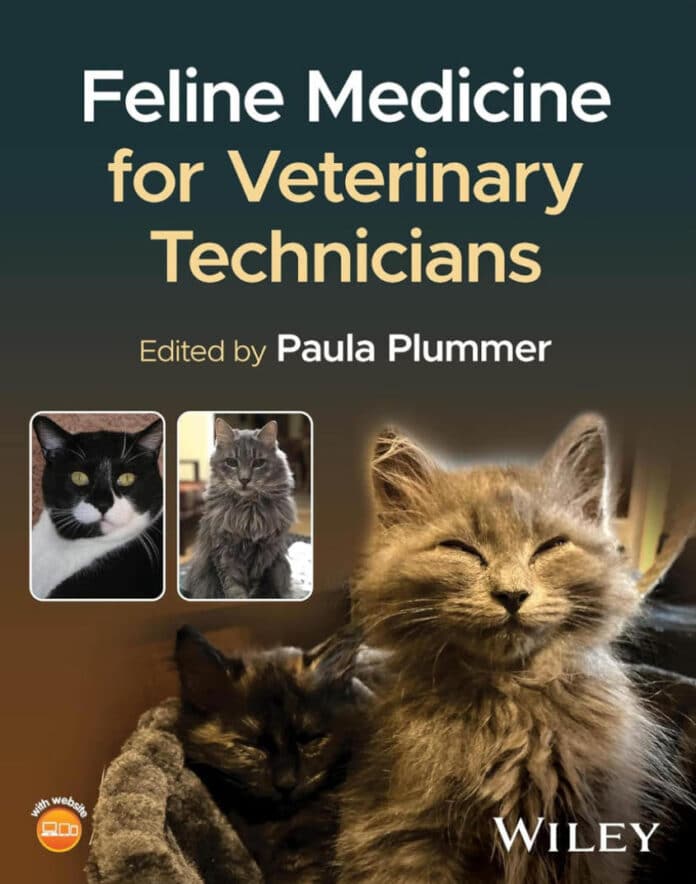
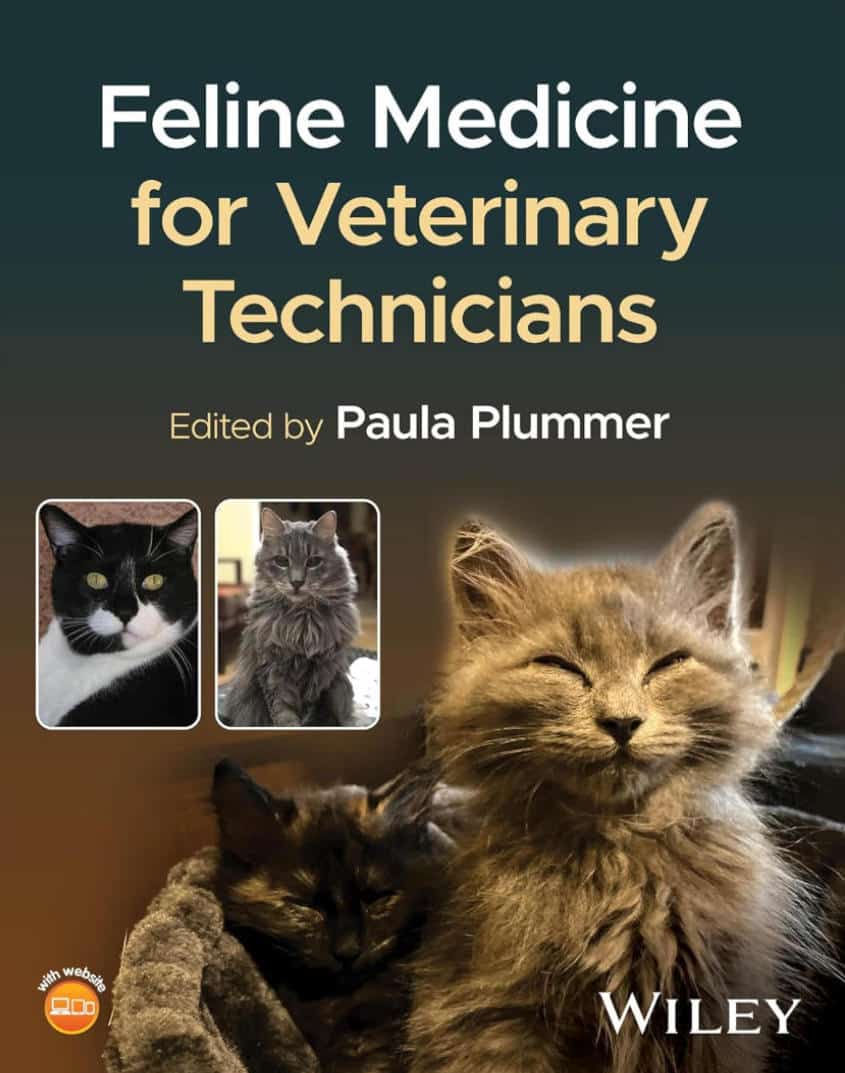
Feline Medicine for Veterinary Technicians

Feline Medicine for Veterinary Technicians - Paula Plummer

Feline Medicine For Veterinary Technicians

By Paula Plummer

Feline Medicine for Veterinary Technicians is a complete, specialty reference guide, written by veterinary technician specialists, for the veterinary technician to use in a feline medicine clinical setting. Covering everything from the pathophysiology of common feline diseases, current therapies and nursing care, diagnostic techniques, unique history taking methods, and nursing care in every major body system. It is a critical tool for anyone preparing for a specialty exam or the Veterinary Technician National Exam (VTNE).

Features

Feline Medicine for Veterinary Technicians Features:

  • Coverage of cutting-edge diagnostics, treatment options, and more
  • Detailed discussion of topics including feline friendly interactions, life stage considerations, client communication, pharmacology, and many more
  • A team of contributors with decades of combined veterinary technician experience
  • A comprehensive review of diseases in all major body systems including endocrinology, cardiology, renal and urinary systems
  • Feline specific considerations for behavior, anesthesia, analgesia, transfusion medicine and nutrition
  • The companion website includes study questions for all chapters, as well as client education materials, dental positioning guidelines and educational handouts


Table of Contents

  • Section 1 – The Cat and Special Considerations
  • 1. Feline Behavior
  • 2. Feline-Friendly Interactions
  • 3. Preparing the Veterinary Hospital for the Feline Patient
  • 4. Life Stage Considerations
  • 5. Client Education and Communication Topics for the Feline Owner
  • 6. Anesthetic Considerations for the Feline Patient
  • 7. Analgesic Considerations for the Feline Patient
  • 8. Introduction to Feline Pharmacology
  • 9. Feline Immunology and Current Vaccination Guidelines
  • Section 2 – Feline Patient Care
  • 10. Critical Thinking and Kirby’s Rule of 20
  • 11. Interpretation of Common Diagnostics Test Results
  • 12. General Feline Nutrition
  • 13. Feline Wound Care and Bandaging
  • Section 3 – Feline Systems, Diseases, and Conditions
  • 14. Cardiology / Cardiovascular Diseases
  • 15. Dentistry
  • 16. Dermatology and Auricular Conditions
  • 17. Emergency and Critical Care
  • 18. Endocrinology
  • 19. Gastroenterology
  • 20. Gestation, Lactation, and Pediatrics
  • 21. Hematology
  • 22. Hepatobiliary
  • 23. Feline Infectious Diseases
  • 24. Oncology
  • 25. Respiratory
  • 26. Urinary and Renal
  • Index

Get This Book

This Book is Avaiable for Members

Access this book instantly with a Premium membership
📄 PDF Format
⚡ Instant Delivery
Unlock Premium Access

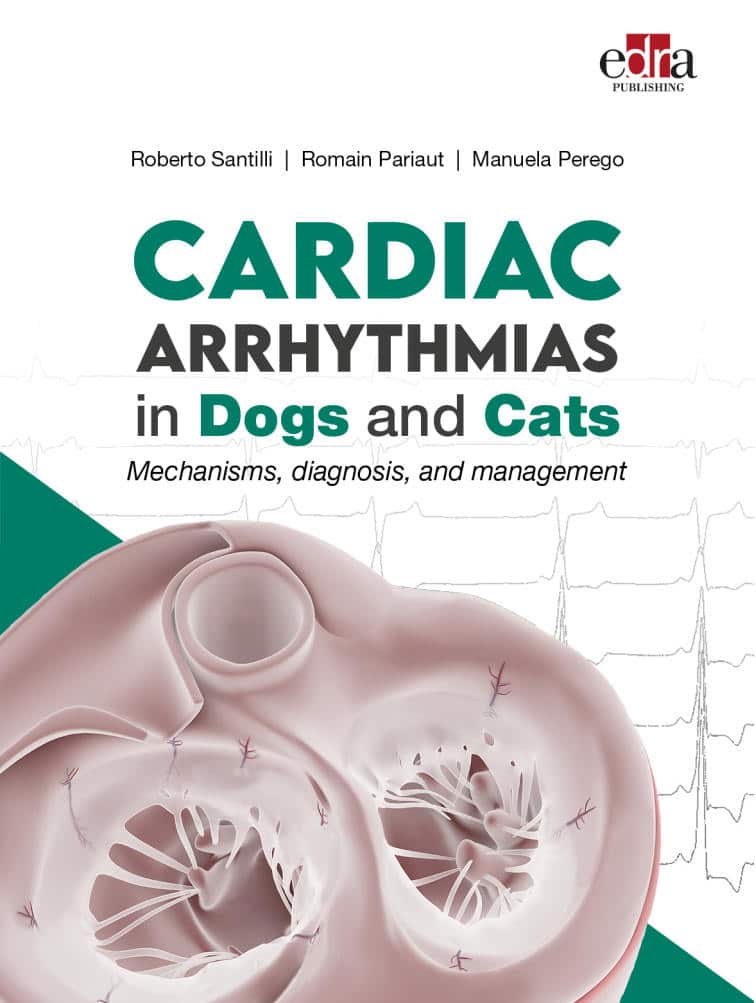
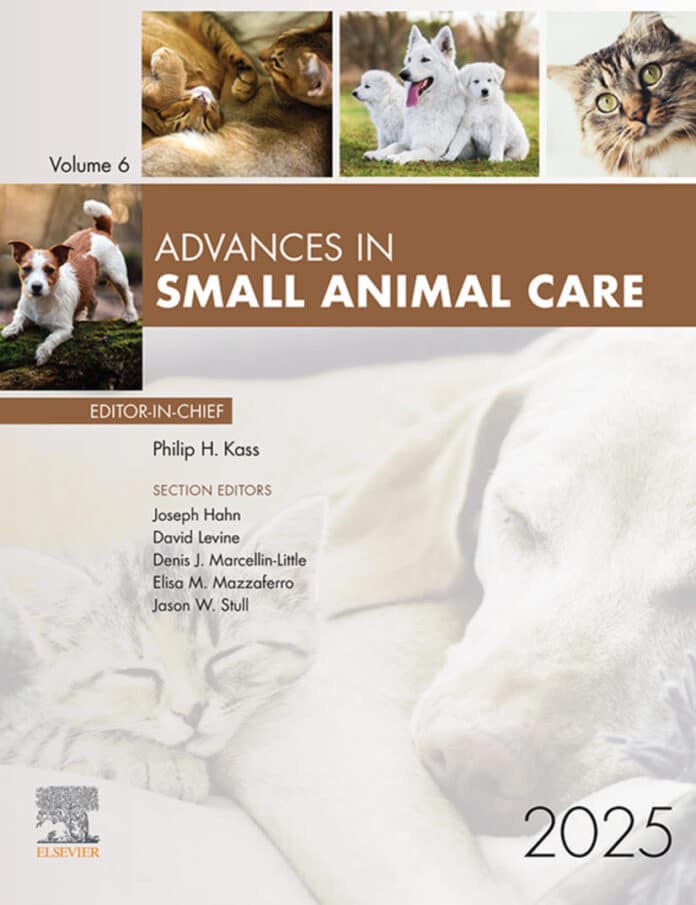
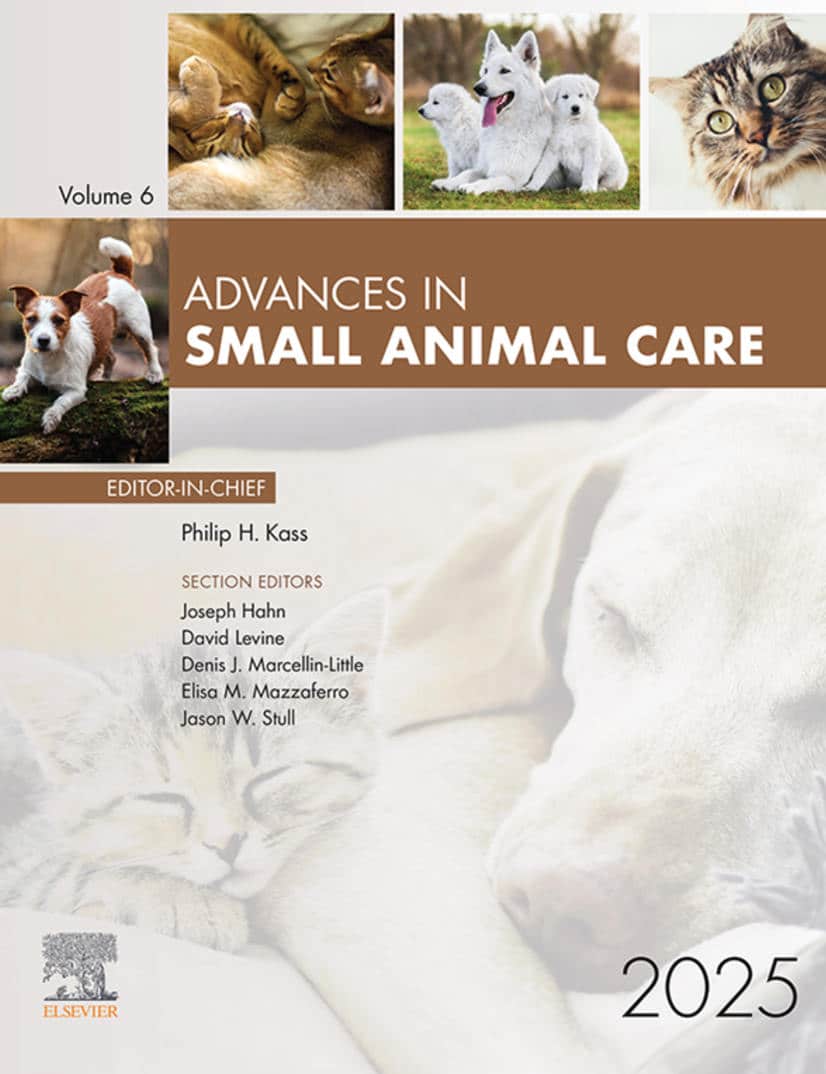
Advances in Small Animal Care, 2025 (Volume 6-1)

Advances in Small Animal Care, 2025 PDF

Advances In Small Animal Care, 2025 (Volume 6-1) Pdf

By Philip H. Kass

Advances in Small Animal Care, 2025 reviews the year’s most important findings and updates within the field in order to provide practitioners with the current clinical information they need to improve patient outcomes. A distinguished editorial board identifies key areas of major progress and controversy and invites preeminent specialists to contribute original articles devoted to topics covering rehabilitation, emergency and critical care, veterinarian wellness, and access to veterinary care. These insightful overviews in small animal care inform and enhance clinical practice by bringing concepts to a clinical level and exploring their everyday impact on patient care.

Table of Contents

  • Best Practices in Physical Rehabilitation After Cranial Cruciate Ligament Injury in Dogs
    Covers anatomy, pathophysiology, surgical options, and both postoperative and conservative rehabilitation methods.
    Key points • Introduction • Anatomy & Biomechanics • Surgical Management • Postoperative Rehabilitation • Conservative Management • Summary • Clinics Care Points
  • Health Literacy and Health Education in Veterinary Orthopedics and Physical Rehabilitation
    Discusses health literacy, parallels between human and veterinary medicine, barriers, and recommendations to improve client communication.
    Key points • Introduction • Health Literacy Definition & History • Barriers • Overcoming Barriers • Summary • Clinics Care Points
  • Aquatic Therapy in Companion Animal Rehabilitation
    Explains the principles, benefits, and logistics of hydrotherapy for veterinary patients.
    Key points • Patient Selection • Properties of Water • Equipment & Logistics • Clinical Studies • Clinics Care Points
  • Pediatric Orthopedics and Physical Rehabilitation in Dogs and Cats
    Focuses on orthopedic and developmental conditions in young animals and their rehabilitation approaches.
    Key points • Congenital & Developmental Disorders • Bone Trauma • Rehabilitation Strategies • Clinics Care Points
  • Use of Intravenous Lipid Therapy in Emergency and Critical Care
    Reviews mechanism, dosing, benefits, and complications of IV lipid therapy in toxicity cases.
    Key points • Mechanism • Formulations • Dosage • Effects • Complications • Summary • Clinics Care Points
  • Use of Albumin in Critical Illness
    Explores the physiology, functions, and therapeutic use of albumin transfusion in critical veterinary patients.
    Key points • Synthesis • Colloid Pressure • Coagulation Role • Hypoalbuminemia • Indications • Summary • Clinics Care Points
  • Viscoelastic Monitoring in Veterinary Critical Care
    Introduces viscoelastic coagulation testing and its role in assessing hemostasis in small animals and other species.
    Key points • Coagulation Review • Available Tests • Viscoelastic Testing Updates • Summary • Clinics Care Points
  • Point-of-Care Ultrasound (POCUS) in Emergency & Intensive Care – Abdomen (Part I)
    Outlines core abdominal scanning techniques and applications for rapid diagnosis.
    Key points • Introduction • Summary • Clinics Care Points
  • Point-of-Care Ultrasound (POCUS) – Thorax (Part II)
    Describes thoracic scanning methods and interpretation in emergency settings.
    Key points • Introduction • Summary • Clinics Care Points
  • Walking the Ethical Tightrope: Perfectionism and Moral Stress in Veterinary Practice
    Analyzes perfectionism, moral stress, and ways to improve wellbeing in veterinary teams.
    Key points • Perfectionism in Practice • Moral Distress • Coping Strategies • Peer Support • Cultural Change • Summary • Clinics Care Points
  • Spectrum of Care Practice and Well-Being of Veterinary Professionals
    Highlights how adopting spectrum of care improves job satisfaction and client outcomes.
    Key points • Introduction • Discussion • Summary • Clinics Care Points
  • Wellbeing Challenges and Opportunities in Veterinary Medicine
    Presents findings from studies on mental health, workload, and wellbeing in the profession.
    Key points • Introduction • Discussion • Summary • Resource
  • Clinical Communication Tools for Contextualizing Spectrum of Care
    Describes communication frameworks that enhance shared decision-making and care discussions.
    Key points • Communication Skills • Shared Decision-Making • Tools & Strategies • Discussion • Summary • Clinics Care Points
  • How Access to Veterinary Care Relates to Animal Welfare
    Examines how availability of care affects welfare and evaluates proposed solutions.
    Key points • Introduction • Access and Welfare • Solutions & Efficacies • Summary • Clinics Care Points
  • Enhancing Spectrum of Care Learning in the Veterinary Curriculum
    Explores integrating spectrum-of-care training and clinical experiences into vet education.
    Key points • Curriculum Design • Clinical Rotations • Staffing Strategies • Interprofessional Learning • Summary
  • Using a Spectrum of Care Approach to Diagnose Canine Myxomatous Mitral Valve Disease
    Applies spectrum-of-care thinking to MMVD diagnosis and staging in dogs.
    Key points • Introduction • Diagnostic Investigation • Congestive Heart Failure • Clinics Care Points

Get This Book

This Book is Avaiable for Members

Access this book instantly with a Premium membership
📄 PDF Format
⚡ Instant Delivery
Unlock Premium Access

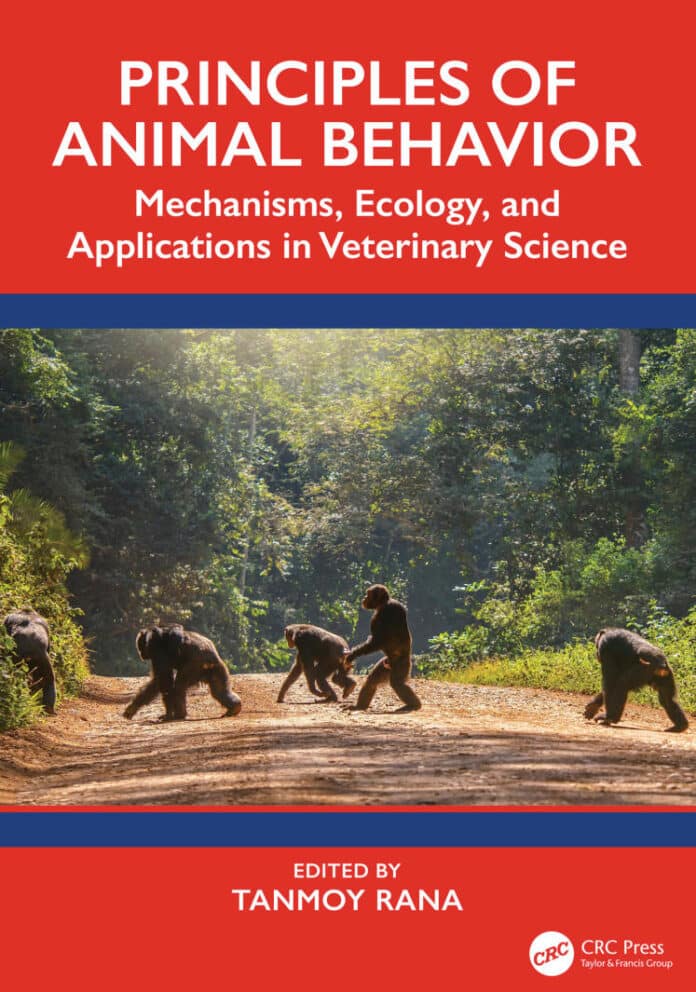
Principles of Animal Behavior: Mechanisms, Ecology, and Applications in Veterinary Science

Principles of Animal Behavior Mechanisms, Ecology, and Applications in Veterinary Science

Principles Of Animal Behavior Mechanisms, Ecology, And Applications In Veterinary Science

By Tanmoy Rana

Principles of Animal Behavior: Mechanisms, Ecology, and Applications in Veterinary Science is designed for advanced undergraduate and postgraduate students in veterinary science, animal science, and zoology, and offers an integrated view of behavioral biology, bridging classical ethology, cognitive neuroscience, and ecological adaptation with practical veterinary applications. The initial chapters provide foundational aspects such as orientation, motivation, and communication before moving on to core themes of learned behavior, cognition, social dynamics, reproduction, and courtship. The book further addresses applied behavioral contexts in veterinary practice, including stress and welfare indicators, the impact of hormones and drugs, and human–animal interactions. The final chapters explore ecological and evolutionary behavior, including movement, habitat selection, and behavioral responses to altered ecosystems. Emphasizing both theoretical depth and practical application, the book provides students and professionals with a modern, interdisciplinary perspective on the role of behavior in animal health, welfare, and survival.

Table of Contents

  • Chapter 1 – Orientation, Navigation and Communication
  • Chapter 2 – Motivational Behavior
  • Chapter 3 – Foraging Behavior and Self-Organisation
  • Chapter 4 – Behaviour of Animals during Handling and Restraining
  • Chapter 5 – Learned Behavior
  • Chapter 6 – Animal Cognition
  • Chapter 7 – Animal Migration
  • Chapter 8 – Social Biology and Behaviour in Animals
  • Chapter 9 – Self-Defensive Behavior
  • Chapter 10 – Reproductive and Maternal Behavior
  • Chapter 11 – Conservation and Behavior
  • Chapter 12 – Impact of Hormones and Drugs on Animal Behavior
  • Chapter 13 – Courtship Behavior
  • Chapter 14 – Conditioning and Habituation
  • Chapter 15 – Behavior in Host–Parasite Interrelationship
  • Chapter 16 – Biological Altruism and Reciprocal Altruism in Behavior
  • Chapter 17 – Social Dominance and Territoriality
  • Chapter 18 – Food and Habitat Selection
  • Chapter 19 – Altered Ecosystems and Animal Behavior

Get This Book

This Book is Avaiable for Members

Access this book instantly with a Premium membership
📄 PDF Format
⚡ Instant Delivery
Unlock Premium Access

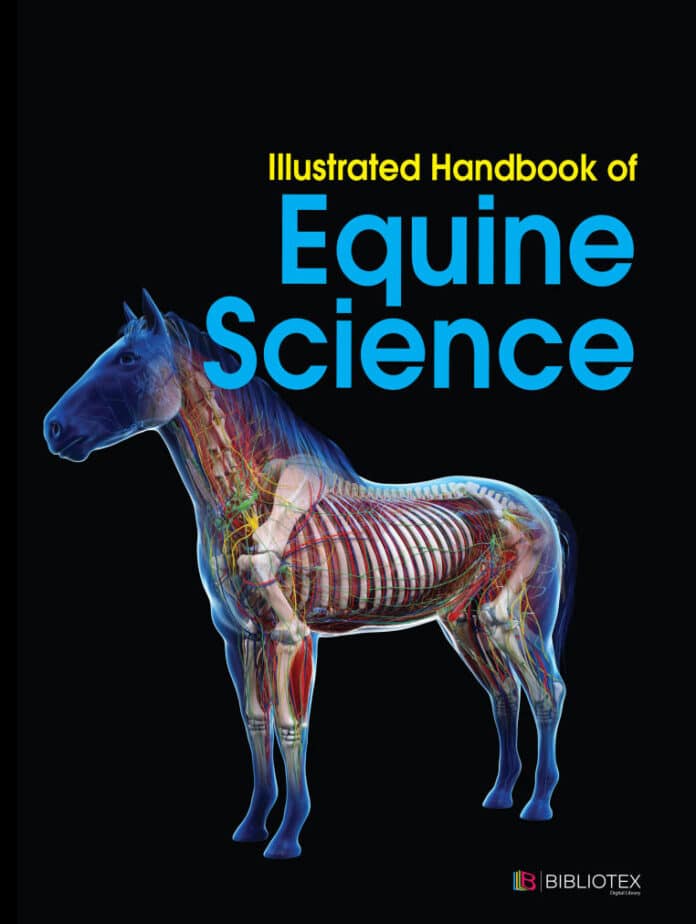
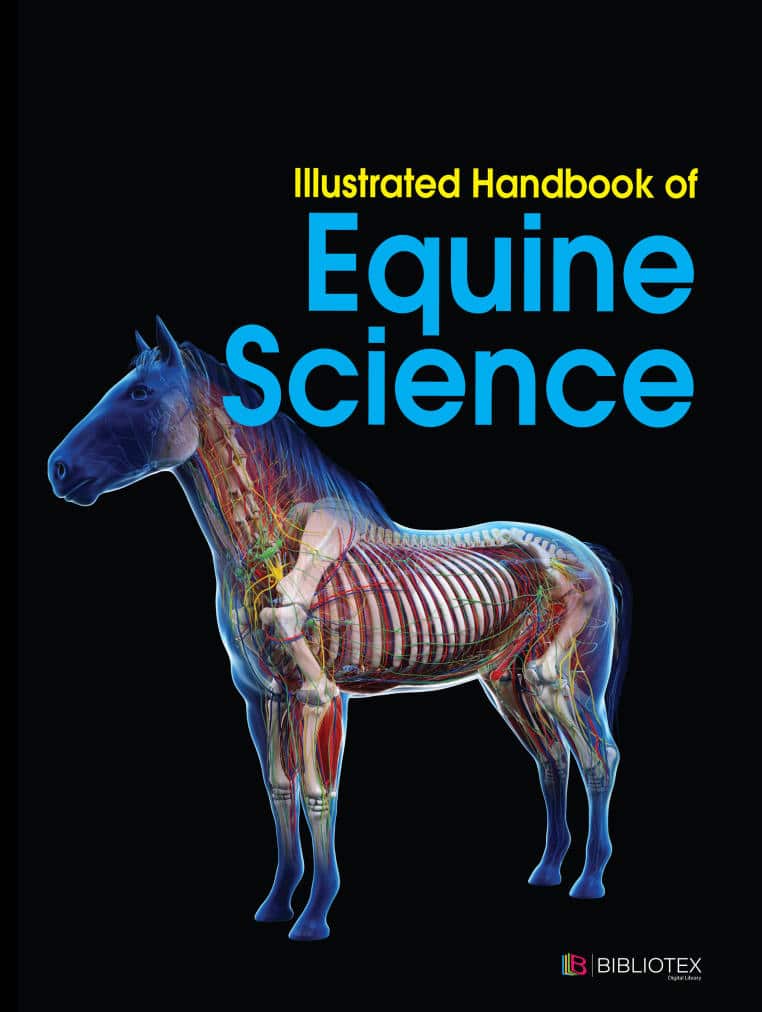
Illustrated Handbook of Equine Science

Illustrated Handbook of Equine Science

Illustrated Handbook Of Equine Science Book Cover

By Aleksandar Mratinković , Hazem Shawky Fouda , Sandra El Hajj

The Illustrated Handbook of Equine Science provides a systematic, easy-to-follow guide to essential topics in equine care and management. It features full-color illustrations and a logical outline designed to simplify learning for students and practitioners. Key subjects covered in the book include:

  • Care and feeding of horses
  • Training and behavior modification
  • Development and reproduction processes
  • Health management and illness prevention
  • Animal welfare considerations
Table of Contents

  • Glossary of Selected Terms
  • Preface
  • Chapter 1 – Evolution of the Horse
  • Introduction
  • Evolution of the Horse
  • Fossil Horses
  • Origin of Horse Domestication
  • Breeds of Horses
  • Horse Harness
  • Chapter 2 – Cells, Tissues and Organs
  • Introduction
  • Cells
  • Tissues
  • Organs
  • Chapter 3 – Equine Functional Anatomy
  • Introduction
  • Equine Skeletal System
  • Equine Muscular System
  • Equine Digestive System
  • Urinary System of Horses
  • Respiratory System of the Horse
  • Circulatory System of the Horse
  • Nervous System of the Horse
  • Reproductive System of the Horse
  • Endocrine System of the Horse
  • Chapter 4 – Biomechanics of Movement
  • Introduction
  • Nervous System Control
  • How Muscles Contract
  • Gaits and Action
  • Conformation and Action
  • Common Gait Defects
  • Center of Gravity
  • Unsoundness and Blemishes of Horses
  • Chapter 5 – Horse Genetics
  • Introduction
  • Horse Genome
  • Equine Genome Sequence and Assembly
  • Fundamentals of Inheritance
  • Chromosomes and Genes
  • Heredity versus Environment
  • Equine Coat Color
  • Assignment of Coat Color by Genetic Formula
  • Genetic Abnormalities
  • Mules
  • Chapter 6 – Reproduction and Breeding
  • Introduction
  • Physiology of Reproduction
  • Mare
  • Breeding and Gestation
  • Foaling
  • Artificial Insemination
  • Artificial Control of Breeding
  • Chapter 7 – Digestion and Nutrition
  • Introduction
  • The Digestive System
  • Horse Nutrition
  • Energy and Protein Expenditures and Requirements
  • Food Intake and Digestion
  • Energy Needs of Horses
  • Index

Get This Book

This Book is Avaiable for Members

Access this book instantly with a Premium membership
📄 PDF Format
⚡ Instant Delivery
Unlock Premium Access

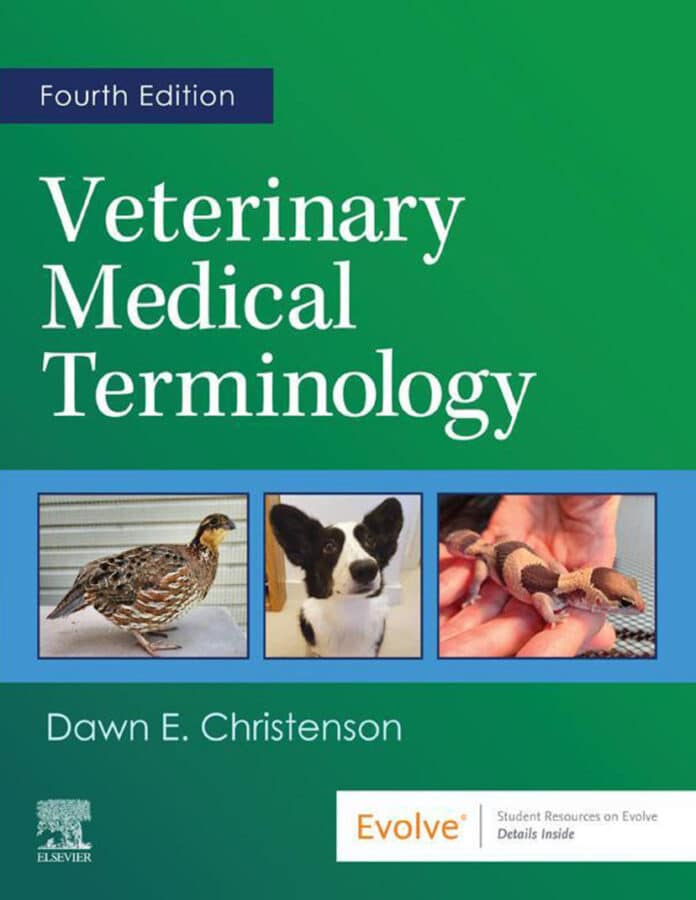
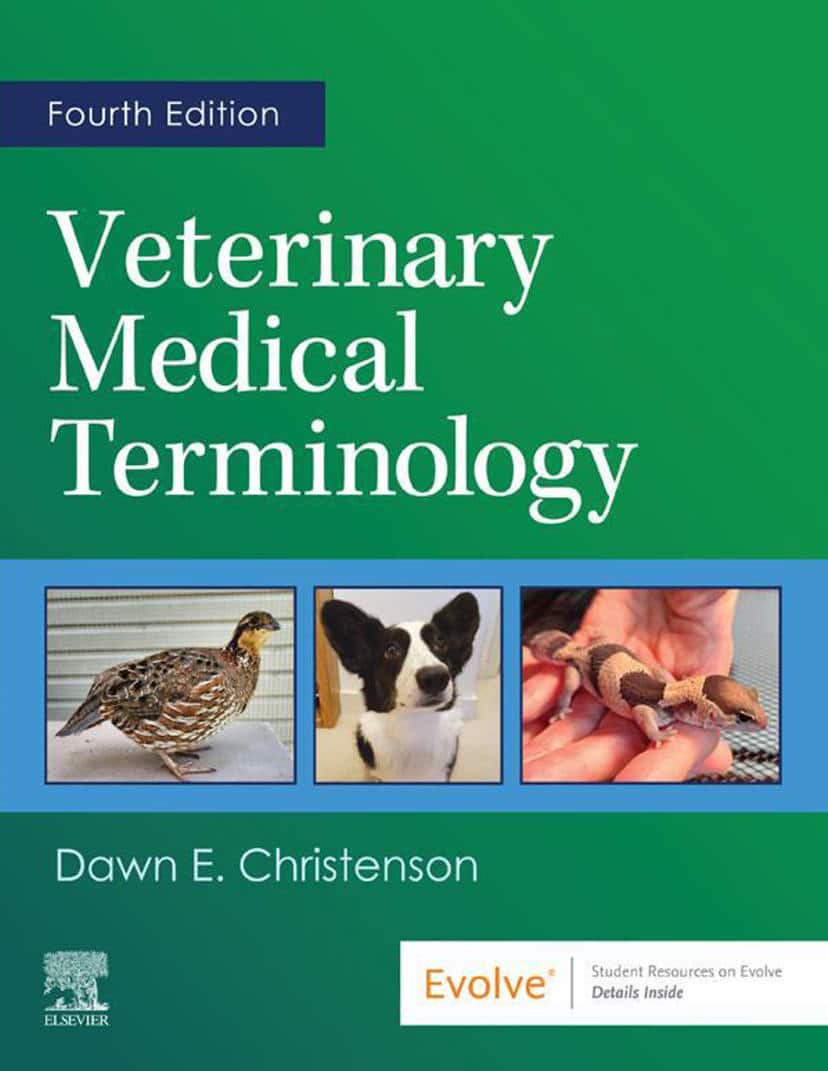
Veterinary Medical Terminology 4th Edition

Veterinary Medical Terminology 4th Edition PDF

Veterinary Medical Terminology 4Th Edition Pdf Download

By Dawn Christenson

Veterinary Medical Terminology 4th Edition helps you quickly gain a solid understanding of veterinary terminology. Essential word parts and terms are presented in the context of basic anatomy, physiology, and disease conditions, enabling you to immediately apply new terms to practical clinical situations. A companion Evolve website features interactive exercises that reinforce your mastery of veterinary terminology, as well as audio clips to help you learn proper pronunciation. Learning exercises at the end of each chapter test your knowledge, challenging you to go beyond simple memorization and become fluent in the language of veterinary medicine. With the latest advancements in the field and all-new learning exercises throughout, Veterinary Medical Terminology, 4th Edition, is an essential resource for learning medical terms and understanding basic principles of veterinary medicine.

Features

Features:

  • UPDATED! Case studies on the Evolve companion website reflect modern veterinary practice
  • UPDATED! Coverage of advancements in veterinary technology include all-new drugs, today’s most prevalent diseases, and all-new procedures in orthopedics
  • UNIQUE! Goals and Objectives sections at the beginning of each chapter help you focus your study time and check your recall and understanding of key facts and terminology
  • UNIQUE! Self-study sections at the beginning of each chapter summarize key terms and concepts you need to grasp, testing recall of fact, recognition of concepts, and prediction of principles
  • Accessible Evolve companion website offers interactive games and audio pronunciations to help reinforce your understanding of key word parts and terms
  • Logical body-systems approach and consistent chapter format make it fun and easy to learn veterinary terminology
  • More than 200 illustrations clearly demonstrate key anatomy and physiology concepts and terminology
  • Helpful appendices provide information on chemical symbols and elements and common veterinary medical abbreviations
  • Complete glossary of word parts on the companion Evolve website gives you quick access to the spelling and meaning of every prefix, suffix, root, and combining form covered in the book
  • Presentation of anatomic, physiologic, and/or pathophysiologic concepts and principles, included in all chapters, serves as a vehicle for immediate application of newly learned terms
  • Self-tests at the ends of chapters allow you to review your mastery of key content


Table of Contents

  • 1. Fundamentals and Applied Directional Terminology
  • 2. Body Building: Applied Atomic, Molecular and Cellular Terminology
  • 3. Applied Terminology for Blood, Lymphatics and Immunity
  • 4. Applied Terminology for Muscles, Bones and Joints
  • 5. Applied Cardiovascular and Respiratory Terminology
  • 6. Applied Urinary Terminology
  • 7. Applied Digestive Terminology
  • 8. Applied Terminology for the Integumentary System
  • 9. Applied Reproductive Terminology
  • 10. Applied Endocrine Terminology
  • 11. Applied Terminology for Neurology and Special Senses
  • 12. Applied Terminology for Pharmacology

Get This Book

This Book is Avaiable for Members

Access this book instantly with a Premium membership
📄 PDF Format
⚡ Instant Delivery
Unlock Premium Access

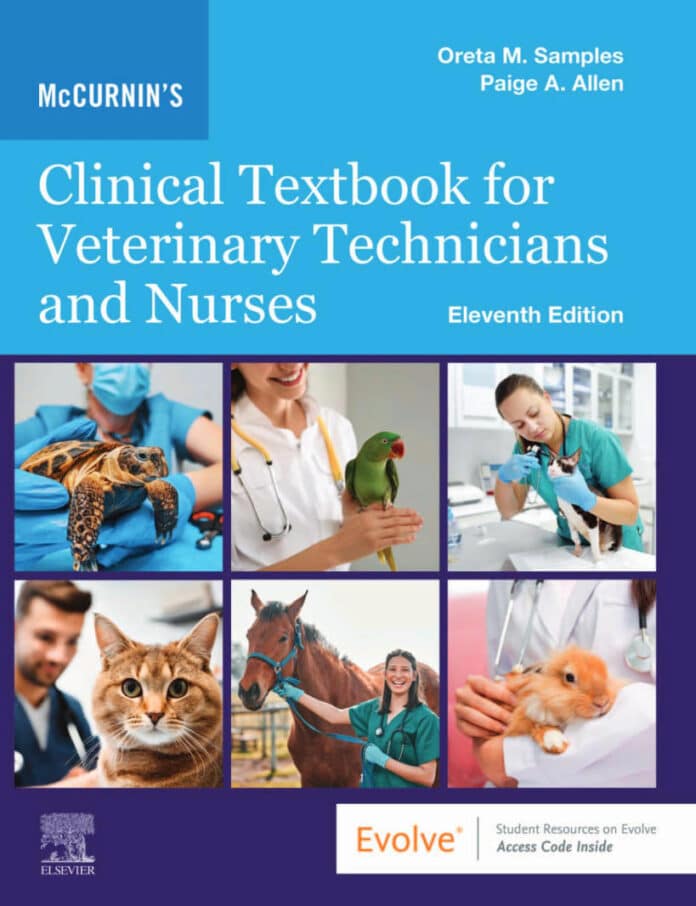
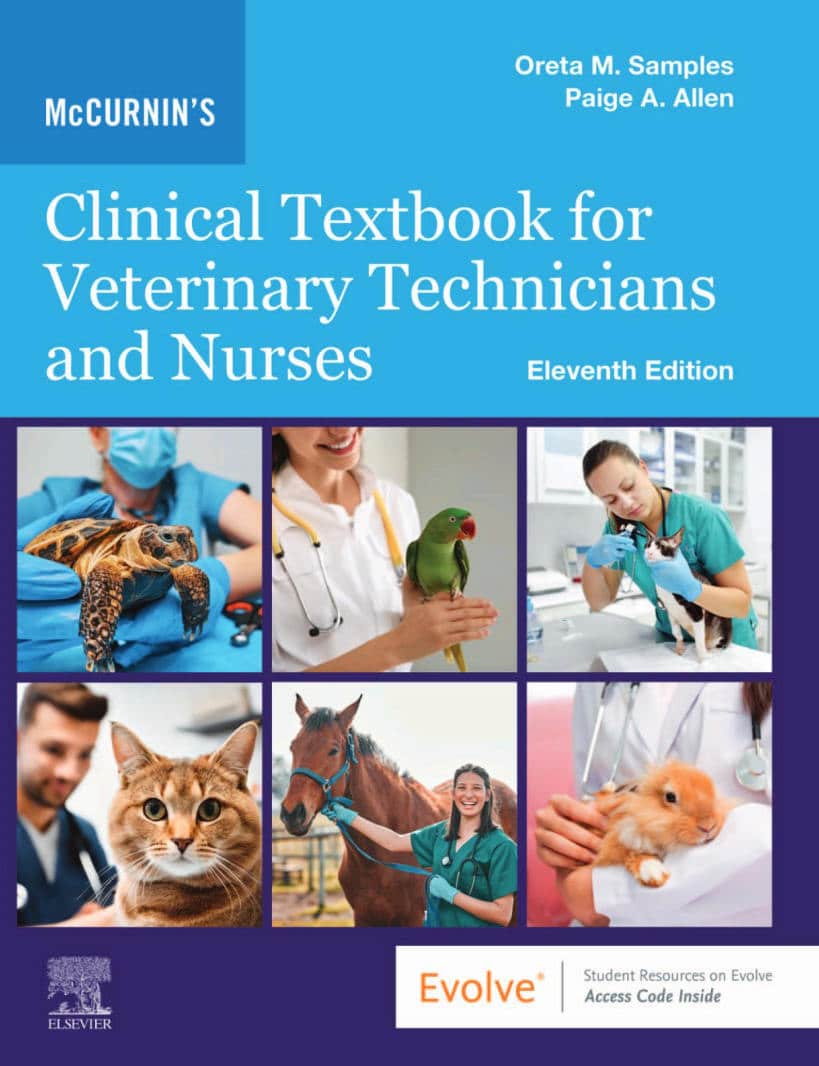
McCurnin’s Clinical Textbook for Veterinary Technicians 11th Edition + Workbook

McCurnin’s Clinical Textbook for Veterinary Technicians and Nurses 10th Edition PDF

Mccurnin’s Clinical Textbook For Veterinary Technicians 11Th Edition Pdf

By Joanna M. Bassert, Angela D. Beal, Oreta M. Samples

Prepare for all the duties of a veterinary technician! McCurnin’s Clinical Textbook for Veterinary Technicians and Nurses, 11th Edition, covers every aspect of veterinary technology, including the care of small and large animals, birds, reptiles, and small mammals. Procedure boxes offer step-by-step guidelines to performing key tasks, and use of the veterinary technician practice model helps to improve your critical thinking and decision-making skills. The cornerstone text in vet tech education, this illustrated guide prepares you for success on the Veterinary Technician National Exam (VTNE®) and in clinical practice.

Features
  • NEW! Updated and additional images visually reinforce comprehension and show you step-by-step how to perform dozens of procedures, while making information readily accessible in emergency and clinical situations
  • UPDATED! Completely reviewed and updated material throughout covers all areas of the veterinary technology curriculum
  • NEW! Put Into Practice notes highlight essential information for effective clinical practice.
  • Case presentations provide real-life scenarios that allow you to practice critical thinking and decision-making skills
  • Technician Note boxes and Procedure boxes call attention to information relating to the role and responsibilities of the veterinary technician
  • Large animal care content addresses medical records, dentistry, physical examination, surgical instrumentation, surgical assistance, emergency care, and euthanasia, in addition to the individual Large Animal Medical Nursing chapter
  • Dedicated chapter on birds, reptiles, and small mammals presents up-to-date content on care and treatment for these increasingly popular pets
  • Comprehensive chapters on pharmacology, pain management, restraint, and veterinary oncology offer a broader understanding of the responsibilities of the technician
  • Learning objectives in each chapter help you focus your time on mastering the most important content


Table of Contents

Table of Contents

Part 1: Veterinary Technology – An Overview

  1. Introduction to Veterinary Nursing and Technology: Its Laws and Ethics
  2. Veterinary Practice Management
  3. Veterinary Medical Records
  4. Occupational Health and Safety in Veterinary Hospitals

Part 2: Patient Management and Nutrition

  1. Animal Behavior
  2. Restraint and Handling of Animals
  3. History and Physical Examination
  4. Preventive Health Programs
  5. Animal Nutrition
  6. Animal Reproduction

Part 3: Clinical Sciences

  1. Hematology and Cytology
  2. Clinical Chemistry, Serology, and Urinalysis
  3. Parasitology
  4. Clinical Microbiology
  5. Diagnostic Imaging
  6. Basic Necropsy Procedures

Part 4: Medical Nursing

  1. Diagnostic Sampling and Therapeutic Techniques
  2. Small Animal Medical Nursing
  3. Large Animal Medical Nursing
  4. Veterinary Oncology
  5. Neonatal Care of Puppies, Kittens, and Foals
  6. Care of Birds, Reptiles, and Small Mammals
  7. Rehabilitation and Integrative Medical Nursing

Part 5: Emergency and Critical Care

  1. Fluid Therapy and Transfusion Medicine
  2. Emergency and Critical Care Nursing
  3. Toxicology
  4. Wound Management and Bandaging

Part 6: Anesthesia, Analgesia, and Pharmacology

  1. Pharmacology and Pharmacy
  2. Pain Management
  3. Veterinary Anesthesia

Part 7: Surgical Nursing

  1. Surgical Instruments and Aseptic-like Technique
  2. Surgical Assistance and Suture Material
  3. Small Animal Surgical Nursing
  4. Large Animal Surgical Nursing
  5. Veterinary Dentistry

Part 8: End of Life

  1. Geriatric and Hospice Care: Supporting the Aged and Dying Patient
  2. The Human-Animal Bond and Euthanasia

Get This Book

This Book is Avaiable for Members

Access this book instantly with a Premium membership
📄 PDF Format
⚡ Instant Delivery
Unlock Premium Access

Animal Physiology 5th Edition

Animal Physiology 5th Edition PDF Download

Animal Physiology 5Th Edition Pdf Download

By Richard Hill

Comprehensive, contemporary, and engaging, Animal Physiology provides evolutionary and ecological context to help students make connections across all levels of physiological scale. One of the major challenges instructors and students face in Animal Physiology is making connections across levels of biological scale. Animal Physiology addresses this challenge by providing ecological and evolutionary context to the study of physiology at all levels of organization: genome, molecular biology, biochemistry, cells, tissues, organs, and organ systems.

Hill’s inclusion of ecology and evolution helps readers gain a holistic perspective on animal function and sets Animal Physiology apart from texts that focus more narrowly on physiology. Hill’s Animal Physiology is trusted by instructors and students because of its authoritative, current, engaging, and lavishly illustrated presentation.

Table of Contents

  1. Part I: Fundamentals of Physiology
    1. Chapter 1: Animals and Environments
    2. Chapter 2: Molecules and Cells in Animal Physiology
    3. Chapter 3: Genomics, Proteomics, and Related Approaches to Physiology
    4. Chapter 4: Physiological Development and Epigenetics
    5. Chapter 5: Transport of Solutes and Water
  2. Part II: Food, Energy, and Temperature
    1. Chapter 6: Nutrition, Feeding, and Digestion
    2. Chapter 7: Energy Metabolism
    3. Chapter 8: Aerobic and Anaerobic Forms of Metabolism
    4. Chapter 9: The Energetics of Aerobic Activity
    5. Chapter 10: Thermal Relations
    6. Chapter 11: Food, Energy, and Temperature at Work
  3. Part III: Integrating Systems
    1. Chapter 12: Neurons
    2. Chapter 13: Synapses
    3. Chapter 14: Sensory Processes
    4. Chapter 15: Nervous System Organization and Biological Clocks
    5. Chapter 16: Endocrine and Neuroendocrine Physiology
    6. Chapter 17: Reproduction
    7. Chapter 18: Integrating Systems at Work: Animal Navigation
    8. Chapter 19: Control of Movement
    9. Chapter 20: Muscle
    10. Chapter 21: Movement and Muscle at Work: Plasticity in Response to Use and Disuse
  4. Part IV: Oxygen, Carbon Dioxide, and Internal Transport
    1. Chapter 22: Introduction to Oxygen and Carbon Dioxide Physiology
    2. Chapter 23: External Respiration – The Physiology of Breathing
    3. Chapter 24: Transport of Oxygen and Carbon Dioxide in Body Fluids
    4. Chapter 25: Circulation
    5. Chapter 26: Oxygen, Carbon Dioxide, and Internal Transport at Work – Diving by Marine Mammals
  5. Part V: Water, Salts, and Excretion
    1. Chapter 27: Water and Salt Physiology – Introduction and Mechanisms
    2. Chapter 28: Water and Salt Physiology of Animals in Their Environments
    3. Chapter 29: Kidneys and Excretion
    4. Chapter 30: Water, Salts, and Excretion at Work – Mammals of Deserts and Dry Savannas
  6. Appendices & Index
    1. Appendix A: The Système International and Other Units of Measure
    2. Appendix B: Prefixes Indicating Orders of Magnitude
    3. Appendix C: Gases at Standard Temperature and Pressure
    4. Appendix D: Logarithms
    5. Appendix E: Exponential and Allometric Equations
    6. Appendix F: Phylogenetically Independent Contrasts
    7. Appendix G: The Standard Amino Acids
    8. Appendix H: Basic Physics Terms
    9. Appendix I: Summary of Major Hormones in Mammals
    10. Glossary
    11. Index

Get This Book

This Book is Avaiable for Members

Access this book instantly with a Premium membership
📄 PDF Format
⚡ Instant Delivery
Unlock Premium Access