Home Blog Page 23

How to Become a Successful Emergency Vet by Risk Analysis

Emergency vets
Emergency vets

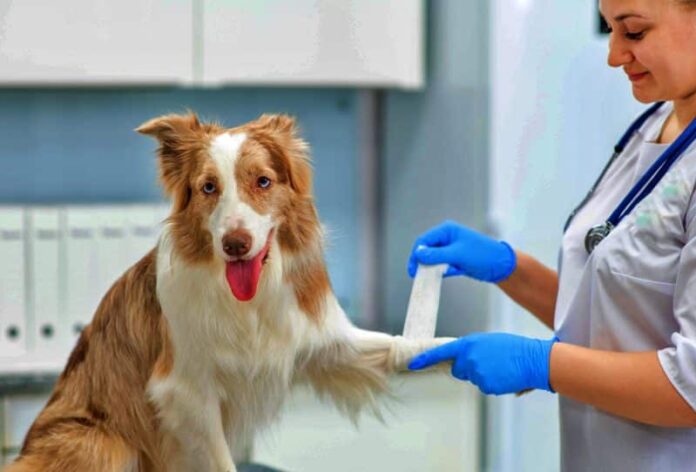
Veterinarians play a vital role in veterinary clinics. They have unique skills that are useful in sudden emergencies vets.

Before dealing with emergencies, There are some steps such as Emergency planning by risk analysis. Also, every veterinary clinic owner must know the swot analysis.

In the following article, we will learn how to become a successful veterinarian in a veterinary clinic through emergency preparedness and risk analysis.

Emergency Vets Preparedness Plan

To become a successful veterinarian, you should have an emergency planning and train for it. This helps veterinarians quickly react to crises such as infection or other emergencies in a controlled way.

Risk and Emergency Preparedness Analysis Includes Several Components

  • Training.
  • Emergency planning.
  • Distribution of staff responsibilities.
  • Internal disaster procedures, such as fire.
  • Annual evaluation.

Each of these plans has three different categories:

  • Risk.
  • Probability.
  • Preparedness.

Some issues need to be considered. For example, preparedness is the status of current plans, and risk is a threat to life or health, so it must be known as the risk that is searched for in emergency preparedness and risk analysis.

The emergency preparedness standards are diverse and include different degrees, depending on the emergency and its seriousness, such as emergency electricity.

All emergency vets must be trained on the evacuation plan, and training must be conducted regularly. Ideally, every six months. If available, become a successful emergency veterinarian and overcome any emergency encountered in your veterinary clinic.

Internal Risk Factors for the Veterinary Practice

A successful veterinarian can manage the risk by minimizing the shock from losses.

Internal and external risk factors are essential to be considered before setting up a veterinary clinic.

There are two types of risk:

  • Voluntarily undertaken risks.
  • Unavoidable risks.

There are some main strategies that are used to reduce risk. One of them is to refuse to take the risk, but emergency vets do not permanently do it, in some special cases, such as:

  • If it will be so costly, thus avoiding the risk:

That occurs by purchasing expensive veterinary devices and equipment, especially with sufficient customer availability.

  • On the other hand, controlling risk and loss is important.

After overcoming the risk, successful emergency veterinarians should know the cause of the risk that occurs through SWOT analysis and control it.

SWOT Analysis

It‘s a way to identify 4 types of veterinary practice:

  • Strength.
  • Weakness.
  • Opportunities.
  • Threats.

The SWOT analysis in veterinary practice includes premises, location, services, products, clients, finance, marketing, competitor situations, and management systems, the emergency vets should have background about this.

However, emergency veterinarians must know how the strengths of the SWOT analysis relate to the brand name. As well as highly skilled and loyal employees.

A weak point is the lack of products with high costs. Any business can be threatened by competitors.

External Risk Factors for Veterinary Practice

The four elements of emergency preparedness for external factors that can affect their veterinary practice are:

  • Social.
  • Environmental.
  • Politics.
  • Technological field.

For example, those political factors can affect veterinary practice and occur according to health and safety standards.

On the other hand, having a veterinary clinic might influence your daily veterinary work.

The Risk Strategy

For any emergency vets, it is essential to know the risk strategy to control losses, such as:

  • Implementing work safety measures 

This has an important role for every veterinarian in veterinary practice, where health and safety are critical due to infectious and zoonotic diseases.

  • Avoiding carelessness with contagious material

This can cause infectious diseases and lead to sick leave for the staff.

  • Recognizing that veterinarians have an extremely high risk of professional disability incurred during work

This risk can lead to permanent disability, making it impossible for the veterinarian to work in a veterinary practice.

  • Environmental or physical factors are the most common type of emergency
  1. Storms.
  2. Pollution.
  3. Flooding.
  • Social threats

One of the challenges that faced by emergency vets is the decreasing pet population. Because families have fewer children, many families keep pets for themselves only. Usually, children prefer to have a pet.

This further imbalance between younger and older people will influence the development of veterinary practice in the future.

The spread of major diseases like foot-and-mouth disease or avian influenza will lead to tremendous losses in the poultry sector in the future.

Veterinary Risk Assessment

All successful veterinarians must conduct a risk assessment in every veterinary practice and identify risks everywhere. These risks may be harmful to employees.

There are many types of hazards, such as:

  • Electricity.
  • Chemicals.
  • Slipping.

A successful emergency vets conducts a risk assessment that covers both the risk potential and client care.

For this reason, veterinary practices are obligated to conduct risk assessments to safeguard their staff. Consequently, the risk assessment should be integrated into an emergency planning.

Within the healthcare sector, risk assessment includes hazard assessment and vulnerability analysis.

The 5 Steps of Risk Assessment 

  1. Identification of a hazard.
  2. Identification of individuals who could be harmed and how.
  3. Evaluation of risks and precautions.
  4. Recordings and implementation of findings.
  5. Review and update the risk assessment.
  • Identification of a hazard

In the first step, the emergency vets must inspect the veterinary clinic to identify the hazards, such as exposed chemicals or damaged cages.

  • Identification of persons who could be harmed and how

Some areas might not be very evident, such as anesthesia gases.

  • Evaluation of risks and precautions

We should decide how to prevent the hazard or choose a less risky option, such as changing one acidic chemical for a less acidic one.

  • Recordings and review of risk assessment

The veterinarians are responsible for listening to all hazards on the risk assessment sheet.

The process involves recording and reviewing risk assessments.

That helps emergency vets evaluate risks and mitigate them effectively.

Conclusion

veterinarian practice is affected by both internal and external risks. We can avoid these risks by conducting a proper risk assessment.

Although risk assessment may seem complicated, by following the steps in a SWOT analysis, emergency vets can achieve effective health and safety management in veterinary practice. To be aware of this read veterinary books.
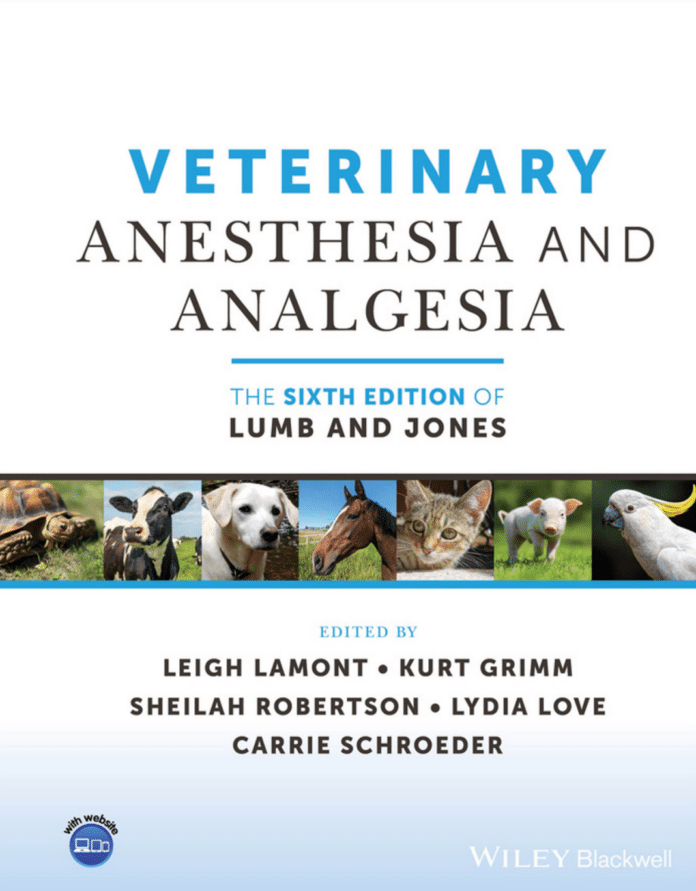
Veterinary Anesthesia and Analgesia: The 6th Edition of Lumb and Jones

Veterinary Anesthesia and Analgesia: The 6th Edition of Lumb and Jones PDF

Veterinary Anesthesia And Analgesia: The 6Th Edition Of Lumb And Jones Pdf Download

By Leigh Lamont, Kurt Grimm, Sheilah Robertson, Lydia Love and Carrie Schroeder

Veterinary Anesthesia and Analgesia: The 6th Edition of Lumb and Jones is a fully updated revision to this comprehensive, authoritative reference to all aspects of veterinary anesthesia and pain management. Encompassing both scientific principles and clinical applications, the new edition adds new knowledge, techniques, and discussion of emerging issues throughout. Fourteen new chapters significantly expand the coverage of patient monitoring modalities and nociception and pain, while presenting new information on safety culture, infection prevention and control, biomedical engineering, and point-of-care ultrasound.

Logically organized into sections, information on basic principles, pharmacology, specific body systems, and specific species is easy to access. Comparative anesthetic considerations for dogs and cats, horses, ruminants, swine, laboratory animals, free-ranging terrestrial mammals, marine mammals, reptiles, amphibians, fish, and birds are discussed. Chapters in Veterinary Anesthesia and Analgesia: The 6th Edition of Lumb and Jones are devoted to anesthesia and pain management of common domestic species and patient populations, including updated chapters on local and regional anesthetic and analgesic techniques.

Features

• Significantly expanded coverage of patient monitoring, including new chapters devoted to anesthetic depth and electroencephalography, electrocardiography, blood pressure, ventilation, oxygenation, and anesthetic gas monitoring.
• More in-depth coverage of respiratory physiology and pathophysiology, with new sections covering oxygen therapy, mechanical ventilation, anesthetic management considerations for bronchoscopy, intrathoracic procedures, including one-lung ventilation, and patients with respiratory disease.
• Expanded coverage of pain physiology and pathophysiology, recognition and quantification of pain, and clinical pain management, including both pharmacologic and nonpharmacologic modalities.
• A companion website incorporating video clips and example pain scoring sheets to complement the more than 500 images in the text itself.
Table of Contents

Section 1: General Topics

  • Overview and current issues in veterinary anesthesia
  • Anesthetic risks, patient safety, and emergencies
  • Anesthesia equipment and infection control
  • Euthanasia and humane killing

Section 2: Patient Monitoring

  • Biomedical engineering
  • Monitoring depth, blood pressure, oxygenation, and ventilation
  • Perioperative thermoregulation and ultrasound

Section 3: Pharmacology

  • Anesthetic and analgesic drugs
  • Sedatives, opioids, NSAIDs, and local anesthetics
  • Injectable and inhalation anesthetics

Section 4: Body Fluids and Fluid Therapy

  • Acid-base physiology
  • Fluid and blood component therapy

Section 5: Physiology and Anesthetic Management

  • Cardiovascular, respiratory, and neurologic physiology
  • Management for systemic diseases (hepatic, endocrine, renal)
  • Special considerations during pregnancy

Section 6: Nociception and Pain

  • Physiology and management of pain
  • Pharmacologic and non-pharmacologic pain treatment

Section 7: Comparative Anesthesia and Analgesia

  • Dogs, cats, horses, ruminants, and swine
  • Exotic species, including reptiles, birds, and marine mammals

Section 8: Anesthesia and Analgesia for Domestic Species

  • Species-specific anesthesia techniques for dogs, cats, horses, and ruminants
  • Local anesthetic methods

Section 9: Anesthesia and Analgesia for Selected Patients

  • Ophthalmic, pediatric, geriatric, and cancer patients
  • Managing osteoarthritis and other specialized conditions

Index

Get This Book

This Book is Avaiable for Members

Access this book instantly with a Premium membership

📄 PDF Format
⚡ Instant Delivery
Unlock Premium Access

Essential 16 Types of Laboratory Tests in Veterinary clinic

types-of-laboratory-tests-in-veterinary-clinic
laboratory-tests-in-veterinary-clinic

Types of laboratory tests are considered the cornerstones of veterinary medicine. The importance of diagnostic tests cannot be overstated; that’s due to the inability of your pet to express his pain and suffering, which are the gateway to uncovering the hidden diagnosis that may afflict your pet.

It helps veterinarians detect diseases early, ensuring effective treatment and a quick recovery. Many tests help diagnose your pet’s health.

Where the samples are sent to a veterinary clinic containing the necessary equipment, diagnostic tests are the silent guards that protect your pet’s health. Here’s the article on what you need to know about the tests that can be performed in the following article:

Types of laboratory tests for pets

  1. Blood tests (hematology).
  2. Urinalysis.
  3. Fecal testing.
  4. Heartworm tests.
  5. Radiography (X-rays).
  6. Ultrasound.
  7. Endoscopy.
  8. Biopsy.
  9. Electrocardiogram (ECG).
  10. Magnetic resonance imaging (MRI).
  11. PET/CT scans.
  12. Tonometry.
  13. Toxicology.
  14. Serology.
  15. Microbiology.
  16. Histology.
Vet Books

1- Blood tests (hematology)

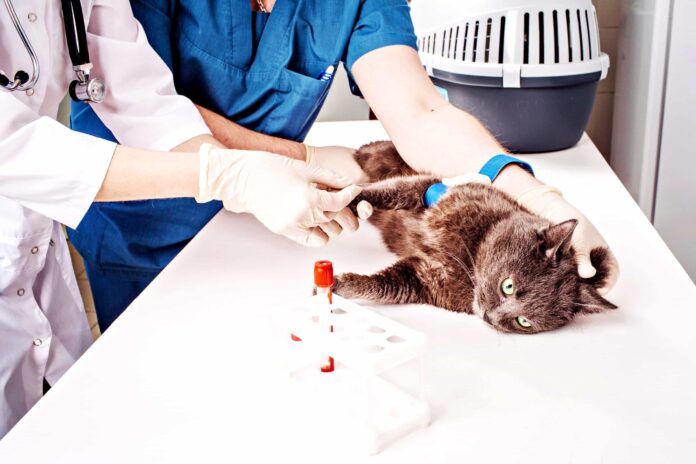
Blood tests are essential to routine diagnosis and help the veterinarian make the correct diagnosis and monitor your pet’s health condition.

Many tests include a complete blood count (CBC), thyroid function, liver function, electrolyte levels, and coagulation profile.

Older pets are similar to older humans, so dogs aged 8 or older. Cats aged 11 or older should undergo routine blood tests every six months to avoid faster health deterioration because they are more susceptible to contracting diseases. Use a small amount of blood, for these types of laboratory tests to collect more information about your pet’s health.

2- Urinalysis

Urine tests are essential to the routine examination when you visit your veterinarian, as they help evaluate kidney function, urinary tract infections, and urinary system problems. This requires a small amount of urine. But sometimes the veterinarian needs to obtain it through a needle directly from the bladder, called cystocentesis.

Normal urine is yellow and transparent; the color change is evidence of infection. The urine of most animals contains a slight smell of ammonia, and a strong smell of ammonia is evidence of a bacterial infection.

Large numbers of white blood cells are also evidence of infection; in the case of casts, there is evidence of kidney problems, which is an important test in these types of laboratory tests.

3- Fecal testing

Stool testing is essential to detecting what is hidden in your pet’s digestive system, where parasites like Guardia or worms may be present.

4- Heartworms tests

It’s considered one of the most deadly diseases. It is dangerous to a pet’s health; it has no symptoms, as it remains in the heart, lungs, and blood vessels.

No symptoms will appear except when it becomes dangerous. These symptoms are:

  • Flatulence.
  • Cough.
  • Weight loss.
  • Exhaustion.
  • Breathing difficulty.

A blood test is done to detect the presence of antigens, which cannot be detected until after 5 months.

5- Radiography (X-Rays)

It is essential in types of laboratory tests, as they help veterinarians accurately diagnose your pet, such as

  • Fractures.
  • Bladder stones.
  • Tumors.
  • Pregnancy.
  • Enlarged organs.

Negligence or delay may lead to serious diseases or cancer. X-rays are performed without anesthesia if your pet is calm.

X-rays may be inaccurate in providing a detailed view of your pet’s organs, so MRI and ultrasound are used.

6- Ultrasound

It helped the veterinarians accurately view your pet’s organs without surgery. Used in many cases, including:

  • Heart.
  • Liver.
  • Kidney.
  • Intestine.
  • Stomach.
  • Pregnancy.
  • Tumor cases.
  • Complete pet to monitor the health of the fetuses.

This x-ray is considered one of the most important types of laboratory tests. However, there are instructions that your pet must follow before radiation exposure, such as refraining from eating or drinking for 8 to 12 hours.

Avoid urinating 3 to 6 hours before the x-ray, as when examining the urinary bladder, the x-ray is more accurate if the bladder is filled with urine.

7- Endoscopy

It helps examine the internal organs, as it’s used to diagnose problems in the digestive system further. A small tube equipped with a camera is inserted inside your pet through the mouth or rectum.

8- Biopsy

It involves taking a small sample from an organ that is growing abnormally and may be cancerous. The sample is examined, and this type of laboratory test is used to determine whether it’s a benign or malignant cancer.

9- Electrocardiogram (ECG)

A test for pets that suffer from heart disease is used to measure the electrical activity in the heart and helps veterinarians detect heartbeat strikes.

10- Magnetic resonance imaging (MRI)

It helps evaluate neurological and orthopedic problems by accurately depicting the internal organs.

11- PET/CT scans

PET scan:

It detects cancer early, evaluates the effectiveness of treatment, measures heart health, and diagnoses neurological disorders such as epilepsy.

CT scan:

CT technology generates cross-sectional images of a region in types of laboratory tests. It’s used in emergencies to evaluate internal injuries quickly, and for examinations of the abdomen, it’s characterized by its accuracy and speed without surgery.

12- Tonometry

It is important to measure tension during intraocular pressure measurement, as early detection of eye disorders helps prevent pain and blindness, especially in cases of glaucoma resulting from high intraocular pressure.

13- Toxicology

Important sector in emergency poisoning cases. Veterinarians must quickly identify symptoms of poisoning to provide appropriate treatment. The symptoms of poisoning include:

  • Vomiting.
  • Seizures.
  • Lethargy.

14- Serology

That helps veterinarians identify infections, immune responses, and viral, bacterial, and parasitic diseases. Common serological tests include ELISA.

15- Microbiology

Important sector in types of laboratory tests. It helps veterinarians identify and treat infections in your pets caused by bacteria, viruses, fungi, and parasites, which is essential for selecting suitable antibiotics.

16- Histology

Detect different types of tumors and infections. This analysis is essential for accurate diagnosis and effective treatment, which contributes to improving your pet’s health.

The laboratory is equipped by allocating sufficient space for consumables, including:

  • Blood sample tubes.
  • Refrigerator for samples that need to be kept at a low temperature.
  • Sinks for preparing samples are made of epoxy or stainless steel.
  • Timer, thermometer, swabs, slides, coverslips, stains, sterile container, and lab coats.
  • Types of laboratory tests include biochemistry devices, centrifuges, PCR machines, immunoassay machines, and incubators.
  • Culture media, Petri dishes, dental equipment, autoclaves, and ELISA.
  • The endoscope, fluorescent microscope, and diagnostic imaging equipment.

In conclusion, different types of laboratory tests in veterinary clinics are important in enhancing the care of pets. These tools help veterinarians accurately diagnose diseases.

Tip

Do You Want To Increase Your Veterinary Knowledge and Practical Skills?

You Can Now Browse and Download +3000 Veterinary Books Online In All Veterinary Fields.

Download All Veterinary Books

The Dog: Its Behavior, Nutrition, and Health, 3rd Edition

The Dog: Its Behavior, Nutrition, and Health, 3rd Edition PDF Downlaod

The Dog: Its Behavior, Nutrition, And Health, 3Rd Edition Pdf Download

By Linda P. Case

The Dog: Its Behavior, Nutrition, and Health, 3rd Edition remains a definitive textbook regarding dogs and their care; written in clear, accessible language, the text provides updated and expanded coverage of selective breeding, training principles, solutions to common behavior problems, diet and nutrition, and preventive health care.

New sections in this edition include information about dog breeds and selective breeding practices, genetic testing programs, canine social cognition and communication, manners training and common behavior problems, popular dog sports, and new information regarding health care and disease prevention.

Enhanced with distinctive figures and tables, the text provides current references, suggested readings, updated tables and references, and a thorough glossary to aid in comprehension.

More detailed and comprehensive than many other dog books, The Dog: Its Behavior, Nutrition, and Health, 3rd Edition is an indispensable tool for veterinarians, veterinary technicians, trainers, behaviorists, breeders, animal shelter and rescue group staff, and dog owners. Academically, this book is a useful textbook for second- or third-year students who have completed at least one college-level biology course.

Features

Features:

  • Canine behavior, reward-based approaches to training, health care and disease prevention, new information about pet foods and nutrition, and a review of research regarding the unique social cognition of the domestic dog
  • Breed specific diseases and their genetic testing, canine infectious viruses and atopic disease, and new vaccines and vaccination schedules
  • Interspecies communications between dogs and humans, prevention and management of common behavior problems in dogs, and pet food selection and recommended feeding practices

Table of Contents

Table of Contents:

Part I Man’s Best Friend: The Animal within the Companion 1

1 Man and Wolf: The Process of Domestication 3

2 Selective Breeding: The Creation of the Working Dog 15

3 The Dog’s Body: Structure, Movement, and Special Senses 34

4 Reproduction and Breeding Management 57

5 Genetics and Breeding Programs 75

6 Sharing Our Lives with Dogs: Benefits and Responsibilities 94

Part 2 Behavior: Communicating with Man’s Best Friend 125

7 Developmental Behavior: Puppy to Adult 127

8 Understanding Normal Canine Behavior 134

9 Learning, Cognition, and Training Principles 156

10 Manners Training and Prevention of Common Behavior Problems 180

Part 3 Health and Disease: Taking Care and Keeping Fit 211

11 Infectious Diseases and Vaccination Programs 213

12 Common Noninfectious Disorders of Dogs 234

13 Internal Parasites 255

14 External Parasites 271

15 First Aid Procedures for Dogs 283

Part 4 Nutrition: Feeding for Health and Longevity 305

16 Nutrient Requirements of the Dog 307

17 Providing a Healthy Diet 327

18 Feeding for Health Throughout Life 339

19 Common Feeding Problems 354

Glossary 380

Index 385

Get This Book

This Book is Avaiable for Members

Access this book instantly with a Premium membership

📄 PDF Format
⚡ Instant Delivery
Unlock Premium Access

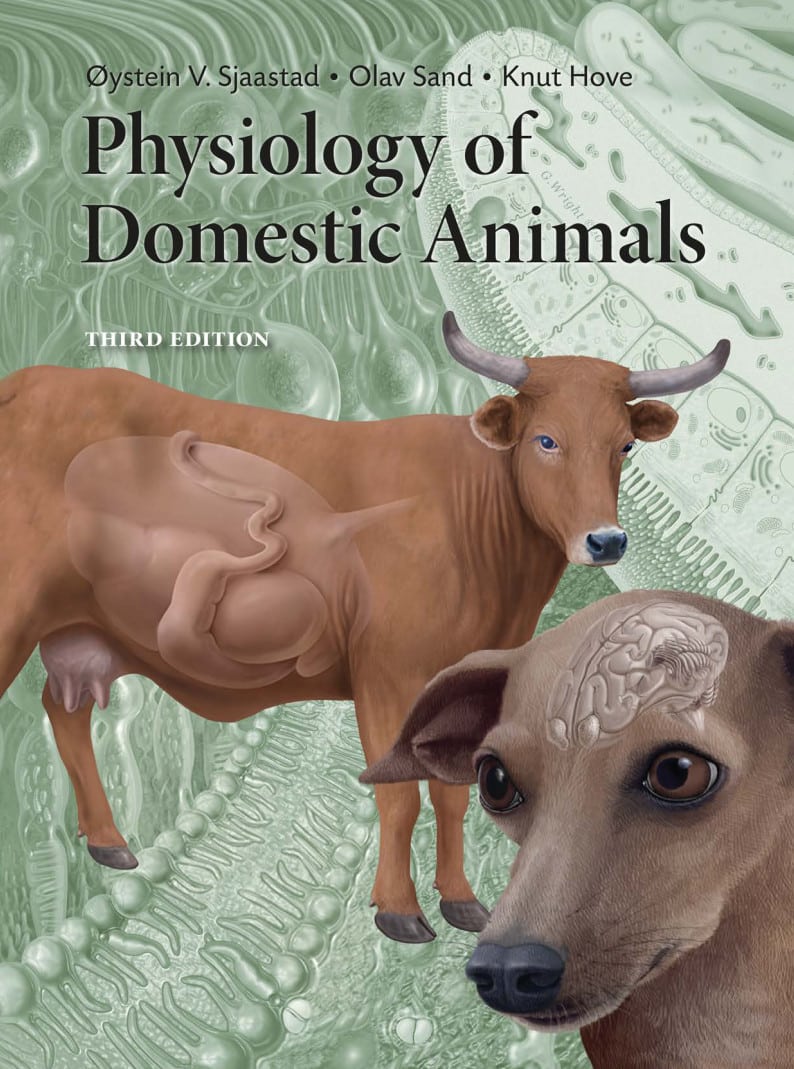
Physiology of Domestic Animals 3rd Edition

Physiology of Domestic Animals, 3rd Edition PDF Download

Physiology Of Domestic Animals 3Rd Edition Pdf Download

By Oystein V. Sjaastad, Olav Sand and Knut Hove

Physiology of Domestic Animals 3rd Edition is a state-of-the-art textbook co-authored by experienced teachers and researchers in animal physiology. The book is designed for use by students of veterinary-, animal-, and agricultural sciences. It emphasizes functional aspects of animal- and veterinary science, and aims at developing the problem-solving skills needed for careers in veterinary medicine and animal science. Physiology of Domestic Animals also provides an ideal basis for university courses in general mammalian and avian physiology.

Features
  • 21 structured chapters with cross-references showing organ and cell integration.

  • Introductory sections in each chapter followed by concise overviews and detailed content.

  • Clinical examples illustrate the balance of normal physiological processes.

  • Margin summaries highlight central concepts for quick review.

  • Self-assessment questions included with answers in the main text.

  • Foundational overview of physics, chemistry, and biochemistry in an opening chapter.

  • Chapters 2 & 3 provide a cell biology introduction essential to understanding physiology.

  • Comprehensive index with bold page numbers for main topics and italics for figures.


Table of Contents

1- Basic Chemistry and Physics

2- Cells

3- From Cells to Body

4- The Nervous System

5- The Senses

6- The Endocrine System

7- Bone Tissue and Metabolism of Calcium and Phosphate

8- Muscles

9- Blood and its Functions

10- Immunology

11- The Cardiovascular System

13- The Respiratory System

14- The Kidneys and the Urinary Tract

15- Acid-base Regulation

16- The Digestive System

17- Utilization of Organic Nutrients

18- The Skin

19- Regulation of Body Temperature

20- Reproduction

21- Lactation

22- Bioenergetics and Growth

23- Measurements and Units

Illustrators and Figure Sources

Index

Get This Book

This Book is Avaiable for Members

Access this book instantly with a Premium membership

📄 PDF Format
⚡ Instant Delivery
Unlock Premium Access

Concise Textbook of Equine Clinical Practice Book 4 Liver, Endocrine, Urinary, Skin and Wounds

Concise Textbook of Equine Clinical Practice Book 4 Liver, Endocrine, Urinary, Skin and Wounds PDF

Concise Textbook Of Equine Clinical Practice Book 4 Liver, Endocrine, Urinary, Skin And Wounds Pdf Download

By Graham Munroe, François-René Bertin, Andy Durham, Derek Knottenbelt and Antonio Cruz

Concise Textbook of Equine Clinical Practice Book 4 Liver, Endocrine, Urinary, Skin and Wounds covers the essential information veterinary students need to succeed in equine medicine and surgery, focussing on skin, urinary, liver and endocrine diseases. Written for an international readership, the book conveys the core information in an easily digestible, precise form with extensive use of bullet points, tables, flow charts, diagrams, lists, protocols and extensive illustrations.

Part of a five-book series that extracts and updates key information from Munroe’s Equine Surgery, Reproduction and Medicine, Second Edition, the book distils best practice in a logical straightforward clinical-based approach. It details clinical anatomy, physical clinical examination techniques, diagnostic techniques and normal parameters, emphasising the things regularly available to general practitioners with minimal information of advanced techniques.

  1. Concise Textbook Of Equine Clinical Practice Book 1 Lameness
  2. Concise Textbook of Equine Clinical Practice Book 2: Reproduction and the Foal
  3. Concise Textbook of Equine Clinical Practice Book 3: Respiratory and Gastrointestinal Diseases
  4. Concise Textbook of Equine Clinical Practice Book 5 Nervous System, Eyes, Cardiovascular Disorders and Haemolymphatic System
Features
  • The liver section is divided into clinical evaluation, diagnostic tests, possible causes and treatment
  • The diagnostic approach to endocrine disease is followed by specific diseases of the thyroid, parathyroid, pituitary gland, equine metabolic syndrome and other miscellaneous disorders
  • The approach to urinary tract problems includes information on diagnostic tests and imaging, renal diseases and diseases of the ureter, bladder and urethra
  • The approach to skin disease is discussed in detail, including relevant diagnostic tests. Following this, individual skin diseases are covered under the headings of genetic, infectious, immune-mediated, nutritional, endocrine, idiopathic, traumatic and neoplastic causes
  • Finally, skin wounds, burns and infections of synovial structures are discussed


Table of Contents

  1. Liver Disease
  2. Endocrine System
  3. Urinary System
  4. Skin

Get This Book

This Book is Avaiable for Members

Access this book instantly with a Premium membership

📄 PDF Format
⚡ Instant Delivery
Unlock Premium Access

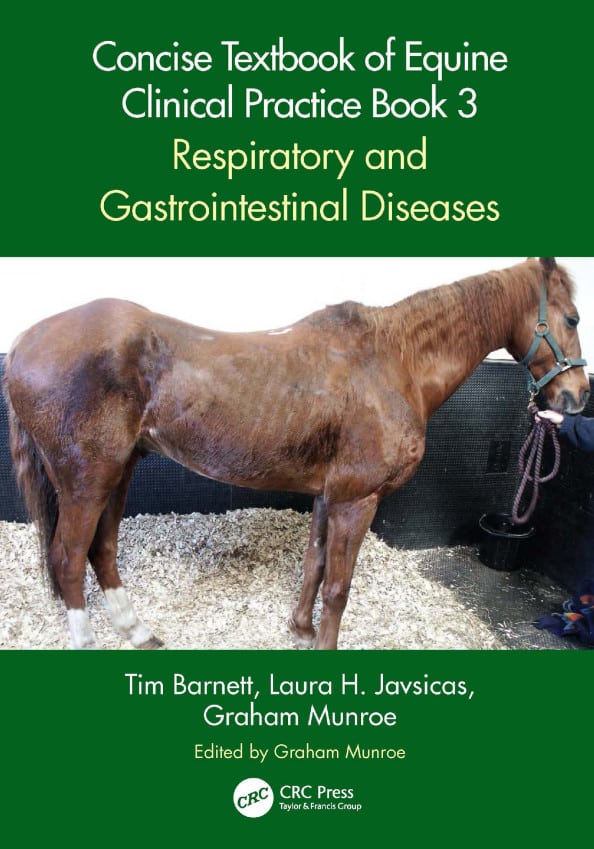
Concise Textbook of Equine Clinical Practice Book 3: Respiratory and Gastrointestinal Diseases

Concise Textbook of Equine Clinical Practice Book 3: Respiratory and Gastrointestinal Diseases PDF

Concise Textbook Of Equine Clinical Practice Book 3: Respiratory And Gastrointestinal Diseases Pdf Download

By Tim Barnett, Laura H. Javsicas and Graham Munroe

Concise Textbook of Equine Clinical Practice Book 3: Respiratory and Gastrointestinal Diseases covers the essential information veterinary students and nurses, new graduates, and practitioners need to succeed in equine medicine, focussing on respiratory and gastrointestinal diseases. Written for an international readership, the book conveys the core information in an easily digestible, precise form with extensive use of bullet points, lists, diagrams, protocols, and extensive illustrations (over 300 full-colour, high-quality photographs).

Part of a five-book series that extracts and updates key information from Munroe’s Equine Surgery, Reproduction and Medicine, Second Edition, the book distils best practice in a logical straightforward clinically based approach. It details relevant clinical anatomy, physical clinical examination techniques and findings, normal parameters, aetiology/pathophysiology, differential diagnoses, diagnostic techniques, management and treatment, and prognosis.

Related Books:

  1. Concise Textbook Of Equine Clinical Practice Book 1 Lameness
  2. Concise Textbook of Equine Clinical Practice Book 2: Reproduction and the Foal
  3. Concise Textbook of Equine Clinical Practice Book 4 Liver, Endocrine, Urinary, Skin and Wounds
  4. Concise Textbook of Equine Clinical Practice Book 5 Nervous System, Eyes, Cardiovascular Disorders and Haemolymphatic System
Features

The emphasis is on information tailored to general equine clinicians with just enough on advanced techniques to make the practitioner aware of what is available elsewhere.

  • The respiratory system is split into sections on surgical and medical conditions of the upper and lower respiratory tracts.
  • The gastrointestinal system is divided into the upper tract, including the oral cavity and dentistry, and the lower tract and peritoneal cavity.
  • Ideal for veterinary students and nurses on clinical placements with horses as well as practitioners needing a quick reference ‘on the ground’.


Table of Contents

  1. Respiratory System.
  2. The Upper Gastrointestinal Tract.
  3. The Lower Gastrointestinal Tract.

Get This Book

This Book is Avaiable for Members

Access this book instantly with a Premium membership

📄 PDF Format
⚡ Instant Delivery
Unlock Premium Access

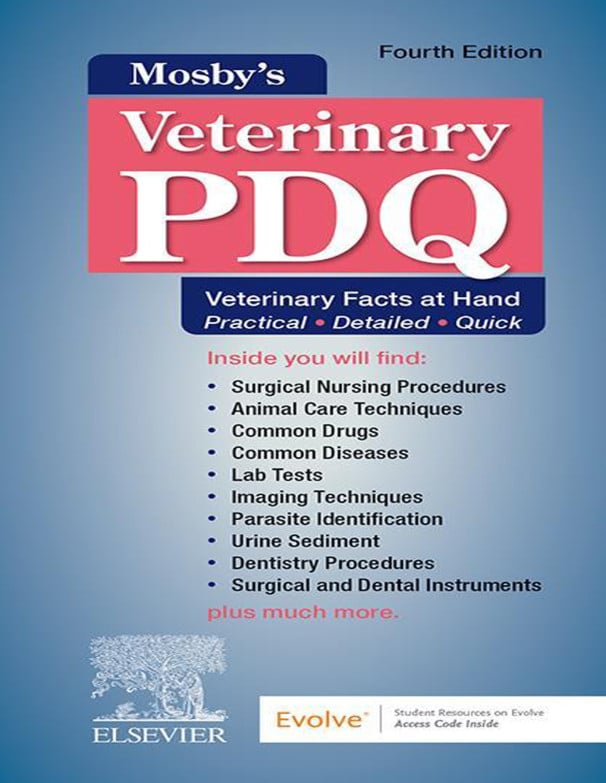
Mosby’s Veterinary PDQ 4th Edition

Mosby’s Veterinary PDQ, 4th Edition PDF Download

Mosby’s Veterinary Pdq 4Th Edition Pdf Download

By Kristin J. Holtgrew-Bohling

Mosby’s Veterinary PDQ 4th Edition provides fast access to hundreds of veterinary facts, formulas, lab values, and procedures. Coverage includes key topics such as the physical exam, common diseases, emergency care, pharmacology, diagnostic procedures and imaging techniques, surgery and anesthesia, parasite identification, urinalysis, blood tests, and other lab work. A special section offers a guide to normal lab values. Written by expert clinician and vet tech educator Kristin Holtgrew-Bohling, this full-color guide makes it easy to find the information that is most useful in practice.

Features

  • Quick-access format is organized into 10 tabbed, color-coded sections, and makes it easy to find facts quickly.
  • Valuable formulas, conversions, and lab values make it easy to look up the data needed to deliver safe and effective veterinary care.
  • Information on topics such as dental imaging, surgery, and breathing circuits keeps you up to date on the latest techniques and equipment.
  • Easy-to-read charts and tables summarize important information that vet techs commonly use but rarely memorize.
  • Full-color photos and drawings illustrate procedures and tests, dental and surgical instruments, parasites, and urine and blood analysis.
  • Convenient size easily fits in the busy vet tech’s pocket for use while on the job.
  • Spiral binding allows you to lay the book flat or keep it open to a specific page, and durable pages can withstand everyday use in the clinical setting.
  • NEW! Updated drug information includes the newest pharmacologic agents and their uses, dosage forms, and adverse side effects.
  • NEW! New and updated images prepare you to perform routine procedures.

Table of Contents

  1. Physical Examination
  2. Hematology, Serology & Urinalysis
  3. Parasitology
  4. Cytology
  5. Common Diseases of Dogs and Cats
  6. Pharmacology
  7. Surgery & Anesthesia
  8. Dentistry
  9. Recommendations & Protocol

Get This Book

This Book is Avaiable for Members

Access this book instantly with a Premium membership

📄 PDF Format
⚡ Instant Delivery
Unlock Premium Access

Fluid Therapy in Dogs and Cats 2nd Edition

Fluid Therapy in Dogs and Cats, 2nd Edition ebook PDF Download

Fluid Therapy In Dogs And Cats, 2Nd Edition Pdf Download

By Fabio Viganò and Deborah C. Silverstein

Fluid Therapy in Dogs and Cats 2nd Edition summarizes the fundamentals for understanding the water and electrolyte requirements of critical patients, the types of fluids that can be administered, and the consequences that a decision may entail. This handbook is published at a particularly relevant time, with the recent developments in orthogonal polarization spectral imaging; the advancements in hemodynamics, which have made it possible to assess the real efficacy of therapy and the side effects fluids can produce if not provided correctly; and the evidence-based advances that have changed the way fluid therapy in both human and veterinary medicine is now provided, which is very different from how it had been performed over the past 30 years.

An attempt has been made in Fluid Therapy in Dogs and Cats book to address the topics homogeneously, following a functional approach for readers. Every chapter ends with a clinical case, which is useful for putting into practice what has been explained in the text.

Table of Contents

1. Fundamentals of Fluid Therapy, Hemodynamics and Compartmentalization of Fluids in the Body

2. Acid–Base Disorders

3. Fluids: when and how to administer them

4. Electrolyte Disorders

5. Hemorrhagic Shock

6. The Microcirculation and Fluid Therapy

Get This Book

This Book is Avaiable for Members

Access this book instantly with a Premium membership

📄 PDF Format
⚡ Instant Delivery
Unlock Premium Access

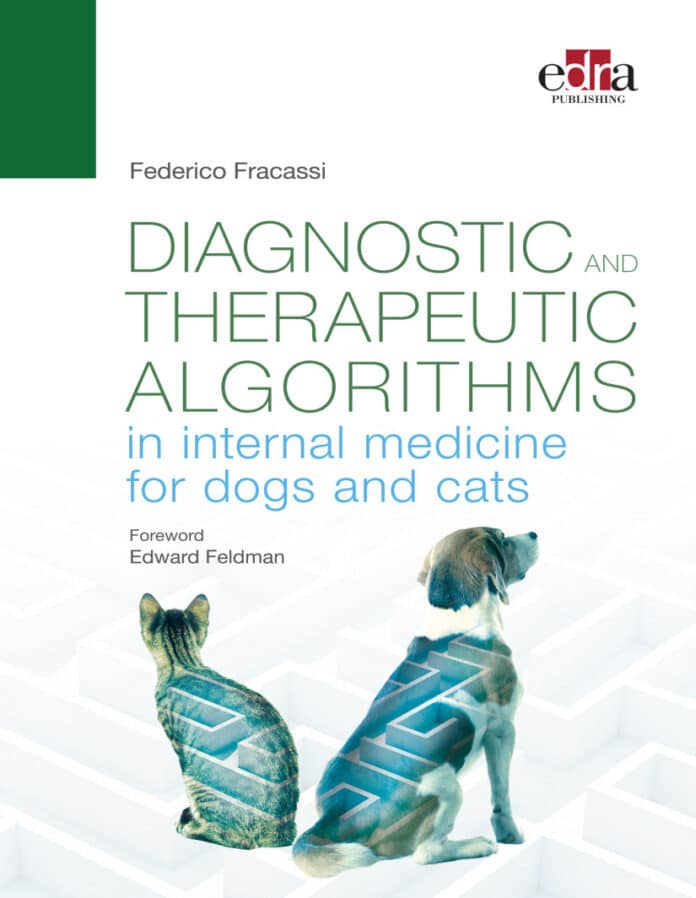
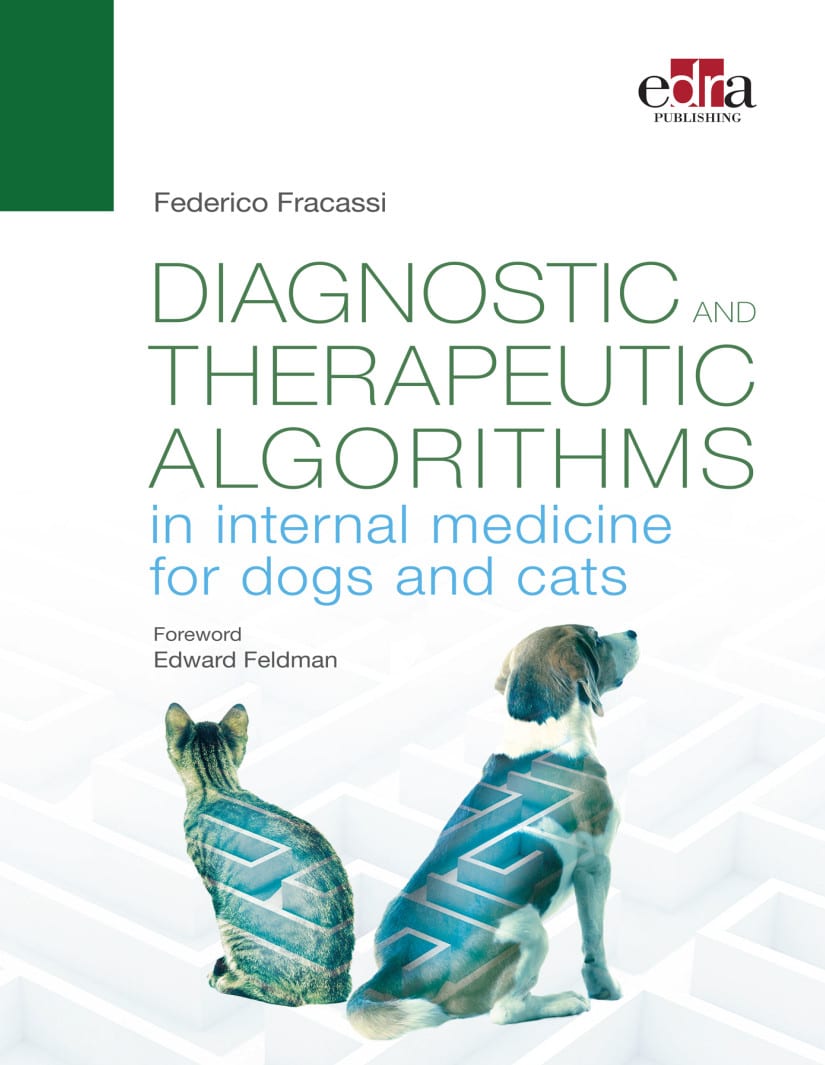
Diagnostic and Therapeutic Algorithms in Internal Medicine for Dogs and Cats

diagnostic and therapeutic algorithms in internal medicine for dogs and cats pdf

Diagnostic And Therapeutic Algorithms In Internal Medicine For Dogs And Cats Pdf Download

By Federico Fracassi

The problem-oriented approach (POA) is the method recommended by the College of Internal Medicine to address and resolve medical questions and problems. Hence the idea of creating a book based on algorithms dealing with the main clinical and laboratory canine and feline clinical abnormalities, using an innovative perspective. Each of the 85 chapters begins with a short introduction which includes the basic pathophysiological and classification information.

By means of each algorithm, the clinician is guided, step by step, in carrying out diagnostic investigations in a sequential manner, reaching a diagnosis, and setting up treatment. In Diagnostic and Therapeutic Algorithms in Internal Medicine for Dogs and Cats, two useful and innovative aspects were included: color codes and links for additional information within the algorithm. Yellow indicates the diagnostic path, red the diagnosis, and blue is the therapy; this allows the veterinarian to be guided through the diagnostic labyrinth in order to reach the most appropriate therapy. Inside the red boxes, the list of differential diagnoses for each problem can quickly be identified.

By following the yellow boxes, one can understand how to reach these diagnoses and optimize the diagnostic protocol. Moreover, comprehensive notes, linked to the algorithms by references, give more details regarding a specific diagnostic investigation, a particular disease, or the therapy recommended.

Table of Contents

  1. Abdominal effusion

  2. Abdominal enlargement

  3. Acid-base anomalies: acidosis

  4. Acid-base anomalies: alkalemia

  5. Acute dyspnea

  6. Adrenal mass

  7. Alopecia in cats

  8. Alopecia in dogs

  9. Anemia: non-regenerative

  10. Anemia: regenerative

  11. Anorexia/decreased appetite

  12. Arrhythmia: supraventricular tachycardias

  13. Arrhythmia: ventricular tachycardias

  14. Ataxia

  15. Azotemia

  16. Bleeding

  17. Blindness

  18. Bradyarrhythmias

  19. Cough

  20. Cyanosis

  21. Diarrhea: acute

  22. Diarrhea: chronic

  23. Dysphagia

  24. Epileptic seizures

  25. Equilibrium disorders

  26. Erythrocytosis

  27. Exercise intolerance

  28. Failure to grow

  29. Fever/hyperthermia

  30. Gait abnormalities

  31. Generalized lymphadenomegaly

  32. Heart murmur

  33. Hematemesis

  34. Hematuria

  35. Hypercalcemia

  36. Hyperglobulinemia

  37. Hyperglycemia

  38. Hyperkalemia

  39. Hyperlipidemia

  40. Hypernatremia

  41. Hypertension

  42. Hypoalbuminemia

  43. Hypocalcemia

  44. Hypoglycemia

  45. Hypokalemia

  46. Hyponatremia

  47. Jaundice

  48. Joint pain/joint swelling

  49. Lameness

  50. Leukocytosis

  51. Leukopenia

  52. Low serum T4 concentration

  53. Magnesium disorders

  54. Melena/hematochezia

  55. Muscle wasting

  56. Nasal discharge

  57. Oliguria/anuria

  58. Pain

  59. Paraplegia/tetraplegia

  60. Pericardial effusion

  61. Peripheral edema

  62. Petechiae/ecchymosis

  63. Pigmenturia

  64. Pleural effusion

  65. Pollakiuria/stranguria

  66. Polyphagia

  67. Polyuria/polydipsia

  68. Prostatomegaly

  69. Proteinuria

  70. Pruritus: cats

  71. Pruritus: dogs

  72. Pulmonary hypertension

  73. Regurgitation

  74. Shock

  75. Sialorrhea

  76. Stomatitis: cats

  77. Stomatitis: dogs

  78. Tenesmus/constipation

  79. Thrombocytopenia

  80. Transient loss of consciousness

  81. Urinary incontinence and retention

  82. Vomiting

  83. Vulvar discharge

  84. Weight gain

  85. Weight loss

Get This Book

This Book is Avaiable for Members

Access this book instantly with a Premium membership

📄 PDF Format
⚡ Instant Delivery
Unlock Premium Access