Veterinary Equipment & Tools: A Complete List For Clinics & Hospitals (2026) + PDF Guide
Choosing the right veterinary equipment is essential for running a safe and efficient veterinary clinic in 2026. Modern practice depends on the right mix of veterinary tools, diagnostic devices, and clinical essentials to support accurate diagnosis and high-quality patient care.
This updated guide provides a clear list of veterinary equipment and tools used in small clinics, large hospitals, and specialized practices.
Whether you are opening a new clinic or upgrading your setup, this page works as a practical reference for veterinarians. For quick selection, the items are organized by function and clinical importance—so you can easily identify essential tools, advanced equipment, and optional devices based on your needs in 2026.

Essential Diagnostic Tools
Diagnostic tools form the foundation of daily veterinary practice. These instruments are used during routine examinations and initial assessments to help veterinarians evaluate an animal’s health, detect abnormalities, and decide on further diagnostic or treatment steps. The following tools are considered essential for any veterinary clinic in 2026, regardless of size or specialty.
Veterinary Stethoscopes
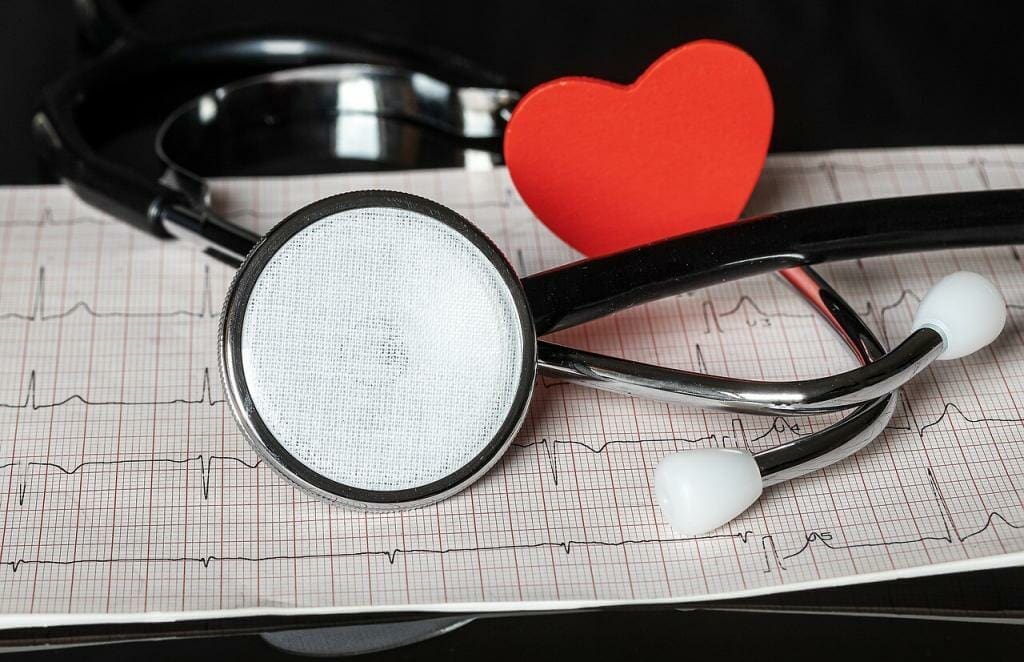
Stethoscopes are fundamental and one of the most important Vet Tools that all professionals in the medical field need, but the vet needs a specific stethoscope for their practices. Littmann stethoscopes are the most popular.
The stethoscope is a small, lightweight, and portable tool that has different parts like ear tips, tubes, ear tubes, stem, headset, diaphragm, chest-piece, and bell. The diaphragm or bell picks up the sound created by the animal’s body and passes it to the earpiece.
The stethoscope is essential because it helps us bypass all muscles and fur, and in fact, helps us hear the sounds of the lungs, intestines, and heartbeat. Thanks to this specialized equipment, it is now easy to examine any large or small animal.
Related guide:
6 Best Veterinary Stethoscopes For Veterinarians In 2026
Thermometers
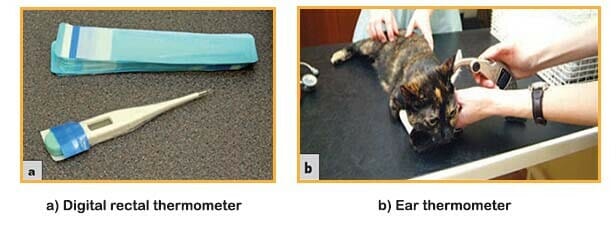
These can be of the traditional glass and mercury type, although they will require a risk assessment and plans for mercury disposal in case of breakage. They must be thoroughly cleaned and disinfected between patients.
Digital rectal thermometers are accurate and easy to read and are usually supplied with sterile single-use disposable probe covers to avoid cross-infection.
Ear thermometers can also be used and suitable models are now available for most small animals. These also use disposable covers to prevent cross-infection.
It is better to continue to use the same type of thermometer when monitoring the temperature of an ongoing case, as there can be significant differences in readings between rectal and ear thermometers.
Ophthalmic and Aural Examination Tools
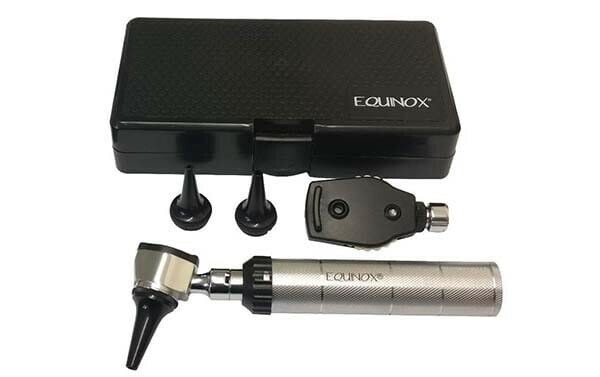
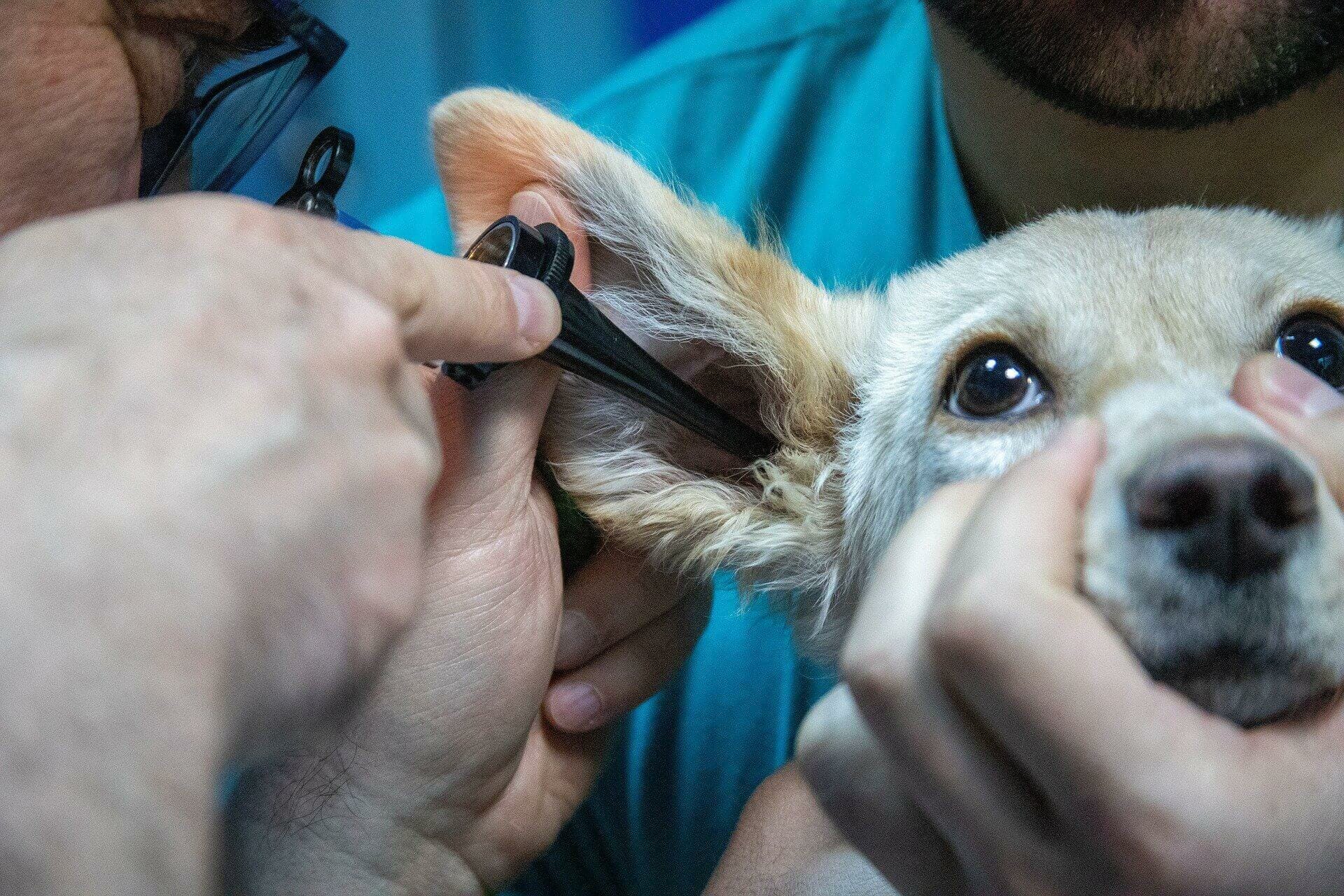
For ophthalmic examinations a pen torch or Finhoff transilluminator is useful; a hand lens, fluorescein strips and tear test strips should also be to hand in the consulting area.
Ophthalmoscopes and auriscopes should be cleaned and checked regularly. Ophthalmoscope and auriscope sets can be either mains- or battery-operated.
Wall-mounted mains-operated sets in each consulting room are easy to use, look neat and tidy, are always available, and have the added advantage of never having a flat battery, but attention should be paid to the extending wires.
Battery-operated sets are more portable, can be shared between rooms, and taken out on visits, but they need regular checks and supplies of spare batteries available (unless rechargeable batteries are used).
They are also easy to leave on, leading to flat batteries, although handsets that come on when they are picked up and automatically switch off when they are put down are now available.
Microscopes
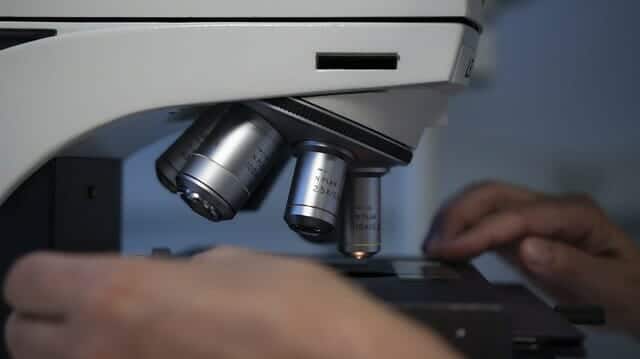
Microscopes are used in veterinary practice for the proper diagnosis and treatment of patients. A microscope can increase the efficiency of a veterinary clinic. They are used to examine patient samples microscopically with the help of certain solutions.
The microscope has significant use in veterinary practices for viewing:
- Ear swabs
- Urine sediments
- Fecal parasites
- Blood cytologies
- Differential counts
- Tumor aspirates
- Embryo transfer
- Sperm motilities
- Skin issues
With the advancement of technology, the new microscopes ensure sharp and bright images coupled with new LED lighting, making it easier to examine samples even during evening hours.
Centrifugal Machine
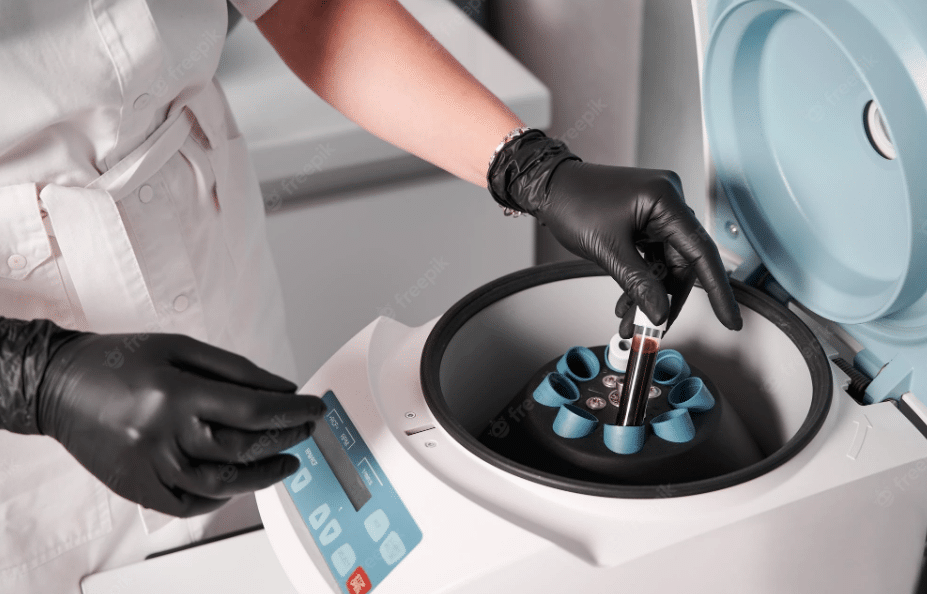
A centrifugal machine is an essential device in veterinary clinics and laboratories. It is used to separate plasma and serum from blood cells for diagnostic testing.
Centrifuges are also used in urine and fecal sediment examination. The separated serum can be utilized for various diagnostic tests, including antigen and antibody detection.
Exam Room Equipment
The examination room is the core area of any veterinary clinic. Proper equipment in this space allows veterinarians to perform physical examinations safely, efficiently, and comfortably for both the animal and the clinician.
Exam and Procedure Tables
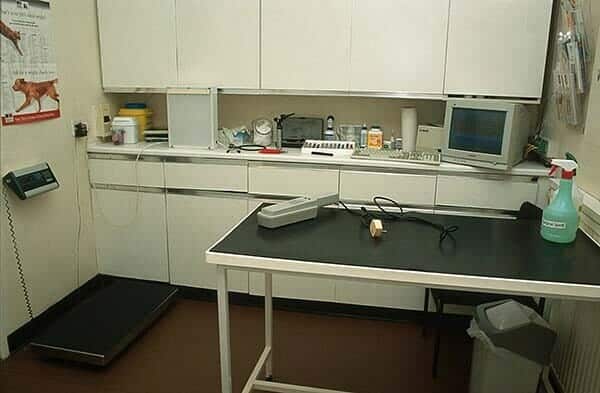
To examine and treat animals, you will need an examination table in each treatment room. There are different types of exam tables available according to the unique needs of your clinic.
- Electric and hydraulic tables
- V-top tables
- Lift tables
The surface of these examination tables is very versatile and flexible and can be adjusted according to the size of the pet patient or the area under examination.
These tables are not like standard tables; they are designed for routine disinfection and easy cleaning.
Weighing Scales
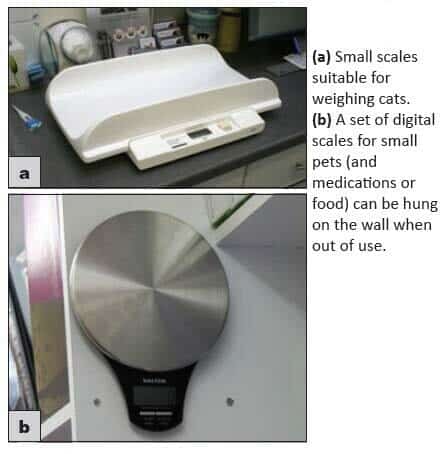
Weighing scales are used in veterinary clinics to measure the weight of each patient, which is essential for determining ideal body weight, health status, and accurate drug dosing.
Scales are available in a variety of sizes and styles for cats, dogs, horses, and wild animals.
Large scales should be carefully positioned to avoid trip hazards, while smaller scales for cats are best kept in the consulting room to reduce the risk of escape.
There should also be accurate scales suitable for small and exotic pets, as well as scales for weighing food for hospitalized patients.
Modern scales are pet-friendly and often feature comfortable rubber mats, LED displays, and portable designs with AC and battery options.
Lighting
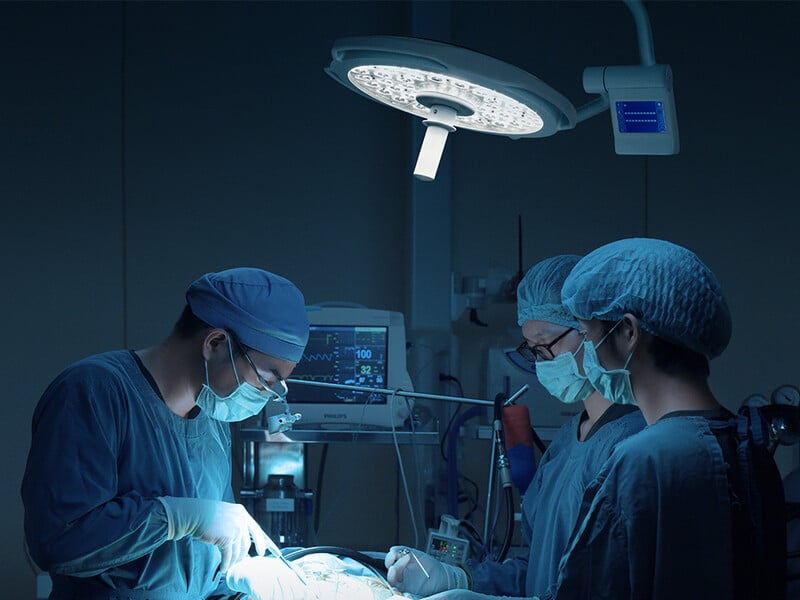
Proper lighting is required in the examination room for routine treatment, surgery preparation, and dental examinations.
In the past, incandescent and halogen bulbs were commonly used in veterinary clinics. Today, LED-based lighting systems are preferred due to their efficiency, eco-friendly nature, long lifespan, and improved light quality.
LED lights typically have a lifespan of up to 50,000 hours and consume significantly less electricity than traditional lighting systems.
Refrigerators

Refrigerators are commonly used in veterinary clinics for storing vaccines, medications, biological samples, and certain medical supplies.
In small clinics, refrigerators may be used mainly for vaccines and basic medications, while larger hospitals may require multiple refrigerators for drugs, laboratory samples, and nutritional products.
Surgery & Sterilization Essentials
Surgical and sterilization equipment are critical components of any veterinary clinic that performs operative procedures. Proper tools and strict sterilization protocols are essential to ensure patient safety, reduce infection risks, and maintain high clinical standards.
Anaesthetic Machine
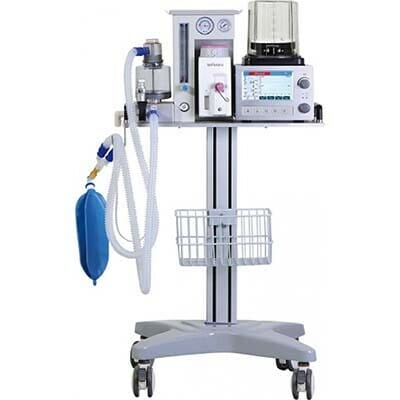
An anesthesia machine is one of the most essential pieces of veterinary equipment used to generate and deliver medical gases during surgical procedures.
It helps maintain sedation while reducing risks to the animal’s life and is commonly used alongside monitoring equipment to track vital signs throughout anesthesia.
Oxygen is typically used during anesthesia, and following proper anesthetic protocols is critical to ensure patient safety during surgery.
Veterinary Surgical Instruments
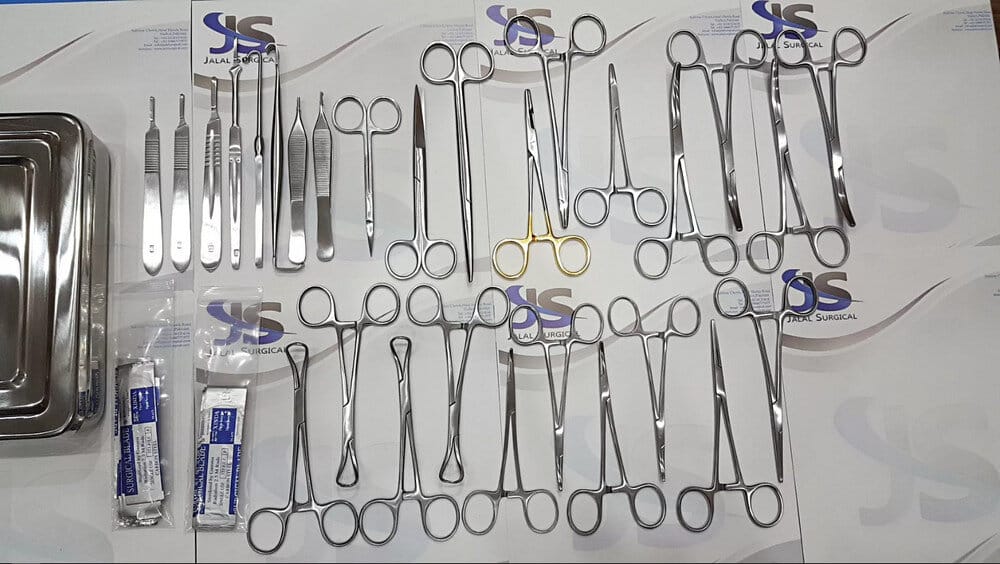
General surgical instruments are the basic instruments required for most surgical operations. These instruments must be manufactured with high precision to ensure accuracy and safety during surgical procedures.
Common general surgical instruments include:
- Scissors
- Forceps
- Dissecting forceps
- Tissue forceps
- Clamps or hemostats
- Visceral clamps
- Towel clamps
- Scalpel
- Retractors
- Self-retaining retractors
- Needle holders
In addition to general instruments, specialized surgical tools are used for orthopedic, ophthalmic, dental, and teat surgeries depending on the type of practice.
Related guide:
Veterinary Surgical Instruments List: Names, Uses, and Pictures
Autoclaves and Sterilizers
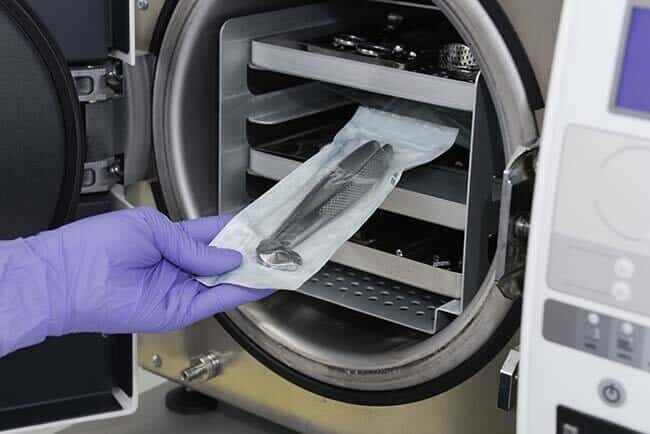
Autoclaves and sterilizers are essential in veterinary clinics for the proper sterilization of surgical instruments and medical tools.
Sterilized instruments reduce the risk of infection and contamination while also extending the lifespan of surgical tools compared to harsh chemical disinfection methods.
Autoclaves are available in various sizes depending on clinic volume. High-volume clinics often require larger units, while digital and automatic autoclaves allow faster turnaround times than manual models.
Monitoring & Therapeutic Equipment
Monitoring and therapeutic equipment play a vital role in maintaining patient safety during anesthesia, surgery, and critical care. These tools allow veterinarians to continuously assess vital parameters and provide supportive therapy when needed.
Monitoring Equipment
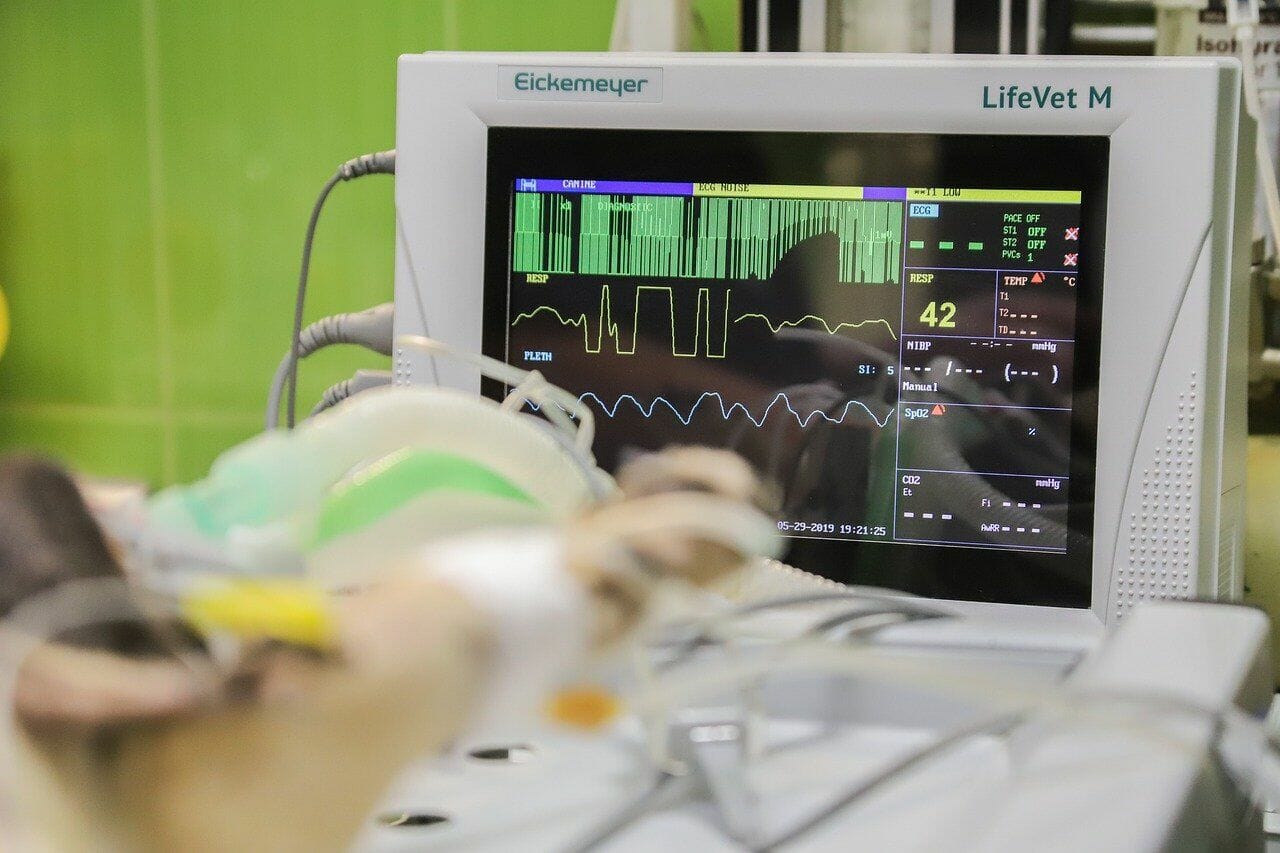
Monitoring equipment can be used in a veterinary clinic to help keep patients safe, healthy, and productive.
By using monitors, veterinarians can keep track of important health information such as blood pressure, heart rate, and other vital signs.
Continuous monitoring helps improve patient outcomes and allows early detection of complications during anesthesia and intensive care.
IV Pumps
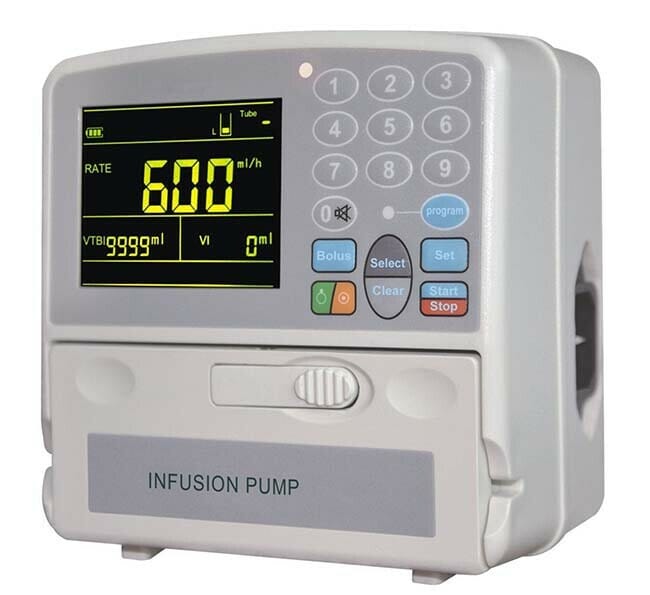
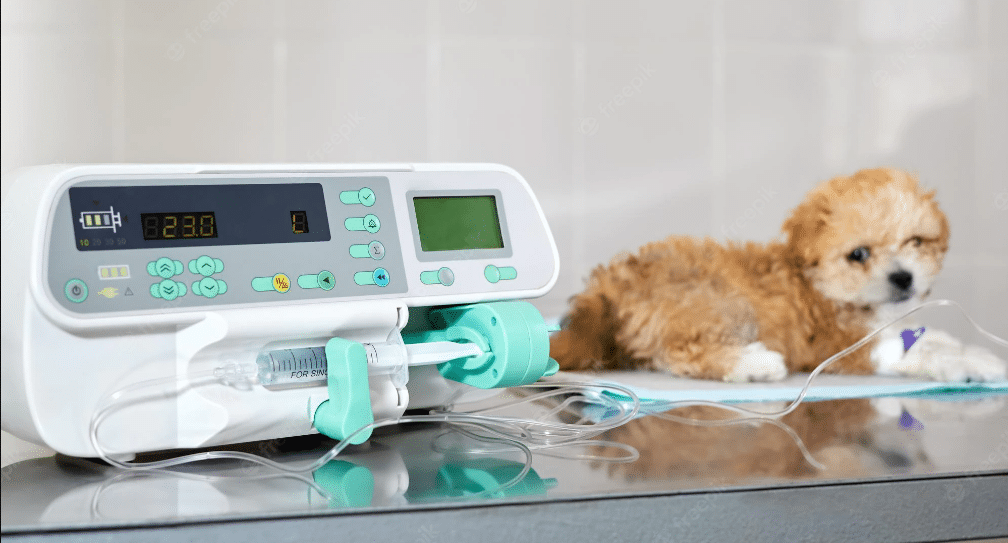
IV pumps are essential equipment used in veterinary clinics to administer medications, fluids, and supplements to patients during surgeries and critical care.
They are used to control a constant infusion rate over a specific period of time, ensuring accurate and safe drug delivery.
Syringe pumps offer a wider range of delivery modes and support different syringe sizes. Although more expensive, IV pumps are durable and provide long-term value for veterinary practices.
Warming Unit
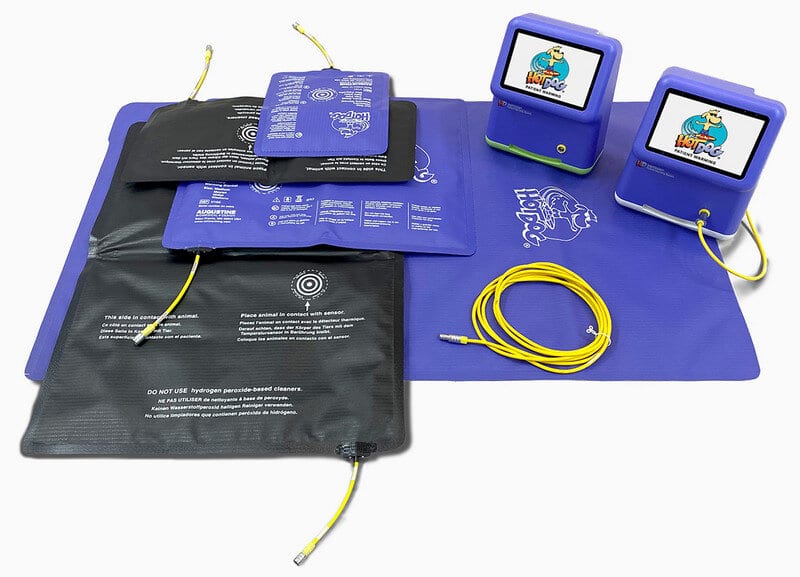
A patient warming unit (PWU) is an electronic device used to maintain or increase a patient’s body temperature in a veterinary clinic.
Warming units are commonly used before, during, and after surgical procedures to improve patient comfort and reduce the risk of hypothermia.
Emergency Equipment
If the consulting room is at a small satellite branch surgery with consulting-only facilities, it is worth considering keeping an emergency box at the branch.
This emergency box can be similar to an anesthetic crash kit and may include intravenous fluids and catheters, endotracheal tubes, oxygen supply, and essential emergency drugs.
Emergency equipment allows veterinarians to stabilize critical patients before referral to a main surgery or hospital.
Related guide:
10 Emergency Equipment For Every Veterinary Hospital
Advanced & Specialized Tools
Advanced and specialized veterinary equipment is typically used in large clinics, referral centers, and hospitals that offer extended diagnostic and therapeutic services. These tools enhance diagnostic accuracy and allow for advanced treatment options.
Veterinary Ultrasound
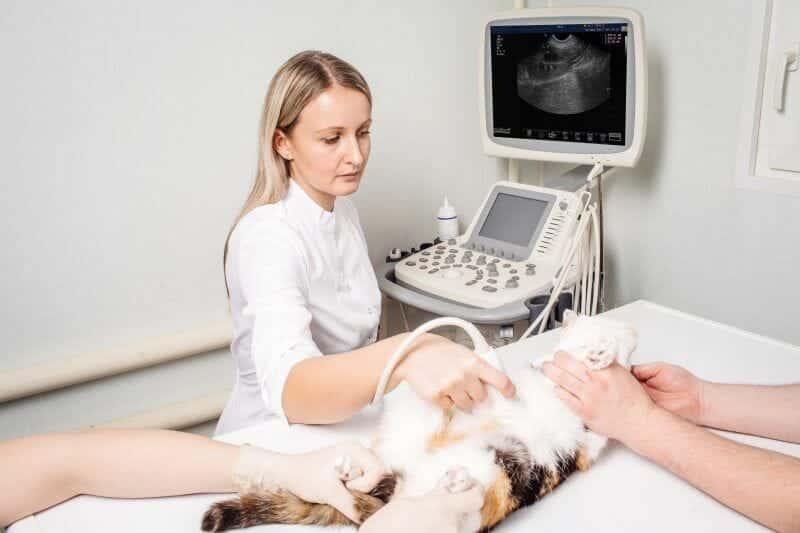
Ultrasound is a widely used diagnostic imaging tool in veterinary medicine that uses sound waves to produce real-time images of internal organs and body systems.
Modern ultrasound machines provide clearer images, faster examination times, and can be used across a wide range of animal sizes. Portable ultrasound devices are especially useful for mobile practices and on-site examinations.
Digital X-Ray Machines
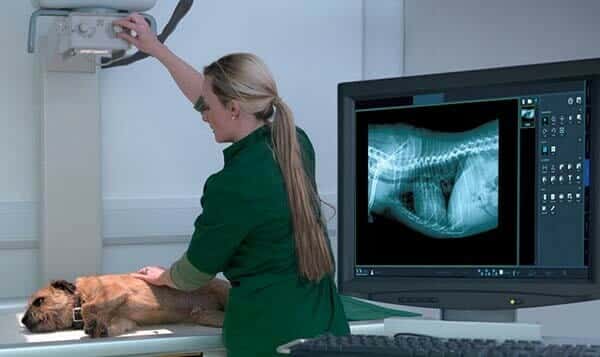
Digital radiography allows veterinarians to obtain high-quality images of bones, muscles, and internal organs without the need for traditional film processing.
Digital images can be zoomed, enhanced, and shared easily for consultation, making digital X-ray systems an essential diagnostic tool in many veterinary hospitals.
CT Scanners & MRI
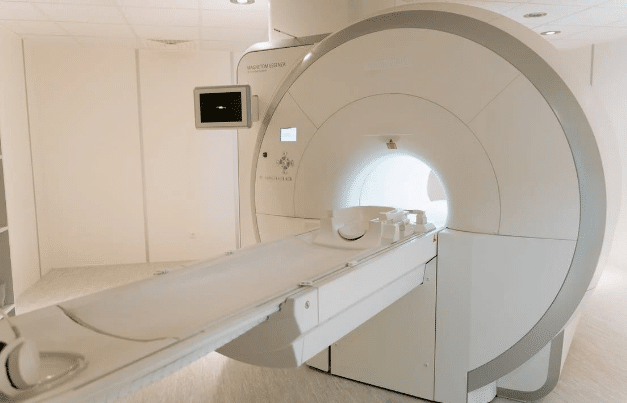
CT scanners and MRI systems provide detailed cross-sectional and three-dimensional images of the body, allowing for advanced diagnostic capabilities.
These imaging tools are particularly useful for identifying tumors, neurological conditions, and complex musculoskeletal disorders, and are commonly found in referral hospitals.
Dental Equipment
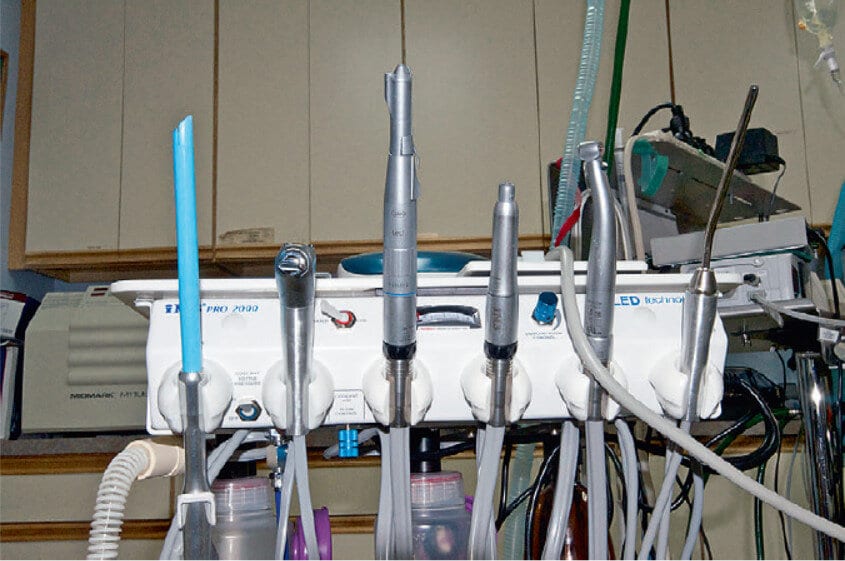
Veterinary dental equipment is essential for maintaining oral health and preventing dental disease in animals. Proper dental care helps reduce infections, pain, and systemic health problems associated with poor oral hygiene.
Common veterinary dental equipment includes ultrasonic scalers, dental units, extraction forceps, bone curettes, mouth gags, and polishing tools. Ultrasonic scalers are particularly effective for removing dental calculus while minimizing damage to tooth surfaces.
Dental procedures are commonly performed under anesthesia, making proper monitoring and supportive equipment essential during dental treatments.
Related guide:
Veterinary Dental Equipment and Instruments: Names and Uses
Endoscopic Instruments
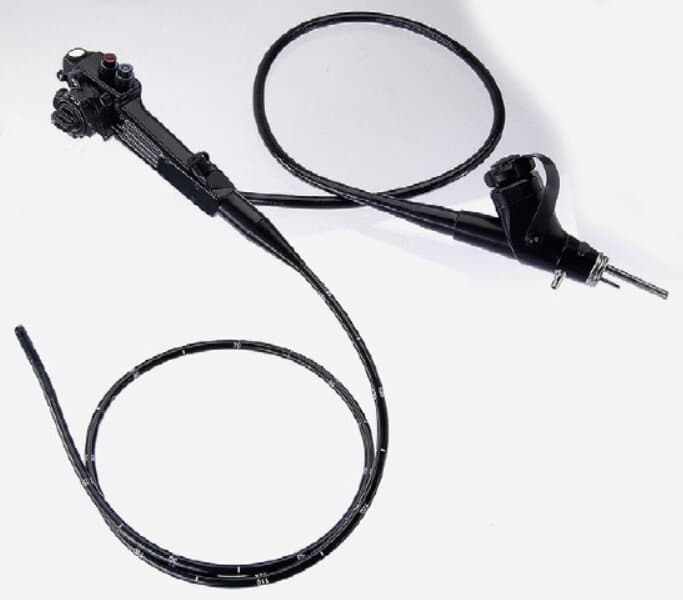
Endoscopy is a diagnostic and therapeutic technique used to examine internal organs such as the gastrointestinal tract, joints, and body cavities.
Endoscopes may be flexible or rigid. Flexible endoscopes are commonly used for gastrointestinal examinations, while rigid endoscopes are used for joints and non-tubular body cavities.
Incubators
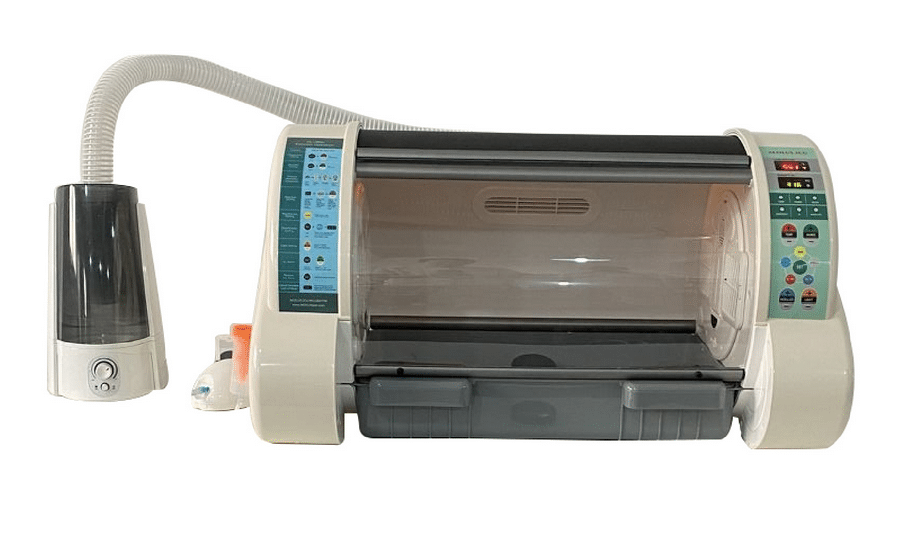
Incubators are used in veterinary clinics for bacterial culture, antibiotic sensitivity testing, and embryo management.
They provide controlled environments to support laboratory diagnostics and specialized reproductive procedures.
Other Tools
A selection of scissors and basic forceps is helpful in the consulting room, as is a range of nail clippers varying from heavy-duty to small sizes.
Electric clippers are particularly useful and upset animals much less than standard clippers. Cordless clippers are more practical and reduce trip hazards.
All clippers should be cleaned thoroughly and disinfected between patients.
Tools for taking samples such as swabs, blood tubes, and sample containers should be readily available. Microscope slides and coverslips should also be kept close at hand.
Examination gloves should include non-latex options for staff with latex allergies.
Additional Basic Tools
- Otoscope
- Refractometer
- Hemocytometer
- Muzzles
- Nail clippers and electric clippers
- Disposable syringes
- Dose syringe
- Needles
- Matic dose syringe
- Oral calf drencher
- Balling gun
- Frick speculum
- White nail trimmer
- Fecal loop
- Bull ring
- Electric dehorner
- Burdizzo castrator
- Fetal extractor
- Trocar and cannula
- Sphygmomanometer
- Blow dart
- Insemination kit
- Suction machine
Setup & Workflow Tips
Proper clinic setup and workflow organization play a major role in improving efficiency, reducing staff stress, and enhancing patient safety. Even with advanced equipment, poor layout and workflow can negatively impact daily veterinary operations.
General Workflow Principles for All Clinics
- Ensure easy access to essential tools such as examination tables, diagnostic instruments, and weighing scales.
- Arrange equipment to minimize unnecessary movement and excessive animal handling.
- Maintain clear and consistent equipment placement to speed up routine procedures.
Examination Room Setup
- Keep frequently used diagnostic tools within arm’s reach.
- Position weighing scales inside or near consultation rooms to reduce patient movement.
- Ensure adequate lighting for physical and dental examinations.
Sterilization and Infection Control Workflow
- Separate sterilization areas from examination and treatment zones.
- Follow a clear workflow: cleaning → sterilization → storage.
- Use dedicated storage for sterile and non-sterile instruments.
Equipment Maintenance and Safety
- Schedule regular maintenance and calibration of diagnostic and monitoring equipment.
- Clean and disinfect reusable tools after each use.
- Inspect electrical and mechanical devices to prevent unexpected failures.
Trends in Veterinary Equipment 2026
Veterinary equipment continues to evolve alongside advancements in technology and changes in clinical practice. In 2026, the focus is on digital integration, portability, efficiency, and sustainability across different types of veterinary practices.
General Trends Across All Veterinary Clinics
- Increased use of digital diagnostic and imaging systems.
- Greater emphasis on workflow efficiency and time-saving tools.
- Adoption of integrated digital record and monitoring systems.
Small Animal Clinics
- Portable ultrasound and compact digital X-ray systems.
- Wireless patient monitoring devices.
- Space-efficient equipment suitable for smaller clinics.
Large Veterinary Hospitals and Referral Centers
- Advanced imaging technologies such as CT and MRI.
- Integrated monitoring systems for ICU and surgical units.
- High-capacity sterilization and laboratory equipment.
Specialized Practices
- Dental clinics: advanced dental units and imaging tools.
- Emergency and critical care: high-level monitoring and rapid-response equipment.
- Equine and farm practices: mobile and field-ready diagnostic tools.
- Exotic and wildlife practices: specialized handling and diagnostic devices.
Sustainability and Energy Efficiency
- Energy-efficient lighting and equipment.
- Eco-friendly sterilization and waste management systems.
- Reduced power consumption without compromising performance.
Conclusion
This guide provides a comprehensive and structured overview of veterinary equipment and tools used in modern veterinary clinics and hospitals. From essential diagnostic instruments to advanced imaging and monitoring systems, proper equipment selection plays a critical role in delivering safe and effective patient care.
Veterinary clinics should prioritize essential tools first, then expand gradually based on practice needs, budget, and service scope. Staying informed about new technologies and maintaining proper workflow standards ensures long-term success.
Do You Want To Increase Your Veterinary Knowledge and Practical Skills?
You Can Now Download +3000 Veterinary Books Online In All Veterinary Fields.
Register Now